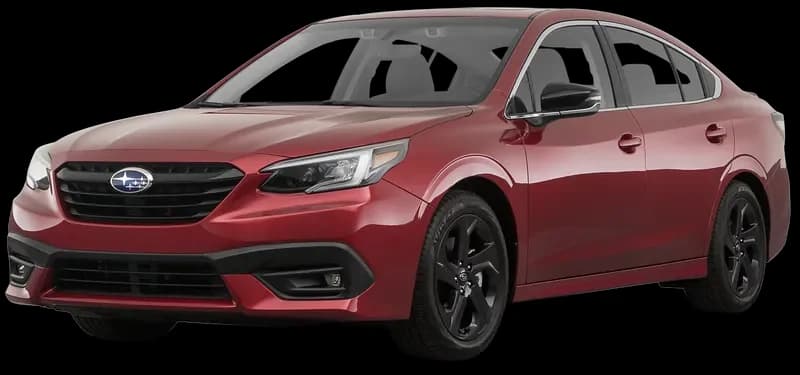






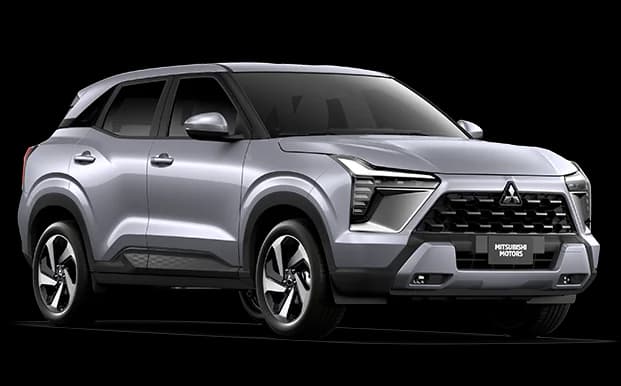
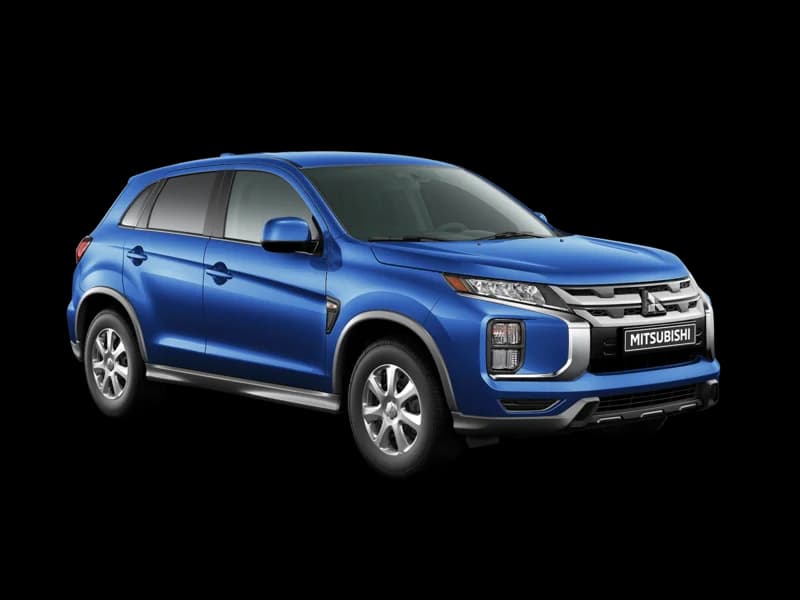
Mitsubishi Outlander Sport (2027)
Affordable, practical AWD utility with strong warranty coverage, but modest power and dated refinement.
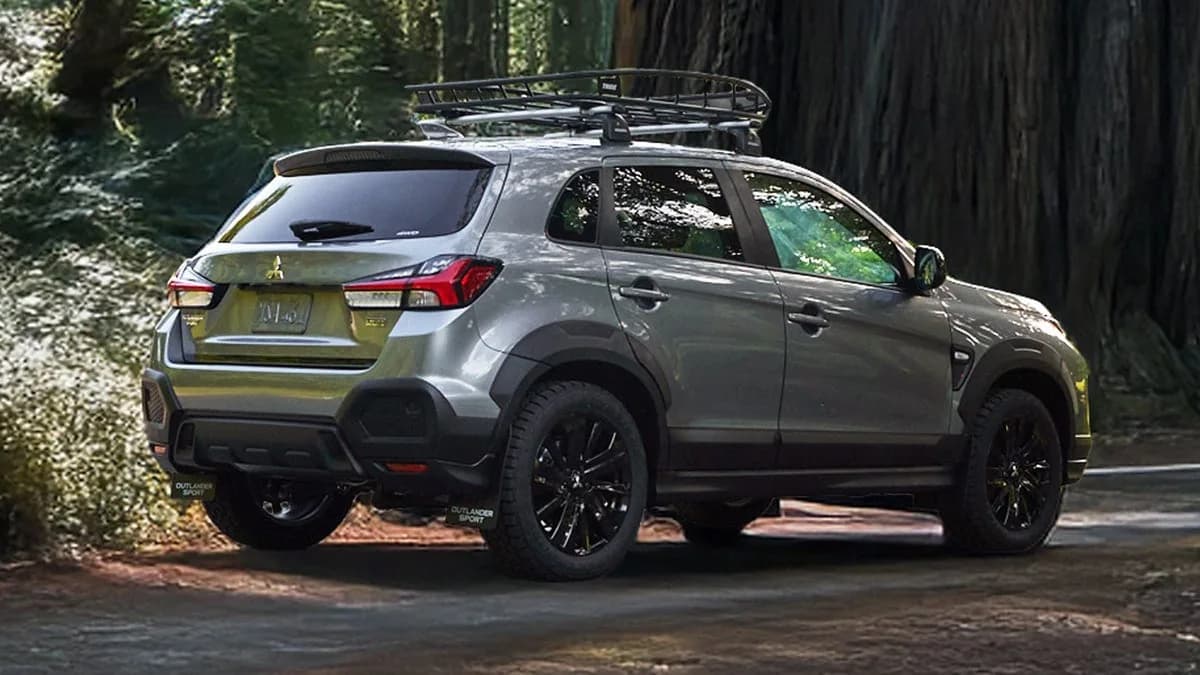
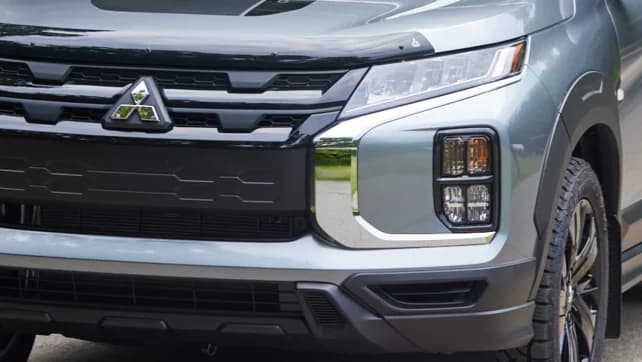
The 2027 Mitsubishi Outlander Sport is the no-drama small SUV for shoppers who need affordable, weather-ready transportation more than excitement. Its compact footprint, practical five-seat layout, and returning front-wheel-drive base model help keep costs manageable, while available all-wheel drive supports confident winter commuting. Mitsubishi’s simple, dependable formula is supported by praise for visibility, physical controls, flexible cargo space, and warranty coverage. Still, expert and owner feedback tempers the value story: the 148-hp engine and CVT are slow and noisy under pressure, while the cabin, rear seat, camera, and driver aids feel dated. It is worthwhile when price and traction lead the brief, but newer rivals offer more polish. Overall value depends on accepting modest performance in exchange for lower cost, utility, and reassurance.
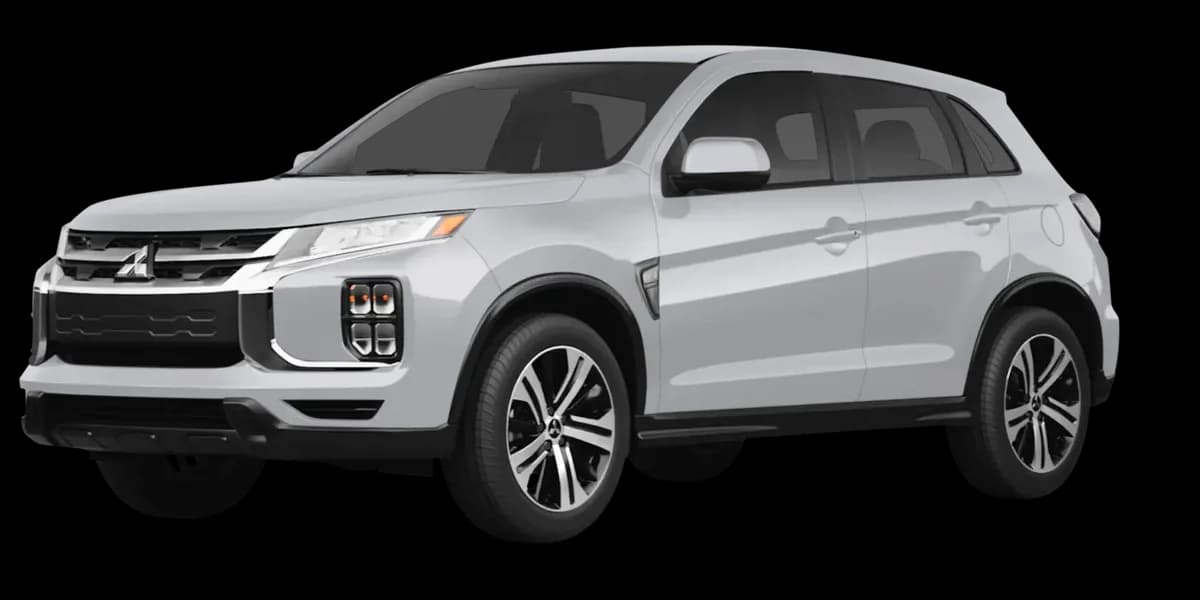
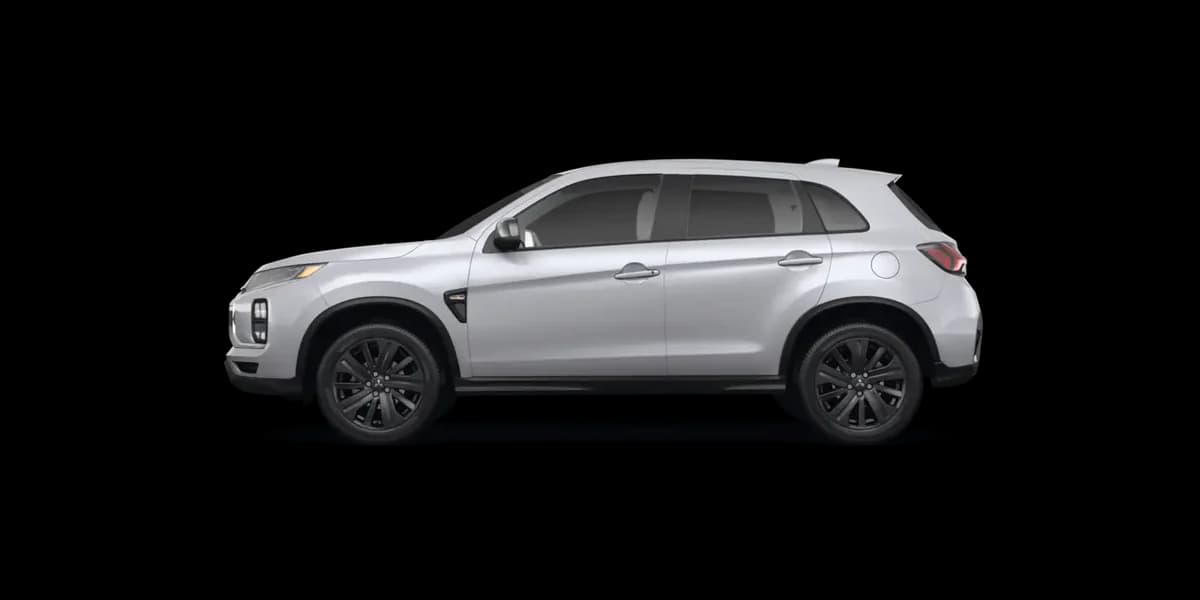
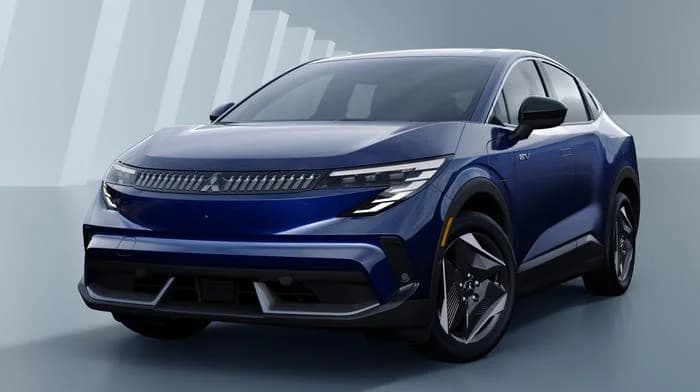
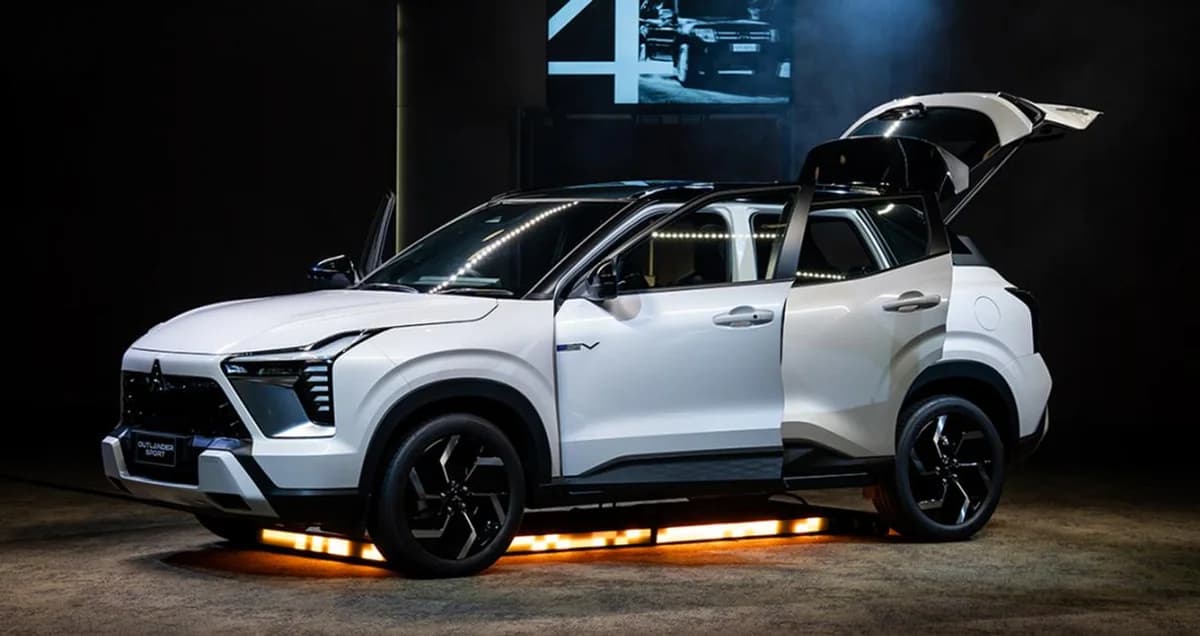
Find Yours
What is your primary use for a Gas-Powered SUV?
Answer to find your best matches.

The Field
Browse top contenders, or compare all options ranked by score and key attributes.
5 Options
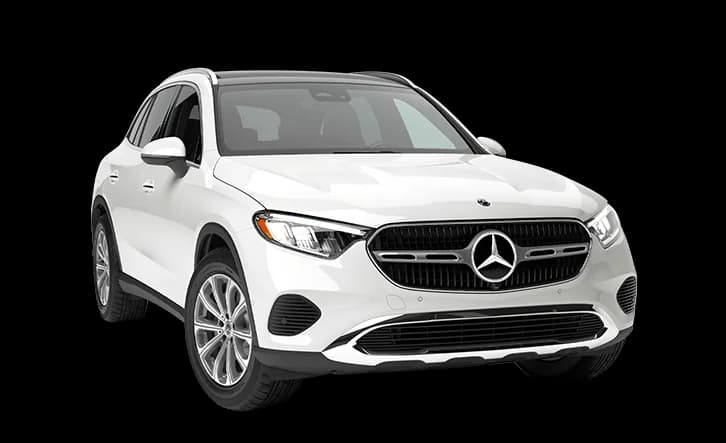
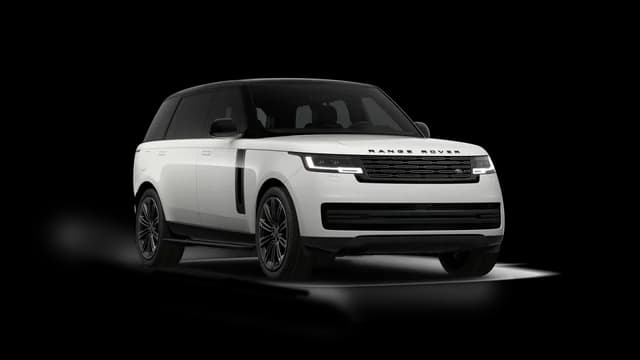
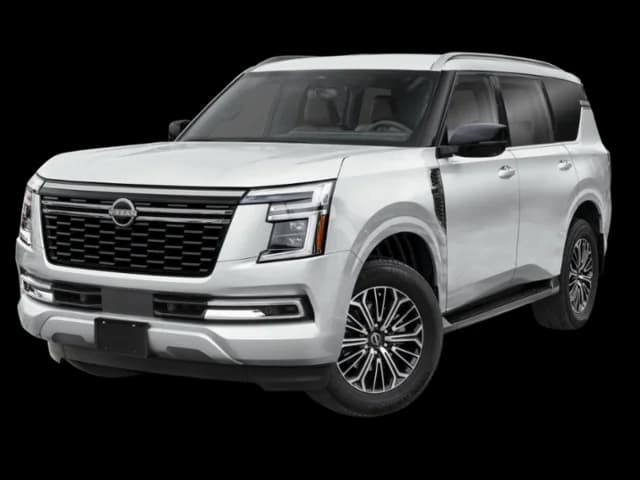
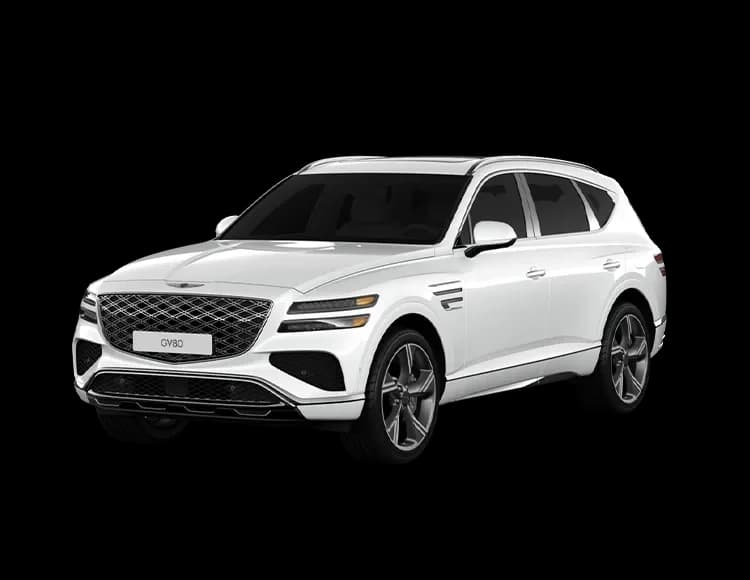

The Scoreboard
Does this improve your life? Considers, health, habits, and environmental impact.
Benefits
Small dimensions make parking, tight streets, and everyday errands noticeably easier.
Available all-wheel drive helps maintain control on snowy roads and slippery daily commutes.
Physical controls and clear infotainment reduce fiddling while driving or adjusting climate settings.
Flat-folding rear seats make grocery runs, luggage, and occasional bulky items easier to manage.
Long warranty coverage can make routine ownership feel more manageable when something needs attention.
Trade-Offs
Slow acceleration makes merging and climbing hills feel labored, especially with passengers aboard.
Engine and CVT noise rise during acceleration, making normal conversations less comfortable inside.
Firm ride tuning passes bumps sharply into the cabin during ordinary city driving.
Older infotainment and limited driver aids require more attention for everyday reversing and highway driving.
 Alternatives


Join the Circle
Where real meets deal
Know what's worth buying-and when.
Tips, special offers, and rewards for buying and sharing.

Publications
1 LEADING PUBLICATION REVIEWS

Car and Driver is decidedly unimpressed with the 2027 Mitsubishi Outlander Sport. It calls the SUV one of the weakest choices in its class, criticizing both four-cylinder engines, the unrefined CVT, dated low-rent cabin, tight rear seat, limited cargo practicality, and underwhelming tech and safety equipment. The 148-hp engine is especially sluggish, while the 168-hp upgrade brings only modestly better acceleration at the cost of fuel economy. Still, the Outlander Sport is easy enough to drive, brakes adequately, can tow up to 2,000 pounds, and returned 25 mpg in the publication’s highway test. Its strongest advantages are its reduced $25,290 starting price and excellent 10-year warranty. Even so, Car and Driver recommends considering alternatives such as the Chevy Trax or Kia Seltos, reserving the Outlander Sport only for buyers prioritizing low cost and warranty coverage.
By Drew Dorian

YouTube
5 LEADING EXPERT & INFLUENCER REVIEWS
 Ben Hardy
Ben Hardy is warmly positive about the Outlander Sport’s affordable, straightforward character. He appreciates its solid-feeling cabin, responsive infotainment, physical controls, practical flat-folding seats, spare tire, good visibility, and steering with some genuine weight. The 2.0-liter engine and CVT are clearly slow when driven aggressively, but Hardy argues they work well for relaxed commuting, delivering decent fuel economy and dependable, uncomplicated transportation. He also enjoys the nostalgic Mitsubishi “new-car” smell and values available all-wheel drive at roughly $30,000. Overall, his enthusiasm is genuine, though performance limitations and basic features remain evident.
Car Help CornerShari Prymak is skeptical of the Outlander Sport, viewing it as affordable but seriously outdated. He credits its simple, proven powertrain, potentially strong longevity, easy-to-use controls, decent space, and capable available AWD, making it a sensible bargain commuter or winter vehicle. However, he criticizes its sluggish, noisy performance, mediocre fuel economy, harsh ride, cheap interior, dated infotainment, limited base safety features, and questionable dealer support. His recommendation is highly conditional: consider only a deeply discounted base FWD or AWD model; otherwise, spending slightly more on a Mazda CX-30, Corolla Cross, or Crosstrek gets a substantially better-rounded SUV.
Gold PonyGold Pony is warmly positive about the Mitsubishi Outlander Sport, especially its snow-ready Super All-Wheel Control system, strong brakes, standard LED lighting, and unusually generous warranty coverage. The SUV felt comfortable, quiet, easy to steer, and capable in slippery conditions, though acceleration was merely adequate and the “Sport” name promises more excitement than it delivers. He criticized the weak four-speaker audio system and dim backup camera, and thought the model was overdue for a redesign. Overall, he views it as a practical, value-focused crossover with excellent traction and a few clear compromises.
Mzansi Popular RidesMzansi Popular Rides is cautiously positive about the Mitsubishi Outlander Sport, viewing it as a stylish, comfortable, fuel-efficient alternative to Chinese rivals rather than a performance SUV. The reviewer was impressed by its smooth ride, confident light-gravel manners, premium-feeling interior, Yamaha audio system, practicality, and potential reliability. However, the 1.5-liter engine feels strained when loaded, the CVT drones under acceleration, and the absence of adaptive cruise control and lane-keep assist is disappointing at this price. Overall, it makes sense for relaxed daily driving and low running costs, but not for buyers prioritizing power or advanced safety technology.
Shane AssadShane Assad is strongly impressed by the Mitsubishi Outlander Sport, especially its distinctive styling and unusually good CVT. He praises the supportive leather seats, practical 480-liter boot, physical climate controls, wireless smartphone integration, agile handling, solid build quality, and excellent real-world fuel economy of roughly 6.7–6.9 L/100 km. His reservations are measured: the ride is firm, the Yamaha audio lacks bass and volume, the wireless charger is unreliable with a large iPhone, and there’s no 360-degree camera or AWD. Overall, he considers it a compelling, different-feeling Japanese alternative for buyers avoiding Chinese SUVs.

Social
2 INFLUENCER REVIEWS
 Phoebe Nyashanu🌺
Phoebe Nyashanu is upbeat about the Mitsubishi Outlander Sport, offering a playful but useful explanation of its “L” low-gear setting. She explains that it increases engine braking and low-speed torque, making steep descents safer, easing brake strain, improving control while towing, and limiting wheelspin on slippery surfaces or sand. The clip is more of an enthusiastic feature explainer than a full vehicle review, so it provides no meaningful criticism, performance figures, or broader assessment of the SUV.
 SANTEFIREMOTORING
Santefire Motoring is genuinely enthusiastic about the Mitsubishi Outlander Sport. They like its sharp geometric lighting, comfortable faux-leather seats, colorful interior, connectivity, and practical family touches, while calling the Yamaha audio upgrade worthwhile. The strongest evidence is fuel economy of 7.1 L/100 km over 300 kilometers. However, the naturally aspirated 1.5-liter engine produces modest power, and the seats lack electronic adjustment. Overall, it comes across as a spacious, comfortable, relatively affordable, fuel-efficient SUV with fresh styling and strong everyday value.

Forum Reviews
CUSTOMER REVIEWS FROM 1 FORUM
Redditors generally view the Mitsubishi Outlander Sport positively as an affordable, dependable utility vehicle. Owners praise its low purchase price, useful equipment, compact practicality, capable 4WD in snow, and impressive longevity when maintained properly. It is not exciting or especially refined: the 2.0-liter engine can feel sluggish, road and wind noise are noticeable, and the aging design and platform draw criticism. The CVT is the main concern, requiring documented fluid servicing and making warranty coverage wise on used examples. Overall, it suits buyers prioritizing inexpensive, reliable transportation over performance, luxury, or modern styling.
Many comments

In-Depth Review

Highlights
- •Available All-Wheel DriveReviewers report reassuring snow traction.
- •Extended Warranty ProtectionMarketed with unusually generous coverage.
- •Flexible Cargo SpaceFlat-folding seats simplify bulky-item loading.
- •Simple Cabin ControlsPhysical controls simplify everyday adjustments.

Considerations
- •Weak AccelerationMerging and hills expose limited output.
- •Noisy CVT ResponseHard acceleration produces a pronounced drone.
- •Dated Cabin DesignLow-rent materials make the age apparent.
- •Tight Rear SeatingRear bench limits adult passenger comfort.
Mitsubishi’s Outlander Sport remains a value-focused small SUV, aimed at practical drivers rather than thrill seekers. Its compact footprint, available all-wheel drive, and straightforward controls suit commuters, first-time SUV buyers, and small households seeking affordable everyday transport. The 2027 return of front-wheel drive sharpens its price appeal, while the familiar gasoline engines and CVT keep the formula simple—though not especially quick. In the sections ahead, we’ll examine its 148-hp four-cylinder, cabin materials and usability, rear-seat comfort, flexible cargo area, real-world efficiency, and composed braking and handling. Compared with newer rivals, its strengths are traction, warranty reassurance, and uncomplicated ownership; its compromises include dated technology and a noisy powertrain under pressure. If low cost matters more than polish, review each area closely—the Outlander Sport may be modest, but it knows its lane.
Cargo Practicality
The Outlander Sport handles everyday hauling better than its modest exterior footprint suggests. It offers about 21.7 cubic feet behind the rear seats and roughly 49.5 cubic feet with them folded, with flat-folding seatbacks making luggage, groceries, and occasional bulky loads easier to arrange. A spare tire is another useful ownership detail praised by reviewers. Still, some expert assessments find its cargo practicality merely average, so the space is best understood as flexible commuter utility rather than a substitute for a larger family SUV.
Fuel Economy
Fuel economy is reasonable, but real-world results vary with drivetrain, engine, and driving style. Published figures for related AWD versions land around 23 city and 29 highway mpg, while Car and Driver recorded 25 mpg on a highway test. Several video reviewers report stronger everyday outcomes, including roughly 6.7–7.1 L/100 km, although those results should not be treated as universal. The smaller engine can save money when driven gently, but frequent hard acceleration makes the CVT work noisily and can erode its efficiency advantage.
Ride And Handling
The Outlander Sport feels composed and predictable rather than genuinely sporty. Its available Super All-Wheel Control system receives positive feedback for snow and slippery-road traction, while strong brakes, good visibility, and steering with some weight make daily driving reassuring. Reviewers also describe it as quiet and comfortable in ordinary use, but others report a firm ride that passes sharper bumps into the cabin. Handling is agile enough for city streets, yet the “Sport” badge overstates its performance character, and it remains less refined than newer alternatives.
Interior Materials
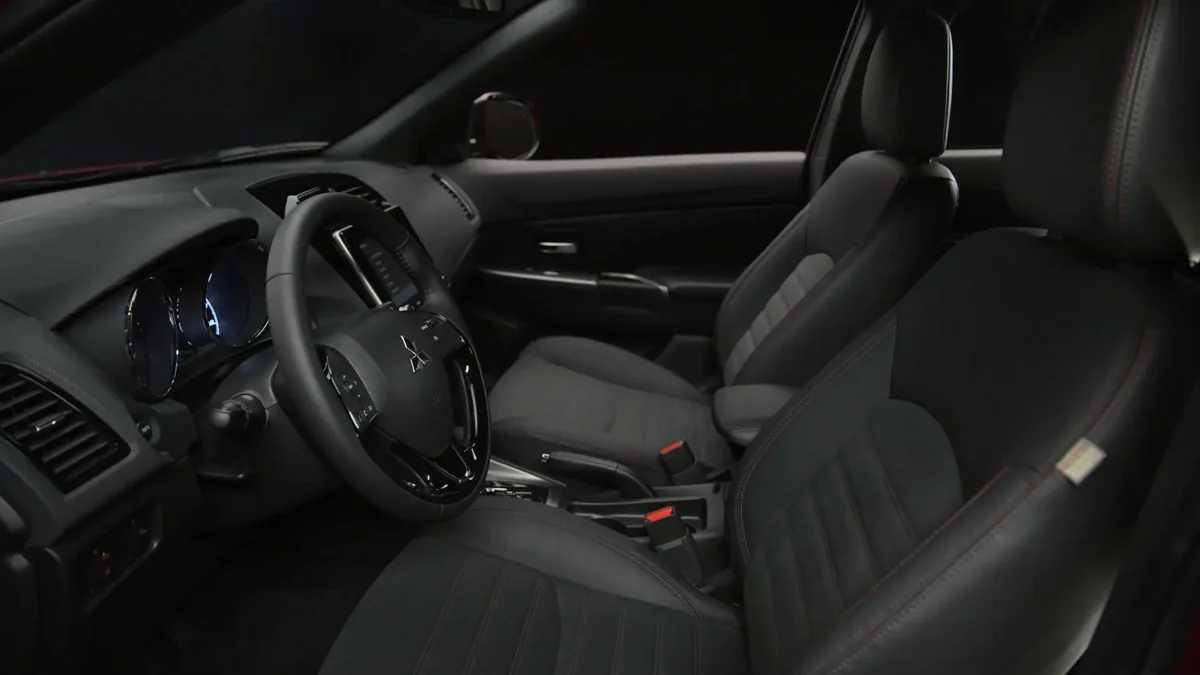
The cabin is functional and easy to operate, though its age is increasingly obvious. Supportive seats, physical climate controls, useful visibility, and responsive infotainment earn praise from some video reviewers, while others describe the materials as low-rent plastics and the overall design as dated. The 8.0-inch infotainment display provides familiar connectivity, but audio quality, camera clarity, and available driver assistance can lag newer rivals. In practical terms, straightforward controls are a genuine usability strength, but shoppers prioritizing polish or modern technology may find the interior underwhelming.
Powertrain And CVT
The Outlander Sport gets around town adequately, but it is not quick. The standard 148-hp 2.0-liter naturally aspirated four-cylinder works with a continuously variable transmission, and both Car and Driver and user comments describe acceleration as sluggish, especially when merging, climbing, or carrying passengers. The CVT keeps driving simple, yet it can drone loudly under throttle. A 168-hp 2.4-liter four-cylinder improves response only modestly, so this SUV suits relaxed commuting better than spirited driving; used examples also deserve documented CVT-fluid servicing.
Rear Seat Comfort
Rear-seat usability is acceptable for short trips but less convincing for regular adult passengers. The five-seat layout is convenient for small families, yet expert criticism points to a tight rear bench, which limits stretch-out room compared with newer competitors. The upright crossover shape helps visibility and access, while the compact 105.1-inch wheelbase favors maneuverability over spaciousness. Families should try the back seat with their usual passengers before buying, particularly if child seats, tall occupants, or frequent road trips are part of the plan.
Conclusion
The final read is a practical bargain with a decidedly old-school personality: the 148-hp engine and CVT handle relaxed commuting but feel slow and noisy when merging or climbing. Its cabin is easy to operate, though dated materials and limited technology undercut the solid visibility and straightforward controls. The rear seat is best for shorter trips, while flat-folding seats provide useful cargo flexibility. Fuel economy is reasonable, especially with gentle driving, and available AWD, predictable handling, and strong brakes add confidence in poor weather. Owners and reviewers tend to value its simplicity, warranty protection, and durability more than excitement or polish. That makes the Outlander Sport a sensible choice for budget-focused commuters who prioritize traction and utility, but a weak fit for shoppers seeking refinement, rear-seat room, or modern power. Its strengths justify consideration, though the compromises make it a measured rather than enthusiastic recommendation.

Feature Scores
This reflects reviews and ratings from established critics, journalists, and users who have evaluated the item. Their opinions provide a comprehensive assessment.
Performance
Engine Power
2/5
Acceleration
2/5
Towing Capacity
3/5
Fuel Efficiency
3/5
Reliability
4/5
Durability
4/5
Value
Purchase Price
4/5
Operating Cost
3/5
Resale Value
2/5
Design
Interior Space
3/5
Cargo Capacity
3/5
Ergonomics
3/5
Exterior Styling
3/5
Health
Cabin Air Quality
TBD
Interior Material Toxicity
TBD
Safety
Crashworthiness
TBD
Active Driver Assistance
2/5
Braking Performance
3/5
Visibility and Lighting
4/5
Sustainability
Tailpipe Emissions
2/5
Fuel Lifecycle Emissions
2/5
Use of Recycled Materials
TBD
End-of-Life Recyclability
TBD
Experience Style
Infotainment Features
3/5
Ride Comfort Tuning
3/5
Customization Options
3/5

Specifications
This section outlines the product's key facts, covering essential features, details, dimensions, materials, and any unique characteristics that define its functionality and usability.
Performance
Value
Design
Safety
Sustainability
Experience Style

Frequently Asked Questions
3 Questions

Find Yours
What is your primary use for a Gas-Powered SUV?
Answer to find your best matches.