


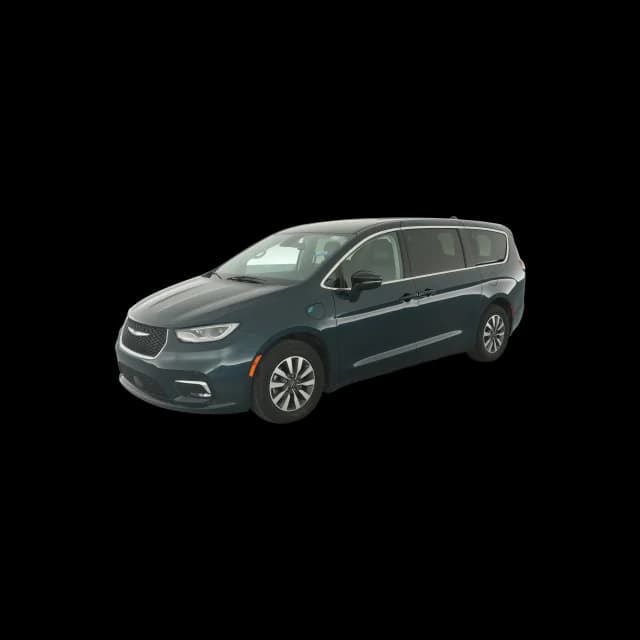
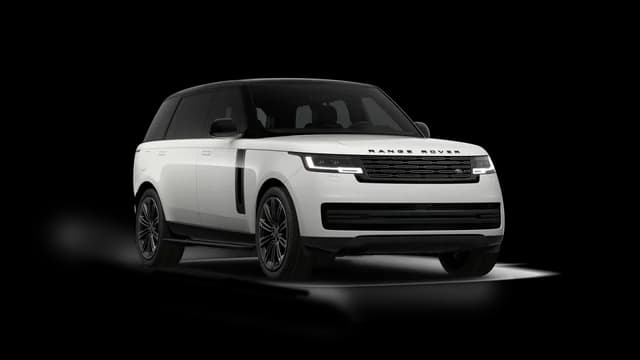
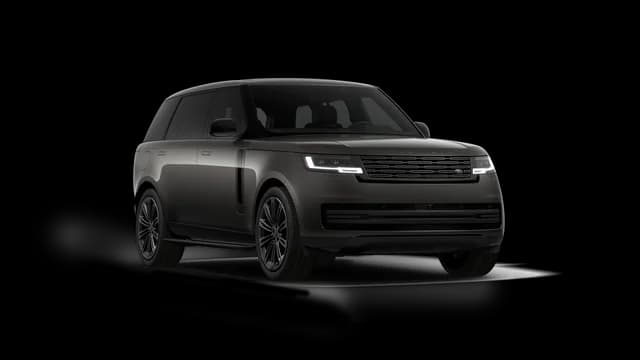
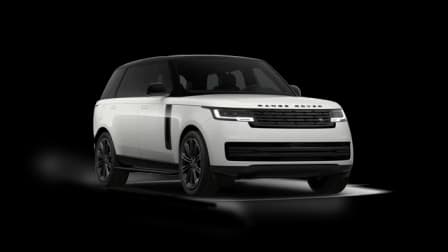
Land Rover Range Rover (2027)
Serene, capable, and prestigious, but costly and reliability concerns temper its appeal.
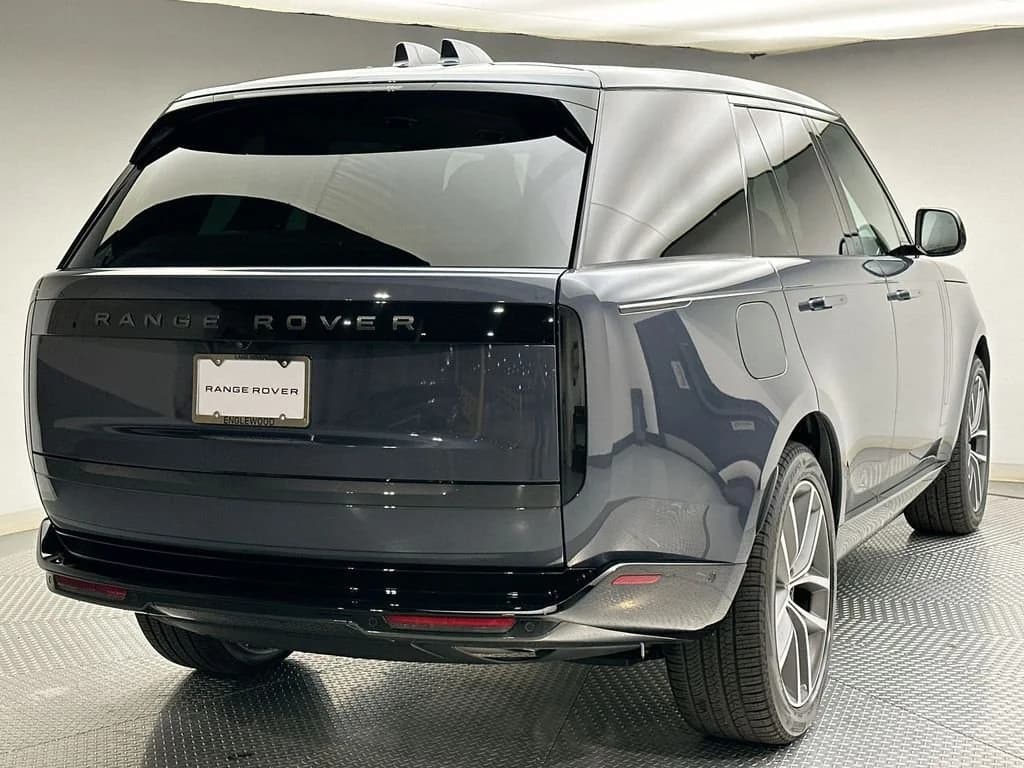
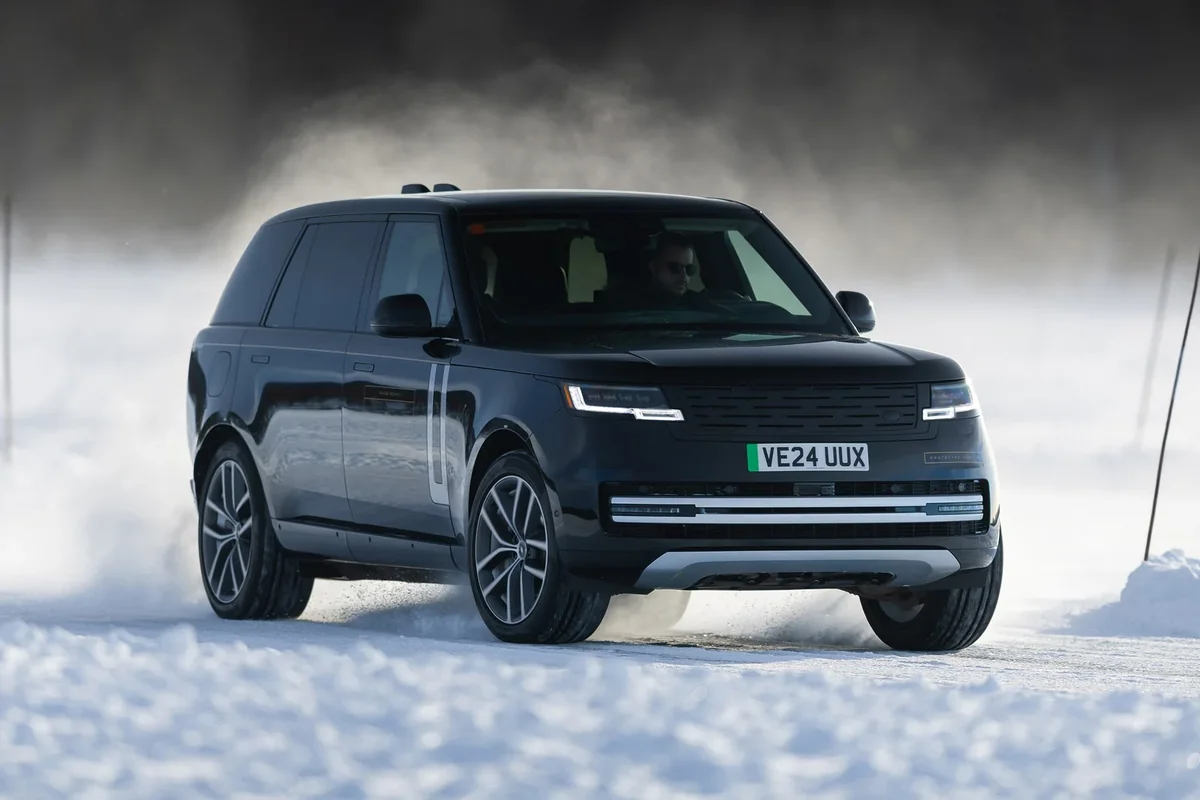
The Land Rover Range Rover (2027) is a rolling sanctuary for affluent buyers who want executive comfort, unmistakable status, and real off-road ability in one vehicle. Its air suspension delivers the much-praised magic-carpet ride, while available V8 power, all-wheel drive, and more than 11 inches of clearance support effortless travel well beyond pavement. The brand’s luxury claims are largely validated by reviewers, though uneven panel gaps, rattles, cheap plastics, and screen-heavy controls dilute the premium feel. The LWB offers valuable rear space, but the third row is tight. Starting around $115,750, it earns its price in breadth, not practicality, with repairs, depreciation, and reliability concerns challenging the value. Overall appeal rests on comfort and capability, balanced against ownership risk.
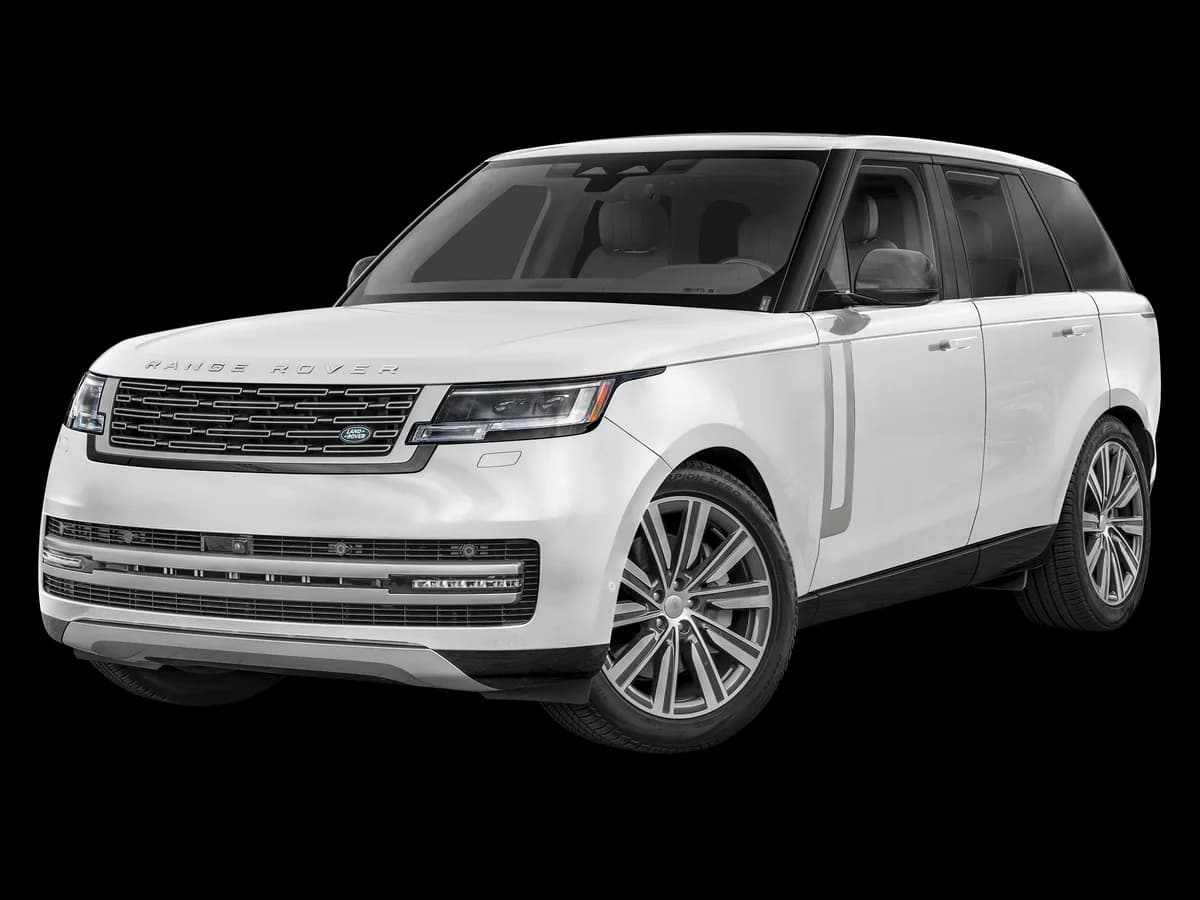
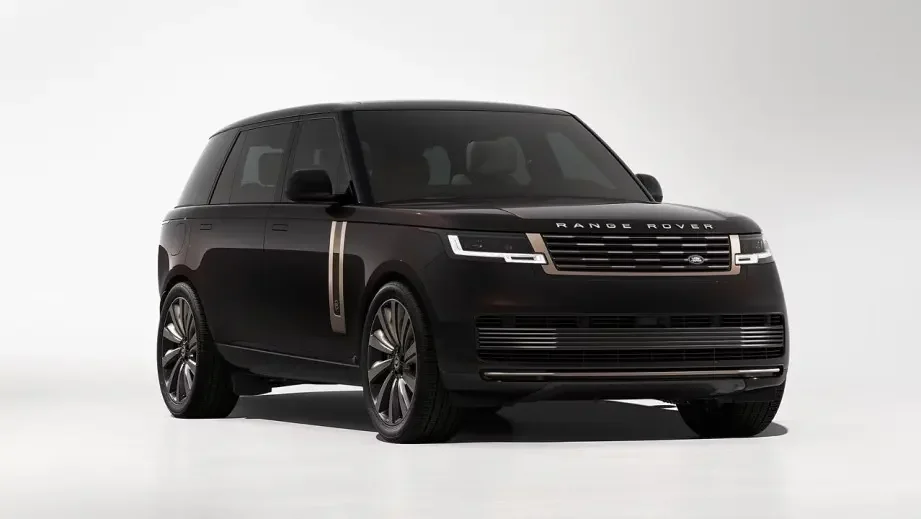
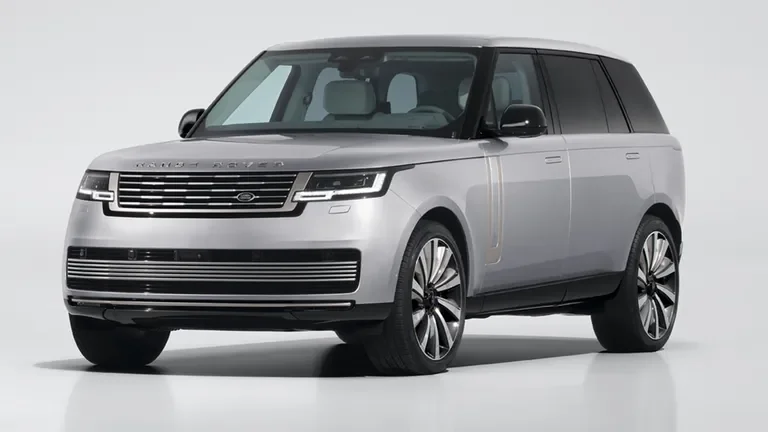
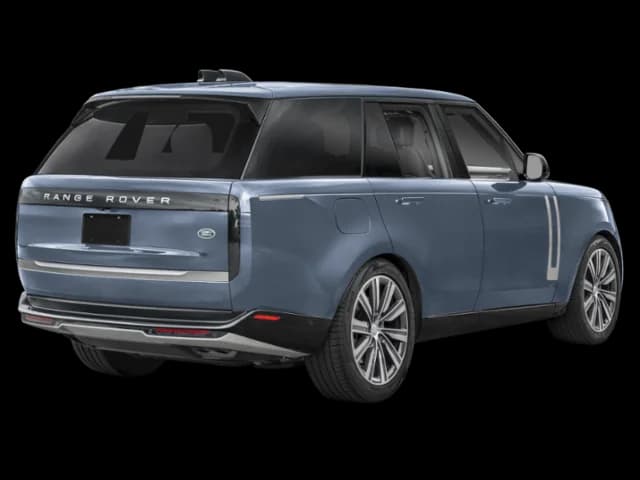
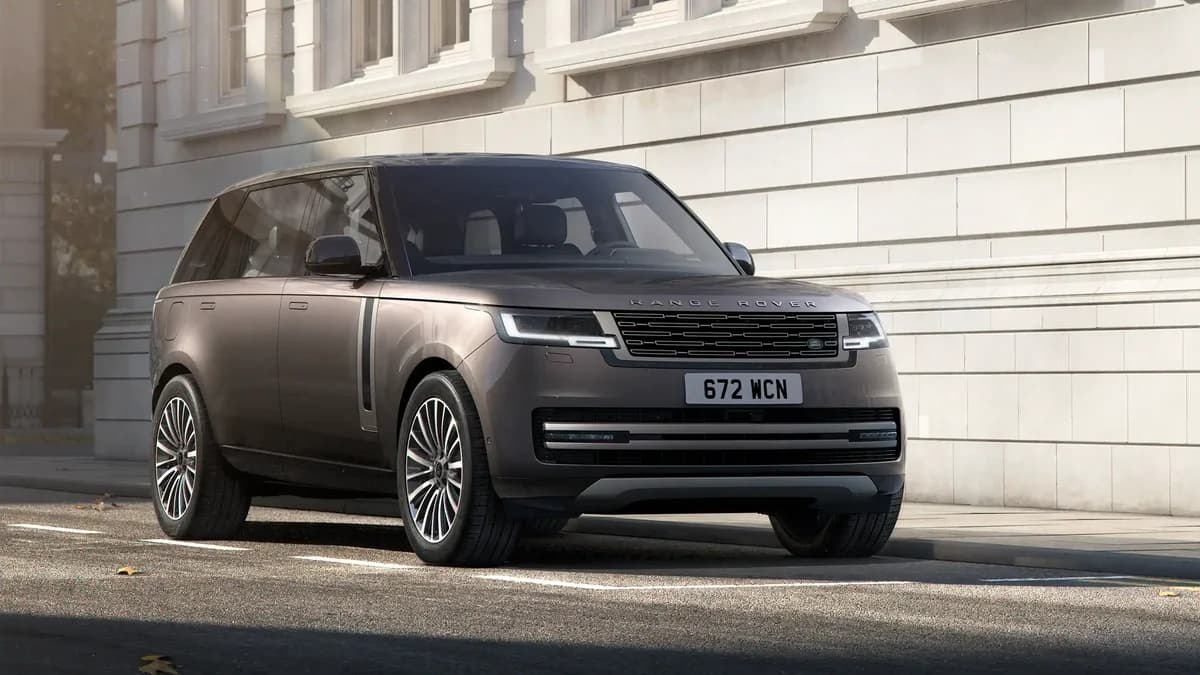
Find Yours
What is your primary use for a Gas-Powered SUV?
Answer to find your best matches.

The Field
Browse top contenders, or compare all options ranked by score and key attributes.
5 Options
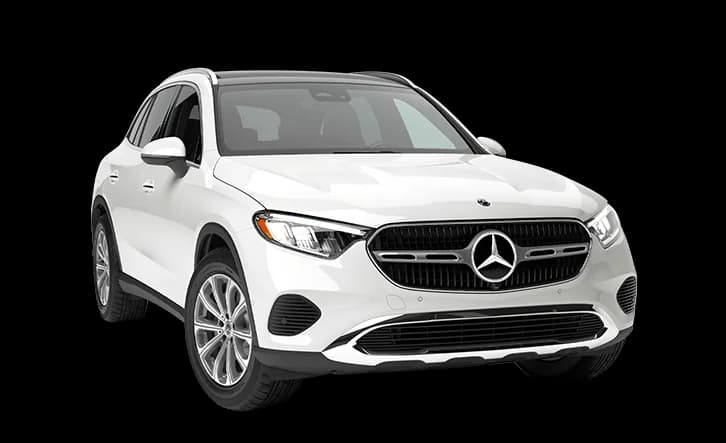
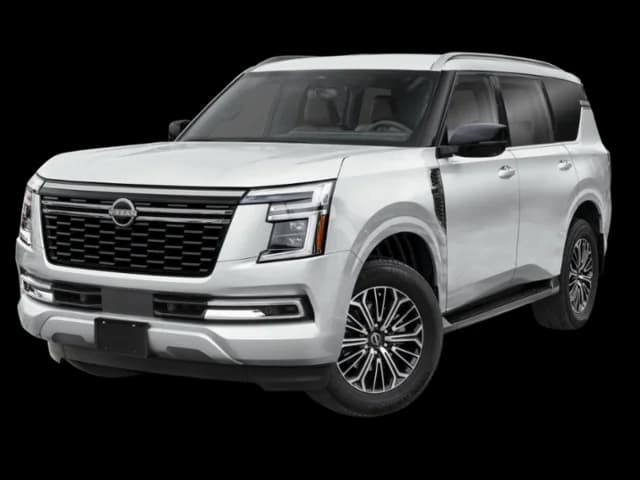
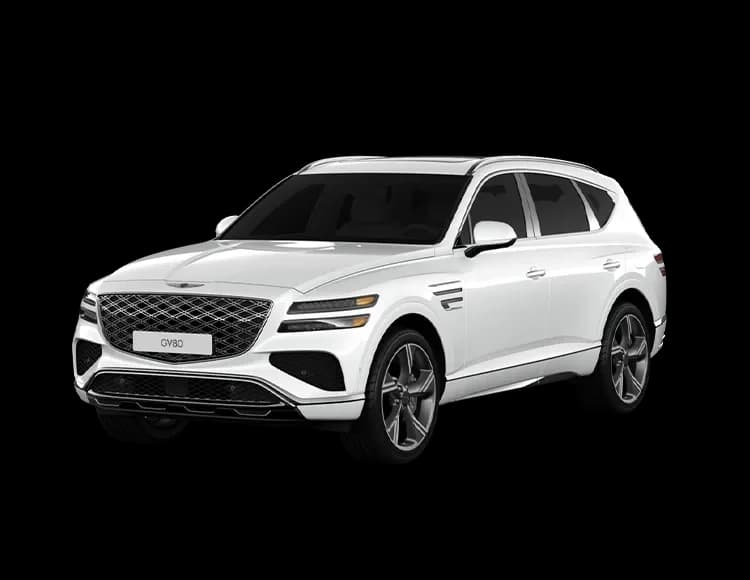


The Scoreboard
Does this improve your life? Considers, health, habits, and environmental impact.
Benefits
Air suspension and supportive seats make long drives feel unusually calm and easy.
Strong insulation keeps conversation easy and makes everyday travel feel more peaceful.
High clearance, terrain modes, and cameras make rough roads feel straightforward and controlled.
The LWB gives rear passengers generous legroom, while flexible seating supports families and chauffeured trips.
Its unmistakable design makes arrival feel special without sacrificing everyday comfort or usability.
Trade-Offs
Adjusting climate or seat functions means tapping through menus instead of reaching for familiar controls.
Taller passengers quickly run short on legroom, making longer family trips uncomfortable in back.
Loud climate fans can interrupt quiet cabin moments, especially when cooling or heating quickly.
Recurring electronic glitches or repairs can interrupt routines and leave useful features unavailable.
 Alternatives


Join the Circle
Where real meets deal
Know what's worth buying-and when.
Tips, special offers, and rewards for buying and sharing.

Publications
2 LEADING PUBLICATION REVIEWS

Car and Driver is highly enthusiastic about the 2027 Range Rover. It portrays this SUV as an unusually convincing blend of first-class luxury, effortless power, plush ride comfort, and genuine off-road ability—an expensive status symbol that actually earns its reputation. The review especially favors the Autobiography trim, long-wheelbase configuration, and smooth, powerful P530 V-8. It also backs up the praise with testing: the Range Rover returned 23 mpg on the highway and swallowed up to 32 carry-on cases with the seats folded. Still, the BMW X7 is quicker, plug-in hybrids offer only about 21 miles of electric range, the third row is cramped for tall adults, and scheduled maintenance isn’t included. At $115,750 to over $255,000, it’s hardly practical, but the reviewer considers its exceptional breadth and refinement worth the royal price.
By Drew Dorian
Edmunds is positive about the Range Rover, though its flaws temper the luxury experience. The SUV combines an exceptionally smooth ride, commanding visibility, sumptuous seating, striking design, and genuinely impressive off-road ability, with more than 11 inches of ground clearance, terrain modes, and strong towing capacity. Its presence and air suspension create a special sense of occasion, while the P400 delivers respectable real-world fuel economy for such a large vehicle. However, handling is soft and vague, the small third row and limited cargo space reduce practicality, and the touchscreen-heavy controls can be frustrating. Loud climate fans, below-average efficiency, rattles, creaks, and questionable build quality are especially disappointing in a vehicle costing well over $100,000. The Range Rover remains a compelling choice for buyers prioritizing prestige, comfort, and off-road capability, but Edmunds’ 6.6/10 reflects meaningful compromises and weaker value than several rivals.
By Alex Nishimoto

YouTube
6 LEADING EXPERT & INFLUENCER REVIEWS
 carwow
Mat Watson is enthusiastic about the Range Rover’s design, luxury, comfort, and commanding driving position. He admires its spacious LWB cabin, better third-row comfort, thick-pile mats, leather roof lining, strong diesel cruising ability, and exceptionally tight turning circle aided by rear-wheel steering. However, he criticizes uneven panel gaps, cheap-looking interior plastics, crooked buttons, and sloppy dashboard stitching—details he feels undermine Land Rover’s Bentley ambitions. The Range Rover feels more special, relaxing, and desirable than the BMW X7, but Watson ultimately chooses the X7 for superior build quality, sharper handling, stronger performance, and better value.
Kirk KreifelsKirk Kreifels is impressed by the Range Rover’s serenity, comfort, and unmistakable luxury presence, but wouldn’t buy one himself. He praises the exceptionally smooth inline-six, magic-carpet ride, quiet cabin, capable off-road behavior, comfortable seats, and usable third row. However, nonlinear brakes, frustrating touch controls, cheap-feeling glossy trim, limited cargo space, and the optional heated windshield’s distracting glare undermine the experience. At over $120,000, Kreifels considers it too compromised and recommends the more practical Defender, Genesis GV80, Infiniti QX80, or BMW X7 instead—reserving the Range Rover for a steep discount or buyers prioritizing status above value.
TheStraightPipesJacob and Yuri are strongly impressed by the Range Rover’s speed, serenity, luxury materials, air suspension, rear steering, and excellent air-quality monitoring. The twin-turbo V8 feels exceptionally smooth and powerful, while the SUV’s presence and comfort make it appealing for status-conscious professionals. Still, their enthusiasm is tempered by the frustrating touchscreen, limited rear-screen control, awkward child-seat fit, cold wood steering wheel, disappointing third-row practicality, and steep depreciation. They also prefer the sportier Range Rover Sport SV and caution against risking this expensive SUV off-road. Overall, it feels “sick” and highly desirable, but not the smartest family or value choice.
savagegeeseSavagegeese is strongly impressed by the 2027 Range Rover, calling it a near-perfect luxury SUV. They praise its exceptionally quiet, vault-like cabin, elegant styling, spacious and configurable interior, supple ride, surprising nimbleness, and genuine off-road ability. The BMW V8 and ZF eight-speed are considered the ideal pairing, making the expensive SUV feel refined and effortless, while its broad capability outclasses options like the Escalade and X7. Criticisms center on cumbersome screen-based controls, poor expected reliability, high maintenance costs, and depreciation. Still, for wealthy buyers wanting a prestigious do-everything vehicle, Savagegeese views it as an irresistible guilty pleasure.
Ben HardyBen Hardy is strongly skeptical of the Range Rover’s reliability, despite admiring its exceptional driving experience. He considers the engines, transmission, air suspension, comfort, insulation, and V8 performance impressively smooth and capable, but argues that complex electronics are the real weakness. Failed screens, key recognition, seat-massage systems, interconnected software, and parts delays can leave owners without features—or even the vehicle—for weeks. Creaks from the panoramic roof and body add to his concerns. Hardy’s verdict is that the Range Rover feels extraordinary when working, but recommends the more reliable Defender instead, especially for buyers unwilling to tolerate expensive ownership frustrations.
Life In MotionLife In Motion is enthusiastically convinced this is the best Range Rover yet. The P440e plug-in hybrid combines exceptionally smooth, quiet, hotel-like comfort with a genuinely useful real-world electric range of about 70 miles, strong acceleration, superb cameras, easy maneuverability, and continued off-road ability. The reviewer especially appreciates the improved engine refinement, premium minimalist cabin, and everyday EV-like usability. The main caveat is cost—over £100,000—and the need to charge regularly, since an uncharged, nearly three-ton SUV becomes thirsty. Despite admitting a Defender offers about 70% of the experience for much less, he would buy the Range Rover if he could afford it.

Social
1 INFLUENCER REVIEW
 austindriveslux
Austin Drives Lux speaks enthusiastically about the 2027 Range Rover’s return to physical controls. Land Rover is bringing back a volume knob and Terrain Response dial, which Austin calls “awesome” after customer feedback, though climate controls and heated or cooled seats remain managed through the touchscreen. The video is more of an upbeat feature update than a full review, offering little evidence about real-world usability or other strengths and weaknesses. Overall, Austin clearly views the button comeback as a welcome improvement and invites viewers to decide whether they prefer physical controls or an all-screen setup.

Forum Reviews
CUSTOMER REVIEWS FROM 1 FORUM
Redditors are divided on the 2027 Range Rover, admiring its luxury while remaining wary of ownership costs and reliability. Its timeless, imposing design, quiet ride, comfort, and capable performance attract strong praise, and some owners describe them as genuinely magnificent when meticulously maintained. Still, recurring complaints target expensive repairs, electronics, software, theft risk, poor resale, and frustrating screen-based controls, especially the loss of physical climate knobs. Enthusiasm is strongest among existing owners and upgrade-minded fans, while new shoppers are generally advised to consider Lexus or Toyota unless they can comfortably fund frequent maintenance and warranty coverage.
Many comments

In-Depth Review

Highlights
- •Serene Air SuspensionReviewers describe a magic-carpet ride.
- •Authentic Off-Road AbilityDesigned to handle rough terrain confidently.
- •Effortless V8 PerformanceSmooth twin-turbo power supports relaxed cruising.
- •Executive Rear SpaceLWB configuration offers generous rear legroom.

Considerations
- •Complex Electronics ReliabilityGlitches can disable features for weeks.
- •Costly Ownership BurdenRepairs, maintenance, and depreciation reduce confidence.
- •Screen-Heavy ControlsClimate and seat adjustments remain menu-based.
- •Inconsistent Build ExecutionReviewers cite rattles, gaps, and cheap plastics.
The Range Rover remains a flagship luxury SUV, pairing first-class comfort with the off-road credibility that sets it apart from rivals such as the BMW X7 and Mercedes-Benz GLS. Designed for executive travel, long-distance cruising, family duty, and occasional rough terrain, it offers an unusually broad brief rather than a single specialty. The 2027 lineup brings updated design and electrified choices, while its air suspension, available V8 power, and more than 11 inches of clearance shape the signature experience. We’ll examine how that comfort translates on the road, how confidently it handles trails, and whether its performance and fuel economy justify the price. Just as important are the cabin’s material execution, flexible seating, third-row practicality, and 3,499-kg towing capacity. For affluent buyers seeking presence and versatility, these details matter—because even a royal carriage needs to earn its keep.
Ride Quality and Air Suspension
The Range Rover’s air suspension makes it exceptionally calm and comfortable on ordinary roads. Its magic-carpet ride absorbs broken pavement while substantial sound insulation creates a hushed, vault-like cabin, and reviewers also praise the supportive seats and commanding view. The system works with rear-wheel steering, contributing to a surprisingly tight turning circle and easier maneuvering than its size suggests. However, soft, vague handling and occasionally nonlinear brakes remind you this is tuned for serenity, not sporty precision. This is one area where expert and video feedback strongly supports Land Rover’s luxury positioning.
Cargo and Third-Row Space
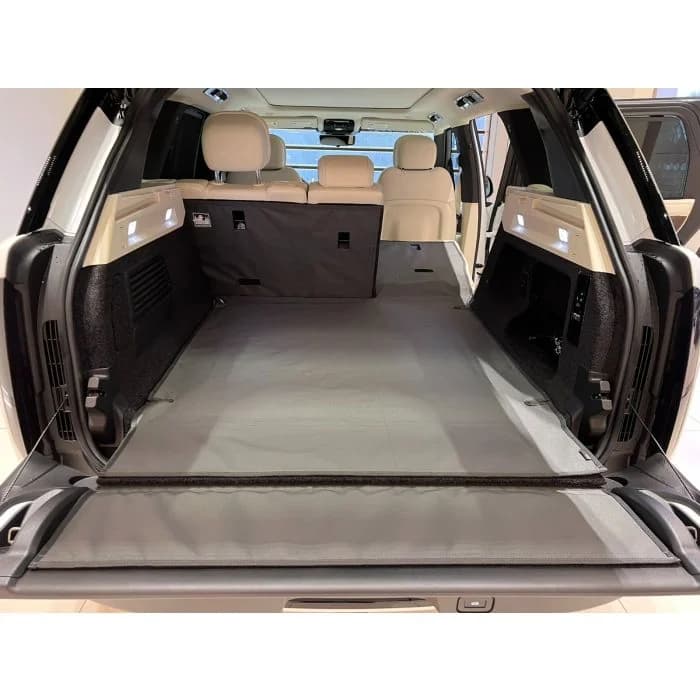
The Range Rover can be spacious for passengers, but its family practicality depends heavily on configuration. The long-wheelbase version provides generous rear legroom and can add a third row, making it attractive for executive transport or occasional family use. The specified five-seat model offers 1,152.4 liters behind the seats and up to 2,365.7 liters folded, while testing reportedly accommodated up to 32 carry-on cases. Still, the third row is cramped for taller adults, and limited cargo space with all seats occupied weakens its case as a practical three-row SUV.
Off-Road Capability and Ground Clearance
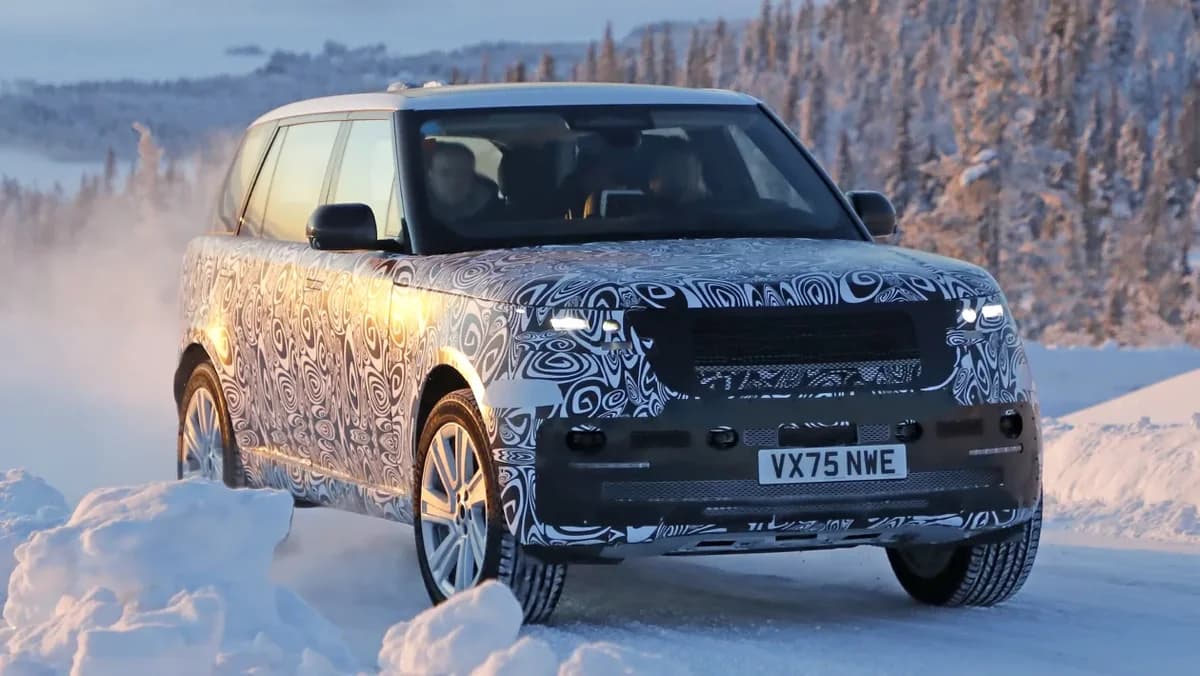
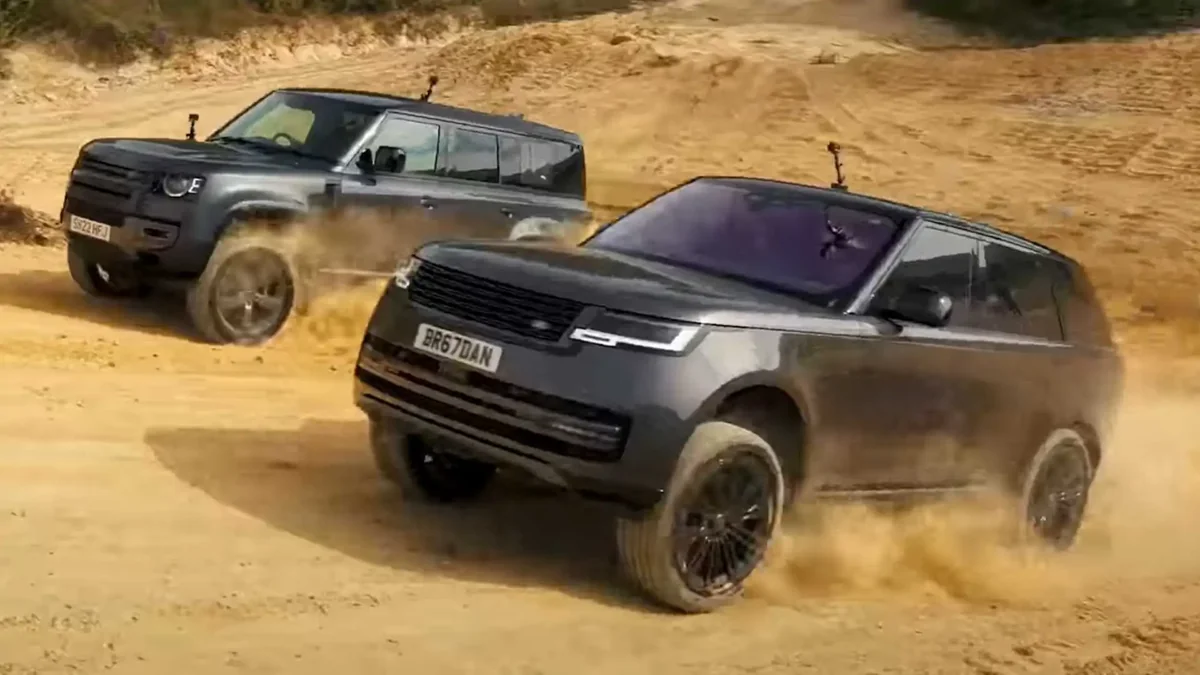
The Range Rover remains genuinely capable beyond pavement, not merely styled to look adventurous. With more than 11 inches of ground clearance, all-wheel drive, Terrain Response modes, air suspension, and useful camera views, it can handle rough tracks, snow, and uneven surfaces with unusual composure. Its 3,499-kg towing capacity also broadens its practical role. Reviewers consistently credit it with authentic off-road ability, although some owners and testers hesitate to risk such an expensive, electronically complex vehicle in harsh conditions. Capability is real, but repair exposure makes adventurous use a personal risk calculation.
Interior Build Quality
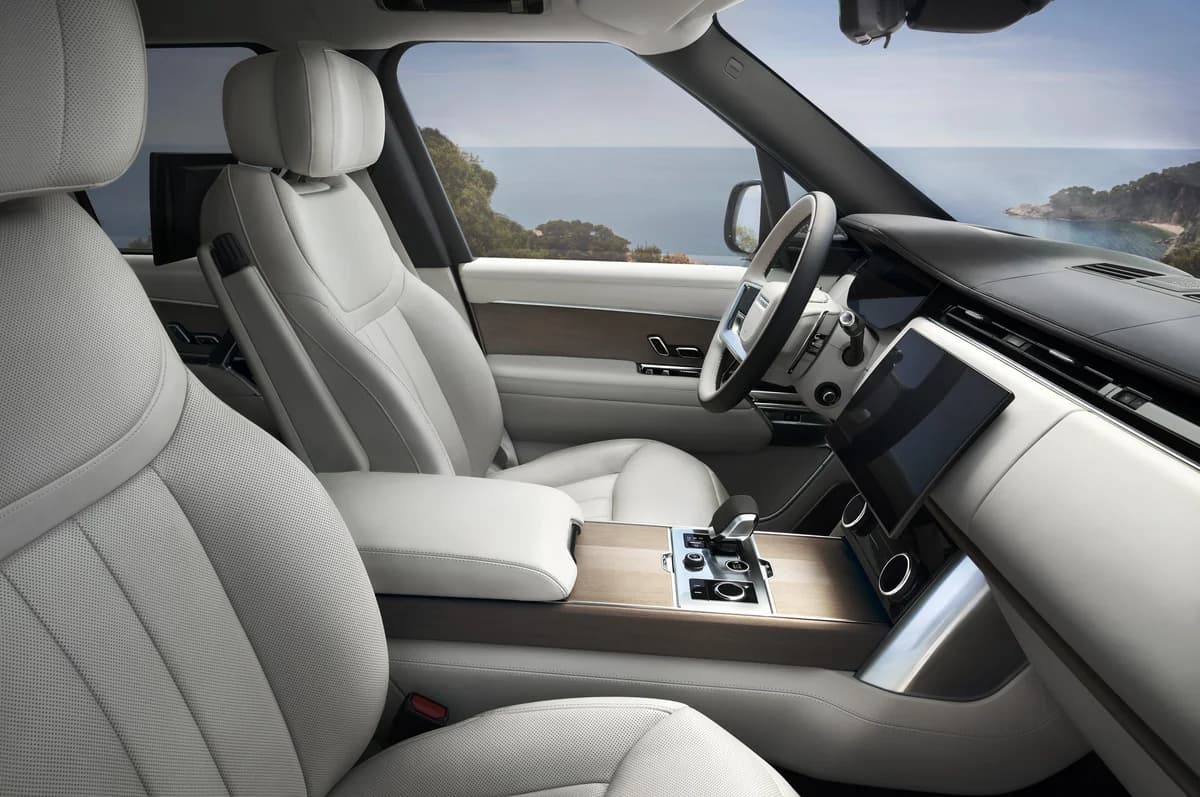
The cabin delivers first-class atmosphere, but execution is less consistently premium than the price suggests. Sumptuous seats, elegant materials, leather details, and strong insulation create the relaxed environment buyers expect, while the minimalist design feels genuinely special. Yet reviewers report uneven panel gaps, crooked buttons, sloppy stitching, glossy plastics, rattles, and creaks, with some controls buried in the touchscreen. The return of a physical volume knob and Terrain Response dial is encouraging, but climate and seat functions still require screen interaction. Feedback therefore separates perceived luxury from dependable build quality.
Powertrain Performance and Economy
The Range Rover offers effortless performance, but the best choice depends on how you drive. The P530 twin-turbo V8 delivers smooth, abundant power, while the 3.0-liter six-cylinder produces 395 hp and reaches 60 mph in a stated 5.3 seconds. Plug-in-hybrid versions can provide useful electric commuting when charged, though one authoritative test found roughly 21 miles of electric range, and the specified mild-hybrid model remains gasoline-dependent. A tested Range Rover returned 23 mpg on the highway, respectable for its size, but fuel, maintenance, and depreciation remain costly.
Towing Capacity
The Range Rover’s towing ability adds useful substance to its luxury image. A rated 3,499 kg maximum tow limit supports substantial trailers when properly equipped, and all-wheel drive, adjustable air suspension, and Terrain Response modes should help maintain traction across changing surfaces. That combination is more versatile than the SUV’s polished appearance suggests, especially for owners who travel with boats, trailers, or equipment. Actual suitability still depends on hitch equipment, trailer loading, and powertrain choice, so buyers should verify the exact configuration rather than assume every trim carries the maximum rating.
Conclusion
The Range Rover’s appeal is easy to understand: its air suspension delivers an exceptionally calm ride, while genuine ground clearance, all-wheel drive, and Terrain Response give its luxury image real off-road substance. Smooth six-cylinder and V8 power make long-distance travel effortless, though fuel use, maintenance, and depreciation remain expensive. The LWB offers valuable executive room, and its 3,499-kg towing capacity adds practical versatility, but the third row is better for occasional passengers than tall adults. Inside, sumptuous seats and a quiet atmosphere impress, yet inconsistent panel fit, rattles, glossy plastics, and screen-heavy controls weaken the premium execution. Owner concerns about electronics and repairs deserve serious weight. This is a compelling choice for affluent buyers who prioritize comfort, status, and breadth—and a poor fit for shoppers seeking predictable running costs, flawless build quality, or maximum family practicality. Its strong capability and luxury justify the premium, but the compromises make it a considered indulgence rather than an easy recommendation.

Feature Scores
This reflects reviews and ratings from established critics, journalists, and users who have evaluated the item. Their opinions provide a comprehensive assessment.
Performance
Engine Power
4/5
Acceleration
4/5
Towing Capacity
5/5
Fuel Efficiency
3/5
Reliability
1/5
Durability
2/5
Value
Purchase Price
1/5
Operating Cost
1/5
Resale Value
1/5
Design
Interior Space
4/5
Cargo Capacity
4/5
Ergonomics
3/5
Exterior Styling
5/5
Health
Cabin Air Quality
4/5
Interior Material Toxicity
TBD
Safety
Crashworthiness
TBD
Active Driver Assistance
3/5
Braking Performance
2/5
Visibility and Lighting
4/5
Sustainability
Tailpipe Emissions
2/5
Fuel Lifecycle Emissions
2/5
Use of Recycled Materials
TBD
End-of-Life Recyclability
TBD
Experience Style
Infotainment Features
3/5
Ride Comfort Tuning
5/5
Customization Options
5/5

Specifications
This section outlines the product's key facts, covering essential features, details, dimensions, materials, and any unique characteristics that define its functionality and usability.
Performance
Value
Design
Safety
Sustainability
Experience Style

Frequently Asked Questions
9 Questions


Find Yours
What is your primary use for a Gas-Powered SUV?
Answer to find your best matches.