











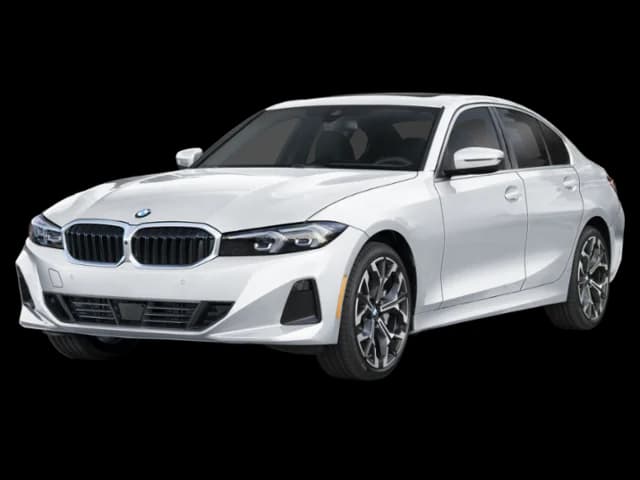
BMW 3 Series (2026)
Sporty, refined, and efficient with premium appeal, but costly options and firm comfort temper it.
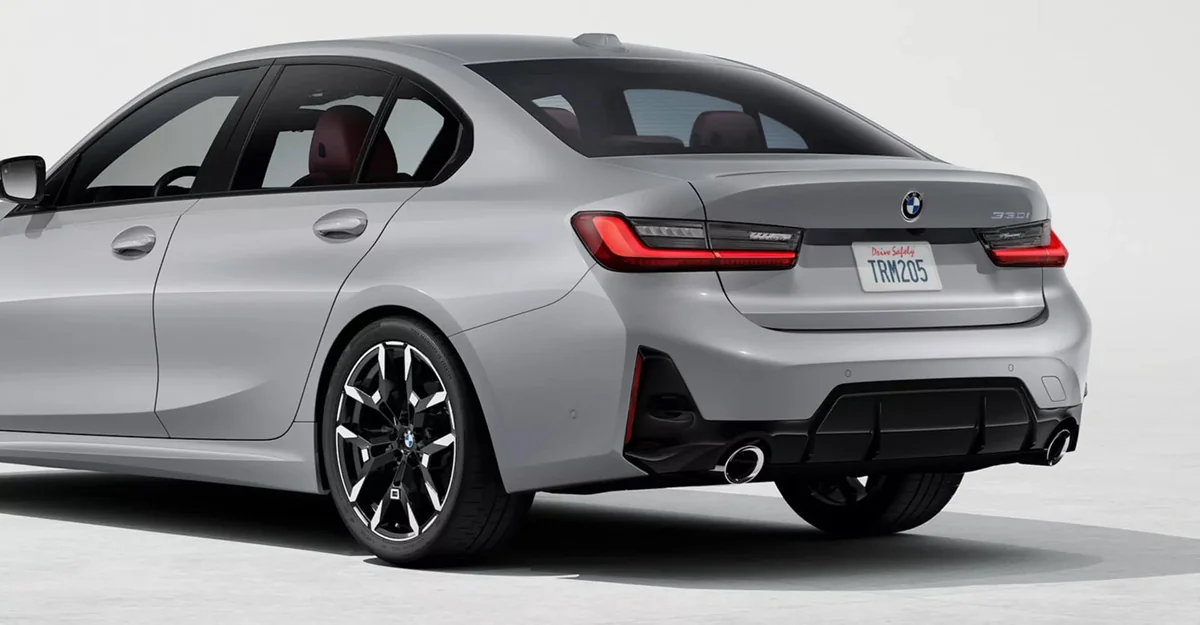
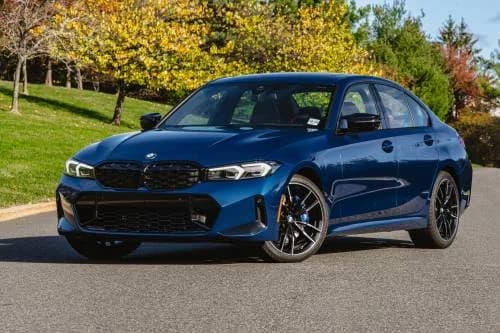
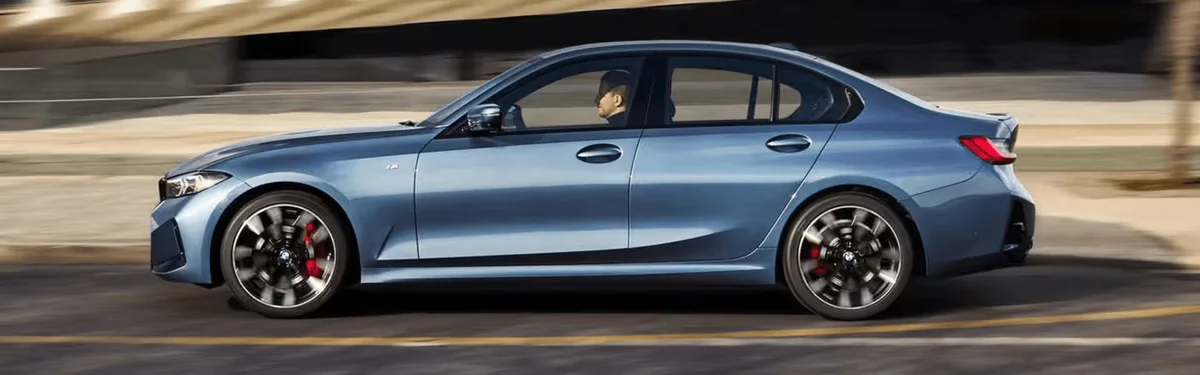
The BMW 3 Series (2026) is the compact luxury sedan for commuters and enthusiasts who want everyday polish without giving up driving involvement. Its rear-wheel-drive balance, sharp handling, and smooth eight-speed automatic support BMW’s sport-sedan promise, while reviewers confirm the 330i is efficient and quick enough for daily life and the M340i approaches M-car pace. The quiet, polished cabin and generous trunk add real usability, though firm tires, screen-heavy climate controls, merely adequate rear room, and expensive safety options temper the luxury experience. Starting near $48,000, the 330i offers the strongest value, while the M340i earns its premium for serious performance. Overall appeal depends on how buyers weigh engagement, efficiency, equipment costs, comfort, and ownership concerns.
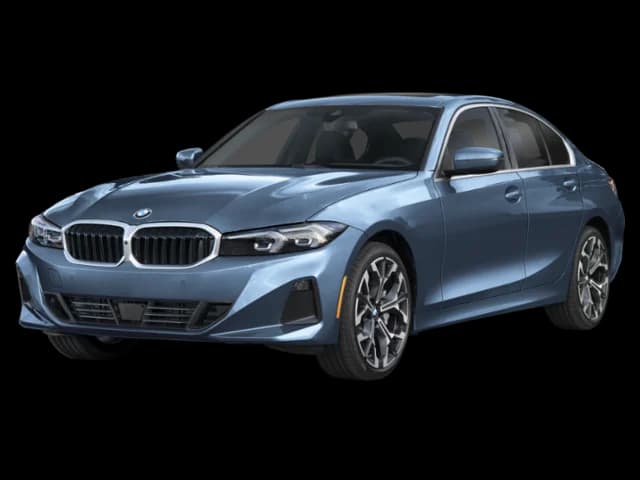
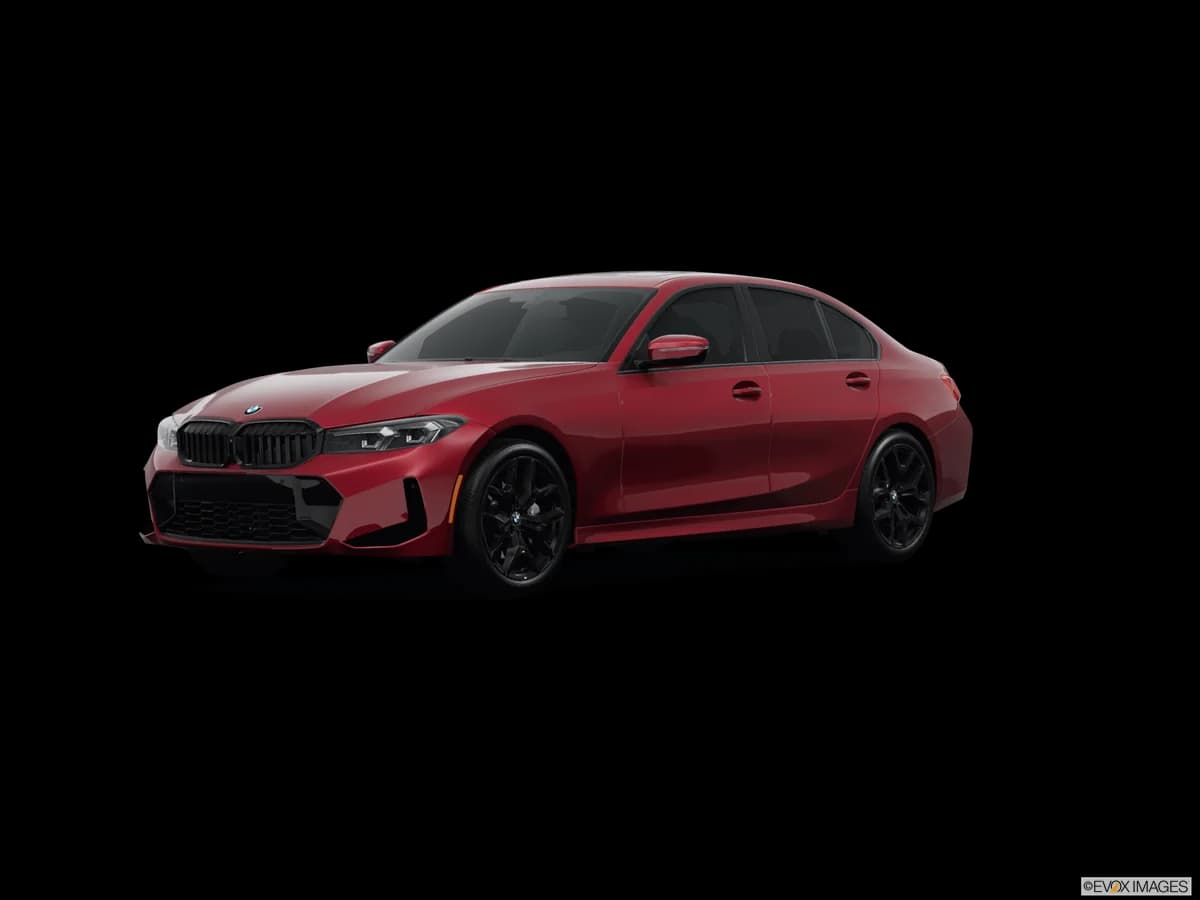
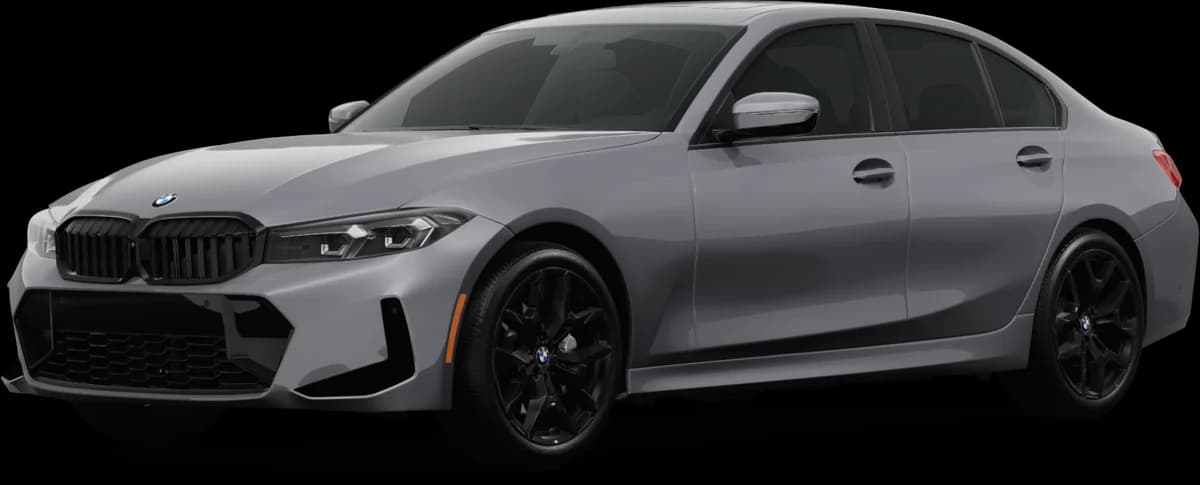
Find Yours
What is your primary use for a gas-powered sedan or compact?
Answer to find your best matches.

The Field
Browse top contenders, or compare all options ranked by score and key attributes.
5 Options

The Scoreboard
Does this improve your life? Considers, health, habits, and environmental impact.
Benefits
Responsive steering and balanced cornering make ordinary commutes feel composed and enjoyable.
Supportive seats, polished suspension, and smooth engines keep longer drives pleasantly manageable.
Strong cabin refinement makes conversations, music, and extended highway travel easier and more relaxing.
A generous trunk and folding rear seats handle groceries, luggage, and daily errands easily.
Trade-Offs
Climate controls live behind menus, so quick temperature changes require extra screen taps.
Sportier setups can feel busy over broken pavement, making routine city driving less relaxed.
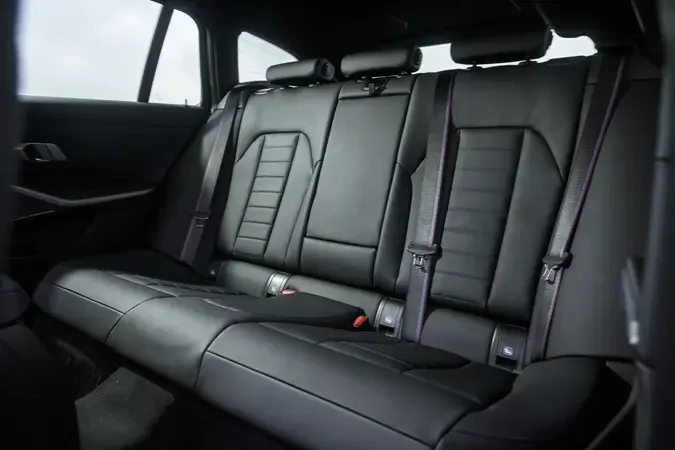
Rear-seat space works for two adults, but three passengers feel cramped on longer trips.
 Alternatives


Join the Circle
Where real meets deal
Know what's worth buying-and when.
Tips, special offers, and rewards for buying and sharing.

Publications
9 LEADING PUBLICATION REVIEWS

Car and Driver’s Beth Nichols is highly enthusiastic about the 2026 BMW 3 Series. She presents it as a polished return to form, praising its excellent cabin materials, sharp yet comfortable handling, smooth transmissions, and genuinely strong performance from both hybrid-assisted engines. The M340i xDrive’s 3.7-second sprint to 60 mph and the rear-drive 330i’s impressive 42-mpg highway test result make the lineup especially compelling. The responsive iDrive 8.5 system, practical trunk, supportive seats, and longer complimentary maintenance add everyday appeal. Still, the 3 Series lacks the magic of earlier generations, offers too few standard features—particularly driver aids—and no longer provides a manual transmission. Rear-seat space is adequate rather than generous, and desirable equipment quickly becomes optional. Overall, the review sees it as an excellent, expertly balanced sports sedan that remains worth choosing despite its premium pricing and a few frustrating omissions.
By Beth Nichols
Kelley Blue Book is highly positive about the 2026 BMW 3 Series, calling it the class benchmark for good reason. The review praises its excellent engines, polished ride, precise handling, luxurious build quality, spacious-for-the-class cabin, and useful technology. Even the 255-horsepower 330i is engaging, while the M340i offers serious performance without abandoning everyday comfort or fuel efficiency. KBB’s practical advice is to choose the popular 330i and check Fair Purchase Pricing, which may come in below sticker. The main drawback is that important driver aids, including blind-spot monitoring and more advanced assistance features, require costly packages. Still, with strong efficiency, a refined interior, generous trunk space, and a well-balanced personality, the 3 Series remains an enthusiast-friendly luxury sedan that is easy to recommend.
By Colin Ryan
U.S. News & World Report is strongly impressed by the 2026 BMW 3 Series, especially its blend of speed, refinement, and everyday usability. The 330i is engaging and efficient, while the M340i delivers near-M3 acceleration with a quieter, more comfortable personality that makes it unusually easy to live with. The sedan also earns praise for its balanced handling, supportive front seats, polished cabin, large trunk, strong safety results, and relatively intuitive older iDrive system. Its drawbacks are familiar: the back seat is merely adequate, the infotainment remains complicated, and BMW charges extra for many desirable driver-assistance features. There is no manual transmission, and the interior styling feels restrained rather than special. Even so, the reviewer considers both versions compelling choices, with the M340i standing out as a particularly strong performance bargain before this generation gives way to an all-new model.
By Alex Kwanten
MotorTrend is strongly impressed by the 2026 BMW 3 Series, while acknowledging a few frustrating compromises. The 330i and M340i combine responsive engines, direct steering, an excellent eight-speed automatic, and genuinely engaging handling, with tested 0–60 times of 5.3 and 4.4 seconds respectively. The M340i especially stands out as a near-M3 performer for substantially less money, while both versions offer competitive fuel economy, generous trunk space, polished technology, and strong crash-test results. Still, the 3 Series no longer dominates the sport-sedan class as decisively as it once did. Its cabin can feel dour, brake response is slightly mushy, and BMW charges extra for basic safety features such as blind-spot monitoring and adaptive cruise control. MotorTrend’s recommendation is clear but practical: choose the 330i for value or the M340i for excitement, then budget for options—particularly the M Sport suspension and essential driver aids.
By Willis Kuelthau
Autocar’s Matt Saunders is highly impressed by the updated BMW 3 Series, especially the 330e plug-in hybrid. Its enlarged battery delivers roughly 45–50 miles of real-world electric driving, making home charging far more worthwhile, while the car remains unusually polished, quick, agile, and rewarding for a hybrid sedan. Saunders particularly admires how naturally the 330e blends near-silent urban motoring with the poised, rear-wheel-drive handling expected of a BMW. The cabin feels upscale and comfortable, though replacing some physical controls with touchscreen functions hurts usability, and the hybrid system can seem complicated unless owners engage with its drive modes. Boot space is also compromised in the 330e, and BMW’s claimed electric range is optimistic. Even with those caveats—and changing UK tax advantages—the review considers the 330e the class-leading compact executive PHEV and recommends it almost without reservation to keen drivers.
By Matt Saunders
Carwow’s Neil Briscoe is highly impressed by the BMW 3 Series, especially its superb driving manners. He considers it the class leader for steering precision, agility, refinement, and confidence on fast, twisty roads, even praising the M340i as more enjoyable than an M3. The updated 330e plug-in hybrid is another standout, offering up to 62 miles of electric range and attractive company-car tax, though its battery compromises boot space and it cannot use rapid DC charging. The cabin remains practical and well laid out, but the new curved display brings fiddly menus, less attractive graphics, and frustratingly screen-based climate controls. Ride comfort is generally good, although M-Sport and 330e versions can feel busy over rough urban roads. Strong safety credentials, competitive pricing, and useful practicality reinforce the recommendation, despite some ergonomic and usability shortcomings.
By Neil Briscoe
What Car? is highly positive about the BMW 3 Series, calling it one of the best executive cars available. Its standout strengths are superb handling, precise steering, strong petrol and plug-in-hybrid engines, a polished interior, and an excellent iDrive system that remains easier to use than many touchscreen-only rivals. The 330e is especially appealing to company-car drivers, while the 320i suits private buyers; adaptive suspension is strongly recommended for a more comfortable ride. Criticisms are relatively minor but meaningful: the ride can be firm, road noise is more noticeable than in a Mercedes C-Class, some interior plastics feel cheap, and desirable equipment such as lumbar adjustment and wireless charging costs extra. The 330e also loses boot space and has slightly awkward low-speed braking. Overall, the review’s enthusiasm is well supported, with the BMW presented as a sporty, well-rounded, and highly recommendable choice rather than an unquestionable class leader.
By George Hill
Top Gear remains highly impressed by the BMW 3 Series, calling it a benchmark that still hasn’t lost its way. The review praises its deft handling, strong powertrains, and especially the updated 330e plug-in hybrid, whose 63-mile electric range makes it compelling for company-car users. The six-cylinder M340i is portrayed as the modern sports-saloon ideal, while the broader range offers no genuinely bad choice. Still, the 3 Series is becoming expensive, diesel options have disappeared from the UK, and BMW’s curved touchscreen has sacrificed useful physical controls, including climate buttons. Even so, the latest comfort improvements don’t dilute its driving ability, and the reviewer views the changes as thoughtful rather than disruptive. The overall verdict is warmly enthusiastic: electrification is changing the formula, but this remains one of the class’s defining cars.
By Top Gear Team
MotorTrend is strongly positive on the 2026 BMW 3 Series, while acknowledging its value and aging-platform drawbacks. The reviewer still considers it a compelling luxury sport sedan, praising its direct steering, communicative optional M Sport suspension, refined engines, strong acceleration, excellent trunk space, and competitive fuel economy. The M340i especially stands out as a near-M3 performer for more than $15,000 less, while the 330i offers plenty of speed and better efficiency for most buyers. However, the interior can feel dour, brake response is slightly mushy, and BMW charges extra for basic safety features such as adaptive cruise control, blind-spot monitoring, and parking sensors. With rivals closing the gap and a replacement approaching, the 3 Series is no longer the undisputed benchmark, but MotorTrend still sees it as an enjoyable, practical, and convincing choice—provided buyers tolerate the options-heavy pricing.
By Willis Kuelthau

YouTube
14 LEADING EXPERT & INFLUENCER REVIEWS
 Autogefühl
Autogefühl is strongly impressed by the 2026 BMW 3 Series, especially its engaging driving character. The 320i feels agile, lightweight, refined, efficient, and exceptionally well matched to its smooth engine and transmission; its chassis is described almost enthusiastically as how a car should drive. The reviewer also praises its build quality, practical controls, quiet cabin with optional dual glazing, and better value than the 5 Series. Reservations center on overly light, imprecise steering, limited rear-seat comfort, and less plush seating. Overall, the 3 Series is the clear recommendation for sporty drivers, while frequent long-distance travelers may prefer the 5 Series.
Car ConfectionsCar Confections remains genuinely enthusiastic about the BMW 330e after two years of ownership. The 16,000-mile update praises its excellent paint and interior durability, reliable infotainment, strong efficiency, complimentary maintenance, and enjoyable driving experience. Still, ownership has included several hybrid-system glitches, rough engine and brake transitions, a recurring trunk squeak, a buzzing vent, dead key-fob batteries, and a costly $400 run-flat tire replacement. Its small fuel tank limits road-trip range, and the technology cannot receive BMW’s newer iDrive 8.5 update. Even so, the brothers call it a fantastic, efficient package and remain just as fond of it as day one.
MotorWeekMotorWeek remains highly enthusiastic about the BMW 3 Series, calling it perhaps the best blend of performance, luxury, technology, and comfort in a sedan. The 330i impressed with strong acceleration, minimal turbo lag, stable handling, quick braking, and an engaging, athletic feel, while the refined cabin and useful trunk added everyday appeal. Criticisms are measured: the M Sport ride is firm, steering feels artificial, and iDrive 8’s reduced physical controls require more menu diving. Overall, MotorWeek views the 3 Series as a still-excellent sport sedan benchmark.
Car Help CornerShari Prymak is strongly impressed by the BMW 3 Series, especially the M340i’s thrilling performance. He praises both versions for balanced handling, comfort, smooth power, efficiency, and useful space, but criticizes the 3 Series for creaky cabin plastics and a more confusing infotainment system than the Lexus IS. The 330i feels capable yet somewhat dull beside the Lexus V6, while the M340i’s powerful, smooth inline-six earns near-unqualified enthusiasm. Prymak considers the Lexus the smarter 330i alternative because it is cheaper, better built, more reliable, and holds value better, but calls the M340i an exceptional upgrade for enthusiasts willing to pay more.
Ben HardyBen Hardy is mildly positive about the 2026 BMW 330i, but personally prefers the Lexus IS 350. He praises the BMW’s quick-shifting automatic, strong low-end torque, impressive fuel range, modern powertrain, responsive infotainment, and spacious trunk. However, he finds its seats less comfortable, notices some turbo lag, and questions the four-cylinder’s long-term reliability compared with the Lexus’s naturally aspirated V6. Hardy’s key takeaway is that the BMW feels quicker and more modern mechanically, while the Lexus offers smoother, more immediate power and a more relaxed driving character.
Paras GabaParas Gaba is highly enthusiastic about the BMW 3 Series, especially its driver-focused performance and engaging rear-wheel-drive character. The owner praises its strong diesel torque, impressive highway efficiency, stability, comfortable suspension, spacious long-wheelbase rear seat, panoramic sunroof, and 16-speaker audio system. A brief drive reinforces the sense of effortless power and easy drifting. However, he acknowledges significant maintenance costs, expensive brake and suspension repairs, limited ground clearance, and missing features such as ventilated seats and a 360-degree camera. Overall, he views it as an excellent choice for enthusiasts, while Mercedes remains preferable for buyers prioritizing pure comfort and luxury.
Gold PonyGold Pony is highly enthusiastic about the 2026 BMW 330i, especially its sharp steering, strong braking, comfortable seats, polished cabin, and excellent ambient lighting. The 255-hp turbo-four feels more than adequate for daily driving, though he noticed some initial turbo lag and delayed paddle-shifter responses. He also praised the head-up display, Harman Kardon audio, cargo space, and refined technology. His main reservations are that advanced safety features cost extra and buyers may want to wait for the expected 2027 redesign, but overall he views the 330i as an exceptionally enjoyable, well-rounded sport sedan.
ExoticCar PlayPlaceExoticCar PlayPlace is strongly impressed by the 2026 BMW 330i, though not blindly sold. Compared with the Lexus IS 350, it feels sharper, quicker, more agile, and significantly more fuel-efficient, with responsive steering, a polished ride, strong low-end torque, and a better transmission. The reviewer also appreciates BMW’s improved B48 reliability and more modern interior technology. Still, Lexus remains the safer long-term choice, with better expected durability, lower repair risk, and stronger resale value. Overall, the BMW is the enthusiastic pick for driving enjoyment and daily efficiency, while the Lexus suits buyers prioritizing longevity and predictable ownership costs.
Matt The CarguyMatt is enthusiastic about the 2026 BMW 330i xDrive, calling it an especially enjoyable driver’s car. After nearly four days and roughly 400 miles, he praises its responsive handling, road-holding, refined ride, strong technology, and surprisingly good cabin quietness, while finding the 255-hp mild-hybrid engine plenty quick for daily use. He appreciates the 3 Series’ classic styling and useful 40/20/40-folding rear seats, though rear seating suits two better than three, the seats could offer more bolstering, and options quickly raise the price. Overall, he considers BMW the segment leader for driving dynamics and recommends it strongly.
100miledrive100miledrive is highly enthusiastic about the 2026 BMW 330i, calling it arguably the smartest BMW under $50,000. He praises its classy, enduring design, solid cabin quality, sharp steering, strong brakes, and the 2025 suspension and steering refinements that make it a more comfortable daily driver without losing the brand’s engaging character. On winding roads, he finds the rear-drive sedan remarkably balanced and confidence-inspiring, even with the four-cylinder engine. His main criticisms are the button-light curved screen, noisy, harsh run-flat tires, and lack of adaptive suspension, but he views those as manageable compromises.
TheAuto101TheAuto101 is highly enthusiastic about the 2026 BMW 330i, calling it potentially the best 3 Series ever made. The review praises its classic BMW styling, upscale materials, smooth and efficient turbocharged engine, refined ZF eight-speed automatic, and engaging yet comfortable driving dynamics. The iDrive 8 system is fast and sharp, but its sprawling menus and touchscreen climate controls are frustrating and less safe to operate on the move. Sport mode also introduces some throttle jerkiness. Even with those flaws, TheAuto101 sees the G20 as an exceptionally well-rounded, authentic BMW and is genuinely sad to see it replaced.
Cars with Juan GasolinaCars with Juan Gasolina is strongly positive about the 2026 BMW 3 Series 318d M Sport, especially its Brooklyn Grey styling and sporty yet classic design. He admires the aggressive M Sport details, L-shaped taillights, attractive fabric-and-microfiber seats, premium-feeling cabin, and retention of useful physical controls. The sedan also appears practical, with a wide boot, folding rear seats, rear USB-C ports, climate controls, and comfortable space for two adults. The review is primarily a detailed walk-around rather than a driving test, so performance, ride quality, fuel economy, and drawbacks receive little attention.
Supercar ThrottleAnthony is enthusiastic about the 2026 BMW M340i, calling it a genuinely fun, comfortable performance sedan with minimal turbo lag and strong value versus an M car. He especially enjoys Sport mode, the B58’s punch, balanced handling, and the more forgiving ride, though the exhaust becomes quiet in Comfort, the stock sound system is merely adequate, and the sporty suspension remains firm. He recommends rear-wheel drive for savings and would personally buy one, adding an exhaust and tune. Still, he advises cautious buyers to consider waiting for the more powerful next-generation M350.
RS AUTO WORLD RS Auto World is highly enthusiastic about the 2026 BMW 3 Series LWB, praising its premium styling, rich features, roomy rear seats, and engaging performance. The walkaround covers adaptive LED headlights, a panoramic sunroof, 360-degree camera, Harman Kardon audio, three-zone climate control, wireless charging, and the curved display. It also acknowledges compromises, including the large rear floor hump, no ventilated seats, limited soft-touch material in places, no spare tire, and a relatively small center-seat advantage. Overall, its 2.0-liter turbo engine, 8-speed automatic, rear-wheel drive, and claimed 15 km/l efficiency make it an appealing, enthusiast-focused alternative to the C-Class and Audi A4.

Social
1 INFLUENCER REVIEW
 IIHS-HLDI
IIHS-HLDI is cautiously negative about the 2026 BMW 3 Series’ rear-passenger safety performance. The sedan earns only an acceptable rating in the updated 40-mph moderate-overlap crash test. The rear dummy’s head came close to the front seatback, raising head-injury concerns, while the lap belt shifted from the pelvis onto the abdomen, increasing potential abdominal injury risk. The assessment is factual and restrained rather than emotional, but these specific weaknesses clearly limit confidence in the car’s rear-seat protection.

Forum Reviews
CUSTOMER REVIEWS FROM 1 FORUM
Redditors are broadly positive about the BMW 3 Series, especially its performance, comfort, and modern design. The G20-era car earns praise for sharp handling, strong B48 and B58 engines, an excellent transmission, quiet ride, technology, and a good balance of sportiness and luxury. M-Sport, quality audio, adaptive cruise, head-up display, and comfort access are popular options, though seats, base audio, plastics, and some stripped features draw criticism. The main reservation is ownership cost: older examples can become expensive, while newer models remain pricey. Overall, buyers generally view it as enjoyable and well-rounded, provided they budget responsibly and choose a well-maintained car.
Many comments

In-Depth Review

Highlights
- •Balanced Driving DynamicsDesigned for balanced rear-drive handling.
- •Strong Powertrain PerformanceAdvertised to deliver strong daily performance.
- •Controlled Ride QualityDesigned to balance comfort and control.
- •Efficient Mild-Hybrid Power48-volt assistance supports efficient driving.

Considerations
- •Options Raise CostsEssential driver aids often cost extra.
- •Complex Screen ControlsClimate functions require distracting menu steps.
- •Firm Rough-Road RideSport setups feel busy over broken pavement.
- •Limited Rear ProtectionRear crash testing revealed injury concerns.
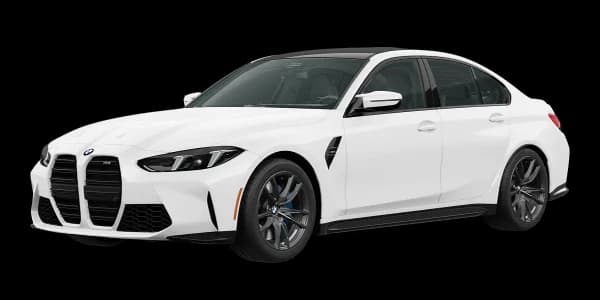
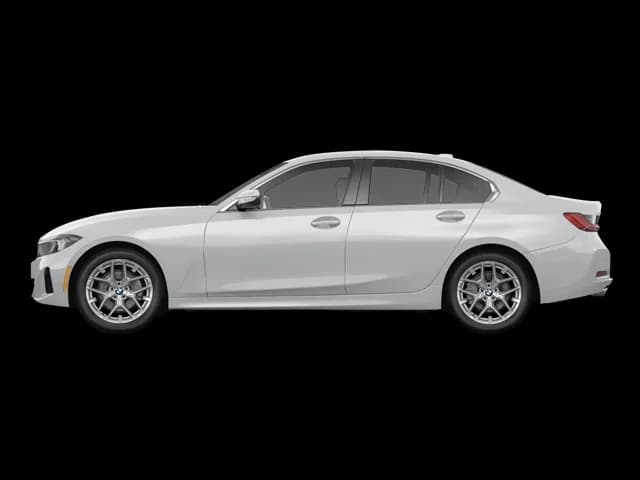
BMW’s 3 Series remains the compact luxury benchmark for drivers who want polish without surrendering personality. Positioned against the Mercedes-Benz C-Class, Audi A4, and Lexus IS, the 2026 sedan serves commuters, professionals, and enthusiasts with rear-wheel-drive dynamics, a quiet cabin, and practical trunk space. The 330i favors efficient everyday pace, while the M340i brings near-M3 acceleration through its 386-hp turbocharged inline-six. Reviews also highlight the smooth eight-speed automatic, improved ride control, and 48-volt mild-hybrid assistance, though firm tires, screen-heavy controls, option costs, and merely adequate rear room deserve attention. Buyers should weigh how much they value steering feel, performance, comfort, cabin finish, fuel economy, and passenger or cargo flexibility. In short, it is still the sport sedan’s sensible troublemaker—explore each strength and compromise before choosing your trim.
Fuel Economy and Efficiency
Efficiency is one of the 3 Series’ practical advantages, particularly in the 330i. The 330i RWD is rated around 31 mpg combined, and Car and Driver recorded an impressive 42 mpg during a 75-mph highway test, exceeding its official highway figure. The 48-volt mild-hybrid system improves stop-start smoothness and responsiveness without requiring external charging. AWD reduces economy slightly, while the M340i remains remarkably efficient for its performance. Premium fuel is required, so real ownership savings depend on local fuel prices and driving habits.
Ride and Suspension
The 3 Series balances sportiness and comfort well, although setup and tires matter considerably. Recent suspension and steering refinements make the 330i a more comfortable daily driver than older impressions might suggest, and the standard chassis remains composed on highways and winding roads. Available adaptive or M Sport suspension sharpens control, but M Sport versions and run-flat tires can feel firm or noisy on broken pavement. Reviews generally support BMW’s refinement claims, while city drivers should test the exact wheel-and-tire configuration.
Handling and Steering
The 3 Series still feels unusually eager and balanced in everyday driving. Its rear-wheel-drive platform gives cornering a natural, confidence-building feel, while the chassis and available M Sport tuning keep body movement controlled. Expert testers generally praise its agility, direct steering, and strong braking, though some describe the steering as artificial or too light around center. Owner-oriented feedback is similarly positive, making this the car’s defining strength, especially for drivers who value involvement over isolated comfort.
Cargo and Rear Space
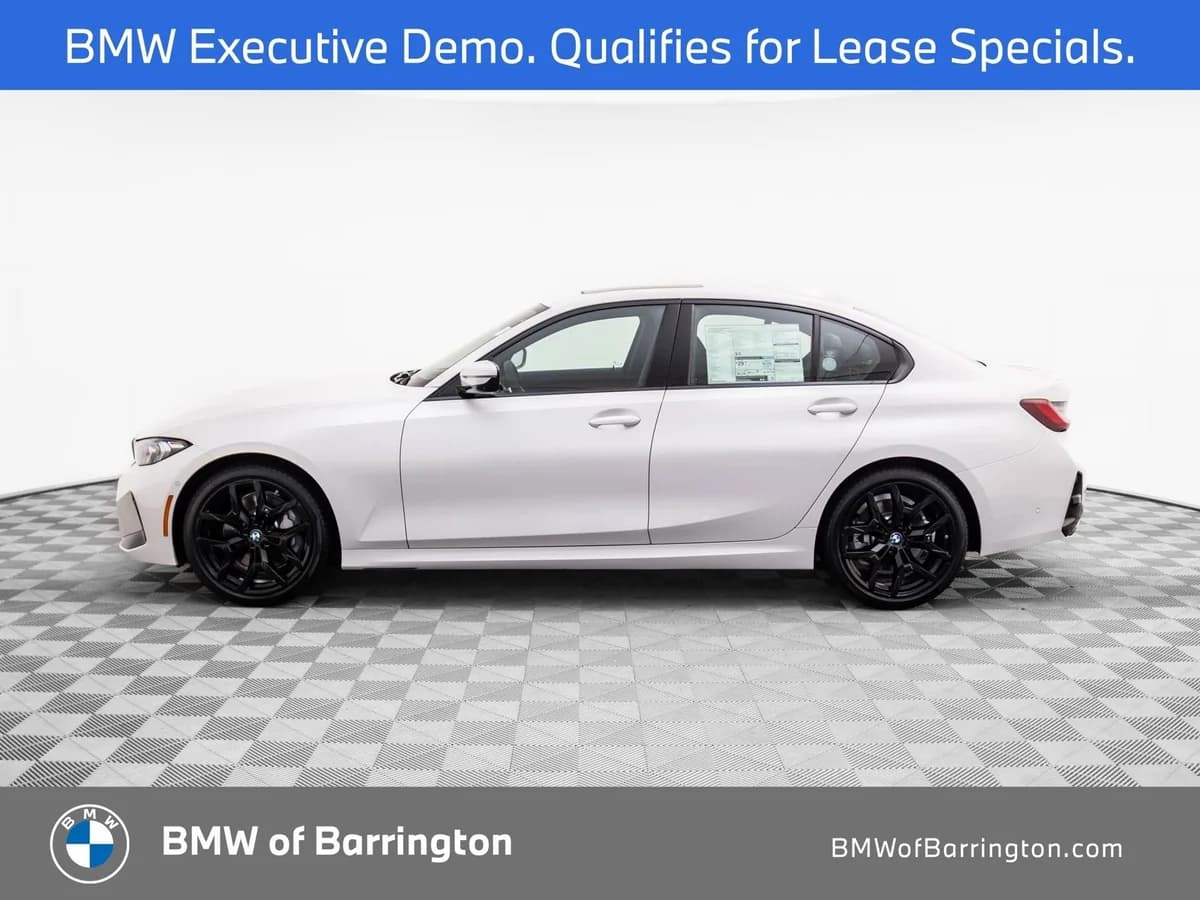
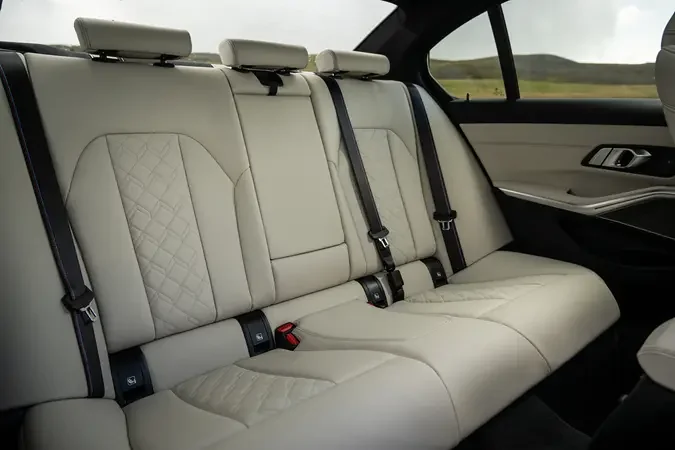
The sedan is more useful than its sporty profile suggests, especially up front and in the trunk. Its 16.9-cubic-foot cargo area is generous for the class, and 40/20/40-split folding rear seats add flexibility for longer items. Rear seating is adequate for two adults, but the center position is compromised by the floor hump and limited shoulder room. This matches review feedback more closely than BMW’s broad five-passenger positioning: it works well for commuting and occasional passengers, but larger families may prefer an SUV.
Power and Acceleration
Both core engines deliver more usable performance than their outputs alone suggest. The 255-hp 330i pairs a turbocharged 2.0-liter four-cylinder with a 48-volt mild-hybrid system and smooth eight-speed automatic, while the 386-hp M340i uses BMW’s turbocharged inline-six. Testers report roughly 5.3 seconds to 60 mph for the 330i and about 4.1 seconds for the M340i xDrive. The four-cylinder can show slight turbo lag, but the M340i offers near-M3 pace with better daily manners.
Cabin Quality and Materials
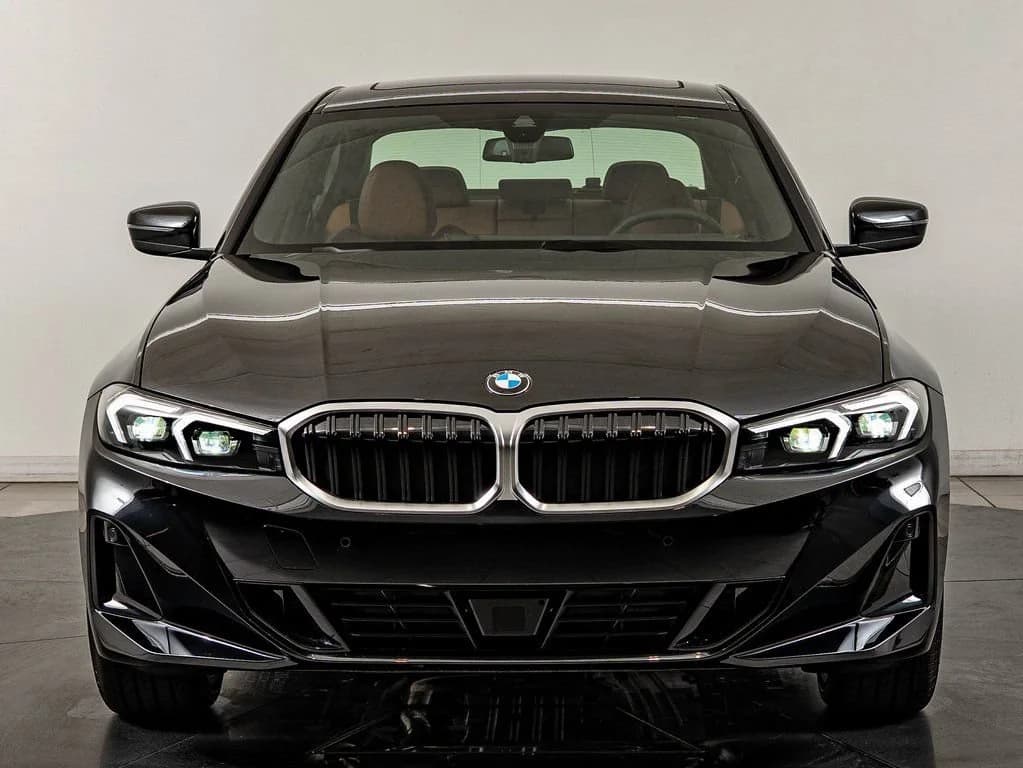
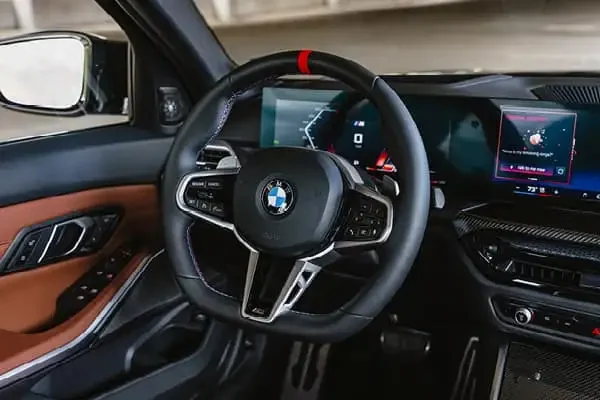
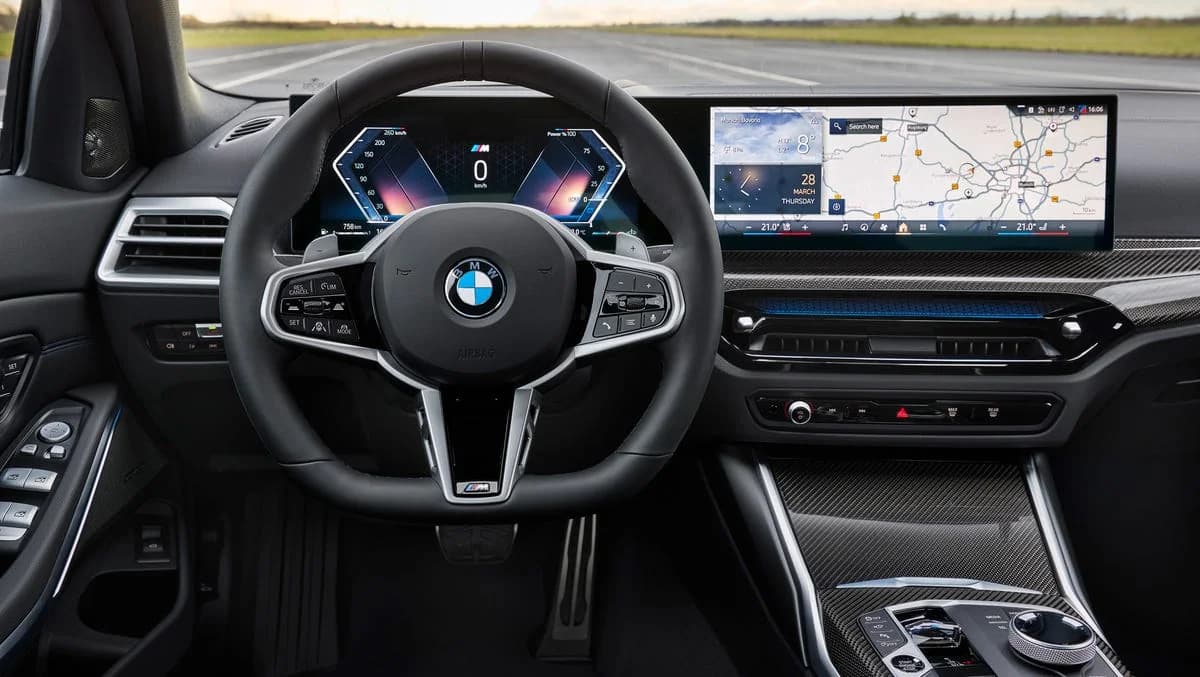
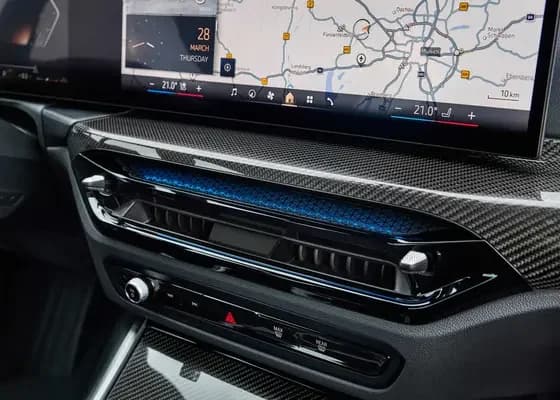
The cabin feels polished and modern, though it is not uniformly luxurious. Reviewers praise the supportive front seats, quiet construction, useful head-up display, and responsive iDrive system, while some owners note creaky plastics, disappointing base audio, or less plush seating. The curved touchscreen provides attractive graphics and quick responses, but touchscreen climate controls create distracting menu steps, and standard equipment is thinner than the price suggests. Overall, material quality is strong enough for the class, yet Mercedes and Lexus can feel more special or substantial in selected areas.
Conclusion
The 2026 BMW 3 Series makes its case through precise handling and a strong sense of balance, while the smooth 330i and rapid M340i provide performance for commuting or spirited driving. Its suspension is generally composed, though M Sport setups and run-flat tires can feel firm on rough pavement. The cabin is polished and quiet, but creaky plastics, screen-heavy climate controls, and expensive options dilute the luxury experience. Fuel economy is a genuine strength, especially in the 330i, and the generous trunk plus folding seats add useful practicality. Rear seating works best for two adults, and updated crash testing raises some rear-passenger safety concerns. It suits drivers who value engagement and efficiency over plushness or low ownership costs. With strong dynamics and usability balanced against premium pricing and compromises, it remains a rewarding but carefully specified choice.

Feature Scores
This reflects reviews and ratings from established critics, journalists, and users who have evaluated the item. Their opinions provide a comprehensive assessment.
Performance
Engine Power
5/5
Acceleration
5/5
Reliability & Durability
3/5
Handling & Ride Comfort
5/5
Braking Performance
4/5
Value
Purchase Price Competitiveness
3/5
Cost of Ownership
3/5
Resale Value
3/5
Feature Value
3/5
Design
Exterior Styling
4/5
Interior Ergonomics
3/5
Cargo Space
4/5
Infotainment Quality
4/5
Health
Cabin Air Quality
3/5
Material Toxicity
TBD
Safety
Crashworthiness
4/5
Active Safety Systems
3/5
Visibility & Lighting
4/5
Child Occupant Protection
3/5
Sustainability
Fuel Efficiency
4/5
Tailpipe Emissions
3/5
Recyclability
TBD
Manufacturing Footprint
TBD
Experience Style
Driver Engagement
5/5
Customization Options
4/5
Ease of Use
3/5
Ownership Convenience
3/5

Specifications
This section outlines the product's key facts, covering essential features, details, dimensions, materials, and any unique characteristics that define its functionality and usability.
Performance
Value
Design
Safety
Sustainability
Experience Style

Frequently Asked Questions
8 Questions



Find Yours
What is your primary use for a gas-powered sedan or compact?
Answer to find your best matches.