

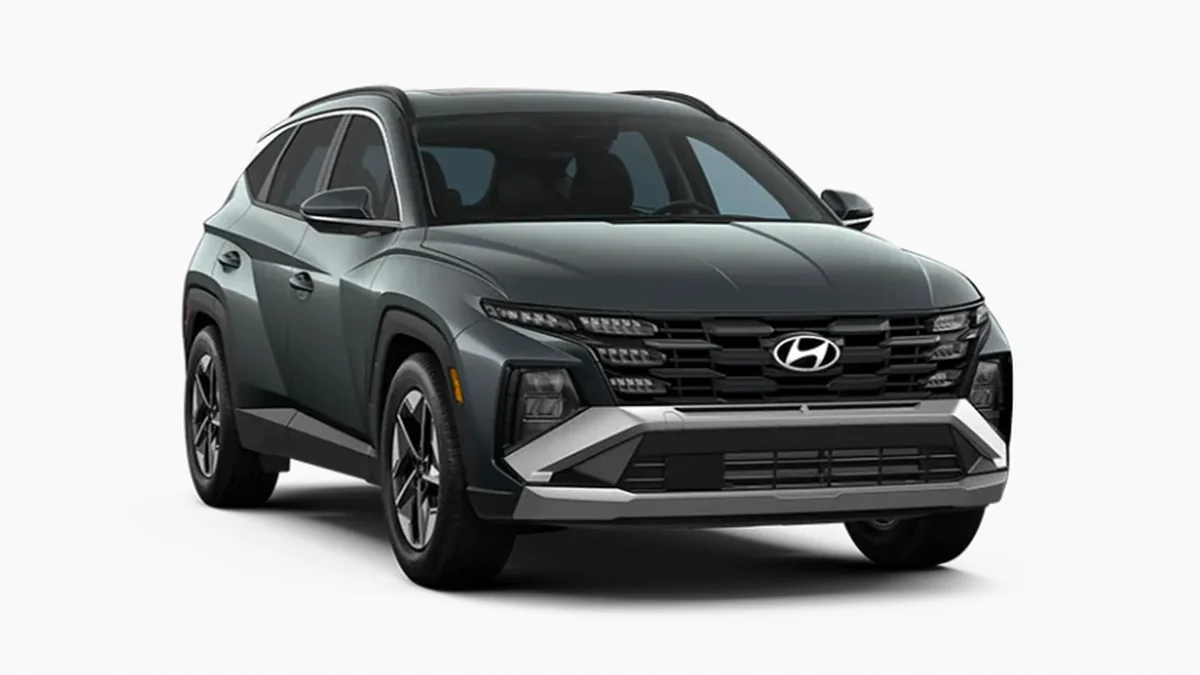
Hyundai Tucson (2026)
Roomy, quiet and tech-rich, with a stronger hybrid option, but gas power is modest.
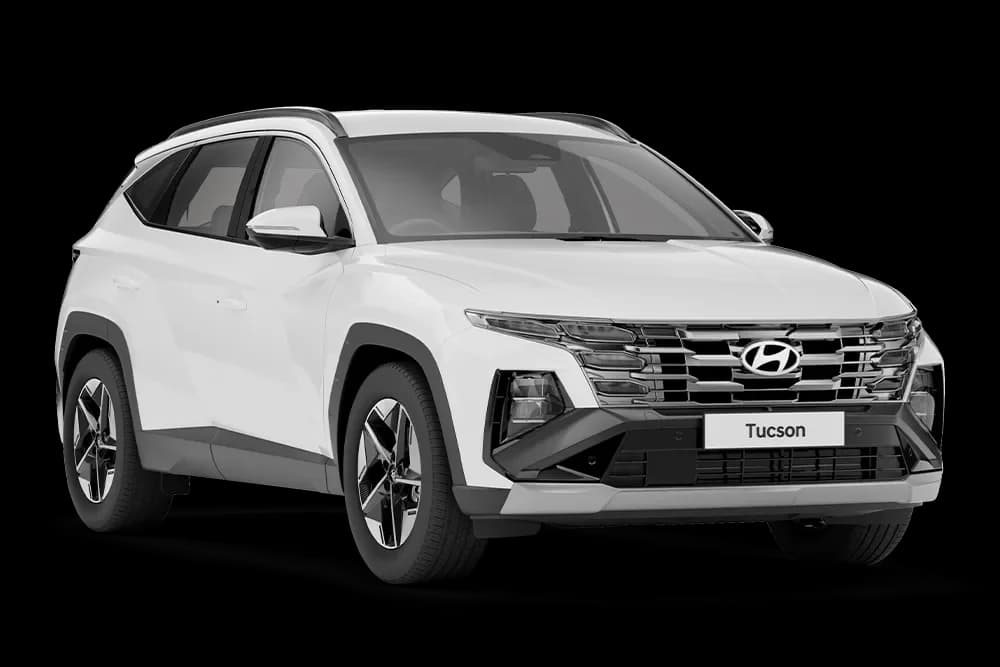
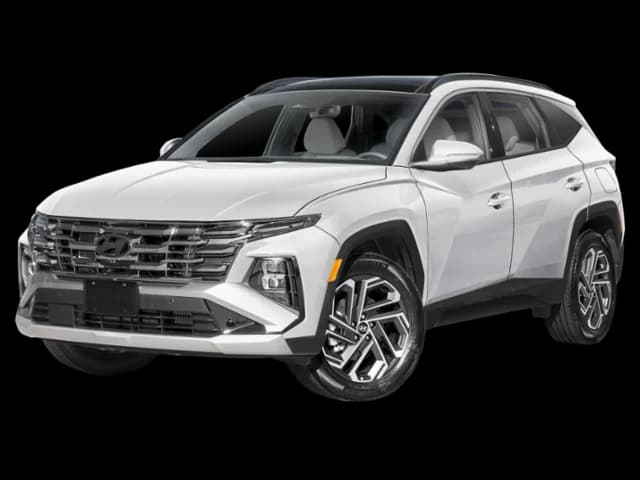
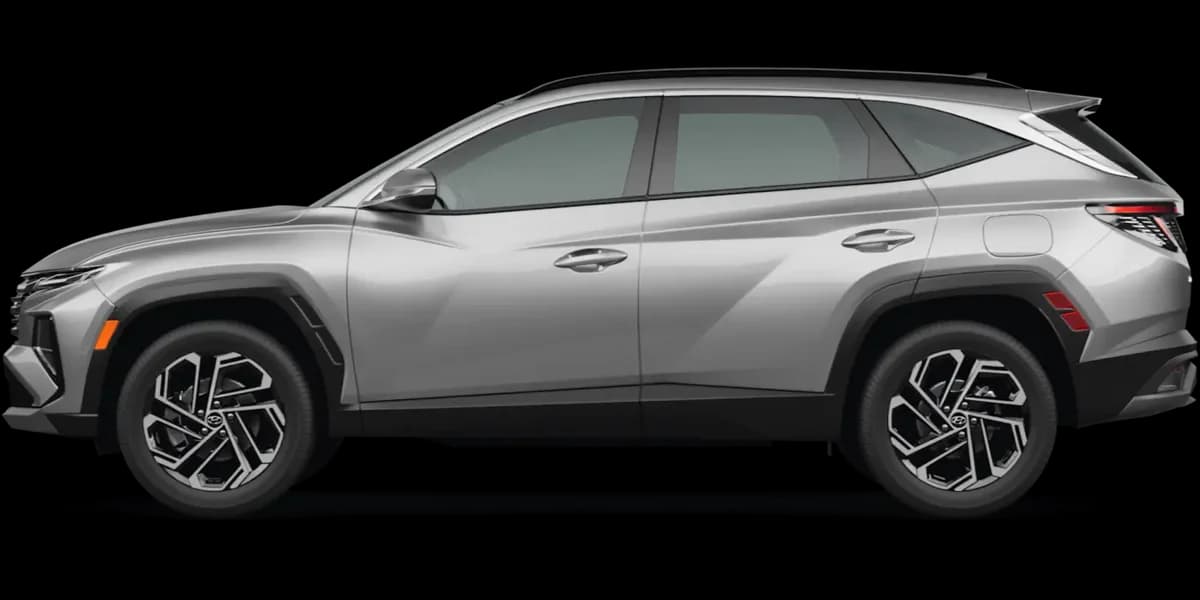
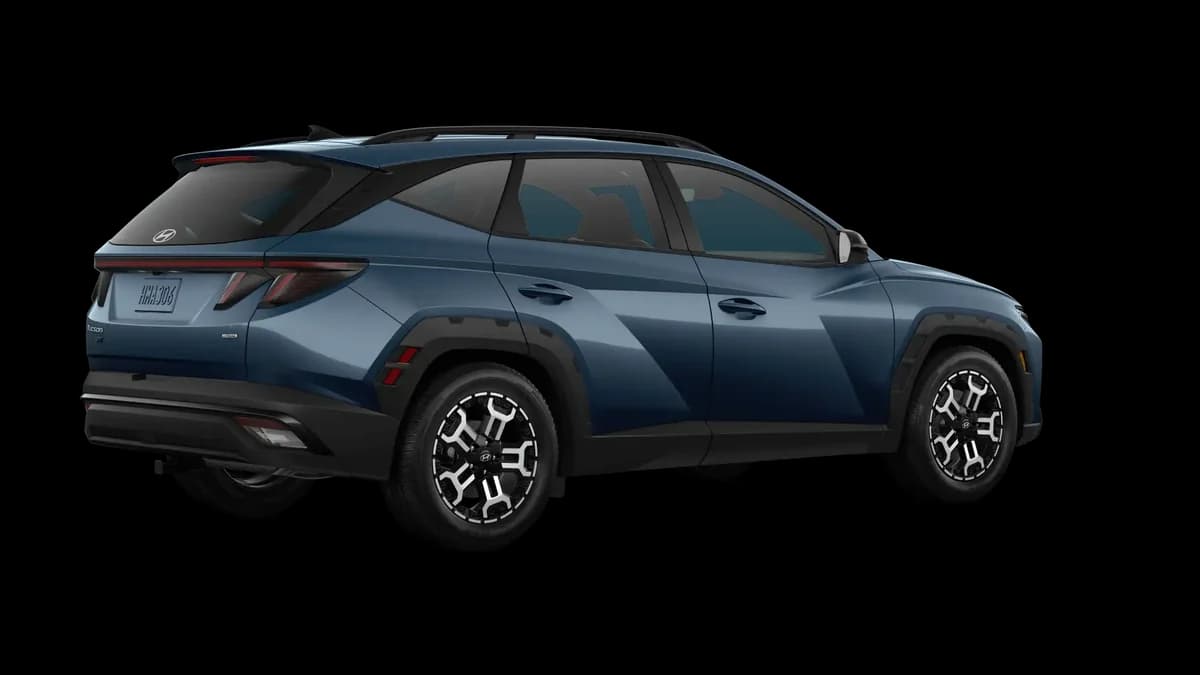
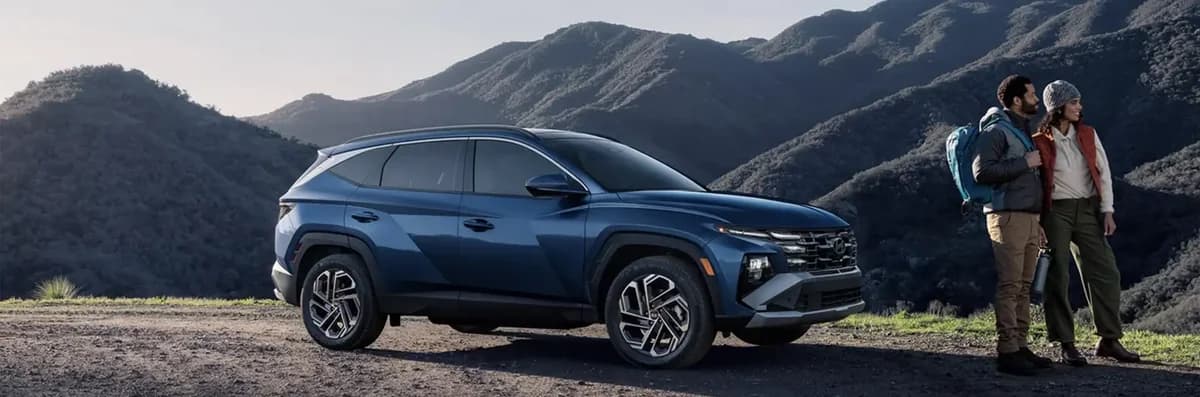
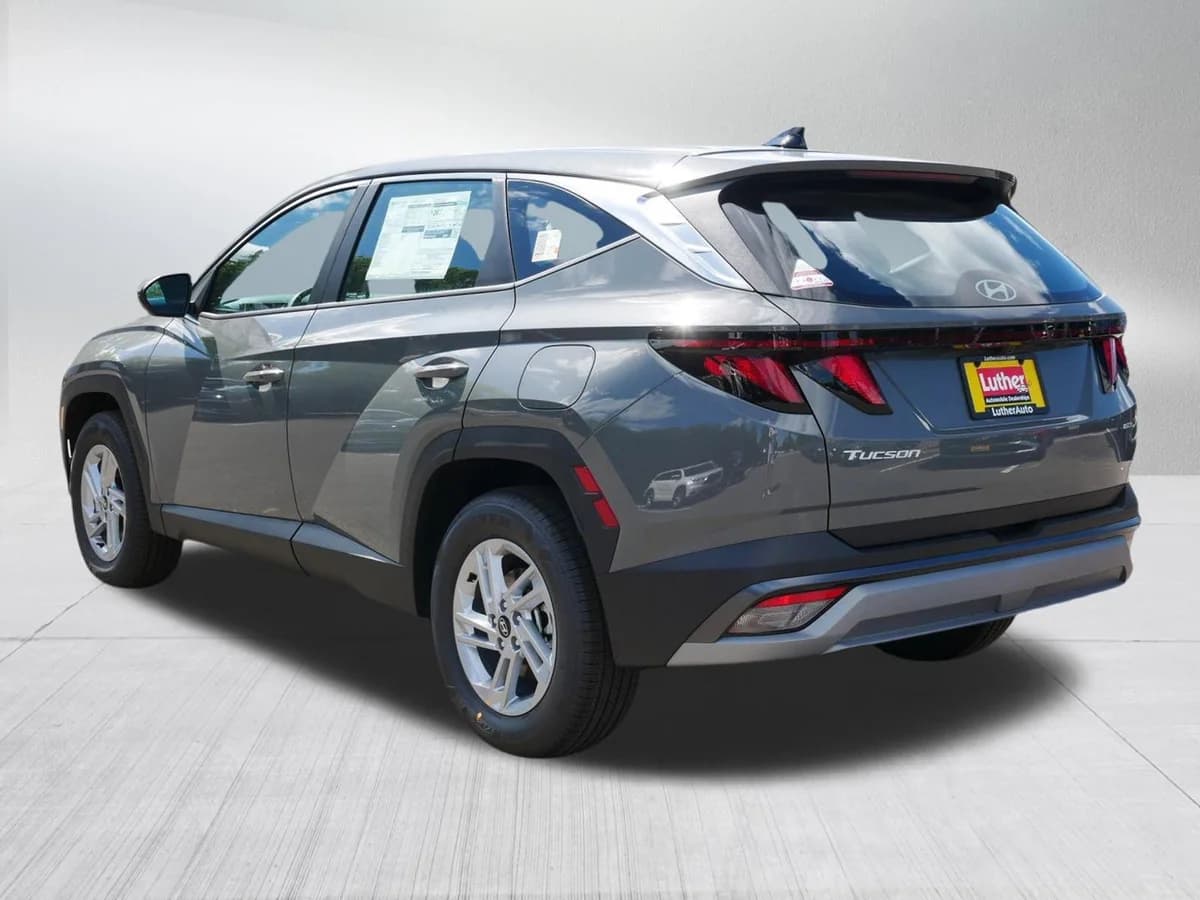
The 2026 Hyundai Tucson is the compact SUV for families and commuters who need more room, comfort, and flexibility without stretching into premium pricing. Its standout virtues are a quiet, spacious cabin, generous cargo capacity, easy-to-use technology, and a broad choice of gas, hybrid, and plug-in-hybrid powertrains. Experts and owners generally find the hybrid noticeably quicker and smoother, supporting Hyundai’s efficiency pitch, though real-world highway economy can fall short of advertised figures. The regular 187-hp engine is adequate but sluggish, while soft handling and occasional service concerns temper the appeal. Starting near $29,700, it offers persuasive equipment and warranty value, especially in hybrid form. Overall, its Buyary recommendation reflects excellent practicality and comfort, balanced against modest performance and ownership reservations.
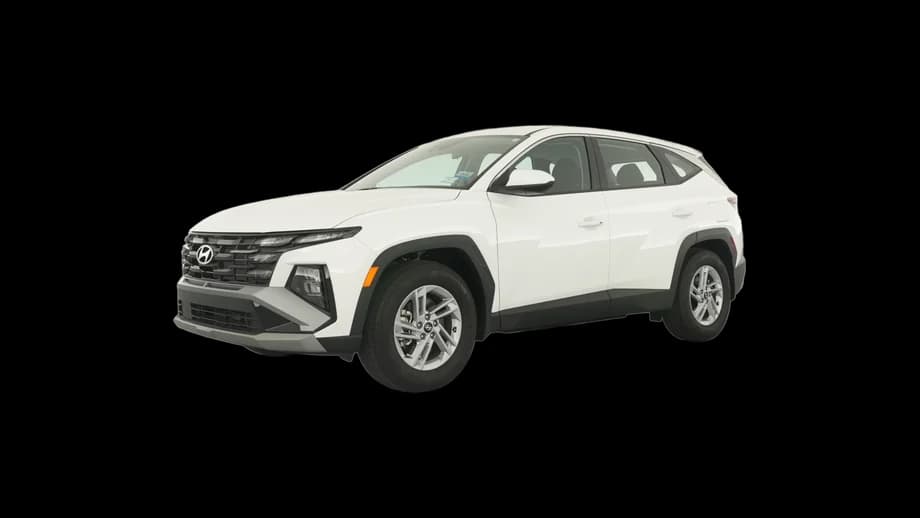
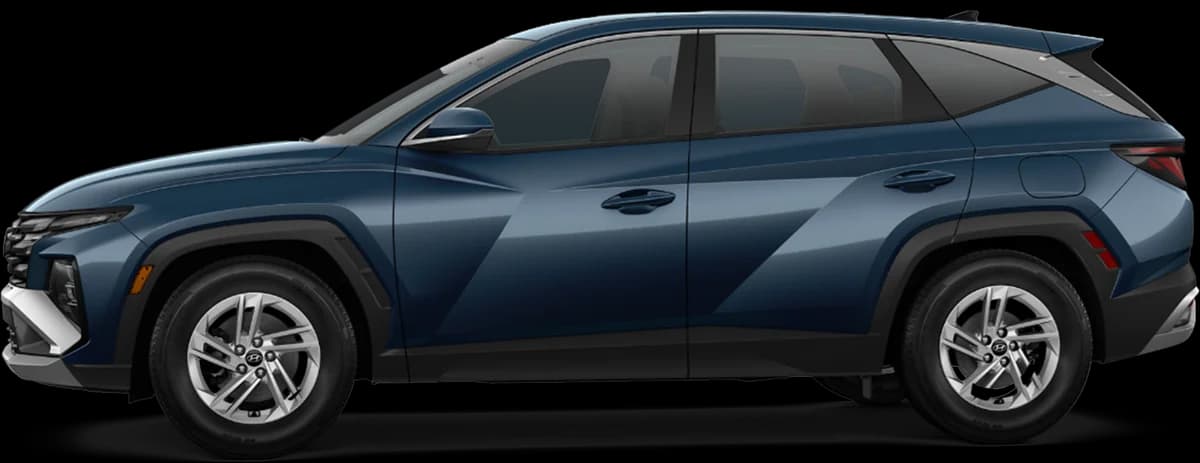
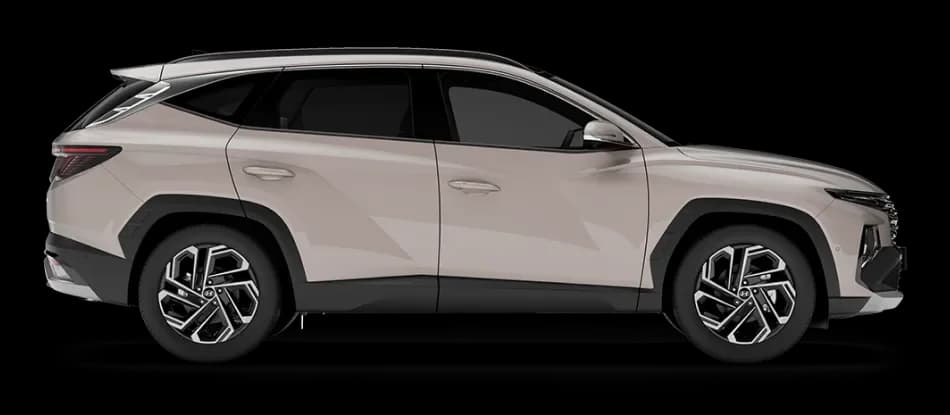
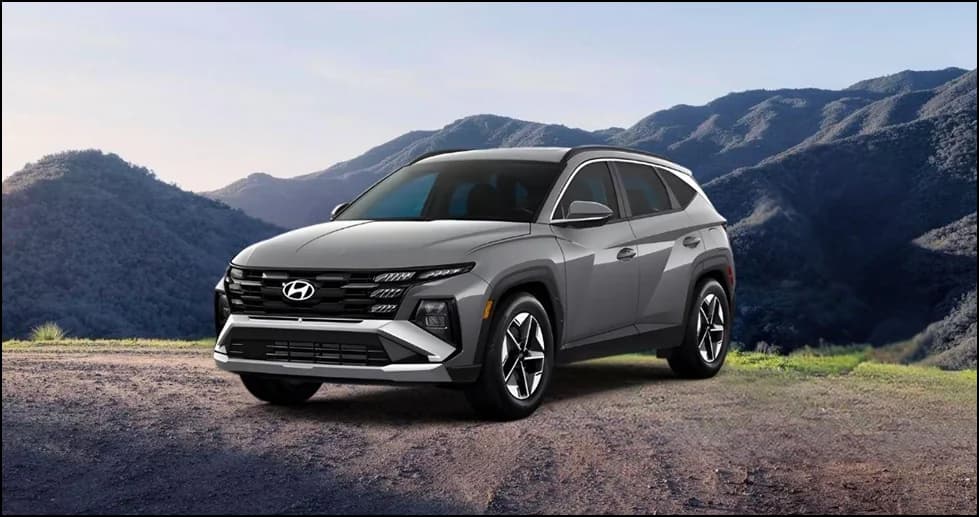
Find Yours
What is your primary use for a Gas-Powered SUV?
Answer to find your best matches.

The Field
Browse top contenders, or compare all options ranked by score and key attributes.
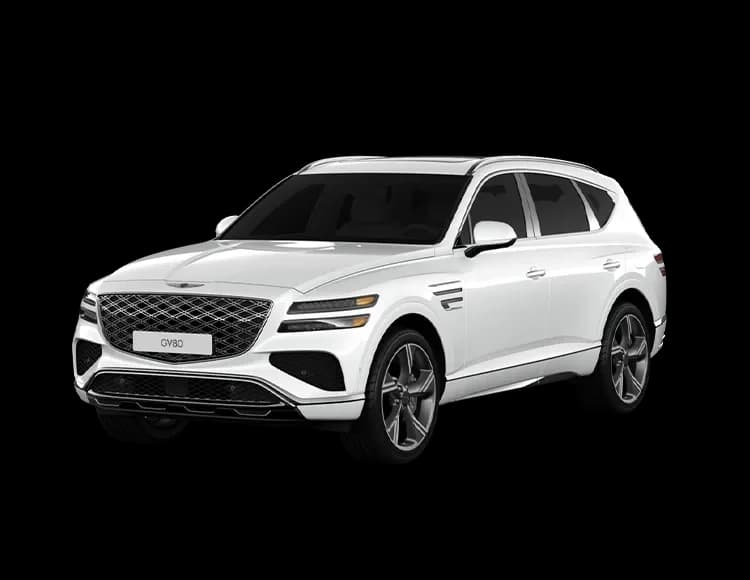
5 Options
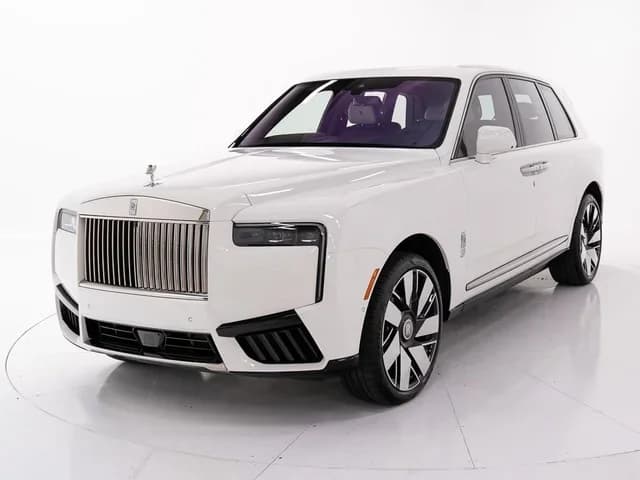
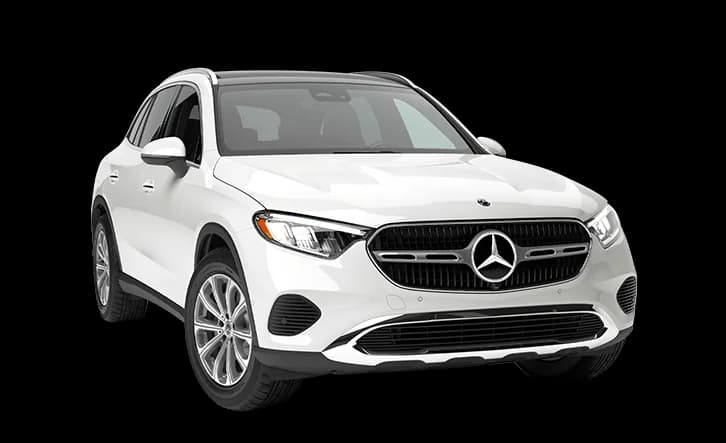
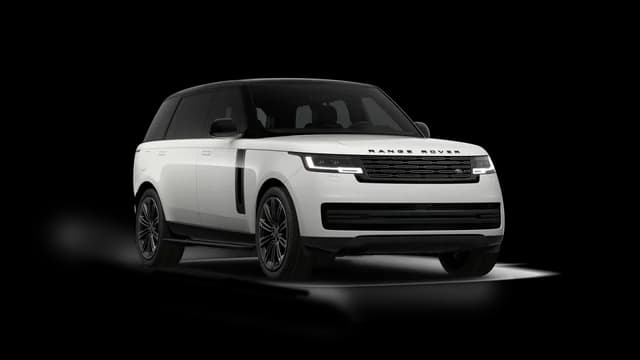
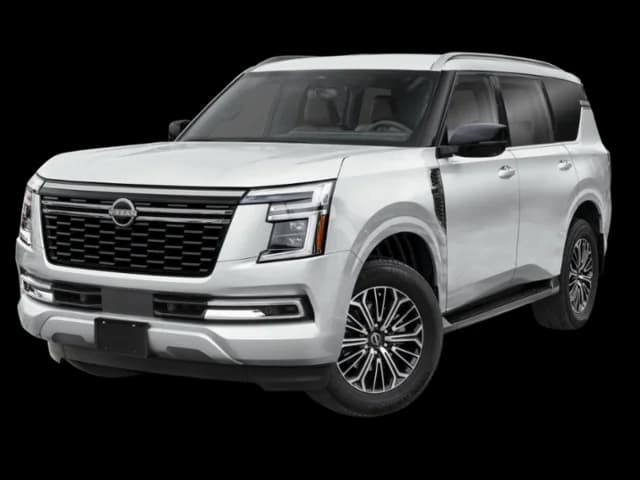

The Scoreboard
Does this improve your life? Considers, health, habits, and environmental impact.
Benefits
Generous rear room and cargo space make passengers, groceries, and luggage easier to manage.
A smooth, quiet ride makes commuting, conversations, and longer family trips feel less tiring.
Gas, hybrid, and plug-in options let drivers match fuel savings with everyday driving habits.
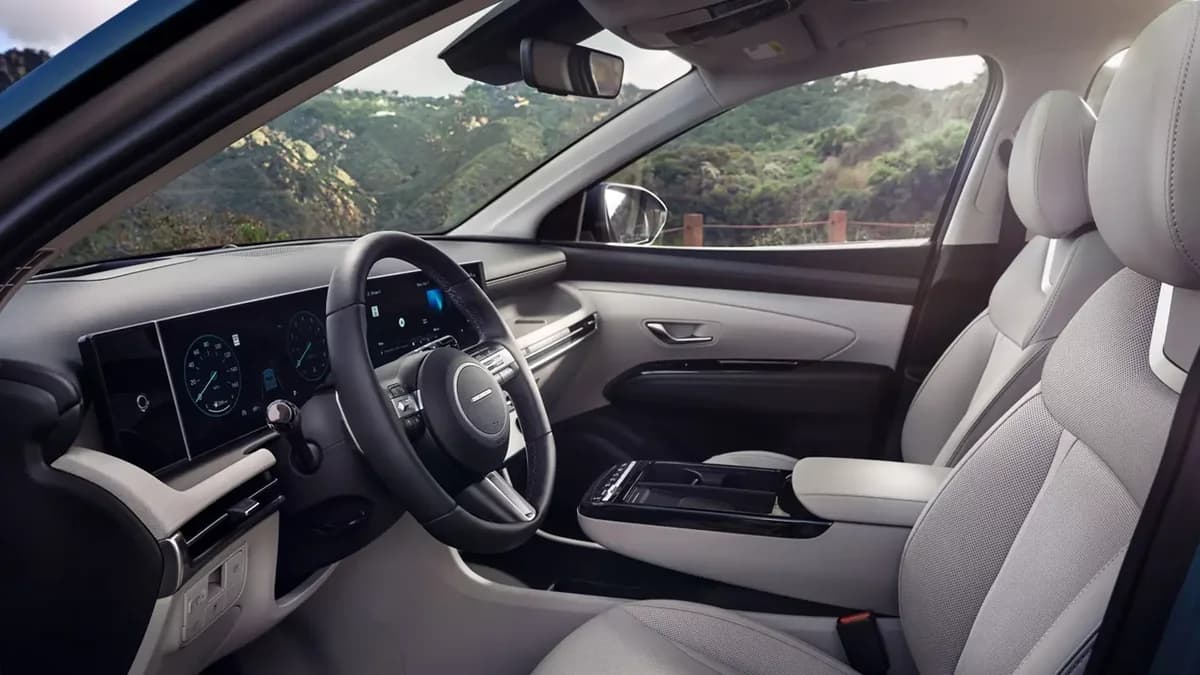
Clear screens, useful features, and physical climate controls reduce fiddling while driving.
Effective driver assistance and strong safety scores add confidence during busy everyday driving.
Trade-Offs
The gas engine feels sluggish when merging or passing, so drivers need more planning.
Sharp potholes can make the ride feel busy, jolting passengers instead of smoothing rough streets.
Hybrid fuel savings can feel modest in real driving, weakening the benefit of electrification.
Three adults across the back seat feel cramped, making longer shared trips less comfortable.
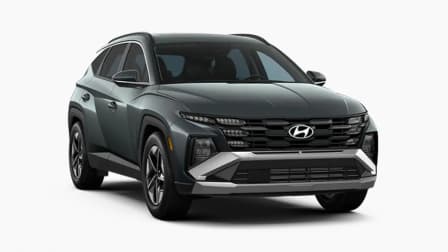
 Alternatives


Join the Circle
Where real meets deal
Know what's worth buying-and when.
Tips, special offers, and rewards for buying and sharing.

Publications
7 LEADING PUBLICATION REVIEWS

Car and Driver views the 2026 Hyundai Tucson as an excellent all-rounder with limited driving excitement. Its stylish design, spacious cabin, quiet ride, confident handling, and generous technology make it feel unusually refined for a compact SUV. Practicality is another strength: the rear seat and cargo area outsize many rivals, while Hyundai’s class-leading warranty and complimentary maintenance add real value. The standard 187-hp engine, however, is slow to accelerate, and the Tucson feels less engaging than the Honda CR-V, Mazda CX-50, and Volkswagen Tiguan. Fuel economy also disappointed in testing, with an all-wheel-drive XRT returning 26 mpg on the highway route. Car and Driver recommends the SEL trim, especially with the Premium package, and rates the Tucson 8/10—strong praise for a roomy, comfortable daily driver, tempered by its lack of personality and power.
By Drew Dorian
What Car? reviewer Oliver Young is broadly positive about the 2026 Hyundai Tucson, though he sees clear compromises. Its spacious cabin, excellent rear-seat room, huge boot, comfortable ride and generous standard equipment make it a smart family choice, while the petrol, hybrid and plug-in-hybrid range offers useful flexibility. The entry-level petrol Element is his preferred version for private buyers, and the PHEV suits company-car users, although rivals offer longer electric ranges and lower tax. The Tucson is refined and easy to live with, but its steering lacks precision, handling is less composed than a Kia Sportage or VW Tiguan, and the automatic gearbox can hesitate. Interior quality has improved, yet it lacks premium polish, and depreciation is a concern. Overall, it is a practical, well-equipped and comfortable SUV worth considering, especially for buyers who value space over driving excitement.
By Oliver Young
Kelley Blue Book is highly enthusiastic about the 2026 Hyundai Tucson. It calls this compact SUV one of the smartest choices in its class, praising its stylish design, roomy cabin, generous cargo space, strong safety credentials, abundant technology, and exceptional 10-year powertrain warranty. The reviewer is especially impressed by Hyundai’s effective Highway Driving Assist, smooth ride, quiet cabin, physical climate controls, and newly available wireless smartphone integration. The Tucson also offers useful upgrades for 2026, including increased towing capacity and new XRT terrain modes. The main reservation is its 187-horsepower engine, which is competent but hardly exciting, while fuel economy is merely respectable at up to 28 mpg combined. Still, after extensive experience with compact SUVs, KBB considers the Tucson a comfortable, practical, feature-rich, and highly recommendable family vehicle.
By Matt Degen
U.S. News & World Report views the 2026 Hyundai Tucson as an impressively well-rounded compact SUV. Its smooth, comfortable ride, intuitive tech, generous passenger and cargo space, strong safety credentials, competitive pricing, and abundant standard features make it an easy family and commuting recommendation. The 220-mile drive especially reinforced its strengths as a quiet, competent cruiser, while the eight-speed automatic avoids the droning feel common to many CVTs. Still, the 187-horsepower engine is merely adequate, fuel economy is average for the class, and the XRT’s adventurous styling promises more off-road ability than its all-season tires and limited hardware deliver. Overall, the Tucson doesn’t dominate one category, but its polished balance, practical interior, warranty coverage, and value explain its strong standing—even with capable rivals such as the Sportage, CX-50, and Forester.
By Mike Hagerty
Autocar is strongly positive about the 2026 Hyundai Tucson, calling it a top-tier family SUV despite notable powertrain shortcomings. Its sharp styling, upscale and thoughtfully redesigned interior, comfortable ride, intuitive controls, generous equipment, and competitive pricing make it feel more expensive and polished than its badge suggests. The seven-year warranty and strong residual values add practical appeal, while the relaxed handling suits everyday family driving. However, the hybrid’s real-world economy is merely average at around 40mpg, with motorway efficiency dropping to about 35mpg, and its throttle can spin the front wheels in damp conditions. Performance is adequate rather than exciting, the paddle shifters are sluggish, and some rivals offer smoother or more efficient systems. Even so, Autocar considers these meaningful but limited flaws in an otherwise sensible, comfortable, well-equipped, and highly recommendable SUV.
By Matt Prior, Jack Warrick & Alex Wolstenholme
Carwow’s Mario Christou gives the 2026 Hyundai Tucson a measured thumbs-up. He portrays it as a dependable, practical family SUV with striking styling, a surprisingly plush cabin, generous storage, easy-to-use controls, and a strong five-year unlimited-mileage warranty. The plug-in hybrid is especially appealing for school runs and local trips, offering lively acceleration and around 40 miles of electric driving, while the Tucson remains spacious and easy to maneuver. Still, enthusiasm is limited: the ride can be busy over potholes, the handling is uninspiring, and rival hybrids offer better efficiency or electric range. Rear shoulder room is tight for three adults, hybrid models lose boot space, and the safety rating dates from a less demanding testing regime. Overall, it’s a sensible, well-equipped, confidence-inspiring choice, but hardly an exciting or class-leading one.
By Mario Christou
Top Gear gives the 2026 Hyundai Tucson a measured thumbs-up, seeing it as a smart, well-equipped family SUV rather than a thrilling drive. Its bold styling, roomy and refreshed interior, dual 12.3-inch screens, useful technology, and long warranty make a strong case, while tidy motorway manners and restrained body roll reinforce its everyday appeal. The upgraded hybrid is the standout, bringing 236bhp and improved efficiency, though the underlying petrol engine remains noticeably gruff. The plug-in hybrid offers a claimed 43 miles of electric range, but the review cautions that real-world results will be lower and dismisses its headline fuel figure as largely meaningless. With rivals including the Ford Kuga, Nissan Qashqai, and VW Tiguan, the Tucson is not especially memorable to drive, but its confident design and broad, sensible competence make it an easy shortlist choice.

YouTube
11 LEADING EXPERT & INFLUENCER REVIEWS
 Redline Reviews
Redline Reviews is positive on the 2026 Hyundai Tucson Hybrid, calling it a practical, comfortable family SUV worth serious consideration. The reviewer praises its roomy back seat and cargo area, smooth ride, strong technology, quiet electric operation, and genuinely worthwhile hybrid upgrade, which delivers competitive acceleration and fuel economy. Still, enthusiasm is measured: turbo lag, slow transmission shifts, numb steering, a heat-prone wireless charger, firm long-distance seat padding, and aging styling hold it back. At roughly $43,800 fully loaded, it is not cheap, but remains competitively priced against similarly equipped RAV4 and CR-V models.
The Car Care Nut ReviewsThe Car Care Nut is broadly positive about the 2025 Hyundai Tucson’s gasoline version. He praises its smooth eight-speed automatic, dual-injection engine, accessible air-filter design, clear underbody layout, excellent visibility, comfortable and quiet cabin, practical cargo space, spare tire, and simple seat-folding controls. His standout concern is styling, which he finds overly busy and potentially expensive to repair after minor accidents. He also criticizes the plastic rear sway-bar link and flimsy coolant pipe, while strongly advising against the hybrid and plug-in hybrid versions, calling the latter experimental. Overall, he sees the non-hybrid Tucson as a well-designed, functional, promising value.
CarExpertPaul Maric is highly impressed by the Hyundai Tucson Hybrid, calling it a near-complete family SUV. He praises its smooth, quiet hybrid powertrain, comfortable yet controlled ride, sporty handling, roomy cabin, generous cargo space, upgraded dual 12.3-inch displays, wireless smartphone connectivity, and thoughtful “Baby Mode.” The hybrid feels more refined and less noisy than Toyota’s system, though fuel economy fell short of Hyundai’s claim during highway testing, acceleration is merely respectable, and lane-keeping can hug the left side. Still, strong braking, 1,650kg towing capacity, available features, and better supply make it a compelling RAV4 alternative.
AutomotivePressDavid Koichi Chao is highly impressed by the 2026 Hyundai Tucson Hybrid. His engineering-focused inspection finds excellent panel alignment, solid paint and component quality, a notably upscale, practical cabin, generous rear space, and strong comfort. He especially enjoys the sportier steering, immediate turbo-hybrid response, smooth six-speed automatic, and exceptionally quiet ride, judging it more engaging than the RAV4 and roughly comparable to the CR-V. Reservations include extra orange peel, vulnerable rear wheel-arch trim, no spare tire, glossy surfaces prone to scratching, and weaker resale value than Toyota or Honda. Overall, he considers the Tucson a well-built, feature-rich, high-value alternative.
Car ConfectionsCar Confections is strongly positive about the 2026 Hyundai Tucson, calling it a great choice despite fierce competition. They praise its distinctive styling, exceptionally roomy and comfortable rear seat, generous cargo space, quiet ride, strong standard technology, and value-focused equipment. The gas engine is adequate rather than exciting, while the hybrid is recommended for its noticeably stronger acceleration and better fuel economy. Their main criticism is Hyundai’s removal of complimentary maintenance, which weakens an important ownership advantage. Overall, the Tucson feels like a polished, family-friendly all-rounder with class-leading practicality and a particularly appealing hybrid option.
MotormouthMotormouth is highly enthusiastic about the 2026 Hyundai Tucson Hybrid, calling it a favorite and an exceptionally well-rounded daily driver. They praise its quiet, refined ride, strong 231-hp powertrain, conventional six-speed automatic, easy maneuverability, generous passenger and cargo space, and unusually rich standard equipment on Canada’s new Night Edition. The reviewers prefer its engaging drivability to more efficient CVT-equipped rivals, though fuel economy is merely good rather than class-leading. Reservations are minor: the base passenger seat lacks height adjustment, the low-mounted turn signals divide opinion, and the panoramic-roof controls could be more intuitive. Overall, it earns a warm recommendation for families and commuters.
Cars Uncovered Howard Ritchie is broadly positive about the 2026 Hyundai Tucson, calling it a safe, sensible middle-ground family SUV. He praises its roomy cabin, 620-liter boot, updated interior, excellent steering wheel, useful technology, strong warranty, broad choice of petrol, hybrid, and plug-in hybrid versions, and apparent value as a nearly-new purchase or lease. However, he criticizes the road noise, dark cabin, limited lower-trim equipment, expensive insurance and finance structures, and the Krell audio system’s restricted tuning. His key advice is to scrutinize trim specifications and total ownership costs; the Tucson is sensible rather than exciting.
Gold PonyGold Pony is very positive about the 2026 Hyundai Tucson, calling it safe, comfortable, quiet, and impressively tech-filled. His test finds the 187-hp engine merely adequate, with soft braking and paddle shifters that revert to automatic mode, but ride quality, steering, visibility, seating, cargo space, and the Bose audio system all perform well. He especially praises the IIHS Top Safety Pick+ rating, head-up display, blind-spot camera views, practical 38.7-cubic-foot cargo area, and Hyundai’s strong warranty. His main complaints are dim ambient lighting and the lack of rear sunshades, leaving an enthusiastic but credible recommendation.
AUTO TVAUTO TV is strongly positive about the 2026 Hyundai Tucson, especially after Hyundai restored physical climate controls and shortcut buttons. The refreshed cabin feels more practical, polished, and spacious, with impressive equipment, useful storage, family-friendly room, and a broad choice of gas, hybrid, and plug-in-hybrid powertrains. The review’s key caution is that real-world hybrid fuel savings may be surprisingly modest, so buyers should calculate the premium carefully. Its soft ride also feels wallowy on winding roads. Still, AUTO TV considers it a stylish, comfortable, well-warrantied, and genuinely strong-value compact SUV.
Automotive Anonymous Automotive Anonymous is highly enthusiastic about the 2026 Hyundai Tucson Hybrid, calling it one of his favorite compact crossovers. He praises its smooth, responsive driving, quiet and unexpectedly premium-feeling cabin, effective lane-keeping assist, strong safety credentials, useful cargo space, and 7.58-second 0–60 run. He also prefers its refinement to his Toyota RAV4 Hybrid. Caveats include a reflective touchscreen, haptic climate controls, no spare tire, modest payload capacity, and some awkward rear armrests. Still, its comfort, efficiency, warranty, and overall polish make it an easy recommendation.
Motor Scout AustraliaMotor Scout Australia is clearly positive on the 2026 Hyundai Tucson, calling it a comfortable, classy, easy-to-live-with SUV and one of the segment’s better drivers. The hybrid earns the strongest praise for its punchier mid-range performance, quiet electric running, and claimed 5.3L/100km fuel use, making it worth the premium if your budget allows. The cabin feels thoughtfully designed, spacious, and better finished than expected, while safety and practicality are solid. Still, the petrol engine feels dated and requires effort on country roads, and the Tucson is neither cheapest nor fastest. Overall, it’s a well-rounded standout rather than a revolutionary choice.

Social
1 INFLUENCER REVIEW
 Nothin' But Car Reviews
Nothin’ But Car Reviews gives the 2026 Hyundai Tucson SEL a practical, mildly positive assessment. He demonstrates how to customize MyDrive by navigating through Settings, Vehicle, and Drive Mode, where drivers can adjust the powertrain and steering. The video focuses on useful configuration guidance rather than broader opinions about performance, comfort, or value, so enthusiasm remains limited. There are no criticisms of the Tucson itself, though the need to access the settings menu instead of configuring MyDrive directly from the drive-mode switch is a minor usability quirk.

Forum Reviews
CUSTOMER REVIEWS FROM 1 FORUM
Redditors are generally positive about the 2026 Hyundai Tucson, though reliability concerns have not disappeared. Owners appreciate its refined, quiet ride, spacious and upscale-feeling cabin, strong hybrid performance, fuel efficiency, advanced safety technology, and generous features for the money. The design and infotainment also compare favorably with many rivals, while the long warranty and financing incentives strengthen its value. Reservations center on Hyundai’s past reputation, inconsistent dealership service, occasional electrical or injector issues, depreciation, and some irritating driver-assistance alerts. The 2026 model is viewed as a worthwhile modern choice, but buyers prioritizing maximum long-term dependability should still research local service quality and consider competing hybrids.
Many comments

In-Depth Review

Highlights
- •Roomy Family CabinReviewers consistently note generous rear space.
- •Quiet Comfortable RideDesigned for relaxed commuting and cruising.
- •Stronger Hybrid PowerHybrid delivers quicker, quieter acceleration.
- •Feature-Rich TechnologyMarketed as offering broad standard equipment.

Considerations
- •Sluggish Gas Acceleration187-hp engine needs planning for merges.
- •Variable Hybrid EconomyHighway results can trail advertised figures.
- •Loose Road HandlingSoft setup feels wallowy on winding roads.
- •Ownership Confidence QuestionsSome owners report service and electrical issues.
Hyundai’s Tucson is a well-equipped compact SUV aimed at families and commuters who want comfort, choice, and sensible pricing rather than sports-car drama. Positioned against the RAV4, CR-V, Sportage, and similar rivals, it stands out with gas, hybrid, and plug-in-hybrid options, plus generous passenger and cargo room for everyday hauling. The sections ahead examine how its 187-hp gas engine compares with the more responsive hybrid, what real-world efficiency means alongside up to 32 miles of electric range, and how its quiet ride, available AWD, traction, and towing ability fit different lifestyles. Buyers carrying children, gear, or groceries may value the roomy cabin most, while snow-belt drivers and frequent commuters should scrutinize powertrain and drivetrain details. In short, this is a practical all-rounder—so let’s see where the Tucson carries the load and where it needs a little patience.
AWD And Traction
All-wheel drive broadens the Tucson’s usefulness, especially for buyers facing rain, snow, or loose surfaces. Gas models offer optional AWD, while every hybrid and plug-in hybrid includes it as standard, giving electrified versions a traction advantage without requiring an upgrade. The XRT adds terrain-oriented drive modes and tougher visual styling, but reviewers caution that its all-season tires and limited hardware do not make it a serious off-roader. Damp-road wheelspin and inconsistent driver-assistance behavior are worthwhile reminders that AWD is not a substitute for suitable tires.
Space And Cargo
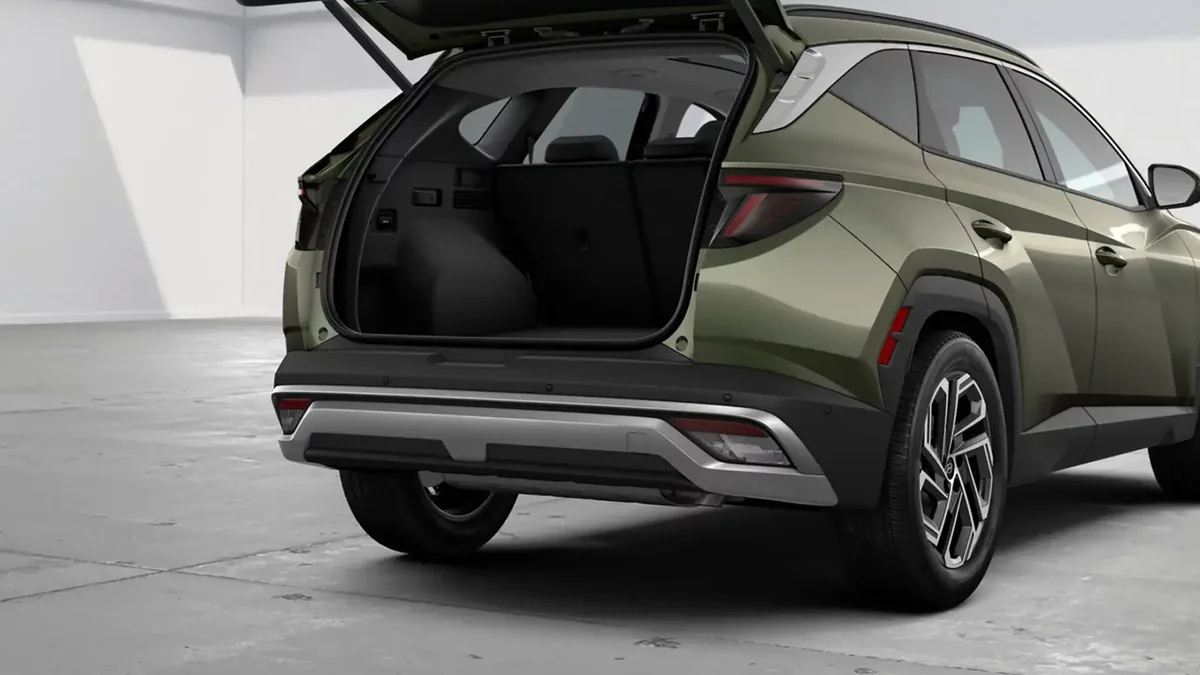
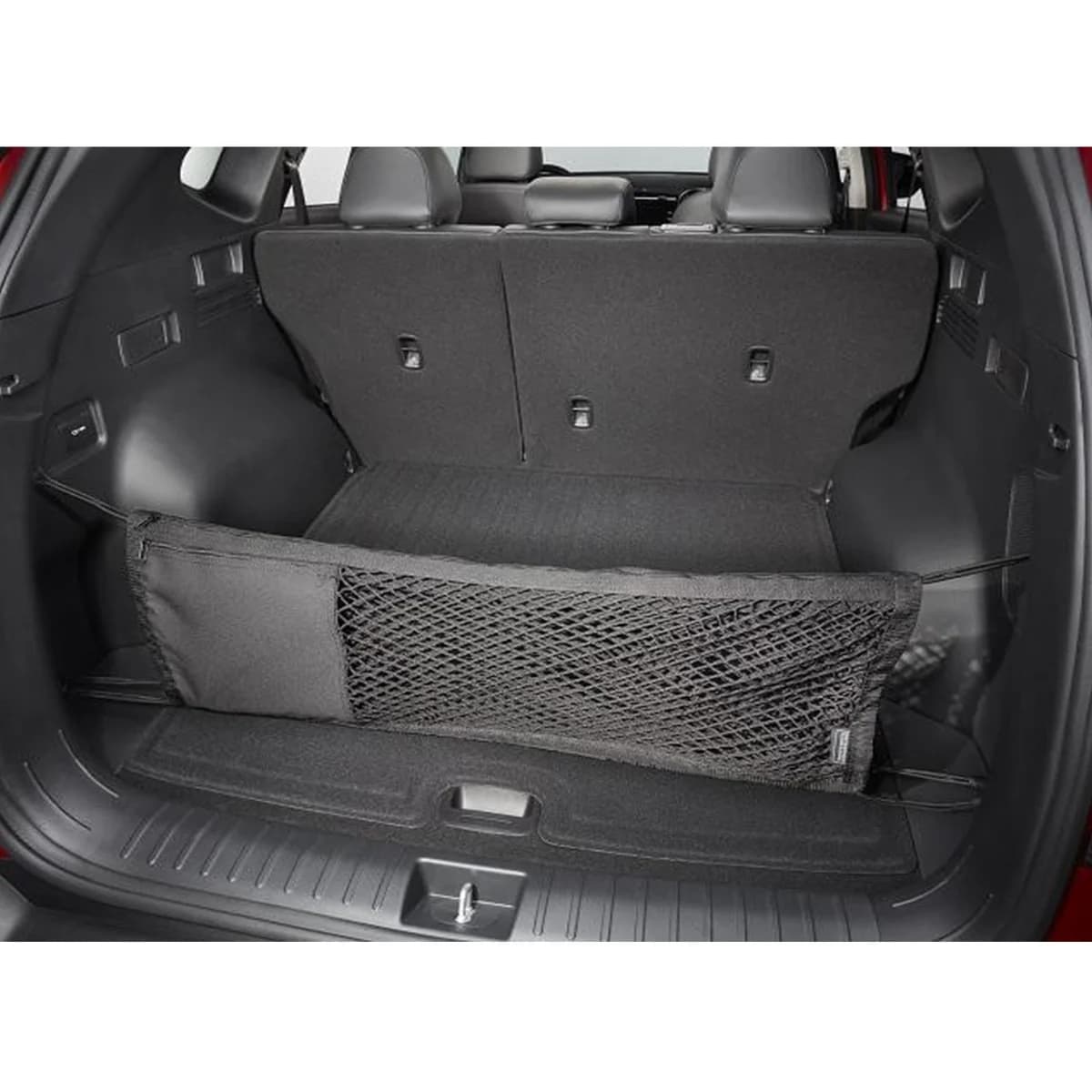
The Tucson is one of the easier compact SUVs to live with when passenger and cargo space matter. Its 41.3 inches of rear legroom create an unusually comfortable second row, and reviewers consistently praise the quiet, upscale-feeling cabin. Behind the seats, approximately 38.7 cubic feet of cargo room handles groceries, strollers, or luggage well, with substantially more space available when the rear seats fold. The only notable compromise is that hybrid versions can sacrifice some cargo capacity, while three adults across the rear feel cramped.
Efficiency And Range
Efficiency is a real Tucson strength, although real-world results depend heavily on configuration and driving conditions. The gas FWD model is rated at 28 mpg combined, while the Blue SE hybrid reaches up to 38 mpg combined on paper. Reviewers appreciate the hybrid’s quiet electric operation, but several report economy falling short of Hyundai’s claims, particularly at highway speeds. The PHEV adds up to 32 miles of electric range and 77 MPGe, making it especially useful for short daily trips if charging is convenient.
Powertrain Response
The Tucson offers sensible powertrains, but the gas version is not especially quick. Its 187-hp 2.5-liter four-cylinder is smooth enough for routine driving, yet experts repeatedly describe acceleration as merely adequate, especially when merging or passing. The hybrid is the more convincing choice, using 231 hp and 271 lb-ft with a conventional six-speed automatic for stronger, quieter response. The PHEV rises to 268 hp, while reviewers generally praise its liveliness. Turbo lag and occasional hesitant shifts keep the electrified models from feeling flawless.
Ride And Handling
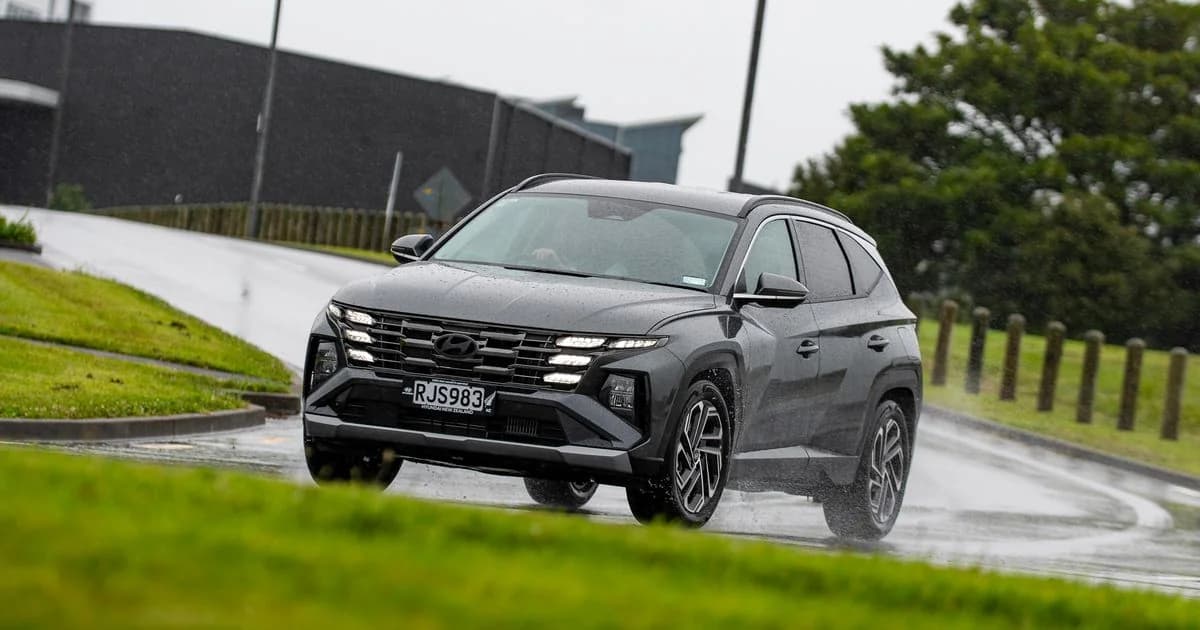
Comfort is the Tucson’s default personality, with a quiet, composed ride that suits commuting and family travel. The independent suspension absorbs ordinary road imperfections well, and reviewers praise the stable highway manners, visibility, and easy maneuverability. Steering is more confident than exciting, though it can feel numb or imprecise, while the soft setup becomes wallowy on winding roads. Sharp potholes may also make the ride busy. Overall, it is polished and relaxing rather than sporty, despite some hybrid testers finding the handling pleasantly controlled.
Towing And Utility
The Tucson has enough utility for light recreational and family duties, but towing is not its defining strength. Properly equipped versions can tow up to 1,247 kilograms, or roughly 2,750 pounds, and one hybrid review cites a 1,650-kg rating in its market-specific configuration. That discrepancy means buyers should verify the exact trim, powertrain, and regional specification before planning a trailer. The roomy cargo area, foldable rear seats, and practical five-seat layout are more consistently useful than the towing figure, supporting everyday hauling better than heavy-duty work.
Conclusion
The Tucson makes its case by being easy to live with, not thrilling: the hybrid powertrain adds welcome responsiveness, while the gas model’s 187-hp engine needs patience during merges. Its real-world efficiency can trail optimistic claims, though the PHEV’s 32-mile electric range suits short commutes. Families will appreciate the roomy rear seat and cargo area, and the quiet ride makes daily travel pleasantly undemanding; sharper potholes and winding roads reveal a softer, less precise side. Optional AWD on gas models and standard AWD on electrified versions improve foul-weather confidence, but XRT styling does not turn it into a serious off-roader. Towing is useful for light duties, provided buyers verify the exact regional rating. This is a smart fit for comfort-focused families and commuters who value features, space, and powertrain choice—not drivers chasing excitement or absolute efficiency. Its balanced capability, strong warranty, and practical value justify a confident recommendation with sensible caveats.

Feature Scores
This reflects reviews and ratings from established critics, journalists, and users who have evaluated the item. Their opinions provide a comprehensive assessment.
Performance
Engine Power
3/5
Acceleration
3/5
Towing Capacity
4/5
Fuel Efficiency
4/5
Reliability
3/5
Durability
3/5
Value
Purchase Price
4/5
Operating Cost
4/5
Resale Value
3/5
Design
Interior Space
4/5
Cargo Capacity
4/5
Ergonomics
4/5
Exterior Styling
4/5
Health
Cabin Air Quality
TBD
Interior Material Toxicity
TBD
Safety
Crashworthiness
4/5
Active Driver Assistance
4/5
Braking Performance
4/5
Visibility and Lighting
4/5
Sustainability
Tailpipe Emissions
4/5
Fuel Lifecycle Emissions
TBD
Use of Recycled Materials
TBD
End-of-Life Recyclability
TBD
Experience Style
Infotainment Features
4/5
Ride Comfort Tuning
4/5
Customization Options
4/5

Specifications
This section outlines the product's key facts, covering essential features, details, dimensions, materials, and any unique characteristics that define its functionality and usability.
Performance
Value
Design
Safety
Sustainability
Experience Style

Frequently Asked Questions
5 Questions

Find Yours
What is your primary use for a Gas-Powered SUV?
Answer to find your best matches.