













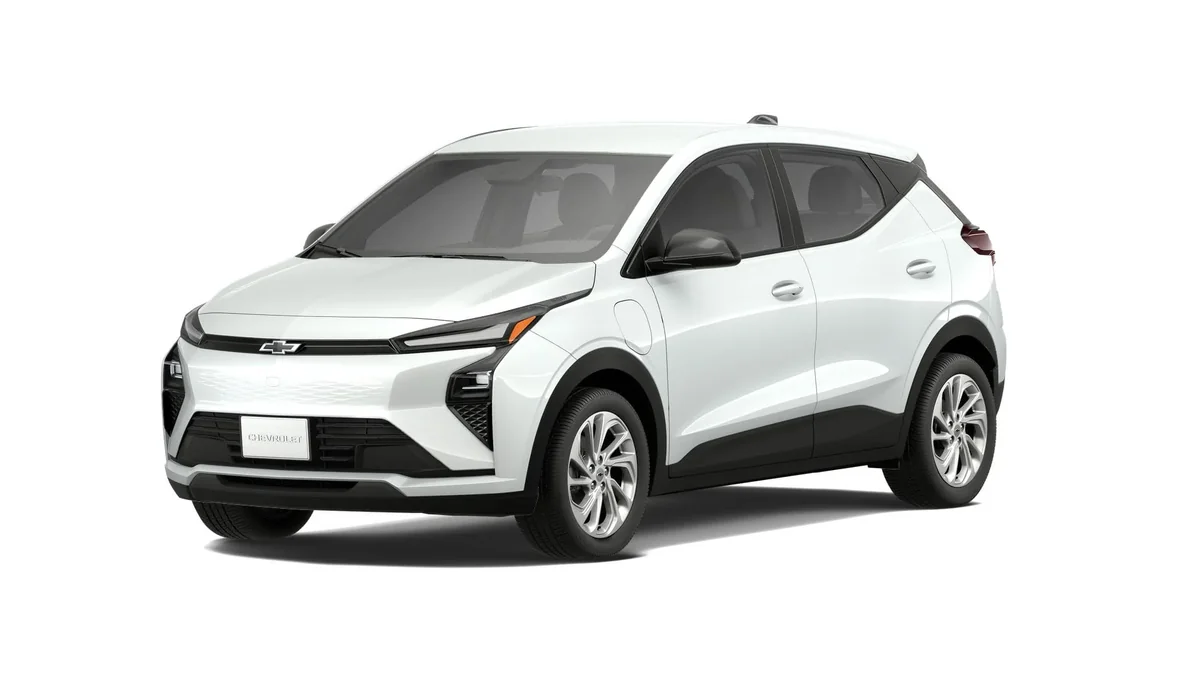
Chevrolet Bolt (2027)
Affordable, long-range EV with fast charging and practical city manners, though refinement is limited.
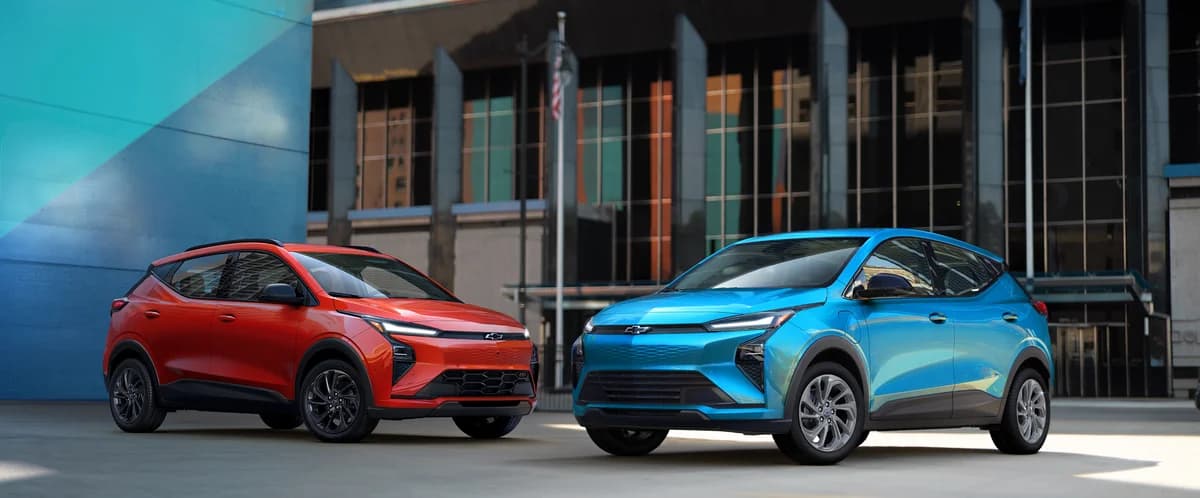
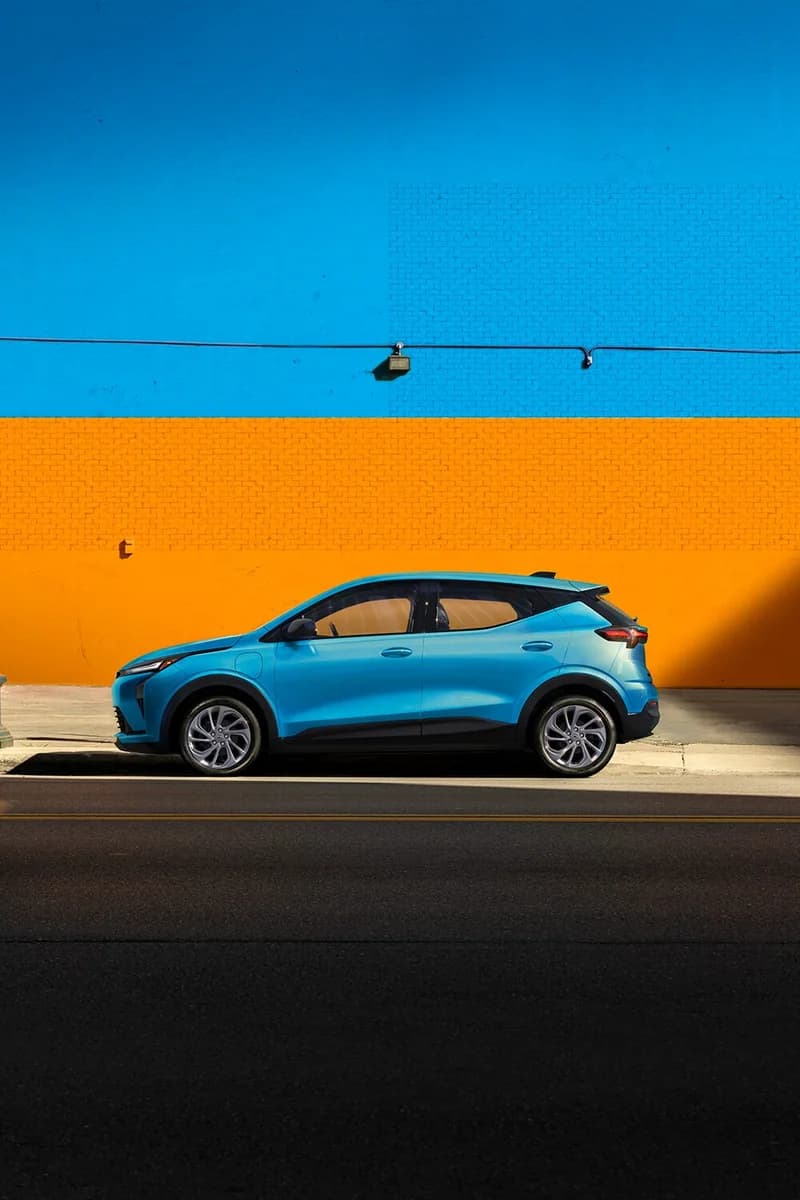
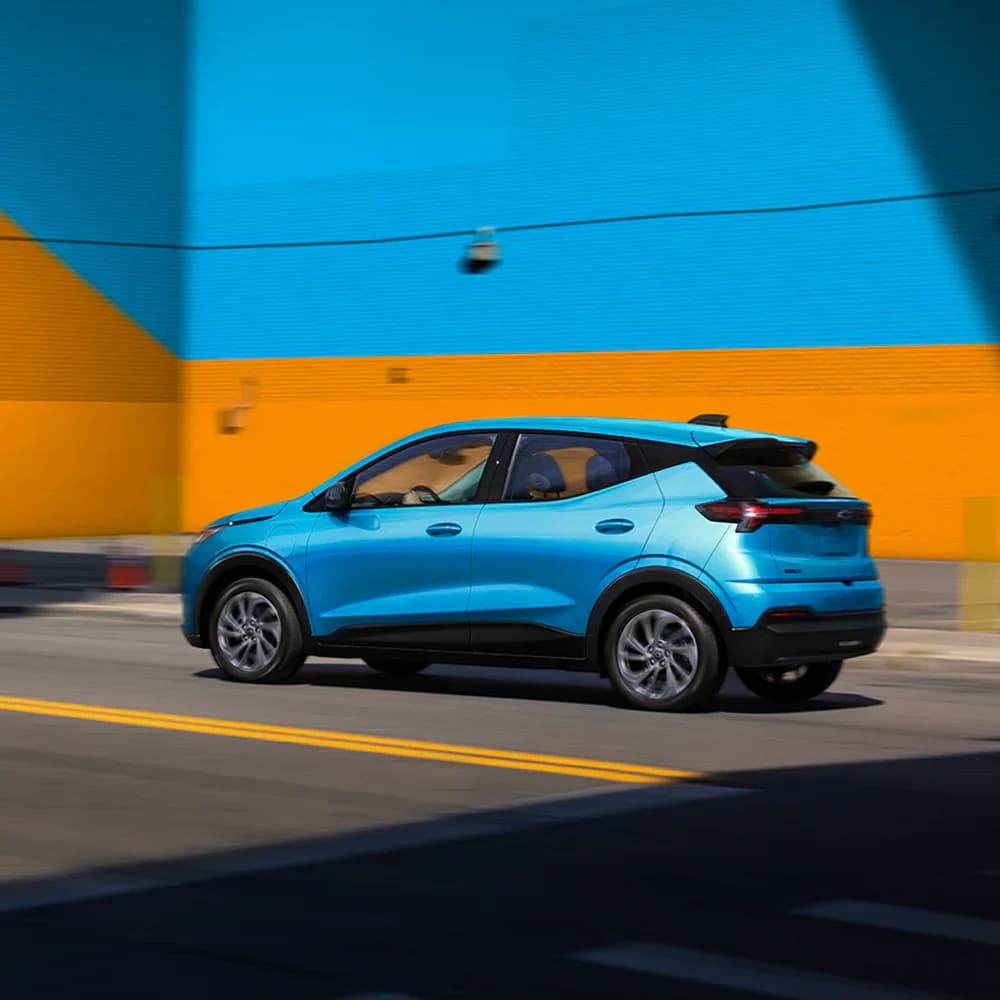
The Chevrolet Bolt (2027) is the cheerful bargain EV for commuters and small households that want to escape gas-station costs without paying crossover money. Its headline $28,995 starting price and 262-mile EPA range are supported by testers and owners, while the upgraded 150-kW DC charging makes occasional road trips far more realistic, though cold weather and inconsistent chargers can reduce the advantage. Drivers praise its zippy, easy-to-park manners, practical hatchback cargo space, and sensible controls. The trade-offs are a bouncy, noisy highway ride, firm seats, hard plastics, tight rear quarters, and no Apple CarPlay or Android Auto. It is excellent value for home-charging commuters, but the limited production run complicates long-term confidence. Overall, affordability, usability, refinement, and availability shape its recommendation.
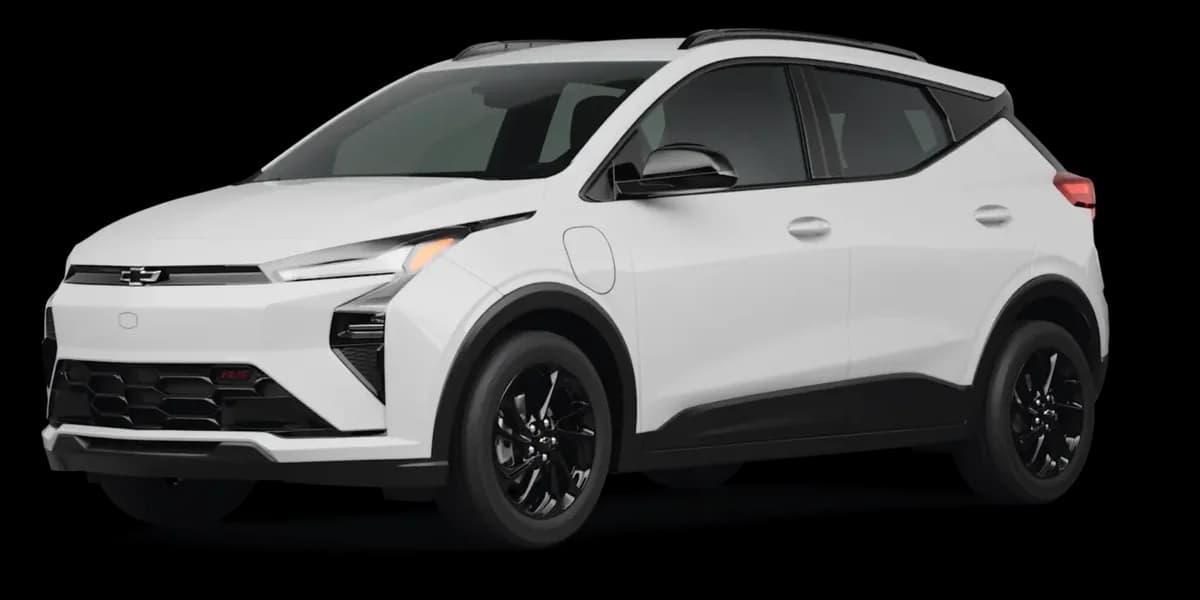
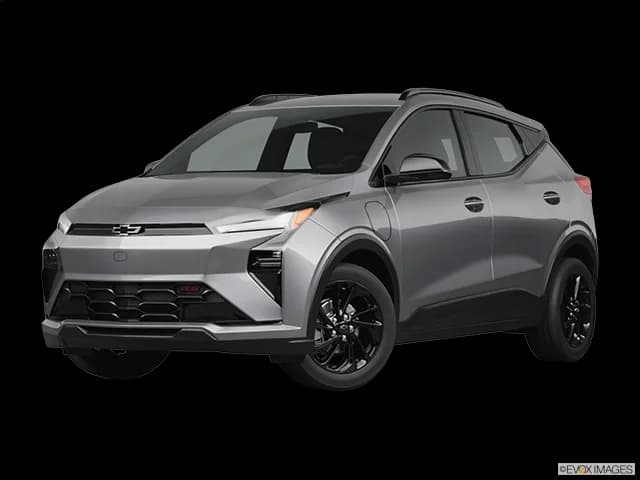
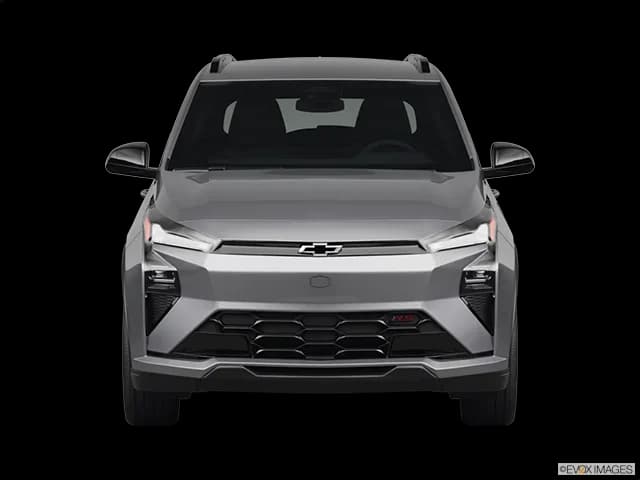
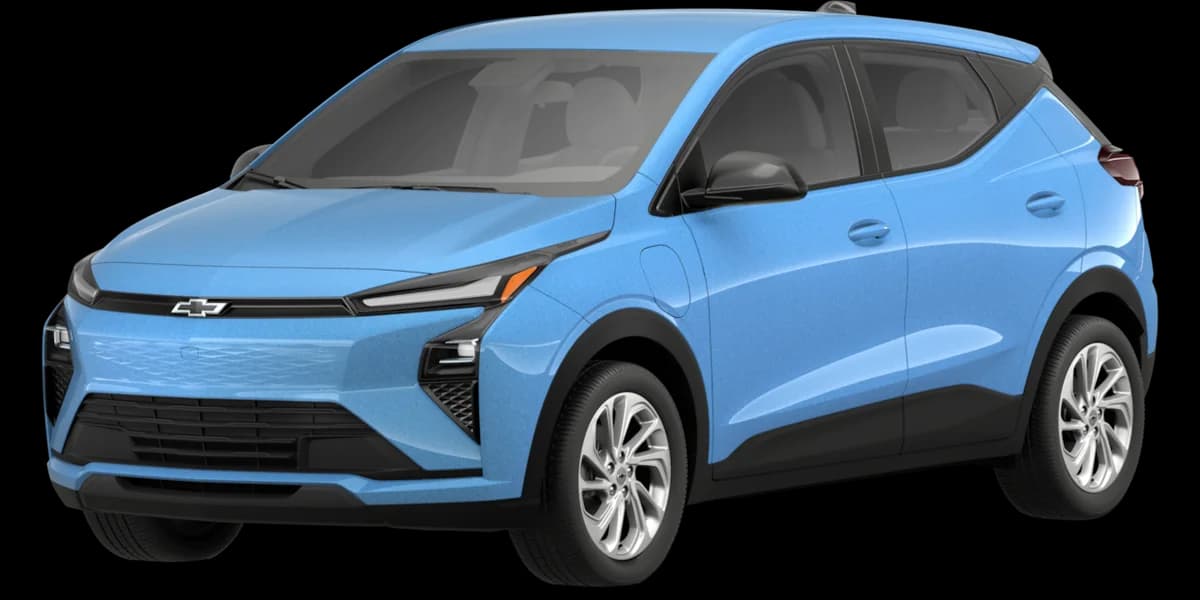
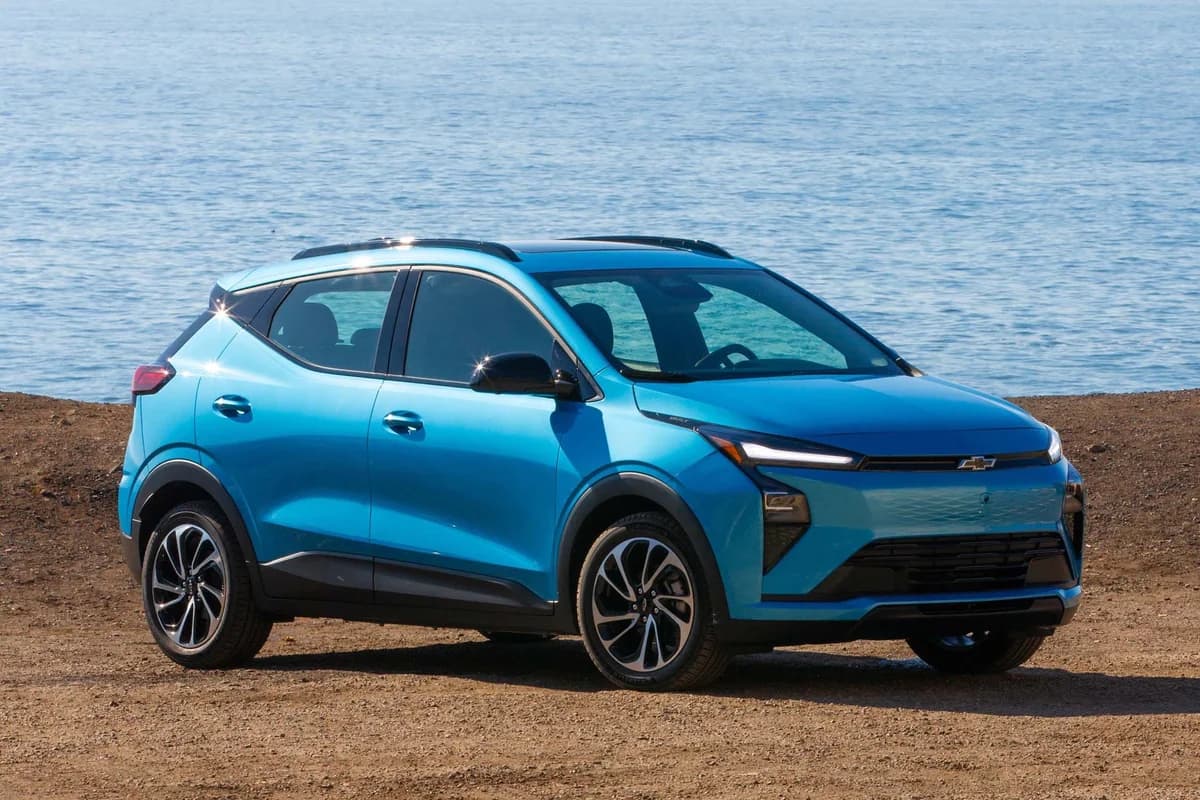
Find Yours
What is your primary intended use for an electric sedan or compact?
Answer to find your best matches.

The Field
Browse top contenders, or compare all options ranked by score and key attributes.
5 Options



The Scoreboard
Does this improve your life? Considers, health, habits, and environmental impact.
Benefits
Light steering, compact dimensions, and punchy acceleration make crowded-city driving feel easy.
Useful storage and a versatile hatchback handle groceries, errands, and everyday gear without fuss.
262 miles of range makes daily commuting feel simple, with fewer charging stops to plan.
Faster charging makes occasional road trips less of a waiting game.
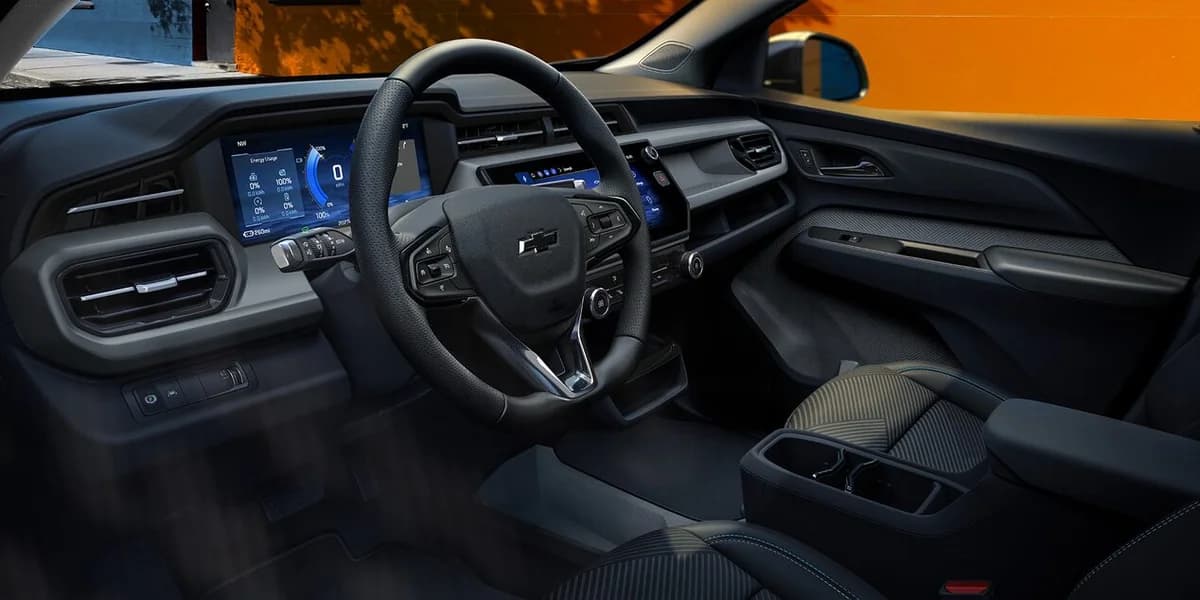
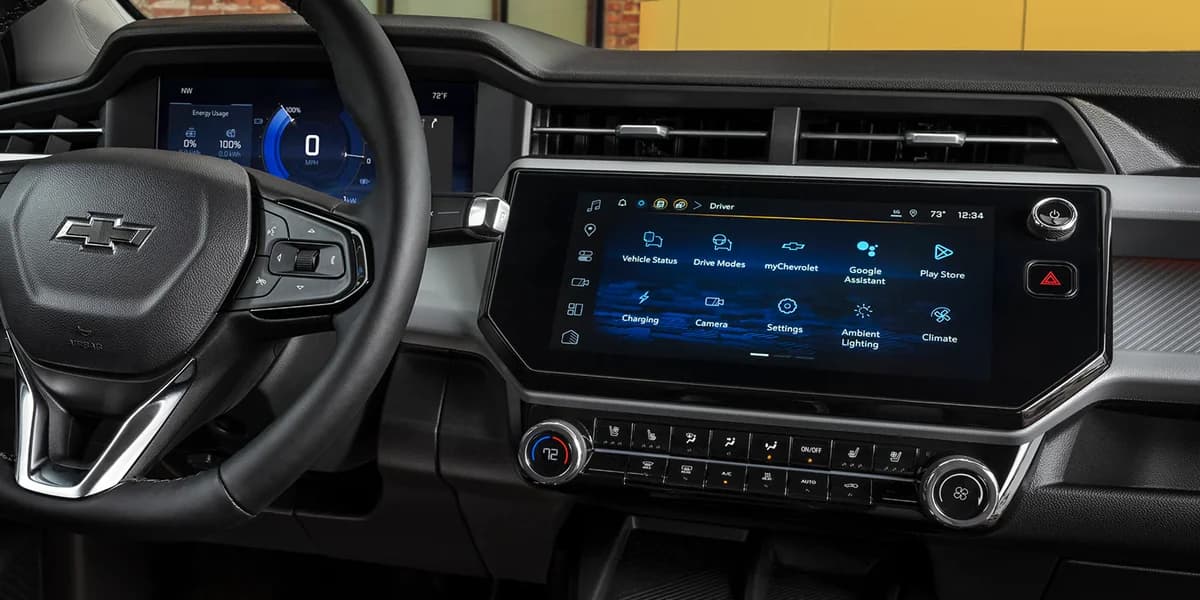
Physical controls and intuitive software make common adjustments quick while driving.
Trade-Offs
Long highway drives can leave your back tired on the Bolt’s flat, firm seats.
Rough pavement makes the ride bounce and the cabin get loud, tiring longer drives.
Phone-dependent drivers must use Google apps, making familiar media and messages less seamless.
Adults in back may feel cramped, especially with limited vents and storage on family trips.
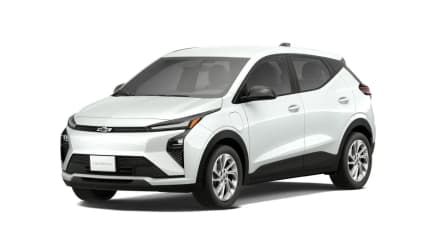
 Alternatives


Join the Circle
Where real meets deal
Know what's worth buying-and when.
Tips, special offers, and rewards for buying and sharing.

Publications
7 LEADING PUBLICATION REVIEWS

Car and Driver is warmly impressed by the 2027 Bolt, calling it an affordable EV comeback worth celebrating. Its biggest transformation is charging: the new LFP battery peaked at 148 kW and reached 90 percent in 38 minutes, while highway range rose to 230 miles. It remains pleasant and composed to drive, with sharper acceleration, confident braking, and available Super Cruise, yet its $28,995 starting price is the real headline. The compromises are familiar: cheap interior plastics, flat seats, no Apple CarPlay or Android Auto, and only limited production. The reduced torque means it is quick rather than thrilling, and the aggressive one-pedal modes may annoy some drivers. Still, the reviewer’s enthusiasm is unmistakable—the Bolt is presented as an unusually sensible, capable EV whose affordability and improved charging make its uncertain, possibly one-year future especially disappointing.
By David Beard
MotorTrend’s Aaron Gold sees the 2027 Chevrolet Bolt as an appealing bargain undermined by serious everyday compromises. Its $28,995 starting price, 262-mile range, competitive charging, improved braking, useful cargo space, and full-strength Super Cruise make it unusually compelling among affordable EVs. Gold is especially impressed that the Bolt feels quick and handles surprisingly well on smooth roads. But the ride becomes harsh, bouncy, and crashy over imperfect pavement, while the undersized, stiff seats and cramped rear-seat ergonomics limit family usefulness. Cold-weather effects on the LFP battery remain an open question, and the car’s cancellation after one model year raises concerns about parts and long-term ownership. Overall, the Bolt is genuinely good value and cheap to operate, but its flaws and short production run make the Nissan Leaf a safer long-term choice.
By Aaron Gold
Edmunds’ James Riswick views the revived Bolt as a smart, practical EV with a few meaningful compromises. Its low-$30,000 pricing, 262-mile EPA range, efficient motor, roomy and cleverly organized interior, and dramatically improved 150-kW charging make it an especially sensible city-friendly choice. Edmunds even achieved 290 miles in real-world testing, while the Bolt remained easy to park, pleasantly zippy, and intuitive to use, with available Super Cruise adding welcome sophistication. Still, the enthusiasm is measured: the flat front and rear seats undermine long-distance comfort, many controls live on the touchscreen, and losing Apple CarPlay and Android Auto is a significant drawback. It also lacks the style and excitement of newer rivals, and expensive options weaken its value. Overall, the Bolt earns praise as an affordable, efficient, well-built everyday EV, but it is best bought simply rather than heavily equipped.
By James Riswick
Kyle Cheromcha of The Drive is highly enthusiastic about the 2027 Chevrolet Bolt. He portrays it as an unusually sensible, affordable EV that improves on the old model with 262 miles of range, a 65-kWh LFP battery, 150-kW charging, stronger handling, modern software, NACS support, and optional Super Cruise. The central insight is that the Bolt’s restrained, evolutionary approach feels more valuable than today’s oversized, overpowered electric trucks and SUVs—especially at a starting price below $30,000. Cheromcha is candid about compromises: the interior loses Apple CarPlay and Android Auto, the quirky regen paddle is gone, charging remains 400-volt, and production may last only 18 months. Battery-recall history and GM’s uncertain long-term commitment also temper the excitement. Still, those concerns barely dent his conviction that the Bolt is currently the EV value to beat.
By Kyle Cheromcha
U.S. News’ Matt DeLorenzo views the 2027 Bolt as a smart, affordable EV with meaningful compromises. Its $27,600 starting price, 262-mile range, improved cabin, intuitive controls, and strong real-world performance—including a 210-mile desert trip with range to spare—make it an unusually compelling value. Faster NACS charging, useful driver assistance, and available Super Cruise add appeal, while the RS trim’s comfort and equipment upgrades make it the preferable choice. Still, the Bolt is not especially exciting: reduced torque, front-wheel drive, tight rear seating, hard front seats, and the loss of Apple CarPlay and Android Auto are notable drawbacks. Its limited production run and likely depreciation also weaken the case for buying outright. Overall, DeLorenzo considers the Bolt a pleasant, practical bargain, especially for budget-conscious EV shoppers, but the Nissan Leaf offers more range for slightly more money.
By Matt DeLorenzo
InsideEVs’ Tim Levin is clearly enthusiastic about the 2027 Bolt, while acknowledging the compromises behind its low price. After a week driving a Bolt RS around the Bay Area, he praised its punchy acceleration, city-friendly dimensions, surprisingly spacious back seat, abundant storage, and polished Google Built-in infotainment. The improved 262-mile range and 150-kilowatt fast charging also make this Bolt more viable for occasional road trips than its predecessor. The trade-offs are a bouncy ride on rough pavement, firm seats, and an interior dominated by hard plastic that feels unmistakably budget-grade. Still, those flaws seem relatively minor given the Bolt’s sub-$30,000 starting price and practical packaging. Levin’s biggest frustration is that GM plans to build it for only about another year, making this an appealing, urgently timed recommendation for value-focused EV shoppers.
By Tim Levin
Road & Track views the 2027 Chevrolet Bolt as a smart bargain with significant compromises. Its $28,995 starting price makes it the cheapest new EV in the U.S., while 262 miles of range, a native NACS port, bidirectional charging, and 150-kW fast-charging capability bring welcome modernization. The Bolt remains spacious and easy to live with, and Super Cruise works impressively where available. Still, the driving experience is subdued rather than sporty, with soft throttle response, modest acceleration, and noticeable body roll. Real-world charging also peaked at just over 110 kW, and the Tesla-charging interface proved troublesome. Rear-seat space is tight, Apple CarPlay and Android Auto are absent, and Super Cruise is expensive. Most concerning, GM plans to end production after roughly 18 months, making this an appealing low-cost EV for some buyers—but hardly a confident long-term recommendation.
By Fred Smith

YouTube
14 LEADING EXPERT & INFLUENCER REVIEWS
 Auto Buyers Guide | Alex on Autos
Alex on Autos is strongly positive about the 2027 Bolt, calling it an unusually compelling affordable EV rather than a compromise car. He praises its 262-mile range, 25-minute fast charging, LFP battery, included dual-voltage cable, practical cargo space, and unusually affordable Super Cruise access. The Bolt is also fun and easy to park, with an efficient, well-balanced chassis. Still, its rear seat is narrow, the ride is firmer and cabin noisier than larger EVs, materials are basic, and GM’s lack of Apple CarPlay and Android Auto is frustrating. Its limited production makes acting quickly advisable.
Kelley Blue BookJordan is highly enthusiastic about the 2027 Bolt, calling its return a major win for affordable EV buyers. The improved interior, 262-mile range, LFP battery, heat pump, 150-kW DC charging, NACS port, physical controls, and smarter Super Cruise make it far more usable than before. He especially appreciates its light, maneuverable feel, quieter ride, practical back seat, and impressive value. Still, the exterior is largely generic, power is modest, Apple CarPlay is absent, rear air vents and heated seats are missing, and the seats may not suit long road trips. Its limited 18-month run also leaves him genuinely disappointed.
Micah MuzioMicah Muzio is strongly positive about the 2027 Chevrolet Bolt, calling it an impressively capable bargain. He praises its sensible interior storage, comfortable armrests, practical cargo space, smooth ride, zippy acceleration, improved brake feel, 262-mile range, and 150-kW DC fast charging. Family testing also found it easy to maneuver and accommodating for child seats. The main objection is GM’s removal of Apple CarPlay, which Micah considers frustrating and unnecessary. Rear visibility, firm seats, road noise, and uncertain ride quality over major impacts are smaller drawbacks. Despite its odd limited-run status, he recommends the base LT as an excellent value.
TFLEVNathan is highly impressed by the 2027 Chevrolet Bolt, calling it a strong value rather than a grand slam. He praises its comfortable, well-sorted ride, solid acceleration, 262-mile range, much faster 150-kW DC charging, NACS port, practical cargo space, and unusually affordable Super Cruise option. He also appreciates the quiet cabin, physical climate controls, available panoramic roof, and built-in camera recording. Reservations include a cheap-feeling interior, occasionally frustrating touchscreen, no Apple CarPlay or Android Auto, limited rear-seat storage and vents, and less playful handling than the previous Bolt. Overall, he considers it an excellent budget EV and “a double.”
Auto FocusAuto Focus is highly enthusiastic about the 2027 Chevrolet Bolt, calling it an impressive, genuinely usable EV that proves an under-$30,000 electric car needn’t feel compromised. After roughly a week of driving, the reviewer praised its honest 250–270-mile range, comfortable ride, peppy acceleration, roomy cabin, abundant storage, physical controls, and standard NACS port. The Bolt’s basic materials, mediocre speakers, lack of Apple CarPlay or Android Auto, and slightly imperfect regenerative-braking calibration are clear drawbacks, while Sport mode seems largely cosmetic. Still, the overall verdict is warmly favorable: it is practical, efficient, affordable, and far better equipped than its price suggests.
MotormouthMotormouth is genuinely enthusiastic about the 2027 Chevrolet Bolt, especially as an affordable city EV. They praise its easy maneuverability, excellent visibility, quiet ride, improved brakes, spacious cabin, thoughtful storage, 262-mile range, and much faster 150-kW DC charging. Their firsthand ownership of an older Bolt strengthens the comparison: the new model feels smoother and more road-trip capable, while retaining the reliable, practical character they already love. Reservations are limited cargo space, no driver-seat memory, front-wheel drive only, and the concern that production may last just one year. Overall, they strongly hope Chevrolet keeps it around.
CarGurusMark Takahashi is clearly positive on the 2027 Chevrolet Bolt, calling it the value winner among affordable EVs. He appreciates its responsive performance, well-controlled ride, roomy and practical interior, 262-mile range, faster 150-kW charging, and distinctive Super Cruise option. Still, enthusiasm is tempered by noticeable road noise, stiff-but-manageable ride quality, hard plastics, and the absence of Apple CarPlay and Android Auto. The biggest concern is GM’s decision to limit production to roughly 18 months, raising questions about future support. Overall, he views the Bolt as an unusually compelling budget EV, especially for price-conscious buyers.
Car ConfectionsCar Confections is highly enthusiastic about the 2027 Chevrolet Bolt, calling it an impressive sub-$30,000 EV. The team praises its 262-mile range, much quicker 150-kW DC charging, standard NACS port, comfortable ride, strong practicality, abundant storage, and surprisingly brisk acceleration. They also appreciate the upgraded technology and available Super Cruise. Criticisms are limited but include no all-wheel-drive option, no Apple CarPlay or Android Auto, relatively loud road noise, hard interior materials, and no power liftgate or rear vents. Its roughly 18-month production run adds urgency to an already compelling value proposition.
AutoTrader CanadaAutoTrader Canada’s Jodi Lai is genuinely enthusiastic about the 2027 Chevrolet Bolt, calling it one of Canada’s best EV values. She praises its affordable pricing, 422-km range, much faster 150-kW charging, NACS port, zippy performance, smooth ride, roomy and practical cabin, and straightforward controls. Her reservations are specific but meaningful: hard interior plastics, slippery storage surfaces, an awkward armrest, an occasionally unresponsive touchscreen, and no Apple CarPlay or Android Auto. High-priced options can also push the RS near $50,000. Still, limited availability is her biggest disappointment, and she strongly recommends the Bolt for practical, budget-minded EV shoppers.
Vehicle VisionaryTom from Vehicle Visionary is clearly positive about the 2027 Chevrolet Bolt, calling it an effective EV that delivers strong value below $30,000. He appreciates its 262-mile range, comfortable ride, easy-to-use technology, respectable acceleration, practical cargo space, and useful safety features. The review also acknowledges compromises: road noise, limited rear space, manually adjustable seats, no frunk or spare tire, basic audio, and slower charging than refueling a gas car. Overall, Tom views the Bolt as a sensible, approachable, and surprisingly capable budget EV, though buyers should judge its space and refinement for themselves.
Ben HardyBen Hardy is highly enthusiastic about the 2027 Chevrolet Bolt, calling it an exceptionally affordable, practical EV. He praises its smooth acceleration, useful 262-mile range, attractive styling, spacious front seating, plentiful storage, and improved everyday usability. The Bolt feels more like an efficient appliance than an exciting performance car, but Hardy considers that a virtue for inexpensive transportation. He flags the tight rear headroom, basic materials, limited camera system, and modest power, while emphasizing that Utah’s potential $10,000 tax credit could make the Bolt remarkably affordable.
Gearbox Car ReviewsGearbox Car Reviews is enthusiastic about the 2027 Bolt, calling it a smart, affordable EV that quietly handles everyday driving well. The reviewer praises its 262-mile range, improved 150-kW charging, practical hatchback space, comfortable ride, physical controls, and better Michelin Primacy tires. It feels quick enough, corners capably, and offers unusually useful features for a sub-$30,000 car, including heated seats and steering wheel. Criticisms include noticeable road and wind noise, no front parking sensors, limited rear-seat amenities, finicky cupholders, and charging that rarely reaches its advertised peak. Overall, it’s an exceptionally strong value rather than an exciting or luxurious EV.
TestDrivenTVSam Haymart is warmly positive about the revived 2027 Chevrolet Bolt, calling it cute, well-built, refined, and fairly priced. After a week with the RS, he appreciates its smooth 210-hp performance, comfortable car-like ride, manageable size, practical cabin, and appealing value around $35,000–$36,000. The 262-mile EPA range fell short in Phoenix’s extreme heat, though he attributes that largely to heavy air-conditioning use and idling. He also dislikes the lack of Apple CarPlay and Android Auto, but considers those drawbacks minor beside the Bolt’s affordability, solid construction, and much-needed return to the market.
The Drive WireThe Drive Wire is warmly enthusiastic about the 2027 Chevrolet Bolt, calling it a fun, affordable comeback. The review praises its 262-mile range, much faster 150-kW charging, NACS port, roomy cargo area, and surprisingly lively performance, even with reduced torque. Mountain-road driving reveals decent grip and entertaining acceleration, but also vague steering, noticeable body roll, understeer, basic materials, a glare-prone screen, and no Apple CarPlay or Android Auto. The biggest frustration is GM’s planned 18-month production run, which makes an otherwise excellent budget EV feel frustratingly temporary.

Social
1 INFLUENCER REVIEW
 ExecutiveAutoGroup
ExecutiveAutoGroup is highly enthusiastic about the 2027 Chevy Bolt LT as an unusually affordable new EV. They emphasize its $27,600 price, 262-mile range, durable LFP battery, Tesla-style NACS charging, roomy hatchback storage, and useful built-in Google apps. The review also acknowledges base-model compromises, including rear plastic, potentially tight space for taller passengers, and the absence of Apple CarPlay and Android Auto. Overall, the Bolt comes across as practical, well-equipped, and compelling for budget-conscious EV buyers, with those connectivity and comfort limitations as the main reservations.

Forum Reviews
CUSTOMER REVIEWS FROM 1 FORUM
Redditors are broadly enthusiastic about the 2027 Chevrolet Bolt, especially at discounted prices. Owners praise its zippy city driving, compact practicality, roomy-for-its-size cabin, improved screens, seats, range, and faster charging. It is increasingly viewed as a credible road-trip EV, though cold weather still hurts efficiency. Criticism centers on bland styling, cheap plastics, no Apple CarPlay or Android Auto, firm seats, and a bouncy, noisy ride that feels less comfortable at highway speeds. Some early cars have charging-cable or port-lock quirks, but most reported issues are minor. New shoppers are interested, while upgraders mainly want more space and smoother refinement.
Many comments

In-Depth Review

Highlights
- •Faster DC ChargingAdvertised 10–80% charging in 25–26 minutes.
- •Long Everyday RangeMarketed as offering a 262-mile EPA range.
- •Sub-$30K Entry PriceMarketed as an affordable American EV.
- •Easy City ManeuveringCompact dimensions simplify crowded-street driving.

Considerations
- •Limited Production RunAn approximately 18-month run raises ownership concerns.
- •Rough Highway RideBroken pavement can feel bouncy and crashy.
- •Missing Phone IntegrationNo Apple CarPlay or Android Auto.
- •Firm Flat SeatsFlat cushions can cause fatigue on trips.
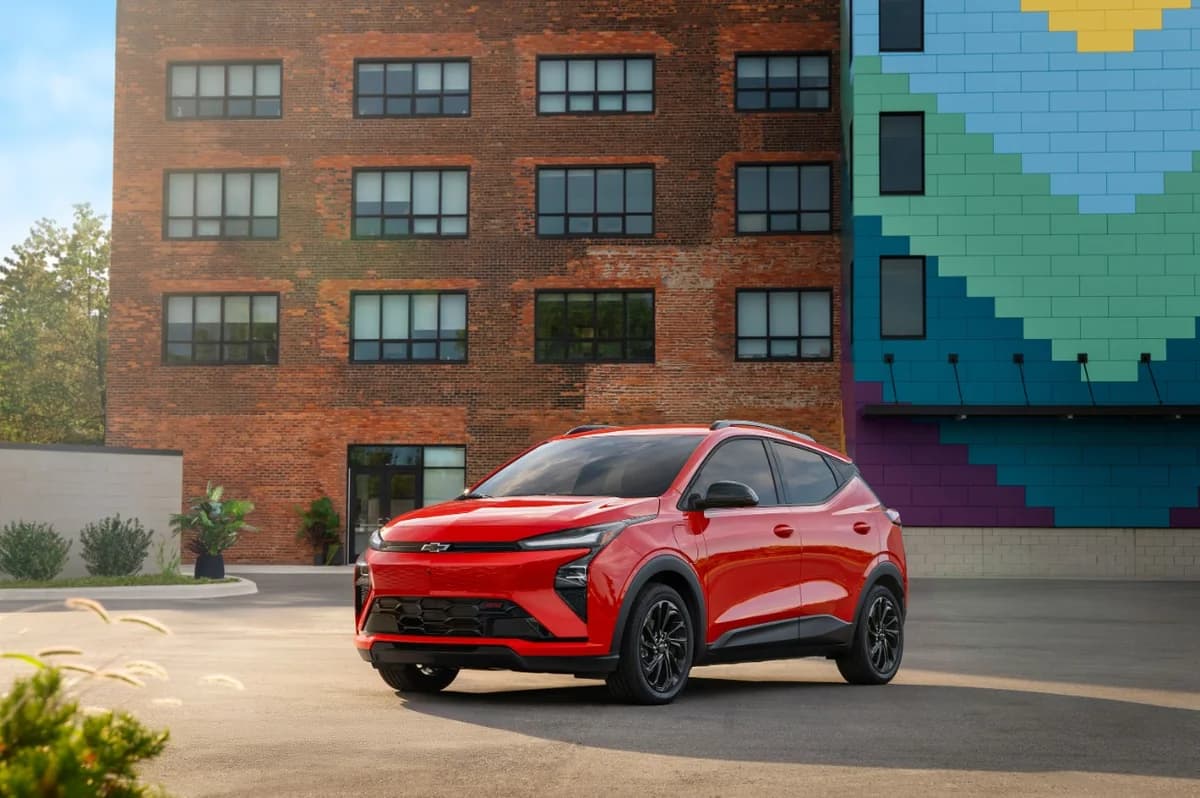
Chevrolet has long made practical, approachable cars, and the Bolt returns as an unusually affordable EV rather than a stripped-down science project. Its main job is everyday commuting, errands, and occasional road trips, built around a sub-$30,000 starting price, 262-mile EPA range, and a compact hatchback footprint. Compared with the previous Bolt, 150-kW DC charging and a standard NACS port make longer trips more realistic, while its light, zippy manners suit city drivers and budget-conscious households. The five-seat cabin and useful cargo area add flexibility, though rear space, firm seats, hard plastics, and highway ride quality deserve a close look. If you’re weighing it against a Leaf or small electric crossover, examine charging consistency, cold-weather efficiency, and the loss of phone mirroring carefully. Its recipe is simple: great range-per-dollar, with a few budget-car reminders—so let’s see where the bargain shines and where it squeaks.
Ride And Highway Refinement
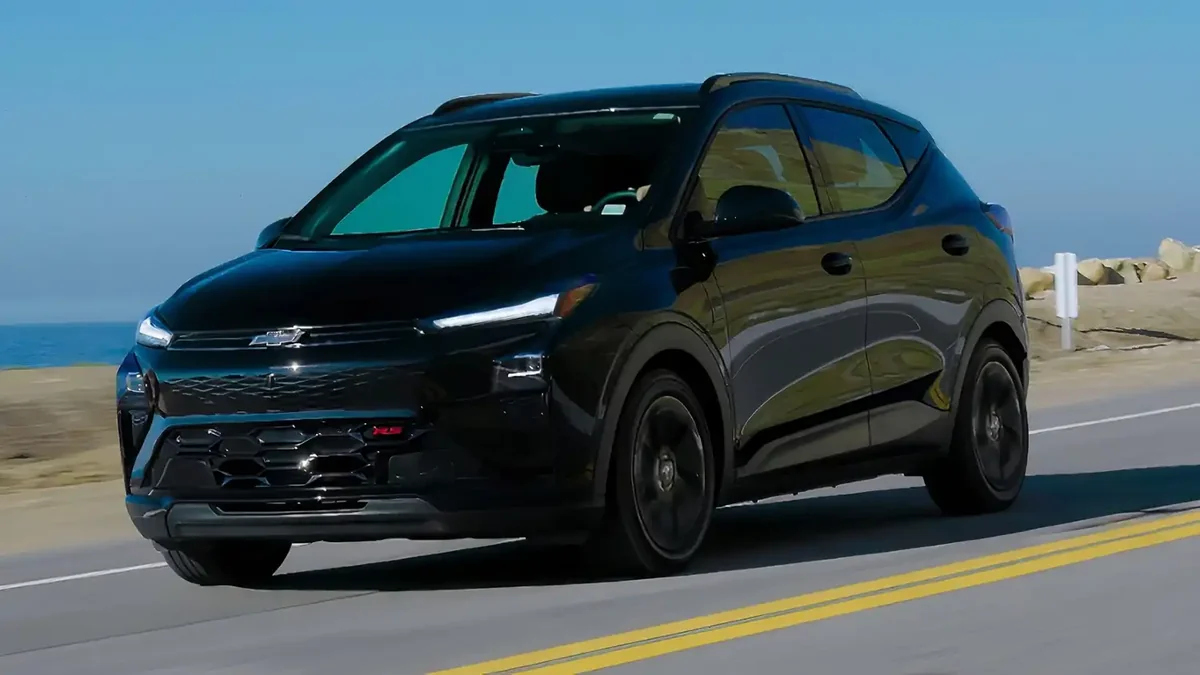
The Bolt is pleasant around town but less polished on rough highways. Its comfortable, well-controlled ride works well on smooth pavement, and the cabin can feel quiet during ordinary urban driving. However, reviewers repeatedly describe bouncy or crashy responses over broken surfaces, along with noticeable road and wind noise. Firm, flat seats add fatigue on longer journeys, especially for adults in back. That makes the Bolt highly usable for commuting, but less refined than larger or more expensive EVs.
Hatchback Practicality
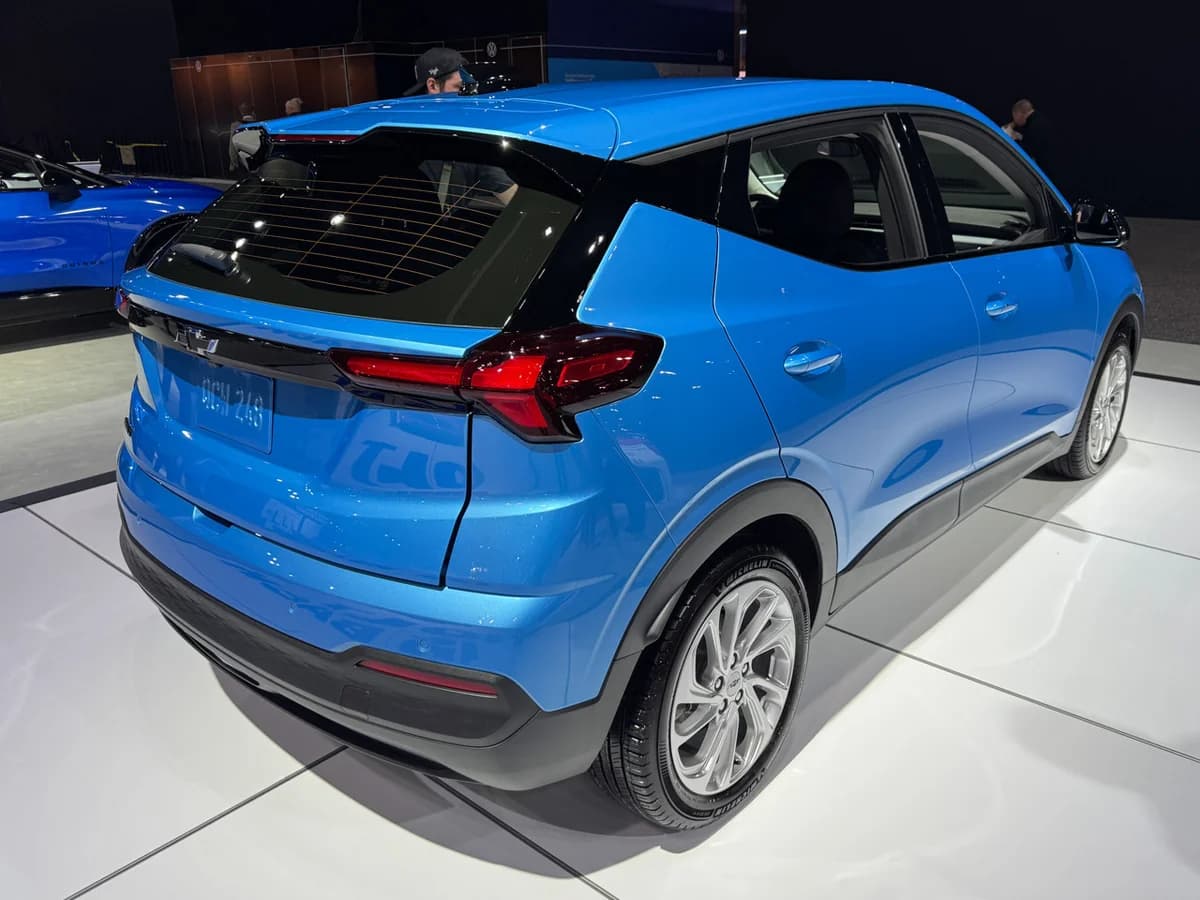
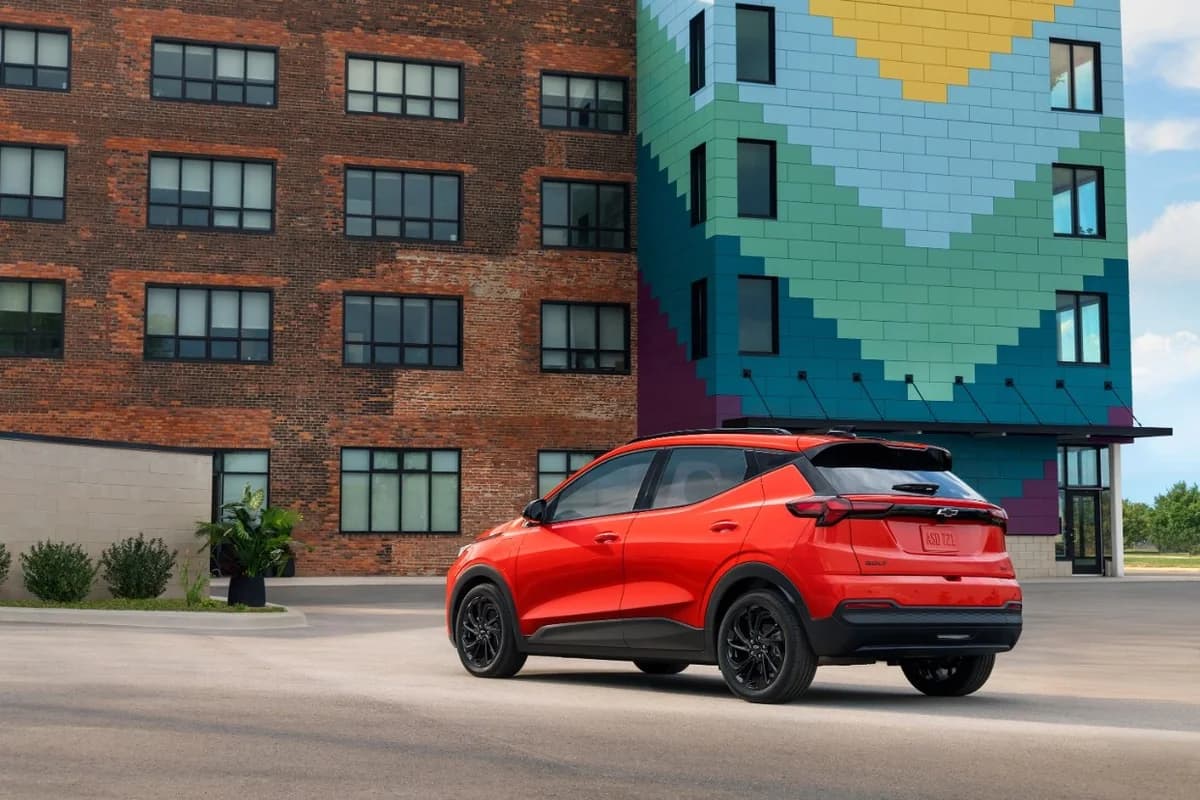
The Bolt’s hatchback shape gives it more everyday usefulness than its small footprint suggests. Its five-seat cabin and versatile rear cargo area handle groceries, child-care gear, and routine errands well, while clever storage and a low loading height earn consistent praise. Rear passengers get less generosity, with tight space, limited storage, and no rear air vents. The 458-liter cargo capacity is practical for a compact EV, but buyers carrying adults or bulky family equipment should test it firsthand.
Faster DC Charging
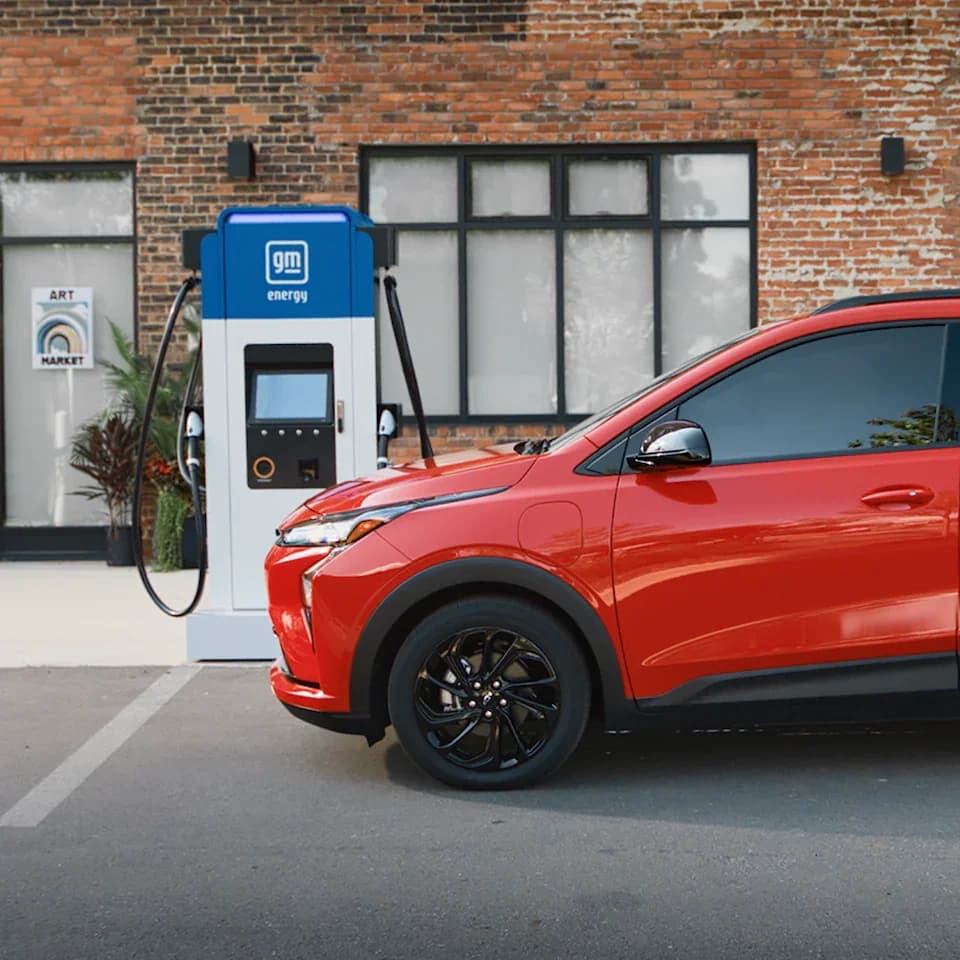
The Bolt’s charging upgrade makes occasional road trips far easier. Chevrolet advertises 150-kW DC fast charging and roughly 25–26 minutes from 10–80%, a substantial improvement over the previous model. Testing generally supports the improvement, although Car and Driver saw 148 kW and Road & Track topped out just above 110 kW, showing that station conditions matter. The standard NACS port broadens compatibility, but Tesla-station experiences were not universally seamless. For the price, charging is a genuine strength, not just a marketing claim.
City Driving Character
Compact dimensions make the Bolt unusually easy to place in crowded streets and tight parking spaces. The 210-hp front-wheel-drive motor delivers zippy acceleration for merging and urban gaps, even though reduced torque keeps it from feeling genuinely sporty. Reviewers also praise the light, maneuverable chassis, confident braking, and useful visibility. Handling is capable rather than thrilling, with some body roll, vague steering, and understeer when pushed. For everyday transportation, its calm responsiveness is more valuable than outright performance.
Interior Feel And Seats
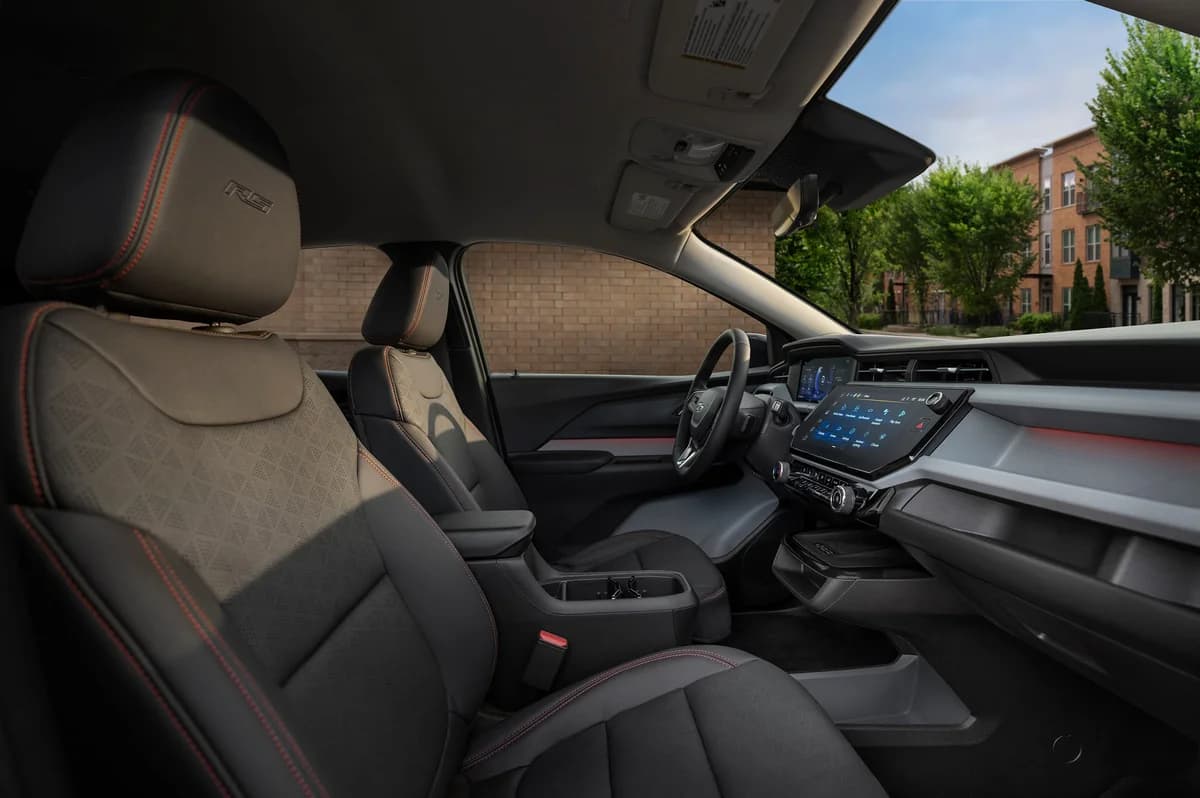
The redesigned cabin is more functional than luxurious. Physical climate controls and improved Google Built-in software make common tasks straightforward, but the touchscreen can occasionally feel unresponsive, and the absence of Apple CarPlay and Android Auto remains a frequent complaint. Hard plastics reinforce the budget positioning, while flat, firm seats can become uncomfortable on long drives. Heated front seats and a heated steering wheel add useful value on some versions, yet the cabin’s material quality and seating comfort are clear areas where pricier rivals pull ahead.
Range And Efficiency
The Bolt offers enough range to make daily driving feel low-stress. Its 262-mile EPA estimate is excellent for a sub-$30,000 EV, while the efficient motor and 65-kWh LFP pack help keep energy use reasonable. Real-world results vary: Edmunds achieved 290 miles, and U.S. News completed a 210-mile desert drive with range remaining, but cold weather and heavy air-conditioning can reduce the margin noticeably. The range is credible, though winter planning still matters for road trips.
Conclusion
The Bolt’s bargain works best when you see it as a city-friendly EV with occasional road-trip ambitions: its 262-mile estimate is reassuring, and 150-kW DC charging makes longer stops far less tedious, though cold weather and inconsistent station performance can shrink the advantage. Experts and owners alike praise its zippy maneuverability, useful hatchback cargo space, and intuitive physical controls. The compromises are equally clear: rough highway ride, road noise, tight rear accommodations, hard plastics, and firm, flat seats that can wear on longer journeys; the missing Apple CarPlay and Android Auto also frustrate phone-dependent drivers. It suits commuters, small households, and value-focused first-time EV buyers who can charge at home, but less so frequent highway travelers or families needing generous rear space. With excellent range-per-dollar and genuine usability balanced against modest refinement and limited production, it earns a strong recommendation—just not a carefree one.

Feature Scores
This reflects reviews and ratings from established critics, journalists, and users who have evaluated the item. Their opinions provide a comprehensive assessment.
Performance
Driving Range
4/5
Charging Speed Capability
4/5
Energy Efficiency
4/5
Acceleration Performance
4/5
Handling and Ride Quality
4/5
Reliability and Durability
3/5
Battery Longevity
4/5
Value
Purchase Price Competitiveness
5/5
Total Cost of Ownership
4/5
Resale Value
2/5
Design
Exterior Design Appeal
3/5
Interior Materials Quality
3/5
Seating Comfort and Ergonomics
3/5
Cargo and Cabin Practicality
4/5
Health
Cabin Air Quality
TBD
Interior Material Safety
TBD
Safety
Crashworthiness
TBD
Advanced Driver Assistance Systems
4/5
Battery Safety and Thermal Management
4/5
Sustainability
Battery End-of-Life Management
TBD
Use of Recycled Materials
TBD
Operational Emissions (Well-to-Wheel)
4/5
Experience Style
Infotainment and Connectivity
3/5
Over-the-Air Software Support
3/5
Charging Ecosystem Convenience
4/5

Specifications
This section outlines the product's key facts, covering essential features, details, dimensions, materials, and any unique characteristics that define its functionality and usability.
Performance
Value
Design
Sustainability
Experience Style

Frequently Asked Questions
12 Questions

Find Yours
What is your primary intended use for an electric sedan or compact?
Answer to find your best matches.