


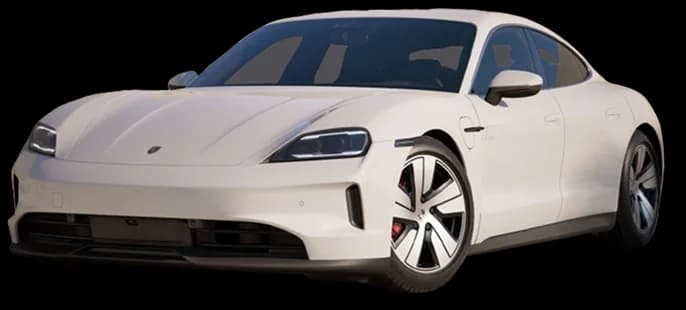
Porsche Taycan (2027)
Sports-car acceleration, sharp handling, rapid charging, and premium comfort, with costly, cramped practicality.
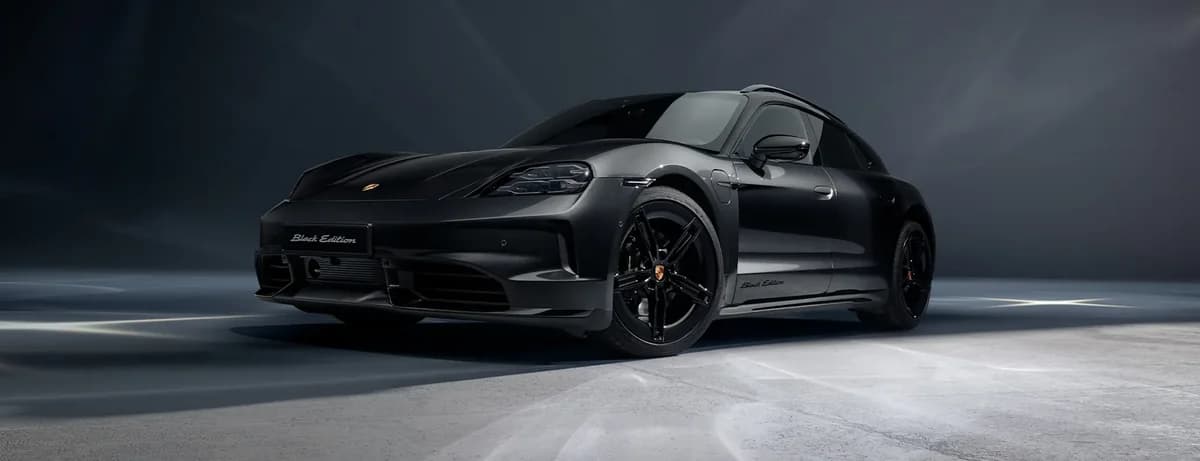
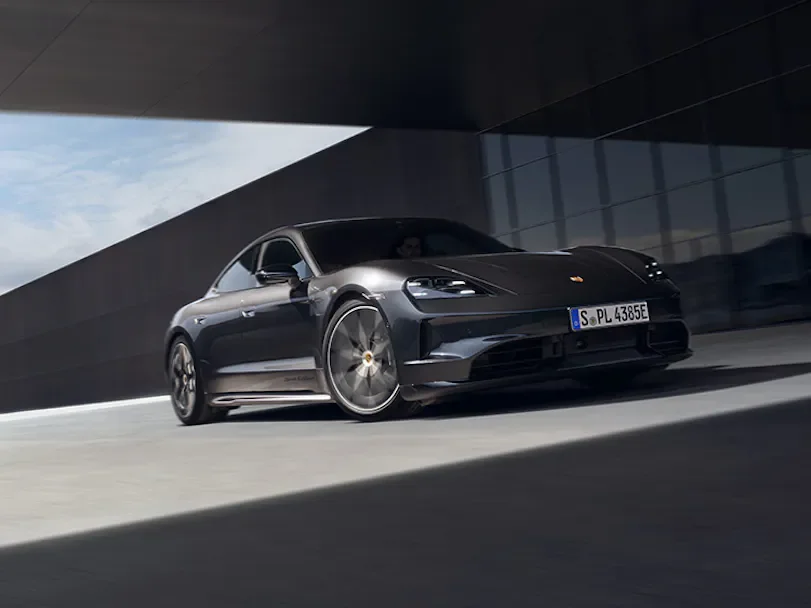
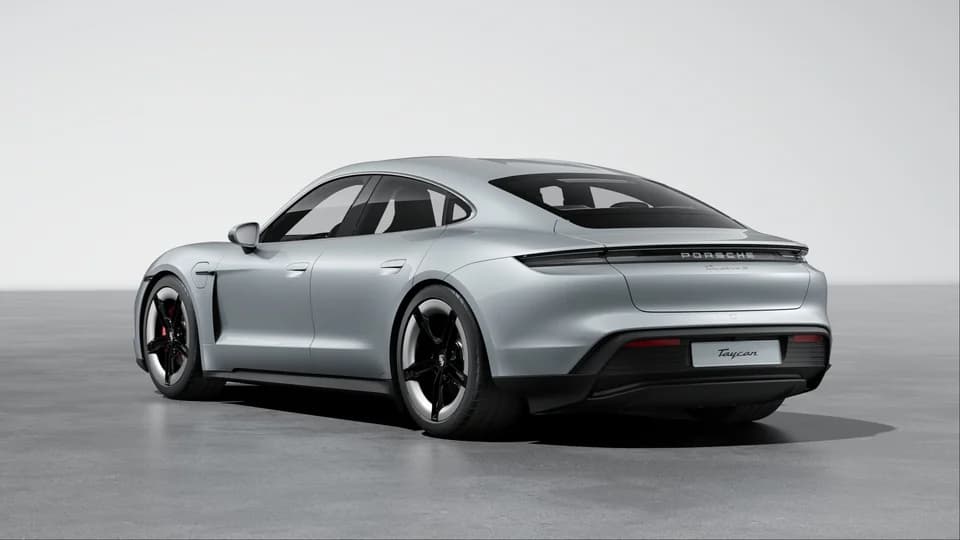
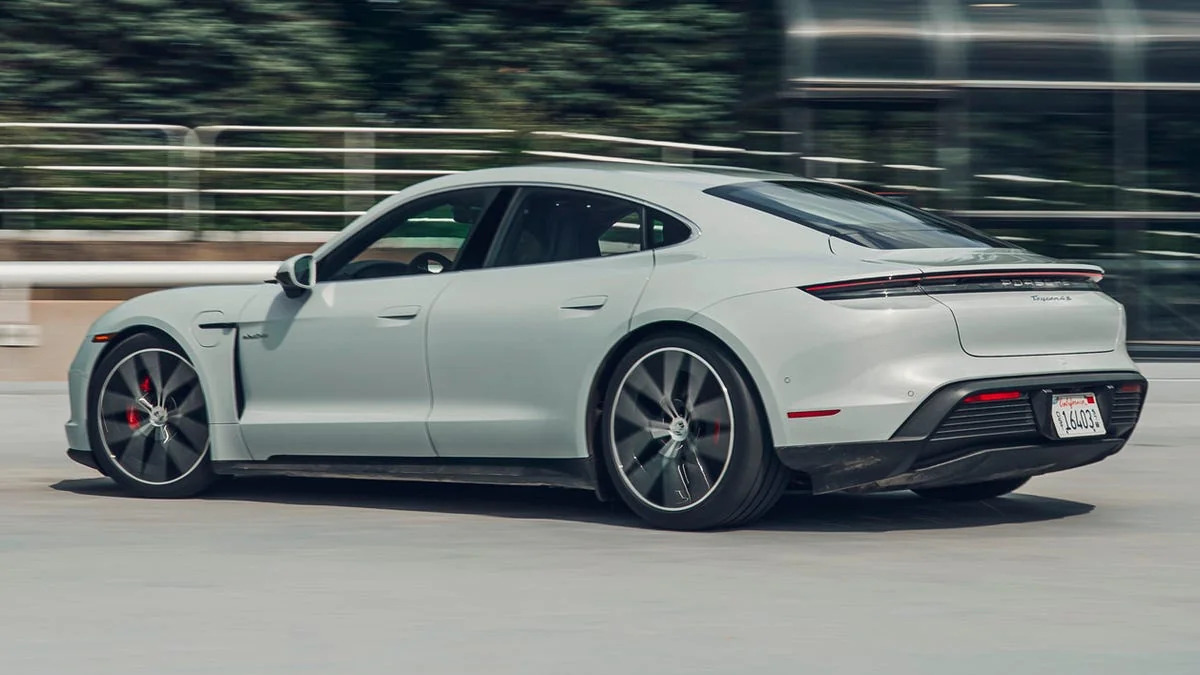
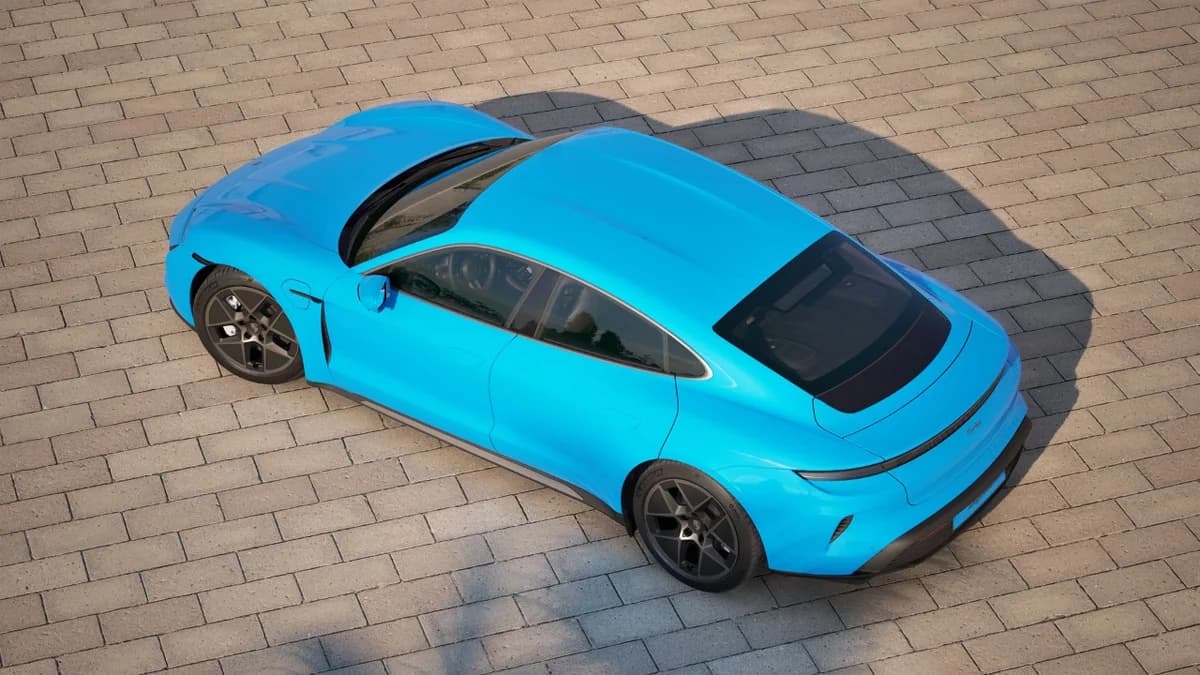
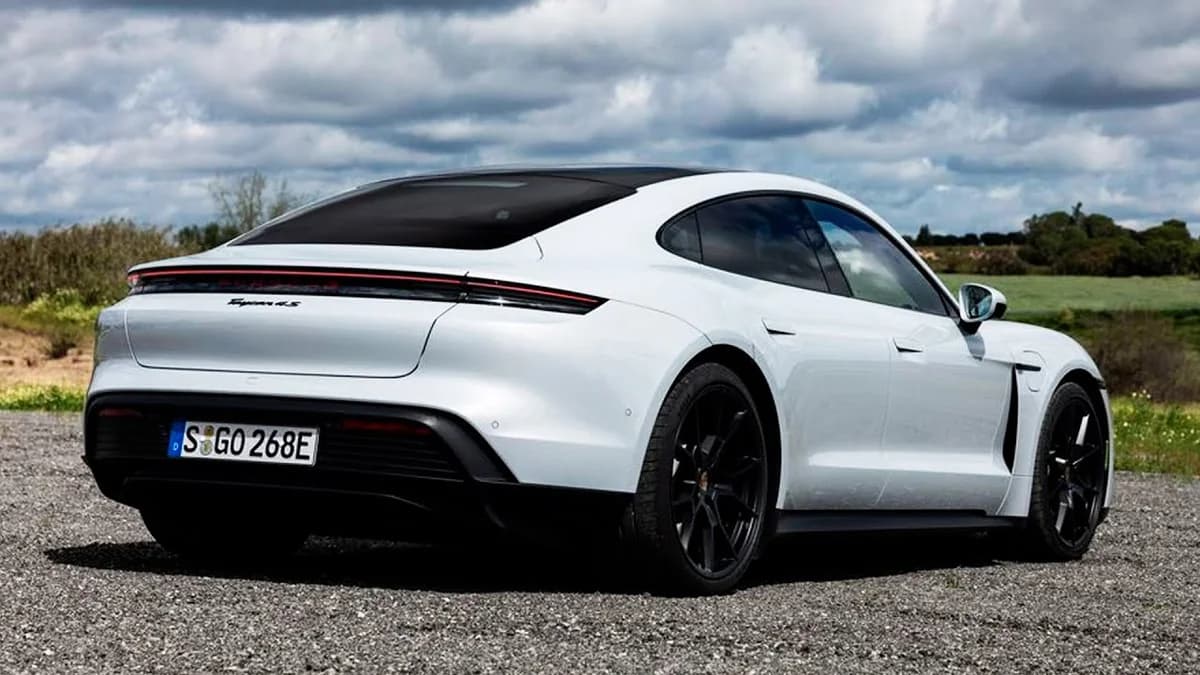
The 2027 Porsche Taycan is a sports car in sedan clothing, aimed at affluent drivers who want EV speed and efficiency without surrendering steering feel, comfort, or occasion. Its sharp Porsche handling, comfortable suspension, and astonishing acceleration are strongly supported by expert testing, while the larger standard battery and 320-kW charging make road trips far more convincing than before. Porsche’s claimed range is less consistent in real-world driving, though fast charging helps compensate. Optional E-Shift adds entertaining, PDK-like drama for some, but others see it as unnecessary theater. At more than $114,000 before options, cramped rear seats, awkward controls, and costly ownership weaken the value case. Its appeal ultimately rests on performance, charging convenience, practicality compromises, and buyer tolerance for Porsche pricing.
Find Yours
What is your primary intended use for an electric sedan or compact?
Answer to find your best matches.

The Field
Browse top contenders, or compare all options ranked by score and key attributes.
5 Options

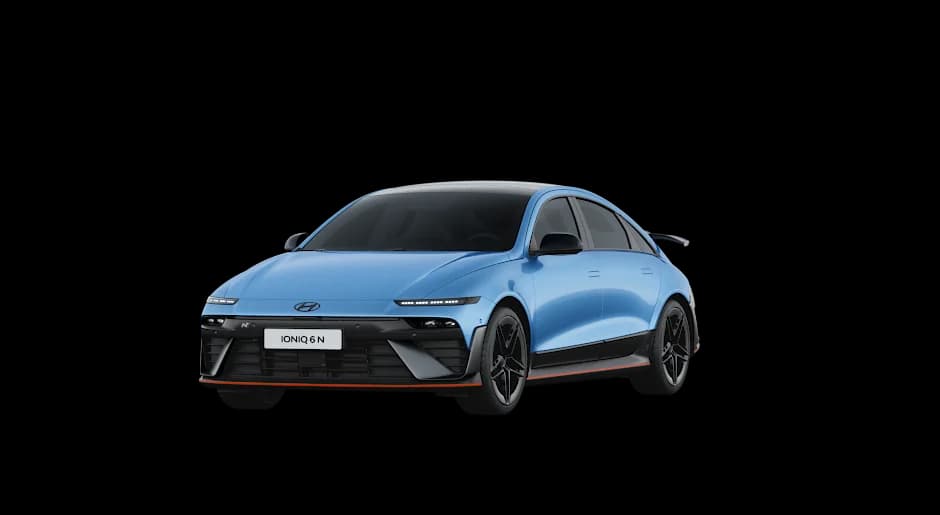


The Scoreboard
Does this improve your life? Considers, health, habits, and environmental impact.
Benefits
Smooth suspension makes extended highway trips feel relaxed, controlled, and surprisingly easy.
Short charging stops make road trips easier when the battery needs a quick boost.
Precise steering and stable cornering make ordinary drives feel composed and enjoyable.
The larger standard battery reduces charging interruptions during commuting and longer journeys.
Trade-Offs
Limited rear legroom and small cargo areas make family trips and bulky errands inconvenient.
Touch-sensitive climate controls and menus require extra attention for simple cabin adjustments.
Regenerative braking feels less seamless in traffic, requiring more frequent use of the brake pedal.
Even sophisticated suspension can feel brittle over broken pavement during everyday urban driving.
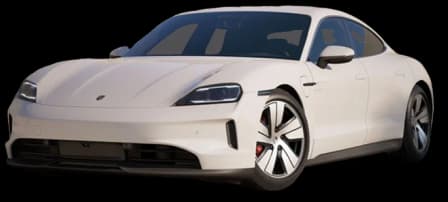
 Alternatives


Join the Circle
Where real meets deal
Know what's worth buying-and when.
Tips, special offers, and rewards for buying and sharing.

Publications
4 LEADING PUBLICATION REVIEWS

Car and Driver is highly enthusiastic about the 2027 Porsche Taycan. It praises the Taycan for preserving Porsche’s signature magic in electric form, pairing blistering acceleration with sharp, 911-like handling and a wide range of compelling trims. The recommended Taycan 4S strikes the best balance, while the Turbo GT delivers astonishing 1,019-horsepower performance. The review also appreciates the comfortable ride, extensive customization, improved charging hardware, and practical 330-mile highway result from the 4S. Still, this is an expensive, relatively cramped luxury EV with limited cargo space and less range than the Lucid Air or Tesla Model S. The interior can feel sparse unless heavily optioned, and its screen-heavy controls sacrifice physical simplicity. Even with those drawbacks, the reviewer considers the Taycan an exceptional driver’s car and awards it a perfect 10/10.
By Austin Parsons
Autocar’s Richard Lane, Illya Verpraet and Matt Saunders are highly impressed by the updated Taycan. They consider it one of the finest sporting EVs available, praising its astonishing acceleration, precise Porsche handling, superb body control, comfortable long-distance manners, and dramatically improved range and charging performance. The Turbo S is especially remarkable: it approaches hypercar pace while remaining surprisingly approachable and refined. Porsche Active Ride is another standout, substantially improving ride quality without compromising control. The review is not uncritical: rear accommodation and boot space are merely adequate, the touchscreen-heavy cabin and infotainment can feel awkward, regenerative braking is limited, and the Turbo S’s performance is excessive for everyday roads. High prices, costly options, and weak EV residual values also temper the value proposition. Even so, the facelift is judged a meaningful improvement, with the entry-level model offering ample performance and the 4S emerging as the smartest upgrade for Active Ride.
By Richard Lane, Illya Verpraet & Matt Saunders
evo’s Yousuf Ashraf is highly impressed by the Porsche Taycan, calling it one of the most complete and desirable electric cars available. The 2024 update keeps it competitive with exceptional performance, class-leading charging, strong range, polished handling, and a surprisingly comfortable long-distance character. Its precision and “Porsche DNA” make it unusually satisfying for an EV, while Active Ride suspension adds remarkable body control and cruising refinement. Still, the Taycan is heavy, expensive, and less engaging than lighter, more playful alternatives such as the Hyundai Ioniq 5 N. Rear-seat space and boot capacity are disappointing for such a large saloon, rough surfaces can expose ride brittleness, and severe depreciation complicates the value proposition. Ashraf’s verdict is enthusiastic but sensible: the Taycan remains a benchmark luxury electric GT, especially for buyers with home charging, though the lower-range models make more practical sense.
By Yousuf Ashraf
Paul Horrell’s Top Gear review is strongly positive about the refreshed Porsche Taycan. He sees it as an unusually compelling electric grand tourer, combining sports-car-like precision, explosive acceleration, high-quality technology, impressive comfort, and much-improved efficiency. The major upgrade is practical rather than cosmetic: better battery chemistry, faster charging, reduced preconditioning, and up to 424 miles of WLTP range make the Taycan far more convincing for everyday and long-distance use. Horrell especially appreciates its precise steering, stable high-speed performance, and exceptionally smooth active suspension. Still, the car’s substantial weight blunts ultimate involvement, even with Porsche’s sophisticated chassis systems, while rear-seat legroom and boot space are limited. Driver-assistance features are also overly dependent on options, and the pricing is intimidating. Even so, the reviewer considers the Taycan a genuinely alluring, road-devouring machine and awards it 9/10.
By Paul Horrell

YouTube
7 LEADING EXPERT & INFLUENCER REVIEWS
 Autotrader
Rory is highly enthusiastic about the updated Porsche Taycan, especially its sharper performance and engaging handling. The rear-wheel-drive model feels quicker and more rewarding than before, with strong brakes, standard adaptive air suspension, impressive efficiency, and genuinely exceptional 318-kW charging that reaches 10–80% in about 18 minutes. Rory is skeptical of the claimed 510-mile WLTP range, estimating roughly 336 miles on motorways instead, and found the charging setup initially frustrating. He also considers the revised styling too generic, but concludes that the entry-level Taycan is an exceptionally fun, polished Porsche and a compelling choice despite its price.
Cars with MilesCars with Miles is strongly impressed by the Taycan’s driving character, despite serious concerns about depreciation and early ownership headaches. He praises its remarkably precise steering, confidence-inspiring handling, strong air suspension, and measured 0–60 performance, calling the Cross Turismo an enthusiast-friendly EV that is enjoyable even in range mode. However, battery complexity, recalls, limited real-world range, charging restrictions, and inconsistent service experiences undermine confidence in used examples. His key insight is that depreciation reflects broader EV-market weakness and immature support infrastructure as much as Taycan-specific flaws. Overall, he considers the newer Taycan an excellent, substantially improved performance EV, but not yet a reassuring long-term investment.
The Miles DrivenThe Miles Driven is strongly positive about the 2027 Porsche Taycan, calling it a genuine Porsche rather than “a battery with wheels.” The updated model benefits from better battery management, more efficient motors, standard larger batteries, and E-Shift, while newer cars appear to have fewer early reliability problems. Still, the guide warns that older Taycans can bring costly battery, HVAC, charging, suspension, alignment, and electrical issues once warranties expire. Its most useful advice is that the 4S is the sweet spot, while a well-documented 2023 base model may offer the best bargain.
RSymons “RSEV” Richard is extremely enthusiastic about the refreshed Porsche Taycan, calling the base rear-wheel-drive version an “awesome” and remarkably capable car. After driving it for a month, he praises its roughly 400-mile real-world range, improved efficiency, 320-kW charging, comfortable air-suspension ride, and engaging rear-drive handling. He considers this simpler specification preferable to heavier, faster versions and sees it as an exceptional road-trip car. His reservations are mainly familiar Porsche shortcomings: dated software, awkward electronic air-vent controls, inadequate reversing cameras, limited standard equipment, and little visual change. Even so, he is reluctant to sell it and describes the Taycan as nearly perfect.
GjeebsGjeebs is highly enthusiastic about the Taycan as a stylish, genuinely cool EV with exceptional driving presence. He praises its sharp steering, launch control, adjustable suspension, thoughtful charging-route planning, strong fast-charging performance, customization, and surprisingly affordable used-market pricing. He also appreciates Porsche’s service and the battery and powertrain warranties. However, the sedan wastes space, has cramped rear seating, a tiny trunk, limited futuristic technology, costly ownership, and a history of recalls. His bottom line is strongly positive: for buyers who can afford Porsche upkeep, a heavily depreciated Taycan 4S offers unusual luxury, performance, and personality for the money.
CarGurus UKSam Sheehan is highly enthusiastic about the updated Porsche Taycan, especially its optional E-Shift system. He finds the simulated eight-speed PDK behavior surprisingly natural, entertaining, and even useful for judging speed, while praising the refined sound, rapid interface, customizable controls, comfort, and unchanged practicality. He considers the £750 higher-trim option an easy choice, though the price exceeds £3,000 on lower trims. The Taycan still lacks true one-pedal driving, and E-Shift may seem gimmicky, but Sheehan ultimately believes it makes the car more engaging, smoother for passengers, and better suited to Porsche’s character.
TABonTVTABonTV is strongly cautious about buying a Gen 2 Taycan now, despite acknowledging its better range, power, technology, and features. The central concern is relentless depreciation: with nearly 1,000 cars listed, some examples have lost tens of thousands of pounds within months, and the reviewer expects incoming Chinese EVs to push prices lower. TABonTV also warns that reliability can be unpredictable, including on Gen 2 cars, with more heavily used vehicles seemingly proving less troublesome. The advice is to wait until late 2026 and target a two-year-old example at a sharper price.

Social
4 INFLUENCER REVIEWS
 Motor1.com
Motor1.com is upbeat about the 2027 Porsche Taycan, calling its new E-Shift system a fun, convincing touch. The simulated engine uses PDK-like paddle calibration and offers automatic or manual modes, while the MIB4 display adds games during charging, sharper operation, and improved over-the-air updates. The enthusiasm is tempered by a clear caveat: these are modest refinements, and the Taycan remains essentially the same car. Overall, Motor1.com sees the added whimsy as a welcome update rather than a transformative one.
Car News NetworkCar News Network takes a strongly negative, mournful view of the 2027 Porsche Taycan’s lineup changes. The post laments Porsche discontinuing the Sport Turismo and Cross Turismo wagons, especially the latter’s 20-millimeter lift and gravel capability, blaming weak demand and buyers’ preference for traditional crossovers. It acknowledges the remaining sedan’s upgraded 105-kWh battery and simulated eight-speed dual-clutch logic, but treats those improvements as consolation prizes. The tone is witty, dramatic, and clearly aimed at wagon enthusiasts rather than a hands-on assessment of the Taycan itself.
 Jackbuzza F1
Jackbuzza F1 is mildly critical of the 2027 Porsche Taycan’s direction. He focuses on Porsche adding simulated gears to the electric performance sedan, calling them somewhat tacky but not disastrous. The real issue is the apparent contradiction with Porsche engineers, who previously dismissed fake gears as gimmicky. His tone is conversational and slightly provocative rather than angry, presenting the feature as an unnecessary compromise that may irritate loyalists while leaving the final judgment to viewers.
CarsandKeySPICYCarsandKeySPICY is strongly frustrated with the Porsche Taycan’s luxury experience. They struggled to aim and activate the vents, needing maximum airflow before finally feeling relief, and felt a premium car should not require so much manual adjustment. They also criticized the mostly black cabin, limited soft-touch material, awkward two-stage door opening, and insufficient sun protection. Heavy doors were one modest positive, but overall the Taycan left them exasperated and questioning basic controls.

Forum Reviews
CUSTOMER REVIEWS FROM 1 FORUM
Redditors are cautiously optimistic about the 2027 Taycan, especially its faster, smarter technology. Enthusiasts praise the improved infotainment, navigation, and optional E-Shift as potentially making the car more engaging and approachable, while others see simulated shifting and sound as unnecessary gimmicks that undermine the EV’s smooth precision. The feature may help performance-car newcomers or buyers wanting familiar cues, but purists prefer instant, seamless acceleration. Its roughly $114,000 starting price also draws criticism, particularly as EV technology matures. Upgrade-minded owners appear split: some would wait for a CPO 2027, while current owners see little reason to change.
Many comments

In-Depth Review

Highlights
- •Sports-Car AccelerationReviewers consistently note explosive Porsche performance.
- •Rapid DC ChargingAdvertised to replenish 10–80% in 18 minutes.
- •Extended Touring RangeLarger battery improves long-distance usability.
- •Precise Chassis ControlSharp steering and suspension support confident handling.

Considerations
- •High Entry CostStarting price exceeds $114,000 before options.
- •Limited Rear SpaceRear legroom and cargo capacity are modest.
- •Complex Cabin ControlsTouchscreen menus and vents frustrate adjustments.
- •Variable Range ResultsReal-world range depends heavily on conditions.
Porsche’s 2027 Taycan brings the brand’s sports-car character to a premium EV sedan built for fast commutes and serious road trips. With a standard 97.0-kWh usable battery, native NACS access, and charging up to 320 kW, it addresses earlier practicality concerns while preserving the sharp handling that sets it apart from the Lucid Air and Tesla Model S. Its audience is clear: affluent enthusiasts who want sports-car acceleration, confident grand-touring comfort, and a more engaging alternative to effortless EV anonymity. The following sections examine real-world range, power delivery, chassis control, charging, and the cabin’s tighter compromises—including whether optional E-Shift adds character or merely theater. Review the areas that matter most to your driving, because this Porsche may be a sedan, but it clearly missed the memo about behaving like one.
Driving Range and Efficiency
The larger battery makes the Taycan more convincing as a daily and long-distance EV. Porsche-related specifications cite 700 km of stated range, while U.S. coverage lists approximately 266–295 EPA miles depending on version. A 4S achieved a notable 330-mile highway result in Car and Driver testing, although another reviewer estimated closer to 336 motorway miles under different conditions. Those figures support the car’s touring credentials, but Lucid Air and Tesla Model S models can travel farther, so the Taycan’s advantage is fast recovery rather than outright range.
Acceleration and Track Performance
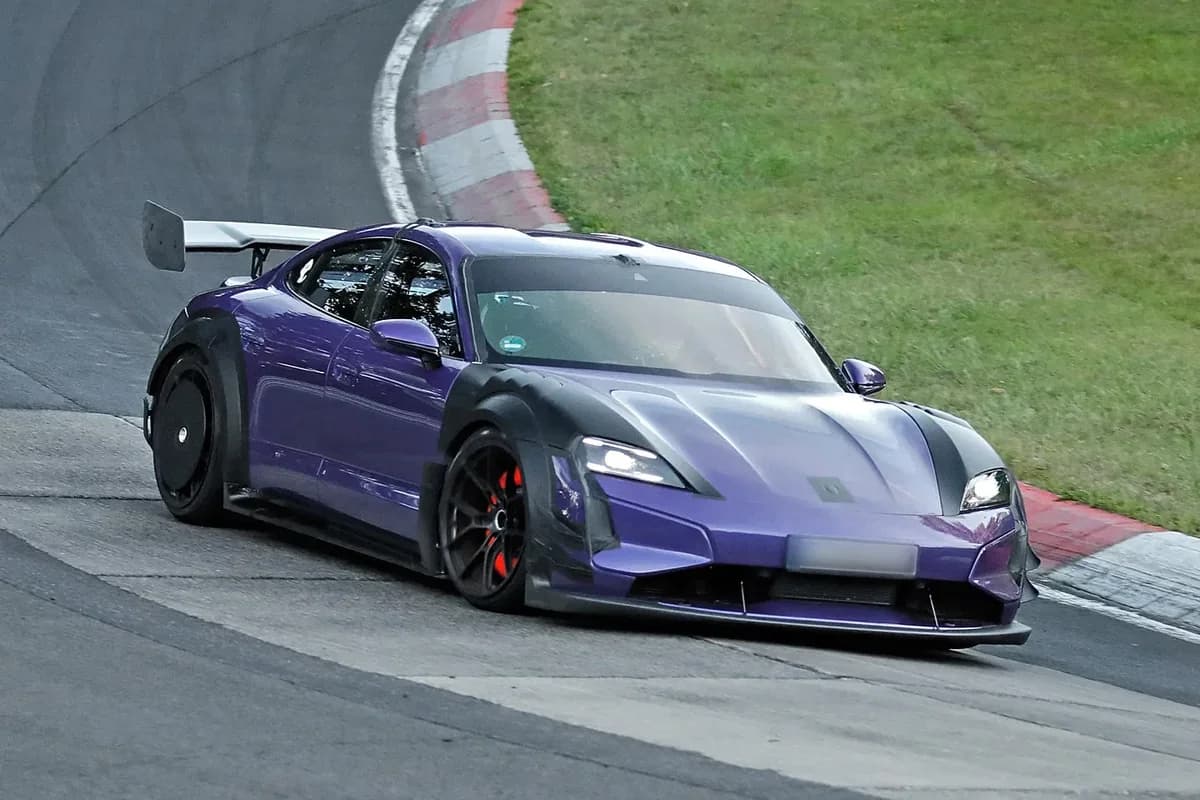
The Taycan delivers sports-car pace without sacrificing everyday composure. Porsche quotes up to 1,019 horsepower for the Turbo GT, while Car and Driver recorded 1.9 seconds to 60 mph in testing. Even the rear-drive base model feels lively and rewarding, with precise responses and strong brakes. The 4S is often the more sensible performance choice, offering serious speed without the Turbo versions’ excess. The trade-off is weight: rivals such as the Ioniq 5 N can feel more playful, while the fastest Taycans are difficult to exploit on public roads.
DC Fast-Charging Performance
Charging is one of the Taycan’s clearest practical advantages. Its 800-volt architecture supports up to 320 kW DC charging, and testing has reported roughly 10–80 percent in 18 minutes under suitable conditions. The new native NACS port should simplify access to U.S. fast-charging networks, with a CCS adapter included for broader compatibility. Real-world results still depend on battery temperature, charger capability, and preconditioning, and one reviewer found the setup initially frustrating. Even so, the charging hardware is unusually strong and substantially improves road-trip usability.
Ride Handling and Chassis Control
The Taycan’s chassis remains its defining strength. Adaptive air suspension gives the base rear-drive car a comfortable, controlled ride, while Porsche Active Ride can further reduce body movement without making the car feel detached. Reviewers consistently praise precise steering and stable high-speed handling, and the simple rear-drive configuration is sometimes preferred to heavier, more powerful trims. Rough urban pavement can still expose a brittle edge, and the car’s substantial mass limits playfulness. Overall, it feels more like a carefully engineered Porsche than a conventional luxury EV.
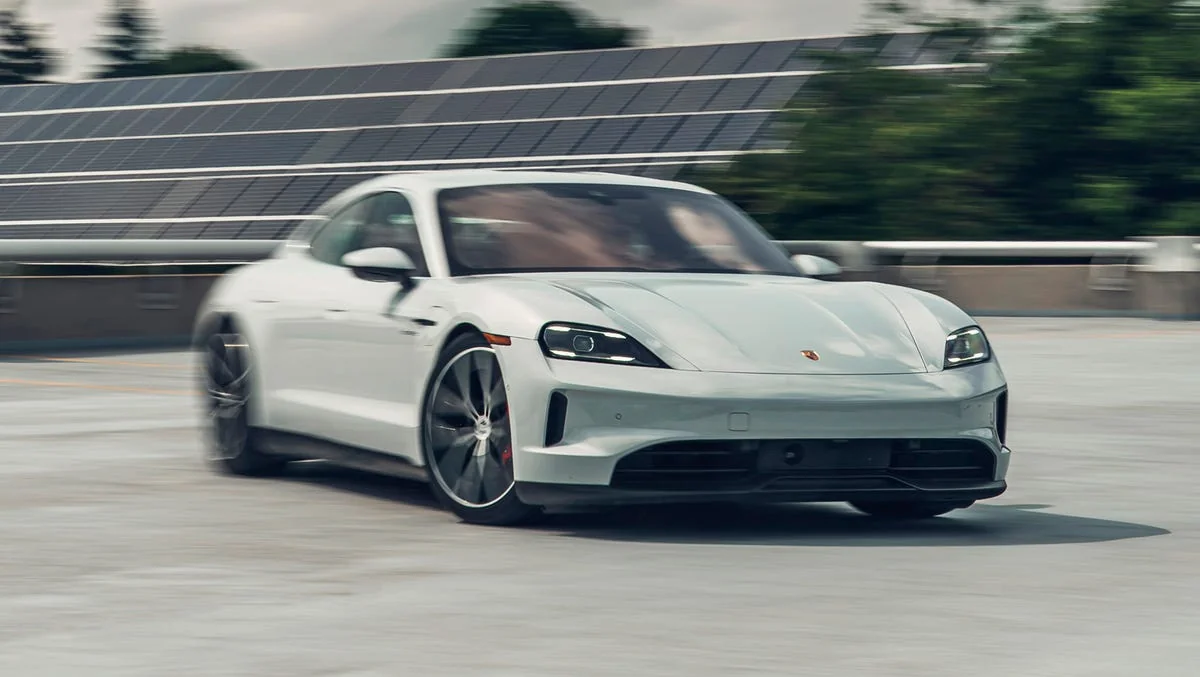
Battery Capacity and Power Delivery
Standardizing the larger pack improves the entry model’s usability and simplifies the lineup. The Taycan now uses a 97.0-kWh usable Performance Battery Plus, with the broader specification listing a 105-kWh total battery and up to 300 kW from its single permanent-magnet motor. Power delivery remains immediate and smooth, while E-Shift adds optional simulated ratios and paddles for drivers seeking familiar cues. Enthusiasts are divided on whether the system adds engagement or unnecessary theater, but the battery, improved efficiency, and rapid charging are meaningful upgrades regardless.
Interior Build and Seating
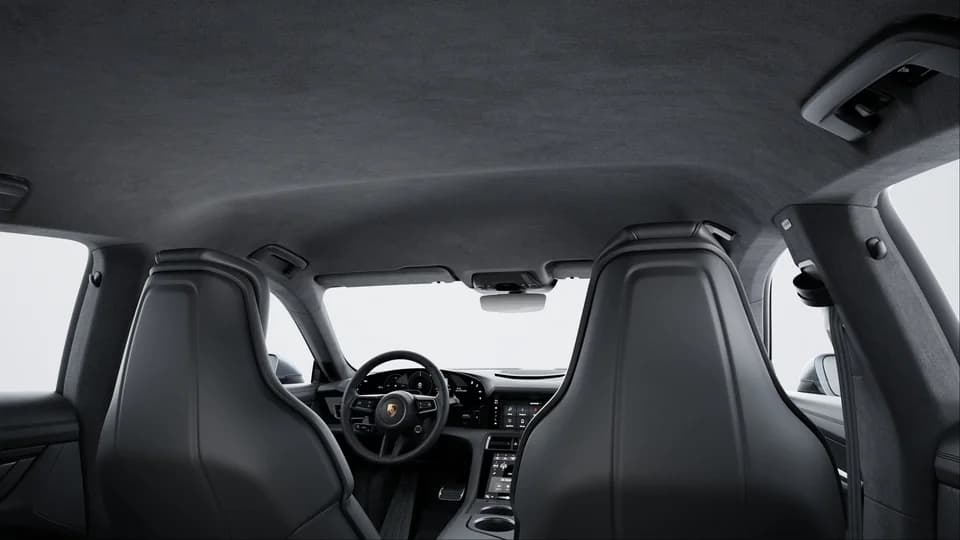
The cabin feels premium in its materials and driving position, but practicality is not a Taycan strength. Four-seat accommodation and a 340-liter rear cargo area leave less room than the sedan’s size suggests, with rear passengers particularly constrained. The 85-liter front trunk helps, yet bulky errands remain awkward. Reviewers also criticize screen-heavy controls, dated software, difficult air-vent adjustment, and limited standard equipment unless options are added. Comfort on long trips is strong, but the interior’s usability and space fall short of what some buyers expect at this price.
Conclusion
The final read is clear: the 2027 Taycan is a sports-car-fast EV that rewards drivers who care about steering, braking, and chassis control more than outright practicality. Its standard larger battery, strong efficiency, and 320-kW DC charging make it a far more convincing road-trip car, while power delivery remains immediate and polished; optional E-Shift adds character for some, unnecessary theater for others. The ride is comfortable over smooth roads, though weight can blunt playfulness and rough pavement may feel firm. Inside, build quality and long-distance comfort are good, but rear-seat space and cargo room disappoint, while screen-heavy controls and awkward vents frustrate users. This is not the best choice for maximum range, family utility, or easy value. For affluent enthusiasts wanting a distinctive luxury EV with genuine Porsche dynamics, however, its performance, charging capability, and refinement justify the strong recommendation.

Feature Scores
This reflects reviews and ratings from established critics, journalists, and users who have evaluated the item. Their opinions provide a comprehensive assessment.
Performance
Driving Range
4/5
Charging Speed Capability
5/5
Energy Efficiency
4/5
Acceleration Performance
5/5
Handling and Ride Quality
5/5
Reliability and Durability
3/5
Battery Longevity
4/5
Value
Purchase Price Competitiveness
3/5
Total Cost of Ownership
3/5
Resale Value
2/5
Design
Exterior Design Appeal
4/5
Interior Materials Quality
4/5
Seating Comfort and Ergonomics
4/5
Cargo and Cabin Practicality
3/5
Health
Cabin Air Quality
TBD
Interior Material Safety
TBD
Safety
Crashworthiness
TBD
Advanced Driver Assistance Systems
3/5
Battery Safety and Thermal Management
4/5
Sustainability
Battery End-of-Life Management
TBD
Use of Recycled Materials
TBD
Operational Emissions (Well-to-Wheel)
4/5
Experience Style
Infotainment and Connectivity
4/5
Over-the-Air Software Support
4/5
Charging Ecosystem Convenience
5/5

Specifications
This section outlines the product's key facts, covering essential features, details, dimensions, materials, and any unique characteristics that define its functionality and usability.
Performance
Value
Design
Sustainability
Experience Style

Frequently Asked Questions
4 Questions

Find Yours
What is your primary intended use for an electric sedan or compact?
Answer to find your best matches.