








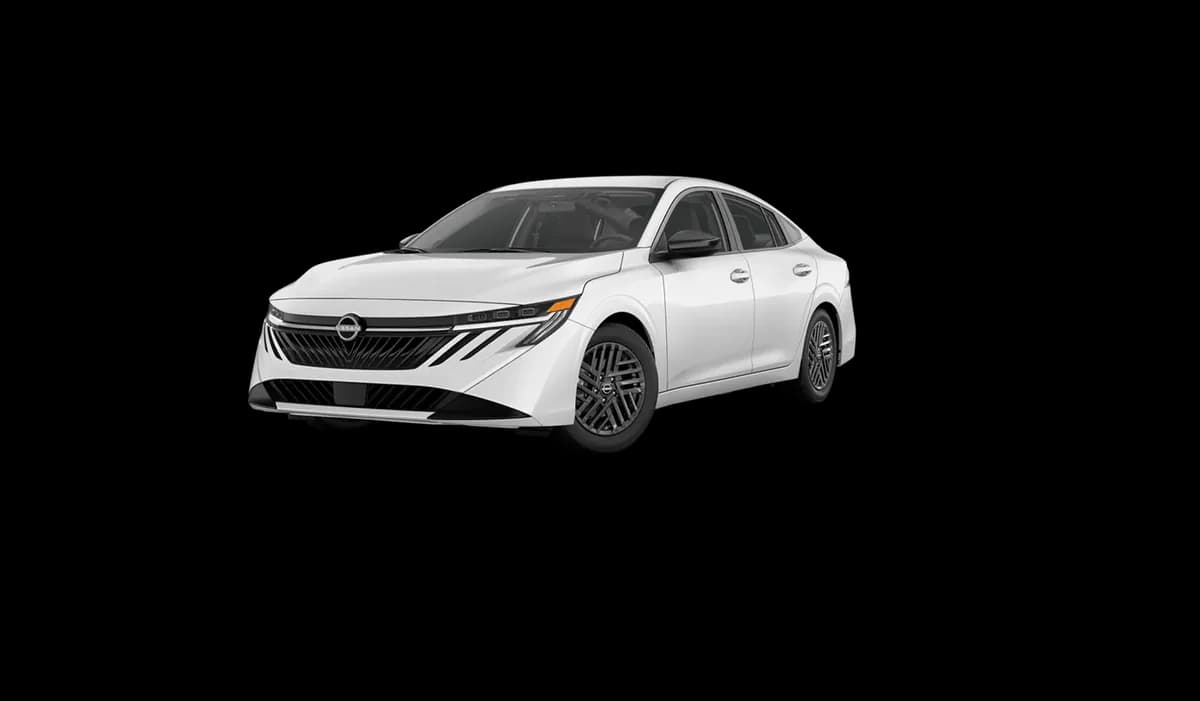
Nissan Sentra (2026)
Comfortable, upscale, and well-equipped commuter, best suited to buyers unfazed by slow acceleration.
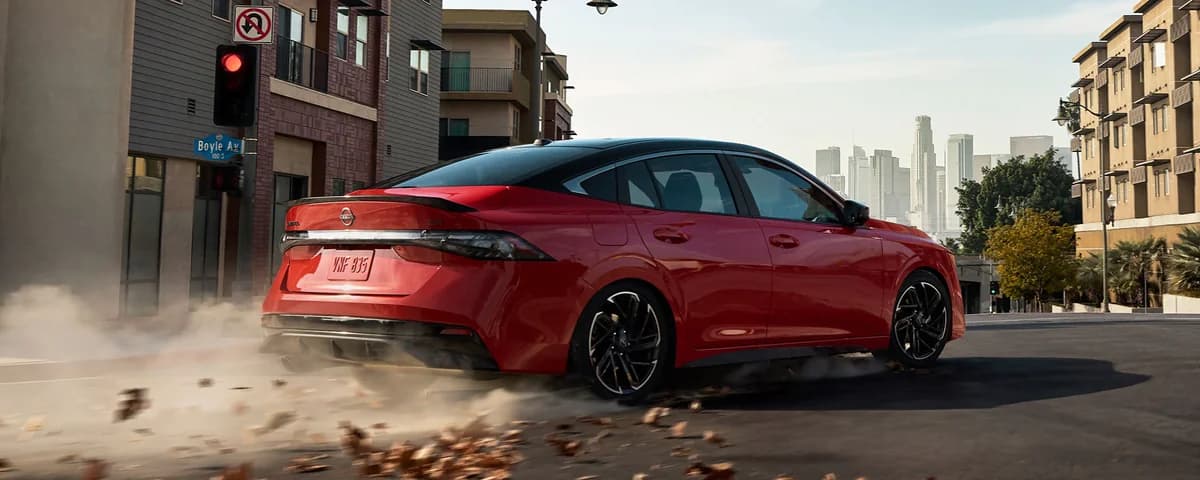
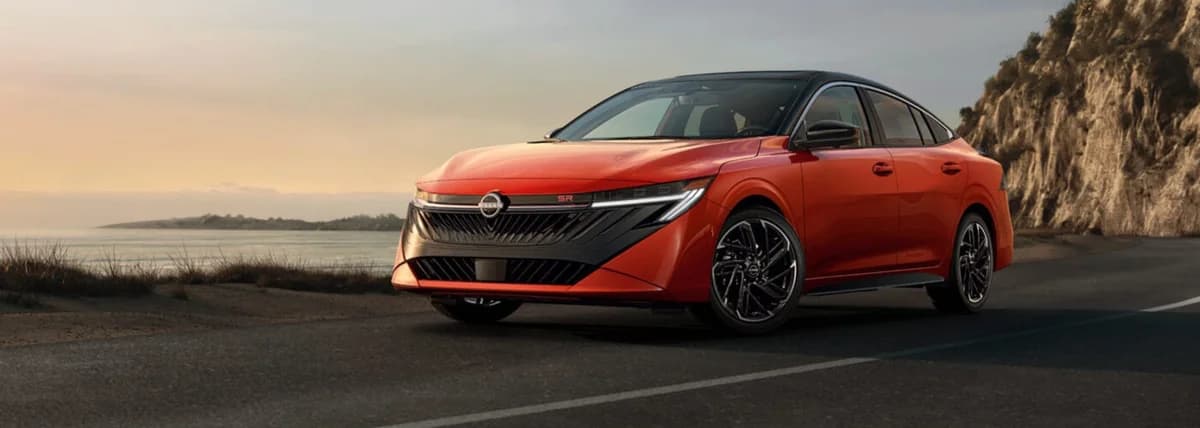
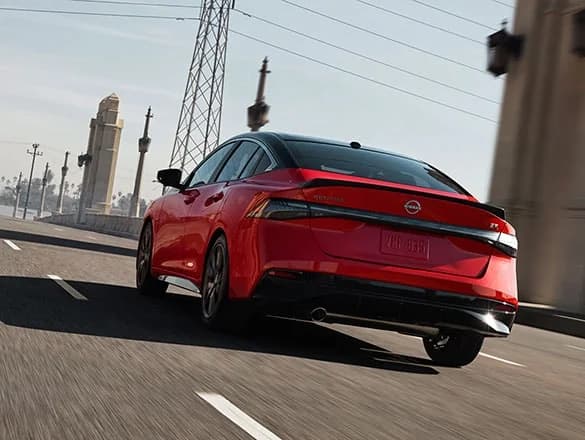
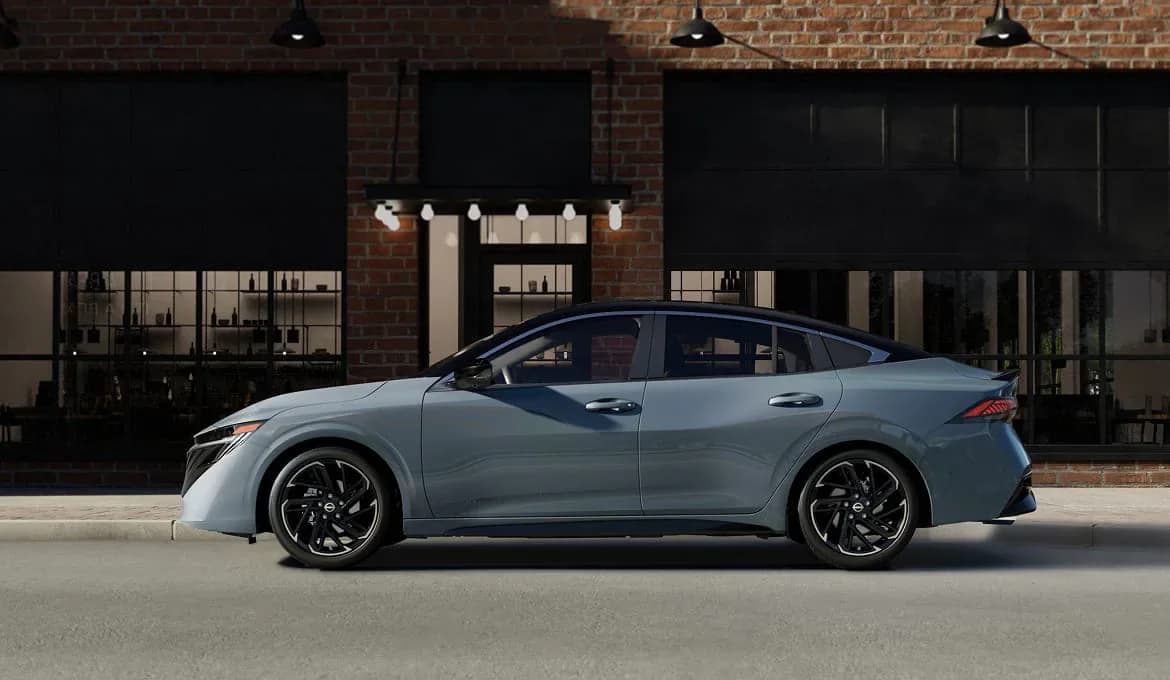
The 2026 Nissan Sentra is the compact sedan for commuters who want calm, comfortable transportation without stretching the budget, a polished appliance rather than a pocket rocket. Nissan’s “more premium” pitch is supported by its upscale cabin, standard 12.3-inch infotainment, excellent Zero Gravity seats, quiet cruising, and useful trunk. Owners and experts generally praise the refinement and equipment, especially in the value-focused SV, but the 149-hp engine and CVT remain noisy and slow when merging. Touch-sensitive climate controls, occasional infotainment quirks, and no hybrid option weaken the case as prices approach better-equipped rivals. Overall, comfort, features, and pricing drive its appeal, while performance and efficiency limitations temper the final recommendation.
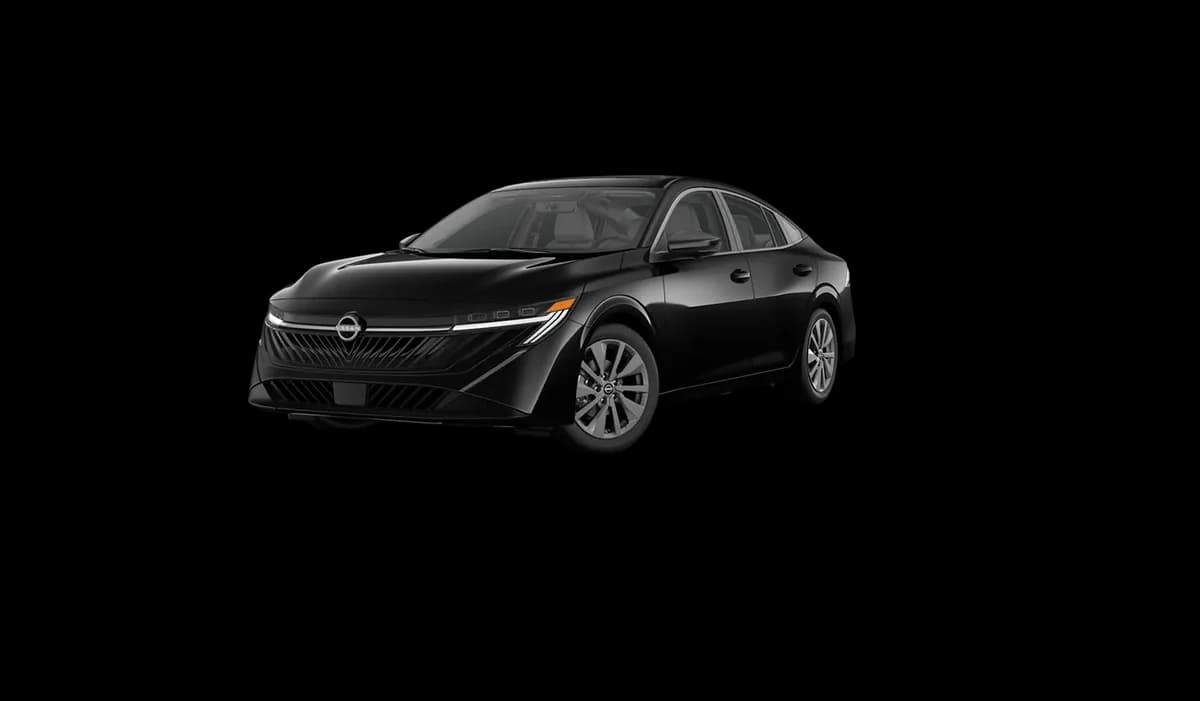
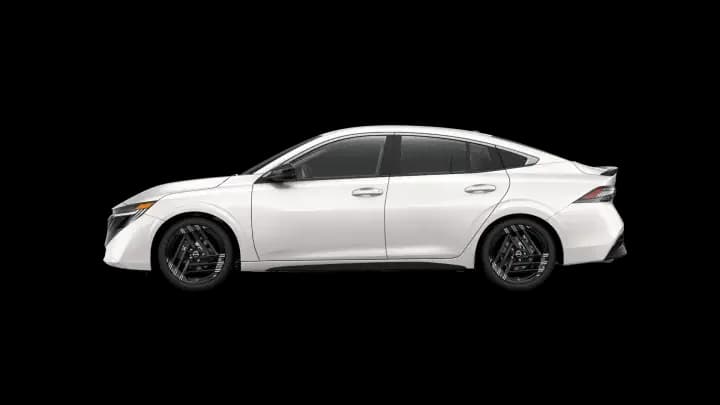
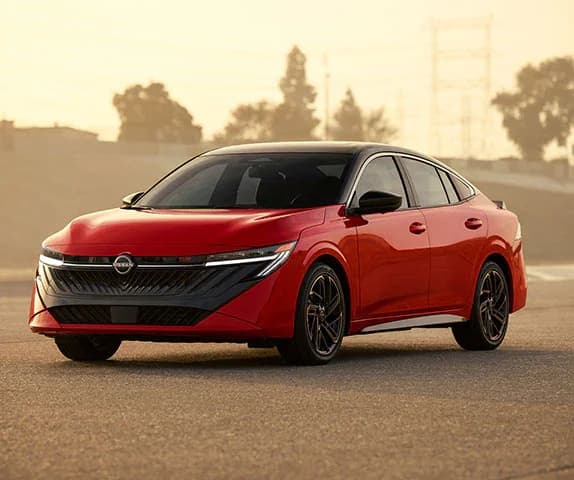
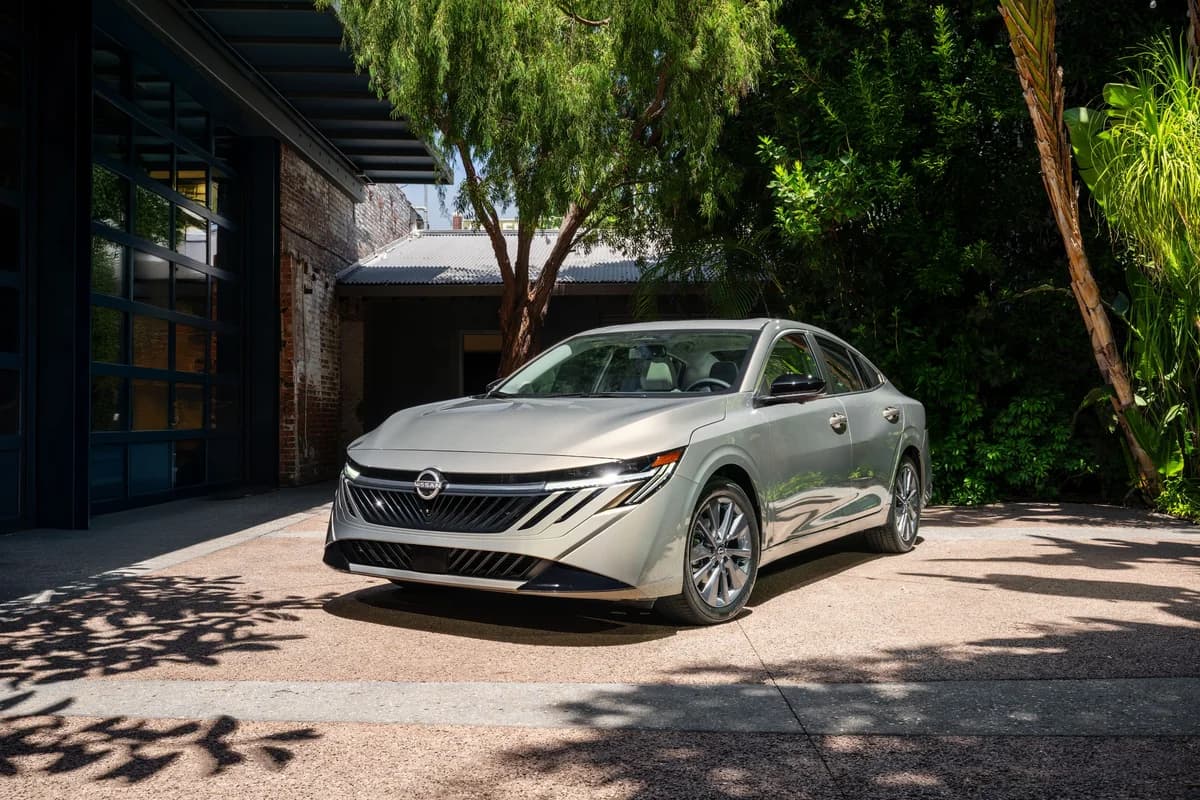
Find Yours
What is your primary use for a gas-powered sedan or compact?
Answer to find your best matches.

The Field
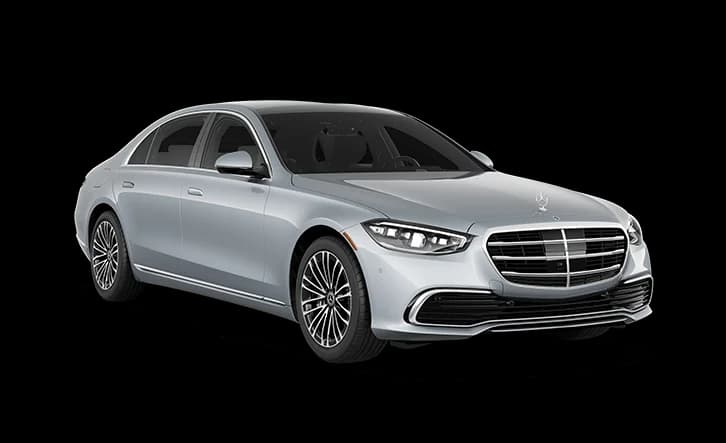
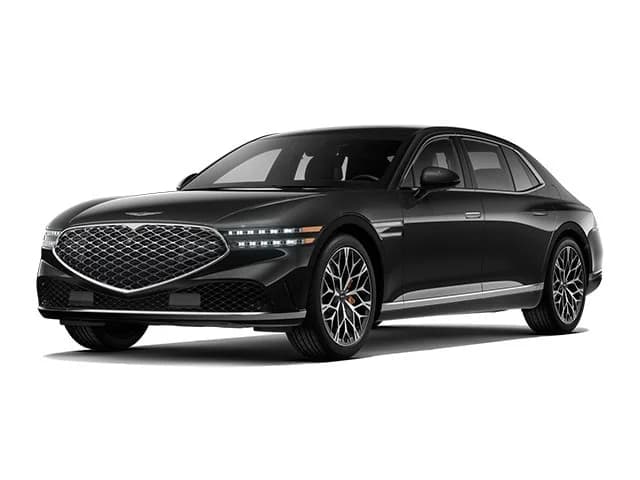
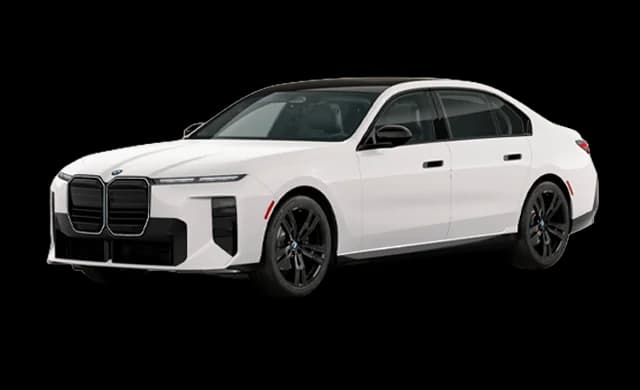
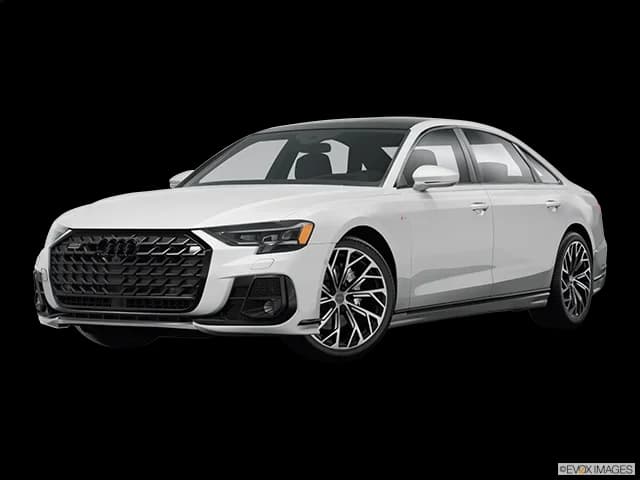
Browse top contenders, or compare all options ranked by score and key attributes.
5 Options

The Scoreboard
Does this improve your life? Considers, health, habits, and environmental impact.
Benefits
Supportive Zero Gravity seats and smooth riding ease daily commuting discomfort.
Improved insulation keeps conversations comfortable during routine city and highway driving.
The large screen and clear controls make navigation and phone access straightforward.
Roomy seating and a useful trunk handle passengers, groceries, and luggage easily.
Standard driver assistance reduces workload during routine traffic and longer commutes.
Trade-Offs
Hard acceleration makes the engine noisy, while highway merges take extra patience.
Capacitive climate controls are harder to operate by feel, distracting you from traffic.
Sharp road bumps can feel harsh, making rough streets less comfortable for everyone aboard.
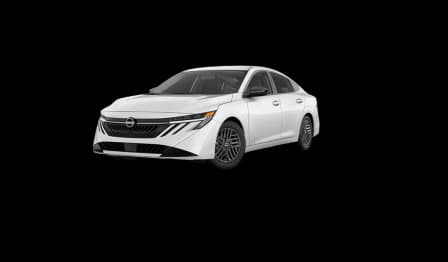
 Alternatives


Join the Circle
Where real meets deal
Know what's worth buying-and when.
Tips, special offers, and rewards for buying and sharing.

Publications
8 LEADING PUBLICATION REVIEWS

Car and Driver is cautiously positive about the 2026 Nissan Sentra. The redesigned sedan looks sharper, gains a more upscale cabin and a standard 12.3-inch infotainment screen, and remains unusually well equipped for its price. Its composed ride, tight handling, spacious-enough interior, and useful 14-cubic-foot trunk make it a sensible everyday choice, while the SV trim offers particularly appealing value. But the familiar 149-horsepower engine and CVT are still the weak link: acceleration trails rivals such as the Mazda 3 and Volkswagen Jetta, and there is no hybrid option to challenge the Toyota Corolla or Prius on efficiency. Car and Driver also flags merely average warranty coverage and the loss of complimentary maintenance. Overall, the Sentra is attractive, comfortable, practical, and feature-rich, but its lack of performance keeps the redesign from feeling genuinely compelling.
By Andrew Wendler
Edmunds’ Jake Sundstrom views the 2026 Nissan Sentra as improved, but ultimately not competitive enough. The redesigned cabin brings appealing technology, an easy-to-use touchscreen, wireless smartphone integration on higher trims, and a more upscale SL interior, while handling feels willing around curves. However, the unchanged 149-horsepower engine remains noisy and sluggish when merging, the ride can be harsh over sharp bumps, and rear-seat comfort is limited. Fuel economy is merely average for a non-hybrid compact, and the Sentra lacks a hybrid option. Sundstrom sees the base trim as reasonable only if its price undercuts rivals, but Nissan’s pricing weakens that argument: the top Sentra costs more than better-regarded alternatives such as the Hyundai Elantra and Kia K4, while offering a shorter warranty than Kia. Overall, the Sentra is a decent, modestly refined commuter, but its improvements do not overcome its mediocre powertrain and questionable value.
By Jake Sundstrom
Road & Track’s John Pearley Huffman views the 2026 Sentra positively as a sensible, well-equipped daily car. Its biggest gains are visual and practical: the handsome new fastback styling, quieter ride, improved cabin materials, comfortable seats, and unusually generous technology for the price. Standard driver aids and available features such as dual 12.3-inch displays, ambient lighting, quilted synthetic leather, and a surround-view camera make it feel more upscale than its mission suggests. Still, this is emphatically an appliance, not an enthusiast’s car. The 149-hp engine and improved-but-still-droney CVT provide adequate, relaxed transportation, while hard driving exposes an indifferent experience. Huffman also points out that the Civic and Corolla carry more prestige, and the Mazda3 offers substantially more excitement. Overall, the Sentra comes across as handsome, comfortable, competitive, and reassuringly competent—just not memorable from behind the wheel.
By John Pearley Huffman
MotorWeek is strongly positive about the 2026 Nissan Sentra, especially as a comfortable, practical, and unexpectedly sporty value. The SR trim earns particular praise for its sharp styling, roomy cabin, supportive seats, generous technology, and useful trunk, with the reviewer calling it the best-looking Sentra in decades. On the road, its precise steering, controlled body motion, stable braking, and engaging handling make it more entertaining than its commuter-sedan mission suggests. However, the 149-horsepower engine and CVT feel strained, producing a leisurely 8.7-second 0–60-mph time and plenty of noise without much acceleration. The touch-sensitive climate controls are another usability flaw. Even so, strong real-world comfort, 30.8 mpg observed fuel economy, extensive standard equipment, and reasonable pricing lead MotorWeek to view the Sentra as “sensible fun” and a notably good compact-sedan value.
Autoblog’s Cole Attisha is highly impressed by the 2026 Nissan Sentra’s comfort, refinement, and value. The redesign brings bold styling, a surprisingly upscale cabin, quick and intuitive infotainment, excellent Zero Gravity seats, and notably smooth, quiet road manners. Attisha was especially enthusiastic about the braking feel, calling it possibly the best he has tested all year, while several hours behind the wheel left him unusually free of back pain. The Sentra is less compelling as a sporty sedan: its carryover 149-hp engine feels noisy and sluggish, the steering is vague, and the SR’s aggressive appearance overpromises excitement. Still, he considers those shortcomings reasonable given the car’s mission and price. With strong fuel economy, abundant standard technology, and every trim below $30,000, the Sentra emerges as an exceptionally comfortable, stylish, and intelligently affordable compact—more appealing for daily driving than canyon carving.
By Cole Attisha
Alex Kwanten of U.S. News & World Report is strongly positive about the 2026 Nissan Sentra’s value and polish. He portrays it as an affordable compact that looks and feels far more expensive, especially in the well-equipped SR and SL trims, with a substantially improved cabin, intuitive dual-screen technology, generous driver assistance, comfortable seating, and excellent fuel economy. The Sentra also rides quietly and smoothly, handles capably, and offers an unusually practical trunk. Its main weakness is performance: the carryover 149-horsepower engine and CVT make it slow, noisy under hard acceleration, and unsuitable for buyers seeking excitement. Rear legroom trails some rivals, and competitors such as the Elantra and Kia K4 offer longer warranties. Still, the review’s central argument is enthusiastic but grounded: for budget-conscious shoppers, the Sentra provides an unusually rich, refined package without pretending to be sporty or innovative.
By Alex Kwanten
Motor1.com’s Anthony Alaniz is clearly positive about the 2026 Nissan Sentra, calling it a more compelling buy without pretending it is exciting. The carryover engine and CVT remain modest, and the lack of a hybrid option leaves the Sentra behind rivals such as the Honda Civic and Toyota Corolla. Still, Sport mode adds welcome responsiveness, while improved insulation makes the drivetrain noticeably quieter and more comfortable. Alaniz is especially impressed by the value: even the well-equipped SL stays under $30,000 and includes dual 12.3-inch screens, wireless smartphone integration, heated features, Bose audio, and extensive driver assistance. The refreshed styling, comfortable seats, useful cargo access, and more upscale materials further strengthen its appeal. Small mirrors, finicky capacitive controls, and ordinary performance are drawbacks, but the review’s central takeaway is that the Sentra has evolved into a highly practical, feature-rich compact sedan and a genuinely viable alternative for budget-conscious buyers.
By Anthony Alaniz
Kelley Blue Book views the 2026 Nissan Sentra as comfortable and easygoing, but ultimately underpowered and noisy. Its 149-horsepower engine and CVT deliver adequate, uncomplicated transportation, though acceleration feels weak and the drivetrain can become loud enough to interrupt conversation. The Sentra rides smoothly and handles corners competently, but its drive modes bring little meaningful change, leaving the sporty appearance unsupported by sporty performance. The reviewer is especially impressed by Nissan’s Zero Gravity seats, calling them exceptionally comfortable for the sedan class. Standard Safety Shield 360 equipment is another strength, while newly available ProPILOT Assist adds appeal on higher trims. Fuel economy should remain respectable, though the review largely assumes previous figures rather than testing them. Overall, the Sentra seems like a sensible, relaxed commuter with excellent seats, but its dated powertrain limits enthusiasm.
By Lyn Woodward

YouTube
12 LEADING EXPERT & INFLUENCER REVIEWS
 Auto Buyers Guide | Alex on Autos
Alex on Autos is highly positive about the 2026 Nissan Sentra, calling it his new favorite compact car. He praises its roomy back seat, exceptionally comfortable ride, quiet cabin, attractive interior, standard large infotainment screen, strong real-world fuel economy, and unusually low transaction prices. The 149-hp engine and CVT are adequate but unexciting, while handling and braking are merely average. He also flags the limited drivetrain choices, rear-seat headroom, and less practical trunk opening. His verdict is that the S and SV trims are excellent cheap-and-cheerful transportation, though the expensive SR and SL become harder to justify against hybrids and turbocharged rivals.
Consumer ReportsJohn Linkov is broadly positive about the 2026 Nissan Sentra, calling it a solid, attractively priced compact sedan. He praises its supportive seats, straightforward physical controls, roomy cabin, good visibility, composed handling, and standard safety features. The refreshed styling and improved interior make it feel more polished, while the CVT behaves naturally. Still, it is noisy, rides harshly over repeated bumps, and can lurch or spin its tires when pulling away. Touch-sensitive climate controls are frustrating, the backup camera is mediocre, and the lack of a hybrid limits its fuel-saving appeal.
Redline ReviewsRedline Reviews is strongly impressed by the 2026 Nissan Sentra’s value and newfound premium feel. The redesigned cabin, standard 12.3-inch infotainment, comfortable Zero Gravity seats, solid refinement, and generous SL equipment make this one of the segment’s most appealing bargains, especially under $28,000 before extras. The reviewer also appreciates its polished styling, usable trunk, easy-to-use technology, and composed ride. However, the unchanged 149-hp engine and CVT deliver merely adequate acceleration, with highway passing power feeling weak; fuel economy is average rather than class-leading, and features like hybrid or turbo power, ventilated seats, and memory seating are missing. Overall, enthusiasm is high, provided buyers prioritize comfort and value over performance.
Sarah -n- TunedSarah -n- Tuned is cautiously positive about the 2026 Nissan Sentra, praising its surprisingly capable chassis and strong value near $22,000. She enjoyed the SR’s bolstering, spacious rear seat, large trunk, improved Bose audio, and straightforward maintenance access, but found the 149-hp engine and CVT underwhelming, with occasional hesitation and artificial surging. The fully loaded model’s $31,000-plus price looks difficult against cars such as the Civic Si and Mazda3, especially without a manual or hatchback. Overall, it feels like a polished, comfortable commuter with a promising foundation—not a genuinely exciting performance sedan.
Micah MuzioMicah Muzio is enthusiastic about the 2026 Nissan Sentra as an unusually good car for its price. He praises its polished interior, spacious storage, comfortable ride, strong safety equipment, standard 12.3-inch infotainment, wireless smartphone integration, and useful 360-degree camera. The family testing adds practical insight, especially about child-seat access and rear-seat comfort. Still, the Sentra feels slow, lacks a hybrid or stronger engine option, has laggy infotainment and inconvenient capacitive climate controls, and omits rear vents and a spare tire. Overall, Micah warmly recommends the SV trim as the sweet spot for value.
TheStraightPipesYuri is highly impressed by the 2026 Sentra’s styling, comfort, and everyday usability. After a week of winter driving, he found little to criticize, praising the comfortable Zero Gravity seats, remote start, excellent 360-degree camera, straightforward controls, and surprisingly upscale appearance. The orange-and-black SR Premium looks far more exciting than a typical commuter sedan, and the tuned CVT feels less sluggish, though performance remains decidedly slow and unexciting. He prefers some older physical controls, dislikes the capacitive climate interface, and questions paying $35,412 CAD for a fully equipped Sentra, but still views it as an appealing, practical alternative to the Civic, Corolla, and Elantra.
Kirk KreifelsKirk Kreifels is highly positive about the 2026 Nissan Sentra, calling it an excellent buy under $25,000. He praises its upscale styling, remarkably comfortable seats, quiet and composed ride, responsive steering, strong controls, Bose audio, modern screens, and impressive real-world fuel economy. The Sentra feels more refined than the Corolla and offers better comfort than several rivals. Its major weakness is performance: the 149-hp engine and CVT feel sluggish off the line, with a roughly 10-second 0–60-mph run, and the SR is not genuinely sporty. Kreifels also criticizes touch-based climate controls and the lack of a spare tire, but considers the Sentra a compelling value overall.
Cars.comConner Golden is impressed by the 2026 Nissan Sentra’s sharp redesign, comfort, and polished driving manners. The carryover 149-hp engine and CVT are slow but smooth and quiet, while the roomy cabin, comfortable seats, standard 12.3-inch screen, and upscale presentation make it an appealing commuter. His main reservation is value versus Nissan’s similarly priced Kicks, which offers more cargo space and utility; he also dislikes the touch-capacitive climate controls. Still, Golden ultimately prefers the Sentra’s stylish, refined sedan experience and recommends skipping the crossover unless extra space is essential.
Doug DeMuroDoug DeMuro is pleasantly impressed by the 2026 Nissan Sentra, calling it a genuinely nice, value-packed compact sedan rather than merely an adequate economy car. He praises its upscale cabin, comfortable leather seats, roomy rear quarters, standard tech, driver-assistance features, and roughly $30,000 fully equipped price. Still, his enthusiasm is measured: the infotainment is slow, styling and wheels are bland, rear-seat storage is limited, and the carryover 150-hp powertrain feels strained, slow, and only average on fuel economy. Ultimately, Doug views it as practical, durable, and well-equipped transportation—commendable for its purpose, though neither exciting nor class-leading.
Raiti's RidesJoe Raiti is highly impressed by the redesigned Sentra’s upscale interior, comfort, technology, and improved handling. He especially enjoys the dual 12.3-inch displays, ambient lighting, Zero Gravity seats, easy controls, spacious back seat, and refined chassis, calling it a surprisingly capable everyday sedan and strong value against pricier rivals. Still, his enthusiasm is qualified by the unchanged 149-hp engine and CVT, which he considers sluggish and among the industry’s weakest. He also criticizes the excessive chrome, awkward rear quarter-panel treatment, low-resolution cameras, missing seatback pockets, and lack of a spare tire.
Gold PonyGold Pony is highly enthusiastic about the 2026 Nissan Sentra, calling it surprisingly smooth, stylish, and genuinely enjoyable to drive. After a week with it, he praises its firm brakes, unusually well-weighted sport-mode steering, excellent ride quality, bright ambient lighting, roomy center-console storage, and impressive Bose audio system. He considers its handling better than the Corolla and Civic, approaching the Mazda3, while appreciating its lower price. His main criticisms are the lack of a hybrid powertrain and a sportier Nismo-style version; otherwise, he views the Sentra as an outstanding value.
AutoAcademicsChris from AutoAcademics is clearly positive about the 2026 Nissan Sentra SR, calling it a genuinely nice daily driver. He praises its bold styling, comfortable and quiet cabin, supportive seats, roomy back seat, smooth CVT, composed handling, and impressive 33.3-mpg test average. The upgraded screens, wireless connectivity, Bose audio, and extensive safety equipment strengthen its appeal. His main reservation is performance: the 149-hp engine handles commuting adequately but feels strained when extra power is needed. He also dislikes the touch climate controls, busy grille, and some exterior details, yet enthusiastically recommends the Sentra’s overall refinement and value.

Social
1 INFLUENCER REVIEW
 Car Confections
Car Confections is clearly enthusiastic about the 2026 Nissan Sentra SR’s value. At roughly $25,000, it combines sharp styling, animated projector LED headlights, 18-inch wheels, a polished cabin, wireless smartphone integration, and dual 12.3-inch displays. The 149-horsepower engine and CVT feel responsive, while a $2,300 Premium Package adds heated leatherette seats, a 360-degree camera, and Bose audio. The main drawback is the lack of a hybrid option, especially compared with the Honda Civic. Overall, Car Confections recommends the SR with selective options as a compelling under-$30,000 alternative to the Corolla and Civic.

Forum Reviews
CUSTOMER REVIEWS FROM 1 FORUM
Redditors are generally positive about the 2026 Nissan Sentra, especially as a comfortable, affordable daily driver. Owners praise its smooth ride, supportive seats, attractive interior, fuel economy, reliability, and generous base-model features. The S trim’s physical climate controls are widely preferred, while higher trims’ capacitive controls draw safety and usability complaints. The unchanged engine and CVT remain dependable but unexciting, with many wishing the SR offered more power, sportier suspension, or a manual transmission. Styling opinions are mixed, particularly around the screens, steering wheel, and EV-inspired exterior, while occasional CarPlay glitches and air-conditioning concerns temper an otherwise favorable ownership picture.
Many comments

In-Depth Review

Highlights
- •Comfortable Daily RideQuiet cruising and supportive seating
- •Upscale Cabin FeelHigher-grade materials elevate presentation
- •Large Standard Display12.3-inch infotainment comes standard
- •Strong SV ValueSV trim offers broad equipment

Considerations
- •Slow PowertrainMerging demands patience and noise
- •Touch Climate ControlsCapacitive controls distract while driving
- •Harsh Bump ResponseSharp impacts can feel jarring
- •No Hybrid OptionEfficiency trails leading hybrid alternatives
The 2026 Nissan Sentra makes a stronger case for affordable, comfortable transportation than its bargain-sedan reputation suggests. Nissan positions this refreshed compact for commuters, first-time buyers, and small families who value a quieter, more upscale cabin, easy daily driving, and sensible running costs over excitement. Compared with the previous Sentra, its polished interior and standard 12.3-inch infotainment screen stand out, while the roomy seating and useful trunk keep it practical against Corolla, Civic, and Elantra alternatives. The key question is whether the 149-hp four-cylinder and CVT suit your traffic and passing needs; reviews also weigh its composed chassis, braking, Zero Gravity seats, cabin space, and roughly 32–34 mpg combined efficiency. Explore each area closely—this is a comfortable commuter with enough polish to make its slow lane feel surprisingly appealing.
Interior Materials and Build Quality
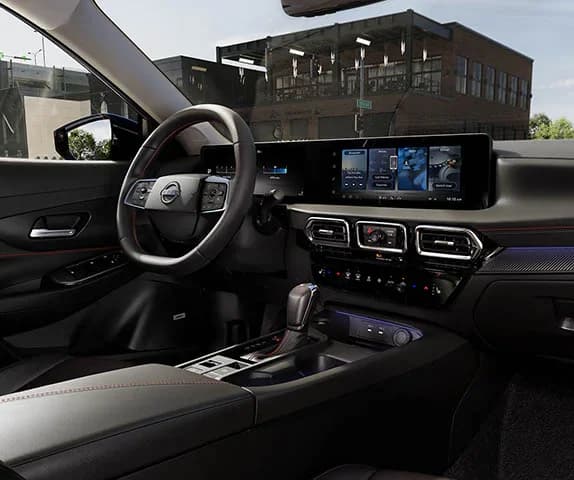
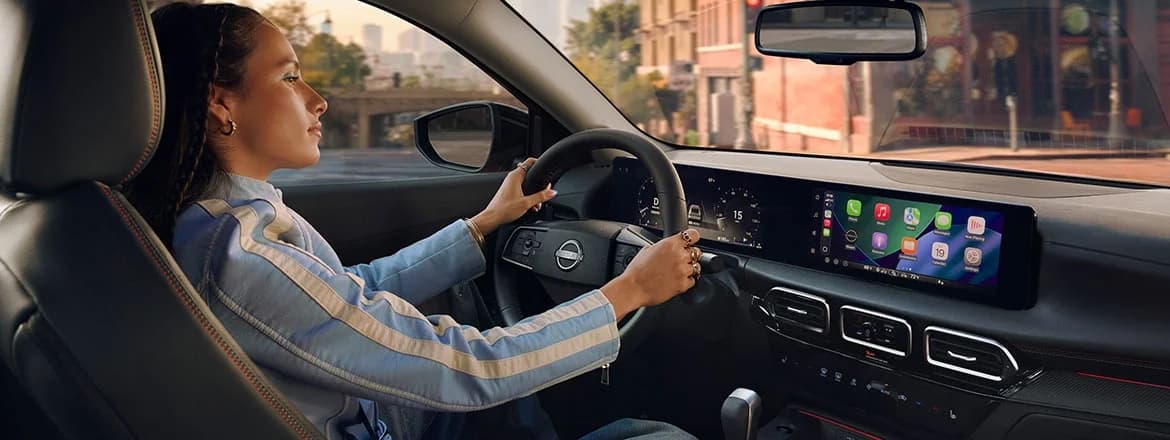
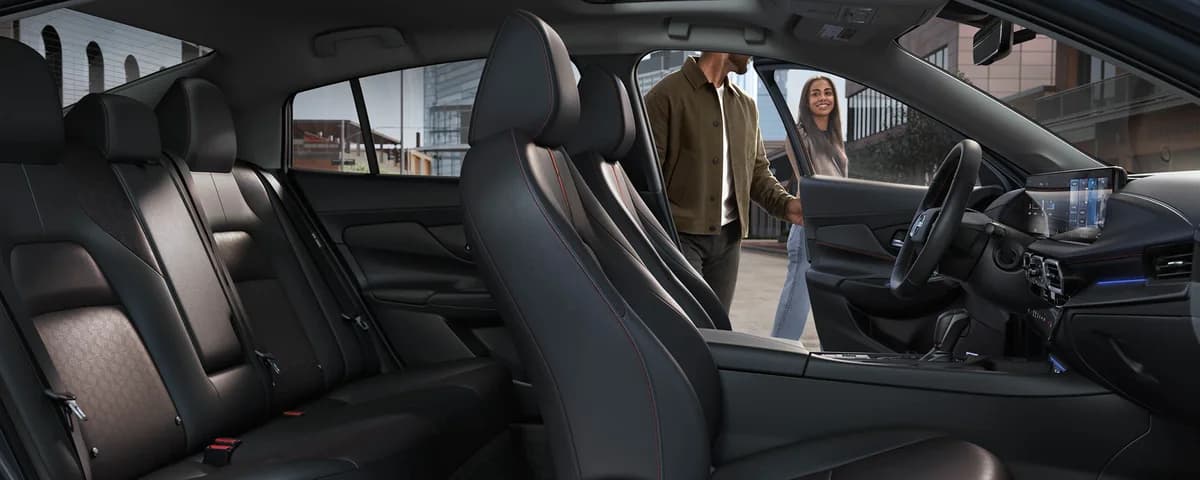
The redesigned cabin gives the Sentra a more expensive personality than its price suggests. Higher-grade materials and cleaner design are paired with a standard 12.3-inch infotainment display, while upper trims can add dual screens, ambient lighting, Bose audio, and quilted synthetic leather. Experts and video reviewers generally praise the polished presentation and straightforward physical controls. The main usability blemish is capacitive climate controls, which are harder to operate by feel and especially unpopular with owners. Occasional CarPlay glitches and slow infotainment also temper an otherwise convincing upgrade.
Ride Comfort and Road Noise
Comfort is one of the Sentra’s strongest reasons to choose it. Improved insulation creates a quiet, composed cabin during normal cruising, while the suspension and supportive Zero Gravity seats make long commutes notably easier. Several reviewers praised the smooth ride and even reported less back fatigue after extended drives. The qualification is that sharp or repeated bumps can feel jarring, and hard acceleration brings drivetrain noise into the cabin. Nissan’s refinement claims are therefore well supported for relaxed driving, but less convincing on rough pavement or steep merges.
Fuel Economy
Fuel economy is respectable, though it is not the Sentra’s decisive advantage. Depending on trim and testing method, official figures land around 32–34 mpg combined, with observed results ranging from about 30.8 to 33.3 mpg. That supports low-cost commuting on regular gasoline, and some reviewers report strong real-world mileage. However, the no-hybrid powertrain leaves it behind increasingly efficient Corolla, Civic, and Prius alternatives in some comparisons. Nissan’s efficiency positioning is fair for a conventional sedan, but buyers prioritizing maximum fuel savings should look beyond the Sentra.
Seat Comfort and Cabin Space
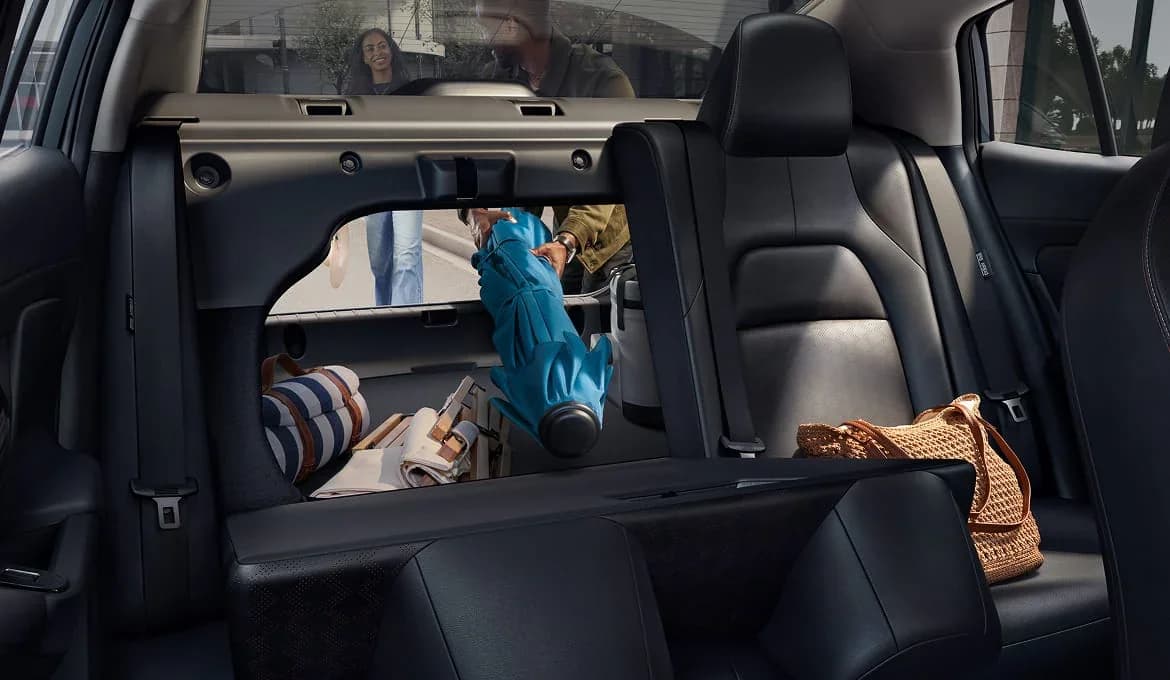
The Sentra is particularly good at making ordinary travel feel less tiring. Nissan’s Zero Gravity front seats receive unusually consistent praise for support and comfort, and the rear seat offers useful room for a compact sedan. Families also found child-seat access and everyday passenger space workable. Rear legroom is competitive rather than class-leading, and rear-seat headroom can be limited, especially for taller passengers. The 14.3-cubic-foot trunk is practical for groceries and luggage, although the sedan opening is less flexible than a hatchback’s.
Engine and CVT Performance
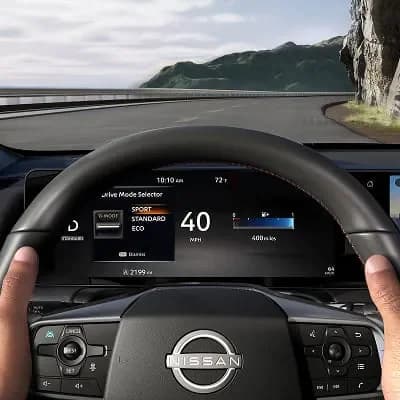
The Sentra is smooth and dependable, but acceleration is its clearest compromise. Its 149-hp 2.0-liter four-cylinder and CVT handle commuting without drama, and reviewers generally find the transmission natural in ordinary driving. Push harder, though, and the engine becomes noisy, highway passing takes patience, and roughly 8.3–10 seconds to 60 mph feels slow beside turbocharged or hybrid rivals. Sport mode adds responsiveness rather than real power. Owner feedback broadly supports the easygoing character, while wishing for a stronger engine, hybrid option, or manual transmission.
Handling Steering and Braking
The Sentra feels more controlled than its powertrain suggests. Its composed chassis and precise steering make city driving and moderate cornering reassuring, with reviewers noting stable body control and natural CVT behavior. Some testers found the SR surprisingly engaging, particularly with its firmer visual and seating treatment, while others called the steering vague and the handling merely average. Braking is a standout in some testing, including exceptionally strong pedal feel, though the car remains not a true sport sedan. It is capable and confidence-inspiring, not genuinely thrilling.
Conclusion
The 2026 Nissan Sentra’s message is clear: comfort comes first. Its 149-hp engine and CVT are smooth enough for commuting but noisy and slow when merging, while composed handling, reassuring braking, and improved road isolation make everyday driving pleasantly easy. Reviewers and owners consistently praise the supportive Zero Gravity seats, usable cabin space, practical trunk, and upscale interior, though sharp bumps, rear headroom, and touch-sensitive climate controls dilute the polish. Fuel economy is respectable on regular gas, but the lack of a hybrid leaves efficiency-focused shoppers better served elsewhere. This is a smart fit for commuters, first-time buyers, and small families seeking quiet, well-equipped transportation—not drivers chasing acceleration, sportiness, or maximum mileage. Its strongest case is the well-equipped SV: sensible pricing, standard 12.3-inch technology, and genuine comfort justify recommending it as a refined value, while pricier trims face tougher competition.

Feature Scores
This reflects reviews and ratings from established critics, journalists, and users who have evaluated the item. Their opinions provide a comprehensive assessment.
Performance
Engine Power
2/5
Acceleration
2/5
Reliability & Durability
4/5
Handling & Ride Comfort
4/5
Braking Performance
4/5
Value
Purchase Price Competitiveness
4/5
Cost of Ownership
4/5
Resale Value
TBD
Feature Value
4/5
Design
Exterior Styling
4/5
Interior Ergonomics
4/5
Cargo Space
4/5
Infotainment Quality
4/5
Health
Cabin Air Quality
TBD
Material Toxicity
TBD
Safety
Crashworthiness
TBD
Active Safety Systems
4/5
Visibility & Lighting
4/5
Child Occupant Protection
3/5
Sustainability
Fuel Efficiency
4/5
Tailpipe Emissions
3/5
Recyclability
TBD
Manufacturing Footprint
TBD
Experience Style
Driver Engagement
3/5
Customization Options
4/5
Ease of Use
4/5
Ownership Convenience
4/5

Specifications
This section outlines the product's key facts, covering essential features, details, dimensions, materials, and any unique characteristics that define its functionality and usability.
Performance
Value
Design
Safety
Sustainability
Experience Style

Frequently Asked Questions
9 Questions


Find Yours
What is your primary use for a gas-powered sedan or compact?
Answer to find your best matches.