











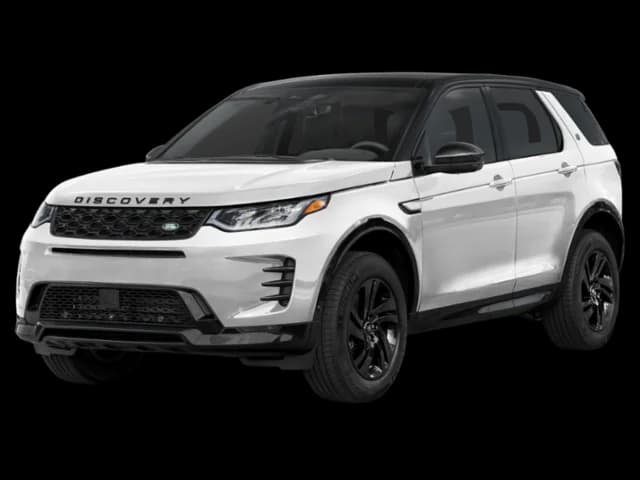
Land Rover Discovery Sport (2026)
Comfortable, trail-ready family luxury with flexible seating, but costly reliability risks temper its appeal.
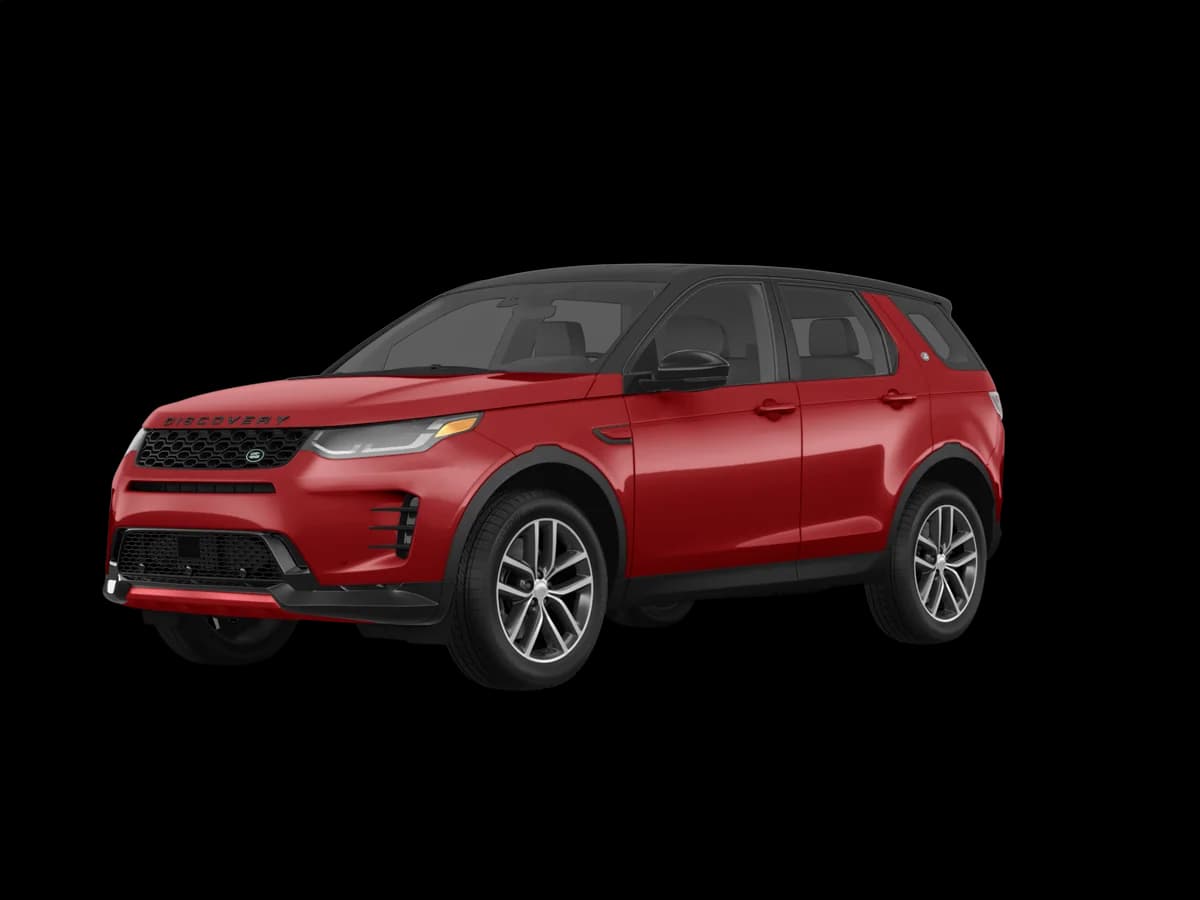
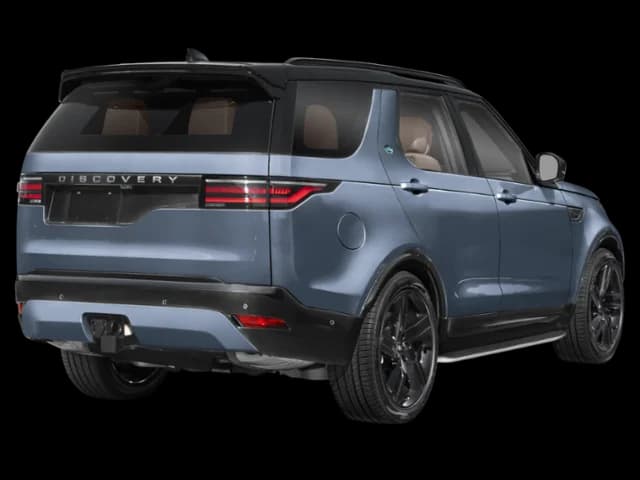
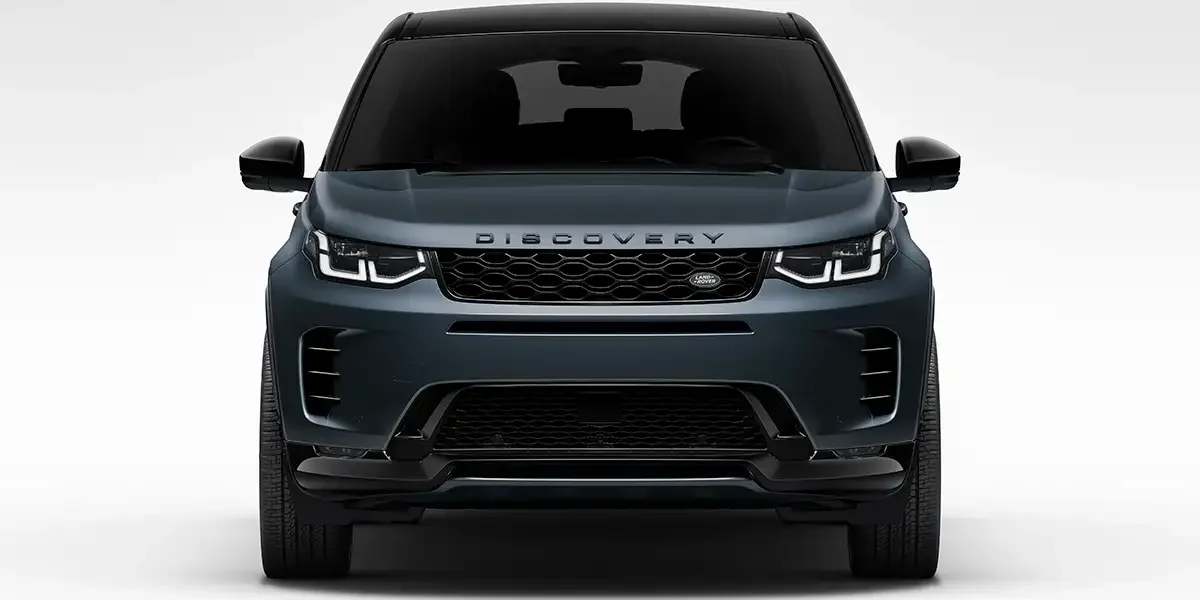
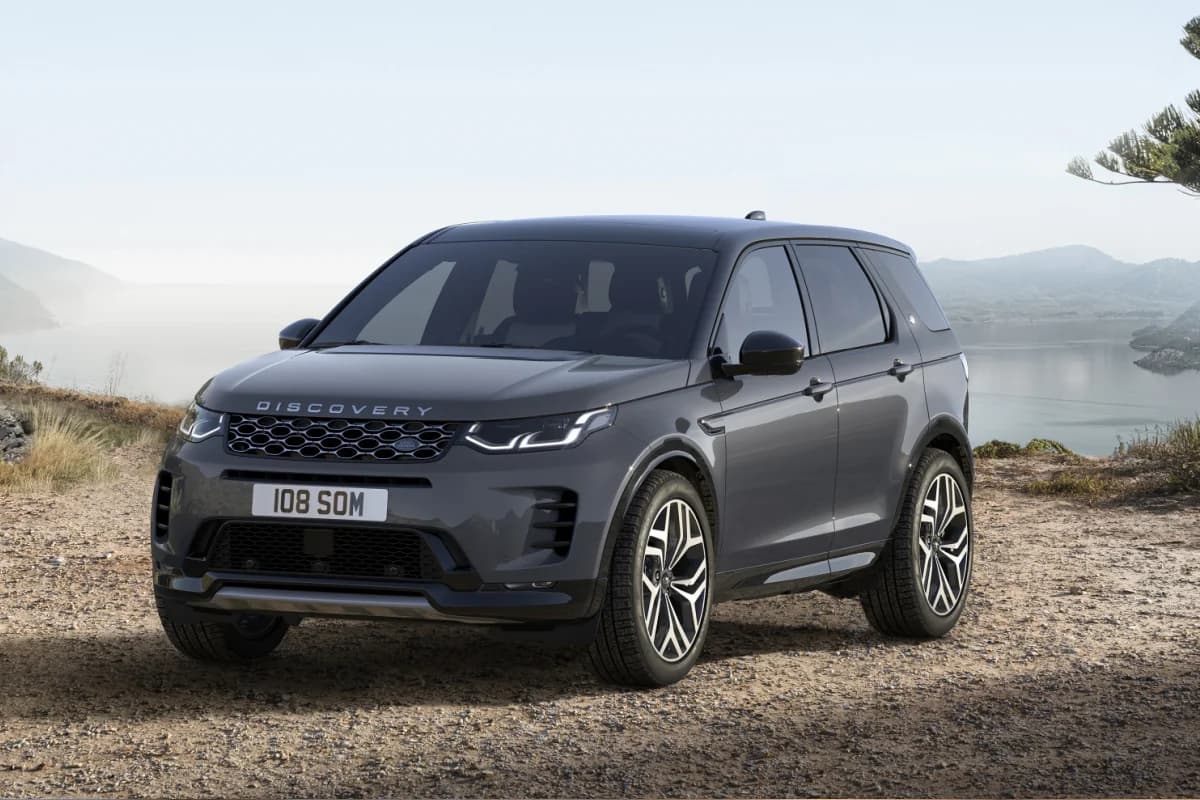
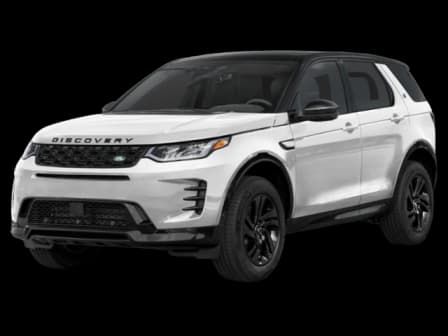
The Land Rover Discovery Sport (2026) is a compact luxury SUV with a split personality: polished family transport that is genuinely ready for the trail. It targets buyers who need flexible space, all-weather confidence, and premium character without stepping up to a larger Land Rover. The brand’s adventure pitch is supported by standard all-wheel drive, Terrain Response 2, useful towing ability, and impressive water-wading capability. Experts and owners also praise its quiet, comfortable cabin and practical cargo area, though the optional third row is cramped. The 246-hp turbo four-cylinder is merely adequate, and fuel economy is modest. At around $50,000, the comfort and capability are appealing, but reliability concerns make warranty coverage and careful servicing central to its overall value.
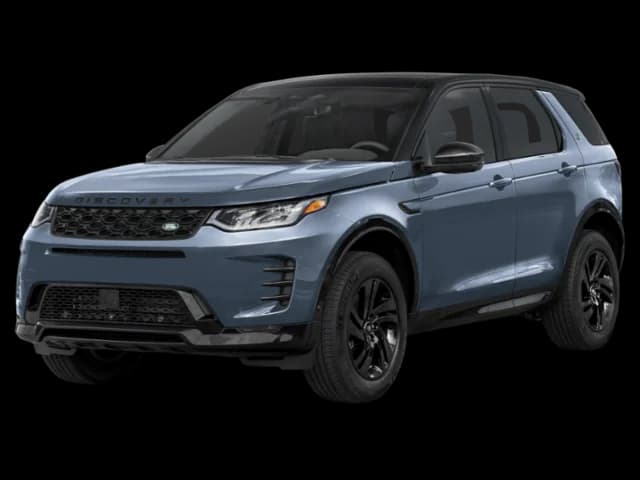
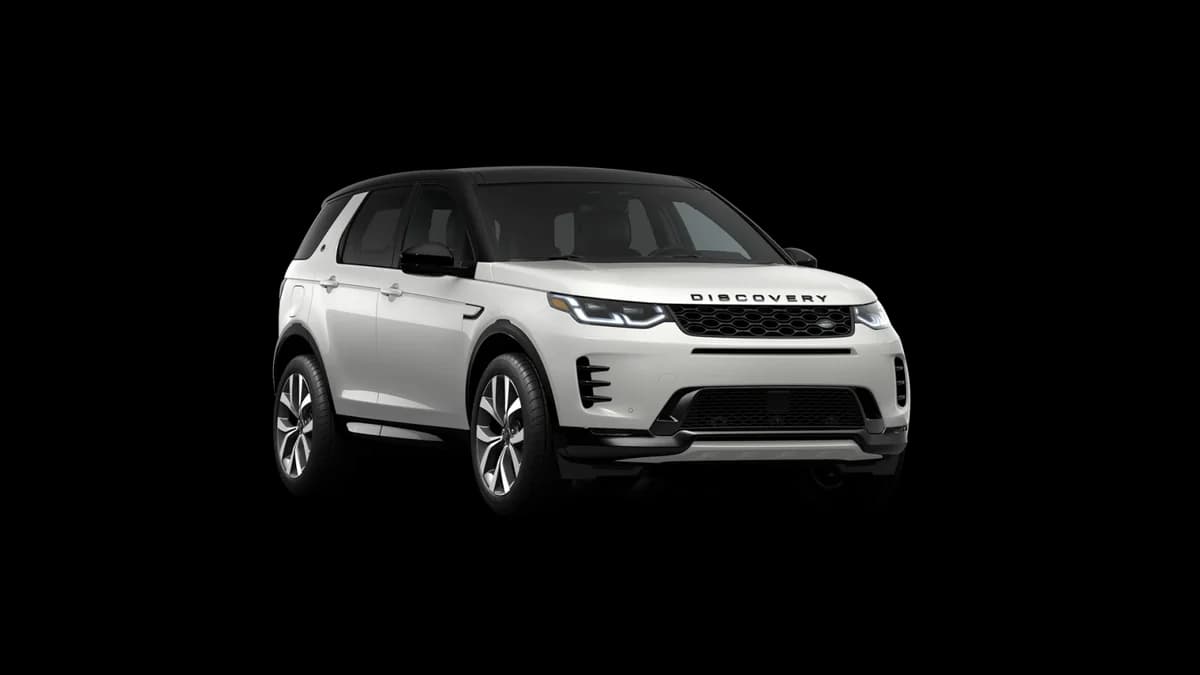
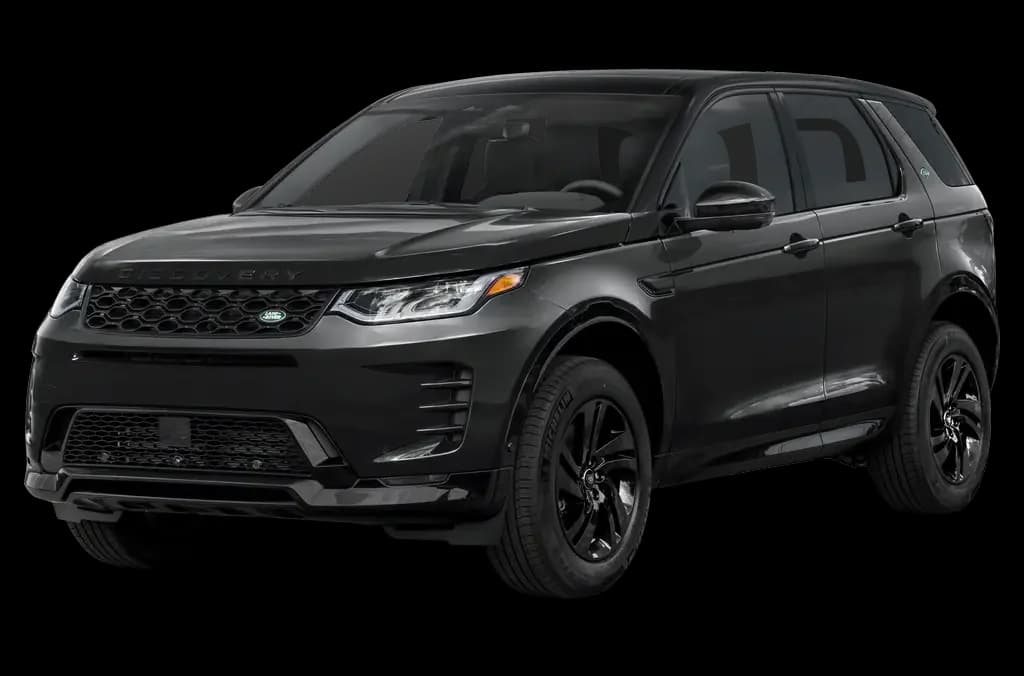

Find Yours
What is your primary use for a Gas-Powered SUV?
Answer to find your best matches.

The Field
Browse top contenders, or compare all options ranked by score and key attributes.
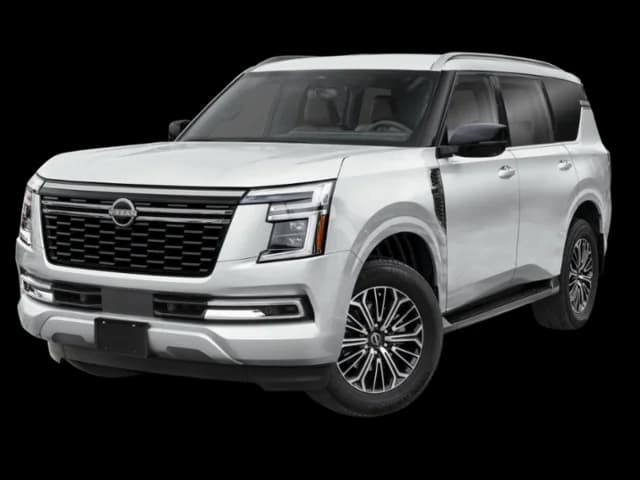
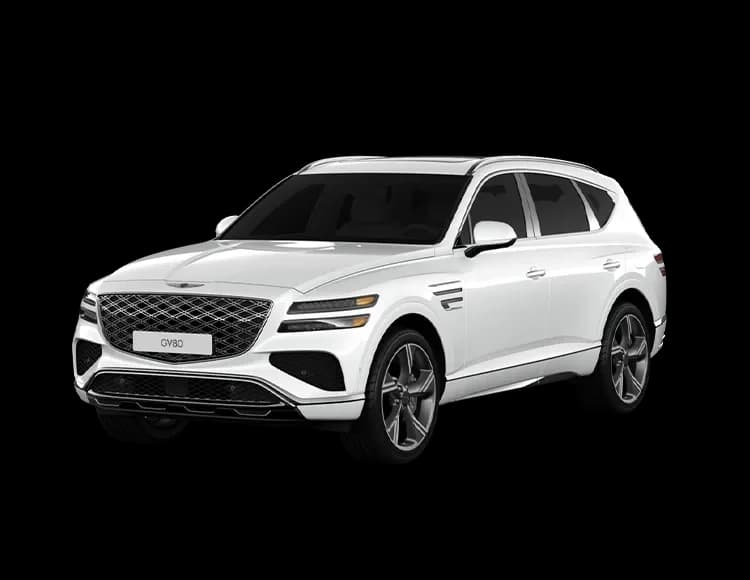
5 Options


The Scoreboard
Does this improve your life? Considers, health, habits, and environmental impact.
Benefits
Quiet, cushioned travel makes school runs and long road trips easier on everyone.
Flexible seating handles growing families, passengers, and weekend gear without needing a larger SUV.
Standard all-wheel drive and terrain controls make rough weather and trails feel manageable.
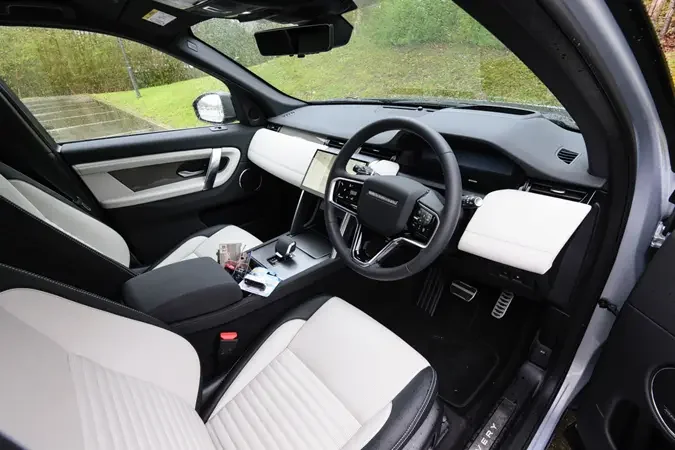
Premium cabin, elevated seating, and useful cameras make everyday driving feel more relaxed.
Trade-Offs
The engine uses fuel quickly, so routine commuting means more frequent stops at the pump.
The optional third row feels cramped, making longer family trips uncomfortable for adults and older children.
Touchscreen climate controls and occasional lag can make simple adjustments distracting while driving.
Warning lights, breakdowns, and lengthy repairs can turn routine ownership into repeated workshop interruptions.
 Alternatives


Join the Circle
Where real meets deal
Know what's worth buying-and when.
Tips, special offers, and rewards for buying and sharing.

Publications
2 LEADING PUBLICATION REVIEWS

Car and Driver is lukewarm on the 2026 Discovery Sport, seeing it as capable but compromised. Its compact size, standard all-wheel drive, 4,409-pound towing capacity, optional third row, and ability to wade through 23.6 inches of water make it an appealing middle ground for buyers who want occasional off-road ability without a Jeep or Bronco. The cabin is comfortable and upscale, with generous standard equipment, modern infotainment, and useful adventure-oriented accessory packs. Still, the turbocharged four-cylinder feels mediocre, taking 7.5 seconds to reach 60 mph, while handling lacks excitement and highway fuel economy proved disappointing at 21 mpg. Rivals offer sharper performance and, in some cases, better refinement and maintenance coverage. With production ending after 2026 and a $51,175 starting price, the Discovery Sport makes the most sense for buyers prioritizing Land Rover character and light adventure over speed, efficiency, or outright value.
By Drew Dorian
Top Gear is warmly positive about the Discovery Sport, especially its comfort, practicality, and newfound technological polish. The review portrays it as classy, relaxing family transport rather than a sporty SUV, with a flexible 5+2 layout, improved storage, effective Pivo Pro infotainment, and clever camera features such as Ground View that can make tight width restrictors less intimidating. Its mild-hybrid engines offer only modest efficiency and performance benefits, while the P300e plug-in hybrid brings useful electric range but sacrifices the seven-seat option. Rivals are sharper or more dynamic, and the Discovery Sport’s conservative performance, high pricing, and lingering reliability concerns prevent a stronger recommendation. Even so, Top Gear considers it near the top of its class for comfortable, practical travel and gives it 8/10.
By Top Gear Team

YouTube
6 LEADING EXPERT & INFLUENCER REVIEWS
 What Car?
What Car? is broadly positive about the Discovery Sport, calling it competitive despite its age. It praises the comfortable, premium-feeling interior, excellent practicality, strong D200 diesel, quiet motorway manners, towing ability, and genuine off-road capability with standard four-wheel drive, Terrain Response 2, and hill-descent control. However, the touchscreen climate controls are less usable than the old physical setup, the optional third row is cramped, the ride can be lumpy without adaptive suspension, and the plug-in hybrid’s range is underwhelming. Most importantly, Land Rover’s poor reliability record remains a serious reservation.
The Miles DrivenThe Miles Driven is cautiously positive about the Discovery Sport, presenting it as capable but requiring careful buying. Its compact seven-seat option, towing ability, and Terrain Response hardware make it unusually versatile, while the newer platform feels more refined and composed. However, reliability varies sharply by engine and year: early 2.0-liter Ingenium diesels bring timing-chain, turbocharger, DPF, and oil-dilution concerns, whereas the older 2.2 diesel, 2.0-liter Ingenium petrol, and later plug-in hybrid receive more favorable treatment. Overall, it is not dismissed, but buyers should prioritize service history, inspections, and warranty coverage.
Hawkeye RidesAnthony from Hawkeye Rides is positive about the Discovery Sport, calling it a strong, versatile adventure SUV in a compact package. He appreciates its rugged styling, standard AWD, Terrain Response 2, impressive water-wading ability, towing capacity, pet-friendly Dog Pack, practical cargo space, and intuitive off-road displays. However, enthusiasm is tempered by the $60,000-plus price, limited color choices, hard interior plastics, narrow seat cushioning, modest fuel economy, road noise, mediocre turning radius, and especially laggy Pivi Pro infotainment. Overall, he considers it a capable, family-friendly luxury SUV, but not an unquestioned class leader.
Boston Auto BlogBoston Auto Blog is clearly positive about the Discovery Sport, calling it a compelling, affordable Land Rover for families. It praises the upscale design, roomy cabin, generous cargo capacity, comfortable ride, quiet turbocharged engine, responsive technology, and standard off-road hardware. The reviewer especially favors it over the similarly priced Range Rover Evoque for practicality and family use. Still, the Discovery Sport feels top-heavy, with light steering, noticeable body roll, and less sporty road manners. The third row is also cramped and not recommended. Overall, it’s presented as a refined, capable daily driver rather than an exciting performance SUV.
Ben HardyBen Hardy is clearly positive about the Discovery Sport, calling it a smooth, comfortable, and genuinely competitive entry-level luxury SUV. He appreciates its refined ride, quiet cabin, open-feeling interior, strong camera system, practical cargo space, and distinctive Land Rover character. The 2.0-liter engine feels adequately responsive, though he stops short of calling it quick and admits some concern about its relatively small size. Hardy’s main insight is that buyers should judge it against rivals such as the BMW X1, Audi Q5, and Lexus NX—not larger Land Rovers—where he considers it unusually comfortable, capable, and more than competitive.
The Charging FamilyTesla Family UK is fond of the Discovery Sport but ultimately feels its ownership costs no longer make sense. After more than three years and roughly 20,600 miles, the family found it comfortable, handsome, easy to drive, spacious, and dependable in everyday use, with long road trips handled well. The premium interior and seven-seat practicality remain genuine strengths. However, fuel, servicing, insurance, recalls, and the risk of expensive post-warranty repairs—reinforced by a relative’s engine failure—undermine its value. Off-road capability was barely tested, and the aging technology feels dated beside a Tesla, making replacement a cautious, financially driven decision.

Social
1 INFLUENCER REVIEW
 Doctor Car Reviews
Doctor Car Reviews takes a playfully skeptical but mildly favorable view of the Land Rover Discovery Sport. The SUV earns credit for its 246-hp turbocharged engine, 7.3-second 0–60 time, terrain-response system, and available third row, yet the commentary frames its off-road equipment as overkill for suburban and hospital driving. The estimated $55,000 price with R-Dynamic and massage seats also gets teased, while the check-engine-light joke hints at reliability anxiety. Overall, it comes across as a comfortable luxury flex with useful capability, though hardly a practical or essential choice.

Forum Reviews
CUSTOMER REVIEWS FROM 1 FORUM
Redditors are divided on the 2026 Land Rover Discovery Sport, but reliability concerns outweigh the enthusiasm. Owners praise its comfort, premium feel, practicality, seven-seat flexibility, winter traction, and capable road or off-road manners. Some petrol examples have covered substantial mileage without major trouble, especially with diligent servicing. Still, repeated reports of electrical faults, breakdowns, expensive repairs, poor diesel Ingenium engines, gearbox issues, leaks, and lengthy dealer visits create a persistent sense of risk. The styling and compact luxury appeal remain strong, yet many shoppers are urged toward more dependable alternatives or leasing with a warranty rather than long-term ownership.
Many comments

In-Depth Review

Highlights
- •Trail-Ready HardwareDesigned for trails with standard AWD.
- •Flexible Family SpaceAvailable 5+2 seating expands family flexibility.
- •Comfortable Road MannersReviewers describe quiet, cushioned travel.
- •Upscale Cabin FeelPremium materials create a relaxing atmosphere.

Considerations
- •Reliability Ownership RiskElectrical faults and costly repairs recur.
- •Modest Fuel EconomyPremium gasoline increases frequent commuting costs.
- •Cramped Third RowRear seats suit children or occasional use.
- •Adequate Engine PerformanceAcceleration feels unremarkable beside sharper rivals.
Land Rover’s reputation for upscale SUVs with real trail ability makes the Discovery Sport an intriguing compact alternative. It is aimed at families and urban adventure seekers who want standard all-wheel drive, useful towing, and a premium cabin without moving up to a larger Discovery. Its available 5+2 layout adds flexibility rare among rivals, while comfort, camera technology, and relaxed road manners suit daily commuting and long trips better than its rugged image might suggest. The turbocharged four-cylinder is competent rather than thrilling, and Terrain Response 2 brings genuine capability when weather or unpaved routes get serious. Still, prospective owners should weigh reliability concerns, cramped rearmost seats, and modest fuel economy against the comfort and character. Review the areas that match your priorities closely—this Land Rover may be happiest where the pavement ends, but your budget shouldn’t.
Powertrain Performance
The turbocharged four-cylinder delivers adequate rather than exciting performance. 246 horsepower and 269 lb-ft of torque move the SUV competently, with published 0-to-60-mph times around 7.3 to 7.5 seconds. The nine-speed automatic and standard AWD prioritize smoothness, but reviewers find the engine mediocre when compared with sharper rivals, especially under a full load. It is comfortable for normal driving and towing, yet buyers seeking brisk acceleration should look elsewhere.
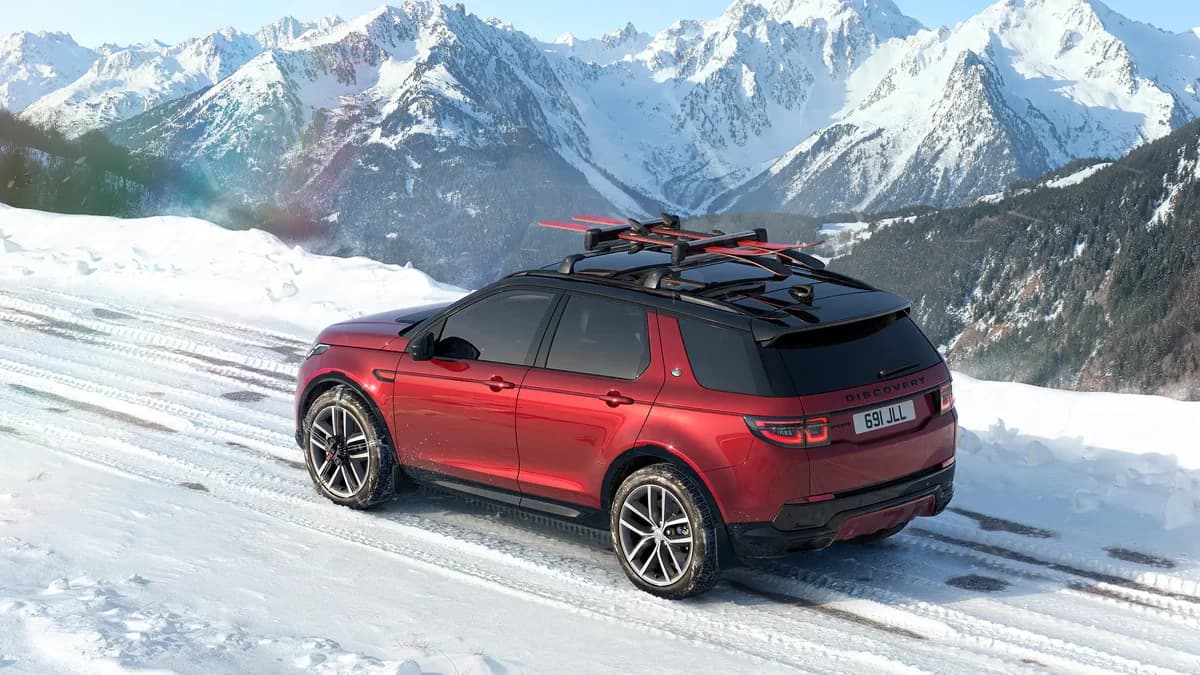
Off-Road Capability
The Discovery Sport is unusually equipped for trails and poor weather in this size class. Standard all-wheel drive works with Terrain Response 2 to adjust traction settings, while hill-descent control helps on steep, loose surfaces. Its more than eight inches of clearance and claimed 600-mm wading depth support genuine adventure use, and towing capacity is also useful. Expert feedback supports the hardware’s credibility, though owners who mainly drive in cities may rarely exploit it.
Reliability and Durability
Reliability is the Discovery Sport’s most consequential uncertainty. Electrical faults and warning lights recur in owner discussions, alongside reports of leaks, gearbox trouble, breakdowns, and costly repairs. Feedback is not uniformly negative, as some petrol owners report high mileage with disciplined servicing, but diesel Ingenium engines receive especially poor commentary for timing-chain, turbocharger, DPF, and oil-dilution concerns. A thorough inspection, documented maintenance, and warranty coverage are sensible protections against the ownership interruptions that undermine its premium appeal.
Seating and Cargo
Its compact footprint hides useful family flexibility. The available 5+2 seating layout is a standout among premium compact SUVs, while the cabin offers about 32.2 cubic feet of cargo space in listed U.S. specifications. The third row is best for children or occasional use, since reviewers consistently find it cramped for adults. A power liftgate, practical storage, and folding rear seats make daily errands easier, but buyers should confirm whether their market configuration is five- or seven-seat.
Ride Comfort
Comfort is one of the Discovery Sport’s strongest everyday qualities. Quiet motorway manners and a cushioned ride suit commuting and long family trips, while the elevated seating position and camera systems reduce driving stress. Reviewers describe the cabin as premium and relaxing, although versions without adaptive suspension can feel lumpy and the body leans noticeably through corners. Light steering and a modest turning radius favor easy cruising over sporty precision, which matches its family-oriented character.
Fuel Economy
Fuel use is a clear compromise for a compact SUV. Listed economy of 19 mpg city, 23 mpg highway, and 20 mpg combined is modest, and Car and Driver recorded about 21 mpg on the highway in testing. The premium-gasoline requirement can further increase running costs, while the mild-hybrid benefits discussed in some reviews are limited or configuration-dependent. Comfortable long-distance travel helps offset the inconvenience, but frequent commuters should budget for more fuel stops than with several rivals.
Conclusion
The final picture is a compact luxury SUV with a surprisingly serious split personality: standard all-wheel drive, Terrain Response 2, useful towing ability, and 600-mm wading capability make it far more trail-ready than its size suggests, while the available 5+2 layout and practical cargo area suit family life. Its quiet, cushioned manners earn praise, but the cramped third row is best reserved for children, and the 246-hp engine delivers adequate rather than lively acceleration. Owners and experts are less forgiving of reliability risk, with electrical, drivetrain, and repair-cost concerns making documented servicing and warranty coverage especially important. Add modest fuel economy and premium-gasoline costs, and the Discovery Sport becomes a considered purchase rather than an easy recommendation. It fits buyers who value comfort, Land Rover character, and occasional adventure; those prioritizing efficiency, sporty performance, or worry-free long-term ownership should look elsewhere.

Feature Scores
This reflects reviews and ratings from established critics, journalists, and users who have evaluated the item. Their opinions provide a comprehensive assessment.
Performance
Engine Power
3/5
Acceleration
3/5
Towing Capacity
4/5
Fuel Efficiency
2/5
Reliability
1/5
Durability
2/5
Value
Purchase Price
2/5
Operating Cost
1/5
Resale Value
2/5
Design
Interior Space
4/5
Cargo Capacity
4/5
Ergonomics
3/5
Exterior Styling
4/5
Health
Cabin Air Quality
TBD
Interior Material Toxicity
TBD
Safety
Crashworthiness
3/5
Active Driver Assistance
4/5
Braking Performance
3/5
Visibility and Lighting
4/5
Sustainability
Tailpipe Emissions
2/5
Fuel Lifecycle Emissions
2/5
Use of Recycled Materials
TBD
End-of-Life Recyclability
TBD
Experience Style
Infotainment Features
3/5
Ride Comfort Tuning
4/5
Customization Options
4/5

Specifications
This section outlines the product's key facts, covering essential features, details, dimensions, materials, and any unique characteristics that define its functionality and usability.
Performance
Value
Design
Safety
Sustainability
Experience Style

Frequently Asked Questions
5 Questions



Find Yours
What is your primary use for a Gas-Powered SUV?
Answer to find your best matches.