







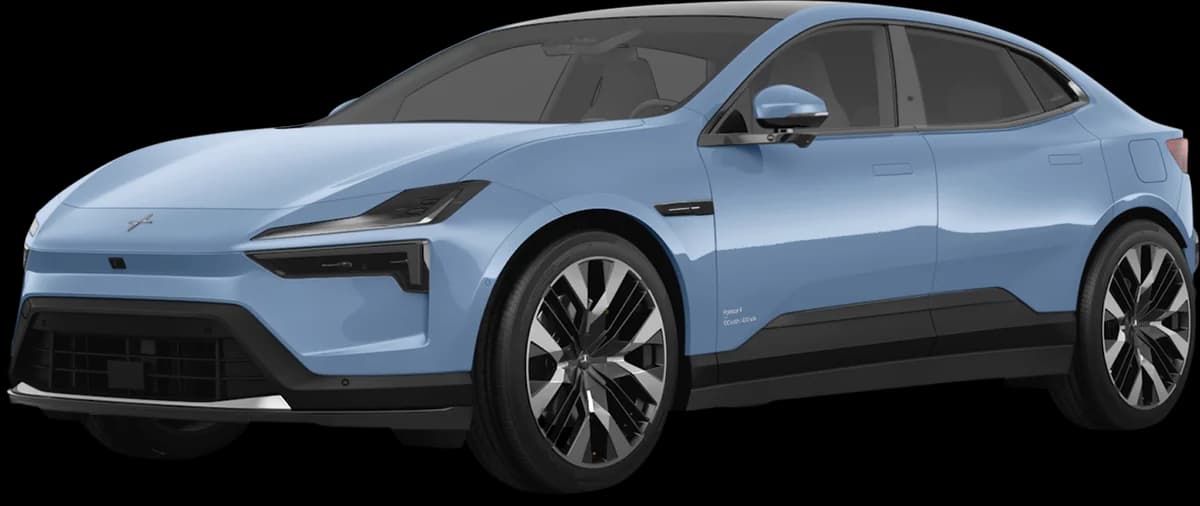
Polestar 4 (2026)
Stylish, spacious, and blisteringly quick, with clever tech and notable compromises.
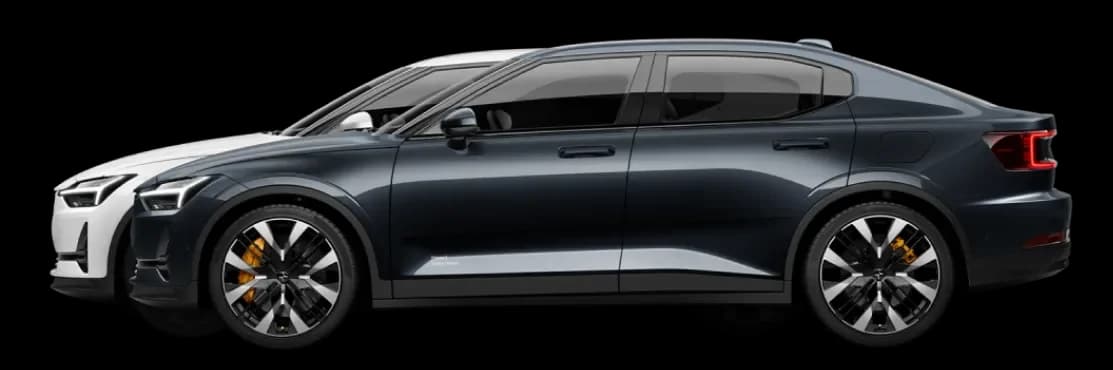
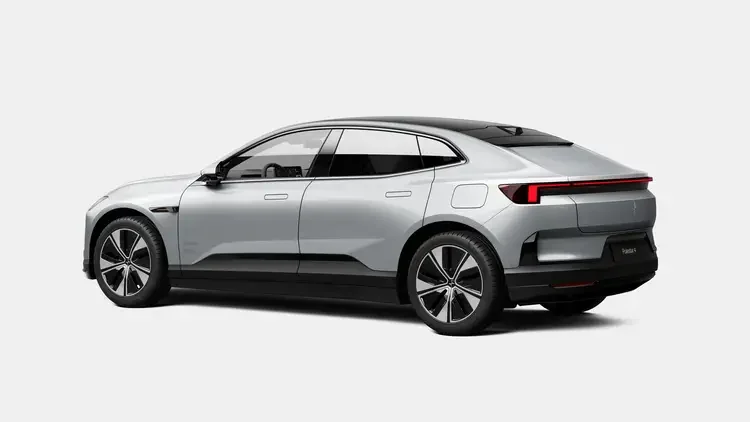
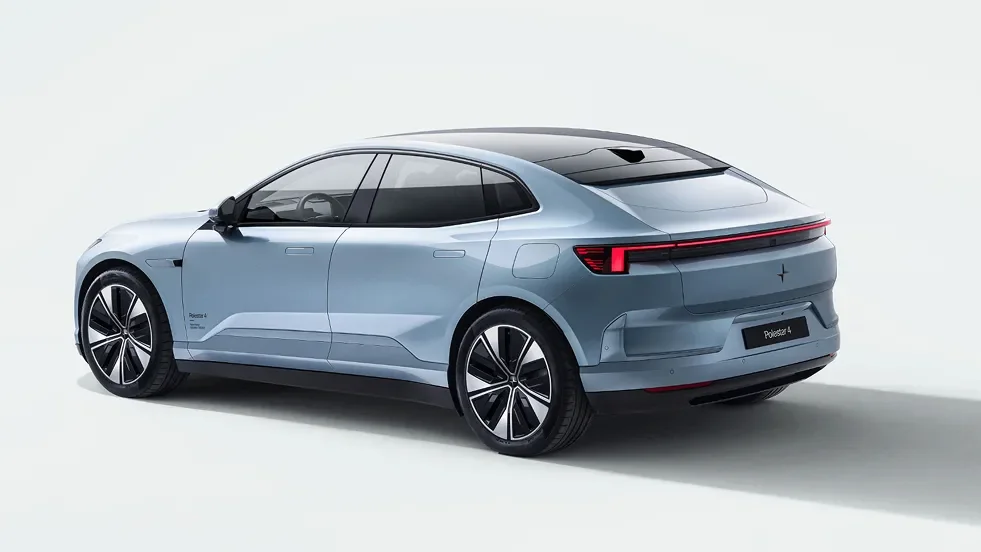
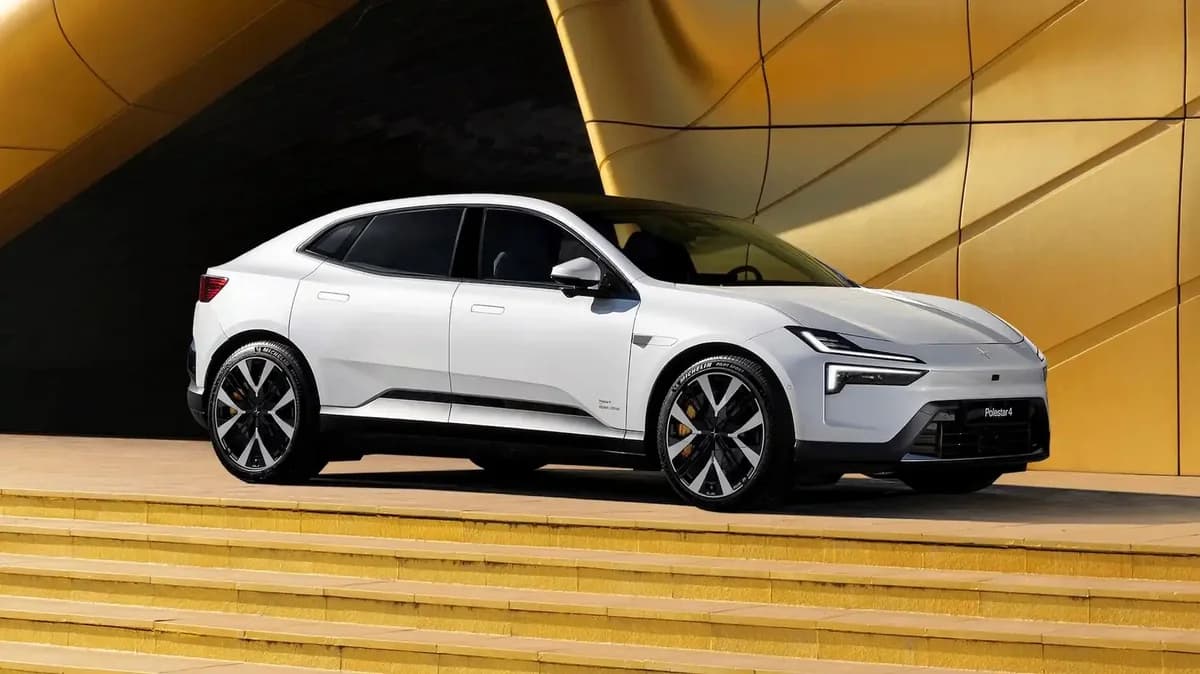
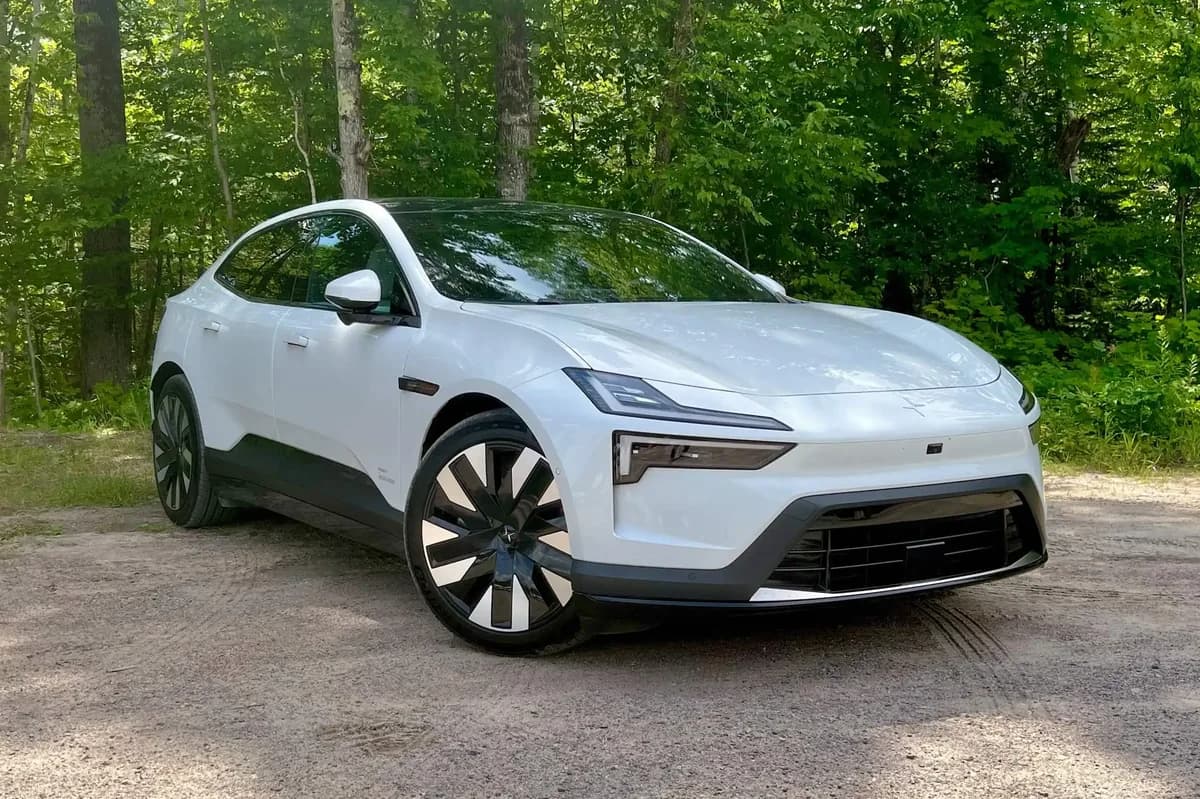
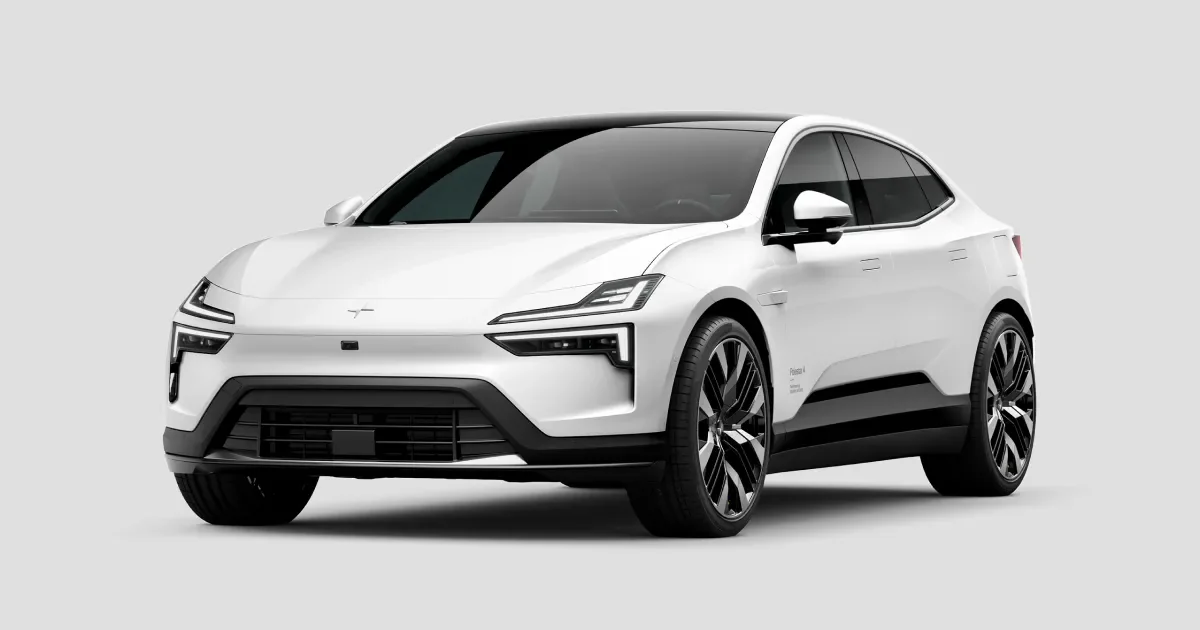
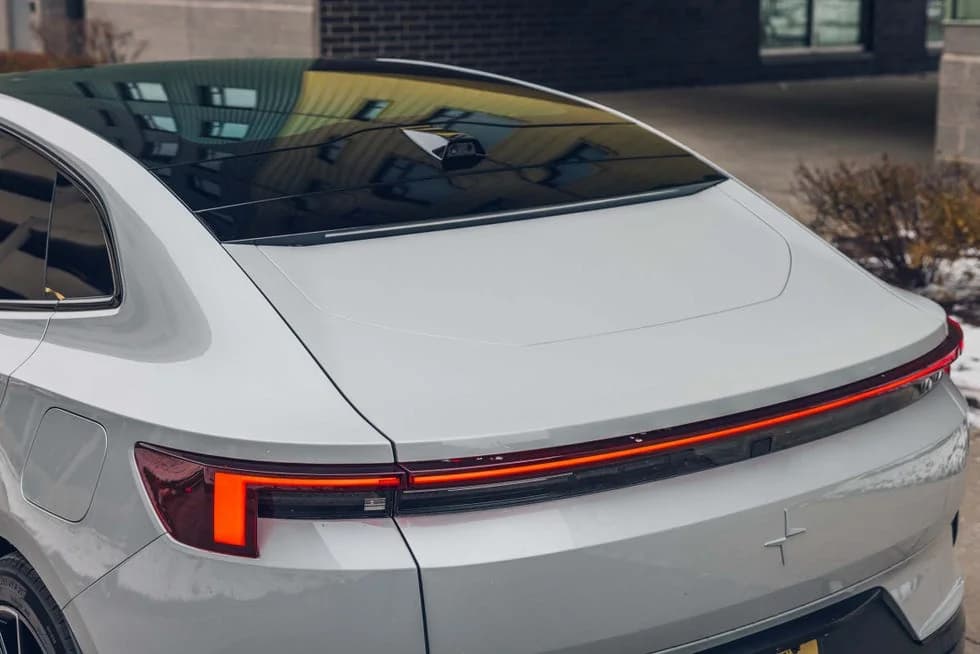
The Polestar 4 (2026) is a stylish, windowless electric crossover for drivers who want more comfort, character, and performance than a conventional family EV offers. Its 544-hp dual-motor powertrain is startlingly quick, while the quiet cabin, reclining rear seats, and Google infotainment make it an excellent long-distance companion. Polestar’s camera mirror does create extra space and usually becomes intuitive, but user and expert feedback flags glare, grime, distorted distances, and a learning curve. Claimed range is competitive, yet winter testing often falls well short, and 200-kW charging is merely adequate. At roughly $55,000 to $75,000, it offers distinctive luxury, though not class-leading efficiency or practicality. Overall value rests on weighing design-led comfort against software quirks, cargo limits, and charging speed.
Find Yours
What is your top priority for an Electric SUV's battery performance?
Answer to find your best matches.

The Field
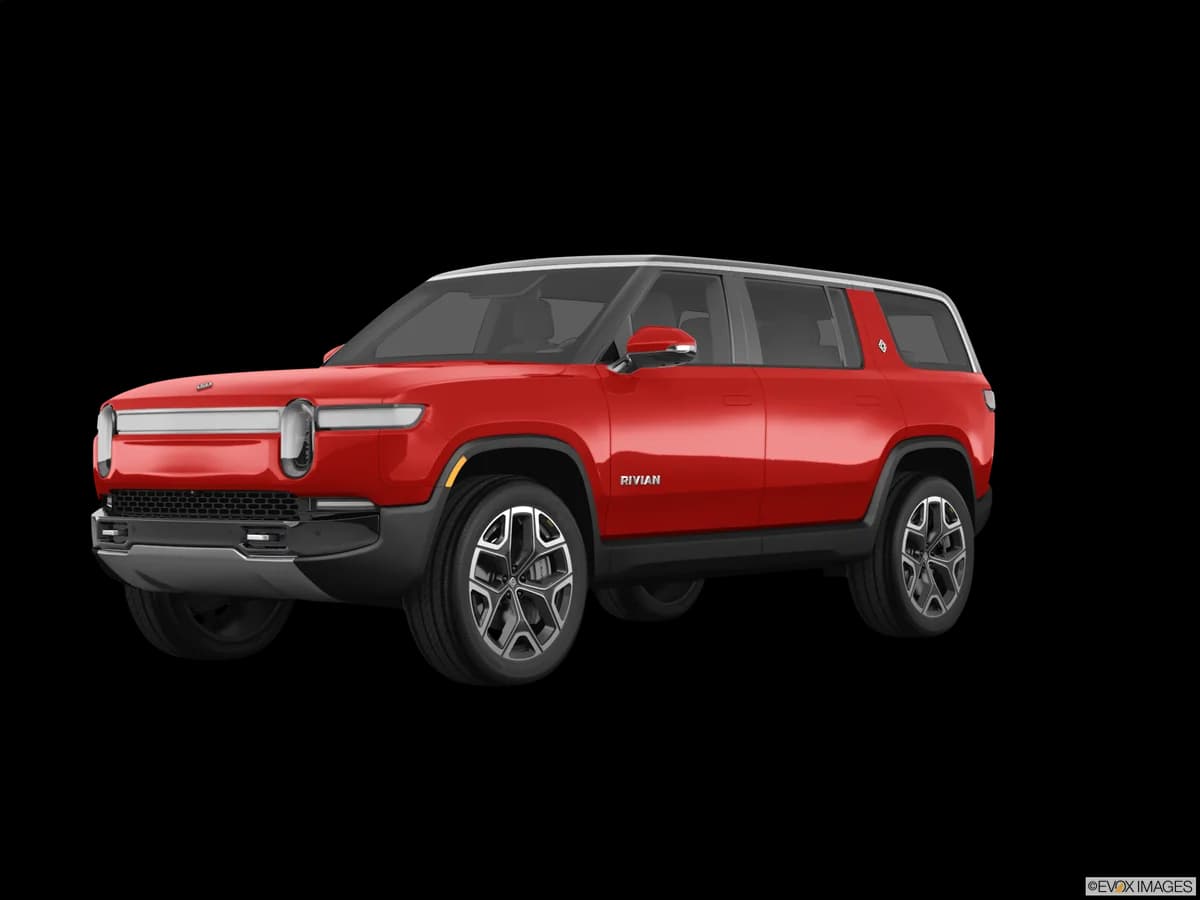
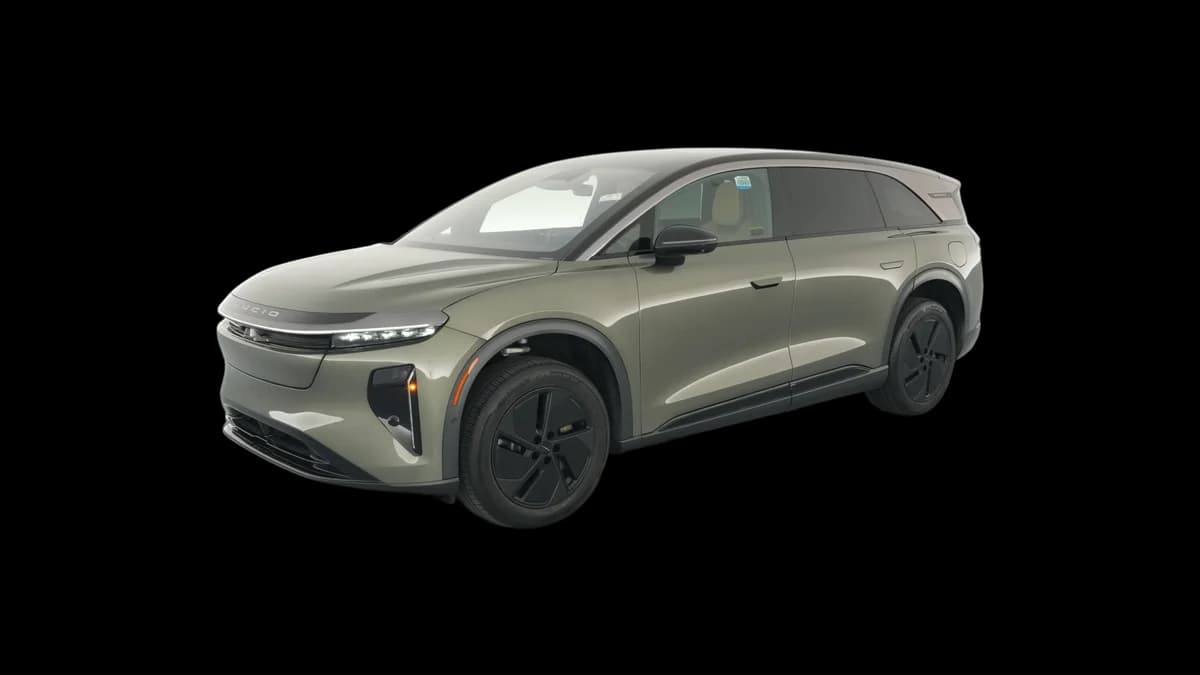
Browse top contenders, or compare all options ranked by score and key attributes.
5 Options


The Scoreboard
Does this improve your life? Considers, health, habits, and environmental impact.
Benefits
Open-feeling space, supportive seats, and quiet cruising make longer drives feel genuinely easy.
Dual-motor power delivers smooth, immediate acceleration without making everyday driving feel demanding.
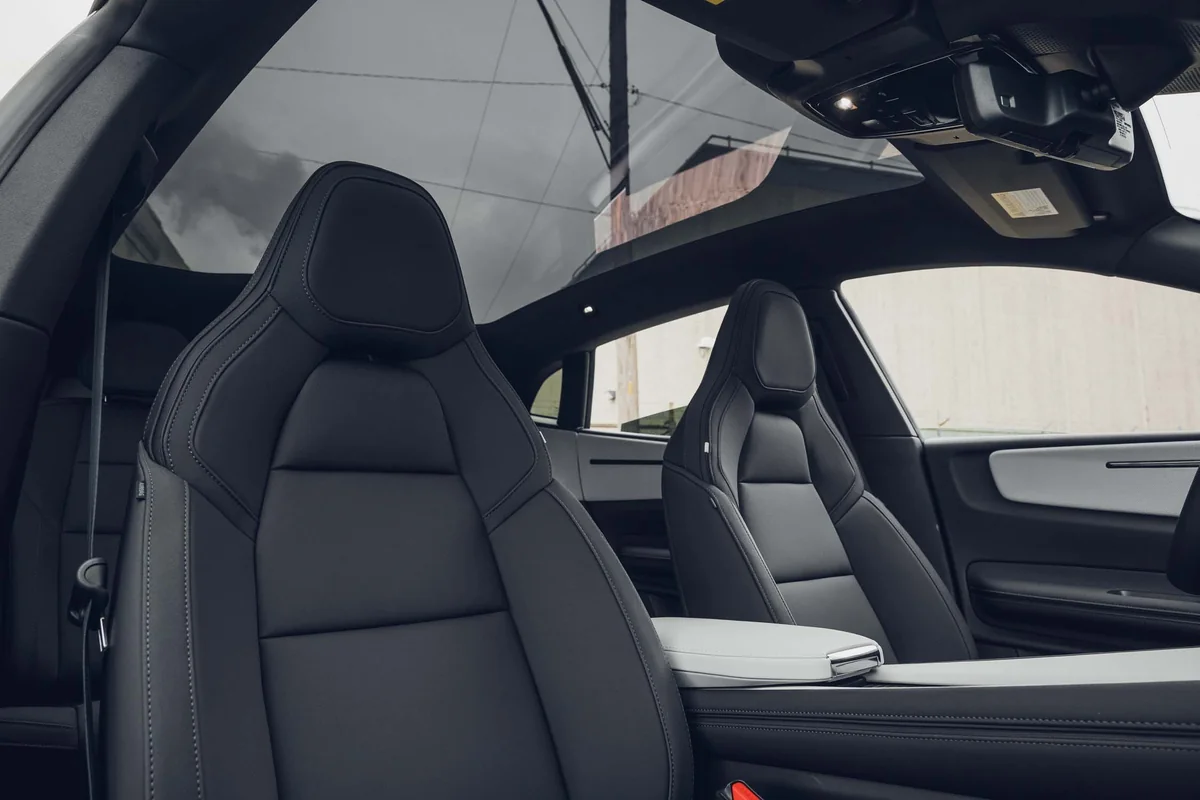
Generous legroom, reclining seats, and a glass roof give passengers room to settle in.
The hushed cabin and polished ride make commutes and road trips feel more peaceful.
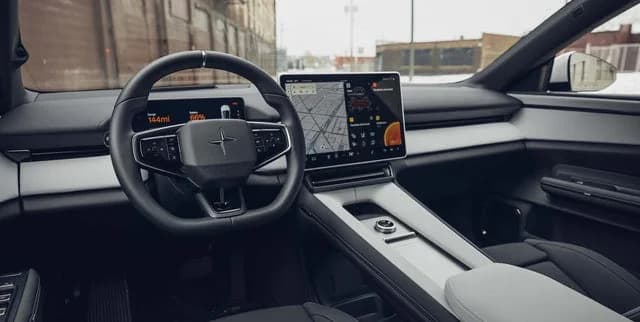
Built-in Google navigation and familiar voice controls simplify directions, music, and daily errands.
Trade-Offs
In grime or while reversing, the digital mirror feels less natural and dependable than glass.
Adjusting vents, mirrors, and basic settings through menus takes attention from the road.
On rough city streets, larger wheels can send sharp bumps into the cabin.
The sloping rear and fixed seatbacks make bulky groceries, strollers, or gear harder to fit.
 Alternatives


Join the Circle
Where real meets deal
Know what's worth buying-and when.
Tips, special offers, and rewards for buying and sharing.

Publications
9 LEADING PUBLICATION REVIEWS

Autocar’s Richard Lane views the Polestar 4 as appealing but ultimately a missed opportunity. Its distinctive, premium-feeling cabin, excellent seats, quiet motorway manners, useful hatchback practicality, and competitive range and charging make it a comfortable everyday cruiser with genuine style. The unusual rear-camera setup creates a spacious-looking roofline, but compromises rear visibility and can feel dark and enclosed. Lane is more disappointed by the driving experience: the single-motor version is quick enough but lacks excitement, while steering feels over-assisted and the suspension struggles to balance handling with ride quality. Digital controls are also unnecessarily fiddly, especially for mirrors, ventilation, and adaptive settings. At £60,000, the Polestar undercuts the Porsche Macan Electric and offers more character than the Audi Q6 E-tron, yet it cannot match either for refinement or driving appeal, while the cheaper Tesla Model Y is more efficient. Its desirable design and ambience are outweighed by too many compromises, earning 6/10.
By Richard Lane
MotorTrend’s Billy Rehbock views the Polestar 4 as an impressive, nearly complete luxury performance SUV. It is exceptionally quick, grips confidently, brakes hard, rides comfortably, and feels remarkably quiet and well-built inside. Its $64,300 starting price—and even the $80,800 test-car total—also undercuts comparable Porsche Macan EVs while providing generous technology and equipment. The unconventional windowless rear improves cabin space and serenity, but its digital mirror can distort following distances and makes the design feel more experimental than useful. Rehbock is similarly reserved about the driving experience: the numbers are Porsche-beating, yet the muted acceleration and numb steering dilute the excitement. Range is merely adequate at 252 tested miles, while charging was slower than promised and notably behind the Macan. Overall, he considers it Polestar’s most rounded product and a strong value, provided buyers accept compromised feedback, charging, and rear visibility.
By Billy Rehbock
Edmunds’ Mark Takahashi views the 2026 Polestar 4 as capable but ultimately compromised. Its standout strengths are striking design, a spacious and comfortable cabin, smooth power, and genuinely quick acceleration, with the tested Dual Motor Performance model reaching 60 mph in 3.6 seconds and exceeding its EPA range in testing. Yet the excitement fades under closer scrutiny: the firm ride, heavy feel, limited cargo utility, poor rear visibility from the missing window, and middling driver-assistance technology undermine its premium positioning. Charging was also disappointing, taking over 16 minutes to add 100 miles and failing to reach its claimed peak speed. Edmunds appreciates the Polestar’s efficiency, easy-to-use infotainment, and distinctive character, but considers rivals more engaging, better equipped, or better priced. Overall, it is an interesting, stylish EV rather than a compelling class leader.
By Mark Takahashi
Auto Express is strongly positive about the Polestar 4, though it sees several meaningful compromises. Its standout qualities are a sophisticated, exceptionally comfortable interior, generous rear-seat space, smooth ride, strong technology package, and impressive range—especially from the recommended Single Motor version. The missing rear window quickly becomes normal thanks to the clear digital mirror and creates useful extra headroom, but the car’s size and large turning circle make urban driving awkward, while the small-ish boot limits its practicality. Reviewers also find the touchscreen-heavy controls occasionally overwhelming and the driving experience less engaging than a Porsche Macan Electric, despite impressive straight-line performance. High prices, steep depreciation, and only average warranty coverage weaken its value proposition. Overall, the Polestar 4 is viewed as a stylish, refined, and distinctive premium EV that prioritizes design, comfort, and technology over driver involvement.
By Shane Wilkinson; Alex Ingram
Car and Driver’s Austin Irwin views the Polestar 4 as impressive but less revolutionary than its styling suggests. Its sleek, glassless design creates excellent rear-seat headroom, while the dual-motor model is genuinely quick, quiet, and comfortable, matching or beating pricier rivals such as the Porsche Macan 4 EV in acceleration. The Performance version also earns praise for substantially stronger braking. Still, the camera-based rearview feels more theatrical than transformative, especially when snow or road grime obscures it, and awkward touchscreen controls undermine the otherwise polished interior. More seriously, the Polestar’s 280-mile EPA range, relatively slow real-world fast charging, and higher price weaken its value against competitors. Irwin’s ultimate impression is favorable but measured: this is a beautifully styled, rapid, smooth-riding EV with a roomy cabin, yet its everyday strengths are more practical than groundbreaking.
By Austin Irwin
What Car? is clearly positive on the Polestar 4, though its recommendation comes with meaningful caveats. Steve Huntingford praises its beautifully finished interior, exceptionally supportive seats, spacious rear cabin, generous standard equipment and competitive range and pricing. He especially prefers the more agile, enjoyable single-motor version to the much quicker but less involving dual-motor car. The unusual camera-based rear view works reasonably well, yet the missing rear window compromises visibility and makes the car less practical for owners of large dogs. A firm low-speed ride, wind noise from the pillarless windows, fiddly mirror controls and over-sensitive driver monitoring also temper the appeal. Overall, the Polestar 4 emerges as a stylish, swift and genuinely practical electric car with strong everyday strengths, but not an unqualified class leader—particularly for urban drivers or buyers prioritizing reliability and comfort.
By Steve Huntingford
Top Gear is broadly positive about the Polestar 4, though its quirks prevent an unqualified recommendation. The reviewer praises its distinctive, clean styling, calm and roomy interior, strong real-world range, and smooth, enjoyable driving manners. The dual-motor version is especially appealing, bringing sharper performance and adaptive suspension that greatly improves ride comfort over the unsettled single-motor car on rough British roads. However, the missing rear windscreen is judged a questionable solution: its digital mirror can be awkward to focus on, making conventional door mirrors more important, while the claimed gains in headroom and aerodynamics seem modest for such a heavy SUV. The interface may also frustrate users because it lacks physical controls. Overall, Top Gear sees the 4 as an interesting, stylish, practical EV with a relaxed character, awarding it 8/10, but recommends paying extra for the better-sorted dual-motor model.
By Top Gear Team
U.S. News’ John M. Vincent comes away impressed by the Polestar 4, especially its speed, refinement, and distinctive character. The dual-motor model is exceptionally quick yet smooth, rides comfortably, handles its considerable weight confidently, and offers supportive seating, generous rear space, and one of the better luxury-EV infotainment systems. Vincent particularly appreciates its unconventional design, likening Polestar to “a modern Saab” with more style than many current electric Mercedes models. The missing rear window is less problematic than it sounds: the roof-mounted camera provides a clear, unobstructed view, though bad weather or difficulty focusing on the nearby display could frustrate some drivers. Other drawbacks include slower-than-leading charging, a CCS port instead of native NACS, menu-heavy controls for basic adjustments, and the ride penalty of larger wheels. Overall, it emerges as a stylish, quick, thoughtfully different EV with manageable but meaningful compromises.
By John M. Vincent
The Drive’s Joel Feder is cautiously positive on the Polestar 4, praising its style and impressive driving dynamics while questioning its biggest novelty. The fastback design looks more distinctive than Tesla’s Model 3 or Model Y, and the steering and active suspension approach Porsche-level polish, even on snowy, broken roads. The dual-motor version is also genuinely quick and feels like a strong value against pricier alternatives. But the camera-based rearview mirror, necessitated by the missing rear window, is a serious compromise: glare, wet-weather blur, poor parking-lot depth perception, and reflected ambient lighting make it distracting. Efficiency in freezing conditions was merely average, and the base model’s performance and passive suspension remain less certain. Feder’s 7/10 verdict portrays the Polestar 4 as compelling but polarizing—an appealing EV whose boldest design decision may ultimately determine whether buyers can live with it.
By Joel Feder

YouTube
18 LEADING EXPERT & INFLUENCER REVIEWS
 Auto Buyers Guide | Alex on Autos
Alex on Autos is impressed by the Polestar 4’s speed, comfort, efficiency, premium feel, and distinctive design, but ultimately remains unconvinced. The dual-motor model feels remarkably quick and nimble for nearly 5,200 pounds, while its dedicated EV platform delivers generous rear legroom, strong ride quality, useful range, and excellent tech. Still, the camera-only rearview system is a genuine usability problem, especially for older drivers, and standard seats lack lumbar adjustment. Alex also questions its awkward sedan-SUV positioning, limited cargo practicality, and closeness in price to the roomier Polestar 3, making the 4 appealing but difficult to recommend wholeheartedly.
savagegeeseSavagegeese is strongly positive about the Polestar 4, especially at its discounted price. They praise its quiet, solid ride, comfortable rear seats, refined cabin, responsive Google-based infotainment, and sharper dynamics than many similarly priced EV crossovers. The dual-motor model feels quick and predictable even in freezing conditions, while the single-motor version offers appealing range. Still, the screen-heavy controls, limited color choices, camera rearview mirror, slowish 400-volt charging, and winter range of roughly 210 miles are meaningful compromises. Overall, they view it as an unusually well-rounded, distinctive luxury EV—provided buyers embrace its tech-forward design.
Auto FocusMarques Brownlee likes the Polestar 4 a lot but ultimately can’t recommend it. He admires its striking design, polished minimalist cabin, excellent software, comfortable ride, strong practicality, and rapid dual-motor performance. The unusual rear-window-less layout is visually compelling, though it makes the back seat feel claustrophobic. His bigger concern is real-world winter range: despite a 280-mile estimate, the car displayed under 200 miles when fully charged, which feels inadequate for a roughly $62,000 EV. He also criticizes the unreliable buttonless key fob, tiny frunk, and slightly delayed regenerative braking, while praising the smooth ride and overall driving refinement.
Kelley Blue BookJordan Schiefer is genuinely enthusiastic about the Polestar 4, especially its gorgeous design, serene comfort, and effortless dual-motor performance. He finds the rear-window-less layout surprisingly successful: the digital rearview mirror offers clear, wide visibility while opening up the back seat and enabling the distinctive shape. The cabin feels upscale, spacious, and thoughtfully tech-forward, with Google built-in, reclining rear seats, and clever touches like planetary ambient lighting. Still, cargo space behind the seats is merely adequate, charging is average, and the performance package adds firmness more than meaningful speed. Overall, Schiefer sees the Polestar 4 as an exciting, polished compromise between SUV practicality and coupe character.
Roads UntraveledRoads Untraveled is highly impressed by the Polestar 4, calling it one of the sharpest, quickest, and most comfortable EVs he has driven. The dual-motor model’s 544 hp, 3.7-second acceleration, quiet ride, responsive handling, and roomy reclining rear seats make it a compelling sedan alternative. He also appreciates the minimalist recycled-material interior, improved physical controls, Google-based software, and camera rearview system after a week of use. Still, awkward door handles, a misaligned front-door latch, no Android Auto, limited cargo height, a missing glove-box button, and merely adequate range temper the enthusiasm. At $87,000 Canadian, it is excellent but not flawless.
MotormouthMotormouth is mixed on the 2026 Polestar 4, appreciating its speed and handling but questioning its premium value. The AWD model feels quick, comfortable, and well-equipped, while adjustable steering and suspension add flexibility. However, the reviewers strongly dislike the windowless rear design and digital mirror, which make the cabin feel dark and require awkward focal adjustment. They also criticize cramped cupholders, limited storage, and overly screen-dependent controls. At roughly $93,400 CAD with options, it seems difficult to justify when a Kia EV6 offers similar performance and a more conventional interior, though lower-priced versions and the distinctive styling improve its case.
Sarah -n- TunedSarah -n- Tuned is highly enthusiastic about the Polestar 4, calling it a “spicy,” smile-inducing electric crossover and praising its explosive acceleration, grip, clever packaging, roomy rear seat, distinctive cabin, and surprisingly clear digital rearview mirror. She also appreciates its thoughtful chassis construction and considers its performance impressive for the price. Still, the heavy weight dulls cornering and braking, steering feels synthetic, the standard brakes may struggle with spirited driving, the sound system lacks punch, range drops quickly during hard use, and the limited exterior colors disappoint. Overall, its unusual character and performance win her over decisively.
TheStraightPipesJacob and Yuri are impressed by the Polestar 4’s striking design, quiet ride, smooth suspension, strong infotainment, and genuinely rapid 544-hp performance. They especially enjoy its customizable Google-based cabin, practical rear-seat space, excellent highway assistance, and engaging handling, calling it fun even with a low battery. Still, enthusiasm is tempered by the divisive rear-window-less camera mirror, distracting menu-heavy controls, unreliable keyless entry, fragile frameless windows, limited storage, unclear connected-services costs, and disappointing real-world winter range. At roughly $93,400 CAD fully equipped, it feels exciting and distinctive but compromised rather than an easy recommendation.
Redline ReviewsRedline Reviews is highly impressed by the Polestar 4, especially its striking design, rapid acceleration, and unexpectedly polished technology. The dual-motor model feels sportier and more agile than its size suggests, while the roomy rear seats, reclining function, quiet ride, and Google built-in software add everyday appeal. The camera-based rearview mirror works well but remains unconventional, and the coupe-like shape sacrifices some cargo flexibility. Range and long-term real-world efficiency still need fuller testing, and options push pricing toward $78,000. Even so, Redline considers it a compelling, stylish alternative to pricier Audi, BMW, and larger Polestar models.
Car ConfectionsCar Confections comes away genuinely impressed with the Polestar 4 after a week of daily use. They praise its striking coupe-like design, spacious and upscale cabin, intuitive Google built-in system, strong audio, comfortable ride, and explosive dual-motor acceleration. The camera-based rearview mirror proved easier to adapt to than expected, while the vehicle generally worked smoothly without the glitches sometimes associated with newer brands. Cold weather exposed disappointing efficiency and roughly 220 miles of displayed range versus its 280-mile EPA estimate, and charging is merely adequate. Limited dealership availability is another drawback, but attractive incentives make the Polestar 4 feel like an underrated, compelling EV.
Doug DeMuroDoug DeMuro is impressed by the Polestar 4, though he questions its value and likely market appeal. He enjoys its strikingly weird design, beautifully minimalist cabin, intuitive Google-based infotainment, excellent rear-seat space, strong dual-motor performance, quiet ride, and planted handling. The camera-based rearview mirror makes the missing rear window surprisingly easy to forget, though it can feel claustrophobic in back. Doug criticizes the harshish ride, tiny frunk, absent household outlet, inconveniently fixed rear seats, expensive options, and sedan-like driving position despite SUV marketing. Overall, he considers it a genuinely compelling, futuristic luxury EV—especially with a discount—but not an obvious runaway success.
DownshiftMatt is cautiously positive on the Polestar 4, appreciating its speed, sharp handling, gorgeous cabin, distinctive styling, and strong practicality. After a week, he finds the missing rear window surprisingly unobtrusive, thanks to the digital mirror. However, frustrating keyless entry, excessive screen-based controls, unreliable wireless Apple CarPlay, mediocre efficiency, and slower 400-volt charging make daily use less polished than it should be. He considers it a compelling value—especially against pricier Audi and Lucid alternatives—but ultimately a good car undermined by avoidable usability quirks.
Dariusz TechDariusz Tech is highly impressed by the Polestar 4 after 600 miles, calling it premium, comfortable, practical, and exceptionally quick. He especially appreciates the spacious rear seats, polished Google built-in infotainment, superb night lighting, quiet cruising, strong efficiency, and rapid Tesla Supercharger performance. Real-world testing with his family, dog, bike, and luggage makes the review especially useful. Still, enthusiasm is tempered by frustrations with the Android digital-key omission, touch-dependent controls, quiet indicators, occasional camera and charging glitches, awkwardly small frunk, and high new-car price. Overall, he considers it a remarkably capable and distinctive EV, particularly compelling used at roughly half price.
PRN_TestDriveJames is highly impressed by the Polestar 4, calling it one of the best hardware-and-software combinations he has experienced. After driving the dual-motor version for a week, he praises its exceptional comfort, smooth 544-hp acceleration, spacious rear seating, polished Google-based interface, and distinctive windowless design, which he quickly found easy to live with. His reservations are meaningful: unreliable proximity door handles, too much reliance on touchscreen controls, limited steering feedback, uncertain long-term software reliability, and range that may become uncompetitive in winter. Still, he enthusiastically recommends this trim as a compelling, unique Tesla alternative.
Mobility InsiderMorton Hannes is strongly positive about the Polestar 4, awarding it three and a half out of four stars. After driving 1,500 km, he praises its distinctive rear-window-less design, excellent seats, premium materials, smooth yet powerful 544-hp performance, and convincing balance of luxury and sustainability. He appreciates its spacious, quiet cabin and Volvo-like solidity, though the camera mirror takes adjustment. Concerns include temperamental keyless entry, fiddly touchscreen controls, merely adequate driver assistance, slowish 200-kW charging, high winter consumption, and an option-heavy price. Overall, he considers it a compelling, stylish alternative worth test-driving.
GjeebsGjeebs is pleasantly surprised by the Polestar 4, despite calling it one of the most confusing EVs he has driven. He praises its quiet, comfortable ride, excellent suspension, strong acceleration, premium cabin, clever digital rearview mirror, useful software, and unexpectedly strong real-world range—about 270 miles driven with roughly 300 miles attainable. The review also exposes meaningful drawbacks: awkward climate and mirror controls, a tiny frunk, no standard cooled seats, CCS charging, and unreliable left-lane-change assistance that nearly steered into a guardrail. Charging is merely average, but a $10,000 discount makes this distinctive, Chinese-built crossover a compelling, if imperfect, alternative.
Auto Social UKTish is cautiously positive about the Polestar 4, admiring its range, refinement, and bold design without feeling emotionally won over. The single-motor version feels sensible for motorway commuting, with excellent rear-seat space, a practical boot, and a polished, quiet ride. However, its weight dulls handling, the ride can feel firm, interior materials and wireless charging disappoint at this price, and the camera-based rearview mirror remains unsettling in poor conditions. Against the sharper, more premium Porsche Macan Electric—and the Tesla Model Y’s charging network—Tish finds the Polestar brave, capable, and well engineered, but ultimately competent rather than captivating.
Off the Shelf Rides - Auto Reviews & Buyer AdviceOff the Shelf Rides is clearly positive about the Polestar 4, though not uncritical. They praise its striking rear-window-less design, strong 544-hp acceleration, comfortable and surprisingly spacious back seat, and upscale interior. The reviewer especially appreciates how the power builds smoothly rather than arriving violently. However, screen-dependent controls, including digitally adjusted air vents, feel frustrating, while 200-kW charging trails newer 800-volt rivals. The firm ride on 21-inch wheels also exposes sharp Midwest road bumps. Overall, it looks like a distinctive, capable EV for style-focused buyers who can accept moderate charging speed and software-heavy controls.

Social
5 INFLUENCER REVIEWS
 omardrives
Omar Drives is highly enthusiastic about the Polestar 4, calling it one of the best-looking EVs available. He’s impressed by its camera-based rearview system, which replaces the rear window while creating exceptional rear-seat space, reclining seats, and a panoramic glass roof. The premium cabin, Google infotainment, massaging seats, distinctive lighting, Brembo brakes, 544 horsepower, and 3.6-second 0–60 time add to the appeal. Still, he flags the missing Android Auto, unusual buttonless key, tiny digital cluster, 255-mile range, and roughly $80,000 price as meaningful tradeoffs, ending with a question about whether it’s worth buying.
 Allcarnews
Allcarnews is clearly positive on the 2026 Polestar 4, rating it 8/10. A week with the Dual Motor revealed a quiet, spacious SUV with refined suspension, composed handling, premium materials, and unusually generous rear seats. The digital rearview system makes the missing rear window manageable, though it requires adjustment, and software quirks, hard-to-find menus, and unfamiliar steering-wheel controls hold it back. Allcarnews also wants turn-signal camera support, an 800-volt system, and better range, but considers the Polestar 4 compelling enough to recommend with those improvements.
Connie PetersConnie Peters is moderately positive about the Polestar 4, balancing excitement with practical reservations. She loves its coupe-like SUV design and rapid 3.2-second 0–60 mph acceleration, which give the car genuine appeal. However, she dislikes adjusting the air-vent direction through the touchscreen and remains uncertain about the unconventional lack of a rear window. Overall, Peters presents the Polestar 4 as stylish and impressively quick, but not without questionable usability and visibility choices.
TopTechClipzTopTechClipz likes the Polestar 4 but ultimately cannot recommend it. The biggest concern is the back seat, where the missing rear window, low roofline, high floor, tinted glass, and ambient-light trim create a claustrophobic feel compared with the Polestar 2. The key fob is another frustration because it lacks unlock buttons and can take too long to respond, especially in winter. Still, the $60,000 SUV feels promising, and its Polestar app is unusually fast and reliable, making this a measured, cautiously positive review rather than a rejection.
Cars & BidsCars & Bids is clearly enthusiastic about the quirky Polestar 4. The missing rear window initially seems bizarre, but its camera-based rearview mirror enables a roomier cabin by eliminating traditional window hardware. Inside, the reviewer especially admires the beautifully minimalist design, top-quality materials, comfortable presentation, and clutter-free layout. The main reservation is subjective rather than a clear flaw: buyers who enjoy elaborate styling, visual flourishes, or lots of interior controls may find the pared-back luxury approach too stark. Overall, the Polestar 4 comes across as an unconventional, futuristic SUV-coupe with a genuinely thoughtful design rationale.

Forum Reviews
CUSTOMER REVIEWS FROM 1 FORUM
Redditors are broadly positive about the 2026 Polestar 4, though software remains its biggest weakness. Owners praise its striking, premium cabin, spaciousness, comfort, quiet cruising, strong acceleration, and increasingly reliable software on newer updates. The digital rear-view mirror generally becomes natural quickly, while range is considered adequate rather than exceptional. Criticism centers on profile and digital-key glitches, inconsistent GPS, CarPlay, Pilot Assist, speed-sign recognition, occasional lag, and poor customer support. Its extreme width also makes urban parking and narrow roads stressful. Most owners still love the car, but cautious shoppers may prefer leasing until reliability and resale values become clearer.
Many comments

In-Depth Review

Highlights
- •Dual-Motor AccelerationDelivers smooth, explosive 544-hp performance.
- •Roomy Rear SeatingLong wheelbase creates generous passenger space.
- •Quiet Comfortable RideDesigned to provide calm, refined cruising.
- •Distinctive Camera DesignDesigned to free rear-seat space and enable coupe styling.

Considerations
- •Camera View AdjustmentGlare, grime, and distance distortion can distract.
- •Winter Range LossCold weather can reduce displayed range sharply.
- •Touchscreen-Heavy ControlsMenus complicate vents, mirrors, and basic settings.
- •Average Fast ChargingThe 400-volt system trails newer charging architectures.
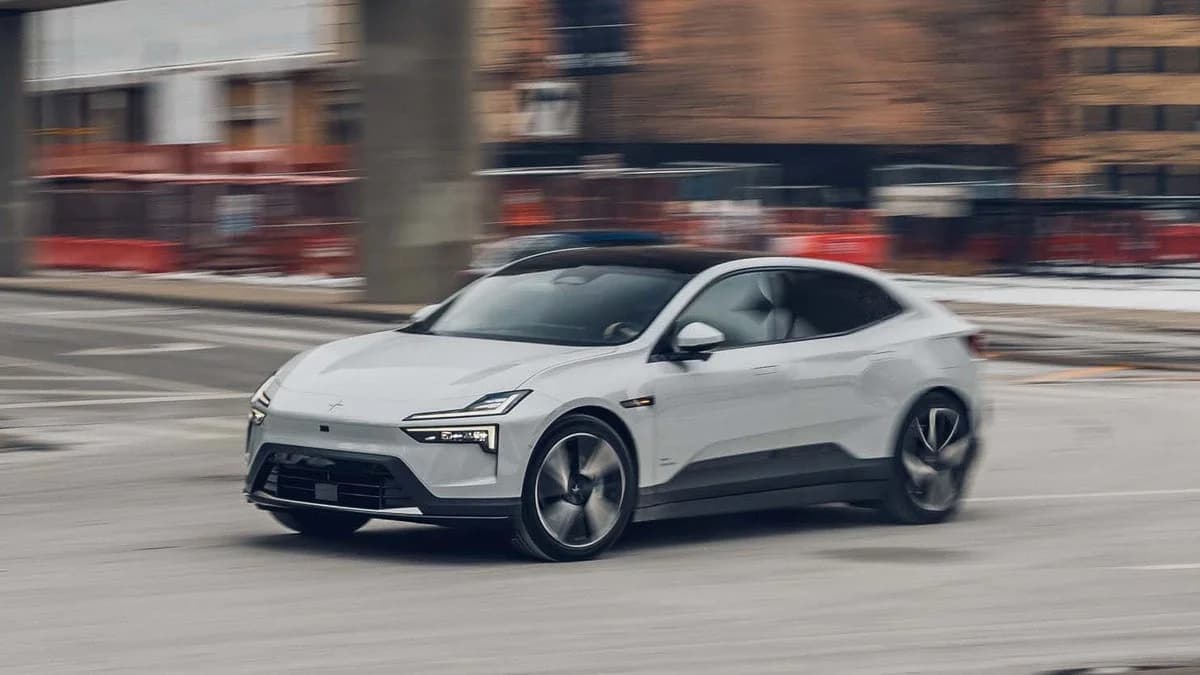
Polestar’s 2026 4 brings the brand’s minimalist, design-led reputation into a more practical premium crossover. Aimed at style-conscious commuters, families, and EV shoppers seeking an alternative to the Model Y or pricier German rivals, it combines a rear-window-less camera design, generous passenger space, and Google-powered technology with serious performance. The dual-motor version delivers 544 horsepower, while the single-motor model prioritizes longer range and calmer everyday use. Reviews also point to a quiet, composed ride, but the unusual visibility system, touchscreen-heavy controls, winter efficiency, and merely adequate fast charging deserve close attention. Passenger comfort is a strength; bulky cargo flexibility is less convincing. Before deciding, examine which compromises fit your routine best—because this is an EV where the boldest feature may also be the one you’ll need to learn.
Performance And Acceleration
The dual-motor Polestar 4 is seriously fast, but it delivers speed with unusual smoothness. Its all-wheel-drive system produces 544 horsepower and 506 lb-ft of torque, with quoted 0–60 mph times around 3.6 to 3.7 seconds. Independent testers consistently confirm explosive acceleration, strong grip, and hard braking, while the single-motor rear-drive version favors efficiency and a calmer character. The Performance package improves braking and chassis control more than outright speed, and some reviewers find the steering numb or the acceleration less dramatic than the numbers suggest. Straight-line performance is a standout luxury-EV strength, even if it is not the most engaging driver’s car.
DC Fast Charging
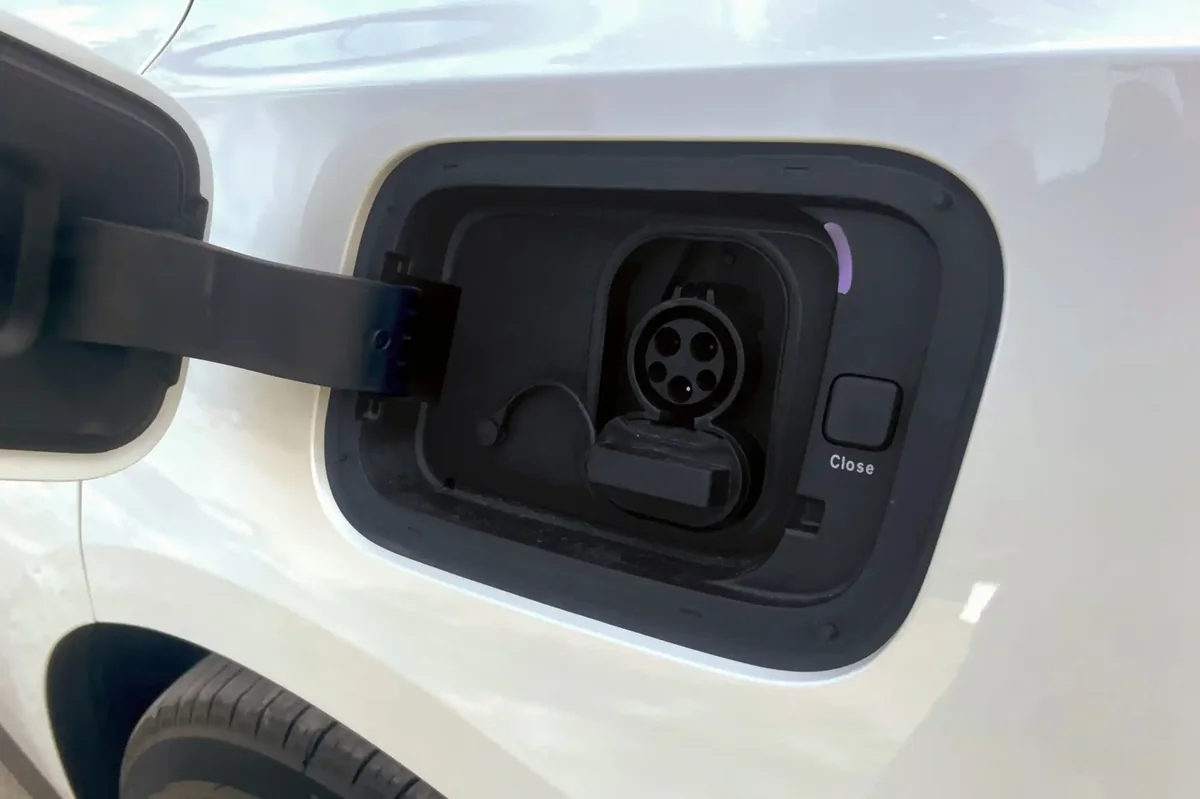
Charging is usable for road trips, but it is no longer class-leading. The 100-kWh battery supports up to 200 kW DC charging, with official specifications citing roughly 10–80 percent in 30 minutes under suitable conditions. Real-world reviewers often found the curve merely adequate, with some tests taking over 16 minutes to add 100 miles and failing to reach the claimed peak. Its 400-volt architecture trails newer 800-volt competitors, including the Porsche Macan Electric in some comparisons. CCS compatibility is another consideration, although newer access to Tesla Superchargers improves convenience for supported vehicles and adapters.
Real World Range
Range is competitive on paper but highly sensitive to weather, speed, wheels, and driving style. The single-motor model is rated up to 310 miles, while dual-motor versions are rated around 255 to 280 miles depending on configuration. Results vary sharply: some testing exceeded EPA expectations, while winter reviews reported roughly 200 to 220 displayed miles and consumption near 21.7 kWh/100 km combined in listed specifications. Owners generally call range adequate rather than exceptional. Battery preconditioning helps preserve charging performance, but cold-weather efficiency remains a notable weakness versus lighter or more efficient rivals.
Camera Rear Visibility
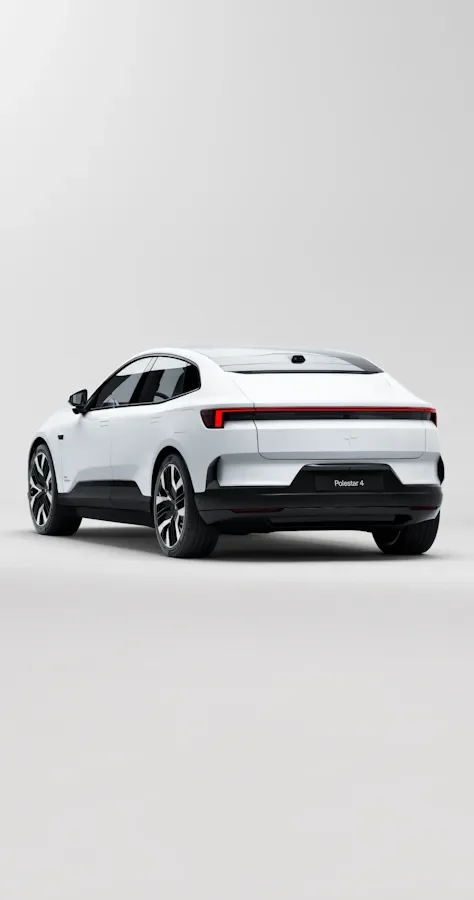
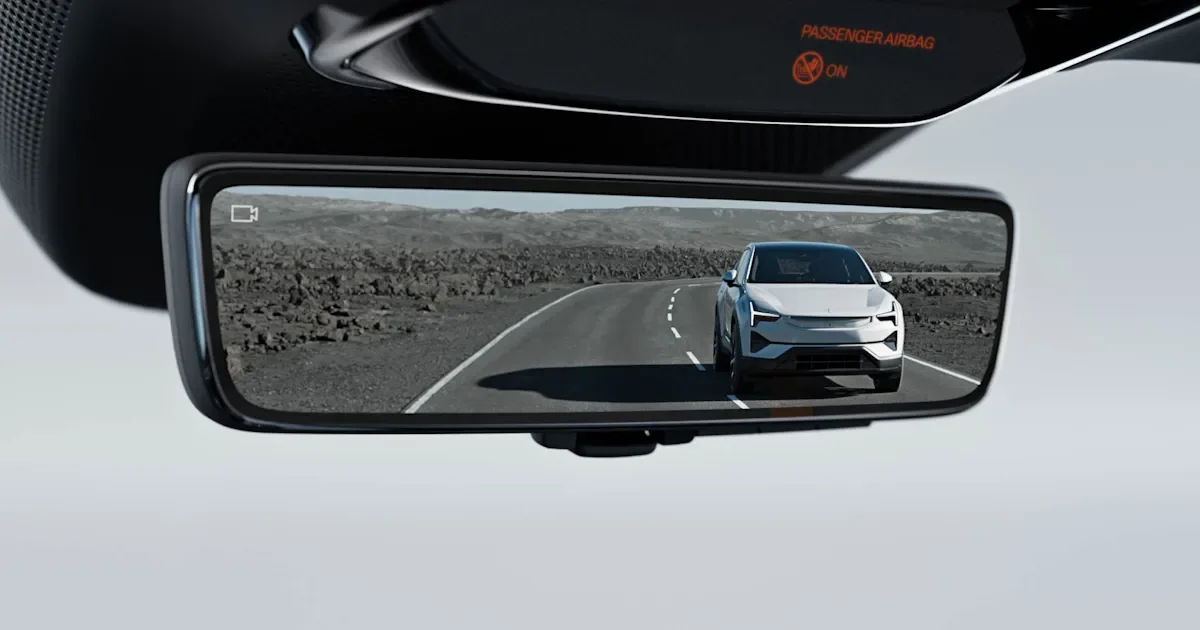
The missing rear window is Polestar 4’s boldest idea and its most personal adjustment. A roof-mounted camera feeds the digital rearview mirror, creating a clear, wide view and helping free up rear-seat space. The camera mirror usually becomes natural after a short learning period, which supports Polestar’s design rationale. However, expert and owner feedback flags glare, grime, wet-weather blur, distorted distance, and awkward focusing, especially while parking. Conventional door mirrors remain essential, so this is innovative rather than universally better. Rear passengers gain a more open roofline, but some find the cabin dark or enclosed.
Ride And Suspension
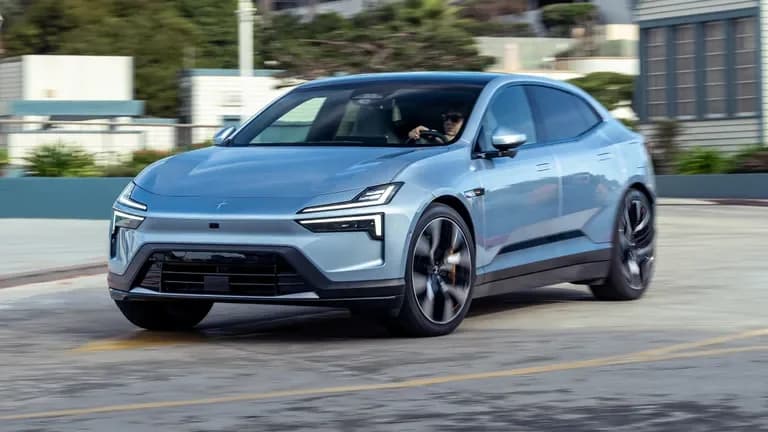
The Polestar 4 generally feels calm and substantial, though wheel choice and trim matter. Its dedicated EV platform, quiet cabin, and available adaptive suspension help the dual-motor version feel composed on highways and confident through corners. The dual-motor setup is usually the better-sorted ride, with reviewers finding it more comfortable than the firmer single-motor car on rough roads. Still, large wheels can transmit sharp bumps, and the vehicle’s roughly 5,200-pound mass limits agility. Comfort is a clear strength, but steering feedback remains muted, while city maneuvering is hindered by the car’s extreme width and large turning circle.
Cabin Space And Utility
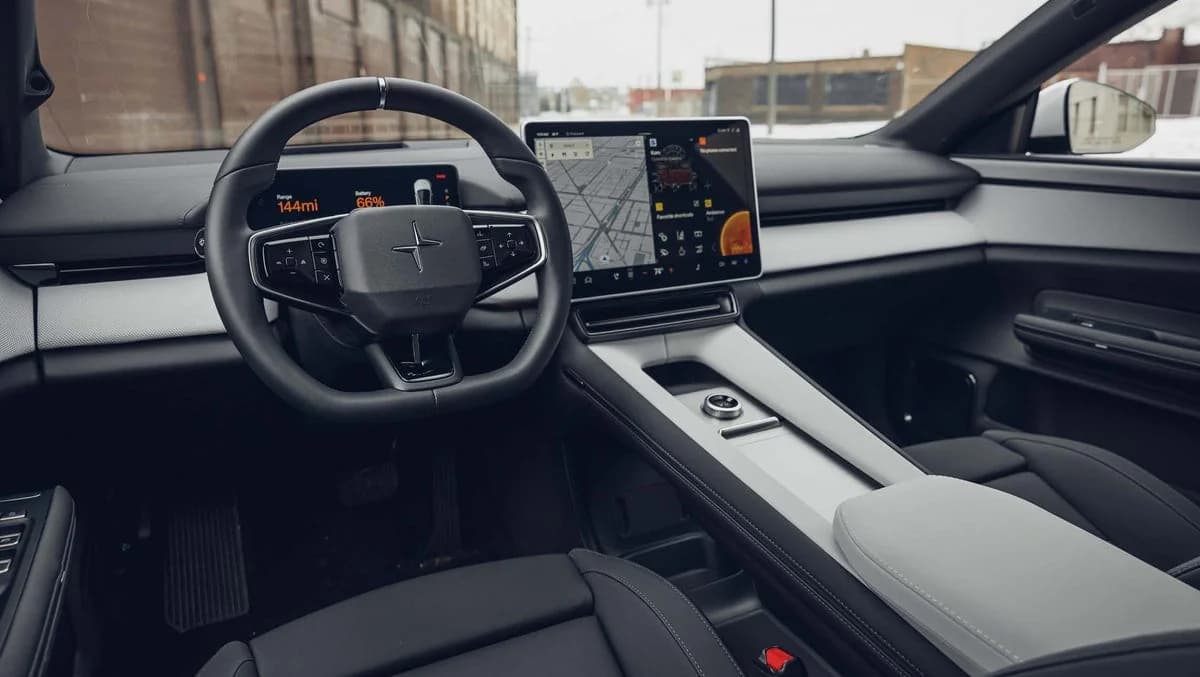
The Polestar 4 makes excellent use of its long wheelbase, especially for rear passengers. Supportive front seats, reclining rear seats, a panoramic roof, and a quiet minimalist cabin give it genuine long-distance comfort. Rear legroom is unusually generous for this size of crossover, while the hatchback body provides about 526 liters of seats-up cargo space and up to 54.2 cubic feet with the seats folded. The compromises are practical rather than cosmetic: fixed rear seatbacks, limited cargo height, a tiny 33-liter frunk, and a sloping roof. It is spacious for people, less flexible for bulky gear.
Conclusion
The Polestar 4’s boldest trick—replacing the rear window with a camera—creates useful space, but glare, grime, and distance distortion mean conventional mirrors still matter. Its quiet, comfortable ride suits commuting and road trips, while the dual-motor model adds genuinely rapid, smooth acceleration; the single-motor version makes more sense for efficiency-minded drivers. Real-world range is competitive in mild conditions but can fall sharply in winter, and 200-kW DC charging is serviceable rather than standout beside newer 800-volt rivals. Passengers get generous legroom and reclining rear seats, though the sloping roof, fixed seatbacks, and tiny frunk limit bulky-cargo usefulness. Owners and experts broadly see a polished, distinctive EV, tempered by touchscreen-heavy controls, software quirks, and a learning curve. It fits buyers who value design, comfort, and character over maximum practicality or charging speed, earning a strong recommendation with sensible reservations.

Feature Scores
This reflects reviews and ratings from established critics, journalists, and users who have evaluated the item. Their opinions provide a comprehensive assessment.
Performance
Driving Range
4/5
Charging Speed
3/5
Acceleration
5/5
Handling and Ride Comfort
4/5
Energy Efficiency
4/5
Battery Durability
4/5
Value
Purchase Price Competitiveness
4/5
Total Cost of Ownership
3/5
Resale Value
2/5
Design
Exterior Styling
5/5
Interior Space and Packaging
4/5
Ergonomics and Controls
3/5
Health
Cabin Air Quality
3/5
Low-Toxicity Materials
3/5
Safety
Crashworthiness
3/5
Active Safety Systems
3/5
Battery Safety Systems
3/5
Sustainability
Lifecycle Emissions
4/5
Battery Recyclability
3/5
Use of Recycled Materials
3/5
Experience Style
Infotainment and Connectivity
4/5
Charging Ecosystem Integration
3/5
Customization and Driving Modes
4/5

Specifications
This section outlines the product's key facts, covering essential features, details, dimensions, materials, and any unique characteristics that define its functionality and usability.
Performance
Value
Design
Safety
Sustainability
Experience Style

Frequently Asked Questions
5 Questions

Find Yours
What is your top priority for an Electric SUV's battery performance?
Answer to find your best matches.