











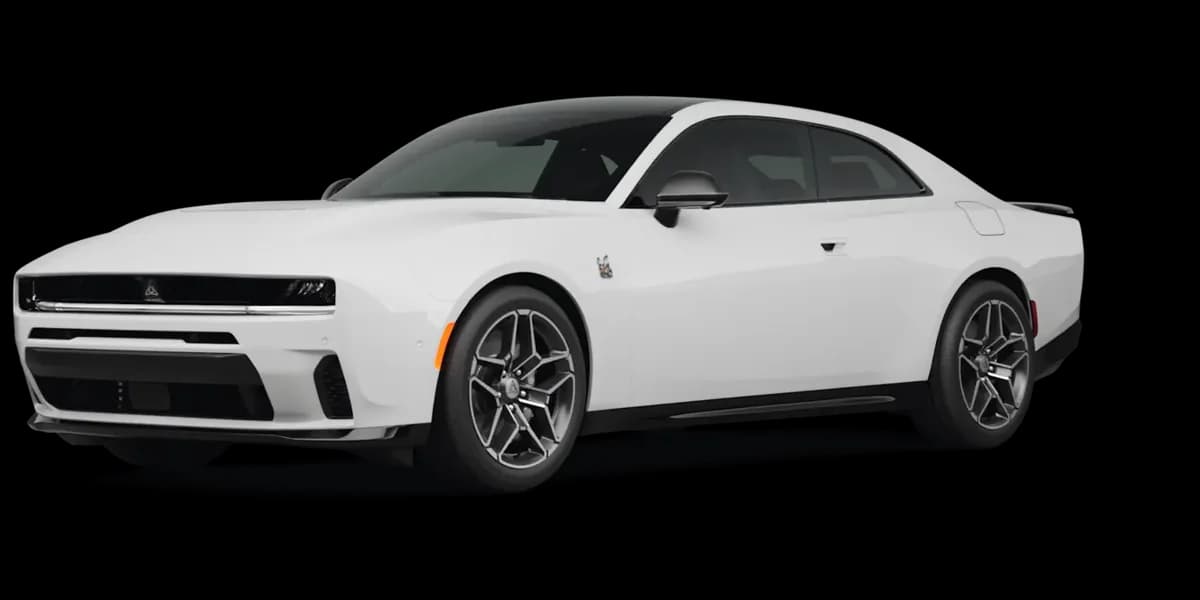
Dodge Charger (2027)
Turbocharged AWD muscle with practical hatchback utility, though weight and price temper its appeal.
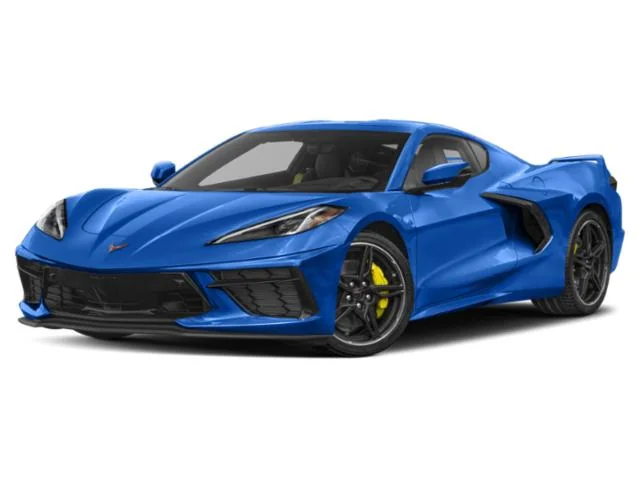
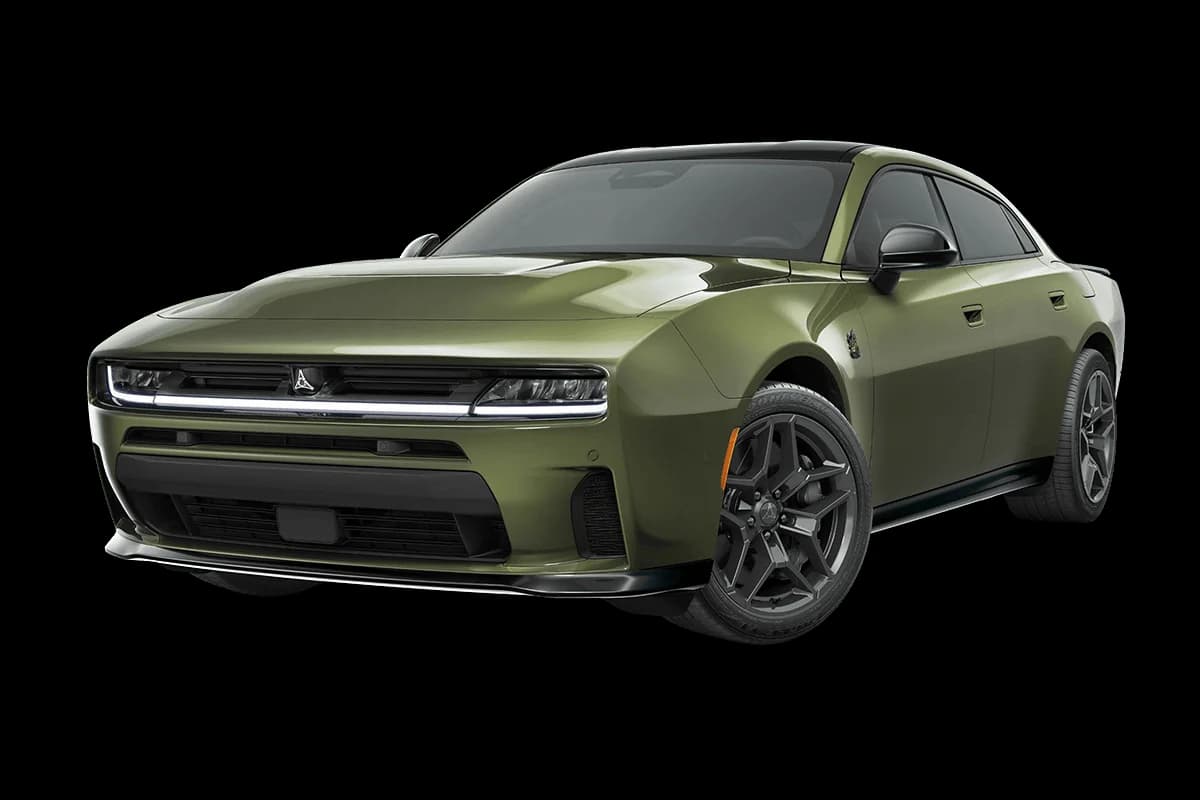
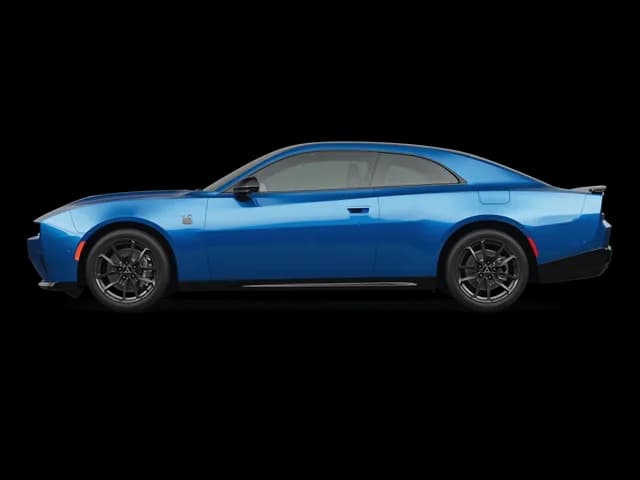
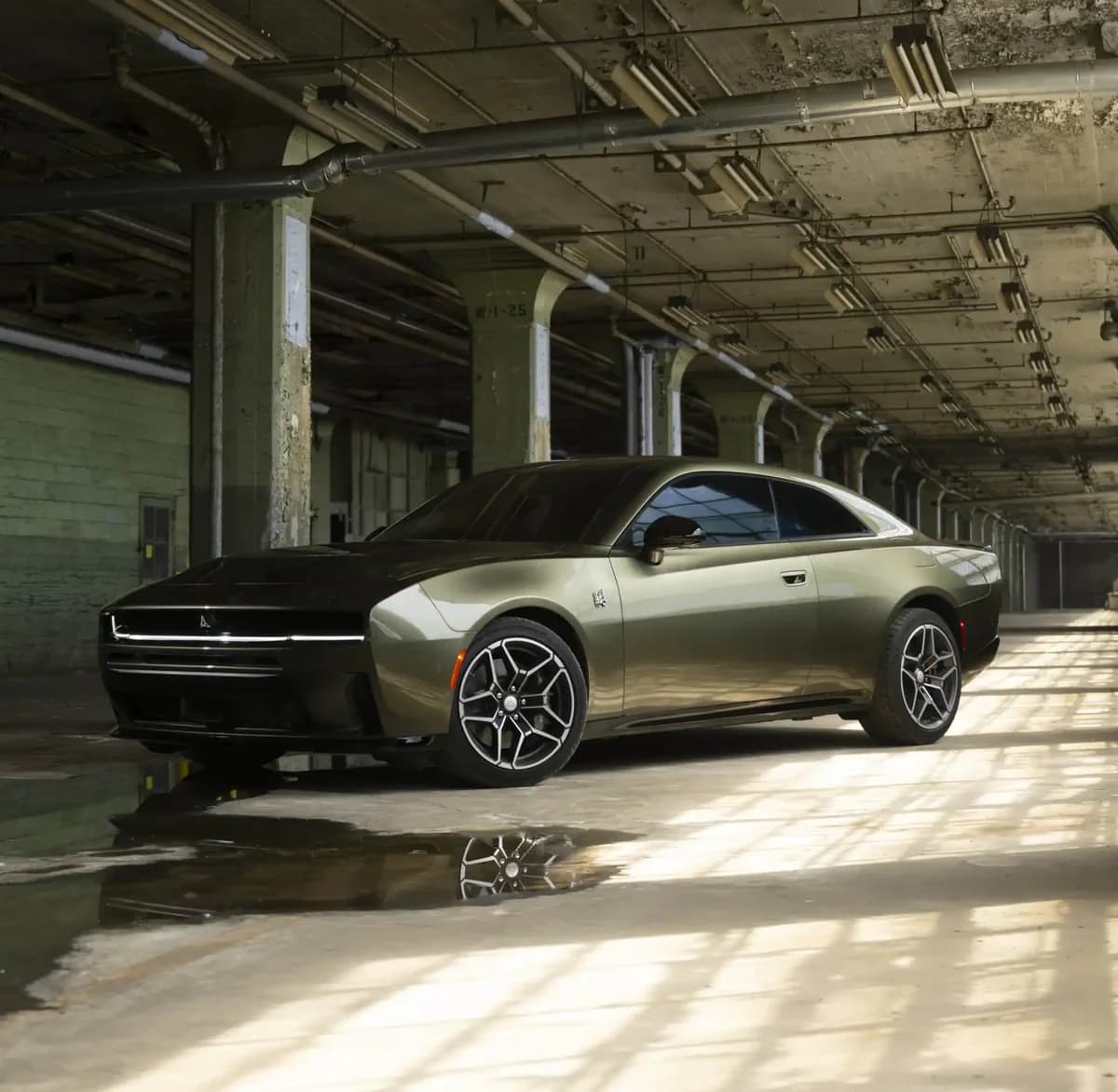
The Dodge Charger (2027) is a heavyweight modern muscle car for drivers who want year-round traction, family-friendly practicality, and more attitude than a typical sport sedan. Its 420 to 600 hp turbocharged inline-six delivers the acceleration Dodge promises, while standard AWD and a playful rear-drive mode earn praise for wet-weather confidence and burnouts. Experts and early users also like the hatchback, infotainment, and daily comfort, but the roughly 4,800-pound mass dulls agility, and the subdued exhaust cannot recreate V8 character. At about $50,000 to $62,000 for gas models, the Scat Pack looks compelling, while pricier trims face sharper BMW and Corvette comparisons. Hatchback utility helps, but heavy handling and high ownership cost ultimately shape its measured overall appeal.
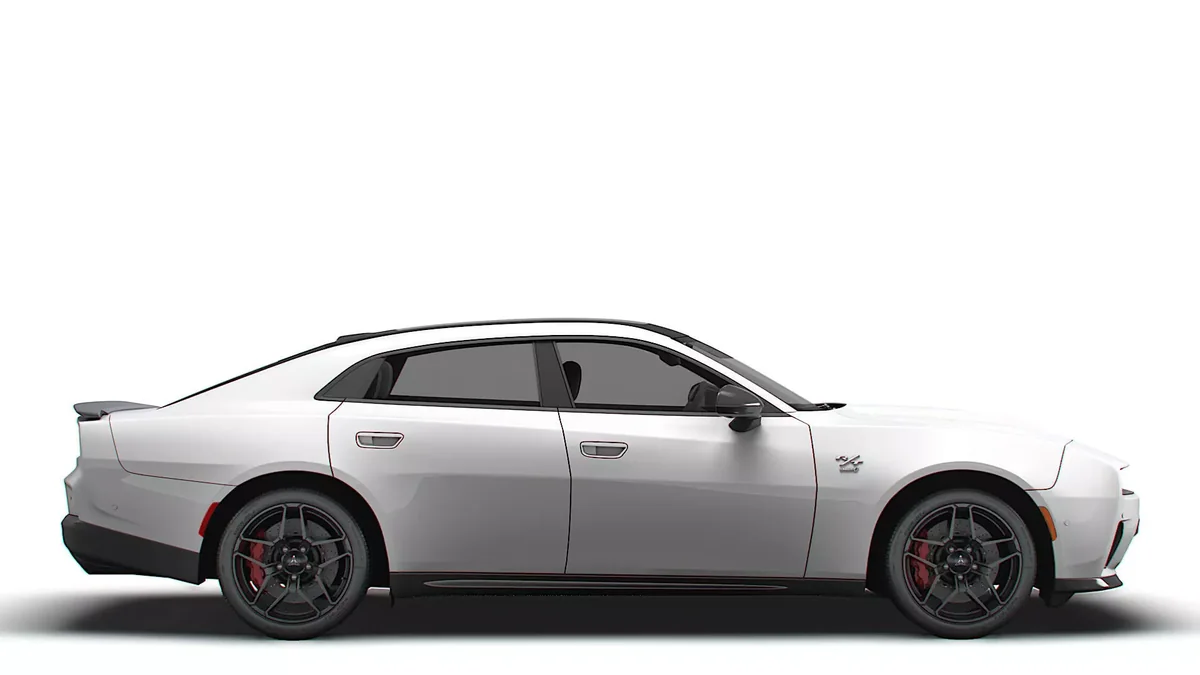
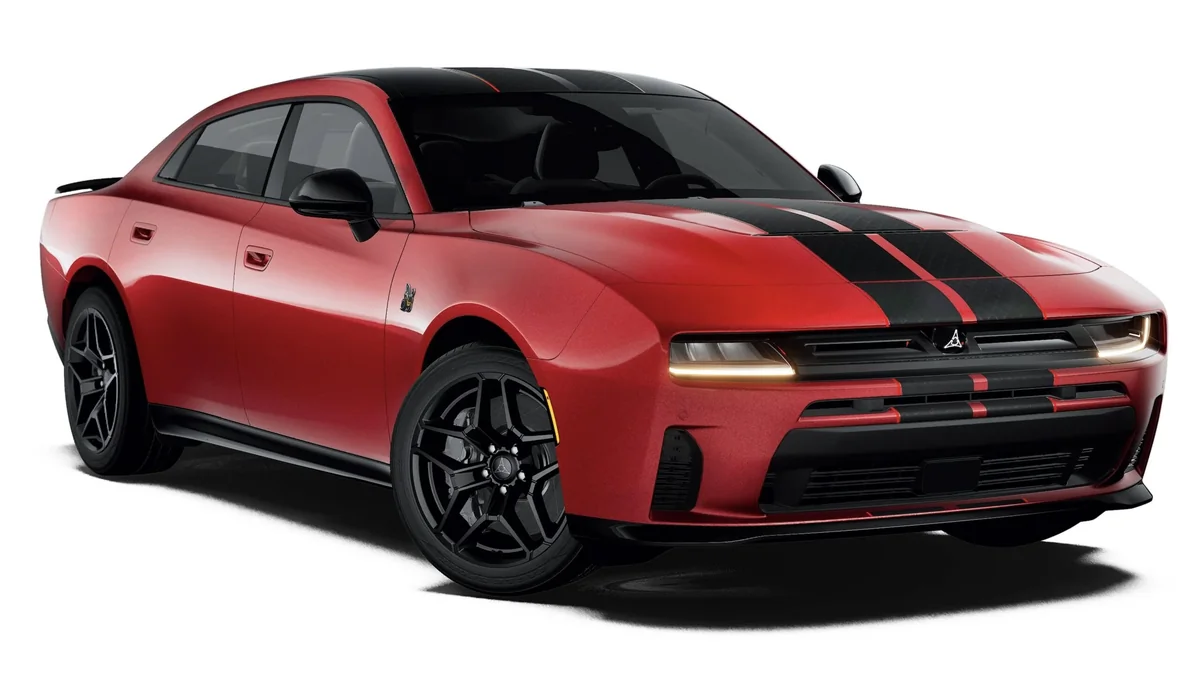
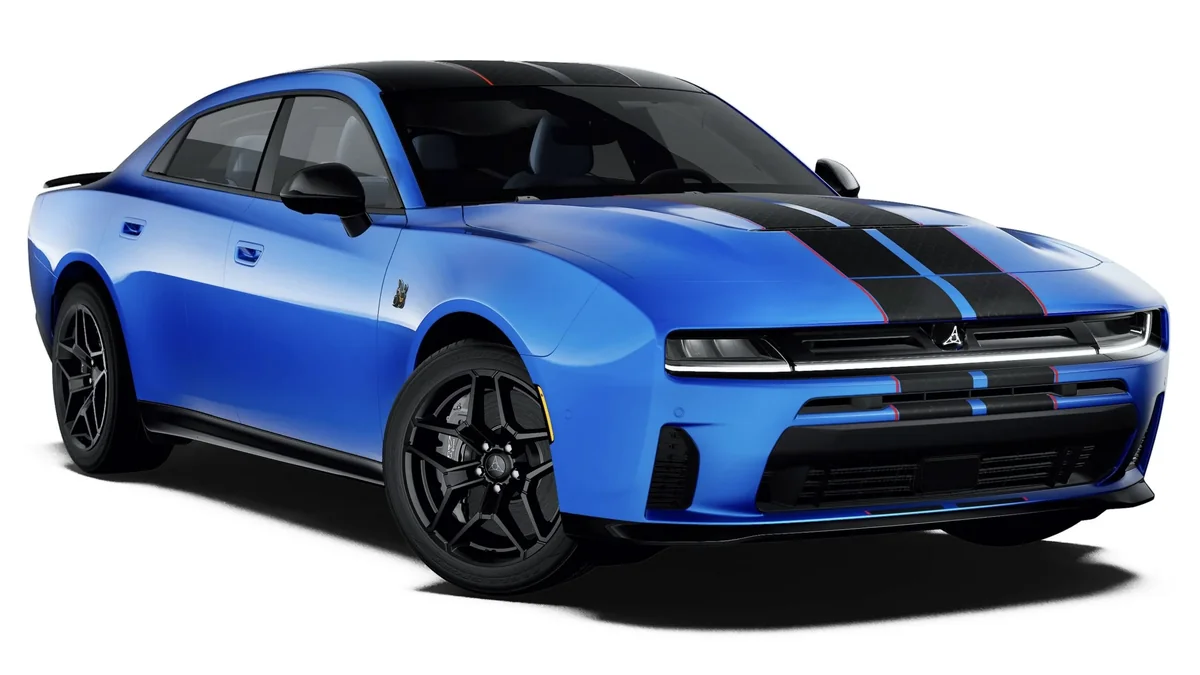


Find Yours
What kind of driving experience are you looking for?
Answer to find your best matches.

The Field
Browse top contenders, or compare all options ranked by score and key attributes.
5 Options



The Scoreboard
Does this improve your life? Considers, health, habits, and environmental impact.
Benefits
Standard AWD helps keep daily driving composed when rain makes roads slippery.
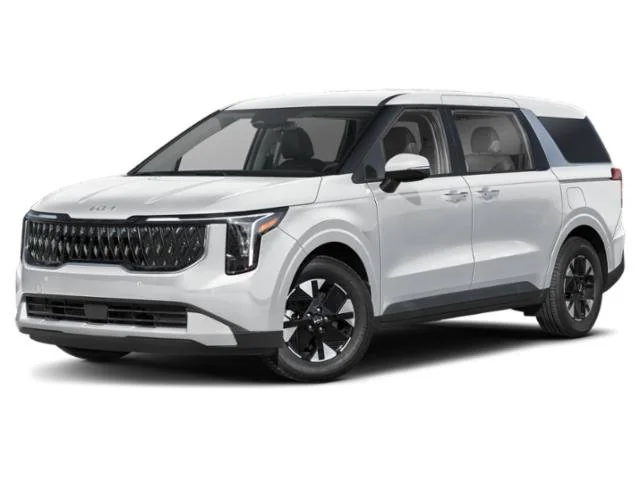
The four-door layout makes passengers and everyday cargo easier to accommodate.
Outputs from 420 to 600 horsepower offer excitement without sacrificing everyday usability.
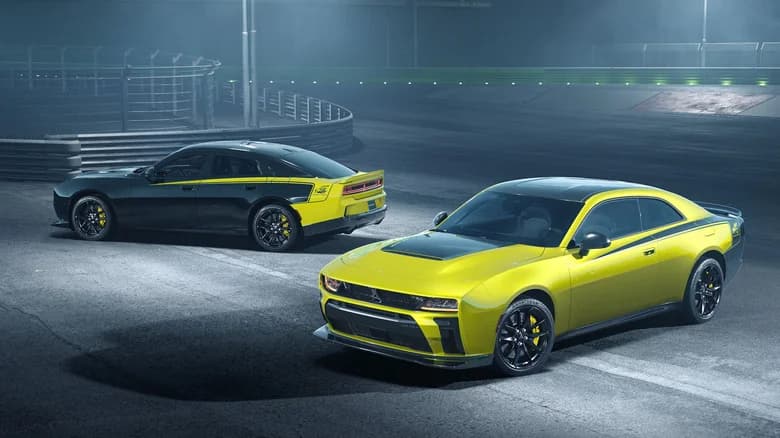
Retro-inspired styling gives the car genuine presence without needing aftermarket attention.
Trade-Offs
During longer drives, awkward seating and weak bolsters can leave you shifting around for comfort.
In tight garages and crowded lots, its size makes parking and maneuvering feel cumbersome.
In everyday driving, subdued or artificial exhaust sounds can make the experience feel less special.

 Alternatives


Join the Circle
Where real meets deal
Know what's worth buying-and when.
Tips, special offers, and rewards for buying and sharing.

YouTube
4 LEADING EXPERT & INFLUENCER REVIEWS
 Edmunds Cars
Brian Wong is sharply disappointed by the electric Dodge Charger Daytona, despite its impressive straight-line speed. It managed 0–60 mph in 3.5 seconds, an 11.6-second quarter-mile, 1.01 g of lateral grip, and a surprisingly strong 255-mile real-world range. However, its nearly 6,000-pound weight, vague steering, heavy understeer, inconsistent brake regeneration, grabby throttle, excessive body roll, and poorly bolstered seats made track driving feel sterile and cumbersome. Wong also considers the Fratzonic simulated V8 sound artificial and unconvincing. At $86,000, he concludes it is neither a compelling performance car nor a particularly polished daily driver.
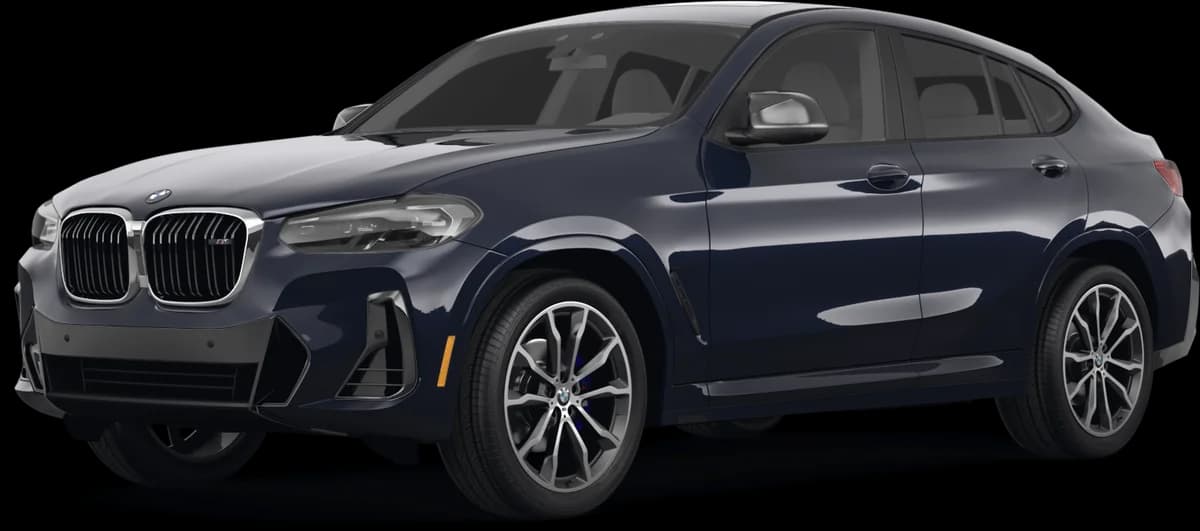
carwowMat from Carwow genuinely loves the 2027 Dodge Charger, despite finding it roughly half brilliant and half irritating. He praises its menacing retro styling, superb exhaust note, entertaining rear-drive burnouts, sharp handling, practical hatchback, and excellent infotainment. However, the Charger is heavy, slower than a BMW M4 off the line, stops less impressively than expected on all-season tires, and has awkward seating, cheap-feeling trim, poor bolstering, tiny paddle controls, and a frustrating camera interface. His verdict is enthusiastic in America at around $75,000, but UK import costs make the BMW M4 the smarter choice.
TK's GarageTK’s Garage is highly impressed with the 2027 Dodge Charger after driving a Scat Pack Plus over 700 miles. He praises its strong, consistent power, confident AWD traction in heavy rain, comfortable seats, refined software, useful rear-drive mode, and surprisingly good 21.9-mpg mixed fuel economy. He views it as an appealing fusion of American muscle and European-style handling, especially for year-round daily use. His main complaints are awkwardly placed memory-seat buttons, a subdued exhaust note compared with a Hemi, and a roughly $72,000 price he considers too high at MSRP. His recommendation is enthusiastic but conditional: buy one at a negotiated discount.
AUTO TVAUTO TV is strongly positive about the 2027 Dodge Charger Scat Pack, calling it a legitimate muscle car despite losing its V8. The twin-turbo SIXPACK’s 550 horsepower, AWD launch capability, rear-drive mode, aggressive styling, upscale cabin, and $54,995 price earn enthusiastic praise. Still, the roughly 4,800-pound curb weight makes it feel nose-heavy in corners, and a lighter Mustang can be quicker through the quarter-mile. The reviewer also recognizes that turbocharged power cannot replace the V8’s sound and character, but concludes the Charger preserves the badge’s attitude and performance.

Forum Reviews
CUSTOMER REVIEWS FROM 1 FORUM

Redditors are largely skeptical of the 2027 Dodge Charger, despite appreciating its potential. The Hurricane inline-six earns respect for strong acceleration and efficiency, while AWD, improved interiors, and an eventual high-output version appeal to some buyers. Still, its excessive weight, bland or artificial exhaust note, polarizing design, and questionable handling undermine the muscle-car identity. Pricing is the biggest concern: many feel $60,000–$80,000 puts it against better-resolved BMWs, Corvettes, and used Hellcats. Existing V8 owners are especially resistant, while a smaller group would consider upgrading for genuinely competitive power, sensible pricing, and a lighter chassis.
Many comments

In-Depth Review

Highlights
- •Strong Turbo AccelerationReported 4.6-second 0–60 time.
- •Flexible Drive ModesDesigned for AWD grip or rear-drive fun.
- •Practical Hatchback CargoFolding seats expand useful cargo space.
- •Four-Door PracticalityAvailable sedan body improves passenger access.

Considerations
- •Heavy Curb WeightRoughly 4,800 pounds blunts agility.
- •High Purchase PriceUpper trims approach $72,000–$86,000.
- •Missing V8 CharacterTurbo power cannot match V8 sound.
- •Uneven Cornering FeelNose-heavy handling and body roll persist.
Dodge’s latest Charger keeps its muscle-car reputation alive with a modern, turbocharged approach aimed at commuters, enthusiasts, and families wanting more attitude than a typical sport sedan. Its 420–600 horsepower range, aggressive styling, and standard all-wheel drive distinguish it from lighter rivals, while the available four-door body and hatchback make it more practical than older two-door Chargers. Real-world feedback remains limited, but early reviews point to strong acceleration, useful rear-wheel-drive mode, and confident wet-weather traction alongside concerns about weight, cornering feel, brakes, cabin refinement, and running costs. Buyers should weigh the Charger’s 651-liter cargo area and claimed fuel economy against its size, price, and missing V8 character. The key question is whether modern versatility can make this heavyweight muscle car feel light on its feet—explore the details to find out.
Interior And Cargo
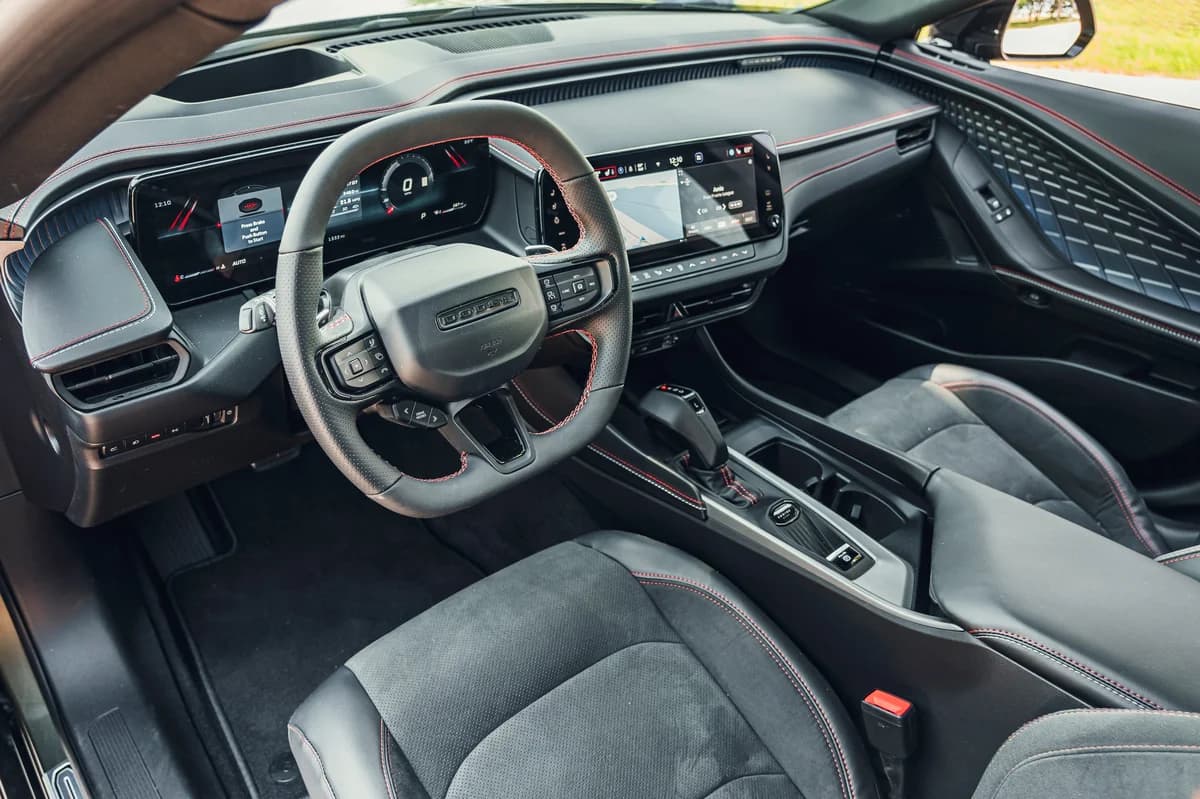
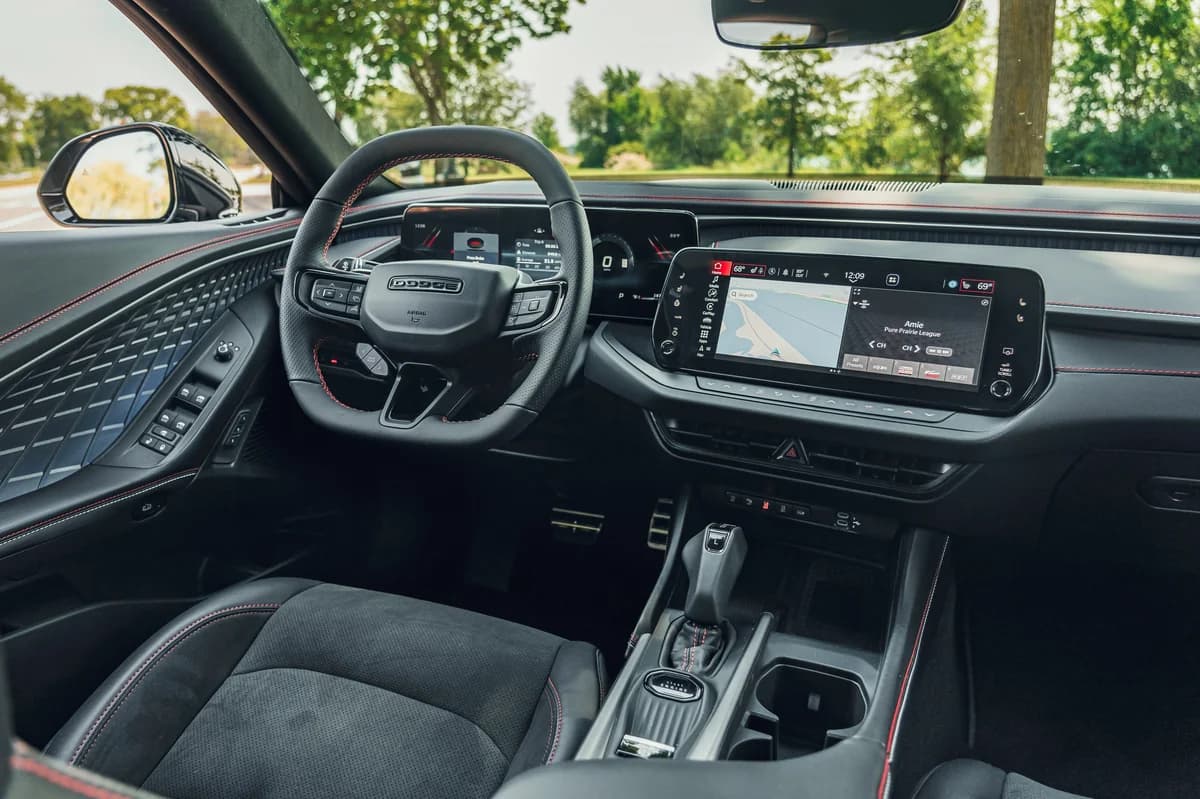
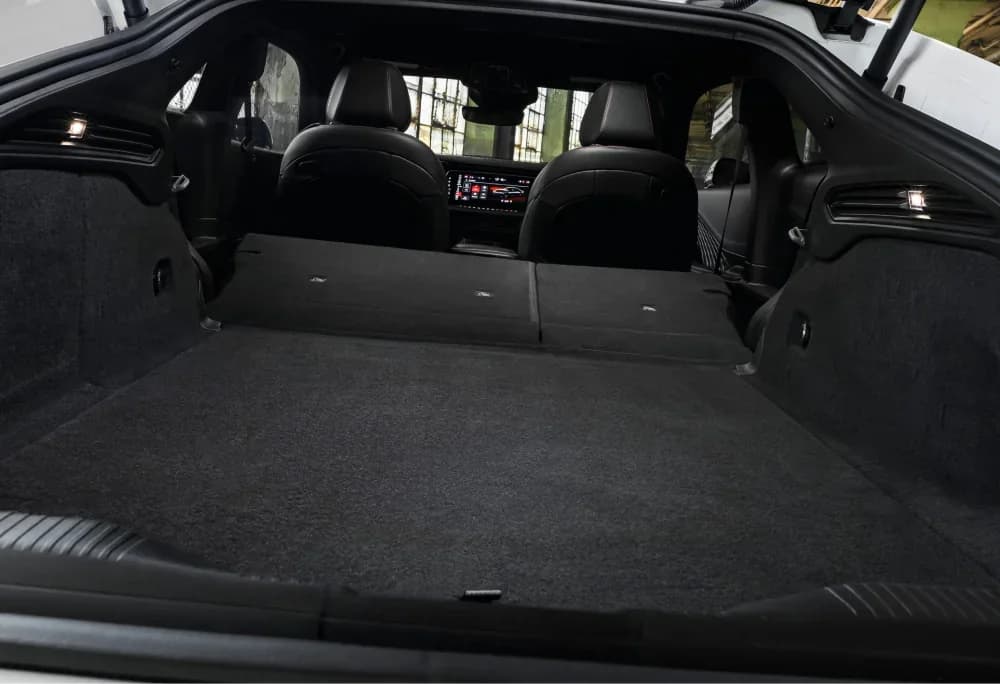
The Charger is more practical than its coupe profile suggests. Folding rear seats expand the hatchback’s 651-liter cargo area to 1,076.9 liters, and the available four-door body makes rear passengers easier to accommodate than in traditional muscle coupes. Reviewers praise the infotainment and generally comfortable seats, but weak bolstering, awkward controls, and some cheap-feeling trim reduce polish. The cabin therefore supports daily use well, especially with wireless smartphone integration, though it does not consistently match premium German alternatives.
Braking Performance
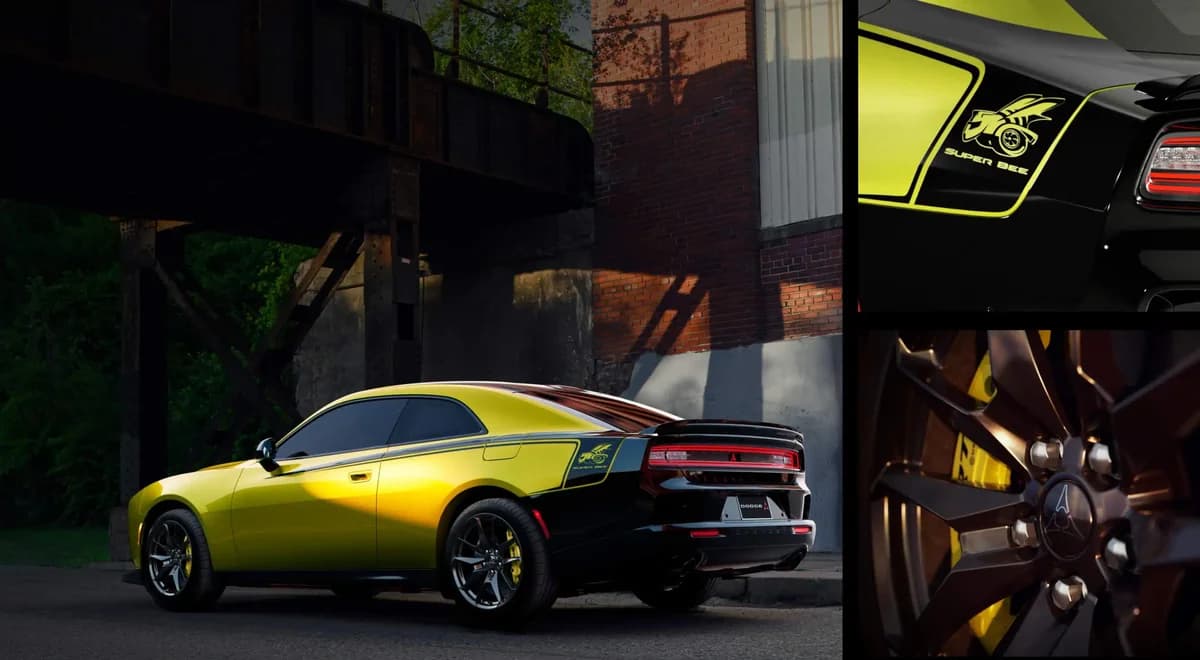
Braking hardware is substantial enough for the Charger’s output, but tire choice matters. The standard setup uses 381-mm front and 361-mm rear vented rotors with conventional, non-carbon-ceramic construction, while the Super Bee adds 16-inch rotors and fixed six-piston front calipers. The Super Bee’s track-focused package should offer stronger repeatability, yet reviewers found the regular car’s stopping performance less impressive than expected on all-season tires. That suggests excellent hardware potential, but not every configuration feels track-ready out of the box.
Fuel Economy And Range
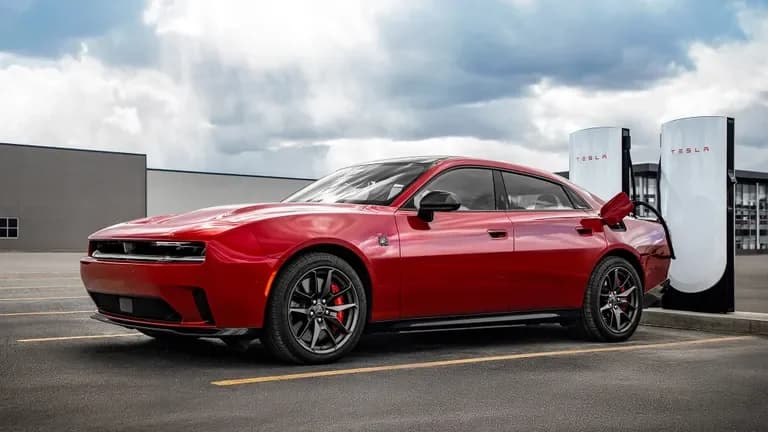
The gas Charger offers reasonable efficiency for its size and performance, but running costs remain part of the decision. Official figures list 11.8 L/100 km combined, with 13.8 in city driving and 9.0 on the highway, while TK’s long drive produced a surprisingly good 21.9 mpg mixed result. The 66.2-liter tank supports useful road-trip range, although fuel, insurance, and depreciation can erode value. The Daytona EV reportedly managed 255 miles in real-world range, but its weight and driving feel remain separate concerns.
Engine Performance
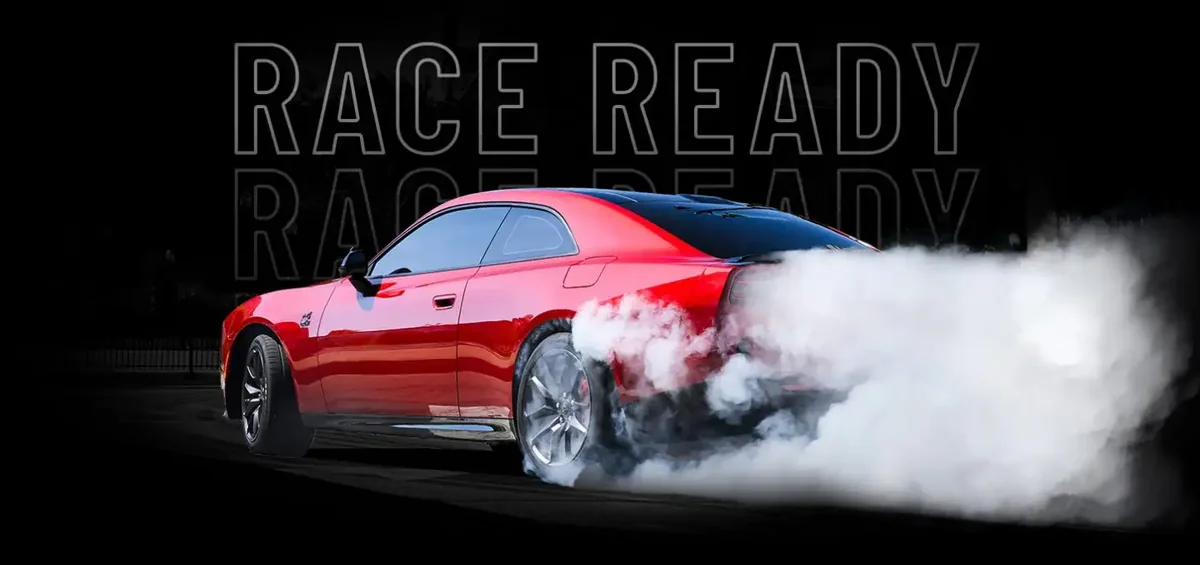
The Charger’s turbocharged SIXPACK inline-six gives it serious modern muscle. The base version makes 420 hp and 468 lb-ft, reaching 60 mph in a reported 4.6 seconds, while the 550-hp Scat Pack and limited 600-hp Super Bee raise the stakes considerably. Carwow and other reviewers like the strong acceleration, though some note that its roughly 4,800-pound mass blunts urgency against lighter rivals. The trade-off is quick, consistent turbo power without the V8’s unmistakable sound and character.
Handling And Suspension
The Charger feels more capable than its size suggests, but it is not a lightweight sports car. Multi-link front and rear suspension, selectable drive modes, and available track calibration help deliver confident road manners, and one reviewer described it as an appealing blend of American muscle and European-style handling. Still, the 2,232.6-kg listed curb weight contributes to nose-heavy cornering, body roll, and a cumbersome feel. Feedback is more positive on gas models than on the Daytona EV, whose steering and understeer drew sharper criticism.
Drive Modes
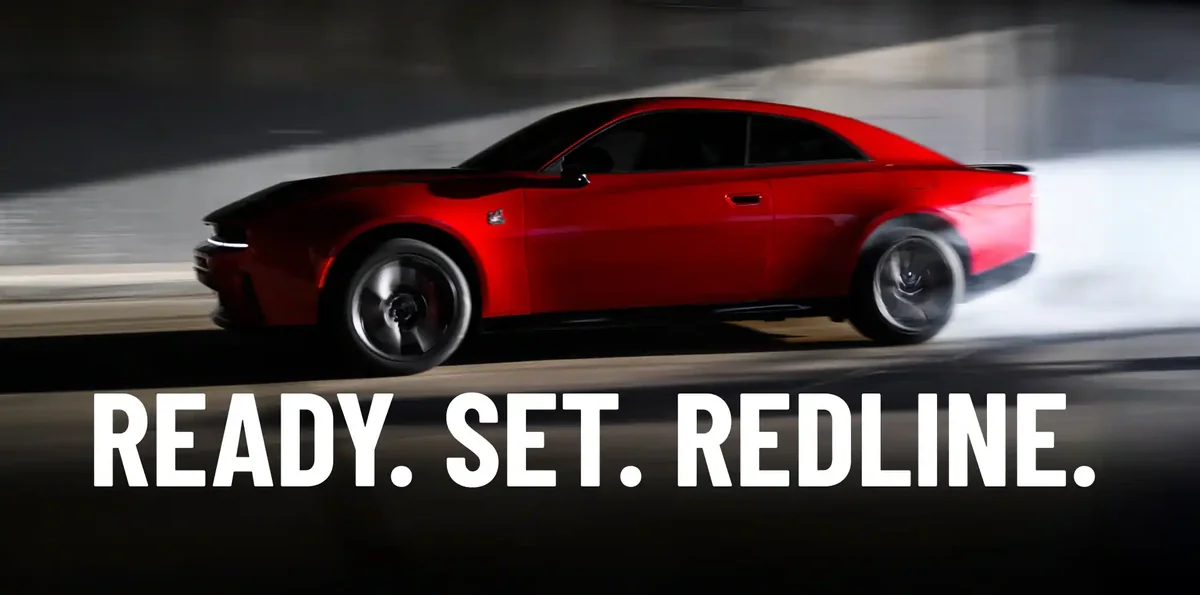
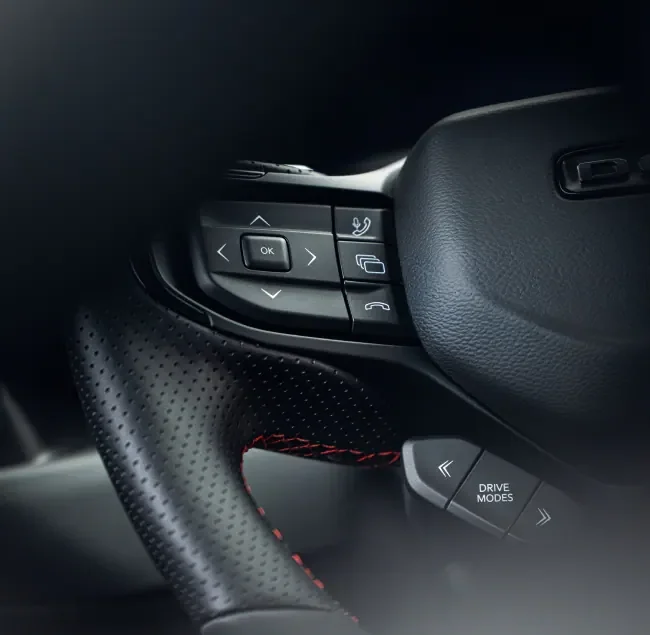
Standard AWD makes the Charger easier to use when conditions turn slippery. Its system can send power to the rear wheels through a 100% rear-wheel-drive mode, enabling burnouts and a more traditional muscle-car feel when traction allows. Reviewers report confident wet-weather grip and praise the AWD launch capability, while enthusiasts appreciate having both personalities in one car. The result is year-round usability with rear-drive playfulness, although the car’s weight still limits how agile that flexibility feels.
Conclusion
The Charger makes its case with 420–600 hp and quick acceleration, but its appeal depends on wanting modern muscle rather than a V8 replica. Standard AWD brings reassuring wet-weather traction, while rear-drive mode adds welcome playfulness; still, the car’s mass dulls agility, contributing to nose-heavy cornering and body roll. Braking hardware is substantial, though all-season tires can limit real-world stopping confidence. Practicality is a genuine strength: the hatchback, folding seats, and available four-door body make it easier to live with than its coupe shape suggests. Reported 11.8 L/100 km combined economy is respectable for the output, but fuel, insurance, and purchase prices remain significant. Early reviewers praise its software, comfort, and consistent turbo power, while users question its weight, sound, and value. It suits drivers seeking distinctive, year-round performance; lighter, sharper, or more affordable alternatives fit better elsewhere. Its broad capability earns interest, but compromises explain the measured recommendation.

Feature Scores
This reflects reviews and ratings from established critics, journalists, and users who have evaluated the item. Their opinions provide a comprehensive assessment.
Performance
Acceleration
4/5
Handling Agility
3/5
Braking Performance
4/5
Ride Quality
4/5
Powertrain Refinement
4/5
Long-Term Reliability
TBD
Cargo Utility
4/5
Value
Performance Value
4/5
Ownership Cost
3/5
Resale Retention
TBD
Design
Exterior Styling
4/5
Interior Ambiance
4/5
Seating Support
3/5
Cabin Ergonomics
3/5
Health
Cabin Air Quality
TBD
Noise Exposure
3/5
Safety
Crash Protection
TBD
Driver Assistance
4/5
High-Speed Control
3/5
Visibility
4/5
Sustainability
Fuel Efficiency
3/5
Emissions Performance
TBD
Material Efficiency
2/5
End-of-Life Recyclability
TBD
Experience Style
Driving Engagement
4/5
Everyday Usability
4/5
Customization Flexibility
4/5

Specifications
This section outlines the product's key facts, covering essential features, details, dimensions, materials, and any unique characteristics that define its functionality and usability.
Performance
Value
Design
Safety
Sustainability
Experience Style

Frequently Asked Questions
8 Questions





Find Yours
What kind of driving experience are you looking for?
Answer to find your best matches.