
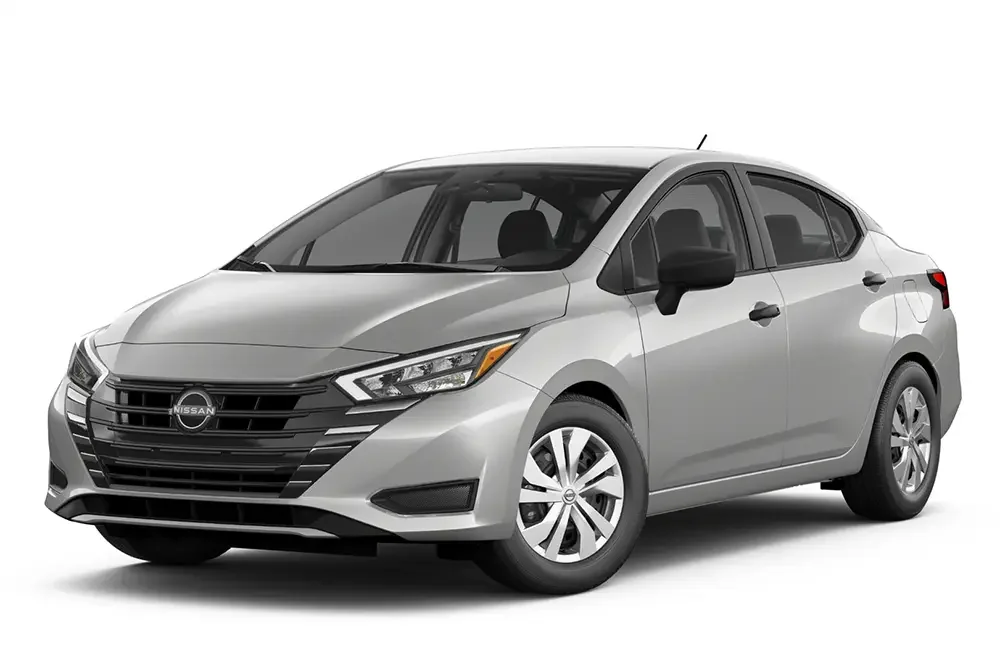
Nissan Versa (2025)
Affordable, efficient, safe, and practical, though slow and plainly finished.
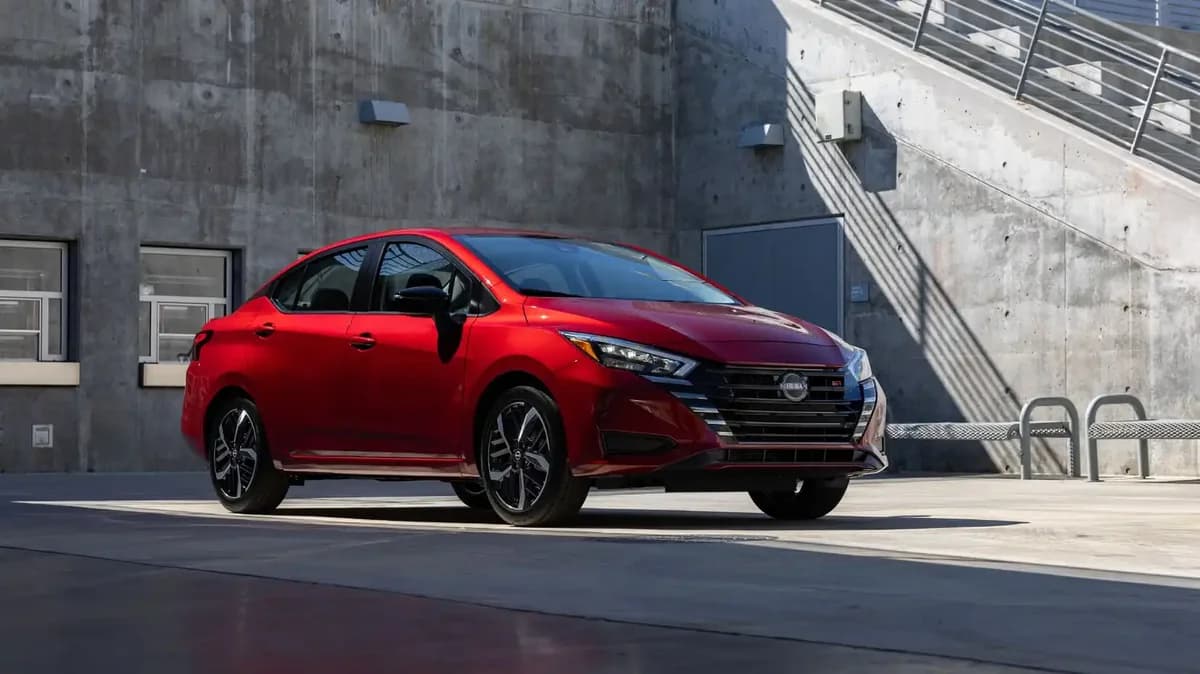
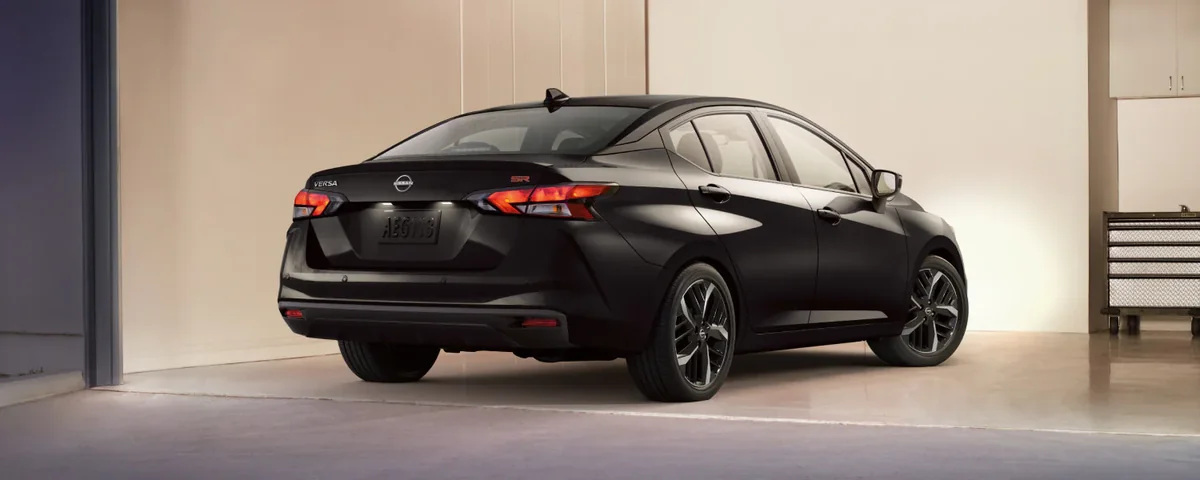
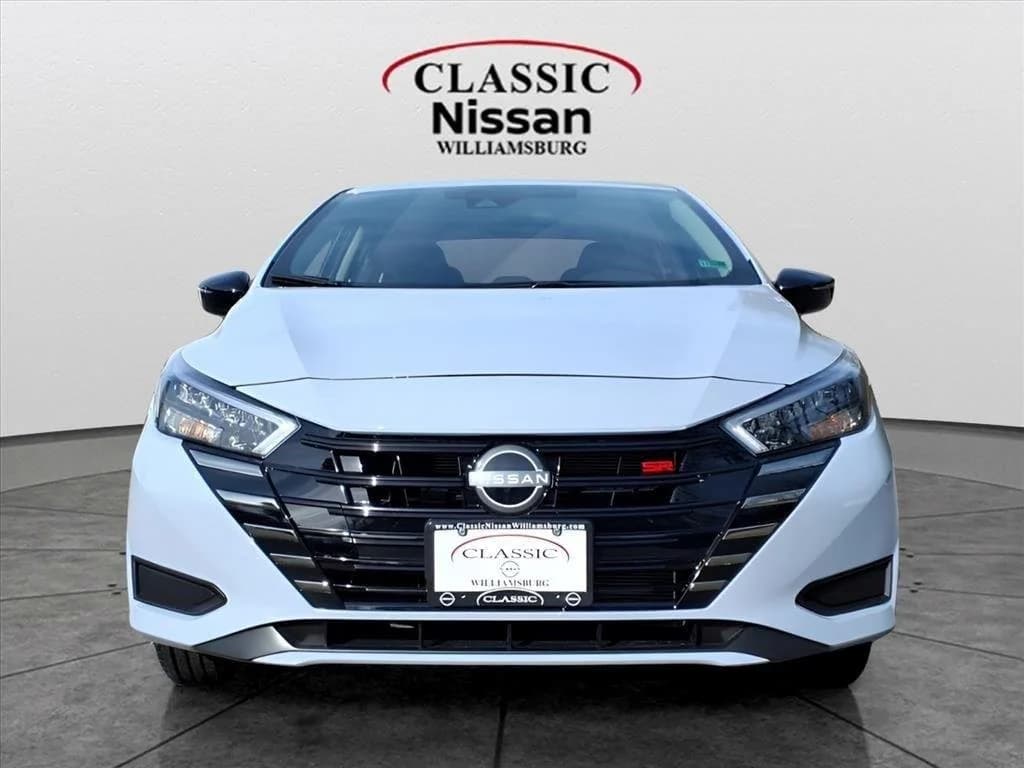
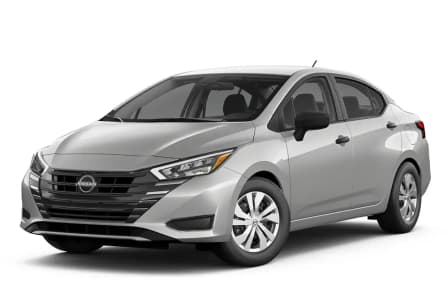
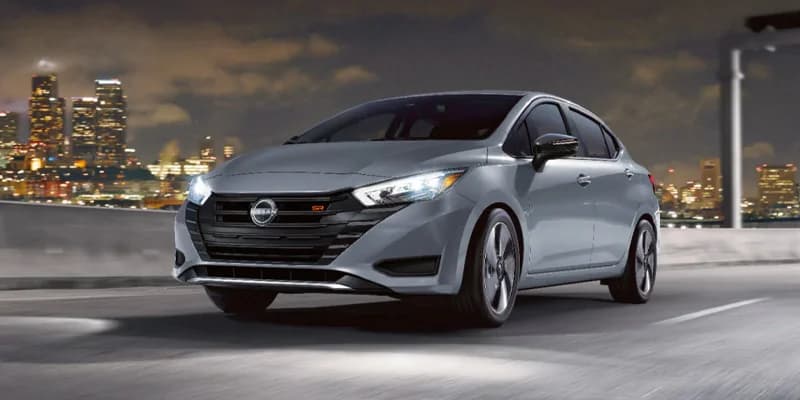
The 2025 Nissan Versa is the sensible shoes of new cars: built for commuters, students, and first-time buyers who need affordable, warranty-backed transportation rather than thrills. Nissan’s value pitch holds up in real use, with excellent fuel economy, a comfortable ride, standard safety aids, and a surprisingly useful trunk. Experts and owners agree it is easy to maneuver and better equipped than its price suggests, though the 122-hp engine makes merging deliberate and the cabin is plainly finished. The manual is appealingly simple, while the CVT delivers efficiency but carries owner-reported durability concerns. At roughly $17,000 to $21,000, it is compelling if low running costs matter more than refinement. Its overall appeal rests on value, comfort, efficiency, safety, and transmission confidence.
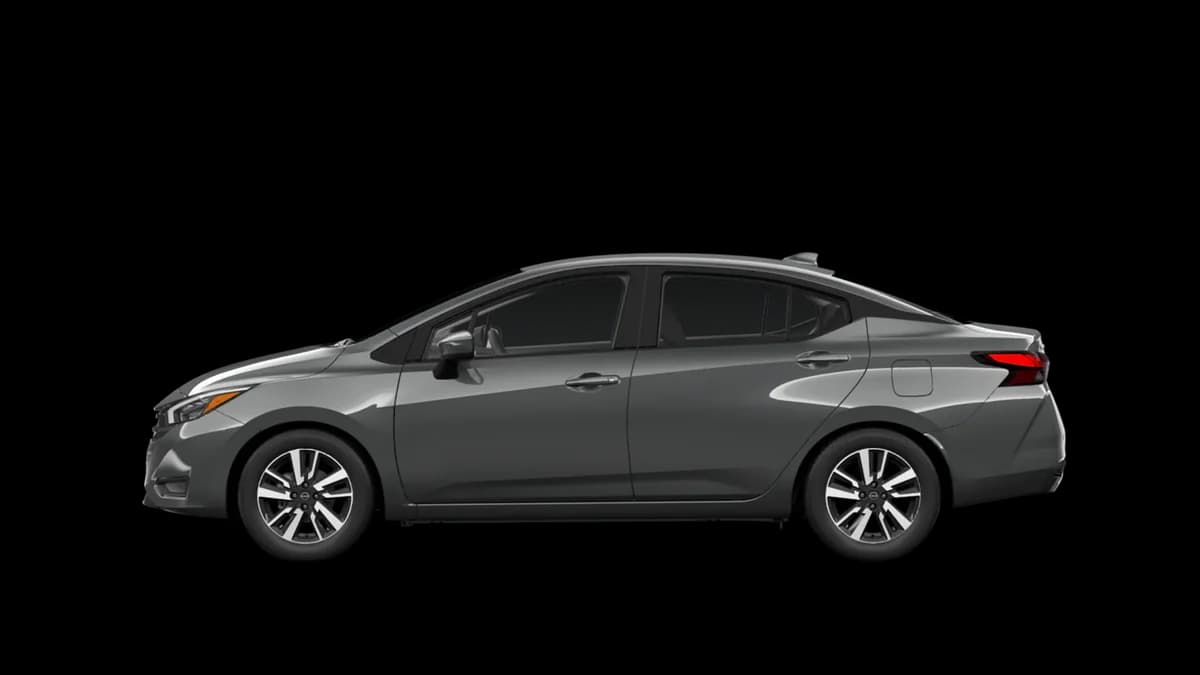
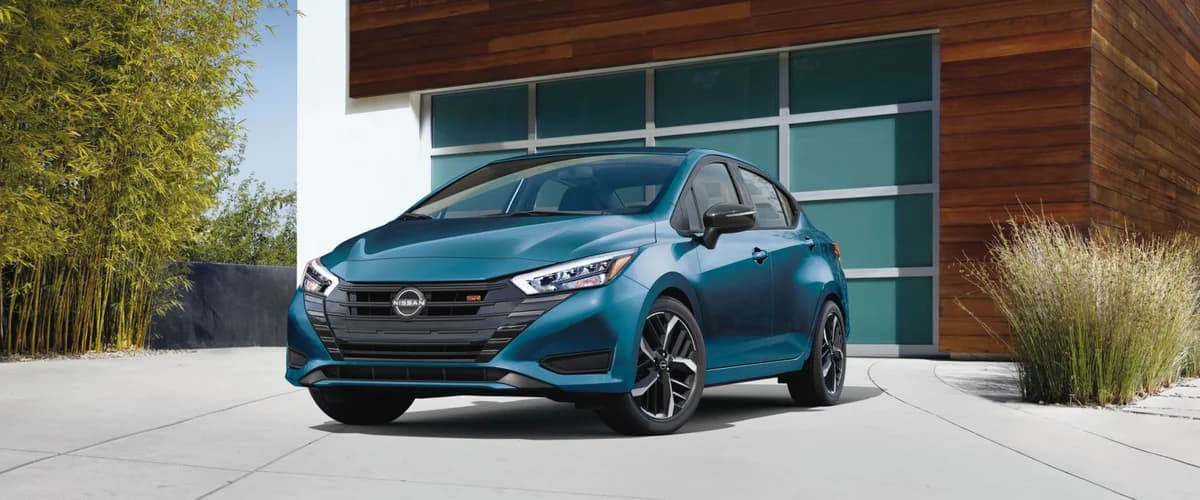
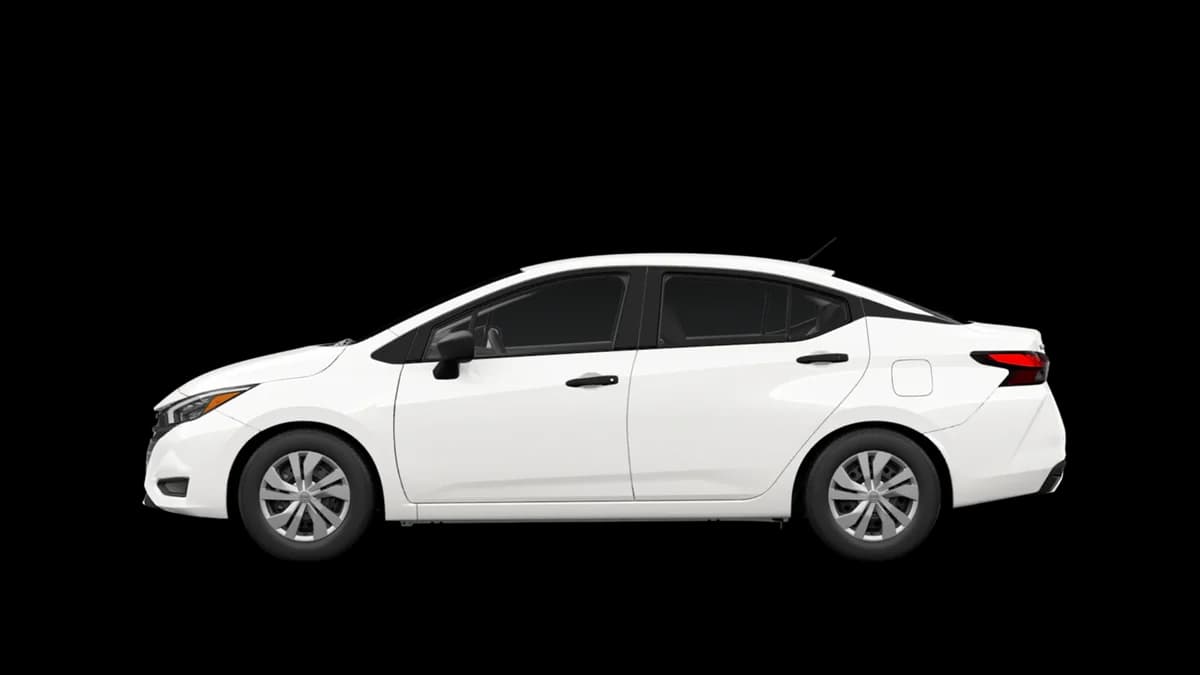
Find Yours
What is your primary use for a gas-powered sedan or compact?
Answer to find your best matches.

The Field
Browse top contenders, or compare all options ranked by score and key attributes.
5 Options
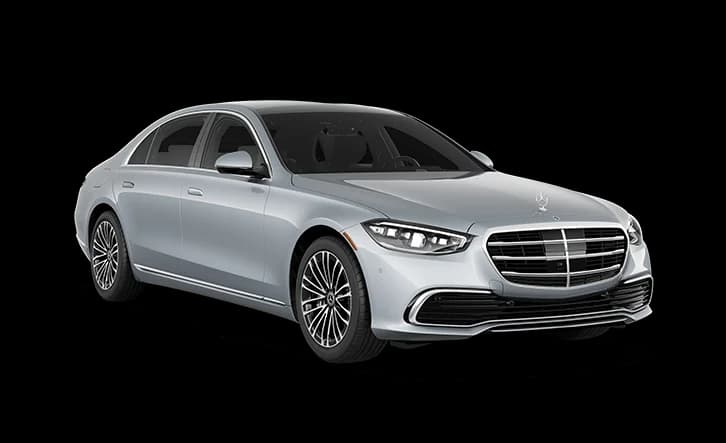
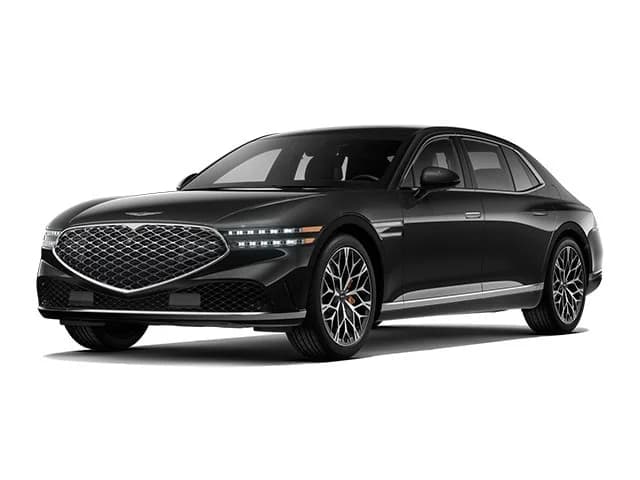
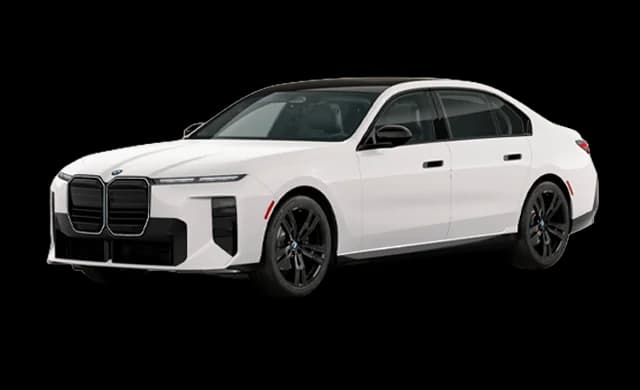
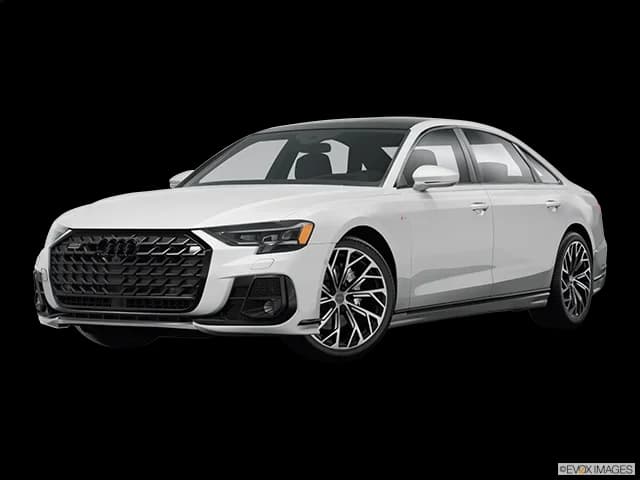

The Scoreboard
Does this improve your life? Considers, health, habits, and environmental impact.
Benefits
Low ownership costs leave more money available for fuel, maintenance, and everyday expenses.
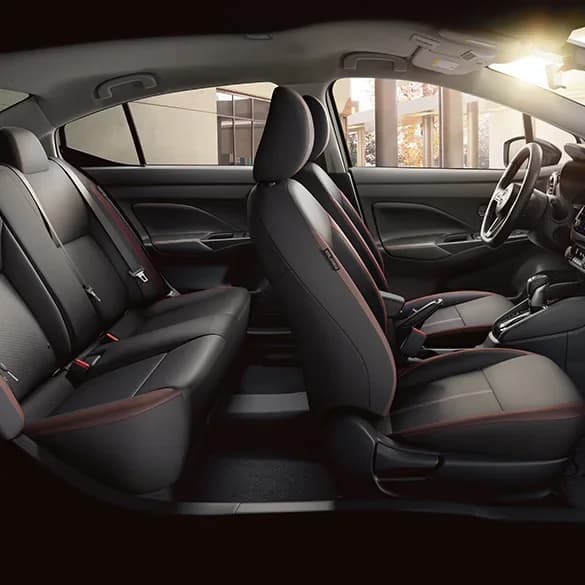
Supportive seats and a compliant ride make routine commuting pleasantly easygoing.
Strong real-world mileage means fewer fuel stops during commutes, errands, and longer drives.
Automatic braking and lane warnings provide useful protection without requiring an expensive trim.
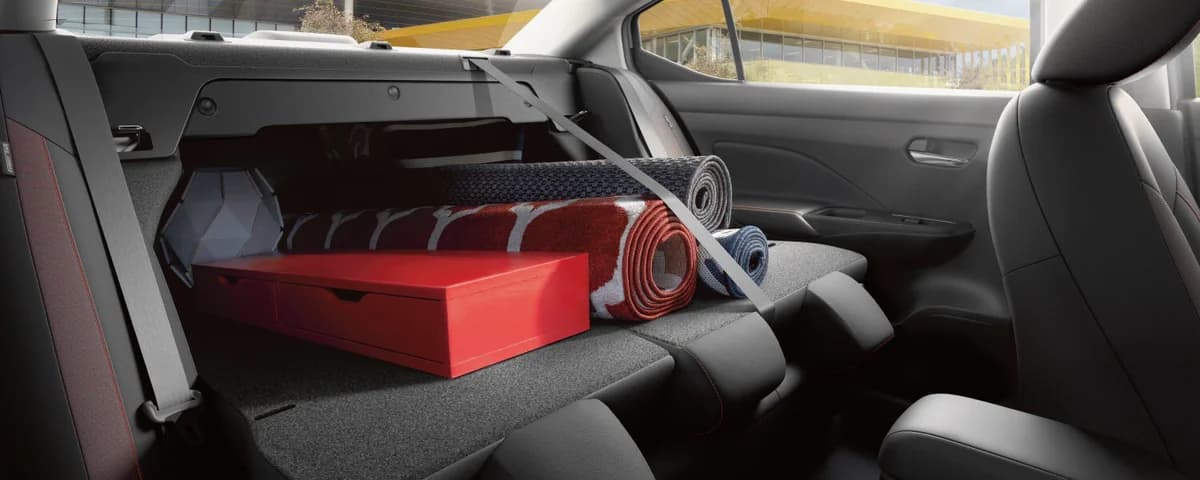
Generous trunk space handles groceries, luggage, work gear, and everyday family errands.
Trade-Offs
The modest engine needs patience during highway merges and deliberate passing maneuvers.
Engine and tire noise become noticeable on longer drives, making conversation less relaxed.
Adults sitting behind taller passengers have limited legroom, making longer rides uncomfortable.
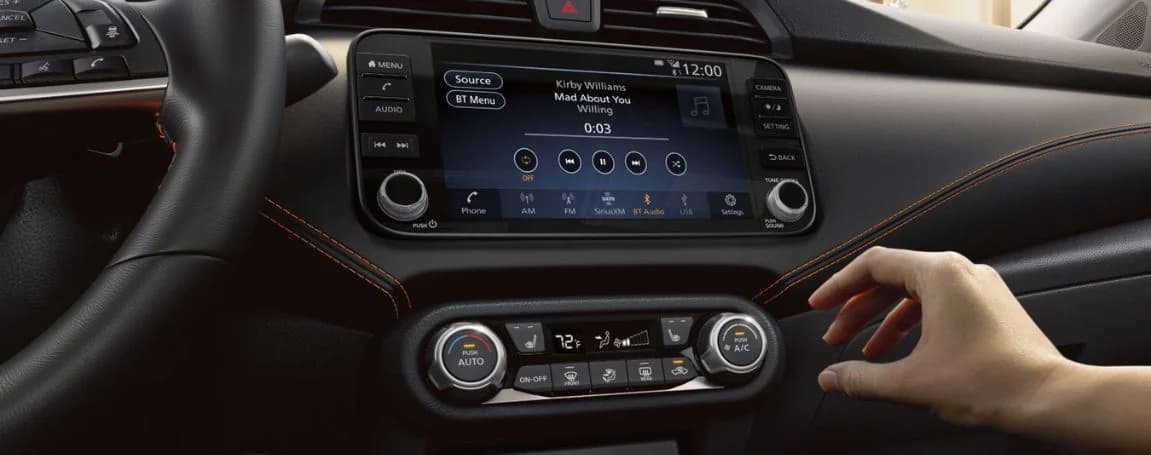
The S lacks smartphone integration, so drivers rely more on Bluetooth and simpler controls.
 Alternatives


Join the Circle
Where real meets deal
Know what's worth buying-and when.
Tips, special offers, and rewards for buying and sharing.

Publications
5 LEADING PUBLICATION REVIEWS

Car and Driver is strongly positive about the 2025 Nissan Versa, calling it a smart budget buy despite sluggish performance. It praises the Versa’s comfortable ride, improved steering and braking, usable interior, generous safety equipment, strong fuel economy, and unusually low starting price, especially as sub-$20,000 cars disappear. The SR trim earns the strongest recommendation for its standard features, while the SV offers much of the essential technology for less. The Versa remains slow from a standstill and lacks the refinement, power, and warranty coverage of pricier Hyundai and Kia alternatives, but it avoids feeling like a bare-bones penalty box. Its 40-mpg tested result, practical trunk, comfortable back seat, and Editors’ Choice recognition reinforce the verdict: this is an appealing, sensible choice for shoppers whose budgets make an extra $4,000–$5,000 decisive.
By Mark Takahashi
Edmunds views the 2025 Nissan Versa as a sensible, measured choice for budget-conscious sedan shoppers. It is slow and somewhat noisy, with numb steering, limited lumbar support, wind noise, and a few frustrating details such as the low-resolution rear camera and an overly sensitive backup safety system that once stopped the car unnecessarily. Still, the Versa rides comfortably, handles competently, offers a surprisingly roomy cabin and generous 15-cubic-foot trunk, and includes useful driver aids and smartphone integration. Its standout strength is efficiency: the CVT version is rated at 35 mpg combined, while Edmunds recorded an impressive 41.1 mpg on a mixed test route. The reviewer also appreciates its solid-feeling interior and straightforward controls, though its warranty trails Hyundai, Kia, and Mitsubishi. Overall, it is an appealing value if affordability, space, technology, and fuel economy matter more than acceleration or refinement.
By Michael Cantu
Kelley Blue Book’s Russ Heaps is warmly positive about the 2025 Nissan Versa. He portrays it as America’s last truly affordable new car, offering impressive fuel economy, a comfortable front cabin, a surprisingly large trunk, and unusually generous standard safety technology for the money. The Versa’s tidy dimensions also make it especially practical for city errands, tight parking spots, and small garages, while the SR trim adds appealing features such as adaptive cruise control, heated seats, and automatic climate control. Still, this is a budget car: acceleration is merely adequate, rear legroom is cramped, and desirable conveniences like smartphone integration require an upper trim or package. With an aging design and possible discontinuation ahead, it lacks excitement, but KBB views the Versa as a convincing bargain that feels more substantial than its price suggests.
By Russ Heaps
CAA-Québec views the 2025 Nissan Versa as a sensible, affordable choice, though its cheapest trim feels aggressively stripped down. At $23,269, the base S is Canada’s least expensive new vehicle, but it gives up Apple CarPlay and Android Auto, alloy wheels, a folding rear seat, and even keyless entry. Despite those compromises, the Versa earns credit for surprising comfort and stable highway manners, especially compared with pricier, thirstier small crossovers such as the Hyundai Venue and Nissan Kicks. Its sedan body is less practical than a hatchback, however, and the better-equipped SV and SR trims weaken its value proposition. CAA-Québec also makes a compelling case for considering the larger Nissan Sentra, which offers more room, power, refinement, and equipment—and can sometimes lease for less. Overall, the Versa is simple but effective, best suited to buyers prioritizing low cost over modern features or maximum practicality.
Capital One Auto Navigator’s Benjamin Hunting views the 2025 Versa as a sensible bargain, not an exciting car. Its exceptionally low price, roomy cabin, nearly 15-cubic-foot trunk, comfortable ride, easygoing handling, and impressive real-world 37-mpg fuel economy make it credible basic transportation—especially for buyers avoiding the risks of a used car. The reviewer was pleasantly surprised that its 122-hp engine and CVT feel reasonably composed, even on gravel and longer drives. However, the base S trim is starkly dated, with rental-car-grade materials, minimal technology, limited rear-seat flexibility, weak headlights, and very few driver-assistance features. Acceleration is merely adequate, making high-speed passing a deliberate exercise, while the test car’s touchscreen was already delaminating. Overall, Hunting considers the Versa a worthwhile, warranty-backed commuter for budget-minded drivers with modest needs, though shoppers wanting more equipment should consider spending extra on a Sentra or a small crossover.
By Benjamin Hunting

YouTube
9 LEADING EXPERT & INFLUENCER REVIEWS
 Regular Car Reviews
Regular Car Reviews is surprisingly positive about the 2025 Nissan Versa, though hardly enthusiastic about it as a car. The manual transmission is solid and precise, the quiet 1.6-liter engine feels straightforward, and the simple, inexpensive interior has an appealingly nostalgic honesty. However, the soft clutch, excessive rev hang, muted feedback, basic materials, and vague steering keep it from being engaging or ideal for teaching beginners. Its real appeal is scarcity: it is one of the last affordable new manual cars. RCR considers it a sensible choice only for buyers specifically seeking a cheap, simple stick shift.
Chabby's RidesChabby’s Rides is warmly impressed by the 2025 Nissan Versa S as remarkably fun, practical transportation for under $20,000. The reviewer praises its light weight, surprisingly nimble handling, smooth ride, excellent visibility, fuel economy, LED headlights, and roomy 15-cubic-foot trunk. He sees the standard safety equipment and new-car warranty as compelling advantages in a shrinking budget-car market, especially since the Versa is entering its final U.S. model year. Still, the basic cabin is noisy and plasticky, the 122-hp engine feels underpowered, and the base S lacks Apple CarPlay, Android Auto, blind-spot monitoring, and a clear backup camera. Overall, he strongly favors it as affordable transportation.
Gold PonyGold Pony is strongly positive about the 2025 Nissan Versa, calling its affordability a major advantage. He praises the excellent fuel economy, comfortable ride, clear visibility, surprisingly appealing interior with blue accents, and generous standard safety technology. His hands-on drive includes acceleration, braking, handling, cabin noise, cargo space, and audio testing. The Versa is slow, with loose steering and an underwhelming four-speaker system, but he treats those as acceptable compromises at this price. Overall, he considers it a solid, practical value choice, especially for buyers prioritizing low cost over performance or luxury.
Ben HardyBen Hardy is enthusiastically impressed by the 2025 Nissan Versa’s value and everyday usability. He praises its comfortable seats, quiet-enough cabin, compliant ride, roomy-feeling interior, easy maneuverability, strong fuel economy, and surprisingly upscale feel for a roughly $20,695 economy sedan. The 122-hp engine is slow and needs to be worked, while rear-seat space is tight and the key-operated, basic interior reinforces its budget roots. Still, Hardy considers it far superior to the Mitsubishi Mirage and appreciates how its simplicity makes it effortless to drive, making the Versa a compelling choice for buyers prioritizing affordability and practicality.
Executive AutoExecutive Auto is genuinely impressed by the 2025 Nissan Versa S, calling it an unusually good value rather than cheap junk. The reviewer praises its sharp styling, comfortable seats, excellent fuel economy, practical trunk, standard safety features, physical controls, and surprisingly lively feel despite modest power. However, the base model is undeniably basic, with a physical key, hard plastics, no Apple CarPlay or Android Auto, limited rear-seat headroom, fixed rear seatbacks, road noise, and no blind-spot monitoring. Overall, the Versa feels like an honest, efficient, well-executed transportation bargain.
Nothin’ But Car ReviewsNothin’ But Car Reviews views the 2025 Nissan Versa as a sensible, value-focused buy rather than an exciting one. The S+ package adds worthwhile Apple CarPlay, Android Auto, and alloy wheels, while the Versa remains easy to drive, maneuverable, roomy enough for adults, and impressively efficient at up to 40 mpg highway. However, acceleration is strained, the cabin feels basic, the air-conditioning fan is loud, and blind-spot monitoring is unavailable. He believes it works best as inexpensive, dependable point-A-to-point-B transportation, especially for buyers prioritizing a new car’s low price over refinement or performance.
W.T.F Car ReviewsW.T.F Car Reviews is strongly impressed by the 2025 Nissan Versa SV’s value. He praises its comfortable ride, sharp turning radius, responsive steering, decent acceleration, strong fuel economy, roomy rear seat, and unusually large trunk. The SV feels more substantial than its price suggests, especially compared with the slower Mitsubishi Mirage, while offering performance close to the pricier Sentra. He’s candid about the hard-plastic, basic cabin, limited refinement, halogen rear lighting, and lack of automatic climate control, but treats them as reasonable compromises. His enthusiastic conclusion is that the Versa SV is an “unbelievable” value and an easy recommendation for budget-minded buyers.
Cars UnlockedCars Unlocked is positive about the 2025 Nissan Versa, especially for its price. He considers it surprisingly capable, fuel-efficient, and practical, with a spacious-feeling cabin, wireless phone charging, and a vivid driver display. The Versa also offers fog lights and strong value against the pricier Sentra. However, its smaller rear seat, rear drum brakes, lack of remote start and keyless entry, and less refined ride make the Sentra his choice for long trips. Overall, he sees the Versa as an excellent budget option, though the SV trim’s simplicity leaves some meaningful compromises.
2025_Versa_SThe owner is genuinely impressed with the 2025 Versa S as a practical, inexpensive workhorse. After a week and heavy commuting, he reports nearly 40 mpg, comfortable space for passengers, a golf bag, and even his dog, plus surprisingly composed handling and useful standard safety features. He appreciates cruise control, Bluetooth, inexpensive tires, and simple maintenance, but remains wary of the CVT’s reputation. The base trim’s missing key fob, lack of Apple CarPlay, basic stereo, limited information display, and modest performance are notable compromises. Overall, he feels he made the right purchase, though he respects rather than loves it.

Social
4 INFLUENCER REVIEWS
 Nick Roman
Nick Roman is warmly positive about the 2025 Nissan Versa, especially its manual transmission and uncomplicated character. He compares the shifter’s solid, precise feel to Subaru’s and enjoys the comfortable, nostalgic interior, which he sees as an honest reflection of the car’s low-cost positioning. His reservations concern how Nissan expects drivers to interact with the manual gearbox, though the transcript does not fully explain them. Overall, he views the Versa as an ideal manual-transmission car whose impending discontinuation is genuinely regrettable, with the closing café plug adding his characteristic comic irreverence.
 ҜΞИ
ҜΞИdeoxkato views the 2025 Nissan Versa as a sensible, mildly recommended first car rather than an exciting one. They call the S CVT basic, pointing out its lack of remote entry, wireless charging, blind-spot monitoring, and rear subwoofers, though it retains parking sensors, lane-keeping assist, collision assistance, wired smartphone integration, and an aux port. The 14-cubic-foot trunk, roomy cabin, roughly 37 mpg average, and available manual transmission make it more appealing than a Mitsubishi Mirage and a practical alternative to a Civic or Corolla. Despite Nissan CVT concerns, deoxkato considers this updated version acceptable with a warranty.
xx_dreammotorsxx_dreammotors is cautiously skeptical of the 2025 Nissan Versa’s interior build quality. They acknowledge its new, clean, practical appeal and roughly $21,000 starting price, but pressing the dashboard, door panels, and center console produces noticeable creaks. While they point out that even pricier BMW, Mercedes, and Tesla models can make similar noises, they question whether this is acceptable in a brand-new Versa and invite viewers to weigh in. The tone is curious and mildly critical rather than hostile, emphasizing real-world fit-and-finish concerns over a definitive verdict.
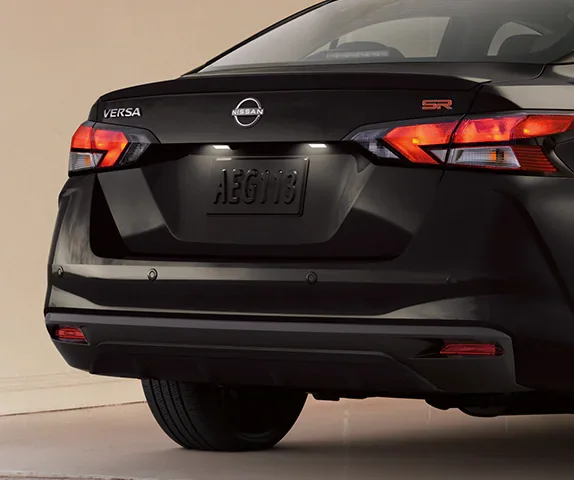
Parlons AutoParlons Auto trouve la Nissan Versa 2025 franchement décevante et difficile à défendre. Le ton est mordant, avec des réactions comme « yerk » et « dégueulasse », surtout envers l’intérieur jugé cheap et peu raffiné. Cela dit, l’essai du coffre révèle un espace immense, un ressort bien pensé d’un côté et des commandes au style old school appréciées, notamment pour les personnes de grande taille. Le doute subsiste toutefois sur l’éclairage du coffre. Au final, son prix est reconnu, mais il ne suffit pas à susciter une recommandation enthousiaste.

Forum Reviews
CUSTOMER REVIEWS FROM 1 FORUM
Redditors are cautiously positive about the 2025 Nissan Versa, especially the inexpensive manual, but wary of the CVT. It’s praised as honest, practical transportation with excellent fuel economy, modern safety features, comfortable seats, easy controls, and unusually strong value around $15,000–$20,000. Manual owners generally enjoy its simplicity and low-cost reliability, despite sluggish acceleration, rev-hang, basic materials, highway engine noise, and a mediocre shifter. The CVT version draws much sharper criticism, with repeated stories of premature failures and difficult warranty repairs, though some owners report good results with frequent fluid changes. Most agree it’s worthwhile only after a thorough test drive—and preferably with the manual.
Many comments

In-Depth Review

Highlights
- •Strong Fuel EconomyAdvertised to reach 40 mpg highway.
- •Standard Safety EquipmentAutomatic braking and lane warning included.
- •Comfortable Urban RideReviewers find it compliant and easygoing.
- •Generous Trunk SpaceNearly 15 cubic feet handles daily cargo.

Considerations
- •Slow Highway AccelerationMerging and passing require patience.
- •Tight Rear SeatingRear legroom limits taller passengers’ comfort.
- •CVT Ownership ConcernsSome owners report failures and warranty difficulties.
- •Sparse Base TechnologyBase S lacks smartphone integration and blind-spot monitoring.
Nissan’s 2025 Versa is a low-cost new-car standout aimed at commuters, students, and first-time buyers who value sensible transportation over excitement. As one of the last affordable subcompact sedans, it focuses on easy ownership, with up to 35 mpg combined in CVT form, standard driver assistance, and a surprisingly useful trunk. Reviews also suggest a comfortable ride and manageable dimensions, though the 122-hp engine demands patience for highway merging and passing. We’ll examine how its ride and handling, cabin and cargo space, transmission choices, and hard-plastic interior affect daily life—especially since the manual may appeal to simplicity-minded drivers while the CVT raises durability questions. The result is less a bargain sports sedan than a frugal tool with standard automatic emergency braking; explore the details to see whether its compromises fit your budget and routine.
Fuel Economy
Fuel savings are one of the Versa’s strongest reasons to buy. Nissan rates the CVT at 32 city/40 highway/35 combined mpg, and real-world testing has reached about 40 to 41 mpg, including Edmunds’ 41.1-mpg route. The manual drops to roughly 30 mpg combined, but still suits drivers who value simplicity. Owners commonly report excellent commuting mileage, supporting the efficiency claim. Just remember that strong economy comes with modest power, so the Versa saves at the pump more convincingly than it thrills on the road.
Interior Materials
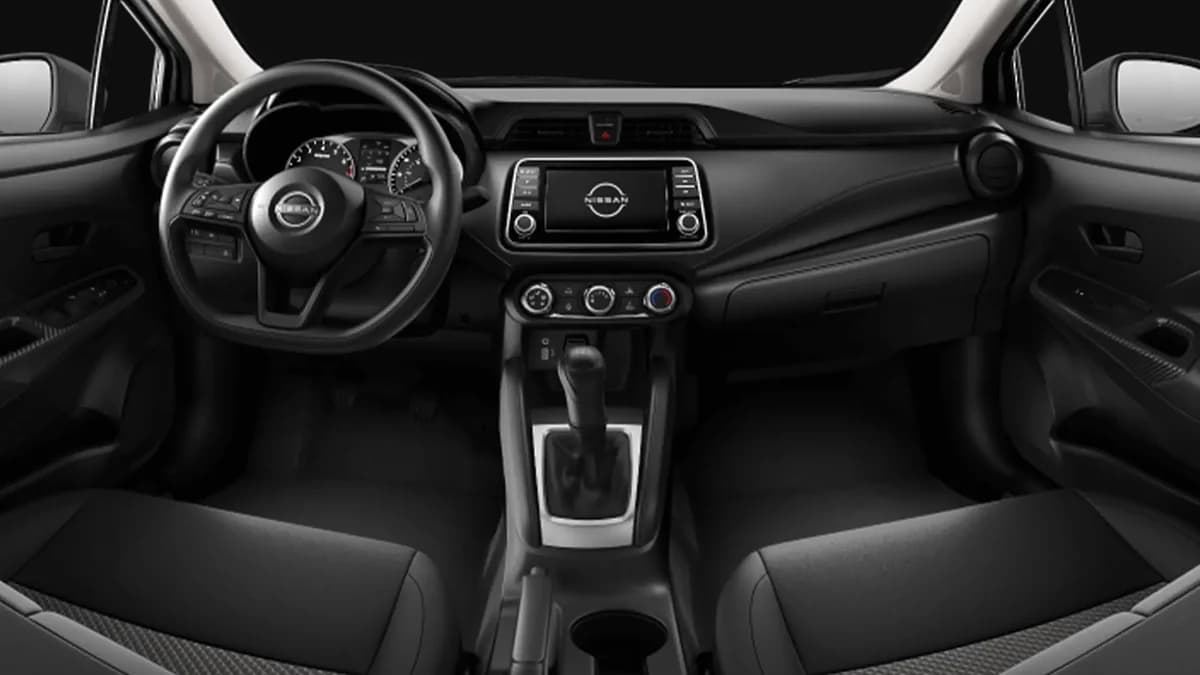
The cabin is functional, but it clearly reflects the Versa’s low-cost mission. Hard plastic surfaces and occasional creaks or road noise draw criticism, while straightforward physical controls, comfortable seats, and some blue trim make the interior easier to live with than its materials suggest. The base S is especially sparse, lacking Apple CarPlay and Android Auto, whereas SV and SR trims add more useful connectivity and convenience. Build quality appears acceptable rather than polished, so the Versa works best for buyers who value simplicity and price over a quiet, upscale atmosphere.
Acceleration and Passing
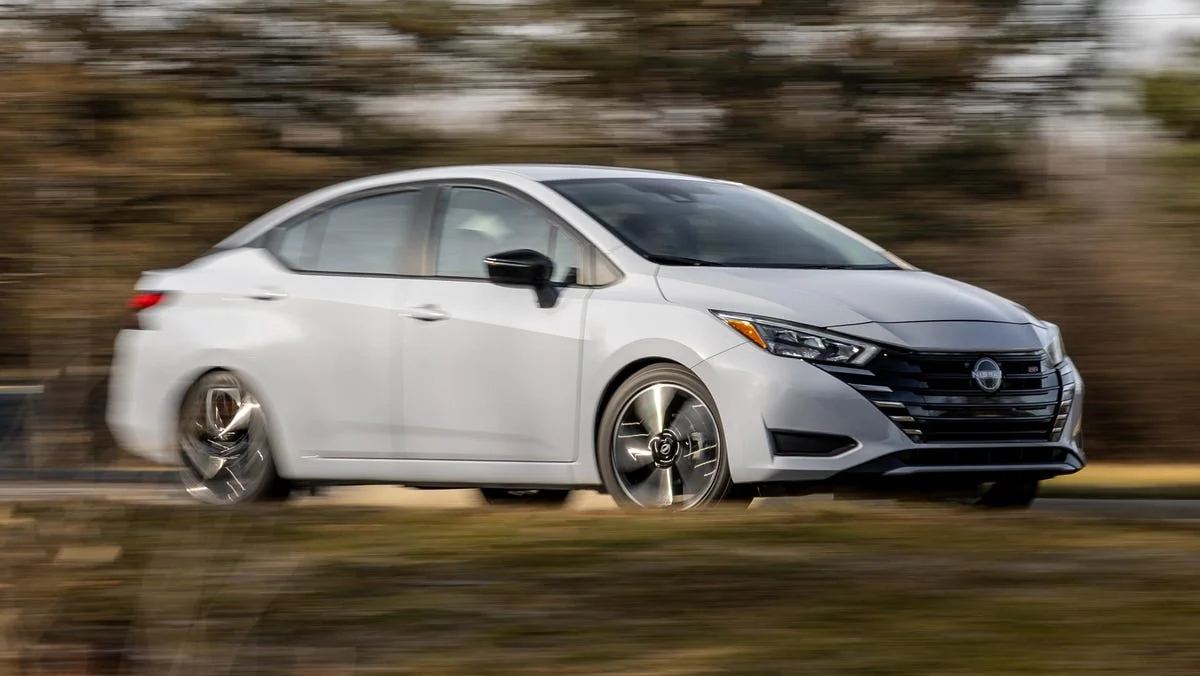
The Versa is adequate around town but slow when speed matters. Its 122-hp 1.6-liter four-cylinder handles routine traffic, yet reviewers consistently describe strained acceleration and deliberate highway passing. The CVT keeps the engine in its usable range, though it can make hard acceleration noisy and unrewarding. This matters most when merging, climbing hills, or carrying passengers, where patience and planning are necessary. If your priorities are low cost and fuel economy, the performance trade-off is manageable, but buyers wanting effortless highway response should look at a larger compact sedan.
Cabin and Trunk Space
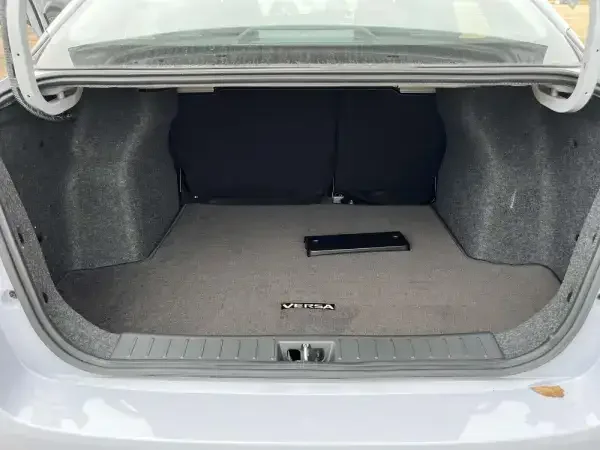
The Versa makes practical use of its small footprint. Its 14.7-cubic-foot trunk is unusually generous for a subcompact sedan and handles groceries, luggage, work equipment, or a golf bag with less fuss than expected. The front cabin feels roomy, visibility is good, and some reviewers find the seats comfortable, while rear seating is tighter, especially behind taller occupants. Fixed rear seatbacks on the base S further limit flexibility. For commuting and errands it is useful, but families needing frequent rear-passenger or bulky-cargo space may prefer a hatchback or Sentra.
Transmission Operation
Transmission choice deserves more attention than the price tag suggests. The five-speed manual offers a precise, solid shift action and avoids the CVT concerns raised in owner discussions, although its soft clutch and rev-hang reduce beginner friendliness. The Xtronic CVT is smoother and delivers the best fuel economy, but forum reports include premature-failure and warranty-service worries, alongside owners who report dependable operation with careful fluid maintenance. These reports do not prove a universal defect, but a thorough test drive, service-history check, and warranty review are sensible before choosing the automatic.
Ride and Handling
Comfort and maneuverability are better than the Versa’s price suggests. The compliant ride absorbs ordinary urban bumps, while the compact dimensions, light weight, and 34.8-foot turning circle make parking and tight streets easy. Reviewers generally find the handling stable and composed, with improved steering and braking compared with older Versas, although steering feedback remains vague or numb. The result is approachable transportation rather than a driver’s car, with enough control for daily use but limited excitement and increasing road noise at highway speeds.
Conclusion
The Versa’s final case is easy to understand: it is efficient transportation with fewer surprises at the fuel pump than behind the wheel. Its 35-mpg CVT rating, comfortable ride, nimble dimensions, and nearly 15-cubic-foot trunk make it genuinely useful for commuting and errands, while standard safety tech strengthens its value. The catch is slow highway acceleration, vague feedback, highway noise, and a cabin built from hard plastics; rear seating also suits shorter trips better than tall passengers. The manual feels precise and avoids the CVT concerns raised by some owners, but its rev-hang and soft clutch are quirks; the automatic is smoother, yet deserves careful warranty and maintenance review. Choose the Versa for low-cost, warranty-backed simplicity—not refinement or effortless passing—and it earns a solid recommendation for budget-focused first-time buyers, though shoppers wanting polish should spend more.

Feature Scores
This reflects reviews and ratings from established critics, journalists, and users who have evaluated the item. Their opinions provide a comprehensive assessment.
Performance
Engine Power
2/5
Acceleration
2/5
Reliability & Durability
3/5
Handling & Ride Comfort
4/5
Braking Performance
3/5
Value
Purchase Price Competitiveness
5/5
Cost of Ownership
4/5
Resale Value
2/5
Feature Value
4/5
Design
Exterior Styling
3/5
Interior Ergonomics
4/5
Cargo Space
4/5
Infotainment Quality
3/5
Health
Cabin Air Quality
TBD
Material Toxicity
TBD
Safety
Crashworthiness
4/5
Active Safety Systems
4/5
Visibility & Lighting
4/5
Child Occupant Protection
3/5
Sustainability
Fuel Efficiency
4/5
Tailpipe Emissions
3/5
Recyclability
TBD
Manufacturing Footprint
TBD
Experience Style
Driver Engagement
3/5
Customization Options
2/5
Ease of Use
4/5
Ownership Convenience
4/5

Specifications
This section outlines the product's key facts, covering essential features, details, dimensions, materials, and any unique characteristics that define its functionality and usability.
Performance
Value
Design
Safety
Sustainability
Experience Style

Frequently Asked Questions
3 Questions


Find Yours
What is your primary use for a gas-powered sedan or compact?
Answer to find your best matches.