
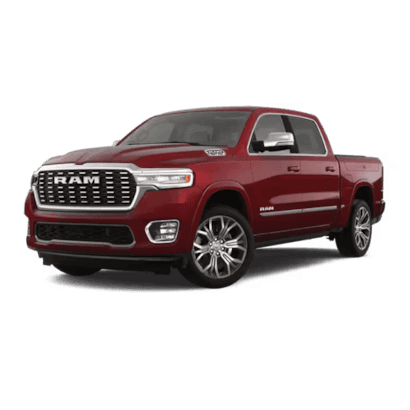
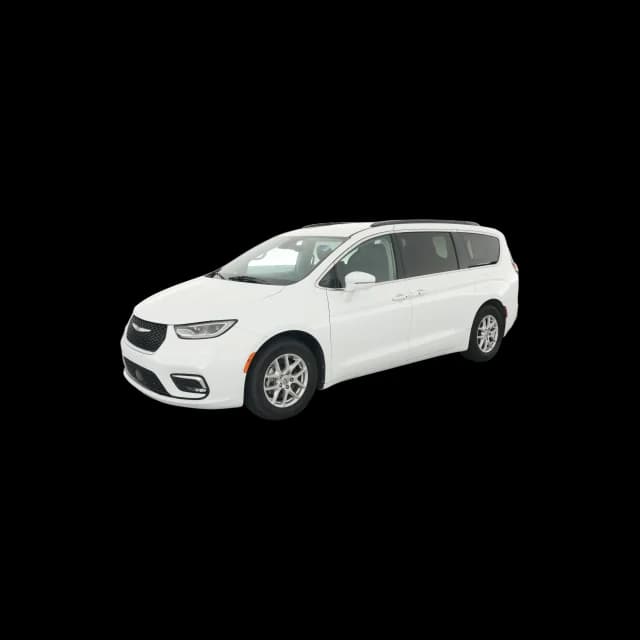
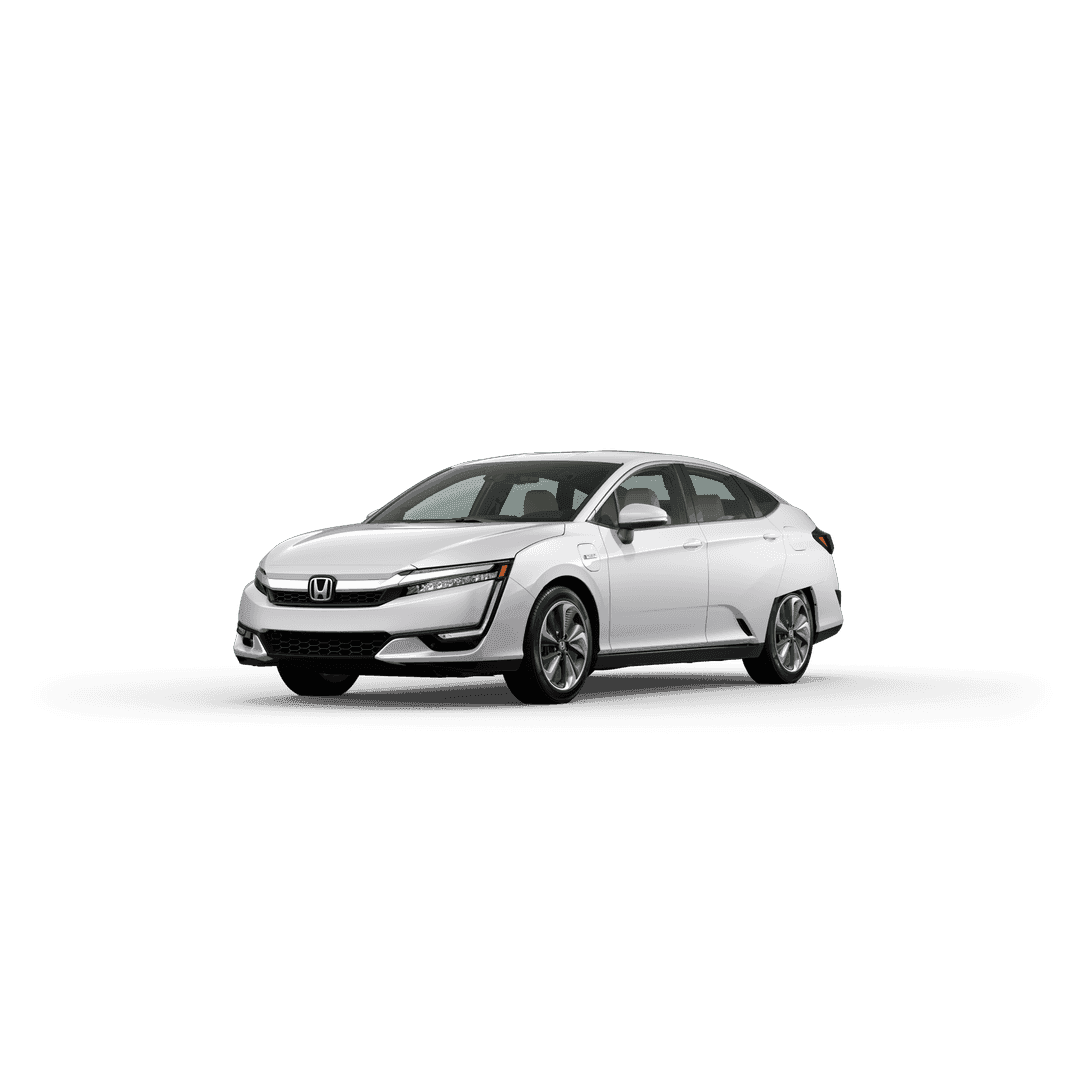
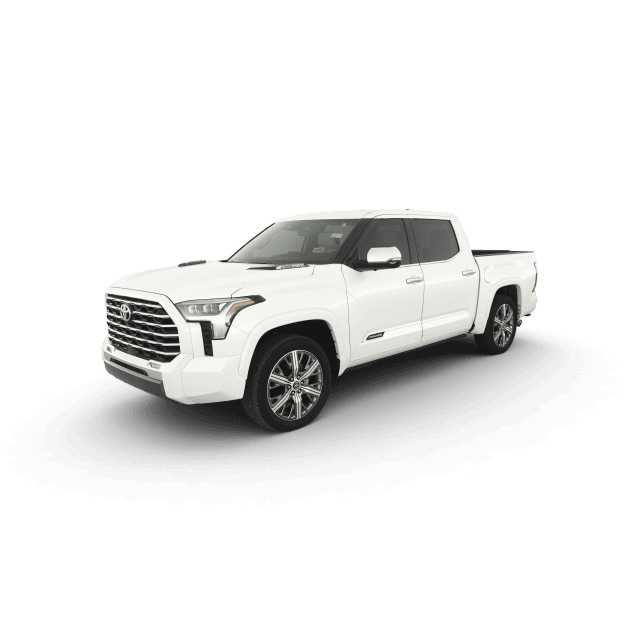
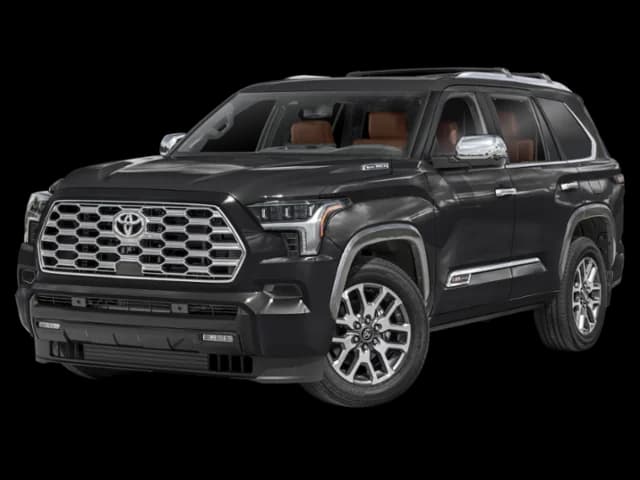
Toyota Sequoia (2026)
Powerful hybrid towing and off-road capability, with cramped family space as the key compromise.
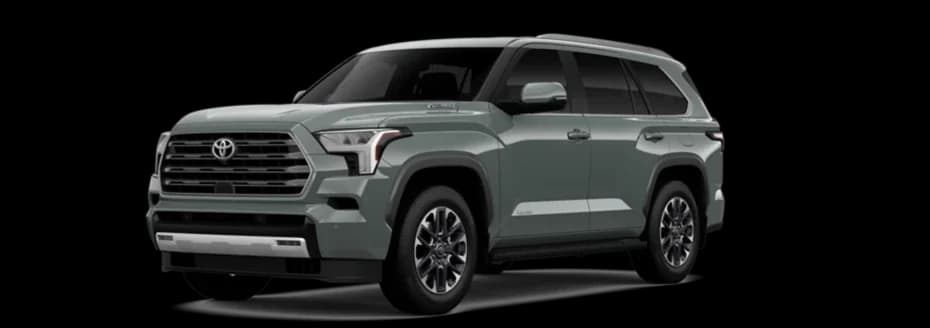
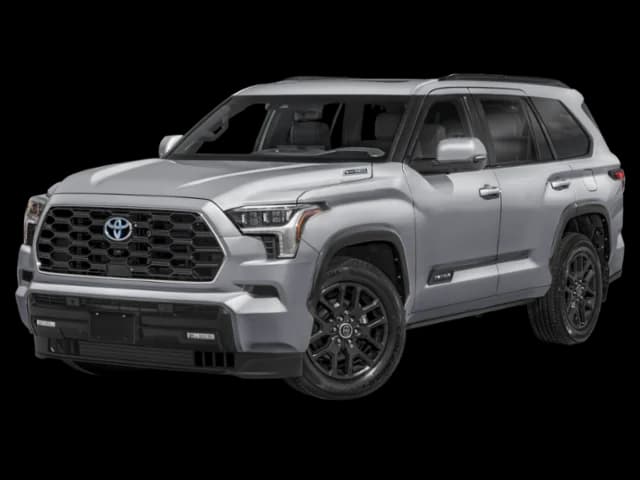
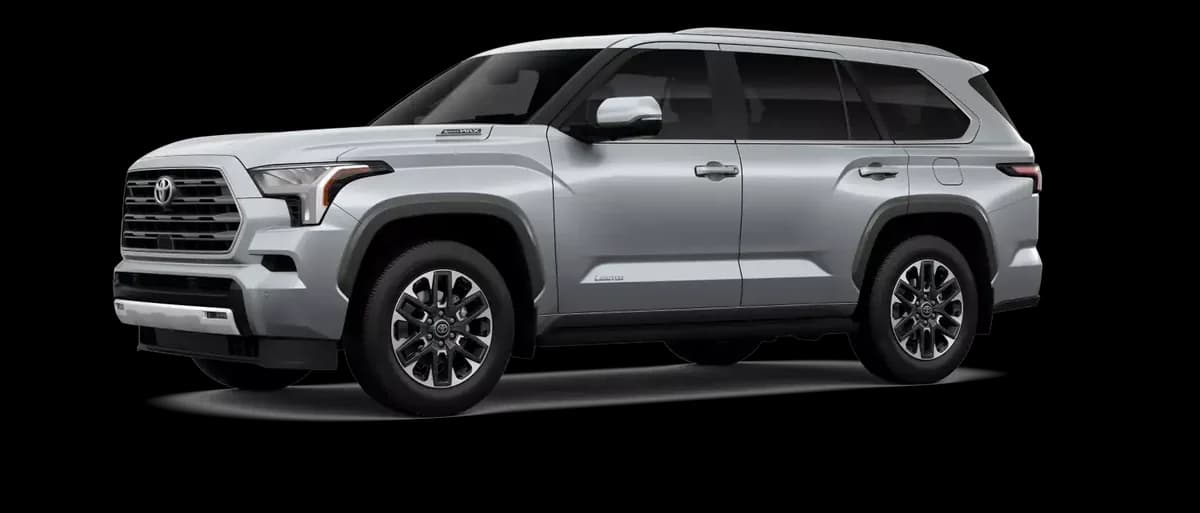
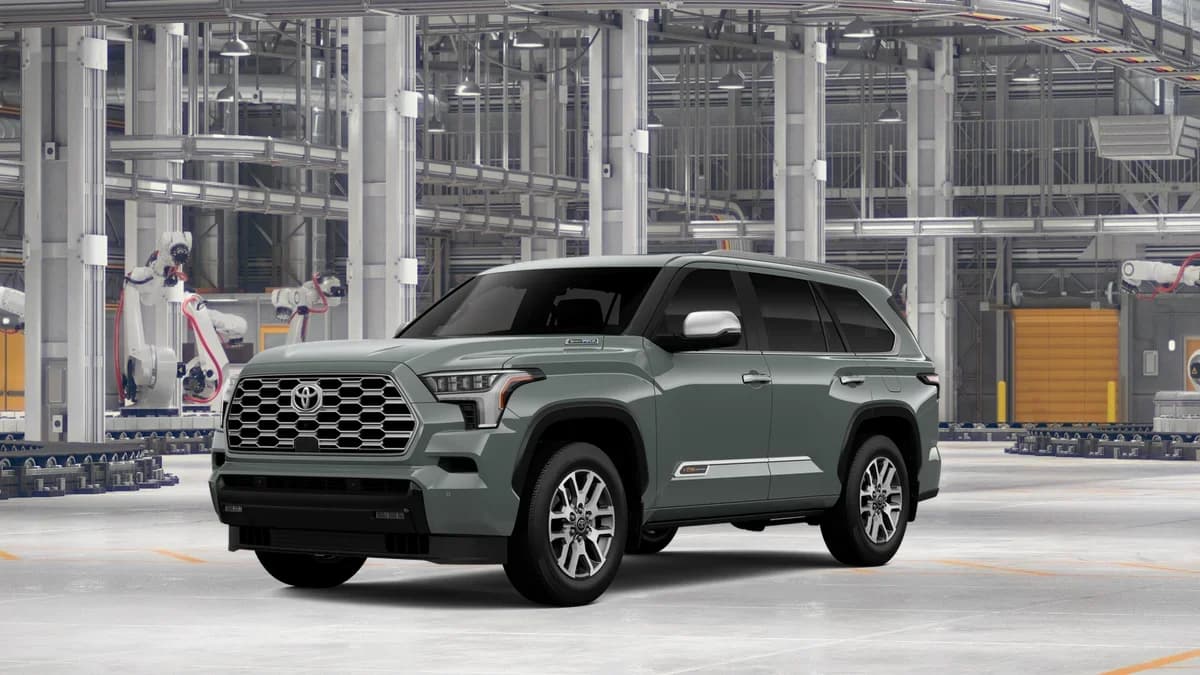
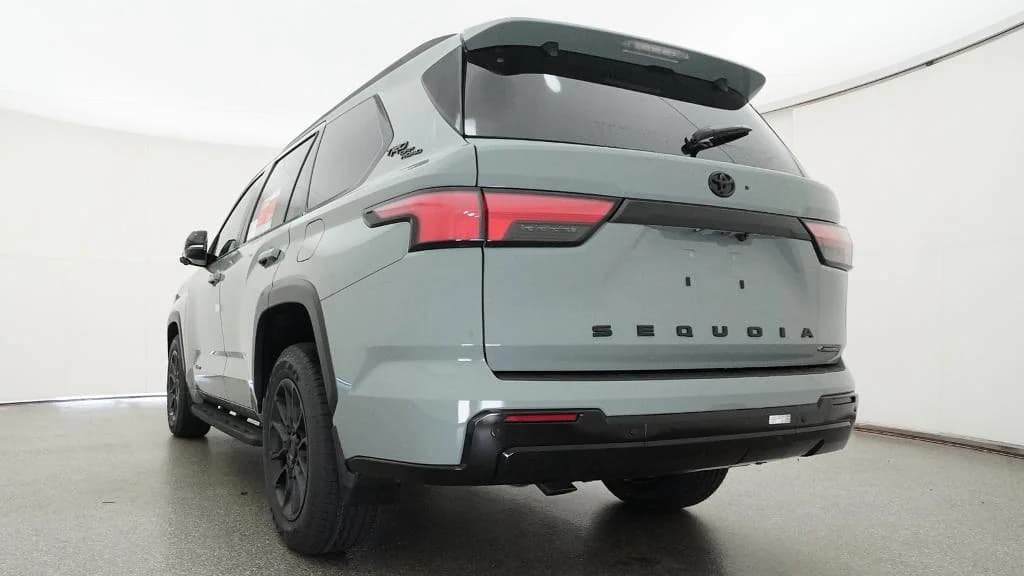
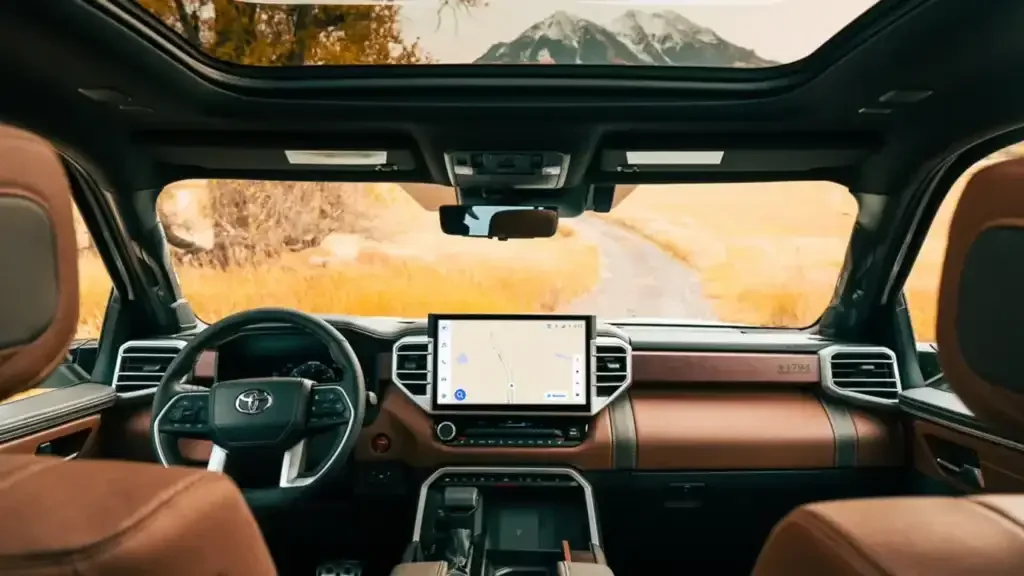
The 2026 Toyota Sequoia is a truck-based family SUV with the muscle to tow a boat and the polish to handle school runs, aimed at buyers who need serious hauling or trail ability without giving up hybrid power. Its 437-hp i-FORCE MAX drivetrain feels smooth and effortless, and Toyota’s 9,500-pound towing claim is supported by confident real-world performance, stable highway manners, and useful cameras. Higher trims offer a quiet, upscale cabin, while TRD versions bring genuine off-road hardware. The catch is family packaging: experts and owners consistently flag the cramped third row and awkward cargo floor, while observed fuel economy can miss Toyota’s estimates. It offers strong value for towers, but roomier rivals better serve large families, shaping its overall recommendation.
Find Yours
What's your main motivation for choosing a Hybrid SUV?
Answer to find your best matches.

The Field
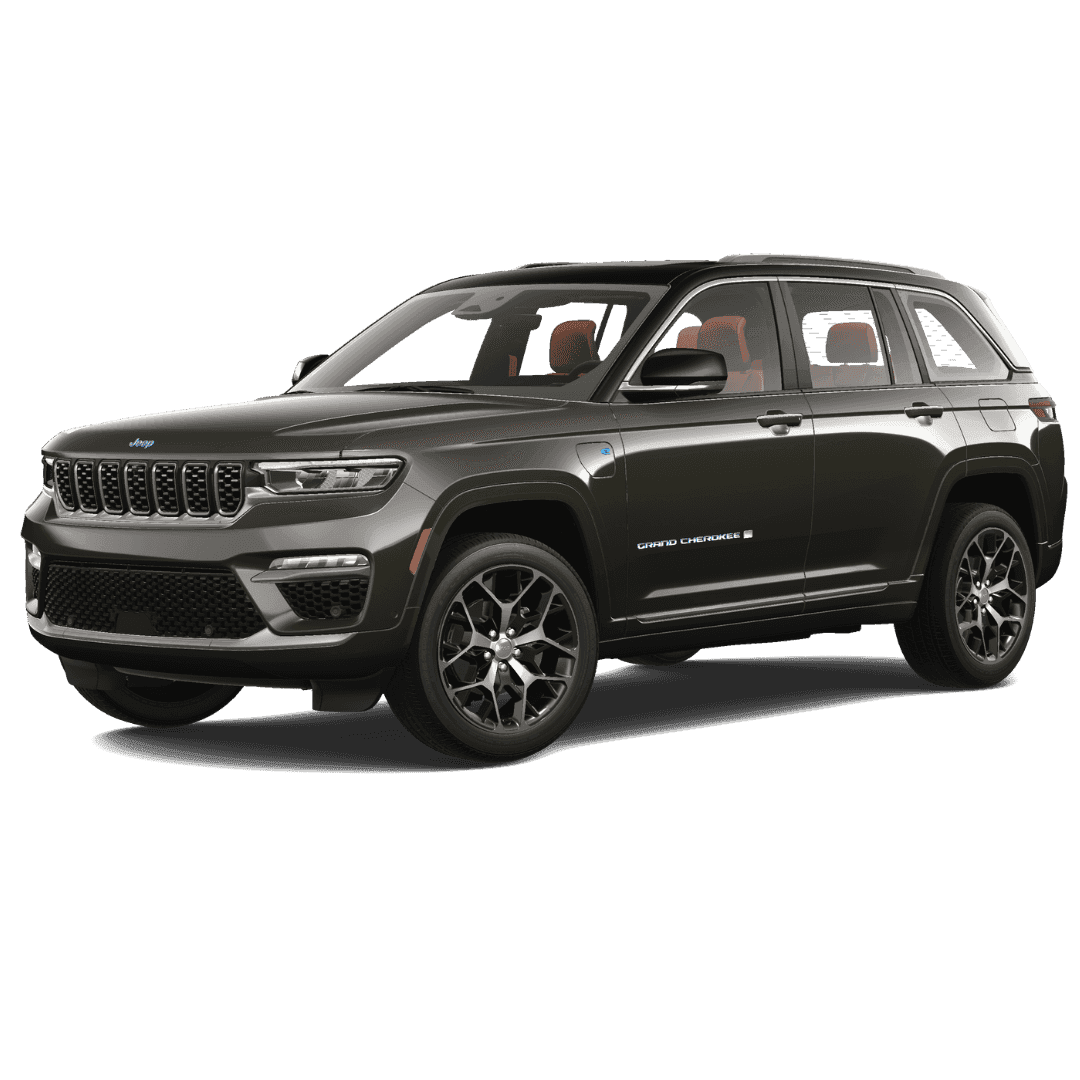
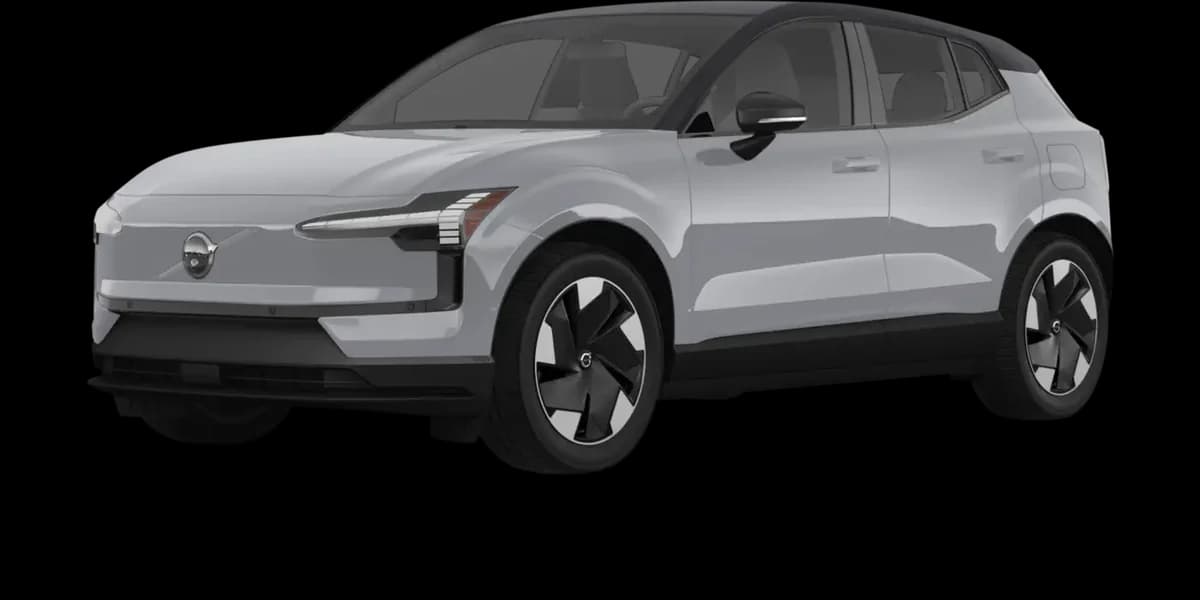
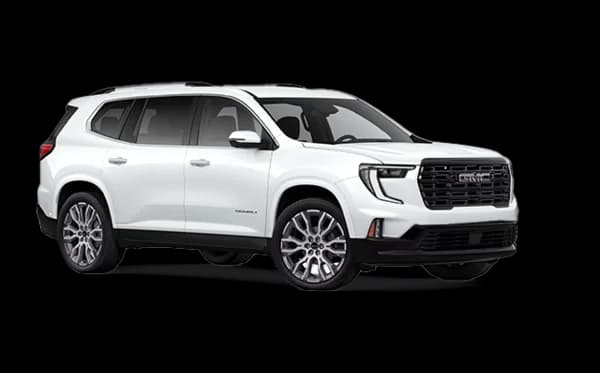
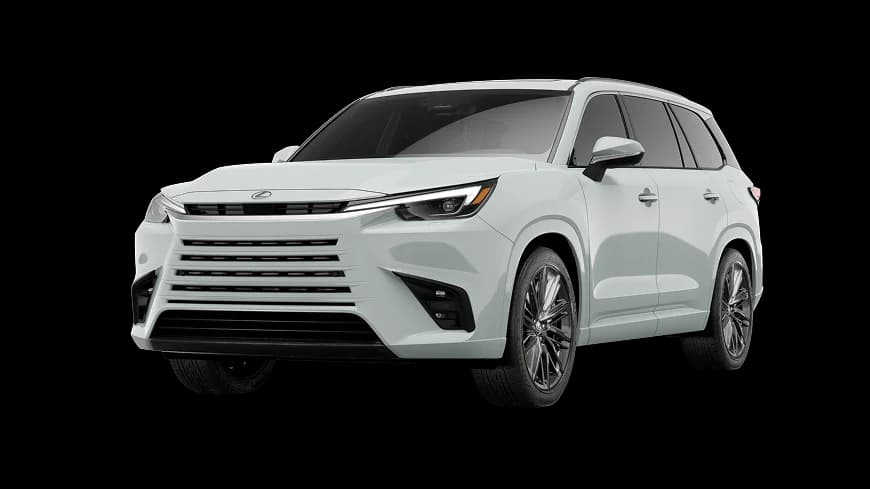
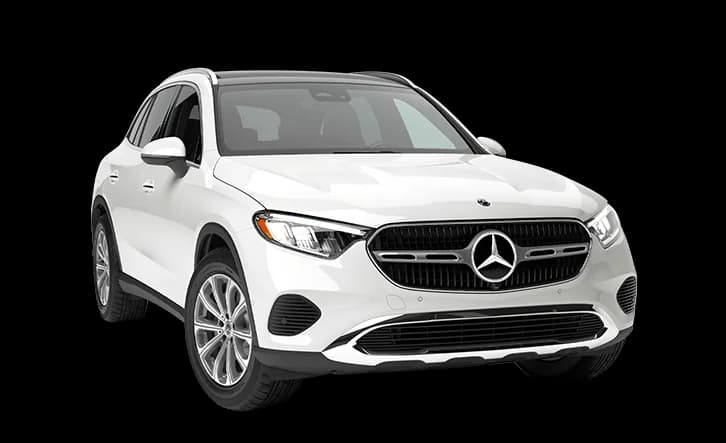
Browse top contenders, or compare all options ranked by score and key attributes.
5 Options




The Scoreboard
Does this improve your life? Considers, health, habits, and environmental impact.
Benefits
Hybrid torque makes merging, passing, and hauling feel calm instead of hard-working.
Heavy trailers feel manageable, with steady power for road trips, ramps, and hills.
A calm, well-finished interior makes long drives easier on conversation and concentration.
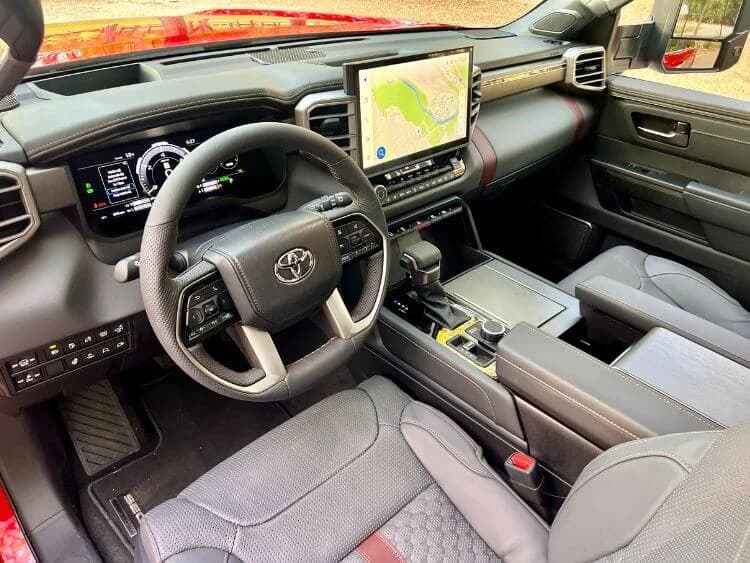
Cameras, physical controls, USB ports, and adjustable cargo shelving simplify everyday family routines.
Trade-Offs
Adults sit with limited legroom and thigh support, making longer family rides uncomfortable.
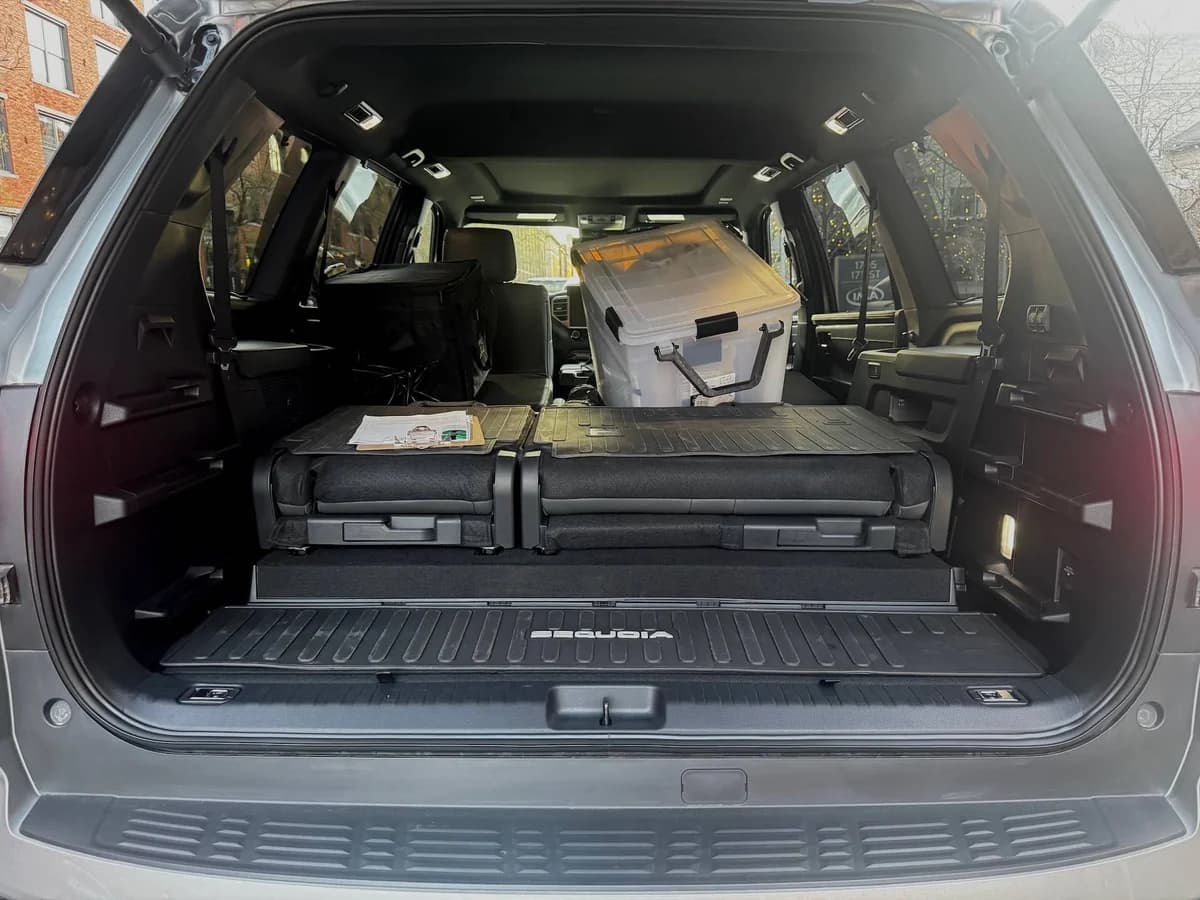
With every seat occupied, luggage space is tight; folded seats leave an uneven loading surface.
Bumps and harsh impacts come through, especially on rugged trims or large wheels, tiring passengers.
Mixed driving can deliver much less than expected, meaning more frequent fuel stops than advertised.
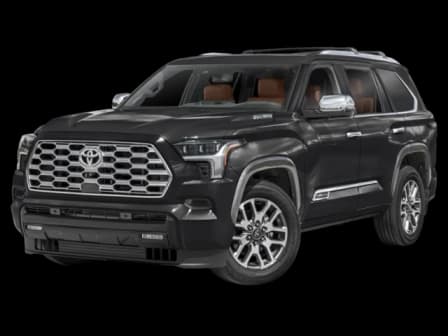
 Alternatives


Join the Circle
Where real meets deal
Know what's worth buying-and when.
Tips, special offers, and rewards for buying and sharing.

Publications
4 LEADING PUBLICATION REVIEWS

Kelley Blue Book views the 2026 Toyota Sequoia very favorably, especially for power, capability, efficiency, and dependability. Its 437-horsepower hybrid powertrain feels impressively responsive, delivers class-leading base-engine muscle, and achieves strong fuel economy for a full-size SUV. KBB also appreciates the Sequoia’s towing and off-road hardware, useful camera system, modern technology, and excellent resale value. However, this is not the ideal family hauler: the ride can be harsh, especially on Capstone’s large wheels, while third-row legroom and cargo capacity trail key rivals, and the third row does not fold flat. The lack of hands-free highway driving is another notable omission. Overall, the Sequoia comes across as a powerful, distinctive, and unusually efficient truck-based SUV whose compromises matter most to shoppers prioritizing maximum passenger and cargo space.
By Eric Brandt
Car and Driver is moderately positive on the 2026 Toyota Sequoia, but its compromises keep it from standing out. The hybrid-only powertrain offers strong 437-hp performance, respectable fuel economy, impressive towing capacity, and genuine off-road hardware in TRD trims. The Limited is also considered the lineup’s sweet spot, adding desirable comfort and technology without reaching the nearly $90,000 Capstone’s price. Still, the Sequoia feels awkwardly wide and overly light in steering, with a squishy brake pedal that undermines confidence. Its biggest weakness is practicality: the third row is cramped, cargo space is limited with all seats occupied, and folding the rear seats leaves an uneven floor. In short, it is powerful, efficient, comfortable, and capable, but rivals offer more usable interior space and better road manners, making the Sequoia a solid rather than compelling choice.
By David Gluckman
U.S. News & World Report is cautiously positive on the 2026 Toyota Sequoia, but it is far from a top recommendation. The reviewer appreciates its powerful 437-horsepower hybrid system, strong towing capacity, off-road-ready hardware, upscale cabin, and unusually intuitive infotainment with physical climate controls. It also delivers respectable fuel economy on paper, though the test vehicle managed only 17.5 mpg. The major disappointment is practicality: the third row is cramped for adults, cargo capacity trails every major full-size rival, and the seats do not fold flat because of the hybrid battery and solid rear axle. Its ride and handling feel trucklike, too, while visibility is limited. In short, the Sequoia makes sense for buyers prioritizing power, towing, and rugged capability, but the reviewer favors the better-equipped SR5 or Limited trims and considers competitors more compelling for family space and comfort.
By Zach Doell
GreenCars’ Andrew Ganz is clearly positive on the 2026 Toyota Sequoia, while remaining candid about its compromises. He praises the smooth, quiet 437-horsepower hybrid powertrain, strong acceleration, refined cabin, and impressive towing ability, calling it nearly Lexus-like in comfort. The Sequoia feels especially well suited to families hauling people and heavy trailers, with useful features such as excellent cameras, intuitive controls, and available luxury touches. However, its hybrid system prioritizes power over economy: Ganz observed only 16 mpg in mixed driving. The third row is cramped, cargo space is surprisingly limited, visibility can be awkward, and the lack of automatic four-wheel-drive mode feels outdated. The top Capstone also approaches $90,000, making the value less compelling. Overall, Ganz views the Sequoia as a capable, polished full-size SUV and a strong choice for buyers who need towing strength, but not an efficiency leader or the most practical family hauler.
By Andrew Ganz

YouTube
12 LEADING EXPERT & INFLUENCER REVIEWS
 The Car Care Nut
The Car Care Nut is impressed by the 2023 Toyota Sequoia’s modernization, but his recommendation remains qualified. He praises the powerful i-FORCE MAX hybrid drivetrain, solid truck-based engineering, comfortable and spacious second row, physical controls, and improved rear suspension. His mechanic’s perspective also surfaces concerns buyers may miss, including turbo and cooling-system complexity, mediocre real-world fuel economy, questionable paint quality, rattly fit and finish, an awkward cargo setup, and a cramped third row caused by the hybrid battery. Overall, it feels like a capable, genuinely improved Sequoia, though expensive and less practical than Toyota’s Grand Highlander.
savagegeeseSavagegeese is distinctly underwhelmed by the 2026 Toyota Sequoia. He praises the i-FORCE MAX hybrid V6 for its effortless torque, smooth power delivery, and strong advantage over several rival engines, while appreciating the well-organized front cabin and quiet ride. However, the Sequoia’s tiered cargo area, cramped third row, outdated Toyota Safety Sense 2.5, and notably harsh live-axle ride undermine its appeal. Compared with the Chevrolet Tahoe, Ford Expedition, and Jeep Wagoneer, it feels poorly packaged and old-fashioned, leaving Savagegeese unconvinced despite the drivetrain’s genuine strengths.
Micah MuzioMicah Muzio is warmly positive about the 2026 Toyota Sequoia, though he sees clear tradeoffs. He praises its roomy, highly functional cabin, comfortable seats, strong hybrid acceleration, towing ability, off-road hardware, and broad trim selection. Family testing also reveals easy car-seat installation and usable third-row access. However, the ride feels notably floaty, steering is light and rubbery, visibility around the hood and left rear pillar is limited, and cargo flexibility trails extended rivals. Most importantly, he considers the cheaper, more efficient Grand Highlander roomier in several dimensions, recommending the Sequoia mainly for buyers who genuinely need extra towing, width, or off-road capability.
Ben HardyBen Hardy is strongly enthusiastic about the 2026 Toyota Sequoia as a family-focused alternative to the Lexus GX. He praises its hybrid V6’s extra power, stronger low-end torque, spacious cabin, more comfortable third row, greater cargo practicality, and superior towing stability from the longer wheelbase. He also enjoys its honest truck-like ride and calls the TRD Pro a beast, especially with the performance package. The main drawback is the battery hump, which compromises cargo flexibility, while the interior feels less luxurious than the GX. Overall, Hardy argues families should drive the Sequoia before choosing the trendier, tighter GX.
MotormouthMotormouth is disappointed by the Sequoia, despite admiring its powerful hybrid drivetrain and bold, truck-like styling. The 437-hp system offers impressive torque, easy maneuverability, and strong towing potential, while the cabin feels comfortable and well organized up front. However, the TRD setup rides harshly, real-world fuel economy was far worse than expected, and the eight-inch screen feels cheap at this price. More seriously, cramped third-row access, limited headroom, immovable second-row seats, and an awkward cargo floor undermine its family-hauler mission. They view it mainly as a tow vehicle, not a spacious everyday SUV.
Car ConfectionsCar Confections is clearly positive about the 2026 Toyota Sequoia, though not uncritical. After a week with the luxurious 1794, they praised its powerful i-FORCE MAX hybrid, smooth transmission, quiet cabin, strong towing ability, excellent resale prospects, and upscale, Lexus-like interior. Real-world testing added useful context, including a 53.3-dB cabin reading and roughly 17 mpg in early city driving. The major drawback is practicality: fixed second-row seats, limited third-row thigh support, tight headroom, and far less cargo space than a Tahoe or Expedition. Overall, they like it, but recommend it more for luxury and performance than maximum family space.
Raiti's RidesJoe Raiti is highly enthusiastic about the 2026 Toyota Sequoia Platinum, calling it a compelling alternative to the GMC Yukon Denali. He praises its punchy 437-hp i-FORCE MAX hybrid powertrain, smooth, quiet ride, strong fuel economy, comfortable cabin, excellent cameras, and well-organized technology. The enthusiasm is tempered by a cramped third row and an awkward, less-useful cargo area than the Yukon’s, with uneven seat-folding space and limited rear USB access. Overall, Raiti views the Sequoia as an easy-to-drive, well-equipped full-size SUV whose hybrid performance and Toyota dependability outweigh its packaging compromises.
Gearbox Car ReviewsGearbox Car Reviews is moderately positive about the 2026 Toyota Sequoia, appreciating its quick, torquey hybrid powertrain, useful towing ability, thoughtful controls, and excellent camera visibility. The Capstone feels well equipped, with comfortable second-row amenities and a welcome digital mirror, though the reviewer finds the front seats less convincing for long trips and the ride distinctly truck-like. The biggest drawbacks are the cramped, high-floored third row and awkward cargo area, while fuel economy gains are modest. Overall, it’s a capable, feature-rich family hauler, but rivals offer more practical space for similar money.
ToyotaJeff ReviewsToyotaJeff Reviews is highly enthusiastic about the 2026 Sequoia, calling the Platinum gorgeous and praising its powerful i-FORCE MAX hybrid, smooth features, massage seats, flexible cargo area, and upscale design. He especially appreciates the adjustable third-row seating and storage shelf, which make the SUV more practical than its fixed space suggests. His main criticism is that third-row headroom and legroom remain limited, while the 400-watt outlet falls short of his ideal. Overall, his hands-on tour presents the Sequoia as a stylish, capable, feature-rich family SUV, with clear excitement despite those space-related compromises.
TheSketchMonkeyTheSketchMonkey is strongly positive on the 2026 Toyota Sequoia, calling it a powerful, upscale family tank with genuine presence. He praises the standard i-FORCE MAX hybrid’s effortless acceleration, smooth 10-speed automatic, 9,500-pound towing capacity, available TRD Pro capability, and premium Platinum, 1794 Edition, and Capstone trims. He also appreciates Toyota’s modern technology and long-term reliability reputation. The main drawbacks are its roughly $65,000 starting price, modest 22-mpg efficiency versus the Grand Highlander hybrid, and less cargo room behind the third row due to the hybrid battery. Overall, he sees it as ideal for families who tow, travel, or want truck-based luxury.
Born Again MotoringBorn Again Motoring is highly enthusiastic about the 2026 Toyota Sequoia Platinum after a month and nearly 1,400 miles. He especially admires its i-FORCE MAX hybrid’s effortless torque, smooth 10-speed automatic, easy maneuverability, quiet upgraded cabin, massage seats, and family-friendly second row. He appreciates the adjustable third row and clever cargo shelf, though acknowledges the uneven folded-floor and limited third-row charging ports. The Tahoe may ride slightly more smoothly and offers automatic four-wheel drive, while cargo capacity is not class-leading. Still, its strong drivetrain, comfort, dependability, and usability make it an easy recommendation for his family.
Automotive Car ReviewsJason is highly enthusiastic about the 2026 Toyota Sequoia Platinum, calling its styling, upscale cabin, technology, and comfort features especially impressive. He appreciates the powerful i-FORCE MAX hybrid V6, roughly 9,000-pound towing capacity, adjustable third-row seating, power running boards, massaging front seats, and easy-to-use 14-inch infotainment system. His hands-on inspection is detailed, including a useful look at third-row space: adults may find the thigh support and headroom limited, though children should be comfortable. Overall, he presents the Platinum as a striking, capable, luxurious family SUV, while pricing near C$117,650 is the main consideration.

Social
3 INFLUENCER REVIEWS
 Kelly Stumpe - The Car Mom
Kelly Stumpe is sharply critical of the Toyota Sequoia for family-focused practicality. She calls its trunk surprisingly small and explains that gaining cargo space sacrifices third-row legroom, while the second row cannot slide to help balance the tradeoff. Her biggest concern is the third row’s single, middle-seat tether anchor, which restricts forward-facing car-seat placement, hurts visibility, and limits usable seating. Although she stops short of calling the Sequoia a bad vehicle, her tone is frustrated and her recommendation is clearly conditional, especially for families with multiple children in car seats.
Christina BranmanChristina Branman is highly enthusiastic about the 2026 Toyota Sequoia’s family-friendly versatility. She focuses on the clever three-level cargo system, which creates a tailgating table, flat floor, or separated storage, along with easy-access features like the power step, abundant USB ports, sunshades, heated and ventilated seats, and extensive cabin storage. She acknowledges limited space behind the third row and non-sliding second-row seats, while noting the third row’s high knee position. Still, the nearly 9,000-pound towing capacity, 437-horsepower i-FORCE MAX hybrid powertrain, and upscale Capstone equipment leave an overwhelmingly positive impression.
Real Mom Car ToursReal Mom Car Tours likes the Toyota Sequoia but feels its third row is a significant compromise. She tested the flexible shelving and found it awkward yet usable, while the hybrid battery’s placement prevents a flat load floor. With the third row raised, luggage space is severely limited, and car seats make the seating arrangement especially impractical. The rail-mounted seats offer clever flexibility and decent legroom when positioned carefully, but she views the third row as occasional rather than suitable for everyday family use. At $86,000 fully loaded, the Capstone also feels expensive, especially since she does not want the sparsely equipped base model.

Forum Reviews
CUSTOMER REVIEWS FROM 1 FORUM
Redditors are broadly positive about the 2026 Toyota Sequoia, though its price and cargo layout remain serious drawbacks. Owners praise its strong, smooth performance, towing ability, confident four-wheel drive, striking design, and improved technology, with several calling it enjoyable or even luxurious enough for the money. The hybrid powertrain offers respectable mileage, but real-world figures vary widely and fuel economy still disappoints some. The cramped, non-flat third row and limited cargo space are the most consistent criticisms, while stiff seats, wind sensitivity, occasional electrical concerns, and doubts about long-term turbo-hybrid reliability temper enthusiasm.
Many comments

In-Depth Review

Highlights
- •Hybrid Power Delivery437-hp system delivers effortless acceleration.
- •Confident Towing AbilityAdvertised to tow up to 9,500 pounds.
- •Trail-Ready HardwareTRD Pro adds FOX dampers and locking differential.
- •Quiet Upscale CabinHigher trims provide calm, premium surroundings.

Considerations
- •Cramped Third RowAdult space and thigh support remain limited.
- •Awkward Cargo LayoutLimited storage and uneven folded-seat floor.
- •Trucklike Ride QualityHarsh impacts appear with rugged setups.
- •Inconsistent Fuel EconomyTesting often falls below advertised figures.
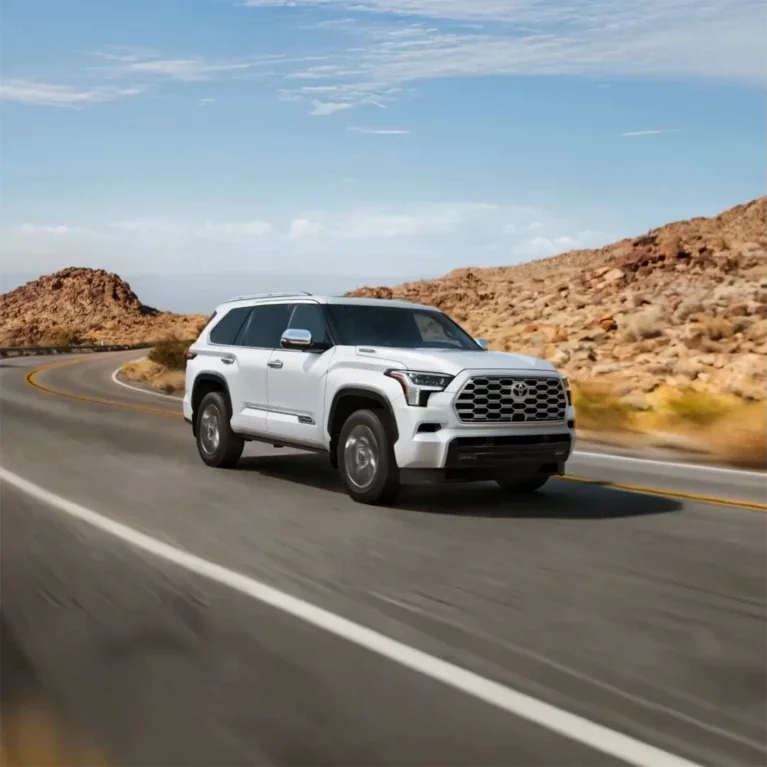
Toyota’s Sequoia brings Toyota’s reputation for durability into a more powerful, hybridized full-size SUV. Positioned between family hauler and truck-based adventure vehicle, it suits buyers who need everyday comfort, 437-hp i-FORCE MAX power, and up to 9,500-pound towing for trailers, boats, or outdoor gear. Its higher trims add a quiet, upscale cabin, while TRD versions bring serious off-road hardware rather than just rugged styling. The tradeoff is packaging: the hybrid battery contributes to a cramped third row and an uneven cargo floor, while ride quality and real-world fuel economy vary by trim and use. Families should pay close attention to seating and luggage needs; towers and trail users may find those compromises easier to accept. The following sections examine where the Sequoia genuinely stands apart—and where its truck-based character asks for patience.
Third-Row Cargo Space
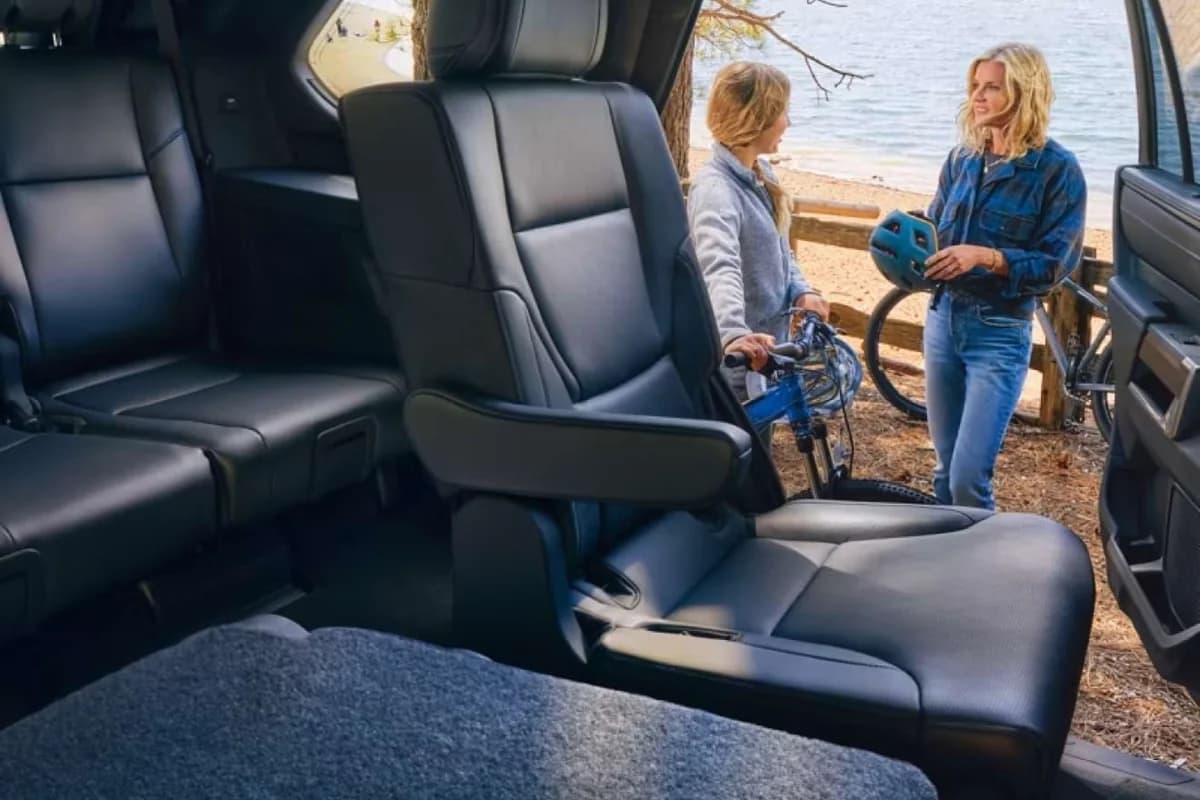
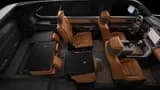
The Sequoia works best when its third row is used occasionally. Its up-to-eight-seat layout is useful, and adjustable third-row seating plus a clever cargo shelf can help, but the hybrid battery creates a high, uneven floor. With all seats occupied, the 22.3-cubic-foot cargo area is tight, while folded seats provide only about 49 cubic feet and do not form a truly flat load surface. Reviews consistently support Toyota’s practicality features while flagging cramped adult seating, fixed second-row seats, and difficult car-seat compromises.
Towing Capability
Towing is one of the Sequoia’s clearest reasons to choose it over a roomier crossover. Toyota rates it for up to 9,500 pounds, while the hybrid’s immediate torque helps control acceleration on hills, ramps, and highway merges. The long wheelbase contributes to reassuring trailer stability, and available cameras, four-wheel drive, and towing aids make setup and maneuvering easier. Expert and owner feedback generally supports the capability claim, although fuel consumption rises sharply under load and this remains a truck-based SUV rather than a lightweight, carlike tow vehicle.
Fuel Economy Reality
The standard hybrid improves the Sequoia’s efficiency story, but real-world results are less consistent than the headline figures suggest. Toyota estimates roughly 22 mpg combined with rear-wheel drive and about 20 mpg with four-wheel drive, respectable numbers for this class. However, reported testing has ranged from 16 to 17.5 mpg in mixed or city driving, and towing will reduce it further. The hybrid can lower fuel use during suitable conditions through regenerative braking and EV operation, but it is not an efficiency leader like Toyota’s smaller Grand Highlander Hybrid.
Off-Road Capability
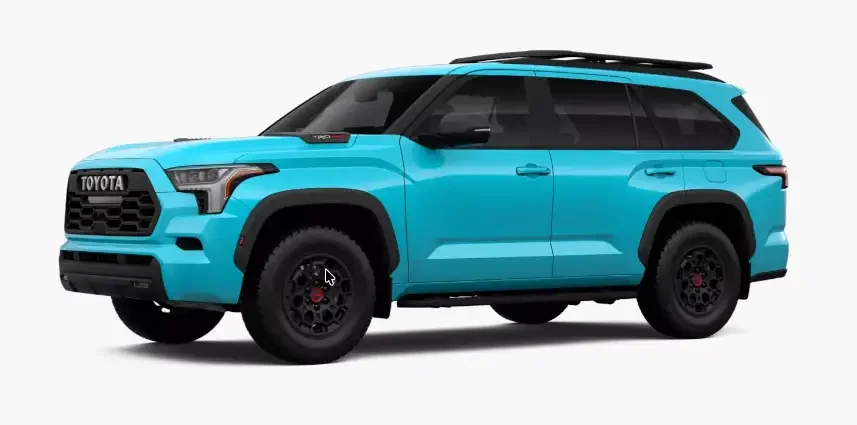
The Sequoia has credible trail hardware, especially in the TRD Pro. Its FOX performance dampers, skid plate, all-terrain tires, and locking rear differential add real control and protection beyond cosmetic styling. Crawl Control and Multi-Terrain Select can simplify slow, technical driving, while available four-wheel drive supports loose or uneven terrain. The tradeoff is everyday comfort: rugged suspension tuning can feel harsh, and the SUV’s width limits maneuverability on tight trails. It is a capable adventure vehicle, but the TRD equipment makes the most sense for regular off-road use.
Ride And Handling
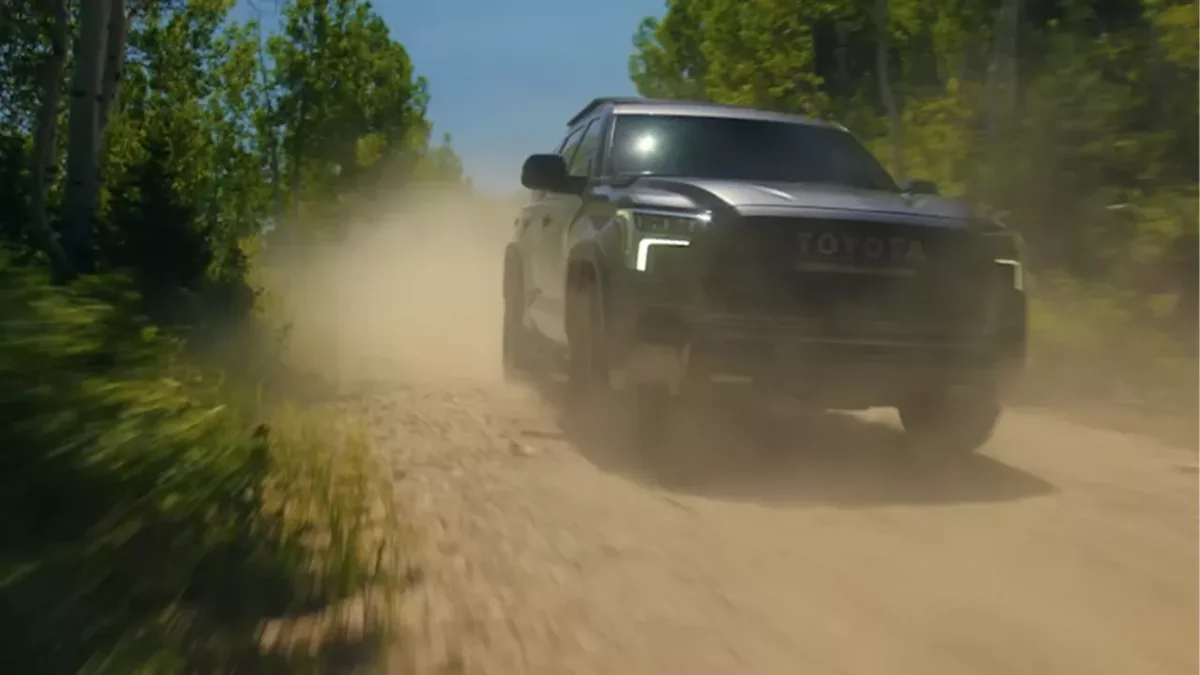
The Sequoia drives with genuine truck character, which is useful off pavement but not always relaxing on the road. Its body-on-frame construction helps with towing strength and durability, yet reviewers describe steering as light, floaty, or rubbery, with a firm live-axle response over rough surfaces. Large wheels and TRD Pro hardware can make impacts more noticeable, while the longer wheelbase improves highway composure. The quiet cabin is a strength, but shoppers prioritizing polished ride comfort may prefer a Tahoe, Expedition, or crossover-based alternative.
Hybrid Power Performance
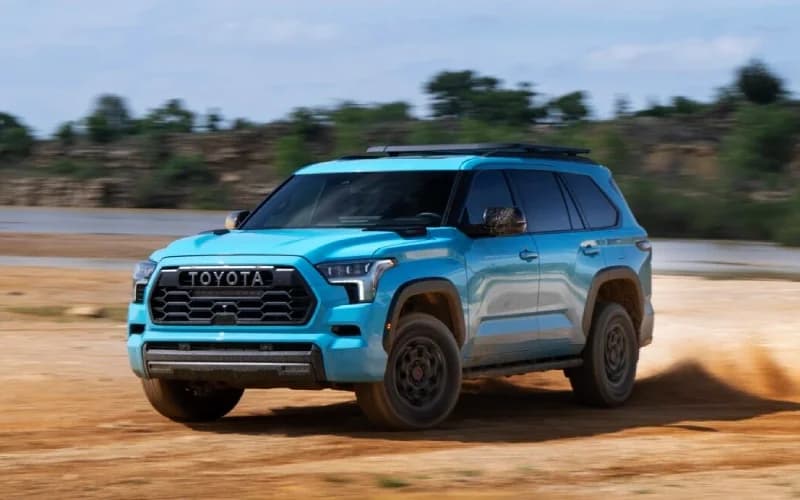
The Sequoia’s hybrid powertrain makes this large SUV feel surprisingly effortless. The 437-hp i-FORCE MAX system pairs a 3.4-liter twin-turbo V6 with electric assistance, producing 583 lb-ft of torque for quick merging, passing, and loaded driving. Its 10-speed automatic is generally praised for smooth shifts, and the quiet delivery can feel nearly luxurious. That said, the system is mechanically complex, and some owners remain uncertain about long-term turbo-hybrid durability, so its excellent performance comes with more technology to maintain.
Conclusion
The Sequoia’s final verdict is clear: it is a powerful, specialized family SUV rather than a space-maximizing one. Its 437-hp hybrid powertrain makes merging, passing, and loaded driving effortless, while 9,500-pound towing capacity and available TRD hardware give it genuine usefulness for trailers and trails. Reviewers and owners appreciate the quiet cabin and confident capability, but the cramped third row and awkward, uneven cargo area limit its appeal for large families carrying people and luggage. Its truck-based ride can feel floaty or harsh, and real-world fuel economy often falls below the advertised figures. Choose it if towing strength, off-road ability, and Toyota’s upscale durability matter more than polished handling or maximum interior flexibility; otherwise, roomier rivals make more sense. That balance of standout capability and meaningful compromises makes the Sequoia a solid, selectively recommended buy—not a universal family-hauler winner.

Feature Scores
This reflects reviews and ratings from established critics, journalists, and users who have evaluated the item. Their opinions provide a comprehensive assessment.
Performance
Powertrain Efficiency
4/5
Acceleration and Throttle Response
5/5
Reliability and Durability
4/5
Combined Driving Range
3/5
Charging Convenience
4/5
Value
Purchase Price Competitiveness
3/5
Ownership Cost
3/5
Resale Value
4/5
Feature to Price Ratio
3/5
Design
Interior Space and Packaging
3/5
Exterior Styling Appeal
4/5
Ergonomics and Controls
4/5
Cargo Flexibility
2/5
Ride and Handling Balance
3/5
Health
Cabin Air Quality
TBD
Material Toxicity
TBD
Noise and Vibration
4/5
Safety
Crash Protection
4/5
Active Driver Assistance
4/5
Battery Safety
3/5
Child Safety and Seating Anchors
2/5
Sustainability
Tailpipe Emissions Reduction
4/5
Lifecycle Battery Impact
TBD
Recyclability and End of Life
TBD
Fuel Source Flexibility
3/5
Experience Style
Tech and Connectivity Richness
4/5
Ease of Use and Simplicity
4/5
Comfort and Luxury Appointments
4/5

Specifications
This section outlines the product's key facts, covering essential features, details, dimensions, materials, and any unique characteristics that define its functionality and usability.
Performance
Value
Design
Safety
Sustainability
Experience Style

Frequently Asked Questions
2 Questions



Find Yours
What's your main motivation for choosing a Hybrid SUV?
Answer to find your best matches.