












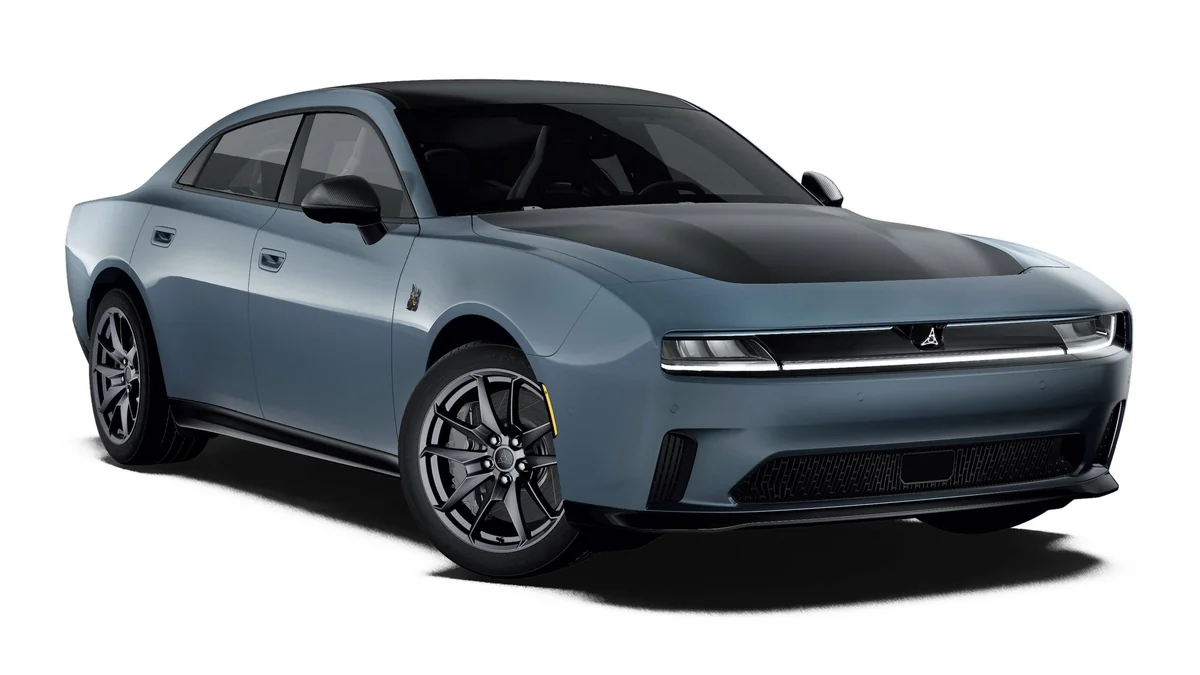
Dodge Charger Daytona (2027)
670-hp electric muscle with AWD and practical space, though pricey and imperfect.
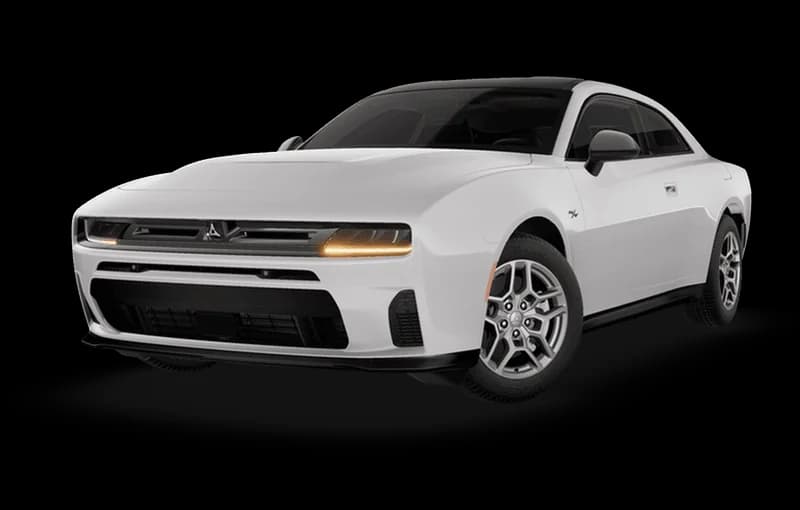
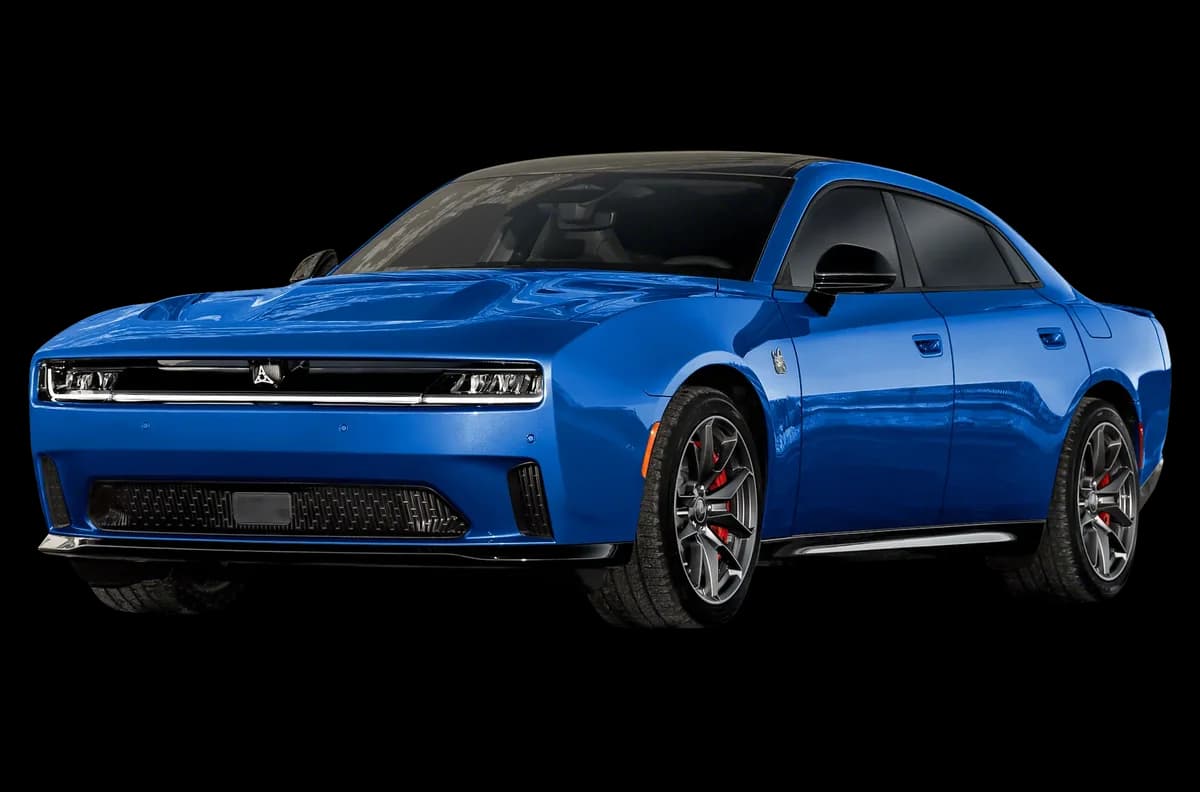
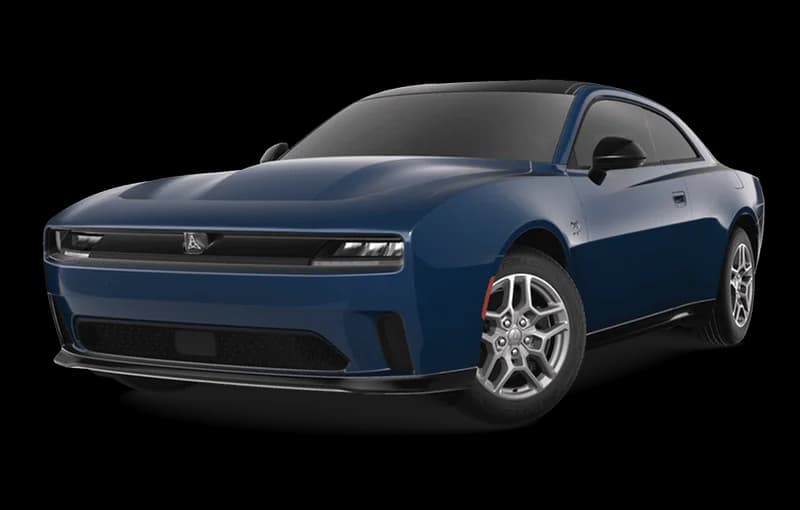
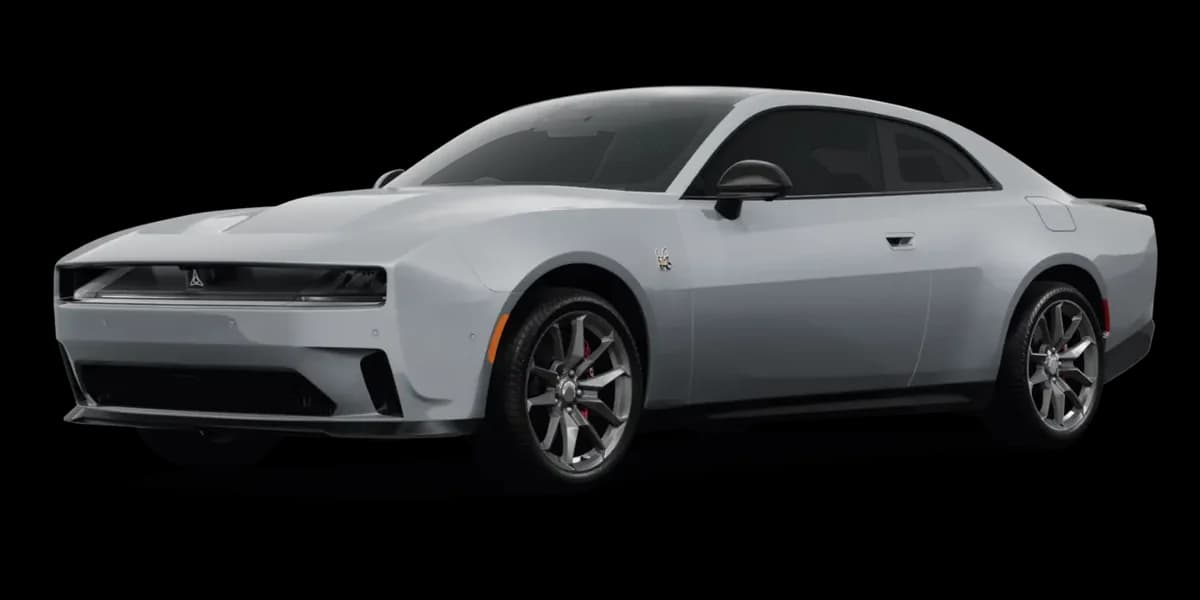
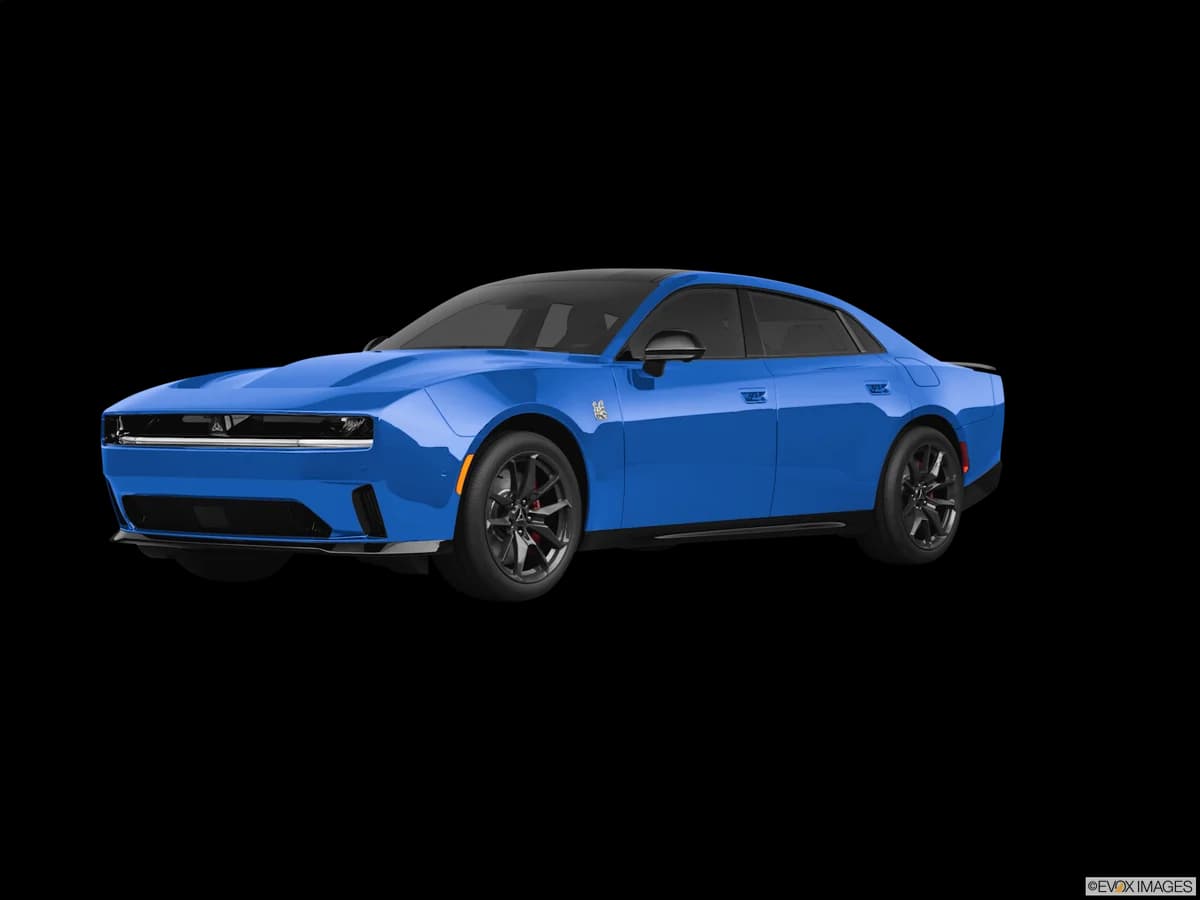
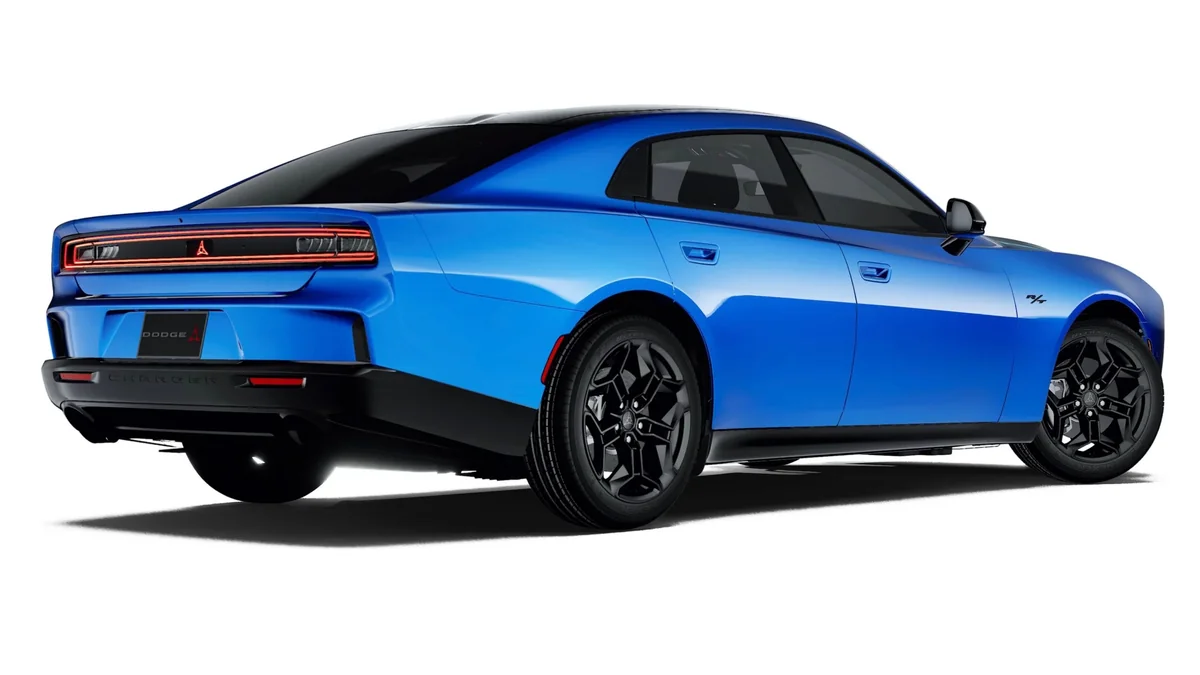
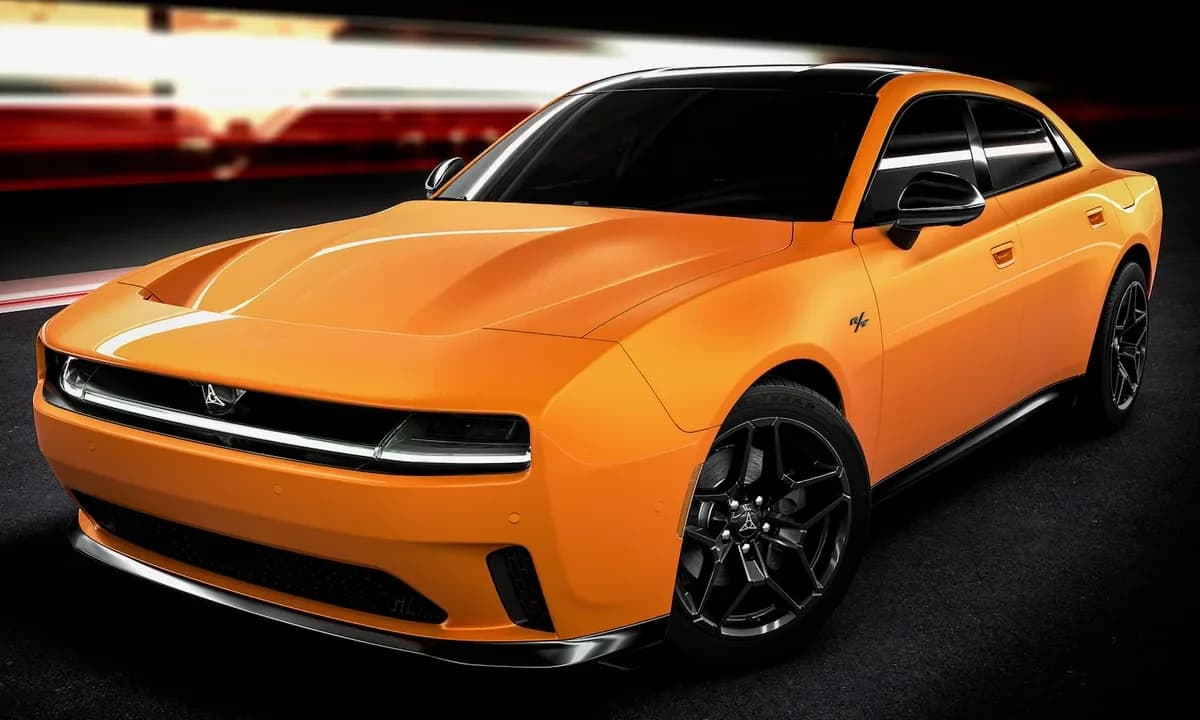
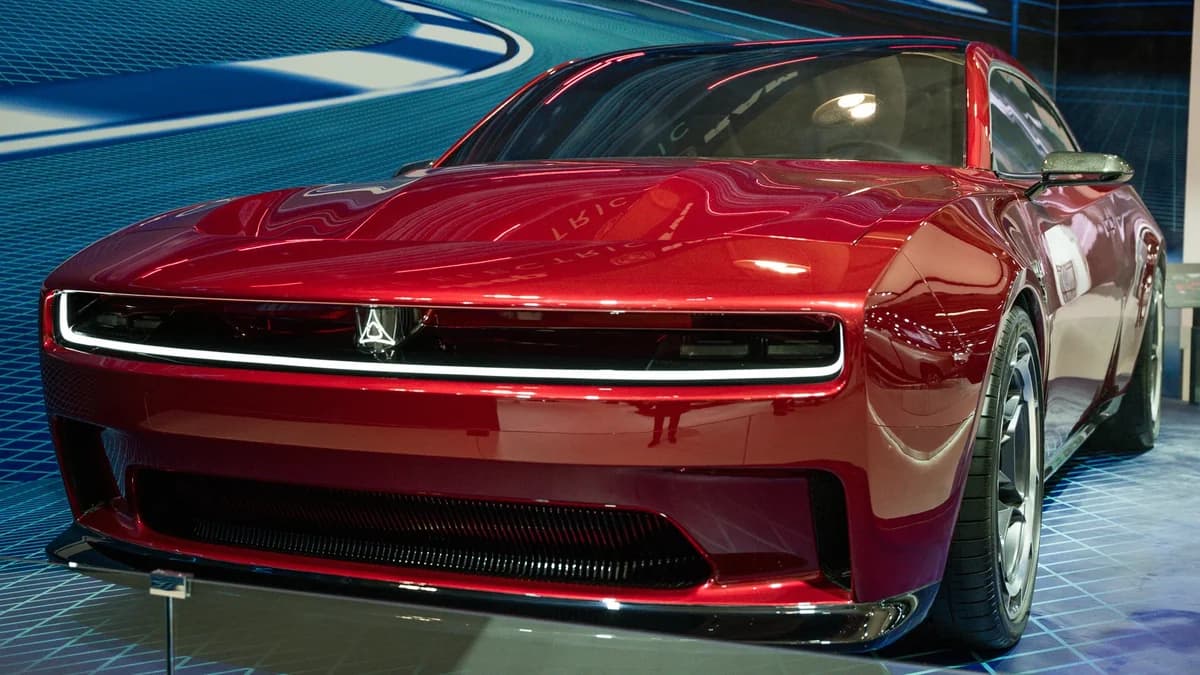
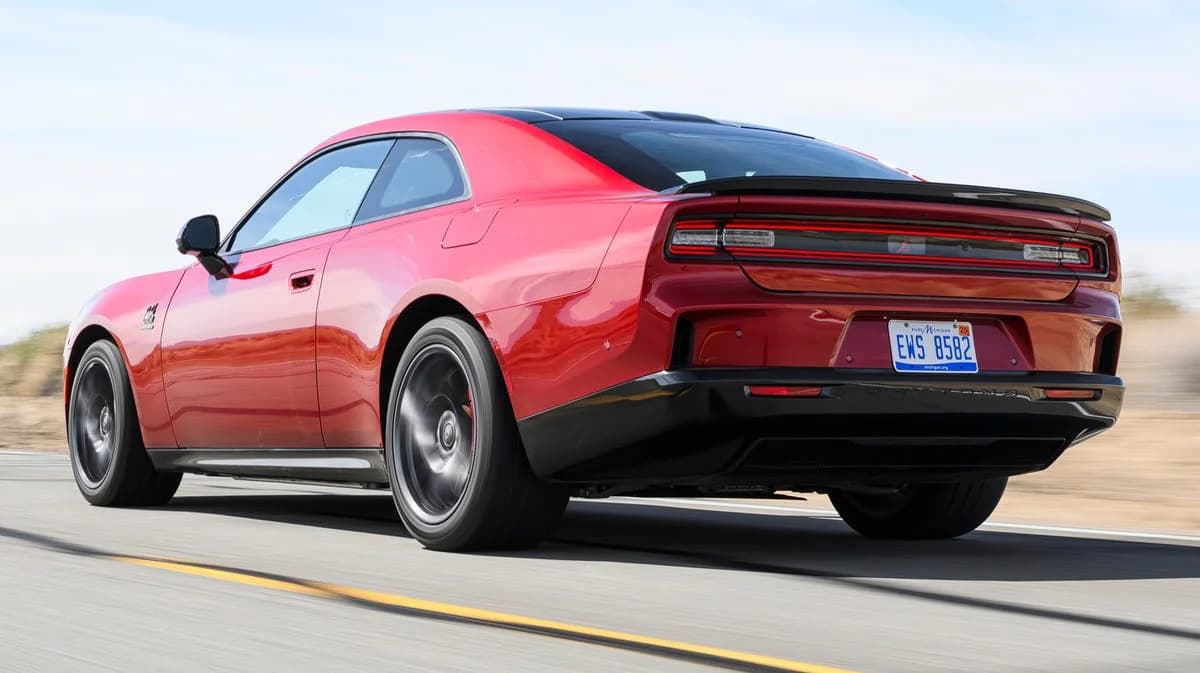
The Dodge Charger Daytona (2027) is electric muscle for drivers who want classic Dodge attitude without giving up everyday usability. Its 670-hp AWD powertrain delivers genuinely explosive acceleration, while five-seat hatchback practicality, a comfortable ride, and retro-modern styling make it more livable than its nearly 6,000-pound presence suggests. Dodge’s 267-mile range and theatrical Fratzonic exhaust sound promising, but real-world feedback points to winter range loss, merely adequate charging, artificial audio, and clumsy handling at the limit. At roughly $75,000 to $86,000, it feels compelling mainly to loyalists who value character over efficiency or polish. Overall appeal depends on how much buyers prioritize speed, space, and styling over price, range, and refinement.
Find Yours
What is your primary intended use for an electric sedan or compact?
Answer to find your best matches.

The Field
Browse top contenders, or compare all options ranked by score and key attributes.
5 Options



The Scoreboard
Does this improve your life? Considers, health, habits, and environmental impact.
Benefits
Instant torque delivers dramatic acceleration without requiring aggressive driving or complicated shifting.
A compliant ride and supportive cabin make commuting feel relaxed despite the car’s performance.
Five seats and generous cargo space make this muscle-inspired EV surprisingly useful every day.
All-wheel drive helps the car feel secure during wet roads, cold weather, and quick launches.
Retro styling and signature details give owners a recognizable car that sparks conversation.
Trade-Offs
The unusually wide body makes parking garages, narrow streets, and crowded lots awkward to navigate.
Sunny drives can feel uncomfortably hot through the uncovered panoramic roof, even with climate control.
The loud simulated exhaust can drone in traffic, prompting many drivers to switch it off.
On longer drives, merely adequate fast charging can extend stops when the battery needs replenishing.
 Alternatives


Join the Circle
Where real meets deal
Know what's worth buying-and when.
Tips, special offers, and rewards for buying and sharing.

Publications
1 LEADING PUBLICATION REVIEWS

Car and Driver is broadly positive on the 2027 Charger Daytona EV, though nostalgia keeps it from feeling truly special. It praises the car’s retro-Mopar styling, smart hatchback practicality, compliant ride, and explosive 630-horsepower output that briefly reaches 670 with Power Shot; its 3.2-second sprint is even quicker than the old Hellcat. The NACS port, generous cargo space, strong standard technology, and available performance modes add everyday appeal. Still, this is a large grand tourer rather than a nimble sports sedan, and the reviewer hasn’t yet tested the four-door. The limited 267-mile range trails rivals, charging performance is merely adequate, interior materials feel cheap for the price, and the synthetic Fratzonic exhaust sounds more comical than convincing. Overall, it’s an accomplished, stylish EV with genuine muscle, but it cannot recreate the emotional theater of Dodge’s V-8 predecessors.
By Andrew Wendler

YouTube
5 LEADING EXPERT & INFLUENCER REVIEWS
 Edmunds Cars
Brian Wong is deeply unimpressed with the Charger Daytona, despite its impressive straight-line speed. Edmunds recorded a 3.5-second 0–60 time, 11.6-second quarter-mile, strong 1.01-g grip, and a surprisingly good 255-mile real-world range. However, the nearly 6,000-pound EV feels cumbersome on track, with severe understeer, vague steering, inconsistent brake blending, excessive body roll, and poorly bolstered seats. Wong also criticizes its grabby regenerative braking, awkward throttle tuning, artificial Fratzonic Chambered Exhaust, and $86,000 price. His conclusion is blunt: it is neither a satisfying performance car nor a polished daily driver.
Doug DeMuroDoug DeMuro is pleasantly surprised by the Charger Daytona EV, but ultimately finds it unfinished and overpriced. He likes its retro-modern styling, genuinely distinctive character, improved interior, clever performance displays, hatchback practicality, and sharper-than-expected driving manners. The Fratzonic Chambered Exhaust and digital V8 sounds are amusingly theatrical, though hardly authentic. His major objections are the roughly $75,000 price, substantial size and weight, limited Scat Pack range, slow infotainment, awkward doors and seat-belt reach, and the absence—so far—of sedan and gasoline versions. Doug sees a promising, soulful foundation, but awards only 60/100 until Dodge completes the lineup and makes it more compelling.
Auto FocusAuto Focus is disappointed by the Dodge Charger Daytona, calling it a Fratzonic flop despite impressive speed and presence. The reviewer enjoyed its bold styling, spacious five-seat cabin, comfortable ride, generous cargo area, and weeklong usability as a relaxed commuter. However, the $85,000 Scat Pack feels hard to justify: range is modest, charging is merely adequate, and cheaper EVs are quicker. The Fratzonic Chambered Exhaust is loud but drones, lacks gear-like interaction, and ultimately gets switched off. Its 5,900-pound weight also undermines Drift mode and burnout fun, leaving the Daytona feeling more like a plush electric cruiser than the thrilling muscle car Dodge promises.
The Fast Lane CarRoman is cautiously enthusiastic about the Charger Daytona, calling it comfortable, commanding, and genuinely exciting despite its controversy. He admires the instant torque, 670-hp performance, AWD traction, rear-drive burnout mode, and practical hatchback-like space, while conceding that its Fratzonic exhaust cannot replace a real V8’s character. He also questions the roughly $80,000 as-tested price, warning that depreciation could be severe and that faster Teslas, Lucids, and Rivians undermine its “ultimate muscle car” claim. Ultimately, he sees it as appealing “sophisticated muscle,” but prefers the gasoline Scat Pack overall.
Hellcat HoneyHellcat Honey is broadly positive about the 2027 Charger Daytona after a difficult first year. She praises its Cadillac-like ride, comfortable five-seat practicality, striking interior, strong wet-weather confidence, and major fuel savings, while reporting 12,479 largely trouble-free miles after software updates, a battery replacement, and removal of a dealer-installed LoJack. Still, early bricking issues, sharply reduced winter range, charging inconvenience, high property taxes, and uncertainty about Stellantis’ long-term support temper her enthusiasm. She considers a well-sorted used Stage 2 around $30,000–$40,000 compelling, but not an $80,000-plus purchase.

Social
2 INFLUENCER REVIEWS
 Allcarnews
Allcarnews takes a cautiously positive view of the 2027 Dodge Charger Daytona lineup. The post emphasizes the Daytona Scat Pack EV’s 670 horsepower, 3.3-second 0–60 time, 267-mile range, and newly added NACS charging access. Still, calling its roughly $72,500 starting price “whopping” signals real concern about value, especially beside the more affordable Sixpack models. The blue interior and performance hardware add appeal, while the closing excitement about future V8 Chargers suggests the EV does not fully satisfy traditional muscle-car expectations. Overall, it is an informative, mildly enthusiastic overview rather than a hands-on recommendation.
Stewart WebbStewart Webb is firmly unimpressed with the Dodge Charger Daytona (2027). After a week with it, he criticizes the simulated cold-start and Fratzonic exhaust sounds, unusually wide body, power seat movement that he considers risky around children, and uncovered panoramic glass roof that makes sunny conditions uncomfortable. His central objection is emotional as much as practical: this electric Charger cannot replace the Hellcat’s character or sound. The tone is emphatic and dismissive, ending with a clear “no” for him while inviting viewers to weigh in.

Forum Reviews
CUSTOMER REVIEWS FROM 1 FORUM
Redditors are broadly skeptical of the 2027 Dodge Charger Daytona, despite appreciating its striking looks and novelty. Its roomy, comfortable design, strong acceleration, AWD traction, and convincing muscle-car presence win genuine praise, especially once discounts make it affordable. Still, users largely view it as overpriced, oversized, inefficient, and slower than rival performance EVs, with mediocre range and charging. Fake exhaust noise divides opinion, while buggy software, poor infotainment, electrical faults, and occasional bricking or brake-related concerns seriously damage confidence. Enthusiasm is strongest among Dodge loyalists and discounted buyers, but most shoppers would wait for the cheaper ICE versions or choose competitors.
Many comments

In-Depth Review

Highlights
- •Electric Muscle SpeedAdvertised to deliver 670 horsepower and 3.3-second acceleration.
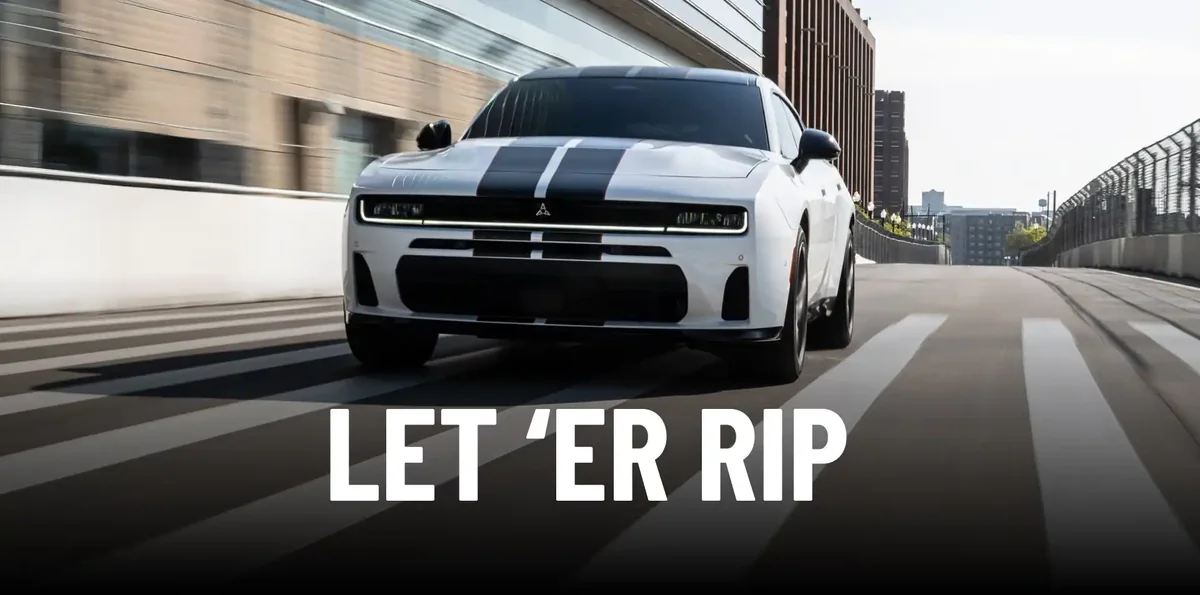
- •Distinctive Retro StylingDesigned to preserve recognizable modern muscle-car character.
- •Practical Hatchback SpaceFive seats and generous cargo access suit daily use.
- •Comfortable All-Weather DrivingAWD traction and compliant ride support relaxed travel.

Considerations
- •High Purchase CostRoughly $75,000–$86,000 limits its value against rivals.
- •Limited Everyday RangeAdvertised range reaches 267 miles; winter use can reduce it sharply.
- •Adequate Charging Speed183-kW DC charging remains ordinary for road trips.
- •Heavy Track HandlingNearly 6,000 pounds contributes to understeer and body roll.
Dodge’s electric Charger brings its muscle-car reputation into a market increasingly crowded with polished performance EVs. Positioned as a dramatic alternative to the quieter, quicker-looking competition, it pairs up to 670 horsepower with AWD, a practical five-seat cabin, and retro-modern styling for daily commuting, weekend blasts, and road trips. Real-world feedback remains relatively limited, so the headline performance should be weighed alongside the 267-mile estimated range, 183-kW DC charging, and the nearly 6,000-pound mass that shapes its ride and handling. Buyers drawn to Dodge character will also want to examine cargo space and the cabin’s uneven material quality before overlooking faster, longer-range rivals. In short, this is electric muscle with a touring streak—so let’s see whether the Fratzonic Chambered Exhaust adds character or merely turns up the volume.
Acceleration and Power
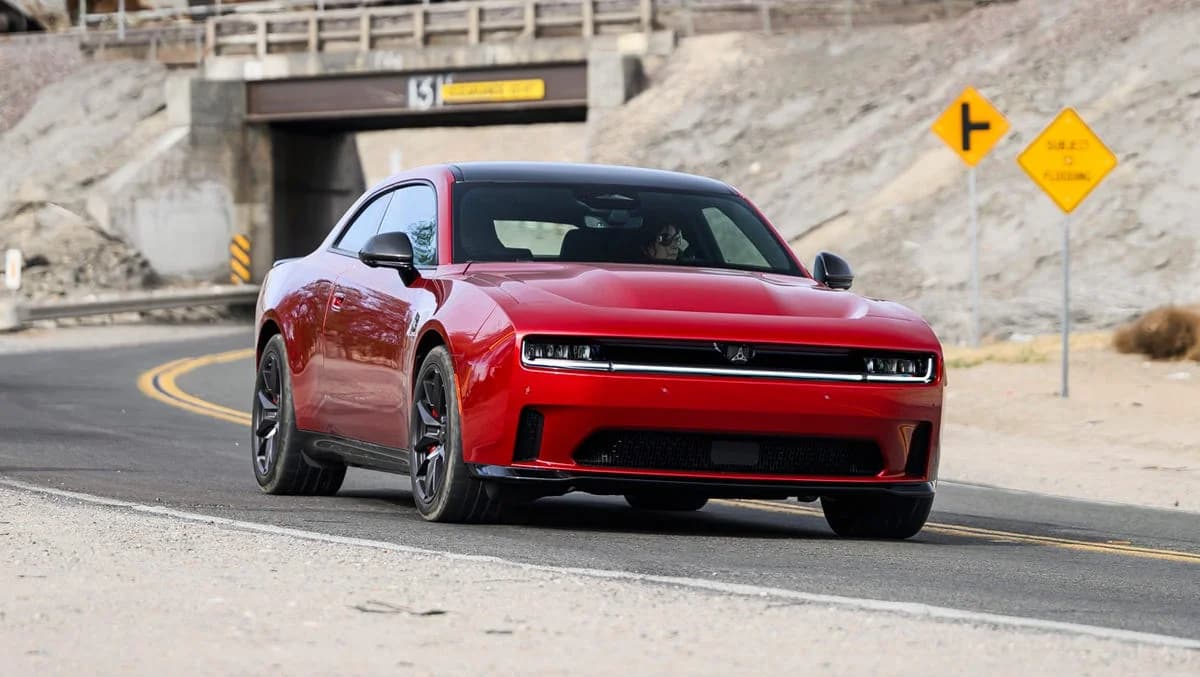
The Daytona is genuinely quick, but its performance is more dramatic in a straight line than on a circuit. The dual-motor AWD system produces 630 hp and 627 lb-ft of torque, rising to 670 hp when the 10-second Power Shot activates. Dodge claims 3.3 seconds to 60 mph, while Edmunds recorded 3.5 seconds, still serious performance. Instant torque and all-weather traction are clear strengths, though the nearly 6,000-pound body, understeer, and inconsistent throttle tuning dilute the muscle-car experience.
Interior Build Quality
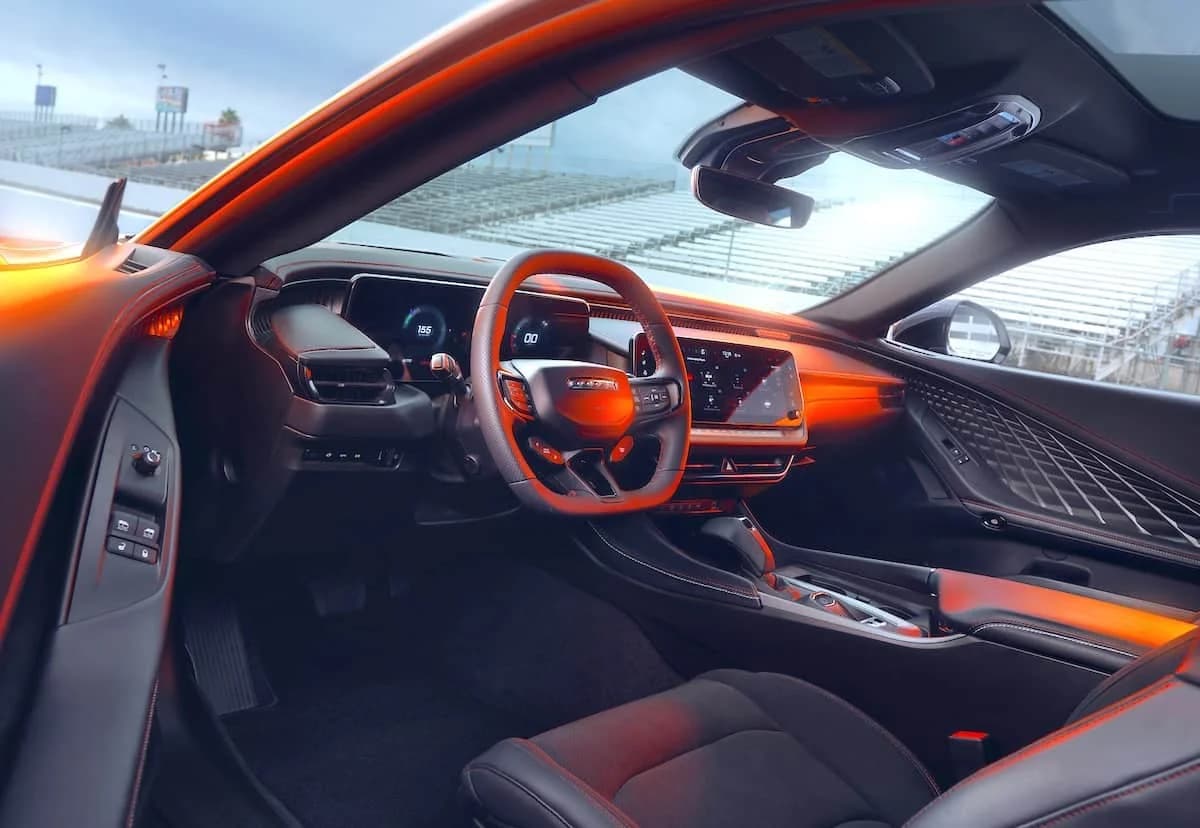
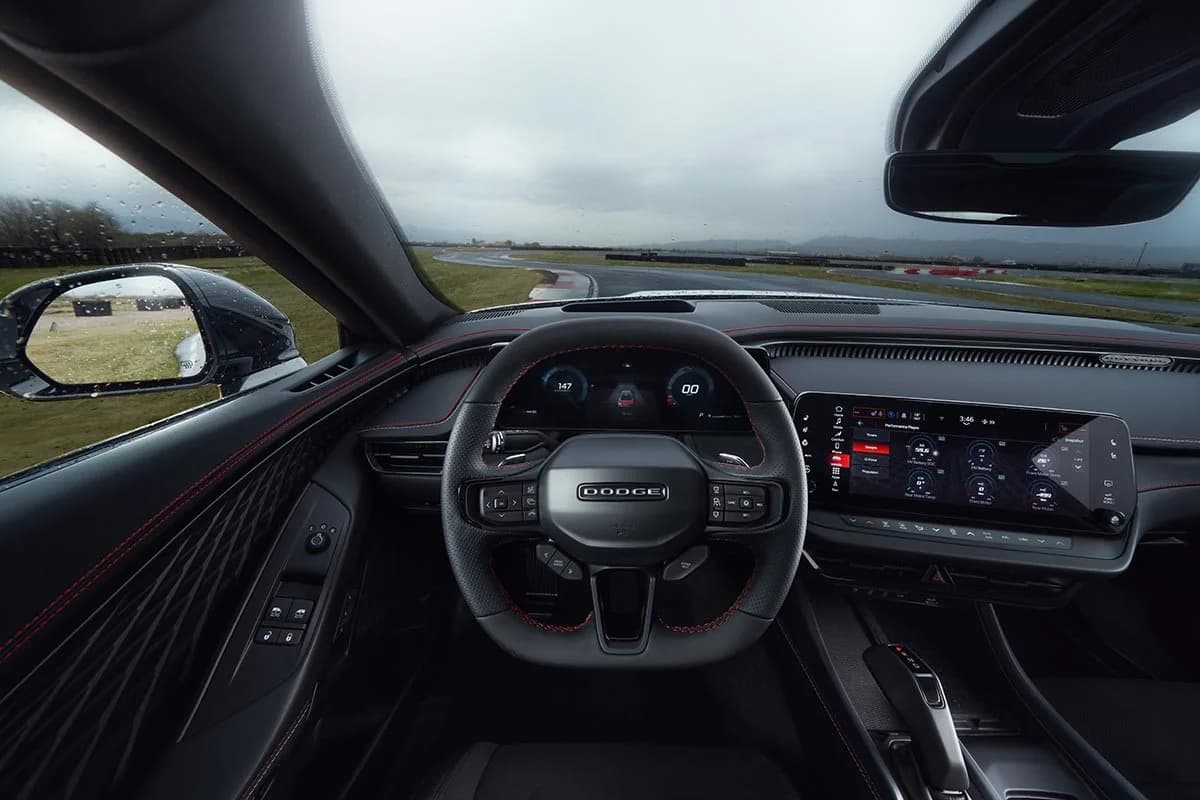
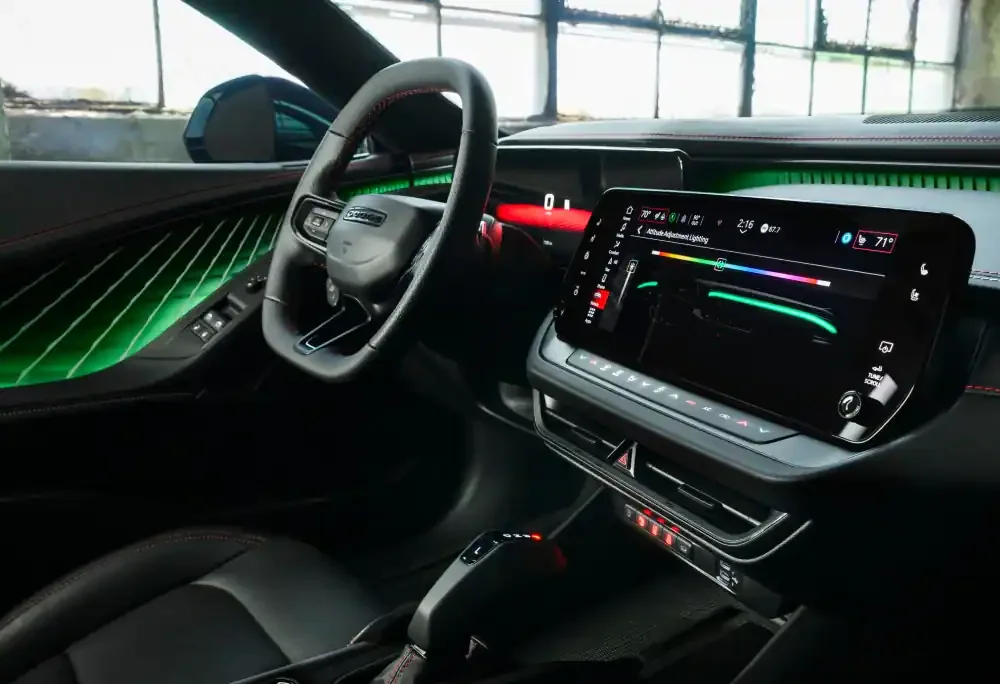
The cabin looks distinctive and feels significantly more modern than older Dodge interiors, but execution is uneven for the price. Its performance displays, strong standard technology, and retro-inspired design create a convincing atmosphere, while the available blue interior adds personality. Still, reviewers criticize cheap-feeling interior materials, slow infotainment, awkward doors, and difficult seat-belt reach. The Fratzonic Chambered Exhaust is another divisive touch, delivering loud synthetic drama rather than the convincing mechanical character traditional Dodge buyers may expect.
Ride and Handling
The Daytona rides comfortably, but its mass keeps it from feeling like a nimble sports sedan. Its compliant suspension, AWD grip, and relaxed cruising manners support the grand-tourer role, and reviewers generally found it composed for everyday use. On track, however, direct testing noted severe understeer, vague steering, body roll, and inconsistent brake blending. Track, Drift, and Drag modes add theater, but the approximately 5,900-pound curb weight limits how convincingly those modes transform the car.
Passenger and Cargo Space
Practicality is one of the Daytona’s strongest surprises. The five-seat cabin and hatchback-style rear opening make it easier to live with than its muscle-car image suggests, while Dodge lists about 22.8 cubic feet of coupe cargo space and substantially more in sedan specifications. Reviewers praise the roomy interior, comfortable seating area, and useful cargo access. The wide body can be awkward in garages and tight streets, but families and commuters get genuine everyday flexibility.
Fast Charging Performance
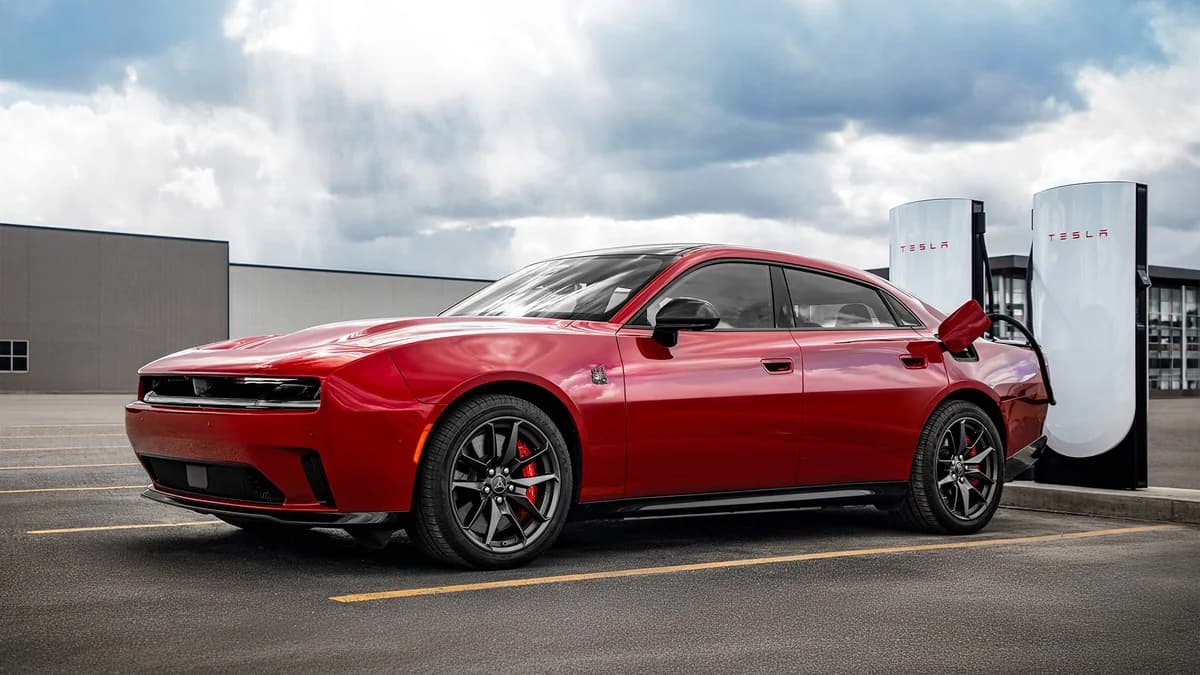
Charging is modern enough, though not especially quick for a premium performance EV. The NACS port improves access to North American fast-charging networks, and the system supports up to 183 kW DC charging. Published figures put a 10–80% session at about 27 minutes, with other reports citing roughly 24 minutes from 20–80%. That is reasonable, but reviewers describe charging as merely adequate, and frequent road-trippers may notice the disadvantage versus faster-charging rivals.
Driving Range
Range is usable for daily driving, but it is not a standout strength on road trips. Dodge advertises up to 267 miles, while independent testing reported roughly 255 miles in favorable real-world use. That gap is manageable, yet winter conditions can reduce range sharply, according to an owner report. The large battery and 86 MPGe rating do not overcome the Daytona’s weight and performance focus, so buyers should expect more planning than with longer-range competitors.
Conclusion
The Charger Daytona’s case rests on a compelling contradiction: 670-hp AWD acceleration delivers genuine electric muscle, while its nearly 6,000-pound body makes the ride more grand-tourer than sports car. Real-world feedback is still developing, but early drivers praise the comfortable cabin, traction, and useful five-seat hatchback practicality; they also flag 267-mile range, winter losses, and merely adequate 183-kW DC charging for road-trip duty. Interior design feels distinctive and modern, though cheap materials, slow infotainment, and awkward ergonomics weaken its premium impression. That leaves the Daytona best suited to Dodge loyalists who value styling, drama, and everyday space more than efficiency or track agility—not shoppers seeking the quickest, longest-range, or most polished performance EV. Its personality is real, but the high price and unresolved compromises make it a selective enthusiast purchase rather than an easy recommendation.

Feature Scores
This reflects reviews and ratings from established critics, journalists, and users who have evaluated the item. Their opinions provide a comprehensive assessment.
Performance
Driving Range
3/5
Charging Speed Capability
3/5
Energy Efficiency
3/5
Acceleration Performance
5/5
Handling and Ride Quality
2/5
Reliability and Durability
2/5
Battery Longevity
3/5
Value
Purchase Price Competitiveness
2/5
Total Cost of Ownership
3/5
Resale Value
2/5
Design
Exterior Design Appeal
4/5
Interior Materials Quality
3/5
Seating Comfort and Ergonomics
3/5
Cargo and Cabin Practicality
4/5
Health
Cabin Air Quality
TBD
Interior Material Safety
TBD
Safety
Crashworthiness
TBD
Advanced Driver Assistance Systems
3/5
Battery Safety and Thermal Management
3/5
Sustainability
Battery End-of-Life Management
TBD
Use of Recycled Materials
TBD
Operational Emissions (Well-to-Wheel)
4/5
Experience Style
Infotainment and Connectivity
3/5
Over-the-Air Software Support
3/5
Charging Ecosystem Convenience
3/5

Specifications
This section outlines the product's key facts, covering essential features, details, dimensions, materials, and any unique characteristics that define its functionality and usability.
Performance
Value
Design
Safety
Sustainability
Experience Style

Frequently Asked Questions
9 Questions



Find Yours
What is your primary intended use for an electric sedan or compact?
Answer to find your best matches.