











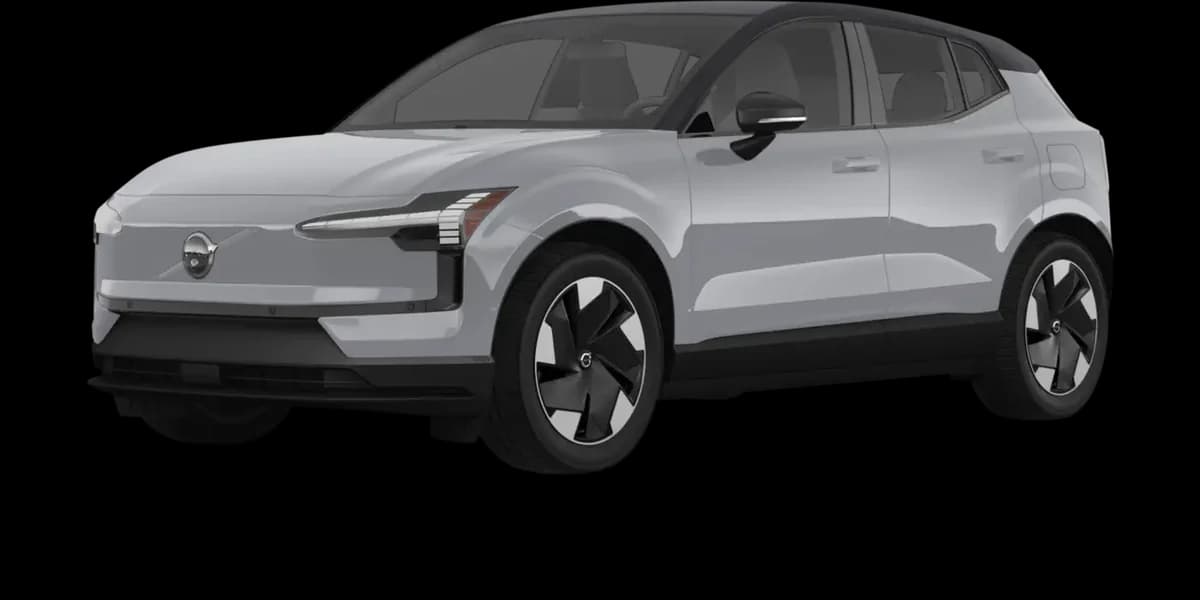
Volvo EX30 (2026)
Quick, stylish, city-friendly EV with thrilling performance, though practicality and controls disappoint.
The Volvo EX30 (2026) is a pocket rocket for drivers who want a premium EV that slips easily through city streets and parking spaces. It targets urban professionals, small households, and commuters seeking upscale design without moving into a large, cumbersome SUV. Experts praise its compact, nimble driving character, quiet ride, and startling 422-hp acceleration, while users especially enjoy its maneuverability and improving software. Volvo’s up to 261-mile range is useful, though highway testing often falls short, making the Single Motor Extended Range the better value. Fast charging helps, but touchscreen-heavy controls, no driver display, and tight rear seating weaken everyday polish. Overall, its appeal rests on performance and city usability, balanced against practicality, range confidence, and cost.
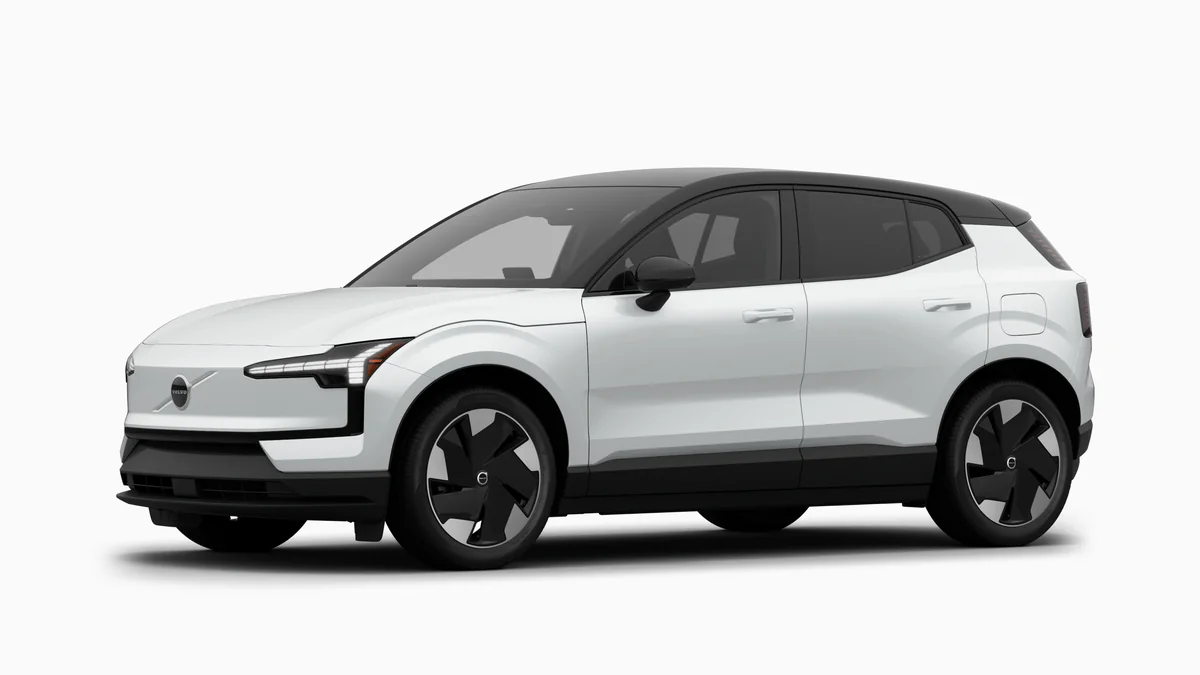

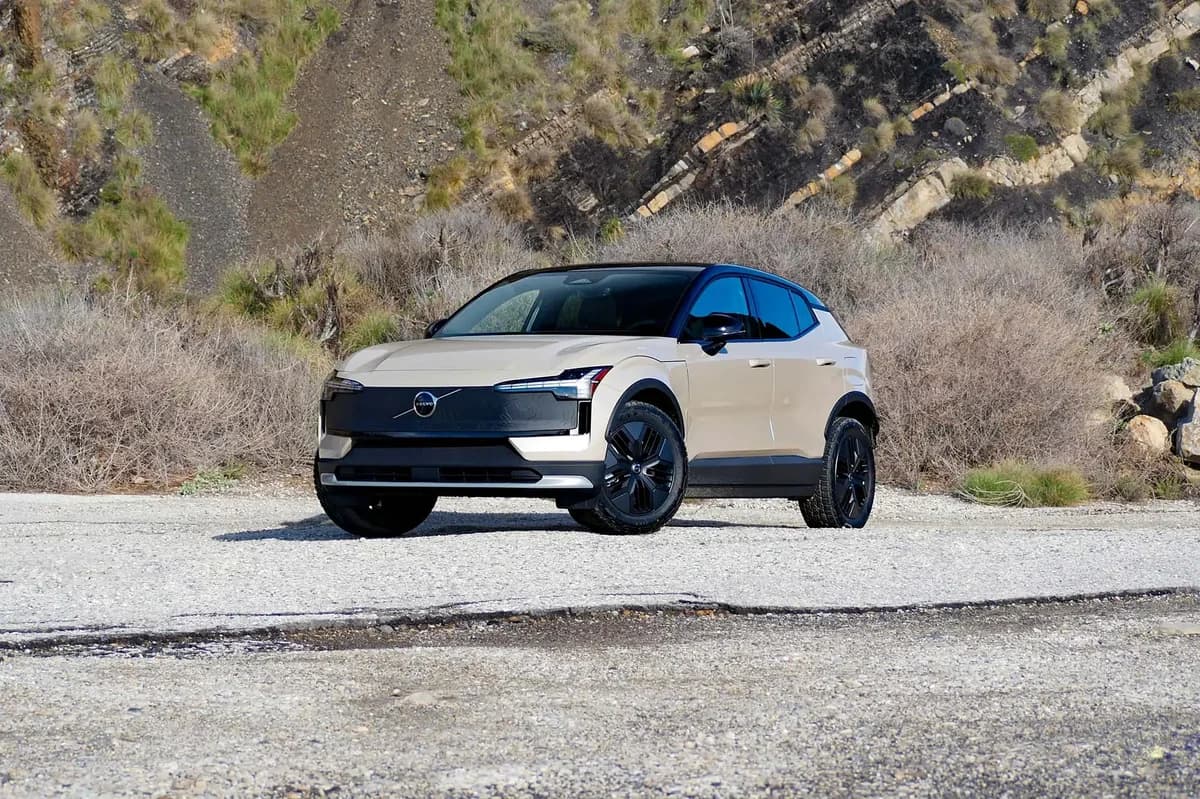
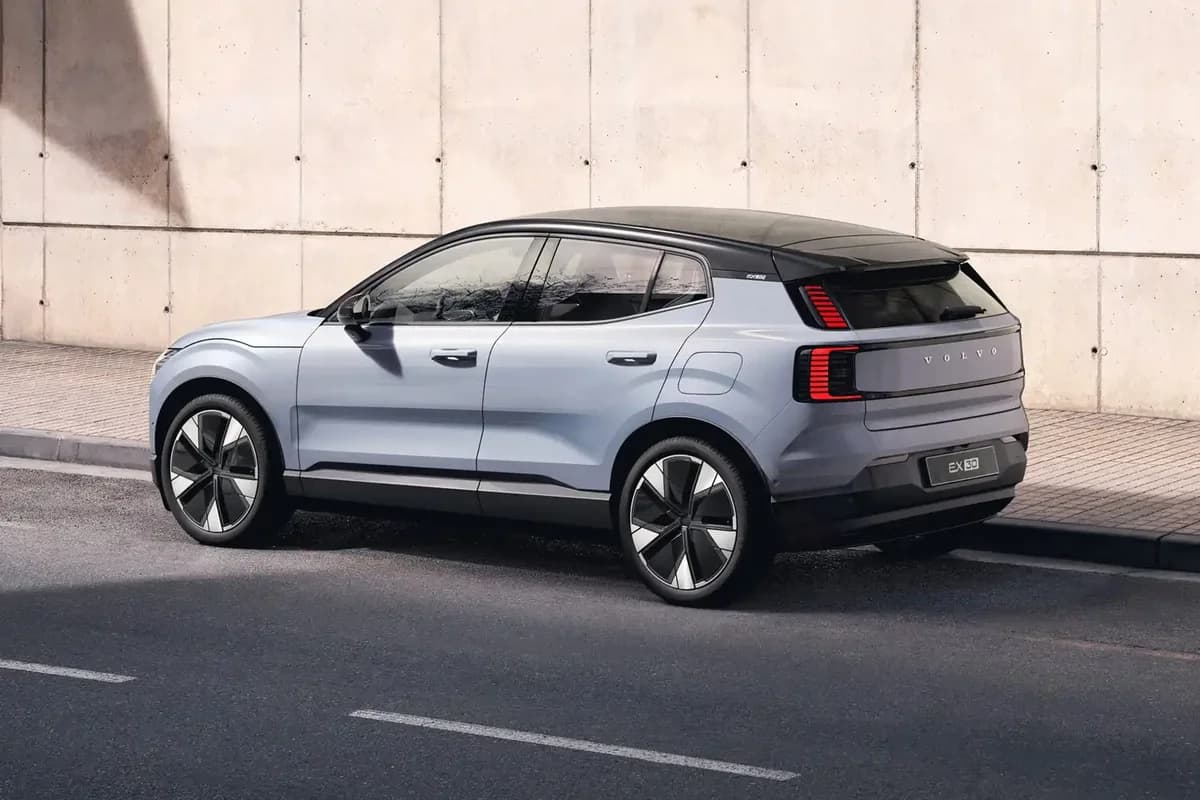
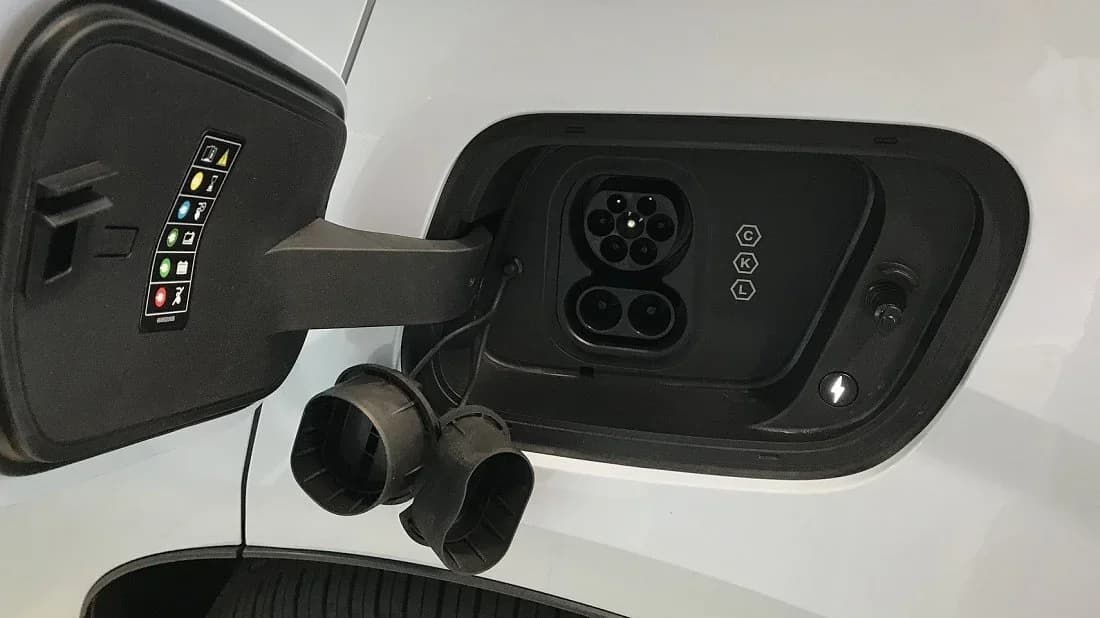
Find Yours
What is your top priority for an Electric SUV's battery performance?
Answer to find your best matches.

The Field
Browse top contenders, or compare all options ranked by score and key attributes.
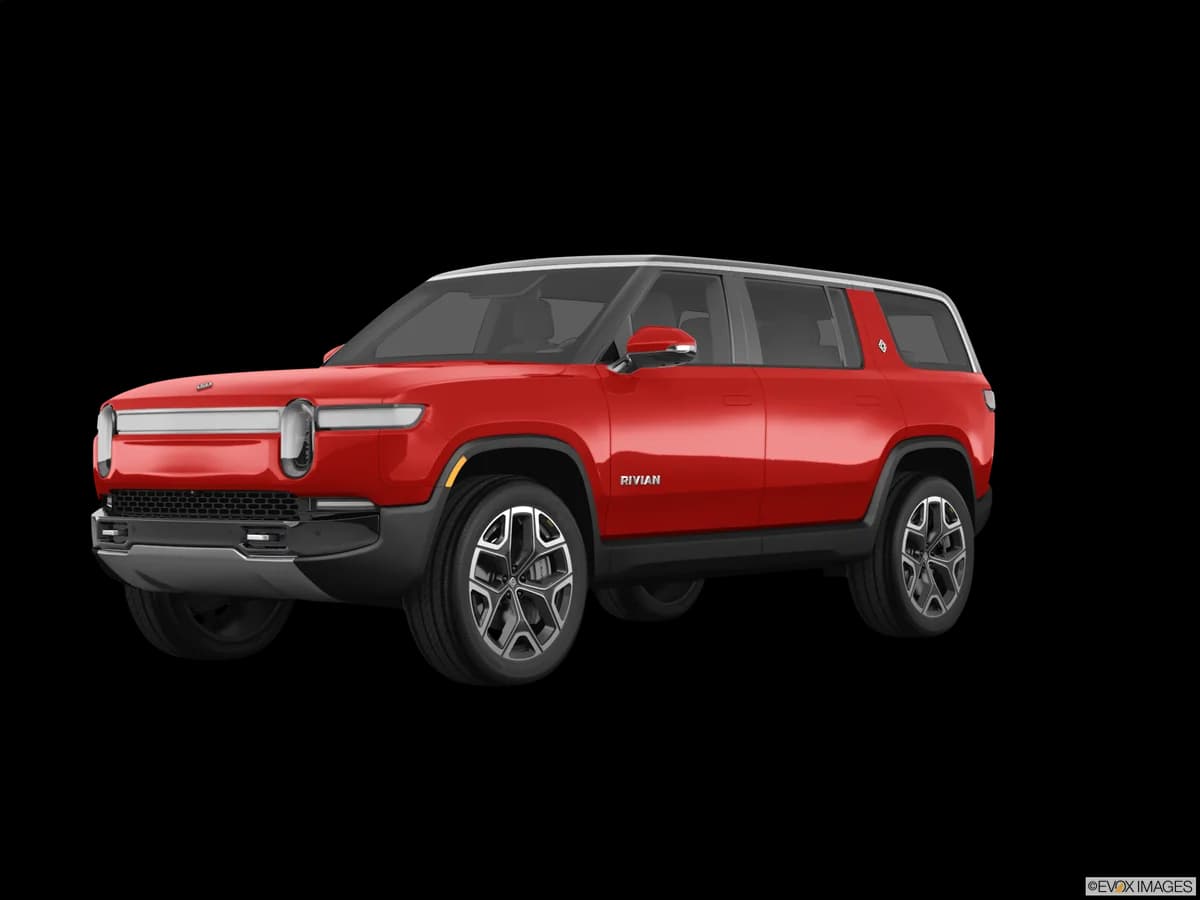
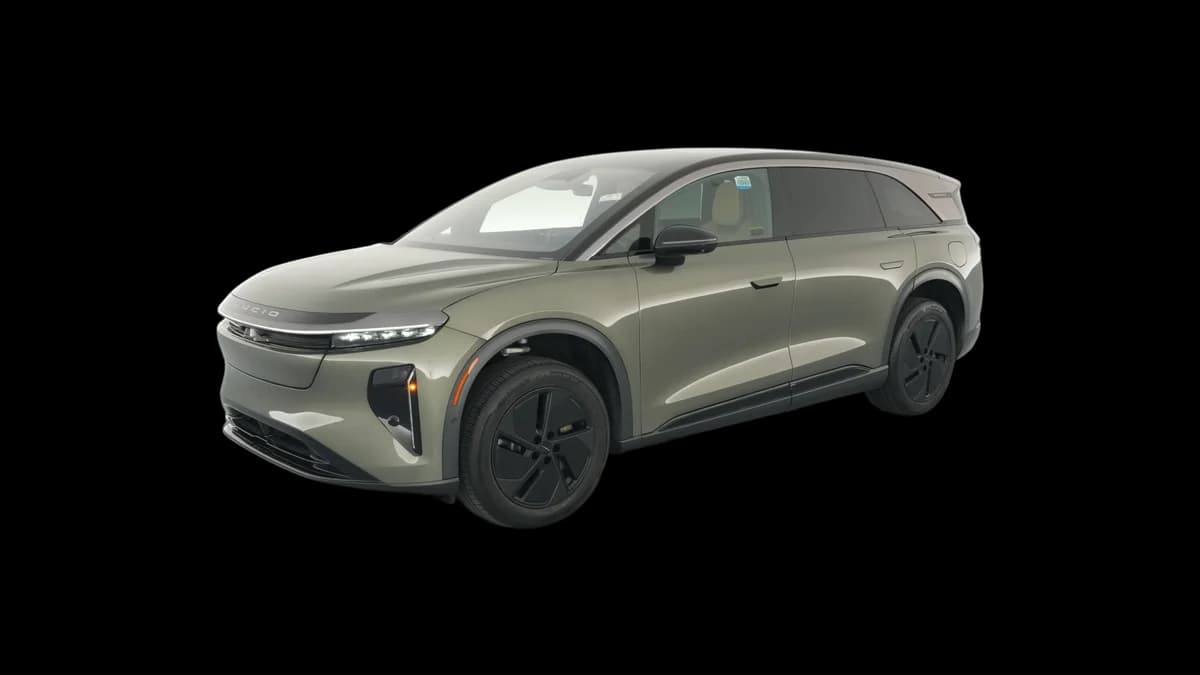
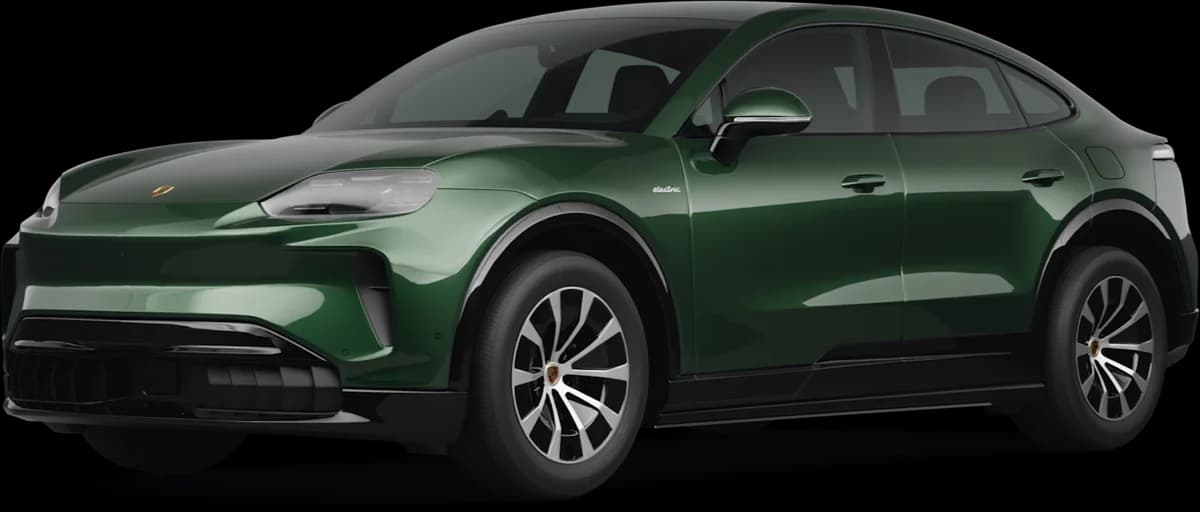
5 Options


The Scoreboard
Does this improve your life? Considers, health, habits, and environmental impact.
Benefits
Small dimensions and a tight turning circle make parking and narrow streets feel easier.
Strong acceleration makes merging, passing, and short city gaps feel effortless rather than nerve-racking.
Supportive seats, a settled ride, and low cabin noise make everyday commutes more relaxing.
Fast DC charging can restore most battery range during a practical coffee or meal break.
Trade-Offs
Changing climate, lights, or other basics means leaving the road view for touchscreen menus.
Central speed and alerts require glancing sideways instead of checking a display ahead.
Adults in back have limited legroom, making longer rides uncomfortable and family loading less flexible.
The cabin camera can flag ordinary movements, interrupting relaxed driving with repeated warnings.
 Alternatives


Join the Circle
Where real meets deal
Know what's worth buying-and when.
Tips, special offers, and rewards for buying and sharing.

Publications
4 LEADING PUBLICATION REVIEWS

What Car? editor Steve Huntingford is strongly positive about the Volvo EX30, with reservations about usability and practicality. He praises its eager performance, composed handling, supple ride, quiet motorway manners and unusually smart interior, calling it one of the best small electric SUVs to drive. The Single Motor Extended Range in Plus trim emerges as the sensible pick, combining useful equipment with a tested summer range of 242 miles and rapid charging. The review is equally clear about the compromises: the minimalist cabin relies too heavily on a distracting touchscreen, the centrally placed speedometer is less convenient than a driver display, rear space and boot capacity are merely average, and the smaller-battery version has limited real-world range. Volvo’s short warranty and infotainment-related reliability issues also count against it. Overall, the EX30 feels premium, quick and enjoyable, but the Kia EV3 is more practical and better supported.
By Steve Huntingford
Top Gear is broadly positive about the Volvo EX30, but its frustrations are impossible to ignore. The review admires the handsome, compact design, comfortable ride, strong refinement, sustainable materials, and impressive value—especially the long-range single-motor version, which is described as the most efficient and best to drive. The twin-motor model adds genuinely startling acceleration, reaching 62 mph in 3.6 seconds, while even the slower versions feel quick. However, the EX30’s minimalist cabin has serious compromises: the rear seat is cramped, storage and trim are clever but the interior feels cheaper than some rivals, and the touchscreen controls are “properly annoying” for everyday tasks such as adjusting climate or switching on fog lights. With limited rear space and less range in the affordable battery version, it is not an all-purpose family SUV, but Top Gear ultimately considers it a likeable, admirable, and tempting premium EV for buyers who can tolerate its interface and packaging flaws.
By Top Gear Team
CAR Magazine is impressed by the EX30’s value and speed but ultimately finds it too compromised to recommend wholeheartedly. This compact Volvo offers punchy acceleration, an airy, thoughtfully sustainable cabin, excellent Google-based navigation, and a choice of powertrains that makes the 3.6-second Twin Motor genuinely startling. Yet the enthusiasm fades behind the wheel: the steering is vague, the ride can feel underdamped and fidgety, and the chassis leans heavily on electronic intervention. Real-world range is also much lower than official claims, making the larger battery especially appealing. Most troubling is the safety-unfriendly touchscreen control scheme, which handles basic tasks such as headlights, climate, mirrors, and foglights while providing no conventional instrument display. With rivals catching up on price, the EX30’s former bargain advantage has weakened, leaving a stylish, rapid, clever small SUV that feels unfinished in important ways.
By Alan Taylor-Jones and Tim Pollard
InsideEVs’ Kevin Williams is cautiously enthusiastic about the 2026 Volvo EX30, especially the new Single Motor Plus. He appreciates its compact, agile dimensions, quick steering, responsive infotainment, clever storage, and genuinely enjoyable driving character. The 268-horsepower rear-drive version feels sporty while finally bringing the price down to about $40,000 and extending range to 261 miles, making it closer to the affordable electric runabout Volvo originally promised. The Cross Country earns praise for its smoother ride, tougher styling, extra ground clearance, and 3,500-pound tow rating, but its nearly $50,000 price and reduced 227-mile range make it a harder sell. Williams remains critical of the premium-feeling cabin materials, limited SUV practicality, and dubious value compared with a Tesla Model Y or Cadillac Optiq. Still, his affection for the EX30’s distinctive driving experience outweighs those flaws, and he recommends the Single Motor model for most buyers.
By Kevin Williams

YouTube
12 LEADING EXPERT & INFLUENCER REVIEWS
 Edmunds Cars
Edmunds is deeply disappointed with the Volvo EX30 after 14 months, despite admiring its speed and city-friendly design. The Twin Motor Performance hit 60 mph in 3.6 seconds, while its compact size, comfortable seats, creative interior, and easy parking earned genuine praise. But hypersensitive driver monitoring, unreliable infotainment and phone connectivity, excessive touchscreen controls, awkward window switches, inconsistent keyless entry, harsh one-pedal driving, and weak highway range made ownership frustrating. Software updates improved matters considerably, yet Edmunds considers the car an unfinished first draft, rates it 5.1/10, and does not recommend buying it.
CNETCNET is enthusiastic about the Volvo EX30, calling it a delightful, zippy, and impressively quick EV. Its planted handling, compact size, fast charging, intuitive Google-based infotainment, and distinctive minimalist design make it appealing, while the 422-hp powertrain makes it the quickest Volvo currently available. Still, the cabin feels sparse and some recycled materials sound cheap, controls are overly screen-dependent, and the collision warning can produce annoying false positives. Most importantly, its nearly $48,000 U.S. price undermines the affordable-EV premise. CNET ultimately sees it as a premium, performance-focused choice rather than a value leader.
AutotraderAuto Trader is highly enthusiastic about the Volvo EX30, calling it refined, stylish, eco-conscious, and hilariously quick. The Twin Motor Performance’s supercar-like acceleration, strong equipment, clever storage, premium-feeling recycled interior, excellent sound system, and compact practicality make it feel like exceptional value for a Volvo. However, the minimalist touchscreen layout is distracting, some controls are frustratingly buried, and the driver-assistance systems behave inconsistently—though Volvo attributes this to early prototypes. Overall, despite those safety and usability concerns, Auto Trader concludes that the EX30 may be the best and most appealing Volvo in the range.
carwowCarwow is genuinely enthusiastic about the Volvo EX30, calling it an outstanding small EV with real personality. The review praises its sharp acceleration, comfortable ride, nimble handling, quiet cabin, attractive design, and strong value—especially the affordable Twin Motor upgrade. Real-world testing produced roughly 221 miles in the performance version and 265 miles in the single-motor model. However, the screen-heavy controls are frustrating, the rear seats and boot are tight, and the missing head-up display and awkward window switches hurt usability. Even so, its fun character and polished driving experience make the EX30 highly recommendable.
MotormouthMotormouth is positive on the Volvo EX30, especially its punchy performance, clever packaging, and city-friendly maneuverability. The 422-hp AWD model feels exceptionally quick, while its suspension absorbs bumps well and the compact shape parks effortlessly. Its clean exterior design and thoughtful storage also earn praise. Still, the vague, overly light steering, hard recycled-plastic interior, screen-heavy controls, tight rear seat, tiny frunk, and limited cargo space temper the enthusiasm. Most importantly, Canadian pricing above $57,000 makes it difficult to justify against the roomier Tesla Model Y and more refined Kia EV3, weakening its case as an affordable premium EV.
Nobby On CarsNobby On Cars considers the Volvo EX30 one of his favorite EVs, praising its compact size, smooth ride, quiet cabin, rear-wheel-drive handling, and surprisingly lively single-motor performance. He sees it as an almost hot-hatch-like city car that is easy to park, comfortable over rough roads, and well packaged for its footprint. Still, the EX30 has real compromises: tight rear seating, occasional driver-assistance resets, an awkward four-step headlight process, limited visibility frustrations, and range that may fall short of its claim in normal driving. Overall, his enthusiasm is strong, especially for the single-motor version, while the Twin Motor feels unnecessarily extreme.
GjeebsGjeebs is highly enthusiastic about the Volvo EX30, calling it a fast, fun, well-priced Tesla alternative. He praises its 422-hp performance, sharp handling, comfortable ride, polished software, wireless Apple CarPlay, excellent Harman Kardon audio, clear cameras, and clever cabin storage. The EX30 feels especially appealing as a nimble city car or commuter, with effortless acceleration and easy parking. However, rear-seat and cargo space are tight, the frunk is nearly useless, and it lacks cooled seats and some of the Model Y’s technology, including Sentry Mode and advanced driver assistance. Overall, he strongly recommends it for buyers prioritizing driving enjoyment over maximum practicality.
Gold PonyGold Pony is highly enthusiastic about the 2026 Volvo EX30, calling its 422-hp AWD powertrain “insane” and praising supercar-like acceleration, strong value, serene cabin, firm steering mode, adjustable one-pedal driving, and distinctive recycled-material interior. The compact SUV feels fun, premium, and practical enough, with useful cargo flexibility, a frunk, fast charging, and excellent sound quality. His reservations are limited but worthwhile: the missing gauge cluster and head-up display make speed harder to monitor, there’s no physical volume knob, rear visibility is merely adequate, and braking feel is ordinary. Overall, he strongly recommends it for affordable EV performance.
The Future is ElectricLuke Zammit is highly enthusiastic about the Volvo EX30 after a year of ownership. He praises its effortless coasting, instant power, attractive compact design, excellent center-screen interface, digital key, and strong value—especially with Malta’s incentives. He considers it nearly brilliant and admits he likes it enough to want one himself. His main reservations are the easily marked recycled-plastic interior, awkward Apple CarPlay border, limited physical controls, and initially irritating safety alerts. A software update improved warning behavior, regenerative-braking choices, and coasting, reinforcing his view that Volvo actively supports the car after purchase.
Cars Uncovered Howard Ritchie is genuinely enthusiastic about the Volvo EX30 and says he would consider buying one himself. He loves its striking proportions, airy minimalist cabin, intuitive interface, comfortable—if slightly bouncy—ride, easy maneuverability, and trustworthy real-world range. His battery test returned roughly 228 miles, while affordable running costs and Volvo’s 0% finance offer strengthen the value case. Still, the EX30 has limited boot space, noticeable road noise, an underpowered sound system, and occasional software glitches, including infotainment dropouts and one alarming phantom-braking incident. Overall, its charm and luxury feel outweigh its imperfections for him.
Matt The CarguyMatt The Carguy is clearly impressed by the 2026 Volvo EX30’s quick, entertaining performance. He calls the Twin Motor Ultra a “pocket rocket,” praising its 3.3-second acceleration, quiet cabin, firm handling, compact size, and strong value under $50,000. His hands-on tour also reveals useful compromises: rear-seat legroom is tight for adults, cargo space is modest, range may fall short of its 253-mile estimate, and the recycled-material interior does not feel especially luxurious for a Volvo. Overall, he views the EX30 as a fun, distinctive urban EV best suited to buyers who prioritize performance over refinement and practicality.
Auto JunkiesAuto Junkies is positive about the 2026 Volvo EX30, portraying it as a stylish, thrilling, and impressively high-tech compact EV. They praise the Twin Motor Performance’s 422 hp, rapid acceleration, Scandinavian design, sustainable materials, safety technology, and city-friendly maneuverability. However, enthusiasm is tempered by a tight rear seat, limited cargo room, touch-screen-heavy controls, pricing that may feel high for its practicality, and range that can fall well below the EPA estimate in highway testing. Overall, it feels like a compelling urban luxury EV for style and performance, but a compromised choice for families or frequent long-distance travel.

Social
3 INFLUENCER REVIEWS
 Sean Chandler
Sean Chandler is enthusiastic about the Volvo EX30’s upscale feel and impressive performance at a sub-$40,000 starting price. He admires the glass roof, heated seats, premium sound system, elegant lighting, and 5.1-second 0-to-60 time. The tradeoff is extreme minimalism, with door controls, mirrors, hazards, and even the glove box handled through the central touchscreen, plus no driver display. Chandler also flags the compact rear seat, small battery, and 261-mile extended-range rating. Despite those compromises and the EX30’s U.S. discontinuation for 2026, he views remaining inventory as appealing for buyers wanting a luxurious small electric crossover.
bayiavcisibayiavcisi is moderately positive about the 2026 Volvo EX30, presenting it as a well-equipped, attractively priced electric SUV. The 204-hp rear-wheel-drive setup, claimed 475-km range, 175-kW DC charging, heat pump, panoramic roof, Harman Kardon audio, electric seats, and 360-degree camera make a strong case. Still, the minimalist cabin has practical compromises, including no rear armrest or air vents, centrally controlled windows, and a panoramic roof without a shade. Overall, the tone is informative and measured rather than enthusiastic, leaving the value question open for viewers.
carconfectionsCar Confections is enthusiastic about the Volvo EX30, calling it an appealing premium EV with unusually strong performance. The review highlights its distinctive Volvo styling, standard LED headlights, well-finished cabin, clever storage, heated Nordico seats, and Google-equipped 12-inch screen. The Twin Performance version is especially compelling, producing 422 horsepower and reaching 60 mph in 3.5 seconds, while the rear-drive model offers better range. Still, the excitement is tempered by the EX30’s cramped rear seat, limited back-seat amenities, and roughly $50,000 price for the Cross Country as tested.

Forum Reviews
CUSTOMER REVIEWS FROM 1 FORUM
Redditors are divided on the 2026 Volvo EX30, appreciating its style and performance but questioning its value and usability. Owners enjoy the compact size, quick acceleration, city-friendly handling, and improved software, while others report disappointing real-world range, charging limitations, intrusive driver monitoring, and frustrating key-card and touchscreen controls. The minimalist interior remains especially polarizing, with missing physical controls and no driver display feeling cheap to many at roughly $40,000. Updates appear to have resolved some early complaints, but software reliability and everyday ergonomics still keep shoppers cautious.
Many comments

In-Depth Review

Highlights
- •Rapid Electric PerformanceTwin Motor reaches 60 mph in 3.4–3.6 seconds.
- •Easy Urban ManeuveringCompact dimensions and tight turning circle simplify parking.
- •Comfortable Quiet RideReviewers note composed handling and low cabin noise.
- •Fast Battery ChargingAdvertised to charge from 10–80% in 28 minutes.

Considerations
- •Variable Real-World RangeHighway testing can fall below official estimates.
- •Touchscreen-Heavy ControlsBasic functions require distracting menu navigation.
- •Limited Rear SpaceAdult passengers face restricted legroom and amenities.
- •Modest Cargo CapacitySmall boot and frunk limit family practicality.
Volvo’s EX30 brings the brand’s safety-minded, Scandinavian polish into a small, value-oriented electric SUV. Designed for urban professionals, small households, and commuters, it pairs compact city-friendly dimensions with a quiet, comfortable ride and performance that outpaces most rivals, including a startling 422-hp Twin Motor option. The practical choice is the Single Motor Extended Range, whose up to 261-mile rating and quick charging suit daily use, though highway range can vary. Inside, recycled materials and Google-based technology create a distinctive cabin, but touchscreen-heavy controls and the absent driver display divide opinion. Tight rear seating and modest cargo space also make it less versatile than a Kona Electric, Niro EV, or Model Y. Review the range, charging, driving feel, materials, and space carefully—this is a pocket rocket with city shoes, not a family van; the sections ahead explain where it truly fits.
Ride and Handling
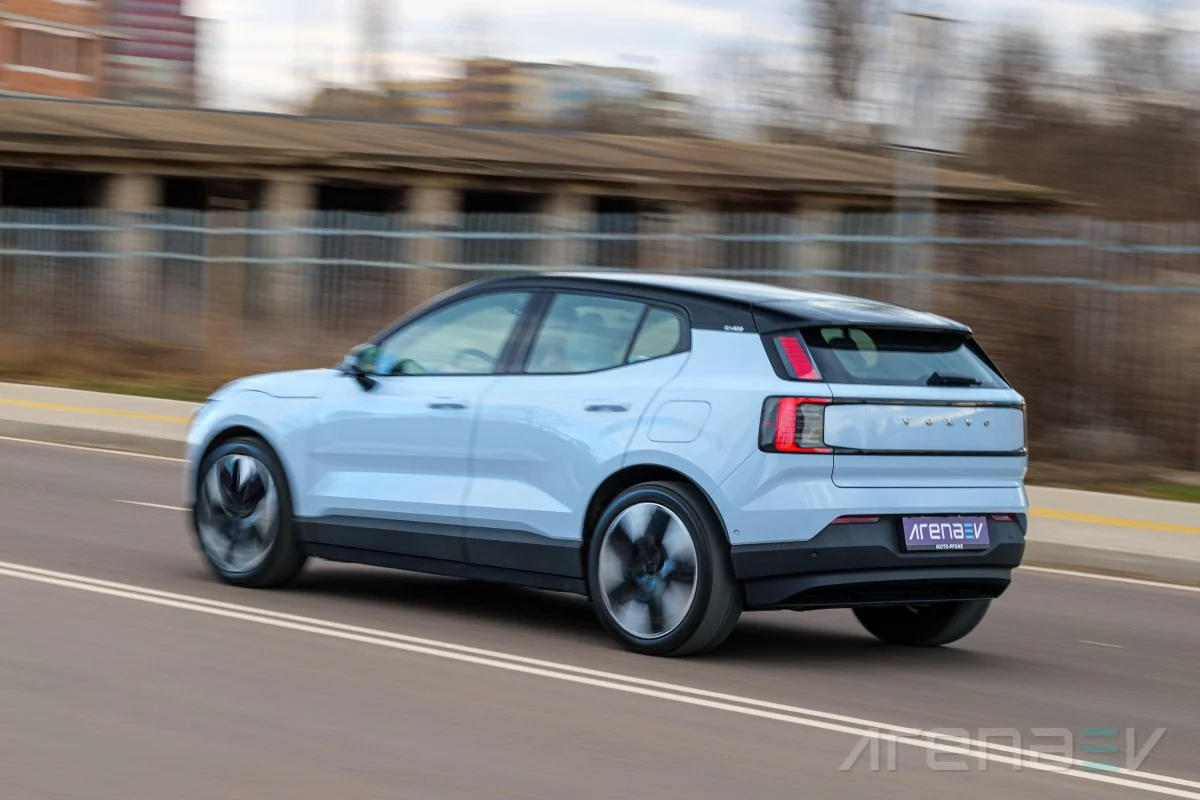
The EX30 feels unusually agile and settled for such a small SUV. Its compact footprint, rear-wheel-drive balance in Single Motor form, tight 35.1-foot turning circle, and composed suspension make parking and urban maneuvering genuinely easy. Reviewers generally praise the quiet cabin, comfortable seats, and planted handling, although steering can feel vague and some versions become bouncy or fidgety over rough surfaces. Comfortable ride quality supports daily use, while the Twin Motor’s extra weight and firmer setup favor excitement over polish.

Rear Seats and Cargo
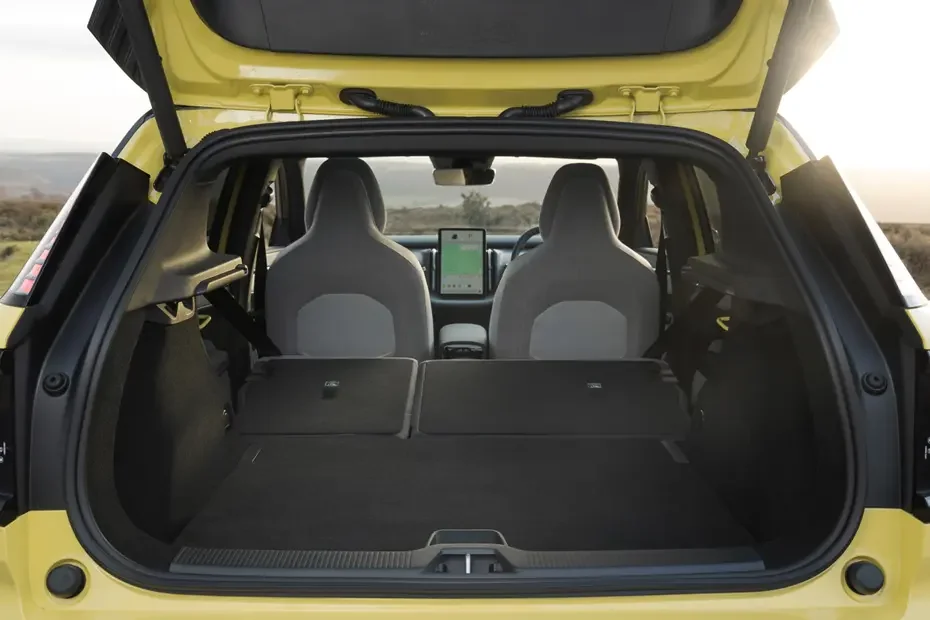
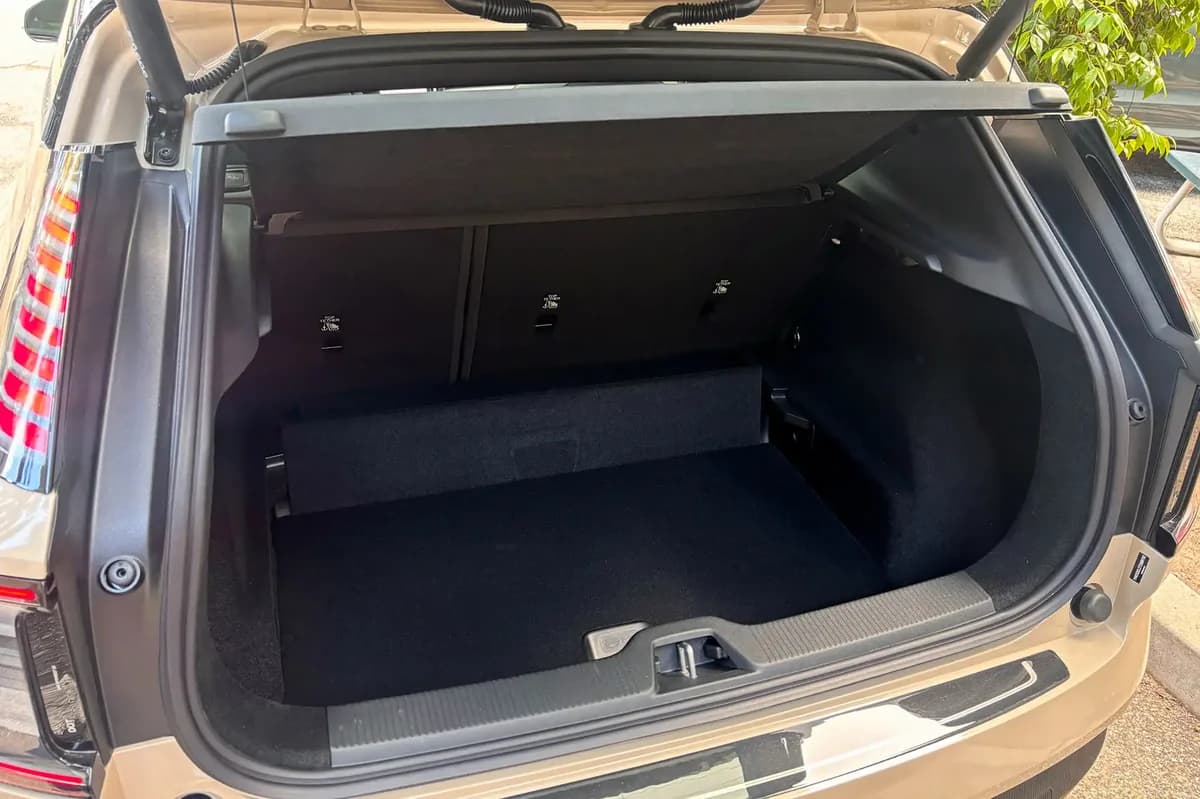
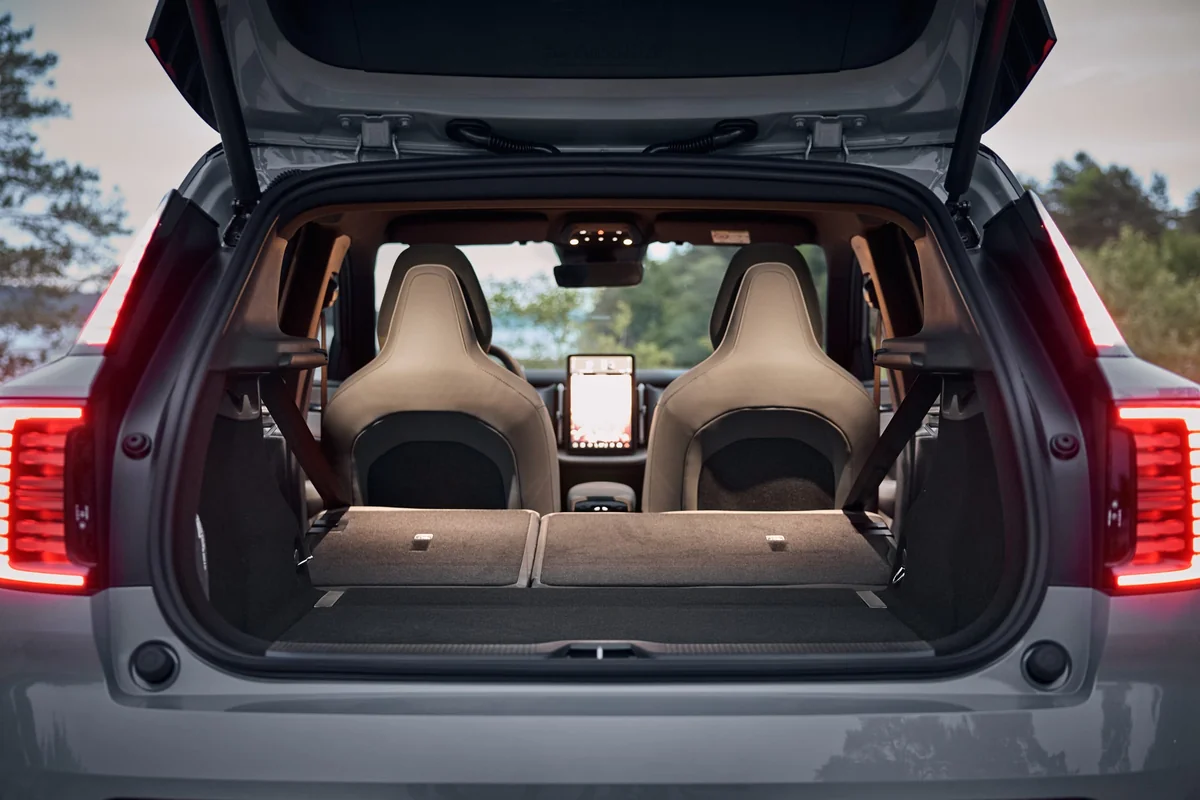
The EX30’s small exterior makes it easy to live with in town, but interior space is a clear compromise. The rear bench is suitable for children or shorter trips, while adults face limited legroom and sparse amenities, including no conventional rear air vents or armrest in some configurations. Cargo capacity is 12.4 cubic feet behind the rear seats and 27.8 cubic feet folded, with only a tiny 5.7-liter frunk. It works well as a commuter or small household EV, not a spacious family hauler.
Acceleration and Power
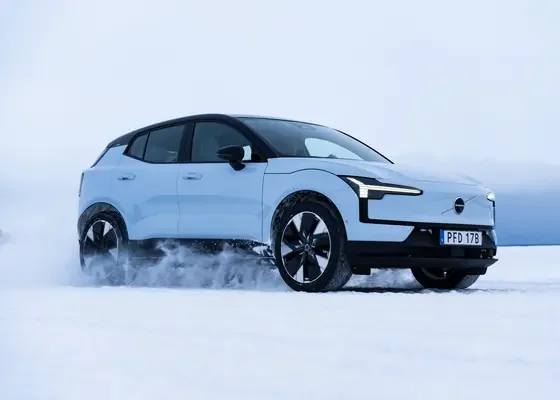
Acceleration is the EX30’s most immediately memorable feature. The 422-hp Twin Motor Performance reaches 60 mph in roughly 3.4–3.6 seconds, a result supported by independent testing, while the 268-hp Single Motor remains lively at about 5.1–5.3 seconds. Instant electric torque makes merging and passing effortless, but the quickest version can feel excessive for ordinary city driving. Rear-wheel-drive response gives the single-motor car a more playful, usable character and generally improves range compared with the performance model.
Real-World Driving Range
Range is useful for commuting, but it is not the EX30’s strongest long-distance argument. Volvo quotes up to 261 miles for the Single Motor Extended Range and 253 miles for Twin Motor versions, while testing reported roughly 221–242 miles depending on performance model, weather, and speed. Some owners and reviewers found highway results notably weaker than official figures, so the larger 69-kWh battery is the safer choice for frequent road trips. The Single Motor Extended Range best balances range, price, and performance.
Interior Materials and Quality
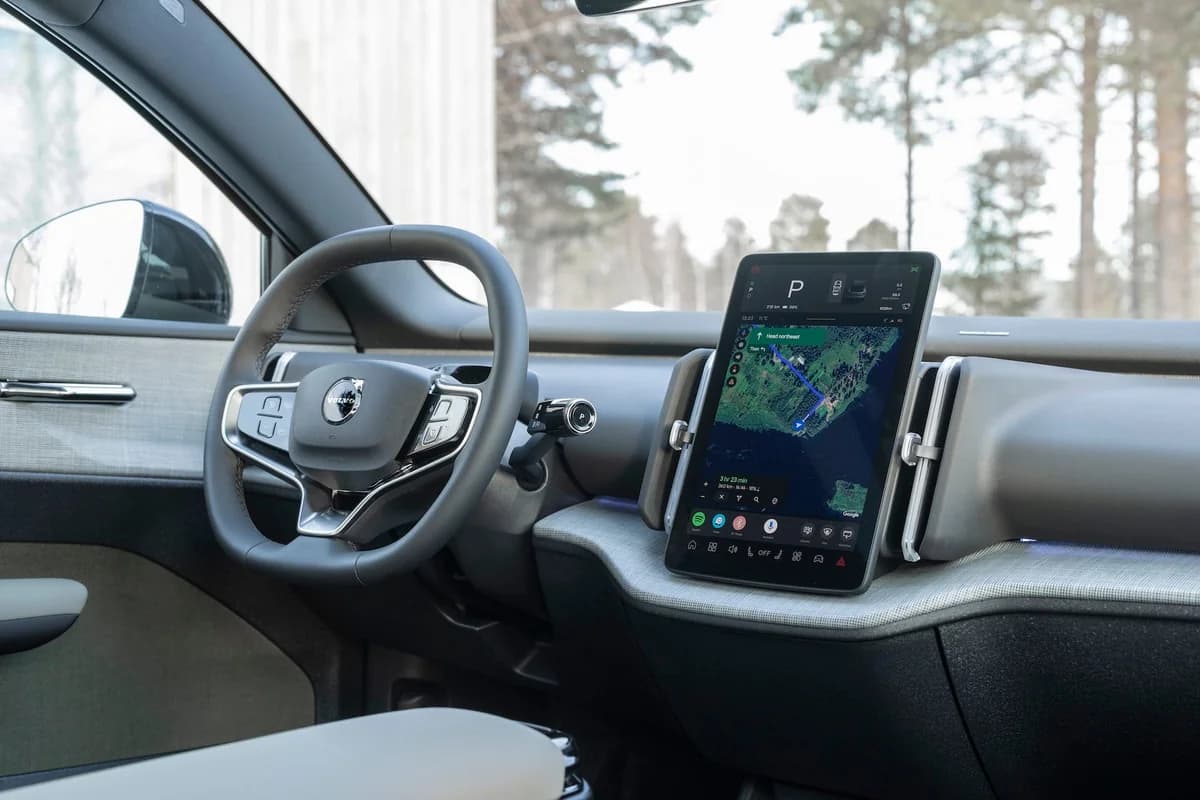
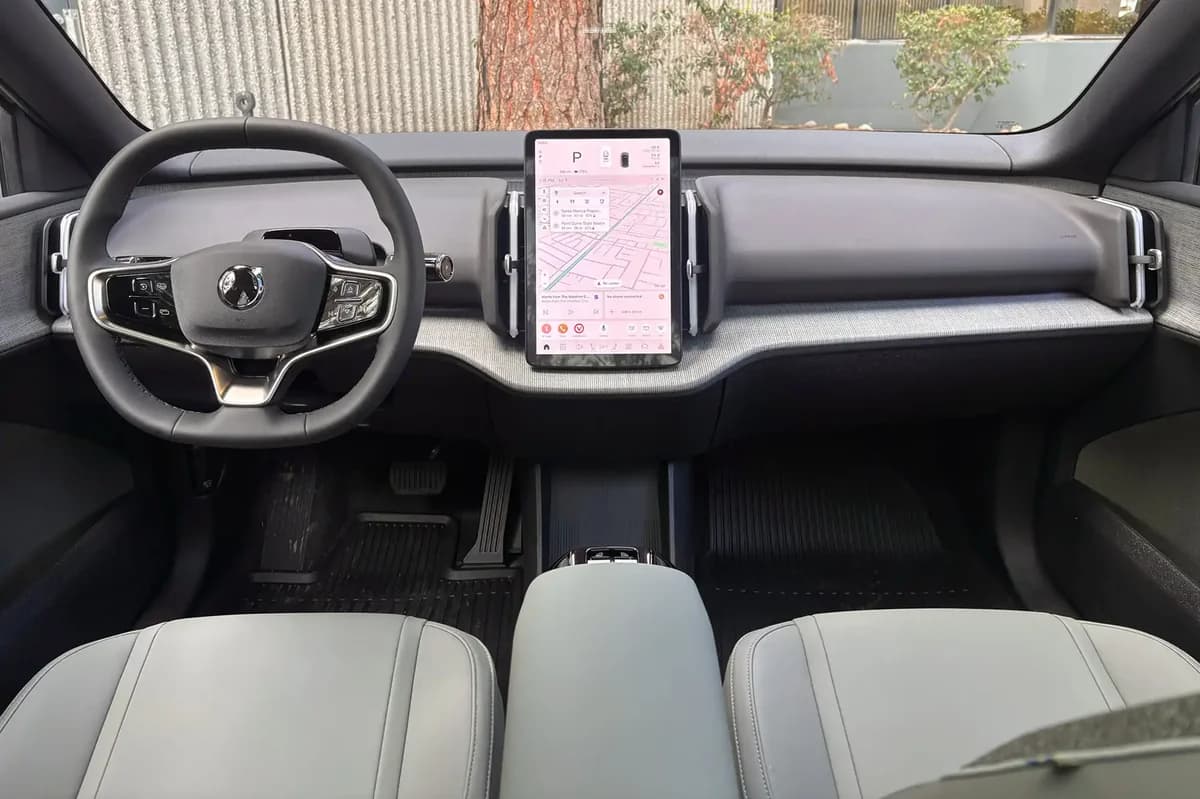
The cabin is distinctive, clever, and more polarizing than its upscale Volvo branding suggests. Recycled materials, Nordico upholstery, patterned trim, creative storage, and a strong Harman Kardon audio option create a modern Scandinavian atmosphere, but some hard plastics sound or feel inexpensive. The 12.3-inch Google built-in touchscreen is responsive and attractive, yet it controls climate, mirrors, lights, and other basics that would be easier with physical switches. No conventional driver display and occasional software glitches further weaken perceived polish.
Charging and Battery
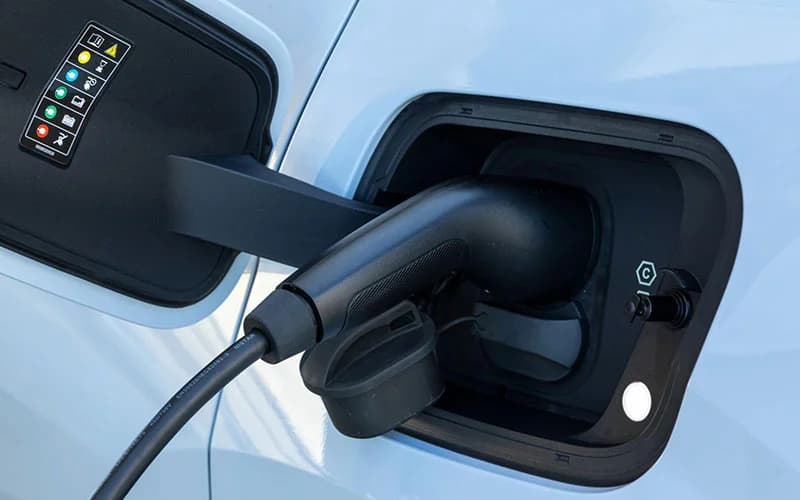
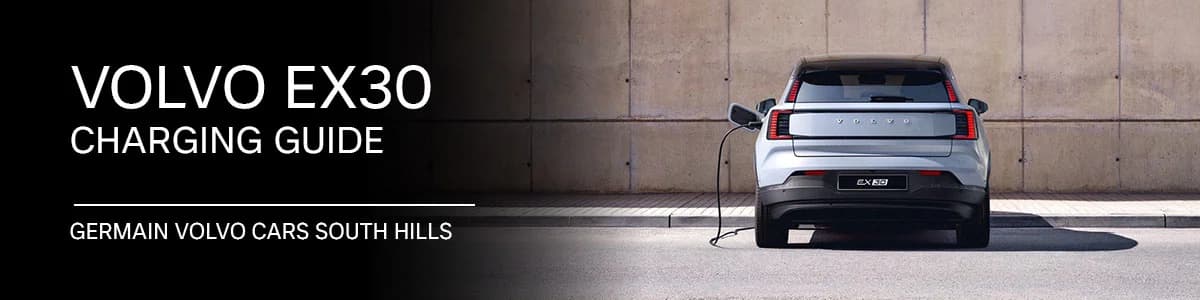
Charging performance is competitive, especially for drivers who can use reliable home charging. The 69-kWh NMC battery supports up to 153 kW DC input, and Volvo-related testing cites a 10–80% charge in about 28 minutes under suitable conditions. Battery preconditioning can help the pack accept power efficiently, while the 11-kW onboard AC charger suits overnight replenishment. Real-world charging speed depends on temperature and charger availability, and owners without home charging may find the EX30’s modest range more demanding.
Conclusion
The EX30 makes the most sense when you see it as a city-sized performance EV, not a family hauler. Its agile handling, quiet ride, and startling Twin Motor acceleration earn strong expert praise, while the Single Motor Extended Range offers the more sensible blend of pace and real-world range. Fast charging and battery preconditioning help, but highway trips can expose a gap between official estimates and owner experience. Inside, recycled materials and clever storage create character, though hard plastics, software glitches, and touchscreen-heavy controls weaken the premium feel. Tight rear seating, a modest boot, and a tiny frunk further limit versatility. That makes the EX30 a compelling choice for urban drivers who value design, maneuverability, and fun, but a less convincing fit for families or frequent road-trippers. Its strong driving appeal and charging capability justify a favorable recommendation, tempered by clear practicality and usability compromises.

Feature Scores
This reflects reviews and ratings from established critics, journalists, and users who have evaluated the item. Their opinions provide a comprehensive assessment.
Performance
Driving Range
3/5
Charging Speed
4/5
Acceleration
5/5
Handling and Ride Comfort
4/5
Energy Efficiency
4/5
Battery Durability
4/5
Value
Purchase Price Competitiveness
4/5
Total Cost of Ownership
4/5
Resale Value
TBD
Design
Exterior Styling
5/5
Interior Space and Packaging
3/5
Ergonomics and Controls
2/5
Health
Cabin Air Quality
TBD
Low-Toxicity Materials
TBD
Safety
Crashworthiness
TBD
Active Safety Systems
3/5
Battery Safety Systems
TBD
Sustainability
Lifecycle Emissions
TBD
Battery Recyclability
TBD
Use of Recycled Materials
4/5
Experience Style
Infotainment and Connectivity
4/5
Charging Ecosystem Integration
3/5
Customization and Driving Modes
4/5

Specifications
This section outlines the product's key facts, covering essential features, details, dimensions, materials, and any unique characteristics that define its functionality and usability.
Performance
Value
Design
Safety
Sustainability
Experience Style

Frequently Asked Questions
7 Questions





Find Yours
What is your top priority for an Electric SUV's battery performance?
Answer to find your best matches.