






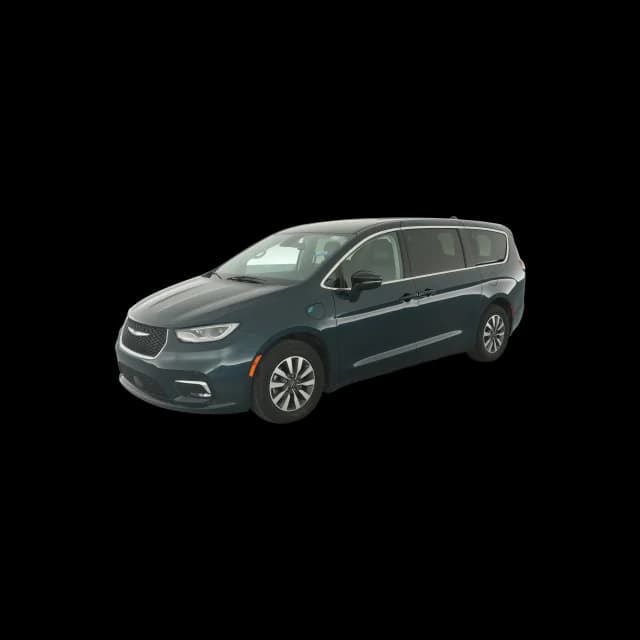
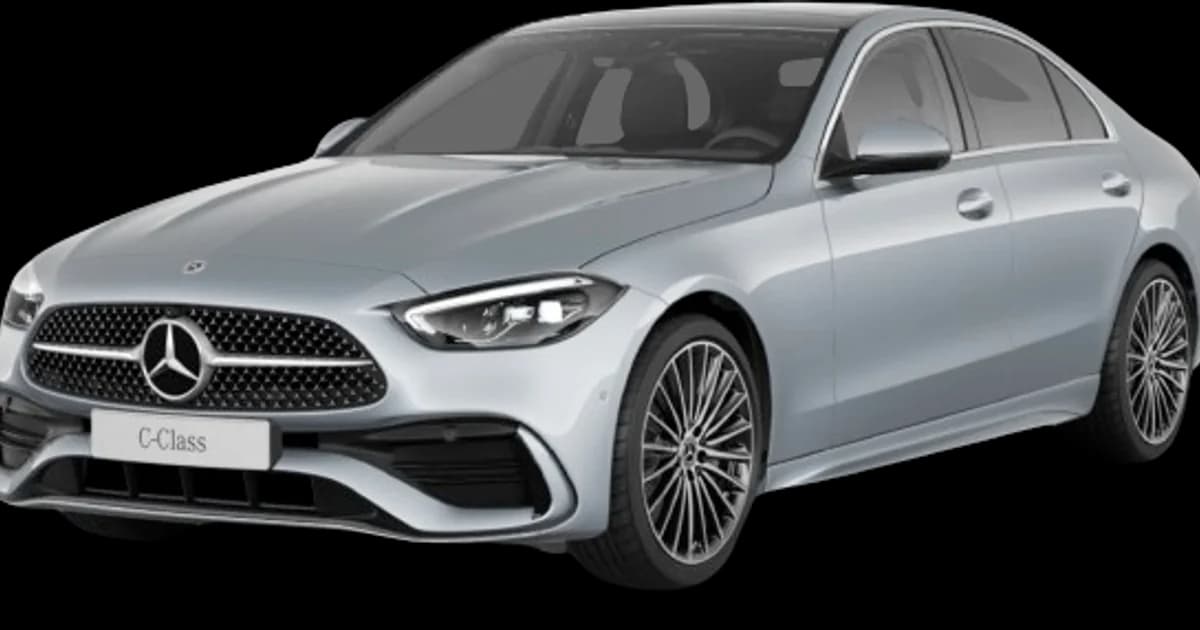
Mercedes-Benz C-Class (2026)
Quiet, upscale and tech-rich, with polished comfort tempered by a firm ride and high costs.
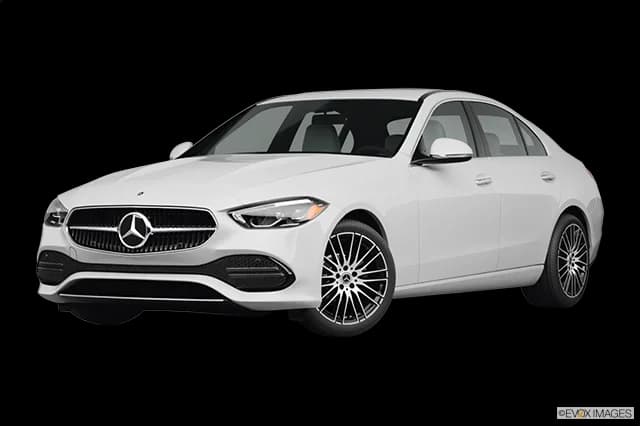
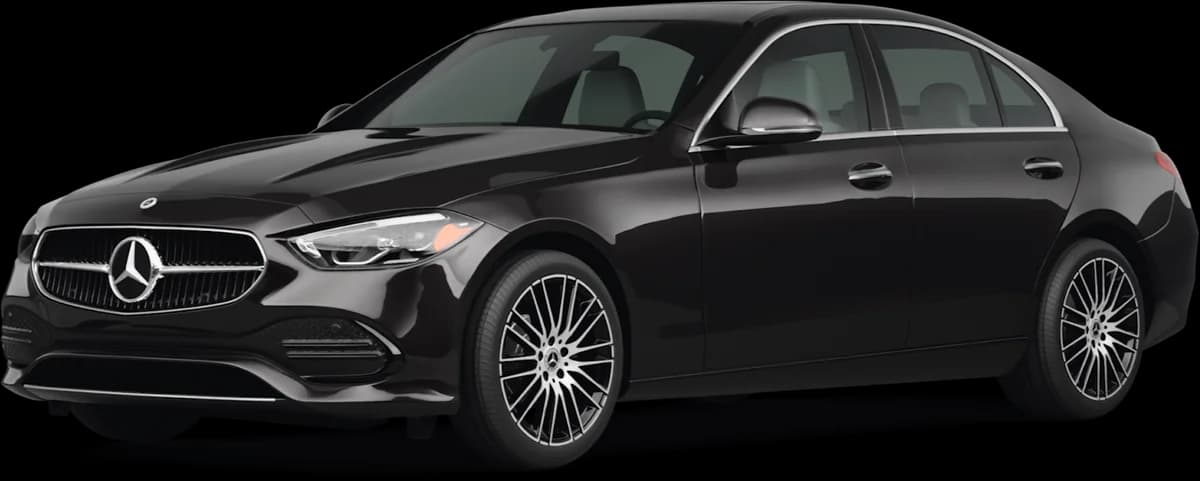
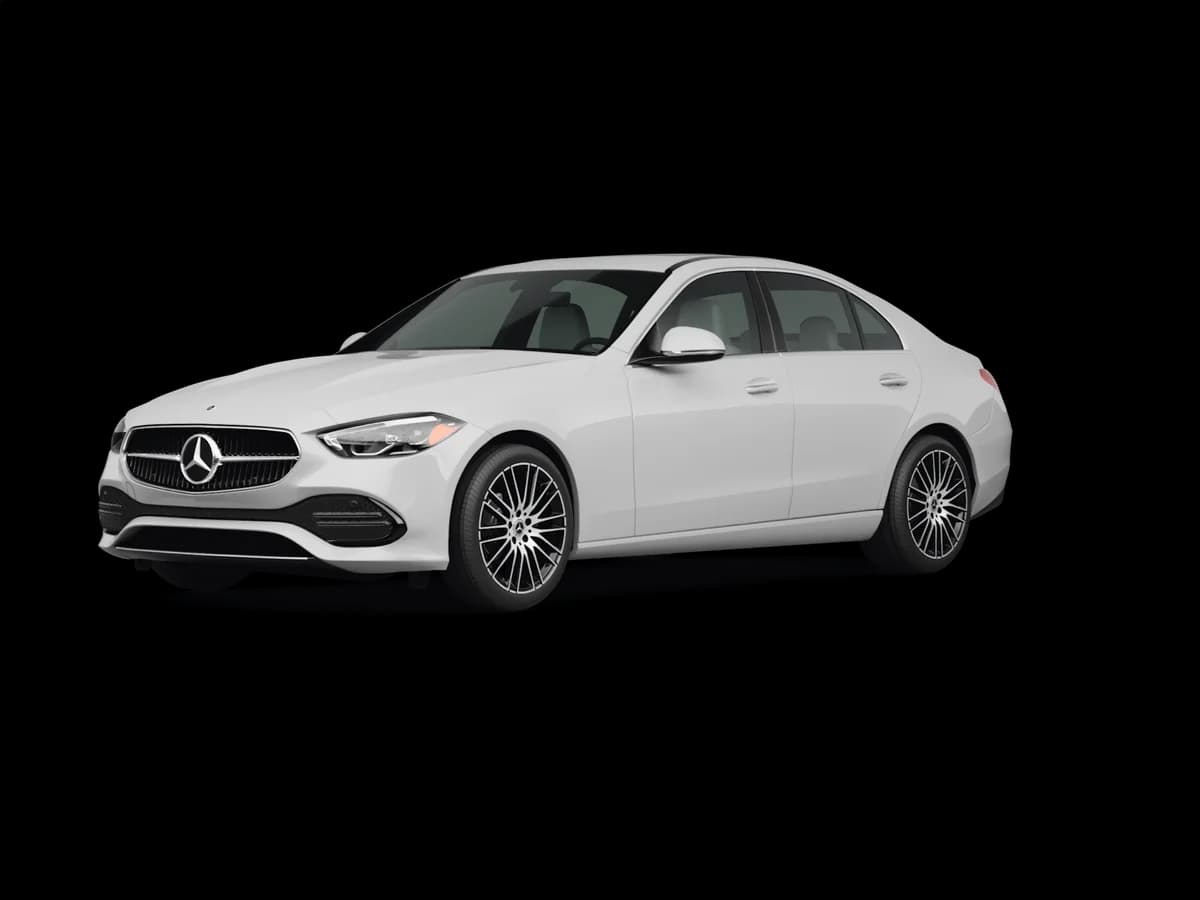
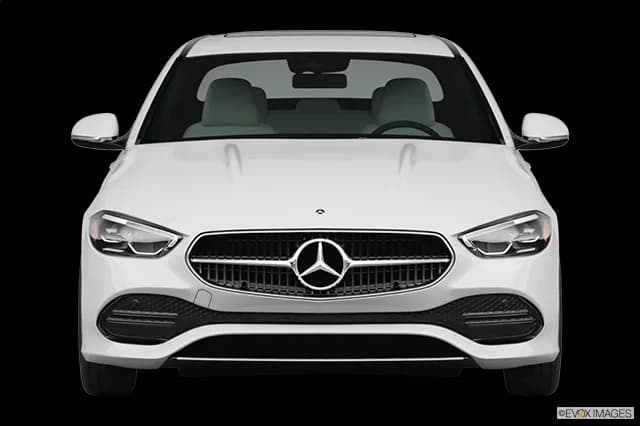
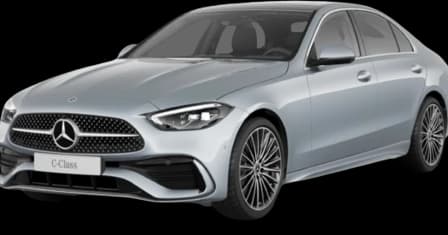
The Mercedes-Benz C-Class (2026) is a compact luxury sedan for commuters and professionals who want everyday comfort, prestige, and technology without moving up to an E-Class. It delivers a convincing “mini-S-Class” cabin, quiet highway manners, and smooth, punchy C 300 performance, supporting Mercedes’ refinement claims. Yet real-world feedback is more nuanced: the ride can feel firm, materials are uneven, and touchscreen climate controls frustrate, while BMW remains more engaging. Pricing makes the sensibly equipped C 300 the value pick, especially with discounts, but AMG versions become harder to justify. Its overall appeal depends on how buyers balance comfort, technology, ownership costs, and driving involvement.
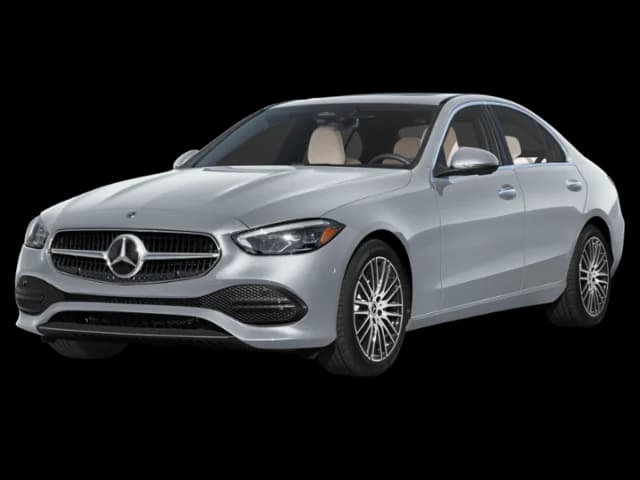
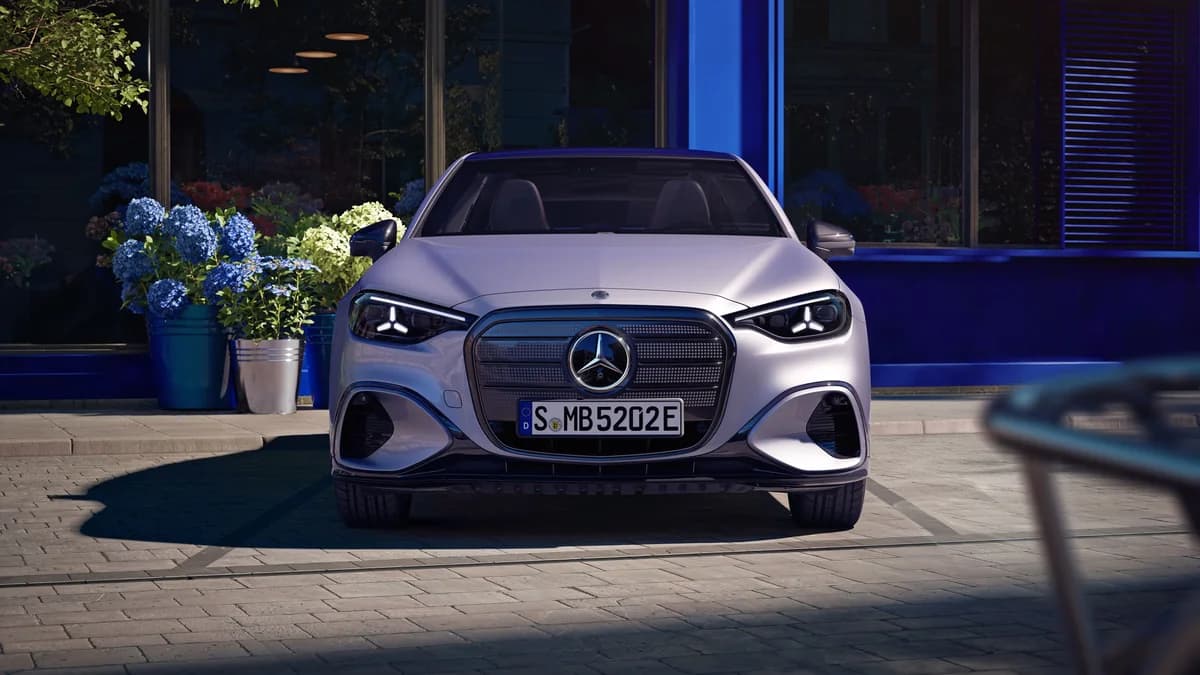
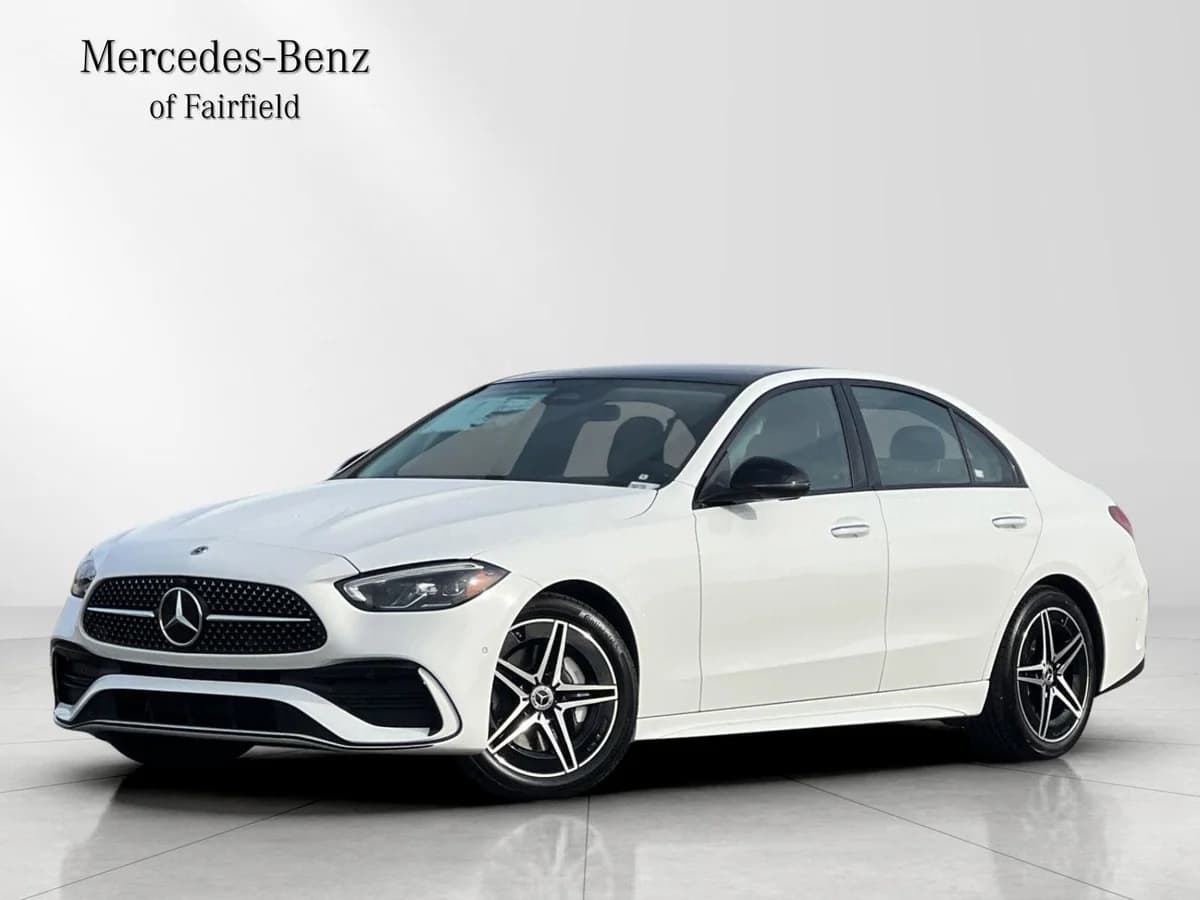
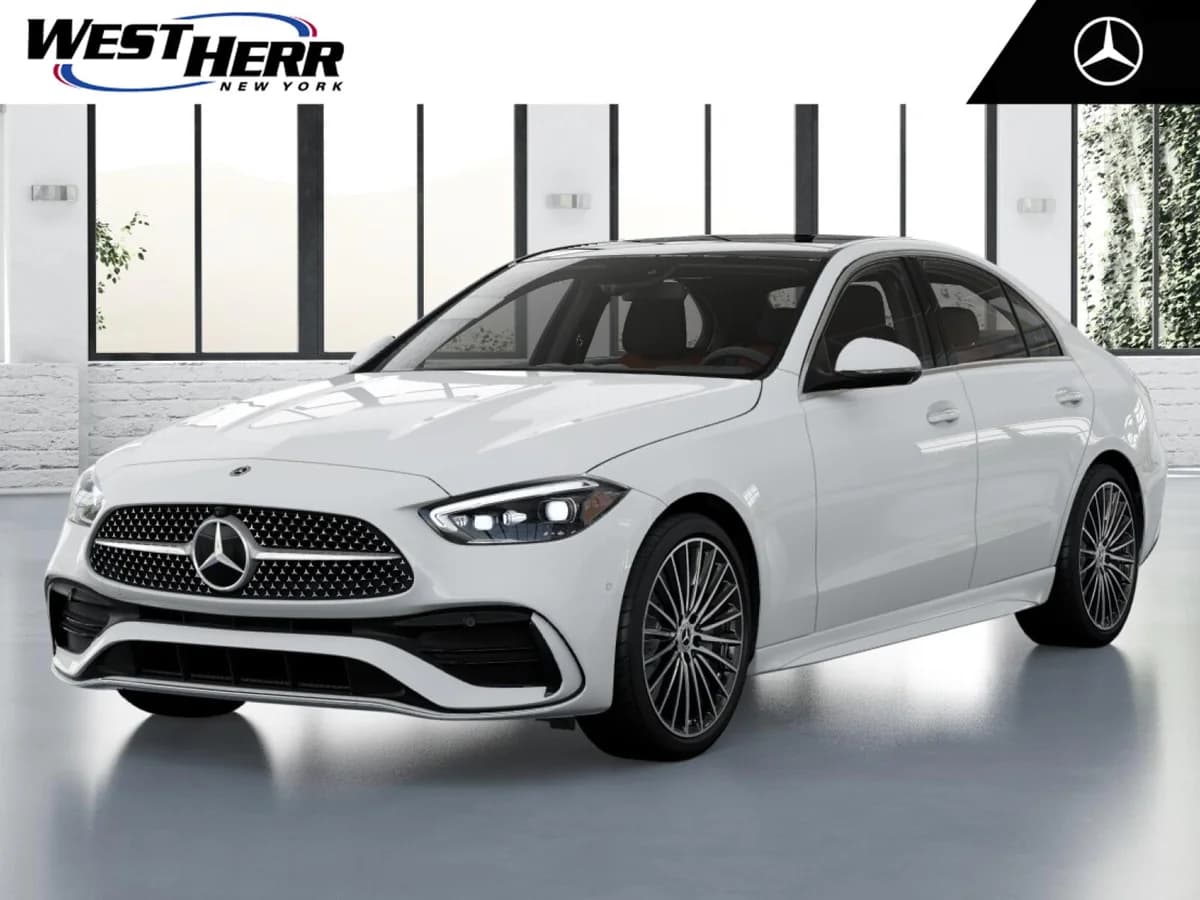
Find Yours
What is your primary use for a gas-powered sedan or compact?
Answer to find your best matches.

The Field
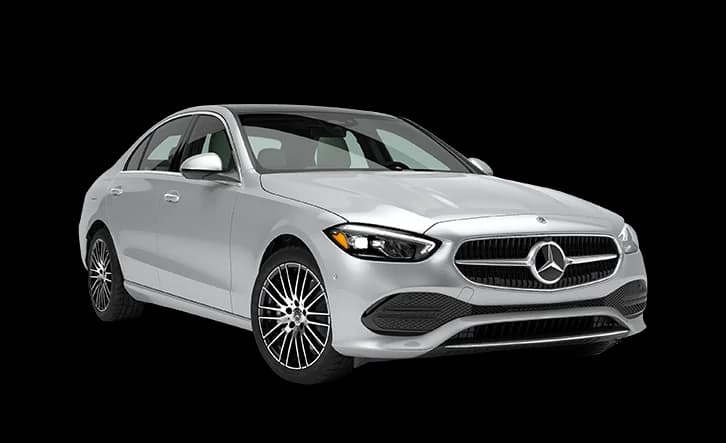
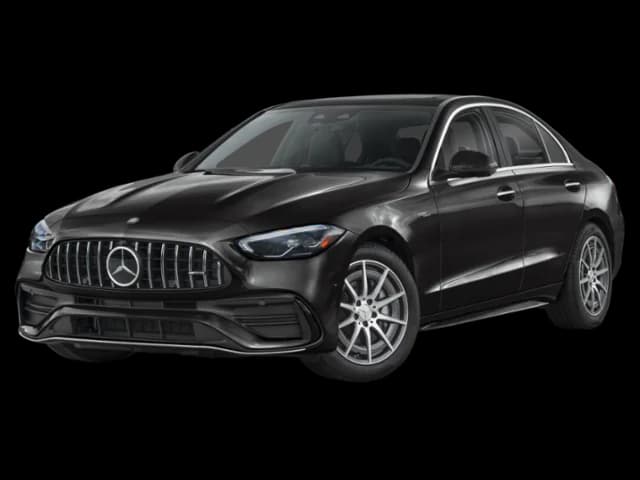
Browse top contenders, or compare all options ranked by score and key attributes.
5 Options
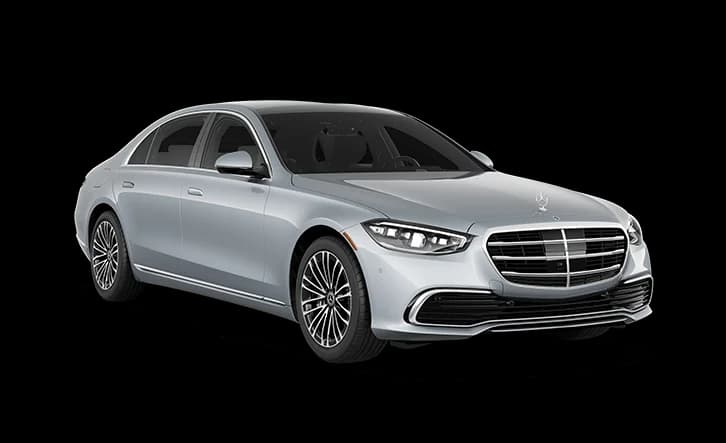
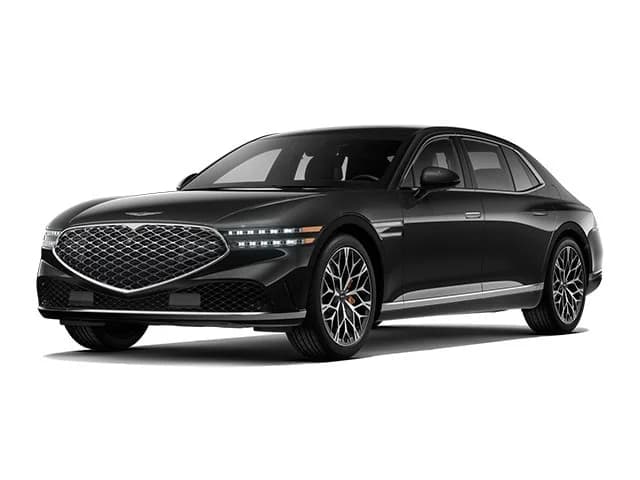
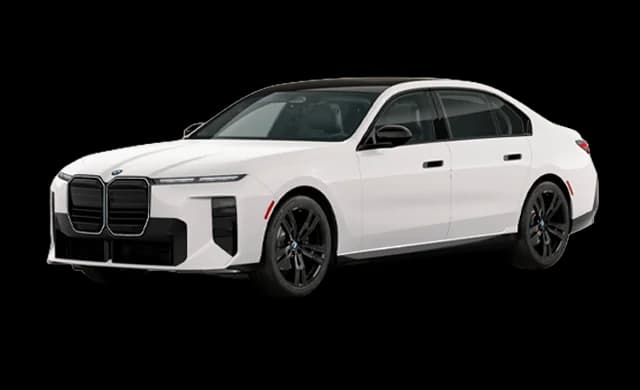
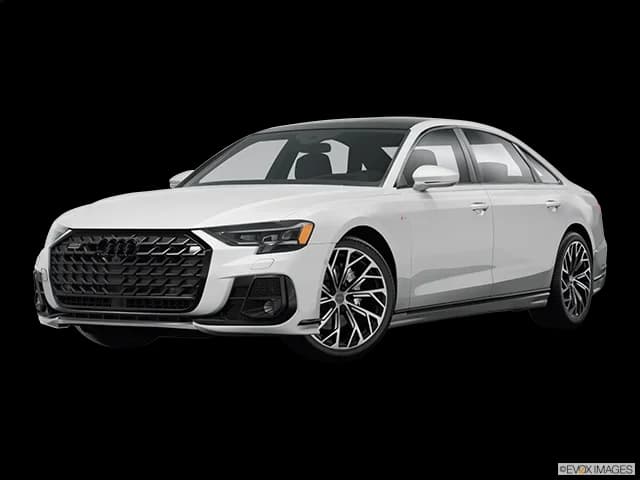

The Scoreboard
Does this improve your life? Considers, health, habits, and environmental impact.
Benefits
Strong insulation keeps commutes and longer drives calm, comfortable, and easy to enjoy.
Supportive seats, generous front space, and smooth shifts make daily driving feel effortless.
Clear displays, strong voice recognition, and capable navigation simplify regular trips and parking.
The lineup ranges from efficient commuting to genuinely rapid AMG performance when desired.
Trade-Offs
Broken pavement can feel jiggly and uncomfortable, especially with firmer suspension or larger wheels.
Adjusting climate or shortcuts while driving takes extra glances and distracts from the road.
Low seats and awkward access can make getting in, settling, and exiting less graceful.
 Alternatives


Join the Circle
Where real meets deal
Know what's worth buying-and when.
Tips, special offers, and rewards for buying and sharing.

Publications
6 LEADING PUBLICATION REVIEWS

Edmunds views the 2026 Mercedes-Benz C-Class as a very good, impressively polished compact luxury sedan. The C 300 offers strong acceleration, engaging handling, smooth shifts, excellent cabin quietness, and surprisingly attainable fuel economy. Mercedes also continues to excel with its navigation, voice recognition, audio system, and attractive presentation, while generous passenger room and a practical trunk add everyday appeal. Still, the review is measured rather than glowing: the ride is busier and less comfortable than several rivals, entry and seating can be awkward, touchscreen climate controls are frustrating, and adaptive cruise control behaves too abruptly. Many driver aids are optional, warranties are merely average, and the styling feels restrained rather than exciting. Overall, the C-Class successfully delivers an E-Class-like sense of luxury in a smaller package, but its minor usability and comfort shortcomings keep it from the top of the segment.
By Josh Jacquot
Car and Driver gives the 2026 Mercedes-Benz C-Class a favorable but measured recommendation. It portrays the C300 as a convincing entry-level luxury sedan, with a comfortable, beautifully finished cabin, classic proportions, useful rear-seat space, and strong braking performance. Its 255-hp turbocharged engine and mild-hybrid system provide respectable pace, while nimble handling keeps the car engaging. However, the experience falls short of Mercedes’s flagship refinement: the ride is overly firm, the steering feels numb, and the brake pedal lacks firmness. The C-Class is therefore more successful as a luxury car than a sports sedan. Car and Driver recommends sticking with the base C300 and adding select comfort features rather than paying for higher trims, while acknowledging that AMG variants offer much more dramatic performance. Overall, it’s an appealing, polished compact luxury sedan whose compromises are noticeable but not deal-breaking.
By Beth Nichols
Autocar’s Matt Saunders and Murray Scullion are strongly positive about the Mercedes-Benz C-Class. They portray it as a polished, versatile executive car whose plug-in hybrids are the real stars, combining near-70-mile claimed electric range with strong acceleration, impressive refinement, and useful long-distance economy. The C300e and especially diesel-electric C300de make a compelling case for fleet drivers who are not ready for an EV, while conventional diesels remain exceptionally frugal. The C-Class is comfortable, quiet, technologically rich, and easy to drive quickly, though it is less engaging than a BMW 3 Series. Criticisms include mediocre seat comfort, some cheap-feeling cabin details, an occasionally awkward touchscreen interface, limited rear and PHEV boot space, filtered steering and brakes, and expensive optional safety technology. Overall, it is a rational, luxurious, highly accomplished choice that wins more through breadth and composure than emotional excitement.
By Matt Saunders & Murray Scullion
Carwow’s Mario Christou is clearly positive about the C-Class, though he sees it as a comfort-first choice rather than a driver’s car. Its handsome, S-Class-inspired styling, plush and tech-filled cabin, supportive seats, smooth nine-speed gearbox, and remarkably relaxed ride make it especially appealing for long journeys. The car’s advanced driving aids and excellent parking technology add genuine everyday convenience. However, the infotainment and touch-sensitive controls can be frustrating, some lower-cabin plastics feel cheap, and ventilation controls are awkward to use. The 455-litre boot is merely average and shrinks dramatically to 315 litres in hybrid versions. BMW’s 3 Series is more engaging and better finished inside, while the C-Class’s higher price is difficult to justify given its equipment. Overall, it’s a stylish, refined, highly comfortable saloon that feels like a smaller S-Class, but its appeal is strongest for buyers who prioritize luxury and serenity over excitement or value.
By Mario Christou
What Car? is positive about the Mercedes C-Class, though its praise is carefully qualified. The review appreciates the car’s S-Class-like appearance, polished technology, strong safety equipment and broad engine range. The C300e plug-in hybrid is the standout, combining seamless 308bhp performance, an impressive electric range, low company-car tax and unusually composed handling thanks to standard rear air suspension. Diesel versions are also praised for efficiency. However, the C-Class falls short of key rivals inside: hard, cheap-feeling plastics and wobbly shortcut buttons undermine its premium image, while the BMW 3 Series is more engaging and the Audi A4 feels better built. Road noise, limited rear headroom, a cramped boot opening and mushy PHEV brakes add further compromises. Overall, it is a well-equipped, comfortable and compelling company car, but not the class leader for quality, practicality or driving enjoyment.
By Dan Jones
BBC Top Gear is strongly positive about the Mercedes-Benz C-Class, though its praise remains measured rather than glowing. The review portrays it as a comfortable, quiet, confident long-distance saloon with an impressive, intuitive S-Class-inspired interior and genuinely useful plug-in-hybrid range. The C300d is singled out as one of the best four-cylinder diesels available, while the C300e’s electric integration and up-to-70-mile range set it apart from many rivals. However, the BMW 3 Series remains more rewarding for enthusiastic drivers, and the C-Class can feel woolly when pushed. Odd brakes, limited rear space, unavailable UK adaptive dampers and rear-wheel steering, plus some disappointing cabin materials, also temper the recommendation. Overall, it is presented as an assured, refined and technologically sophisticated choice for covering distance, especially in C300e or C300d form, rather than the sportiest or best-value option in the class.
By Top Gear Team

YouTube
7 LEADING EXPERT & INFLUENCER REVIEWS
 Autogefühl
Autogefühl is strongly impressed by the Mercedes-Benz C-Class, especially its polished driving dynamics and near–S-Class sense of comfort. Thomas praises the C 300’s smooth power, excellent noise insulation, adaptive suspension, rear-axle steering, stable high-speed behavior, and convincing Artico/MB‑Tex alternatives. The estate also earns genuine enthusiasm for its practical, easy-to-use cargo area. His main reservation is the technology: capacitive controls, screen-based climate functions, and an overloaded infotainment interface make the car harder to operate while driving. Overall, he recommends the C-Class, particularly in a lower or mid-level specification rather than fully optioned.
CarsGuideChris Thompson is clearly positive about the 2026 Mercedes-Benz C 350e, though he sees it as a lifestyle-dependent choice. He praises its comfortable, timeless cabin, intuitive MBUX setup, smooth hybrid transitions, confident handling, quiet ride, and genuinely useful electric range. His real-world drive returned 3.5 L/100 km with 65% electric running, reinforcing the PHEV’s appeal for shorter commutes. He also appreciates Mercedes’ restrained driver-assistance tuning. However, transmission hesitation, expensive servicing, and the fact that plug-in hybrids do not suit most drivers temper the recommendation. For buyers who can charge regularly, it is an impressive, refined alternative to the C300.
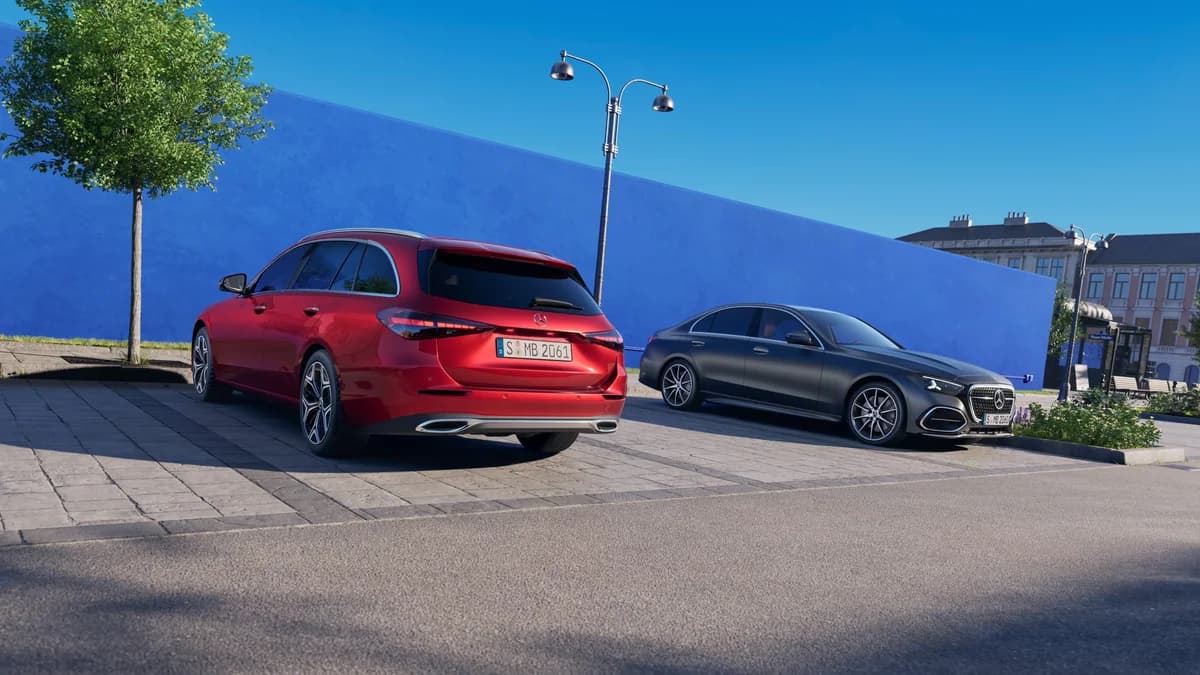
Remove Before RaceRaz is enthusiastic about the 2026 Mercedes-Benz C-Class facelift, viewing it as a welcome return to more traditional Mercedes design and technology. He especially likes the S-Class- and E-Class-inspired front end, familiar cabin layout, updated MBUX and MB.OS systems, improved engines, plug-in-hybrid range, and the wagon’s styling and practicality. He remains critical of the sedan’s unchanged, awkwardly short-looking rear and calls the current C 43 and C 63 emotionally underwhelming. Still, the facelift feels like a meaningful refinement, and anticipation for a forthcoming six-cylinder AMG C 53 is clearly driving his strongest excitement.
Nick O'LearyNick O’Leary is highly impressed by the new Mercedes-Benz C-Class, especially its smooth, refined driving experience. Despite weighing roughly 2.5 tons, the C400 4MATIC hides its mass remarkably well, feeling agile in Sport mode and almost S-Class-like in comfort. Its air suspension, rear-wheel steering, strong performance, long claimed range, and seamless regenerative braking all earn praise. He is less certain about the extensive screens, polarizing rear light bar, and whether the expensive refinement package is essential. Still, after testing it on roads, rough gravel, and a track, he comes away enthusiastically recommending a closer look.
Juliet McGuireJuliet McGuire is highly enthusiastic about the 2026 Mercedes-Benz C-Class, calling it the best generation yet. She praises its refined mild-hybrid C200 powertrain, seamless automatic transmission, sharpened handling, comfortable cabin, intuitive MBUX touchscreen, thoughtful controls, and generous technology. She especially appreciates its sedan practicality and premium “mini S-Class” feel, while acknowledging that the AMG Line’s low ride height and firm suspension can be troublesome on poor roads. Fuel economy may also fall short of its claim. Her main reservation is price, but she still considers the C-Class an exceptionally polished luxury sedan.
Ben HardyBen Hardy is highly enthusiastic about the 2026 Mercedes-Benz C 300, calling it one of the best entry-level luxury cars available. He praises its “baby S-Class” design, exceptionally premium cabin, quiet ride, comfortable seats, smooth auto stop-start system, and strong technology, arguing it delivers roughly 80% of an S-Class experience for about half the price. His main reservation is value: at nearly $60,000, buyers may cross-shop larger vehicles such as a Kia Telluride. Still, he considers the C 300 an underrated, compelling luxury sedan, while acknowledging higher maintenance costs and compromises in acceleration, insulation, ride quality, and seating versus the S-Class.
AutotraderAutotrader’s presentation is lightly positive, with playful skepticism about Mercedes’ confusing powertrain strategy. The C-Class earns praise for its elegant saloon styling, upscale cabin, extensive customization, strong infotainment, roomy rear seating, and broad engine range. The plug-in hybrid’s 100-km electric range, 395 horsepower, and optional rear-wheel steering are especially appealing. Still, the walkthrough flags limited rear practicality, a bulky transmission tunnel, modest door storage, no frunk, questionable middle-seat comfort, and uncertain headroom. Overall, it feels like an appealing, flexible alternative to the electric C-Class, though more an informative reveal than an enthusiastic driving verdict.

Forum Reviews
CUSTOMER REVIEWS FROM 1 FORUM
Redditors are broadly skeptical of the 2026 C-Class, despite acknowledging its strong technology and performance potential. Enthusiasts particularly dislike Mercedes’ move away from V8 character, while the C63’s heavy, complex hybrid drivetrain, inconsistent response, muted emotion, and high pricing draw sharp criticism. The design and screen-heavy cabin divide opinion, and concerns about cheap materials, distracting interfaces, reliability, and expensive repairs recur. Some owners and shoppers praise the C-Class’s comfort, refinement, styling, and surprising pace—especially when heavily discounted—but the consensus is that Mercedes has sacrificed identity and value for specification-sheet numbers.
Many comments

In-Depth Review

Highlights
- •Quiet Highway CruisingMarketed as a compact S-Class experience.
- •Upscale Cabin DesignS-Class-inspired layout with premium presentation.
- •Smooth Everyday PowerDesigned to deliver effortless commuting performance.
- •Advanced MBUX TechnologyPromoted as having capable navigation and voice control.

Considerations
- •Firm Ride QualityBroken pavement can feel busy and jiggly.
- •Uneven Interior MaterialsHard plastics weaken the premium impression.
- •Touchscreen Control BurdenClimate adjustments require distracting screen interaction.
- •High Ownership CostsOptions, servicing, repairs, and pricing add up.
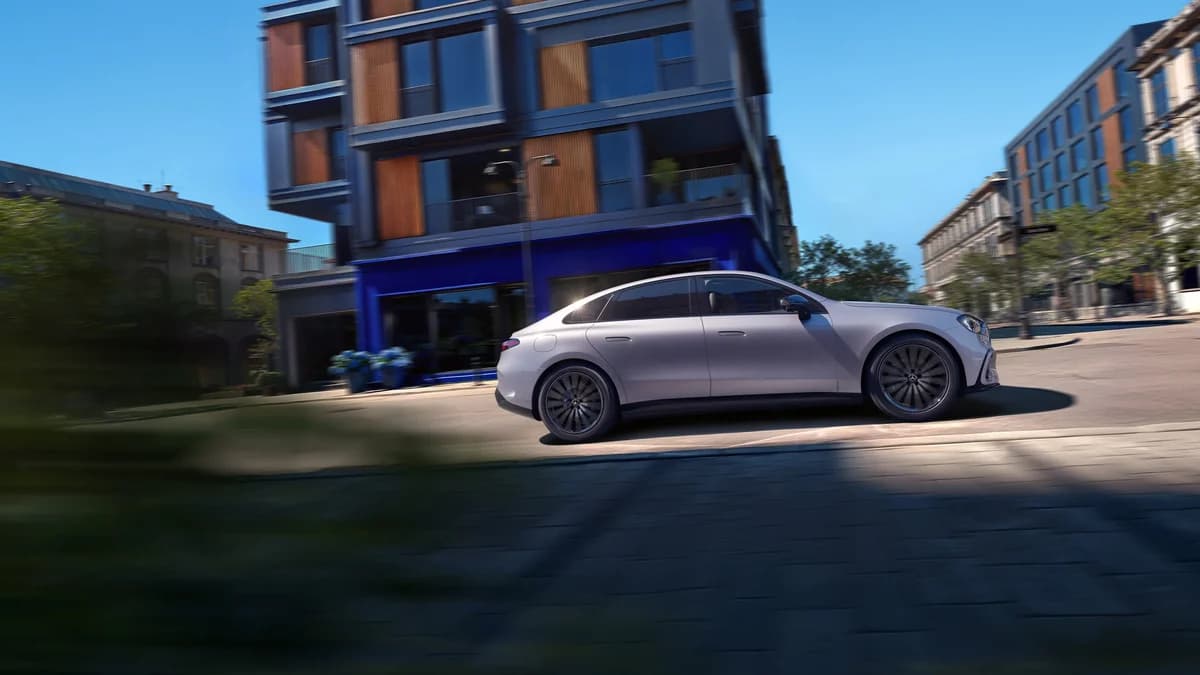
Mercedes-Benz has positioned the C-Class as a compact way to access the brand’s larger-sedan polish. For commuters, professionals, and buyers stepping up from mainstream cars, its mini-S-Class cabin, quiet highway manners, and smooth mild-hybrid powertrain make a strong first impression. The lineup also stretches from an everyday C 300 to rapid AMG models, giving it broader range than sportier-focused rivals such as the BMW 3 Series. Still, refinement is not the whole story: reviewers question the firm ride, uneven materials, filtered steering, and screen-dependent controls, while the 11.9-inch MBUX touchscreen can be impressive and distracting in equal measure. Practicality, rear-seat comfort, and hybrid cargo compromises deserve attention too. Explore the details that match your priorities—the C-Class may whisper like an S-Class, but its compromises still have something to say.
Passenger and Cargo Space
The C-Class works well as a compact daily sedan, especially for front occupants. Generous front legroom and useful rear seating make it practical for commuting or occasional adult passengers, although rear headroom and middle-seat comfort are less convincing. The conventional trunk is serviceable at roughly 11.6 cubic feet, but the opening and overall capacity are only average for the class. Plug-in-hybrid models sacrifice additional cargo space, dropping to about 315 liters in some markets, so buyers prioritizing luggage flexibility should avoid assuming every C-Class is equally practical.
Infotainment and Controls
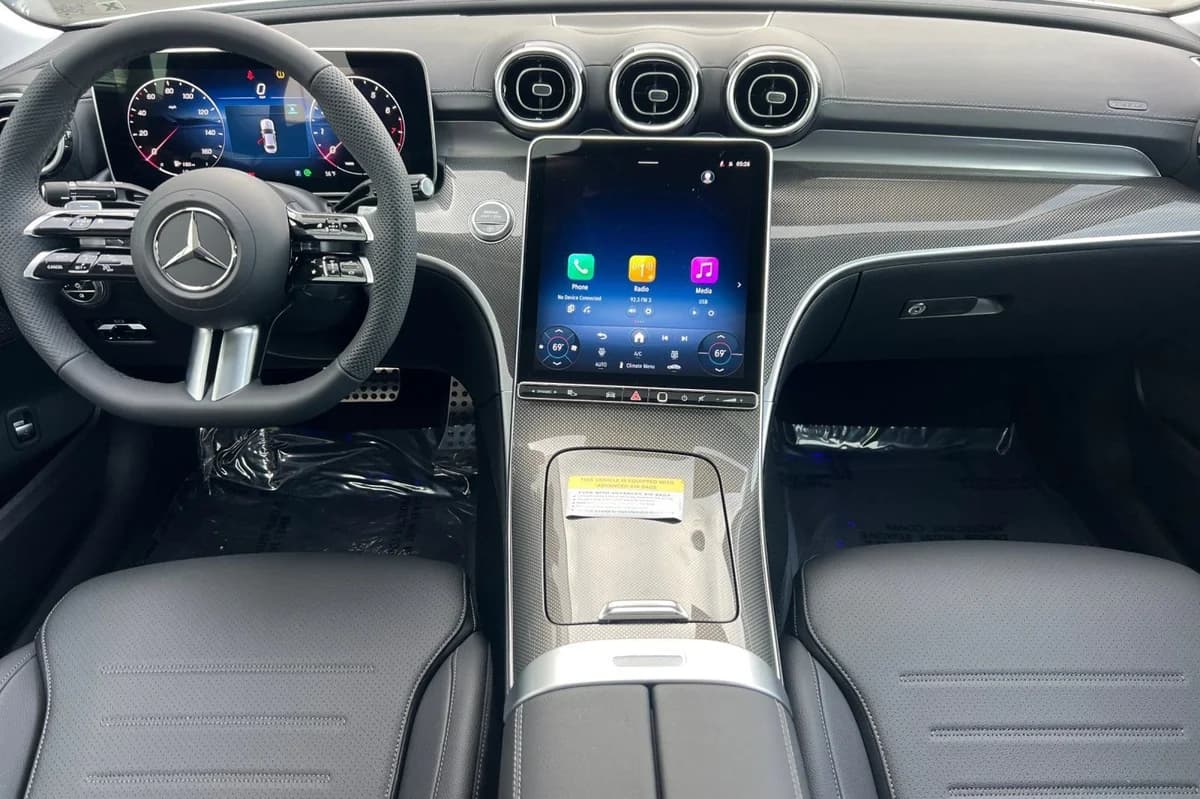
Mercedes’ MBUX system is visually impressive and functionally capable. The 11.9-inch central touchscreen provides strong navigation, voice recognition, smartphone integration, and parking functions, with a crisp digital presentation that reinforces the car’s high-tech identity. Some reviewers find the interface intuitive, especially once familiar with it. The trade-off is driving usability: touch-sensitive steering controls and screen-based climate adjustments require attention, and the software can feel overloaded. Brand claims about advanced convenience are supported by strong tech reviews, but owner frustration with distraction and complexity is a recurring counterpoint.
Interior Quality and Materials
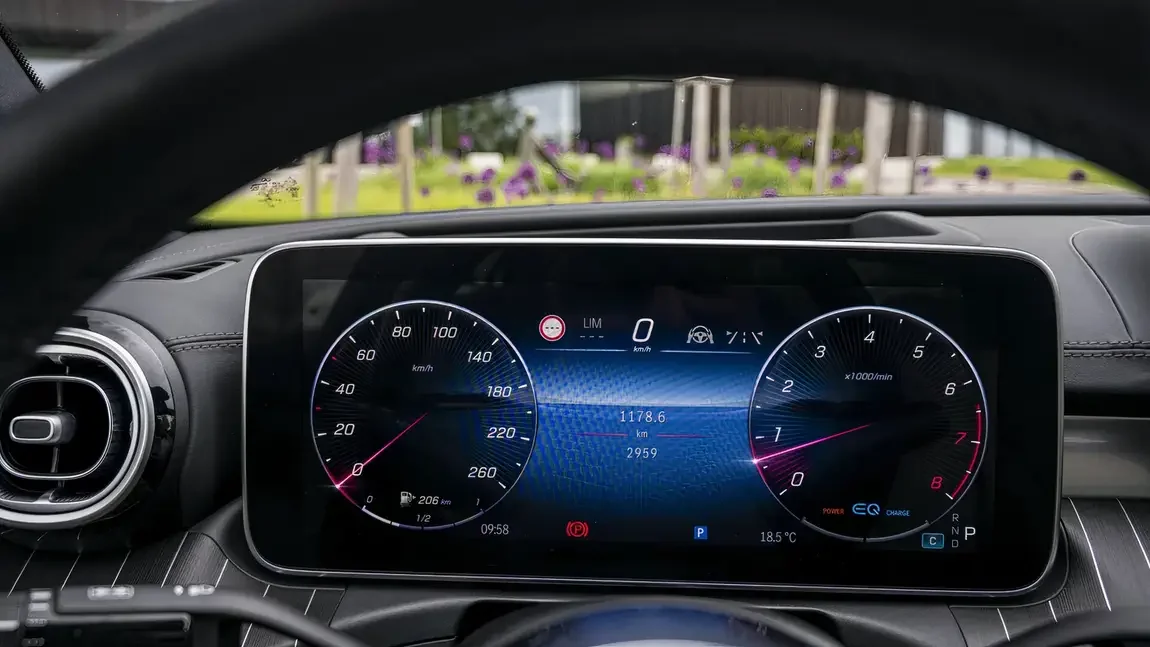
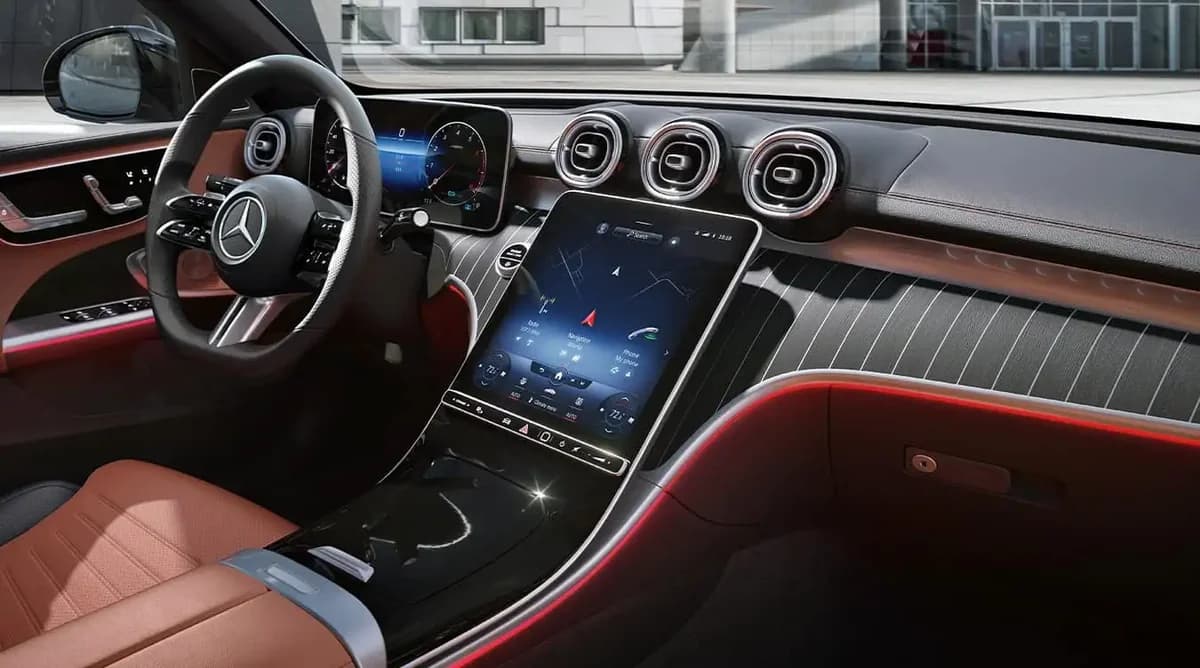
The cabin’s design is one of the C-Class’s strongest reasons to buy it. Mercedes delivers a 12.3-inch digital instrument display, an S-Class-inspired layout, attractive lighting, and generally convincing Artico or MB-Tex upholstery, creating a polished first impression. Front space is generous and the controls feel thoughtfully arranged in some specifications. Look closer, though, and the premium story becomes uneven: reviewers mention hard or cheap-feeling plastics and wobbly shortcut buttons, while owners raise durability and repair-cost concerns. It looks expensive more consistently than it feels expensive.
Ride Comfort and Quietness
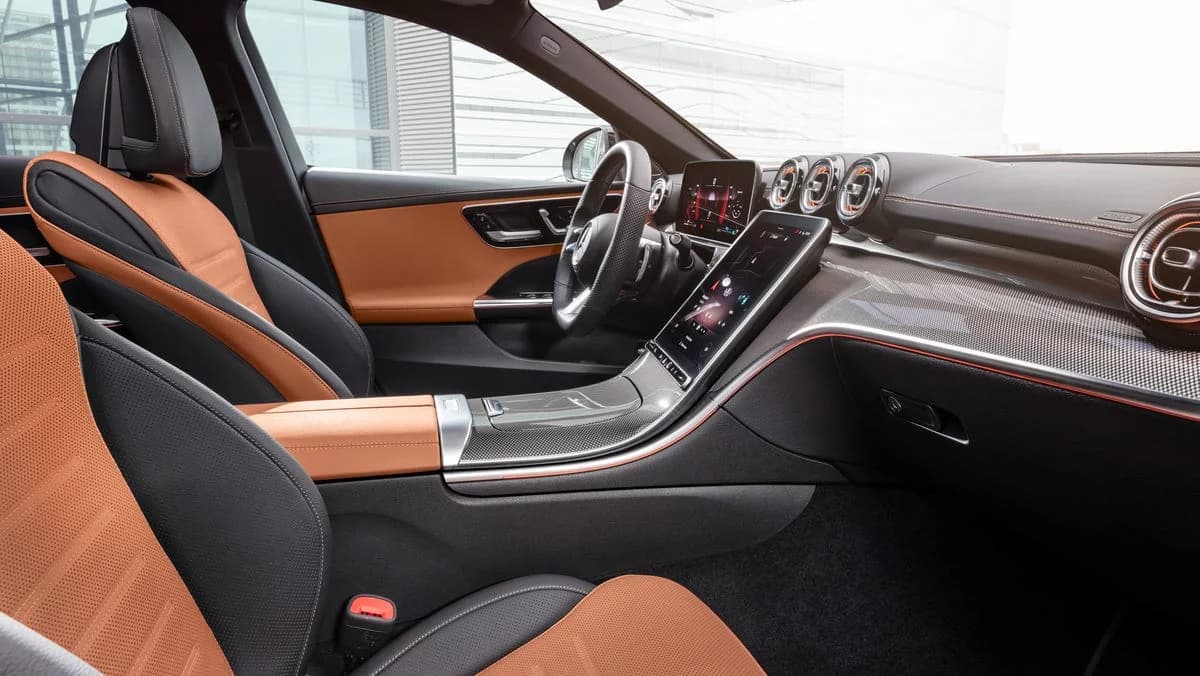
The C-Class feels impressively calm on smooth roads and at highway speeds. Its strong cabin insulation keeps wind and engine noise subdued, supporting the mini-S-Class impression praised by reviewers. Supportive seats, smooth nine-speed shifts, and available adaptive suspension add to the relaxed character, while plug-in-hybrid versions can transition quietly between electric and gasoline power. The qualification is important: Edmunds and Car and Driver find the ride firmer and busier than the best rivals, particularly with sportier setups or larger wheels, so broken pavement can undermine the comfort promise.
Powertrain Performance and Acceleration
The standard C 300 is quick enough for everyday luxury driving without feeling strained. Its 255-hp turbocharged 2.0-liter inline-four works with mild-hybrid assistance and a nine-speed automatic, delivering smooth, punchy response and a reported 0–60 mph time near six seconds. Rear-wheel drive is standard, with 4MATIC all-wheel drive available. The broader lineup changes the character dramatically: the AMG C 43 makes 416 hp, while the 671-hp C 63 S E Performance is extremely fast. Yet feedback suggests the complex AMG hybrid system can feel heavy and emotionally muted.
Handling Steering and Brakes
The C-Class is confident and composed, but it is not the segment’s most communicative sport sedan. Stable high-speed behavior and available rear-axle steering make it easy to place on winding roads, while the chassis can feel agile despite the car’s substantial weight. AMG models add much stronger performance capability, and braking performance is generally effective. Still, experts repeatedly describe the steering as filtered or numb, with some criticism of a soft or odd brake pedal. BMW’s 3 Series remains the more rewarding choice when feedback matters as much as polish.
Conclusion
The verdict comes into focus: the 2026 Mercedes-Benz C-Class is a polished compact sedan whose quiet highway ride and upscale, S-Class-inspired cabin make daily travel feel special. Its mild-hybrid C 300 delivers smooth, punchy performance, while the broader AMG range adds serious speed, though steering and braking lack the feedback enthusiasts expect. Materials are attractive but uneven, and owners’ concerns about complexity and repair costs temper the luxury impression. MBUX offers excellent navigation and voice control, yet touch-heavy controls can distract when simple adjustments should be easy. Front space is generous, rear seating is usable, and the trunk is adequate, but hybrid versions give up valuable cargo room. It suits buyers who prioritize serenity, technology, and prestige over sharp engagement or maximum value. That balanced appeal explains its solid-but-not-class-leading recommendation: compelling in the right configuration, especially a sensibly optioned C 300, but not an automatic choice for every luxury-sedan shopper.

Feature Scores
This reflects reviews and ratings from established critics, journalists, and users who have evaluated the item. Their opinions provide a comprehensive assessment.
Performance
Engine Power
4/5
Acceleration
4/5
Reliability & Durability
3/5
Handling & Ride Comfort
4/5
Braking Performance
4/5
Value
Purchase Price Competitiveness
3/5
Cost of Ownership
2/5
Resale Value
3/5
Feature Value
3/5
Design
Exterior Styling
4/5
Interior Ergonomics
3/5
Cargo Space
3/5
Infotainment Quality
4/5
Health
Cabin Air Quality
TBD
Material Toxicity
TBD
Safety
Crashworthiness
3/5
Active Safety Systems
4/5
Visibility & Lighting
4/5
Child Occupant Protection
3/5
Sustainability
Fuel Efficiency
4/5
Tailpipe Emissions
4/5
Recyclability
TBD
Manufacturing Footprint
TBD
Experience Style
Driver Engagement
3/5
Customization Options
4/5
Ease of Use
3/5
Ownership Convenience
3/5

Specifications
This section outlines the product's key facts, covering essential features, details, dimensions, materials, and any unique characteristics that define its functionality and usability.
Performance
Value
Design
Safety
Sustainability
Experience Style

Frequently Asked Questions
9 Questions



Find Yours
What is your primary use for a gas-powered sedan or compact?
Answer to find your best matches.