

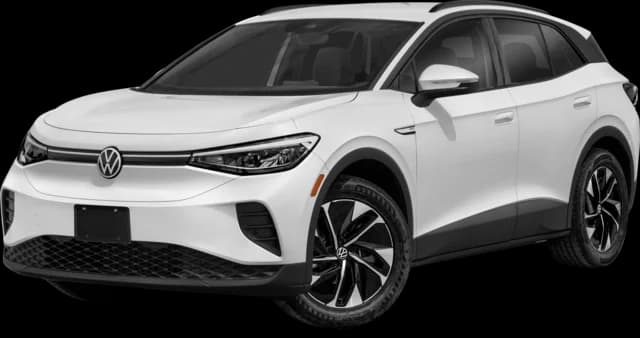
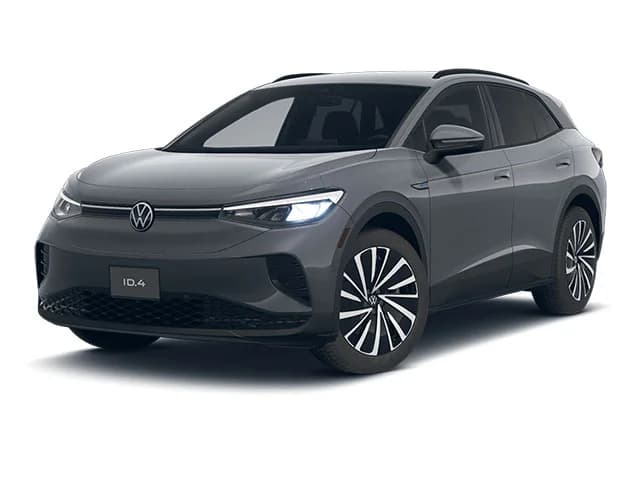
Volkswagen ID.4 (2026)
A quiet, spacious family EV with useful range, though dated tech and charging temper its appeal.
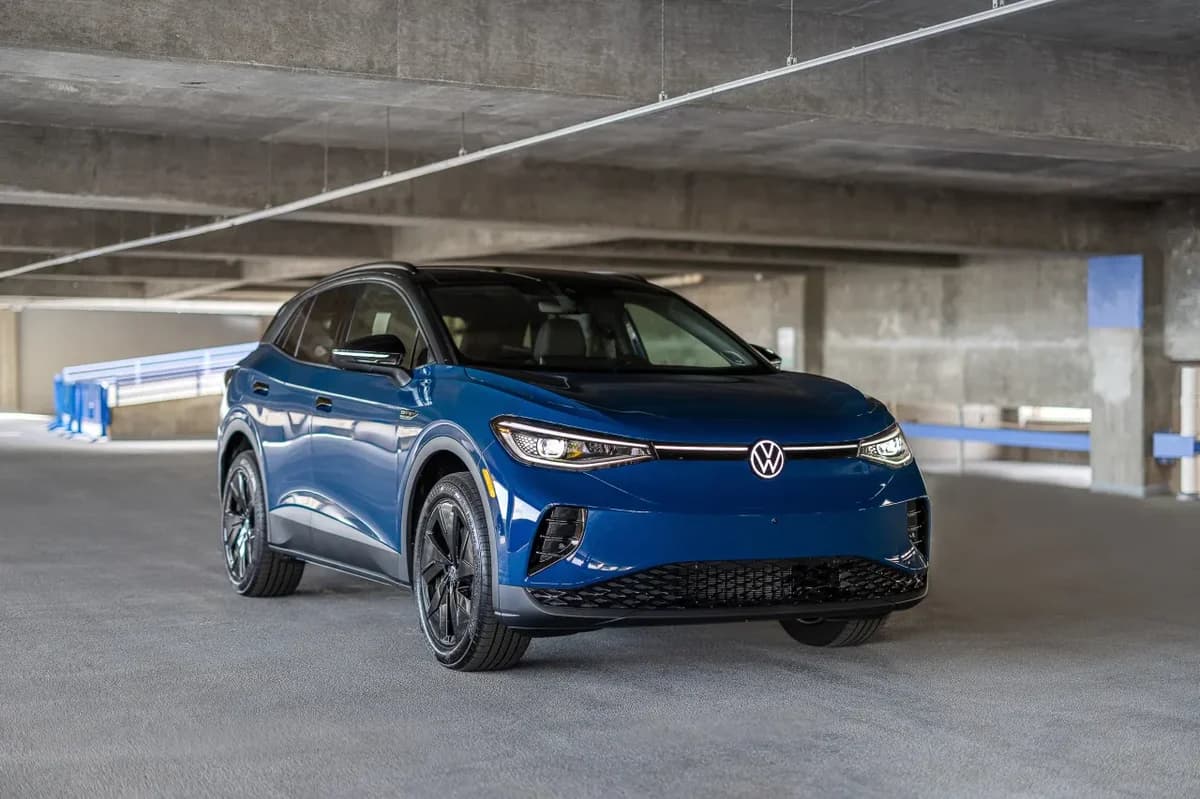
The 2026 Volkswagen ID.4 is the sensible friend of electric SUVs, built for commuters and families who want quiet, low-stress transport without abandoning familiar SUV practicality. Its up-to-291-mile RWD range, roomy rear seat, and generous cargo area support Volkswagen’s everyday-usability pitch, while reviewers largely confirm the smooth, quiet ride and reassuring manners. The 335-hp AWD version adds welcome pace, but real-world range can fall short, and charging remains slower than Hyundai and Kia alternatives. Pricing becomes more convincing with discounts, though dated software, fussy touch controls, app complaints, and scattered reliability reports complicate the bargain. Overall, comfort and space lift its appeal, while technology, charging, and ownership confidence weigh on its recommendation.
Find Yours
What is your top priority for an Electric SUV's battery performance?
Answer to find your best matches.

The Field
Browse top contenders, or compare all options ranked by score and key attributes.
5 Options
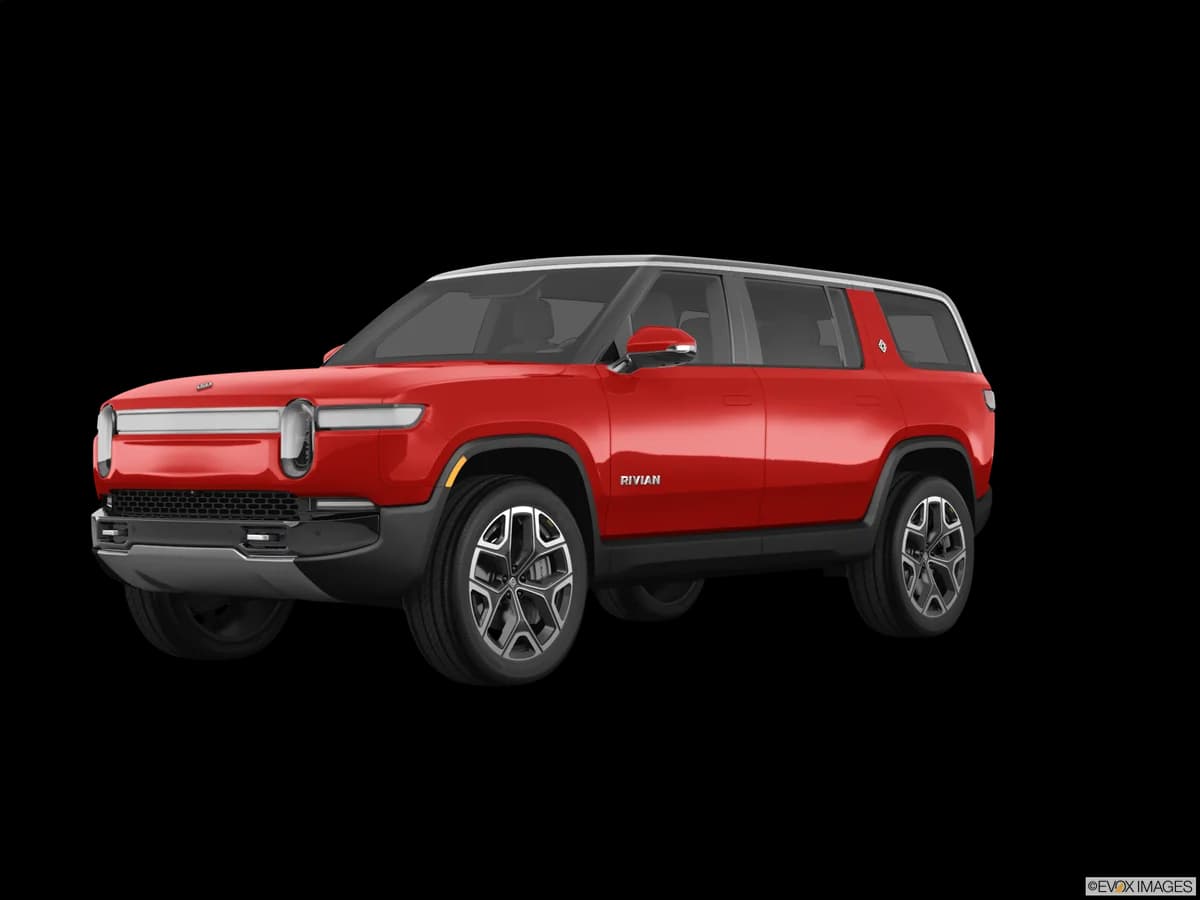
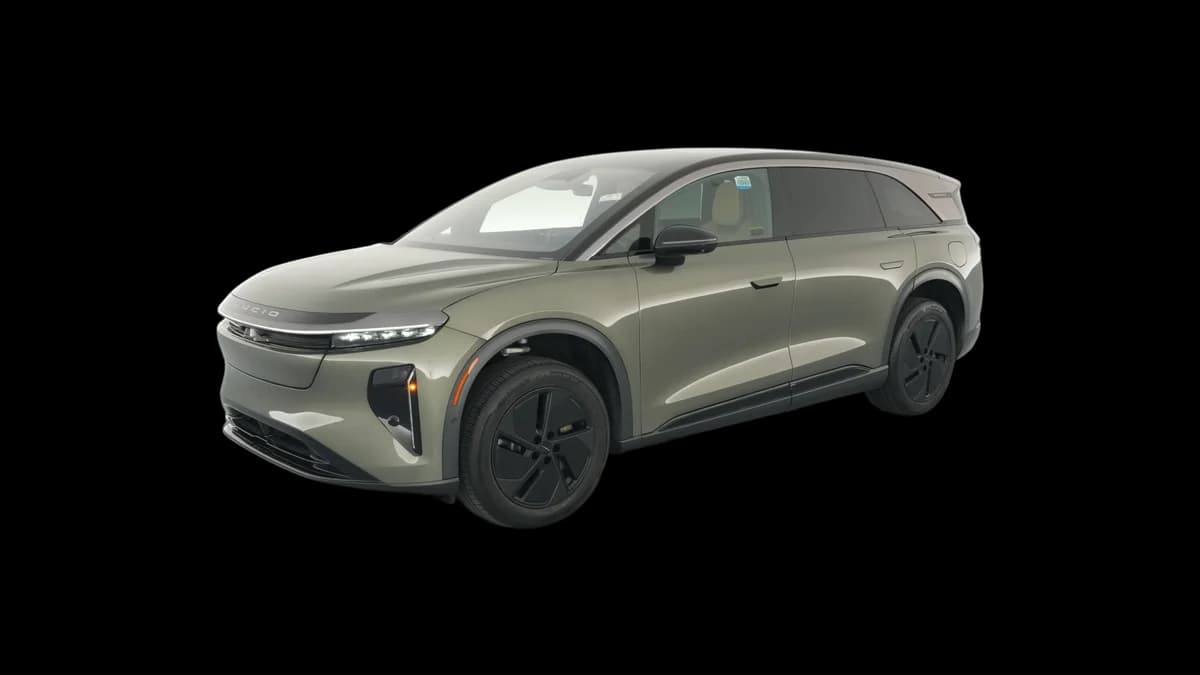

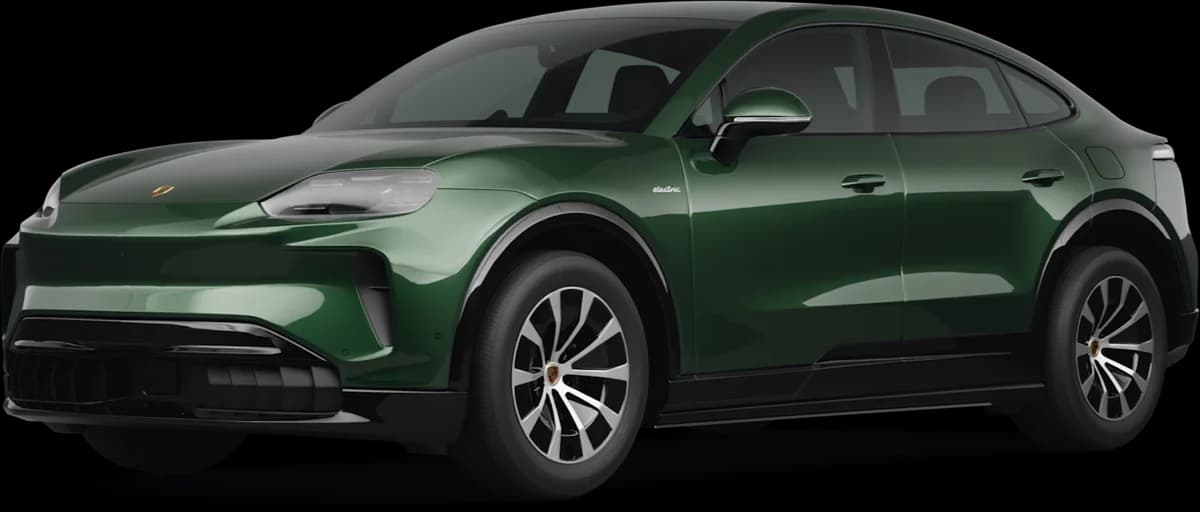
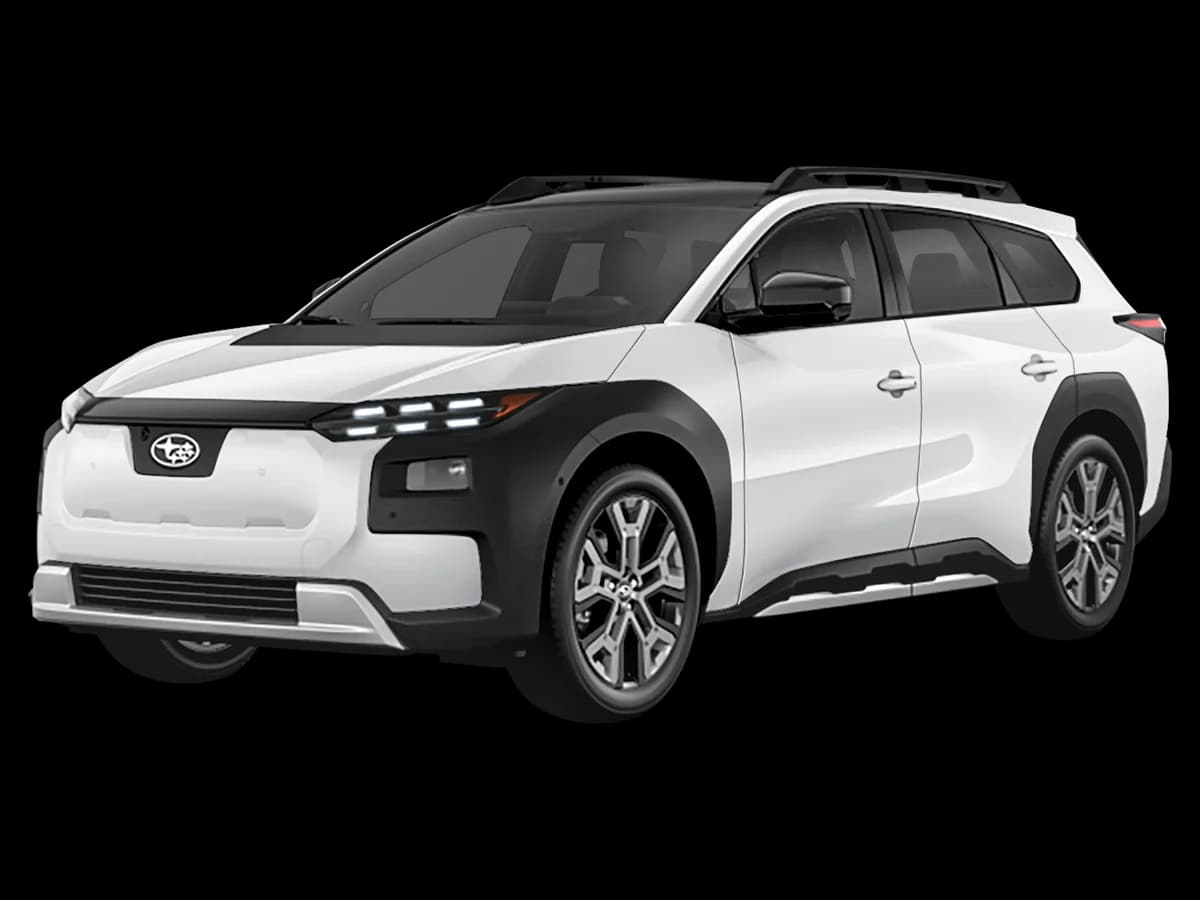

The Scoreboard
Does this improve your life? Considers, health, habits, and environmental impact.
Benefits
The cushioned ride and low cabin noise make commuting and family trips feel relaxed.
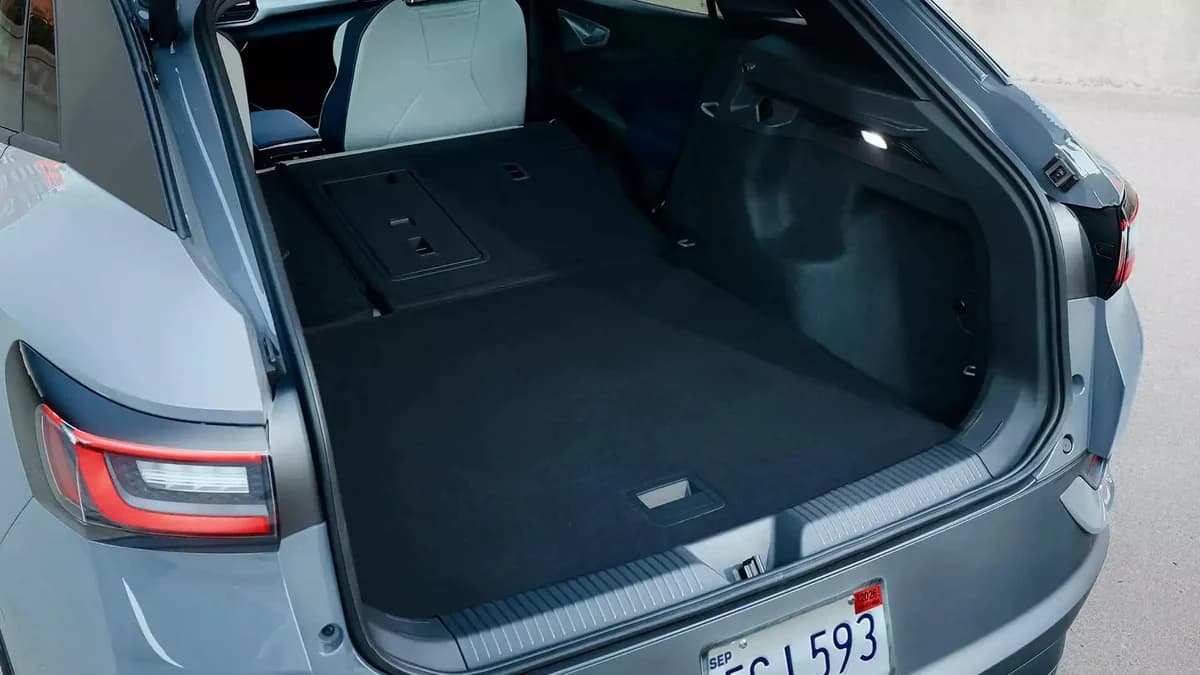
Spacious rear seats and useful cargo capacity make everyday family hauling comfortable and uncomplicated.
RWD models can cover up to 291 miles, reducing frequent charging during normal commuting.
Easy handling, strong visibility, and available AWD make parking and changing conditions feel manageable.
Trade-Offs
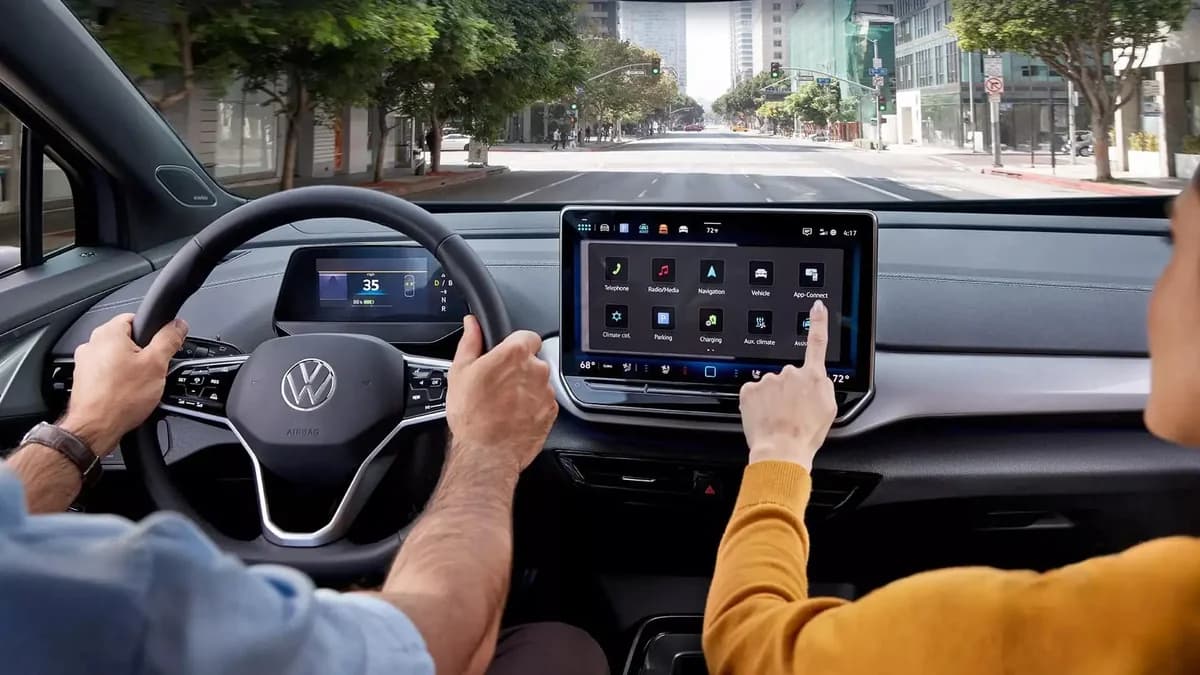
Capacitive steering-wheel and climate controls can miss inputs, making simple adjustments distracting while driving.
Braking can feel abrupt during stop-and-go traffic, making smooth stops harder than expected.
The touchscreen can lag during routine adjustments, forcing extra taps when you’re trying to leave.
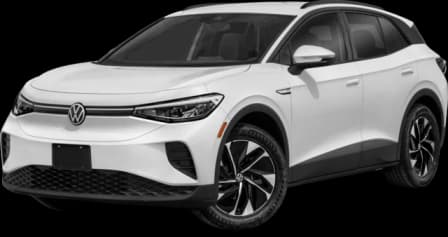
 Alternatives


Join the Circle
Where real meets deal
Know what's worth buying-and when.
Tips, special offers, and rewards for buying and sharing.

Publications
6 LEADING PUBLICATION REVIEWS

Car and Driver views the 2026 Volkswagen ID.4 favorably, though as a practical compromise rather than an exciting EV. Its appeal lies in a comfortable, quiet ride, roomy rear seats, generous cargo capacity, and an approachable price, with the test model fitting eight carry-on bags behind the rear seat and 26 overall. The 282-hp rear-drive version prioritizes range and affordability, while the 335-hp AWD model adds welcome zest. Still, the ID.4 lacks sharp handling, one-pedal driving, and the instant acceleration associated with many electric vehicles, while its infotainment remains fussy. Its 240-mile real-world range in an AWD test also trailed the EPA estimate. Overall, the reviewer considers it a sensible, well-rounded everyday electric SUV and recommends the rear-drive Pro, but acknowledges that quicker, sportier rivals may be more compelling.
By Austin Parsons
Auto Express gives the 2026 Volkswagen ID.4 a favorable but measured review. It comes across as a comfortable, practical family EV rather than an exciting driver’s car, with a smooth ride, roomy cabin, useful 543-litre boot, strong safety credentials, and up to 351 miles of claimed range. The refreshed model also benefits from physical steering-wheel buttons and improved infotainment. Still, the ID.4 trails rivals such as the Hyundai Ioniq 5, Kia EV6, and Tesla Model Y in driving sharpness, charging speed, interior flair, and material quality. Real-world range can fall notably in cold weather or with the air conditioning running, while resale values are weak and the regenerative braking lacks a strong one-pedal mode. Auto Express’s overall view is that the ID.4 is a sensible, easy-to-live-with choice—especially in rear-wheel-drive Pro Essential form—but not a class leader.
By Steve Walker; Shane Wilkinson
What Car? gives the 2026 Volkswagen ID.4 a measured three-star verdict. It comes across as a sensible, affordable family EV, with a roomy cabin, substantial 543-litre boot, comfortable ride, strong safety credentials, and respectable range—up to 351 miles in the best Pro version. Equipment is generous, and the facelift has made the infotainment far more usable. However, the review is clear that rivals such as the Kia EV6, Hyundai Ioniq 5, Tesla Model Y, and Skoda Enyaq are faster, quieter at motorway speeds, more enjoyable to drive, more versatile, or quicker to charge. The ID.4’s grabby brakes, fiddly touch controls, limited rear-seat flexibility, lack of a front trunk, and especially poor reliability-survey result weaken its appeal. It makes most sense for buyers prioritizing space, value, and standard equipment over driving excitement or class-leading technology.
By Doug Revolta
Autocar’s Jack Warrick and Richard Lane are firmly positive about the Volkswagen ID.4. They portray it as one of the easiest EVs under £50,000 to live with, combining a spacious, relaxing cabin, generous rear legroom, practical 543-litre boot and smooth, composed ride. The updated 286bhp motor makes the larger-battery version brisk, while its intuitive controls, maneuverability and mature road manners suit everyday driving particularly well. Still, this is measured praise rather than excitement: the touch-sensitive steering-wheel controls remain frustrating, infotainment is improved but not class-leading, handling lacks involvement, and the claimed range can fall to roughly 240–270 miles in mixed use. Rivals such as the Tesla Model Y are quicker and roomier, while the smaller battery looks increasingly outdated. Overall, the ID.4 is presented as a polished, understated and highly approachable electric SUV whose comfort and usability matter more than thrills.
By Jack Warrick & Richard Lane
InsideEVs’ Suvrat Kothari is cautiously negative about the Volkswagen ID.4 as a 2026 buy. After a week with the Pro S AWD, he credits it with a surprisingly strong driving experience, a controlled ride, roomy cabin, improved software, seamless wireless Android Auto, and better road-trip usability thanks to complimentary Electrify America charging and Tesla Supercharger access. But those strengths cannot overcome its aging interface, infuriating capacitive controls, awkward rear-window switch, merely adequate range and charging speed, and lack of a native NACS port. Most importantly, Kothari considers the roughly $45,000 starting price—and $56,265 test car—poor value against newer rivals such as the Hyundai Ioniq 5, Tesla Model Y, and Cadillac Optiq. He views the ID.4 as an important learning experience for Volkswagen, but recommends waiting for the upcoming refresh rather than buying this version.
By Suvrat Kothari
Electrifying.com is clearly positive about the Volkswagen ID.4, calling it a likeable, well-rounded family SUV. Its appeal lies less in standout speed or class-leading technology than in easy everyday usability: a spacious, airy cabin, generous rear room, a 533-litre boot, comfortable ride, predictable handling, strong safety credentials, and up to 351 miles of claimed range. The reviewer considers the 286hp, 79kWh version the sensible choice and views the GTX’s extra performance as largely pointless because it sacrifices efficiency. Volkswagen’s software updates have improved the infotainment, range, and charging, but the touchscreen-heavy cabin and touch-sensitive steering-wheel controls remain genuine irritations. Charging speeds also trail newer rivals, the warranty is ungenerous, and the model lacks a frunk or seven-seat option. Still, its calm driving character, practicality, and familiar feel make it a compelling, fuss-free electric family car—especially with a good finance deal.
By Vicky Parrott

YouTube
11 LEADING EXPERT & INFLUENCER REVIEWS
 Chasing Cars
Tom Baker is strongly impressed by the Volkswagen ID.4, though he narrowly ranks it behind the Tesla Model Y. He praises its exceptionally comfortable, well-controlled ride, progressive steering, supportive seats, familiar cabin, strong real-world range, and useful high-profile tires—qualities that make it especially appealing for Australian roads and relaxed family touring. However, the ID.4 feels heavier and slower, lacks a frunk and several expected connected features, charges less conveniently, and cannot access Tesla’s full Supercharger network. Baker sees it as an excellent, close second rather than a flawed alternative.
CarExpertPaul is positive about the Volkswagen ID.4, but ultimately wouldn’t recommend buying one yet. After several months and more than 6,000 km with his family, he praised its exceptionally comfortable ride, quiet driver aids, practical cabin, easy parking, and strong city efficiency. However, the missing app and scheduled charging—forcing him to plug in manually for off-peak rates—are major frustrations, while occasional screen failures and over-sensitive reverse braking hurt confidence. He considers the ID.4 an excellent, sensible family EV, but says its software shortcomings are deal-breakers until Volkswagen fixes them.
Car and Driving - Car ReviewsJonathan Crouch is strongly positive about the updated Volkswagen ID.4, calling it one of the midsized EV class’s most sensible choices. He praises the stronger, more efficient motor, improved range and faster charging, practical cabin, composed handling, and much better 12.9-inch infotainment system. Government incentives also make mainstream versions notably better value. Still, the ID.4 is not flawless: the cabin remains somewhat clinical, cheaper plastics and awkward window controls undermine its premium feel, the screen can lag, and the rear bench and boot are less flexible than a Tiguan’s. Overall, it is a compelling, rational second look rather than an exciting class leader.
Chabby's RidesChabby’s Rides is cautiously skeptical of the 2026 Volkswagen ID.4. He appreciates its comfortable seats, tight steering, good visibility, roomy cargo area, intuitive-enough technology, and strong discount, bringing the AWD Pro to about $43,700. Still, he finds the 263-mile AWD range light for today’s EV market and the interface less intuitive than newer rivals. The lack of a frunk, manual liftgate, no 360-degree camera, and abrupt shutoff when shifted into Park also hurt its appeal. Overall, he sees a competent, pleasant EV whose weak sales reflect stiff competition, limited range, and a lukewarm market.
EV Help HubEV Help Hub remains broadly positive about the Volkswagen ID.4 after three years and 50,000 miles. The owner praises its durable interior and exterior, spacious cabin, comfortable ride, dependable range, low maintenance costs, and flawless operation in varied weather. Real-world efficiency slightly exceeds EPA estimates, while charging is manageable and expected to improve with broader Tesla Supercharger access. However, the software remains the ID.4’s biggest weakness, with sluggish controls, frequent minor bugs, and a mediocre app; limited one-pedal driving and short-lived OEM rear tires also frustrate. Overall, it earns the owner’s trust, though today’s recommendation is conditional.
Elliott AlvisElliott Alvis is cautiously skeptical of the Volkswagen ID.4, despite appreciating its everyday strengths. He likes the conventional styling, spacious and quiet cabin, comfortable ride, useful technology, easy charging compatibility, and quick AWD acceleration. However, he considers the nearly $60,000 Pro S AWD’s pricing, modest range, dated controls, small driver display, and rear drum brakes hard to justify against the Tesla Model Y, RAV4 Prime, and increasingly efficient gas SUVs. Heavy discounts could make it appealing, especially for short commuters, but Alvis ultimately views the ID.4 as a good, practical EV with an increasingly difficult value proposition.
W.T.F Car ReviewsW.T.F Car Reviews is highly enthusiastic about the 2026 Volkswagen ID.4 Pro, calling it one of the best EVs under $50,000. The reviewer praises its surprisingly quick acceleration, sharp steering, composed ride, quiet cabin, strong traction, roomy five-adult interior, and nearly 300-mile range. He especially enjoys the responsive rear-drive performance, finding it faster than expected. Reservations include no power seats or liftgate, limited luxury, no 360-degree camera, and an awkwardly directional tire setup that prevents rotations. Even so, he considers the ID.4 exceptionally practical, efficient, and comfortable, recommending shoppers seriously consider it.
AutoMobiAutoMobi is clearly positive on the 2026 Volkswagen ID.4, calling it the smarter choice for most buyers. It praises the practical cabin, class-leading cargo capacity, 291-mile RWD range, comfortable ride, standard IQ.DRIVE features, and new NACS access for U.S. owners. The main criticisms are modest interior materials, merely adequate performance, and charging that trails Hyundai and Kia rivals. Compared with the ID.5, the ID.4 offers more space, range, and value, making it especially compelling for families; only style-focused buyers have a strong reason to pay extra for the coupe-shaped alternative.
AUTO TVAUTO TV is broadly positive about the 2026 Volkswagen ID.4, viewing it as a practical, well-rounded family EV that finally makes a convincing case. The review praises its calm styling, roomier cabin, improved touchscreen software, generous cargo space, 82-kWh battery, and available 335-hp AWD. Its most valuable caveat is the earlier door-handle recall, which could allow water intrusion and unintended unlatching, though the reviewer believes 2026 models address it. Pricing near $46,000–$59,000 is acknowledged as substantial, but the long warranty, usable range, and everyday practicality ultimately make the ID.4 feel worth considering.
OpenRoad AutoOpenRoad Auto is moderately positive about the 2026 Volkswagen ID.4, presenting it as the more conventional and well-rounded choice. Its smooth, stable ride, confident cornering, superior rear-seat space, and larger cargo area make it especially practical for families. The 335-hp AWD model and up-to-291-mile RWD range are appealing, while charging takes roughly half an hour. However, capacitive steering-wheel and climate controls can be frustrating, and the ID.4 costs more than the Toyota bZ. Overall, it earns a favorable but measured recommendation for buyers prioritizing comfort, utility, and predictable driving manners.
Robbe GRobbe G is highly enthusiastic about the updated Volkswagen ID.4, calling it faster, smoother, and “very convenient.” His hands-on walkthrough praises the physical steering-wheel controls, stronger full one-pedal regenerative braking, responsive Google Maps integration, charging-location tools, spacious rear seating, wireless charging, and useful Volkswagen app. He also appreciates the straightforward climate controls and configurable driver-assistance settings, though he finds some menus unnecessary and dislikes automatic speed-sign reactions when Belgian road signs are misread. It’s a feature-focused interior tour rather than a rigorous driving or range test, but his overall verdict is warmly positive.

Forum Reviews
CUSTOMER REVIEWS FROM 1 FORUM
Redditors are cautiously positive about the 2026 Volkswagen ID.4, but reliability and software concerns remain significant. Owners generally praise its quiet, comfortable ride, practical size, strong value, roomy cabin, and smooth performance. Newer models appear better sorted, with improved infotainment and plenty of power, though experiences vary. Critics report cascading electrical faults, unreliable driver assistance, weak app functionality, and poor dealer diagnostics, with some pursuing lemon-law remedies. The aging platform, uncertain refresh strategy, and stronger newer competitors also make shoppers hesitant. In short, it remains an appealing family EV at the right discount, but not a worry-free purchase.
Many comments

In-Depth Review

Highlights
- •Quiet Comfortable RideDesigned for relaxed family travel.
- •Roomy Family CabinDesigned to accommodate passengers and luggage.
- •Long RWD RangeAdvertised to reach 291 miles.
- •Strong AWD PerformancePromoted as having 335-hp output.

Considerations
- •Fussy Touch ControlsCapacitive controls can miss inputs.
- •Software Reliability ConcernsReports cite bugs, faults, and app issues.
- •Variable Real-World RangeCold weather and AWD reduce range.
- •Slower Rival ChargingCharging trails faster Hyundai and Kia alternatives.
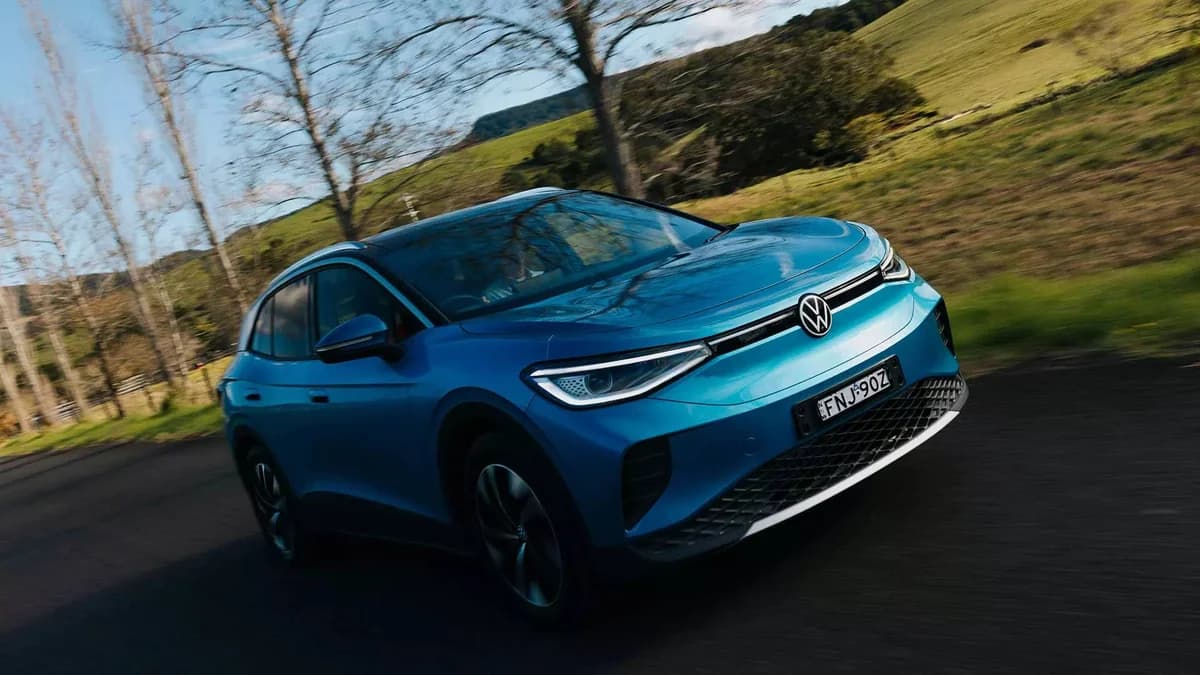
Volkswagen’s 2026 ID.4 is a sensible family EV from a brand known for approachable, practical cars. Positioned between newer high-tech rivals and traditional compact SUVs, it serves commuters and families with a quiet cabin, useful space, and up to 291 miles of EPA range. The key question is how that headline translates to winter driving, highway speeds, and the AWD model’s shorter range. We’ll also examine DC fast charging, road-trip usability, and whether its roomy cabin and cargo area outperform alternatives such as the Tesla Model Y, Hyundai Ioniq 5, and Kia EV6. Comfort remains a major selling point, while 335-hp AWD, predictable handling, and braking reveal where the ID.4 feels polished—and where its older platform shows. If you value relaxed daily driving over outright thrills, it deserves attention; just weigh the range, charging, space, and controls carefully before letting this quietly capable SUV park itself in your shortlist.
Real-World Driving Range
The ID.4’s up-to-291-mile EPA range makes the rear-drive version well suited to commuting and moderate road trips. Actual results vary with weather, speed, heating, and wheel choice, and an AWD test recorded about 240 miles against its EPA estimate. Owner feedback is somewhat limited, but longer-term reports describe dependable range, with one driver slightly exceeding EPA efficiency. RWD is the range-focused choice, while AWD’s 263-mile rating trades distance for traction and stronger performance.
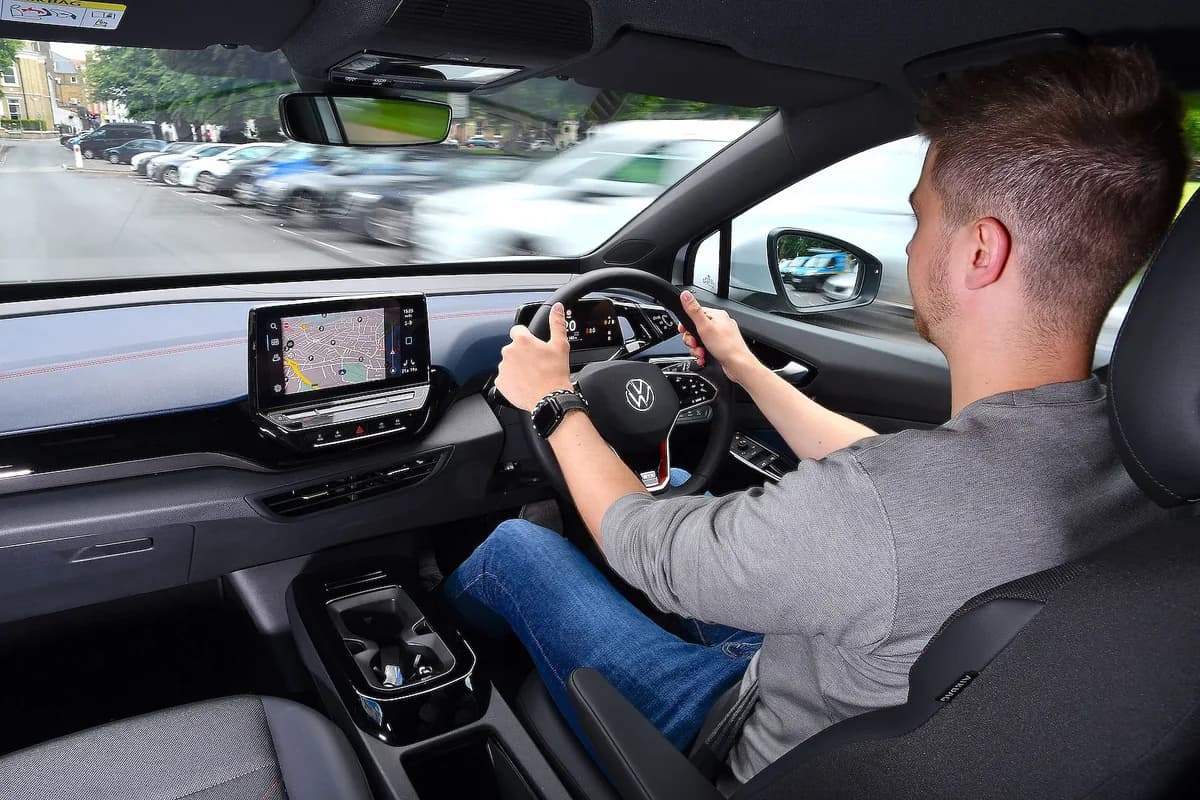
Cabin and Cargo Space
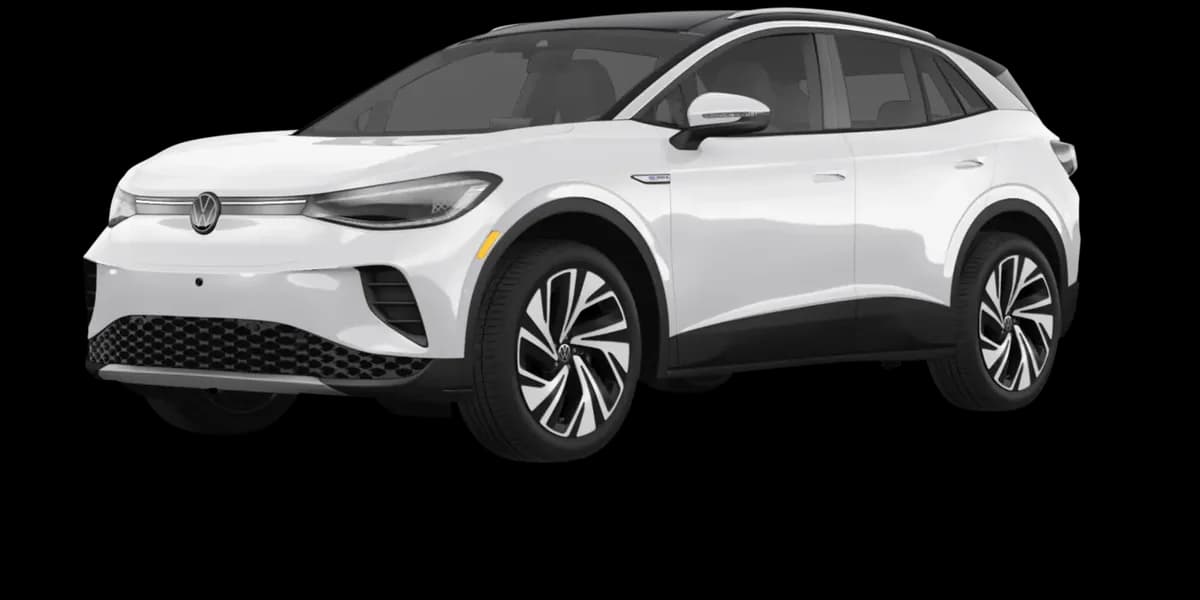
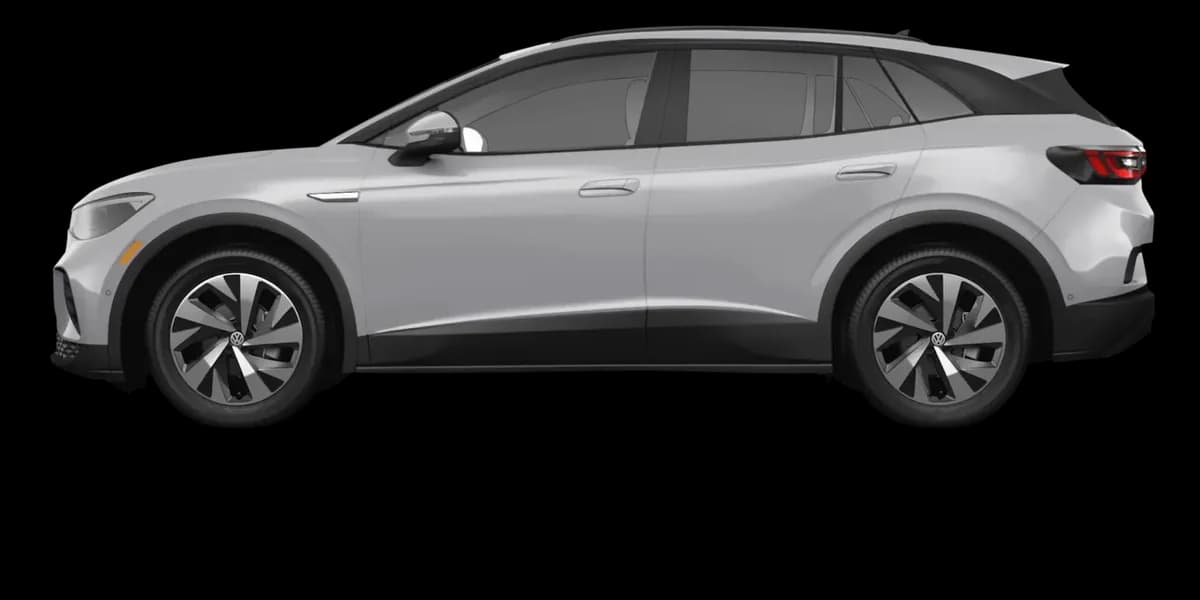
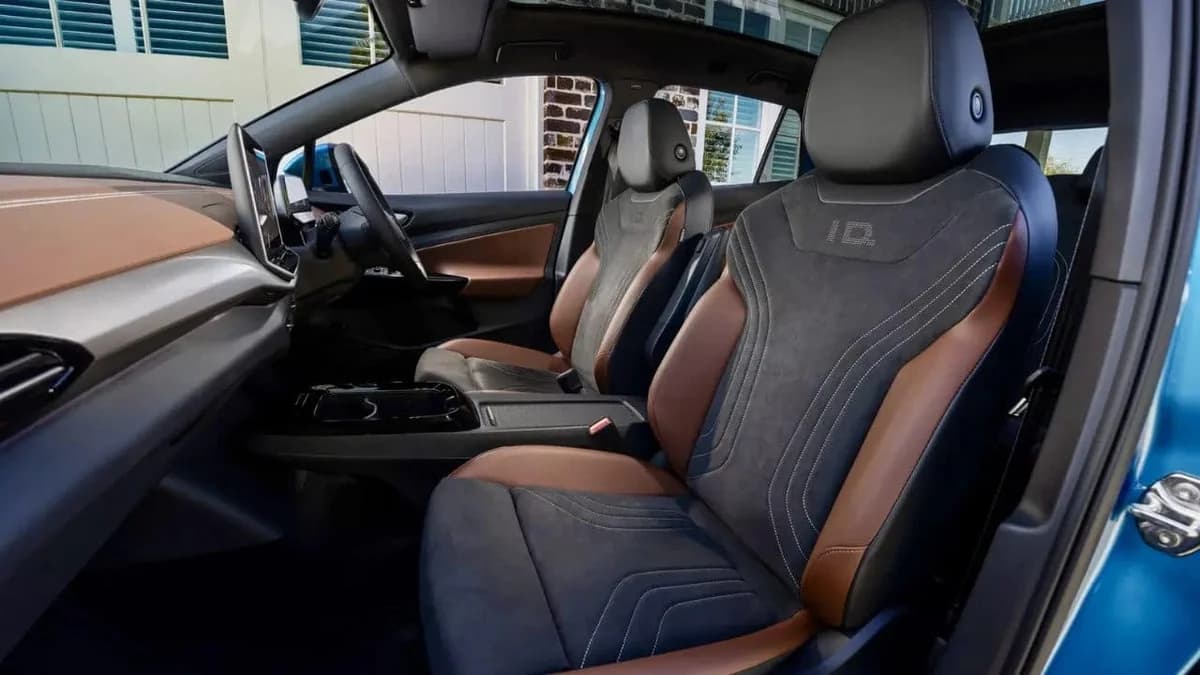
Practical packaging is one of the ID.4’s clearest strengths. The five-seat cabin provides generous rear legroom, and its 30.3-cubic-foot cargo area expands to 64.2 cubic feet with the seats folded. Reviewers consistently find it family-friendly, easy to see out of, and roomy enough for passengers and luggage, although the rear bench and cargo flexibility are less versatile than a Volkswagen Tiguan’s. The missing frunk and manual liftgate also limit convenience compared with newer EV designs.
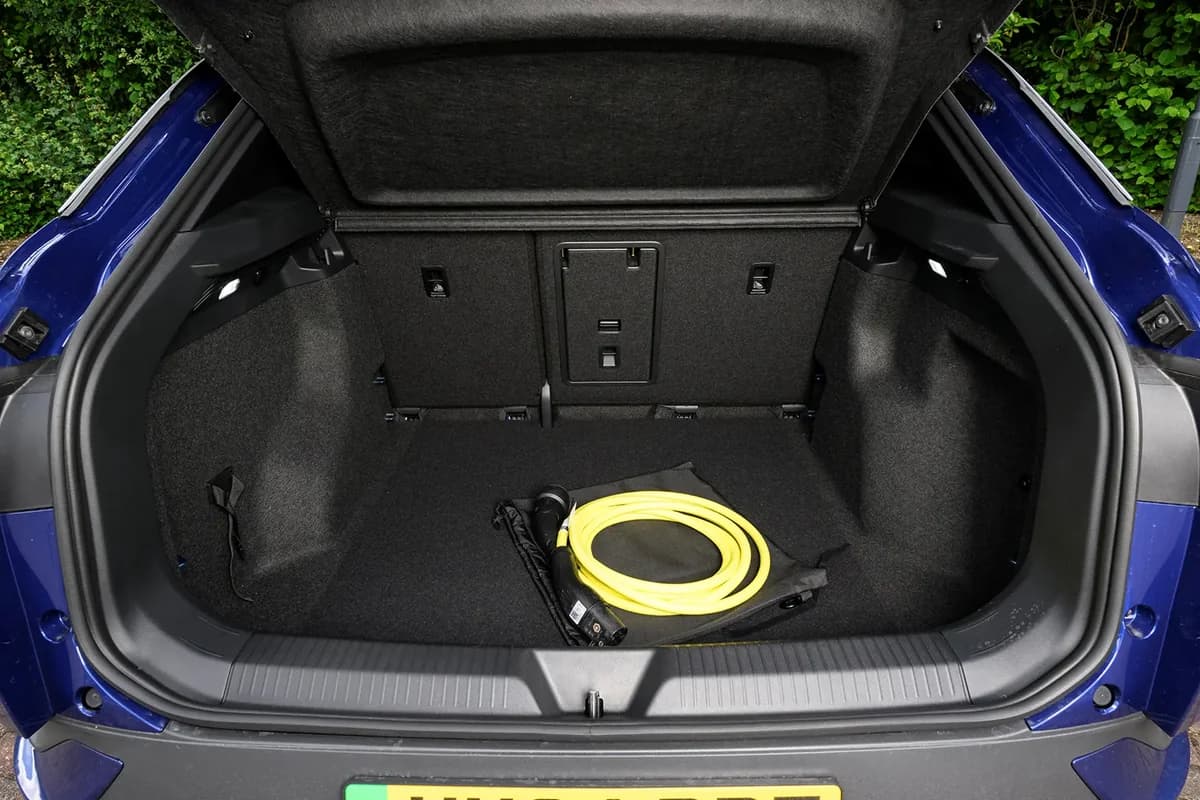
Charging and Road Trips
The ID.4 is road-trip capable, though its charging pace no longer leads the class. Its up-to-135-kW DC fast charging is reported to take roughly 30 minutes from 10 to 80 percent, while the 11-kW onboard charger suits overnight home charging. Newer models benefit from improved charging tools and broader Tesla Supercharger access, but Hyundai and Kia rivals can recharge faster, and the lack of a native NACS port remains a drawback in some evaluations. Route planning and dependable charger availability matter.
Ride Comfort and Quietness
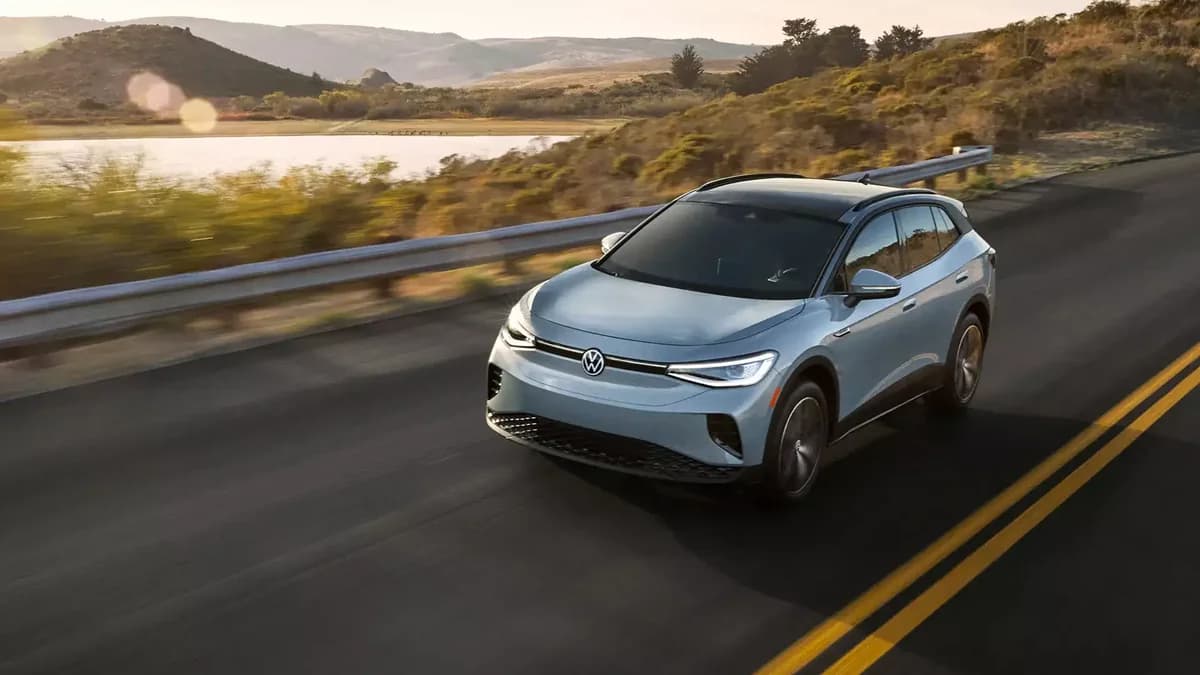
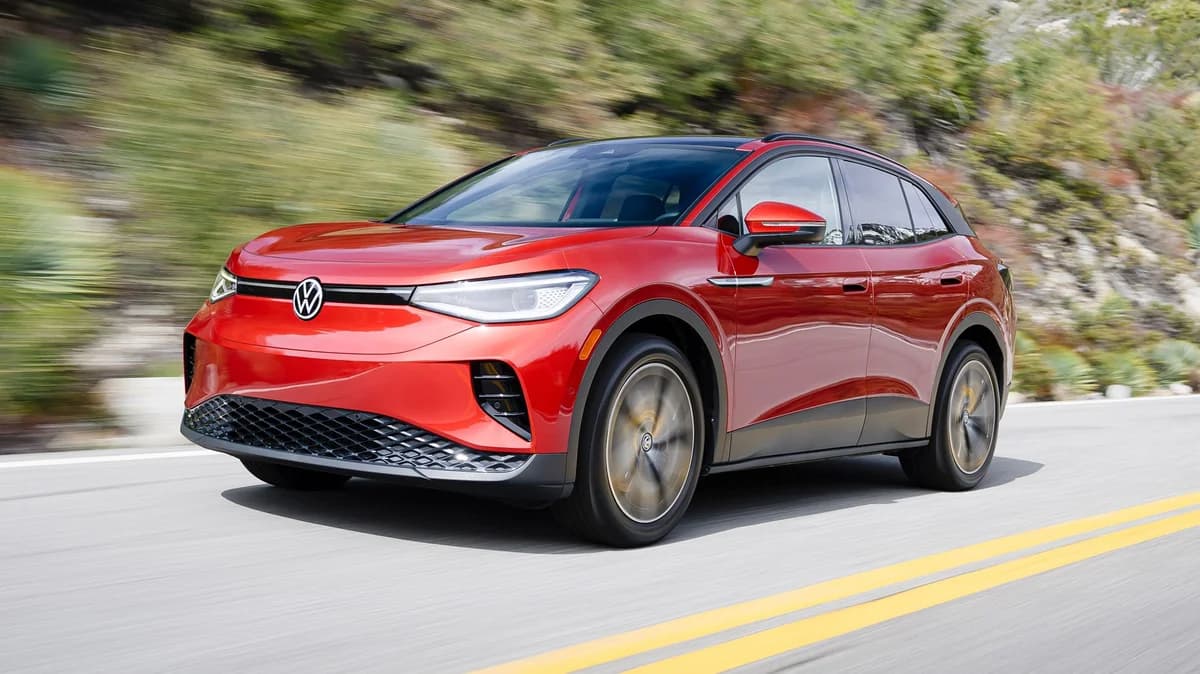
Comfort is where the ID.4 most consistently feels right. Its smooth, composed suspension absorbs ordinary road imperfections well, while the quiet electric drivetrain creates a relaxed cabin for commuting and family touring. Supportive seats, predictable manners, and useful visibility reinforce that easygoing character. User and expert feedback generally supports Volkswagen’s comfort-focused positioning, though this is not a sporty SUV, and some reviewers find newer competitors more refined at motorway speeds. It prioritizes calm usability over excitement.
Handling and Braking
The ID.4 feels stable and predictable rather than agile. Its progressive steering and tight turning circle make parking straightforward, while available AWD improves grip in poor conditions. The trade-off is modest cornering involvement, limited one-pedal driving, and braking that some reviewers describe as grabby at low speeds. Reverse braking can also react too aggressively, according to owner feedback. These traits do not undermine everyday usability, but they show the ID.4 is tuned for relaxed family driving rather than precise driver engagement.
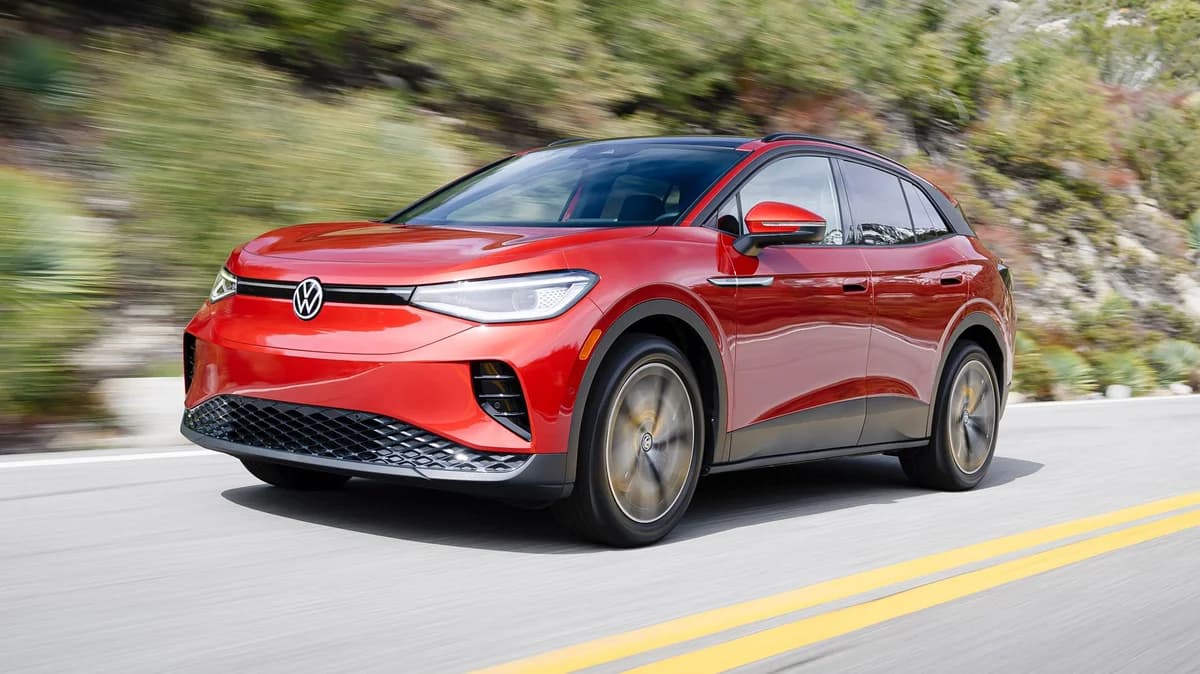
Acceleration and Power
The ID.4 has more performance than its restrained styling suggests. Rear-drive models use a 282-hp single motor with 402 lb-ft of torque, while the available 335-hp dual-motor AWD system delivers notably quicker acceleration and extra traction. Reviewers often describe the RWD car as surprisingly responsive, although it does not feel as instant or sporty as a Tesla Model Y or Hyundai Ioniq 5. AWD is valuable for confidence and pace, but it reduces rated range to 263 miles.
Conclusion
The 2026 Volkswagen ID.4 makes its strongest case as a calm, practical family EV: RWD range up to 291 miles is useful for commuting, though cold weather, highway speeds, and AWD can narrow the margin. Road trips are manageable, but DC fast charging around 30 minutes for 10–80% trails newer Hyundai and Kia rivals. Inside, generous rear room and 30.3 cu ft of cargo space make it easier to live with than its subdued styling suggests, while the quiet, cushioned ride earns consistent praise from owners and experts. The 282-hp RWD model is responsive, and 335-hp AWD adds traction and pace, but predictable handling matters more here than excitement; grabby braking and weak one-pedal driving remain drawbacks. Choose it for comfort, space, and discounts—not cutting-edge tech or charging speed—making it a sensible, but not worry-free, recommendation.

Feature Scores
This reflects reviews and ratings from established critics, journalists, and users who have evaluated the item. Their opinions provide a comprehensive assessment.
Performance
Driving Range
4/5
Charging Speed
3/5
Acceleration
4/5
Handling and Ride Comfort
4/5
Energy Efficiency
4/5
Battery Durability
4/5
Value
Purchase Price Competitiveness
3/5
Total Cost of Ownership
4/5
Resale Value
2/5
Design
Exterior Styling
4/5
Interior Space and Packaging
4/5
Ergonomics and Controls
3/5
Health
Cabin Air Quality
TBD
Low-Toxicity Materials
TBD
Safety
Crashworthiness
4/5
Active Safety Systems
4/5
Battery Safety Systems
4/5
Sustainability
Lifecycle Emissions
4/5
Battery Recyclability
TBD
Use of Recycled Materials
TBD
Experience Style
Infotainment and Connectivity
3/5
Charging Ecosystem Integration
4/5
Customization and Driving Modes
3/5

Specifications
This section outlines the product's key facts, covering essential features, details, dimensions, materials, and any unique characteristics that define its functionality and usability.
Performance
Value
Design
Safety
Sustainability
Experience Style

Frequently Asked Questions
8 Questions

Find Yours
What is your top priority for an Electric SUV's battery performance?
Answer to find your best matches.