

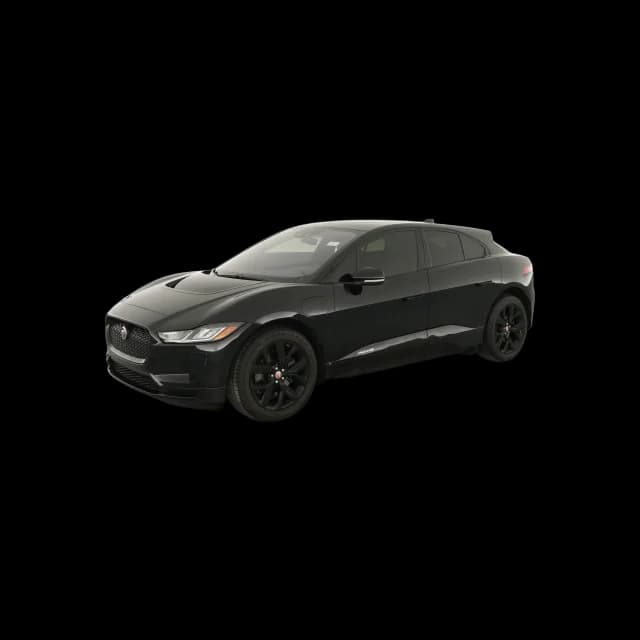











Fisker Inc Ocean (2024)
Bold design and innovative features impress, but software issues and support risks persist.
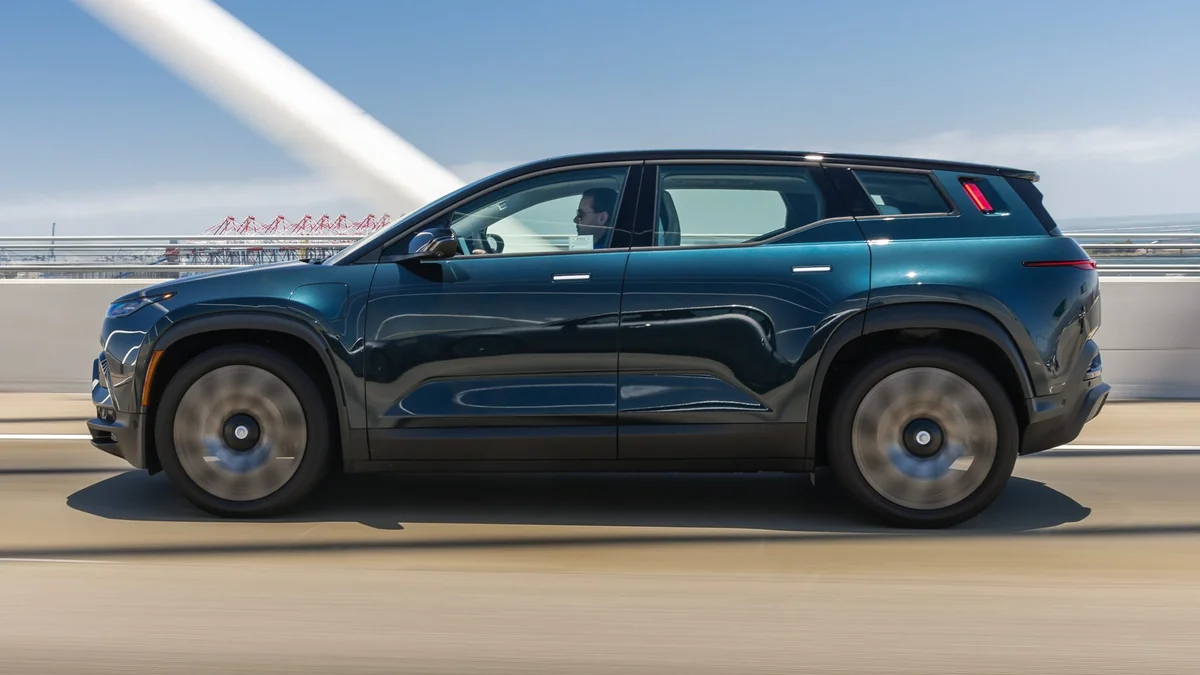
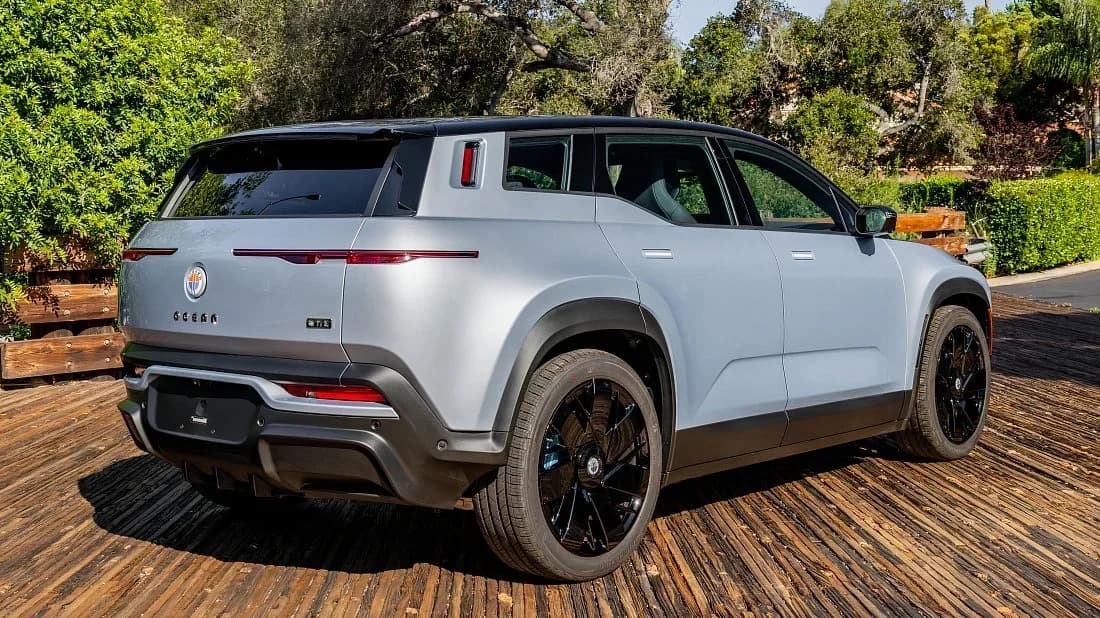
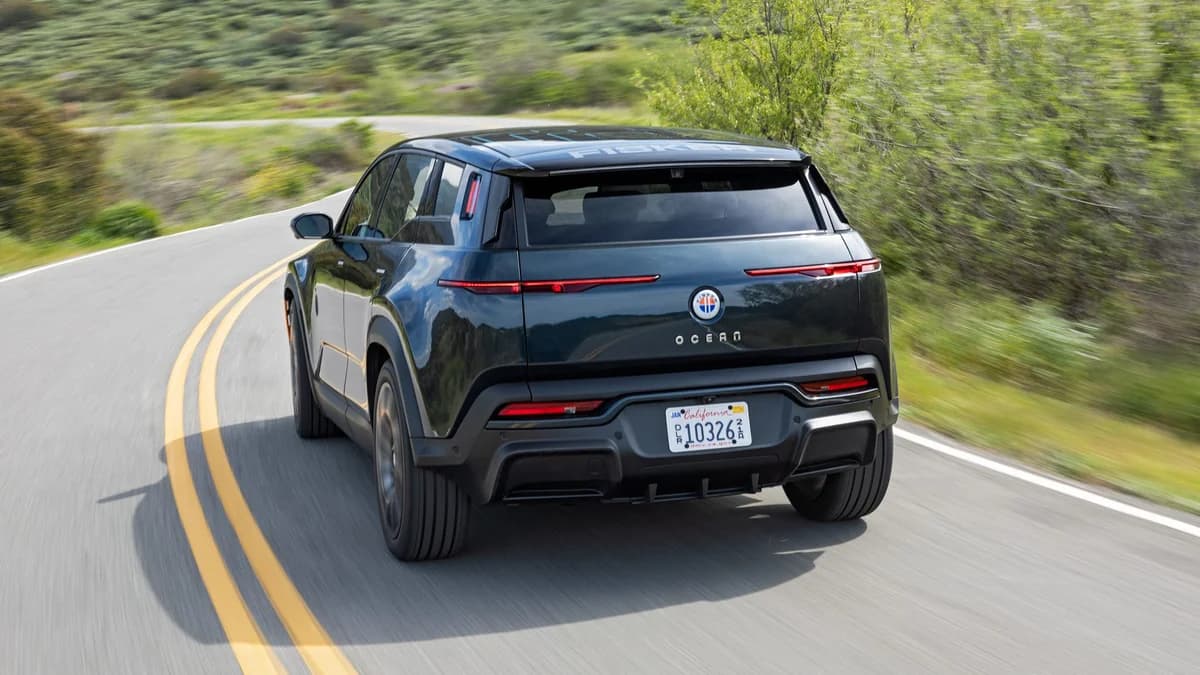
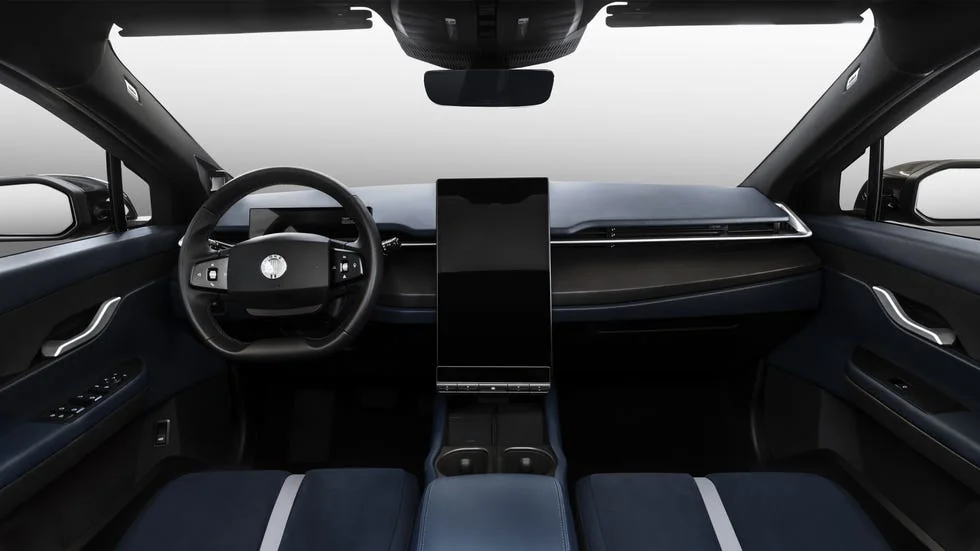
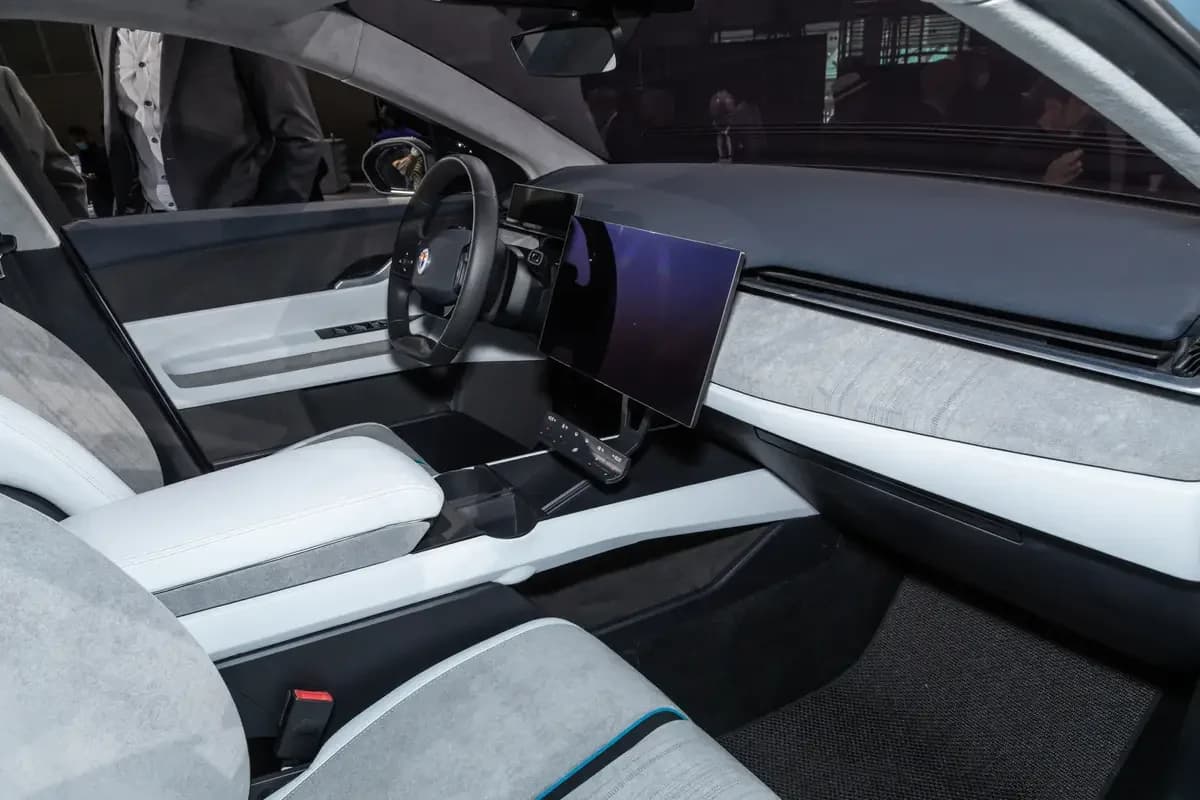
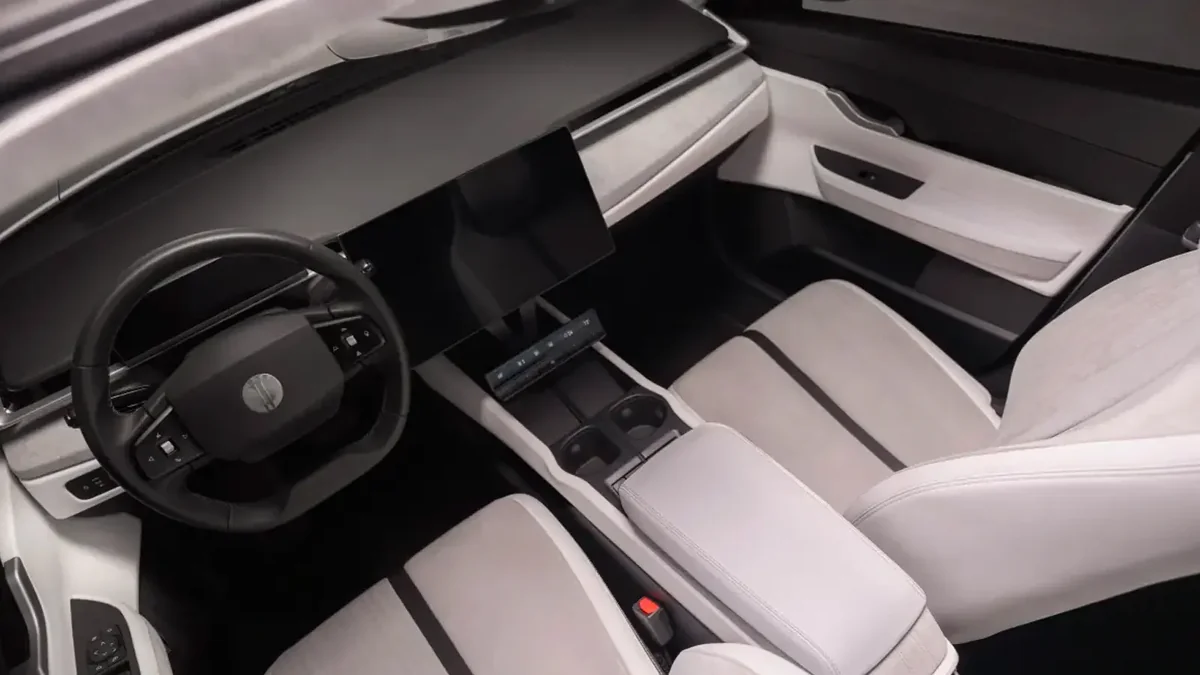
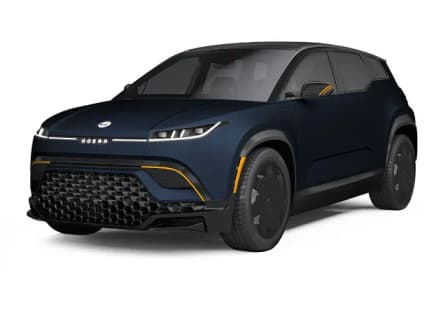
The 2024 Fisker Ocean is a bold all-electric SUV blending California-inspired style with clever eco-features like its SolarSky roof and bidirectional charging, aimed at urban adventurers craving sustainable luxury. Its spacious vegan interior and playful rotating touchscreen charm buyers, but persistent software glitches and sketchy post-sale support from Fisker’s financial woes temper enthusiasm. Experts applaud its spirited 564-hp Boost mode acceleration, though range varies widely across trims, leaving some wanting more. Offering standout perks for the price, it courts those who prioritize character over polish—making patience and passion essential ingredients in this electric gamble’s appeal.




Find Yours
What is your top priority for an Electric SUV's battery performance?
Answer to find your best matches.

The Field
Browse top contenders, or compare all options ranked by score and key attributes.
5 Options
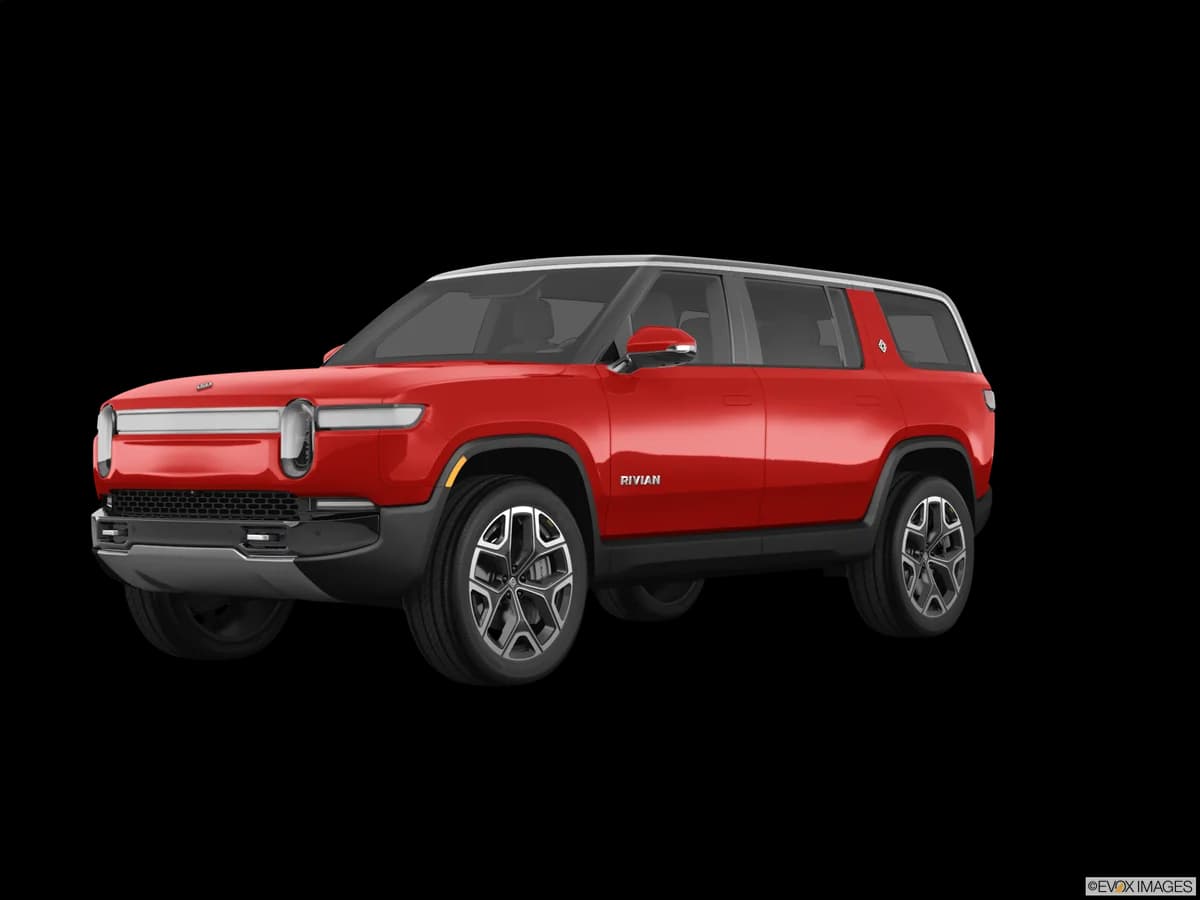
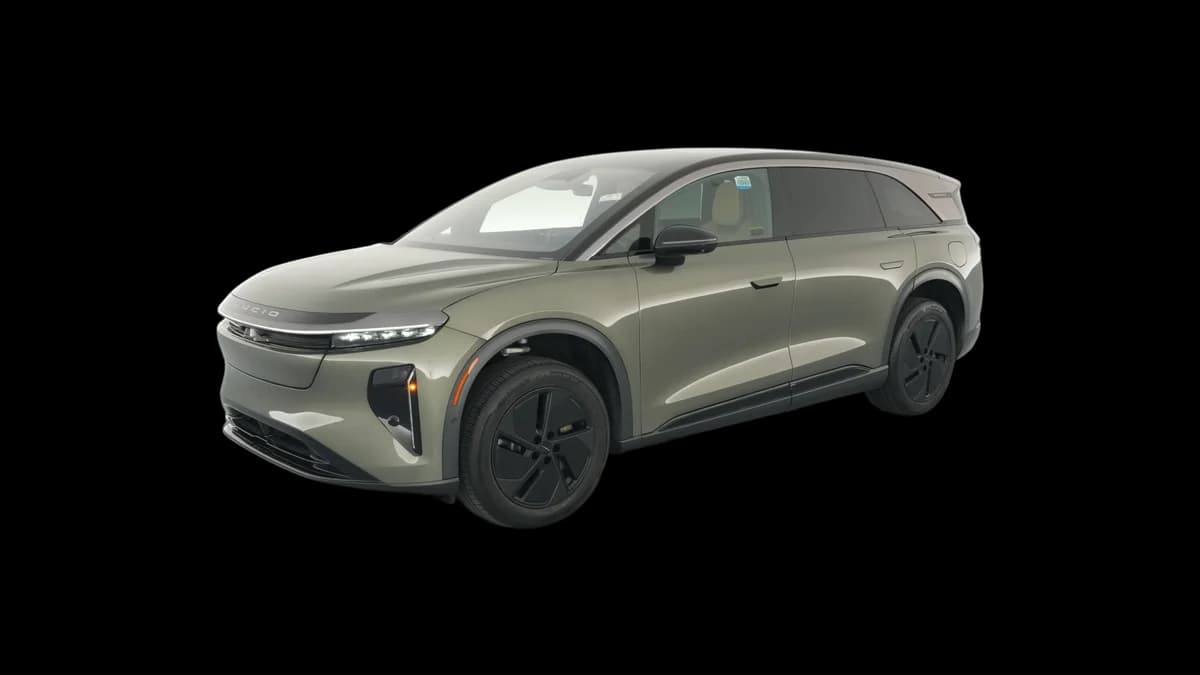

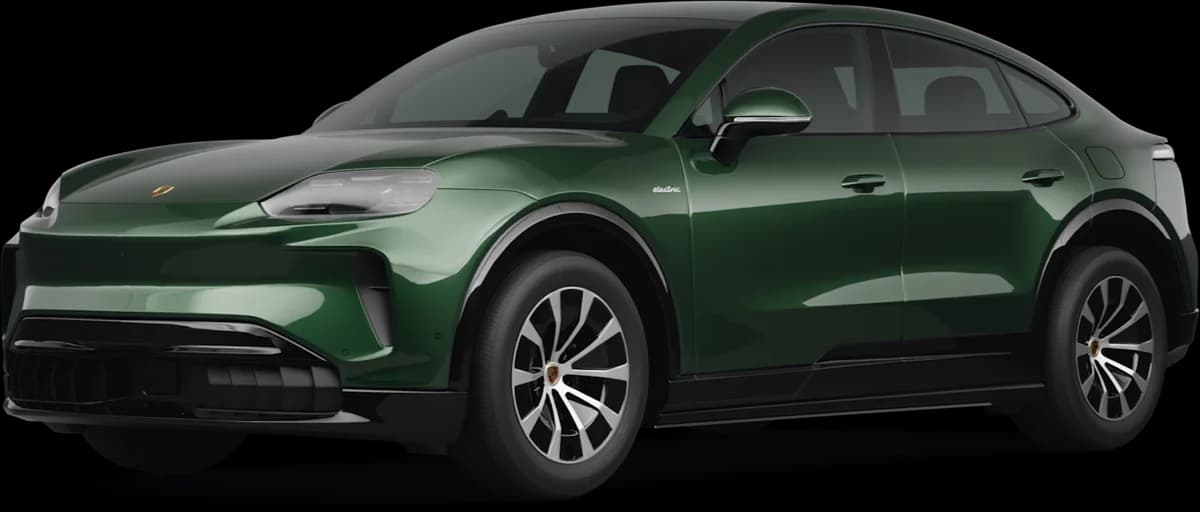
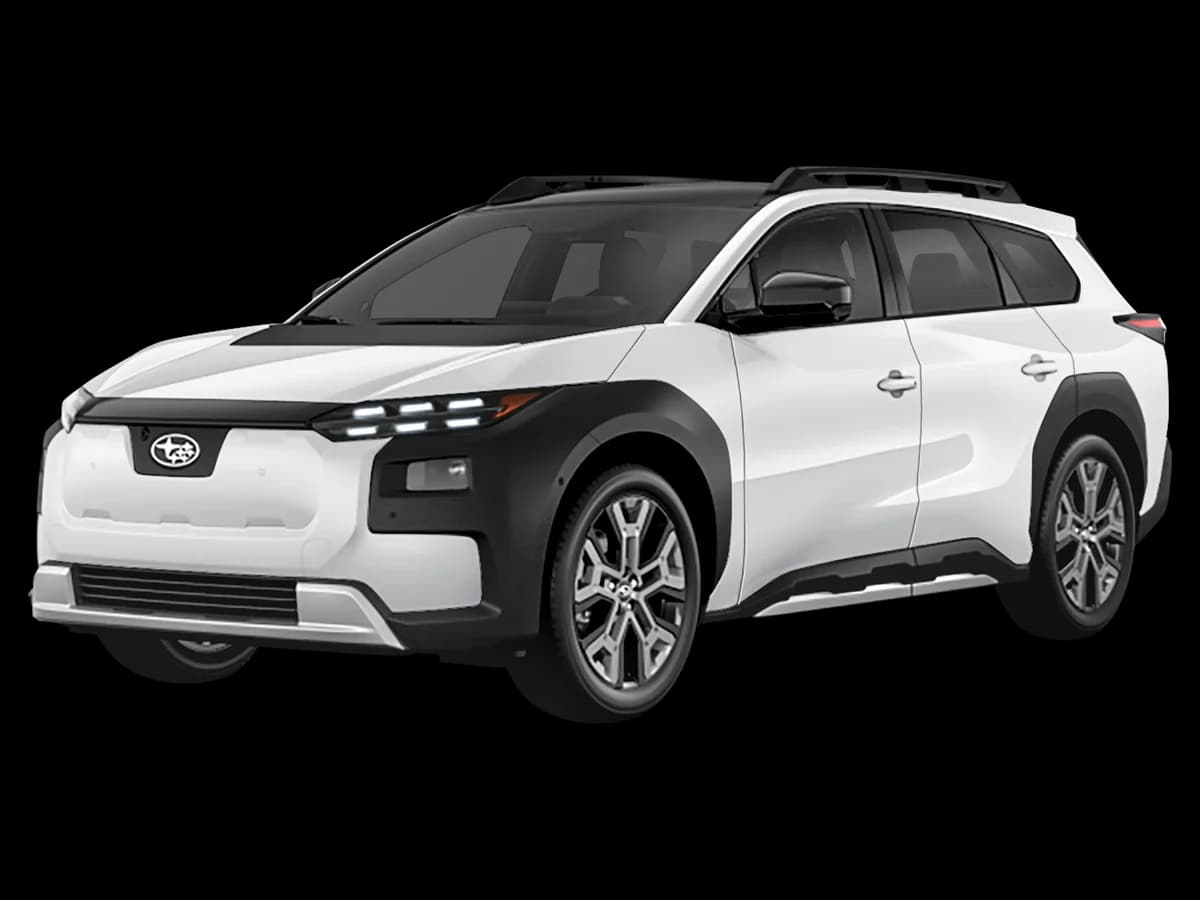

The Scoreboard
Does this improve your life? Considers, health, habits, and environmental impact.
Benefits
SolarSky roof adds modest free miles daily, unlike most rivals, lowering grid reliance.
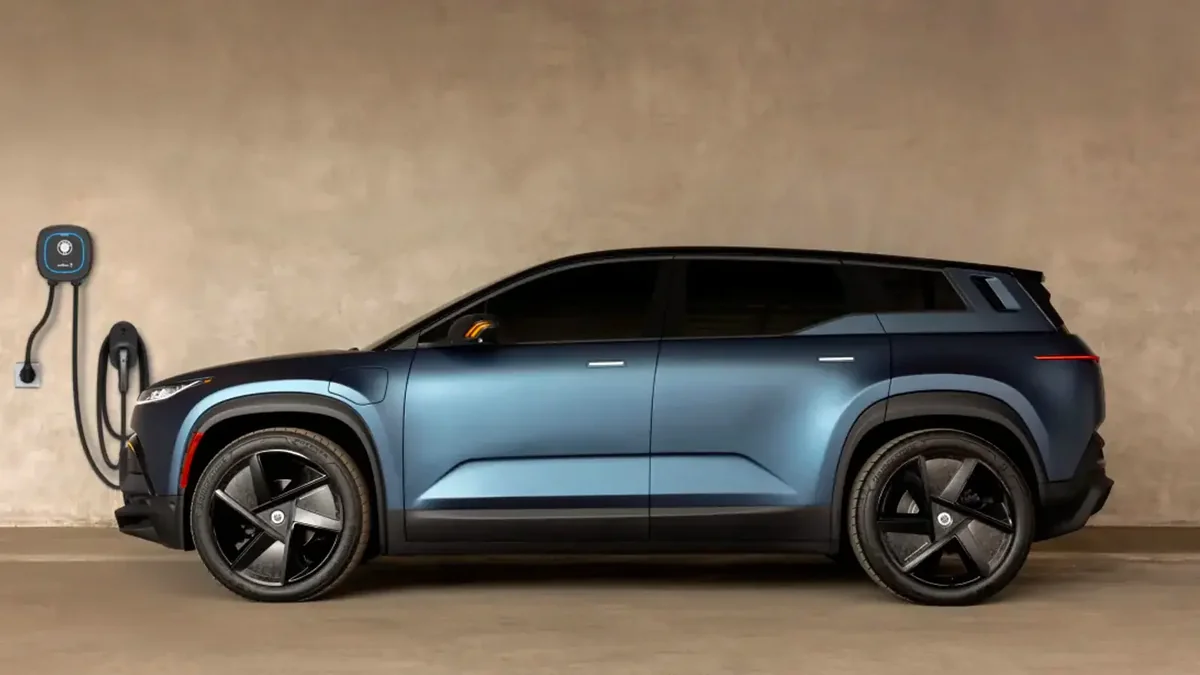
Bidirectional charging enables vehicle-to-home backup during outages, unlike many competitors, supporting resilience.
Vegan leather and recycled fabrics reduce animal harm versus traditional leather interiors.
Comfort-focused suspension and regenerative braking smooth commutes, lowering driver fatigue and stress.
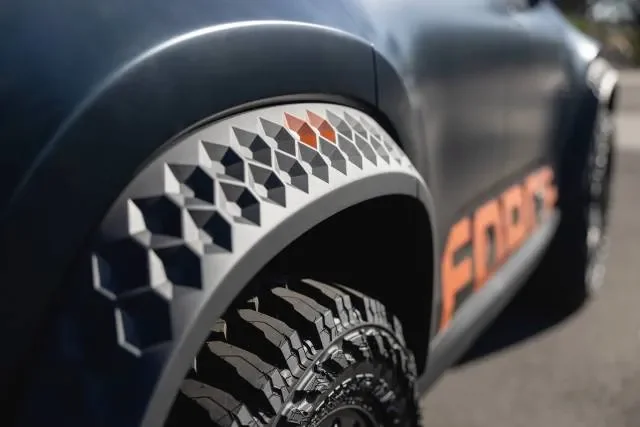
Unique Force‑E off-road tuning increases clearance and capability, expanding restorative outdoor activity access.
Trade-Offs
Large 73–80 kWh lithium‑ion pack entails mining, emissions, and recycling complexity versus eco‑leaders.
Curb weight and off‑road tuning reduce efficiency, increasing energy per mile versus lighter rivals.
Buggy infotainment and inconsistent driver assists create distraction, frustration, and safety anxiety versus mature competitors.
231-mile base EPA range can cause stress on longer trips, versus higher-range competitors.
Bankruptcy-related service gaps may increase downtime, frustration, and potential premature disposal versus established OEMs.
 Alternatives


Join the Circle
Where real meets deal
Know what's worth buying-and when.
Tips, special offers, and rewards for buying and sharing.

Publications
7 LEADING PUBLICATION REVIEWS

Brian Wong from Edmunds highlights the Fisker Ocean as a spacious and powerful electric SUV with impressive real-world range and brisk acceleration, especially in its top Ultra trim. The Ocean offers a comfortable ride, quiet cabin, and a standout ELS sound system, making it appealing in several practical aspects. However, Wong’s tone is largely disappointed due to Fisker’s bankruptcy, which leaves many promised features unfulfilled and raises concerns about long-term ownership and support. The review points out significant flaws in handling, braking, and infotainment reliability, including buggy software, poor Bluetooth connectivity, and inconsistent driver-assist systems. While the Ocean’s efficiency and powertrain performance are competitive, the lack of adaptive cruise control, incomplete one-pedal driving, and problematic key fob diminish the overall experience. Wong ultimately views the Ocean as a vehicle with potential that is undermined by execution issues and the company’s collapse, making it difficult to recommend despite some notable strengths.
By Brian Wong
Richard Ingram from Auto Express highlights the Fisker Ocean as a distinctive and desirable electric SUV that stands out with its bold styling, unique features, and strong performance, especially in the top-spec Extreme trim. He praises its thoughtful design touches like California Mode and the innovative Taco Tray, as well as its competitive acceleration and spacious interior. However, Ingram tempers enthusiasm with measured criticism, noting that the Ocean feels built to a price, with some material quality falling short of premium rivals. The current software and connectivity features are incomplete but expected to improve via over-the-air updates. While the ride is generally comfortable and the driving experience engaging, efficiency and refinement lag behind some competitors. Overall, the review conveys a cautiously positive tone, appreciating Fisker’s ambition and innovation but recognizing that the Ocean still needs refinement to fully realize its potential as a serious Tesla Model Y rival.
By Richard Ingram
Matt Saunders assesses the Fisker Ocean as a distinctive and thoughtfully designed electric SUV that blends California-inspired style with European build quality. He highlights its standout features like the innovative SolarSky roof, which adds modest but free solar range, and playful “California mode” and “Hollywood mode” functions that add character without feeling gimmicky. The Ocean’s interior emphasizes sustainability with recycled materials and a pared-back, practical design that avoids premium-brand pretensions while maintaining solid build quality. Though heavier than rivals, its ride is comfortable and refined, favoring a mature, composed driving experience over sporty dynamics. Saunders praises its impressive real-world range and strong value proposition, positioning it well against established competitors. However, he notes potential concerns about dealer support and the usual risks of software teething problems from a new brand. Overall, the Ocean impresses as a pragmatic, stylish, and range-capable EV that could appeal to buyers prioritizing sustainability and sensible usability.
By Matt Saunders
John M. Vincent from U.S. News & World Report highlights the 2024 Fisker Ocean as a promising electric SUV that impresses with its striking design, sustainable interior materials, and thrilling performance, especially in its dual-motor variants. Praising its build quality and innovative features like the “taco tray,” doggie windows, and a rotating infotainment screen, Vincent emphasizes Fisker’s commitment to sustainability and unique manufacturing approach. However, he notes that the Ocean’s software and connectivity lag behind competitors, with slow touchscreen response, buggy smartphone integration, and missing features like Apple CarPlay and Android Auto. While the driving experience is engaging, some mechanical jolts and artificial steering detract from refinement. Vincent sees the Ocean as an affordable, well-built EV with strong potential that currently requires software improvements to fully compete with established rivals like the Tesla Model Y. The review balances enthusiasm for Fisker’s fresh approach with measured critique of its early-stage software shortcomings.
By John M. Vincent
Matt Degen from Kelley Blue Book highlights the Fisker Ocean as an electric SUV with intriguing design, innovative features like a solar roof and rotating touchscreen, and a commendable focus on sustainability. However, despite its promising specs and eco-friendly ambitions, the review conveys a largely critical and cautious sentiment. The driving experience is described as inconsistent and sometimes unsafe, with issues such as unreliable software, awkward power delivery, and uncomfortable ergonomics undermining the vehicle’s appeal. The Ocean’s range and some unique features like California Mode and two-way charging stand out positively, but these are overshadowed by numerous bugs and hardware quirks. Additionally, Fisker’s uncertain financial stability casts doubt on the long-term viability and support for the vehicle. Overall, while the Ocean shows potential and creativity, the execution falls short, leading to a lukewarm recommendation compared to more dependable competitors in the electric SUV market.
By Matt Degen
Bengt Halvorson from Green Car Reports highlights the Fisker Ocean (2024) as a well-designed and thoughtfully packaged electric SUV with strong hardware fundamentals and impressive styling. The roomy, cleverly laid-out interior and unique features like the solar roof and California mode stand out as notable positives. However, Halvorson expresses clear reservations about the vehicle’s software maturity and driving dynamics, describing the Ocean’s software as lagging behind expectations and potentially frozen in an unfinished state due to Fisker’s June 2024 bankruptcy. While the hardware impressed with solid build quality and promising performance, the software glitches, inconsistent stability control, and incomplete driver-assistance features significantly detract from the overall experience. The reviewer acknowledges that Fisker’s OS 2.0 update addressed some issues but that many bugs remain, and future promised features are unlikely to arrive. Despite these challenges, the Ocean shows considerable potential and could become a strong competitor if revived and properly supported, though likely under a different brand name.
By Bengt Halvorson
Jamie Kitman from Road & Track delivers a cautiously critical assessment of the 2024 Fisker Ocean, highlighting significant shortcomings despite some promising features. While praising Fisker’s ambition to re-enter the electric SUV market with a competitively priced, sustainably built vehicle boasting up to 360 miles of range and innovative touches like a swiveling 17.1-inch touchscreen and a solar roof, Kitman finds the Ocean fundamentally unready for prime time. The review points to subpar build quality, harsh ride, excessive road noise, and cheap-feeling controls that fall well short of rivals like the Jaguar I-Pace and Hyundai Kona. Kitman also contextualizes Fisker’s troubled corporate history and recent production and financial struggles, casting doubt on the brand’s long-term viability. Ultimately, the Ocean is seen as a participation-level contender rather than a serious competitor, with the reviewer recommending more established alternatives for buyers seeking a reliable electric SUV.
By Jamie Kitman

YouTube
6 LEADING EXPERT & INFLUENCER REVIEWS
 carwow
Matt Watson from carwow delivers a measured yet candid review of the 2024 Fisker Ocean, praising its bold design, spacious interior, and unique features like the solar roof, rotating infotainment screen, and Boost mode. However, he highlights annoyances with oversensitive driver aids, sensor glitches, lack of Apple CarPlay/Android Auto, and some driving quirks, ultimately recommending consideration but noting better EV options exist.
Auto FocusAuto Focus delivers a cautiously critical take on the 2024 Fisker Ocean, praising its spacious, comfortable interior, unique solar roof, and solid fundamentals like range and styling. However, the reviewer highlights pervasive software bugs, unreliable driver assistance, and quirky design choices that undermine usability, urging caution until promised updates arrive.
ElectrifyingGinny from Electrifying praises the 2024 Fisker Ocean for its stylish California-inspired design, innovative rotating 17.3-inch display, and impressive boost mode acceleration. She highlights its spacious, sustainable interior and solar roof but notes minor drawbacks like some cost-conscious plastics and lack of Apple CarPlay. Overall, she finds it a compelling, fun EV with strong range and unique features.
Doug DeMuroDoug DeMuro praises the 2024 Fisker Ocean for its quirky, distinctive features like California Mode, a solar roof, and a rotating infotainment screen. He highlights its strong acceleration and spacious rear seats but notes some early software glitches and limited cargo space. Overall, he finds it a compelling, stylish EV with potential if reliability improves.
Adam's Everything EVAdam from Adam’s Everything EV delivers a cautiously critical take on the Fisker Ocean (2024), highlighting serious ownership challenges like mandatory Fisker Owners Association membership, lack of warranty, costly parts, and software update risks. While acknowledging fun driving and a passionate owner community, he warns of high time and financial commitments, urging thorough inspection before purchase.
BT Build Things - Rebuilds, DIY, Car Meets & MoreBT Build Things praises the 2024 Fisker Ocean Extreme for its stylish design, comfortable seats, innovative features like the rotating front display, solar Sky roof, and California mode with doggie windows. Despite minor software quirks and Fisker’s financial troubles, he finds it a well-designed, underrated electric SUV with strong performance and thoughtful details.

Social
2 INFLUENCER REVIEWS
 Alex On Autos
Alex On Autos highlights the Fisker Ocean’s innovative features like the solar moonroof and fully opening glass panels, praising its cool design touches such as the rotating touchscreen and quirky tray tables. However, he points out notable omissions for a $70,000 SUV, including missing lumbar support, no seat tilt adjustment, and the absence of a glove compartment, framing the car as promising but flawed. Overall, Alex’s tone is cautiously critical, acknowledging Fisker’s ambition but expressing skepticism about the Ocean’s ability to deliver on its potential. He stops short of a full recommendation, inviting viewers to engage further, suggesting the Fisker Ocean may appeal to some but leaves important questions unanswered.
 Victor Picolli
Victor Picolli highlights the Fisker Ocean’s unique solar roof that adds up to 8 km of daily range, advanced facial recognition, and impressive performance with 540 hp and 0-100 km/h in under 4 seconds. He notes Fisker’s shift to dealership sales and positions the brand as a strong competitor to Tesla and BYD. Overall, Victor is intrigued and positive about Fisker’s innovation and market potential, inviting viewers to consider whether Fisker can truly challenge established electric SUV leaders. His tone is enthusiastic yet measured, encouraging engagement without overselling.

Forum Reviews
CUSTOMER REVIEWS FROM 1 FORUM
Reddit discussions about the 2024 Fisker Ocean reveal a mixed sentiment, with users acknowledging its attractive design, good driving experience, and competitive range, especially considering its price point. Many appreciate the car’s unique features and community-driven support, but significant criticism centers on persistent software issues, unreliable key fobs, and hardware flaws like faulty water pumps and fragile vents. Owners report challenges with service availability and parts due to Fisker’s bankruptcy, leading to concerns about long-term maintenance. While some users upgrading from earlier versions note improvements, new shoppers are often cautioned about the risks and lack of official support, making the Ocean suitable mainly for enthusiasts comfortable with DIY repairs and uncertainty.
Many comments

In-Depth Review

Highlights
- •SolarSky roofMarketed as supplementing daily range
- •Rotating front displayPromoted as rotating for driver/passenger
- •Brisk top-trim accelerationBrisk 0–60 mph (~3.7–4.2 s)
- •Bidirectional charging (V2H)Designed to provide vehicle-to-home backup
- •Vegan and recycled interiorVegan leather and recycled fabrics
- •Roomy cabin and cargoSpacious rear seats and flexible cargo

Considerations
- •Persistent software defectsBuggy infotainment and unstable updates
- •Inconsistent driver-assistance behaviorOversensitive or unreliable lane/cruise aids
- •After-sales and support uncertaintyBankruptcy raises parts and service risk
- •Limited smartphone integrationNo Apple CarPlay/Android Auto; poor Bluetooth
- •Low base-range for some buyers231‑mile EPA base range causes concern
- •Build and hardware quirksNoted cheap plastics and faulty components
Real-world impressions of this all-electric midsize SUV remain limited, but early chatter highlights a bold contender aiming to shake up the eco-luxury segment. Sporting a power range from 234 to 564 horsepower and an EPA-estimated max reach of 360 miles, it’s crafted for drivers who crave style with substance—whether zipping through city streets or tackling weekend adventures in its off-road-ready variant. Innovative touches like the SolarSky roof add modest free miles daily, while bidirectional charging doubles as a backup power source when the grid falters. Inside, vegan leather and flexible cargo space cater well to urban families and sustainability-minded buyers alike. Yet, software quirks and support uncertainties temper enthusiasm compared to Tesla or Rivian peers. If you’re intrigued by spirited acceleration balanced against practical range—and curious how cutting-edge features translate into everyday usability—this SUV offers plenty worth unpacking ahead. Buckle up: there’s more than just green credentials under this hood waiting to be explored.
Charging and Energy Management
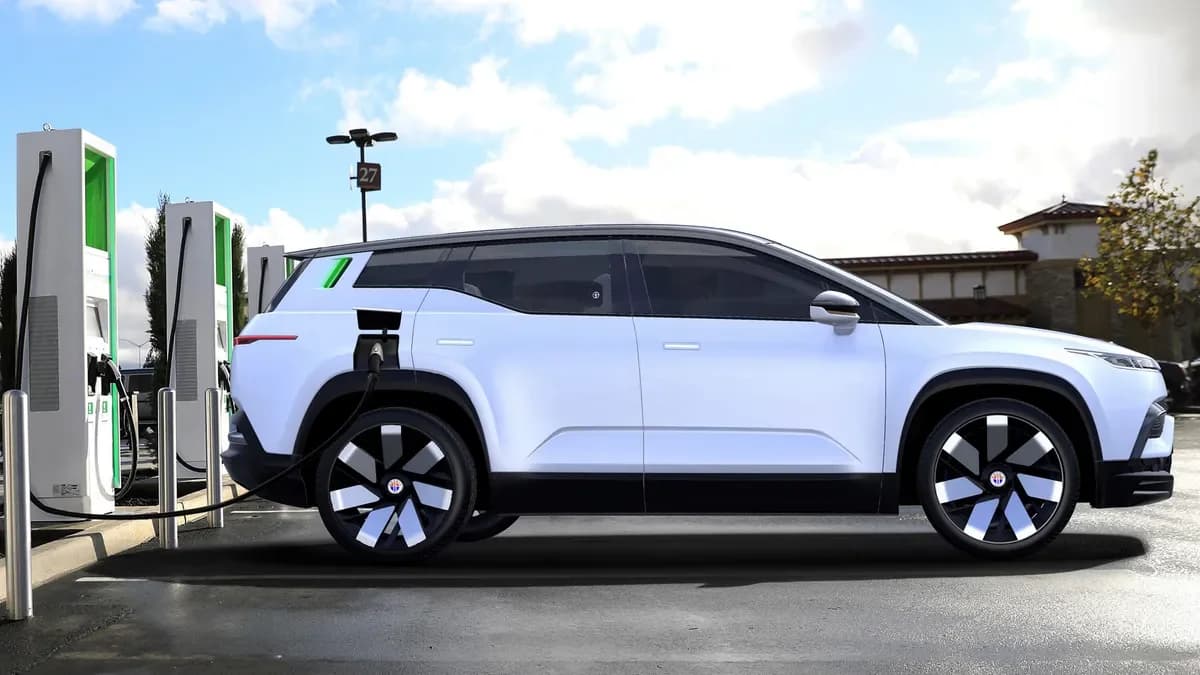
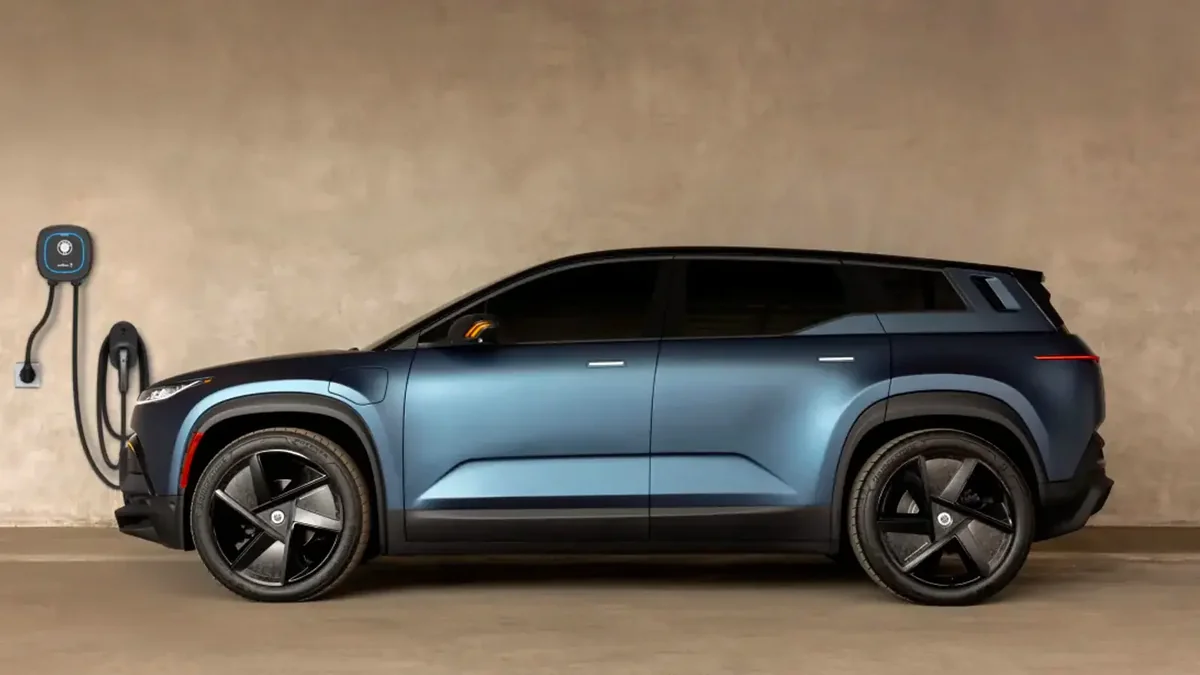
Fisker's bidirectional charging stands out as a savvy feature for home energy backup—a rare gem enabling vehicle-to-home power during outages, elevating resilience beyond typical EVs. Charging time clocks at about 12 hours on Level 2 (240V) circuits—standard fare—but the addition of a solar roof gently nudges range upward without plugging in. Yet early adopters flag software quirks impacting energy management systems' responsiveness; while innovative on paper, these tech wrinkles temper confidence until further refinement smooths user experience.
Ride, Handling & Off‑Road Capability
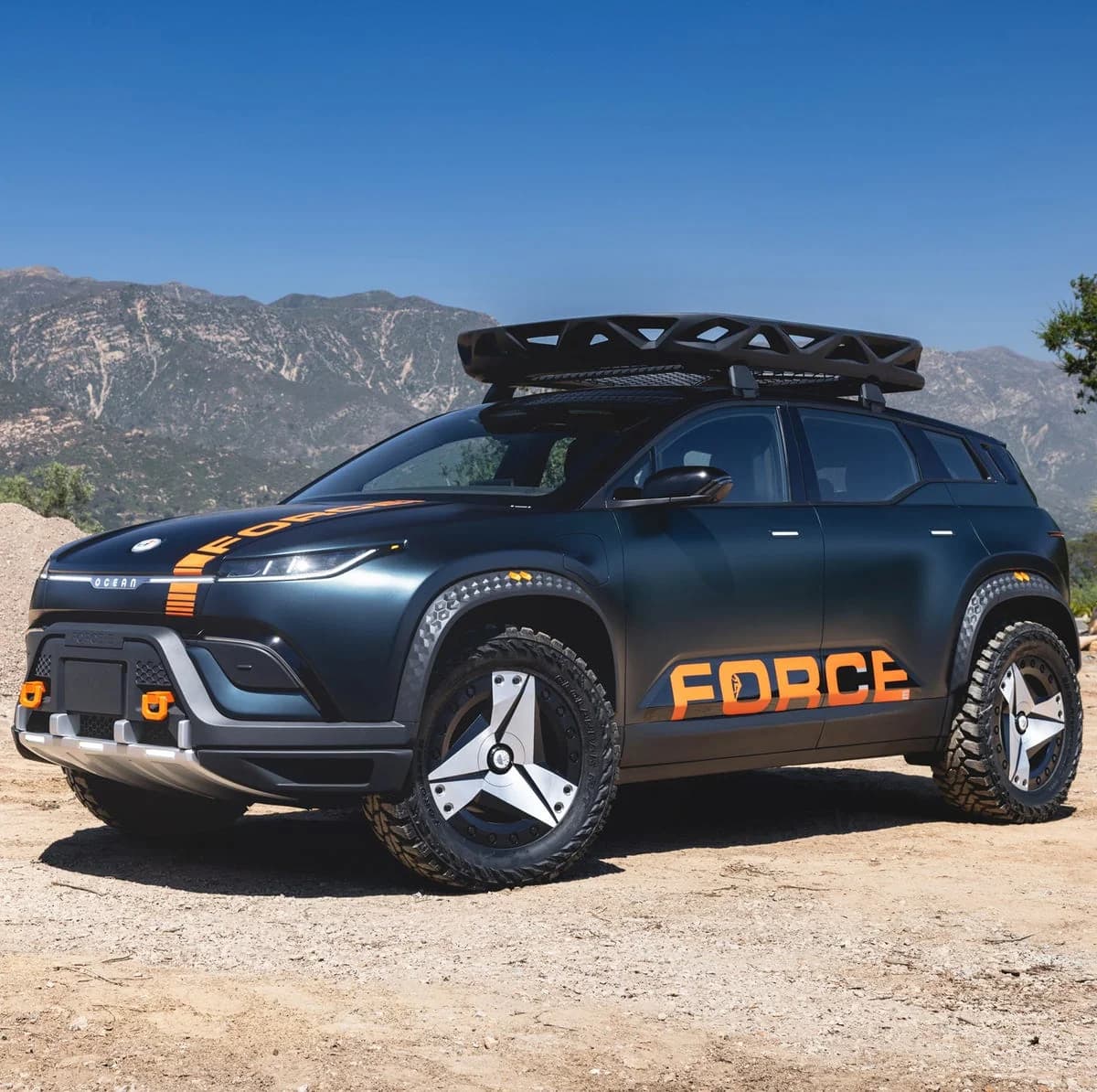
Offering more than just urban charm, the Force-E variant brings off-road cred via raised ground clearance and specialized tuning for rugged adventures—an uncommon trait among eco-luxury SUVs aiming for weekend warriors too. Ride quality generally favors comfort over sporty dynamics with well-tuned suspension smoothing commutes nicely; however experts note occasional harshness paired with buggy driver aids undermining confidence behind the wheel. This blend of capability versus inconsistency crafts an engaging yet occasionally frustrating journey through town or trail alike.
Powertrain Performance
Under the hood, the Fisker Ocean offers a power spectrum from 234 to 564 hp, catering to both casual cruisers and thrill-seekers with its limited Boost mode delivering up to 564 hp. While acceleration times impress—3.7 seconds in Boost mode—the driving experience is nuanced by software glitches that sometimes cloud this potential. The transition from front-wheel drive in base trims to AWD in higher variants adds versatility, but real-world feedback tempers enthusiasm with concerns over inconsistent power delivery and reliability hiccups, making it an exciting yet imperfect powerhouse.
Battery Range & Efficiency
The Fisker Ocean promises respectable EPA ranges between 231 and 360 miles, which positions it competitively though not class-leading among electric SUVs. Its efficiency ratings hover around 92 MPGe combined, blending city smarts with highway stamina thanks partly to its solar roof supplementing daily mileage subtly. However, some users report range anxiety on longer trips due to the lower base capacity, revealing a gap between optimistic specs and practical realities—a classic EV conundrum wrapped in eco-friendly packaging that's charming but demands strategic charging habits.
Conclusion
Early impressions sketch a vehicle with thrilling powertrain performance that occasionally stumbles on polish, delivering bursts of excitement tempered by software quirks. Its battery range and efficiency hold respectable ground but may leave some second-guessing longer trips, especially given the base model’s modest reach. The Fisker Ocean’s charging and energy management shine through clever features like bidirectional charging and a solar roof—bright ideas that sometimes flicker under real-world scrutiny. Comfort takes priority in ride quality, while the Force-E variant adds genuine off-road chops to its repertoire. Inside, spaciousness meets practical cargo solutions without pretension, though material choices remind you this isn’t quite premium territory yet. Safety tech shows promise but is hampered by inconsistent driver assists that challenge confidence behind the wheel. This SUV suits eco-minded adventurers who value innovation over flawless execution—a bold gamble for those craving character alongside their charge rather than polished perfection at every turn.

Feature Scores
This reflects reviews and ratings from established critics, journalists, and users who have evaluated the item. Their opinions provide a comprehensive assessment.
Performance
Driving Range
4/5
Charging Speed
3/5
Acceleration
4/5
Handling and Ride Comfort
3/5
Energy Efficiency
4/5
Battery Durability
3/5
Value
Purchase Price Competitiveness
4/5
Total Cost of Ownership
3/5
Resale Value
2/5
Design
Exterior Styling
4/5
Interior Space and Packaging
4/5
Ergonomics and Controls
3/5
Health
Cabin Air Quality
3/5
Low-Toxicity Materials
4/5
Safety
Crashworthiness
3/5
Active Safety Systems
3/5
Battery Safety Systems
3/5
Sustainability
Lifecycle Emissions
4/5
Battery Recyclability
3/5
Use of Recycled Materials
4/5
Experience Style
Infotainment and Connectivity
3/5
Charging Ecosystem Integration
3/5
Customization and Driving Modes
4/5

Specifications
This section outlines the product's key facts, covering essential features, details, dimensions, materials, and any unique characteristics that define its functionality and usability.
Performance
Value
Design
Safety
Sustainability
Experience Style

Frequently Asked Questions
10 Questions

Find Yours
What is your top priority for an Electric SUV's battery performance?
Answer to find your best matches.