





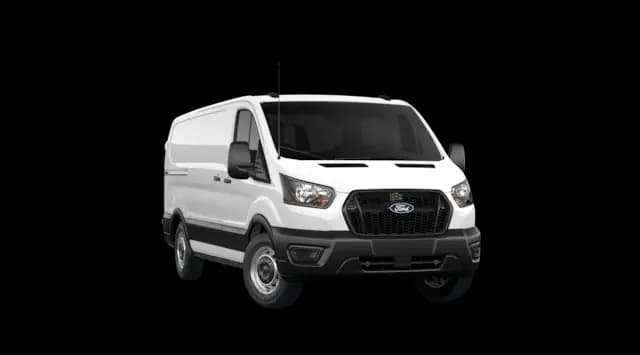
Ford Transit (2026)
A versatile, capable workhorse with smooth performance and modern tech, albeit pricey and bulky.
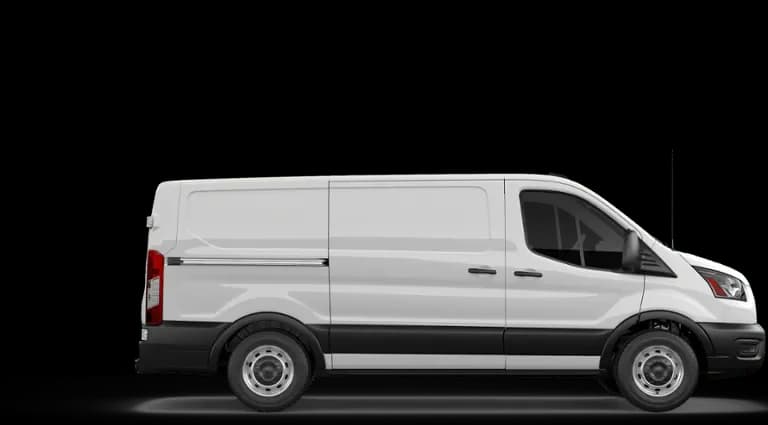
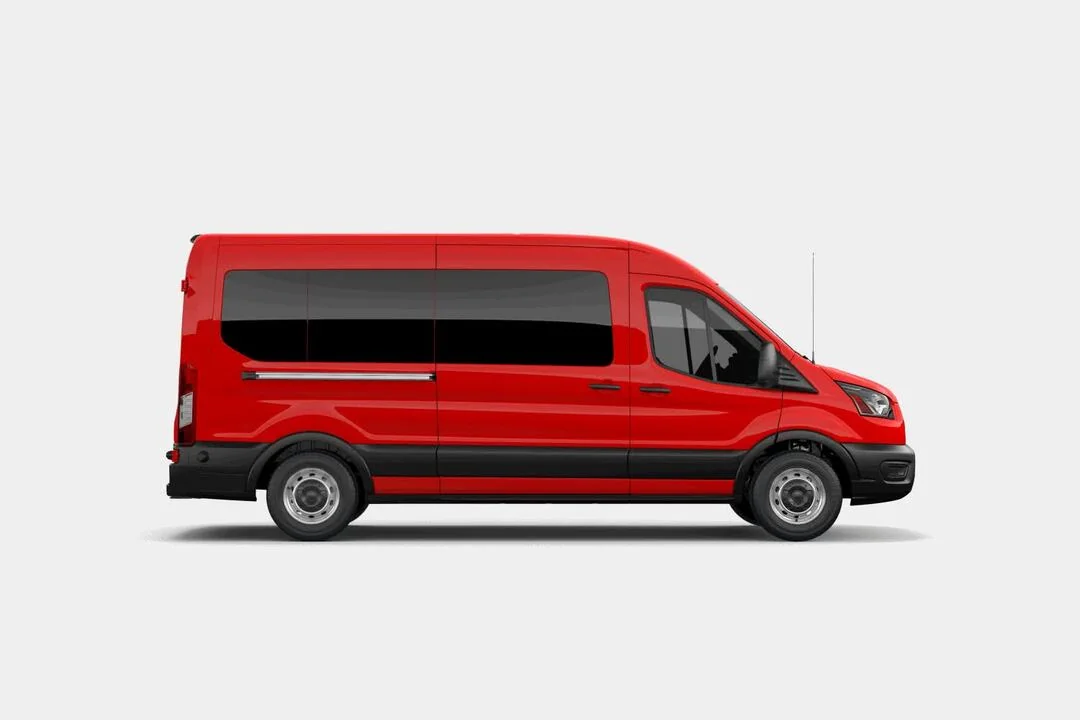
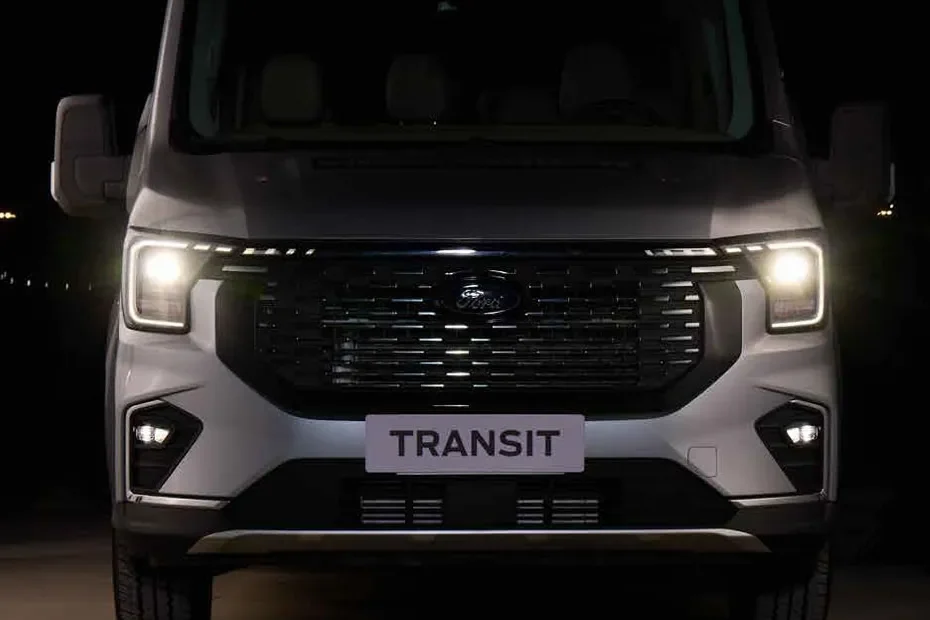
The 2026 Ford Transit is the Swiss Army knife of full-size vans, built for businesses and families that need one vehicle to haul gear, people, or an ambitious conversion. Its multiple lengths and roof heights, available AWD, and up to 15-passenger layout solve very different transport problems, while reviewers praise the comfortable road manners, smooth automatic, and practical space. Ford’s claims about modern usability are supported by the 12-inch SYNC 4 screen, standard safety tech, and fleet connectivity, though users and experts still flag awkward touch controls, a bouncy empty ride, and a daunting footprint. Starting above $50,000, it earns its keep through flexibility, not bargain pricing. Its overall appeal rests on capacity, drivability, ownership costs, and how well the chosen configuration fits the job.

Find Yours
What will you primarily use your gas-powered van or minivan for?
Answer to find your best matches.

The Field
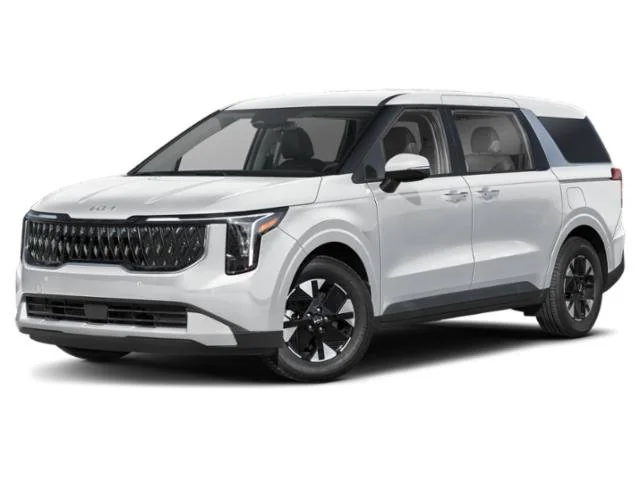
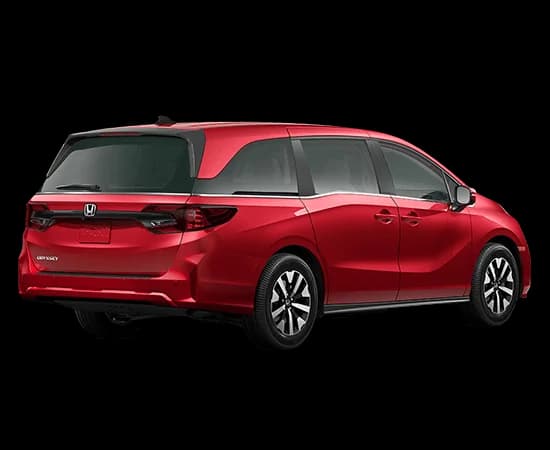
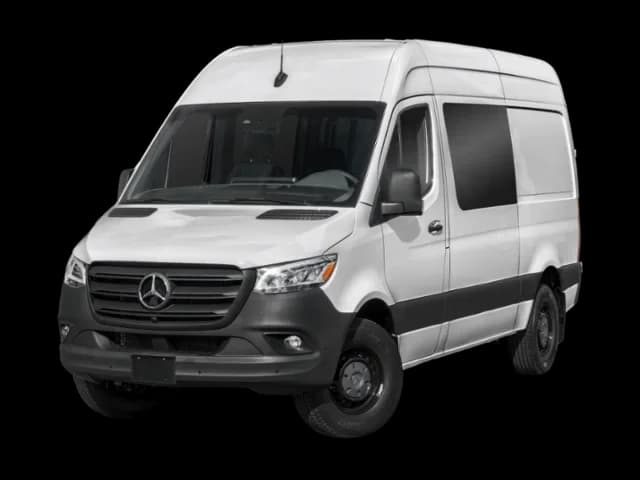
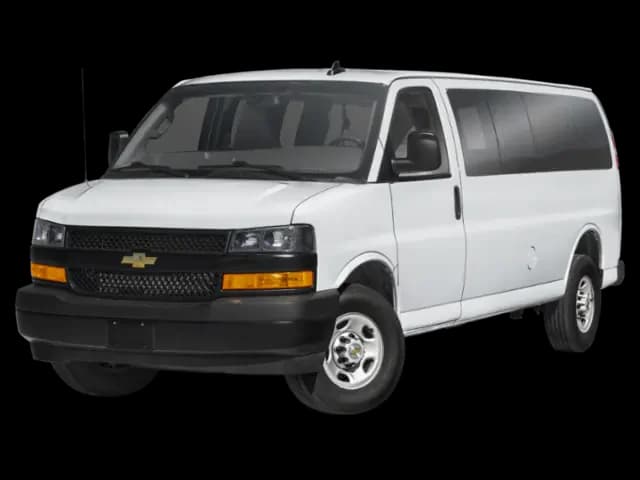
Browse top contenders, or compare all options ranked by score and key attributes.
5 Options

The Scoreboard
Does this improve your life? Considers, health, habits, and environmental impact.
Benefits
Multiple lengths, roofs, and layouts make daily cargo or passenger work easier to organize.
Car-like steering, strong visibility, and smooth automatic cruising make long workdays easier behind the wheel.
Standard driver assistance and connectivity reduce repetitive effort during busy commercial routes.
Strong engines and available AWD provide reassuring traction for changing roads and heavier loads.
Trade-Offs
Touchscreen controls can be awkward with gloves or dirty hands, slowing simple adjustments.
Firm suspension can bounce when empty, making rough-road trips feel tiring and unsettled.
Its large footprint makes tight parking and maneuvering harder, especially with limited rear-camera visibility.
Lane-keeping and driver-monitoring alerts can interrupt drives with frequent nudges or warnings.
 Alternatives


Join the Circle
Where real meets deal
Know what's worth buying-and when.
Tips, special offers, and rewards for buying and sharing.

Publications
3 LEADING PUBLICATION REVIEWS

What Car? reviewer Phil Huff is strongly positive about the Ford Transit, calling it a versatile, capable large van with excellent everyday usability. He praises its huge range of configurations, responsive handling, comfortable cab, abundant storage, modern touchscreen technology, and useful connectivity features such as FordPass and Delivery Assist. The Transit’s diesel engines provide adequate performance, with the entry-level 103bhp version considered the best all-round choice, while higher outputs suit heavier loads. Its payload range, towing ability, driver-assistance systems, and low running costs further strengthen its appeal. However, it is expensive to buy, offers less maximum cargo volume than most key rivals, and its firm suspension can feel bouncy when unladen. The manual gearbox is also notchy. Even so, Huff considers these drawbacks manageable, especially for operators who value configurability, strong residuals, Ford’s support network, and lower long-term ownership costs.
By Phil Huff
Carwow’s Tom Wiltshire views the Ford Transit as an excellent-driving van with a few meaningful compromises. Its confident steering, comfortable suspension, broad choice of sizes, engines, drivetrains, and body styles make it especially appealing for people spending long hours behind the wheel. The 130hp and 165hp diesels are capable even when loaded, while the 10-speed automatic is a particularly polished cruiser. However, the Transit trails rivals such as the Renault Master for payload, its basic 105hp engine feels underpowered, and the button-free touchscreen cab is awkward with gloves or dirty hands. Cheap-feeling interior details, mediocre fuel economy, and some Euro 6 reliability concerns further temper the praise. Overall, Wiltshire considers it a strong, charismatic all-rounder, but believes the Renault Master is more practical for buyers prioritizing carrying ability over driving enjoyment.
By Tom Wiltshire
MotorTrend’s Zach Gale views the 2026 Ford Transit as a sensible, mildly improved workhorse rather than a transformative upgrade. Standard driver-assistance features, larger displays, connectivity, fleet-management tools, and clever Delivery Assist functions should make daily commercial driving easier, while the van’s extensive configurations, capable engines, available AWD, and electric option preserve its broad appeal. Gale’s testing found the upgraded EcoBoost model reasonably brisk, reaching 60 mph in 7.6 seconds unloaded, and he considers the base V-6 adequate. Still, the changes are mostly incremental, the price now exceeds $50,000 with destination, and the discontinued Transit Connect leaves buyers without a smaller, cheaper alternative. Overall, the tone is calmly favorable: Ford has wisely refined a proven formula, but there is little here to excite existing owners or lure customers from rival vans.
By Zach Gale

YouTube
5 LEADING EXPERT & INFLUENCER REVIEWS
 We're the Russos
We're the Russos are strongly positive about the Ford Transit as a camper-van platform. Their personal AWD Transit 350 feels more comfortable and carlike than the Mercedes Sprinter, with substantially stronger EcoBoost power, easier servicing, lower-maintenance gas ownership, and useful all-weather drive modes. They also appreciate its high roof and dependable Ford dealer network. The Sprinter gets credit for better ground clearance, low-range four-wheel drive, a taller entry, superior factory seats, and a 360-degree camera, while the Transit’s uncomfortable stock seats, lower clearance, and weaker off-road aftermarket are real drawbacks. Still, for their travel needs, the Transit is the clear choice.
Ben HardyBen Hardy is clearly enthusiastic about the 2026 Ford Transit, calling the EcoBoost cargo van quick, comfortable, capable, and better than the Sprinter in several practical ways. He particularly appreciates its roomy high-roof interior, all-wheel drive, responsive 360-degree camera, useful auxiliary switches, strong visibility, and surprisingly good unloaded handling. His hands-on drive also reveals a minor shifter learning curve and the van’s steep pricing, while he wishes Ford included a camera rearview mirror, especially since competitors offer one. Overall, Hardy sees the Transit as an impressively versatile and well-equipped commercial van, with only modest shortcomings.
Scotty KilmerScotty Kilmer is strongly impressed by this Transit’s space, simplicity, and apparent durability. Examining a used, U.S.-built cargo van with 15,000 miles, he found the naturally aspirated 3.5-liter V6, smooth 10-speed automatic, comfortable seats, solid ride, and practical interior especially appealing. His scan uncovered only codes linked to a disconnected cargo light and a plugged-in USB device, not meaningful mechanical faults. He praises its highway economy, roughly 22 mpg, and favors it over the Sprinter and smaller alternatives, while acknowledging modest acceleration, parking challenges, and limited visibility from the tiny backup camera.
VanoviaVanovia is strongly positive about the 2026 Ford Transit, calling it the smart choice for most buyers. Compared with the Ram ProMaster and Mercedes Sprinter, Transit earns praise for its balance of purchase cost, reliability, parts availability, ride quality, and available all-wheel drive. Vanovia also views it as practical for year-round North American travel, families, and versatile camper conversions. It lacks the ProMaster’s interior width and the Sprinter’s refinement, longevity, and resale strength, but avoids their biggest drawbacks. The overall recommendation is confident, though claims about fuel economy, reliability, and ownership costs are presented more assertively than demonstrated.
JeremysWorld10Jeremy is positive about the newer Ford Transit, but ultimately prefers his modified low-roof van. He appreciates the mid-roof model’s power sliding door, leather seats, USB charging across the rows, adaptive cruise control, modern touchscreen, and stronger EcoBoost performance. The extra interior height and family-friendly access are genuinely useful, yet he questions whether they justify roughly $15,000–$20,000 more. Limited rear storage with all seats installed, its larger driving feel, and concerns about the sliding door’s pinch protection temper his enthusiasm. Overall, he finds it appealing and well-equipped, but not essential for his family.

Social
1 INFLUENCER REVIEW
 𝒯𝑒𝒶𝓂𝒮𝓅𝑒𝑒𝒹𝒟𝑒𝓂𝑜𝓃😈
TeamSpeedDemon takes a playfully positive, highly theoretical view of the 2026 Ford Transit Cargo Van. Using the largest high-roof extended-length configuration, the post estimates roughly 80,000–90,000 tightly packed waffles, or a more realistic 50,000–70,000 with packaging and imperfect stacking. The calculation emphasizes the Transit’s enormous cargo capacity, citing about 487 cubic feet behind the seats and over 536 cubic feet overall. Payload is treated as secondary because waffles are light, making volume the practical constraint. It is an entertaining capacity illustration, not a conventional driving or ownership review.

Forum Reviews
CUSTOMER REVIEWS FROM 1 FORUM
Redditors are broadly positive about the 2026 Ford Transit, though reservations center on price, technology, and availability. Owners praise its capable, comfortable driving experience, strong work-van practicality, reliability, and useful modern upgrades such as digital gauges and improved infotainment. The base V6 is considered lively, while AWD remains desirable but scarce; RWD is generally adequate with appropriate tires and sensible driving. Criticism focuses on intrusive lane-keeping and driver-monitoring systems, missing conveniences like seat memory, occasional drivetrain shudder, and poor electric range and resale value for the E-Transit. Custom ordering can also be frustratingly slow and dealer-dependent.
Many comments

In-Depth Review

Highlights
- •Flexible Cargo SpaceDesigned to fit varied jobs.
- •Smooth Engine And TransmissionReviewers find EcoBoost quick, automatic smooth.
- •Confident Road MannersReviewers note carlike steering and visibility.
- •Connected Fleet ManagementMarketed to simplify monitoring and vehicle control.

Considerations
- •High Purchase CostPricing can exceed $50,000 before upfits.
- •Lower Rival Carrying LimitsSome competitors offer more payload or volume.
- •Large Parking FootprintTight spaces demand extra planning.
- •Bouncy Unladen RideFirm suspension unsettles the empty van.
Ford’s Transit has long been the practical workhorse for businesses that need one van to handle almost anything. The 2026 model strengthens that reputation with multiple body lengths and roof heights, modern connectivity, and standard safety technology, making it a natural fit for delivery fleets, tradespeople, shuttle operators, and camper conversions. Its up to 487.3 cubic feet of cargo space, available AWD, and capable V6 engines give it a broader brief than smaller vans, while its polished 10-speed automatic and carlike road manners help distinguish it from more cumbersome rivals. The trade-offs matter too: pricing, empty-van ride comfort, fuel use, parking demands, and cabin ergonomics can shape the ownership experience. Pay particular attention to payload and towing ratings, 3.5-liter EcoBoost performance, and the everyday usability of the 12-inch SYNC 4 touchscreen—because the right Transit is less about flash than fitting the job without drama.
Ride And Maneuverability
The Transit drives more naturally than its size suggests, but tight spaces still demand planning. Reviewers praise its confident steering and strong forward visibility, while the automatic transmission and available all-wheel drive make long routes and poor weather less stressful. The high-roof body, large footprint, and limited rear visibility can make parking difficult, and some testing found the unladen suspension firm or bouncy. A 360-degree camera improves confidence, but the small backup-camera view criticized by one reviewer shows that equipment varies by configuration.
Efficiency And Ownership
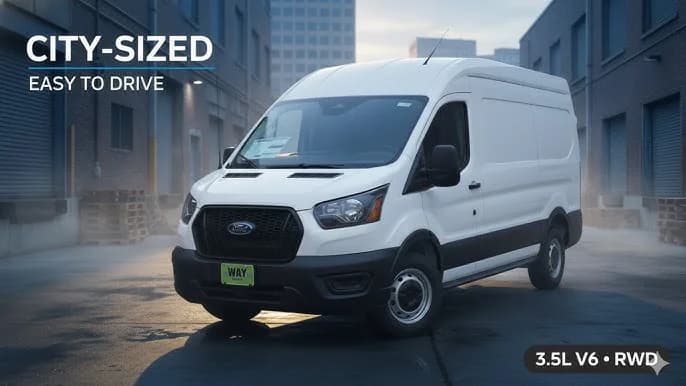
Operating costs are reasonable for a full-size van, though fuel economy is not a standout strength. One used-van inspection reported roughly 22 mpg on the highway, but expert reviews describe overall economy as mediocre, especially when the van is loaded or fitted with a high roof. The gasoline engines avoid diesel exhaust fluid requirements, and reviewers also point to Ford’s dealer network, parts availability, and simpler gas ownership as practical benefits. Still, purchase prices above $50,000 and optional fleet-service fees can quickly affect the business case.
Powertrain Performance
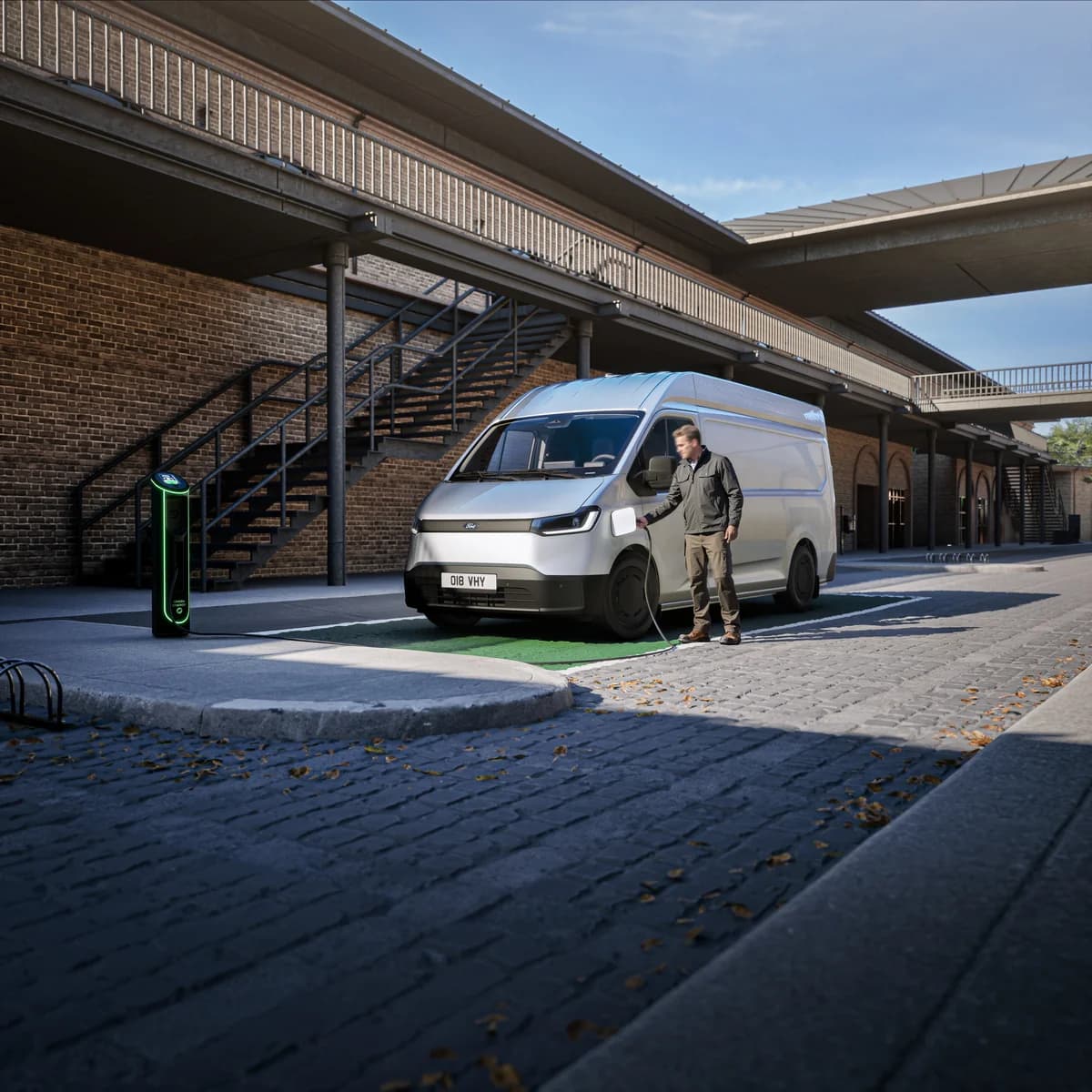
The Transit is easy to live with when the engine and transmission are matched to the workload. The base 3.5-liter naturally aspirated V6 makes 275 horsepower and is generally considered adequate, with owners describing it as lively, while the 3.5-liter EcoBoost V6 raises output to 310 horsepower and 400 lb-ft for heavier loads and quicker acceleration. Its 10-speed automatic is especially smooth in highway use. Test feedback supports the stronger engine, though acceleration remains modest with the base setup.
Payload And Towing
This van has the capacity to function as a serious work tool, not merely a large people carrier. Depending on configuration, the Cargo Van can handle up to 5,103 pounds of payload and tow as much as 6,700 pounds, leaving room for tools, passengers, and upfit hardware. That flexibility matters for contractors and delivery fleets, although expert reviews caution that some competitors beat the Transit on maximum payload. Buyers should verify the exact rating because wheelbase, engine, body length, and passenger seating change the useful limit.
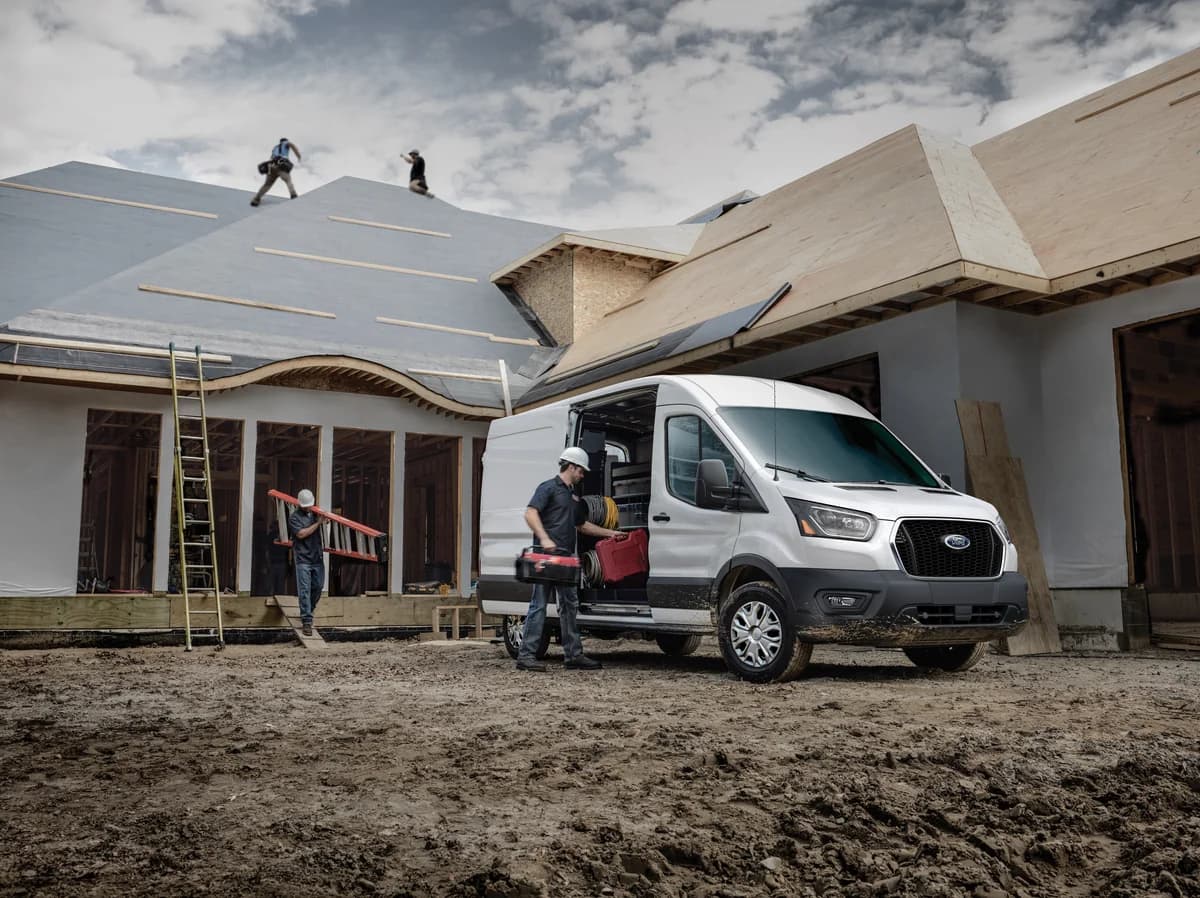
Flexible Cargo Space
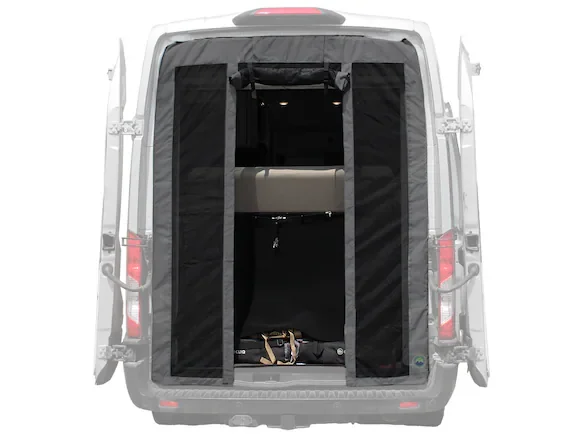
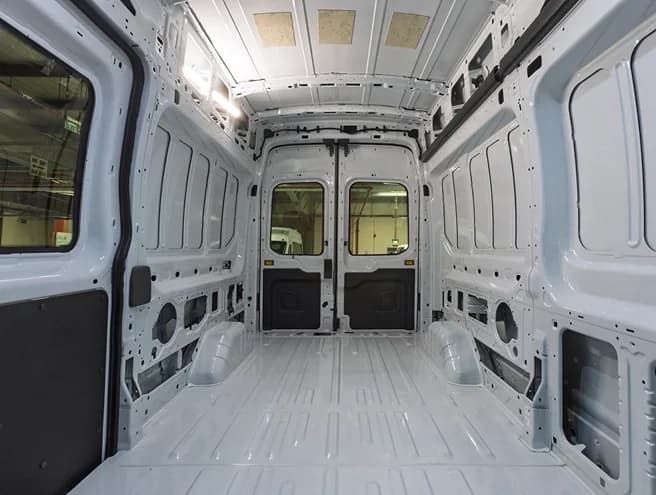
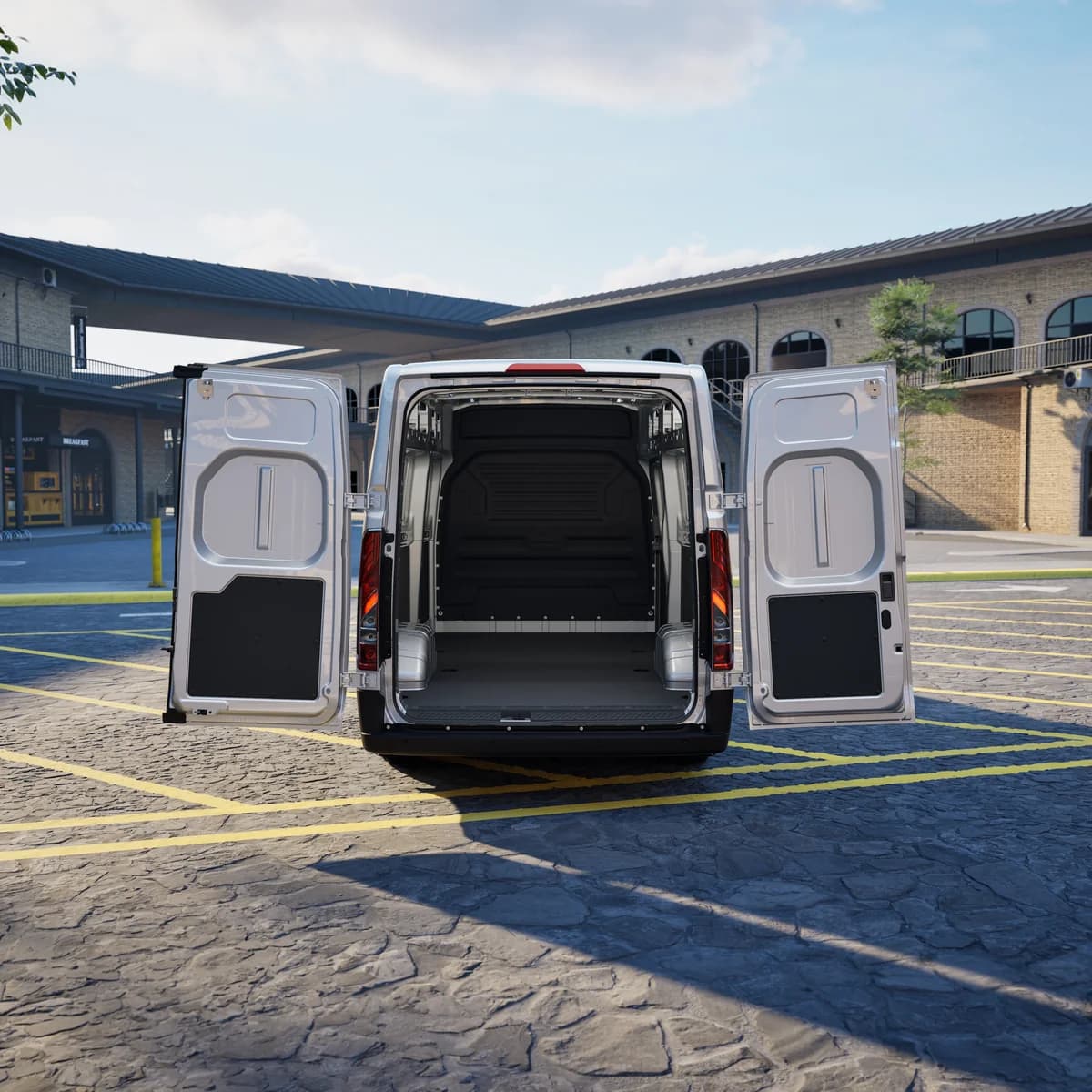
The Transit’s biggest advantage is how easily its interior can be matched to different jobs. Multiple body lengths and roof heights support everything from compact delivery work to high-roof conversions, while the largest Cargo Van offers up to 487.3 cubic feet of cargo volume. Passenger versions can carry up to 15 people, and Vehicle Integration System 2.0 helps upfitters add shelving or specialized equipment. The trade-off is that some rivals offer greater maximum volume, but reviewers consistently value Ford’s broad configuration choice.
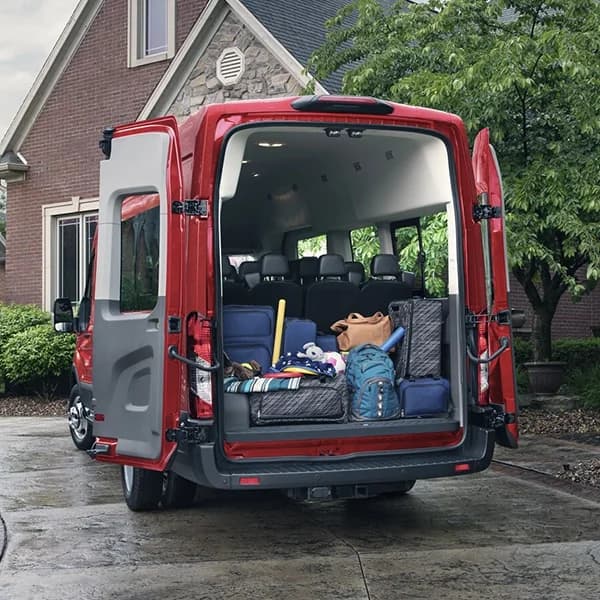
Cabin Usability And Quality
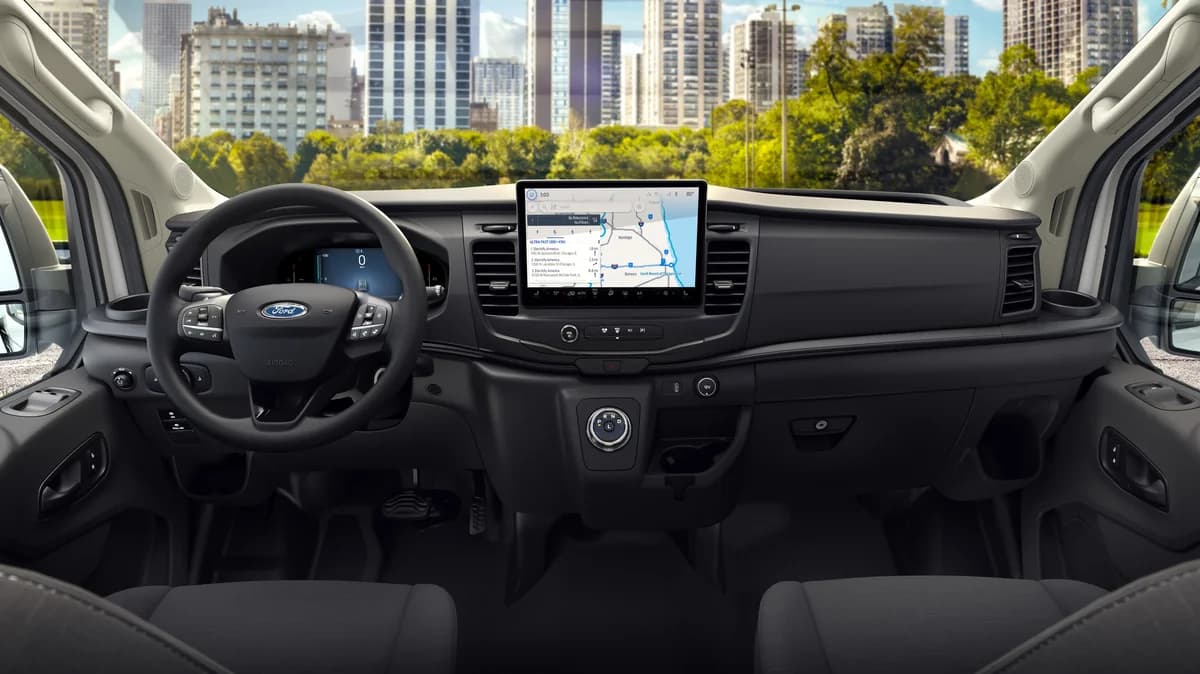
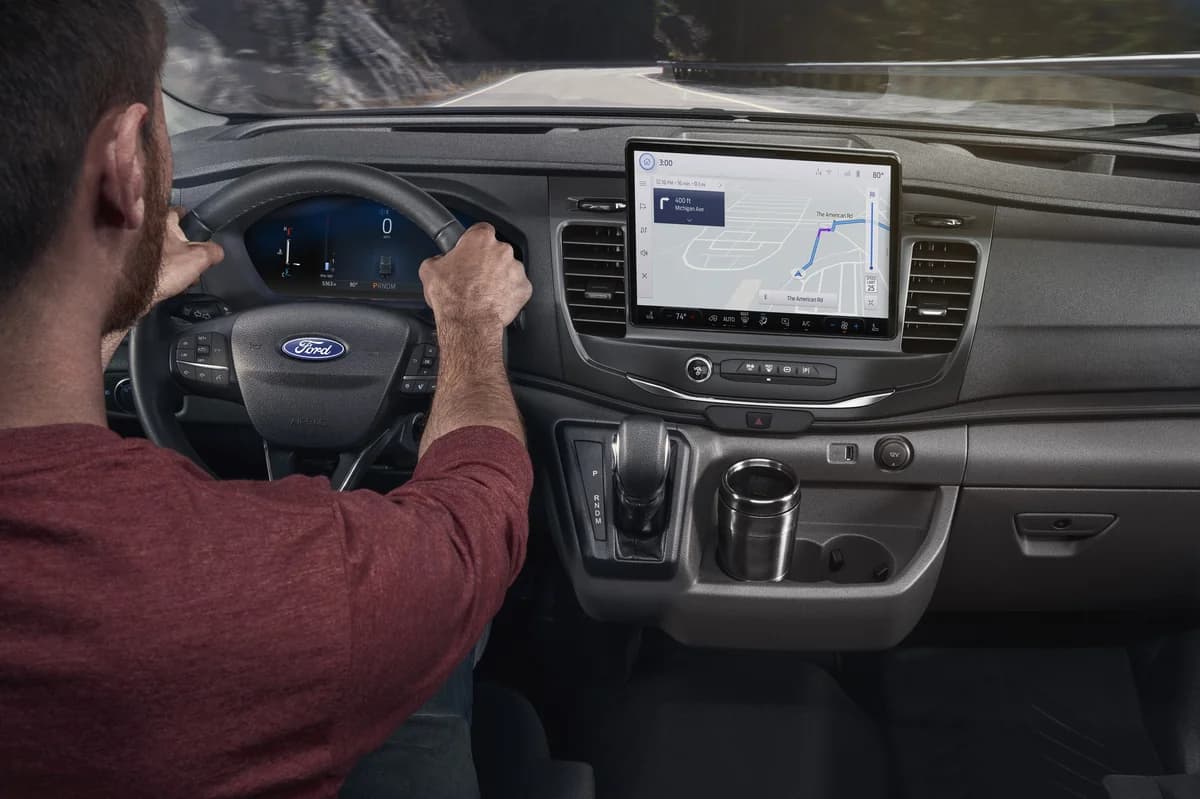
The cabin adds welcome modern features without fully escaping commercial-van compromises. A standard 12-inch SYNC 4 touchscreen brings wireless smartphone integration, a 5G modem, and Wi-Fi for up to 10 devices, while the digital instrument display and available adaptive cruise control improve daily usability. Reviewers appreciate the comfortable driving position and storage, but some criticize cheap-feeling interior details and touch controls that are awkward with gloves or dirty hands. Seat comfort is also inconsistent, with stock seats drawing criticism from camper-van owners.
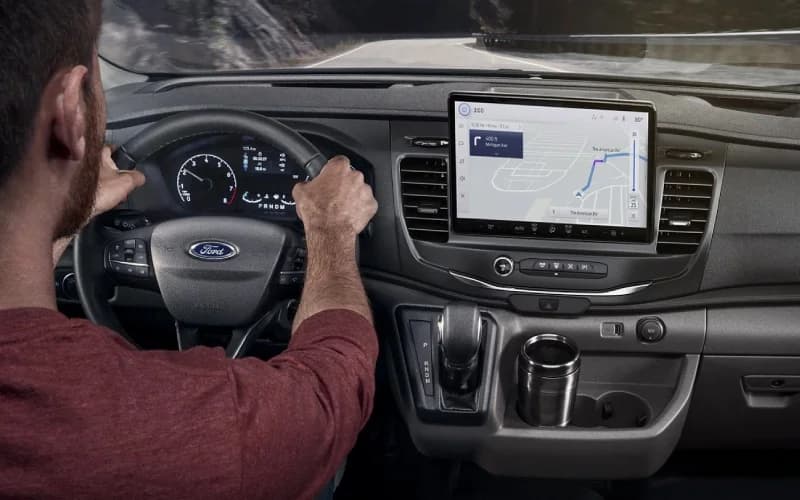
Conclusion
The Transit’s final verdict is refreshingly practical: it is a van built to fit the job, not impress the parking lot. Its configuration flexibility and upfit-friendly space suit fleets, trades, shuttles, and camper projects, while the EcoBoost and smooth 10-speed make heavy-duty travel less taxing. Strong payload and towing expand its usefulness, though certain rivals carry more. Reviewers and owners appreciate its carlike steering, visibility, and available AWD, but the large footprint, bouncy empty ride, and mediocre fuel economy demand realistic expectations. The cabin’s 12-inch screen, connectivity, and safety technology modernize the experience, even as touchscreen ergonomics, inconsistent seat comfort, and cheap-feeling trim reveal its commercial roots. For buyers prioritizing adaptability, dealer support, and straightforward gas ownership, it is a smart choice; those seeking maximum capacity, low cost, or effortless maneuverability should look elsewhere. Its balanced strengths and manageable compromises justify a solid, not class-defining, recommendation.

Feature Scores
This reflects reviews and ratings from established critics, journalists, and users who have evaluated the item. Their opinions provide a comprehensive assessment.
Performance
Acceleration Responsiveness
4/5
Highway Passing Capability
4/5
Ride Comfort
4/5
Cabin Quietness
3/5
Fuel Economy
3/5
Powertrain Reliability
4/5
Cargo Flexibility
5/5
Towing Capability
4/5
Value
Purchase Affordability
3/5
Operating Cost
4/5
Resale Value
4/5
Warranty Coverage
TBD
Design
Exterior Proportions
4/5
Interior Ergonomics
4/5
Passenger Space
5/5
Access Convenience
4/5
Interior Material Quality
3/5
Health
Cabin Air Quality
3/5
Seating Support
3/5
Occupant Vibration Comfort
4/5
Safety
Crash Protection
4/5
Driver Assistance
4/5
Child Passenger Protection
3/5
Visibility
4/5
Parking Maneuverability
3/5
Sustainability
Tailpipe Emissions
2/5
Fuel Consumption Impact
3/5
Material Efficiency
3/5
End-of-Life Recyclability
TBD
Experience Style
Control Simplicity
4/5
Seating Configurability
5/5
Family Convenience Features
4/5
Technology Integration
5/5

Specifications
This section outlines the product's key facts, covering essential features, details, dimensions, materials, and any unique characteristics that define its functionality and usability.
Performance
Value
Design
Safety
Sustainability
Experience Style

Frequently Asked Questions
7 Questions



Find Yours
What will you primarily use your gas-powered van or minivan for?
Answer to find your best matches.