













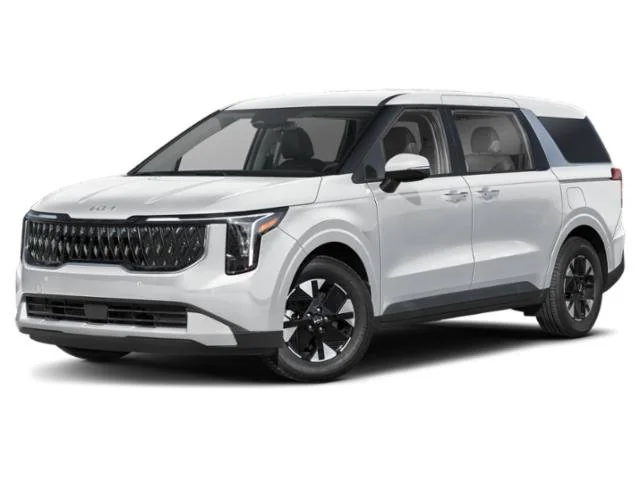
Kia Carnival (2027)
Spacious, stylish, and tech-rich family comfort, with no AWD and hybrid trade-offs.
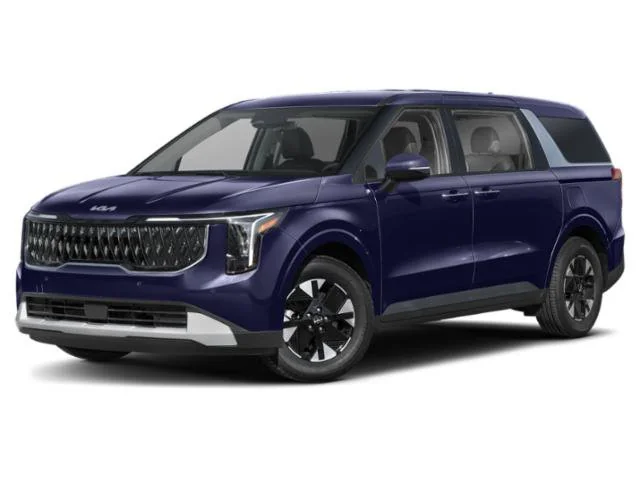
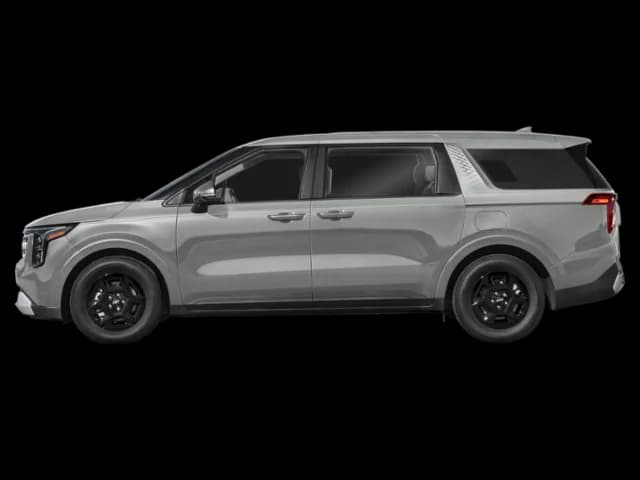
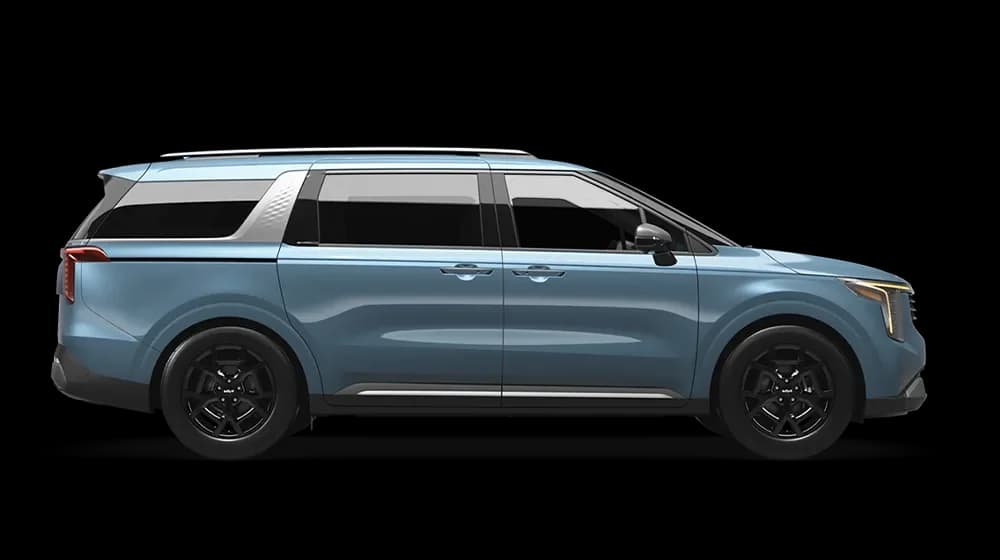
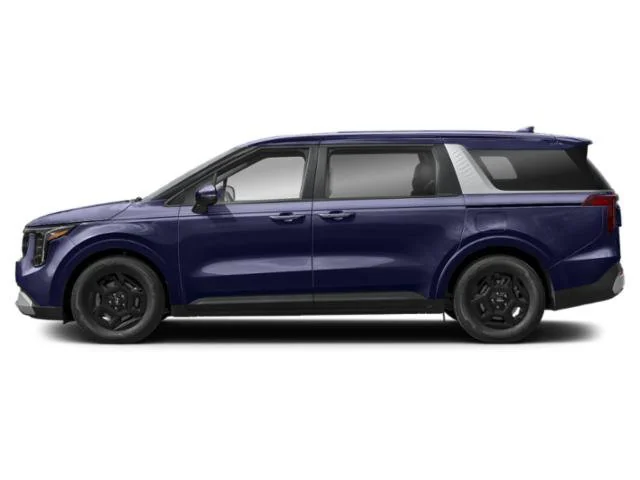
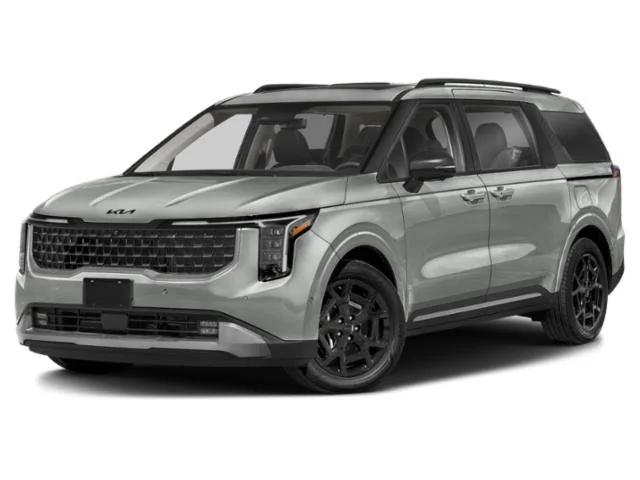
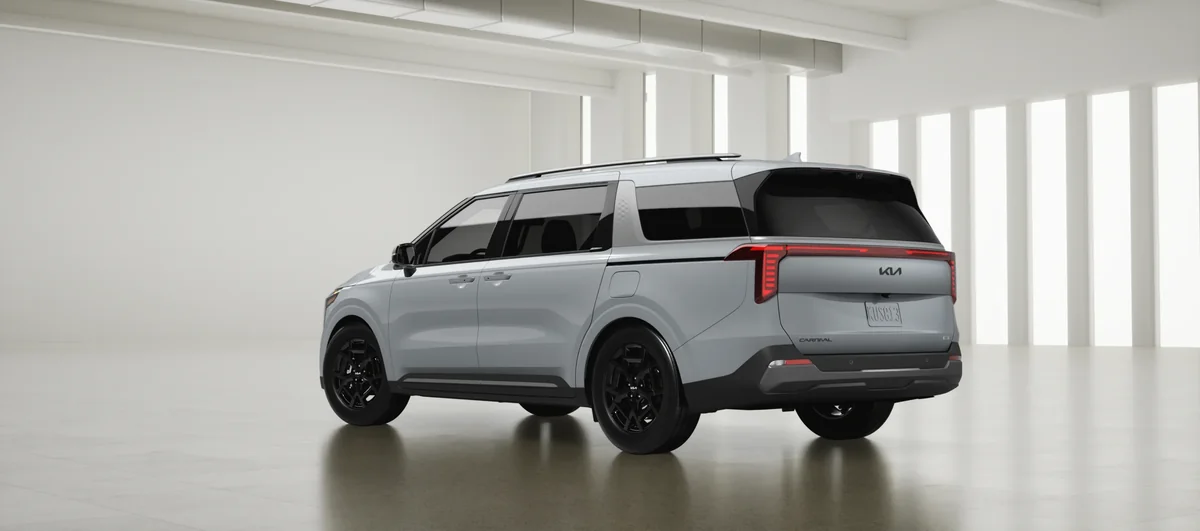
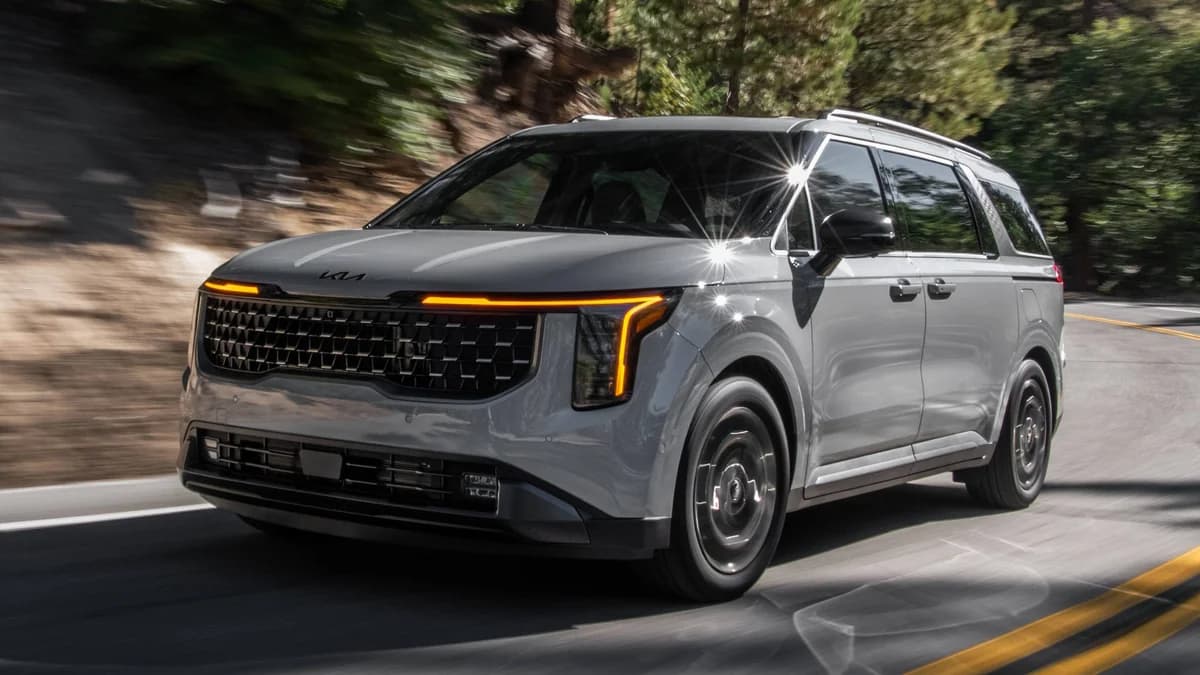
The Kia Carnival (2027) is a stylish family shuttle for households that need more room than an SUV usually provides, without embracing the usual minivan image. Its sliding-door practicality, roomy cabin, low cargo floor, and flexible seating earn consistent praise, while the 287-hp V6 delivers smooth, relaxed performance. Experts and drivers also like the quiet ride, upscale technology, and EX trim’s strong value. The available hybrid supports Kia’s efficiency pitch with roughly 32 mpg combined, though it costs more, feels less polished to some reviewers, and remains less efficient than Toyota’s Sienna. The significant catch is front-wheel drive only, especially for snowy regions. Overall value rests on space, comfort, equipment, and fuel savings versus price, while traction and long-term confidence shape its final recommendation.

Find Yours
What will you primarily use your gas-powered van or minivan for?
Answer to find your best matches.

The Field
Browse top contenders, or compare all options ranked by score and key attributes.
5 Options




The Scoreboard
Does this improve your life? Considers, health, habits, and environmental impact.
Benefits
Sliding doors make loading children, car seats, and groceries easier in tight parking spaces.
Roomy seating and supportive seats help families stay comfortable on extended road trips.
Low floor, folding seats, and generous room simplify strollers, luggage, and weekly shopping.
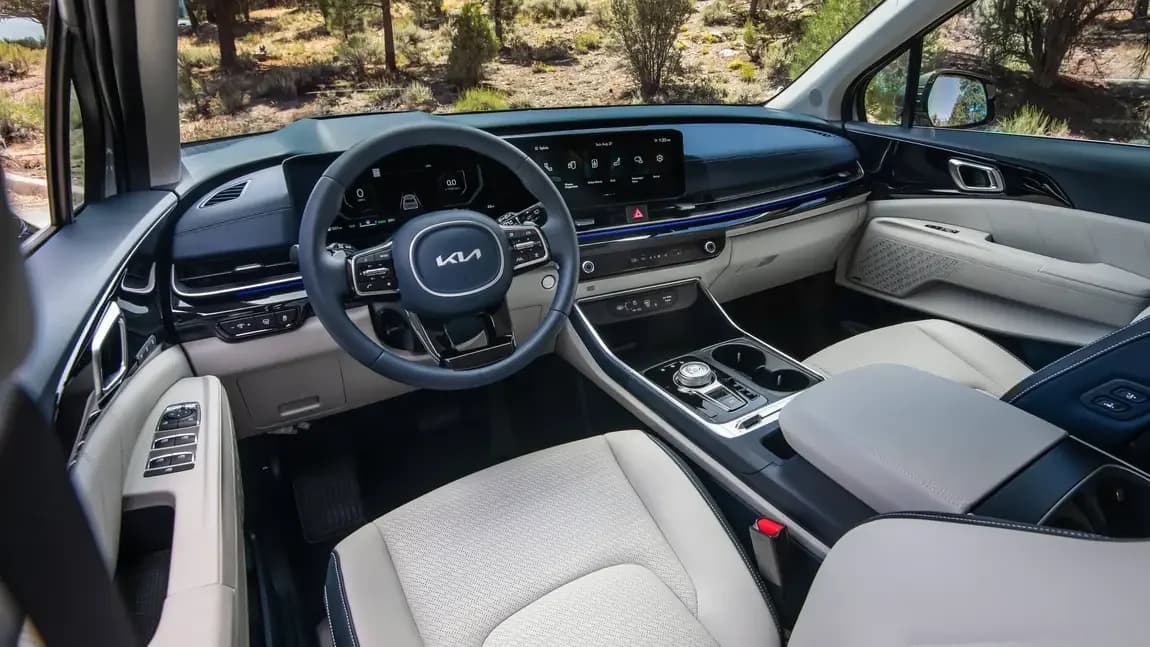
Upscale screens, cameras, and available lounge seating make everyday rides feel more special.
Hybrid power can reduce fuel stops during daily commuting while keeping family space intact.
Trade-Offs
Front-wheel drive can feel limiting on snowy roads, where rivals offer extra traction.
Touch-based climate and audio controls can slow quick adjustments while driving.
Some second-row seats are cumbersome to move or adjust when families reconfigure seating.
The V6 needs more frequent fuel stops during commuting than the hybrid or Sienna.

 Alternatives


Join the Circle
Where real meets deal
Know what's worth buying-and when.
Tips, special offers, and rewards for buying and sharing.

Publications
2 LEADING PUBLICATION REVIEWS

Car and Driver is strongly positive about the 2027 Kia Carnival. It praises the van’s handsome SUV-like styling, smooth 287-hp V-6, composed handling, spacious cabin, strong braking and grip, and attractive starting price. The Carnival feels more engaging than its minivan label suggests while still delivering practical seating for up to eight, generous cargo room, useful technology, and a class-leading 10-year/100,000-mile powertrain warranty. Car and Driver’s testing adds credibility, including 28 mpg on its highway route and room for 48 carry-on bags with the seats folded. The review’s reservations are practical rather than damning: there’s no all-wheel-drive option, the optional VIP second-row seats are bulky and awkward to adjust, and rivals offer slightly more cargo space or better fuel economy. Overall, the EX trim is recommended as the sweet spot, making the Carnival a polished, sensible, and unusually appealing family vehicle.
By Andrew Wendler
MotorTrend views the 2027 Kia Carnival favorably, though its family-hauling compromises keep it short of class-best. Its SUV-inspired styling, upscale cabin, generous cargo capacity, useful technology, and strong value make it easy to recommend, especially for buyers reluctant to embrace a traditional minivan. The smooth 287-hp V-6 is the preferred powertrain, feeling more relaxed and refined than the hybrid despite its lower fuel economy. Still, the Carnival’s firmer ride, cumbersome second-row seats, limited seating flexibility, lack of all-wheel drive, and merely middling IIHS results are meaningful drawbacks. MotorTrend also found the hybrid’s real-world efficiency difficult to match and its performance less polished. The EX trim stands out as the sweet spot, gaining desirable family features without excessive cost, while the newly expanded Dark Edition adds style and useful premium equipment.
By Bob Hernandez

YouTube
8 LEADING EXPERT & INFLUENCER REVIEWS
 Kirk Kreifels
Kirk Kreifels is positive on the Carnival Hybrid, calling it a solid buy rather than a standout. His family’s week of driving showed excellent space, comfort, quietness, cooling, technology, and real-world 34 mpg, though the Toyota Sienna remains more efficient. He criticizes vague steering, mediocre brakes and handling, frustrating touch-based climate/audio controls, glossy interior trim, limited outlet power, and the lack of AWD. At roughly $45,000 or less, he considers it compelling for families with young children, especially given its availability and discounts, but ranks it behind the Odyssey and Sienna overall—and suggests a Telluride for buyers who no longer need sliding doors.
Car ConfectionsCar Confections is strongly impressed by the 2027 Kia Carnival. They praise its smooth, refined V6, exceptionally quiet and comfortable ride, generous cargo capacity, roomy second row, upscale technology, and feature-rich value—especially the EX trim with the newly available Dark Edition. The hybrid offers meaningful fuel savings and adequate performance, though it feels less refined and costs more. The main drawback is the lack of all-wheel drive, which makes the Carnival less appealing than the Toyota Sienna or Chrysler Pacifica for some buyers. Overall, it comes across as a stylish, highly practical, near-luxury family vehicle with one significant omission.
Ben HardyBen Hardy is positive about the 2027 Kia Carnival, calling it comfortable, smooth, easy to maneuver, and exceptionally practical. He appreciates the refined V6, spacious cabin, low cargo floor, seat-stowing flexibility, and family-friendly second-row amenities. Compared with the Telluride, however, he finds the Carnival’s seats and overall atmosphere less luxurious, and prefers the SUV’s driving feel when maximum cargo capacity isn’t needed. His main criticism is the lack of all-wheel drive, which could cost Kia shoppers who want minivan practicality with extra traction. Overall, he views the Carnival as a strong, sensible family mover, especially for buyers prioritizing space.
The Car Care Nut ReviewsThe Car Care Nut is strongly impressed by the Kia Carnival Hybrid, calling it a serious minivan contender. He praises its exceptionally smooth hybrid system, real six-speed automatic, refined interior, easy-to-use controls, comfortable seating, usable third row, and SUV-like driving feel. His mechanic’s inspection finds thoughtful details, including protected sliding-door cables and straightforward suspension components, but also flags the immature-looking hybrid layout, exposed air-cooled battery, belt-driven starter-generator, cramped 12-volt battery placement, cheaper exhaust sections, and turbocharged four-cylinder’s uncertain long-term track record. Overall, he enthusiastically recommends adding it to any minivan shortlist.
Car Help CornerShari Prymak is strongly positive about the 2027 Kia Carnival, ranking it second overall among four minivans. He admires its attractive styling, comfortable ride, excellent technology, and choice of smooth V6 or more efficient hybrid powertrains. Its pricing is especially compelling, making it one of the comparison’s best values. However, Prymak remains cautious about Kia’s long-term reliability, resale value, and the Carnival Hybrid’s more complex turbocharged system. He ultimately places it just behind the Honda Odyssey, whose stronger reliability reputation slightly outweighs the Carnival’s added features and versatility.
W.T.F Car ReviewsWill from WTF Car Reviews is highly enthusiastic about the 2027 Kia Carnival Hybrid SX Prestige, calling it a surprisingly premium, comfortable, and capable family hauler. He praises its smooth ride, strong low-speed acceleration, quiet cabin, excellent visibility, flexible seating, abundant technology, and roughly 32 mpg combined efficiency. The hybrid feels nearly as quick as the V6 around town, though the V6 is faster at higher speeds. He also criticizes the lack of AWD, some third-row hard plastics, and second-row seats that aren’t heated or ventilated without the VIP package. Overall, he strongly recommends checking it out.
Vehicle VisionaryTom from Vehicle Visionary is highly impressed by the 2027 Kia Carnival SX Prestige, calling it an especially enjoyable, distinctive family vehicle. He praises its upscale styling, exceptionally flexible cargo area, reclining second-row lounge seats with footrests, heated and ventilated seats, roomy first two rows, useful third row, strong camera system, and easy-to-use technology. The V6 feels adequately powerful and the ride is very comfortable, though cabin noise is noticeable and the passenger seat lacks memory settings. His enthusiasm is clear, but he stops short of declaring it perfect, leaving that judgment to shoppers.
Auto JunkiesAuto Junkies is broadly positive on the 2027 Kia Carnival, praising its distinctive SUV-like styling, upscale cabin, generous cargo capacity, flexible seating, and reasonable pricing. The review considers it an especially appealing choice for buyers who want minivan practicality without the traditional minivan image. Still, the enthusiasm is measured: front-wheel drive limits its appeal in snowy regions, the V6’s fuel economy is weak versus hybrids, and its extra power does not meaningfully improve acceleration. The unchanged design and compromised VIP Lounge seats also temper an otherwise strong recommendation.

Social
3 INFLUENCER REVIEWS
 Redline Reviews
Redline Reviews is strongly positive about the Kia Carnival, calling it the most stylish traditional minivan and a compelling value. The tested SX-Prestige delivered a brisk 8.4-second 0–60 run, roomy second-row and cargo space, impressive dual-screen technology, supportive leather seats, and an appealing VIP lounge option. Pricing undercuts comparable Sienna and Pacifica models, while the hybrid’s projected 32 mpg makes its roughly $2,000 premium seem worthwhile. Still, fuel economy is merely average at 18/25 mpg, and the front-wheel-drive-only setup was a notable drawback in cold, snowy conditions.
Drake MoschkauDrake Moschkau is highly enthusiastic about the Kia Carnival’s unusually luxurious, tech-packed interior. He showcases reclining heated and ventilated second-row “first-class” loungers with ottomans, dual 14.5-inch streaming screens, an opening rear sunroof, and a parent-monitoring camera. He also appreciates the upscale front cabin, blind-spot camera, styling, sliding doors, and thoughtful third-row amenities, jokingly contrasting “VIP” and “less important” passengers. The main drawback is price, with this 2026 Carnival Hybrid SX Prestige costing $58,000. Overall, the tone is playful and strongly positive, presenting the Carnival as an exceptionally stylish, feature-rich minivan despite its expense.
 ĐỨC THẠCH Y7
Đức Thạch Y7 đánh giá tích cực nhưng khá thận trọng về Kia Carnival 2027. Anh cho rằng Kia duy trì sức hút của mẫu MPV bằng các nâng cấp vừa phải thay vì thay đổi toàn diện, trong khi giá chỉ tăng 100 USD và vẫn giữ nguyên phí vận chuyển. Điểm đáng chú ý là tùy chọn ghế Captain Chairs cho bản EX và SX, màu Iceberg Green mới, cùng gói Dark Edition mở rộng xuống bản EX. Tổng thể, đây là bản cập nhật thực dụng, nhiều tiện nghi hơn nhưng chưa tạo cảm giác đột phá.

Forum Reviews
CUSTOMER REVIEWS FROM 1 FORUM
Redditors are broadly positive about the 2027 Kia Carnival, especially for family practicality and value. Owners praise its spacious cabin, sliding doors, flexible seating, attractive SUV-like styling, comfortable ride, strong technology, and useful driver aids. The hybrid earns admiration for fuel savings, though some question its complexity, towing limits, recalls, and long-term reliability. Criticism centers on awkward infotainment controls, limited storage, sensitive steering assistance, mediocre fuel economy in the V6, and Kia’s weaker resale reputation. Compared with SUVs, the Carnival is widely viewed as the more practical, feature-rich choice, though reliability-conscious shoppers remain cautious.
Many comments

In-Depth Review

Highlights
- •Spacious Family InteriorDesigned to maximize passenger and cargo room.
- •Smooth V6 PerformanceReviewers found it refined and relaxed.
- •Flexible Seating LayoutMultiple configurations support changing family needs.
- •Quiet Comfortable RideComposed travel suits long family journeys.

Considerations
- •No All-Wheel DriveFront-wheel drive limits snowy-road confidence.
- •Bulky Second-Row SeatsVIP seats can hinder adjustments and cargo flexibility.
- •V6 Fuel ConsumptionGas versions return roughly 21 mpg combined.
- •Hybrid Trade-OffsHigher cost and complexity temper fuel savings.
Kia’s 2027 Carnival makes a strong case for the minivan by pairing SUV-like styling with the space families actually need. Positioned between mainstream practicality and near-luxury comfort, it suits growing households, road-trippers, and anyone tired of squeezing three rows into an SUV. The focus here is how its 40.2 cubic feet of rear cargo space, smooth 287-hp V6, and flexible second-row arrangements work in daily life. We’ll also examine its quiet ride, handling, braking, and the hybrid’s roughly 32 mpg combined efficiency—especially against the Toyota Sienna, Honda Odyssey, and Chrysler Pacifica. The catch is important: front-wheel drive only may matter more than the stylish grille in snowy regions. Check the details that match your family’s routine; the Carnival’s real party trick is making sensible hauling feel unexpectedly upscale.
Second-Row Seating Flexibility
Second-row usability depends heavily on the configuration you choose. The Carnival offers available captain’s chairs on hybrid EX and SX trims, while upscale VIP Lounge seats can recline deeply and include ottomans, heating, and ventilation when properly equipped. Families benefit from generous space and easy sliding-door access, but reviewers repeatedly describe the VIP seats as bulky or awkward to adjust, and they can reduce practical cargo flexibility. A conventional setup may be smarter for frequent seat reconfiguration.
V6 Powertrain Performance
The gasoline Carnival feels smooth and relaxed rather than overtly sporty. Its 287-hp 3.5-liter V6 works with an eight-speed automatic and delivers confident performance for passengers and luggage, with reviewers generally preferring its refinement to the hybrid’s turbocharged four-cylinder system. Car and Driver recorded an 8.4-second 0–60-mph run in testing coverage, while other reviewers found acceleration adequate rather than exceptional. The trade-off is 21 mpg combined, plus front-wheel drive only.
Fuel Economy And Hybrid
The hybrid provides a meaningful efficiency alternative, but it is not automatically the best value. Its 242-hp hybrid powertrain is rated around 32 mpg combined, and one family review reported roughly 34 mpg in real use. The V6 is more polished and costs less upfront, while the hybrid’s turbocharged engine and added electrical hardware raise reasonable questions about complexity and long-term durability. Toyota’s Sienna remains more efficient, so the Carnival HEV makes most sense for high-mileage households that value its feature-rich cabin.
Interior Space And Cargo
The Carnival’s interior is its clearest family advantage. Its 40.2 cubic feet behind the third row leaves useful room for groceries or strollers, while folding the rear seats opens up to 145.1 cubic feet. The low cargo floor and sliding doors make loading easier than in most three-row SUVs, and reported legroom reaches 40.5 inches in row two and 35.6 inches in row three. Reviewers consistently praise the packaging, although some note limited small-item storage.

Ride Quality And Handling
The Carnival prioritizes calm, comfortable travel over sharp handling. Its quiet, composed ride earned strong praise in road tests and family reviews, while the SUV-like driving position and good visibility make this large MPV easier to place than its size suggests. Steering can feel vague, and some reviewers find the ride firmer than expected, but long-distance comfort remains a standout. The absence of AWD is the larger usability concern, especially for buyers facing regular snow or steep, slippery roads.
Braking And Road Grip
The Carnival is reassuring in ordinary driving, with strong braking and stable grip noted in Car and Driver’s testing. Electronic stability control, ABS, forward collision warning, and automatic emergency braking add useful confidence when carrying children, while available blind-spot and surround-view systems help with its substantial footprint. Still, traction is constrained by front-wheel drive only, and some reviewers criticize the brakes and handling as merely average. Its safety-assistance hardware is substantial, but it is not a substitute for winter tires or AWD in severe conditions.
Conclusion
The Carnival’s case is easy to understand: it makes family hauling feel less like a compromise. 40.2 cubic feet of cargo space, sliding doors, and a usable third row beat most SUVs for daily practicality, while the smooth 287-hp V6 keeps a full cabin moving without drama. Families praise the quiet ride and flexible seating, though bulky VIP chairs can complicate reconfiguration. Braking and grip are reassuring in normal driving, but front-wheel drive only is a real limitation in snowy regions. The hybrid’s roughly 32 mpg combined rating is appealing for high-mileage households, even if its higher price and added complexity favor careful buyers; Toyota’s Sienna remains more efficient. Choose the Carnival for space, comfort, technology, and style—not maximum winter traction or proven long-term simplicity. Its strong equipment, useful versatility, and sensible pricing justify a confident recommendation, with clear caveats rather than class-leading status.

Feature Scores
This reflects reviews and ratings from established critics, journalists, and users who have evaluated the item. Their opinions provide a comprehensive assessment.
Performance
Acceleration Responsiveness
4/5
Highway Passing Capability
4/5
Ride Comfort
4/5
Cabin Quietness
4/5
Fuel Economy
4/5
Powertrain Reliability
3/5
Cargo Flexibility
5/5
Towing Capability
4/5
Value
Purchase Affordability
4/5
Operating Cost
4/5
Resale Value
3/5
Warranty Coverage
5/5
Design
Exterior Proportions
5/5
Interior Ergonomics
4/5
Passenger Space
5/5
Access Convenience
5/5
Interior Material Quality
4/5
Health
Cabin Air Quality
TBD
Seating Support
4/5
Occupant Vibration Comfort
4/5
Safety
Crash Protection
3/5
Driver Assistance
4/5
Child Passenger Protection
4/5
Visibility
5/5
Parking Maneuverability
4/5
Sustainability
Tailpipe Emissions
TBD
Fuel Consumption Impact
4/5
Material Efficiency
TBD
End-of-Life Recyclability
TBD
Experience Style
Control Simplicity
4/5
Seating Configurability
5/5
Family Convenience Features
5/5
Technology Integration
5/5

Specifications
This section outlines the product's key facts, covering essential features, details, dimensions, materials, and any unique characteristics that define its functionality and usability.
Performance
Value
Design
Safety
Sustainability
Experience Style

Frequently Asked Questions
8 Questions




Find Yours
What will you primarily use your gas-powered van or minivan for?
Answer to find your best matches.