










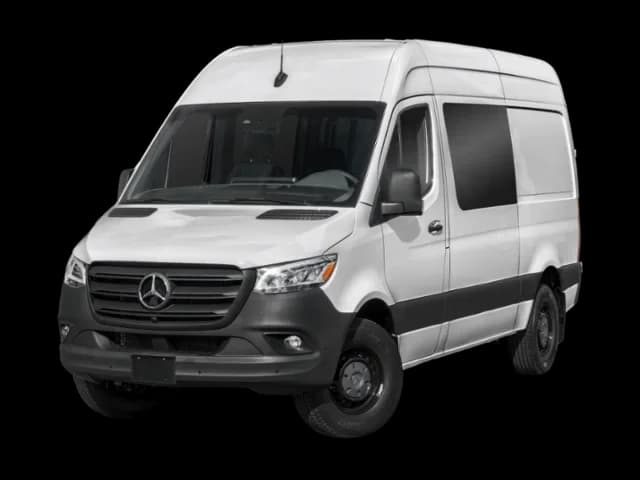
Mercedes-Benz Sprinter (2026)
Versatile, refined diesel workhorse with vast capacity, if you can afford upkeep.
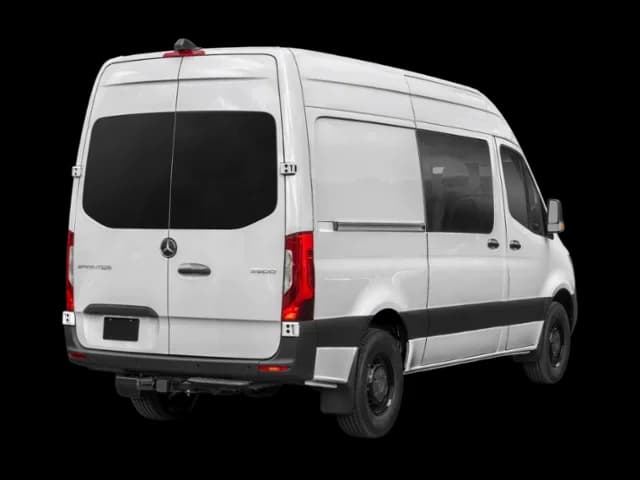
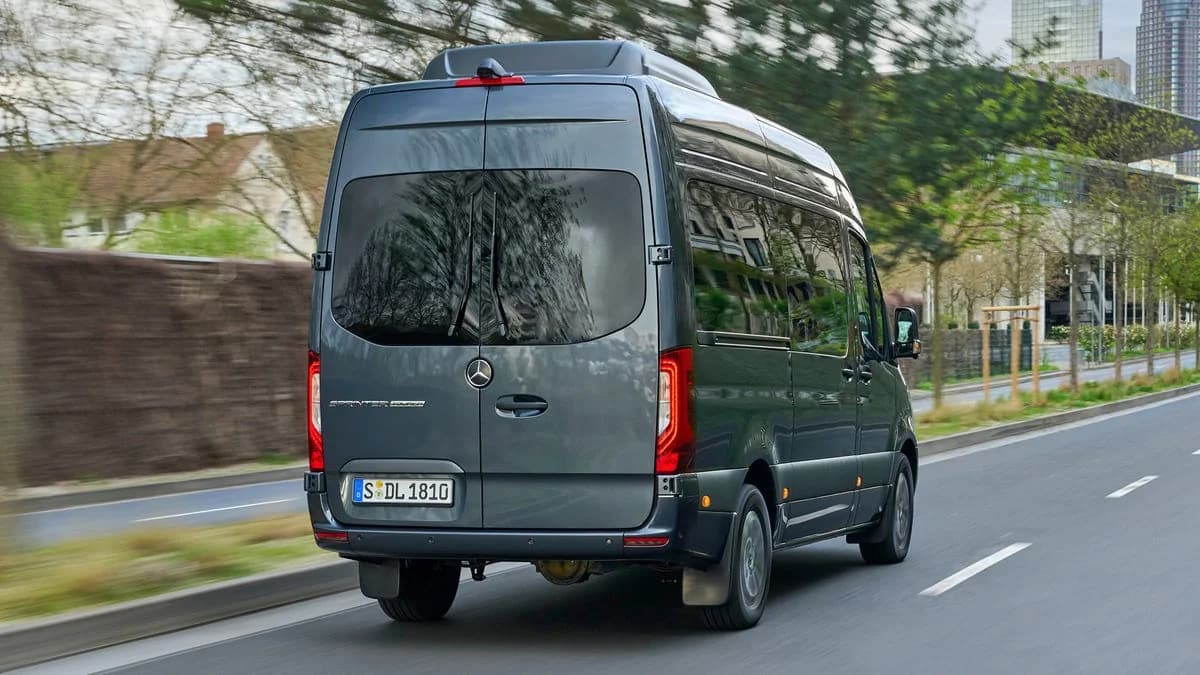
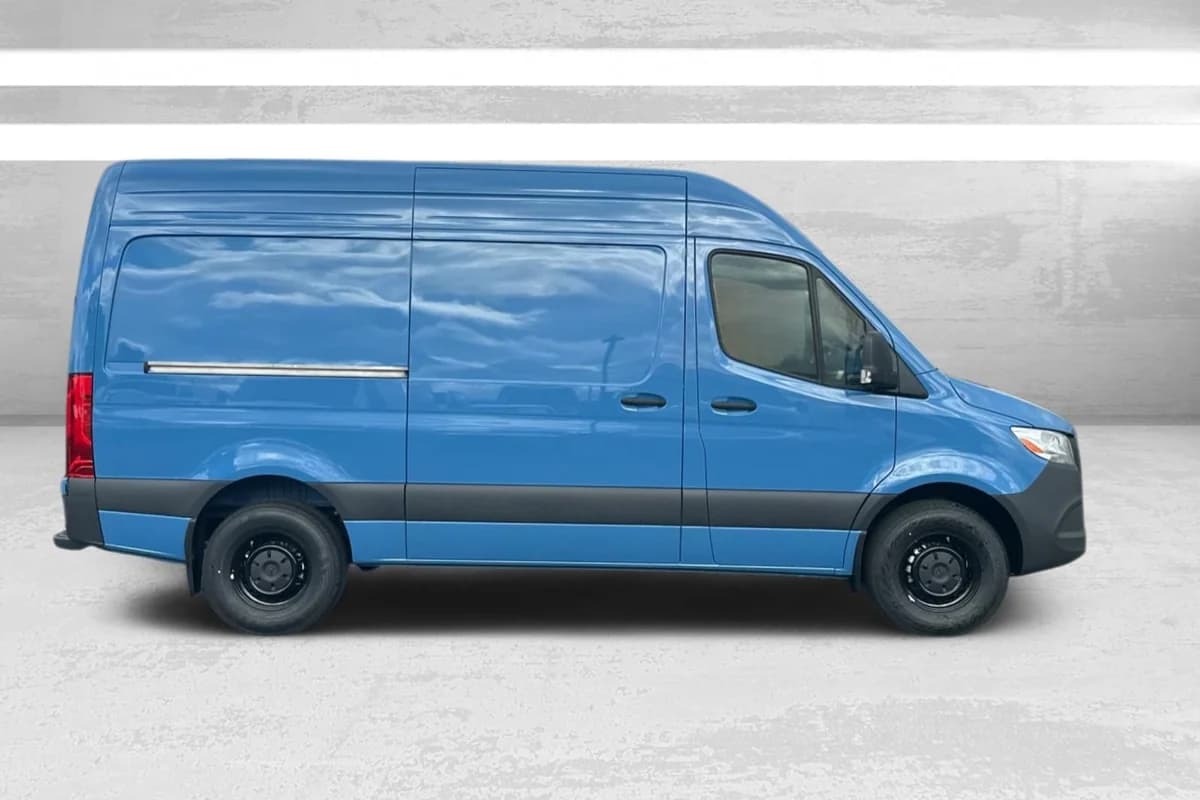
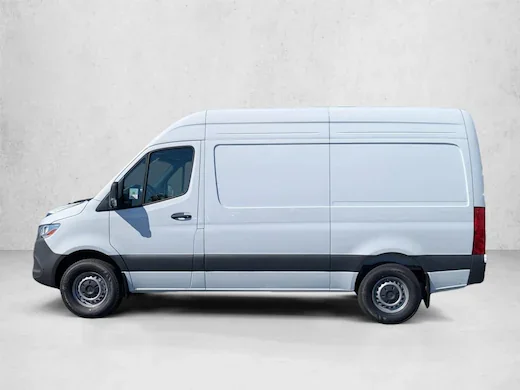
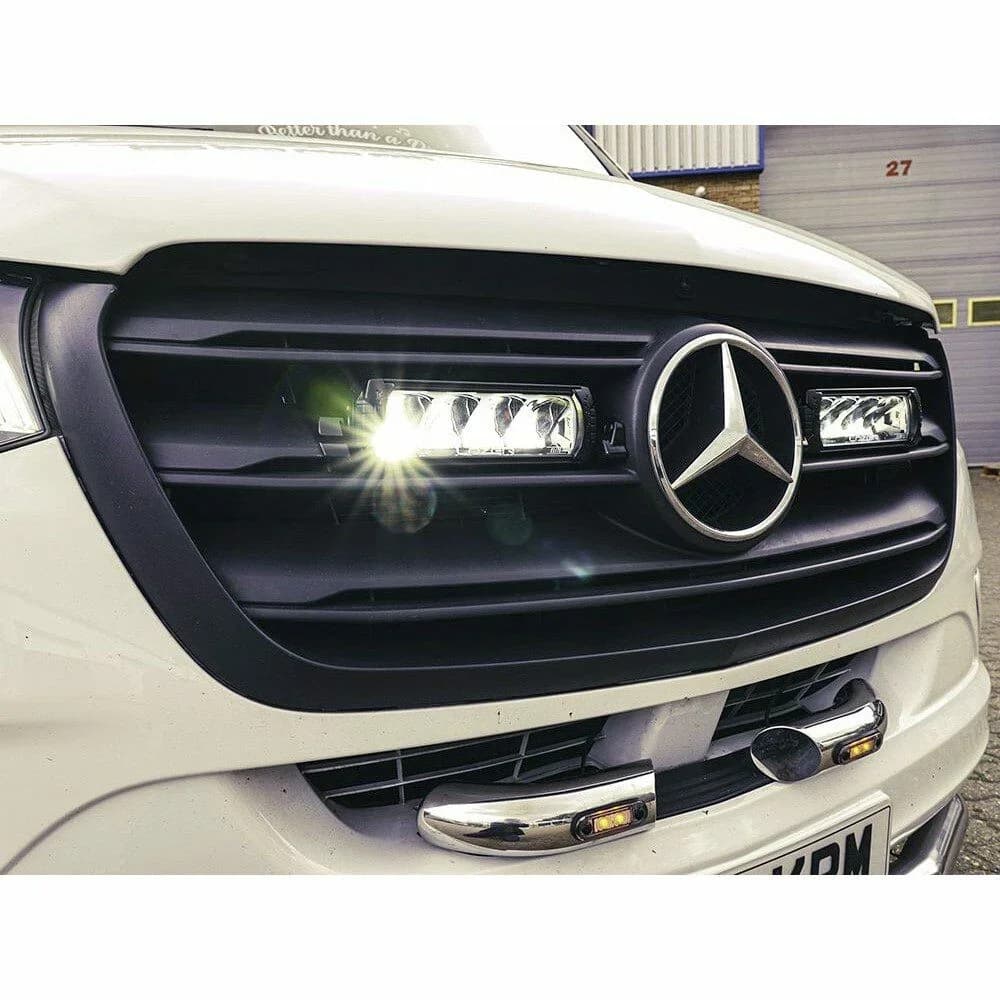
The Mercedes-Benz Sprinter (2026) is a premium workhorse for businesses, shuttle operators, tradespeople, and converters trying to make one van fit very different jobs. Its party trick is up to 533 cubic feet of cargo space, backed by broad body, roof, and seating choices, available AWD, and strong towing capability. Mercedes’ promise of diesel efficiency and refinement is largely supported by testers, who praise the smoother four-cylinder, smart nine-speed automatic, comfortable seats, and surprisingly manageable road manners. Still, acceleration is leisurely, the cabin remains utilitarian, and owners warn that EGR, AdBlue, and sensor repairs can erase fuel savings. It earns its price when capacity and resale matter, but value depends on configuration, specialist servicing, and tolerance for upkeep.
Find Yours
What will you primarily use your gas-powered van or minivan for?
Answer to find your best matches.

The Field
Browse top contenders, or compare all options ranked by score and key attributes.
5 Options

The Scoreboard
Does this improve your life? Considers, health, habits, and environmental impact.
Benefits
Cargo, crew, passenger, and chassis versions fit changing jobs without replacing the van.
Supportive seats, composed highway manners, and quiet diesel cruising make long routes easier.
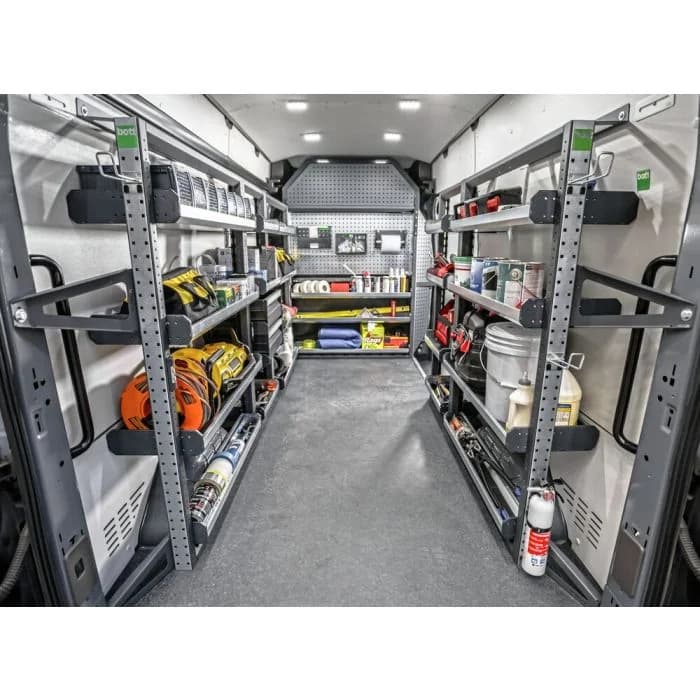
Tall roofs and up to 533 cubic feet simplify loading tools, luggage, or conversion gear.
Clear visibility, tight turning, and available all-wheel drive make a large van easier to manage.
Trade-Offs
Rear-wheel-drive models make lifting heavy items higher, tiring your back during repeated loading.
The diesel can feel slow when joining highways, forcing more planning during everyday traffic.
When unladen, the suspension can bounce over rough roads, making routine trips feel unsettled.
Diesel emissions systems and specialized repairs can interrupt work with repeated shop visits and downtime.
 Alternatives


Join the Circle
Where real meets deal
Know what's worth buying-and when.
Tips, special offers, and rewards for buying and sharing.

Publications
5 LEADING PUBLICATION REVIEWS

Car and Driver views the 2026 Sprinter favorably, though its premium price and leisurely performance temper the enthusiasm. The review appreciates its exceptional versatility, with cargo, crew, and passenger configurations, multiple roof and wheelbase choices, available all-wheel drive, and impressive towing and payload capacities. Its cavernous cargo area even swallowed 212 carry-on suitcases in testing. Still, the diesel engines provide merely adequate power, especially beside quicker rivals such as the Ford Transit, while the basic cabin and optional driver-assistance technology feel less generous than the Mercedes badge suggests. The recommendation centers on the crew van as a practical compromise, ideally equipped with the larger touchscreen and blind-spot monitoring. Overall, the Sprinter is a capable, highly adaptable work vehicle, but buyers are paying partly for the three-pointed star, and lightly used examples may offer better value.
By Beth Nichols
MotorTrend’s Willis Kuelthau is strongly positive about the 2026 Mercedes-Benz Sprinter. He portrays it as a polished, highly capable work van that puts utility ahead of luxury without feeling crude, praising its surprisingly good road manners, ample torque, high ground clearance, modern safety technology, and huge range of body configurations. The Sprinter can tow up to 7,500 pounds, carry impressive loads, return just over 20 mpg in testing, and provide up to 533 cubic feet of cargo space. Its diesel is slow—an editor’s “Saunter” joke captures that weakness—and the cabin is mostly durable plastic, while pricing exceeds rivals such as the Ford Transit and Ram ProMaster. Still, Kuelthau considers the premium worthwhile for many buyers. His most distinctive takeaway is that the Sprinter’s accurate highway tracking, tight turning radius, off-road ability, and camp-friendly interior make it a compelling alternative to a pickup.
By Willis Kuelthau
What Car? views the Mercedes-Benz Sprinter favorably, though its premium price and increasingly capable rivals temper the praise. Its strengths are substantial: an enormous choice of body styles, impressive load capacity, refined motorway manners, strong grip, a quality-feeling cabin, and user-friendly MBUX connectivity. The front-wheel-drive versions improve payload and fuel economy, while the 2.0-litre diesel is considered the best-balanced engine choice. Yet the Sprinter is no longer clearly more powerful than competitors, the ride can trail the VW Crafter, and servicing, repairs, and optional extras quickly become expensive. The lane-keeping system is an especially notable flaw, braking abruptly to correct the van and potentially surprising other motorists. Overall, it remains a versatile, comfortable, well-supported large van with excellent practicality, but the review’s 3/5 rating reflects a product that feels increasingly outshone and difficult to justify at its price.
By George Barrow
Carwow’s Tom Wiltshire is highly impressed by the Sprinter, while acknowledging that its quality comes at a premium. He portrays it as an exceptionally refined large van, with a comfortable ride, smooth and powerful diesel engines, an excellent nine-speed automatic, strong technology, and a genuinely car-like cabin. Mercedes’ thoughtful load-area details, extensive safety equipment, telematics, generous range, reliability, and strong resale values further justify its reputation. The review is especially positive about long-distance driving, where the Sprinter feels composed and effortless, although it remains easy to use around town. Its weaknesses are meaningful: 3.5-tonne versions carry less than leading rivals, rear-wheel drive creates a high load floor, manual shifting is disappointing, some steering-wheel controls are awkward, and servicing and purchase prices are high. Overall, it is presented as a premium, dependable workhorse worth considering when comfort and refinement matter more than maximum payload or low upfront cost.
By Tom Wiltshire
Driving’s Derek McNaughton is upbeat about the next Sprinter, even though this is more an informed preview than a road test. He portrays Mercedes’ commercial van as an essential, historically influential workhorse whose fourth generation should preserve its practical cargo, crew, passenger, and cab-chassis versatility while adding stronger Mercedes design cues. The confirmed electric and combustion powertrains, likely broader battery capability, and future-ready architecture are promising, but key details—including diesel strategy, engine configuration, battery size, pricing, and real-world performance—remain undisclosed. McNaughton’s enthusiasm comes as much from the Sprinter’s legacy and role in modern trades as from the still-hidden vehicle itself. The piece offers useful context, including eSprinter specifications and the model’s long safety-development history, but its positive outlook is necessarily provisional because Mercedes revealed only a sculpture and tightly controlled concept preview.
By Derek McNaughton

YouTube
7 LEADING EXPERT & INFLUENCER REVIEWS
 TFLnow
Tommy is highly enthusiastic about the Sprinter’s new 2.0-liter diesel, calling it a major improvement over the previous V6. In high-altitude Colorado testing, the van delivered smoother, more immediate power, stronger passing performance, and a far smarter-shifting nine-speed automatic. He also praised the quiet engine, all-wheel-drive traction, stable front end, and Adventure Wagon’s cleverly modular camper interior. The lighter steering and bouncy rear suspension drew minor criticism, while losing low range initially seemed concerning. Still, Tommy concluded that the lower first gear compensates effectively, making this Sprinter substantially easier and more enjoyable to drive on-road and over rough dirt.
JB ReviewsJB Reviews comes away moderately positive about the Mercedes-Benz Sprinter-based Thor Sanctuary 19P, but strongly warns against this particular upfit. After renting it for 1,500 miles, they praised the comfortable driving experience, easy parking, all-wheel-drive traction, abundant outlets and storage, practical kitchen, and surprisingly comfortable bed. However, the lifted, narrow van swayed badly in strong crosswinds, causing motion sickness in the rear—a serious issue for families. The couple also disliked the lack of rear LED lighting and questioned the tires’ long-term noise. Their key advice is excellent: rent a camper van before buying, and consider a different floor plan or manufacturer.
Ben HardyBen Hardy is clearly impressed by the 2026 Mercedes-Benz Sprinter Worker’s smooth diesel power and easygoing road manners. He praises the standard-output engine’s strong torque, 9-speed automatic, comfortable seating, useful storage, excellent rear access, and practical $51,285 configuration. The bare-bones cabin and lower roof keep it approachable and garage-friendly, though the van feels noisy when empty, the rear doors need a firm slam, and interior height forces most adults to hunch. Hardy also questions long-term diesel reliability and observes that unloaded cargo vans ride better once weighted down, but overall he considers the Sprinter a capable, refined utility van despite its high price.
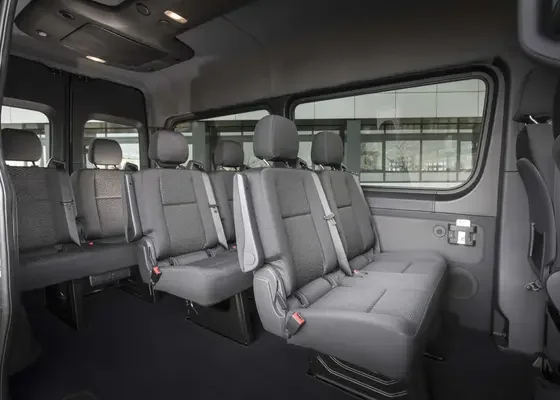
Prime AutotainmentPrime Autotainment is strongly positive about the Mercedes-Benz Sprinter passenger van. The review praises its comfortable seats, generous legroom, individual amenities, abundant charging ports, excellent visibility, and surprisingly manageable maneuverability despite its size. The tall roof and configurable 12- or 15-passenger layouts make it especially practical for hauling people and luggage, while the diesel offers adequate torque and efficiency. Drawbacks include occasional turbo or transmission hesitation, noticeable bumps and rattles, basic lighting, and a somewhat dated, simple cabin. Overall, it feels like a capable, comfortable premium shuttle rather than a genuinely luxurious vehicle.
VanoviaVanovia views the 2026 Mercedes-Benz Sprinter positively, but only for buyers who can afford and maintain it properly. It praises the diesel’s efficiency and longevity, premium ride, high-roof comfort, narrower European-friendly body, and stronger resale value. Still, expensive maintenance, specialized diagnostics, limited service access, higher insurance, and winter drawbacks from rear-wheel drive make it a risky fit for budget-conscious North American travelers. Vanovia ultimately considers the Ford Transit the smarter choice for most buyers, reserving the Sprinter for tall or long-distance travelers, European touring, and owners committed to 10-plus years of careful upkeep.
Cargo Van Business, Life & EarningsCargo Van Business, Life & Earnings is strongly positive about the Sprinter, calling it worth every penny despite two difficult years. He praises its smooth, almost luxurious driving experience, professional image, safety alerts, large backup display, and usefulness as both a mobile office and advertising billboard. However, his 100,000-mile experience included EGR-valve and AdBlue-injector failures, limp mode, leaks, fragile and costly lamps, battery access issues, brake squeal, and inconsistent dealership expertise. His key advice is to use a genuine Sprinter specialist and secure customers before buying; when properly running, he believes its earning potential and versatility outweigh the headaches.
The Automotive DadAutomotive Dad is highly enthusiastic about the 2026 Mercedes-Benz Sprinter, calling it the best-driving large van he has used. Drawing on two years of near-daily Sprinter experience, he praises its refined ride, responsive 9G-Tronic transmission, light steering, strong diesel performance, practicality, wide seats, quality interior, and impressive payload, towing, and maneuverability. He acknowledges that the styling is aging, the L2H2 feels tight for some loads, and the premium price is substantial. Still, he considers the well-equipped 319/119 an exceptionally versatile work vehicle and potential family or camper platform.

Forum Reviews
CUSTOMER REVIEWS FROM 1 FORUM
Redditors are broadly positive about the Sprinter, though they expect expensive, demanding ownership. Owners praise its comfortable driving dynamics, excellent space, diesel fuel economy, road-trip capability, and impressive longevity when maintained properly. Newer models feel more refined than older generations, while high-mileage examples can remain dependable with thorough records and inspection. The recurring drawbacks are costly preventive maintenance, emissions-system and sensor concerns, limited service availability, and occasional electrical, door, brake, or driver-assistance annoyances. Older T1Ns earn near-legendary reliability praise, whereas later vans require more disciplined upkeep. Buyers generally recommend one for its utility, but advise budgeting generously and avoiding neglected or overpriced conversions.
Many comments

In-Depth Review

Highlights
- •Flexible Body ChoicesDesigned for cargo, passenger, crew, and upfits.
- •Expansive Cargo SpaceAdvertised to provide up to 533 cubic feet.
- •Confident Road MannersReviewers note composed handling and easy maneuverability.
- •Smooth Diesel DrivetrainThe newer diesel and nine-speed shift smoothly.

Considerations
- •High Ownership CostsPurchase, servicing, and repairs can be substantial.
- •Leisurely AccelerationDiesel power requires planning during faster merges.
- •Emissions-System RepairsEGR, AdBlue, and sensor faults can cause downtime.
- •Configuration Trade-OffsPayload, load height, and ride vary considerably.
The Sprinter remains Mercedes-Benz’s premium work van, built for businesses and converters rather than bargain hunters. Its appeal starts with up to 533 cubic feet of cargo space and extends to cargo, crew, passenger, and chassis-cab layouts for deliveries, trades, shuttles, and camper builds. Compared with mainstream rivals such as the Ford Transit and Ram ProMaster, it stands out through diesel torque, available all-wheel drive, and an unusually broad choice of wheelbases, roofs, and weight classes. The newer four-cylinder and nine-speed automatic also improve refinement over the previous V6, even if acceleration remains relaxed. Fleet operators, contractors, passenger services, and long-distance travelers should examine capacity claims alongside payload and towing ratings, maneuverability, and the cabin’s work-focused build quality. The key question is whether its versatility and premium ownership proposition justify the price and maintenance demands—so let’s see where this workhorse earns its star.
Cargo Capacity Flexibility
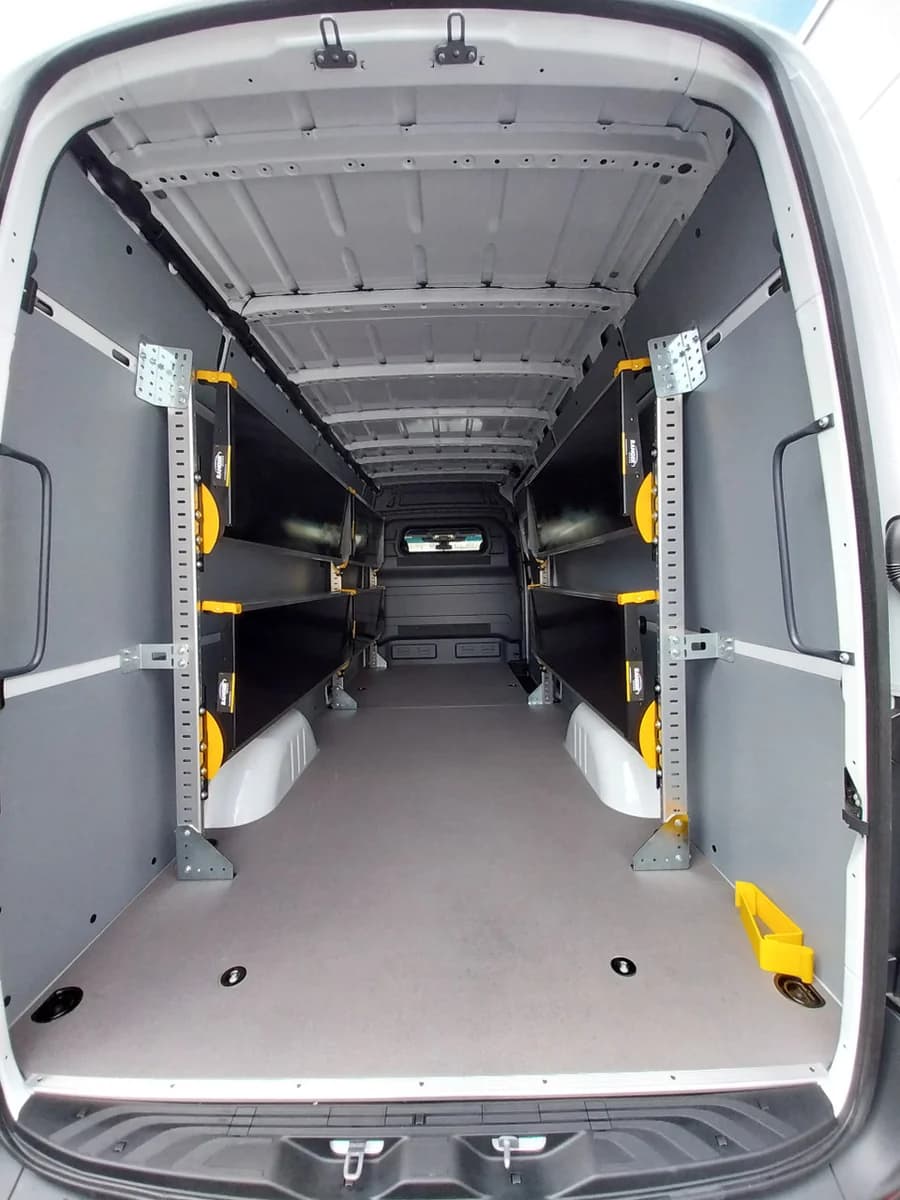
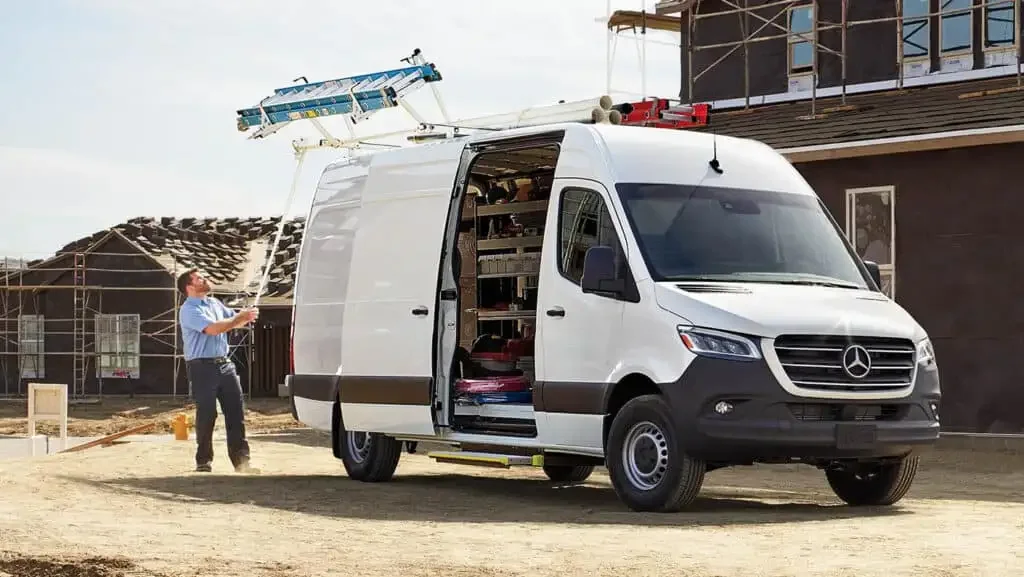
The Sprinter’s biggest advantage is how easily it adapts to different kinds of work. Cargo versions offer up to 533 cubic feet of space, with a mostly square compartment that suits shelving, delivery packages, or camper installations. High-roof models allow more standing room, while rear barn doors and a flat load floor simplify access. Expert testing loaded 212 carry-on suitcases, supporting Mercedes-Benz’s practicality claims. Actual usefulness still depends on wheelbase, roof, and upfit choices, and the van’s high floor can make repeated loading tiring.
Diesel Power And Economy
The new diesel is smoother and more usable than the older V6, but it is not especially quick. The 2.0-liter turbo-diesel four-cylinder is offered in different output tunes, with commonly cited figures of 170 horsepower and 295 lb-ft or 211 horsepower and 332 lb-ft. Its nine-speed automatic generally shifts intelligently, and MotorTrend recorded just over 20 mpg in testing. Reviewers still describe acceleration as leisurely, while long-term owners report costly EGR, AdBlue, and emissions-system repairs that can erase fuel savings.
Cabin And Build Quality
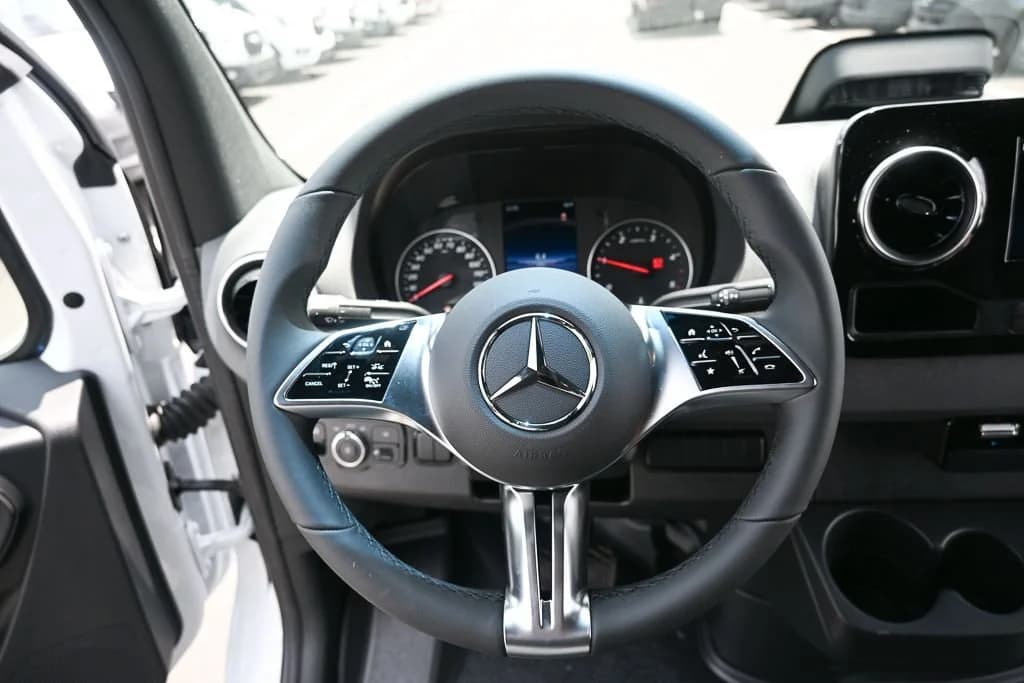
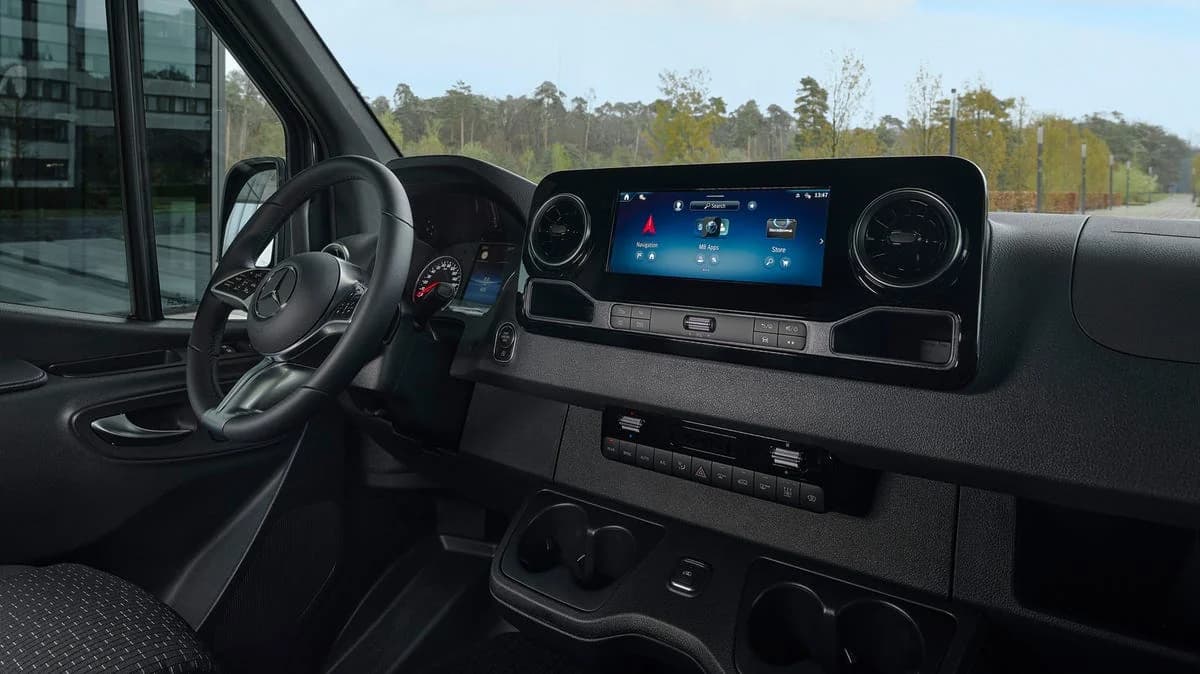
The cabin feels more polished than a basic work van, although it remains fundamentally utilitarian. The 10.25-inch MBUX touchscreen can provide navigation, voice control, and wired or wireless smartphone integration, while supportive seats, useful storage, and strong visibility help on long routes. Expert reviewers appreciate the durable construction and refined driving position, but note basic lighting, plastic surfaces, rattles, and limited standard assistance equipment. Owners also report expensive lamps, electrical annoyances, and uneven dealer expertise, making specialist servicing an important part of ownership.
Ride And Maneuverability
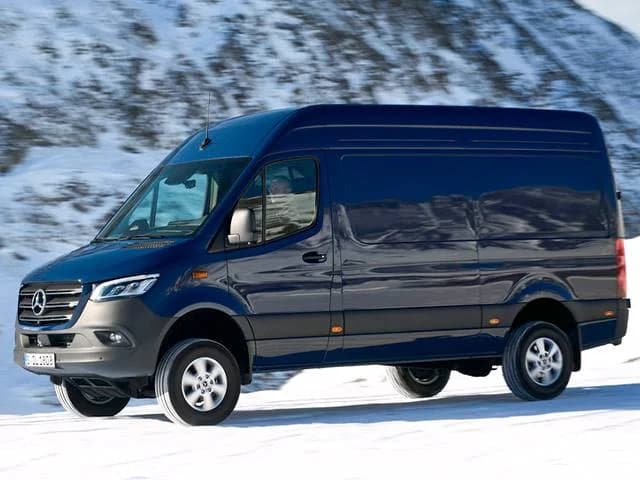
For such a large van, the Sprinter is unusually approachable on the road. Its tight turning radius, clear sightlines, light steering, and accurate highway tracking make parking and long-distance driving less intimidating, while available all-wheel drive improves traction. Reviewers praise the composed, car-like manners, though unloaded cargo versions can feel bouncy and noisy, and lifted camper conversions may sway in crosswinds. Rear-wheel drive also raises the load floor and offers less winter security than front-wheel-drive rivals unless the AWD option is selected.
Configuration Choices
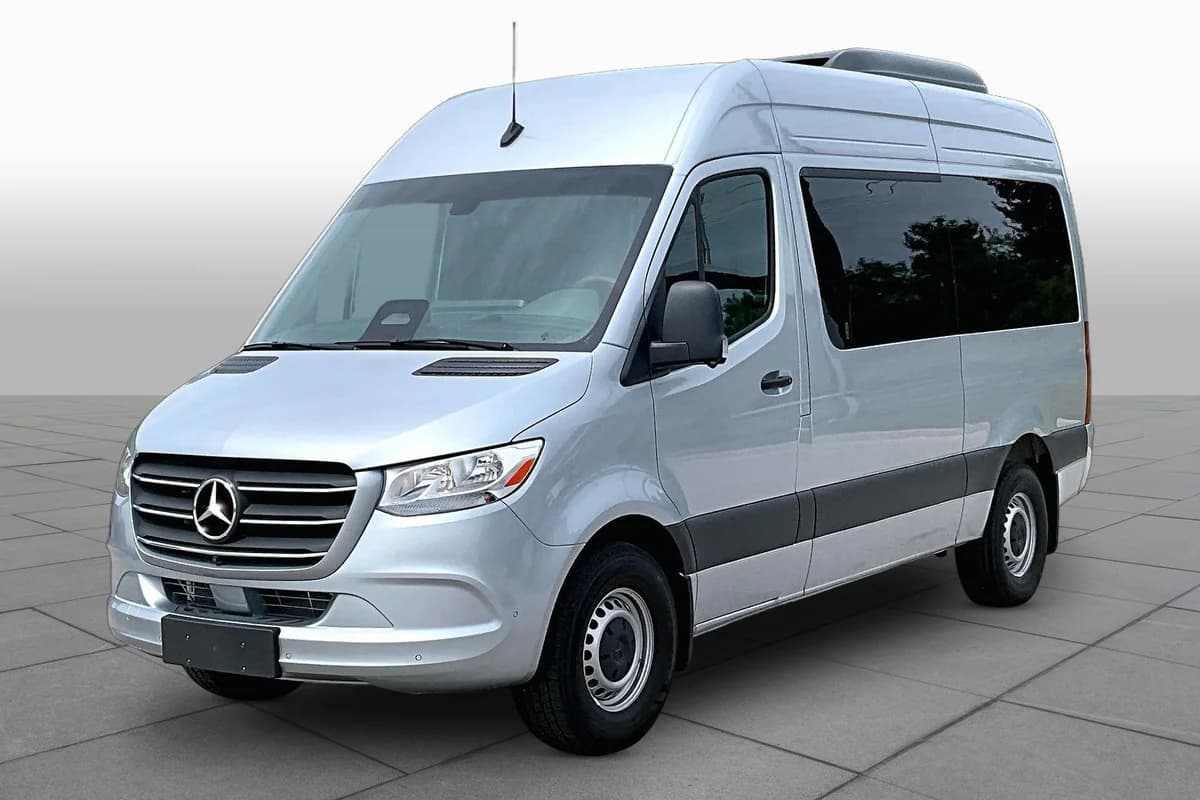
The lineup’s flexibility is a major reason businesses and converters keep choosing it. 144-inch and 170-inch wheelbases, standard or high roofs, extended cargo bodies, several weight classes, and cargo, crew, passenger, and chassis-cab formats cover everything from trades work to shuttle service. Seating can range from two to 15 passengers. This breadth is more useful than a single headline specification, but every choice affects payload, maneuverability, price, and garage access, so buyers should start with the job rather than the badge.
Payload And Towing
Its capacity makes the Sprinter credible for demanding commercial jobs, but the exact configuration matters greatly. Higher-duty versions are rated for up to 7,500 pounds of towing, while reported payload limits reach 6,812 pounds on some 4500 models. That is excellent for equipment, trailers, or dense cargo, though 3.5-tonne versions can carry less than leading rivals. Buyers should verify the build-specific gross vehicle weight and axle ratings, because passenger equipment, options, and upfits can reduce the usable margin.
Conclusion
The Sprinter’s final case is simple: it earns its premium by making one van fit remarkably different jobs. Up to 533 cubic feet of usable space, broad body, wheelbase, and roof choices, plus strong payload and towing ratings, suit fleets, tradespeople, shuttle operators, and camper builders. The newer diesel and nine-speed automatic feel smoother and more efficient than the old V6, though acceleration is leisurely and emissions repairs can be costly. Its light steering, clear visibility, and available AWD make a large van unusually manageable, while the cabin feels refined without escaping its commercial-grade plastics, rattles, and basic lighting. Owners praise comfort and longevity when maintenance is meticulous; they also warn about specialist-service bills and downtime. That makes the Sprinter a smart, versatile investment for buyers who will use its capacity and budget for upkeep—not the best choice for bargain seekers, maximum-payload purists, or carefree ownership.

Feature Scores
This reflects reviews and ratings from established critics, journalists, and users who have evaluated the item. Their opinions provide a comprehensive assessment.
Performance
Acceleration Responsiveness
3/5
Highway Passing Capability
3/5
Ride Comfort
4/5
Cabin Quietness
3/5
Fuel Economy
4/5
Powertrain Reliability
3/5
Cargo Flexibility
5/5
Towing Capability
4/5
Value
Purchase Affordability
2/5
Operating Cost
2/5
Resale Value
4/5
Warranty Coverage
3/5
Design
Exterior Proportions
4/5
Interior Ergonomics
4/5
Passenger Space
5/5
Access Convenience
4/5
Interior Material Quality
4/5
Health
Cabin Air Quality
TBD
Seating Support
4/5
Occupant Vibration Comfort
4/5
Safety
Crash Protection
4/5
Driver Assistance
3/5
Child Passenger Protection
TBD
Visibility
4/5
Parking Maneuverability
4/5
Sustainability
Tailpipe Emissions
2/5
Fuel Consumption Impact
3/5
Material Efficiency
TBD
End-of-Life Recyclability
TBD
Experience Style
Control Simplicity
4/5
Seating Configurability
5/5
Family Convenience Features
4/5
Technology Integration
4/5

Specifications
This section outlines the product's key facts, covering essential features, details, dimensions, materials, and any unique characteristics that define its functionality and usability.
Performance
Value
Design
Safety
Sustainability
Experience Style

Frequently Asked Questions
8 Questions

Find Yours
What will you primarily use your gas-powered van or minivan for?
Answer to find your best matches.