












Chevrolet Express (2026)
Powerful, spacious, upfit-ready workhorse, best suited to buyers who value durability over refinement.
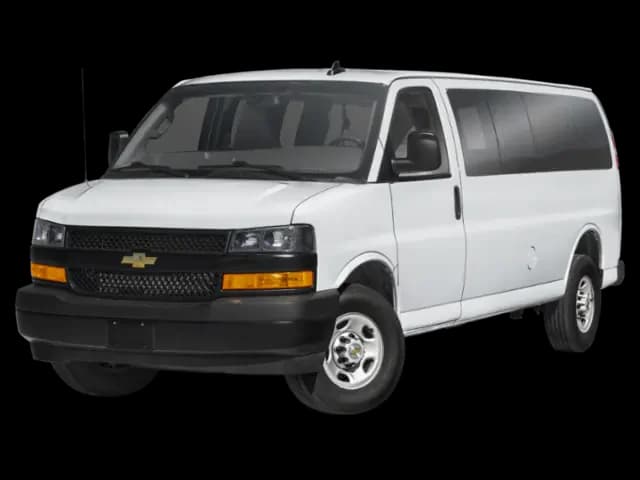
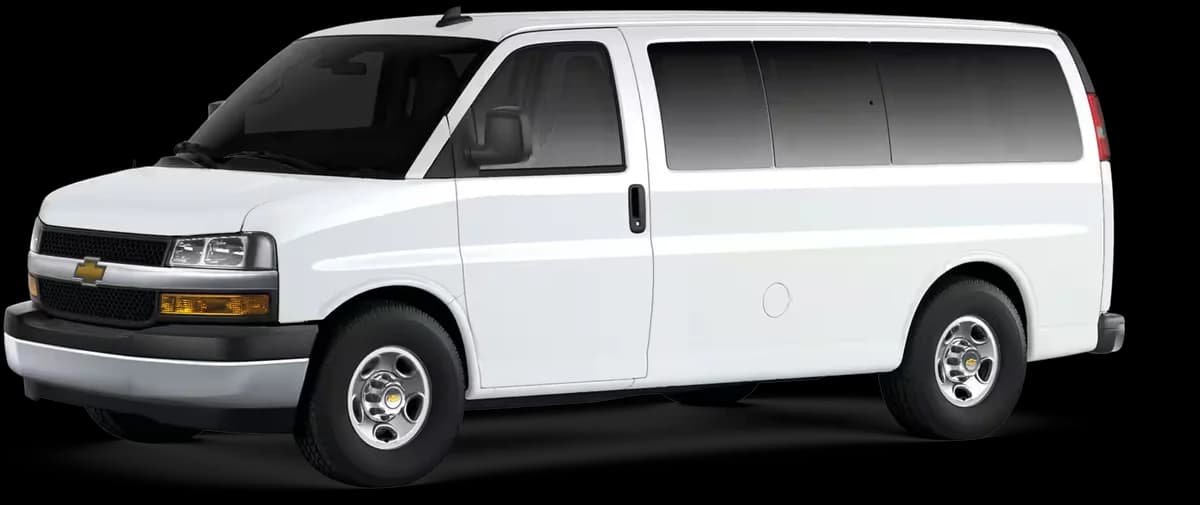
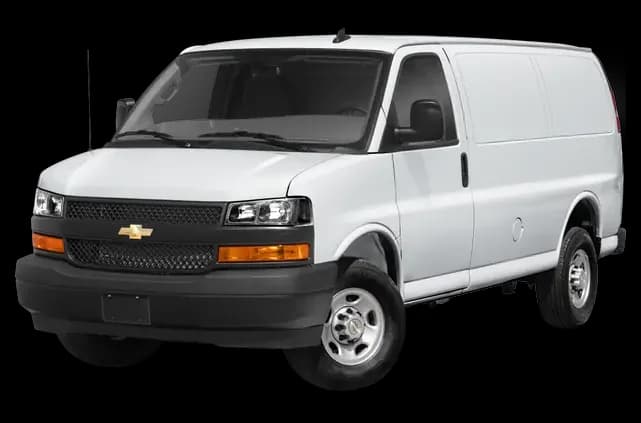
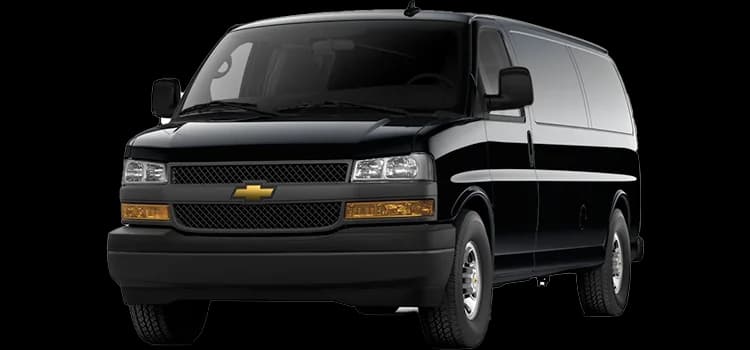
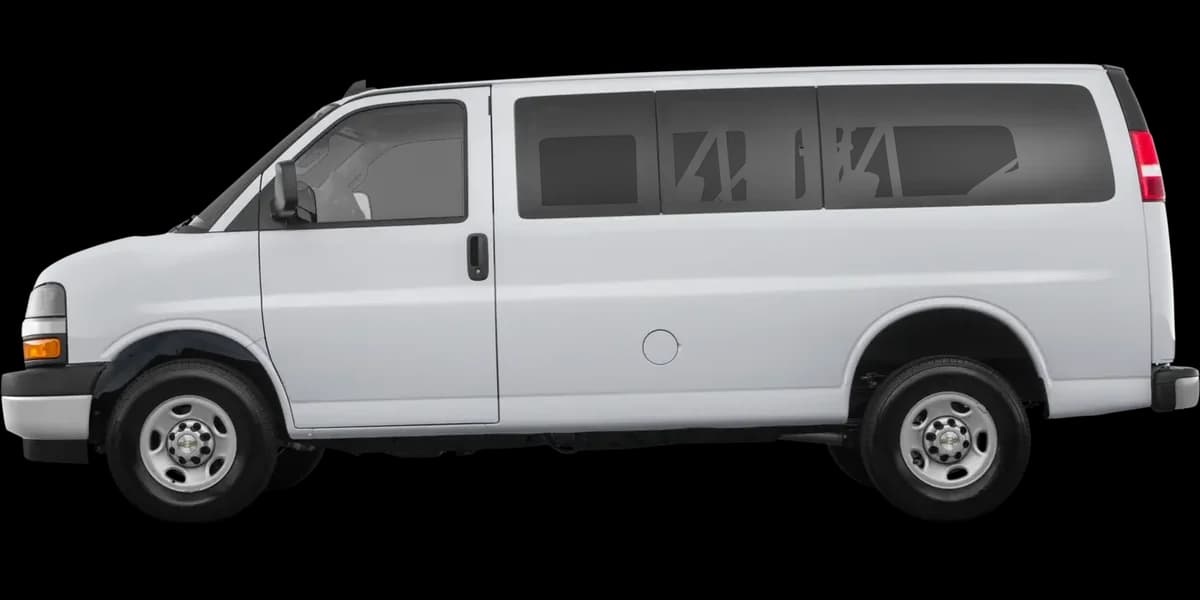
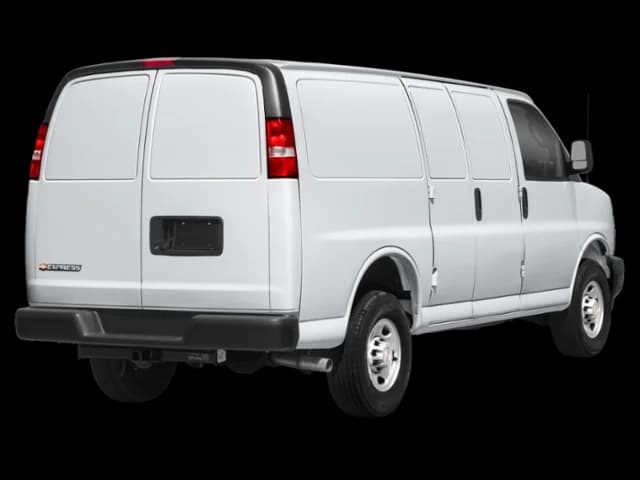
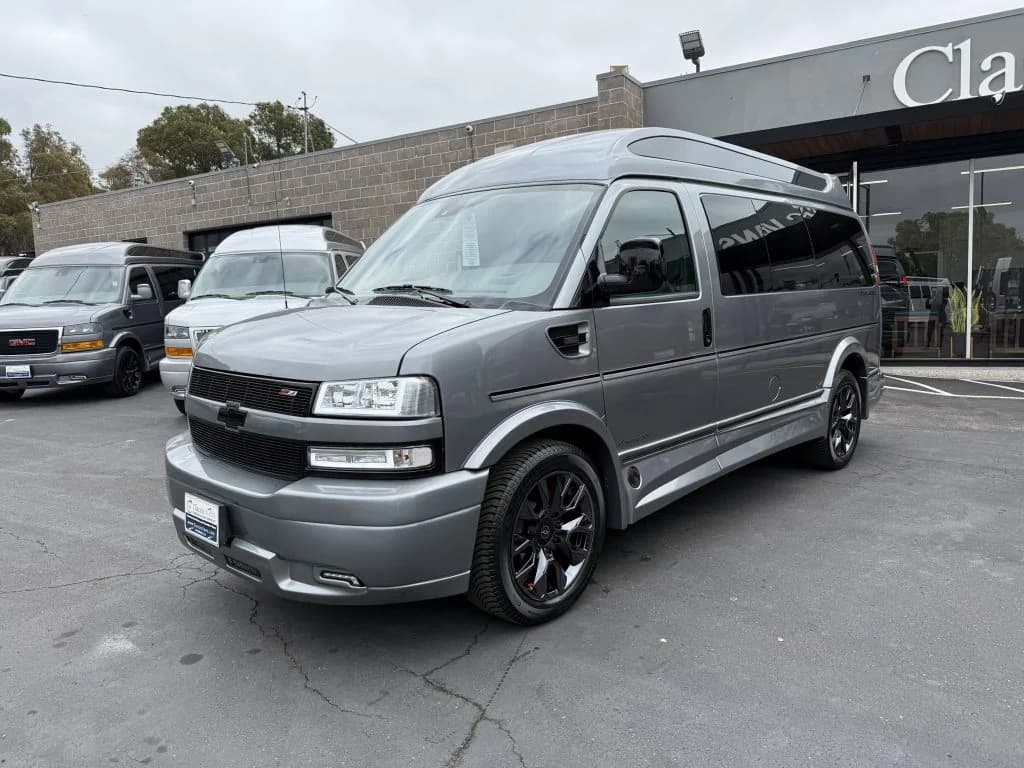
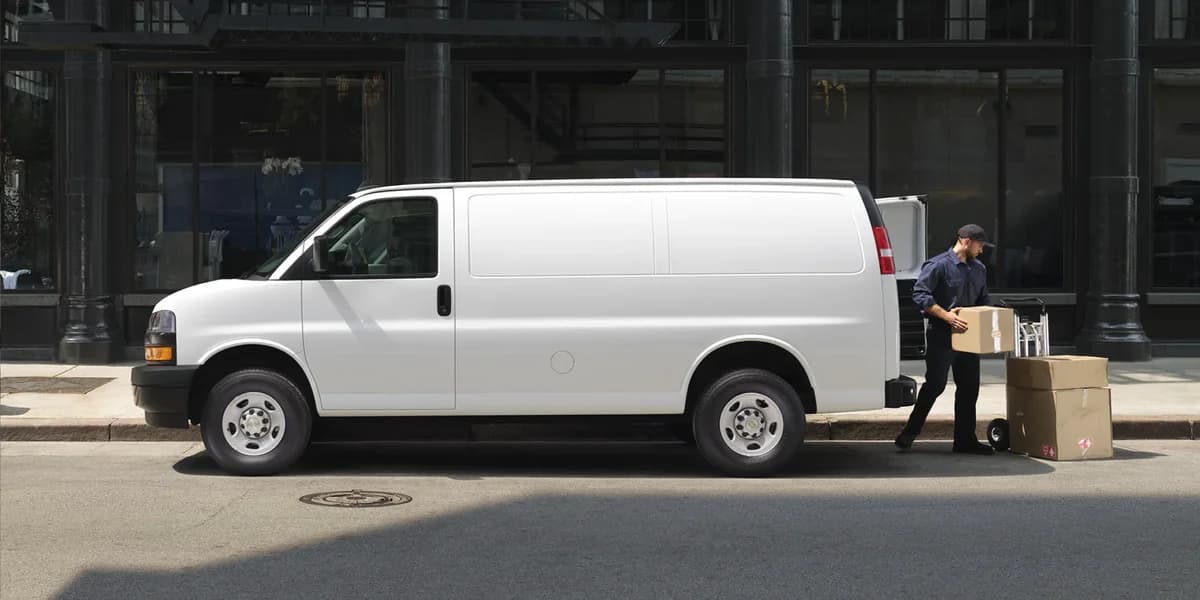
The 2026 Chevrolet Express is a big, old-school toolbox on wheels, built for businesses and families that need to move people, equipment, or serious loads without fuss. Its 6.6-liter V8 and body-on-frame construction support confident towing and easy upfitting, claims broadly backed by drivers and reviewers who praise its durability, serviceability, and roomy interior. The catch is that this workhorse still brings a low roof, basic technology, rear-wheel drive only, and thirsty gasoline engines, while newer rivals offer more comfort and versatility. Starting around $42,200, it can be compelling for established trades, fleets, and shuttle operators, but less so for casual or uncertain work. Overall, its practical capability lifts the recommendation, while aging design and running costs hold it back.

Find Yours
What will you primarily use your gas-powered van or minivan for?
Answer to find your best matches.

The Field
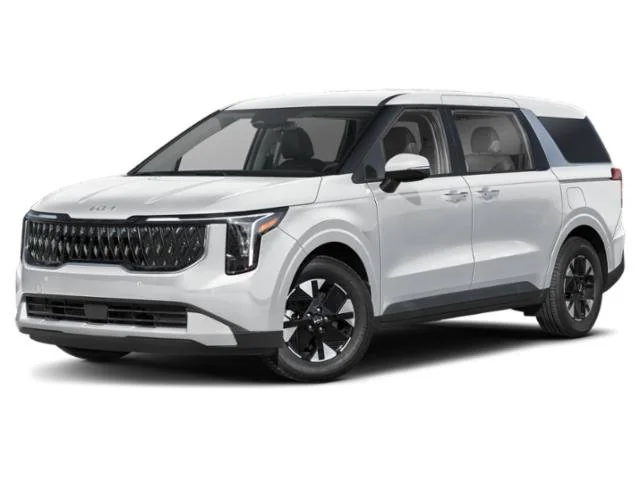
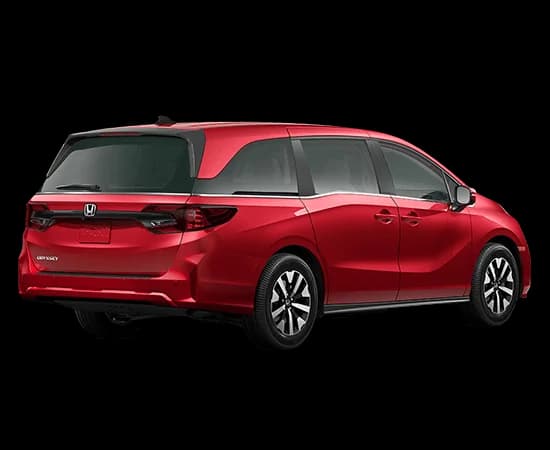
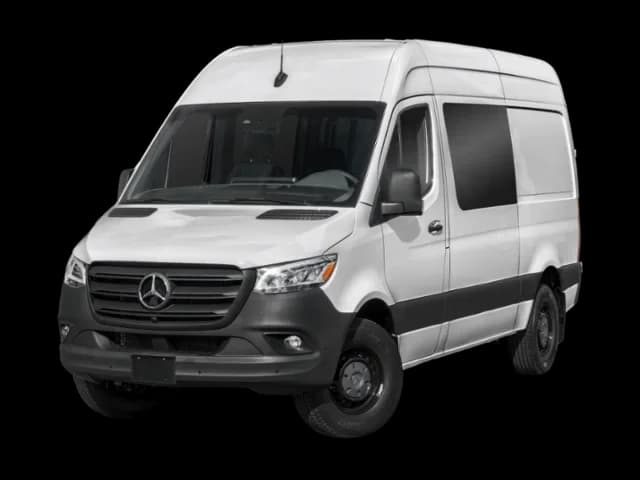
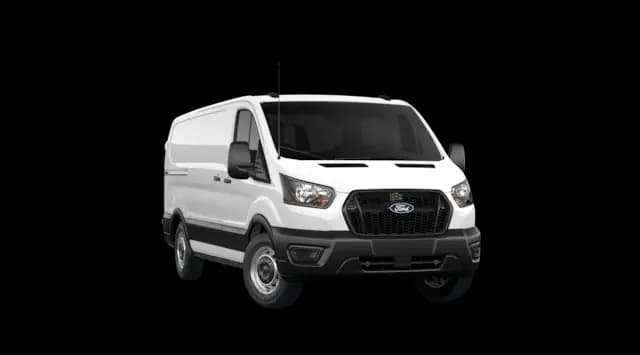
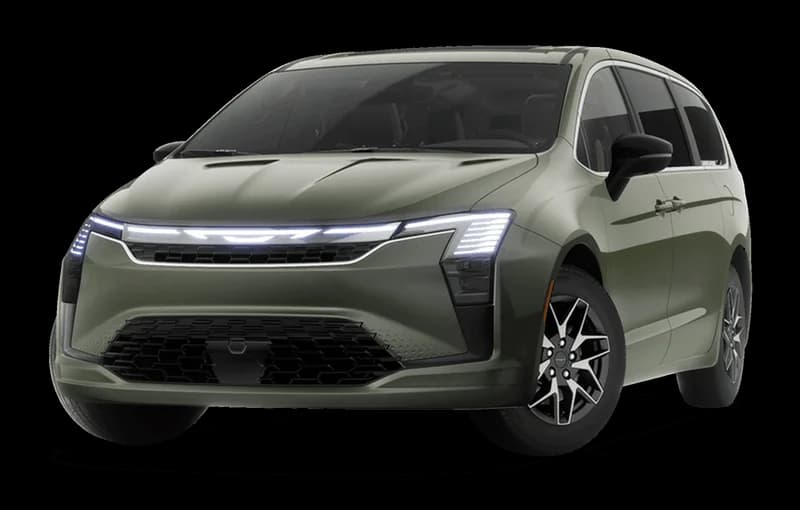
Browse top contenders, or compare all options ranked by score and key attributes.
5 Options

The Scoreboard
Does this improve your life? Considers, health, habits, and environmental impact.
Benefits
Familiar controls and abundant parts make everyday repairs and fleet servicing more straightforward.
Large interiors comfortably handle passengers, cargo, equipment, or flexible work and travel setups.
The available V8 makes towing, carrying heavy loads, and demanding commercial work feel effortless.
A simple, spacious layout gives upfitters plenty of freedom for trades, delivery, or conversion use.
Trade-Offs
Engine noise, road sounds, and limited insulation make long drives harder to enjoy or chat.
You cannot stand upright inside, so repeated loading and organizing can leave your back sore.
The tall, heavy body and poor wet-weather visibility make tight streets and rainy driving more tiring.
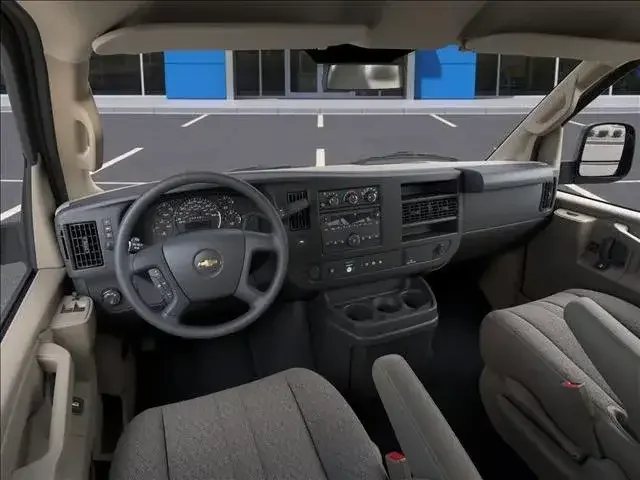
Basic infotainment and small camera displays make directions and reversing less convenient during everyday trips.
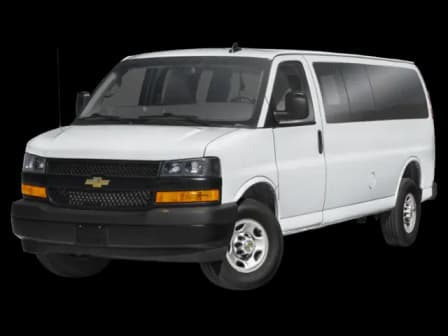
 Alternatives


Join the Circle
Where real meets deal
Know what's worth buying-and when.
Tips, special offers, and rewards for buying and sharing.

YouTube
5 LEADING EXPERT & INFLUENCER REVIEWS
 The Fast Lane Truck
Andre is upbeat about the 2026 Chevrolet Express, treating its old-school design as more charming than embarrassing. He appreciates the powerful 6.6-liter V8, roughly 10,000-pound towing potential, useful payload, roomy cargo area, good maneuverability, and surprisingly quiet, well-sealed cabin. The simple key, physical controls, and easy-to-service layout reinforce its workhorse appeal, while modern touches such as blind-spot monitoring and a rearview camera add practicality. Still, the low roof, rear-wheel drive only, tiny camera display, dated interior, and nearly $48,555 price make it less versatile than a Ford Transit, Mercedes-Benz Sprinter, or Ram ProMaster.
Ben HardyBen Hardy is highly enthusiastic about the 2026 Chevrolet Express Passenger V8, calling it a remarkably smooth, powerful, and overlooked value. He praises the naturally aspirated 6.6-liter V8, substantial towing capability, comfortable seats, roomy 15-passenger layout, excellent visibility, and old-school controls. Hardy sees strong appeal for large families and commercial buyers who prioritize durability and uptime over luxury, arguing it offers more space and proven hardware for less money than many SUVs or newer vans. He acknowledges the dated styling, narrow rear access, limited insulation, and basic cabin, but treats those compromises as acceptable for this exceptionally practical workhorse.
Race Car FriendsRace Car Friends is positive about the Chevrolet Express, calling it a comfortable, tough “ultimate workhorse” for established businesses. The V8 offers strong towing and payload capability, while the compact-for-class footprint, roomy cargo area, simple controls, durable interior protection, and easy access suit logistics and trade work. However, fuel, insurance, maintenance, and poor wet-weather visibility can be costly or frustrating, and its tall, heavy shape demands defensive driving. The practical verdict is conditional: excellent for plumbers, electricians, or operators with dependable contracts, but a poor choice for uncertain gig-delivery income.
Automotive Anonymous Automotive Anonymous is surprisingly positive about the Chevrolet Express, warming to its practicality after an initially uneasy impression. Driving the windowless 2019 Cargo Van through neighborhoods, the reviewer found the 4.3L V6 capable, comfortable, and easy to place despite its size. The boxy, durable interior offers abundant space, outlets, lighting, and strong camping or DIY-conversion potential, making a roughly $30,000 used example feel like compelling value. However, the van lacks a backup camera, insulation, sound deadening, and modern conveniences, while its height, long wheelbase, limited visibility, and rear-wheel-drive layout require care. Overall, it feels like an excellent no-frills project or travel van.
The No Good Cargo VanThe No Good Cargo Van is highly enthusiastic about the Chevrolet Express as an affordable, capable expediting platform. He contrasts his $20,000 2018 Express with pricier high-roof vans, demonstrating a practical setup with E-track, a cot, cooking gear, and room for two full pallets. He reports long-distance trips and a claimed $11,200 Florida load, arguing that most jobs involve one or two pallets. He concedes high-roof vans are more comfortable and offer greater capacity, but insists the Express can deliver steady work without a large loan.

Social
1 INFLUENCER REVIEW
 Thomas
Thomas is amused and intrigued by the Chevrolet Express, but clearly underwhelmed by its dated design. He marvels that a new cargo van still resembles a vehicle from the 1990s, with an exterior largely unchanged since the late 2000s, an old-fashioned steering wheel, and no touchscreen. Still, he gives credit to the available 6.6-liter V8 and eight-speed transmission, calling the engine potentially GM’s best V8, while noting the cheaper V6 option. Prices around $46,000 to $50,000 seem surprising, and his overall reaction is more fascinated disbelief than an enthusiastic recommendation.

Forum Reviews
CUSTOMER REVIEWS FROM 1 FORUM

Redditors are broadly positive about the 2026 Chevrolet Express, valuing proven durability over modernity. Its truck-based construction, simple controls, abundant parts, easy repairs, strong V8 options, and reputation for surviving heavy abuse earn widespread respect, with many expecting exceptionally long service life. The unchanged design is celebrated as practical and refreshingly uncomplicated, though others find it dated, noisy, awkward to drive, poorly equipped, and expensive for what is essentially an old work van. Fuel economy, safety concerns, tight engine access, and high used prices temper enthusiasm. Still, for dependable hauling, trades, or conversion use, consensus remains strongly favorable.
Many comments

In-Depth Review

Highlights
- •Strong V8 TowingThe V8 delivers confident heavy-load performance.
- •Flexible Interior SpaceCargo and passenger layouts handle demanding workloads.
- •Upfit-Friendly LayoutDesigned to support shelving, partitions, and conversions.
- •Straightforward ControlsPhysical controls simplify everyday operation and servicing.

Considerations
- •Low Roof LoadingThe roof prevents standing during cargo work.
- •Basic Cabin TechnologyDated infotainment and small camera displays limit convenience.
- •High Fuel ConsumptionLarge gasoline engines increase ongoing operating costs.
- •Rear-Drive LimitationsRear-wheel drive can demand extra care in wet conditions.
Chevrolet’s Express remains a traditional full-size work van, built for businesses that value proven hardware over showroom glamour. Its main job is moving people, equipment, or serious loads, whether that means a trade fleet, shuttle service, large family, or conversion project. The available 6.6-liter V8 and body-on-frame construction distinguish it from newer, more refined rivals, while the configurable interior and upfit-friendly layout keep it useful long after purchase. Before choosing it over a Ford Transit, Sprinter, or ProMaster, consider how its up to 9,600-pound towing capability, low roof, rear-wheel drive, and sizable footprint fit your daily work. Passenger buyers should also examine seating layouts, rear climate needs, and manual access points carefully. In short, this van brings old-school muscle and space to a modern market—so explore the details before deciding whether its work boots fit.
Dimensions And Maneuverability
Despite its size, the Express remains relatively manageable for a full-size van. The regular version measures about 224.1 inches long and 79.3 inches wide, with a 15-meter turning circle and good forward visibility. Reviewers describe it as easy to place in neighborhoods and surprisingly maneuverable for its footprint. Still, the tall, heavy body, rear-wheel-drive layout, and no high-roof option limit flexibility in tight or wet conditions. Poor rear visibility and small camera displays make defensive driving and careful parking important.
Towing And Payload
The Express is strongest when it needs to move serious weight. The available 6.6-liter V8 produces 401 horsepower and 464 lb-ft of torque, supporting up to 9,600 pounds of towing and as much as 4,280 pounds of payload in properly equipped 3500 versions. Tow-haul mode helps manage transmission behavior under load. Reviews generally support Chevrolet’s work-focused claims, praising the V8 for confident hauling, though fuel, insurance, and maintenance costs can quickly reduce the financial appeal for operators with inconsistent work.
Cargo And Passenger Capacity
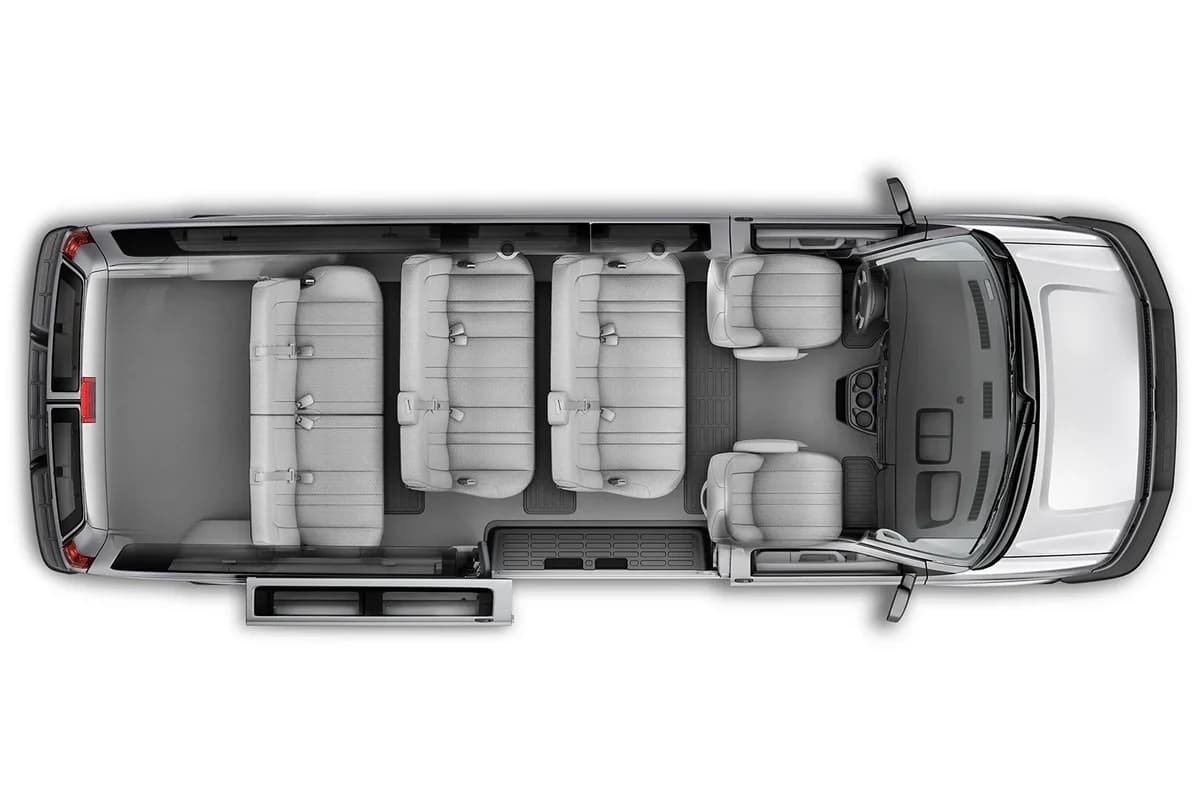
The Express gives buyers a lot of usable space without pretending to be a modern luxury van. Cargo versions provide a broad, configurable work area for shelving, E-track, tools, or conversion equipment, while Passenger models seat up to 15 people. The extended body is especially useful for shuttles and large families, and expediters report fitting two full pallets in practical setups. The trade-off is a low roof that prevents standing inside, plus limited insulation and narrow rear access compared with newer high-roof rivals.
Body And Upfit Readiness
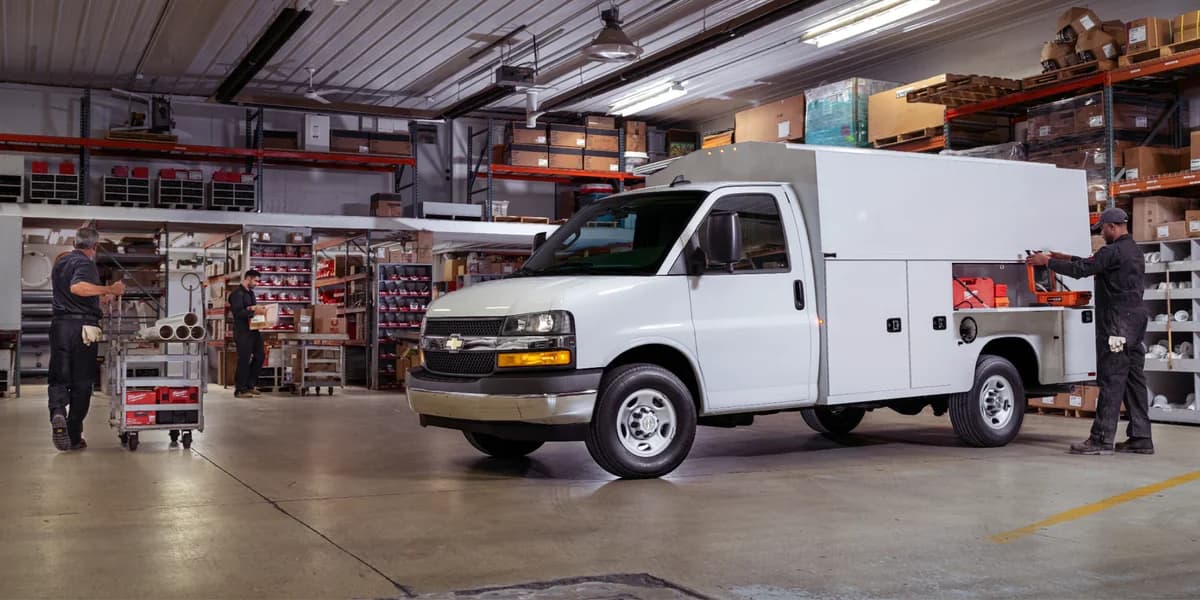
The Express earns its commercial reputation from a simple platform that is easy to customize. Its body-on-frame construction tolerates demanding work and supports service bodies, shelving, partitions, camper layouts, and other specialized conversions. The boxy cargo area, available outlets and lighting, and extensive parts availability reinforce that flexibility. This is less about polished factory integration than giving upfitters a familiar blank canvas. Owners and reviewers generally value that simplicity, although tight engine access and limited factory technology can make certain modifications or repairs less convenient.
Engine Power And Torque
Its naturally aspirated engines favor predictable, familiar performance over efficiency. The standard 4.3-liter V6 makes 276 horsepower and 298 lb-ft of torque, while the optional 6.6-liter V8 brings substantially stronger response for heavy loads and towing. Both pair with an 8-speed automatic and rear-wheel drive, a straightforward combination that fleets and mechanics tend to understand well. User feedback supports the powertrain’s durability and easy serviceability, but also repeatedly flags poor fuel economy and the absence of AWD or a diesel option.
Seating And Access
Configuration matters more here than trim-level polish. Passenger models can be specified for 12 or 15 occupants, while cargo versions typically seat two, with some layouts accommodating up to five. Comfortable front bucket seats, a tilting steering column, and available rear air conditioning help on longer trips, and physical controls are easy to use. However, the rear barn doors provide a narrower-feeling opening than newer competitors, and the lack of power sliding doors or a power liftgate makes repeated passenger or cargo access more manual.
Conclusion
The Express makes its case with old-school muscle: the available V8, strong torque, and up to 9,600 pounds of towing suit serious payloads, while its spacious cargo and 12- or 15-passenger layouts handle people and equipment without fuss. Its body-on-frame platform remains a dependable blank canvas for trades, fleets, and conversions, and users appreciate the familiar controls, maneuverability, and serviceability. The compromises are just as clear: the low roof complicates loading, rear-wheel drive needs care in poor weather, and the large footprint, basic cabin, narrow-feeling rear access, and gasoline appetite trail newer rivals. This is a sensible choice for established commercial work or hauling—not uncertain gig income, comfort-focused travel, or buyers wanting modern versatility. Its strong capability and practical flexibility justify a favorable recommendation, but the aging design keeps it from being an easy fit for everyone.

Feature Scores
This reflects reviews and ratings from established critics, journalists, and users who have evaluated the item. Their opinions provide a comprehensive assessment.
Performance
Acceleration Responsiveness
4/5
Highway Passing Capability
4/5
Ride Comfort
4/5
Cabin Quietness
3/5
Fuel Economy
2/5
Powertrain Reliability
4/5
Cargo Flexibility
4/5
Towing Capability
5/5
Value
Purchase Affordability
4/5
Operating Cost
2/5
Resale Value
4/5
Warranty Coverage
3/5
Design
Exterior Proportions
3/5
Interior Ergonomics
4/5
Passenger Space
5/5
Access Convenience
3/5
Interior Material Quality
3/5
Health
Cabin Air Quality
TBD
Seating Support
4/5
Occupant Vibration Comfort
3/5
Safety
Crash Protection
TBD
Driver Assistance
3/5
Child Passenger Protection
TBD
Visibility
3/5
Parking Maneuverability
3/5
Sustainability
Tailpipe Emissions
TBD
Fuel Consumption Impact
2/5
Material Efficiency
TBD
End-of-Life Recyclability
TBD
Experience Style
Control Simplicity
4/5
Seating Configurability
4/5
Family Convenience Features
3/5
Technology Integration
3/5

Specifications
This section outlines the product's key facts, covering essential features, details, dimensions, materials, and any unique characteristics that define its functionality and usability.
Performance
Value
Design
Safety
Sustainability
Experience Style

Frequently Asked Questions
7 Questions


Find Yours
What will you primarily use your gas-powered van or minivan for?
Answer to find your best matches.