










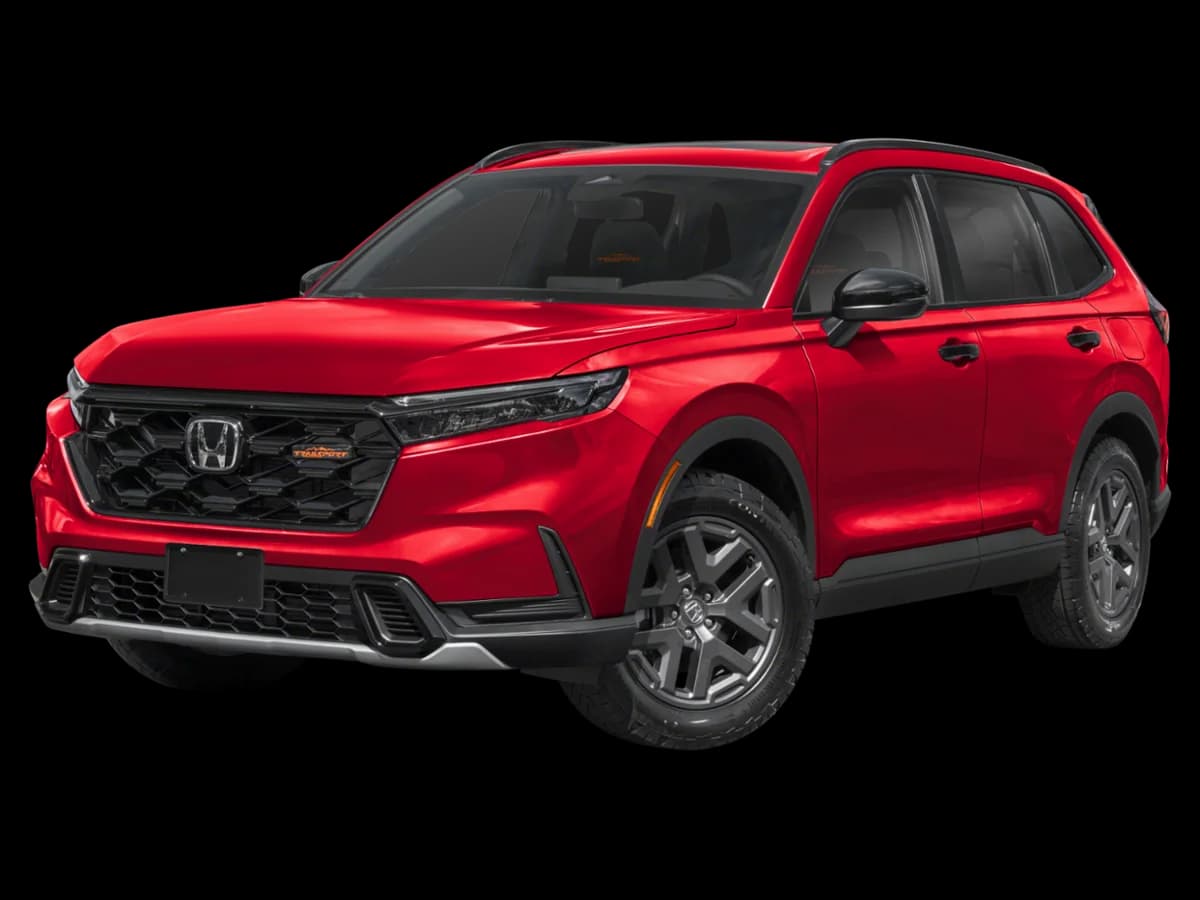
Honda CR-V (2026)
Roomy, refined, and efficient, with standout hybrid comfort despite high pricing.
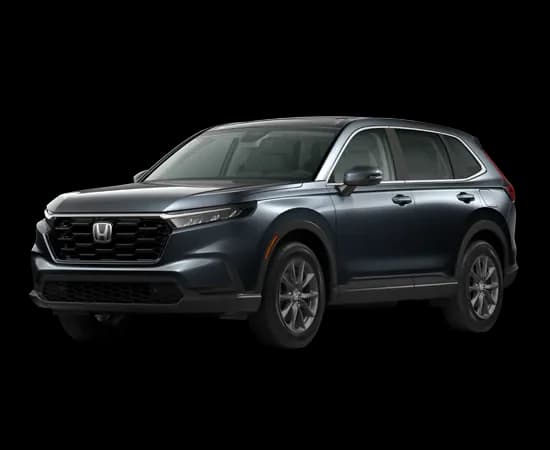
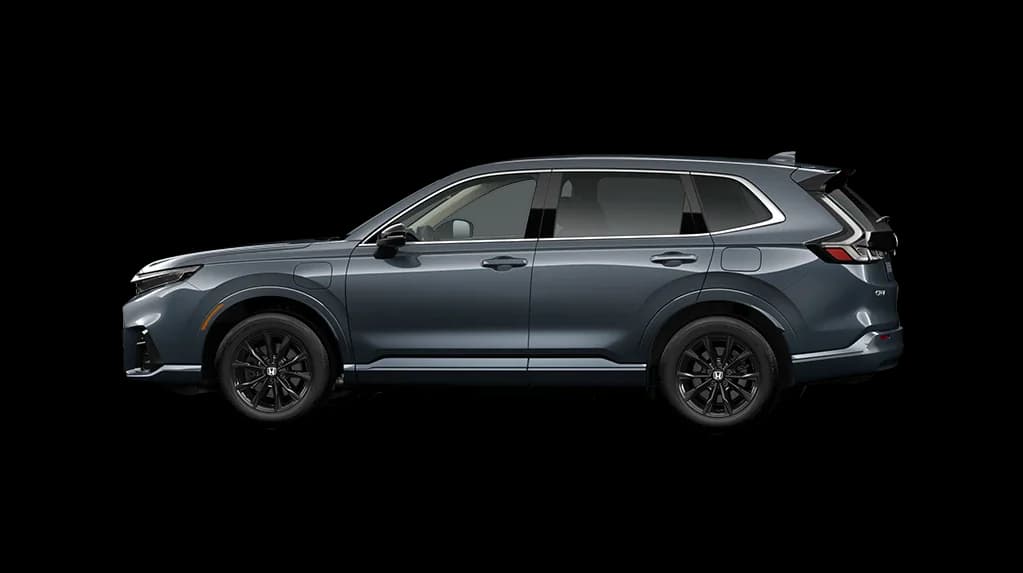
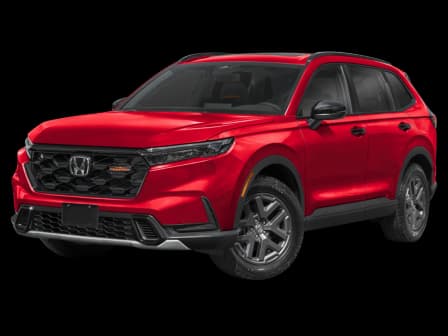
The 2026 Honda CR-V is the compact SUV equivalent of a dependable family multitool, built for commuters and parents who need space, comfort, and low-effort practicality. Its roomy five-seat cabin, wide-opening rear doors, and composed ride are consistently praised, while the hybrid delivers quiet, responsive driving and up to 40 mpg combined, supporting Honda’s efficiency pitch in real-world testing, though results vary with AWD, weather, and tires. The gas turbo costs less and the EX-L adds a spare tire, but acceleration is modest. Pricing feels steep when rivals offer a 360-degree camera, ventilated seats, or more upscale equipment, and the reverse camera looks dated. Overall value rests on prioritizing hybrid refinement, everyday usability, and resale over maximum features, power, or adventure hardware, which shape its recommendation.
Find Yours
What is your primary use for a Gas-Powered SUV?
Answer to find your best matches.

The Field
Browse top contenders, or compare all options ranked by score and key attributes.
5 Options

The Scoreboard
Does this improve your life? Considers, health, habits, and environmental impact.
Benefits
Supportive seats, generous rear legroom, and easy entry make family trips feel less cramped.
Quiet, low-effort acceleration and strong fuel economy make daily driving calmer and cheaper to run.
Physical climate buttons, clear visibility, and wireless phone connections reduce fiddling behind the wheel.
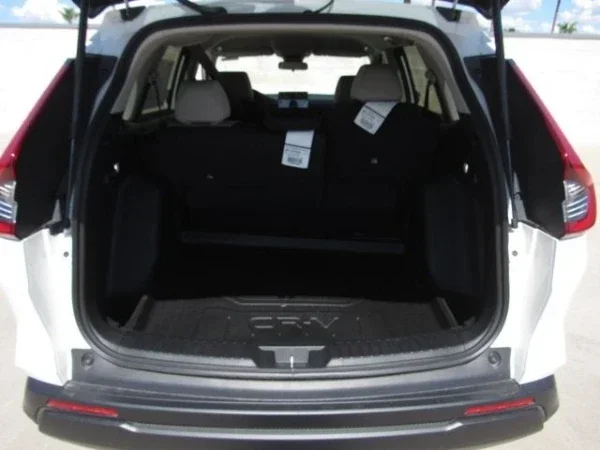
Useful cargo room and wide-opening rear doors simplify groceries, car seats, and weekend luggage.
Trade-Offs
On highways, tire and wind noise can make conversation and music harder to enjoy.
Merging or climbing hills in the turbo model takes planning while engine noise gets noticeable.
The grainy reverse-camera view makes tight parking and backing into busy spaces harder to judge.
 Alternatives


Join the Circle
Where real meets deal
Know what's worth buying-and when.
Tips, special offers, and rewards for buying and sharing.

Publications
5 LEADING PUBLICATION REVIEWS

Kelley Blue Book’s Matt Degen is highly enthusiastic about the 2026 Honda CR-V. He portrays it as the “golden retriever” of compact SUVs: friendly, practical, comfortable, efficient, and easy to live with in nearly any situation. The latest model strengthens its previously weak tech offering with standard wireless smartphone integration, a 9-inch touchscreen, and wireless charging, while preserving excellent visibility, supportive seats, generous rear legroom, and class-leading cargo capacity. Degen also praises its natural driving manners, strong resale value, impressive safety credentials, and available all-wheel drive. The review is not blind to compromises: the 190-horsepower engine is merely adequate, the 1,500-pound tow rating is unimpressive, and rivals offer larger standard displays. Still, those shortcomings are presented as minor beside the CR-V’s broad usefulness, polished everyday behavior, and outstanding overall value.
By Matt Degen
Edmunds gives the 2026 Honda CR-V a clearly favorable, measured recommendation. It praises the SUV’s roomy, thoughtfully designed cabin, excellent rear-seat access for car seats, smooth ride, composed handling, and easy-to-use technology. The hybrid is especially appealing for its quiet operation and up to 40 mpg rating, though Edmunds recorded a less impressive 33.3 mpg on its highway-heavy test route and found it labored on long hills. The CR-V also offers strong cargo capacity, solid build quality, and comfortable everyday manners, but it costs more than some rivals, has merely average warranty coverage, limited small-item storage, and less advanced driver assistance. Its styling is restrained to the point of generic, and the infotainment screen trails competitors in size. Overall, it is a polished, practical family crossover that prioritizes comfort and usability over excitement or standout value.
By Dan Frio
U.S. News & World Report is strongly positive about the 2026 Honda CR-V as a family commuter. It praises the spacious, comfortable cabin, easy entry, excellent cargo room, intuitive controls, composed handling, quiet ride, strong safety tech, and improved all-wheel-drive system. The reviewer’s standout insight is that the CR-V excels as practical transportation rather than entertainment: it feels more “Clark Kent than Superman.” The standard 1.5-liter turbo is adequate and efficient, though acceleration is leisurely, hills make the CVT noisy, and passing requires planning. The gray, plastic-heavy interior and basic infotainment also lack flair, while pricing runs higher than several rivals and the warranty is comparatively short. Still, the CR-V’s usability, refinement, and class-leading practicality make it an easy recommendation for buyers prioritizing comfort and everyday versatility over excitement.
By Alex Kwanten
Carwow views the Honda CR-V positively, but considers its high price a serious drawback. It praises the SUV’s handsome styling, exceptionally comfortable seats, roomy front cabin, useful storage, and smooth hybrid powertrains, especially the plug-in hybrid’s roughly 50-mile electric range. The CR-V is easy and reassuring around town, with excellent visibility and a polished ride, while its square boot remains practical despite being smaller than several rivals. However, it feels less convincing on motorways, where wind and road noise intrude, and it is competent rather than engaging on twisty roads. The dated infotainment, cheap lower-cabin plastics, limited rear headroom, awkward safety-system controls, modest warranty, and lack of seven seats further weaken its case. Overall, it is a well-equipped, comfortable, reliable family SUV, but alternatives offer more space, luxury, or value.
By Tom Wiltshire
AutoWeb’s Brady Holt is strongly positive about the 2026 Honda CR-V, calling it one of his favorite five-seat SUVs. He praises its roomy, comfortable cabin, generous cargo capacity, intuitive physical controls, polished ride, and confident handling. The hybrid stands out as the best powertrain choice, combining stronger performance, quieter operation, and impressive efficiency; the TrailSport even matched its 35-mpg estimate with a full family aboard in cold weather. Still, the CR-V is not exciting or especially luxurious, with plain styling, limited premium features, and no serious off-road hardware despite the TrailSport branding. Rivals offer lower prices, flashier interiors, more amenities, or plug-in-hybrid options. Even so, Holt views the CR-V’s careful construction, practicality, simplicity, and enjoyable driving manners as a compelling overall package for families and commuters.
By Brady Holt

YouTube
18 LEADING EXPERT & INFLUENCER REVIEWS
 Kirk Kreifels
Kirk Kreifels is positive on the 2026 Honda CR-V, but considers the TrailSport Hybrid a costly compromise. He praises its exceptionally quiet hybrid system, smooth ride, confident handling, excellent controls, spacious cabin, and superior highway refinement versus the Toyota RAV4. His real-world fuel economy reached 38 mpg after 257 miles, though the RAV4 Woodland managed 46 mpg. He also criticizes the CR-V’s cheap-feeling materials, weak passing power, intrusive pedestrian warning sound, lack of parking sensors, 360-degree camera, spare tire, and useful power outlet. He prefers the less expensive Sport Hybrid and ultimately chooses the RAV4 Woodland for rugged use and overall equipment.
Sarah -n- TunedSarah-n-Tuned is positive about the 2026 Honda CR-V TrailSport Hybrid, calling it a solid, comfortable, surprisingly fun little buggy. She praises its quick hybrid powertrain, responsive steering, strong muddy-terrain traction, practical interior, durable cloth seats, and straightforward maintenance access. However, she finds the TrailSport branding overstated: the suspension is essentially unchanged, underbody protection is mostly plastic, there is no locking differential or trail mode, and the AWD overheats and fails during a steep hill-climb test. Overall, it works well on-road and in light mud, but buyers seeking genuine off-road capability should look elsewhere.
MotorTrend ChannelMotorTrend clearly prefers the 2026 Honda CR-V, calling it the more cohesive and livable hybrid SUV. Its cabin feels familiar, ergonomic, and genuinely useful, with physical climate controls and a thoughtful mix of technology. On rough roads, the suspension softens impacts well, while the chassis reveals surprising agility on curvy routes; braking is predictable, and the hybrid powertrain feels smooth. The main reservation is inconsistent lane-keeping performance, which MotorTrend found confidence-shaking on highways. Against the newer, more powerful RAV4, the CR-V ultimately wins for its friendlier interior, polished ride, and easier everyday character.
CarExpertPaul Maric is strongly impressed by the 2026 Honda CR-V, especially its exceptional ride, roomy cabin, refinement, and efficient hybrid system. He appreciates the straightforward, button-friendly interior, strong comfort features, and improved infotainment, while praising the hybrid’s roughly 6L/100km real-world economy. His testing also finds decent handling, but modest acceleration, mediocre 360-degree-camera resolution, and lane-keeping that struggles through sharper bends. The biggest concern is value: at around $64,000, the CR-V lacks the punch and plug-in capability offered by several Chinese rivals. Overall, it remains a polished, practical, highly likeable family SUV, though an expensive one.
The Car Care Nut ReviewsThe Car Care Nut is highly impressed by the 2026 Honda CR-V Hybrid. He praises its exceptionally smooth hybrid system, refined ride, solid construction, straightforward physical controls, accessible EGR system, and mature, gimmick-free interior. He considers it more polished than the Toyota RAV4 and an excellent family daily driver. Still, his enthusiasm is informed by meaningful concerns: the hybrid battery consumes useful cargo space, lacks a cooling-filter safeguard, and sits beneath the rear seat; the air filter is awkwardly buried, and underbody seam sealing is inconsistent. Overall, he views the CR-V as a sophisticated, practical, genuinely impressive SUV.
MotormouthMotormouth is positive on the 2026 Honda CR-V, especially its smooth, quiet, confident hybrid system. The team appreciates the comfortable cloth seats, roomy back seat, practical cabin, improved standard touchscreen, and TrailSport’s more compliant ride from its smaller wheels and all-terrain tires. Still, enthusiasm is tempered by the high price and a long list of omissions, including ventilated seats, a 360-degree camera, passenger-seat height adjustment, panoramic sunroof, SiriusXM, and a disappointing backup-camera image. TrailSport looks tougher but adds little real capability, making the CR-V appealing but not an obvious class leader.
DownshiftMatt is highly positive about the 2026 Honda CR-V, calling it one of the class’s best all-around choices. He especially praises the hybrid’s exceptionally smooth, refined operation, spacious cabin, comfortable ride, strong cargo capacity, and polished build quality. The new TrailSport Hybrid adds useful low-speed traction improvements and a rugged look, though it remains a soft-roader rather than a serious off-roader. Main drawbacks include higher pricing, weaker highway fuel economy—especially with AWD, cold weather, and all-terrain tires—and missing features such as a 360-degree camera, cooled seats, panoramic roof, and plug-in hybrid option.
Car ConfectionsCar Confections comes away highly impressed with the 2026 Honda CR-V, especially its hybrid refinement and everyday practicality. After a week with the Sport Touring, they preferred its quieter, smoother hybrid powertrain, more comfortable seats, solid cabin quality, responsive handling, excellent rear-seat space, and class-leading cargo room. Real-world fuel economy reached 38.4 mpg, though the Toyota RAV4 did better. The CR-V’s biggest shortcomings are its lack of a 360-degree camera, ventilated seats, panoramic roof, and spare tire on hybrids, while lower trims can be noisy. Overall, it’s a polished, easy-to-live-with family SUV that prioritizes fundamentals over excitement.
TheStraightPipesYuri and Jakub are positive on the 2026 Honda CR-V Hybrid, but its loud low-speed warning hum is a serious drawback. They prefer the CR-V’s smoother, more EV-like powertrain, quieter ride, comfortable suspension, roomier cabin, better hard-button climate controls, and more polished interior feel. Its rear doors opening to 90 degrees are especially useful for loading children. However, the outdated reverse camera, lack of a 360-degree view, weaker towing capacity, fewer convenience features, and occasionally confusing remote start keep it from dominating the newer RAV4. Ultimately, they would still choose the RAV4, largely because the CR-V’s humming is so intrusive.
Daily MotorCharlie from Daily Motor is strongly positive about the 2026 Honda CR-V overall, but unimpressed by this EX-L trim. He praises its handsome styling, comfortable ride, excellent usability, spacious, family-friendly packaging, physical controls, and seamless wireless phone integration. However, the eight-speaker audio system sounds poor for a nearly $40,000 vehicle, road noise is noticeable, and higher trims still lack features such as ventilated seats, a 360-degree camera, and a panoramic roof. His key insight is that the EX-L sits awkwardly in the lineup; he would choose the cheaper trims or, preferably, a smoother, more powerful, efficient Hybrid—especially the TrailSport Hybrid.
Raiti's RidesRaiti’s Rides is highly enthusiastic about the 2026 Honda CR-V Hybrid, especially its smooth powertrain, comfortable ride, roomy cabin, and polished driving manners. He prefers its natural acceleration and steering to the Toyota RAV4, while positioning it as a stronger practical choice than the upcoming Mazda CX-5 hybrid. The blacked-out Sport Hybrid styling earns praise, as do the seats, visibility, regenerative-braking paddles, and more than 70 cubic feet of cargo space. Criticisms include the grainy backup camera, basic 8-inch touchscreen, fake exhaust and grille elements, incandescent rear lighting, missing fog lamps, and an approximately $44,000 price.
RealistickRealistick is impressed by the 2026 Honda CR-V’s competence but not particularly excited by it. The hybrid is quick, efficient, and smooth, while the cabin offers excellent visibility, practical space, intuitive controls, and improved standard infotainment. Ride and handling are well balanced, and the revised AWD system adds useful low-speed traction. Still, the TrailSport is mostly a tire-and-style package, towing is limited, rear-seat amenities lag rivals, the interior feels plasticky, and seat comfort is debatable. Reliability concerns deserve attention, though they are not widespread. Overall, it is his easiest compact crossover to recommend—but an expensive, feature-light, overly corporate one.
Car Help CornerShari Prymak is strongly impressed by the 2026 Honda CR-V, especially its smooth, efficient, proven hybrid system. She praises the quiet ride, balanced handling, spacious and thoughtfully controlled interior, strong resale prospects, and improved hybrid availability versus Toyota. Her reservations are practical rather than deal-breaking: hybrid models lack a spare tire, 360-degree camera, ventilated or heated rear seats, and a panoramic roof, while Canadian pricing remains high. She also questions the TrailSport Hybrid’s modest off-road upgrades, added tire noise, and reduced economy. Overall, she considers the CR-V one of the segment’s best, particularly for long-term family use.
Automotive Anonymous Automotive Anonymous is highly positive about the 2026 Honda CR-V Sport-L Hybrid. He praises its smooth, planted ride, immediate low-end torque, practical cabin, generous cargo space, strong visibility, effective driver assists, and competitive hybrid efficiency. The CR-V feels more stable and enjoyable than many rivals, though it loses steam at higher speeds. Drawbacks include modest towing capacity, a small fuel tank, no spare tire, limited EV-only driving, average interior materials, and weaker-than-expected audio. Overall, he considers it a genuinely compelling, reliable-feeling compact SUV and enthusiastically recommends test-driving it against the competition.
Views on VehiclesRobin Warner is pleasantly surprised by the 2026 Honda CR-V EX-L’s turbocharged gas powertrain. He finds it peppy, smooth, practical, and well-equipped, with useful 2026 upgrades including the 10.2-inch digital cluster, 9-inch touchscreen, wireless smartphone integration, and charger. The spacious cabin and cargo area remain strong points, while adaptive cruise and steering assist perform competently. Still, highway noise is merely average, fuel economy trails the hybrid, and acceleration lacks the hybrid’s stronger torque. Warner’s verdict is favorable but measured: the 1.5-liter turbo fits the CR-V well, though he considers the hybrid worth the extra cost.
GreenCarsCraig Cole is highly enthusiastic about the 2026 Honda CR-V Hybrid, calling it nearly a no-brainer for small-SUV shoppers. He praises its upscale, thoughtfully arranged cabin, exceptionally smooth and quiet two-motor hybrid system, confident handling, composed ride, easy braking, and generous passenger and cargo space. His comparison with the Toyota RAV4 is refreshingly grounded: Toyota wins on horsepower, fuel economy, and entry pricing, but the Honda feels more refined and satisfying to drive. Cole’s reservations are limited to the hybrid’s roughly $4,700 premium, undersized touchscreen, and merely average front seats, though he still considers the CR-V worth its steep price.
Atif CarsAtif Cars is decidedly skeptical of the 2026 Honda CR-V, though not dismissive. He criticizes its basic cabin, firm ride, sluggish gas-engine acceleration, disappointing owner value rating, and LX trim’s missing blind-spot and rear cross-traffic alerts. Still, the CR-V retains meaningful strengths: excellent interior space, upgraded standard technology, and a smooth, efficient hybrid powertrain. Atif’s practical recommendation is to skip the turbo model, choose at least the EX, and compare the new Toyota RAV4 before buying. Overall, the tone is cautionary and strongly critical, with the hybrid presented as the version worth considering.
MotorNationMotorNation’s Parth is strongly positive about the 2026 Honda CR-V, calling it one of the smartest all-around compact SUVs. He praises its comfortable ride, roomy and practical cabin, intuitive technology, predicted reliability, and especially the Hybrid’s smoother performance and 35-mpg test result. The review is balanced enough to flag the gas model’s weaker acceleration and 26-mpg testing, noticeable highway noise, missing blind-spot and rear cross-traffic alerts on the LX, and less-than-perfect safety rating. Still, those shortcomings feel minor, and the CR-V Hybrid earns his clearest recommendation for everyday family use.

Social
2 INFLUENCER REVIEWS
 Sean Chandler
Sean Chandler is strongly positive about the 2026 Honda CR-V EX-L, calling it the most compelling gas-only choice. He emphasizes its lower price versus the entry hybrid, plus a spare tire, adjustable cargo floor, power tailgate, leather seating, memory settings, and a roomy, comfortable cabin. His enthusiasm is measured by a useful caveat: the hybrid is more powerful and dramatically more efficient in city driving, but its highway advantage is only about 10%, making the EX-L especially sensible for highway-focused buyers.
 Garner Ted
Garner Ted is enthusiastic about the 2026 Honda CR-V, especially its range of well-differentiated trims. His guide frames the LX as affordable but basic, while the EX and EX-L add comfort, leather, and convenience without requiring a hybrid. He sees the Sport Hybrid as the economical entry point, the TrailSport Hybrid as appealing for light adventure, and the Sport-L Hybrid as the best balance of value and comfort. His strongest endorsement goes to the $43,500 Sport Touring Hybrid, which he bought for his wife and calls the fully equipped choice. Overall, the tone is upbeat and buyer-focused, though largely promotional rather than deeply critical.

Forum Reviews
CUSTOMER REVIEWS FROM 1 FORUM
Redditors are broadly positive about the 2026 Honda CR-V, especially the hybrid’s comfort, quietness, practicality, and reliability prospects. Owners describe it as smooth, efficient, spacious, easy to live with, and an excellent commuter, while shoppers often favor it over the RAV4 for ride quality and interior comfort. The recurring frustrations are its price, missing features—ventilated seats, a 360-degree camera, panoramic roof, and sharper infotainment—and the lack of a spare tire. Gas models attract concern over the 1.5-liter turbo and CVT, though many report strong longevity with careful maintenance. A few new vehicles had alarming sensor-related warning cascades, ultimately traced to metal shavings near a wheel assembly.
Many comments

In-Depth Review

Highlights
- •Roomy Family CabinGenerous rear space and cargo room.
- •Comfortable Road MannersSmooth ride with composed handling.
- •Refined Hybrid SystemQuiet response and up to 40 mpg.
- •Easy Phone ConnectivityStandard wireless smartphone integration and charging.

Considerations
- •High Overall PricingUpper trims cost more than rivals.
- •Limited Convenience FeaturesVentilated seats and panoramic roof are unavailable.
- •Outdated Camera SystemGrainy reverse view lacks 360-degree coverage.
- •Slow Gas AccelerationTurbo model needs planning for hills.
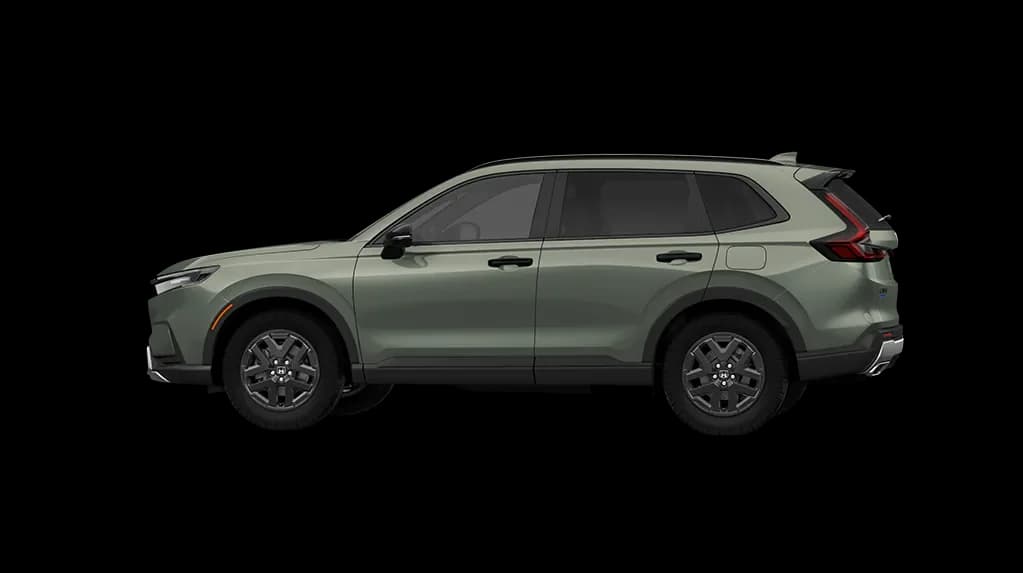
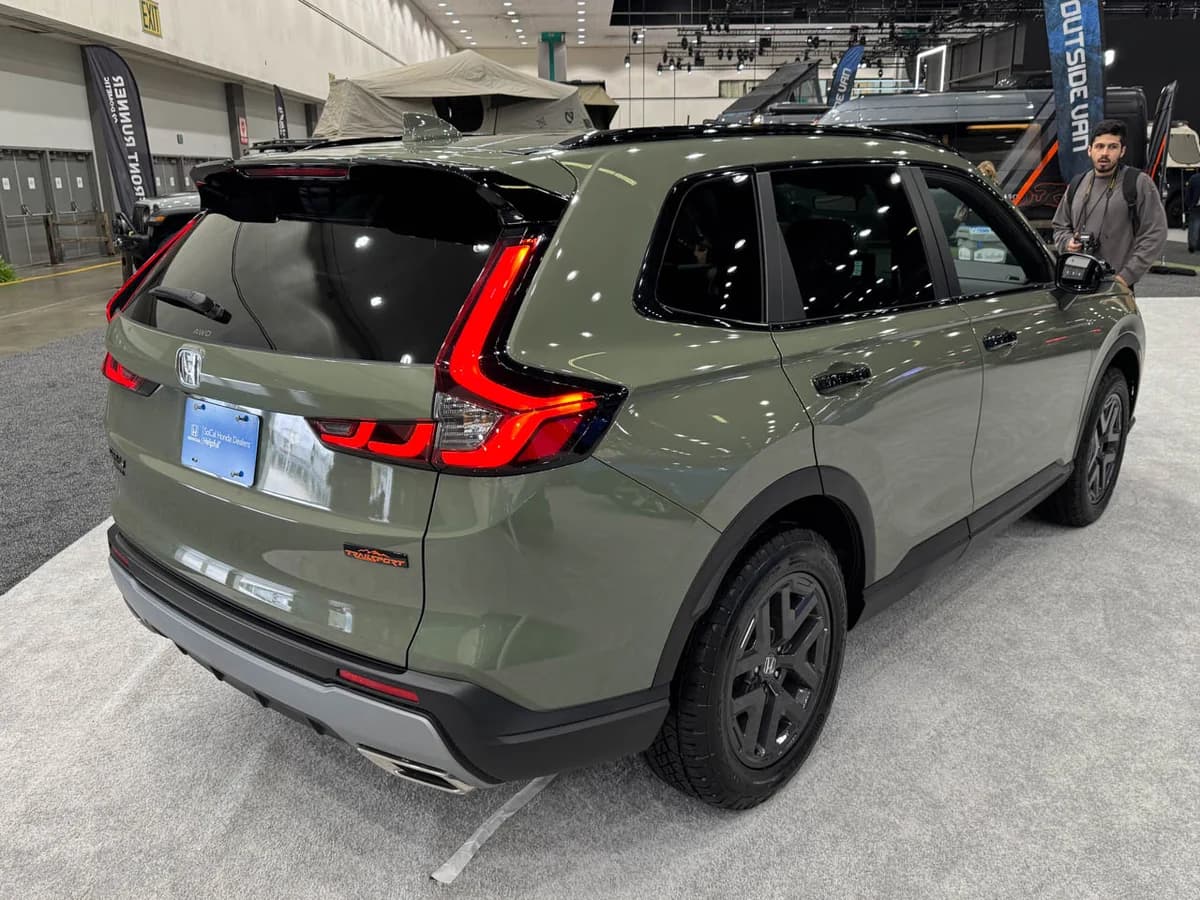
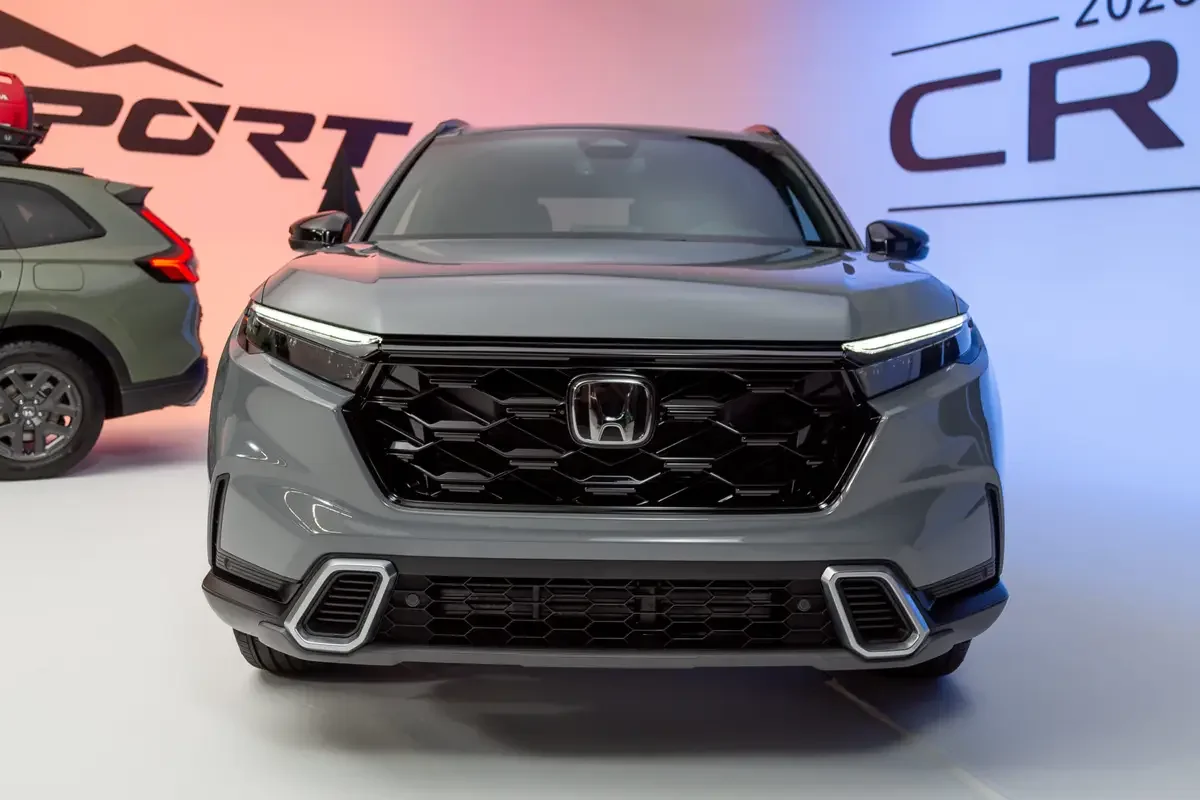
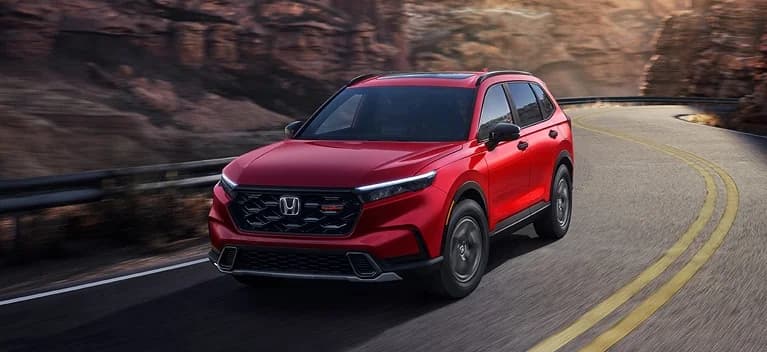
Honda’s CR-V remains a trusted compact SUV choice for practical families, commuters, and buyers who value sensible versatility over flash. The 2026 model strengthens that formula with a roomy five-seat cabin, standard wireless connectivity, and a choice of gas or hybrid powertrains. The hybrid is the standout for its up to 40-mpg combined rating, quiet low-speed response, and extra torque, while the turbo model keeps the entry price more approachable. Across the lineup, reviewers emphasize its comfortable, composed ride, useful cargo area, and easy controls—advantages over the busier RAV4, even as Honda trails rivals on camera technology and some luxury features. Available AWD and the TrailSport Hybrid add confidence for snow, gravel, and light trails, but not serious off-roading. Families will want to examine wide-opening rear doors and seating access, while highway drivers should weigh noise, fuel economy, and passing power. In short, it’s a practical Swiss Army knife—so explore which blade actually suits your driveway.
Seat Comfort and Access
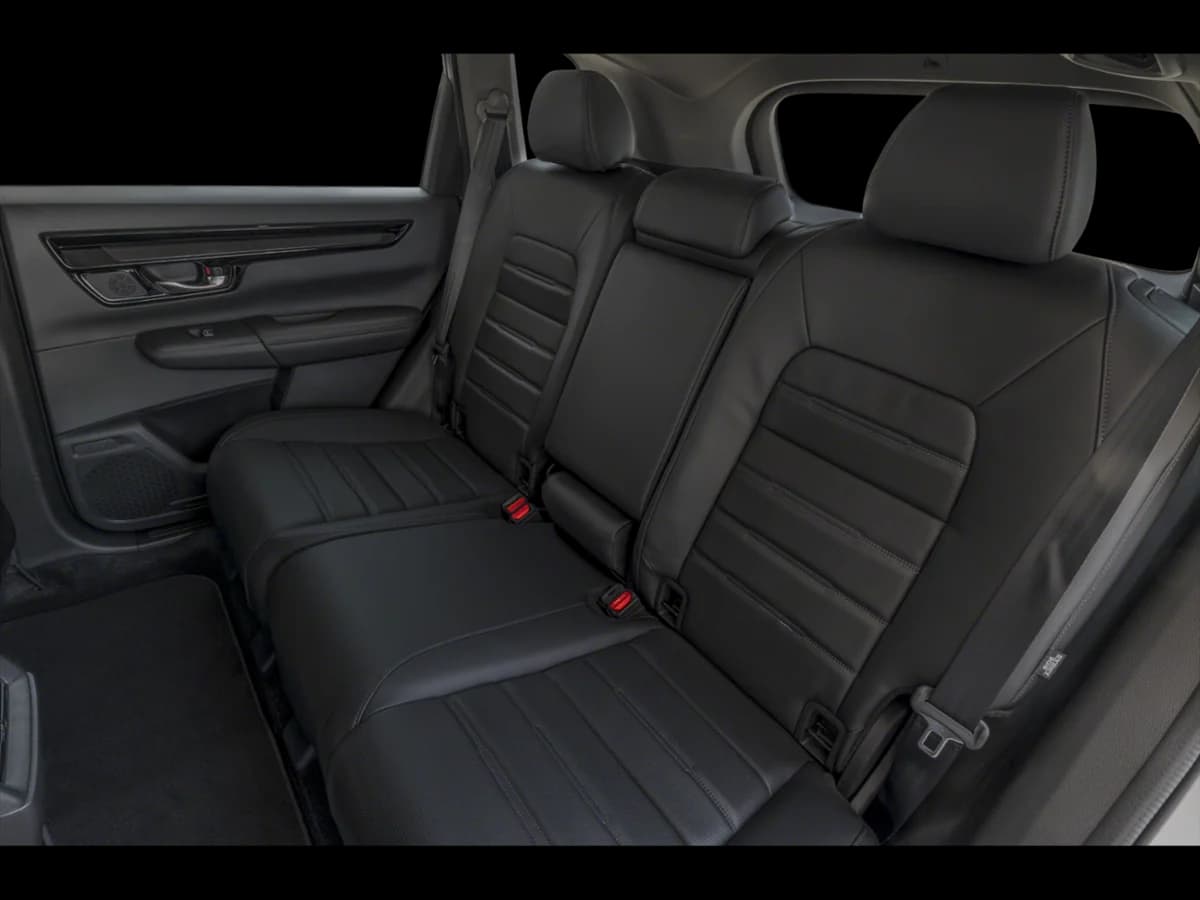
The CR-V’s seating and access details support its family-friendly mission. Supportive front seats and generous rear legroom make longer trips manageable, while wide-opening rear doors simplify loading children and bulky items. Cloth seats on some trims are praised for durability and comfort, though front-seat support is only average for some drivers. Higher-priced versions still omit ventilated seats and heated rear seats, so the seating experience is comfortable and practical rather than especially luxurious.
Gas Engine and CVT
The turbo CR-V is sensible, but it is the less persuasive choice for demanding driving. Its 1.5-liter turbocharged four-cylinder makes 190 horsepower and roughly 177 lb-ft of torque, paired with a CVT that keeps cruising efficient and smooth. Reviewers find it adequate for commuting, yet slow during merges, hills, and passing, when engine noise rises. The EX-L gas model can offer strong value, including a spare tire, but the hybrid’s extra torque and refinement generally justify its premium for mixed driving.
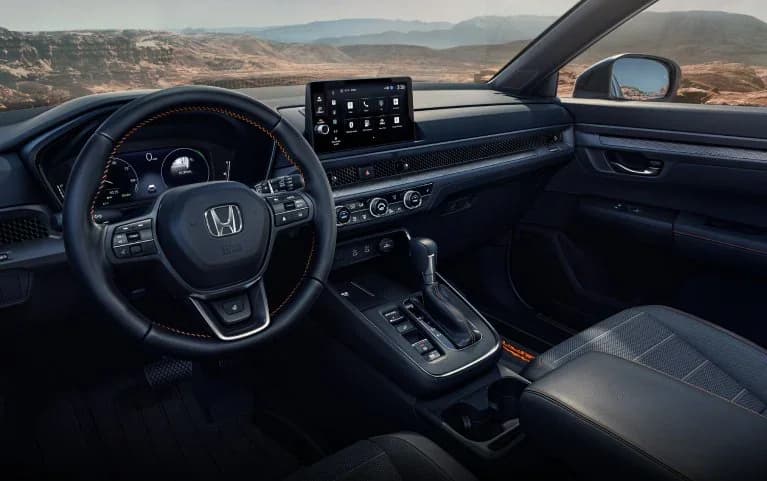
All-Wheel-Drive Traction
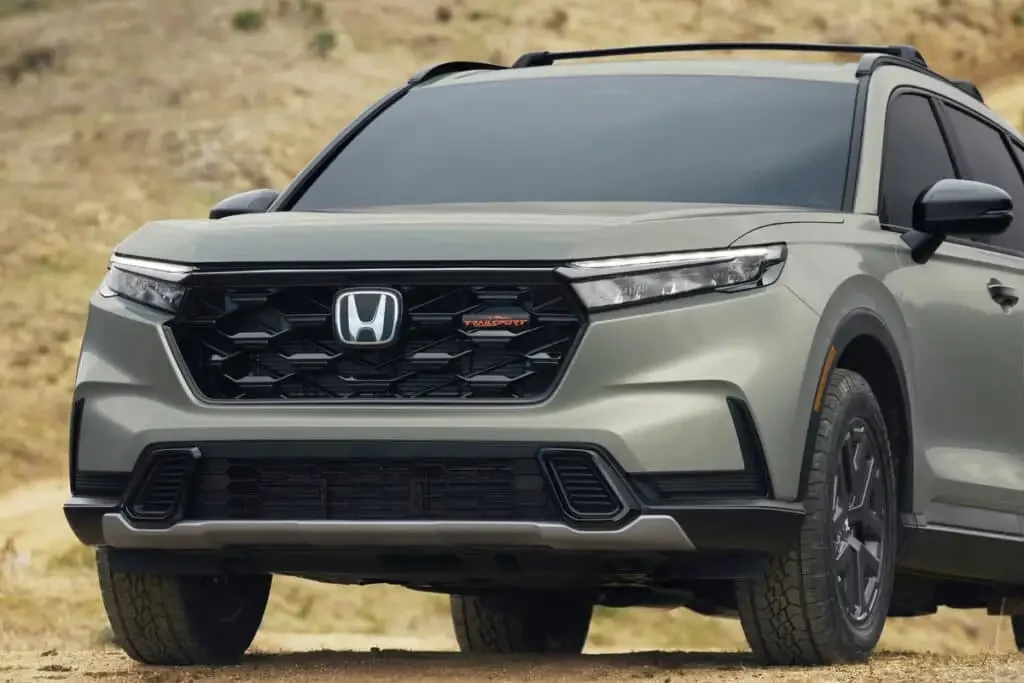
Available AWD improves foul-weather confidence, but the CR-V remains a road-focused crossover. Honda’s Real Time AWD with updated traction management is useful on wet roads, snow, gravel, and light trails, and TrailSport Hybrid adds all-terrain tires plus AWD as standard. Testing suggests good low-speed grip, but TrailSport lacks a locking differential, serious underbody protection, or a dedicated trail mode. One steep hill-climb test saw the system overheat, reinforcing that the rugged styling does not equal true off-road capability.
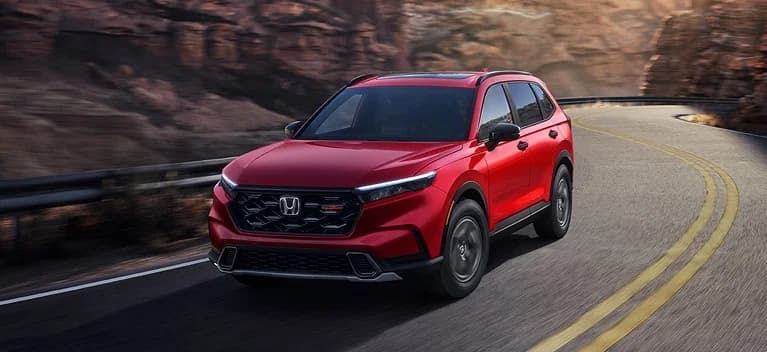
Cabin and Cargo Space
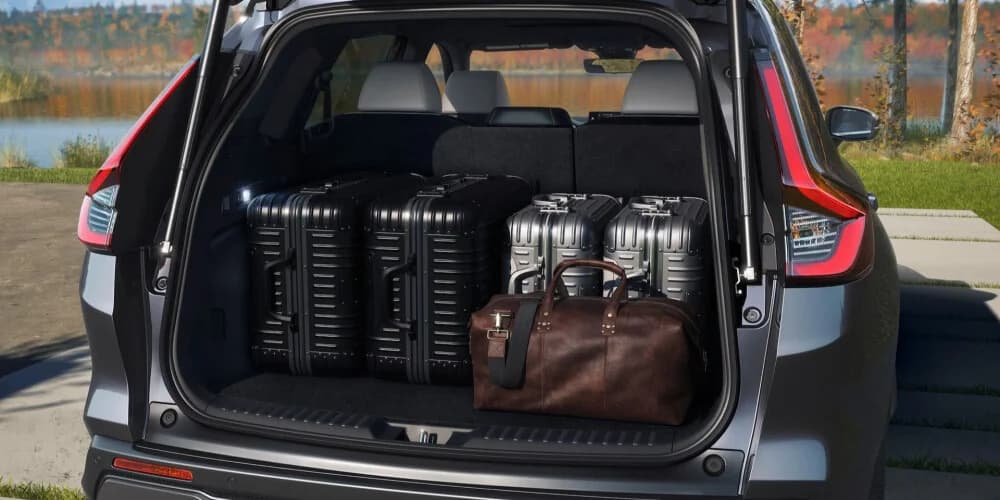
The CR-V makes family hauling unusually easy for a compact SUV. Its roomy five-seat cabin includes about 41 inches of rear legroom, and the rear doors open to roughly 90 degrees, which helps with child seats. Reviewers consistently praise the practical layout and generous cargo area, with some citing more than 70 cubic feet behind the front seats. The trade-off is limited small-item storage and, on hybrids, no spare tire, while cabin materials can feel average for the price.

Hybrid Powertrain Efficiency
The hybrid is the CR-V’s standout powertrain for relaxed daily driving. Its 2.0-liter two-motor system produces up to 204 horsepower and 247 lb-ft of torque, delivering smoother low-speed response than the gas model and an EV-like feel in traffic. Honda rates the FWD version at up to 40 mpg combined, while real-world tests commonly landed around 35 to 38 mpg, though one highway-heavy Edmunds test reached 33.3 mpg. AWD, cold weather, hills, and TrailSport tires reduce efficiency.
Ride Comfort and Handling
The CR-V prioritizes calm, confidence-building road manners over sporty drama. Its independent suspension absorbs rough pavement well, while reviewers report composed handling, predictable braking, and surprisingly capable cornering. The hybrid is especially quiet around town, although tire and wind noise become more noticeable on highways, and lower trims can sound busier. Lane-keeping assistance has also behaved inconsistently in testing, so the otherwise polished chassis does not make every driver-assistance feature equally reassuring.
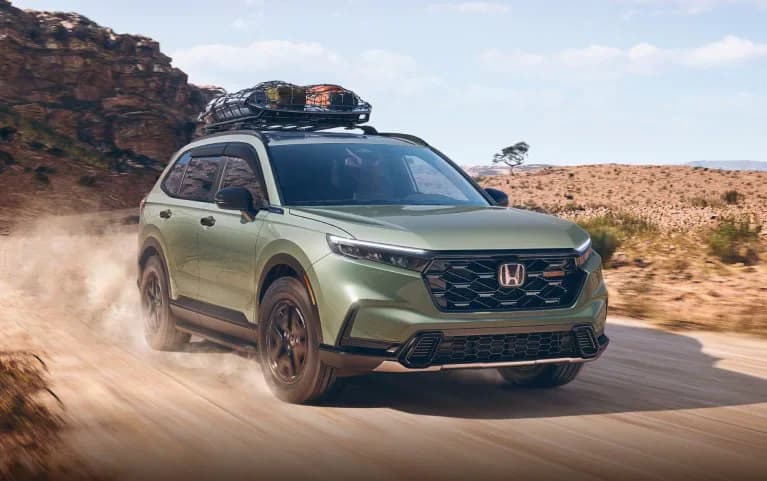
Conclusion
The CR-V’s case is built on fundamentals that keep paying off: a roomy cabin and cargo area, comfortable seats, 90-degree-opening rear doors, and a ride that absorbs rough pavement while staying composed. Reviewers and owners especially favor the hybrid for its quiet, responsive up to 40-mpg efficiency, though AWD, cold weather, and TrailSport tires reduce economy. The gas turbo and CVT are sensible for commuting but can feel slow and noisy on hills. AWD adds confidence on snow and gravel, yet TrailSport remains a light-duty soft-roader, not a true off-roader. Buyers must also accept high pricing, a dated camera, and missing upscale features such as ventilated seats. For families and commuters prioritizing easy everyday comfort, space, and efficiency, it is a strong, broadly satisfying choice; shoppers seeking maximum power, luxury equipment, or adventure hardware should compare alternatives carefully.

Feature Scores
This reflects reviews and ratings from established critics, journalists, and users who have evaluated the item. Their opinions provide a comprehensive assessment.
Performance
Engine Power
4/5
Acceleration
3/5
Towing Capacity
2/5
Fuel Efficiency
4/5
Reliability
4/5
Durability
4/5
Value
Purchase Price
3/5
Operating Cost
4/5
Resale Value
4/5
Design
Interior Space
5/5
Cargo Capacity
4/5
Ergonomics
5/5
Exterior Styling
4/5
Health
Cabin Air Quality
TBD
Interior Material Toxicity
TBD
Safety
Crashworthiness
4/5
Active Driver Assistance
4/5
Braking Performance
4/5
Visibility and Lighting
4/5
Sustainability
Tailpipe Emissions
4/5
Fuel Lifecycle Emissions
4/5
Use of Recycled Materials
TBD
End-of-Life Recyclability
TBD
Experience Style
Infotainment Features
4/5
Ride Comfort Tuning
5/5
Customization Options
4/5

Specifications
This section outlines the product's key facts, covering essential features, details, dimensions, materials, and any unique characteristics that define its functionality and usability.
Performance
Value
Design
Safety
Sustainability
Experience Style

Frequently Asked Questions
6 Questions


Find Yours
What is your primary use for a Gas-Powered SUV?
Answer to find your best matches.