








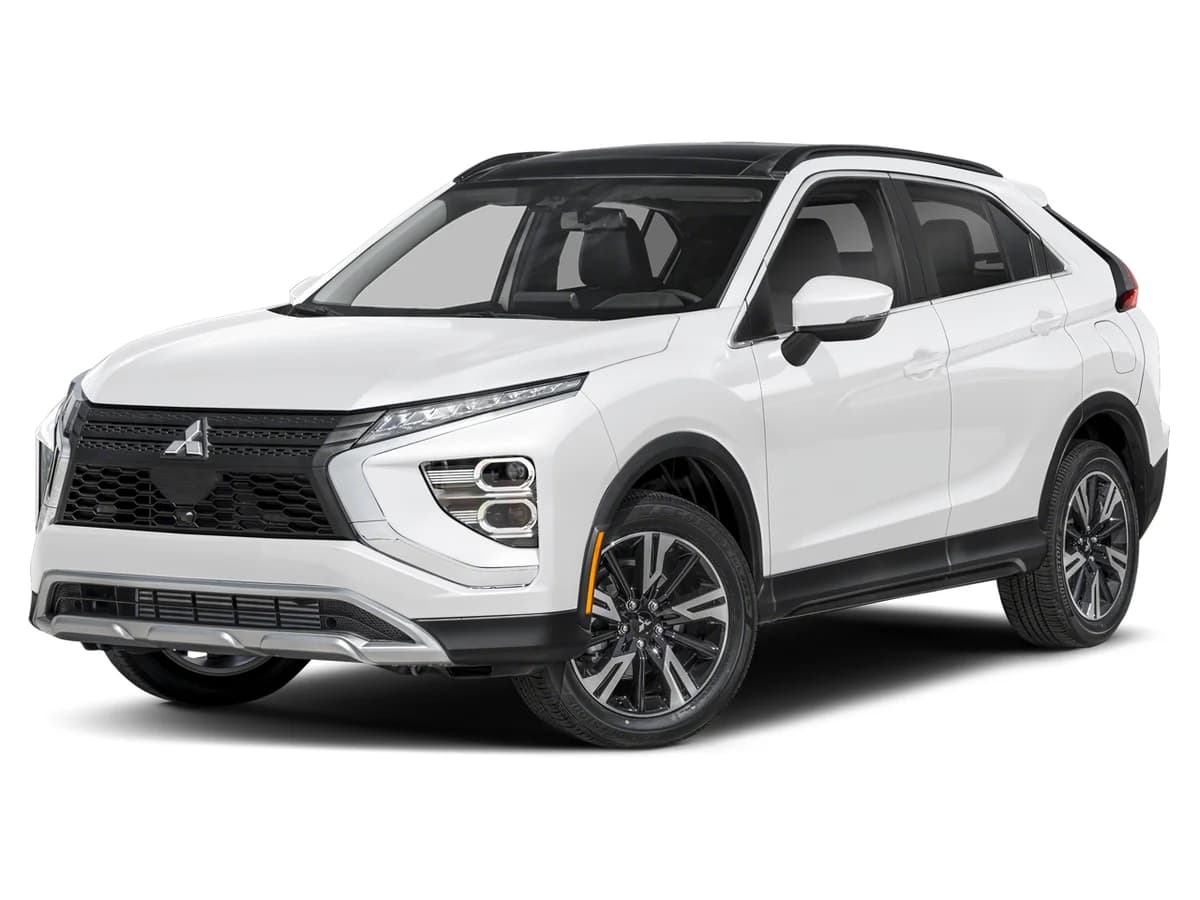
Mitsubishi Eclipse Cross (2026)
A comfortable AWD value with a long warranty, best for relaxed daily driving.
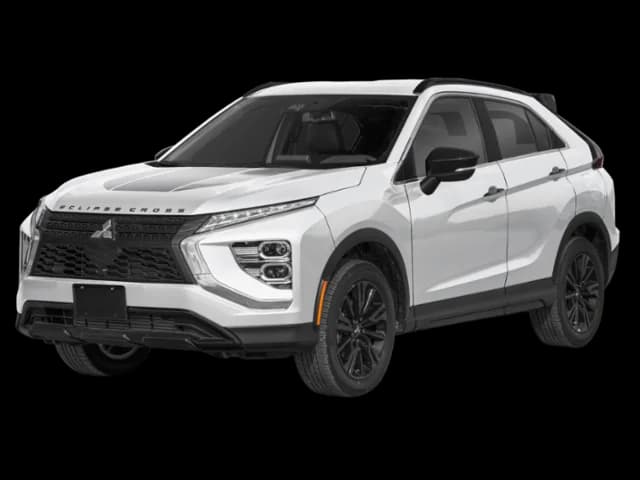
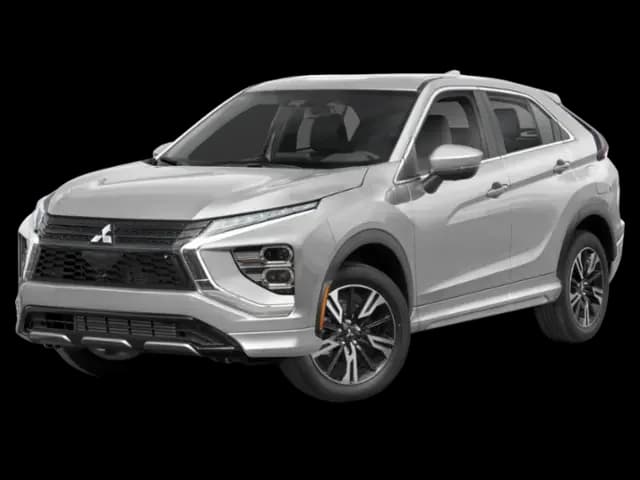
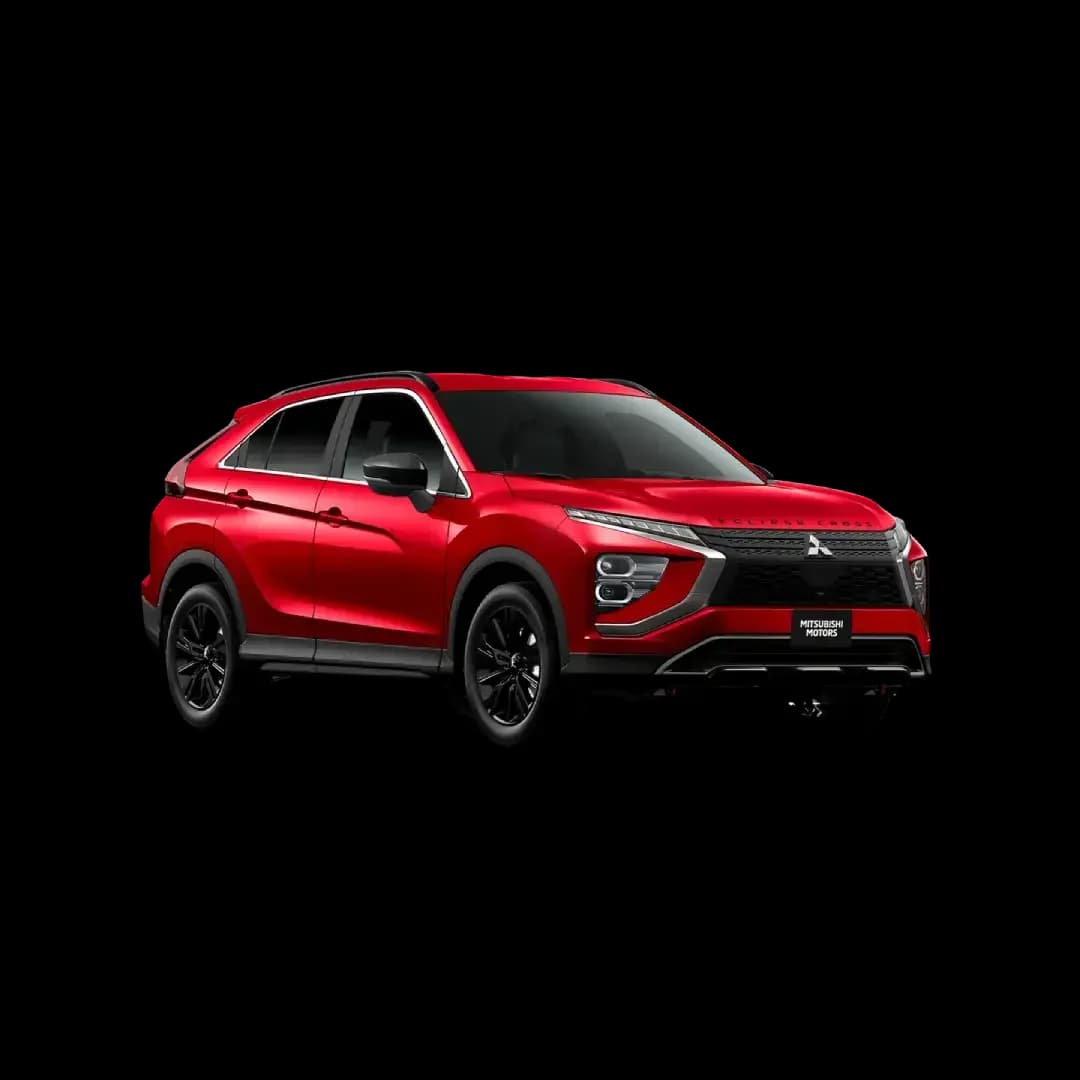
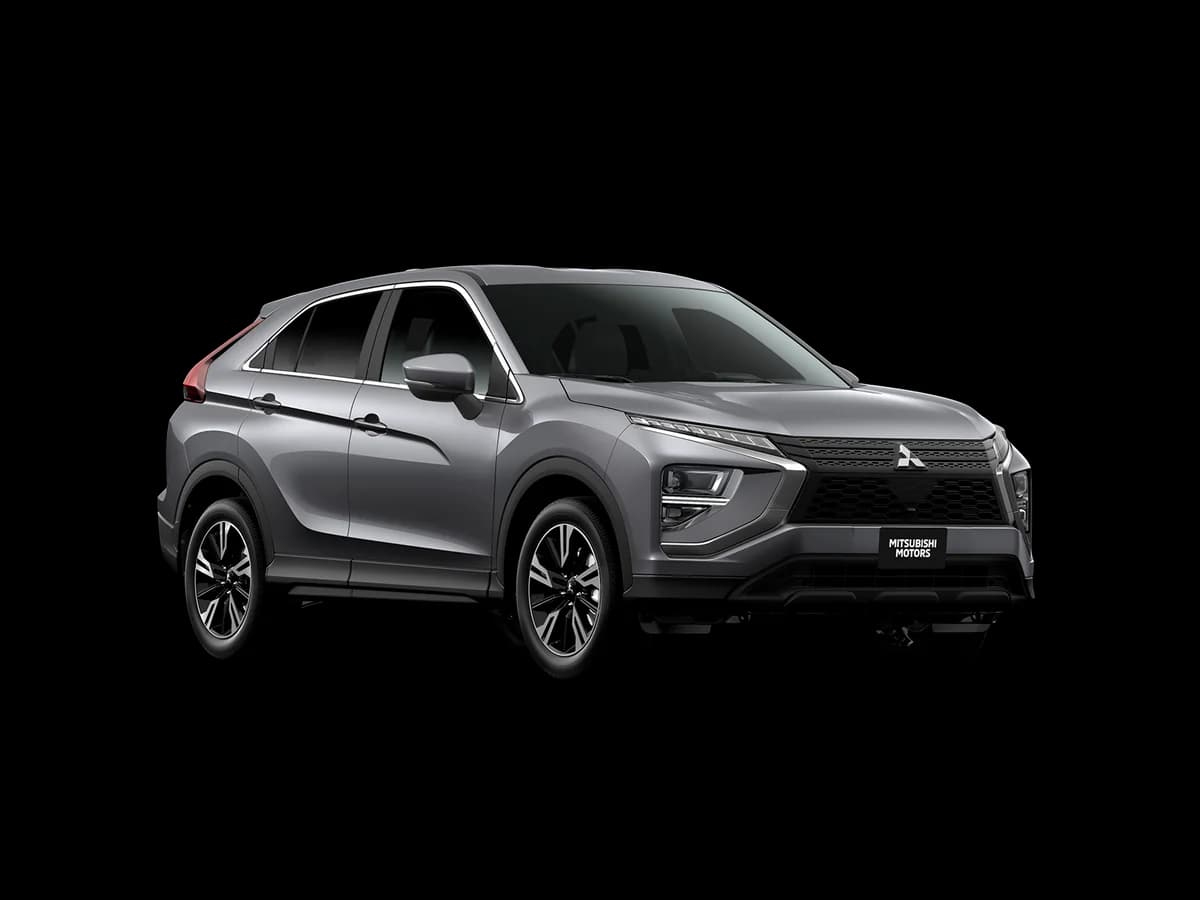
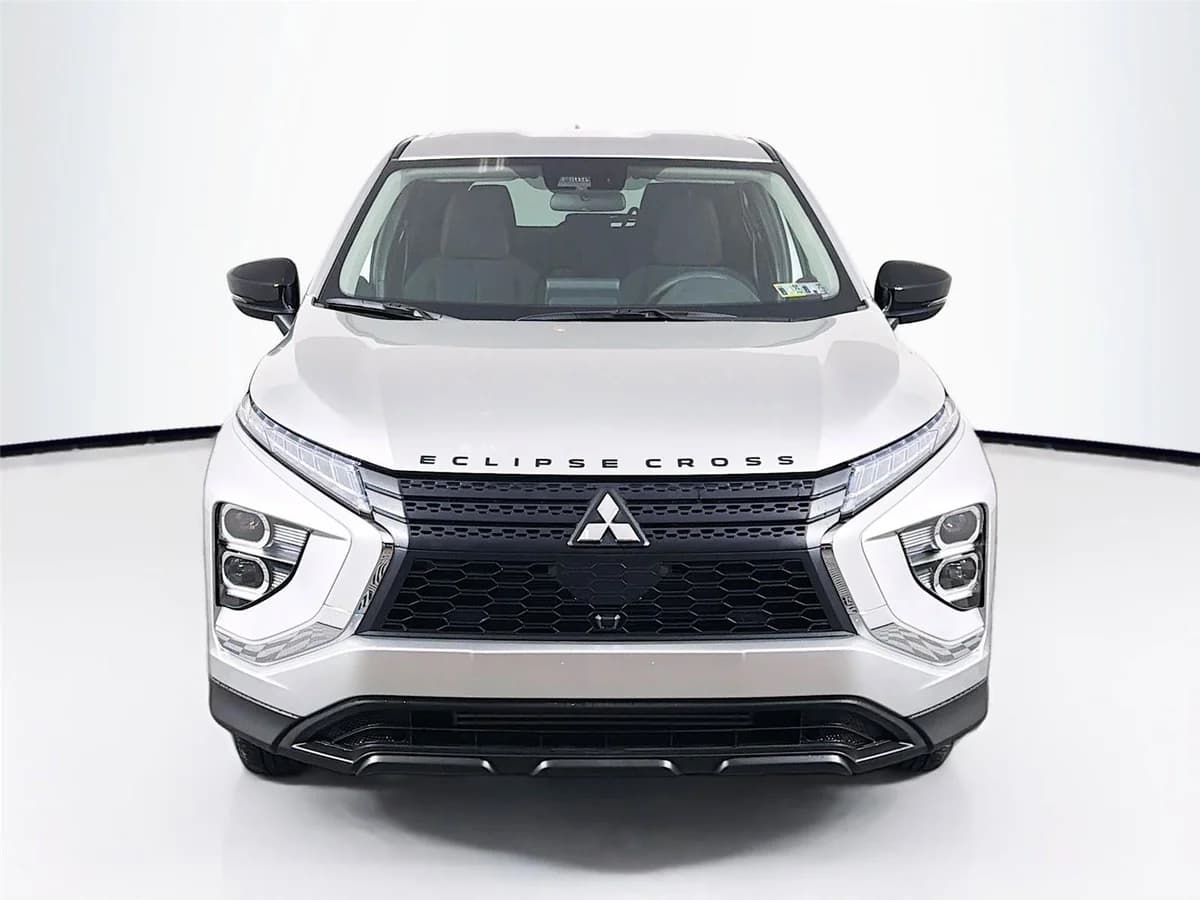
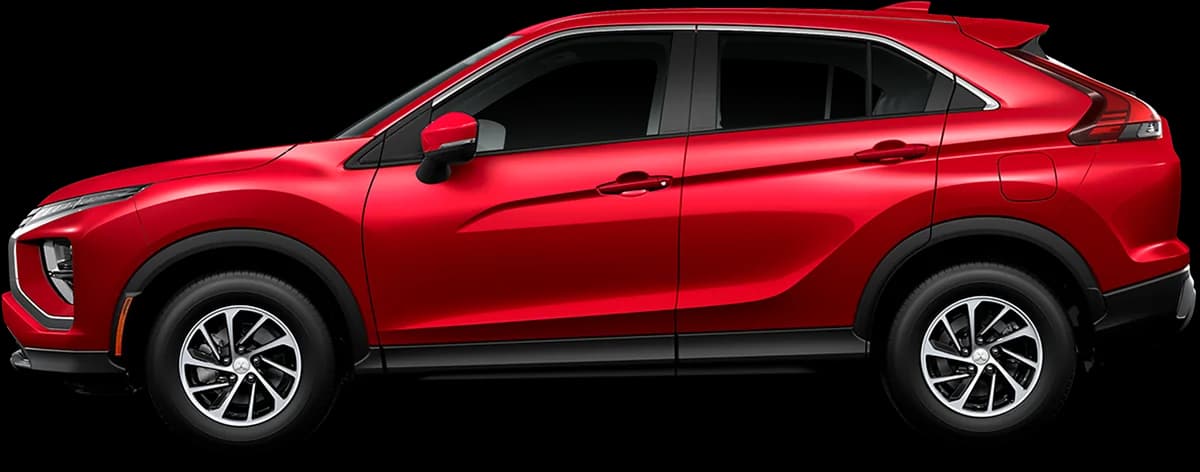
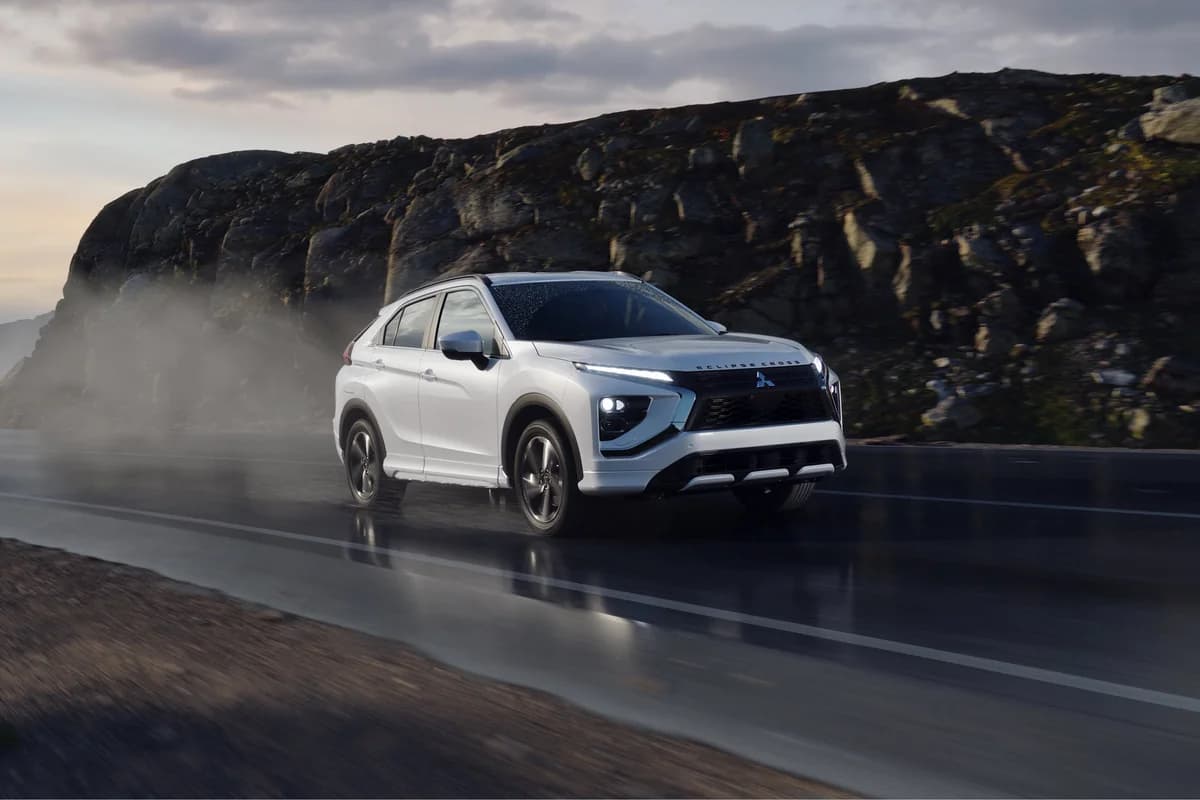
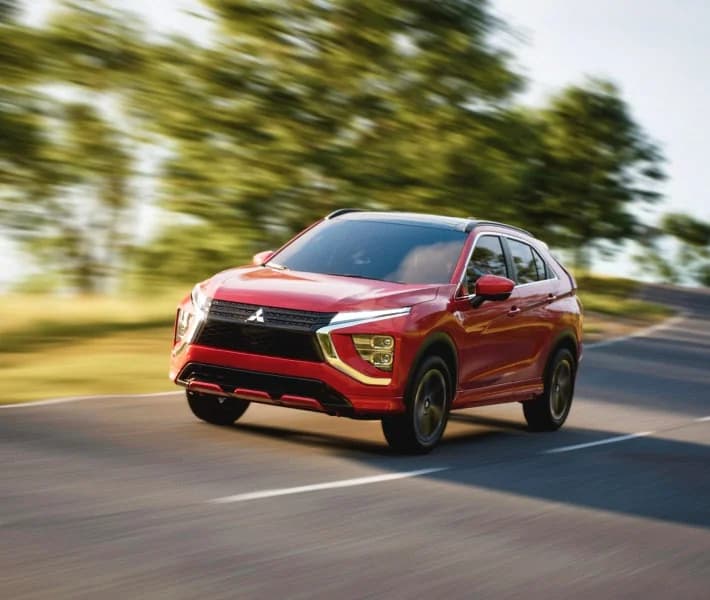
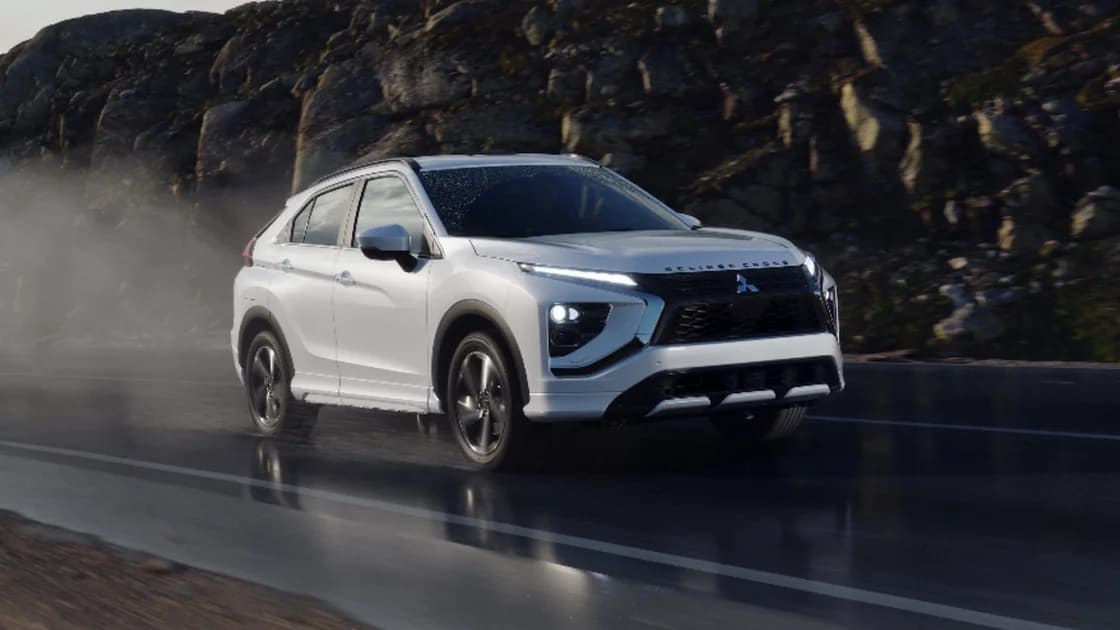
The Mitsubishi Eclipse Cross (2026) is the sensible snow-day realist of compact SUVs, built for commuters and small families who want affordable all-weather confidence without paying extra for AWD. Its standard S-AWC all-wheel drive, comfortable seats, clear visibility, and long warranty support that mission, and owners generally find it reassuring, practical, and easy to live with. The catch is that real-world feedback undercuts any sporty promise: the 152-hp turbo and CVT feel noisy and slow during highway merges, while soft suspension brings body roll. At roughly $27,700 to $35,900, it offers compelling traction and coverage, but rivals deliver better efficiency, polish, and technology. Its overall appeal depends on how much comfort, warranty security, and AWD value outweigh dated tech and modest performance.
Find Yours
What is your primary use for a Gas-Powered SUV?
Answer to find your best matches.

The Field
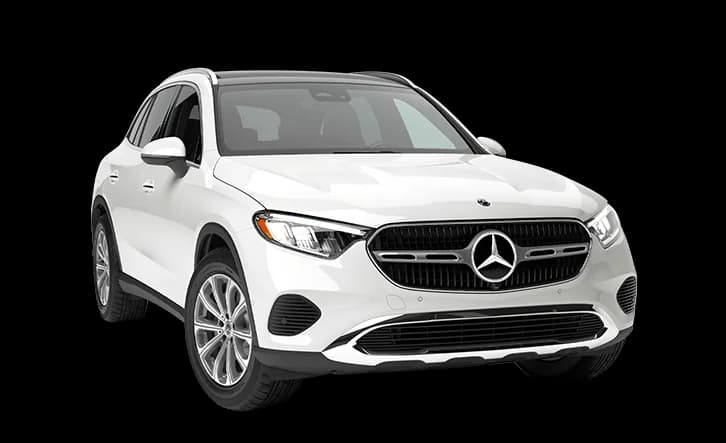
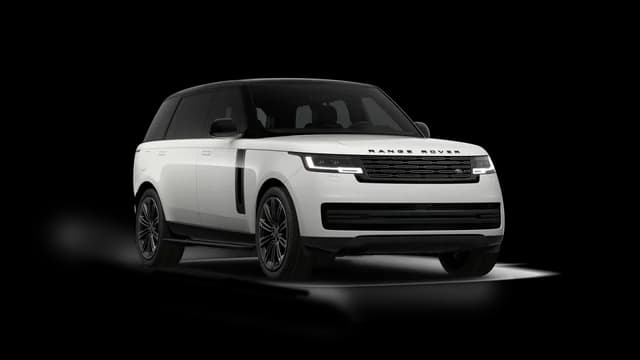
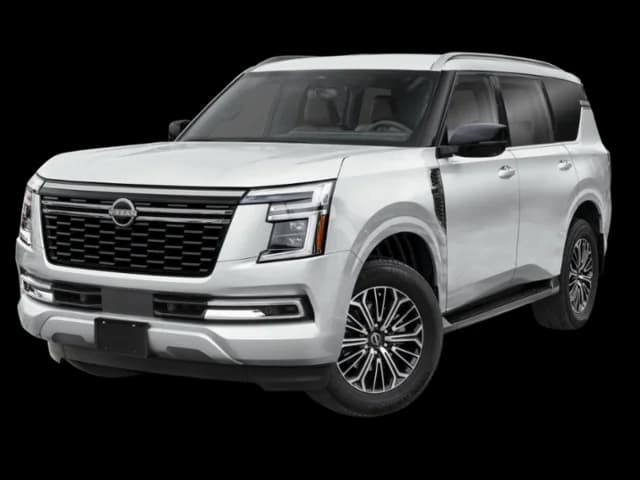
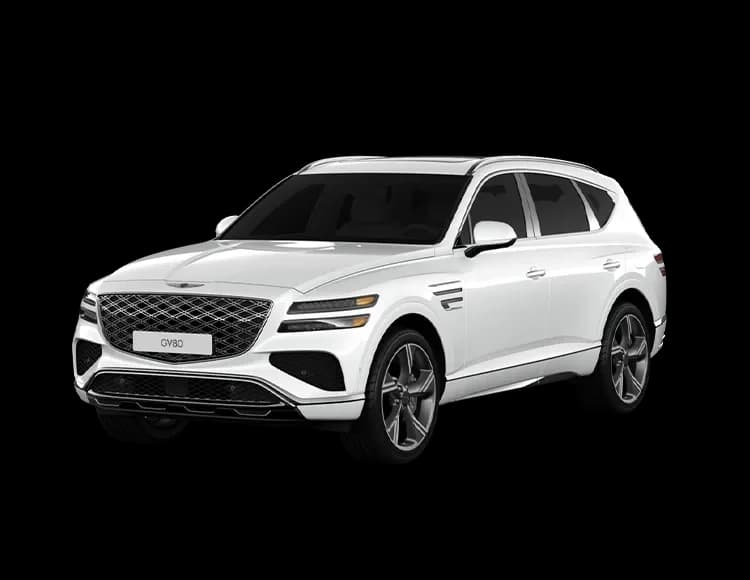
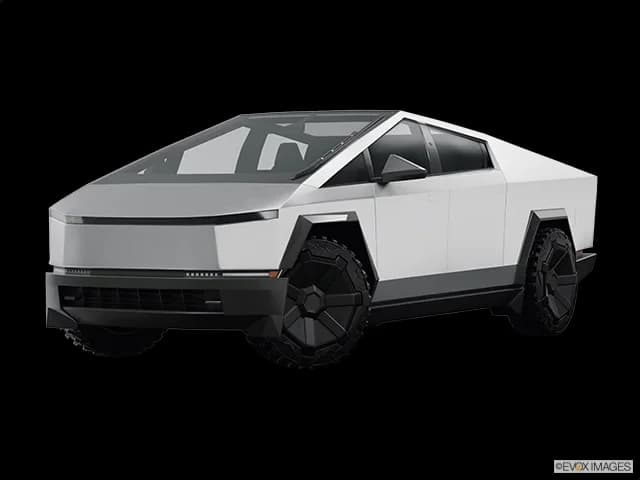
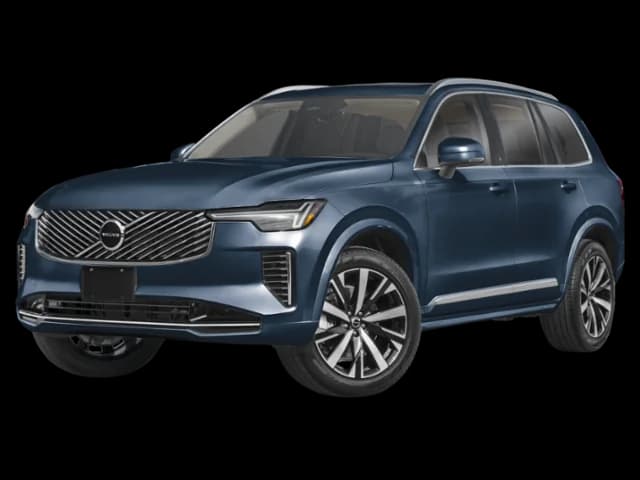
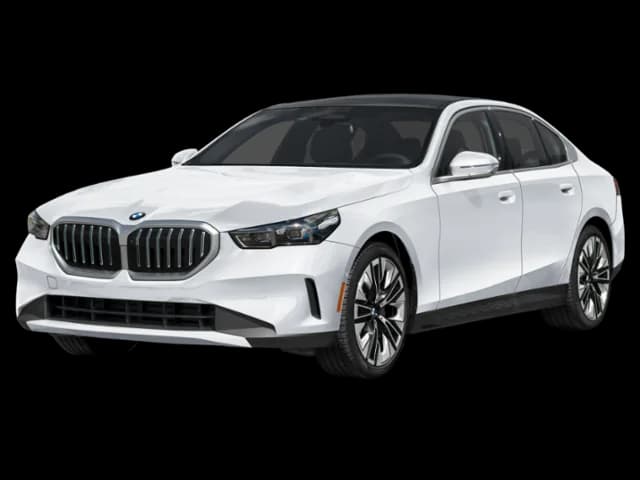
Browse top contenders, or compare all options ranked by score and key attributes.
5 Options

The Scoreboard
Does this improve your life? Considers, health, habits, and environmental impact.
Benefits
S-AWC helps you feel planted through snow, rain, and everyday slippery streets.
Supportive seats, clear visibility, and a composed ride make commuting and errands feel easy.
Long powertrain coverage reduces worry when you plan to keep the SUV for years.
A roomy adjustable rear seat, five-passenger layout, and available features suit everyday family trips.
Trade-Offs
The engine and CVT get loud when merging, while acceleration takes patience on faster roads.
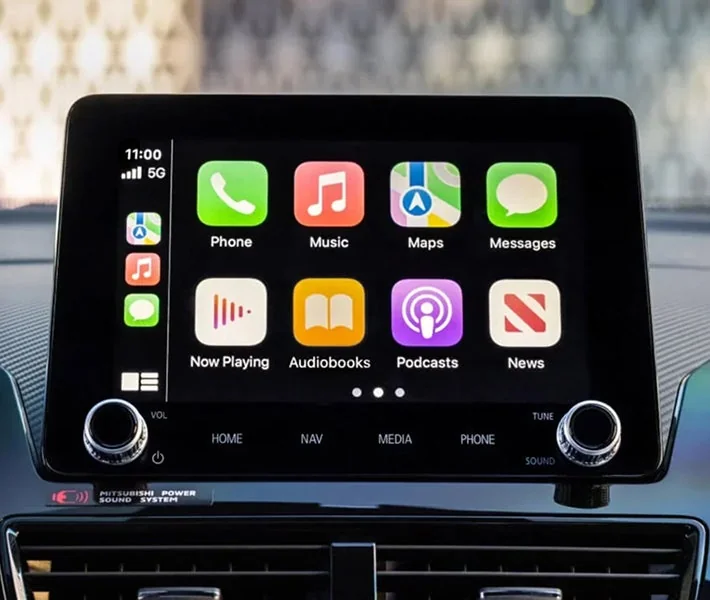
Small screens, dated graphics, and wired phone integration make everyday navigation and music less seamless.
Low-resolution cameras can make parking and reversing harder when you need a clear view.
Soft suspension and vague steering bring body roll, making curves feel less settled than expected.
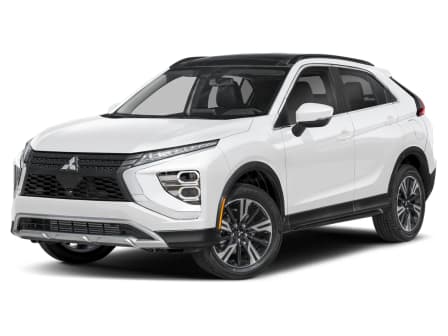
 Alternatives


Join the Circle
Where real meets deal
Know what's worth buying-and when.
Tips, special offers, and rewards for buying and sharing.

Publications
2 LEADING PUBLICATION REVIEWS

Car and Driver is lukewarm on the 2026 Mitsubishi Eclipse Cross, calling it acceptable but easy to overlook. Its distinctive styling, quiet cabin, comfortable ride, roomy rear seat, standard all-wheel drive, and strong warranty coverage make it a sensible budget choice. The mid-level SE trim is particularly appealing because it adds adaptive cruise control, blind-spot monitoring, and dual-zone climate control without a major price jump. Still, the Eclipse Cross feels outclassed by quicker, more efficient, and better-equipped rivals. Its 152-hp engine produces leisurely acceleration, fuel economy is merely average, handling is uninspiring, and the soft suspension allows body roll while transmitting some road vibration. The base model is especially bare-bones, and even upper trims have small screens and limited smartphone integration. With a 6/10 rating, the verdict is clear: this Mitsubishi is reasonably priced and competent, but not compelling.
By Beth Nichols
CARFAX gives the 2026 Mitsubishi Eclipse Cross a clearly mixed, underwhelmed assessment. Its strongest virtues are affordability, standard all-wheel drive, generous equipment, and an excellent 10-year/100,000-mile powertrain warranty. The base ES is especially appealing for value, while the SUV offers comfortable seats, straightforward physical controls, and decent towing capacity. But the 1.5-liter turbo and CVT are the main letdowns, producing noisy, sluggish acceleration and disappointing fuel economy. The dated touchscreen and aging cabin further weaken its appeal, while limited cargo room, poor rear visibility, and intrusive road noise make it feel less polished than rivals such as the Honda CR-V, Hyundai Tucson, and Toyota Corolla Cross. Although the reviewer found it surprisingly agile and appreciated its supportive interior, the overall verdict is that the Eclipse Cross is a sensible bargain rather than an exciting or refined choice.
By Warren Clarke

YouTube
11 LEADING EXPERT & INFLUENCER REVIEWS
 TheStraightPipes
The Straight Pipes are mildly positive about the Eclipse Cross, finding it better than expected but hard to recommend. They appreciate its comfortable ride, standard S-AWC all-wheel drive, useful 360-degree camera, physical controls, heated seats and wheel, roomy rear seat, and distinctive styling. But enthusiasm fades behind the wheel: the 152-hp turbo feels weak, the CVT responds slowly, fuel economy is poor, handling brings heavy understeer and body roll, and the seats lack comfort and lumbar support. Safety ratings and Mitsubishi’s limited dealer network also concern them. Their verdict is blunt: it’s fine, but rivals such as the CX-5, Kona, Seltos, and Corolla Cross are better choices.
MotorWeekMotorWeek is positive about the updated Mitsubishi Eclipse Cross, viewing it as a stronger, more practical value-oriented crossover. The redesigned exterior, extra cargo room, improved touchscreen, comfortable front seats, and standard safety features earn praise, while S-AWC provides surprisingly good grip and steering feels direct. Still, the soft suspension produces noticeable body roll and nose dive, and the 152-hp turbo feels sluggish once speeds rise, with a measured 0–60 time of 8.6 seconds. Overall, MotorWeek sees the Eclipse Cross as more mainstream than distinctive, but believes its added capability and functionality improve its long-term appeal.
Driving Sports TVRyan Douthit is cautiously positive about the refreshed Mitsubishi Eclipse Cross, calling it a competent, comfortable city crossover. He likes its composed ride, supportive seats, strong visibility, useful safety features, and S-AWC system, which feels more like full-time AWD than some rivals. The 8.65-second 0–60 run is respectable, but off-road testing exposes limits: modest power, no hill-descent control, low-resolution cameras, limited clearance protection, and weak performance on slippery terrain. He would not spend the mid-$30,000s on it, favoring a Subaru Forester or Jeep Compass Trailhawk for trail use, though urban buyers should consider it.
MotormouthMotormouth is cautiously positive about the Mitsubishi Eclipse Cross, viewing it as capable but clearly dated. Standard AWD, a turbocharged engine, generous features, comfortable seating, excellent visibility, and Mitsubishi’s long warranty make it a compelling value play. However, the CVT makes acceleration feel sluggish and noisy, while vague steering reduces confidence on the highway. Fuel economy and cargo space also trail key rivals. Their bottom line is that it handles daily commuting well and offers plenty for the money, but buyers must accept modest performance, less precise driving dynamics, and an older overall design.
AutomotivePressDavid Koichi Chao is strongly impressed by the Mitsubishi Eclipse Cross, calling it a surprisingly valuable compact SUV. He praises its Japanese build quality, solid fit and finish, soft-touch interior materials, standard all-wheel drive with S-AWC, long warranty, and unusually communicative steering. Compared with the quieter Toyota Corolla Cross, it feels more engaging, though Mazda’s CX-50 remains his benchmark. The main drawbacks are modest 152-hp performance, a somewhat noisy engine, and an outdated small infotainment screen. Overall, Chao views the Eclipse Cross as an overlooked, well-built, value-focused alternative for buyers who prioritize driving feel and standard AWD.
Gold PonyGold Pony is cautiously positive about the 2026 Mitsubishi Eclipse Cross, appreciating its distinctive Rallyart styling, standard S-AWC all-wheel drive, firm brakes, comfortable ride, and exceptional warranty coverage. The turbocharged engine is adequate rather than exciting, while the loose steering falls short of the sporty Eclipse name. He also criticizes the weak four-speaker audio system, bland gauges, lack of rear vents and ambient lighting, and poor crash-test performance. Overall, it feels like a practical, eye-catching, value-focused SUV with meaningful compromises rather than a genuinely fun-to-drive crossover.
Outsider ReviewsPat is pleasantly surprised by the Mitsubishi Eclipse Cross, viewing it as a comfortable, feature-rich AWD value rather than a performance standout. He praises its standard S-AWC, plush seats, rear heated seats, powered tailgate, excellent visibility, and bump-absorbing ride, while finding it more comfortable and responsive off the line than the Corolla Cross. However, its fuel economy is unimpressive, body roll is noticeable, and the adaptive cruise and lane-keeping systems need refinement. The outdated infotainment graphics and poor-quality cameras also disappoint. Overall, Pat recommends it conditionally for buyers prioritizing features, comfort, and value over sharp handling or efficiency.
Ben HardyBen Hardy is genuinely impressed by the 2026 Mitsubishi Eclipse Cross’s build quality and value. He praises its solid-feeling cabin, thoughtful materials, distinctive styling, practical space, standard AWD modes, and affordable pricing, especially with Mitsubishi’s negotiable deals. The turbocharged 1.5-liter engine is adequate rather than quick, requiring patience and steady throttle, while the CVT and turbo lag limit enthusiasm. He also criticizes the cramped console, overly sensitive safety systems, and poor backup-camera resolution. Overall, Hardy views the Eclipse Cross as a charming, old-school, well-built AWD bargain worth checking out.
PetrolectricDerek Spartz is unimpressed, calling the Eclipse Cross mediocre and overpriced despite expecting worse. He appreciates its attractive styling, standard S-AWC all-wheel drive, roomy adjustable rear seats, effective air conditioning, solid brakes, and reassuring 10-year powertrain warranty. However, he criticizes its weak 152-hp engine, noisy CVT, poor fuel economy, harsh ride, light steering, cheap interior materials, slow USB charging, intrusive safety systems, and shockingly blurry backup camera. After driving it from Los Angeles to Las Vegas, he prefers the Mazda CX-5 and Honda HR-V, suggesting the Eclipse Cross only makes sense heavily discounted or used.
Auto JunkiesAuto Junkies is moderately positive about the 2026 Eclipse Cross, viewing it as a stylish, affordable AWD SUV with strong safety tech, a generous warranty, comfortable seating, easy maneuverability, and a smooth ride. However, the enthusiasm is tempered by its sluggish 152-hp powertrain, noisy CVT under acceleration, mediocre fuel economy, dated cabin, limited cargo versatility, and minimal 2026 updates. The standout value is standard S-AWC all-wheel drive and warranty coverage, but shoppers seeking quick performance, premium refinement, or maximum practicality will find stronger alternatives.
NeverNeutral Matt is genuinely positive about the 2026 Mitsubishi Eclipse Cross, calling it an underrated, practical value rather than a performance SUV. He praises its distinctive styling, comfortable controls, useful features, standard S-AWC all-wheel drive, easy parking, and strong cornering confidence. However, the 152-hp turbo engine feels underpowered, hills and highway merging expose the CVT’s sluggishness, and the infotainment system feels notably outdated with wired-only CarPlay. His 7.4/10 verdict makes it worth considering for affordability and everyday usability, but not for excitement.

Social
1 INFLUENCER REVIEW
 Khalifa Saleh Al Haroon
Khalifa Saleh Al Haroon is clearly positive about the Mitsubishi Eclipse Cross, calling it simple and reliable. He appreciates its sharp styling, full-size spare, moonroof, head-up display, physical climate controls, leather seats, paddle shifters, and driver-assistance features. The 86,000 QAR starting price and Japanese manufacture add to its appeal. However, this is an upbeat first look rather than a critical test, with no discussion of fuel economy, ride quality, interior space, or meaningful drawbacks.

Forum Reviews
CUSTOMER REVIEWS FROM 1 FORUM
Redditors are cautiously positive about the 2026 Mitsubishi Eclipse Cross, valuing practicality and price more than excitement. Owners generally describe it as comfortable, reliable, well-equipped, and capable in snow, with useful cargo space and strong warranty value. The 1.5T provides adequate, sometimes surprisingly brisk performance, while the CVT is smooth when maintained. Critics find the handling vague, fuel economy mediocre, the cabin dated, and rear-seat space tight. Much of the negativity centers on the Eclipse name and crossover styling rather than serious mechanical faults, though long-term CVT durability and depreciation remain concerns. It appears a sensible, good-value purchase, but not a standout.
Many comments

In-Depth Review

Highlights
- •Standard All-Wheel DriveS-AWC adds confidence in poor weather.
- •Comfortable Daily CabinSupportive seats and clear visibility ease commuting.
- •Long Powertrain Warranty10-year coverage supports long-term ownership.
- •Useful Rear SpaceAdjustable seating suits small-family use.

Considerations
- •Sluggish Highway AccelerationThe turbo and CVT need patience.
- •Soft Cornering BehaviorBody roll and vague steering reduce confidence.
- •Mediocre Fuel EconomyReal-world consumption trails efficiency-focused rivals.
- •Outdated InfotainmentSmall screens and wired phone integration feel dated.
Mitsubishi has long built its reputation around practical, competitively priced vehicles, and the Eclipse Cross occupies the value end of the compact-SUV market. Its main appeal is standard S-AWC all-wheel drive, making it a sensible choice for commuters, small families, and drivers facing snow or rain. A 1.5-liter turbocharged engine brings useful low-speed torque, though the CVT’s response and highway performance deserve close attention. Compared with rivals that often charge extra for AWD, it counters with capability and a 10-year/100,000-mile powertrain warranty, while giving up some efficiency, refinement, and technology polish. The comfortable ride, soft handling, cabin noise, and 23.4-cubic-foot cargo area help define its everyday strengths and compromises. Review the areas most important to your routine—because this is an AWD bargain with personality, not a shortcut to driving excitement.
Turbo Engine CVT
The Eclipse Cross is adequate in traffic but needs patience when speeds rise. Its 1.5-liter turbocharged four-cylinder makes 152 hp and 184 lb-ft, while the CVT often feels slow to respond and gets noisy during merging or hill climbs. Testing around 8.6–8.7 seconds to 60 mph supports the reviewers’ view that it is not quick, although some owners find it brisk enough off the line. This setup suits relaxed commuting better than enthusiastic driving.
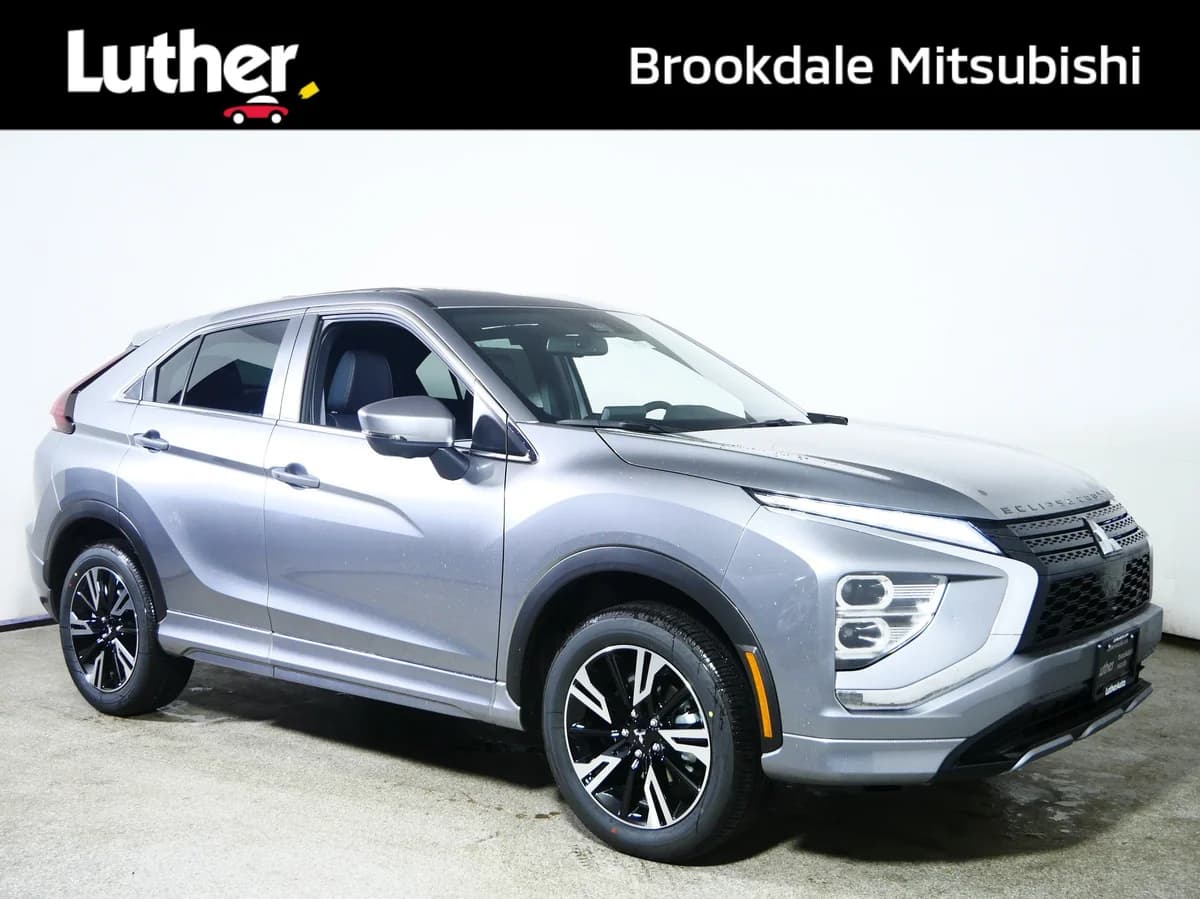
Fuel Economy Reality
Fuel economy is acceptable on paper but not a standout in daily use. The ES is rated around 25 city, 28 highway, and 26 combined mpg, while higher trims are closer to 25 combined, and feedback often describes real-world consumption as mediocre. Standard AWD adds capability but also limits efficiency, while the turbo engine and CVT can work hard during highway acceleration. That makes the Eclipse Cross a reasonable weather-focused choice, not an especially economical small SUV.
Cabin Noise Refinement
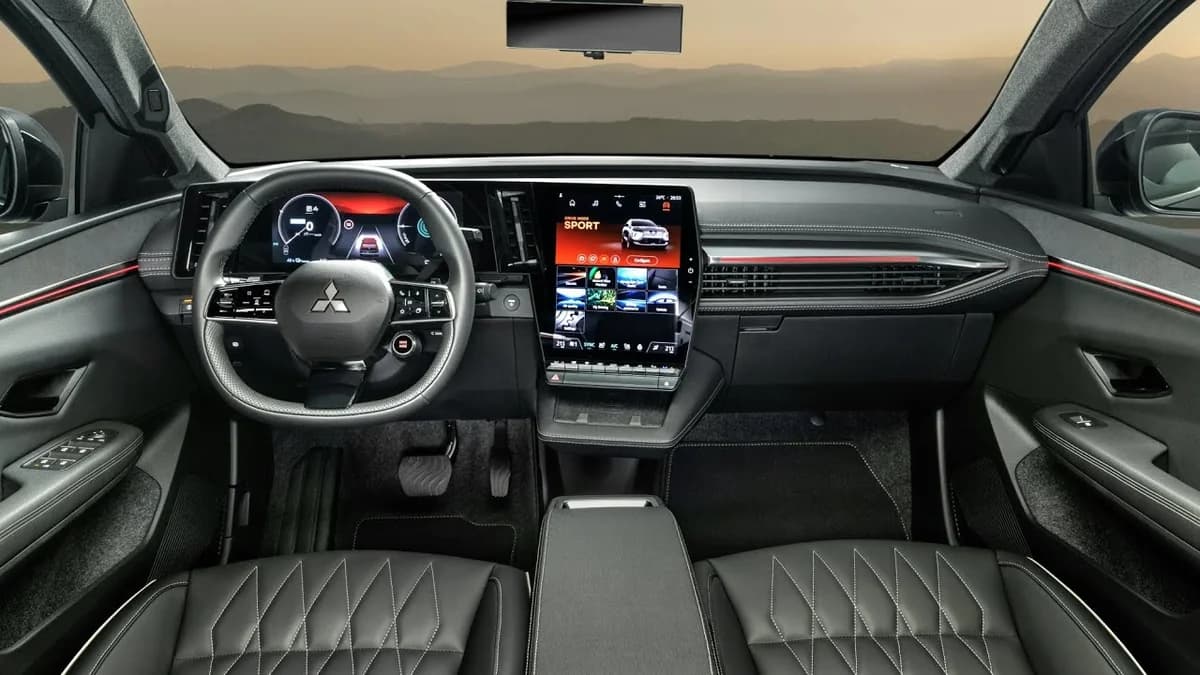
The cabin is comfortable and solidly equipped, but refinement varies by situation. Mitsubishi’s physical climate controls are easy to use, and several reviewers praise the seats, visibility, and reassuring build quality. Under throttle, though, the turbo engine and CVT become conspicuously loud, while road noise can intrude at speed. The small, dated touchscreen, wired phone integration, weak cameras, and occasional intrusive safety alerts also make the vehicle feel older than its warranty and AWD technology suggest.
Space And Utility
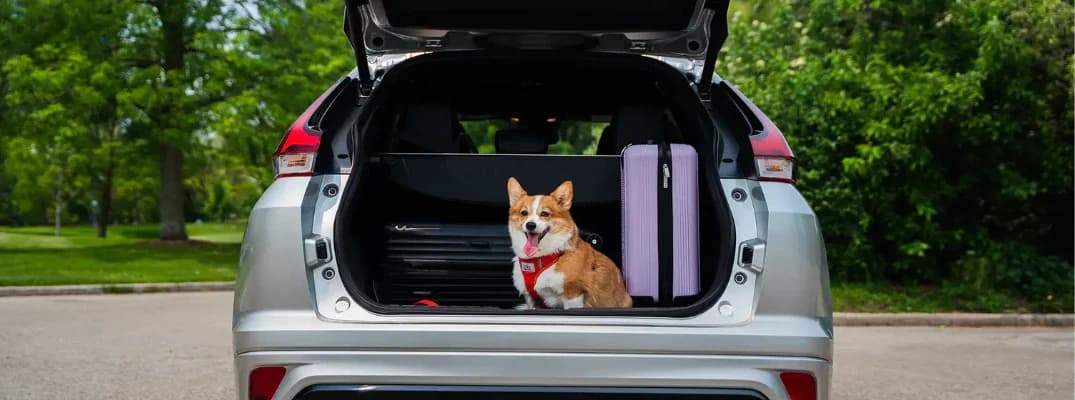
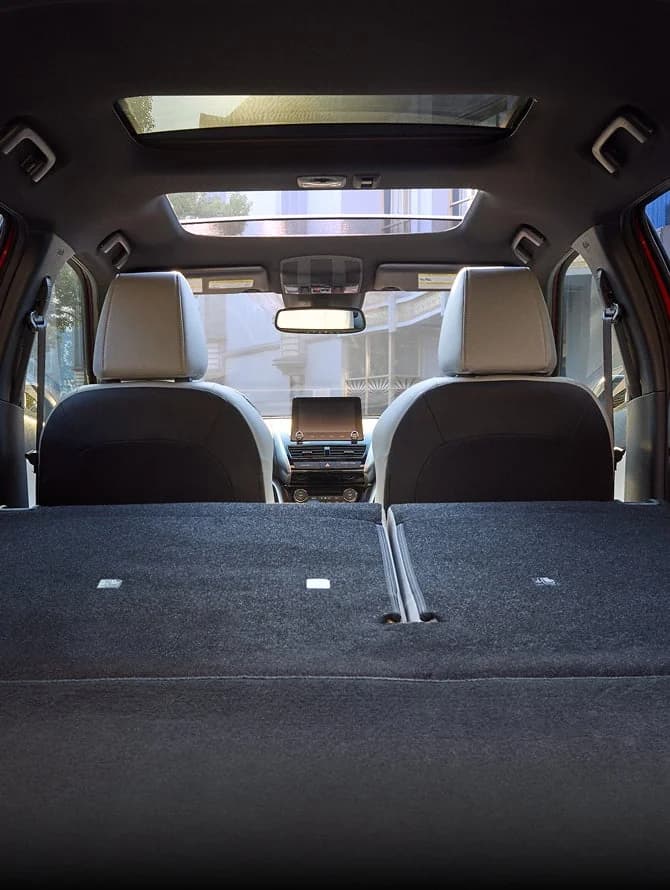
The Eclipse Cross offers useful everyday space without leading the segment. Its roomy adjustable rear seat provides 37.1 inches of legroom, while cargo capacity measures about 23.4 cubic feet behind the seats and 50.1 with them folded. That works well for groceries, commuting gear, and small-family use, and the vehicle can tow up to 1,500 pounds. Still, reviewers note limited cargo versatility and a tighter overall footprint than larger rivals, so frequent family haulers may want more room.
AWD And S-AWC
Standard traction hardware is the Eclipse Cross’s clearest practical advantage. Every trim uses S-AWC all-wheel drive, with Active Yaw Control helping distribute torque and maintain composure on wet or snowy roads. Selectable drive modes add useful flexibility, and reviewers generally describe the system as reassuring in ordinary winter conditions. It is not an off-road specialist, however: testing noted limited protection, no hill-descent control, and modest power on slippery terrain, so AWD should not be mistaken for trail capability.
Ride And Handling
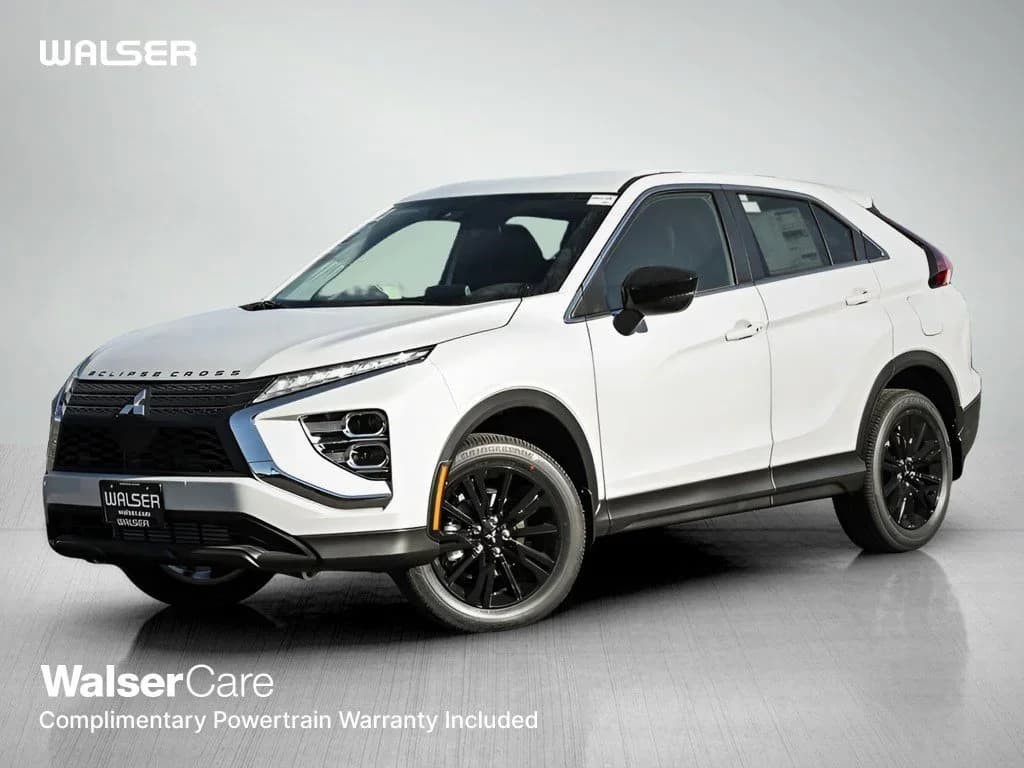
The Eclipse Cross prioritizes comfort over cornering precision. Its comfort-oriented suspension absorbs ordinary bumps well, and supportive front seats, good visibility, and direct or communicative steering make city driving easy. The compromise is noticeable body roll, nose dive under braking, understeer, and occasionally vague steering, particularly when pushed through curves. User and expert reactions are broadly consistent here: it feels composed enough for commuting, but buyers wanting agile handling will find competitors more settled and engaging.
Conclusion
The Eclipse Cross makes its case with standard S-AWC AWD rather than speed or polish. Its 1.5-liter turbo and CVT are adequate around town but noisy and slow when merging, while the soft suspension delivers a comfortable ride at the expense of body control and steering confidence. Fuel economy is merely average, and road noise, dated infotainment, and blurry cameras reinforce its older design. Still, supportive seats, clear visibility, useful rear-seat space, and flexible cargo room make it practical for commuting and small-family duty. Owners appreciate its snow confidence and warranty, while experts see a sensible bargain that is easy to overlook beside sharper, more efficient rivals. Choose it if affordable all-weather traction and comfort matter most; skip it if you want refinement, agility, or standout efficiency. Its long powertrain warranty strengthens the value case, but the overall package remains a conditional recommendation rather than a clear segment leader.

Feature Scores
This reflects reviews and ratings from established critics, journalists, and users who have evaluated the item. Their opinions provide a comprehensive assessment.
Performance
Engine Power
2/5
Acceleration
2/5
Towing Capacity
3/5
Fuel Efficiency
2/5
Reliability
3/5
Durability
3/5
Value
Purchase Price
4/5
Operating Cost
3/5
Resale Value
2/5
Design
Interior Space
3/5
Cargo Capacity
3/5
Ergonomics
4/5
Exterior Styling
4/5
Health
Cabin Air Quality
TBD
Interior Material Toxicity
TBD
Safety
Crashworthiness
2/5
Active Driver Assistance
3/5
Braking Performance
3/5
Visibility and Lighting
3/5
Sustainability
Tailpipe Emissions
2/5
Fuel Lifecycle Emissions
2/5
Use of Recycled Materials
TBD
End-of-Life Recyclability
TBD
Experience Style
Infotainment Features
2/5
Ride Comfort Tuning
3/5
Customization Options
3/5

Specifications
This section outlines the product's key facts, covering essential features, details, dimensions, materials, and any unique characteristics that define its functionality and usability.
Performance
Value
Design
Safety
Sustainability
Experience Style

Frequently Asked Questions
6 Questions

Find Yours
What is your primary use for a Gas-Powered SUV?
Answer to find your best matches.