












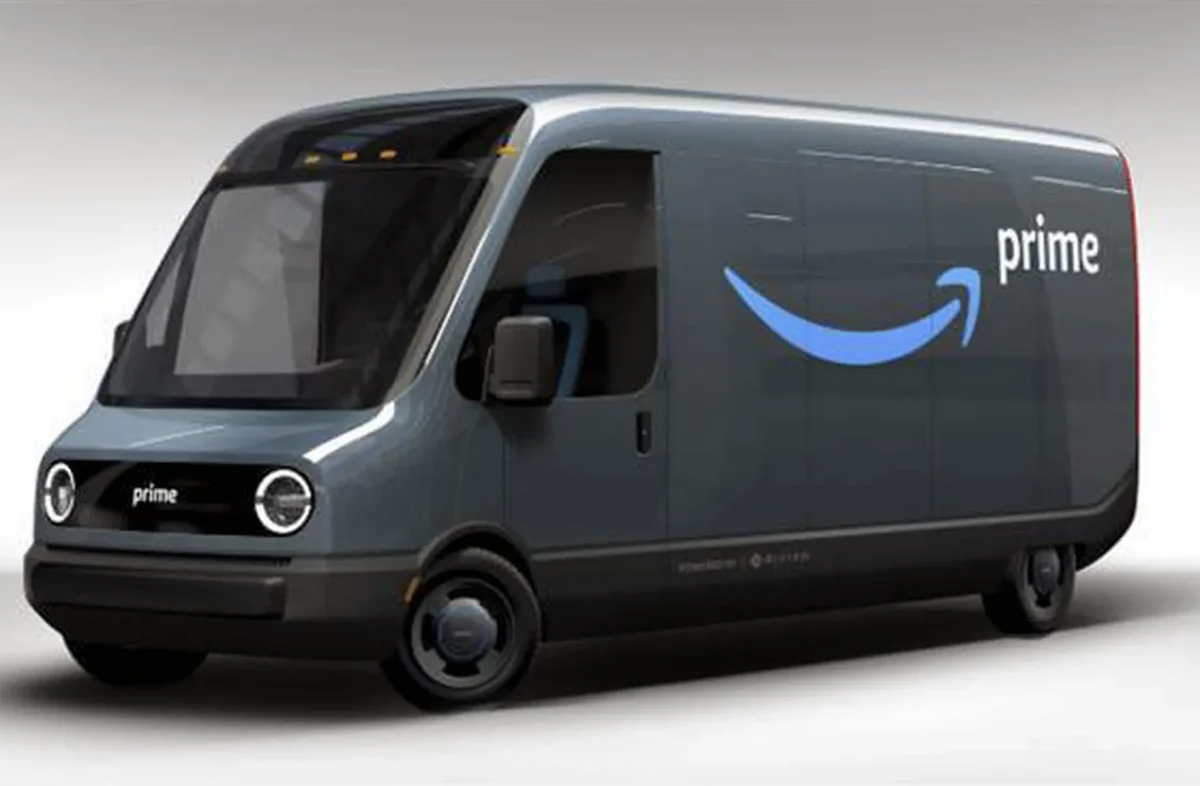
Rivian Commercial Van (2026)
A quiet, quick delivery van with smart access and cargo space, best for depot-based urban routes.
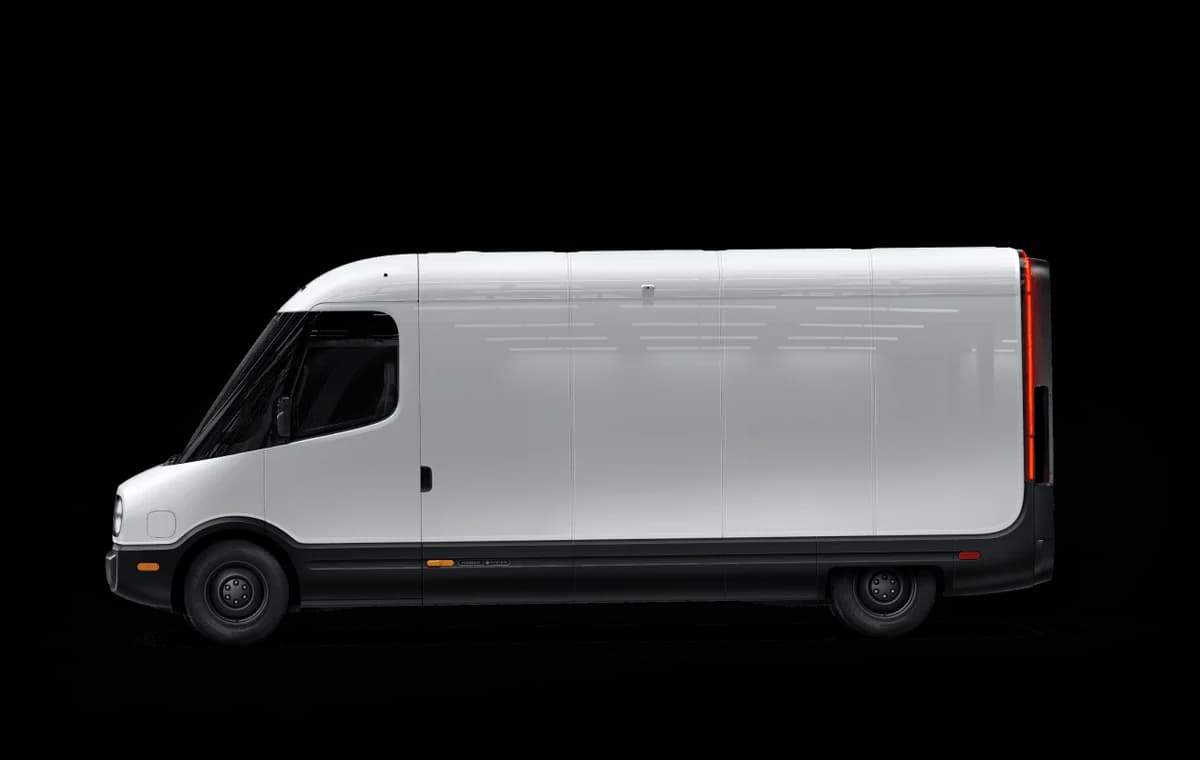
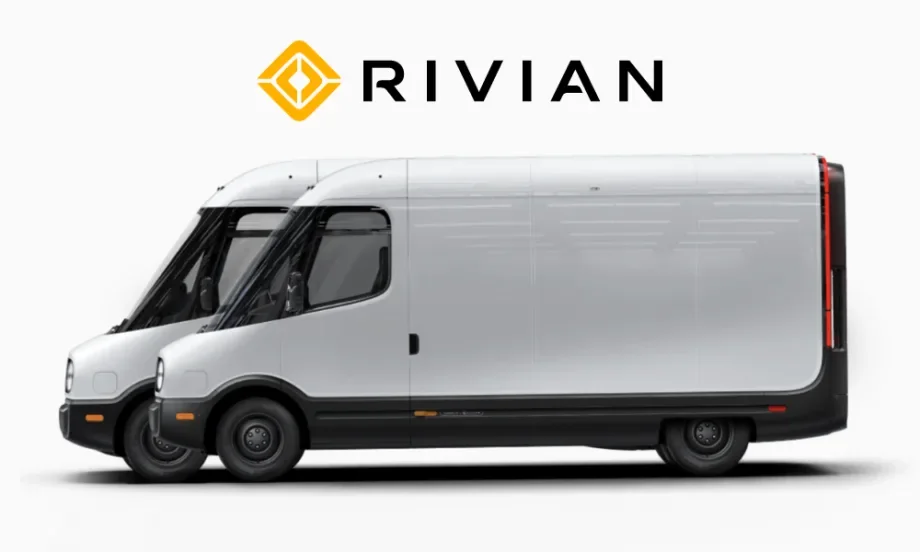
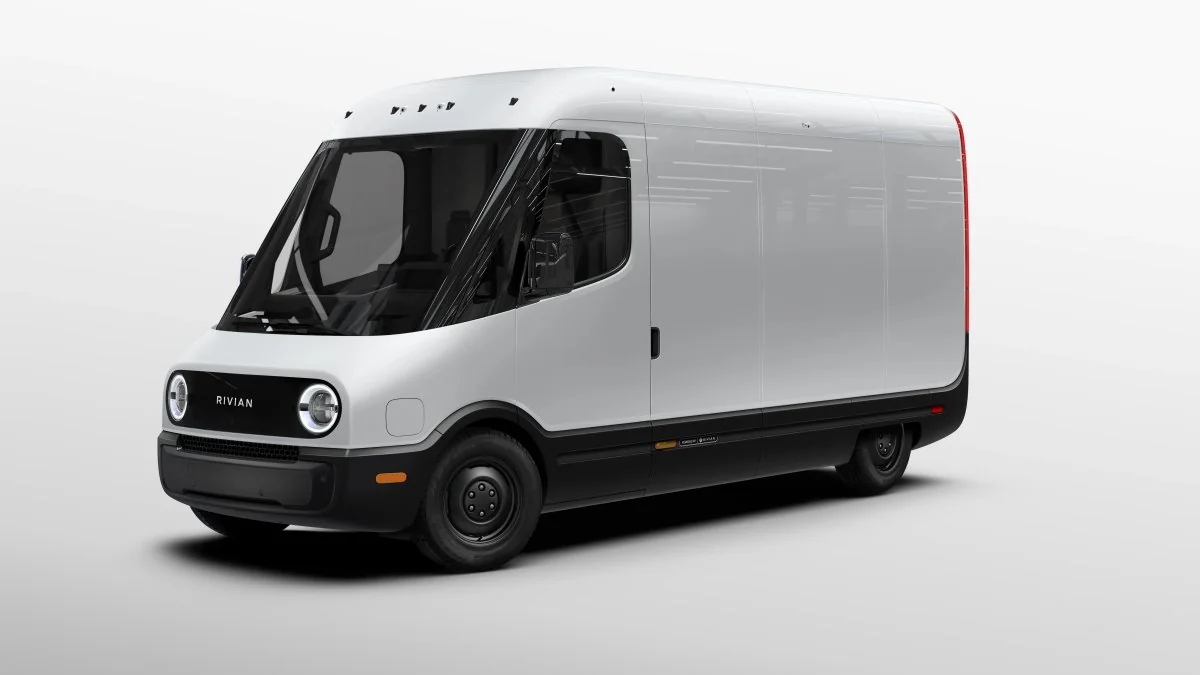
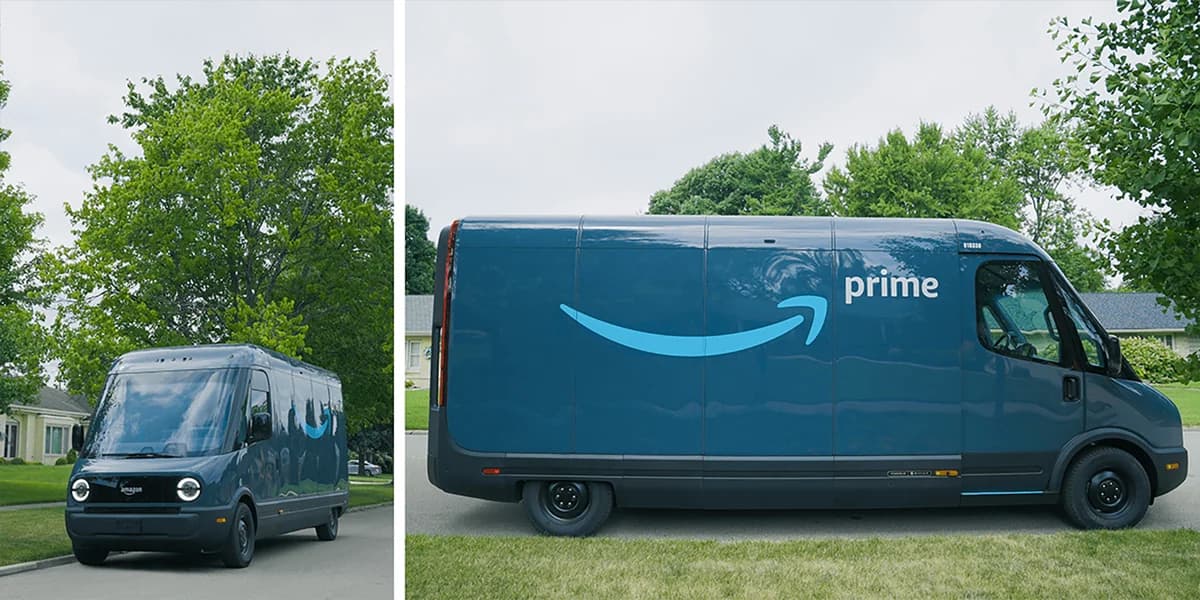
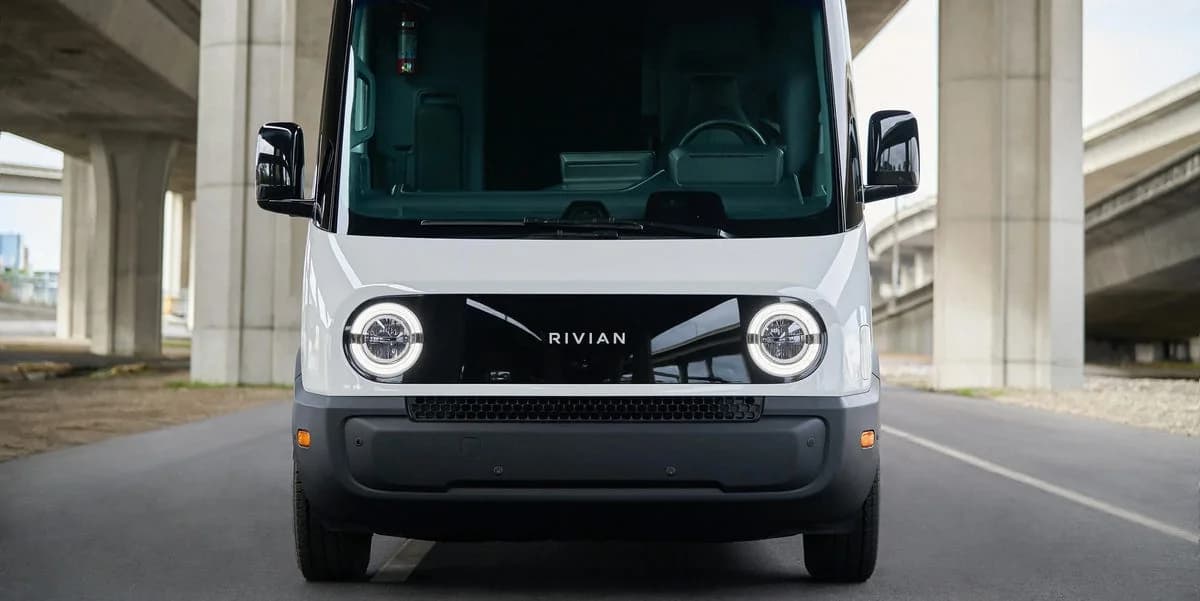
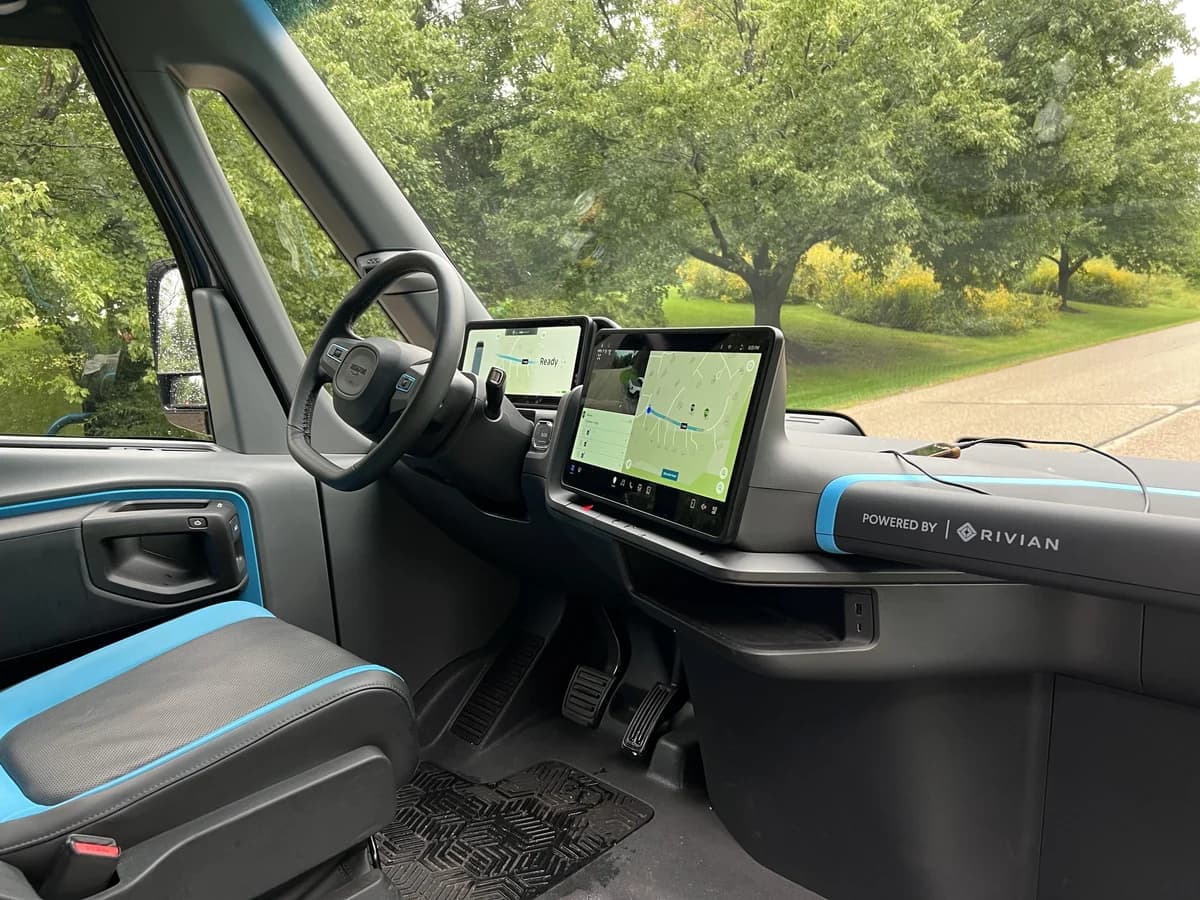
The Rivian Commercial Van (2026) is a purpose-built electric workhorse for fleets trying to make repetitive urban deliveries quieter, cleaner, and less punishing. Its walk-through access, huge windows, cameras, and polished cabin earn genuine praise from drivers, while the 487 to 652 cubic feet of cargo space supports dense parcel routes. Rivian’s estimated 153 to 161-mile range works for predictable depot schedules, but real-world testing, especially in cold weather, suggests closer to 110 to 160 miles, and charging can be frustratingly slow. At roughly $82,900 to $86,900, it is a premium purchase whose value depends on route fit and operating savings. Its overall recommendation reflects excellent usability tempered by range, charging, payload, and price.

Find Yours
What will you primarily use your electric van or minivan for?
Answer to find your best matches.

The Field
Browse top contenders, or compare all options ranked by score and key attributes.
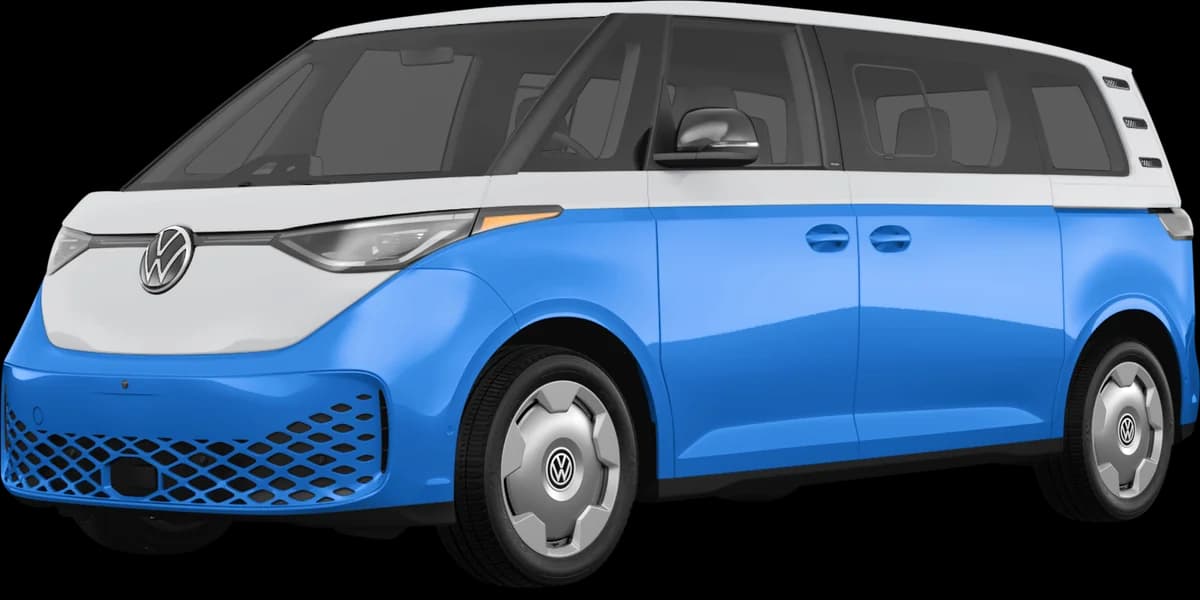
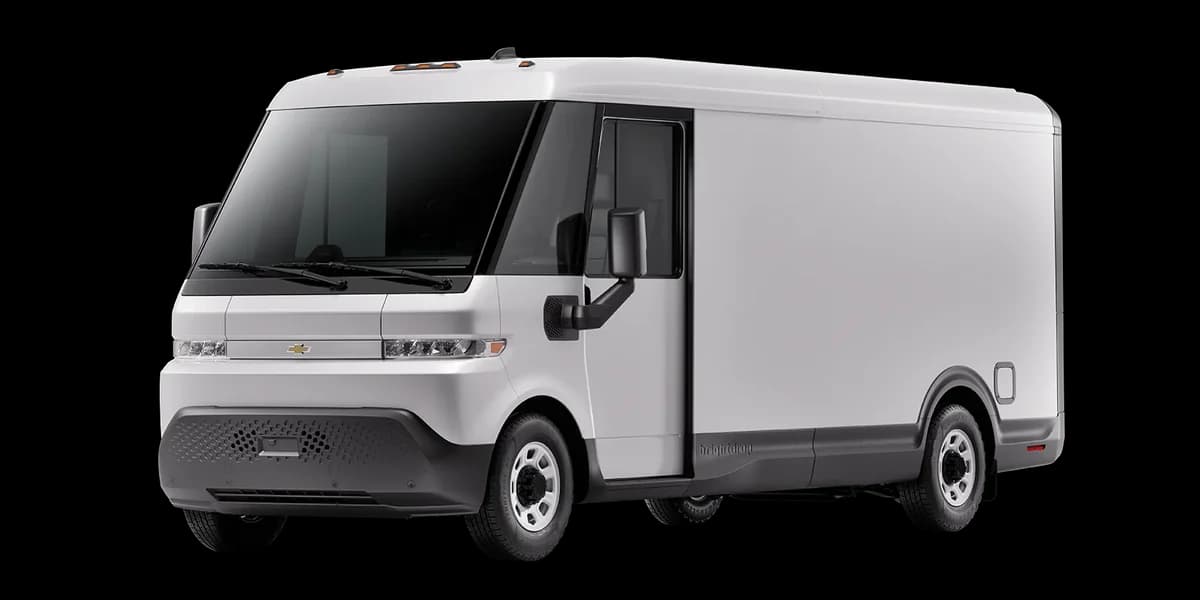
2 Options

The Scoreboard
Does this improve your life? Considers, health, habits, and environmental impact.
Benefits
A quieter cabin makes long delivery days easier on your ears and conversations.
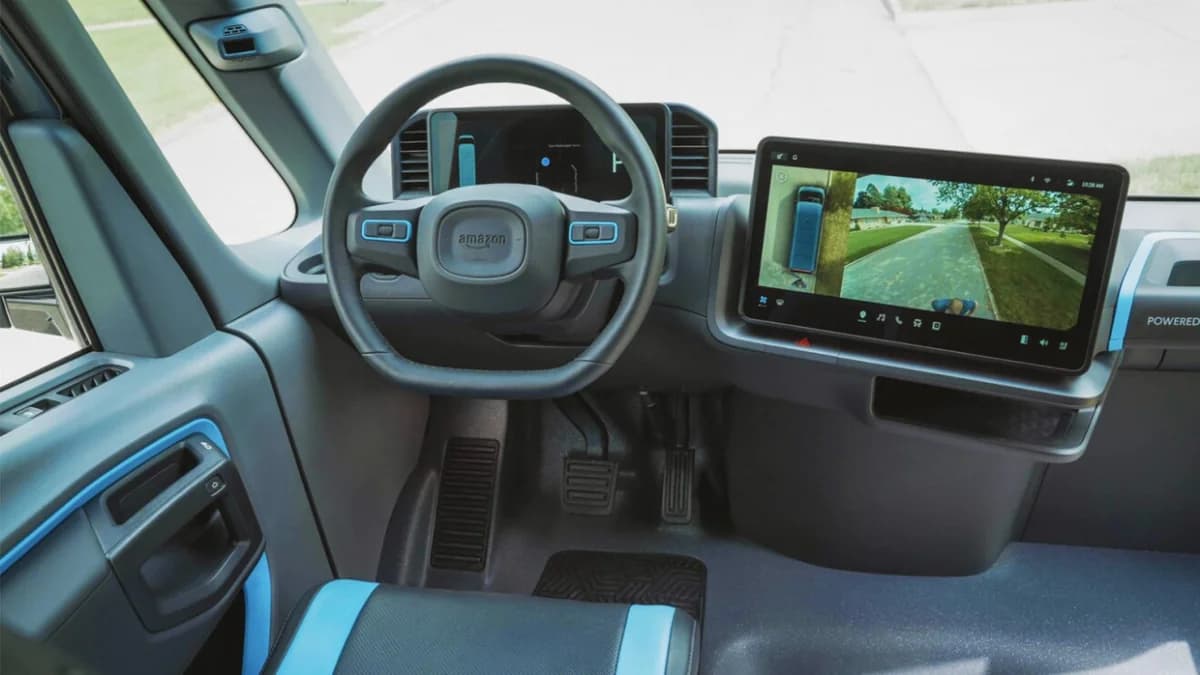
Huge windows and cameras make tight urban stops feel simpler and less mentally demanding.
Walk-through access and a roomy work area reduce repeated climbing, twisting, and reaching.
Quiet, quick acceleration helps drivers merge and maneuver without the jolts of conventional vans.
Trade-Offs
Cold, busy routes can force charging breaks, with the van waiting while deliveries fall behind.
A high step makes repeated entry and exits harder, especially during a full delivery shift.
Heavy loads can reach payload limit sooner, forcing split routes or fewer packages per run.
Software glitches can interrupt navigation and force extra stops during busy delivery rounds.
 Alternatives


Join the Circle
Where real meets deal
Know what's worth buying-and when.
Tips, special offers, and rewards for buying and sharing.

YouTube
4 LEADING EXPERT & INFLUENCER REVIEWS
 Out of Spec Reviews
Kyle Conner is exceptionally enthusiastic about the Rivian Commercial Van, calling it one of the most fun vehicles he has reviewed. He praises its quiet, surprisingly quick front-wheel-drive performance, outstanding visibility, easy driver access, thoughtful fleet-focused interior, sturdy build quality, and cheerful design. His testing is unusually thorough, including city and highway driving, charging, and a 70-mph range run. That test produced roughly 110 miles in cold, windy conditions, while charging peaked around 50 kW and took over two hours. Kyle considers those limitations acceptable for depot-based delivery fleets, but wants a larger battery and AWD for RV or personal use.
AutotraderAutotrader views Rivian’s Commercial Van favorably, though not as the segment’s overall winner. Its standout strengths are purpose-built cargo packaging, with the RCV 500 offering 487 cubic feet and the RCV 700 an impressive 652, plus competitive range and payload. The reviewer also finds its styling appealing, if subjective. However, Rivian’s higher pricing, limited fleet-only availability, and undisclosed motor and battery details weaken its case against the Ford E-Transit, Mercedes-Benz eSprinter, and Ram ProMaster EV. Autotrader ultimately picks the E-Transit for its improved range, power, customization, and lower starting price.
Friday Adventure ClubFriday Adventure Club is genuinely thrilled by the Rivian EDV after a full delivery day. The walk-through passenger door, foldable shelving, excellent 360-degree visibility, integrated navigation, charging pad, and smooth electric operation make it dramatically better than conventional cargo vans, especially for reducing repetitive strain. The reviewer also appreciates its distinctive design, safety tech, and under-10,000-pound classification, which avoids costly DOT certification. Still, the experience includes software slowdowns, phone-pairing trouble, confusing controls, an unreliable driver-door unlock, a high step, abrupt one-pedal braking, and merely adequate audio. Overall, enthusiasm is unmistakable, with practical caveats.
Texas Truck ChannelBrian from Texas Truck Channel is highly enthusiastic about the Rivian Commercial Van 500, calling it a clever, purpose-built urban delivery vehicle. He praises its 150-mile range for predictable routes, 2,700-pound payload, brisk acceleration, spacious cargo area, excellent visibility, automatic bulkhead door, integrated navigation, cameras, and driver-focused heating and cooling. The front-wheel-drive layout and relatively short range are acknowledged, but treated as sensible tradeoffs for city fleets returning to a depot nightly. Brian’s Chicago Auto Show walkthrough is more excited than rigorous, with no independent range, charging, payload, or cost testing, and sponsorship disclosures further temper its objectivity.

Social
1 INFLUENCER REVIEW
 EVERYDAY CHRIS
EVERYDAY CHRIS is upbeat about Rivian’s commercial van, presenting it as a surprisingly thoughtful work vehicle. He highlights the driver-focused cabin, panoramic camera view, huge windows, USB-C charging, e-bike power, customizable emergency button, built-in first-aid kit and fire extinguisher, and generous 6'10" cargo height. The tone is informative and impressed, though the $80,000 price and 160-mile range, even with front-wheel drive, invite some skepticism. Overall, he seems intrigued and favorable but leaves the value question open.

Forum Reviews
CUSTOMER REVIEWS FROM 1 FORUM

Redditors are broadly positive about Rivian’s Commercial Van, especially as a purpose-built delivery vehicle. Drivers praise its quiet, comfortable cabin, cooled seats, visibility, spacious work area, strong acceleration, and thoughtful design, with many viewing it as better than conventional fleet vans. Its environmental benefits and growing real-world presence add appeal. The major reservations are limited range—often closer to 120–160 miles in demanding use—slow charging, payload constraints, price, and questionable suitability for tradespeople, camper conversions, or long routes. Software glitches, intrusive driver aids, braking-light concerns, and Amazon-imposed climate-control changes also temper enthusiasm.
Many comments

In-Depth Review

Highlights
- •Cargo And LoadingDesigned for dense delivery routes, with 487–652 cubic feet.
- •Clear Driver VisibilityHuge windows and cameras simplify urban maneuvering.
- •Quiet Quick DrivingReviewers noted smooth, brisk electric performance.
- •Walk-Through AccessDesigned to reduce repeated climbing and reaching.

Considerations
- •Real-World RangeCold, loaded routes can reduce range near 110 miles.
- •Charging TurnaroundTesting showed roughly 50 kW and over two hours.
- •Payload TradeoffsLarger cargo volume does not mean higher payload.
- •Higher Starting PriceReported pricing begins around $82,900 before operating savings.
Rivian brings its EV-first reputation to a purpose-built work van aimed squarely at last-mile fleets. Rather than adapting a passenger vehicle, it prioritizes 487–652 cubic feet of cargo space, walk-through access, and a practical cabin for parcel, grocery, municipal, and service routes. Compared with the Ford E-Transit and Mercedes-Benz eSprinter, its quiet, polished driving experience and excellent visibility stand out, though the 153–161-mile estimated range demands disciplined depot planning. Fleet managers and urban drivers should weigh the 2,258–2,734-pound payload range, charging behavior, turning space, and brisk 320-hp front-wheel-drive powertrain against price and route demands. The right questions are less about showroom novelty than daily logistics: can it carry the load, recharge between shifts, and fit the streets? Explore the details next—because a delivery van’s real luxury is finishing the route without drama.
Charging Performance
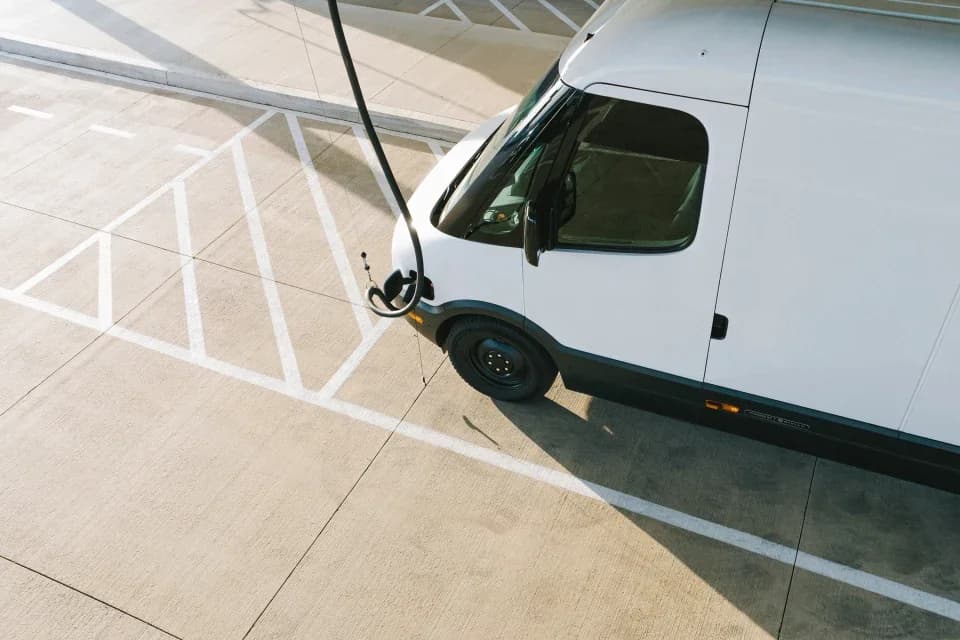
Charging is acceptable for overnight depot use, not especially convenient for turnaround-heavy operations. The 100-kWh LFP pack supports 11-kW AC charging and 100-kW CCS DC charging, but Kyle Conner’s van reportedly peaked near 50 kW and took more than two hours in testing. That experience complicates the headline specification, since real charging speed depends on conditions and the station. Fleet buyers should verify site power, CCS availability, and whether a mid-route charging stop fits the schedule.
Real-World Range
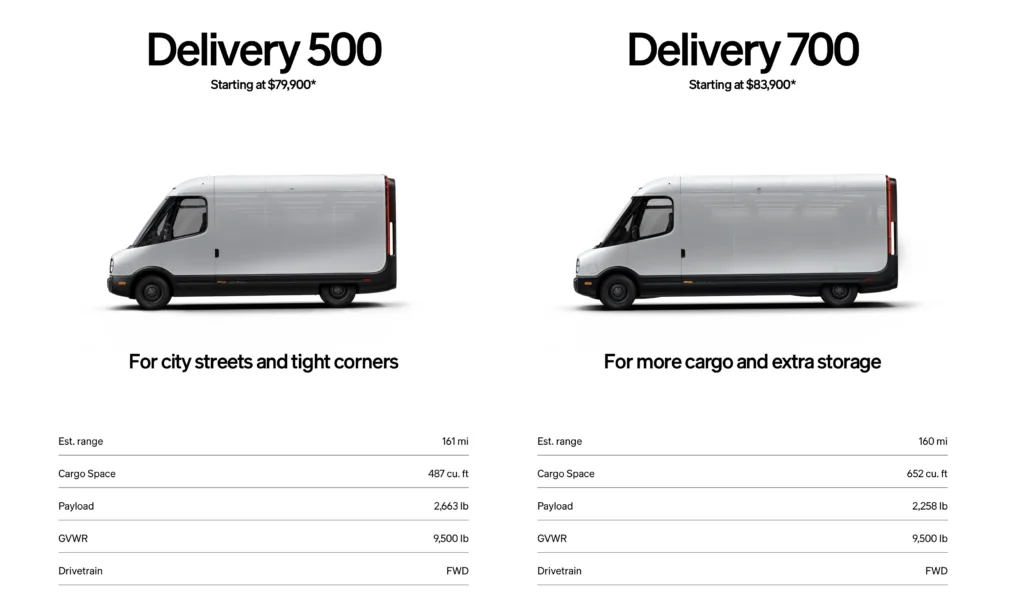
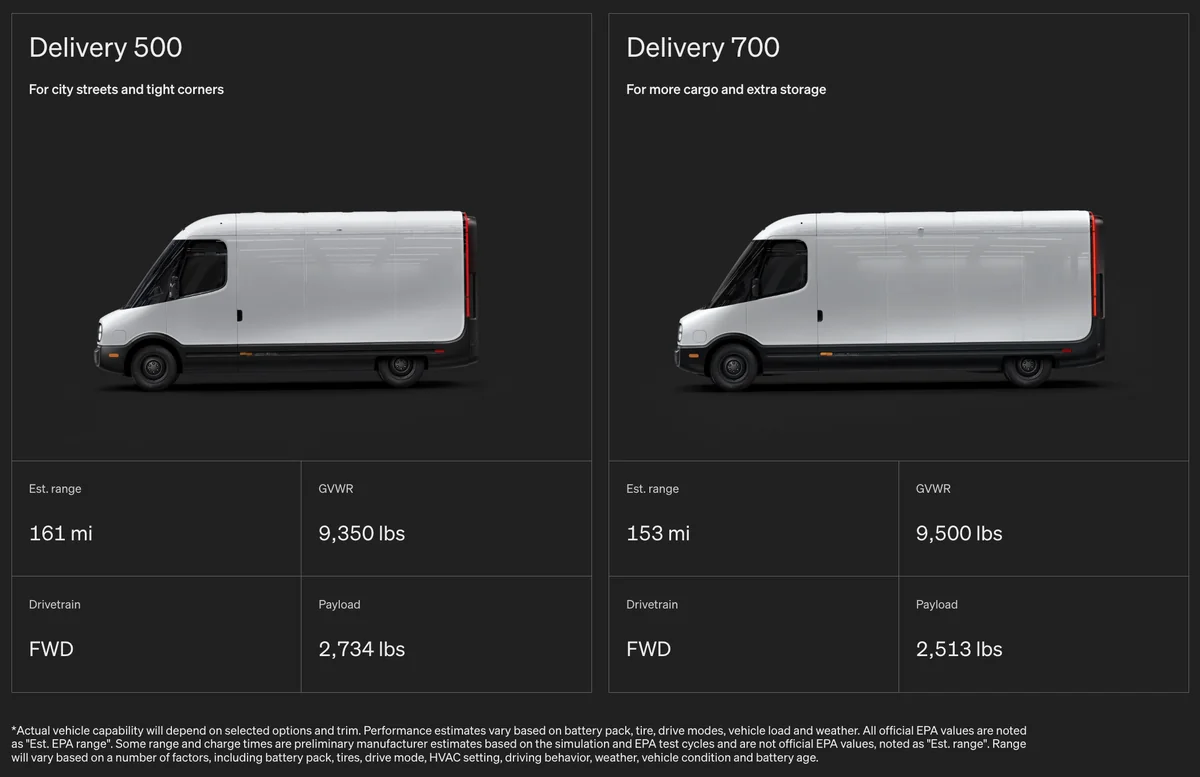
Range is workable for depot routes, but it is the van’s clearest operational limitation. Rivian quotes about 161 miles for the Delivery 500, while the 700 is generally reported around 153–160 miles. In a cold, windy 70-mph test, Kyle Conner managed roughly 110 miles, and drivers often report about 120–160 miles in demanding use. That supports predictable urban deliveries with overnight charging, but heavy loads, weather, and highway detours can quickly erode the buffer.
Cargo And Access
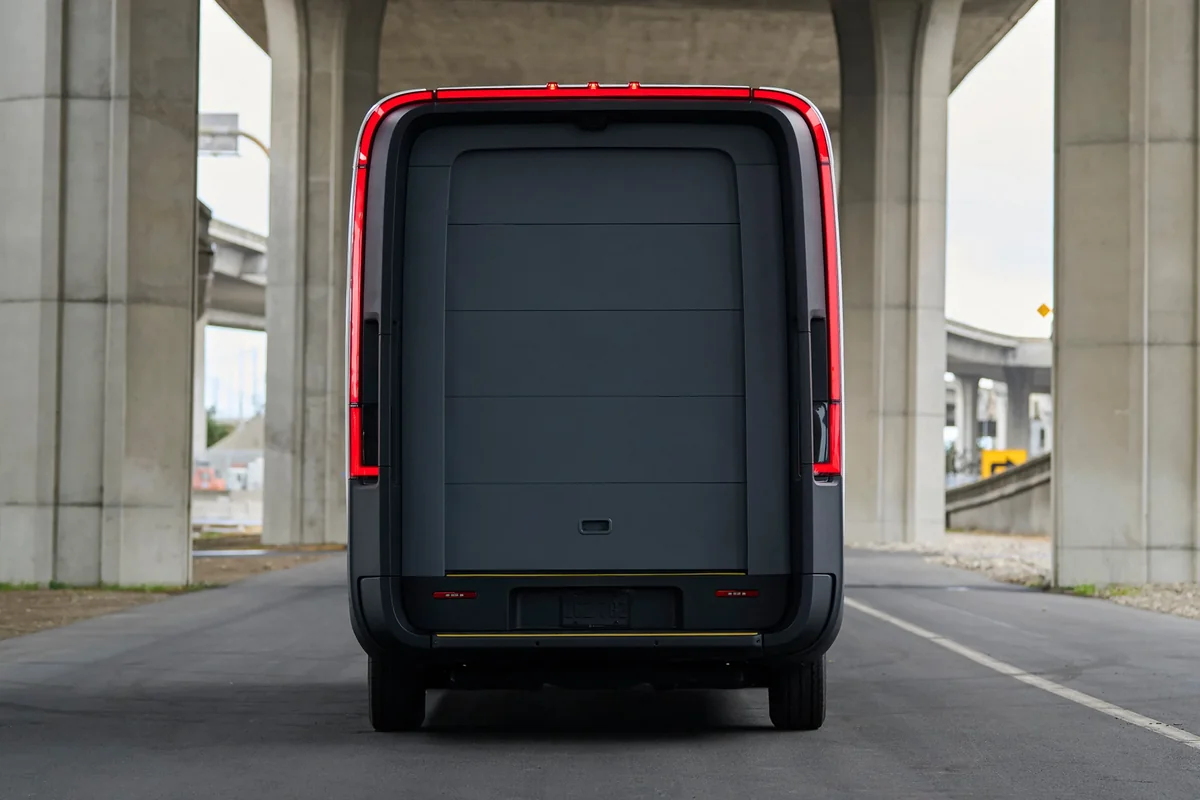
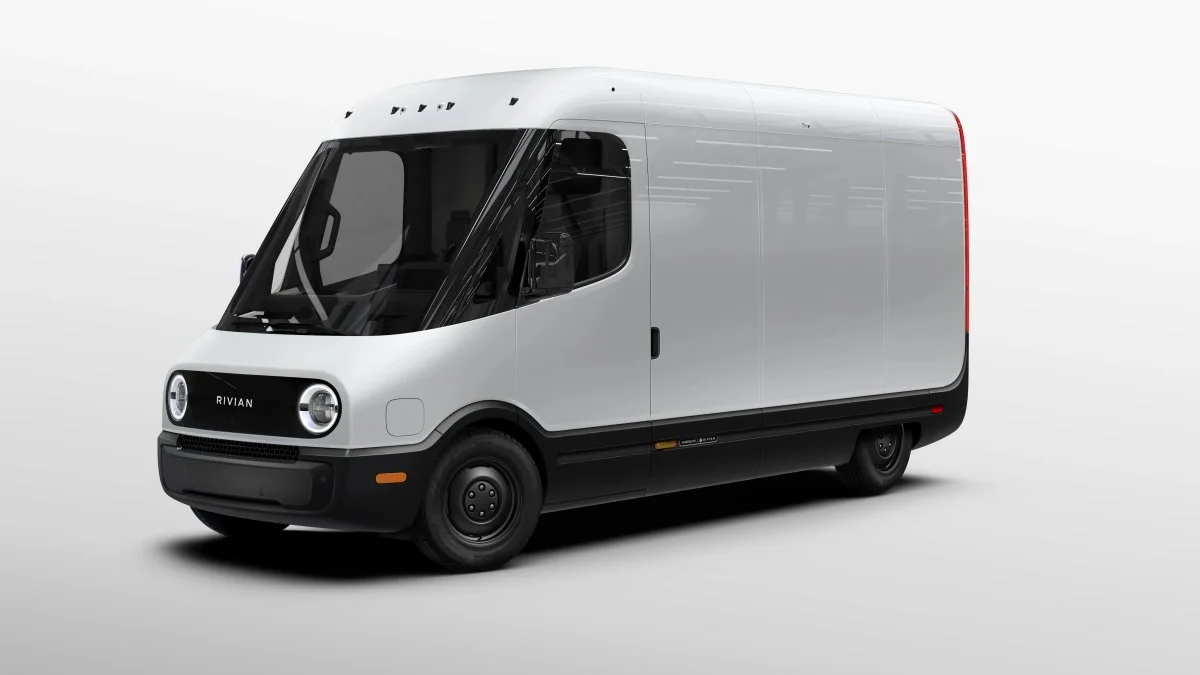
The Rivian Commercial Van makes loading and delivering unusually straightforward. Its 487-cubic-foot Delivery 500 and much larger 652-cubic-foot Delivery 700 provide excellent package capacity, while sliding doors, a walk-through passenger opening, and an automatic bulkhead door reduce repetitive climbing and reaching. The tall cargo area, roughly 6 feet 10 inches, and driver-focused layout are repeatedly praised by reviewers. The compromise is a high entry step and a body that can feel less flexible for trades or camper conversions.
Payload Capacity
The van can carry a serious parcel load, though payload depends on body style and configuration. The Delivery 500 is reported around 2,663–2,734 pounds, while the longer 700 typically falls near 2,258–2,513 pounds, despite offering more cargo volume. That distinction matters for dense goods, because filling all 652 cubic feet does not mean you can load it to the roof with heavy items. Reviewers generally find the capacity competitive, but payload limits can force route or package planning.
Powertrain Performance
The Commercial Van is quicker and more enjoyable to drive than its work-van appearance suggests. Its 320-hp single motor sends power through the front wheels, producing 299 lb-ft of torque and brisk acceleration that reviewers find useful for merging and stop-and-go routes. The quiet electric drivetrain and smooth response reduce fatigue, while regenerative braking recovers energy during deceleration. Front-wheel drive keeps the package simple, but it limits traction versatility, and the lack of rated towing confirms this is primarily a delivery vehicle.
Urban Maneuverability
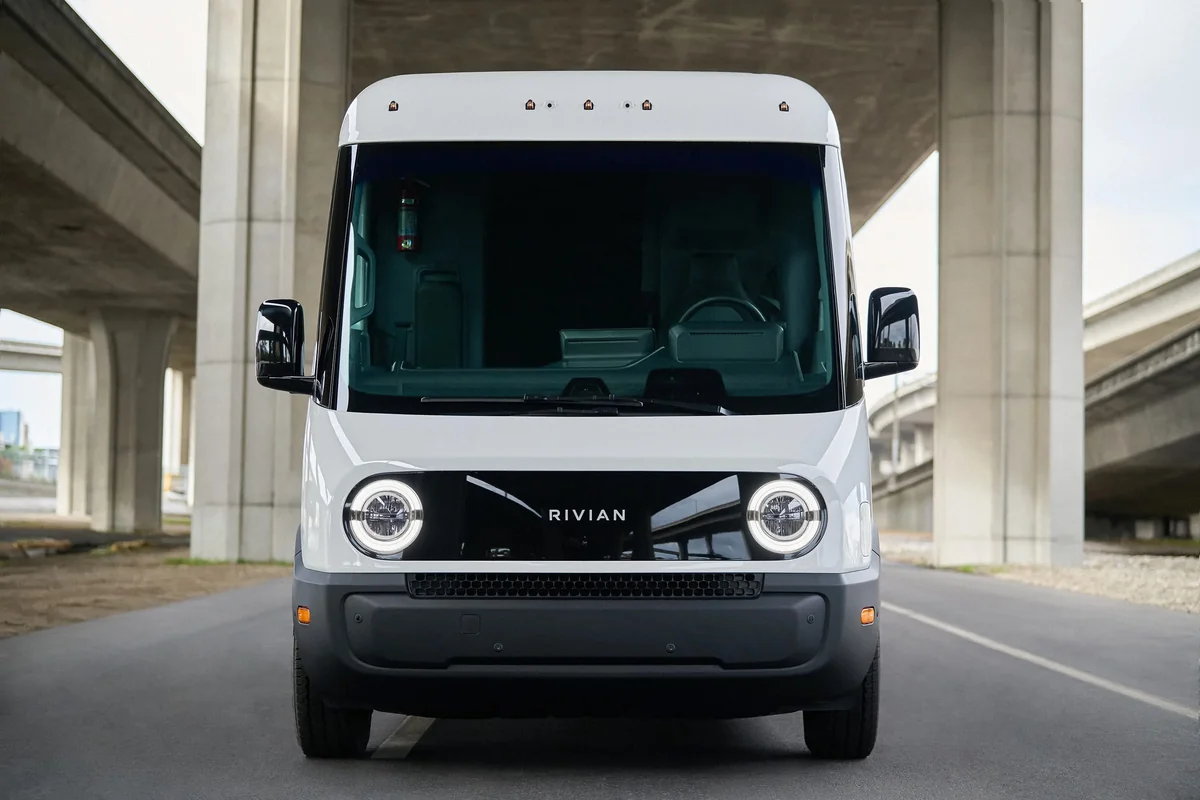
The shorter van is better suited to crowded streets and tight delivery access points. The Delivery 500’s 157.5-inch wheelbase and roughly 14.6-meter turning circle help it navigate urban routes, while huge windows, a surround-view camera, and excellent sightlines make positioning easier. The 700 adds substantial cargo volume but is nearly 278 inches long and over 103 inches wide with mirrors, so parking and alley access require more planning. Drivers consistently praise visibility, even when the dimensions remain substantial.
Conclusion
The verdict is pleasantly practical: Rivian’s Commercial Van makes delivery work easier where its mission is tightly defined. Its 487–652 cu. ft. cargo area, walk-through access, and thoughtful loading design earn strong praise, while competitive payload—roughly 2,258–2,734 pounds—still requires careful planning. Drivers enjoy the quiet, quick 320-hp front-wheel-drive powertrain and excellent visibility, which help in crowded streets, but the larger 700 demands more space despite its urban-friendly cameras and sightlines. The deciding limitation is real-world range: cold, loaded routes can approach 110–160 miles, and charging turnaround may stretch beyond two hours when DC speed falls short of its 100-kW rating. That makes it a strong fit for depot-based parcel, grocery, and municipal fleets—not long routes, towing, or conversion projects. Its polished usability justifies the favorable overall recommendation, though the premium price and disciplined route planning keep it from being an easy universal choice.

Feature Scores
This reflects reviews and ratings from established critics, journalists, and users who have evaluated the item. Their opinions provide a comprehensive assessment.
Performance
Electric Range
3/5
Charging Capability
2/5
Load and Towing Capacity
3/5
Durability and Reliability
3/5
Value
Purchase Affordability
2/5
Operating Cost
4/5
Resale Value
3/5
Design
Cabin Space
4/5
Entry and Seating Ergonomics
4/5
Exterior Appeal
4/5
Health
Cabin Air Quality
3/5
Interior Material Exposure
3/5
Ride Comfort
4/5
Safety
Crash Protection
3/5
Driver Assistance
4/5
Battery Safety
3/5
Visibility and Maneuverability
5/5
Sustainability
Operational Emissions
5/5
Battery Materials
3/5
Energy Efficiency
4/5
End-of-Life Recovery
3/5
Experience Style
Driving Simplicity
4/5
Digital Integration
4/5
Configuration Flexibility
3/5

Specifications
This section outlines the product's key facts, covering essential features, details, dimensions, materials, and any unique characteristics that define its functionality and usability.
Performance
Value
Design
Safety
Sustainability
Experience Style

Frequently Asked Questions
7 Questions




Find Yours
What will you primarily use your electric van or minivan for?
Answer to find your best matches.