









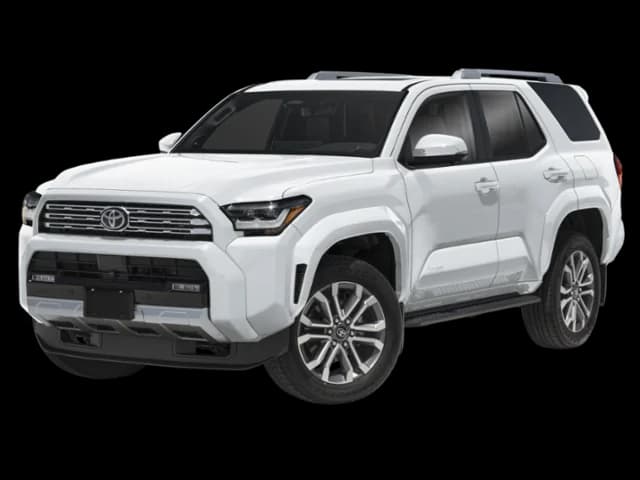
Toyota 4Runner (2026)
Rugged, trail-ready, and tow-capable, with a firm ride and costly upper trims.
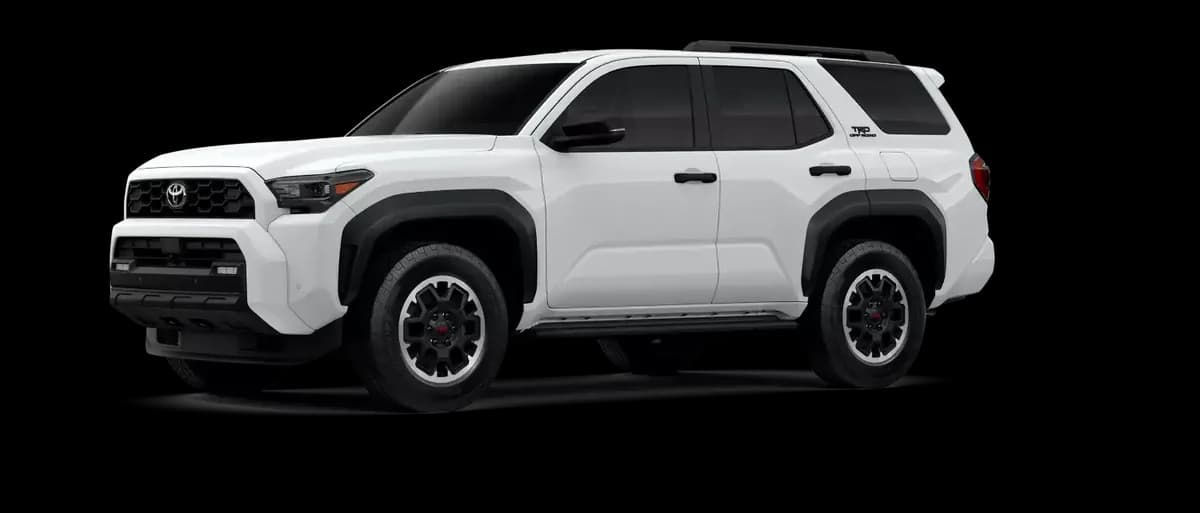
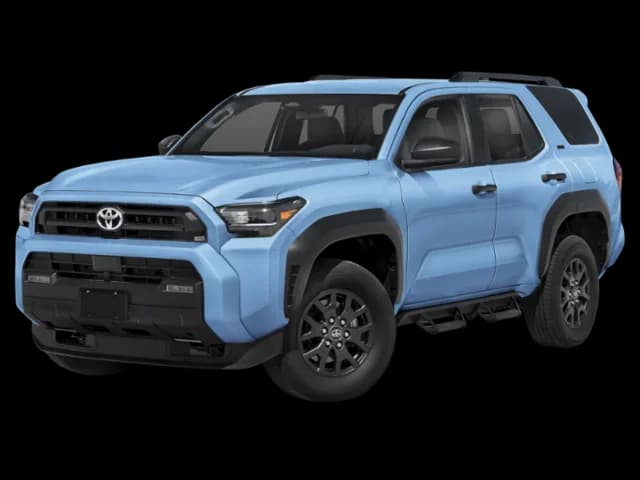
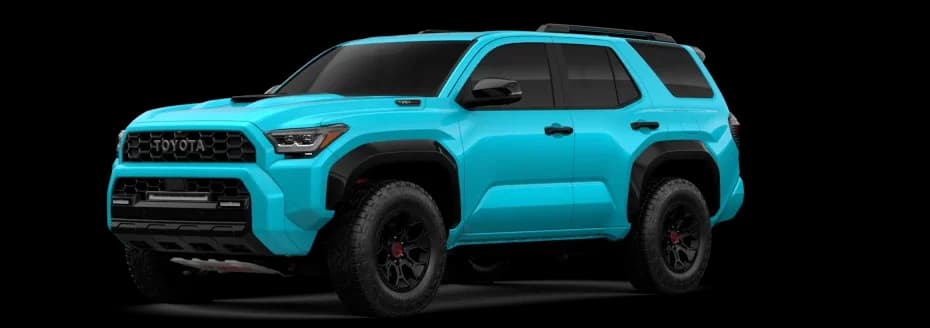
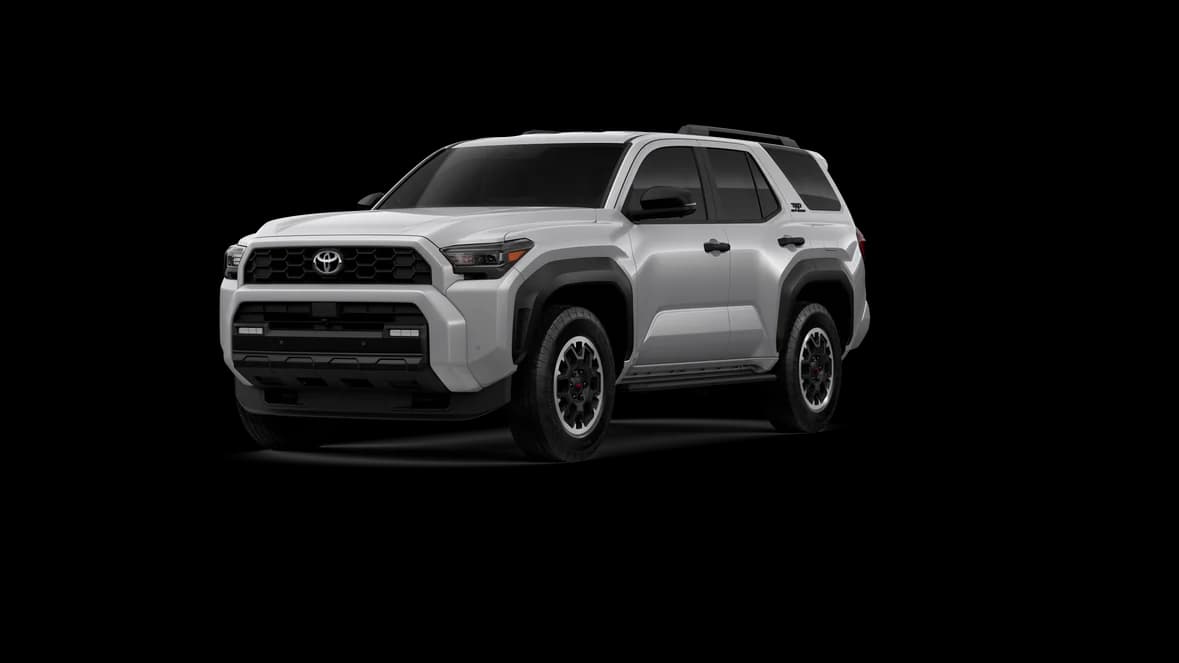
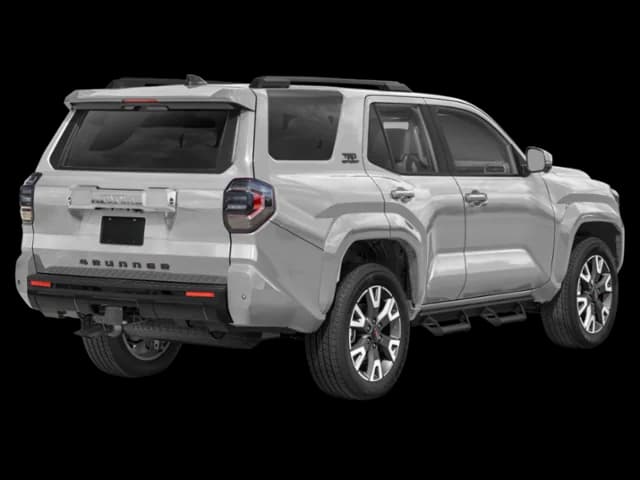
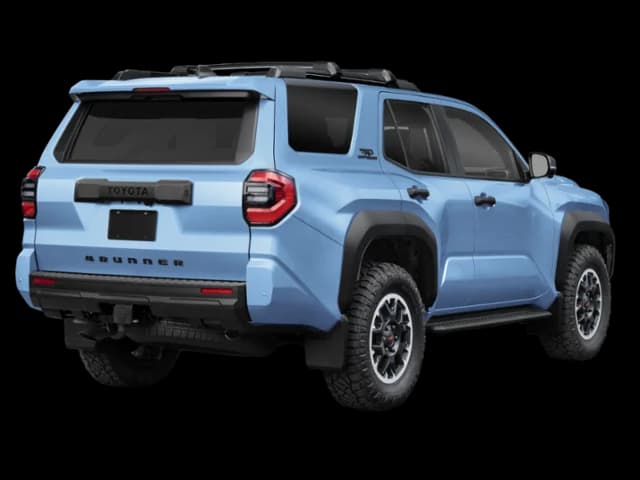
The 2026 Toyota 4Runner is a trail-ready workhorse for drivers who need a tougher alternative to soft crossovers, whether they tow, camp, or regularly leave pavement behind. Its body-on-frame construction, low-range four-wheel drive, and 6,000-pound towing capacity support Toyota’s ruggedness claims, while reviewers praise the turbocharged power and genuinely capable off-road hardware. The available hybrid brings 326 hp and 465 lb-ft of torque, but real-world fuel savings are modest, and upper trims become expensive. Owners and experts also flag a firm ride, cabin noise, tight rear seating, and unresolved long-term turbo reliability. The result is strong capability value for adventurers, but a costly choice for comfort-first families, shaping its overall recommendation.
Find Yours
What is your primary use for a Gas-Powered SUV?
Answer to find your best matches.

The Field
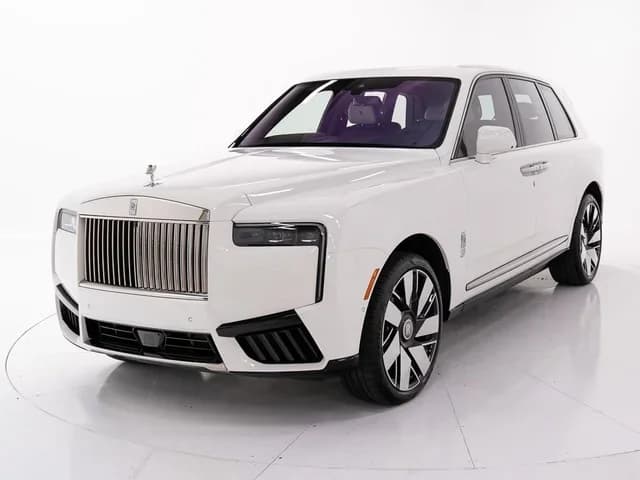
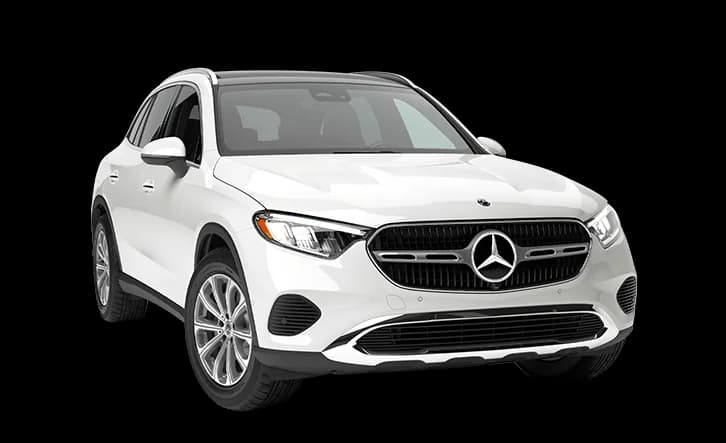
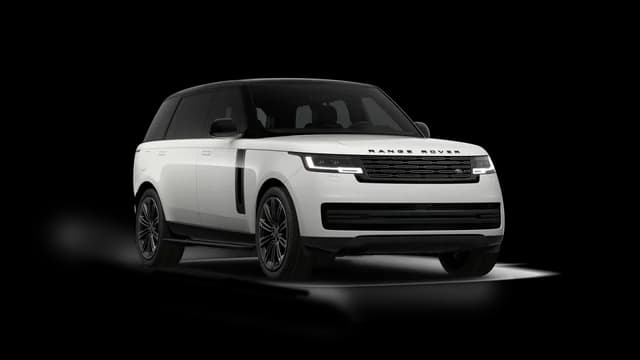
Browse top contenders, or compare all options ranked by score and key attributes.
5 Options

The Scoreboard
Does this improve your life? Considers, health, habits, and environmental impact.
Benefits
Low-range four-wheel drive and locking hardware make rough trails feel more manageable.
Strong low-end torque helps you pull a trailer without constantly working the engine.
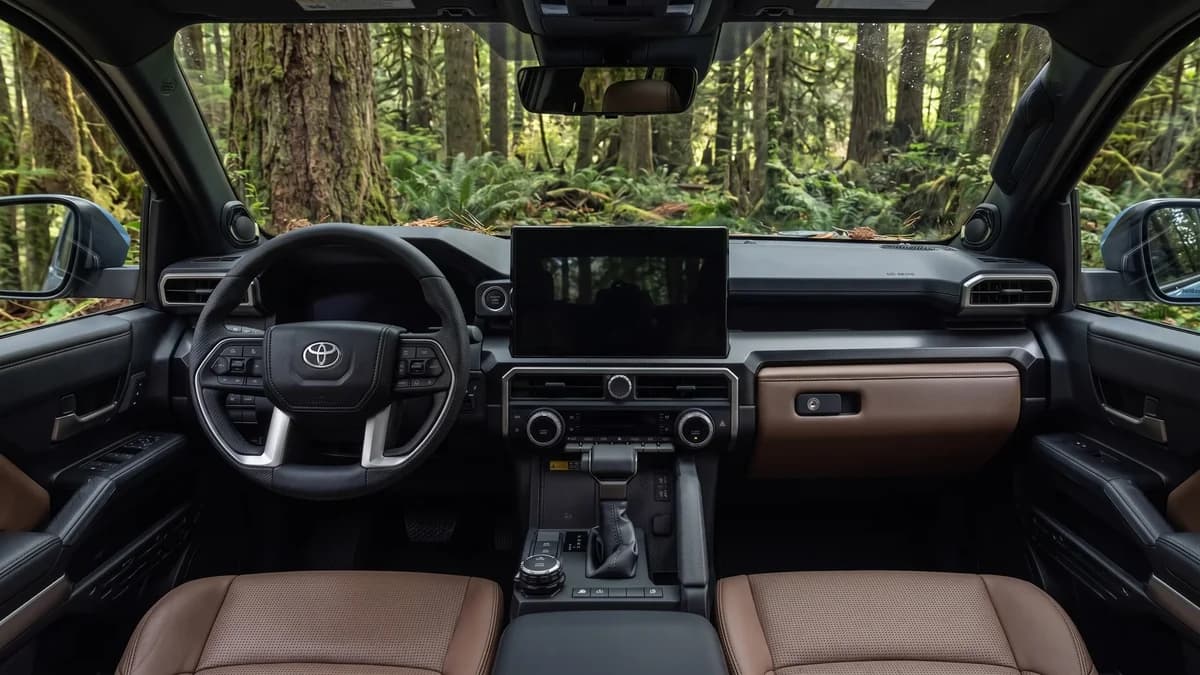
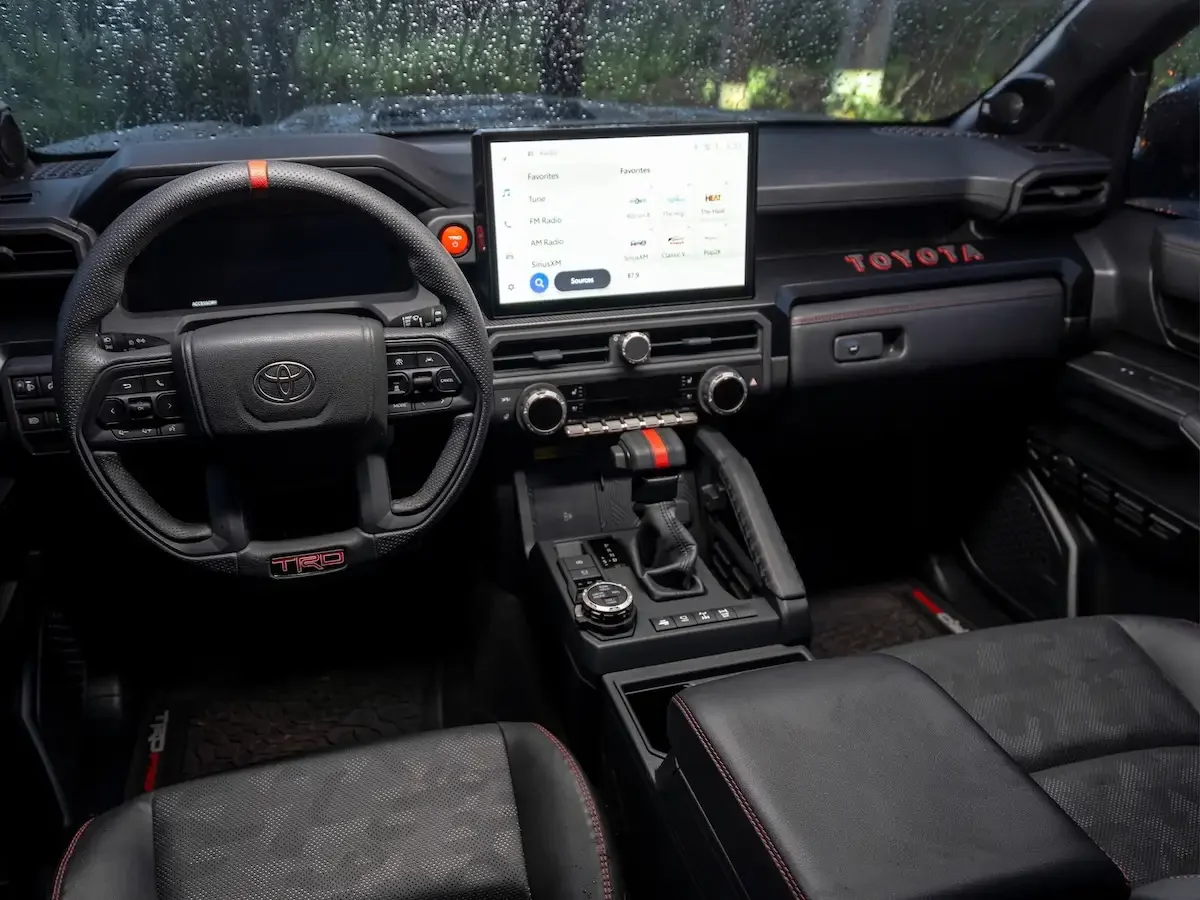
Modern screens, physical controls, and supportive seats make commuting and road trips easier.
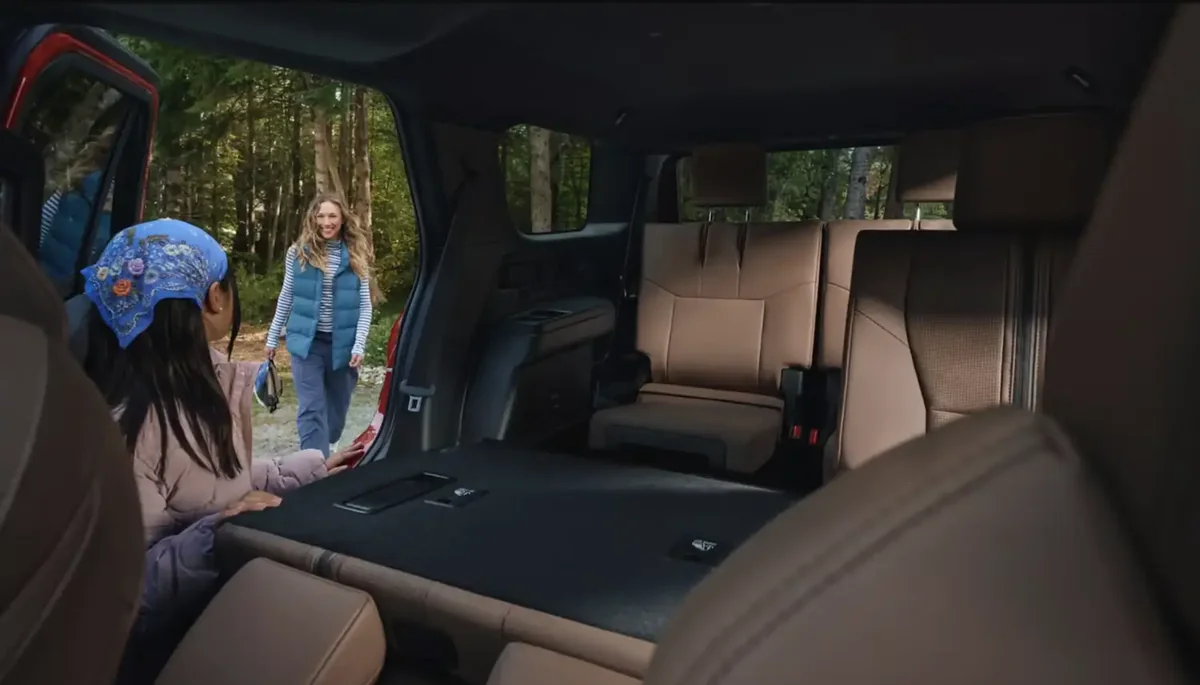
Folding rear seats and the roll-down back window make loading gear and airing out easy.
Trade-Offs
Potholes and broken pavement come through sharply, making everyday drives less comfortable for everyone onboard.
Turbo noise and highway wind can drown out conversation, especially when accelerating or cruising.
Tight rear legroom and the small third row make longer family trips uncomfortable for adults.
Body roll and ponderous responses make tight parking and winding roads feel less effortless.
 Alternatives


Join the Circle
Where real meets deal
Know what's worth buying-and when.
Tips, special offers, and rewards for buying and sharing.

Publications
4 LEADING PUBLICATION REVIEWS

Car and Driver is clearly positive on the 2026 4Runner, especially its blend of trail ability and improved road manners. The redesigned SUV feels more refined than before while retaining the visibility, quick steering, ground-clearing hardware, and 6,000-pound towing capacity that make it appealing to adventure-minded buyers. Its cabin is practical and tech-forward, with useful storage, easy-to-use infotainment, modern driver assistance, and an optional third row for occasional extra passengers. Still, the gas engine is merely adequate, the truck-based chassis remains clumsy and ponderous on pavement, and the third row is too cramped for adults. Fuel economy is also unremarkable, and the most serious off-road equipment is reserved for pricier hybrid models. Overall, the 4Runner is a compelling middle ground between rugged and civilized, with the TRD Off-Road presented as the smartest value.
By Drew Dorian
BBC TopGear is cautiously positive about the new Toyota 4Runner, praising its capable off-road hardware and welcome modernization. The TNGA-F platform, turbocharged powertrains, hybrid option, generous ground clearance, and returning TRD Pro give it genuine trail credibility, while the interior and styling feel suitably refreshed. Still, the review finds the driving experience merely adequate on pavement and frustratingly laborious on steep climbs, where the transmission works hard to compensate for the turbo-four’s limited inherent muscle. Fuel economy also falls short of Toyota’s claims, and flimsy components, creaks, and an awkward off-road camera undermine its polished image. The 4Runner is a clear improvement over the old V6 model, but it lacks the Ford Bronco’s adventurous personality and the Jeep Cherokee’s road manners, leaving it technically effective yet not fully convincing.
By Alex Kalogiannis
U.S. News & World Report views the 2026 Toyota 4Runner favorably, especially as a capable off-road SUV. Its truck-based platform, excellent traction systems, accurate steering, towing capacity, practical cargo space, physical controls, and dramatically improved technology make it unusually versatile: comfortable enough for weekday commuting yet ready for serious trails. The reviewer considers the turbocharged four-cylinder sufficient for most drivers, while the hybrid adds useful punch for towing or desert driving but delivers disappointing fuel economy. Trade-offs are substantial, including truck-like handling, body roll, stiff access, mediocre comfort, a cramped third row, and an expensive top-trim lineup. Safety results are mixed, and rear-wheel-drive versions make little sense unless buyers specifically need the 4Runner’s rugged capability. Overall, it is a strong, thoughtfully upgraded choice for off-road-focused buyers, but not a compelling value as a conventional midsize SUV.
By John M. Vincent
CARFAX is positive about the 2026 Toyota 4Runner, especially its rugged capability and everyday usability. It praises the SUV’s trail-ready hardware, comfortable cabin, improved technology, strong towing capacity, and distinctive power rear window, while calling the base SR5 a particularly good value. The Limited test vehicle offered a pleasant interior with heated and cooled leather seats, clear infotainment, wireless Android Auto, and glove-friendly controls. Still, the review is candid about the compromises: the turbocharged four-cylinder is noisy, rough, and not much more efficient than the old V6, while the hybrid costs more without matching the Highlander Hybrid’s fuel economy. The firm ride, wind noise, limited headroom, cramped third row, and modest cargo space also weaken its family-hauling credentials. Overall, the 4Runner is an appealing choice for drivers who genuinely value off-road ability, but practical shoppers may prefer the smoother, roomier Highlander.
By Warren Clarke

YouTube
12 LEADING EXPERT & INFLUENCER REVIEWS
 Auto Buyers Guide | Alex on Autos
Alex on Autos is positive about the 2026 Toyota 4Runner, but his recommendation is carefully conditional. He appreciates its genuine body-on-frame toughness, strong low-end turbo torque, full-time four-wheel-drive feel, towing ability, practical roll-down rear glass, and improved driving position. However, the 4Runner is cramped in back, especially with the tiny third row, less space-efficient than unibody rivals, noisy and unsettled on pavement, and filled with Tacoma-like hard plastics. Fuel economy is only modest, while the hybrid’s gains may not justify its cost and cargo penalty. He favors a Land Cruiser at higher trims and a Honda Passport for mostly on-road buyers.
The Car Care NutThe Car Care Nut is strongly impressed by the 2025 sixth-generation Toyota 4Runner overall. He praises its Japanese build quality, improved composure, easy DIY maintenance, capable body-on-frame hardware, physical controls, and thoughtful hybrid fallback system. The turbocharged four-cylinder delivers better torque and efficiency than the old V6, but demands stricter oil-change discipline. His biggest criticism is the surprisingly harsh ride—even in the Limited—while hybrid upper trims seem hard to justify beside the smoother, similarly powered Land Cruiser. Overall, he views the redesign as a substantial, well-executed upgrade, especially in lower trims and for off-road buyers.
Redline ReviewsRedline Reviews is strongly impressed by the 2026 4Runner Platinum, calling it the most upscale 4Runner yet. The hybrid i-FORCE MAX feels meaningfully quicker and more effortless, while the distinctive styling, premium seats, quiet cabin, useful technology, and full-time four-wheel drive make it a compelling luxury-leaning alternative to the Limited. Still, the ride is jittery and wallowy, fuel economy barely improves, rear-seat and cargo space are modest, and the nearly $66,000 as-tested price approaches Lexus GX territory. Overall, it succeeds as a more luxurious, capable 4Runner, but the value depends on prioritizing its unique design and features.
Sarah -n- TunedSarah -n- Tuned is genuinely enthusiastic about the 2026 Toyota 4Runner TRD Off-Road, calling it Toyota’s best current truck and a strong value around $50,000. She praises its stout construction, accessible underbody, excellent trail capability, satisfying truck-like ride, thoughtful storage, and classy wheels. Her testing found it nearly as capable as the pricier Trailhunter, though less immediately responsive without the i-FORCE MAX hybrid. Braking was average, fuel economy depends heavily on driving style, and the suspension may feel firm. Her biggest complaints are the missing manual transmission and unavailable two-door removable-top version—features that would have made it a “forever truck.”
TheTopherTheTopher is strongly positive about the 2026 Toyota 4Runner Platinum, calling it lovable, refined, and road-trip friendly. After living with it for a week, he praises its quiet cabin, comfortable seats, adaptive dampers, strong i-FORCE MAX torque, full-time four-wheel drive, and rich feature set. He considers it a more polished alternative to off-road-focused trims and a compelling value versus an equivalent Land Cruiser or Lexus GX. Still, the nearly $67,000 price, mediocre fuel economy, bouncy Sport S+ ride, understeer, weak first gear, limited rear space, and awkward hybrid-battery packaging temper the enthusiasm.
RealistickRealistick is impressed by the redesigned 2026 Toyota 4Runner, but considers it a bittersweet upgrade. The turbocharged four-cylinder, sharper handling, stronger brakes, improved off-road hardware, practical cabin, and Toyota’s resale reputation make it compelling—especially against softer midsize SUVs. However, the high pricing, stiff ride, noisy hybrid powertrain, modest interior quality, limited hybrid fuel-economy benefit, and lack of a front locker undermine its value. Realistick’s enthusiasm is strongest for dedicated off-road buyers, particularly those choosing the TRD Pro or Trailhunter, while families and city drivers may find better-rounded alternatives.
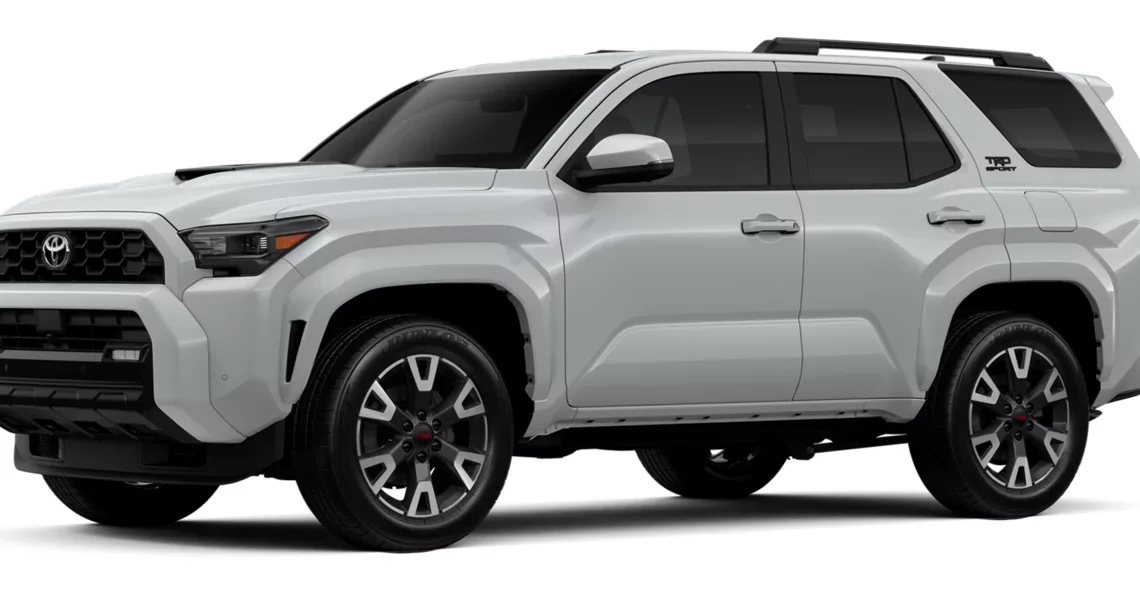
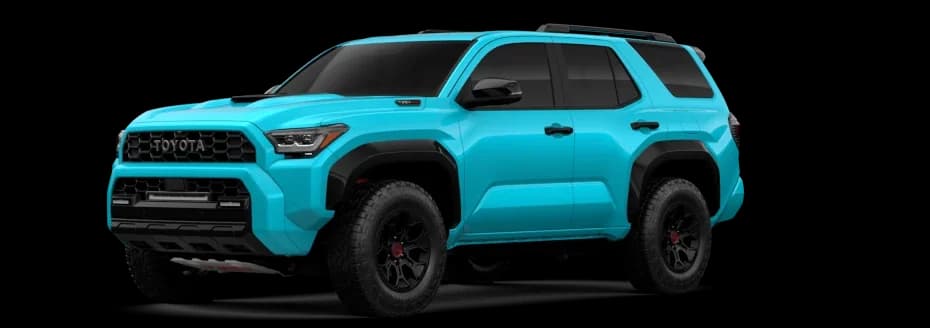
Raiti's RidesRaiti’s Rides is highly enthusiastic about the 2026 Toyota 4Runner TRD Sport, calling it an easy-driving, well-rounded two-row SUV. He praises its Heritage Blue styling, painted fender flares, comfortable ride, strong turbo-four performance, smooth eight-speed automatic, improved fuel economy, excellent cargo space, and upgraded technology. The street-focused 20-inch wheels still provide surprisingly good handling without making the ride harsh. His main reservations are the $59,000 price, hard interior plastics, nonfunctional hood scoop, prop rod, missing exhaust finisher, and lingering uncertainty about long-term turbo-engine reliability. Overall, he strongly recommends its modernized capability and everyday usability.
Automotive Anonymous Automotive Anonymous is positive on the 2026 Toyota 4Runner, but notably more impressed by the base model than this Limited Hybrid. The SUV feels stable, maneuverable, comfortable, and genuinely capable, with strong towing, excellent visibility, useful four-wheel-drive hardware, and appealing styling. However, the hybrid adds considerable weight, cargo compromises, and little real-world speed or fuel-economy benefit; its 8.28-second 0–60 run matched the reviewer’s cheaper SR5. He also criticizes the tight rear seat, mediocre camera clarity, modest payload, and merely four-star crash rating, ultimately recommending careful comparison before paying the premium.
Gold PonyGold Pony is highly enthusiastic about the 2026 Toyota 4Runner, calling it exceptionally capable in snow and praising its strong turbocharged acceleration, firm braking, comfortable seats, quiet highway ride, spacious cargo area, and excellent JBL audio system. He especially loves the distinctive power-sliding rear window and confidence-inspiring four-wheel-drive hardware. His main reservation is the loss of the previous generation’s naturally aspirated V6, which he wishes Toyota had retained as an option. Overall, he views the 4Runner as a rugged, versatile, and remarkably capable SUV, with only minor interior customization shortcomings.
TRD JONTRD JON is highly enthusiastic about the 2026 4Runner Limited, calling it one of the lineup’s best-value trims. He especially appreciates its soft-touch interior, heated and ventilated SofTex seats, dual-zone climate control, premium lighting, 360-degree camera, and full-time four-wheel drive. The i-FORCE MAX hybrid’s 326 horsepower and 465 lb-ft of torque add strong performance, though fuel economy remains modest at 23 mpg combined. He also criticizes the lack of hood struts, fake sport-mode engine noise, chrome accents, and heavy manual hatch, but views the Limited as a compelling comfort-focused upgrade.
Untamed ReviewsUntamed Reviews is clearly impressed by the 2026 4Runner Limited, though not unreservedly. They praise its muscular styling, exceptionally consistent Japanese build quality, comfortable heated and ventilated seats, intuitive physical controls, spacious rear seating, and powerful 326-hp i-FORCE MAX hybrid. However, the hybrid system feels overly complex, the nearly $64,000 price seems excessive, and the battery’s raised cargo floor compromises loading space—especially for dog owners. Overall, this is an enthusiastic but practical assessment: a polished, capable SUV whose refinement and performance come with meaningful cost and packaging tradeoffs.
Lorenzo BurkeLorenzo Burke is highly positive about the 2026 Toyota 4Runner, calling its expanded lineup remarkably easy to tailor. He presents the SR5 as the sensible entry point, the TRD Sport as his personal daily-driver pick, and the TRD Off-Road, Trailhunter, and TRD Pro as increasingly serious adventure choices. He also appreciates the Limited and Platinum’s comfort and technology. While he acknowledges that upper trims become expensive and the TRD Pro is more emotional than value-focused, his enthusiasm for the redesigned platform, turbo and i-FORCE MAX powertrains, and factory-built off-road equipment is unmistakable.

Social
4 INFLUENCER REVIEWS
 Car Confections
Car Confections is moderately positive about the 2026 Toyota 4Runner, but clearly sees tradeoffs versus the Honda Passport. Its body-on-frame platform, broader off-road-oriented lineup, rugged styling, and available hybrid powertrain are meaningful advantages. However, the TRD Sport’s cabin feels cheap in places, with hard-touch dashboard and door materials, while the tested turbocharged four-cylinder 4Runner costs over $60,000, considerably more than a fully equipped Passport. The tone is balanced and analytical rather than enthusiastic, positioning the Toyota as the better choice for buyers prioritizing capability and hybrid availability.
drewAndrew Maddock is highly enthusiastic about the 2026 Toyota 4Runner as a rugged yet comfortable daily driver. After a week with the TRD Off-Road, he appreciated its turbocharged hybrid powertrain, though city fuel economy averaged 18 mpg. At 6'6", he found the cabin roomy, especially valuing the large display, JBL audio, analog controls, folding rear seats, and 90 cubic feet of cargo space. He sees it as versatile for trails or errands, but his hesitation is telling: despite loving the 4Runner, he is not ready to replace his Land Cruiser.
 alvazqueztv
Alvazqueztv is highly enthusiastic about the 2026 Toyota 4Runner. He admires its authentic 4WD system with low range and locking capability, strong 280-horsepower turbo-four, 6,000-pound towing capacity, comfortable highway manners, and extreme rock-crawling ability. He also appreciates the Limited’s ventilated leather seats, sunroof, and easy access. The main reservation is its $84,900 price, especially since it is gasoline-powered rather than hybrid. Still, he frames Toyota’s reliability, confidence, and “peace of mind” as justification, calling it one of the best despite the cost.
ZachCreekCarsZachCreekCars is highly enthusiastic about the 2026 Toyota 4Runner, especially the TRD Off-Road Premium. He considers it the smart choice for most buyers, offering nearly the TRD Pro’s capability with low range, Crawl Control, a locking differential, drive modes, and premium comforts such as cooled leather seats and JBL audio. His main caveat is that the TRD Pro’s extra cost mainly buys beefier tires, Fox suspension, and a taller stance. The recommendation is strongly positive but practical, framing the Off-Road Premium as excellent value rather than claiming every buyer needs the top trim.

Forum Reviews
CUSTOMER REVIEWS FROM 1 FORUM
Redditors are cautiously positive about the 2026 Toyota 4Runner, praising its capability and modern improvements while questioning its price and refinement. Owners appreciate the turbocharged engine’s stronger acceleration, improved transmission, technology, towing ability, and off-road competence, with many finding it more usable than the outgoing V6. Reliability remains an open question, despite the engine’s prior Toyota applications, and brake squeal, stiff ride, wind or cabin noise, limited storage, and missing features frustrate some buyers. Styling divides opinion, while trim choices and pricing lead several shoppers toward older 5th-generation models or competing SUVs.
Many comments

In-Depth Review

Highlights
- •Trail-Ready HardwareLow-range four-wheel drive supports serious trails.
- •Stronger Turbo PowerHybrid delivers 326 hp and 465 lb-ft.
- •Useful Towing CapacityDesigned to tow up to 6,000 pounds.
- •Flexible Gear AccessFolding seats and rear window simplify loading.

Considerations
- •Firm Pavement RideSuspension can feel harsh over broken pavement.
- •Modest Fuel SavingsHybrid adds torque without major efficiency gains.
- •Tight Rear SeatingRear legroom and third row limit comfort.
- •Upper-Trim PricingHigher grades approach $60,000 before options.
Toyota’s 4Runner has long earned trust as a rugged alternative to softer family SUVs. The redesigned model keeps that identity with a TNGA-F body-on-frame platform, while adding turbocharged power, modern technology, and a wider range of trims for commuters, families, and serious trail users. Its strongest case is genuine low-range four-wheel drive, useful 6,000-pound towing, and available hybrid torque—advantages over most crossovers and a more modern step beyond the outgoing V6 generation. The tradeoff is that truck-based strength still brings a firm ride, body motion, noise, and less-than-generous rear space. We’ll examine how its powertrain performs, how confidently it handles pavement and trails, how well it carries gear and trailers, and whether Toyota’s build quality feels suitably substantial. If you want an SUV that treats the grocery run like a possible expedition, these details deserve a close look.
Powertrain Performance
The new powertrains make the 4Runner quicker and more useful than its old V6 predecessor. The standard 2.4-liter turbocharged four-cylinder produces 278 horsepower and 317 lb-ft of torque, while the i-FORCE MAX hybrid raises output to 326 horsepower and 465 lb-ft. That extra low-end muscle helps merging, climbing, and towing, but reviewers find the gas engine merely adequate and sometimes noisy. Hybrid acceleration feels stronger, yet fuel economy improves only modestly, so its premium makes more sense for performance than savings.
Off-Road Capability
The 4Runner remains exceptionally convincing when the pavement ends. Its TNGA-F body-on-frame platform, available four-wheel-drive systems with low range, and locking differentials give it genuine trail credibility rather than just rugged styling. TRD Off-Road, TRD Pro, and Trailhunter trims add progressively stronger equipment, while electronically disconnecting anti-roll bars improve articulation on selected versions. Expert testing supports Toyota’s capability claims, though the awkward off-road camera and occasional creaks detract from the experience. For serious trails, this is the 4Runner’s clearest advantage over softer crossover rivals.
Interior Space and Cargo Utility
The cabin is more modern and practical, but its packaging is not a 4Runner highlight. The power-operated rear window, folding rear seats, glove-friendly physical controls, and generous cargo opening make outdoor gear easier to manage, and two-row versions offer useful storage. Toyota claims up to seven seats, yet the optional third row is cramped and rear legroom is limited for adults. Hybrid versions also lose some loading flexibility because of the battery’s raised cargo floor. It works well for gear and occasional passengers, less so for large families.
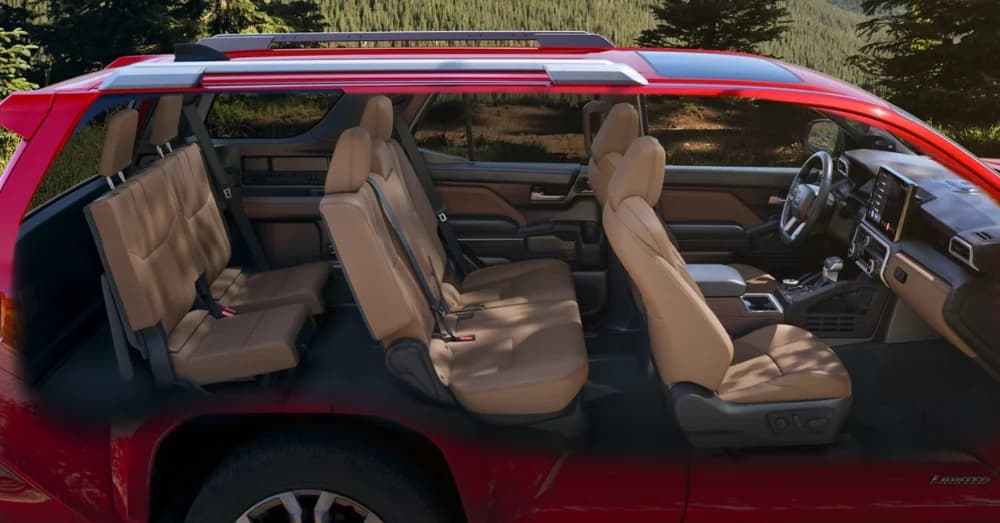
Build Quality and Cabin Noise
Toyota’s Japanese assembly and straightforward controls reinforce the 4Runner’s durable, usable character. Reviewers appreciate the accessible underbody, easy maintenance, solid truck-based construction, and physical switches that remain convenient with gloves. However, hard interior plastics are common, and some tests report creaks or flimsy components that temper the premium impression. Turbo-four engine noise, wind noise, and hybrid drivetrain sounds can intrude on highway conversations. The underlying quality feels reassuring, but long-term turbo reliability remains unproven and upper trims do not fully eliminate cabin roughness.
Ride and Handling
The 4Runner drives better than before, but it still feels unmistakably truck-based on pavement. Sharper steering, stronger brakes, and improved composure support Toyota’s modernization claim, while some trims offer adaptive dampers and a more settled highway experience. Still, firm suspension tuning, body roll, wallowing, and unsettled responses over broken pavement recur across reviews. The Limited and Platinum can be quieter and more comfortable, though even upper trims may ride harshly. Buyers who mostly commute should expect capability-focused manners, not crossover-like polish.
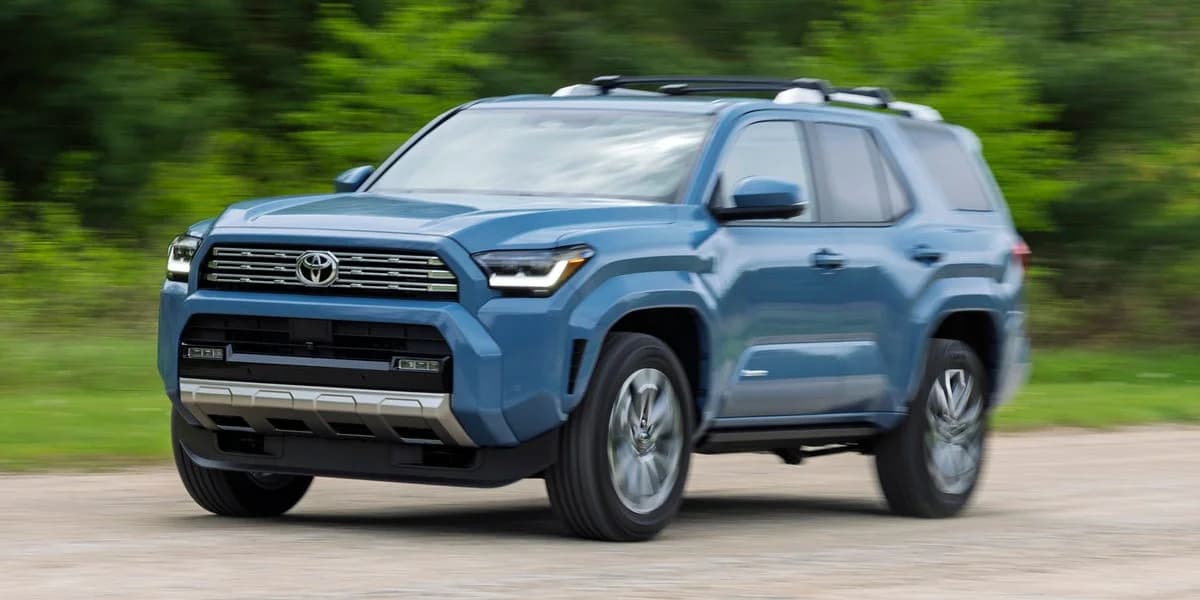
Towing Capability
A properly equipped 4Runner can tow up to 6,000 pounds, giving it useful capacity for boats, campers, and utility trailers. The turbo-four’s 317 lb-ft of torque arrives low in the rev range, which helps reduce strain during launches and climbs, while the i-FORCE MAX’s 465 lb-ft provides an even more effortless feel. Reviewers generally praise its towing confidence, but fuel consumption can rise quickly under load. This is a meaningful strength for active owners, though payload and overall refinement still limit its usefulness as a heavy-duty hauler.
Conclusion
The verdict is clear: the 2026 Toyota 4Runner is a specialized strength athlete, not a cushy family crossover. Its off-road hardware delivers genuine low-range confidence, while the turbo-four is adequate and the hybrid adds impressive torque for towing and climbs. The 6,000-pound capacity is a meaningful advantage for boats, campers, and gear. On pavement, though, the firm ride, body motion, engine and wind noise remind you of its truck-based roots. Practical touches such as the power rear window and folding seats help, but rear-seat space is tight and hybrid cargo packaging gives up flexibility. Build quality and controls feel reassuring, even as hard plastics and unanswered long-term turbo reliability temper confidence. Choose it for trails, towing, and Toyota’s rugged ownership appeal—not maximum comfort or value. It earns a solid recommendation because its capability is authentic, but its compromises make the 4Runner a deliberate choice rather than an easy one.

Feature Scores
This reflects reviews and ratings from established critics, journalists, and users who have evaluated the item. Their opinions provide a comprehensive assessment.
Performance
Engine Power
4/5
Acceleration
4/5
Towing Capacity
4/5
Fuel Efficiency
2/5
Reliability
3/5
Durability
4/5
Value
Purchase Price
3/5
Operating Cost
3/5
Resale Value
4/5
Design
Interior Space
3/5
Cargo Capacity
4/5
Ergonomics
4/5
Exterior Styling
4/5
Health
Cabin Air Quality
TBD
Interior Material Toxicity
TBD
Safety
Crashworthiness
3/5
Active Driver Assistance
4/5
Braking Performance
3/5
Visibility and Lighting
4/5
Sustainability
Tailpipe Emissions
2/5
Fuel Lifecycle Emissions
2/5
Use of Recycled Materials
TBD
End-of-Life Recyclability
TBD
Experience Style
Infotainment Features
4/5
Ride Comfort Tuning
3/5
Customization Options
5/5

Specifications
This section outlines the product's key facts, covering essential features, details, dimensions, materials, and any unique characteristics that define its functionality and usability.
Performance
Value
Design
Safety
Sustainability
Experience Style

Frequently Asked Questions
4 Questions


Find Yours
What is your primary use for a Gas-Powered SUV?
Answer to find your best matches.