




Volkswagen ID. Buzz (2027)
Spacious, charming, and comfortable, but limited range and high pricing demand compromises.
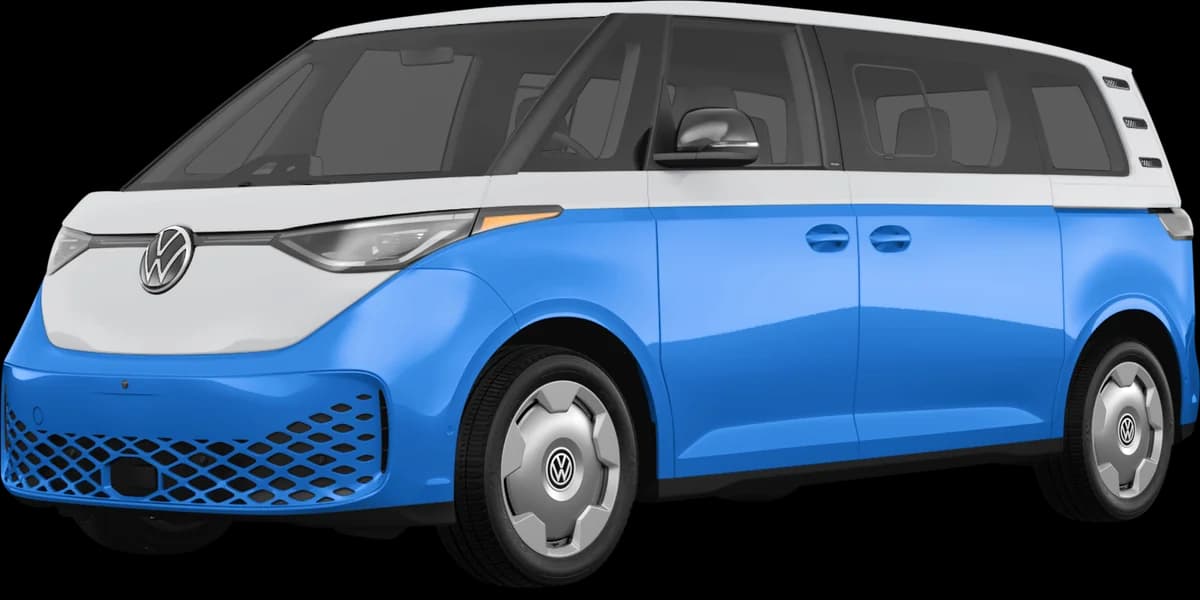
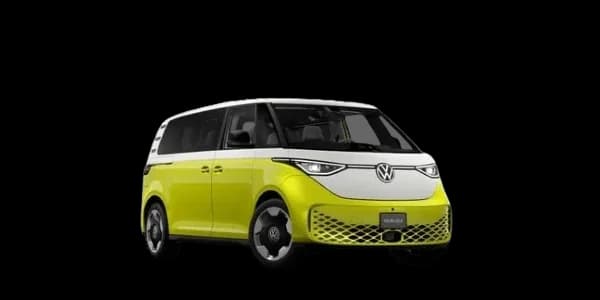
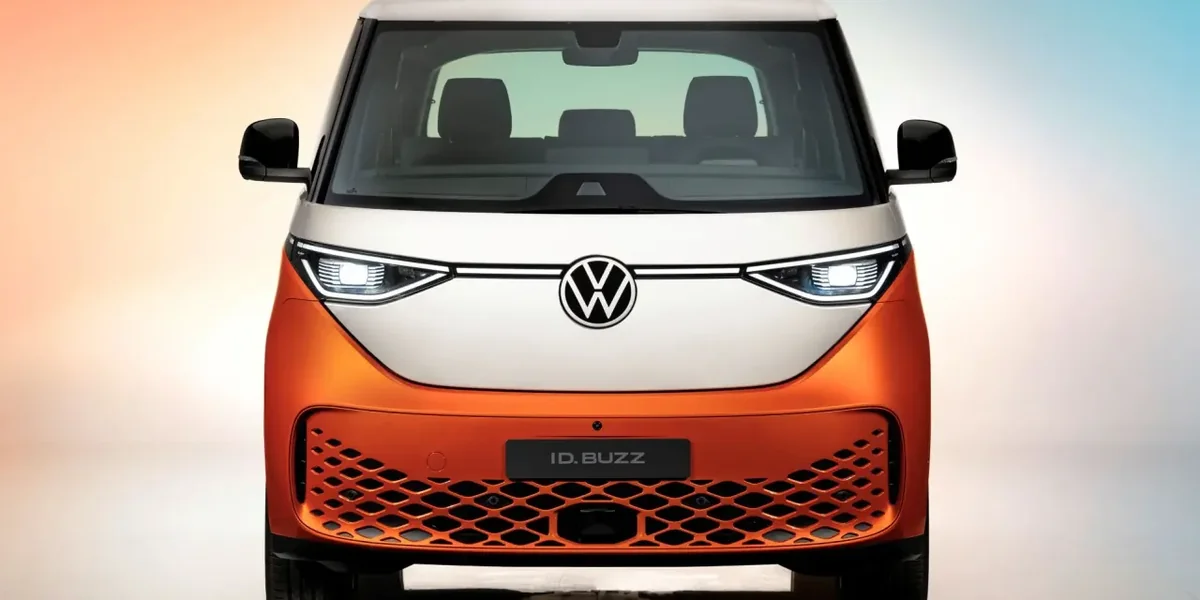
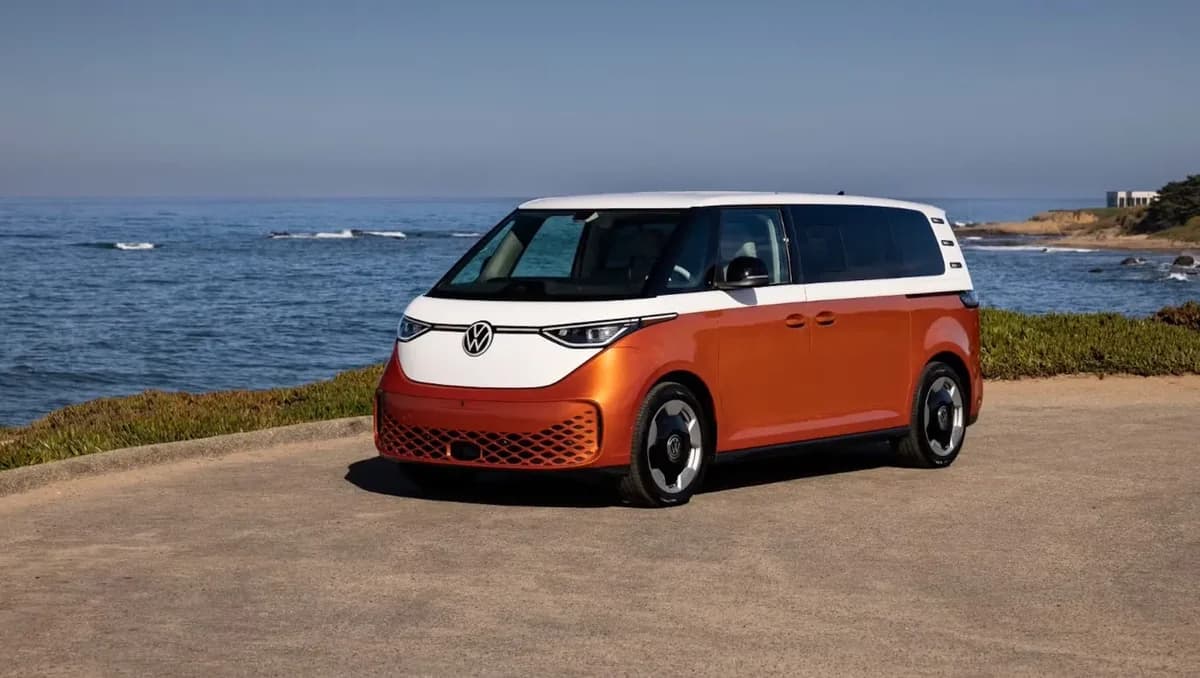
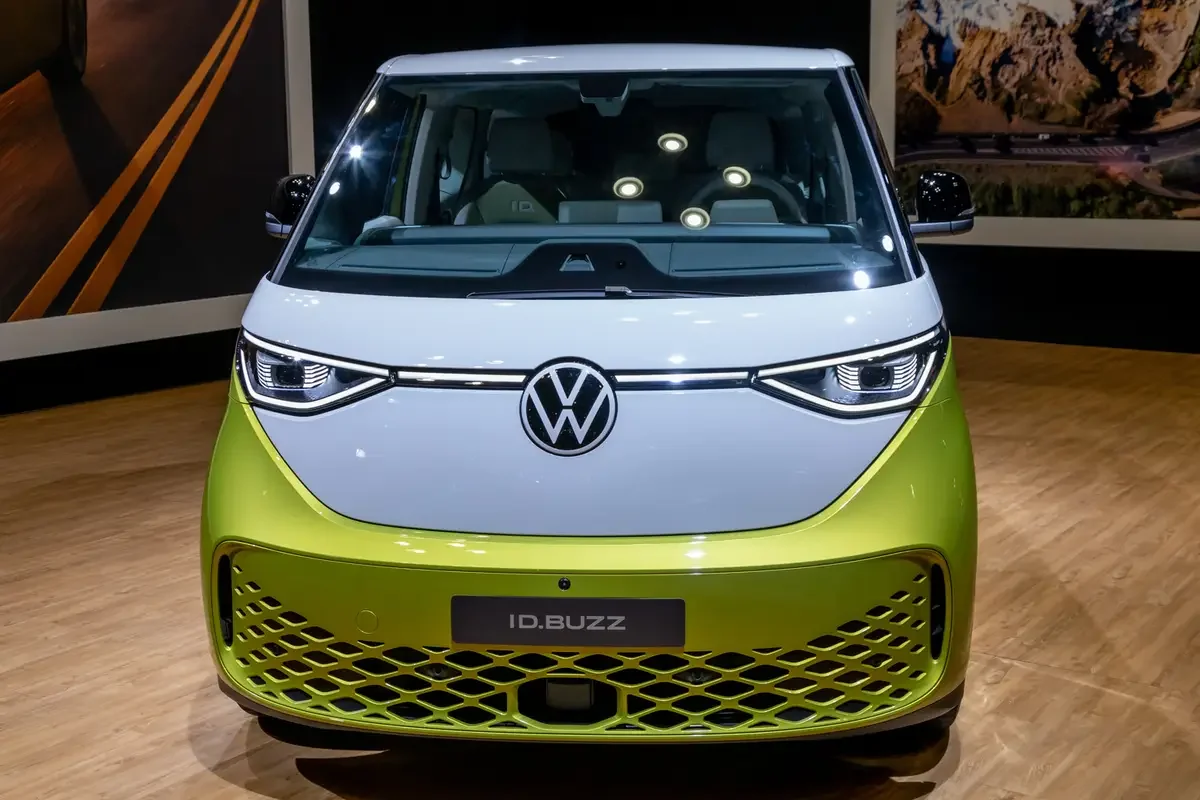
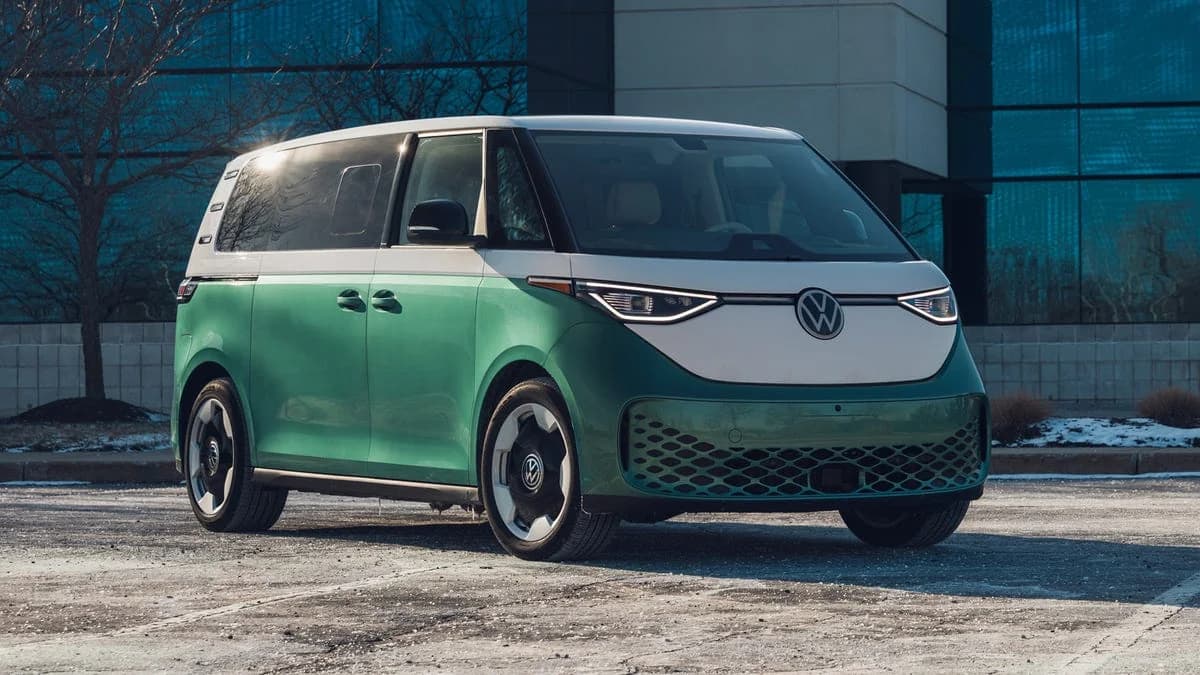
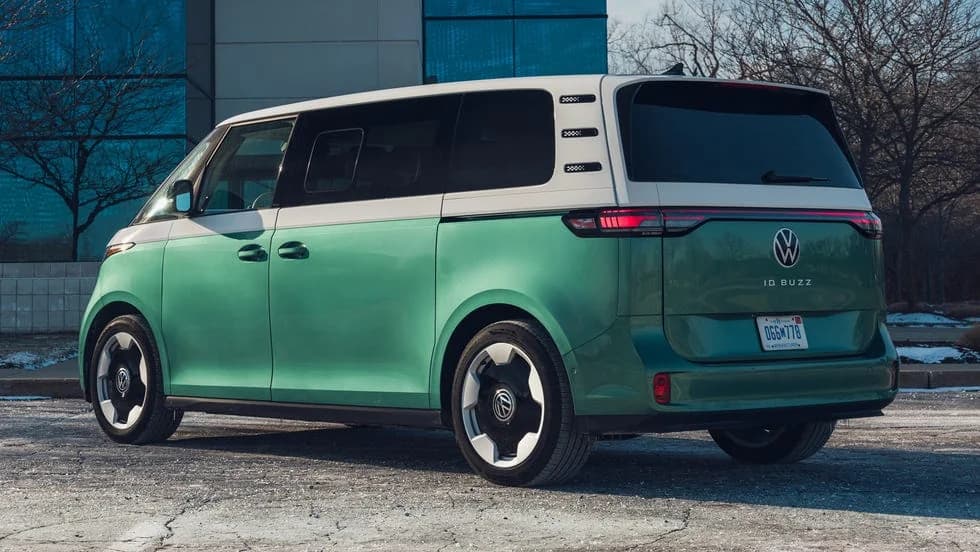
The Volkswagen ID. Buzz (2027) is a cheerful electric family van for people who need easier school runs, passenger access, and gear hauling without settling for a generic SUV. Its standout retro design, genuinely spacious three-row cabin, sliding doors, and comfortable ride win over families and lifestyle buyers, while AWD acceleration adds confidence. Volkswagen’s roughly 234-mile range is supported in everyday use, but highway and winter testing often falls closer to 180–190 miles, making road trips more deliberate. Fast charging helps, though the high price, limited cargo room behind the third row, and fussy controls weaken its value. Overall, its charm and practicality drive the recommendation, while range, cost, and usability compromises hold it back.
Find Yours
What will you primarily use your electric van or minivan for?
Answer to find your best matches.

The Field
Browse top contenders, or compare all options ranked by score and key attributes.
2 Options

The Scoreboard
Does this improve your life? Considers, health, habits, and environmental impact.
Benefits
Upright seats, wide visibility, and a comfortable ride make everyday family trips easier.
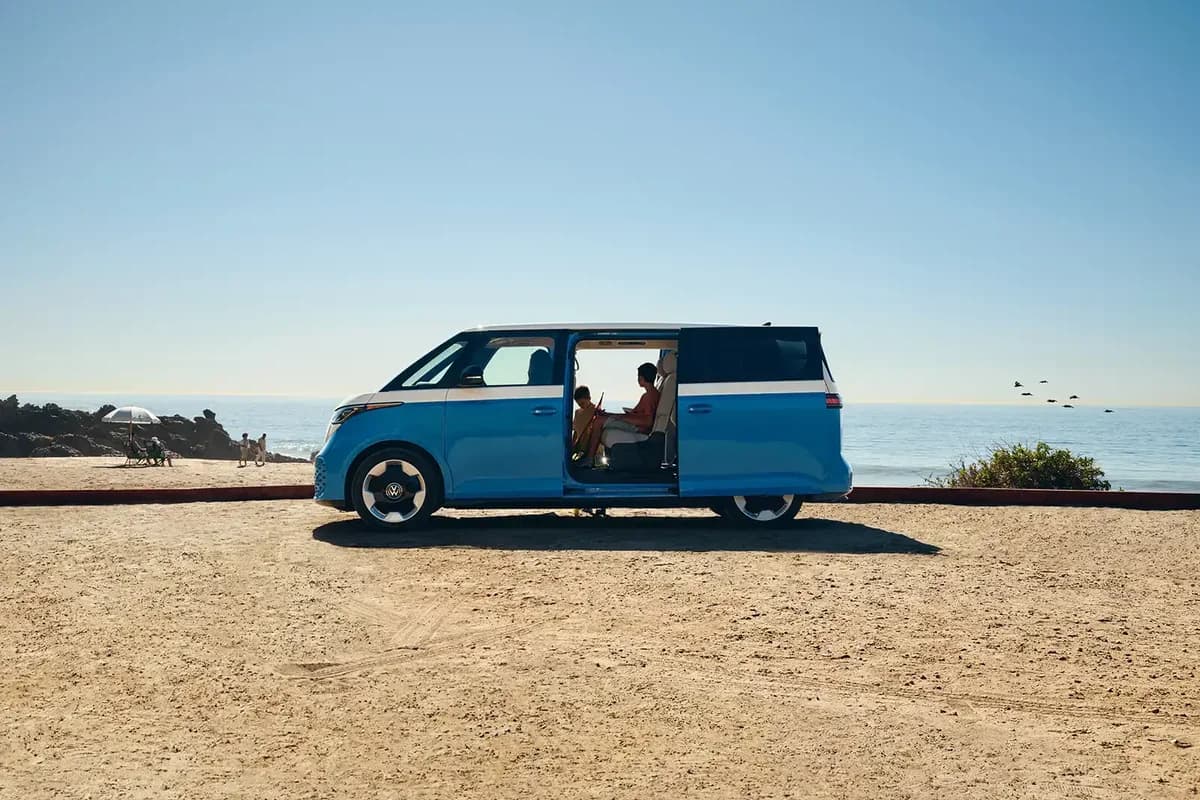
Sliding doors and roomy rows make car seats, passengers, and pets easier to manage.
Flexible seating and a spacious cabin simplify school runs, road trips, and gear hauling.
Distinctive styling sparks friendly attention and gives routine driving more personality.
Trade-Offs
Long highway trips often require an extra charging stop, interrupting an otherwise simple journey.
At highway speeds, road and wind noise make conversation and quiet driving harder.
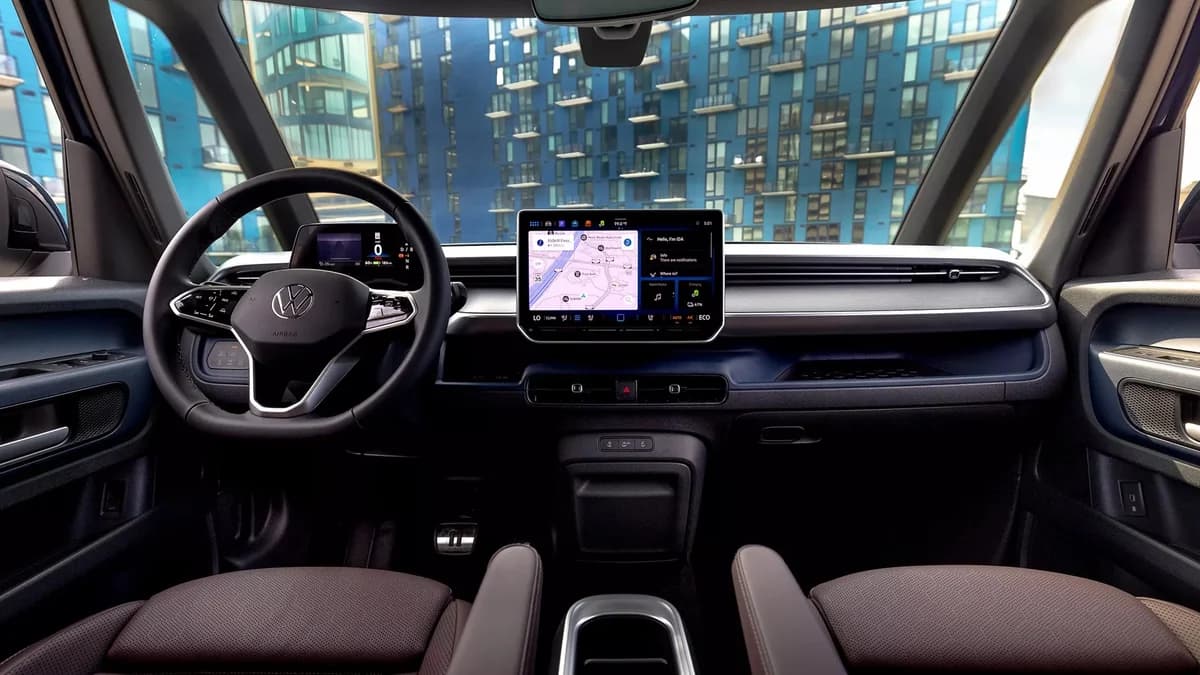
Repeated taps and awkward haptics distract while changing climate, windows, or other everyday settings.
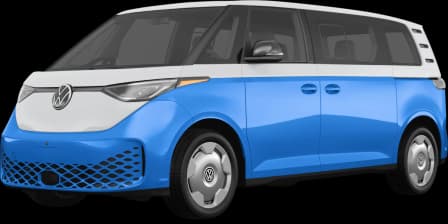
 Alternatives


Join the Circle
Where real meets deal
Know what's worth buying-and when.
Tips, special offers, and rewards for buying and sharing.

Publications
3 LEADING PUBLICATION REVIEWS

Car and Driver is highly enthusiastic about the 2027 ID. Buzz, calling it a delightful and genuinely practical electric family vehicle. Its charismatic Microbus styling, roomy three-row cabin, easy-access sliding doors, comfortable ride, and secure handling make it unusually appealing, while the available AWD version adds spirited acceleration and useful towing capacity. Real-world testing also supports its fast-charging claims, though highway range fell well short of the EPA figure, reaching 180–190 miles rather than roughly 230. The reviewer also criticizes the inconsistent brake-pedal feel, highway noise, and sluggishness of the single-motor model. Still, those drawbacks are outweighed by the Buzz’s exceptional space, clever family-friendly details, and undeniable personality. Car and Driver’s main reservation is its limited range; another 100 miles would make this already charming minivan much easier to recommend without qualification.
By Andrew Wendler
Joel Feder of The Drive is captivated by the ID. Buzz despite considering it deeply flawed. Its limited real-world range, high price, slowish 400-volt charging, awkward touch controls, compromised cargo flexibility, heavy removable seats, and harsh ride make it a poor-value minivan on paper. Yet the Buzz delivers something most practical vehicles cannot: unmistakable joy. Its retro design, airy visibility, comfortable upright seating, generous space, and playful personality delighted Feder, his children, friends, and curious strangers throughout the week. The family’s enthusiasm was so strong that they willingly accepted a charging stop for a 204-mile lake trip, underscoring the van’s emotional appeal. Feder’s verdict is therefore warmly conflicted: the ID. Buzz is inefficient, expensive, and compromised, but its “pure happiness” and ability to bring people together make those shortcomings feel strangely secondary.
By Joel Feder
Outside Online’s Kevin Sintumuang is enthusiastic about the ID. Buzz, especially its ability to turn ordinary family travel into a joyful, attention-grabbing experience. He praises its cheerful retro design, surprisingly brisk acceleration, comfortable practicality, and clever panoramic roof, while a family road trip shows how readily the van wins over children, former VW bus owners, and curious strangers. The roughly 230-mile real-world range is modest beside some electric SUVs and trucks, and the Buzz lacks the camping features associated with classic van culture, including a kitchenette or pop-top. It is also less useful than alternatives such as the Rivian R1S or Ford F-150 Lightning. Still, Sintumuang’s central insight is that the ID. Buzz is not trying to maximize utility; it deliberately prioritizes personality and delight in an increasingly uniform automotive market.
By Kevin Sintumuang

YouTube
9 LEADING EXPERT & INFLUENCER REVIEWS
 Edmunds Cars
Brian Wong is strongly impressed by the Volkswagen ID. Buzz, though its price and range temper the excitement. Edmunds’ testing found unexpectedly quick acceleration, excellent comfort, remarkable third-row space, easy car-seat access, and unusually simple removable third-row seats. Its distinctive retro styling and van-like practicality make it a genuinely unique EV rather than a gimmick. However, the 231-mile EPA range trails larger electric SUVs, cargo room behind the third row is limited, interior materials and haptic controls disappoint, and second-row seats cannot be removed. Overall, it’s an appealing family EV for buyers prioritizing character and space over value or maximum range.
Engineering ExplainedEngineering Explained is warmly impressed by the ID. Buzz, especially its gorgeous design, exceptionally roomy seven-seat cabin, flexible cargo layout, and remarkably comfortable, quiet driving experience. His hands-on testing is more critical of the 190-mile highway range, merely adequate charging, awkward controls, clunky navigation, absent true one-pedal driving, and roughly $60,000–$70,000 pricing. The Buzz feels like an excellent family cruiser and a uniquely appealing lifestyle EV, but buyers are paying heavily for its character and styling rather than class-leading efficiency or road-trip capability.
Sarah -n- TunedSarah -n- Tuned is highly enthusiastic about the Volkswagen ID. Buzz, calling it a uniquely charming and surprisingly capable van. She praises its retro design, strong acceleration, excellent brakes, comfortable ride, visibility, flexible/removable seating, and delightful road presence. The low battery placement keeps its substantial 6,197-pound weight from making it feel top-heavy, though handling remains somewhat numb. Her main concerns are the roughly 231–234-mile range, $59,000–$69,000 pricing, limited six-seat configuration, and lack of a U.S. cargo version. Despite those compromises, she finds it hard not to smile behind the wheel and sees little direct competition.
Car and Driving - Car ReviewsJonathan Crouch is highly impressed by the long-wheelbase Volkswagen ID. Buzz, calling it a remarkably refined and versatile electric MPV. He praises its distinctive styling, spacious three-row cabin, easy access, flexible cargo layout, quiet ride, maneuverability, and surprisingly composed handling. The updated infotainment system is a major improvement, though awkward touch controls remain. Crouch criticizes the limited recuperation settings, large wheels over rough roads, tailgate practicality, costly heat pump, and range that trails luxury electric SUVs. Still, he considers the seven-seat version the clear choice within the lineup and an intriguing, premium-feeling alternative to converted electric vans.
Auto FocusMKBHD is clearly impressed by the Volkswagen ID. Buzz, calling it a charming, convincing modernization of the classic Microbus. He praises its standout design, clever hidden storage, expansive second- and third-row space, removable seating, visibility, and family-friendly features such as heated seats, CarPlay, and Android Auto. His main reservation is the roughly 250-mile range, which weakens its road-trip credentials, especially at a starting price near $60,000. Still, he believes many buyers will accept the modest specifications for its distinctive character, practicality, and ability to turn heads.
Battery LifeBattery Life is positive about the Volkswagen ID. Buzz’s long-distance manners, calling the ride comfortable, quiet, and Travel Assist excellent. In a 600-km winter motorway test at 130 km/h, it completed the trip with three Ionity stops and reliable charging, though consumption reached roughly 34–36 kWh/100 km. The reviewer appreciates the practical charging curve, adjustable armrests, and spacious, people-hauling mission, but criticizes the high energy use, average seats, and occasional charger-interface frustrations. Overall, it feels capable and pleasant for carrying passengers and luggage, but distinctly speed- and weather-sensitive.
Paul'Z GaragePaulZ Garage is clearly enthusiastic about the Volkswagen ID. Buzz, especially after owning one and completing a 390-mile Palm Springs–Tucson trip. He praises its standout styling, airy upscale cabin, electrochromatic sunroof, comfortable massaging seats, roomy packaging, and smooth road-trip experience. Real-world charging was reliable, though stops added roughly 45 minutes and peak speeds varied from 106 to 170 kW. The 234-mile range feels modest, Apple CarPlay connectivity was occasionally frustrating, and fuel savings versus a Toyota Sienna were limited. Still, lower transaction prices make the ID. Buzz much more compelling, particularly for buyers prioritizing space, comfort, and character.
Taylor and ZervanTaylor and Zervan are enthusiastically positive about the Volkswagen ID. Buzz after driving 6,000-plus miles across six states. They praise its smooth, comfortable road-trip manners, roomy camping-friendly interior, Travel Assist, and navigation that intelligently plans charging stops. They found fast charging manageable—typically 10–80% in about 25 minutes—and often reduced costs through free Level 2 or solar charging. The main frustration is the lack of a dedicated camping mode, forcing workarounds to keep climate control running, while cold-weather camping exposed battery drain and inadequate gear. Even after a breakdown, window damage, and roughly $300 in repairs, they would enthusiastically choose it again.
Alan of TesCalendar Alan of TesCalendar is highly enthusiastic about the Volkswagen ID. Buzz, calling it the coolest vehicle his family has owned and saying they would buy it again. After more than a year of ownership, he praises its eye-catching design, spacious three-row cabin, comfortable ride, visibility, sliding doors, cargo capacity, and family practicality. He acknowledges the high price, modest range, inconsistent software, awkward window controls, lack of a frunk, and delayed Tesla Supercharging access. Still, he considers those tradeoffs manageable because the Buzz has virtually no direct North American competition, and he expects the 2027 model to add features without meaningfully improving range.

Social
2 INFLUENCER REVIEWS
 Jimmy Douglas
Jimmy Douglas is highly enthusiastic about the Volkswagen ID. Buzz after 10,000 miles, calling it a practical daily driver he would not change. He gets about 230 miles of range and has never needed a public charger, while the spacious cargo area handles substantial hauling. The van also attracts friendly attention from classic hippies and EV enthusiasts, adding to its charm. The main drawbacks are persistent early-production squeaks from the brakes and sliding doors. Still, with no drivetrain recalls compared with his early ID.4’s five, Jimmy considers the Buzz reliable, useful, and firmly here to stay.
What Gab Thinks 💭What Gab Thinks strongly rejects the Volkswagen ID. Buzz, mainly because its styling feels exceptionally unattractive to her. She admits to being a longtime Volkswagen supporter and acknowledges the van’s practical strengths, including up to 293 miles of range, rapid charging, five to seven seats, standard or long-wheelbase options, and an easy, enjoyable drive. Still, she places significant value on appearance and feels the ID. Buzz’s retro-inspired design is awkward and unappealing. Her verdict is personal rather than mechanically informed, but unequivocal: it is a Volkswagen she would never own or drive.

Forum Reviews
CUSTOMER REVIEWS FROM 1 FORUM
Redditors are intrigued by the 2027 ID. Buzz but remain divided, with price and range overshadowing its appeal. Its retro styling, spacious cabin, cheerful road presence, comfortable ride, rapid charging, and improved software earn genuine enthusiasm, especially from owners and buyers drawn to its character. Still, many consider roughly 230–270 miles inadequate for American road trips and the pricing excessive for an electric minivan, particularly with a modest interior. The refresh’s physical buttons, one-pedal driving, camping functionality, and short-wheelbase seven-seat option are welcome quality-of-life upgrades, but they do not resolve the core value proposition.
Many comments

In-Depth Review

Highlights
- •Spacious Three-Row CabinReviewers find all rows genuinely roomy.
- •Distinctive Retro DesignMarketed as a modern Microbus, it draws attention.
- •Comfortable Quiet RideReviewers report relaxed, refined long-distance travel.
- •Useful Fast ChargingOwners report roughly 25-minute 10–80% charging.

Considerations
- •Limited Real-World RangeHighway and winter use reduce range substantially.
- •High Purchase PricePricing approaches premium electric SUV territory.
- •Restricted Cargo FlexibilityCargo room behind all rows is limited.
- •Awkward Touch ControlsTouch controls and navigation remain frustrating.
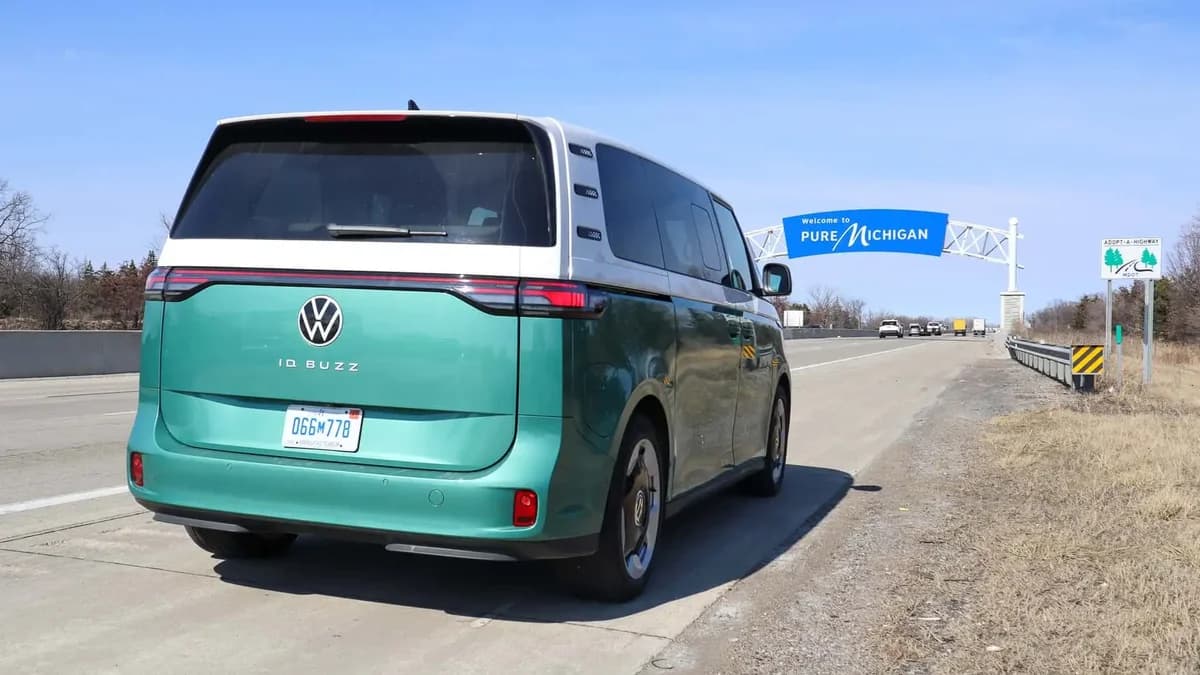
Volkswagen’s ID. Buzz brings the brand’s beloved Microbus spirit into a practical electric family vehicle. Positioned against electric SUVs such as the Kia EV9 and Hyundai Ioniq 9, it stands apart with retro-inspired styling, sliding doors, and a genuinely roomy cabin for families, road-trippers, pet owners, and lifestyle buyers. Its appeal rests less on maximum efficiency than on combining up to seven seats, flexible cargo space, and a comfortable, confidence-inspiring drive. The details matter, though: 234-mile EPA range can shrink significantly on highways or in winter, while DC fast charging helps make longer journeys manageable rather than effortless. We’ll also examine acceleration, ride stability, and how easily passengers and gear fit into everyday life. If you want an EV that feels more like a rolling clubhouse than a generic crossover, explore these trade-offs closely—especially before letting the cheerful styling do all the negotiating.
DC Fast Charging
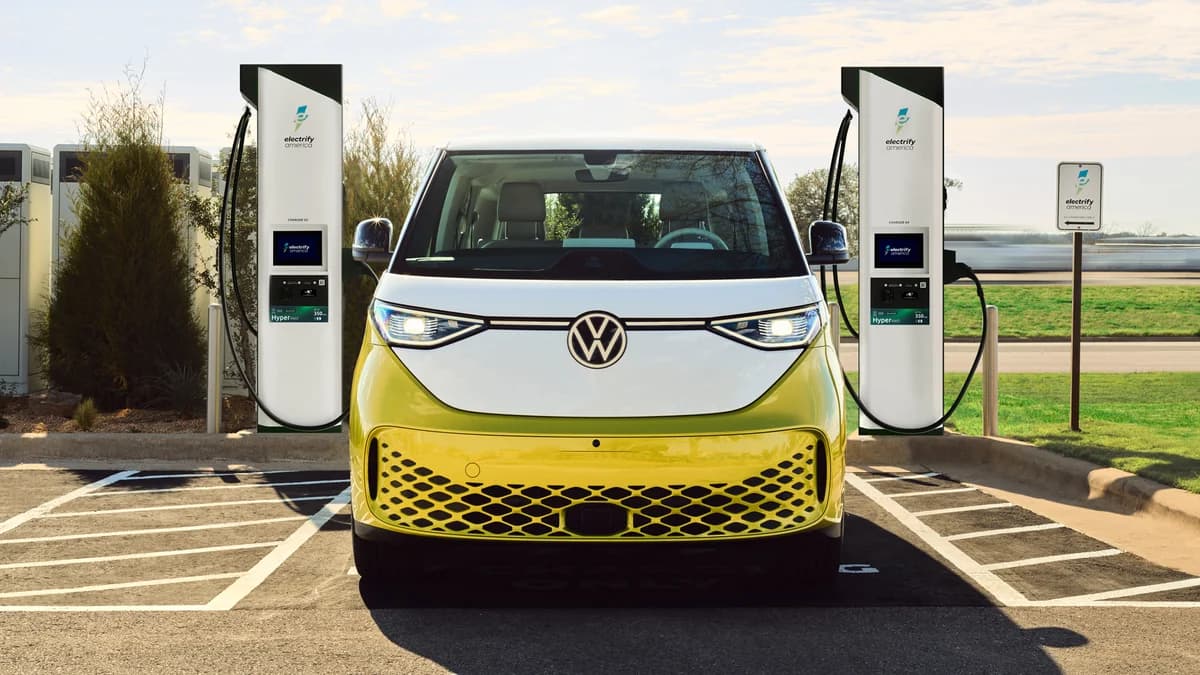
Fast charging makes the ID. Buzz more manageable on trips, though it does not erase the range issue. The battery supports up to 170–200 kW DC charging, depending on market and configuration, and owners commonly report roughly 10–80 percent in about 25 minutes under favorable conditions. Independent tests found reliable charging curves and useful motorway stops, but peak speeds vary and the 400-volt system is not class-leading. Charging is therefore a strength for a large van, just not a decisive road-trip advantage.
Powertrain Acceleration
Acceleration is stronger than the ID. Buzz’s friendly shape implies. The rear-drive version produces 282 horsepower, while the dual-motor AWD model reaches about 335 horsepower and roughly 406–413 lb-ft of torque. Testers found the AWD van surprisingly quick and confident when loaded with passengers, whereas the single-motor version can feel sluggish. That extra performance improves merging and towing confidence, but it also comes with the usual efficiency tradeoff, and the van’s weight still limits its handling enjoyment.
Passenger Access Usability
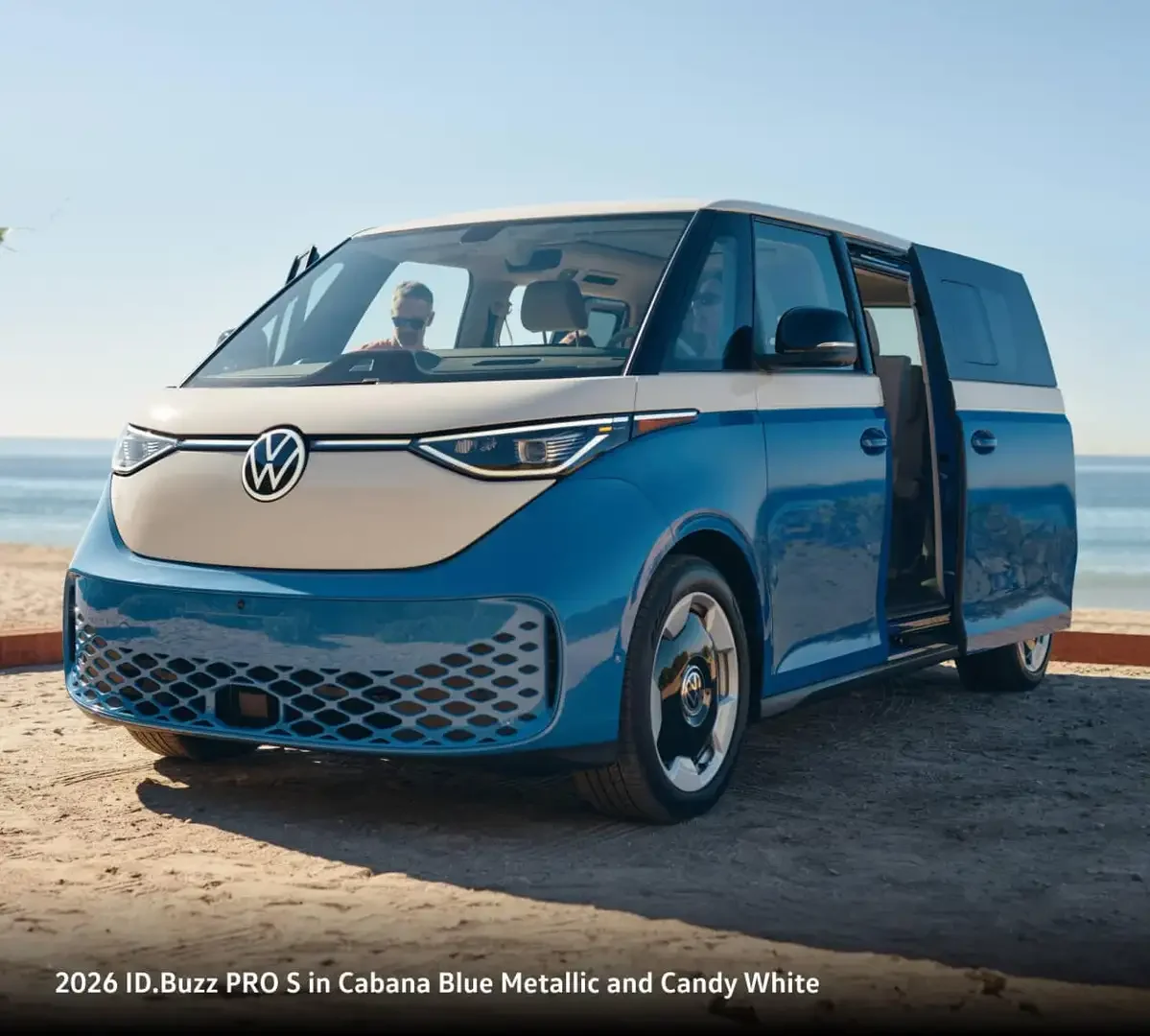
Daily usability is one of the ID. Buzz’s most convincing advantages. Its sliding side doors create generous openings for car seats, children, pets, and tight parking spaces, while the upright seating and broad visibility make maneuvering less stressful. Reviewers also praise the flexible seating configurations and easy third-row access. The six- or seven-seat layouts are useful, though availability varies by market, and fixed second-row seats restrict cargo versatility. For family routines, the access benefits matter more than headline performance numbers.
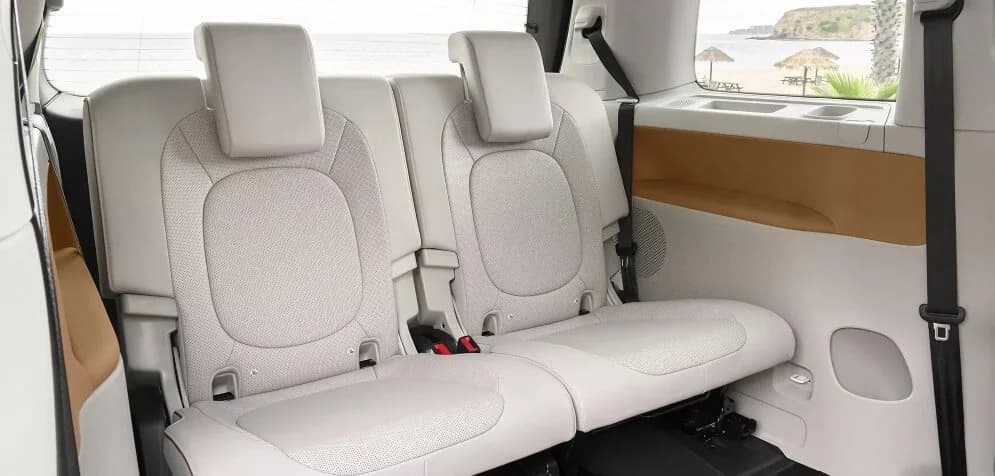
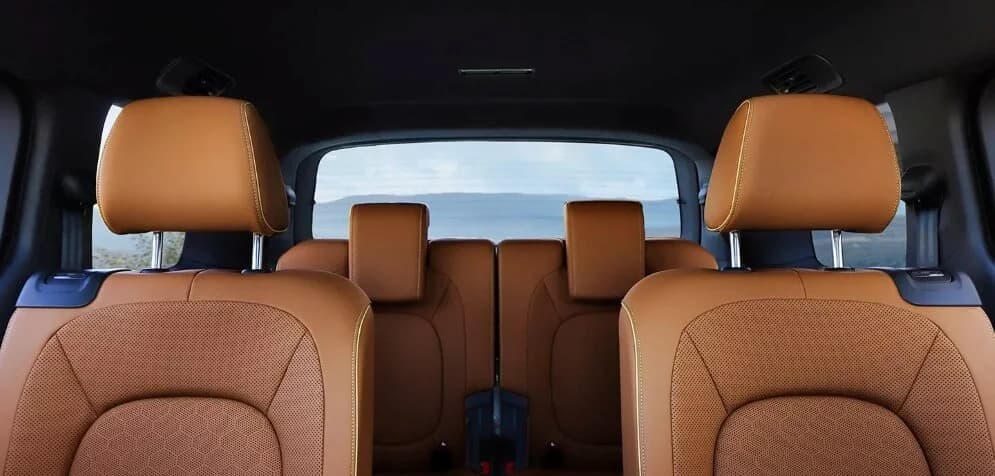
Three-Row Space Flexibility
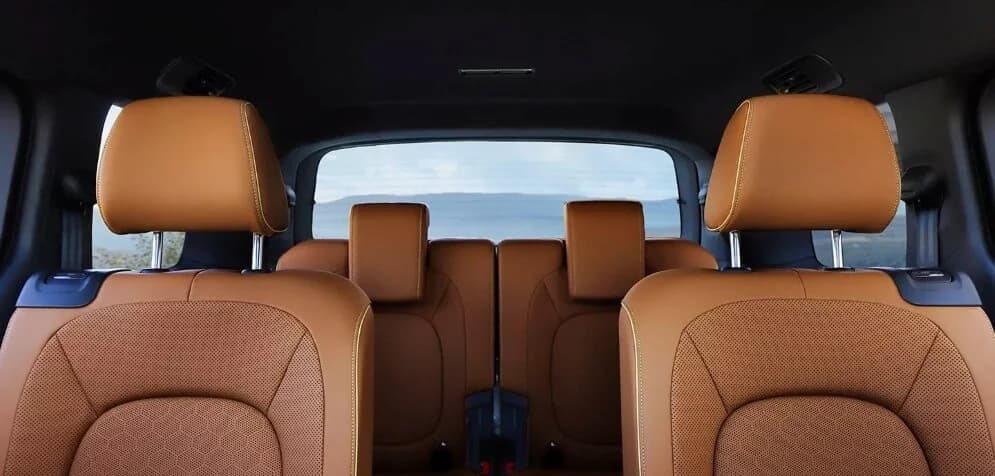
The ID. Buzz delivers genuinely useful family space rather than merely adding a cramped third row. Its three-row cabin seats up to seven, and reviewers particularly praise the generous third-row legroom and airy visibility. The removable third-row seats are unusually simple to take out, helping with bulky cargo, although they are heavy and the second row cannot be removed. Behind all three rows, cargo room is limited, so the van excels at carrying people or luggage, but not both in maximum quantity.
Ride Comfort Stability
The ID. Buzz feels more relaxed than its substantial weight and van profile suggest. Reviewers consistently praise its quiet, comfortable ride, upright visibility, and secure road manners, while the battery’s low placement helps prevent a top-heavy sensation. Available Travel Assist also makes long drives less tiring. Handling is stable rather than sporty, with somewhat numb steering, highway noise, and large wheels that can transmit rough-road impacts. Overall, comfort is a core strength, but refinement varies with pavement and wheel choice.
Real-World Driving Range
Range is the ID. Buzz’s biggest practical compromise. Volkswagen advertises roughly 234 miles of EPA range for the rear-drive model, but testing has produced about 180–190 highway miles, with winter motorway consumption reaching 34–36 kWh/100 km. Owners report closer to 230 miles in ordinary use, so the result depends heavily on speed, weather, and load. That makes daily charging straightforward for home-charging households, while longer American road trips require noticeably more planning than the van’s price suggests.
Conclusion
The ID. Buzz makes its case with three-row space and an unmistakable personality, giving families genuinely useful room, sliding-door access, and easy third-row entry. Its ride is comfortable and stable, and the AWD model delivers satisfying acceleration, while fast charging—roughly 10–80% in favorable conditions—keeps longer trips manageable. The catch is real-world range: highway and winter driving can cut the advertised figure sharply, so road-trip planning matters. Removable third-row seats add flexibility, but limited space behind them and fixed second-row seats constrain maximum cargo versatility. Owners and experts largely see a charming, capable family cruiser rather than an efficiency leader. It suits buyers who value character, comfort, and passenger usability over outright value or effortless long-distance travel; shoppers seeking maximum range should look elsewhere. Its strong appeal and clear compromises justify a recommendation with reservations.

Feature Scores
This reflects reviews and ratings from established critics, journalists, and users who have evaluated the item. Their opinions provide a comprehensive assessment.
Performance
Electric Range
3/5
Charging Capability
3/5
Load and Towing Capacity
3/5
Durability and Reliability
3/5
Value
Purchase Affordability
2/5
Operating Cost
3/5
Resale Value
TBD
Design
Cabin Space
4/5
Entry and Seating Ergonomics
4/5
Exterior Appeal
4/5
Health
Cabin Air Quality
TBD
Interior Material Exposure
TBD
Ride Comfort
4/5
Safety
Crash Protection
TBD
Driver Assistance
4/5
Battery Safety
TBD
Visibility and Maneuverability
4/5
Sustainability
Operational Emissions
4/5
Battery Materials
TBD
Energy Efficiency
2/5
End-of-Life Recovery
TBD
Experience Style
Driving Simplicity
4/5
Digital Integration
4/5
Configuration Flexibility
4/5

Specifications
This section outlines the product's key facts, covering essential features, details, dimensions, materials, and any unique characteristics that define its functionality and usability.
Performance
Design
Safety
Sustainability
Experience Style

Frequently Asked Questions
6 Questions

Find Yours
What will you primarily use your electric van or minivan for?
Answer to find your best matches.