
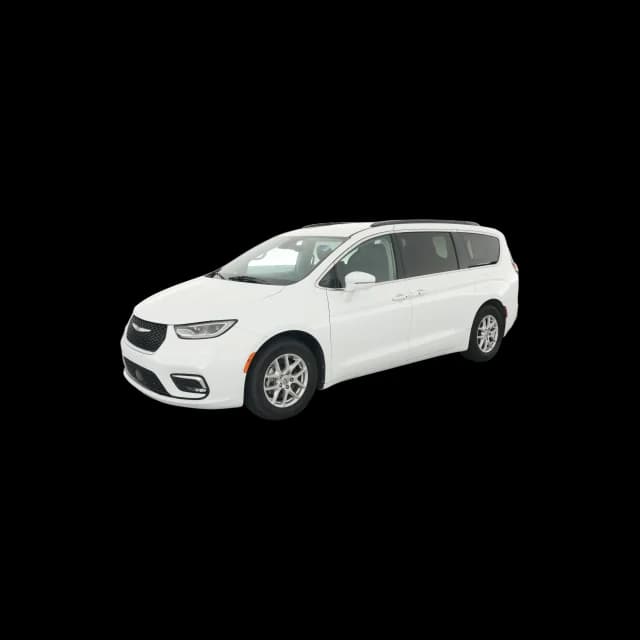
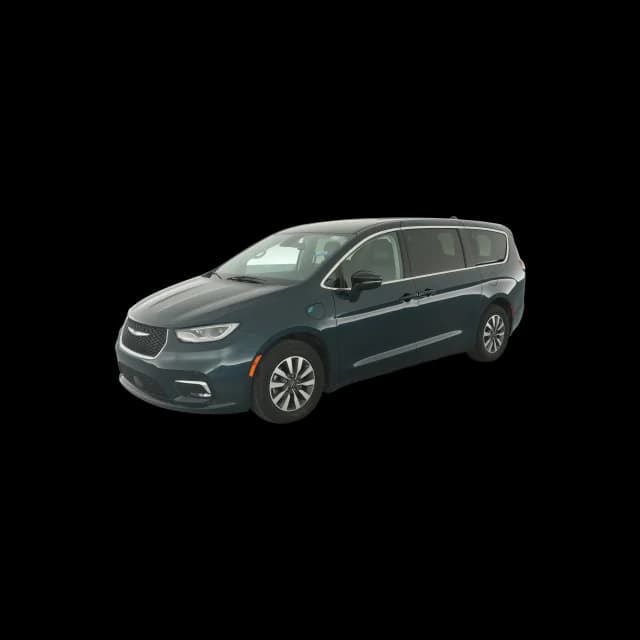
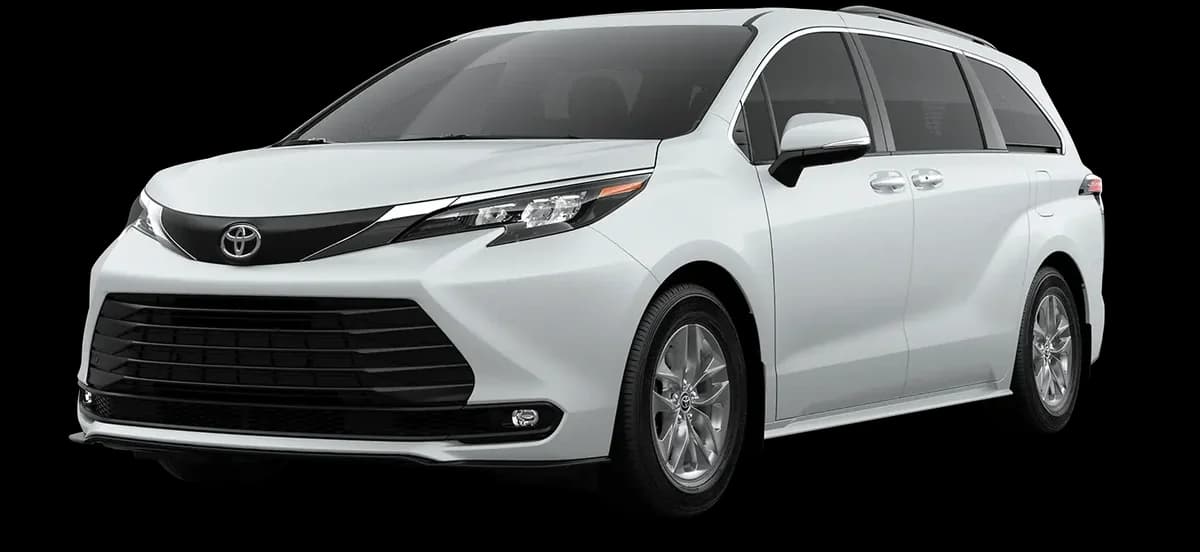
Toyota Sienna (2026)
Efficient, spacious hybrid family hauler with available AWD, though power and cargo flexibility lag.
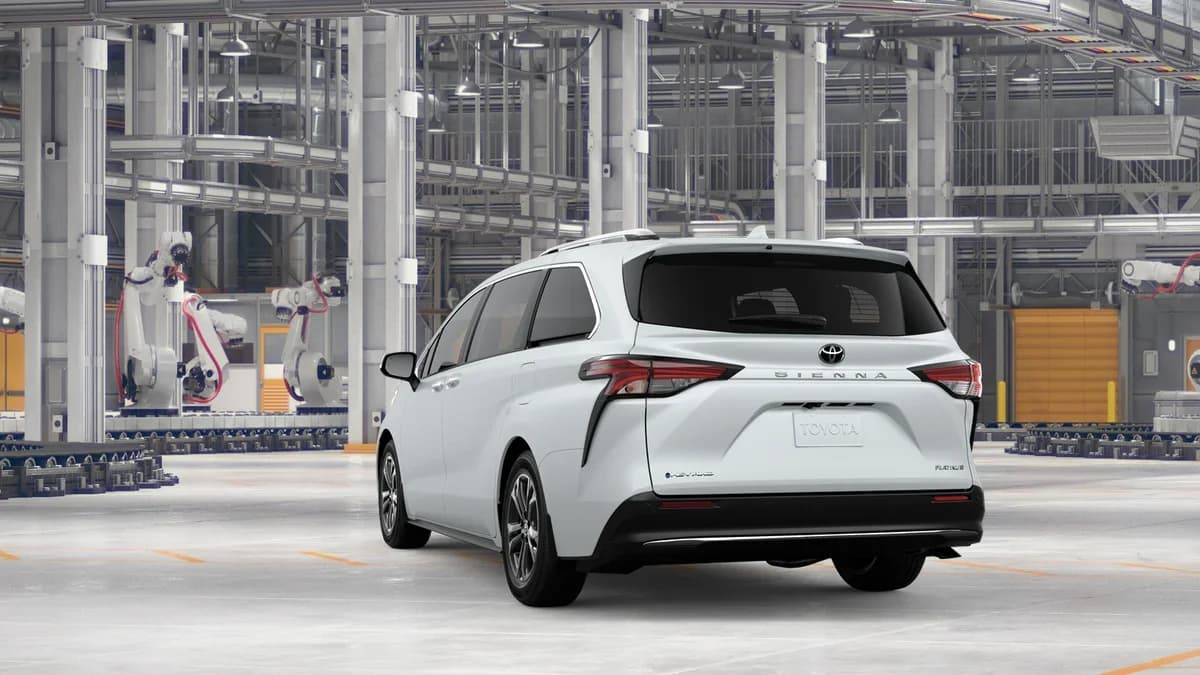
The 2026 Toyota Sienna is the family world’s quietly brilliant mileage machine, built for people who need to move passengers comfortably without feeding a thirsty SUV. Its hybrid-only powertrain is rated for up to 36 mpg, and real-world testing generally supports the savings, often landing in the low-to-high 30s without plugging in. Experts and owners praise the smooth ride, roomy adult-friendly rows, clever storage, and available AWD, while also noting merely adequate acceleration and a droning engine on hills. The big compromise is non-removable second-row seats, which limit bulky-cargo flexibility, and higher trims can become expensive. For high-mileage families, the fuel savings and usability justify the premium, shaping its strong overall recommendation.
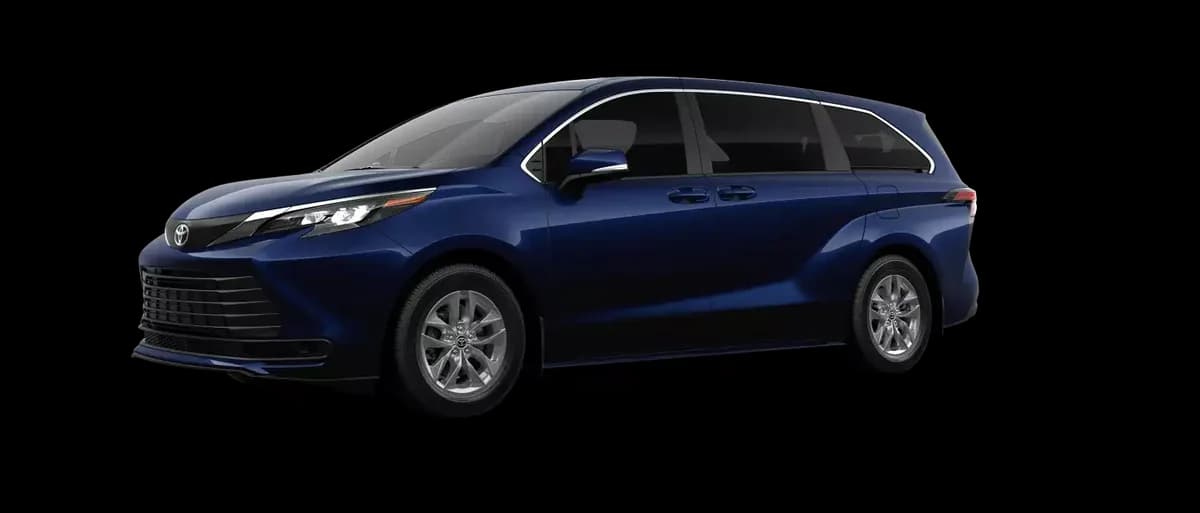
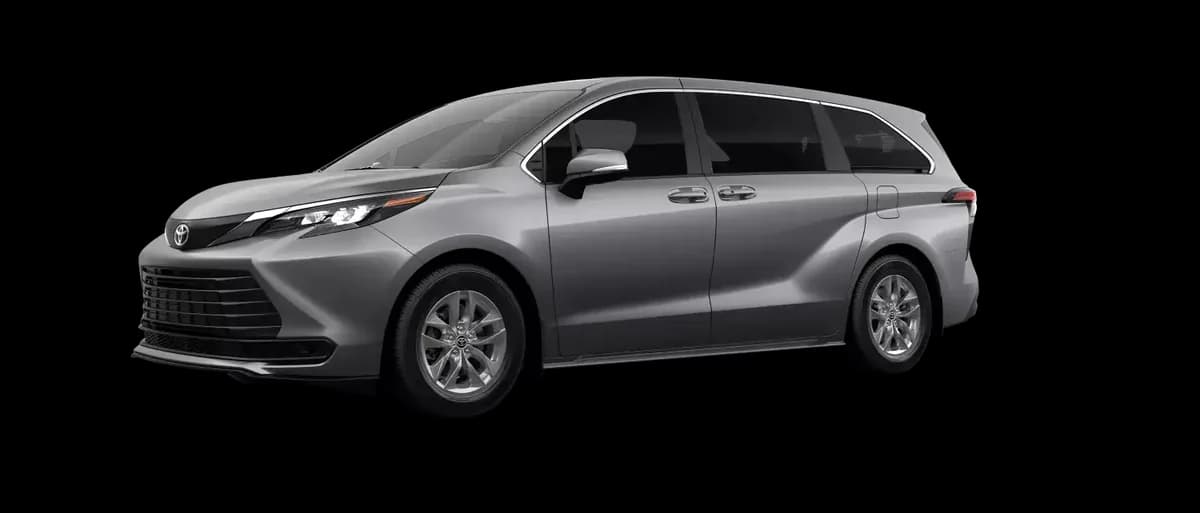
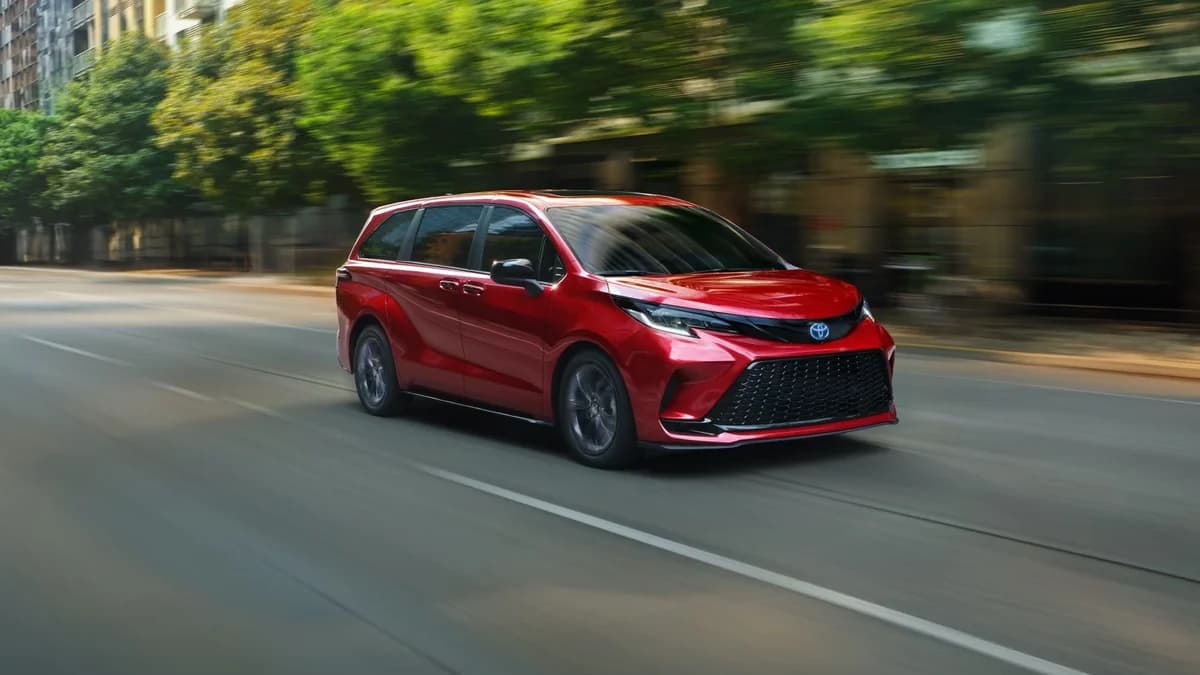
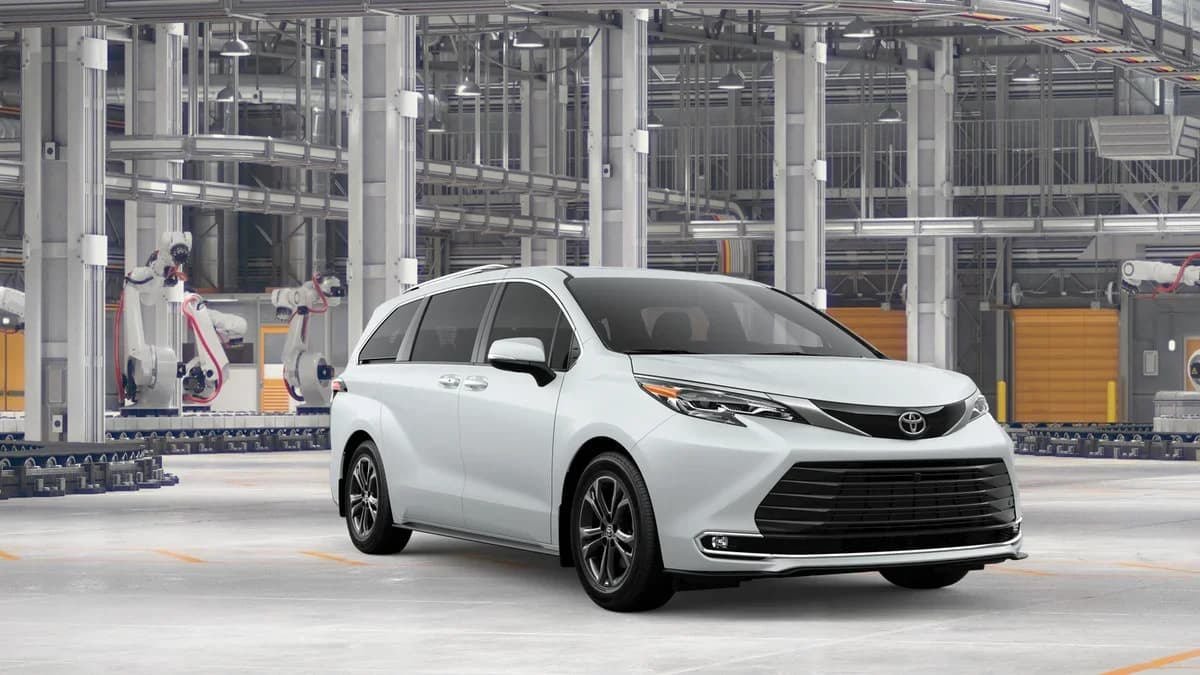
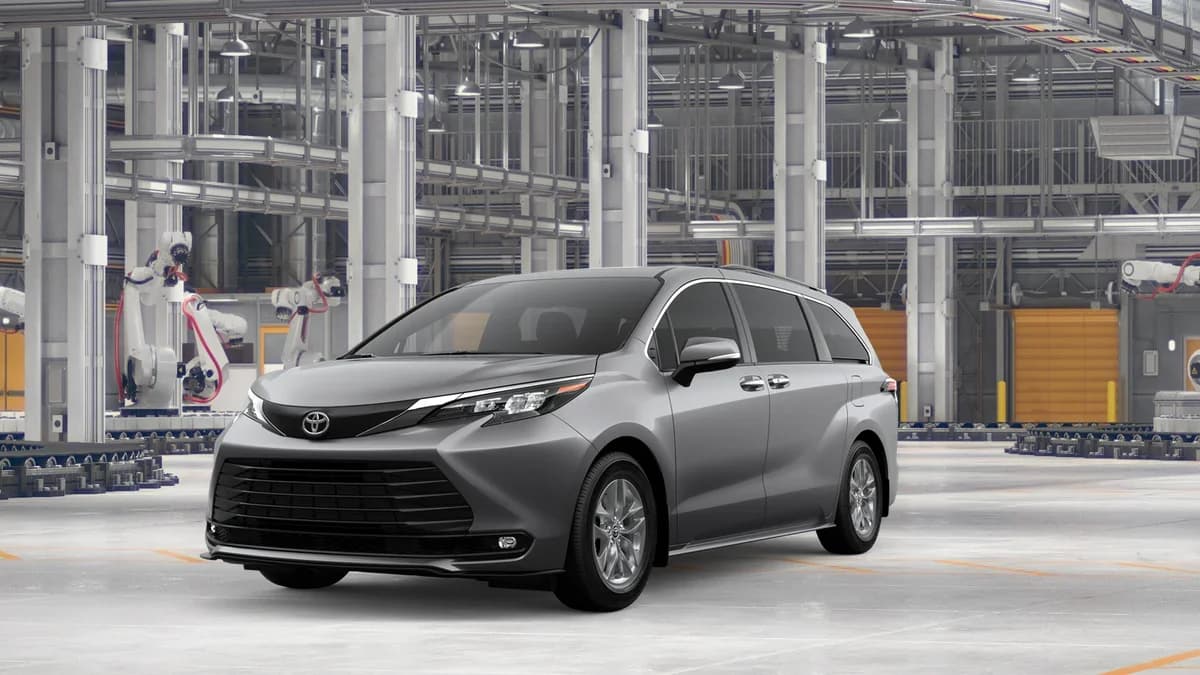
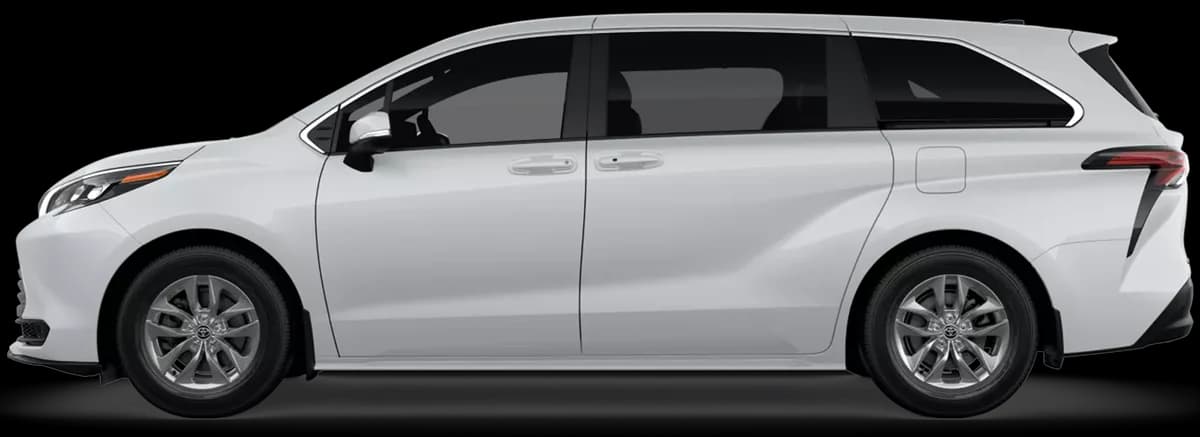
Find Yours
What matters most in your ideal hybrid van or minivan?
Answer to find your best matches.

The Scoreboard
Does this improve your life? Considers, health, habits, and environmental impact.
Benefits
Uses little fuel without charging, making daily family driving and road trips cheaper.
Quiet, cushioned ride and supportive seats make long trips easier on everyone.
Sliding doors, roomy rows, and clever storage make school runs and car-seat loading simpler.
Available AWD adds confidence on snowy or wet roads without sacrificing much efficiency.
Flexible seating and a folding third row handle passengers, groceries, and everyday gear easily.
Trade-Offs
During acceleration, the engine gets loud and droney, making hills and highway merges less pleasant.
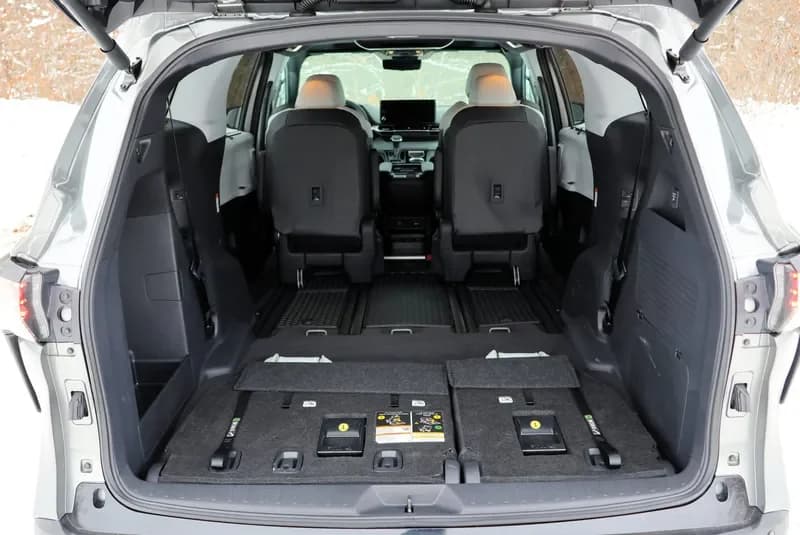
Second-row seats do not come out or fold flat, complicating bulky cargo and long items.
Power feels adequate rather than quick, so passing or climbing with passengers takes more patience.
 Alternatives


Join the Circle
Where real meets deal
Know what's worth buying-and when.
Tips, special offers, and rewards for buying and sharing.

Publications
9 LEADING PUBLICATION REVIEWS

Car and Driver is highly impressed by the 2026 Toyota Sienna, calling it a comfortable, efficient family-hauling standout. Its hybrid powertrain leads the minivan class in EPA fuel economy, while the serene ride, abundant storage, flexible sliding captain’s chairs, and available all-wheel drive make it exceptionally practical. Real-world testing supports the efficiency claims, with 29 mpg over 40,000 miles and 33 mpg on a highway test. The Sienna also handles core minivan duties extremely well, offering generous passenger space, clever seating, and strong cargo capacity, though its second-row seats cannot be removed. Performance is merely adequate, and the engine gets noisy under acceleration; styling is also described as questionable. Still, with useful 2026 equipment upgrades, strong safety technology, and excellent long-term usability, the review considers the Sienna one of the best vans available—surpassed only by the distinctive electric Volkswagen ID.Buzz.
By Austin Parsons
Kelley Blue Book views the 2026 Toyota Sienna as an excellent, family-focused minivan with few meaningful weaknesses. Its standard hybrid powertrain delivers an impressive 35–36 mpg, long road-trip range, smooth performance, and lower ownership costs, while available all-wheel drive adds confidence in snowy climates. KBB also praises the Sienna’s proven reliability, resale value, comfortable seating, generous third-row legroom, and useful touches such as hands-free doors, a built-in vacuum, and the unique FridgeBox. The trade-off is practicality in other areas: rivals offer more horsepower, greater total cargo capacity, and more flexible seating, while upper trims sacrifice the eight-seat configuration. Still, after extensive testing—including a yearlong evaluation—the reviewer considers the Sienna the class benchmark and awards it 4.5 out of 5.
By Sean Tucker
U.S. News & World Report views the 2026 Toyota Sienna as an excellent, practical family hauler with one glaring flaw. Its hybrid powertrain delivers exceptional fuel economy—36.6 mpg in testing—while providing a smooth ride, easy controls, comfortable seating, generous three-row room, and available all-wheel drive. The reviewer particularly enjoyed the luxurious second-row captain’s chairs and found the Sienna easy to maneuver, well-equipped, and a strong value despite its not-quite-cheap pricing. However, the engine becomes unpleasantly coarse under hard acceleration, potentially spoiling long, hilly trips. Cargo flexibility is also weaker than rivals because the second-row seats cannot fold flat or come out, and the built-in vacuum is underpowered. Overall, the Sienna earns strong approval as a refined, efficient, safety-conscious minivan, provided buyers can tolerate its noise and accept its less versatile cargo area.
By Zach Doell
Driving.ca is strongly positive on the 2026 Toyota Sienna, calling it a top family-focused choice despite practical compromises. The review praises its standard hybrid efficiency, available all-wheel drive, smooth ride, excellent visibility, generous passenger room, useful safety features, and broad equipment list—even in lower trims. Winter testing produced roughly 9 L/100 km rather than Toyota’s official 6.8 L/100 km AWD rating, but that remained respectable for a minivan. The Sienna’s biggest weakness is cargo flexibility: its maximum 2,860 litres trails rivals by about 1,000 litres, making it less suitable for hauling bulky gear. The infotainment is responsive but barebones, the rear-seat entertainment system can be finicky, and acceleration brings a buzzy engine note. Still, Sami Haj-Assaad views the Sienna as comfortable, efficient, safe, well-equipped, and likely reliable, recommending it especially for families prioritizing passenger transport over cargo capacity.
By Sami Haj-Assaad
Jodi Lai of AutoTrader.ca is highly enthusiastic about the 2026 Toyota Sienna. She portrays it as a genuinely life-improving family vehicle, praising its cavernous, intelligently organized cabin, usable third row, sliding doors, abundant storage, clever safety technology, easy controls, and confident winter traction. The hybrid AWD system is especially appealing because it combines efficiency with sure-footedness, though her 8.2 L/100 km result over 870 km fell short of Toyota’s 6.8-L/100-km rating. The Sienna is also easy to maneuver and surprisingly distinctive, but the tested XSE’s sport suspension compromises ride comfort, while wind and acceleration noise intrude. Lai considers the lower and mid trims good value, yet views prices above $70,000 and lengthy Canadian waitlists as significant barriers. Overall, she considers the Sienna exceptionally practical, nearly compromise-free, and one of the best minivans available.
By Jodi Lai
Craig Cole of GreenCars is strongly impressed by the 2026 Toyota Sienna, calling it an exceptionally comfortable and efficient family hauler. The Platinum AWD’s reclining, heated second-row captain’s chairs, useful fridge/freezer, spacious adult-friendly third row, and clever storage make it feel almost like a mobile living room. Its standard hybrid powertrain is the standout: the Sienna delivers near-35-mpg real-world efficiency without special effort, while remaining smooth and capable in everyday traffic. Cole also appreciates the responsive technology, physical climate controls, comfortable ride, and reasonable pricing relative to large SUVs and trucks. Still, the van is not flawless. Its 101-cubic-foot maximum cargo capacity trails some rivals, lane centering feels soft, the climate controls can be confusing, and the engine gets noticeably grumbly under load. Even with those reservations, Cole considers the Sienna an easy-to-recommend, smartly engineered family vehicle.
By Craig Cole
CARFAX reviewer Warren Clarke is clearly positive about the 2026 Toyota Sienna, while keeping its compromises in view. He praises its excellent hybrid fuel economy, smooth ride, roomy and flexible interior, comfortable front seats, clever one-handed third-row folding, and unusually useful family features such as the refrigerator and built-in vacuum. The Sienna feels especially well suited to everyday family life, with accessible controls, strong cargo capacity, available AWD, and a genuinely upscale Platinum cabin. Still, Clarke’s weeklong test exposed meaningful drawbacks: acceleration is slow, the hybrid engine can sound harsh under pressure, and tire and wind noise make highway travel less relaxing than in a Honda Odyssey. The steering is also detached, and the second-row seats cannot be removed. Overall, it comes across as a highly practical, thoughtfully equipped minivan whose efficiency and versatility outweigh its modest driving and packaging flaws.
By Warren Clarke
Carsforsale.com’s Niel Stender is highly enthusiastic about the 2026 Toyota Sienna as an exceptionally capable family vehicle. After a week with the Platinum trim, he praises its roomy three-row cabin, enormous cargo capacity, power-sliding doors, hybrid fuel economy, and genuinely useful luxuries such as the built-in vacuum and six-pack refrigerator. The Sienna feels particularly well suited to road trips and busy families, with comfortable seating, effective technology, confident nighttime lighting, and more than 600 miles of range. Stender acknowledges that it is not attractive to everyone, the second-row seats limit long-cargo flexibility, and the hybrid system can feel jerky and noisy when pushed. Still, those drawbacks seem minor beside the practicality and efficiency, and he ultimately considers even the expensive Platinum easy to recommend—especially because its supposedly gimmicky features make family life easier.
By Niel Stender
James Riswick is positive on the 2026 Toyota Sienna, but his recommendation is thoughtful rather than enthusiastic. Its standout strength is efficiency: the hybrid returns up to 36 mpg, potentially saving about $1,000 annually versus V6-powered rivals, while the Sienna also offers confident handling, a comfortable ride, simple controls, and exceptionally useful second-row seat travel for families and pets. However, the aging design shows through. The third row is cramped and gloomy, cupholders are surprisingly poor, and the second-row seats cannot be removed. More importantly, the hybrid powertrain is noisy and sluggish, and Toyota’s older driver-assistance technology feels less polished than Kia’s. After averaging 32.6 mpg, Riswick still considers the Sienna a must-consider minivan, especially for fuel-conscious buyers, but he ultimately places the more refined Kia Carnival Hybrid ahead in technology, storage, powertrain smoothness, and seating versatility.
By James Riswick

YouTube
13 LEADING EXPERT & INFLUENCER REVIEWS
 Edmunds Cars
Edmunds is strongly positive about the 2026 Toyota Sienna, calling it the king of the carpool lane. Its exceptional fuel economy, available all-wheel drive, roomy adjustable seating, abundant storage, and family-friendly details make it a practical workhorse. The review particularly appreciates its easy car-seat accommodation, clever rear-seat reminder, and comfortable everyday driving. However, the Sienna feels unexciting, lacks power, has inconsistent brakes, and its third-row and cargo-seat flexibility trail some rivals. Compared with the Kia Carnival Hybrid, it offers less upscale design and warranty coverage, but Edmunds still ranks it first for families prioritizing efficiency and versatility.
The Car Care NutThe Car Care Nut is highly impressed by the Toyota Sienna, calling it one of the best family vehicles available. He praises its proven hybrid powertrain, excellent fuel economy, solid underbody construction, comfortable adult-friendly seating, practical storage, and innovative Advanced Rear Seat Reminder. His enthusiasm is tempered by slow cabin warm-up, hybrid droning, merely adequate acceleration, disappointing interior materials, awkward exhaust serviceability, exposed components, and limited availability. He also wishes Toyota offered a plug-in hybrid version. Overall, he views the Sienna as an exceptionally capable, efficient, safety-focused minivan whose shortcomings are mostly secondary to its outstanding practicality.
Car ConfectionsCar Confections is highly positive about the 2026 Toyota Sienna, especially after living with it for seven days. They praise its exceptionally smooth ride, comfortable seats, remarkably spacious and adjustable second and third rows, useful family features, available AWD, and real-world fuel economy of 37.5 mpg. The hybrid powertrain feels adequate rather than quick, and the XSE’s sporty styling doesn’t make it genuinely sporty. Still, the Sienna’s grainy backup camera, dated rear-seat entertainment system, limited cargo flexibility, and occasional hybrid-engine noise are meaningful shortcomings. Overall, they prefer it over last year’s model and strongly recommend it for family road trips and economical daily use.
Micah MuzioMicah Muzio is strongly positive on the 2026 Toyota Sienna, calling it arguably the best minivan despite its unglamorous image. He praises its exceptional practicality, three adult-friendly rows, abundant storage, easy-folding third row, smooth hybrid powertrain, excellent efficiency, and available AWD. The family testing adds useful real-world perspective, including car-seat fit and maneuverability. Reservations include scratch-prone, plasticky interior surfaces, awkward third-row access, limited visibility, modest ground clearance even in Woodland trim, engine noise on mountain climbs, and the loss of Driver Easy Speak. He ultimately recommends the XLE and views the Sienna as a highly functional, reliable family tool rather than an exciting lifestyle vehicle.
DownshiftMatt is highly enthusiastic about the 2026 Toyota Sienna, calling it “kind of perfect” and possibly peak minivan. He praises its standard hybrid powertrain, roughly 35–36 mpg in real-world Wisconsin driving, available AWD, comfortable and thoughtfully equipped rear seats, abundant storage, useful 1,500-watt outlets, and easy driving manners. His main reservations are the non-removable second-row seats, higher pricing, difficult availability, modest acceleration, and somewhat coarse hybrid-engine transitions. Still, he considers those tradeoffs minor for most families and places the Sienna at or near the top of the minivan class.
CarGurusNatalie Harrington is clearly positive about the 2026 Toyota Sienna, especially as a practical family vehicle. She praises its spacious, comfortable cabin, easy child-seat access, flexible seating, strong hybrid efficiency, available AWD, and surprisingly nimble handling. Her real-world average of 38.5 mpg reinforces its appeal. Still, she flags a noisy engine, noticeable body lean, soft driving feel, awkward shifter, questionable Platinum interior trim, and aging Toyota Safety Sense 2.0 technology. With pricing exceeding $60,000 for the tested model, her enthusiasm is thoughtful rather than unqualified, but the Sienna remains one of her smartest minivan choices.
TFLnowTFL’s hosts are warmly impressed by the 2026 Toyota Sienna Woodland, though they see its off-road image as mostly cosmetic. They praise its standard AWD, exceptional mid-30s fuel economy, quiet and comfortable ride, flexible reclining second-row seats, generous storage, 1,500-watt power outlets, and family-friendly practicality. The 245-hp hybrid has adequate acceleration but gets coarse and droney under hard mountain climbs. They also flag the non-removable second row, lack of a spare tire, and limited Woodland hardware such as underbody protection or more aggressive tires. At roughly $52,490, they would generally choose an XLE unless Woodland’s extras specifically appeal.
Ben HardyBen Hardy is highly enthusiastic about the 2026 Toyota Sienna, calling it the best minivan and his only serious choice. He praises its smooth 245-hp hybrid powertrain, real-world 35-mpg economy even with aggressive driving, roomy three-row practicality, AWD, and extra Woodland clearance for potholes and rough roads. He also appreciates the comfortable interior, plentiful storage, power outlets, and long-term reliability potential. His main objection is price: at roughly $52,490, it is expensive for a family vehicle, and the Woodland package is more rugged-looking than genuinely off-road capable.
Raiti's RidesRaiti’s Rides is highly enthusiastic about the 2026 Toyota Sienna, calling it exceptionally practical and easy to drive. The review praises its hybrid-only powertrain, strong low-speed punch, impressive fuel economy, quiet ride, excellent visibility, comfortable three-row seating, flexible cargo space, and useful family touches such as physical controls, sunshades, and abundant storage. AWD availability adds versatility, though this XLE is front-wheel drive. Reservations are minor: the reviewer dislikes some exterior and interior styling, finds the backup camera grainy, and points out that heated—but not ventilated—seats and older-style rear lighting remain on this trim.
Gearbox Car ReviewsGearbox Car Reviews is strongly positive about the 2026 Toyota Sienna, calling it an exceptionally practical family hauler and a standout hybrid choice. The reviewer appreciates its smooth enough performance, impressive real-world efficiency in freezing weather, spacious cabin, easy-folding third row, thoughtful storage, and family-friendly touches like kick-open doors, a digital mirror, and available 360-degree camera. Criticisms are modest: road noise, clunky second-row seat movement, limited top-trim seating flexibility, and aging Hybrid System II and Toyota Safety Sense 2.0. Overall, the Sienna feels like a highly recommendable, efficient minivan with only minor compromises.
Gold PonyGold Pony is highly enthusiastic about the 2026 Toyota Sienna, calling it his favorite minivan and top pick for families. He praises its hybrid efficiency, available AWD, Toyota reliability, IIHS Top Safety Pick+ rating, smooth acceleration, spacious cabin, three-row sunshades, and newly upgraded standard features. His XLE test vehicle felt comfortable, quiet, and sufficiently powerful, while its 36-mpg rating and practical cargo capacity impressed him. The main criticism is relatively minor: he wishes Toyota offered multicolor ambient lighting, and he finds the rear camera only average. Overall, he sees the Sienna as a safe, efficient, exceptionally well-rounded family hauler.
Off the Shelf Rides - Auto Reviews & Buyer AdviceOff the Shelf Rides is strongly positive about the 2026 Toyota Sienna, calling it one of the smartest real-life family vehicles available. The review praises its hybrid efficiency, 650-mile range, available AWD, spacious and genuinely usable third row, clever cargo storage, comfortable seats, and straightforward technology. The XSE’s blacked-out styling and tighter suspension add appeal without sacrificing practicality. Still, acceleration is merely adequate, passing gets noisy, and the firmer XSE ride gives up some comfort. Overall, the Sienna is recommended for buyers who prioritize efficiency and everyday usability over performance, luxury, or SUV image.
Jan ATLJan ATL remains positive on the Toyota Sienna but considers it debatable for families with toddlers. After 12,000 miles, he praises its spacious captain’s chairs, smooth family practicality, and overall capability, yet criticizes hot pleather seats, confusing climate controls, limited large-cup compatibility, awkward stroller storage, and the difficulty of reaching children from the front seats. He believes the Sienna suits older children better and recommends comparing the Honda Odyssey or an older Sienna, arguing that substantial savings may outweigh the hybrid’s fuel-economy advantage.

Forum Reviews
CUSTOMER REVIEWS FROM 1 FORUM
Redditors are broadly enthusiastic about the 2026 Toyota Sienna, especially its hybrid efficiency and practical versatility. Owners praise its reliable, comfortable powertrain, roomy cabin, family-friendly seating, cargo capacity, AWD availability, and easy long-term ownership. It is often viewed as an excellent road-trip, camping, and everyday vehicle, even without children. Reservations center on steep pricing, markups and waitlists, less-than-exciting styling, modest power, awkward access around rear-facing car seats, and dated or frustrating technology such as remote-start behavior and limited driver information. Some shoppers still prefer rivals for refinement or features, but the Sienna’s efficiency and reputation usually win.
Many comments

In-Depth Review

Highlights
- •Hybrid Fuel EconomyAdvertised at up to 36 mpg combined.
- •Spacious Three-Row CabinAdult-friendly seating spans all three rows.
- •Comfortable Long-Distance RideCushioned ride supports relaxed road trips.
- •Available All-Wheel DriveAvailable AWD supports snowy-weather confidence.

Considerations
- •Cargo Seating LimitsSecond-row seats cannot fold flat or come out.
- •Acceleration NoiseEngine gets coarse and droney under load.
- •Modest Passing PowerFull loads make hills and merges slower.
- •High Purchase CostsPricing, markups, and waitlists can be significant.
Toyota’s reputation for dependable family transport is central to why the 2026 Sienna remains a minivan benchmark. Built for school runs, road trips, shuttles, and high-mileage errands, it pairs a hybrid-only powertrain with up to 36 mpg combined—a combination few direct rivals match without plugging in. Its seven- or eight-passenger seating, roomy three-row cabin, and sliding doors favor families, while available AWD broadens its appeal in snowy climates. The trade-offs are worth examining closely: second-row seats do not fold flat or come out, and the otherwise comfortable ride can be interrupted by a coarse, droning engine under load. We’ll also look at real-world efficiency, cargo usability, ride refinement, traction, and whether 245 horsepower feels sufficient when fully loaded. If you need a practical people mover rather than a fast one, these details reveal whether the Sienna’s clever hybrid math beats its less-clever seating hardware.
All-Wheel-Drive Traction
Available AWD gives the Sienna useful weather confidence without turning it into an off-road vehicle. Toyota’s electric all-wheel-drive system adds rear-axle assistance when traction is limited, and reviewers generally appreciate its stability in snow, rain, and mountain driving. AWD models retain an impressive 35 mpg combined rating, only slightly below FWD, though winter testing can land closer to 9 L/100 km. Woodland trim adds modest clearance, but its rugged appearance exceeds its underbody protection and tire capability.
Ride Comfort Noise Control
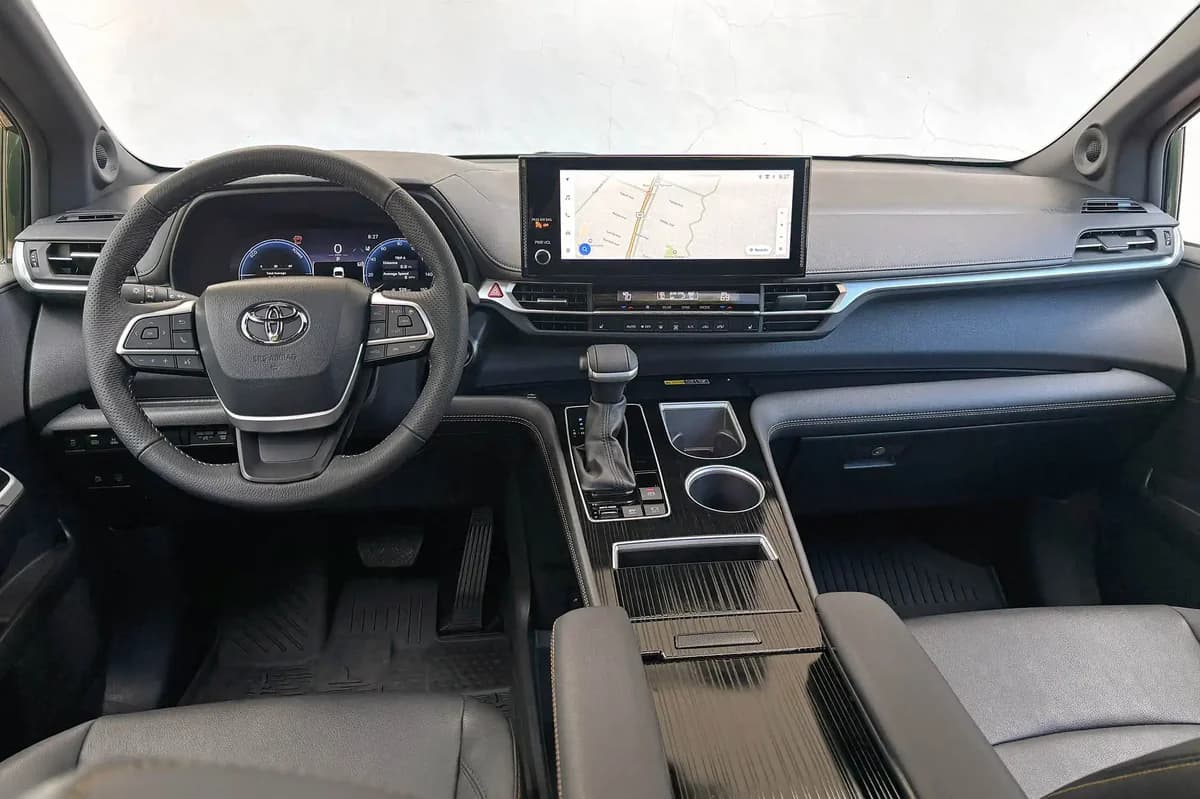
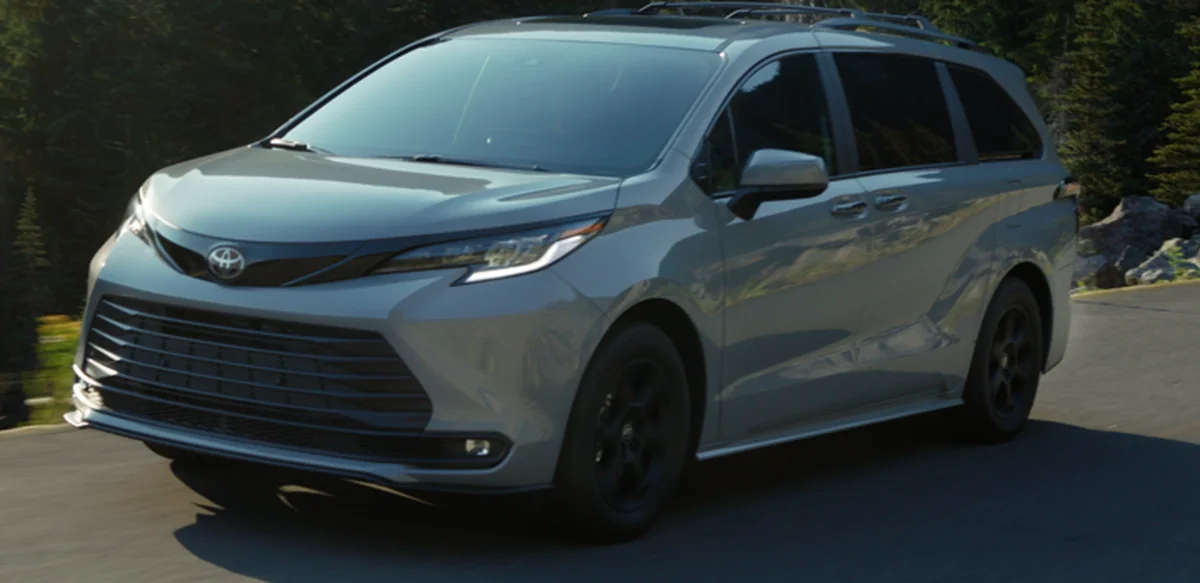
The Sienna is most convincing when it settles into a steady cruise. Its smooth, cushioned ride and supportive seats make commuting and long road trips relaxing, while straightforward physical controls reduce distraction. Expert and owner feedback broadly supports that comfort, but the cabin is not consistently serene: engine noise under hard acceleration becomes coarse and droney, with tire and wind noise also reported on highways. Sportier XSE suspension and 20-inch wheels can sharpen the look while giving up some ride softness.
Hybrid Fuel Efficiency
The Sienna’s hybrid system keeps fuel costs unusually low for a full-size family vehicle. Its 2.5-liter four-cylinder hybrid powertrain produces 245 horsepower and Toyota rates FWD versions at up to 36 mpg combined, or 35 mpg with AWD. Real-world testing generally supports the advantage, with reviewers reporting roughly 32.6 to 38.5 mpg, although cold weather, hills, and aggressive driving reduce it. The smooth eCVT needs no plugging, while engine droning and only adequate acceleration are the trade-offs.
Passenger Space Seating
The Sienna makes carrying people easier than its exterior suggests. It offers seven- or eight-passenger configurations, adult-usable seating in all three rows, sliding second-row captain’s chairs, power sliding doors, and family details such as rear sunshades and the Advanced Rear Seat Reminder. Reviewers consistently praise car-seat access, storage, and long-trip comfort. The third row is less airy than the best rivals, access can be awkward around rear-facing seats, and upper trims lose the eight-seat layout.
Acceleration Powertrain Response
The Sienna is easygoing rather than genuinely quick. Its 245-horsepower hybrid system delivers smooth low-speed response and predictable eCVT operation, which suits family driving and maneuvering in town. However, reviewers repeatedly describe acceleration as merely adequate, especially with a full cabin, while mountain climbs and highway merges bring pronounced engine noise and patience-demanding passing. That weakness is less important for relaxed transport, but buyers expecting SUV-like punch should test it loaded before choosing the Sienna over stronger rivals.
Cargo Capacity Flexibility
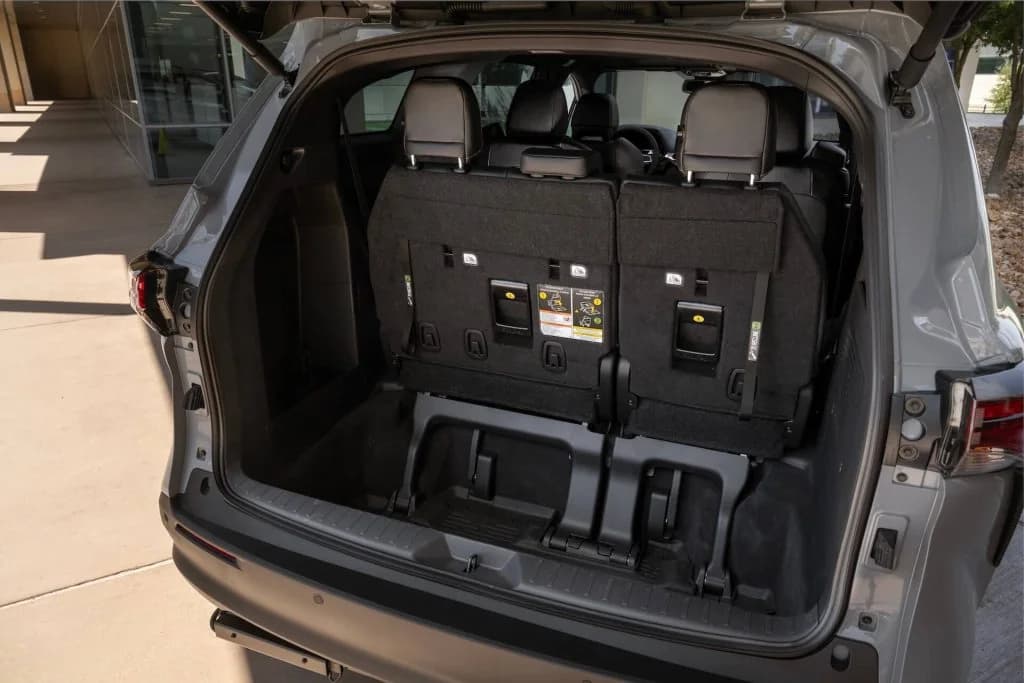
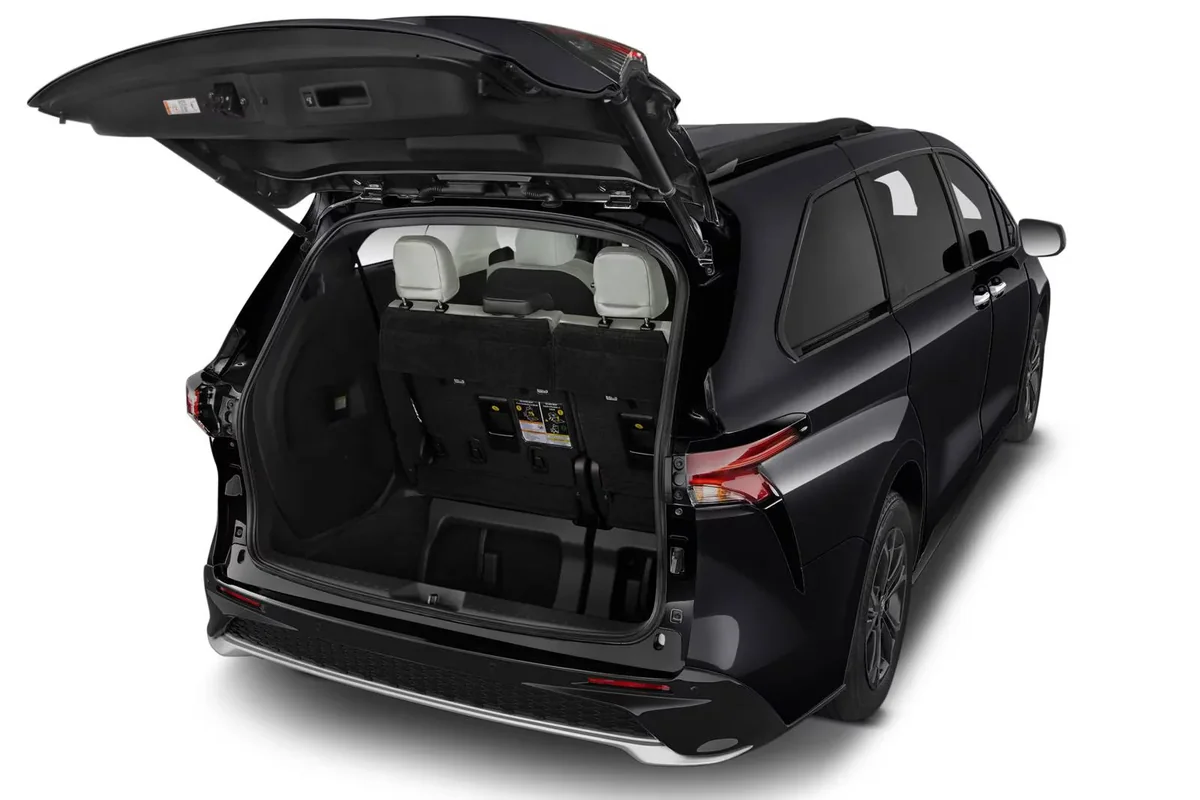
There is plenty of everyday cargo room, but the seating hardware limits ultimate versatility. Toyota lists 33.5 cubic feet behind the third row and up to 101 cubic feet maximum, with a one-handed folding third row that handles groceries, strollers, and road-trip luggage well. The important catch is that second-row seats cannot be removed or folded flat, so bulky furniture and long items are harder to carry than in an Odyssey or Carnival. Its clever underfloor storage and available built-in vacuum still make daily loading convenient.
Conclusion
The Sienna’s final verdict is refreshingly practical: it spends less time at the pump, carries people comfortably, and handles family duty without demanding a plug. Its hybrid efficiency is the headline, while roomy three-row seating, sliding doors, and available AWD make it especially well suited to commuting, school runs, and road trips. The ride is cushioned and reassuring, though engine noise under load and merely adequate acceleration take some shine off highway merges and mountain climbs. Everyday cargo use is strong, but non-removable second-row seats limit bulky-item flexibility, and upper trims can become expensive. Owners and experts broadly see it as dependable, economical, and easy to live with—not exciting, but exceptionally useful. Choose it for efficient passenger transport and long-term practicality; look elsewhere if power, cutting-edge technology, or maximum cargo versatility matter more. That balanced mix of strengths and compromises makes the Sienna a smart, highly recommendable family tool.

Feature Scores
This reflects reviews and ratings from established critics, journalists, and users who have evaluated the item. Their opinions provide a comprehensive assessment.
Performance
Acceleration Response
3/5
Powertrain Refinement
4/5
Fuel Efficiency
5/5
Passenger Capacity
5/5
Cargo Versatility
4/5
Ride Comfort
4/5
Long-Term Reliability
5/5
Value
Ownership Economics
4/5
Standard Equipment
4/5
Resale Strength
4/5
Design
Exterior Proportion
3/5
Cabin Ergonomics
4/5
Interior Flexibility
4/5
Interior Perceived Quality
3/5
Health
Cabin Air Quality
TBD
Seating Support
4/5
Noise Exposure
3/5
Safety
Crash Protection
5/5
Driver Assistance
4/5
Child Passenger Protection
4/5
Visibility And Maneuvering
4/5
Sustainability
Lifecycle Emissions
4/5
Regenerative Energy Use
4/5
Battery Lifecycle Management
3/5
Experience Style
Family Convenience
5/5
Technology Integration
4/5
Driving Simplicity
4/5

Specifications
This section outlines the product's key facts, covering essential features, details, dimensions, materials, and any unique characteristics that define its functionality and usability.
Performance
Value
Design
Safety
Sustainability
Experience Style

Frequently Asked Questions
8 Questions



Find Yours
What matters most in your ideal hybrid van or minivan?
Answer to find your best matches.