











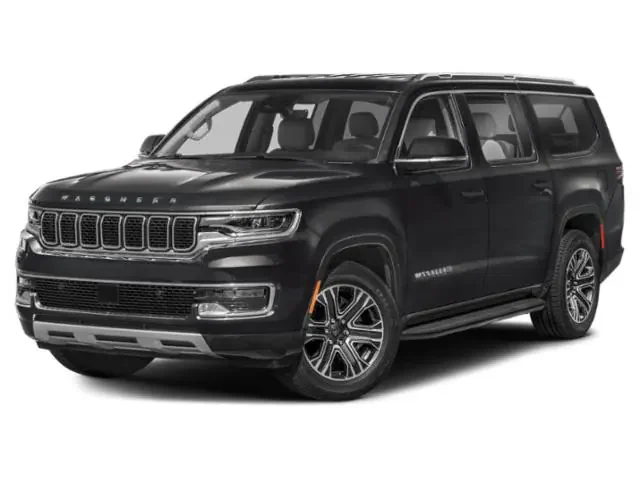
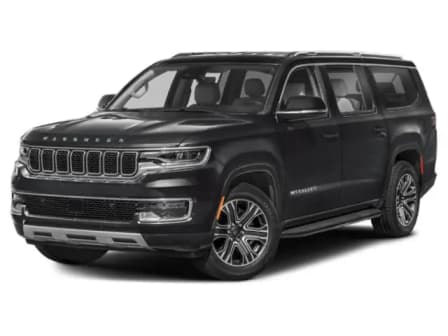
Jeep Wagoneer (2025)
Spacious, powerful, and comfortable, but pricey with mixed reliability and city manners.
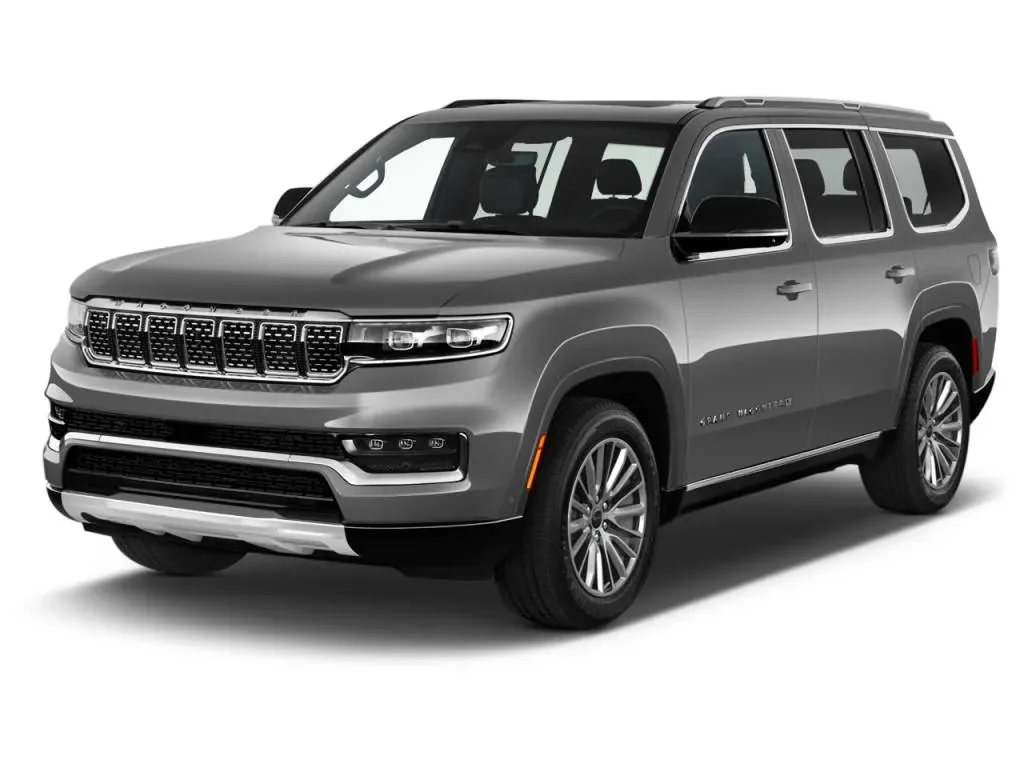
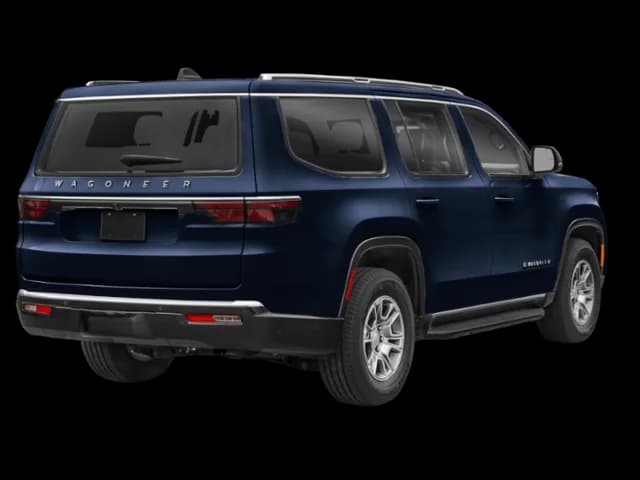
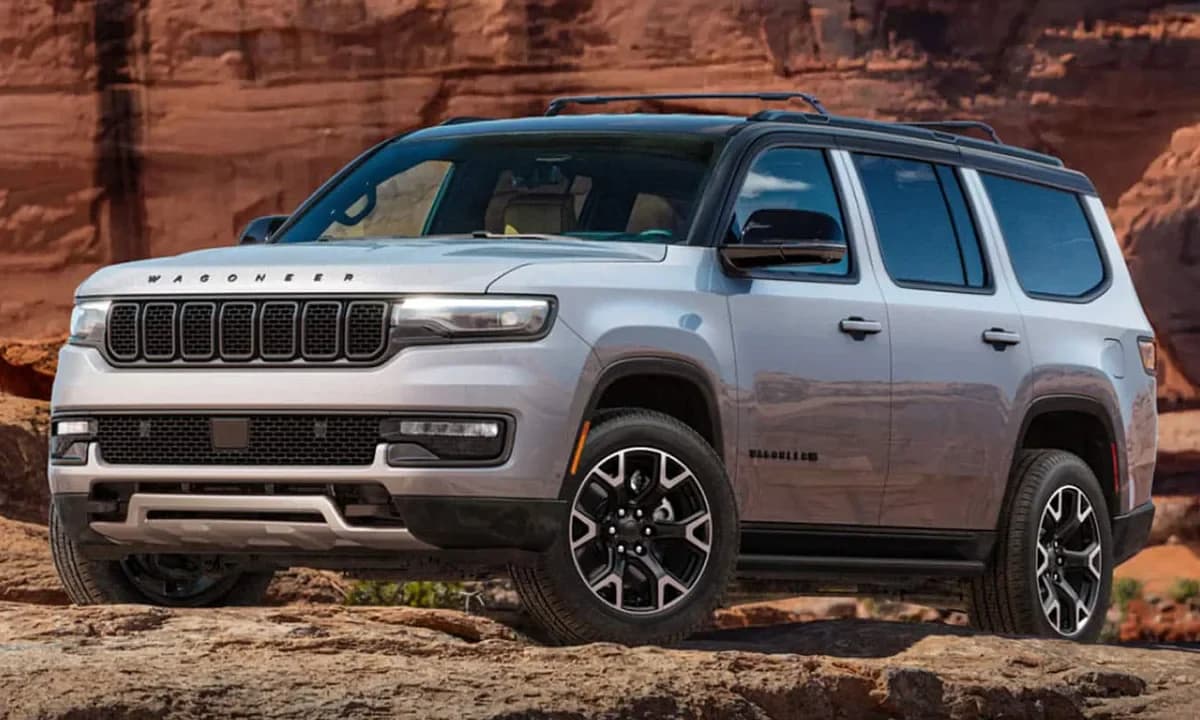
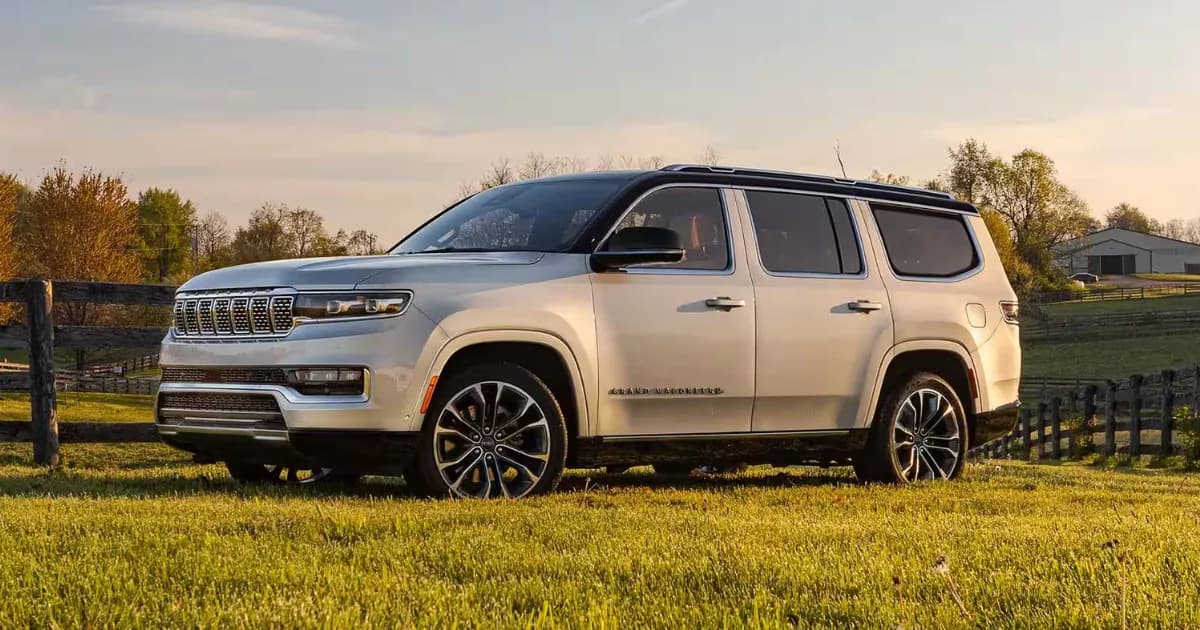
The 2025 Jeep Wagoneer is a rolling family room with towing muscles, aimed at buyers who need adult-friendly three-row space, serious trailer capacity, and more comfort than a typical truck-based SUV. Its 420-hp twin-turbo inline-six feels smooth and quick, supporting Jeep’s promise of effortless capability, while experts praise the quiet cabin, useful cargo area, and genuinely roomy third row. Available air suspension improves road-trip composure, though owners and testers also report fussy controls, mediocre braking, awkward parking, and inconsistent electronics. At roughly $60,000 to above $85,000, it offers compelling space and power, but depreciation and reliability concerns make discounts or leasing particularly sensible. Overall, 10,000-pound towing, comfort, and practicality lift its appeal, while mixed ownership confidence limits the value case.
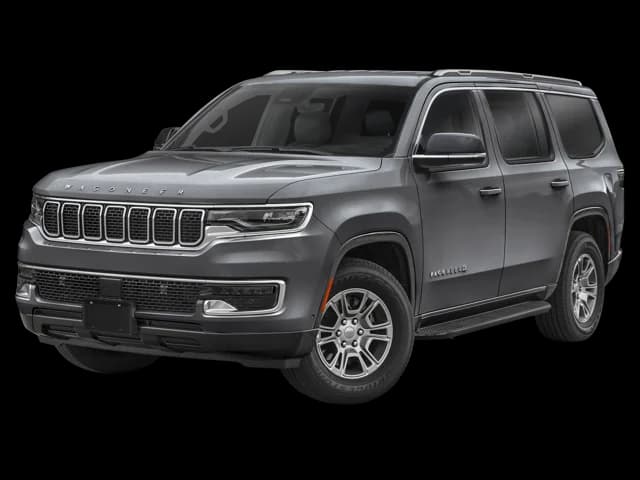
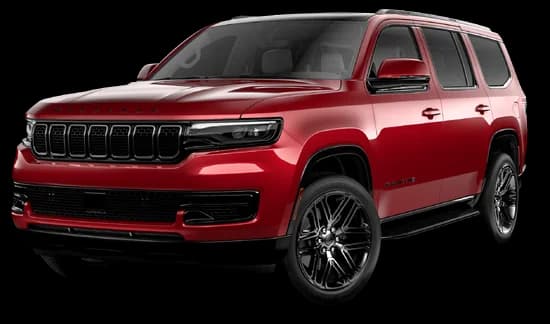
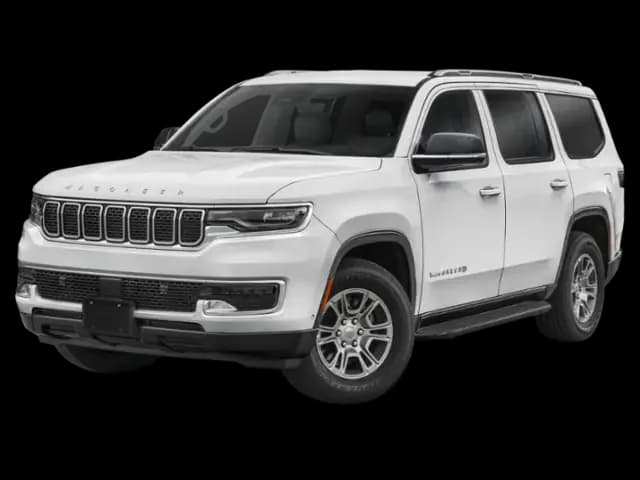
Find Yours
What is your primary use for a Gas-Powered SUV?
Answer to find your best matches.

The Field
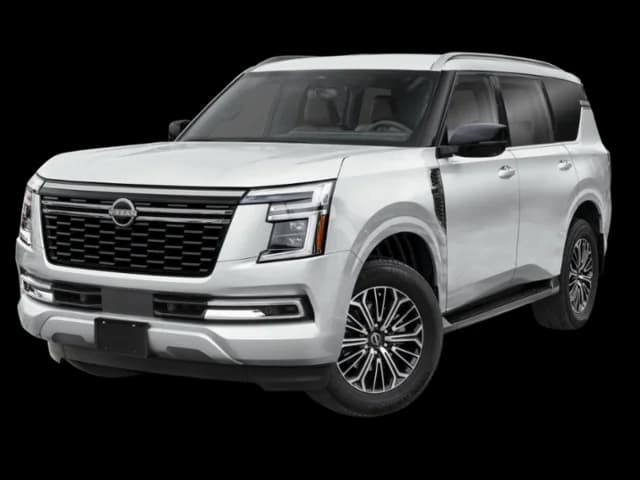
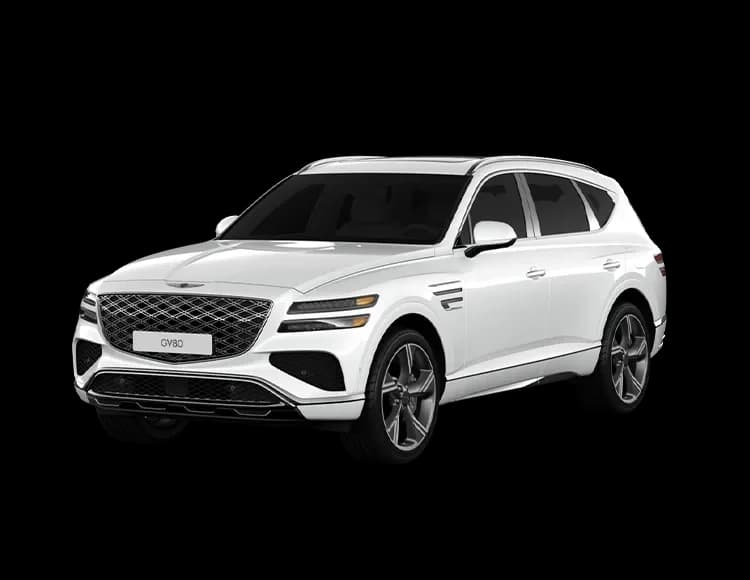
Browse top contenders, or compare all options ranked by score and key attributes.
5 Options



The Scoreboard
Does this improve your life? Considers, health, habits, and environmental impact.
Benefits
Adults can sit comfortably on long trips, keeping family travel noticeably less cramped.
Large cargo room, useful storage, and multiple seating layouts simplify everyday hauling.
The turbocharged six-cylinder makes merging, passing, and towing feel easy despite its size.
Supportive seats, composed cruising, and available air suspension make long journeys easier.
Trade-Offs
Its enormous footprint makes parking garages, narrow streets, and tight errands noticeably awkward.
Touch-heavy climate and cruise controls slow simple adjustments, especially while driving.
Modest real-world mileage can mean stopping for fuel more often during busy weeks.
At repeated traffic stops, braking can require firmer pedal input and more planning.
 Alternatives


Join the Circle
Where real meets deal
Know what's worth buying-and when.
Tips, special offers, and rewards for buying and sharing.

Publications
3 LEADING PUBLICATION REVIEWS

Car and Driver is strongly positive about the 2025 Jeep Wagoneer, calling it a remarkably capable family hauler. Its standout achievement is the third row: generous adult-friendly space, easy access, thoughtful storage, abundant USB ports, and stadium seating make it unusually usable. The twin-turbo inline-six supplies strong acceleration, while composed handling, clear controls, quiet cruising, and an excellent McIntosh system make daily driving feel surprisingly refined for such a large SUV. Still, the Wagoneer is not flawless. The ride retains some body-on-frame jiggle, braking is mediocre, certain cabin plastics feel cheap for an SUV costing up to $86,120, and the optional second-row bench is less comfortable than the captain’s chairs. Even so, the review considers these shortcomings manageable, concluding that the Wagoneer’s exceptional third row and well-rounded performance make its steep but competitive price worthwhile.
By Jonathon Ramsey
Kelley Blue Book’s Eric Brandt is strongly enthusiastic about the 2025 Jeep Wagoneer. He portrays it as an unusually capable full-size SUV, pairing a spacious, adult-friendly third row and class-leading cargo room with 10,000-pound towing capacity, comfortable highway manners, and genuine Jeep off-road ability. The turbocharged six-cylinder earns particular praise for providing ample power without needing a V8, while the available Quadra-Lift suspension, McIntosh audio system, and upscale Nappa-leather trims give the Wagoneer surprising luxury. A lower starting price and added standard safety features strengthen its value, and regular fuel is a practical bonus. Brandt does acknowledge ponderous handling, below-average resale value, limited engine choice, and a mixed safety record, but these concerns barely dent his recommendation. Overall, the review presents the Wagoneer as a highly appealing family hauler that can tow, travel, explore, and pamper occupants.
By Eric Brandt
The Car Connection’s Andrew Ganz is moderately positive about the 2025 Jeep Wagoneer, but his praise is carefully qualified. He appreciates its exceptionally spacious, upscale cabin, genuinely comfortable seating across three rows, smooth ride—especially with the available air suspension—and strong towing performance from the twin-turbo inline-six. Standard leather, massaging front seats, useful technology, and lower pricing make the base Wagoneer seem like the lineup’s smartest choice. Still, this is an enormous, cumbersome SUV that feels awkward in town, offers limited real off-road usefulness, and has a high cargo liftover. Styling is brash, shiny black interior trim is frustrating, the third row isn’t class-leading, and the warranty is underwhelming. Fuel economy is the decisive weakness, particularly for the premium-fuel Grand Wagoneer. Overall, Ganz portrays it as a comfortable, well-equipped long-distance hauler rather than a versatile or efficient everyday SUV.
By Andrew Ganz

YouTube
11 LEADING EXPERT & INFLUENCER REVIEWS
 Consumer Reports
Mike Quincy is broadly positive about the Jeep Wagoneer, especially its smooth, powerful Hurricane twin-turbo inline-six. He praises the quiet, comfortable cabin, supportive seats, upscale materials, composed ride, spacious third row, and useful cargo area, while noting the engine feels more refined than the outgoing V8. Still, this is an expensive, enormous SUV with clumsy touch controls, confusing cruise-control buttons, difficult parking, and disappointing braking distances. Its four-wheel-drive system suits boat launches and rough roads better than serious off-roading. Overall, Quincy views it as a polished, comfortable cruise ship, but not exceptional value at roughly $82,000.
Driving Sports TVRyan Daiff is highly impressed by the 2025 Jeep Wagoneer Overland, especially its comfort, power, and capable traction systems. The Hurricane inline-six feels smooth and quick, reaching 60 mph in 5.66 seconds, while air suspension, low range, a rear locker, and excellent brake-based traction control make family-oriented off-roading surprisingly effective. He also praises the spacious cabin and easy road manners. Still, the Wagoneer’s independent suspension lacks articulation, the side steps are vulnerable, trail-camera functionality seems incomplete, glossy trim and inconsistent controls raise quality concerns, and depreciation worries him. He would lease one, but would not buy it over a Toyota Land Cruiser.
Car ConfectionsCar Confections is strongly impressed by the Wagoneer’s capabilities and refinement. The new 3.0-liter Hurricane twin-turbo inline-six brings 420 horsepower, strong low-end torque, smooth acceleration, and a quieter, more sophisticated experience than the outgoing Hemi. The spacious cabin, exceptionally comfortable third row, upscale materials, useful technology, and 10,000-pound towing capacity are major strengths. Ride quality is notably good with the available air suspension, and fuel economy improves over comparable powertrains. The main drawback is price: this Series II costs about $85,000 and can exceed key rivals, making value the central reservation despite an enthusiastic overall assessment.
Ben HardyBen Hardy is cautiously positive about the 2025 Jeep Wagoneer, calling it exceptionally comfortable and smooth when everything works properly. He praises its spacious three-row cabin, strong Hurricane inline-six, refined driving experience, and value versus the Grand Wagoneer. However, reported oil and turbo leaks, electrical glitches, climate-control failures, and early power-steering or braking problems temper his confidence, especially in 2022–2023 models. His practical advice is to choose a newer Wagoneer with fewer electronic options—particularly the Carbide—unless off-road capability justifies the Overland package. Overall, he views it as an appealing luxury family SUV, but one best bought selectively.
Gearbox Car ReviewsGearbox Car Reviews is highly impressed by the 2025 Jeep Wagoneer, calling it a favorite among recent $80,000-plus SUVs. The reviewer praises its spacious, comfortable seven- or eight-passenger cabin, strong Hurricane inline-six performance, excellent ride—especially with the available air suspension—and useful towing and family-friendly features. Adaptive cruise and lane management work well, while the flat cargo floor and genuinely usable third row stand out. Still, its roughly 13-mpg observed economy, noticeable road and wind noise, limited keyless access, frustrating touch controls, and absent digital mirror or massage seats keep it from feeling fully luxurious. Overall, it earns a strong recommendation.
JB ReviewsJB Reviews is clearly positive about the Jeep Wagoneer, despite meaningful early reliability frustrations. After a year and 12,000 miles, the owners praise its spacious, comfortable cabin, genuinely usable third row, abundant storage, intuitive screens, camera washer, heated and ventilated seats, and surprisingly good real-world fuel economy. Recalls—including a short seat-wiring harness and steering-wheel memory issue—were annoying and kept them from buying another immediately, but both owners would still consider a Wagoneer once initial production glitches are resolved. Their unusual ownership perspective is reassuring: they prefer it to comparably equipped Tahoe or Yukon models.
The Wolf of WilliamsburgChris G is highly impressed by the 2025 Jeep Wagoneer’s performance, refinement, and family practicality, but strongly rejects its new-car pricing. He praises the Hurricane twin-turbo inline-six for feeling remarkably quick, returning nearly 23 mpg, while the composed suspension, exceptionally quiet cabin, spacious third row, power-folding seats, and upscale materials outperform his expectations—even compared with his Rivian and a Range Rover. Still, piano-black trim, an unpolished Uconnect system, undersized screen, finicky climate controls, unreliable tailgate, and awkward rotary shifter frustrate him. His verdict is enthusiastic only at a steep used discount, not at roughly $75,000–$80,000 new.
EastCoastJeepSRTEastCoastJeepSRT is highly enthusiastic about the Wagoneer after driving it more than 6,500 miles cross-country. He praises its exceptional cargo flexibility, comfort, adaptive cruise control, highway composure, and ability to handle dirt and gravel trails, calling space and comfort 10/10. Fuel economy was acceptable but variable, typically ranging from the high 17s to around 20 mpg, while the SUV’s huge dimensions created parking-garage and narrow-trail challenges. His main complaint is buggy Uconnect GPS software. Even so, he is trading up—not away—to a longer Wagoneer because he loves it and wants more space and newer driver-assistance features.
Raiti's RidesJoe Raiti is highly enthusiastic about the 2025 Jeep Wagoneer Overland Edition, calling it an impressive full-size overlanding SUV. He praises its commanding design, increased ground clearance, steel skid plates, Quadra-Lift air suspension, Falcon Wildpeak all-terrain tires, capable four-wheel-drive hardware, and exceptionally spacious, comfortable cabin. The abundant cameras, off-road pages, passenger power, and cargo versatility particularly impress him. His criticisms are minor: some unnecessary fake vent trim, stick-on hood lettering, glossy black surfaces, and expected road noise from the tires. Although this auto-show first look cannot verify driving or towing performance, Raiti clearly sees the Wagoneer as a compelling Tahoe Z71 alternative.
CTech-reviewBarry from CTech Review is highly enthusiastic about the 2025 Jeep Wagoneer, calling it phenomenal and a vehicle he’d buy immediately. He praises its smooth Hurricane inline-six, excellent ZF eight-speed pairing, strong towing hardware, premium cabin, comfortable adult-friendly third row, practical open passage between second-row seats, and surprisingly agile, quiet road manners. His real-world testing returned 20.1 mpg on a mixed loop and 15.4 mpg over 71 miles, comparable to his Navigator. Although fuel economy remains ordinary and the $84,335 test vehicle is expensive, discounts make the Wagoneer especially compelling.
QuickShiftsJason is broadly positive about the Jeep Wagoneer, especially its quiet cabin, reassuring rear climate setup, and pleasing Hemi V8 sound. His hands-on Series I Carbide had only about 600 miles, so he couldn’t verify every reported issue, but he discusses leather-seat separation, failing power running boards, and check-engine warnings that can trigger limp mode on earlier builds. He considers the fixed steps a fortunate choice and believes software updates resolve many warning-light problems. Overall, the Wagoneer seems solid to him, though buyers should investigate build-specific reliability concerns.

Social
1 INFLUENCER REVIEW
 Enobong Etteh
Enobong Etteh is clearly positive about the 2025 Jeep Wagoneer, especially its size and practicality. He emphasizes the genuinely usable three-row cabin, enough rear space for luggage, USB-A and USB-C ports at every seat, heated and ventilated front seats, strong acceleration, and roughly 380 miles of range. The 3.0-liter V6’s 420 horsepower also suits the SUV’s substantial capacity. Still, his enthusiasm is measured: he finds the interior merely okay and dislikes the thick bezels around the 10.5-inch display. Overall, it comes across as a capable, spacious family SUV with useful off-road-oriented adjustability, but not a particularly refined one.

Forum Reviews
CUSTOMER REVIEWS FROM 1 FORUM
Redditors are largely negative on the 2025 Jeep Wagoneer, citing poor value, reliability, and luxury execution. Owners and shoppers frequently describe Stellantis-quality problems, including transmission failures, falling-apart interiors, weak air-conditioning, expensive repairs, software glitches, and difficult parts availability. Its oversized design and comfortable, fast driving experience earn some praise, particularly from Wagoneer S lessees, but those favorable impressions are usually tied to heavily discounted leases or used pricing. Most buyers view the Wagoneer as overpriced, rapidly depreciating, and a risky alternative to established large SUVs, though a small minority report comfortable, trouble-free ownership.
Many comments

In-Depth Review

Highlights
- •Adult-Friendly Third RowReviewers consistently find adults comfortable.
- •Smooth Turbo Power420-hp engine delivers refined acceleration.
- •Strong Towing CapabilityDesigned for 10,000-pound towing.
- •Composed Highway RideAvailable air suspension eases long trips.

Considerations
- •Pricing Weakens ValueUpper trims can exceed $85,000.
- •Reported Reliability IssuesOwners cite glitches and costly repairs.
- •Fussy Touch ControlsClimate and cruise adjustments feel cumbersome.
- •Awkward City HandlingThe large footprint complicates parking.
Jeep’s Wagoneer brings the brand’s capability-minded image into the premium full-size SUV market. Positioned between mainstream Tahoe- and Expedition-class rivals and pricier luxury models, it targets families and frequent towers who need adult-friendly third-row space, useful cargo room, and a more upscale road-trip experience. Its 420-hp Hurricane inline-six adds effortless passing power, while 10,000-pound towing gives it serious weekend-work credentials. Compared with older V8 expectations, the turbocharged six feels smoother and more modern, and available air suspension helps tame the body-on-frame bulk. The trade-offs—awkward parking, mediocre braking, touch-heavy controls, and uneven material quality—matter, particularly as pricing climbs and reliability feedback remains mixed. The following sections examine how its people-hauling, performance, towing, ride, loading, and cabin execution compare in daily life—because a luxury SUV this large should carry the family, the trailer, and your expectations.
Powertrain Performance
The Hurricane engine gives this large SUV surprisingly effortless pace. Its 3.0-liter twin-turbo inline-six produces 420 hp and 468 lb-ft of torque, working with an eight-speed automatic for smooth, quiet acceleration. Independent testing has recorded roughly 5.3 to 5.7 seconds to 60 mph, making merging and passing easy. Reviewers generally find it more refined than the outgoing Hemi V8, though observed economy can vary widely, from about 13 mpg to the low 20s.
Ride And Handling
Its best dynamic quality is relaxed long-distance comfort rather than nimble city behavior. Available Quadra-Lift air suspension smooths the ride and helps the Wagoneer feel composed on highways, while the quiet cabin and supportive seats suit road trips. The trade-off is substantial body-on-frame bulk, with ponderous parking manners, some jiggle, and disappointing braking distances noted in testing. Traction hardware can be impressively capable, but independent suspension limits articulation on more serious off-road terrain.
Cabin Material Quality
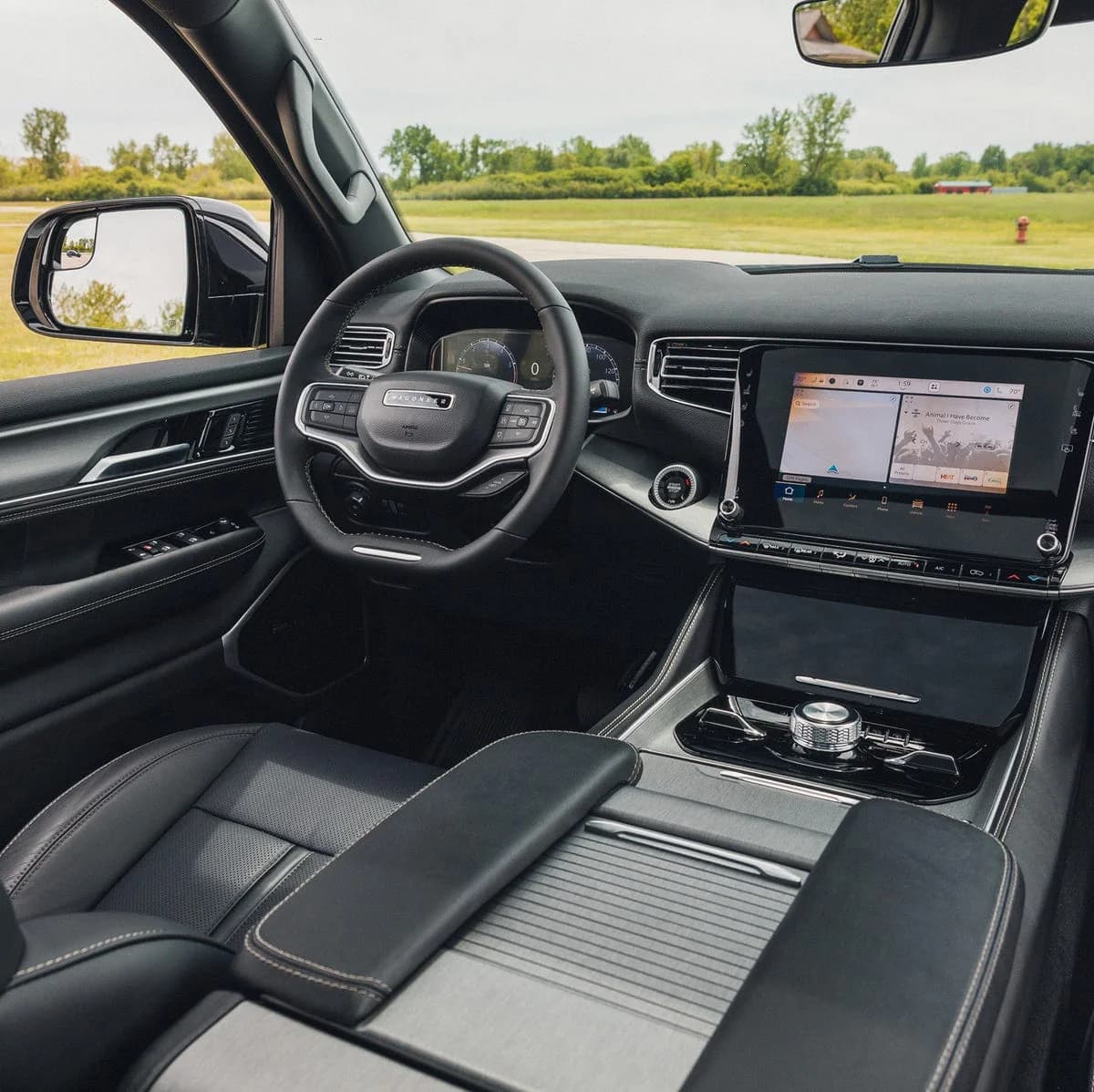
The cabin feels premium in its strongest areas, but not consistently luxurious at this price. Nappa leather and massaging front seats are available, and the McIntosh audio system, supportive seating, and quiet cruising elevate long trips. Still, reviewers identify cheap-feeling plastics, glossy piano-black trim, thick display bezels, and occasionally awkward touch controls. User reports also raise concerns about interior pieces deteriorating, though those complaints are anecdotal and should be weighed against the generally favorable professional impressions.
Third-Row Space Access
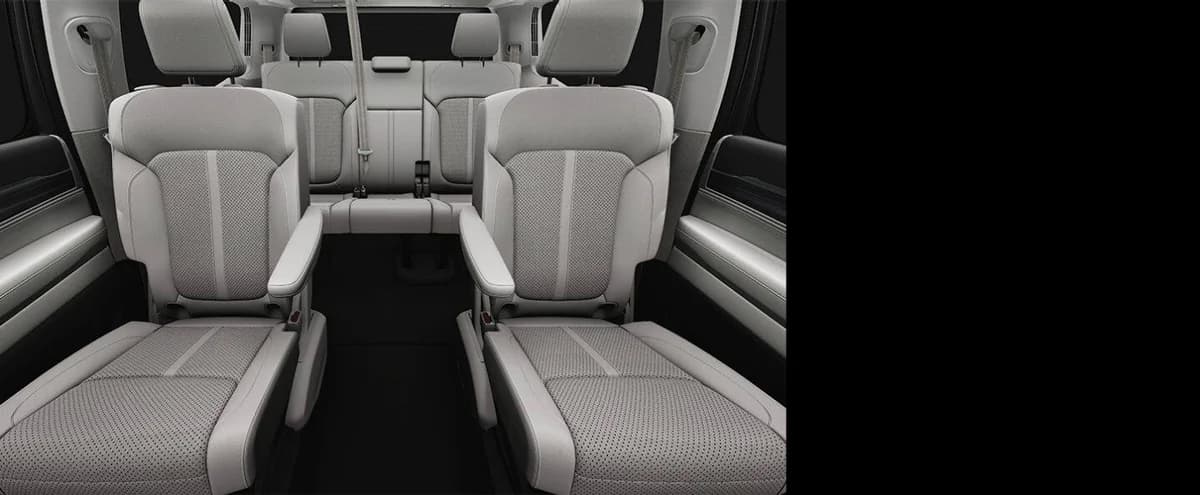
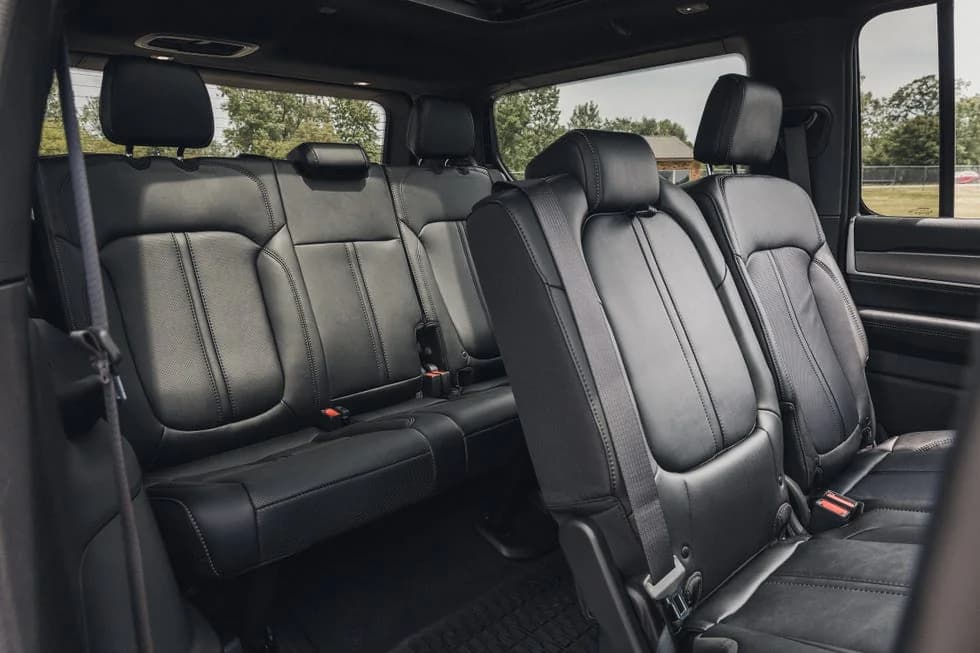
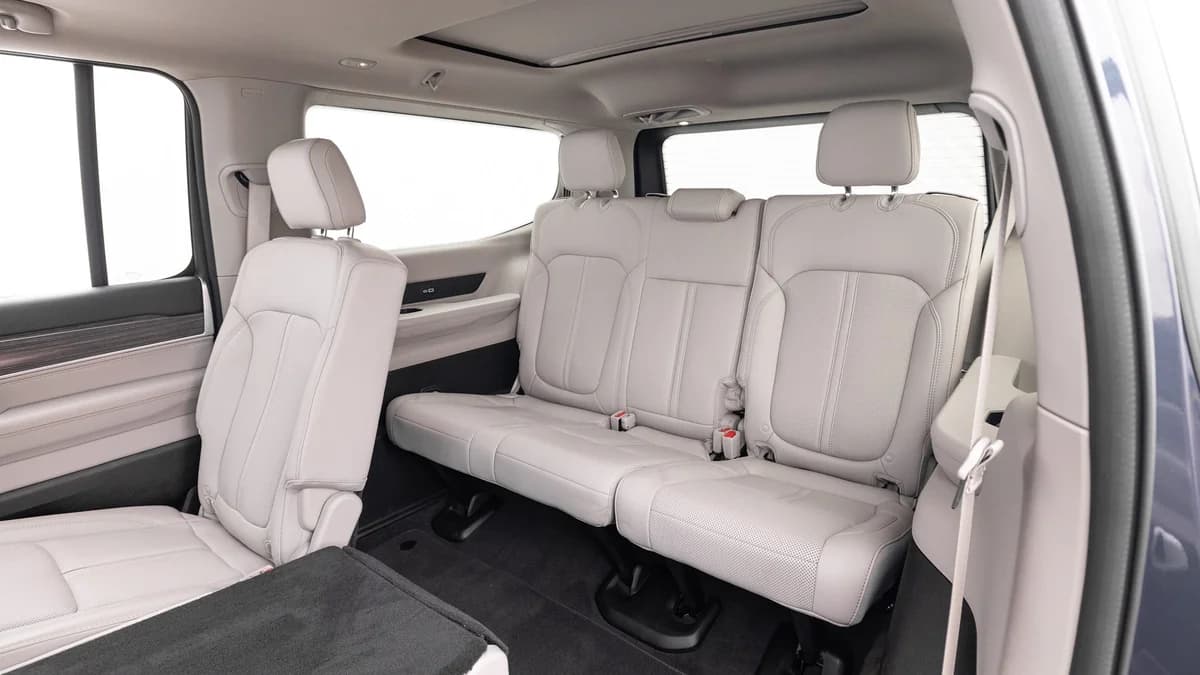
The Wagoneer makes its third row genuinely usable for adults. Adult-friendly legroom and stadium-style seating help passengers avoid the cramped feeling common in large SUVs, while the second-row layout and easy access improve loading people. Reviewers especially praise the abundant USB ports, storage, and rear climate provisions. The available bench is less comfortable than captain’s chairs, and one review disputes whether it is truly class-leading, but expert feedback strongly supports Jeep’s family-hauling claim.
Towing Capability
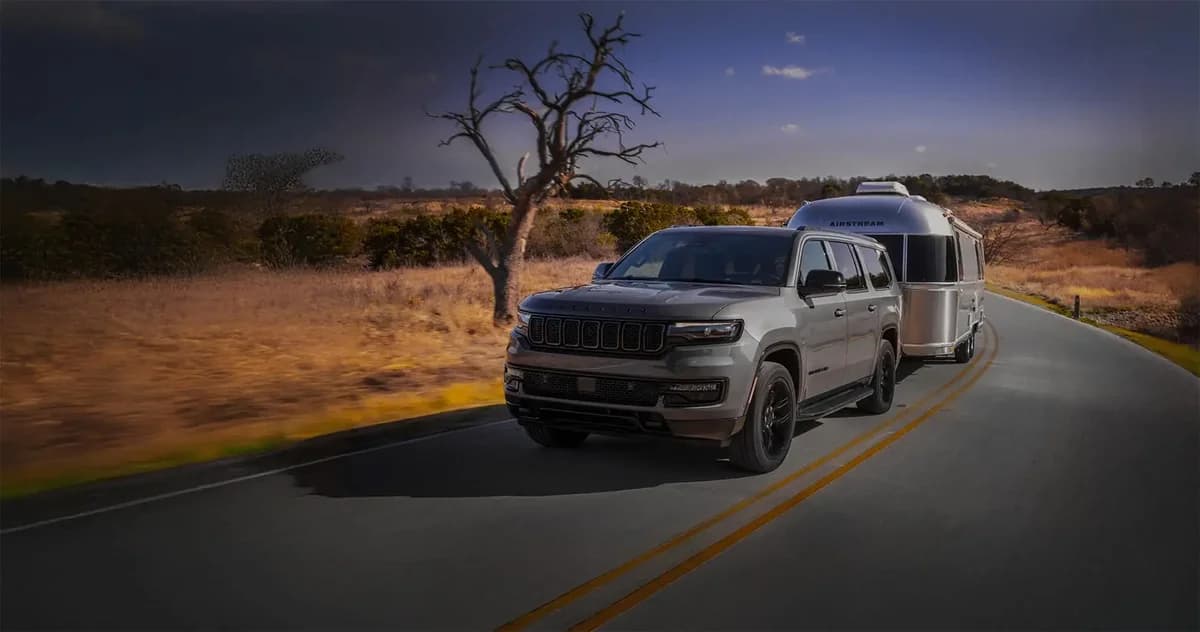
The Wagoneer is built to handle serious trailer duty, not just family errands. Properly equipped, it can tow up to 10,000 pounds, with the Hurricane’s strong low-end torque helping launches, highway merging, and sustained pulls. Available four-wheel-drive systems add confidence on boat ramps, gravel, and poor-weather surfaces. Reviews support its towing strength, but note that the SUV’s size complicates maneuvering, and its four-wheel drive is better suited to towing access roads than demanding technical trails.
Cargo Loading Practicality
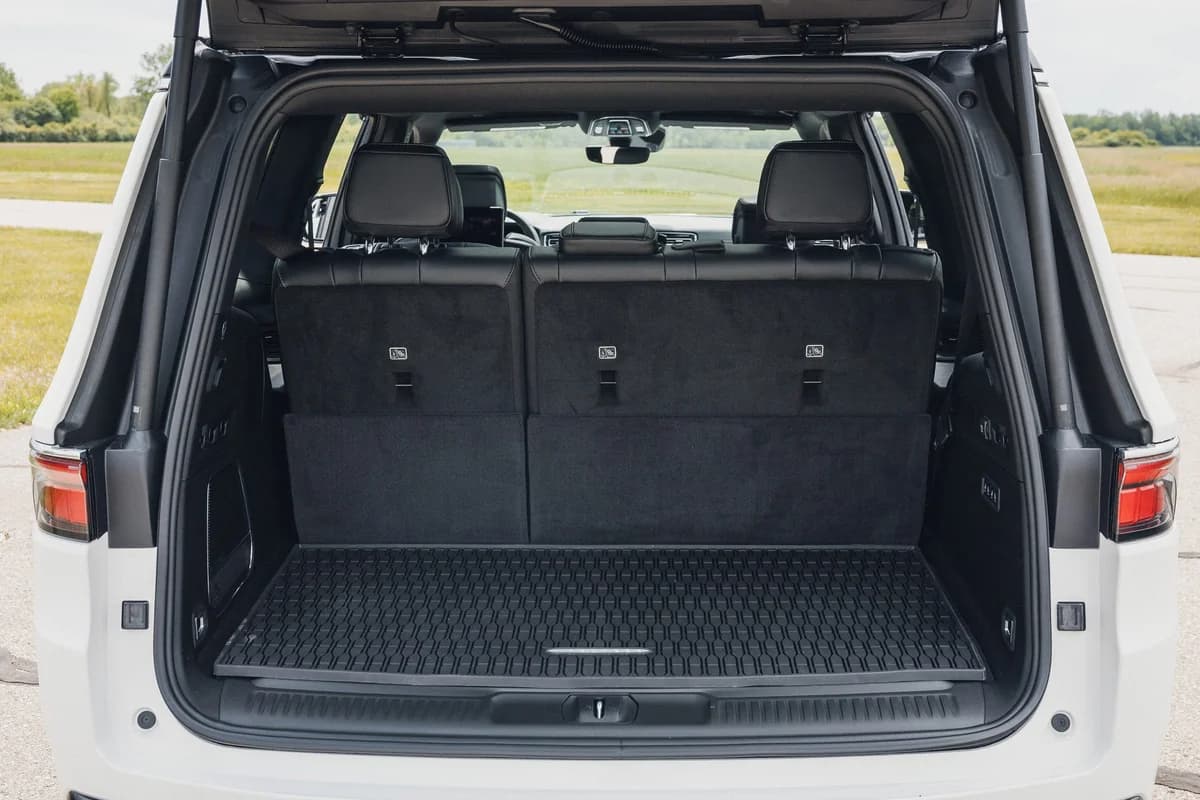
The Wagoneer has the space families usually want from a full-size SUV. 27.4 cubic feet behind the third row provides useful everyday capacity, while folding the rear seats creates a broad, practical load floor. Reviewers also like the storage compartments, power-folding seats, and flexible passage between second-row occupants. The high cargo liftover makes heavier items harder to load, and the standard-length body offers less room than the extended Wagoneer L, so configuration matters.
Conclusion
The Wagoneer’s final verdict is straightforward: it is a spacious family hauler with real muscle, but its size and polish come with conditions. Its adult-friendly third row and flexible cargo area make road trips genuinely practical, while the 420-hp Hurricane delivers smooth power and 10,000-pound towing confidence. Available air suspension improves highway comfort, though parking, braking, and body-on-frame bulk limit its appeal in town. The cabin feels premium in places, yet glossy trim, cheaper plastics, fussy controls, and user-reported glitches undermine the luxury promise. It suits families, long-distance travelers, and frequent towers who value room and capability over efficiency or easy maneuverability; shoppers seeking proven reliability, crisp handling, or stronger resale should look elsewhere. The result is a compelling but imperfect package—best considered with careful trim selection, discounts, or leasing rather than treated as an unquestioned bargain.

Feature Scores
This reflects reviews and ratings from established critics, journalists, and users who have evaluated the item. Their opinions provide a comprehensive assessment.
Performance
Engine Power
5/5
Acceleration
4/5
Towing Capacity
5/5
Fuel Efficiency
2/5
Reliability
2/5
Durability
2/5
Value
Purchase Price
3/5
Operating Cost
2/5
Resale Value
1/5
Design
Interior Space
5/5
Cargo Capacity
4/5
Ergonomics
4/5
Exterior Styling
4/5
Health
Cabin Air Quality
TBD
Interior Material Toxicity
TBD
Safety
Crashworthiness
3/5
Active Driver Assistance
4/5
Braking Performance
2/5
Visibility and Lighting
4/5
Sustainability
Tailpipe Emissions
2/5
Fuel Lifecycle Emissions
1/5
Use of Recycled Materials
TBD
End-of-Life Recyclability
TBD
Experience Style
Infotainment Features
4/5
Ride Comfort Tuning
4/5
Customization Options
4/5

Specifications
This section outlines the product's key facts, covering essential features, details, dimensions, materials, and any unique characteristics that define its functionality and usability.
Performance
Value
Design
Safety
Sustainability
Experience Style

Frequently Asked Questions
5 Questions



Find Yours
What is your primary use for a Gas-Powered SUV?
Answer to find your best matches.