









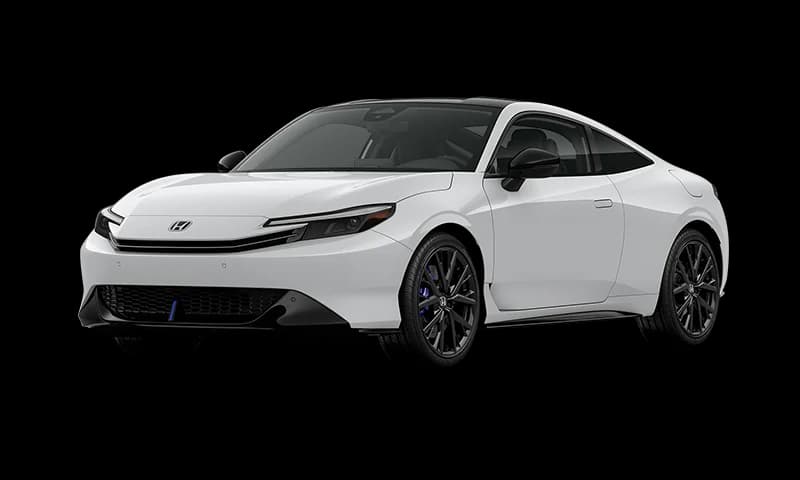
Honda Prelude (2026)
Efficient, sharp-handling hybrid coupe with clever tech, but costly and cramped.
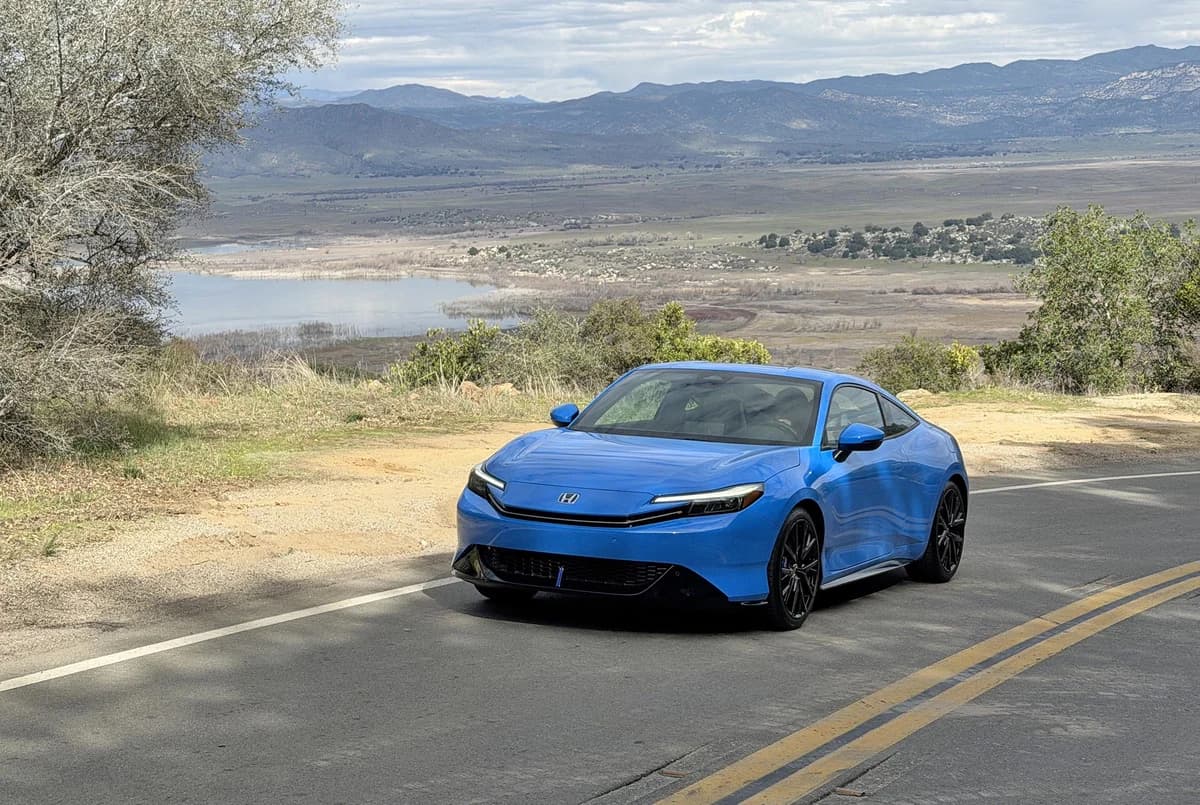
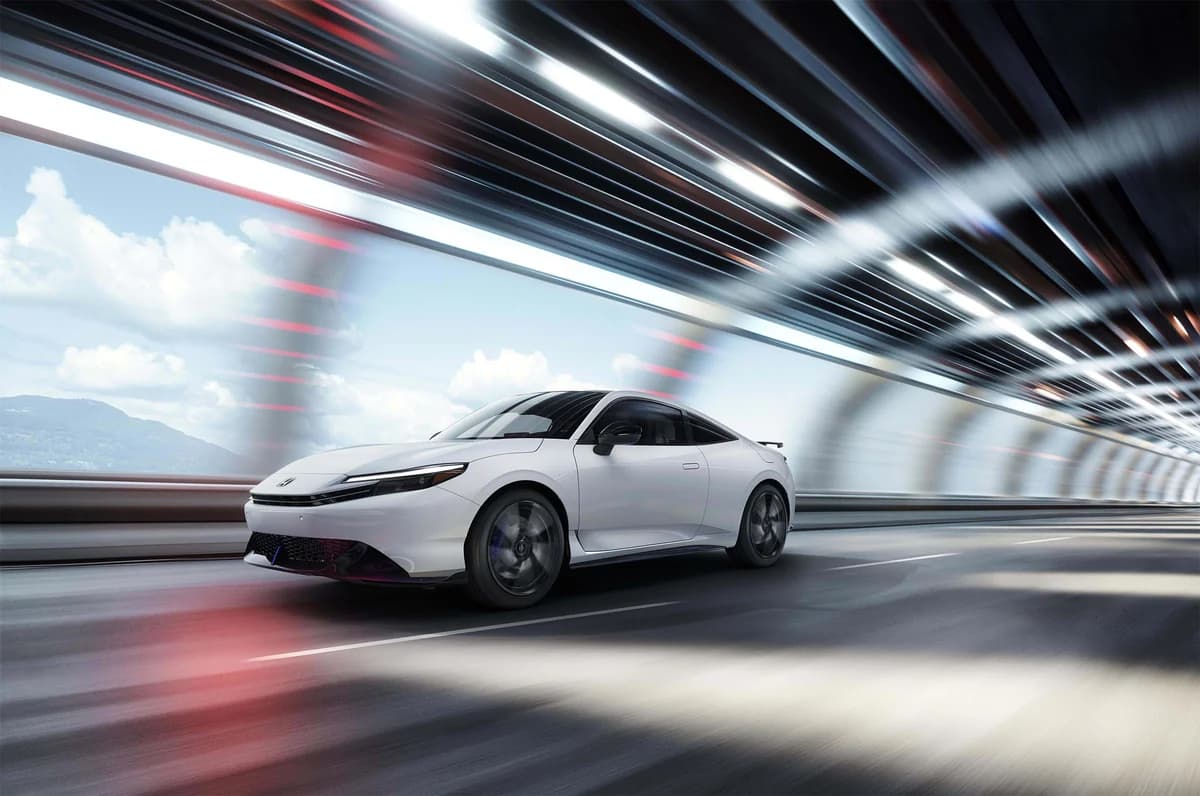
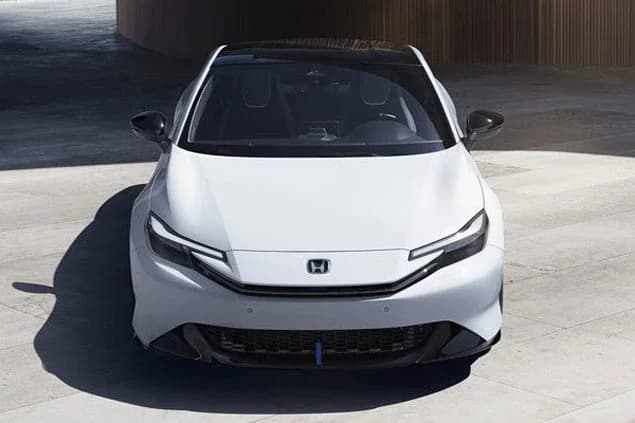
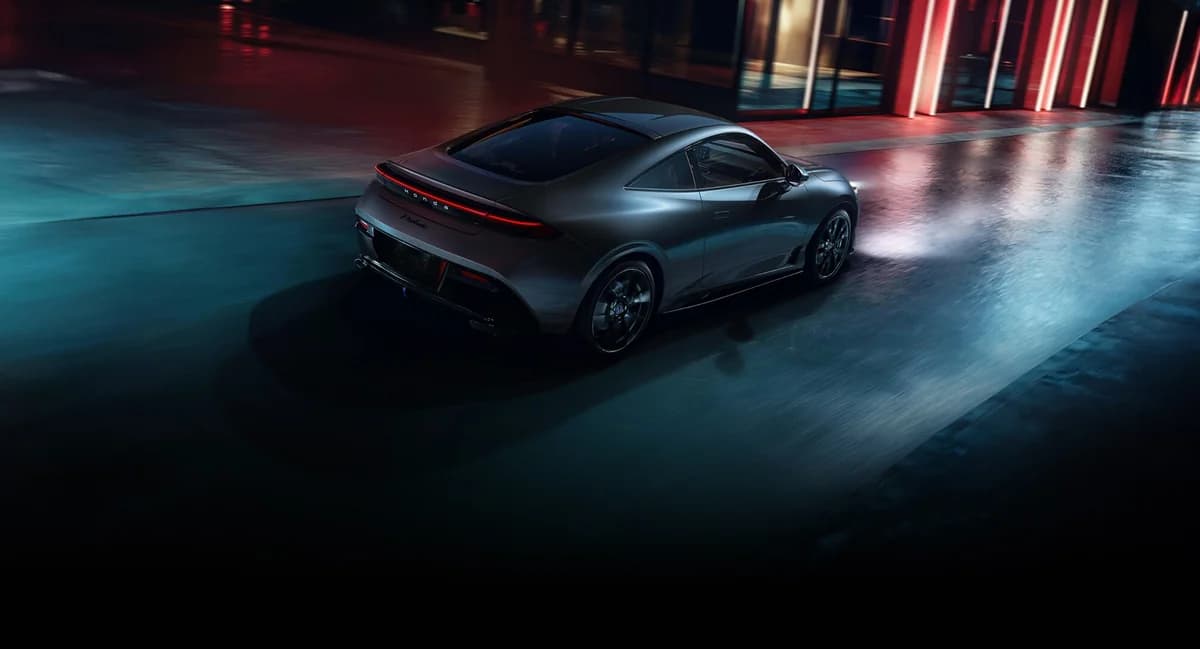
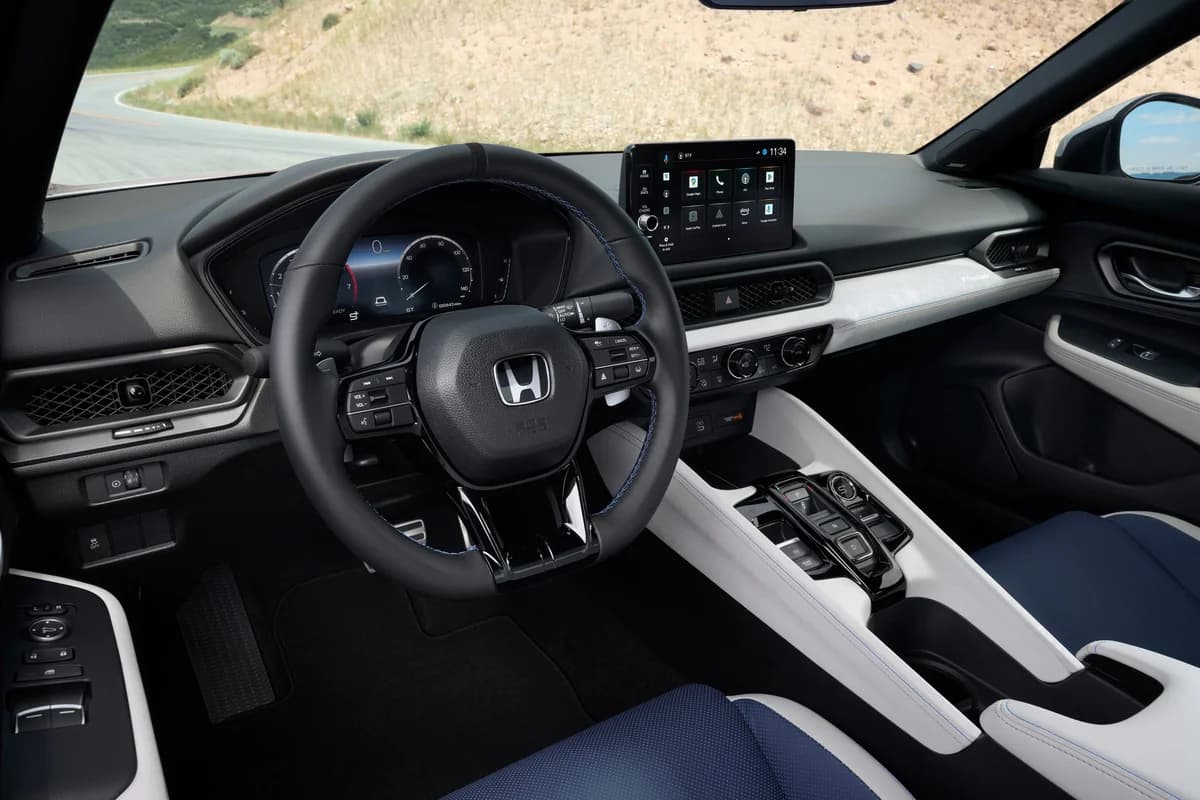
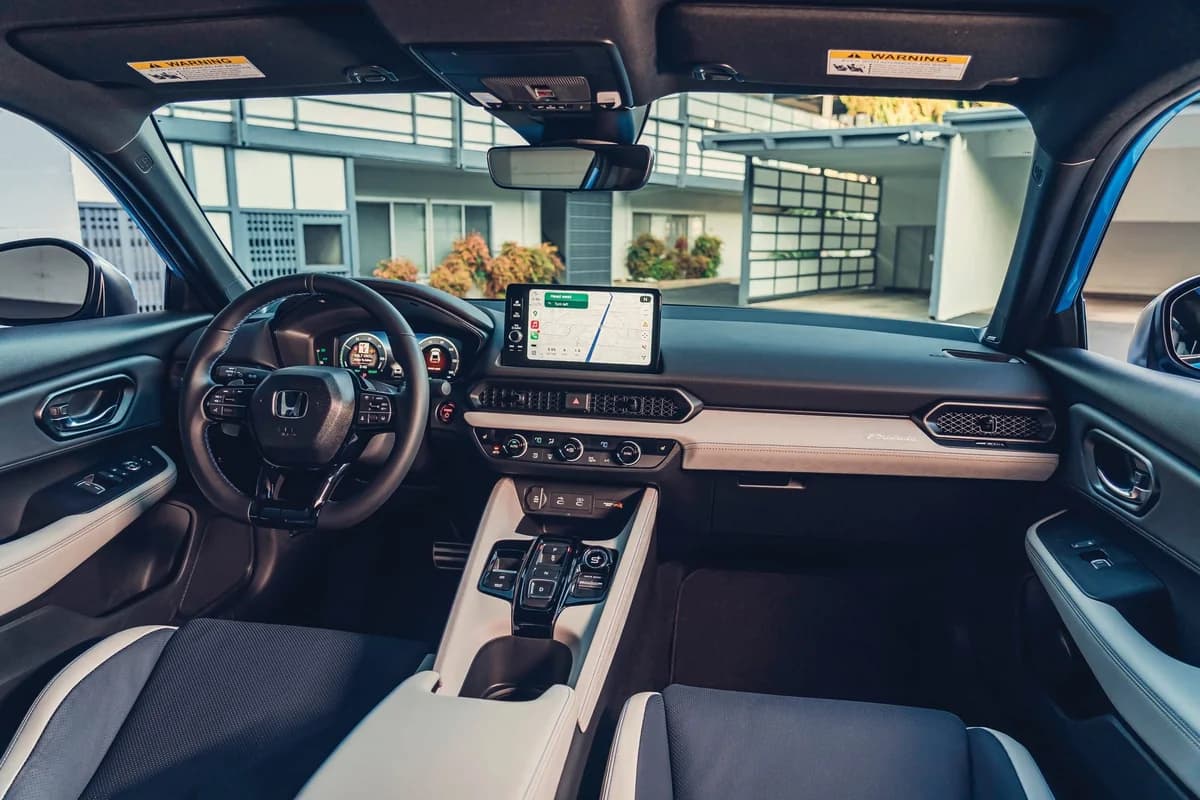
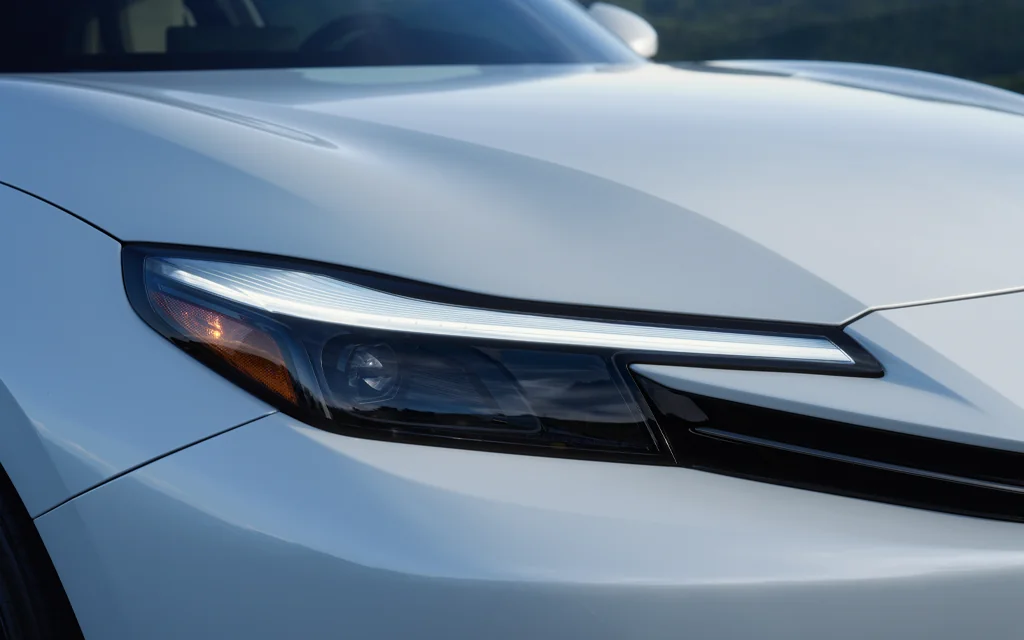
The Honda Prelude (2026) is a stylish hybrid grand tourer for drivers who want a distinctive daily coupe without sports-car fuel bills. Its Type R-derived chassis delivers sharp, confidence-inspiring handling, while the smooth powertrain supports Honda’s 44-mpg combined claim, broadly backed by testing. The liftback adds useful cargo flexibility, but the 200-hp front-drive setup feels merely brisk, and S+ simulated shifting is clever rather than genuinely mechanical. Reviewers also question the $42,000–$43,000 price, given sparse luxury features and nearly unusable rear seats. Choose it for efficiency, comfort, and momentum driving, not outright pace. Its overall appeal rests on balancing those distinctive strengths against cost, practicality, and performance compromises.
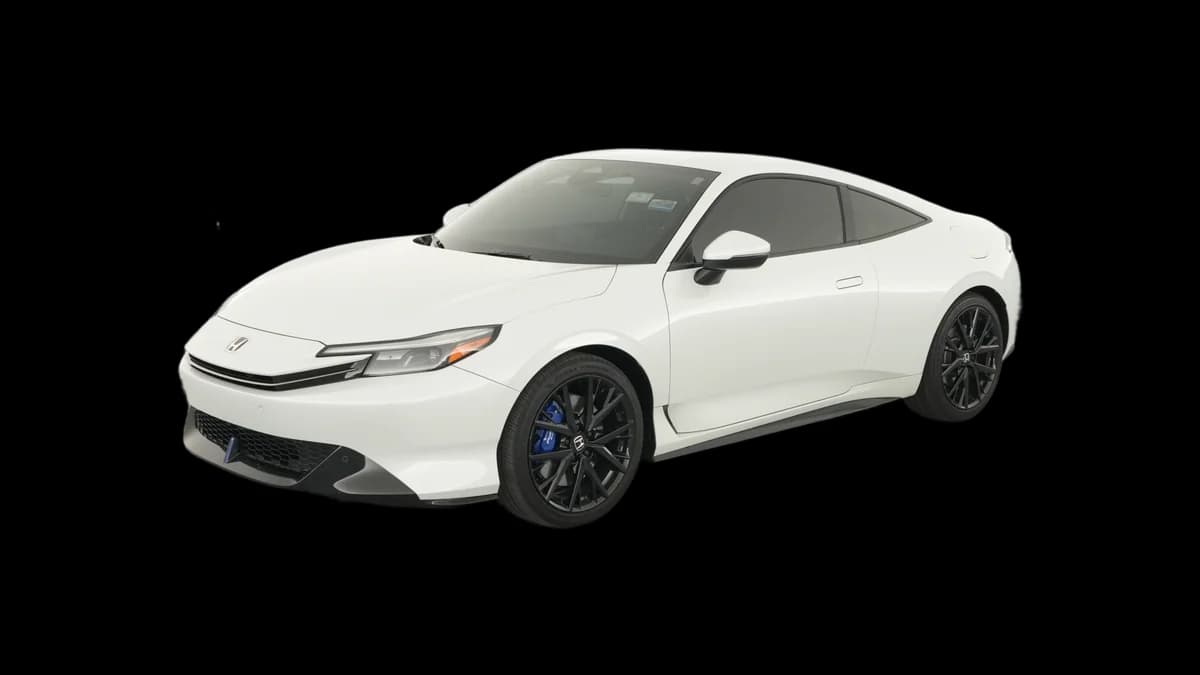
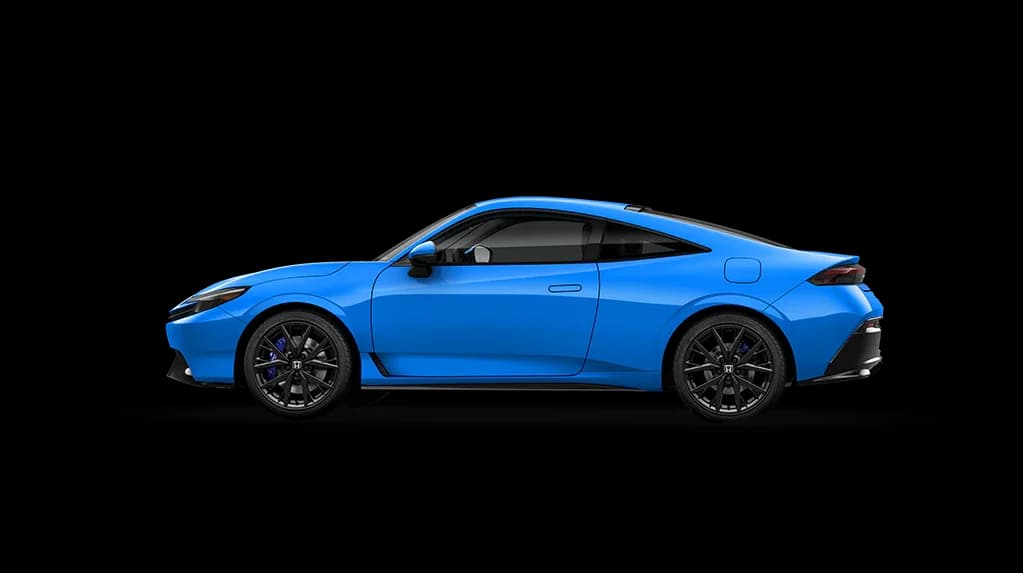
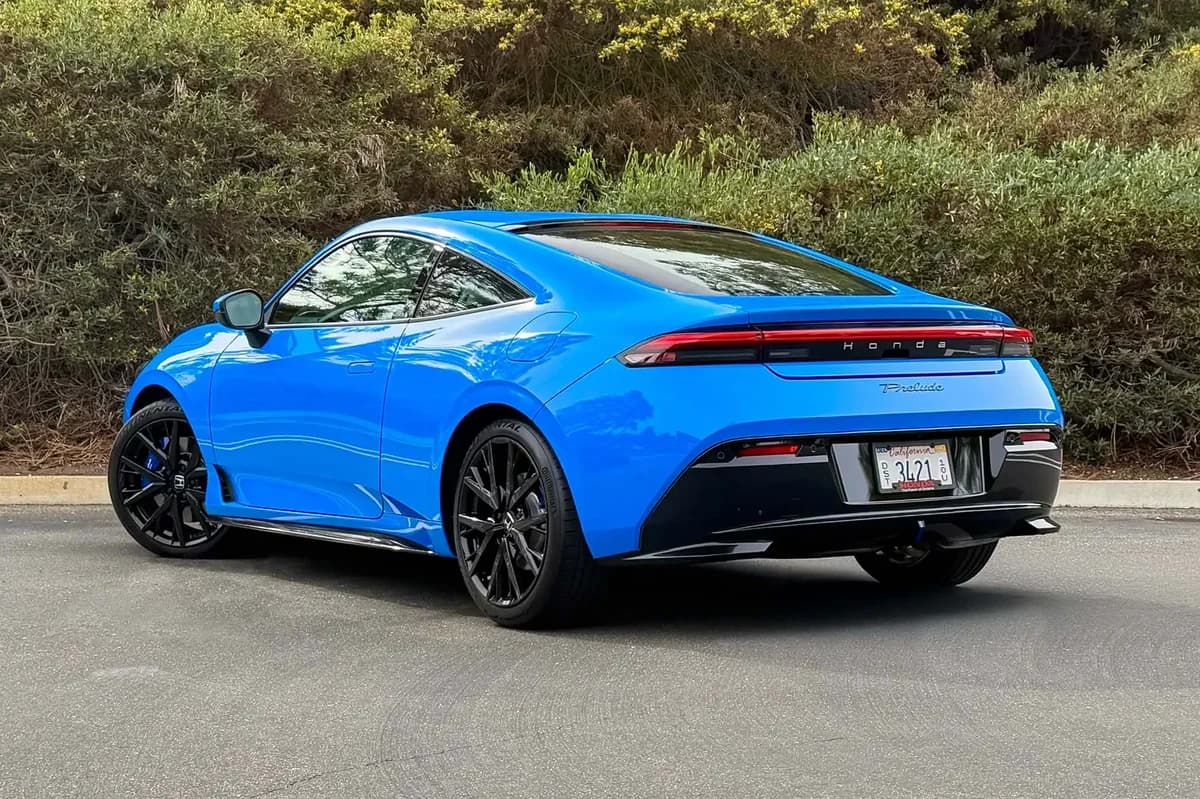
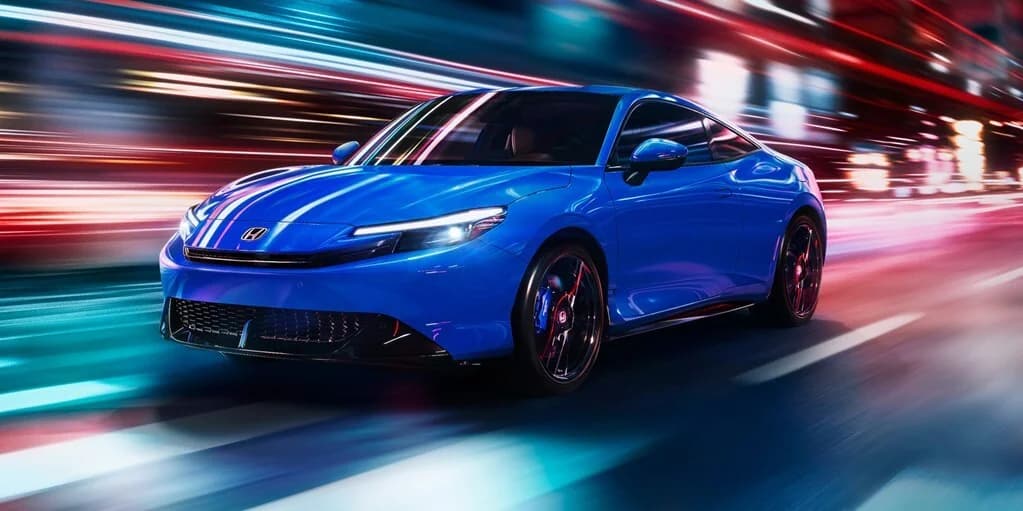
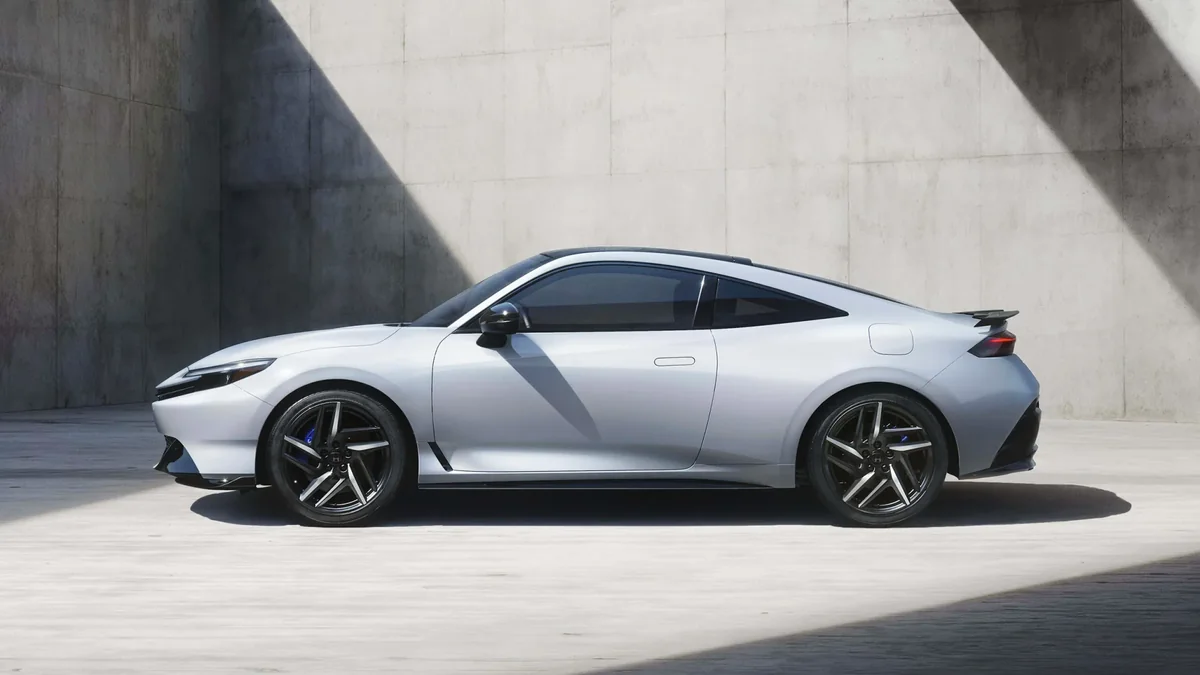
Find Yours
What kind of driving experience matters most to you?
Answer to find your best matches.

The Scoreboard
Does this improve your life? Considers, health, habits, and environmental impact.
Benefits
Supportive seats and composed adaptive suspension make commuting and longer drives easier on your body.
Strong real-world fuel economy means fewer fuel stops and lower everyday driving hassle.
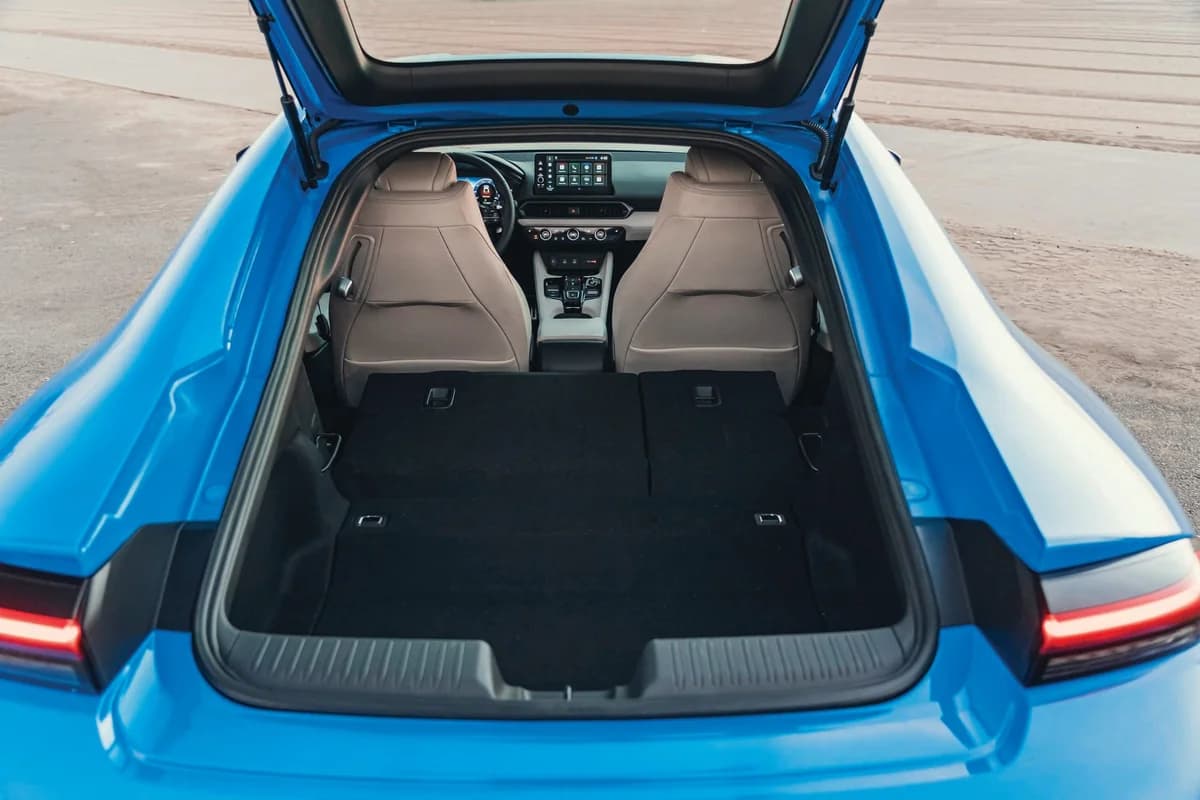
The liftback and folding rear seats make groceries, bags, and weekend gear easier to carry.
Precise steering, strong brakes, and secure grip make ordinary roads feel easier to place.
Trade-Offs
Adults quickly run into poor headroom and awkward access, making back-seat trips uncomfortable.
On rough pavement or highways, road noise and sharp impacts can make longer drives tiring.
Joining fast traffic or passing requires patience because acceleration feels modest for the sporty-looking coupe.
Simulated shifts can interrupt smooth acceleration, making the sportier mode feel slower and less natural.
 Alternatives


Join the Circle
Where real meets deal
Know what's worth buying-and when.
Tips, special offers, and rewards for buying and sharing.

Publications
9 LEADING PUBLICATION REVIEWS

MotorTrend’s Bob Hernandez views the 2026 Honda Prelude as promising but not yet genuinely special. Its sharp turn-in, impressive grip, excellent 104-foot braking performance, smooth hybrid powertrain, and strong 46/41/44-mpg EPA rating make it an appealing, refined sporty coupe. However, the Prelude’s 6.4-second 0–60-mph time trails the less expensive Civic Hybrid, while simulated shifting, early traction-control intervention, muted steering feel, and dealer-installed tires dilute its driver-focused promise. The cabin looks stylish but includes cost-cutting touches, limited rear seating, and a flimsy-feeling hatch that make the $40,000-plus price difficult to justify. Hernandez ultimately sees a well-chosen collection of capable Honda and Type R hardware wrapped in an intriguing but conflicted package—more engaging than a Civic Hybrid, less serious than a Civic Type R, and less soulful than the classic Prelude. It is an imperfect, efficient, stylish foundation that may be one revision away from becoming truly compelling.
By Bob Hernandez
Car and Driver’s John Pearley Huffman is enthusiastic about the 2026 Prelude, despite its simulated-shift gimmick. He praises the coupe’s beautifully finished Japanese construction, supportive seats, excellent steering, supple ride, strong brakes, and Civic Type R–derived chassis, which delivers outstanding cornering grip and a confident old-school Honda feel. The hybrid’s 200 horsepower makes it a pleasant everyday companion, while its $43,195 price looks more reasonable when compared with the inflation-adjusted cost of earlier Preludes. Still, the lack of a manual transmission disappoints, the seats’ missing power adjustment feels cheap, and S+ mode actually slows acceleration by interrupting torque for theatrical effect. Huffman’s biggest complaint is also his clearest compliment: he wants Honda to install the Civic Type R’s 315-hp drivetrain and build a Prelude Type R. Overall, he views this as a genuinely worthwhile, characterful revival rather than a cynical nostalgia exercise.
By John Pearley Huffman
Road & Track’s Mike Duff is impressed by the 2026 Prelude’s chassis but ultimately frustrated by its underpowered, artificial hybrid drivetrain. The coupe feels unusually special for a front-drive hybrid, with precise steering, excellent body control, strong grip, comfortable adaptive-damper tuning, and playful responses on Angeles Crest Highway. It is also quiet, practical for its class, efficient, and refreshingly ergonomic. Yet the 200-hp powertrain cannot match the chassis: throttle response feels disconnected, simulated shifts are unconvincing and slower than the default mode, and sustained hard driving can trigger power derating. At $43,195, the Prelude also faces stronger-performing rivals, while missing power seats and awkward window frames feel stingy. Duff appreciates its individuality and everyday sophistication, but his enthusiasm is conditional; he ultimately wishes Honda had paired this excellent chassis with the Civic Type R’s turbocharged engine and manual transmission.
By Mike Duff
Top Gear is strongly impressed by the Honda Prelude’s clever engineering and unusual appeal. Rather than chasing hot-hatch speed, this hybrid coupe makes a virtue of refinement, efficiency, and everyday usability, while S+ Shift’s simulated ratios and convincing synthesized soundtrack add surprising fun to the CVT-like powertrain. Adaptive dampers, dual-axis struts, and Agile Handling Assist give it a precise, confidence-inspiring chassis with a pleasingly over-engineered feel, and its relatively low weight and £40,995 price strengthen the case. The trade-off is that 181bhp produces only modest acceleration, so the Prelude can feel less exciting than its sporty shape suggests; the ride may also become jiggly over long distances. Still, Top Gear sees its niche existence as worthy of celebration, praising its subtly cool looks and distinctive character while hoping Honda eventually adds more power. Their 8/10 verdict reflects a beguiling, smartly executed coupe rather than a performance powerhouse.
By Top Gear Team
CAR Magazine is strongly positive about the 2026 Honda Prelude, calling it a convincing return to the classic coupe format. The review admires its graceful styling, excellent build quality, supple yet controlled ride, and genuinely engaging handling, arguing that the hybrid powertrain can be enjoyable rather than merely efficient. Honda’s S+ Shift system adds convincing simulated gear changes and engine braking, while the compact dimensions and useful hatchback boot make the Prelude unusually approachable for a sporty coupe. It is not especially fast or visceral, and the reviewers wish Sport mode sounded livelier. Rear-seat space is token, safety aids are frustrating to adjust, and the infotainment feels merely adequate. Still, after testing it on UK roads, mountain routes, and a track, CAR views the Prelude as a polished, balanced, quietly rewarding car—and potentially one of the best hybrids available.
By Jake Groves and Tim Pollard
What Car? is positive about the 2026 Honda Prelude, but its three-star verdict is clearly qualified. Lawrence Cheung appreciates the coupe’s approachable fun, precise handling, comfortable ride, smooth hybrid powertrain and strong fuel economy. The Civic-based interior is also praised for its logical controls, good visibility up front and useful standard equipment, while the hatchback opening makes loading easier than in some rivals. However, the Prelude is less exciting than its sporty styling suggests, especially on faster roads, and its simulated gearshifts do not provide genuine manual control. Practicality is a major compromise: rear headroom is poor, the 264-litre boot is small, and accessing the back seats is awkward. Against the BMW 2 Series, it also feels less premium, offers weaker infotainment and costs slightly more in entry-level form. Overall, it is an appealing, economical and easygoing coupe, but not the most thrilling or versatile choice.
By Lawrence Cheung
Hagerty’s Steven Cole Smith is cautiously positive about the 2026 Honda Prelude, but clearly wanted more excitement. He appreciates its excellent seats and cabin, quiet ride, seamless hybrid power delivery, strong brakes, compliant Type R-derived suspension, and everyday friendliness. The Prelude feels polished and entertaining around town or on winding roads, with useful hatchback practicality, but its 200 horsepower, generic styling, and lack of a manual transmission or track mode make it feel less sporty than its heritage suggests. Smith is especially skeptical of the simulated shifts and engine sounds, which create the impression of effort without adding genuine performance. Compared with cheaper, more powerful rivals such as the Mustang, the Prelude’s value is difficult to defend. His verdict is essentially that it is a good, dependable daily driver—but not the thrilling revival enthusiasts hoped for, leaving him eagerly awaiting a possible Si version.
By Steven Cole Smith
Edmunds’ Steven Ewing is genuinely enthusiastic about the 2026 Honda Prelude after a brief track drive. He praises its blend of Civic Hybrid efficiency and Type R hardware, especially the crisp steering, composed handling, strong brakes, adaptive dampers, and comfortable, easy-to-place cabin. The standout surprise is S+ Shift, which makes the CVT convincingly mimic a traditional automatic with simulated power cuts, gear changes, and surprisingly authentic engine sound. Ewing expects the Prelude to be pleasant for daily driving while still feeling lively and flickable in corners. His reservations are mostly practical: testing was limited to a few laps, he could not verify long-term comfort or real-world performance, and Honda had not yet confirmed pricing, acceleration, or fuel economy. Even so, he sees the front-wheel-drive hybrid coupe as an exciting win for enthusiasts and expects buyers to like it considerably.
By Steven Ewing
Ars Technica’s Jonathan M. Gitlin is unexpectedly enthusiastic about the 2026 Honda Prelude. He argues that the Prelude’s modest 200-hp output and extra weight matter less on the road than its blend of smooth hybrid efficiency, nimble handling, and genuine driver involvement. The GT mode is the sweet spot, while S+ adds convincing simulated shifts and the Civic Type R–derived suspension provides impressive grip without sacrificing comfort. Its 44-mpg economy, hatchback practicality, handsome styling, standard equipment, and $42,000 price make it an unusually appealing grand tourer. Gitlin does acknowledge that an MX-5 or BRZ is sharper, while a Golf GTI is more powerful and practical; the rear seats are also cramped, and the cabin borrows heavily from the Civic. Still, he was “smitten” after a week and places the Prelude at the top of his list for a new car.
By Jonathan M. Gitlin

YouTube
22 LEADING EXPERT & INFLUENCER REVIEWS
 Doug DeMuro
Doug DeMuro likes the 2026 Honda Prelude, but considers it a major value failure. He praises its gorgeous design, Type R-derived brakes and suspension, comfortable interior, clever S+ simulated shifting, efficiency, and surprisingly sharp, stable handling. However, the 200-hp front-wheel-drive hybrid powertrain feels underpowered beside cheaper or similarly priced rivals, while missing features—manual seats, no sunroof, no heated steering wheel, no ventilated seats, and especially mismatched cloth rear seats—seem stingy at roughly $43,000. Doug sees a worthwhile niche luxury cruiser, but believes it should cost closer to $35,000 and awards it 50/100.
Throttle HouseThomas and James genuinely like the 2026 Honda Prelude, but its price makes it impossible for them to recommend. They praise its smooth, easygoing hybrid powertrain, excellent ride, Type R-derived chassis, strong brakes, attractive styling, and refined, user-friendly interior. Its simulated shifts are cleverly executed, though ultimately artificial and pointless. They see it as a pleasant, efficient grand-touring coupe—not a true sports car—and criticize its $42,000-plus pricing, especially against the cheaper Civic Hybrid, Civic Si, and only slightly dearer Civic Type R. Their verdict is affectionate but firm: Honda needs to lower the price or add power.
Consumer ReportsSteph Schrader is lukewarm on the 2026 Honda Prelude, appreciating its efficiency and usability but questioning its purpose and price. The smooth 200-hp hybrid powertrain returns 44 mpg, while Type R-derived brakes, communicative steering, and balanced handling make it enjoyable in corners. Yet the stiff ride, road noise, cramped rear seats, weak rear camera, sparse luxury features, and gimmicky S+ simulated shifting undermine its grand-tour ambitions. Schrader’s core insight is that Honda built “half a driver’s car”: pleasant and economical, but neither sporty nor premium enough to justify roughly $42,000.
carwowMatt Watson initially doubts the Prelude’s awkward proportions and cramped rear seats, but a week of driving wins him over. He praises its excellent chassis, Type R-derived hardware, comfortable adaptive damping, strong braking, and remarkably convincing S+ Shift system, calling it enjoyable on twisty roads and relaxed on motorways. Practicality, wired Android connectivity, poor rear visibility, the confusing selector, and a price around £42,740 frustrate him. Still, the Prelude’s predictable handling and hybrid cleverness make it a genuinely appealing sports coupe—albeit one that could use more power and may struggle to find buyers.
MotorWeekMotorWeek is enthusiastic about the 2026 Honda Prelude, calling it a convincing return for Honda’s sporty coupe. The hybrid powertrain feels quick and smooth, while the S+ simulated shifts add engagement without meaningfully improving performance. Type R-derived chassis hardware, composed handling, precise steering, and strong braking make it capable, though it remains more grand tourer than track weapon. MotorWeek also appreciates the dramatic styling, usable liftback cargo space, and impressive 44.9-mpg test average. The cramped rear seats and $43,195 one-size-fits-all pricing are drawbacks, but the Prelude is portrayed as an appealing, efficient “spoonful of sugar” for Honda’s hybrid expansion.
Redline ReviewsRedline Reviews is genuinely impressed by the 2026 Honda Prelude, calling it a refreshingly livable sporty coupe. The hybrid powertrain feels quick and engaging, especially with convincing S+ simulated shifts, while Type R brakes and adaptive suspension deliver excellent ride-and-handling balance. Its liftback practicality, comfortable seats, sharp styling, and roughly 44 mpg make it appealing as a daily driver. However, the rear seats are effectively useless, road noise is noticeable, and the $42,000-plus price feels high without a sunroof, power or ventilated seats, or a head-up display. Overall, it’s enthusiastically recommended with pricing and equipment reservations.
AutogefühlAutogefühl is highly impressed by the Prelude’s striking design and surprisingly engaging handling. The hybrid coupe feels light, agile, and enjoyable through corners, with Civic Type R suspension, strong electric torque, and a convincingly executed S+ Shift simulation. It also works well as an efficient daily GT, offering comfortable seats, practical hatchback cargo space, intuitive physical climate controls, and realistic fuel economy near 47 mpg. Still, acceleration is merely adequate, front-wheel drive limits playful performance, the leather quality disappoints, rear seating is essentially for children, and potholes plus Autobahn speeds expose harshness and noticeable noise. Overall, it is a fun, distinctive, efficient coupe—not a straight-line performance car.
savagegeeseSavageGeese is moderately positive about the 2026 Honda Prelude, appreciating its unusual hybrid character and playful dynamics. On twisty roads, the Prelude’s Type R-derived front suspension, wide summer tires, and excellent simulated shifting make it an entertaining momentum car that can be driven flat-out while returning strong fuel economy. It is also refined and more comfortable than a Civic Hybrid. However, it feels slow, noisy on highways, overly soft in Comfort, and ordinary in relaxed driving. At over $40,000, it makes sense mainly for buyers with good back roads who value novelty over outright performance or track ability.
Sarah -n- TunedSarah-n-Tuned came away genuinely impressed by the 2026 Honda Prelude, especially after 450-plus miles of mountain roads and road-tripping. She praised its phenomenal handling, strong Brembo braking, comfortable cabin, intuitive physical controls, useful hatchback space, and unobtrusive safety tech, arguing that the hybrid drivetrain feels engaging despite lacking a manual. The Prelude is not the quickest or lightest sports coupe for roughly $42,000, and she would welcome a manual, more colors, and four-wheel steering. Still, its distinctive styling, efficiency, quality, and grand-touring usability made it far better—and more enjoyable—than expected.
TedwardTedward is genuinely enthusiastic about the 2026 Honda Prelude, despite its unconventional hybrid formula. He praises its exceptionally capable cornering, confidence-inspiring Type R-derived suspension and brakes, excellent seating position, and astonishing real-world fuel economy—over 60 mpg on back roads. He also appreciates its practical liftback and distinctive character. Still, the Prelude has compromises: rear seats are nearly useless, the cabin is noisy, road impacts can feel harsh or cause bottoming in softer modes, the brakes may be overkill, and Apple CarPlay malfunctioned during his week-long test. Tedward ultimately views it as a weird, rewarding, highly likable niche coupe rather than a sports or luxury car.
Raiti's RidesJoe Raiti is highly positive about the 2026 Honda Prelude as an unusually livable sports coupe. He praises its striking design, Type R-derived suspension and Brembo brakes, confident handling, comfortable cabin, cargo-friendly liftback, and exceptional hybrid fuel economy. The Prelude feels spacious and smooth enough for daily driving while remaining genuinely fun in Sport mode, though its simulated shifts and pumped-in sound feel gimmicky. Raiti criticizes the lack of a manual transmission, modest acceleration after the initial electric surge, no ventilated seats, manual seat adjustment, poor backup-camera resolution, and tiny rear seats. Overall, he considers it a compelling, versatile daily driver—not a true performance car.
TheTopherTheTopher is highly enthusiastic about the 2026 Honda Prelude after several days of real-world driving. He praises its sharp handling, excellent Type R-derived brakes, responsive S+ Shift mode, comfort, efficiency, practicality, and distinctive coupe styling, calling it one of his favorite hybrids. He finds it more livable than a Civic Type R while remaining far more engaging than a Civic Hybrid, though less tactile without a manual transmission. The main drawbacks are its roughly $43,000 price, cramped rear seats, mildly annoying door handles, and overactive adaptive cruise control. Overall, he strongly recommends it if the price and packaging fit.
Roads UntraveledRoads Untraveled is impressed by the 2026 Prelude’s chassis but ultimately rejects its value. The Type R-derived suspension, sharp steering, excellent brakes, comfortable adaptive ride, and playful lift-off oversteer make it far more capable and entertaining than a Civic Hybrid coupe. Yet the hybrid powertrain feels numb, slow, and artificially engaging, while missing power seats, lumbar adjustment, and a heated steering wheel undermine its grand-touring claim. At roughly $42,000, stronger alternatives offer more performance or practicality, leaving the Prelude enjoyable to drive but difficult to recommend.
Shooting CarsZach Pradel is disappointed by the 2026 Honda Prelude, despite admiring its styling and efficiency. After a week behind the wheel, he found the Type R-derived suspension and brakes genuinely capable in corners, while averaging 42.6 mpg. However, the Civic Hybrid-sourced powertrain feels soulless, the simulated shifts only partly add excitement, and acceleration is merely adequate. He especially criticizes the cramped, cheap-feeling rear seats and $43,000 price, arguing a better-equipped Civic Hybrid or more focused GR86, Civic Type R, or GR Corolla offers greater value. His verdict: appealing, but poorly positioned for American buyers.
Sam CarLegionSam CarLegion is cautiously impressed by the 2026 Honda Prelude, but ultimately rejects its value. He praises the concept-car styling, roomy hatchback cargo area, comfortable cabin, and surprisingly capable Type R-influenced handling, calling it enjoyable rather than terrible. The hybrid powertrain feels smooth and avoids wheel hop, but the CVT, simulated shifts, artificial engine sounds, 200-hp output, and front-wheel drive disappoint enthusiasts. His central criticism is pricing: at roughly $50,000-plus in Canada, he believes buyers should choose a Civic Si, BRZ, or another more authentic performance car instead.
DRIVETRIBETiff Needell is clearly charmed by the Prelude, calling it a welcome antidote to another bland SUV. He enjoys its classic coupe styling, practical hatchback storage, EV-like efficiency, and clever simulated gearshifts, paddles, and adjustable regeneration that make the hybrid feel surprisingly playful. Type R-derived adaptive dampers and Brembo brakes provide credible handling, though the softer setup is bouncier and less sharp than a Civic Type R. Needell wishes it had more power, and the absent rear wiper is an irritating oversight, but he ultimately sees it as a light, enjoyable cruising coupe that brings personality back to everyday driving.
CarsGuideByron Mathioudakis is exceptionally enthusiastic about the 2026 Honda Prelude, calling it a standout sports-car bargain. He praises its Civic Type R-derived suspension, sharp steering, adaptive-damper comfort, premium cabin, hatchback practicality, and surprisingly efficient hybrid powertrain. His Adelaide Hills drive suggests it feels genuinely sporty yet refined enough for daily use, with real-world consumption around 7 L/100 km. The compromises are clear: cramped rear seats, fiddly door handles, a confusing drive/reverse control, no spare wheel, no sunroof, and no manual gearbox. Even so, Byron considers it one of the best front-wheel-drive sports cars available and urges buyers to drive it before choosing a rival.
Ben HardyBen Hardy is genuinely enthusiastic about the 2026 Honda Prelude’s clever hybrid sports-car formula. He praises its sharp styling, comfortable and practical hatchback interior, Type R-derived hardware, responsive fake-shift mode, and excellent 40-plus-mpg efficiency, arguing that it delivers accessible fun without excessive speed or fuel costs. He considers the concept “super cool” and believes it could inspire sporty hybrid models elsewhere. His main reservations are the roughly $40,000-plus price, cheap-looking rear seats, and lack of a manual transmission or true Type R variant, which he still strongly hopes Honda will build.
CarSauceMatt from CarSauce is enthusiastically won over by the 2026 Honda Prelude. He praises its gorgeous styling, comfortable daily manners, efficient hybrid powertrain, and especially its Type R-derived suspension, grippy tires, and remarkable back-road handling, calling it one of the most confidence-inspiring cars he has driven. The simulated shifting and drive modes add character despite the E-CVT, while 0–100 km/h in 7.46 seconds is adequate rather than thrilling. Criticisms include cramped, cheap-feeling rear seats, limited roof insulation, and no manual transmission, but its Australian drive-away price and versatility make it an unusually compelling sports grand tourer.
Vehicle VisionaryTom from Vehicle Visionary is highly enthusiastic about his new Prelude, calling it worth every penny after an encouraging first drive. He praises its sharp styling, Type R-derived suspension and Brembo brakes, tight steering, comfortable ride, intuitive technology, strong hybrid efficiency, and useful hatchback cargo area. The long-term review should reveal more, since this was only a cautious maiden voyage during break-in. Still, he flags cramped rear seats, no spare tire, manually adjustable mirrors and seats, absent ventilated seats, an aging camera system, and some gloss-black durability concerns. Overall, his excitement clearly outweighs the compromises.
Nobby On CarsNobby On Cars is genuinely enthusiastic about the 2026 Honda Prelude, especially its striking design, excellent grip, Type R-derived brakes and suspension, comfort, practicality, and impressive fuel economy. He views it as a mature, daily-usable sports coupe that still delivers satisfying handling, though its simulated shifts and modest 184-hp output cannot recreate the excitement of older VTEC Hondas. At nearly €60,000, it also feels expensive beside an MX-5 or Golf GTI. Overall, he embraces the Prelude’s compromise, while strongly wishing Honda would add more power or build a Type R version.
MotorpointTim Rodie is thoroughly enthusiastic about the 2026 Honda Prelude, calling it a feel-good coupe that genuinely works. He praises its sharp design, comfortable-yet-playful Type R-influenced chassis, convincing S+ simulated gear changes, and hybrid efficiency, describing it as a rare modern car with real character. The front-wheel-drive layout and 184-hp performance are brisk rather than thrilling, while motorway noise, a low-resolution reversing camera, small boot, and essentially unusable rear seats limit practicality. Still, he considers the Prelude a cleverly resolved “baby grand tourer” and believes its niche appeal is precisely why Honda deserves credit for building it.

Social
10 INFLUENCER REVIEWS
 Pushing Pistons
Pushing Pistons is clearly positive about the 2026 Honda Prelude, especially its handling and efficiency. The 200-horsepower hybrid, Type R-inspired suspension, Brembo brakes, and Miata-like front-wheel-drive balance make it appealing to driving enthusiasts, while 46 mpg adds practicality. The reviewer likes its upscale styling and interior, but wishes for a manual transmission and flags cramped rear-seat headroom. At $43,000, he sees the Prelude as expensive beside a Mustang V8 or Civic Type R, recommending it mainly for buyers prioritizing nimble handling, hybrid economy, and Honda reliability.
HondaPro JasonHondaPro Jason is strongly positive about the 2026 Honda Prelude, arguing that its $43,195 price and 200 horsepower miss the point. He initially viewed S+ mode as artificial, since it simulates shifts, sounds, and vibrations without mechanical gear changes. However, testing it through corners changed his mind: manual downshifts and lift-off weight transfer help the nose tuck in and allow the car to rotate. He sees a genuinely useful driver tool beneath the gimmick, framing the Prelude as a momentum-focused “glider” that rewards precision and skill, though it is less effortless than a high-powered sports car.
Miles BranmanMiles Branman is moderately positive, seeing the 2026 Honda Prelude as an excellent daily driver rather than a true sports car. He appreciates its comfortable seats, compliant ride, strong fuel efficiency, sleek styling, useful hatch, and entertaining Civic Type R-derived brakes and suspension. However, the rear seats feel like an afterthought, the CVT drone is irritating, and simulated shifts lack full manual control. At around $44,000, performance-focused buyers may find it overpriced, but Branman considers it a compelling choice for buyers prioritizing comfort, style, efficiency, and occasional fun.
 Jill Ciminillo
Jill Ciminillo is clearly critical of the 2026 Honda Prelude’s everyday usability. She dislikes the push-button shifter, preferring a manual or conventional lever, and finds the wireless charger slow and prone to overheating phones, though USB-C ports provide a workaround. She also struggles with the flush door handles, which do not readily re-extend when unlocked. Her strongest objection is the back seat, where the headroom is so poor that even at 4'11" she hits her head, compounded by unattractive black material.
Micah MuzioMicah Muzio is cautiously positive about the 2026 Honda Prelude, finding its $42,000 price defensible but not exciting. He points to inflation-adjusted pricing and the nearly single-option equipment structure as strong value arguments. Still, the sporty styling creates performance expectations the Civic Hybrid-based, two-motor powertrain may not satisfy, since it delivers the same output and emphasizes efficiency over excitement. Muzio sees a mismatch between what enthusiasts want from a Prelude and what this generation offers, making it a better fit for comfortable cruising than genuinely spirited driving.
Cars & BidsCars & Bids is sharply negative on the 2026 Honda Prelude, calling it a rare Honda misstep. Doug acknowledges its attractive styling and Civic Type R-derived suspension and brakes, but argues that its $43,200 price is unjustified. With just 200 horsepower, front-wheel drive, and an automatic transmission, he sees it as poor value beside faster or more engaging alternatives such as the Nissan Z, Mustang, BRZ, Miata, and BMW 230i. His conclusion is measured but dismissive: the Prelude is good, yet simply far too expensive.
Sean ChandlerSean Chandler is enthusiastic about the 2026 Honda Prelude’s clever, engaging hybrid technology. He explains that the electric motor drives the wheels while the engine generally acts as a generator, avoiding the usual CVT drone through simulated shifts. The new S+ mode mimics an eight-speed automatic, with paddle-controlled upshifts, downshifts, gear holds, and even engineered shift sensations. Chandler acknowledges that this technically slows the car and questions spending $43,000 for the feature, but sees the added involvement as worthwhile. He also points out that the same S+ system is coming to the less expensive Civic Hybrid.
video clip1234video clip1234 wirkt insgesamt klar positiv gegenüber dem Honda Prelude. Besonders gefallen ihm der überraschend praktische Kofferraum mit doppeltem Ladeboden, Haken und geteilt umklappbaren Rücksitzen sowie die zurückhaltende Gestaltung von Schlüssel und Marke. Er erwähnt sachlich die hohe Ladekante, etwas Klavierlack und die eher begrenzten Fahrleistungen von 0 auf 100 km/h in 8,2 Sekunden und 188 km/h. Insgesamt klingt seine Haltung eher begeistert und sympathisch als kritisch, mit Fokus auf durchdachte Details und unaufdringlichen Stil.
mqevly5wh4mqevly5wh4 is clearly excited about the 2026 Honda Prelude. They like its Type R-inspired suspension, adaptive dampers, Brembo brakes, aggressive styling, and driver-focused S-plus shift system. The 200-horsepower hybrid powertrain, modern cabin tech, Bose audio, and safety features add appeal, though the review remains largely a launch preview rather than a hands-on assessment. Pricing is still unavailable, leaving value unanswered, but the overall tone is upbeat and optimistic about Honda’s return to a sporty coupe.
MotorMarvelMotorMarvel is distinctly negative about the 2026 Honda Prelude, framing it as a sporty car that misses key enthusiast expectations. The main complaints are insufficient power, a rear seat with acceptable knee room for someone around six feet but unusable headroom, and the lack of a manual transmission, which they call the biggest heartbreak. The review offers no meaningful counterpoints, so its tone is frustrated and dismissive rather than balanced, while directing viewers to a longer YouTube review for further detail.

Forum Reviews
CUSTOMER REVIEWS FROM 1 FORUM
Redditors are divided on the 2026 Honda Prelude, with enthusiasm tempered by concerns about price and performance. Supporters appreciate its sleek coupe shape, quiet and refined ride, impressive fuel economy, useful liftback cargo space, and handling that feels more special than a Civic. Owners especially value it as a comfortable, practical daily with distinctive styling. Critics see an underpowered, automatic-only Civic Hybrid coupe that lacks the manual engagement, technology, and features expected of a revived Prelude. At roughly $35,000–$50,000, many consider it overpriced beside faster or better-equipped alternatives, though some believe its unique grand-touring mission is being misunderstood.
Many comments

In-Depth Review

Highlights
- •Sharp Cornering ControlType R-derived hardware delivers confident handling.
- •Strong Hybrid EfficiencyAdvertised to return 44 mpg combined.
- •Convincing Simulated ShiftsDesigned to add involvement without conventional gears.
- •Flexible Hatchback CargoLiftback access and folding seats improve utility.

Considerations
- •Difficult Price PositionRoughly $42,000–$43,000 limits its value appeal.
- •Cramped Rear SeatingPoor headroom makes rear seats occasional-use only.
- •Modest Straight-Line PaceAcceleration feels adequate rather than genuinely quick.
- •Sparse Premium FeaturesManual seats and missing luxury amenities feel stingy.
Honda’s revived Prelude brings the brand’s reliability-minded engineering into a stylish hybrid coupe for everyday enthusiasts. Positioned between a Civic Hybrid and a Civic Type R, it targets drivers who want distinctive design, commuting efficiency, and weekend back-road enjoyment rather than outright track speed. Its 200-hp two-motor hybrid system promises smooth response and useful economy, while 44-mpg combined efficiency gives it an unusual advantage over conventional sports coupes such as the BRZ, GR86, and Miata. The real intrigue lies in its Type R-derived chassis, strong brakes, and S+ simulated shifting, which aim to make modest power feel entertaining. The liftback also helps with errands, though the 427-liter cargo area contrasts with cramped rear seating. If you value refinement, handling, or practicality most, examine those trade-offs closely—this is a coupe that saves fuel first and arguments for later.
Cargo And Rear Seats
The Prelude’s hatchback shape makes it more useful than its coupe silhouette suggests. Its 427.4-liter cargo area includes a practical liftback opening, folding rear seats, and useful loading flexibility for groceries or weekend gear. The trade-off is severe in the passenger compartment: rear headroom is extremely limited, access is awkward, and reviewers generally consider the back seats suitable mainly for children or short trips. The liftback supports daily usability, but this remains a personal-use coupe with occasional rear seating, not a genuinely spacious four-passenger car.
Braking Performance
Braking is one of the Prelude’s most convincing performance features. Type R-derived Brembo front brakes and ventilated discs provide strong, repeatable stopping power, helping the coupe feel secure when approaching corners or managing fast traffic. MotorTrend measured a 104-foot stop from 60 mph, while other testers praised the pedal confidence and stability. The hardware may feel more serious than the powertrain requires, and regenerative braking can make the transition feel less traditional, but braking remains a notable strength that supports both daily safety and spirited driving.
Hybrid Powertrain Performance
The Prelude’s hybrid system makes efficiency part of its personality, though not its strongest performance attribute. Its 2.0-liter Atkinson-cycle engine and two electric motors produce 200 hp and 232 lb-ft, delivering smooth, immediate low-speed response. Honda’s front-wheel-drive hybrid setup feels refined and easy to use, but reviewers often describe acceleration as merely adequate and the powertrain as less soulful than the chassis. Real-world impressions support a polished daily GT, while enthusiast feedback remains divided over its limited excitement at roughly $42,000.
Fuel Economy
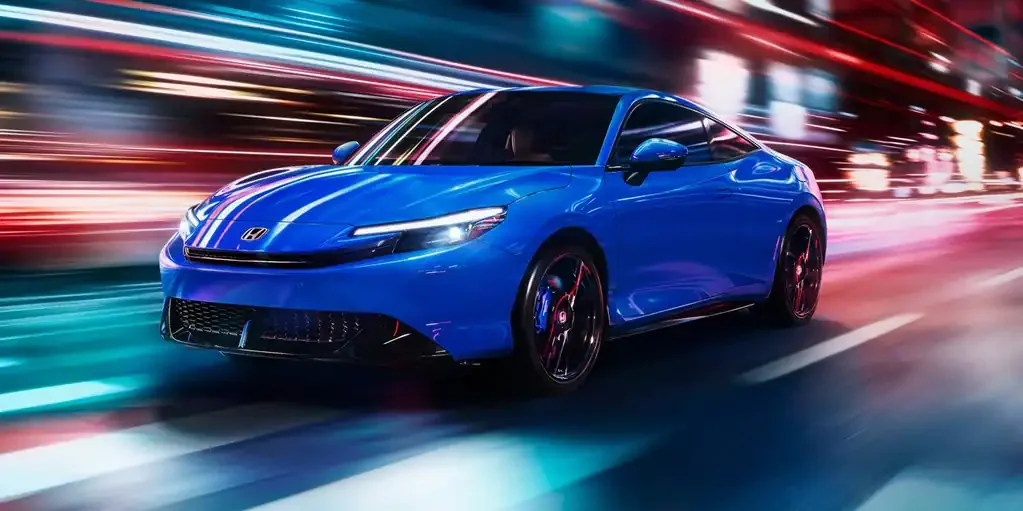
Fuel economy is the Prelude’s clearest practical advantage. Honda rates it at 46 mpg city, 41 mpg highway, and 44 mpg combined, a strong result for a stylish coupe with performance-oriented hardware. Some testers reported about 44.9 mpg in mixed driving, while one back-road drive exceeded 60 mpg under favorable conditions. The 1.1-kWh lithium-ion battery recharges through regenerative braking, so there is no plug-in routine. Feedback generally supports Honda’s efficiency claims, making the Prelude easier to live with than conventional sports coupes.
Acceleration And Shifting
The Prelude is brisk rather than genuinely quick, with reported 0–60-mph times around 6.4 to 6.5 seconds. Its single-speed hybrid drive avoids a conventional gear-changing transmission, so Honda adds S+ Shift simulated eight-speed behavior with paddles, torque interruptions, engine sounds, and deceleration effects. Some drivers find the system surprisingly convincing and useful for weight transfer through corners, while others call it artificial and slower than the default mode. That split captures the car’s character: thoughtfully engaging, but not mechanically authentic.
Ride and Handling
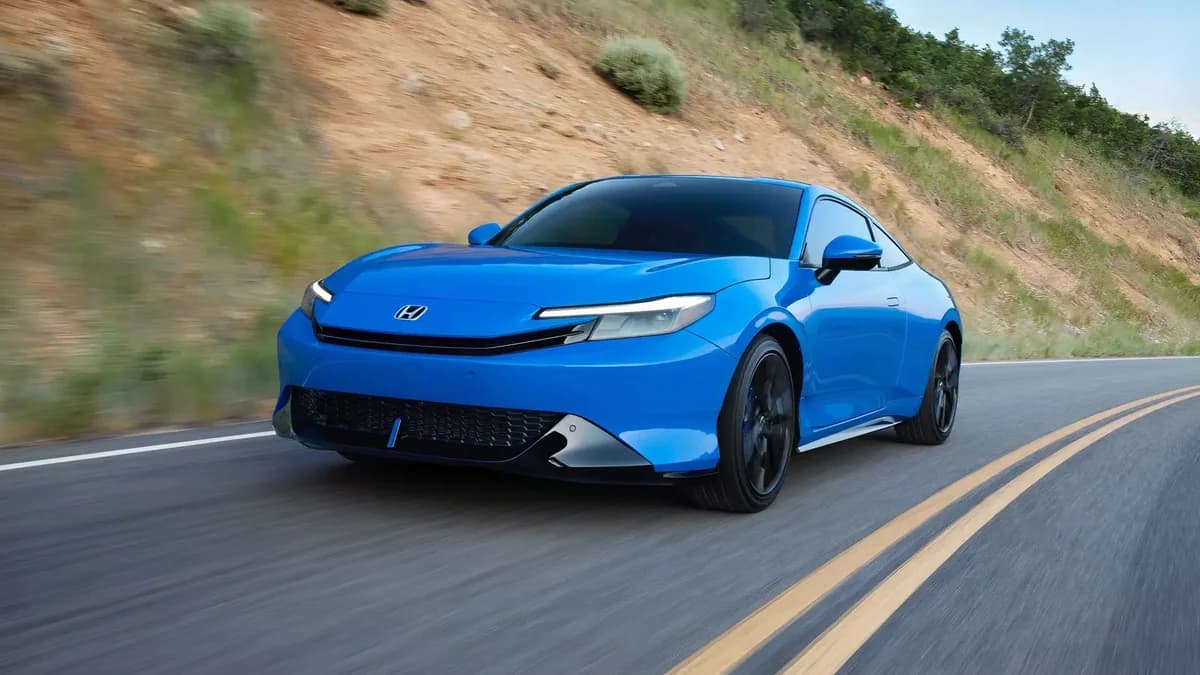
The chassis is where the Prelude most convincingly earns its sporty identity. Civic Type R-derived suspension components give it crisp turn-in, strong grip, and confident body control, while adaptive dampers preserve a comfortable ride in relaxed driving. Reviewers consistently praise the steering, balance, and stability, with some noting playful lift-off rotation on winding roads. However, front-wheel drive and modest power limit its track-car character, and rough pavement can expose harsh impacts or highway noise. It is engaging, but best understood as a polished momentum coupe.
Conclusion
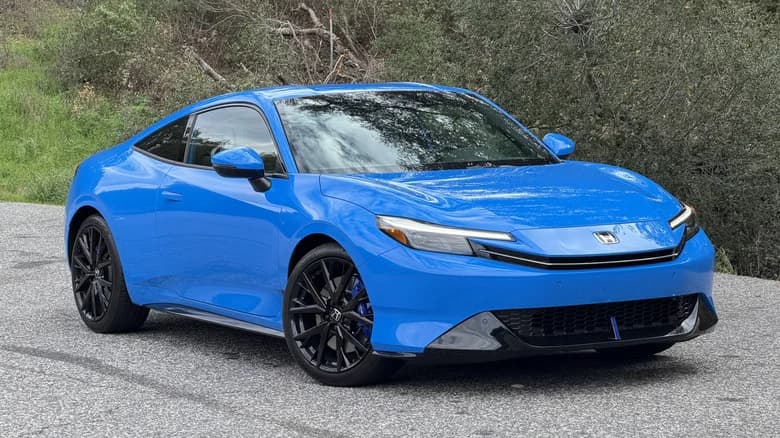
The Prelude makes its case as a hybrid grand tourer, not a traditional sports coupe: its smooth two-motor system, impressive 44-mpg economy, and Type R-derived chassis create a polished daily driver that feels genuinely composed on winding roads. Reviewers praise the precise handling, powerful brakes, and surprisingly convincing S+ shift effects, though those simulated ratios can slow acceleration and cannot replace a manual gearbox. Straight-line pace is merely adequate, and the roughly $42,000 price magnifies concerns about sparse premium equipment. The liftback and folding seats add useful cargo flexibility, but cramped rear seating is best reserved for short trips or children. Choose it for distinctive style, efficiency, comfort, and momentum driving—not maximum speed, rear-seat usability, or performance value. Its balanced strengths and clear compromises make it appealingly niche, yet only a moderate recommendation.

Feature Scores
This reflects reviews and ratings from established critics, journalists, and users who have evaluated the item. Their opinions provide a comprehensive assessment.
Performance
Powertrain Responsiveness
3/5
Acceleration Capability
3/5
Handling Precision
4/5
Ride Comfort
4/5
Braking Performance
5/5
Long-Term Reliability
4/5
Value
Ownership Cost Efficiency
4/5
Feature Value
3/5
Resale Strength
3/5
Design
Exterior Styling
5/5
Interior Material Quality
3/5
Driving Ergonomics
4/5
Passenger Accommodation
2/5
Cargo Usability
4/5
Health
Cabin Air Quality
3/5
Long-Distance Seating Comfort
4/5
Safety
Crash Protection
4/5
Driver Assistance Coverage
4/5
High-Voltage System Protection
3/5
Visibility
3/5
Sustainability
Fuel Consumption
5/5
Lifecycle Emissions
4/5
Battery Material Responsibility
3/5
End-of-Life Recyclability
3/5
Experience Style
Driving Mode Variety
4/5
Technology Integration
4/5

Specifications
This section outlines the product's key facts, covering essential features, details, dimensions, materials, and any unique characteristics that define its functionality and usability.
Performance
Value
Design
Safety
Sustainability
Experience Style

Frequently Asked Questions
10 Questions


Find Yours
What kind of driving experience matters most to you?
Answer to find your best matches.