




Chevrolet Blazer (2026)
Sporty handling, smooth V6 power, and easy tech in a comfortable SUV, though value is debatable.
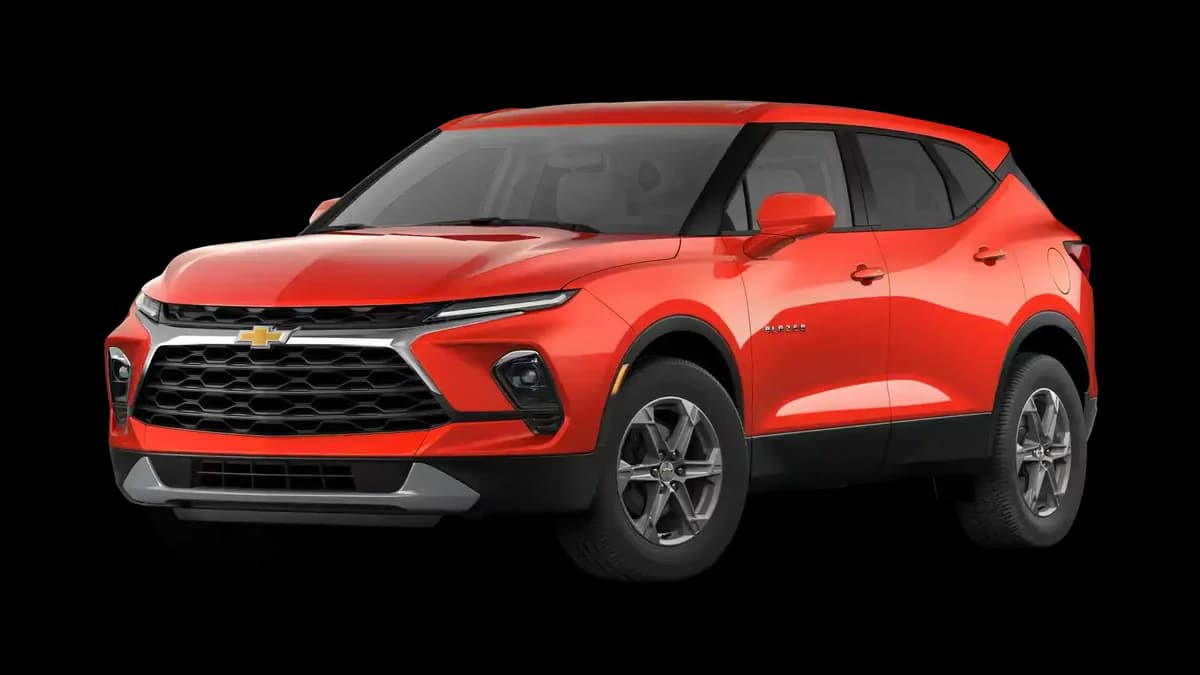
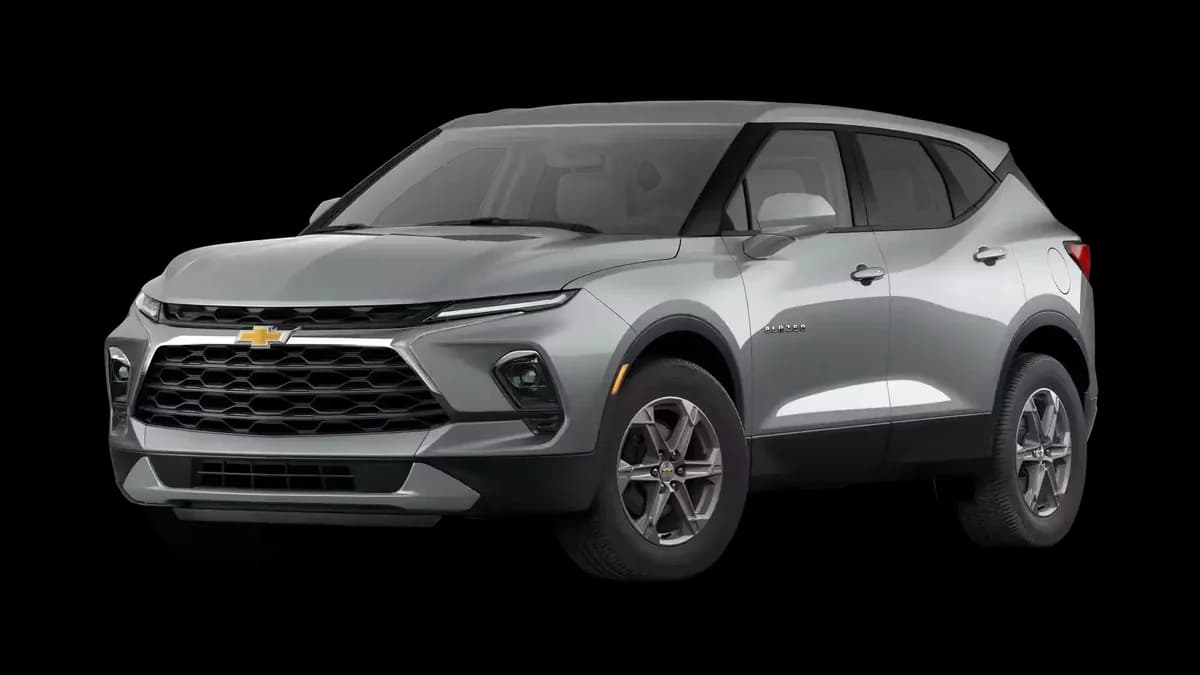
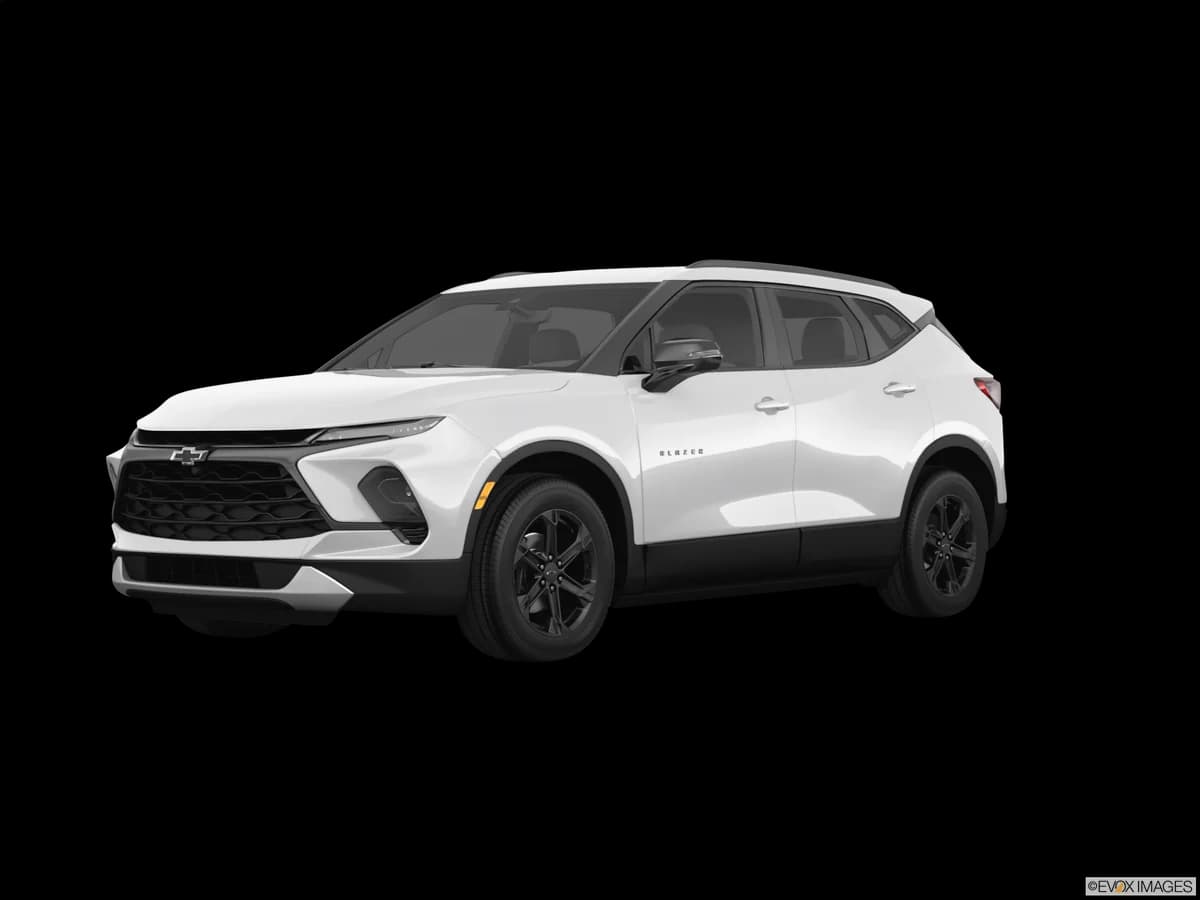
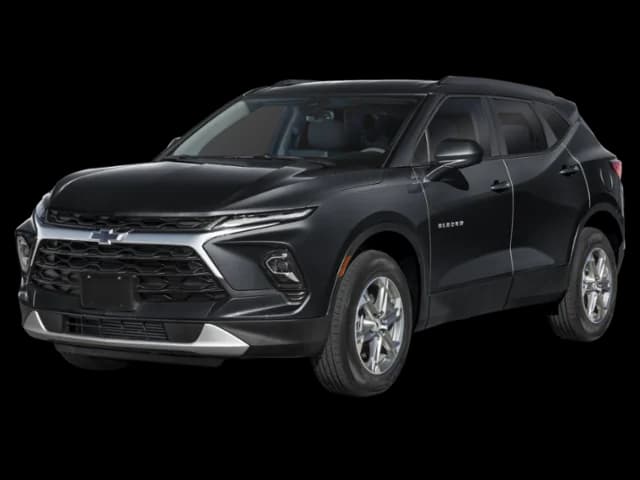
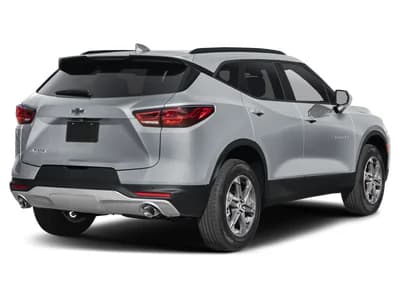
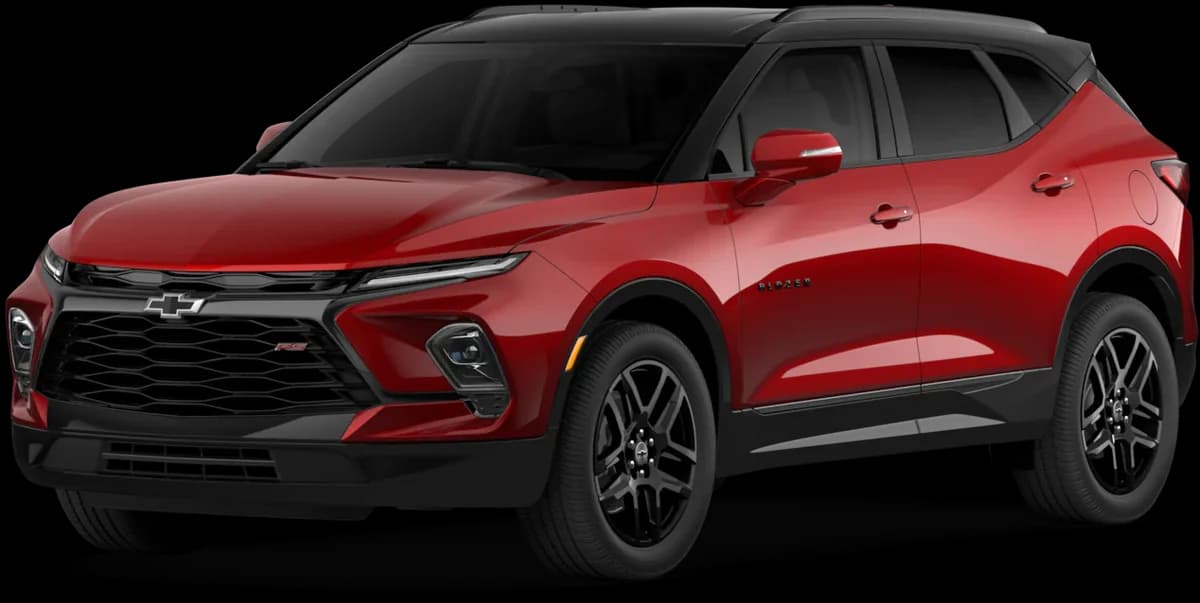
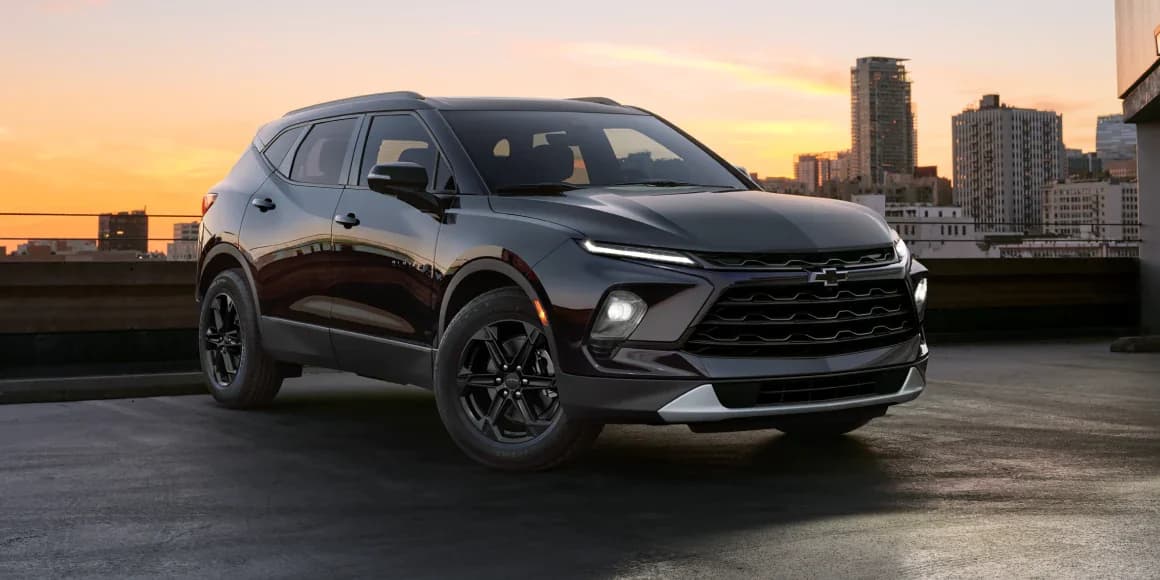
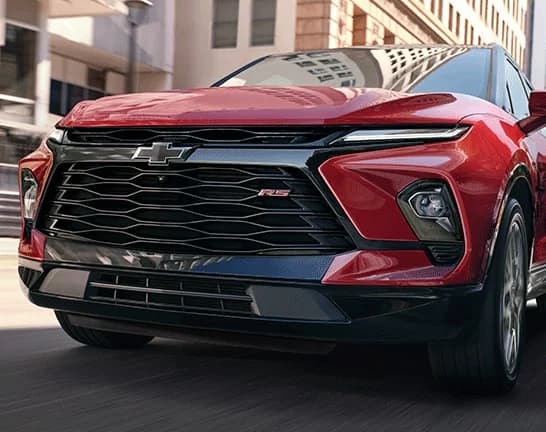
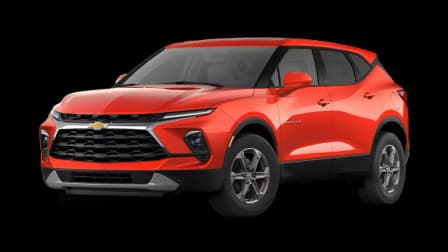
The 2026 Chevrolet Blazer is a stylish, slightly rebellious two-row SUV for drivers who want family practicality without settling for bland, boxy transportation. Its responsive handling, comfortable ride, and easy-to-use technology support Chevrolet’s sporty pitch, while reviewers particularly enjoy the smooth, linear 308-hp V6. The five-seat cabin is accommodating, though hard plastics, road noise, and a tight 30.5-cubic-foot cargo area reveal its age. Starting in the mid-$30,000s, the Blazer makes reasonable sense as a comfortable commuter or road-trip vehicle, but the roughly $53,000 RS is harder to justify when upscale touches and fuel economy remain merely average. Its overall appeal rests on driving enjoyment, practicality, and whether available AWD is worth the added cost.
Find Yours
What is your primary use for a Gas-Powered SUV?
Answer to find your best matches.

The Field
Browse top contenders, or compare all options ranked by score and key attributes.
5 Options
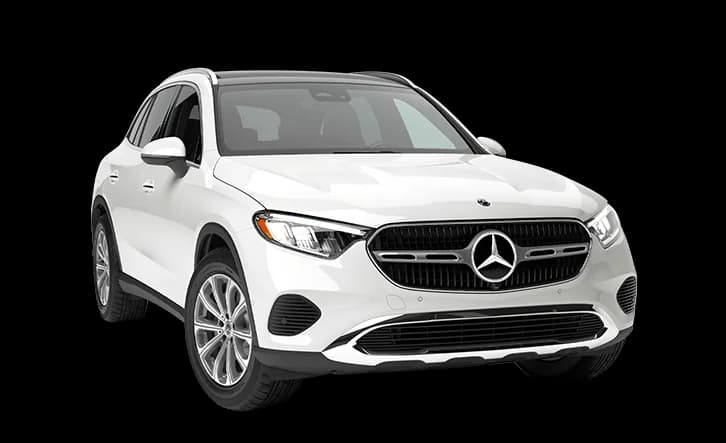
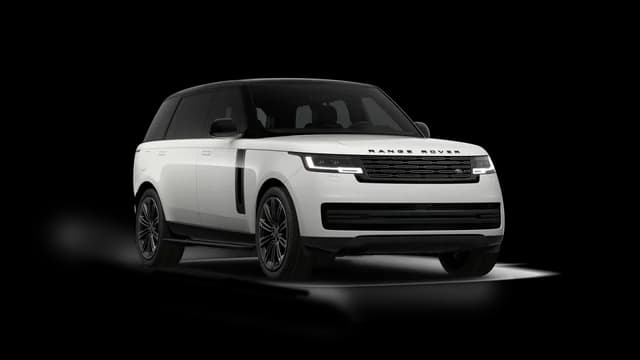
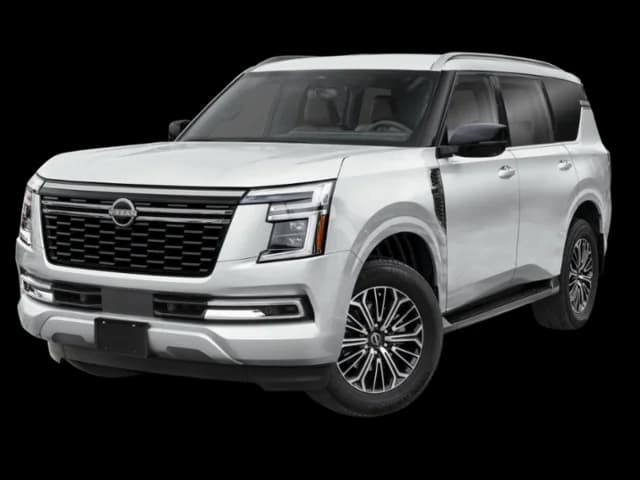
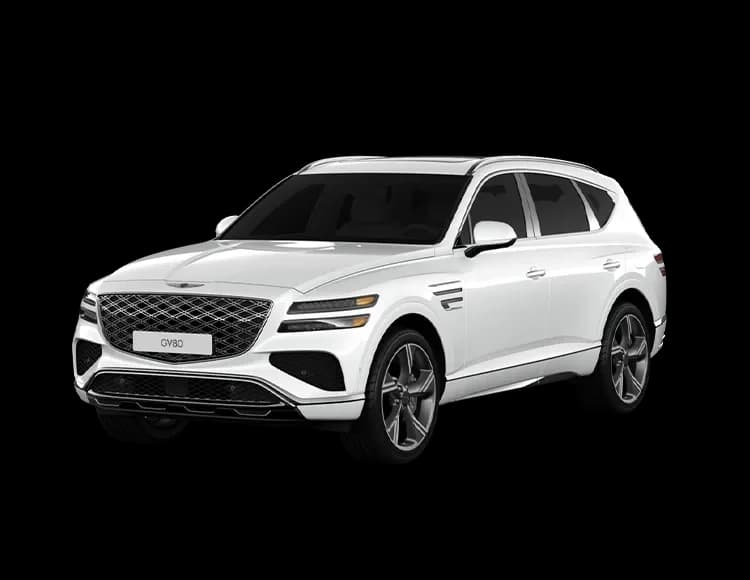

The Scoreboard
Does this improve your life? Considers, health, habits, and environmental impact.
Benefits
Roomy seating keeps five people comfortable on commutes, errands, and longer road trips.
Confident handling makes everyday driving feel composed, engaging, and easier to enjoy.
Straightforward controls and infotainment reduce fumbling when adjusting settings or finding directions.
Smooth V6 power and available AWD make merging and bad-weather driving feel reassuring.
Trade-Offs
Limited rear-seat cargo space makes routine grocery runs or bulky gear harder to organize.
Noticeable road and tire noise can make longer drives less relaxed, especially on rough pavement.
The base four-cylinder gets noisy during acceleration, making busy merges and hills feel less polished.
Average fuel economy means more frequent fill-ups during regular commuting than efficiency-focused rivals.
 Alternatives


Join the Circle
Where real meets deal
Know what's worth buying-and when.
Tips, special offers, and rewards for buying and sharing.

Publications
2 LEADING PUBLICATION REVIEWS

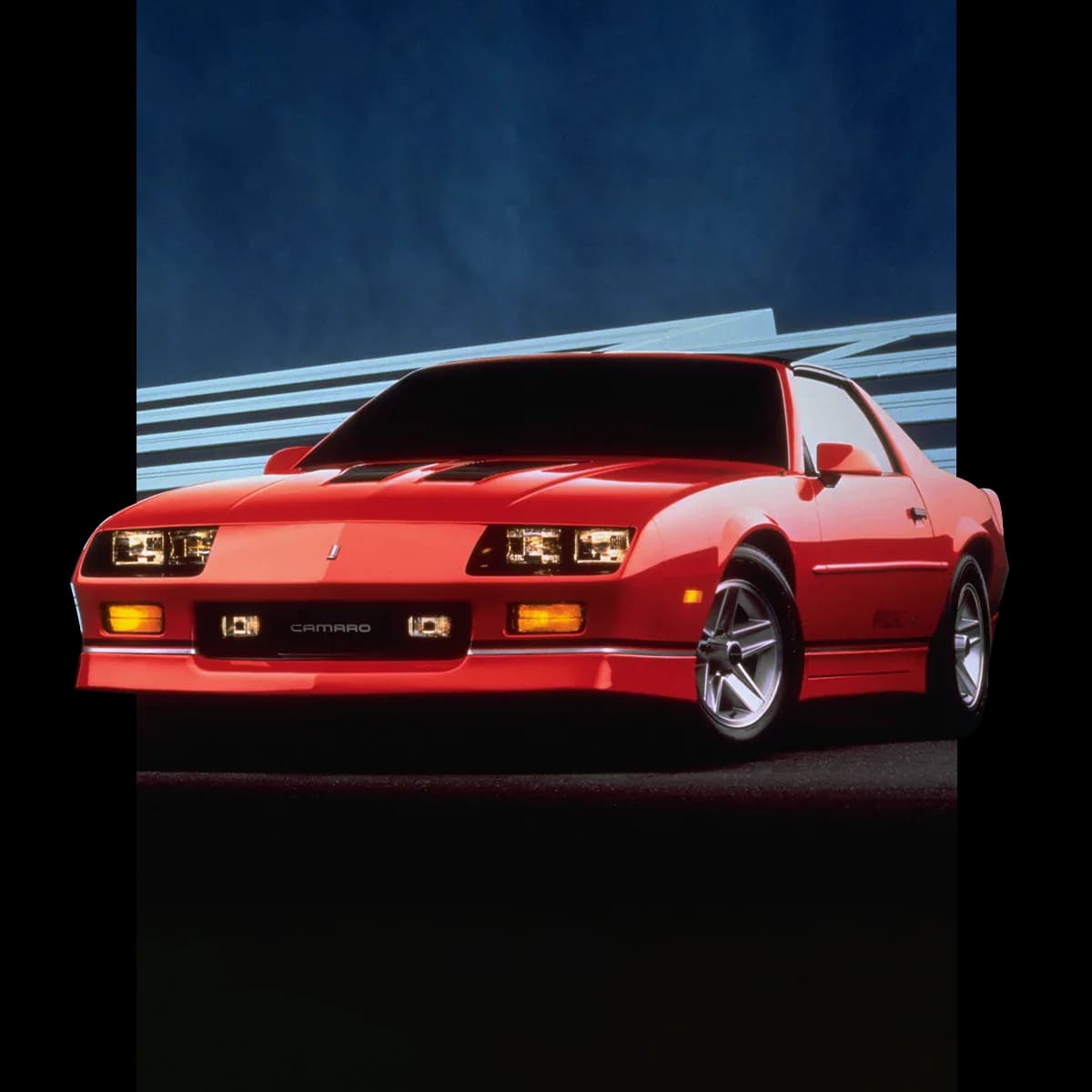
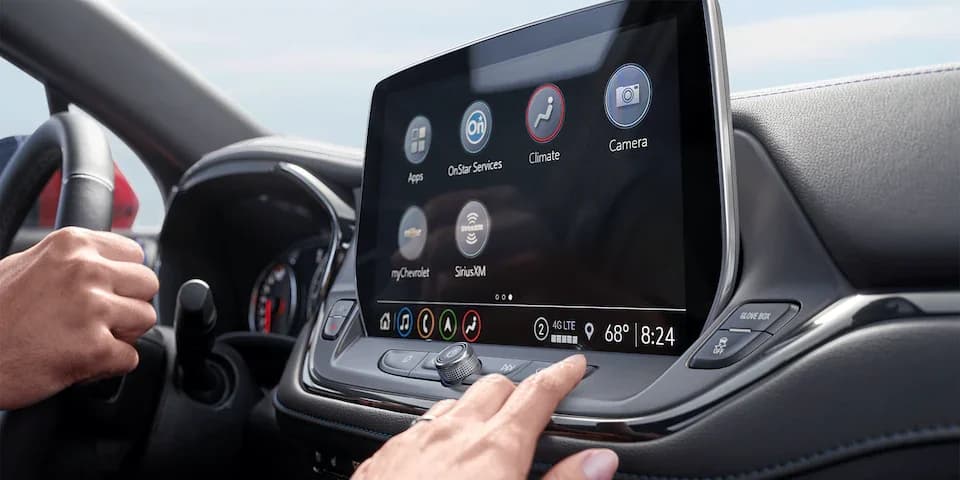
Kelley Blue Book views the 2026 Chevrolet Blazer favorably, especially for its style, confident handling, and useful engine choices. Its Camaro-inspired design still feels distinctive among increasingly boxy rivals, while the intuitive 10.2-inch infotainment system, generous passenger room, standard remote start, and available 308-horsepower V6 add practical appeal. The turbo four-cylinder is strong enough for most drivers, and the ride balances comfort with composure. However, the Blazer’s 30.5-cubic-foot cargo area is notably cramped behind the rear seats, some cabin materials feel cost-cut, and resale value trails key competitors. KBB also points out that the RS trim is required for the V6 and that Chevrolet’s warranty is merely average. Overall, it’s a stylish, enjoyable, well-equipped midsize SUV, but buyers prioritizing maximum utility or long-term value may find better alternatives.
By Nelson Ireson
U.S. News’ Alex Kwanten views the 2026 Chevrolet Blazer as capable but increasingly hard to justify. Its spacious, comfortable cabin, excellent ergonomics, intuitive infotainment, composed handling, and available V6 make it an appealing road-trip crossover, while standard safety equipment and a low entry price add practical value. Kwanten especially appreciates the roomy back seat, which accommodates his 6-foot-4-inch frame easily, and the straightforward controls. Still, the overall mood is distinctly underwhelmed: the Blazer feels dated beside newer rivals, its interior plastics are cheap, fuel economy is merely average, and its engines are competent rather than memorable. The four-cylinder is noisy, while choosing the smoother, quicker V6 requires the expensive RS trim. Cargo space and towing capacity are adequate but no longer class-leading, and newer Chevrolet models can offer more for less. Kwanten’s advice is guarded—consider a used certified pre-owned Blazer instead.
By Alex Kwanten

YouTube
4 LEADING EXPERT & INFLUENCER REVIEWS
 Ben Hardy
Ben Hardy is positive about the 2026 Chevrolet Blazer RS as a comfortable, capable crossover, but he strongly dislikes its name. He praises the smooth 3.6-liter V6, linear power, decent fuel economy, roomy cargo area, easy-to-use technology, 360-degree camera, and the ability to switch between front-wheel drive and all-wheel drive. The ride is comfortable, though tire noise is noticeable and rear space feels somewhat tight. His central criticism is philosophical: the Blazer name belongs to a rugged, body-on-frame off-roader, not this polished unibody SUV. Overall, he sees a good crossover undermined by questionable branding.
Chabby's RidesChabby’s Rides is clearly enthusiastic about the 2026 Chevrolet Blazer RS. He praises the smooth, linear V6 power, composed ride, comfortable seats, direct steering, clear visibility, and useful tech such as the 360-degree camera and digital rearview mirror. The standout driving insight is that switching from front-wheel drive to all-wheel drive eliminates noticeable torque steer. Still, he questions the nearly $54,000 price, especially with hard plastics, no memory seats, no power-folding mirrors, and absent RS headrest badges. Overall, it feels like a stylish, comfortable, engaging two-row SUV, though the value case is less compelling.
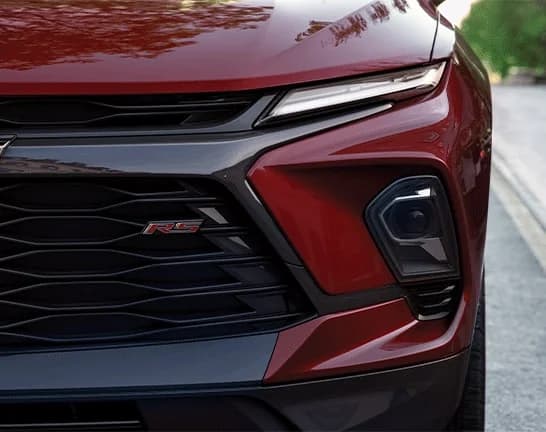
Automotive Anonymous Automotive Anonymous is highly positive about the 2026 Chevrolet Blazer RS, calling it one of the most charismatic midsize SUVs available. He praises its Camaro-like styling, responsive handling, strong-sounding 3.6-liter V6, polished cabin, plentiful technology, comfortable ventilated seats, and surprisingly quiet ride. His GPS-tested 0–60 time was 7.34 seconds at high altitude, reinforcing that it is quick rather than blistering. Still, he flags weaker lane-centering than rivals, limited rear headroom, a low-opening hatch, some cheap interior plastics, and a roughly $55,000 price. Overall, he sees it as a compelling sporty family SUV.
Untamed ReviewsUntamed is strongly impressed by the 2026 Chevrolet Blazer RS. He especially enjoys its striking Habanero Orange styling, simple driver-focused cabin, comfortable space, responsive infotainment, and surprisingly quick 2.0L turbo, which shows minimal lag. The RS also feels planted through corners while absorbing potholes impressively, though road noise is noticeable and the $53,164 price is difficult to justify. Fuel economy is merely average, and projected resale is weaker than rivals. Even so, Untamed recommends it for families wanting sporty handling, AWD, useful cargo room, and a comfortable two-row SUV they plan to keep long term.

Forum Reviews
CUSTOMER REVIEWS FROM 1 FORUM
Redditors are generally positive about the Chevrolet Blazer, though winter efficiency and weight remain serious concerns. Owners appreciate its spacious cabin, useful cargo area, attractive design, strong range in normal conditions, and comfortable, engaging performance. Used examples can also represent compelling value. The biggest frustrations involve poor cold-weather range, slow charging, battery-heating behavior, and the platform’s substantial weight. Comparisons often favor the Blazer’s size and interior over smaller rivals, while some shoppers prefer alternatives with sharper acceleration, better all-wheel drive, or more cargo room. Safety discussions are broadly favorable but criticize cherry-picked crash-test comparisons.
Many comments

In-Depth Review

Highlights
- •Responsive Road MannersDesigned to deliver composed, engaging handling.
- •Smooth V6 PowerAvailable V6 provides linear, strong acceleration.
- •Simple Cabin TechnologyIntuitive touchscreen and physical controls ease use.
- •Roomy Passenger SeatingRear legroom accommodates taller occupants comfortably.

Considerations
- •Hard Cabin PlasticsMaterials feel cost-cut at higher trims.
- •Limited Cargo SpaceUseful capacity, but tight behind seats.
- •Weak RS ValueNear-$55,000 pricing lacks several premium features.
- •Average Fuel EconomyAWD and V6 reduce already modest mileage.
Chevrolet’s Blazer brings the brand’s mainstream know-how into a sportier two-row midsize SUV aimed at drivers who want more personality than a typical family crossover. It serves commuters, small families, and road-trip travelers with five-passenger seating, available AWD, and a choice between an efficient-enough turbo four-cylinder and a smoother V6. Reviews particularly distinguish its responsive handling, comfortable ride, and easy-to-use technology from more utility-first rivals, though newer competitors can offer richer materials, better efficiency, or more cargo flexibility. The following sections examine how the Blazer balances 30.5 cubic feet of cargo space with passenger comfort, engine response, cabin quality, and fuel costs—trade-offs worth weighing whether you’re considering an affordable 2LT or a pricey RS. If you want sporty manners without pretending your SUV is a race car, these details tell the real story.
Engine Performance
The powertrain choices give the Blazer a useful range of personalities. The 228-hp 2.0L turbocharged four-cylinder is quick enough for daily driving and reportedly shows little lag, but it can sound coarse during hard acceleration. The 308-hp 3.6L V6 is smoother, more linear, and better suited to effortless merging, although it requires the expensive RS trim. A GPS-tested RS reached 60 mph in 7.34 seconds at high altitude, respectable rather than startling. The nine-speed automatic keeps the experience polished, but neither engine leads the class in efficiency.
Cabin Materials Build
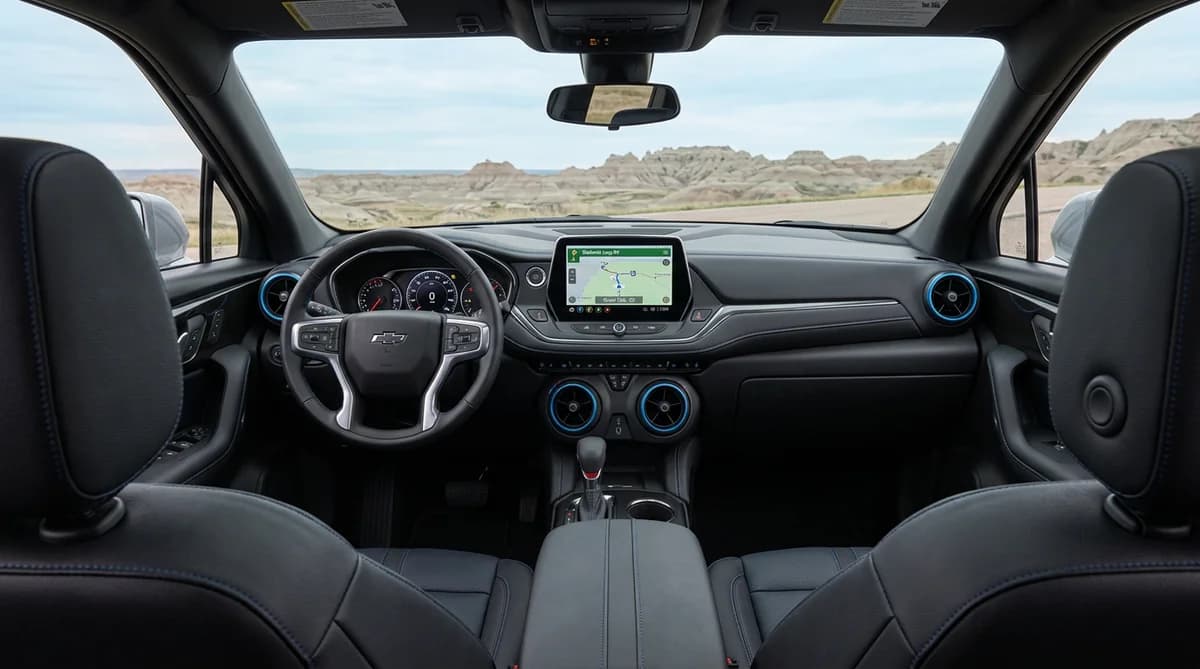
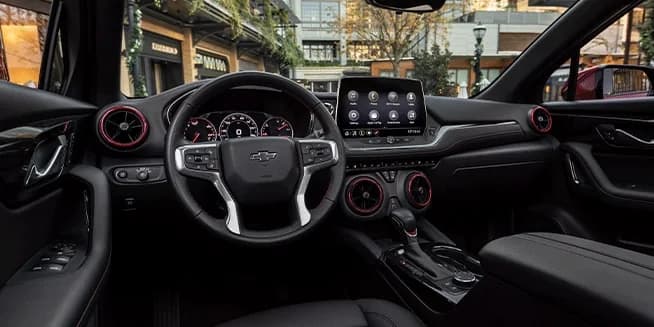
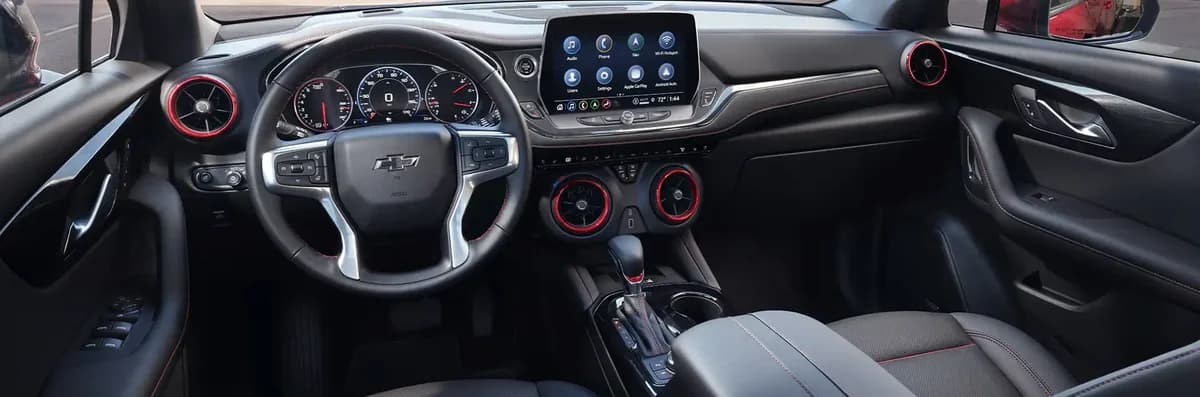
The cabin is easy to operate, but its finish does not consistently match higher trim pricing. The 10.2-inch touchscreen infotainment system is intuitive, and physical controls make everyday adjustments simple. Available equipment such as the 360-degree camera, digital rearview mirror, and ventilated seats adds genuine convenience. However, reviewers repeatedly identify hard or cost-cut interior plastics, along with omissions such as memory seats and power-folding mirrors on expensive RS examples. The result is a functional, polished layout with an increasingly dated material impression.
Fuel Economy Costs
Fuel economy is acceptable for a gasoline midsize SUV, but it is not a defining strength. The 2.0L front-wheel-drive model is rated at 22 city and 29 highway mpg, or 25 mpg combined, while AWD and the V6 reduce those figures. Real-world commentary generally treats efficiency as average, and the base engine’s noise can make hard-driving fuel costs feel less rewarding. Choosing FWD keeps operating costs lower, while AWD makes sense when winter traction matters more than maximum mileage.
Passenger Comfort Space
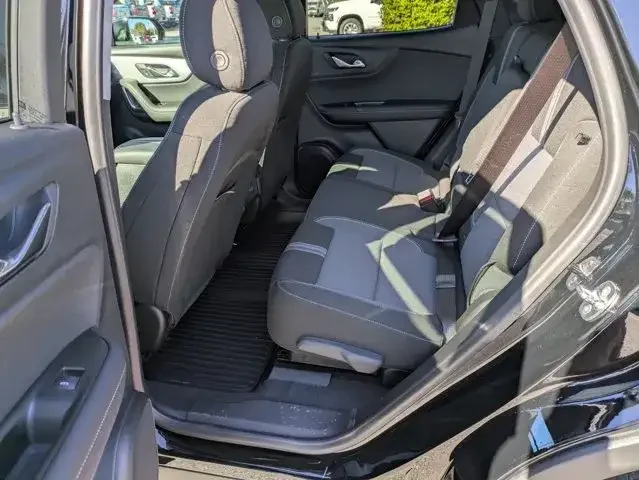
The Blazer’s five-seat cabin is one of its stronger everyday qualities. Front legroom measures 41.0 inches, while rear legroom reaches 39.6 inches, and reviewers generally find the seats comfortable for commuting and road trips. One tall-driver evaluation found the back seat accommodating even for a 6-foot-4 occupant, supporting Chevrolet’s practicality claims. Rear headroom is less generous, especially beneath the sloping design, but visibility, straightforward controls, and available heated or ventilated seating help make the cabin pleasant for regular use.
Driving Handling Feel
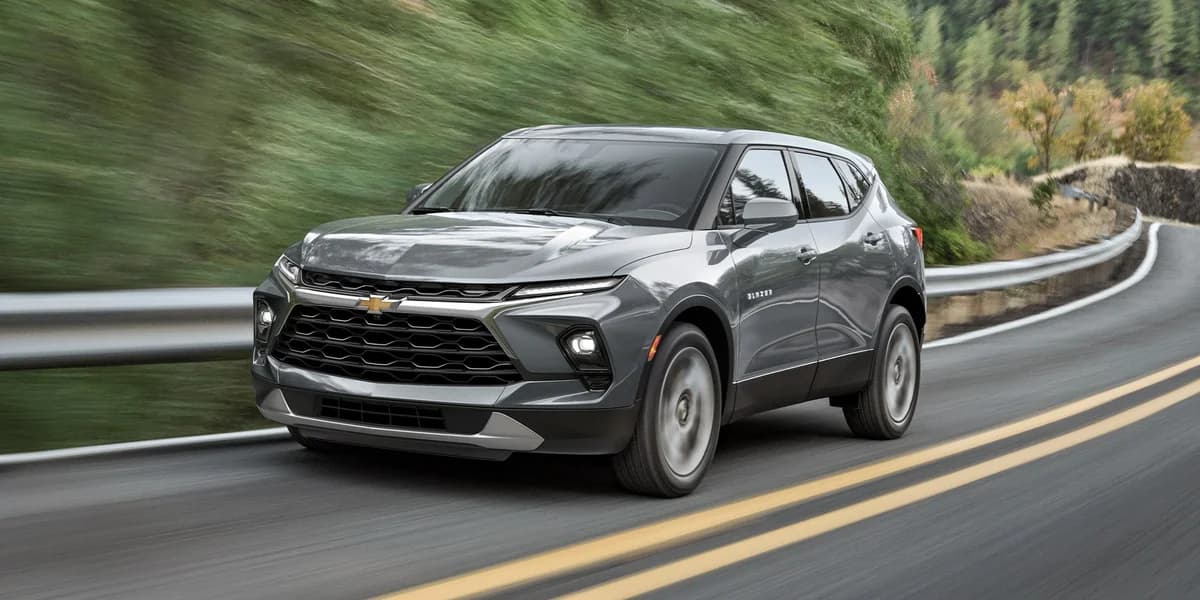
The Blazer feels more composed and engaging than its family-SUV shape suggests. Its responsive steering and planted cornering earn consistent praise, while the suspension absorbs potholes without becoming floaty. The available all-wheel-drive system can also reduce torque steer compared with front-wheel drive, an advantage noted in driving impressions. The trade-off is noticeable tire and road noise, particularly on rough pavement. Overall, Chevrolet’s sporty positioning is supported by reviews, though it is more comfortable and confident than genuinely performance-focused.
Cargo Loading Utility
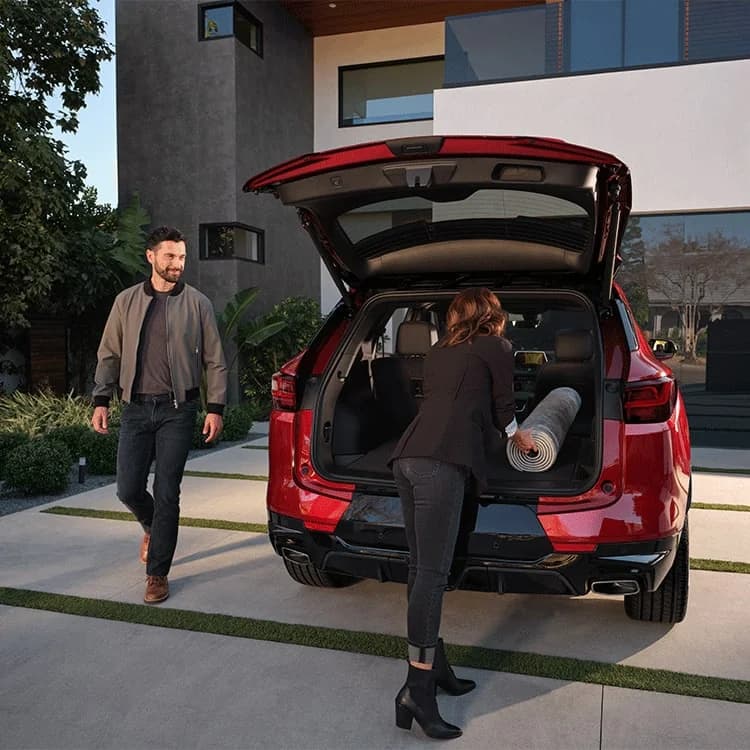
The Blazer handles ordinary luggage and gear well, but it is not a cargo-space leader. Behind the rear seats, the 30.5-cubic-foot cargo area is useful for groceries and road-trip bags, while folding the seats expands capacity to 64.2 cubic feet. Reviewers appreciate the overall cargo area, yet note the low-opening rear hatch and limited space with seats upright. That distinction matters for families carrying bulky equipment, where newer rivals can provide easier loading or more room despite similar exterior footprints.
Conclusion
The Blazer’s recipe is clear: responsive handling and a comfortable ride give this midsize SUV more personality than its practical shape suggests, while the smooth, linear 308-hp V6 makes the RS especially easy to recommend for confident merging and road trips. Its five-seat cabin is genuinely comfortable, with generous rear legroom and intuitive controls, but hard interior plastics and missing upscale touches weaken the expensive trims. Cargo space works for everyday gear yet feels tight behind the seats, and average fuel economy makes the four-cylinder FWD model the sensible choice for cost-conscious drivers. This is a good fit for shoppers who value style, composed driving, and straightforward technology over maximum utility or refinement. Its balanced strengths justify a favorable recommendation, though dated materials, limited cargo flexibility, and questionable RS value keep it from being a segment leader.

Feature Scores
This reflects reviews and ratings from established critics, journalists, and users who have evaluated the item. Their opinions provide a comprehensive assessment.
Performance
Engine Power
4/5
Acceleration
4/5
Towing Capacity
4/5
Fuel Efficiency
3/5
Reliability
3/5
Durability
3/5
Value
Purchase Price
3/5
Operating Cost
3/5
Resale Value
2/5
Design
Interior Space
4/5
Cargo Capacity
3/5
Ergonomics
4/5
Exterior Styling
5/5
Health
Cabin Air Quality
TBD
Interior Material Toxicity
TBD
Safety
Crashworthiness
3/5
Active Driver Assistance
3/5
Braking Performance
TBD
Visibility and Lighting
4/5
Sustainability
Tailpipe Emissions
2/5
Fuel Lifecycle Emissions
2/5
Use of Recycled Materials
TBD
End-of-Life Recyclability
TBD
Experience Style
Infotainment Features
4/5
Ride Comfort Tuning
4/5
Customization Options
4/5

Specifications
This section outlines the product's key facts, covering essential features, details, dimensions, materials, and any unique characteristics that define its functionality and usability.
Performance
Value
Design
Safety
Sustainability
Experience Style

Frequently Asked Questions
11 Questions

Find Yours
What is your primary use for a Gas-Powered SUV?
Answer to find your best matches.