












Mazda CX-70 (2026)
Sporty, upscale, and capable, but firm-riding and less refined than luxury rivals.
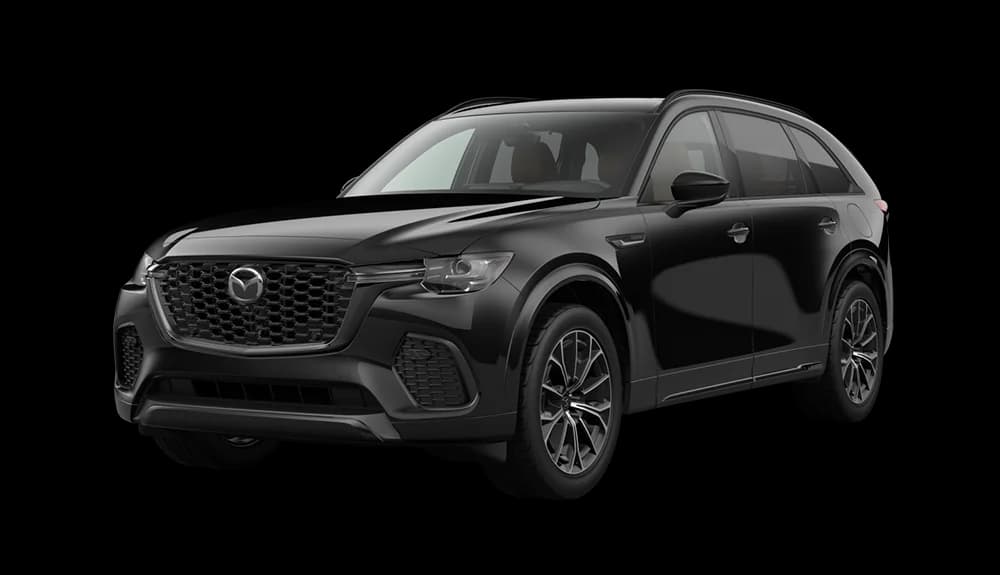
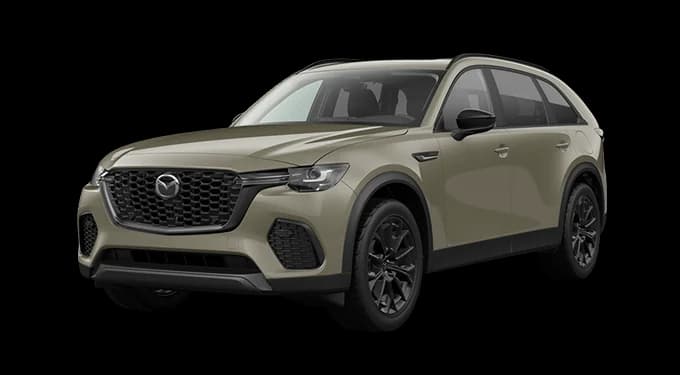
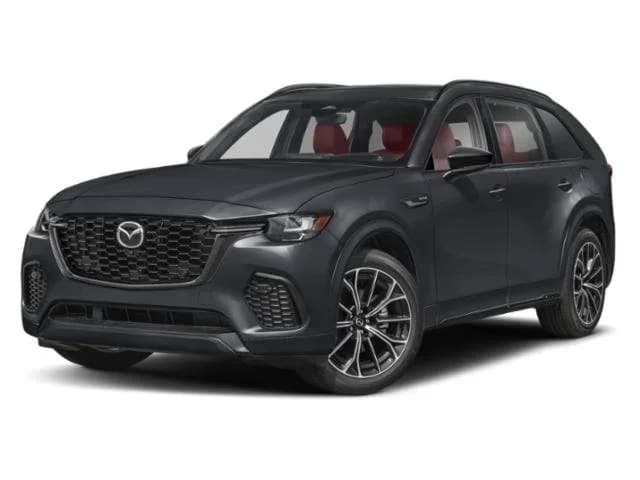
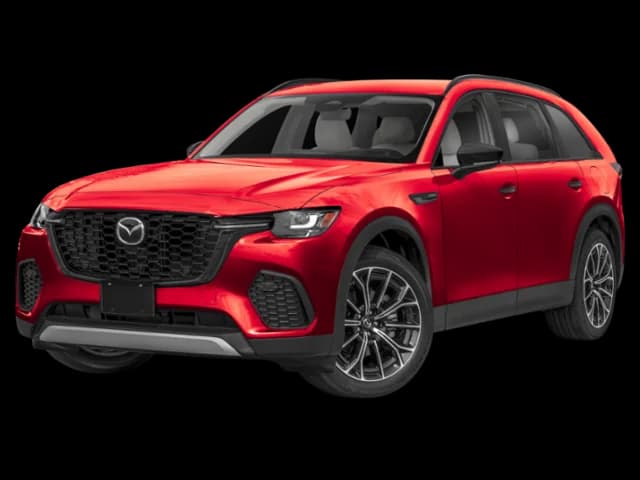
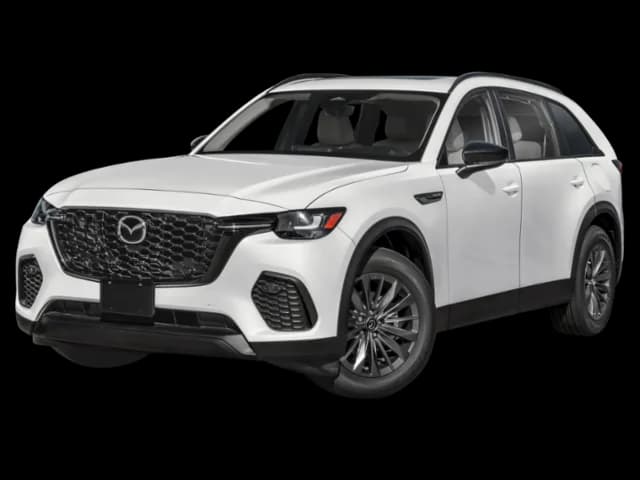
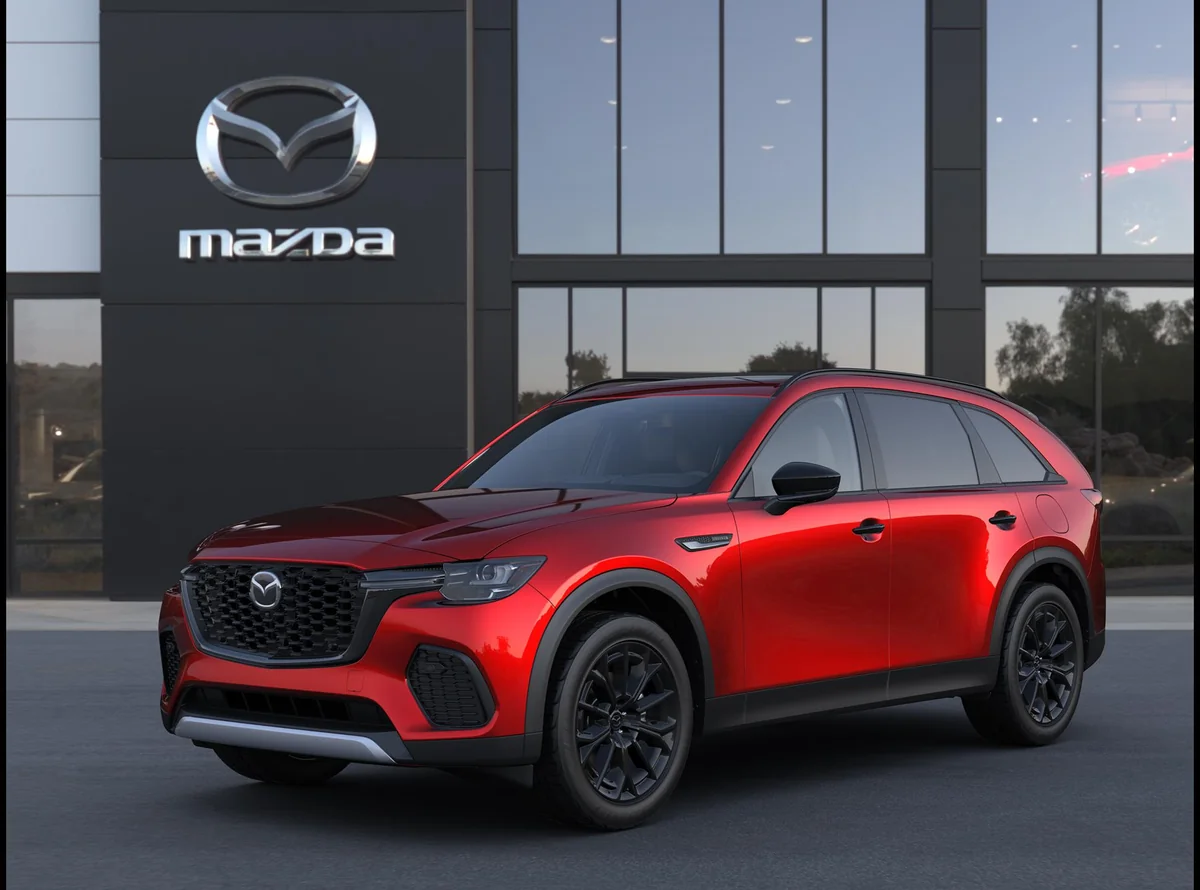
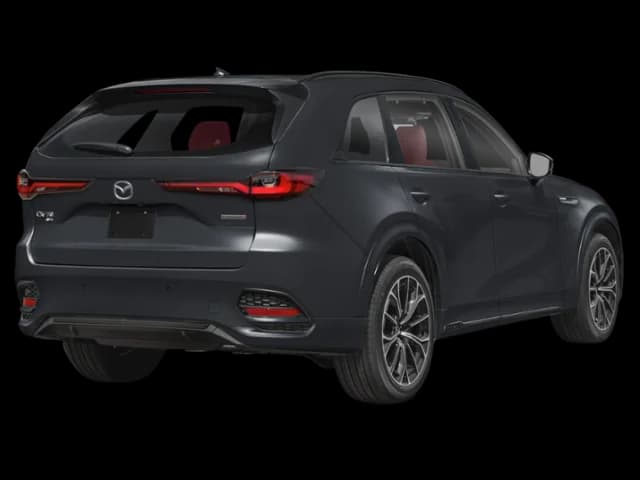
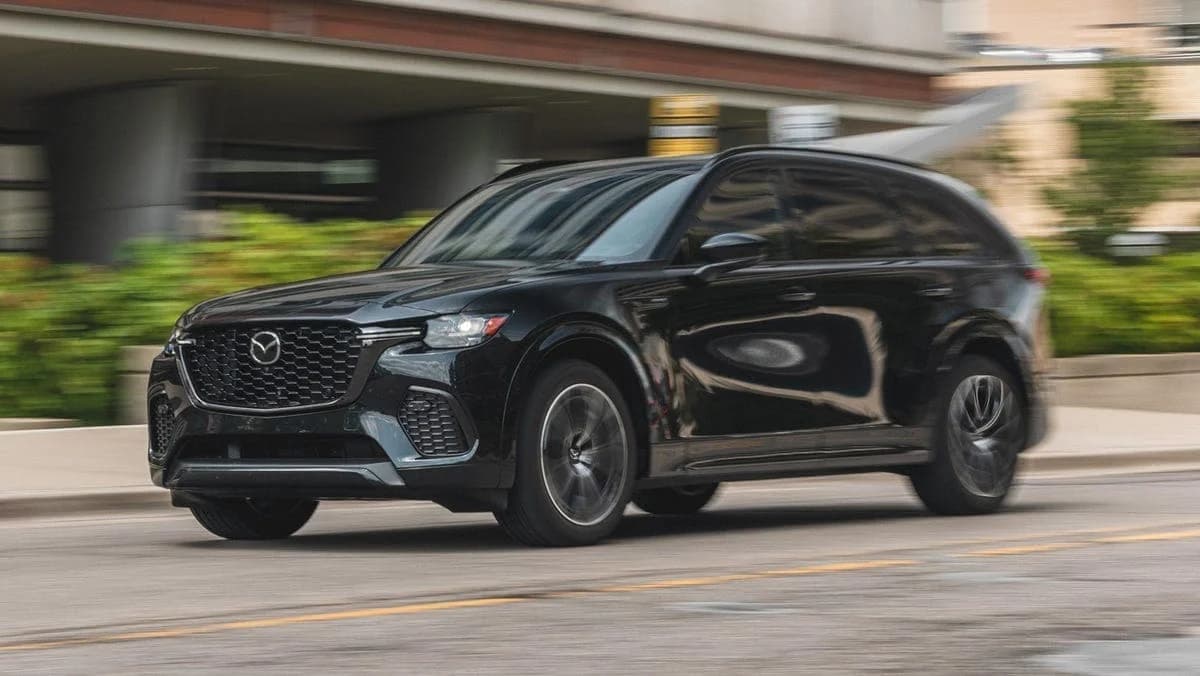
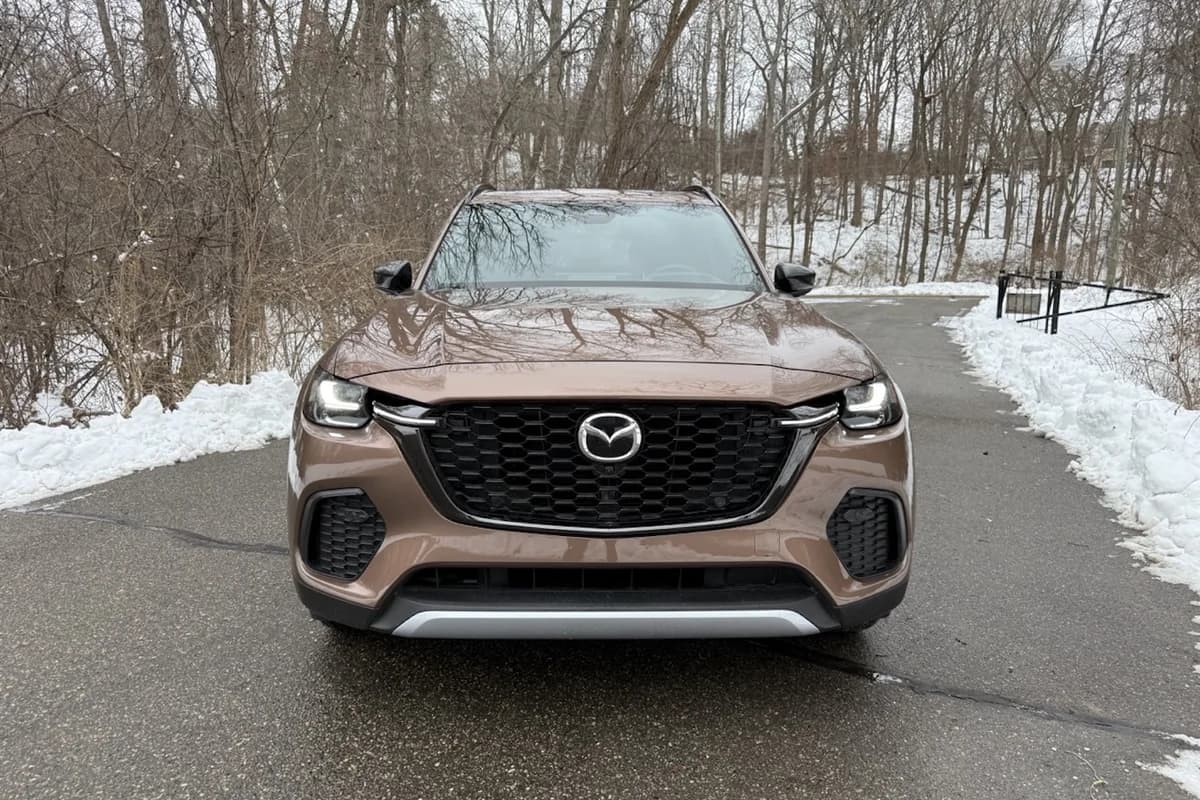
The Mazda CX-70 (2026) is a stylish, driver-focused two-row SUV for families and commuters who want more cargo room and personality without committing to a third row. Its strong turbocharged inline-six, upscale cabin, and rear-biased standard AWD support Mazda’s near-luxury claims, while expert and owner feedback confirms engaging handling and useful practicality. The tradeoff is less convincing refinement: a firm ride, occasional rattles, and clumsy low-speed shifts can undercut the premium experience. With pricing below many luxury rivals and available 32-mile electric range, it offers compelling value, especially for drivers who can charge regularly. Overall, its appeal depends on how much you prioritize performance and equipment over seamless comfort and easy parking.


Find Yours
What's your main motivation for choosing a Hybrid SUV?
Answer to find your best matches.

The Field
Browse top contenders, or compare all options ranked by score and key attributes.
5 Options





The Scoreboard
Does this improve your life? Considers, health, habits, and environmental impact.
Benefits
Calmer road noise and supportive seats make everyday commuting and longer trips easier.
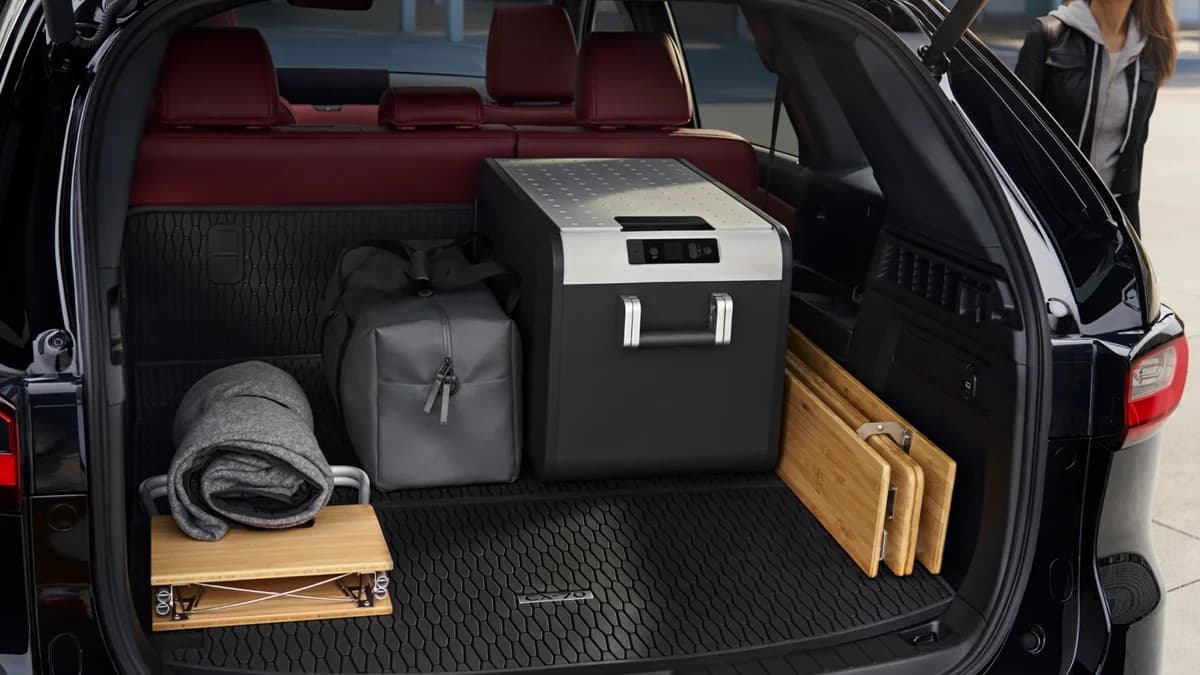
A roomy rear area and flat cargo floor handle family gear without third-row compromise.
Precise steering, standard AWD, and strong power make ordinary drives feel composed and enjoyable.
The PHEV’s roughly 32-mile electric range covers many errands without using gasoline.
Trade-Offs
Sharp bumps come through clearly, making rough streets and long drives less comfortable.
Pulling away or creeping in traffic can feel jerky, interrupting otherwise smooth driving.
Changing navigation or music takes extra attention with the rotary controller.
Its broad body and heavy steering make tight parking spaces and crowded streets more work.
 Alternatives


Join the Circle
Where real meets deal
Know what's worth buying-and when.
Tips, special offers, and rewards for buying and sharing.

Publications
5 LEADING PUBLICATION REVIEWS

Car and Driver is clearly positive on the 2026 Mazda CX-70 Hybrid, with reservations about its positioning. The reviewer appreciates its quick 323-hp plug-in-hybrid powertrain, agile handling, upscale five-seat cabin, and useful cargo space, while the improved 30-mile electric range and more than $10,000 price cut strengthen its appeal. A 5.9-second sprint to 60 mph confirms that this is an unusually lively midsize SUV. Still, the CX-70’s biggest weakness is that the nearly identical CX-90 Hybrid offers the same driving experience plus a third row, making the two-row model feel redundant. The gasoline engine can drone loudly, the infotainment controls may frustrate some users, and there is no complimentary maintenance. Overall, the review portrays the CX-70 as a polished, sporty, luxurious PHEV and recommends the well-equipped entry-level trim, but only conditionally because its sibling may be the smarter buy.
By Drew Dorian
MotorTrend’s Billy Rehbock is cautiously enthusiastic about the Mazda CX-70, seeing it as a more convincing two-row SUV than the CX-90 is a three-row. The CX-70 offers engaging driving dynamics, strong Turbo S performance, useful cargo space, and a choice of mild-hybrid or plug-in-hybrid powertrains. The PHEV is particularly peppy in EV mode, while the Turbo S reaches 60 mph in a tested 6.3 seconds. Still, the praise is measured: slow steering, an indecisive transmission, a firm PHEV ride, non-flat-folding rear seats, and cheap-looking exterior plastics keep it from feeling fully polished. Its carryover CX-90 shifter is also confusing. Overall, Rehbock views the CX-70 as a comfortable, capable daily driver with appealing performance and practicality, but one that falls short of delivering a truly refined experience.
By Billy Rehbock
Kelley Blue Book gives the 2026 Mazda CX-70 a clearly favorable, though not flawless, review. It comes across as a stylish, premium-feeling two-row SUV with unusually generous standard equipment, a quiet and comfortable cabin, confident handling, and nearly 40 cubic feet of rear-seat cargo room. The PHEV is especially appealing for local driving, since its revised 32-mile electric range can cover many errands without burning fuel, while the 340-horsepower Turbo S offers genuinely brisk performance. Pricing also looks compelling against luxury competitors, particularly when KBB’s Fair Purchase Pricing is considered. Still, the CX-70’s low-speed transmission can hesitate or feel twitchy, and the console controller for the infotainment system is less convenient than a conventional touchscreen. Overall, the review portrays it as a refined, spacious, value-minded alternative to pricier luxury SUVs, with a few frustrating driving and interface quirks.
By Robert Duffer
John M. Vincent of U.S. News & World Report is impressed by the CX-70 PHEV’s driving appeal but wary of its compromises. Its 323-horsepower powertrain, confident cornering, generous cargo area, upscale cabin, and achievable 32-mile electric range make it unusually engaging among plug-in hybrid SUVs. The sharp 2026 price cut also makes it far better value than before, though Mazda achieved that savings by removing equipment such as wireless smartphone connectivity, Bose audio, wireless charging, a sunroof, and some leather. The review’s biggest complaints are the clunky gas-electric transitions, firm ride, awkward electronic shifter, and dated rotary-controlled infotainment. It is also less capable off-road and less practical for passengers than the Jeep Grand Cherokee 4xe or CX-90 PHEV. Overall, Vincent views it as a compelling choice for buyers who will charge regularly and prioritize performance, but not an automatic recommendation.
By John M. Vincent
Open Road’s Kris Ashton is strongly impressed by the 2026 Mazda CX-70, calling it genuine luxury at a comparatively sensible price. The GT diesel combines a refined, V8-like engine note with relaxed cruising and remarkable economy: it returned just 4.0L/100km over 290km, suggesting an impressive 1000km range. Ashton also praises the plush, well-built cabin, generous standard equipment, enormous cargo area, and touring comfort, making the CX-70 especially appealing for long Australian road trips. It isn’t flawless, though. Its huge dimensions and heavy steering make urban driving and parking awkward, the reversing-camera guidelines are poor, and an overactive cross-traffic alert risks being ignored. Rear centre-seat space is also severely compromised, and the unusual gear selector takes time to learn. Even so, the review’s verdict is clearly enthusiastic: the CX-70 is a spacious, economical, convincingly luxurious alternative to far more expensive premium SUVs.
By Kris Ashton

YouTube
15 LEADING EXPERT & INFLUENCER REVIEWS
 Auto Buyers Guide | Alex on Autos
Alex on Autos is positive about the CX-70 itself but sharply critical of Mazda’s decision to create it as a separate model. He finds its handsome design, smooth and characterful inline-6, rear-biased AWD, strong handling, towing ability, and upscale cabin appealing, even comparing its dynamics favorably with several rivals. However, the missing torque converter makes low-speed power delivery occasionally lurchy, the ride is firm, rear-seat legroom is disappointing, and cargo practicality barely improves over the CX-90. He prefers the smoother, quicker PHEV, but ultimately recommends buying a CX-90 instead because it costs only about $700 more.
savagegeeseSavageGeese is cautiously positive about the 2026 Mazda CX-70, admiring its handsome styling, upscale cabin, physical controls, roomy rear seat, and enormous cargo area. The inline-six provides character and the steering feels direct, but refinement falls short: cold shifts can be jerky, driveline vibration is noticeable, harsh impacts expose a choppy ride, and the cabin’s storage and wireless charger are poorly packaged. He views it as distinctive and well-equipped for the money, yet less polished than the Honda Passport, Pilot, or Korean alternatives, making it appealing mainly to buyers willing to trade refinement for Mazda’s design and driving personality.
Chasing CarsNathan Ponchard is firmly unimpressed with the 2026 Mazda CX-70’s premium ambitions. He appreciates its strong, characterful turbocharged inline-six, rear-biased AWD, spacious rear seating, useful cargo area, easy-to-use controls, and relatively unobtrusive safety systems. But its size doesn’t translate into especially generous seating or cargo capacity, while the harsh ride, road and engine noise, heavy steering, coarse transmission behavior, and poorly tinted panoramic roof undermine its upscale positioning. Ponchard sees plenty of personality and decent efficiency, yet concludes the CX-70 feels underdeveloped and far less refined than the Genesis GV70, making it poor value at nearly $100,000.
Extra Throttle HouseThomas and James are positive on the Mazda CX-70 PHEV, but stop short of recommending it. They praise its handsome styling, upscale cabin, comfortable seats, smooth hybrid operation, strong dynamics, and excellent controls, while Thomas—after living with it for nearly two weeks—calls it close to brilliant. However, coarse engine noise, harsh high-frequency ride vibrations, limited storage, slow infotainment, and especially exhausting highway wandering undermine its refinement. The CX-70’s plug-in range is useful for short commutes, but they question the commitment to charging. Thomas ultimately chose a used Volvo XC90 and considers the CX-90 more practical because it offers similar cargo space with an extra row.
Ben HardyBen Hardy likes the 2026 Mazda CX-70, but considers its concept a flop. He praises the quiet cabin, upscale materials, distinctive colors, strong 340-hp inline-six, useful torque, and abundant cargo space, calling it a genuinely nice luxury-leaning SUV. However, the transmission feels sluggish and rough at initial engagement, while the CX-70 otherwise mirrors the CX-90 almost completely—minus its third row. Hardy’s central criticism is strategic: Mazda should offer a three-row-delete CX-90 rather than sell a barely differentiated model. His verdict is favorable toward the vehicle itself but skeptical about its place in Mazda’s lineup.
Steve Hammes New Car ReviewsSteve Hammes is strongly impressed by the 2026 Mazda CX-70, especially with the Turbo S powertrain. He praises its quiet, solid ride, eager handling, smooth 340-hp inline-six, premium-looking cabin, generous cargo space, and polished blend of comfort and sportiness. He strongly advises against the PHEV, which he finds devoid of driving enjoyment, and criticizes Mazda’s outdated infotainment as arguably the market’s worst. The high price and premium-fuel requirement are drawbacks, but overall he views the Turbo S as a convincing near-luxury SUV and believes a modern touchscreen would make it a complete winner.
Sam CarLegionSam CarLegion is highly positive about the Mazda CX-70, calling it a gorgeous, capable “beauty” with impressive technology. He especially enjoys its premium, button-friendly cabin, low sedan-like driving position, precise handling, quiet ride, instant plug-in-hybrid torque, and strong efficiency—about 8.1 L/100 km in his testing. The CX-70 also performed admirably in snow, despite losing slightly to the Honda Passport’s off-road-focused AWD. Its drawbacks include less ground clearance, no spare tire, a cramped cargo area, an unreliable wireless charger, and lower 3,500-pound PHEV towing capacity. Overall, he considers it an excellent, fuel-efficient alternative.
Kirk KreifelsKirk Kreifels is highly enthusiastic about the 2026 Mazda CX-70, calling it an exceptional value and placing it in his A tier. He praises its handsome design, exceptionally comfortable, well-built interior, precise steering, planted handling, smooth and engaging inline-six, strong acceleration, spacious cargo area, and impressive standard equipment—especially on the Turbo Preferred trim. He prefers it to the Lexus RX in many respects and finds it more enjoyable than the PHEV. Still, the loud engine and electric-motor whine, awkward i-stop system, limited front storage, mediocre brake feel, scarce inventory, and cheaper CX-90 alternative temper an otherwise glowing recommendation.
Raiti's RidesJoe Rady is highly enthusiastic about the 2026 Mazda CX-70, calling it a premium-feeling, driver-focused alternative to the Lexus RX and Acura MDX. He praises its smooth, powerful turbocharged 3.3-liter inline-six, rear-biased AWD, confident wet-weather handling, quiet cabin, upscale Nappa leather interior, excellent cameras, and generous cargo space. The CX-70’s styling and value also impress him, though he criticizes the unpainted fender cladding, fake vents, stubby spoiler, absent exhaust finishers, and rear seats that lack ventilation. Overall, he views it as refined, practical, fun to drive, and unusually compelling for the money.
Car ConfectionsCar Confections is highly impressed with the 2026 Mazda CX-70. After a week and more than 220 miles, they praised its refined, punchy inline-six, excellent steering and body control, quiet cabin, 26.2-mpg real-world economy, standard AWD, and unusually generous standard equipment, calling the base model an exceptional value. The spacious rear seat and cargo area also stood out. Reservations were mostly practical: the ride and seats feel firm, the mild-hybrid system can hesitate, cupholders obstruct the climate controls, and storage isn’t class-leading. Overall, they preferred it more after living with it and strongly recommend it for buyers who value driving enjoyment and near-luxury quality.
TheSketchMonkeyTheSketchMonkey is highly enthusiastic about the 2026 Mazda CX-70, calling it a near-luxury bargain and the more emotional choice over the Lexus RX. After driving both the inline-6 and PHEV versions for a week, he preferred the smoother, more refined high-output model, praising its athletic rear-biased AWD handling, upscale cabin, striking Kodo design, and strong value. He acknowledges that the RX is quieter, more comfortable, more efficient in hybrid form, and more dependable for long-term ownership, with stronger resale value. Still, he believes the CX-70 is the smarter buy for drivers who prioritize style and engagement.
Car Supplies WarehouseCar Supplies Warehouse is genuinely enthusiastic about the 2026 Mazda CX-70, especially its refined, driver-focused character. The inline-six turbo feels responsive, the rear-biased AWD and weighted steering make it unusually engaging for an SUV, and the cabin is quiet, comfortable, and thoughtfully equipped with physical controls. They also praise the practical cargo area, rear sunshades, towing hardware, and overall value around $50,000–$60,000. Criticisms are relatively minor: a clunky low-speed shift, firmer suspension, somewhat simplistic infotainment, awkward phone storage, unused console space, and overly busy exterior textures. Overall, they consider it a compelling, surprisingly sedan-like family SUV.
New Car SpinNew Car Spin is highly enthusiastic about the 2026 Mazda CX-70, calling it an exceptionally capable, comfortable SUV he would buy. He praises the spacious two-row layout, genuinely flat cargo floor, easy rear-seat access, strong Turbo S inline-6, 5,000-pound towing capacity, built-in trailer-brake controller, stable handling, and excellent ventilated seats. His hands-on testing produced 22.2 mpg while driving aggressively. The main criticisms are a mildly abrupt mild-hybrid transition, reduced air-conditioning performance when the engine shuts off, incomplete sunshade coverage, and an awkward dashboard corner that can strike the knee. Overall, his recommendation is emphatic.
dynamite647Dynamite647 is strongly impressed by the 2026 Mazda CX-70, especially its muscular styling, composed and sporty handling, spacious cabin, excellent 360-degree camera, head-up display, visibility, and useful cargo area. After driving it for over a week, however, the reviewer flags a notably rough ride, firm seats, and body rattling over bumps, making long trips tiring. The engine also feels merely adequate during highway overtaking, while occasional navigation freezes, glare from the dashboard trim, and an awkward shifter frustrate. Overall, it is enjoyable and easy to recommend for daily driving, but buyers should compare alternatives if comfort matters most.
The Car CompassThe Car Compass is strongly positive about the 2026 Mazda CX-70’s practicality and polished design. The comparison shows that it closely mirrors the CX-90 in dimensions, cabin technology, comfort, powertrains, and driving modes, while dropping the third row for substantially more useful cargo space—75.3 cubic feet with seats folded versus 74.2 in the CX-90. Detailed cargo measurements, trim pricing, towing figures, and side-by-side exterior observations make the video especially useful. The main criticism is that the CX-70 offers few visual or interior distinctions from the CX-90, so buyers are primarily choosing between five-seat utility and available third-row capacity.

Forum Reviews
CUSTOMER REVIEWS FROM 1 FORUM
Redditors are cautiously positive about the 2026 Mazda CX-70, though reliability and refinement remain concerns. Owners praise its upscale interior, distinctive styling, strong turbocharged performance, smooth ride, spacious cabin, and appealing value. The two-row layout suits shoppers who want cargo room without third-row seating, and many would buy again. Criticism centers on the vehicle’s unchanged, oversized CX-90 dimensions, occasional rattles, intrusive i-Stop behavior, inconsistent blind-spot monitoring, missing features on some trims, and low-speed transmission roughness. Earlier-generation issues make cautious buyers recommend waiting, but software updates and newer model years appear to be improving the ownership experience.
Many comments

In-Depth Review

Highlights
- •Strong Inline-Six PowerReviewers note smooth, characterful acceleration.
- •Engaging Road MannersDesigned to deliver planted, rear-biased handling.
- •Useful Towing CapacityAdvertised to tow up to 5,000 pounds.
- •Practical Electric CommutingPromoted as offering 32 miles of EV range.

Considerations
- •Firm Ride QualitySharp bumps and vibrations reach occupants.
- •Low-Speed Shift BehaviorTransmission can hesitate, jerk, or feel coarse.
- •Dated Infotainment ControlsRotary interface feels slower and less intuitive.
- •Bulky Urban FootprintLarge dimensions complicate parking and maneuvering.
Mazda’s CX-70 brings the brand’s driver-focused character to a premium-leaning two-row SUV for families, commuters, and outdoor-minded owners who do not need a third row. Positioned against models such as the Honda Passport and Lexus RX, it combines a distinctive cabin with standard AWD, a choice of responsive inline-six engines, and a PHEV designed for short electric trips. Its strongest differentiators are rear-biased handling, up to 5,000-pound towing, and roughly 32 miles of electric range, though the large footprint and firm ride complicate the luxury-SUV brief. The following sections examine performance, comfort, packaging, efficiency, towing, and all-weather capability—areas where expert enthusiasm meets real-world caveats. If you value driving enjoyment more than effortless refinement, these details will show whether the CX-70 is a clever alternative or simply a CX-90 with the third row on vacation.
Powertrain Performance
The CX-70 offers genuinely strong power, though its transmission can dilute the polish. The standard 3.3-liter turbocharged inline-six makes 280 horsepower and 332 lb-ft on regular fuel, while the Turbo S produces 340 horsepower and 369 lb-ft on premium, reaching 60 mph in roughly 6.3–6.5 seconds in testing. The PHEV’s 323-hp powertrain is quicker and smoother in some reviews, with instant electric torque, but its engine can sound coarse. Low-speed shifts and mild-hybrid transitions are recurring weak points.
Towing Capacity
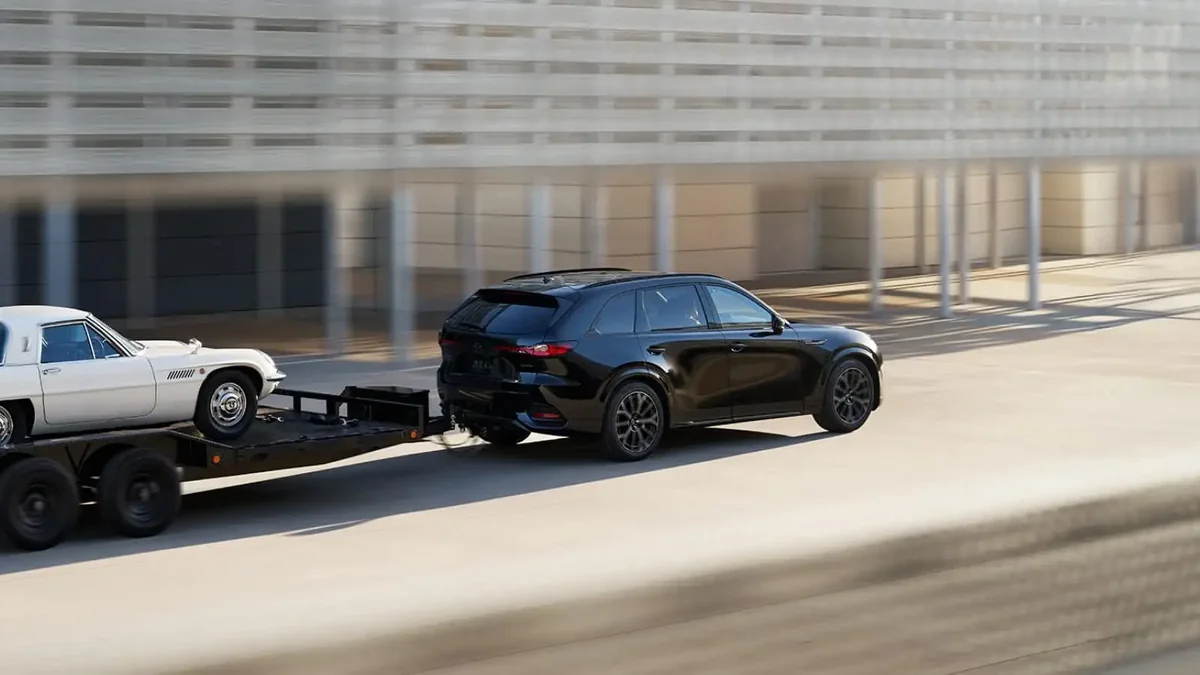
The CX-70 is well suited to light recreational towing, particularly with its gasoline inline-six models. The Turbo and Turbo S are rated for up to 5,000 pounds, and higher trims can add useful equipment such as an integrated trailer-brake controller. That is a meaningful advantage for boats, campers, or utility trailers, though real-world capability still depends on trailer loading and proper equipment. The PHEV’s 3,500-pound rating is lower, so electrification comes with a clear towing compromise.
AWD and Off-Road Ability
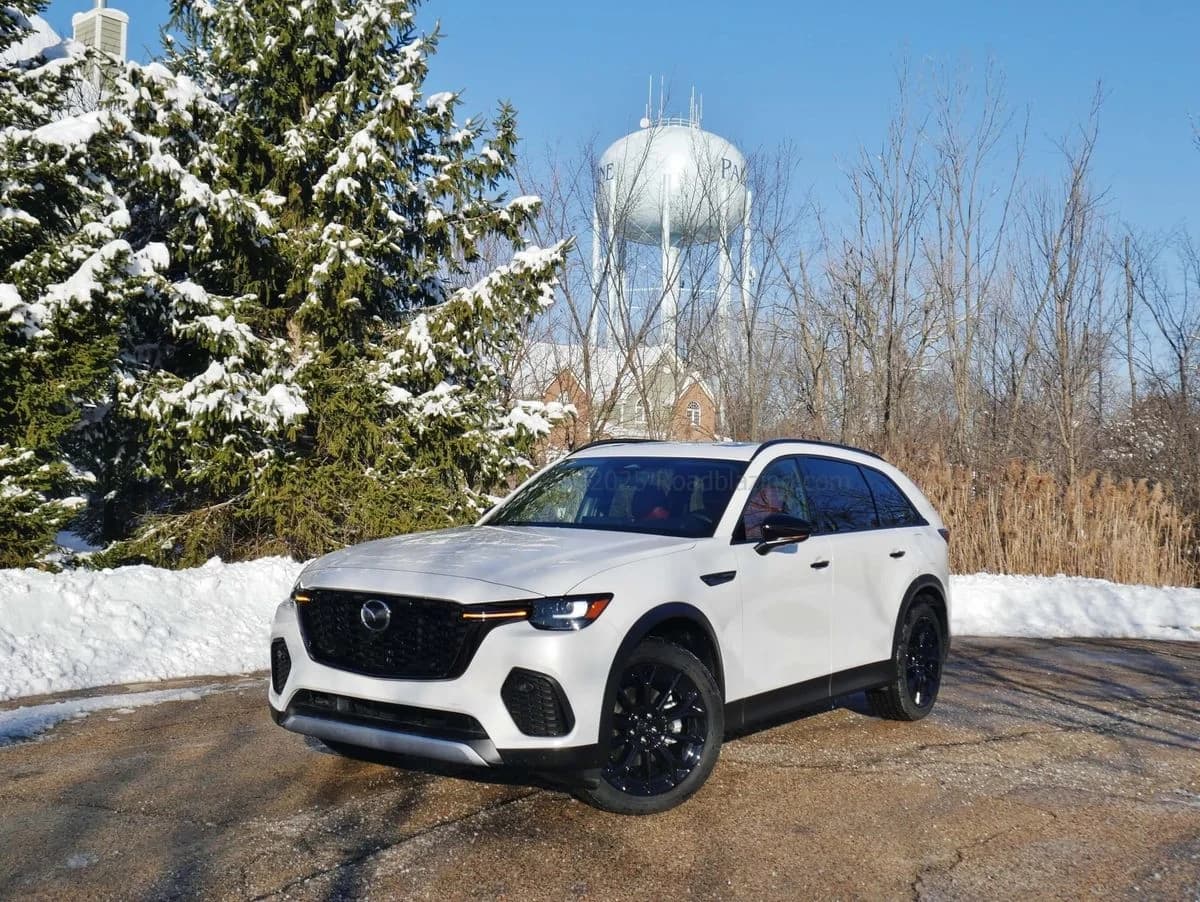
Standard AWD gives every CX-70 confident all-weather traction, but this is not a dedicated off-road SUV. Mazda’s i-Activ AWD is rear-biased for responsive road handling, while Mi-Drive adds Sport and Off-Road modes and independent suspension helps maintain control on uneven surfaces. Reviewers report capable snow performance, although the PHEV has less ground clearance and can trail more specialized rivals such as the Honda Passport or Jeep Grand Cherokee 4xe. Its strengths are stability and composure, not serious trail work.
Cargo and Packaging
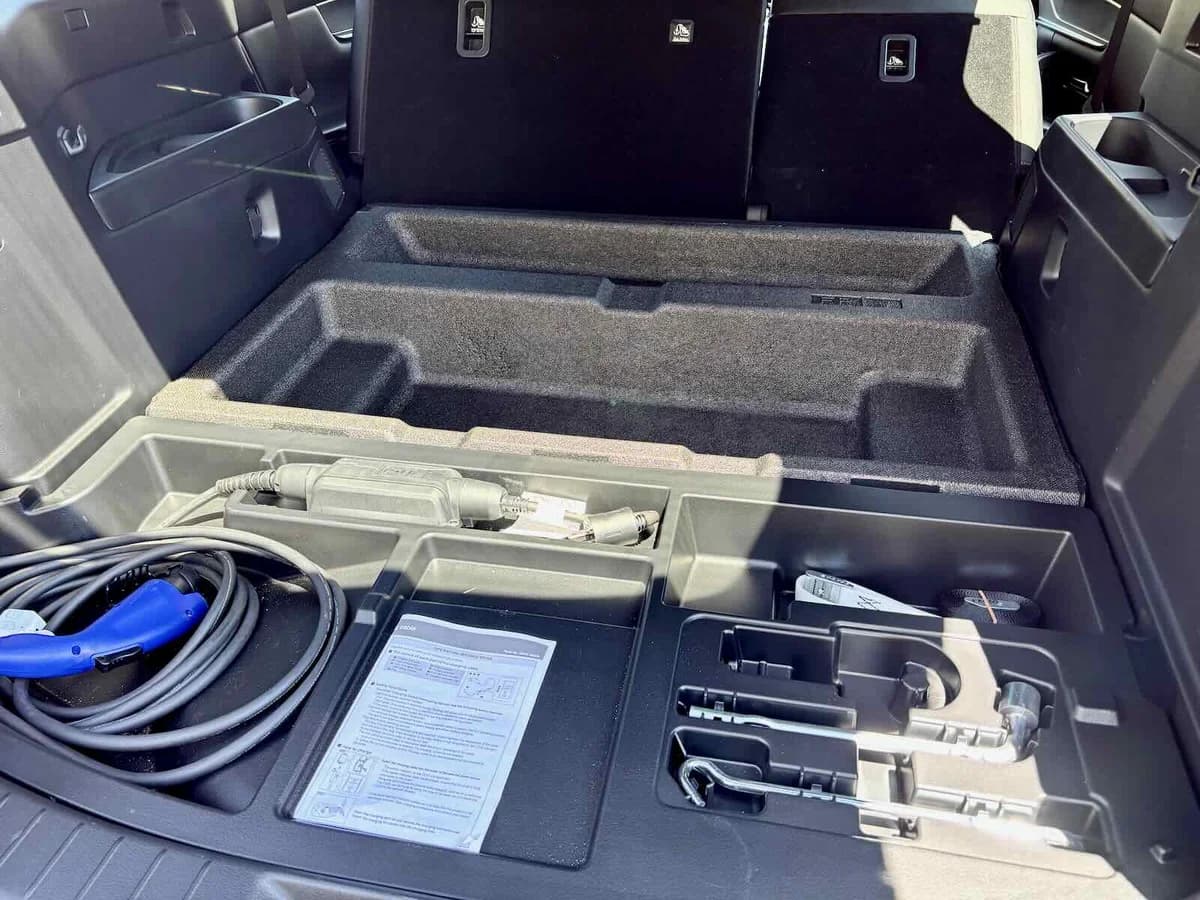
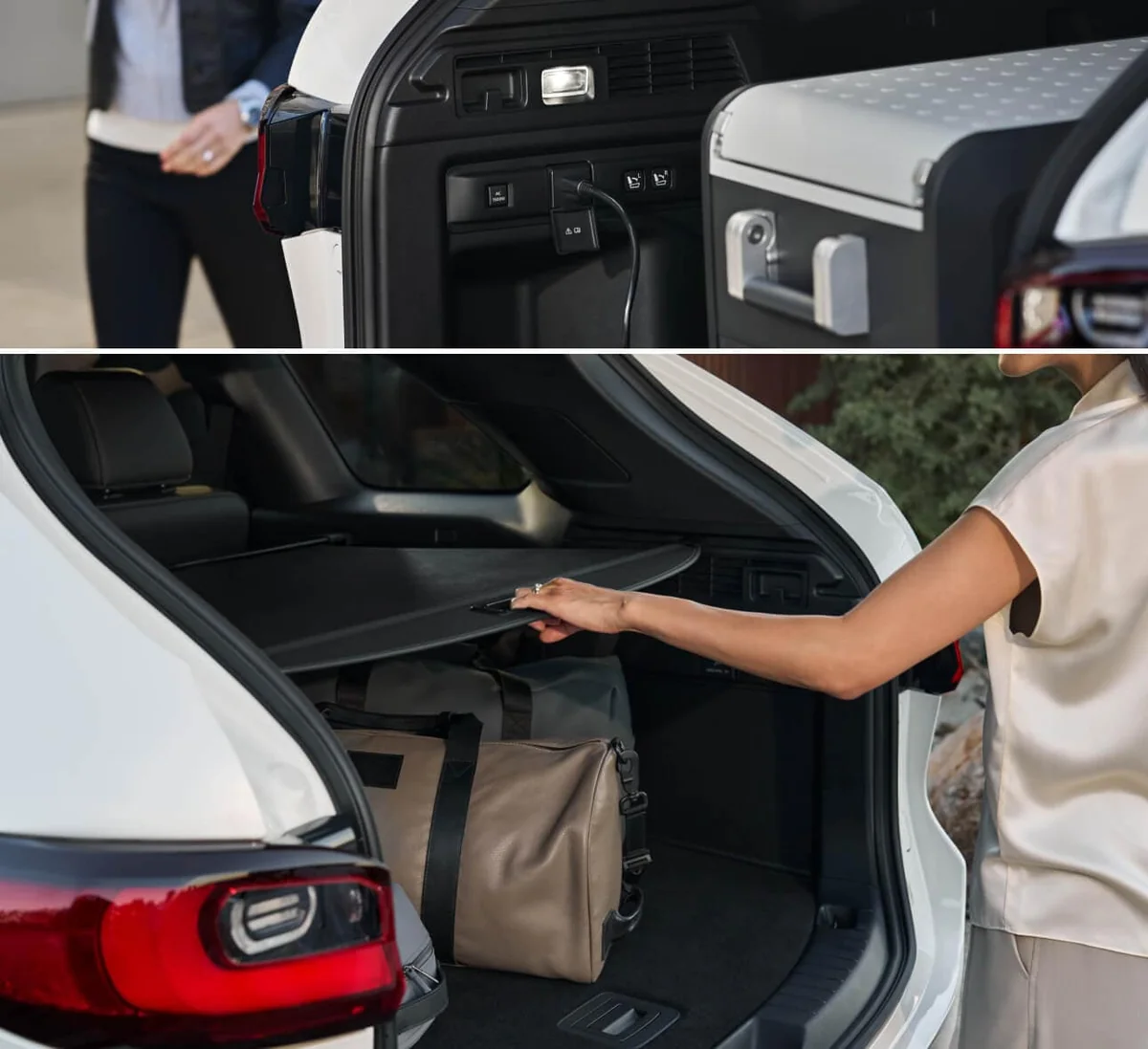
The two-row layout gives the CX-70 useful cargo flexibility, but not a smaller footprint. Mazda lists about 75.3 cubic feet with the rear seats folded and roughly 39.6–40 cubic feet behind them, with a notably practical, near-flat loading floor. That makes it appealing for families who want storage without a third row, and reviewers generally praise rear-seat access and cargo volume. Still, its cabin storage is mediocre, the rear seats do not fold completely flat, and packaging is barely different from the CX-90.
Ride and Handling
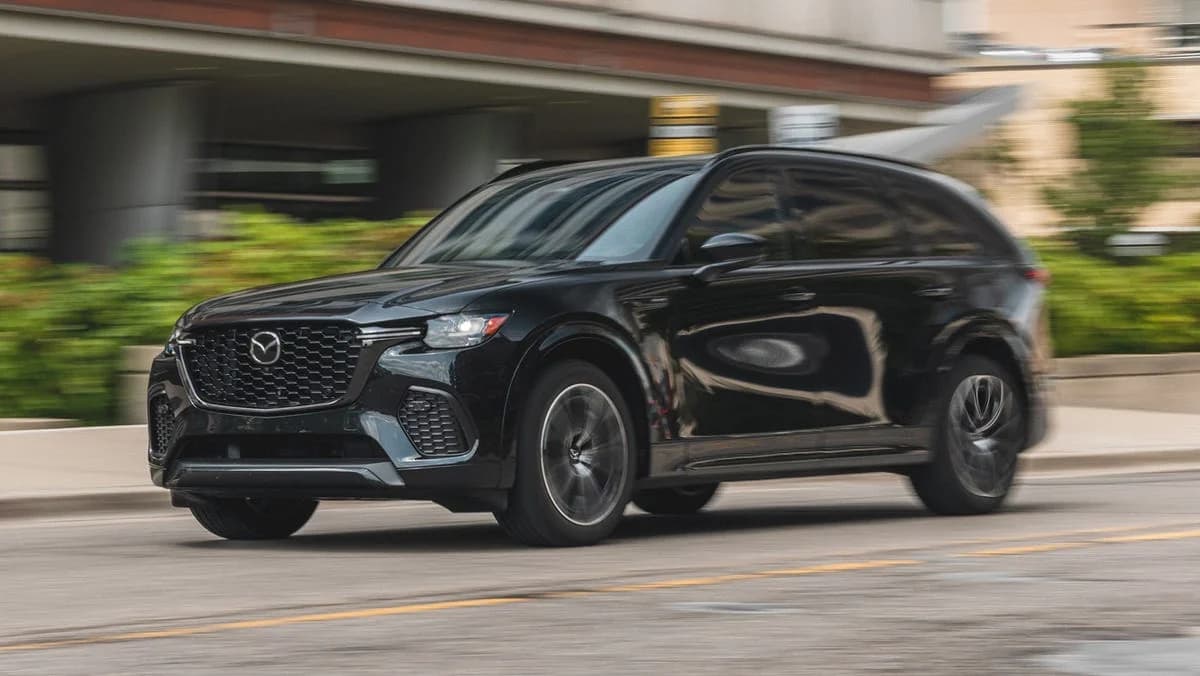
The CX-70 feels more like a driver’s SUV than a soft family hauler. Its rear-biased all-wheel drive, precise steering, and controlled body motions earn consistent praise, especially in Turbo S form, where testers find it agile and planted. The tradeoff is a firm ride and seats that expose sharp bumps, with some owners reporting rattles or tiring highway behavior. Mazda’s Kinematic Posture Control supports composure, but refinement varies more than the premium styling suggests.
PHEV Range and Efficiency
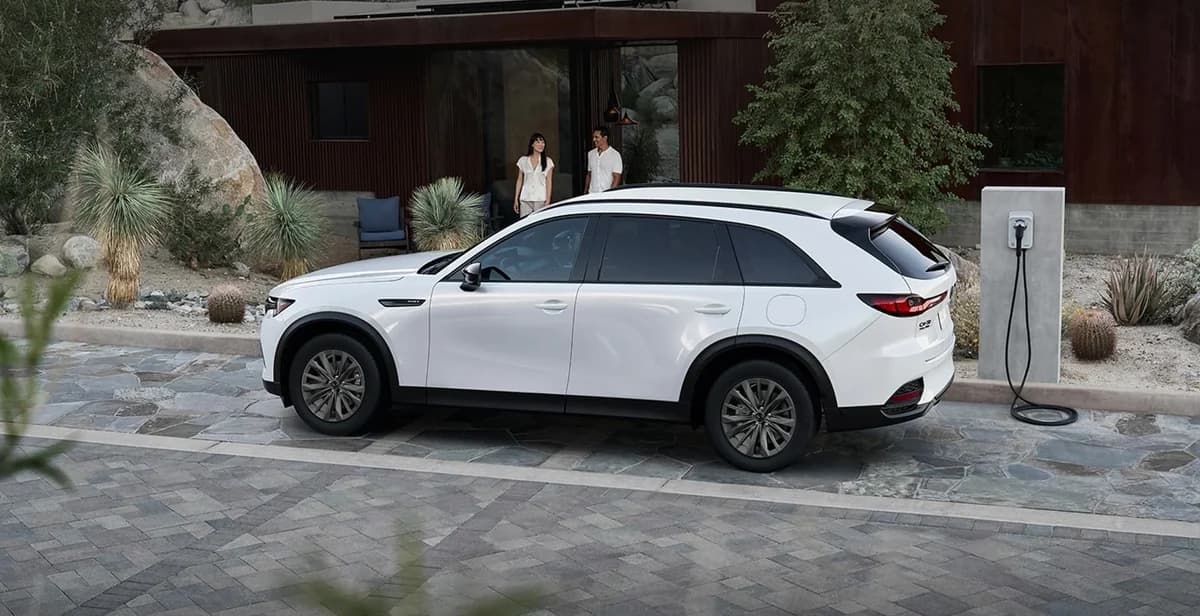
The PHEV makes the most sense for owners who can charge regularly. Its 32-mile electric range can cover short commutes and errands without using gasoline, while regenerative braking and EV-only mode improve local efficiency. Reviews praise its brisk electric response, and one test recorded about 8.1 L/100 km, but results depend heavily on charging habits and trip length. The roughly 2.5-hour charging time is convenient, yet the heavier system reduces towing capacity and does not eliminate engine noise on longer drives.
Conclusion
Pulling the threads together, the CX-70 is a two-row SUV for drivers who want character before cushiness: its turbocharged inline-six feels strong and distinctive, while rear-biased AWD delivers planted, enjoyable handling. Gas models add serious versatility with 5,000-pound towing, and the PHEV offers a useful 32-mile electric range for charged-up daily errands, though it gives up towing capacity. The roomy cargo area suits families who skip a third row, but the vehicle remains bulky, and its packaging is not dramatically different from the CX-90. Expert praise for performance, equipment, and cabin quality is tempered by user complaints about the firm ride, occasional rattles, and clumsy low-speed shifts. Buyers seeking engaging road manners and near-luxury value should shortlist it; those prioritizing seamless refinement, easy parking, or maximum passenger flexibility should look elsewhere. Its appeal is substantial, but the compromises make it a considered rather than automatic recommendation.

Feature Scores
This reflects reviews and ratings from established critics, journalists, and users who have evaluated the item. Their opinions provide a comprehensive assessment.
Performance
Powertrain Efficiency
4/5
Acceleration and Throttle Response
4/5
Reliability and Durability
3/5
Combined Driving Range
4/5
Charging Convenience
3/5
Value
Purchase Price Competitiveness
4/5
Ownership Cost
3/5
Resale Value
3/5
Feature to Price Ratio
4/5
Design
Interior Space and Packaging
4/5
Exterior Styling Appeal
4/5
Ergonomics and Controls
4/5
Cargo Flexibility
4/5
Ride and Handling Balance
4/5
Health
Cabin Air Quality
TBD
Material Toxicity
TBD
Noise and Vibration
3/5
Safety
Crash Protection
TBD
Active Driver Assistance
3/5
Battery Safety
TBD
Child Safety and Seating Anchors
TBD
Sustainability
Tailpipe Emissions Reduction
4/5
Lifecycle Battery Impact
TBD
Recyclability and End of Life
TBD
Fuel Source Flexibility
4/5
Experience Style
Tech and Connectivity Richness
4/5
Ease of Use and Simplicity
4/5
Comfort and Luxury Appointments
4/5

Specifications
This section outlines the product's key facts, covering essential features, details, dimensions, materials, and any unique characteristics that define its functionality and usability.
Performance
Design
Safety
Sustainability
Experience Style

Frequently Asked Questions
5 Questions




Find Yours
What's your main motivation for choosing a Hybrid SUV?
Answer to find your best matches.