








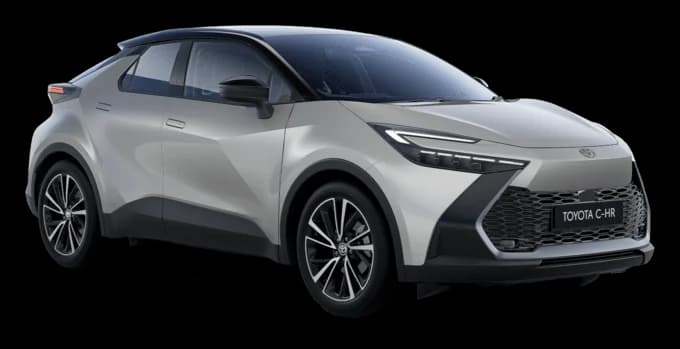
Toyota C-HR (2026)
Quick, stylish AWD EV with strong acceleration and comfort, though range and space are limited.
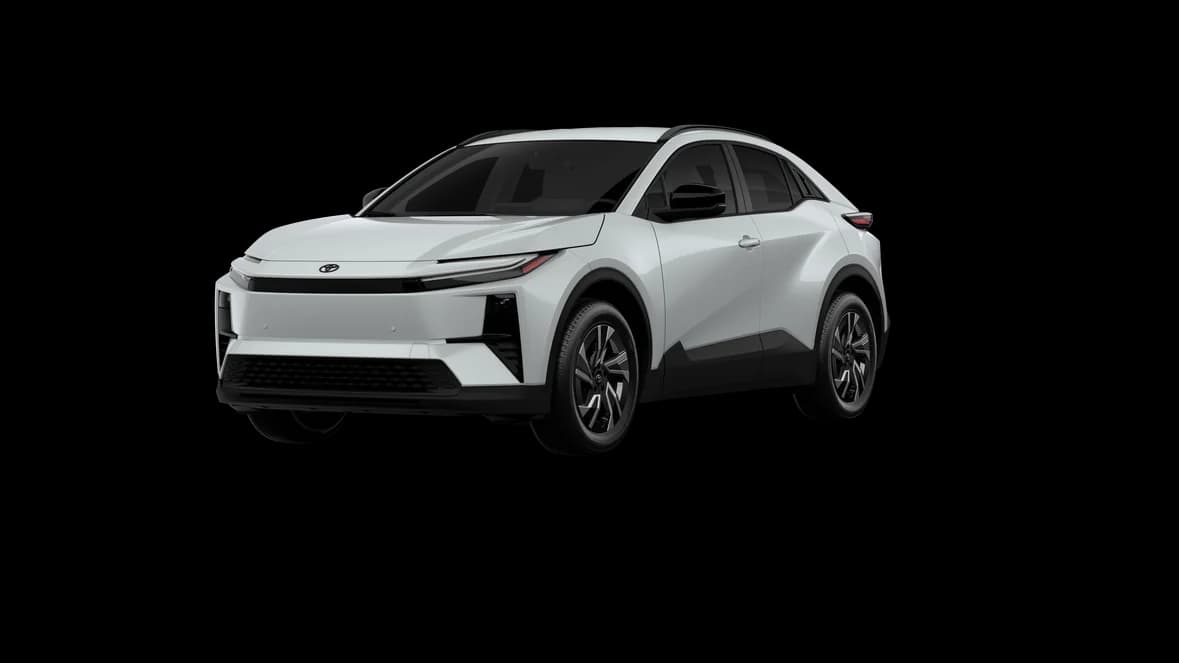
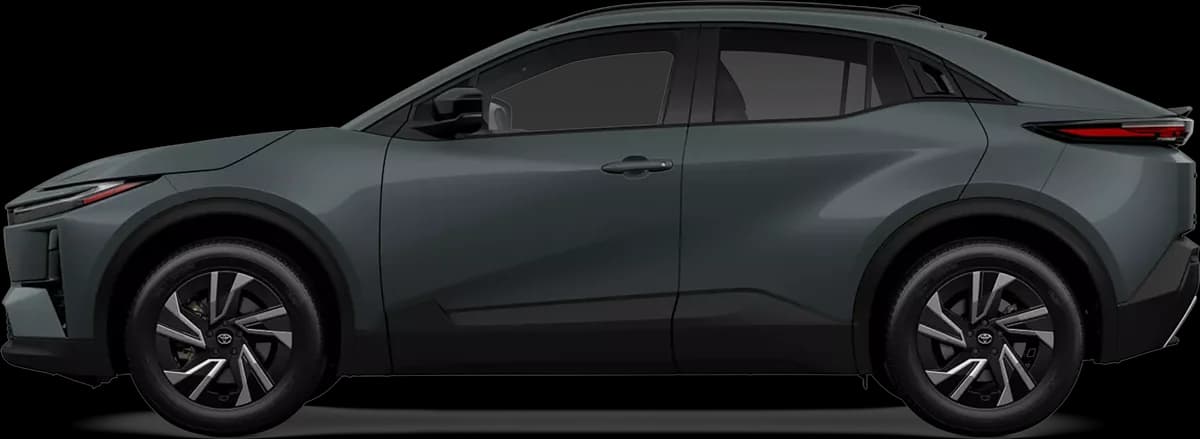
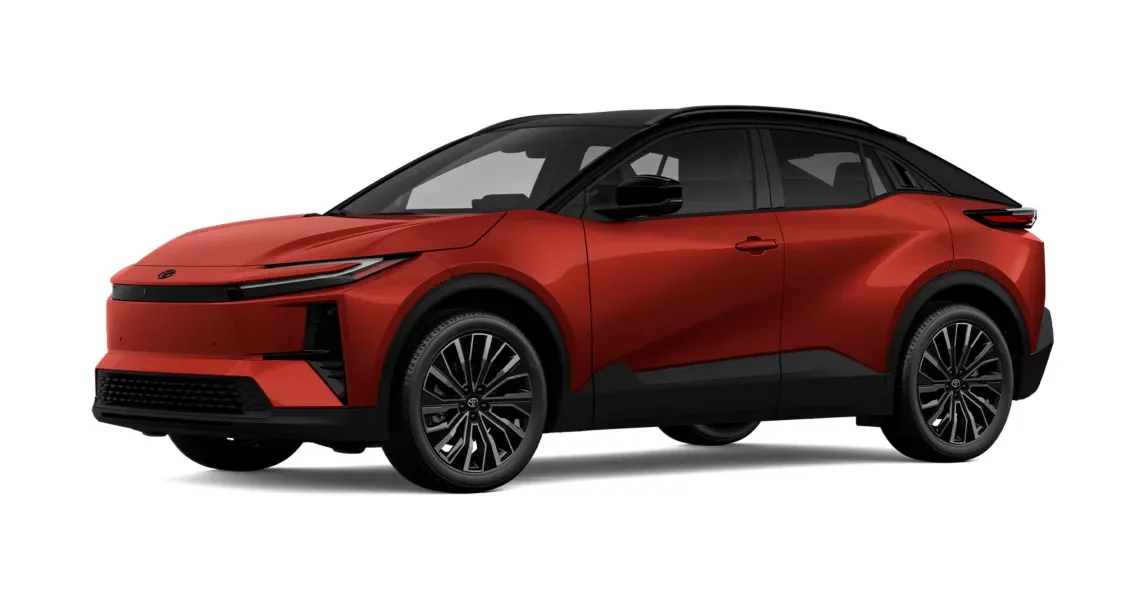
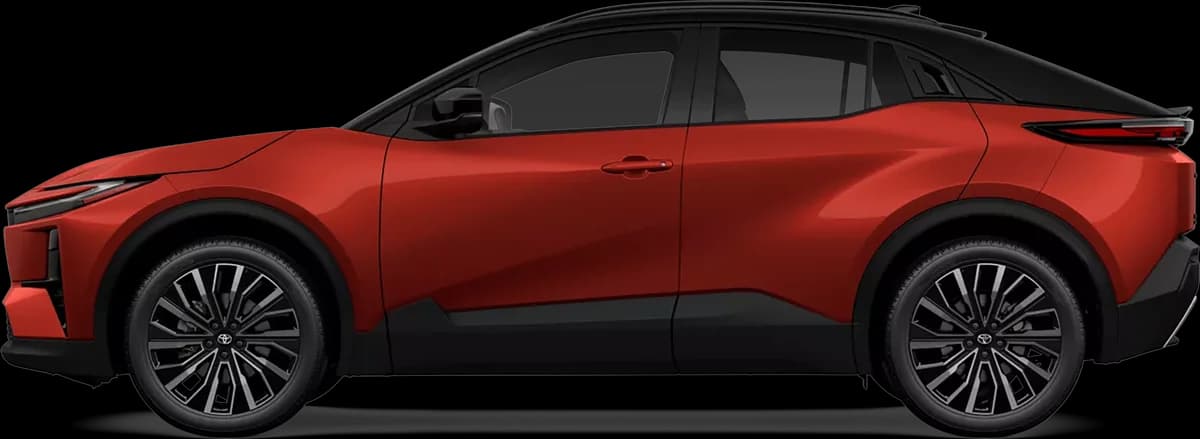
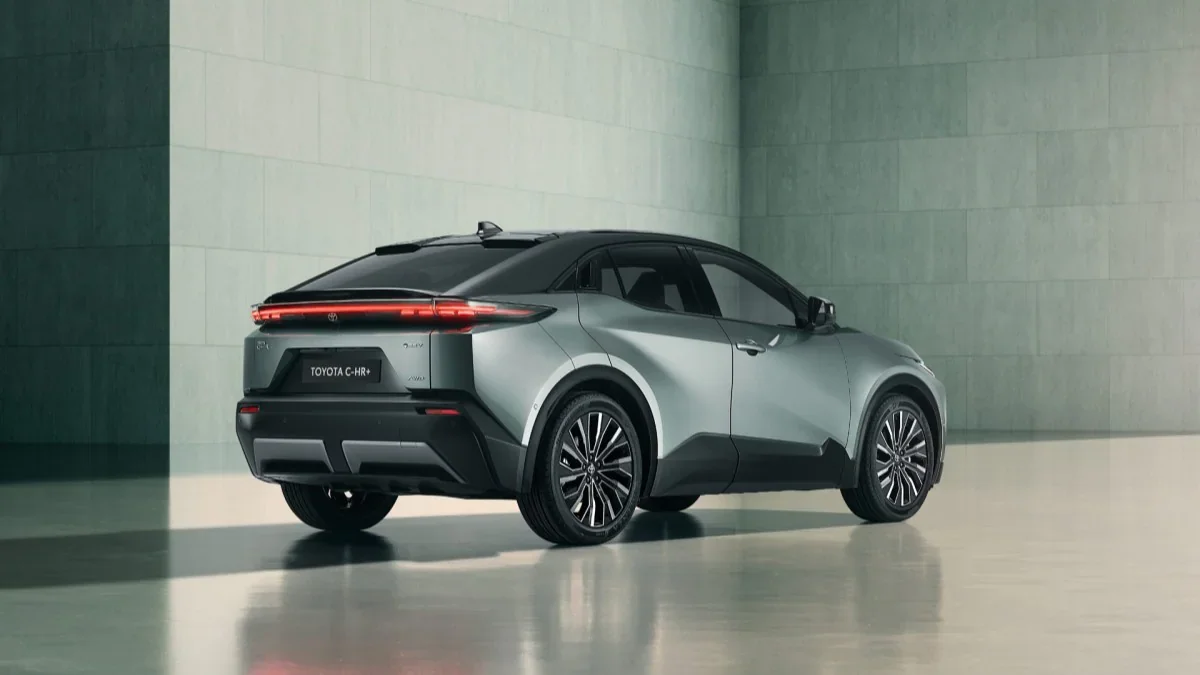
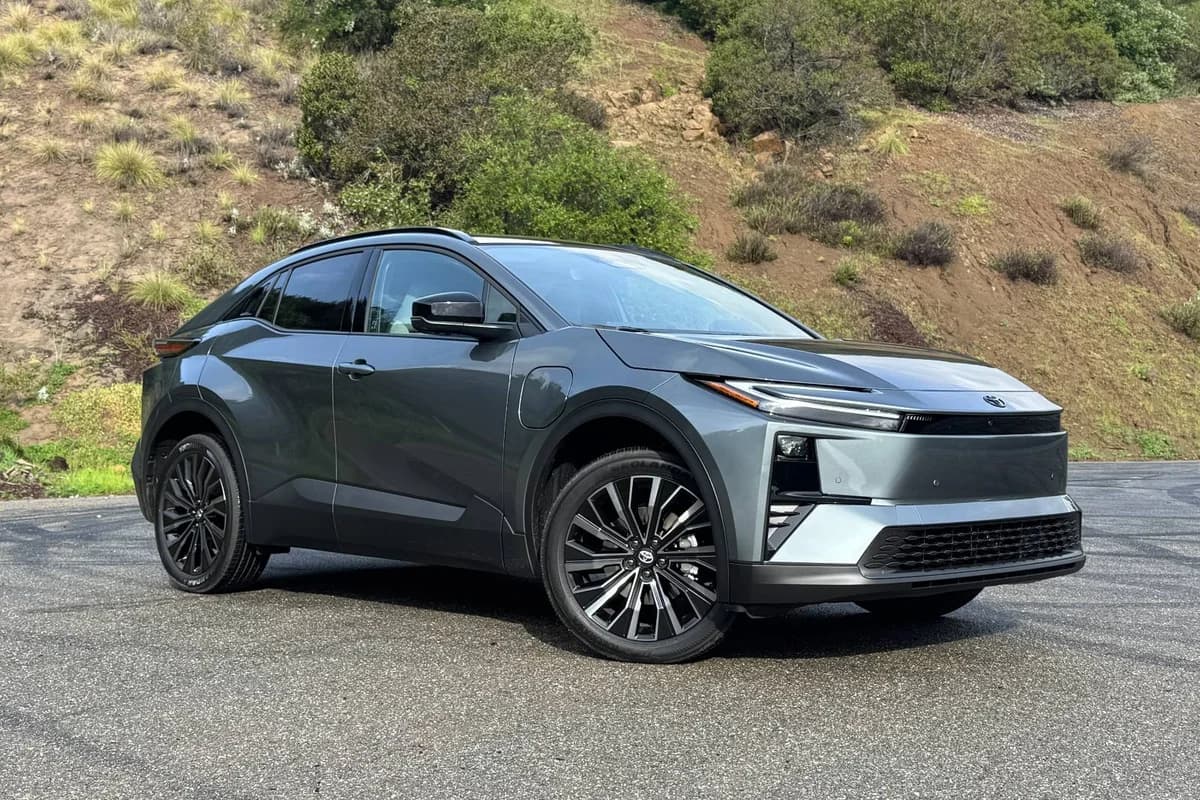
The 2026 Toyota C-HR is a quick, stylish urban EV for drivers who want easy maneuverability, AWD confidence, and more personality than a typical commuter crossover. Its 338-hp dual-motor AWD setup feels genuinely rapid, while owners and experts praise the quiet ride, comfortable cabin, and polished city manners. Toyota’s claimed up to 287-mile range and 30-minute fast charging sound competitive, but highway tests landing around 206 to 230 miles make frequent road trips less convincing. The coupe-like shape also limits cargo flexibility and rear headroom, and the dated software weakens an otherwise appealing interior. It offers good value when discounted and home charging is available, especially for couples and urban commuters. Overall, the Buyary recommendation reflects its fun, comfort, and usability balanced against range, space, and price.
Find Yours
What is your top priority for an Electric SUV's battery performance?
Answer to find your best matches.

The Field
Browse top contenders, or compare all options ranked by score and key attributes.
5 Options
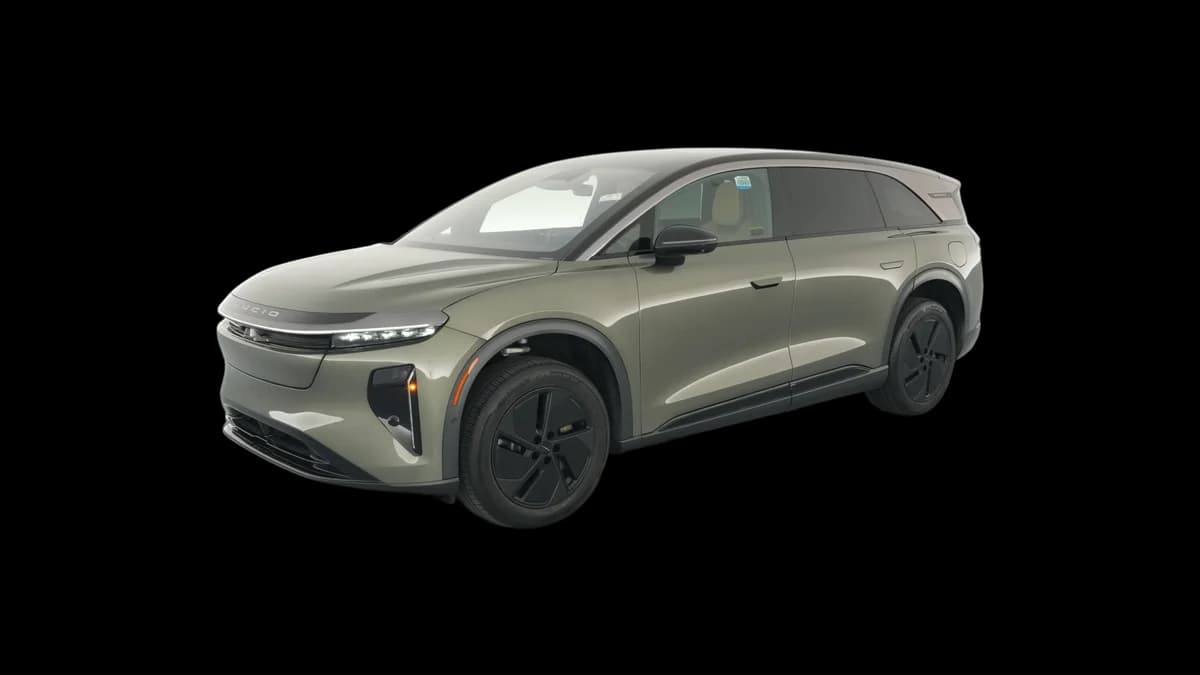

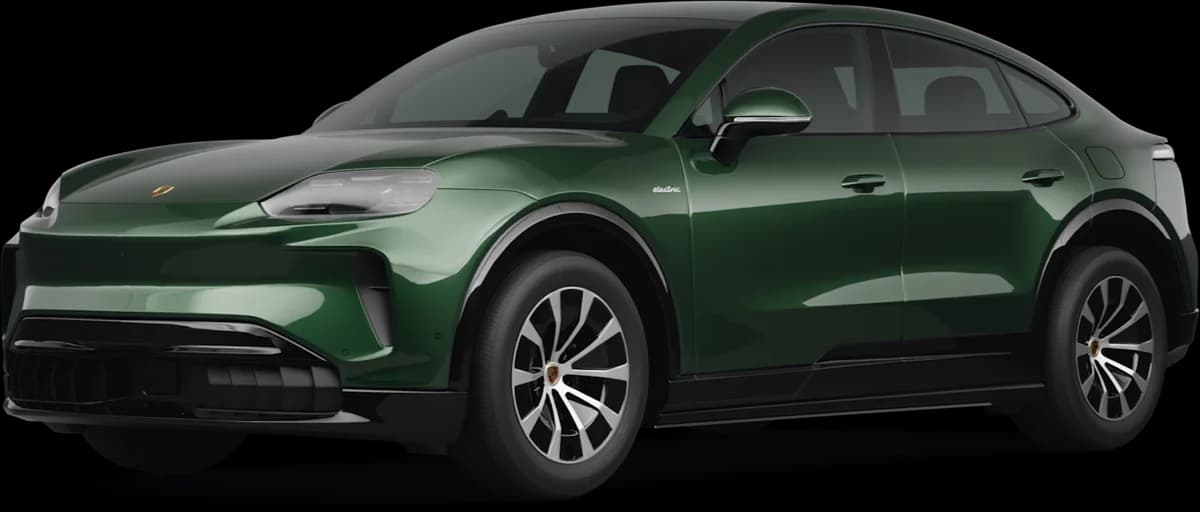
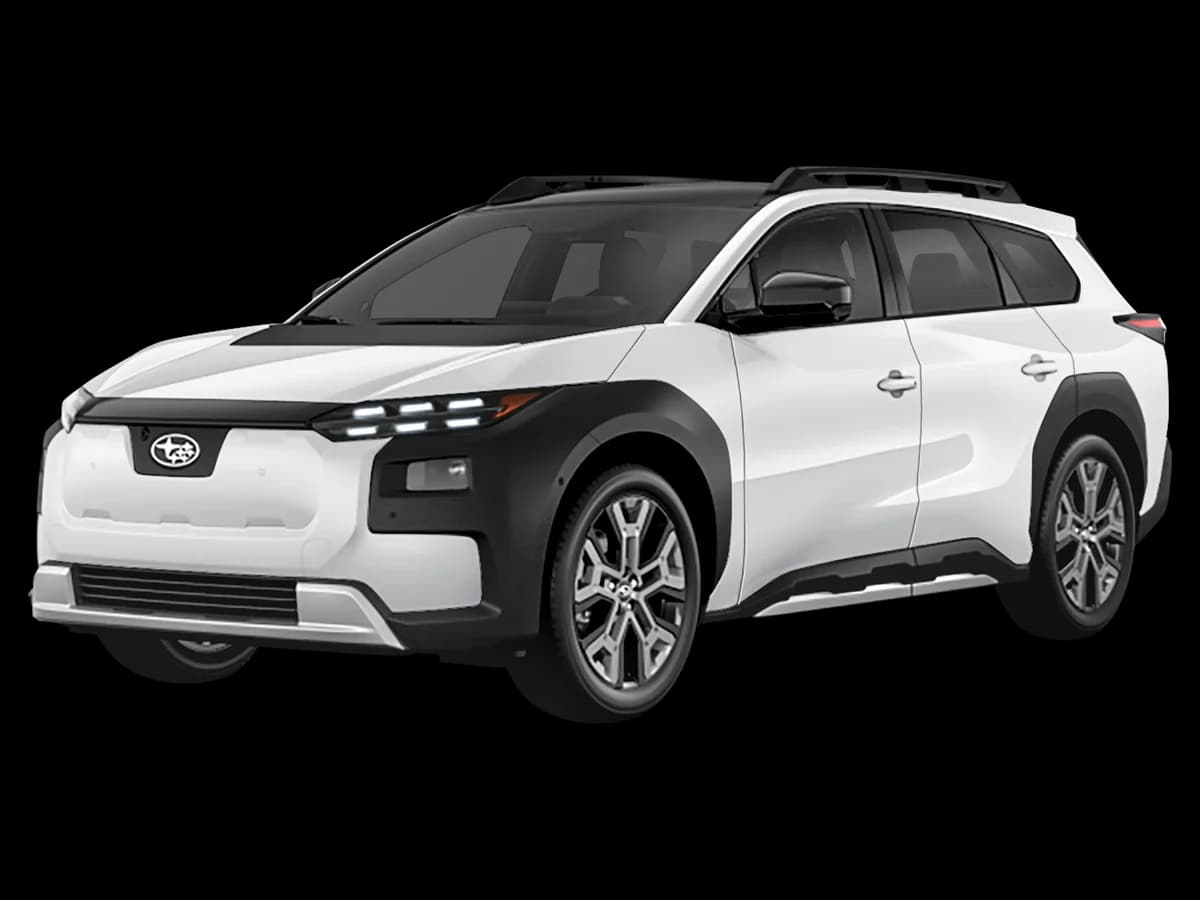

The Scoreboard
Does this improve your life? Considers, health, habits, and environmental impact.
Benefits
Quick AWD acceleration makes merging, passing, and rainy-city driving feel easy and confident.
Quiet ride and supportive seats make everyday commuting feel relaxed, even over rough pavement.
Compact dimensions and clear cameras make parking, tight streets, and errands easier.
Thoughtful controls and useful cargo space keep daily loading and cabin routines straightforward.
Trade-Offs
Sloping roof and snug rear seating leave taller passengers cramped on longer family trips.
Limited cargo room makes bulky grocery runs, luggage, or stroller loading less convenient.
Slower infotainment and awkward displays make routine climate, navigation, and setting changes less smooth.
No true one-pedal driving means repeatedly moving between accelerator and brake in stop-and-go traffic.
 Alternatives


Join the Circle
Where real meets deal
Know what's worth buying-and when.
Tips, special offers, and rewards for buying and sharing.

Publications
6 LEADING PUBLICATION REVIEWS

MotorTrend is impressed by the 2026 Toyota C-HR, though it stops short of calling it a class leader. The sporty electric SUV feels genuinely fun, with rapid 4.5-second acceleration, composed handling, a quiet ride, strong braking performance, and excellent 360-degree camera views. Its $40,450 starting price and standard AWD also make the XSE feel well positioned against the Chevrolet Equinox EV and Volkswagen ID.4, while fast charging is a real strength. The main disappointment is road-trip range: it managed only 206 miles in MotorTrend’s 70-mph test versus a 273-mile EPA estimate. The lack of true one-pedal driving, cramped rear seating, limited cargo space, dated small driver display, and visually ordinary cabin further temper the appeal. Overall, the C-HR is an entertaining, sensibly priced urban EV and a meaningful improvement over Toyota’s bZ, but its battery technology remains merely competitive rather than groundbreaking.
By Billy Rehbock
Car and Driver is favorable but clear-eyed about the 2026 Toyota C-HR. Its 338-hp, dual-motor all-wheel-drive setup makes it genuinely quick, reaching 60 mph in 4.4 seconds, while the quiet cabin, comfortable ride, attractive interior, strong standard equipment, and Tesla-compatible NACS port add everyday appeal. Range is promising on paper—up to 287 miles—but the XSE managed 230 miles in the publication’s 75-mph highway test, and charging from 10 to 90 percent took 32 minutes. The main letdown is its driving character: steering feels numb, body roll is noticeable, and acceleration fades beyond roughly 60 mph. Cargo space is also limited, and the missing glovebox is an odd interior compromise. Overall, the C-HR comes across as a stylish, comfortable, unusually powerful electric commuter whose weaknesses keep it from being truly exciting.
By Austin Parsons
U.S. News’ Zach Doell is impressed by the 2026 C-HR, calling it a compelling, genuinely sporty electric SUV. Its 338-horsepower all-wheel-drive setup, quick 4.9-second acceleration, composed handling, quiet ride, responsive technology, and surprisingly useful cargo area make it feel like a major improvement over the old gas-powered model. Doell especially enjoyed pushing it through canyon roads, where the C-HR stayed comfortable and controlled rather than merely fast. Still, it isn’t class-leading everywhere: range tops out at 287 miles, charging is merely competitive, there’s no front trunk, and the optional panoramic roof makes the already-tight rear seat uncomfortable for taller passengers. The steering also lacks feedback, and regenerative braking stops just short of true one-pedal driving. Overall, the reviewer’s enthusiasm is clear, though he presents the C-HR as a strong, well-rounded choice rather than the segment’s unquestioned leader.
By Zach Doell
The Drive’s Adam Ismail is enthusiastic about the 2026 Toyota C-HR, especially its unexpectedly lively character. Its 338-horsepower all-wheel-drive setup, 4.9-second acceleration, sharp steering, attractive styling, and roughly 287-mile range make it a distinctive entry-level EV that feels genuinely fun rather than merely affordable. Ismail considers it more engaging than Toyota’s other electric models and praises its comfortable second row, effective charging improvements, and strong value against rivals such as the Ioniq 5 and Mustang Mach-E. The compromises are clear: it is less practical than a Chevrolet Equinox EV, charges more slowly than Hyundai’s alternatives, lacks a glove box and frunk, and has a cluttered interior with cheap-looking plastics, awkward instrumentation, and mediocre infotainment. It also rolls noticeably in corners. Still, the reviewer views those flaws as acceptable trade-offs for buyers seeking style and spirited performance, while reserving judgment on a truly sporty GR version.
By Adam Ismail
Ars Technica’s Jonathan M. Gitlin is intrigued by the C-HR but ultimately more cautious than enthusiastic. The compact electric SUV offers lively acceleration, distinctive styling, standard all-wheel drive, a competitive $37,000 starting price, and the convenience of native NACS charging. Its cabin is thoughtfully laid out, with responsive infotainment and physical controls, though rear-seat space and USB-C charging are limited. Gitlin appreciates its energetic urban character, but the eager throttle, front-biased handling, and vague steering keep it from feeling genuinely sporty. More troubling are the uncertain real-world range results in hot weather and charging-port placement that may not work well with older Tesla cables. The C-HR’s biggest flaw is everyday usability: it forgets settings such as auto hold and, frustratingly, fails to remember that the air conditioning should be on—an especially poor omission in sweltering conditions.
By Jonathan M. Gitlin
Carwow’s Mario Christou is clearly positive about the Toyota C-HR, despite some practical compromises. He admires its distinctive, almost kaleidoscopic styling and finds it unusually comfortable over potholes and speed bumps while still entertaining on winding roads. The hybrid powertrains deliver impressive real-world economy, especially around town, and the cabin feels well-built and thoughtfully designed up front, with useful technology and strong safety equipment. However, acceleration makes both engines noisily enthusiastic without delivering matching performance, and sharp cornering can unsettle the body. Rear-seat space is merely adequate, visibility is restricted, and the hard plastics in back undermine the otherwise smart interior. The 388-litre boot is also smaller than rivals’, while pricing—particularly for higher trims and the plug-in hybrid—limits its value. Overall, it is a stylish, comfortable, reliable, and economical choice, but more of a heart-over-head purchase than a practical family SUV.
By Mario Christou

YouTube
15 LEADING EXPERT & INFLUENCER REVIEWS
 Auto Buyers Guide | Alex on Autos
Alex on Autos is highly enthusiastic about the 2026 Toyota C-HR, calling it an affordable electric hot hatch with startling acceleration and standard AWD. He praises its 4.45-second 0–60 time, lighter weight, composed ride, sustained 150-kW charging, practical child-seat fitment, and strong value—especially with dealer discounts. Still, it isn’t flawless: front-biased power creates wheel slip and torque steer, rear seating is narrow with limited adult headroom, the coupe-like cargo area has compromises, and the interior lacks a glovebox. Overall, he sees it as unexpectedly fun and usable, though Toyota’s own bZ may ultimately be the smarter deal.
Kelley Blue BookJordan is enthusiastic about the 2026 Toyota C-HR, calling it a much-improved, genuinely quick city EV. He praises its attractive styling, standard AWD, 338 horsepower, comfortable ride, practical cargo gains, and usable rear seat, even suggesting it could be an appealing rental car. His enthusiasm is tempered by slow infotainment, no built-in EV route planning, mediocre DC charging, limited one-pedal driving, and some cramped ergonomics. He recommends the smaller 18-inch wheels for comfort, efficiency, and pothole protection, ultimately viewing the C-HR as an affordable, highly appealing daily driver rather than a class-leading road-trip EV.
MotorWeekMotorWeek is clearly impressed by the 2026 Toyota C-HR, calling it a welcoming, stylish, and reasonably priced entry-level EV. Its standard AWD, 338 horsepower, 4.7-second tested sprint to 60 mph, improved cargo space, and comfortable cabin earn strong praise. The review also appreciates its efficiency and surprisingly upscale features. Still, the C-HR isn’t flawless: rear access feels awkward, the forward gauge display divides the staff, and handling brings noticeable body roll, a top-heavy feel, and unsettled hard braking. Overall, MotorWeek views it as an appealing, practical expansion of Toyota’s EV lineup.
Redline ReviewsRedline Reviews is highly impressed by the 2026 Toyota C-HR. After a day-long first drive, the reviewer praises its surprisingly rapid 4.4–4.6-second acceleration, standard AWD, composed cornering, comfortable seats, strong technology, and reasonable pricing compared with an equivalently equipped Toyota bZ. The C-HR feels dramatically more exciting and refined than its slow predecessor, making a convincing enthusiast-oriented daily driver. Caveats include compromised rear headroom and cargo space, firm 20-inch-wheel ride quality, no ventilated seats or glovebox, modest road noise, and merely adequate range on the XSE. Overall, enthusiasm is strong despite those practical omissions.
Doug DeMuroDoug DeMuro is lukewarm on the 2026 Toyota C-HR, calling it competent but difficult to justify. He appreciates its dramatic leap to roughly 338 horsepower, sub-five-second acceleration, standard AWD, quiet ride, solid feel, comfortable seats, and playful styling. Still, he questions why it costs more than Toyota’s larger bZ while offering less range and space, and criticizes its vague steering, body roll, limited handling character, and lack of a sport mode. The quirky interior has useful touches, but overall he sees the C-HR as a fast, polished niche EV rather than a compelling class leader.
Matt Maran MotoringMatt Maran Motoring is highly impressed by the 2026 Toyota C-HR, calling it a genuinely sporty, quick, and refined daily-driver EV. He praises its smooth controls, quiet ride, confident AWD grip, 4.9-second acceleration, compact size, and cohesive styling. The SE appears to offer the best value, while the XSE adds desirable features but costs more. Tradeoffs include limited cargo space, no rear wiper, an obstructive gauge-cluster design, unreliable wireless charging pads, and unavailable ventilated seats. Overall, he views the C-HR as a fun, compelling choice for buyers who prioritize performance and style over maximum practicality, though pricing depends heavily on available deals.
Kirk KreifelsKirk Kreifels is highly enthusiastic about the 2026 Toyota C-HR, calling it an impressive, genuinely quick EV. He praises its standard AWD, repeatable sub-five-second acceleration, quiet and composed ride, nimble handling, sharp styling, practical controls, and easy-to-park dimensions. The C-HR feels sportier and quieter than Toyota’s larger bZ models, though its 20-inch wheels slightly compromise ride quality. Kreifels criticizes the warm, non-ventilated suede seats, limited cargo space, dated infotainment software, and pricing that overlaps with larger, roomier Toyota EVs. Still, he considers it an excellent choice for buyers prioritizing design, performance, and compact size.
Micah MuzioMicah Muzio is genuinely impressed by the 2026 Toyota C-HR, especially its unexpectedly playful performance. The dual-motor AWD SUV feels quick, eager in corners, quiet, comfortable, and impressively easy to use, with a well-equipped SE cabin, intuitive controls, strong rear-seat space, and practical cargo storage. He appreciates standard NACS charging, battery preconditioning, and a 30-minute 10–80% DC fast-charge estimate. Still, it is not perfect: one-pedal driving stops short of fully seamless, armrests are hard, there is no glove box or frunk, rear-seat comfort may suffer on long trips, and range and pricing trail some rivals. Overall, he considers it a smart, stylish, surprisingly fun EV worth shortlisting.
MotormouthMotormouth is highly enthusiastic about the 2026 Toyota C-HR, calling it fun, comfortable, and ideal for city driving. Zack and Andrea praise its compact size, easy maneuverability, quick acceleration, quiet ride, plush seats, practical cargo area, upscale interior, and strong standard equipment. They especially like the 338-hp AWD model’s instant punch and appreciate current Canadian incentives. Still, the coupe-like shape affects rear visibility and cargo space, regenerative braking never fully stops the car, and built-in EV route planning is underdeveloped—particularly for Android users. Ventilated seats and a sunroof are also missed, but overall they’re impressed and Zack hints he may order one.
The Car Care NutThe Car Care Nut is strongly positive about the 2026 Toyota C-HR, especially its build quality and engineering. He praises the sophisticated thermal-management system, excellent underbody finishing, smooth ride, comfortable interior, and Lexus-like infotainment. However, he’s candid about major compromises: real-world range can drop sharply with HVAC use or extreme cold, the rear seat is cramped, the gauge is obscured by the steering wheel, there’s no glove box, and cargo-floor storage feels poorly designed. He views it as a reliable, well-built urban EV—not the most efficient or practical choice, but compelling for buyers who prioritize Toyota-quality execution over range and utility.
AutomotivePressDavid Chao is exceptionally enthusiastic about the 2026 Toyota C-HR, calling it his favorite Toyota or Lexus EV so far. He praises its Japan-built quality, impressive fit and finish, soft, upscale cabin, comfortable seats, and genuinely sporty handling. On twisty roads, the C-HR feels nimble and sedan-like, while its 338-hp AWD powertrain delivers near-sports-car acceleration and excellent refinement. David considers it an outstanding value for buyers who prioritize style and driving enjoyment, though he acknowledges limited rear and cargo space and warns that small EVs may depreciate heavily.
Car ConfectionsCar Confections is highly enthusiastic about the 2026 Toyota C-HR, calling it a stylish, surprisingly affordable EV with impressive standard equipment. They praise its 338-hp dual-motor AWD system, 4.9-second acceleration, comfortable ride, quiet cabin, strong visibility, and up-to-287-mile SE range. The base trim feels especially compelling at roughly $38,550 equipped, while smaller wheels improve range and ride quality. Tradeoffs include limited rear-seat thigh support, modest cargo space, no spare tire, and the absence of a hybrid option or sport mode. Overall, they view the C-HR as a genuinely fun, well-packaged value.
AutoTrader CanadaAutoTrader Canada is clearly impressed by the 2026 Toyota C-HR, calling it a pretty impressive and appealing entry-level EV. Its smooth, quiet, planted driving experience, tasteful interior, standard tech, practical folded-seat cargo area, and potentially attractive Canadian pricing earn strong praise. The reviewer sees it as an excellent commuter crossover, particularly for singles and couples, though not an ideal family hauler. Range is decent rather than class-leading, the rear seat is less inviting, and the wireless chargers may not keep up with phone usage. Overall, enthusiasm is strong but sensibly qualified.
Raiti's RidesRaiti’s Rides is highly enthusiastic about the 2026 Toyota C-HR, calling it sporty, comfortable, quick, and a potential EV SUV of the year. The review praises its 338-hp dual-motor AWD powertrain, strong acceleration, quiet ride, roomy-enough rear seat, intuitive Toyota EV controls, polished cabin, and clear cameras. Still, the $43,000 XSE draws criticism for lacking a sunroof, ventilated seats, and a conventional glovebox, while its 273-mile range falls short of the reviewer’s hoped-for 300-plus miles. Overall, it feels like a confident, energetic recommendation with practical caveats.
AutoNsiderDaryl Kellian is clearly impressed by the 2026 Toyota C-HR’s performance and composed road manners. He praises its immediate 338-hp AWD acceleration, comfortable yet controlled ride, precise steering, quiet cabin, and practical space, calling it thoughtfully engineered rather than merely spec-driven. His main reservation is the range: 287 miles for the SE and 273 for the tested XSE fall just short of the increasingly important 300-mile benchmark. The coupe-like compactness may also challenge families with older children, though Daryl considers it a strong daily driver and a future contender for his own household.

Social
3 INFLUENCER REVIEWS
 Allcarnews
Allcarnews views the 2026 Toyota C-HR positively, but with clear reservations. Its sharp styling, useful cargo capacity, quick 338-hp AWD performance, and comfortable tuning make it appealing as a compact electric commuter. However, the 273–287-mile range falls short of an ideal 300 miles, the snug rear space limits practicality, and neutral handling keeps it from feeling sporty. The biggest concern is value, since Toyota’s larger bZ and mechanically related Subaru Uncharted can cost about $3,000 less with front-wheel drive. Overall, the 7.5/10 score reflects a good but preference-dependent choice.
 Cars & Bids
Cars & Bids remains unconvinced by the 2026 Toyota C-HR. It acknowledges major improvements over the unsuccessful old model, especially standard 340-horsepower performance, but focuses on the crossover’s awkward value proposition. The smaller C-HR starts around $38,500, while the larger Toyota bZ starts at roughly $36,500, offers up to 315 miles of range, and has cheaper lower-power trims. With the C-HR falling short of 290 miles, its higher price and limited range make the package feel unusually difficult to justify.
albrechtautoalbrechtauto is clearly enthusiastic about the 2026 Toyota C-HR, calling it “back, better than ever” while presenting it as a sporty, compelling electric SUV. The review emphasizes its standard all-wheel drive, 338 horsepower, 30-minute fast charging, strong range, heated seats, JBL audio, large touchscreen, and generous cargo flexibility. It also appreciates the distinctive styling, comparing the rear to a Lamborghini Urus. The main caveats are its reduced rear legroom and cargo space versus the RAV4, plus the missing panoramic roof. Overall, albrechtauto presents the C-HR as an exciting, well-equipped option with practical tradeoffs.

Forum Reviews
CUSTOMER REVIEWS FROM 1 FORUM
Redditors are generally positive about the 2026 Toyota C-HR, though value and software remain contentious. Owners praise its quick, smooth AWD performance, nimble handling, quiet, premium-feeling cabin, distinctive styling, reliability, and strong city usability. Discounts and low financing make it especially appealing, while some consider the starting price too high for its range and cargo space. Criticism centers on dated infotainment, absent native charging-route planning and one-pedal driving, awkward displays and storage, limited seat comfort for taller drivers, and recurring 12-volt concerns. Overall, buyers see it as a compelling, practical EV when home charging and AWD matter more than road-trip capability.
Many comments

In-Depth Review

Highlights
- •Fast AWD PerformanceReviewers recorded rapid sub-five-second acceleration.
- •Range And ChargingAdvertised to charge 10–80% in 30 minutes.
- •Quiet Comfortable RideReviewers found it quiet and comfortable.
- •Easy City ManeuveringCompact dimensions simplify parking and urban driving.

Considerations
- •Real-World RangeHighway tests returned 206–230 miles.
- •Limited Cargo FlexibilityCoupe-like shape limits bulky loading.
- •Tight Rear SeatingSloping roof restricts taller passengers.
- •Dated EV SoftwareRoute planning and one-pedal driving remain limited.
Toyota’s 2026 C-HR turns the familiar brand into a 338-hp standard-AWD EV with a distinctly sporty attitude. Positioned below larger electric crossovers, it is aimed at urban commuters, couples, and style-conscious drivers who want easy maneuverability, quiet comfort, and genuinely rapid acceleration rather than maximum family utility. Its advertised up to 287-mile EPA range and 150-kW DC fast charging look competitive, though highway testing reveals important real-world limitations. The sections ahead examine how its punchy power delivery, composed ride, and city-friendly dimensions compare with rivals, then weigh the coupe-like body’s impact on cargo flexibility and rear-seat comfort. We’ll also look at whether the polished materials and physical controls overcome dated software and storage quirks. If you’re shopping Toyota’s electric lineup—or simply want a quick small SUV—these trade-offs deserve a close look before the C-HR’s style makes the decision for you.
Rear Seat Comfort
The second row works for adults, though it is not the C-HR’s strongest long-trip space. 37.3 inches of rear legroom gives passengers usable knee room, and reviewers generally consider child-seat fitment practical. The coupe-like roofline is the bigger issue, especially for taller occupants, while the optional panoramic roof reduces headroom further. Rear access and thigh support can also feel awkward, and the narrow cabin is less inviting than a boxier SUV. It suits singles, couples, and occasional passengers better than a growing family.
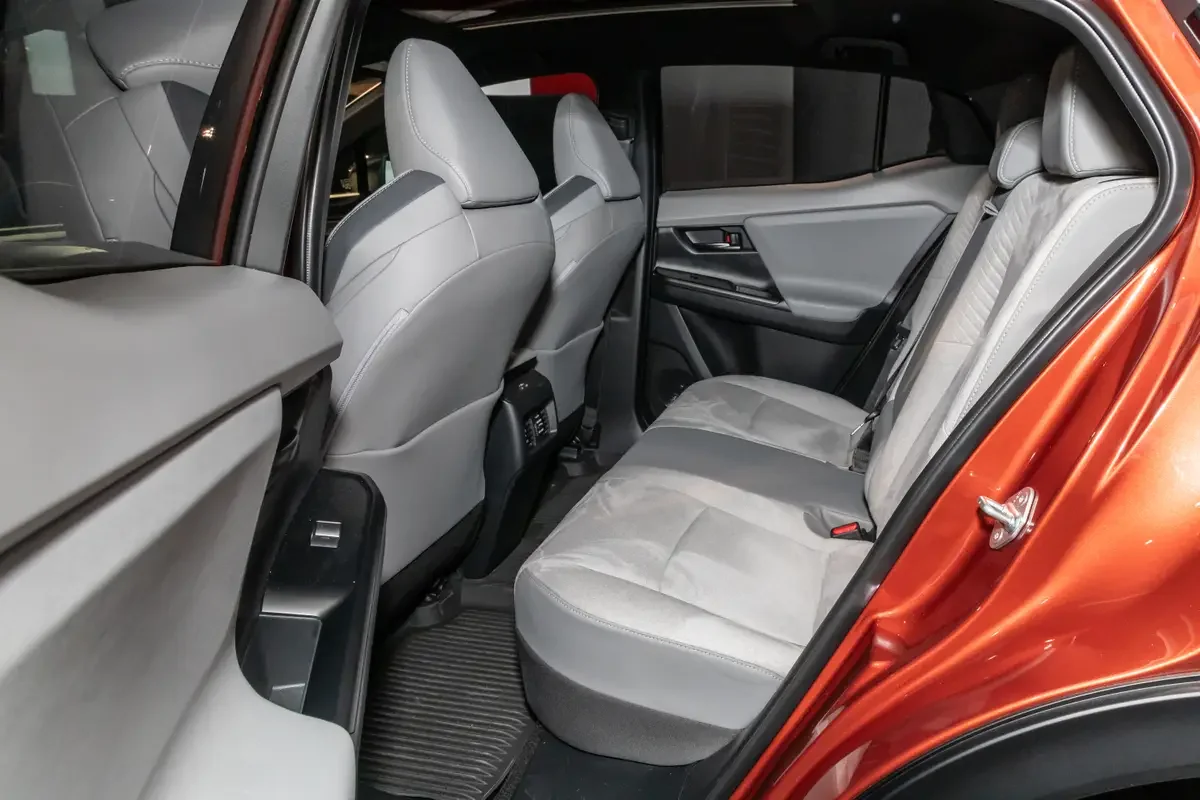
Acceleration And Power
The C-HR delivers genuinely quick performance rather than merely adequate EV pace. Its 338-hp dual-motor AWD system provides strong traction and effortless merging, while Toyota’s 4.9-second 0–60 claim was beaten by reviewers recording roughly 4.4–4.7 seconds. That makes the compact crossover unusually entertaining in town and on curving roads. The tradeoff is that power is front-biased in some situations, causing wheel slip or torque steer, and acceleration fades somewhat above 60 mph. Still, the instant response is one of its clearest strengths.
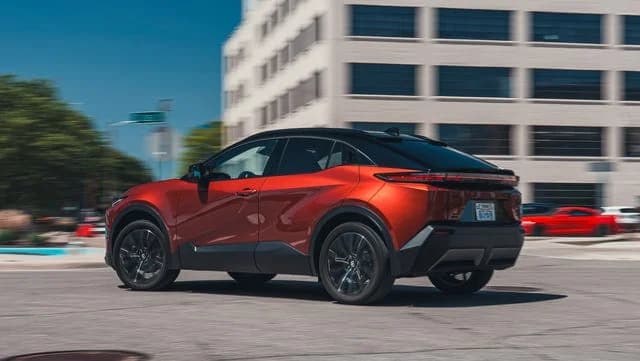
Cabin Build Quality
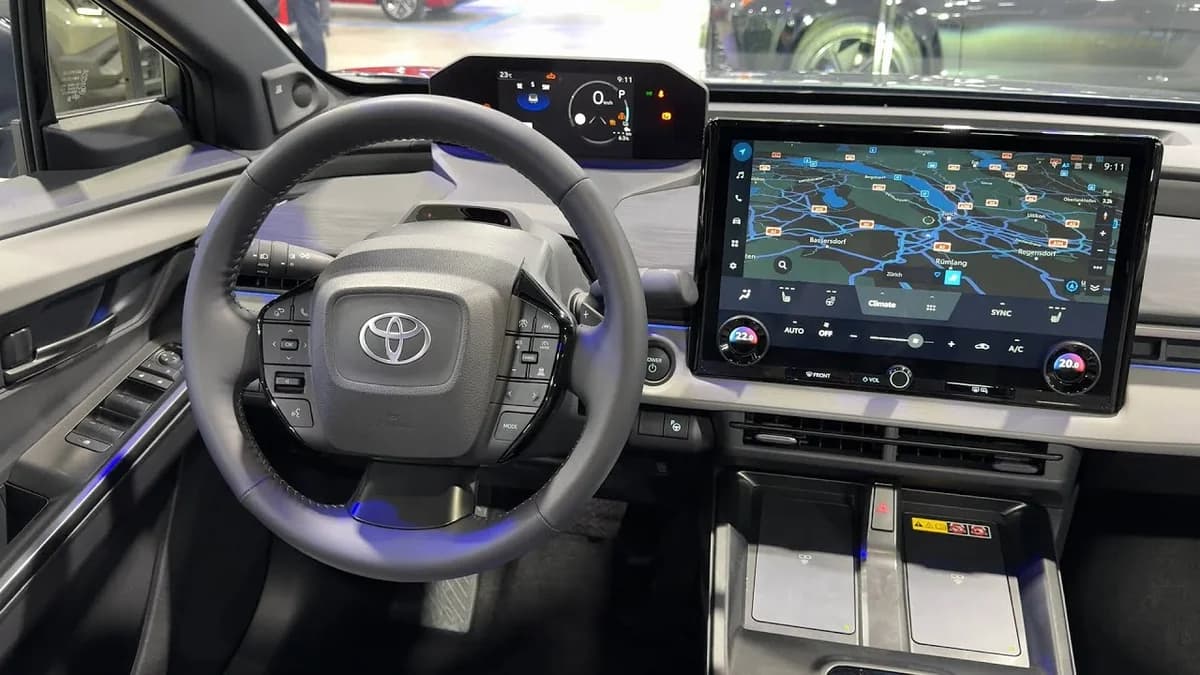
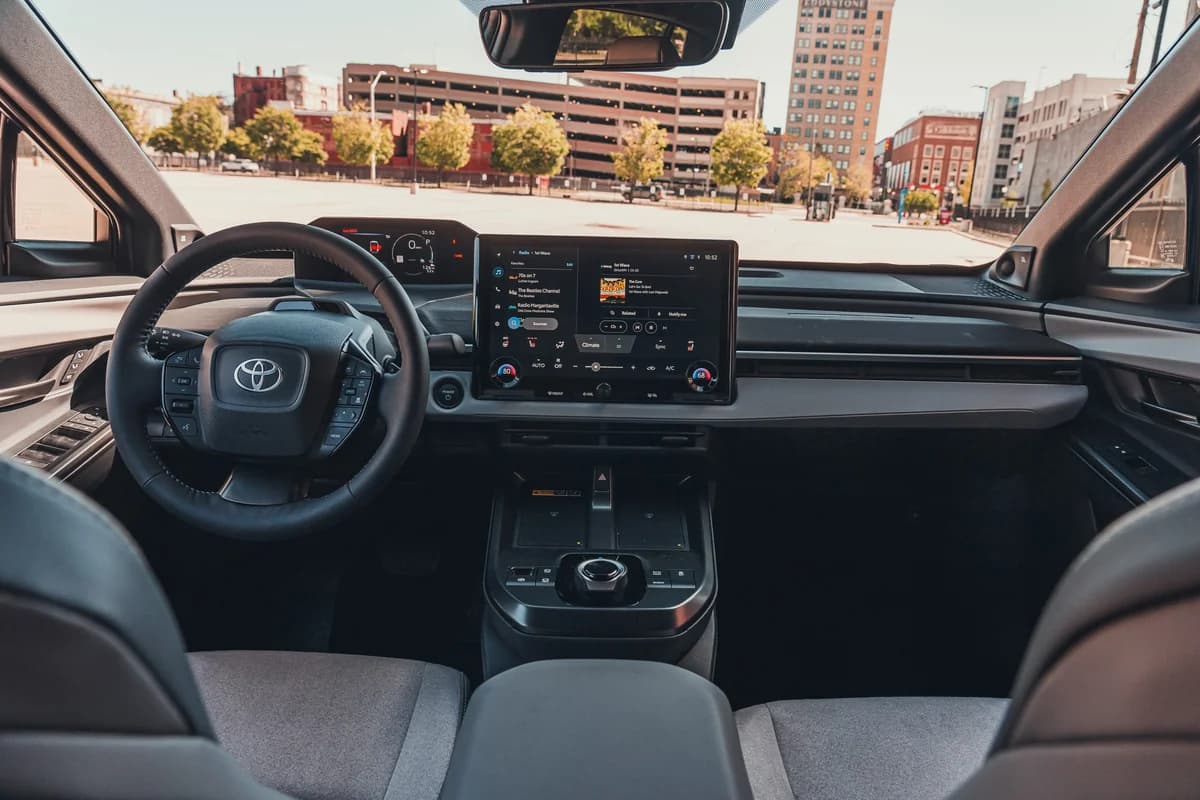
The cabin feels more polished than the C-HR’s price positioning might suggest. A 14-inch touchscreen, physical controls, comfortable seats, and available JBL audio create an appealing daily environment, while several reviewers praise the soft materials, quietness, and Japan-built fit and finish. The interface is not flawless: dated or slow infotainment, an obscured driver display, unreliable wireless charging, and the missing glovebox hurt usability. Overall execution feels solid and upscale in key areas, but the technology and storage details do not consistently match the premium impression.
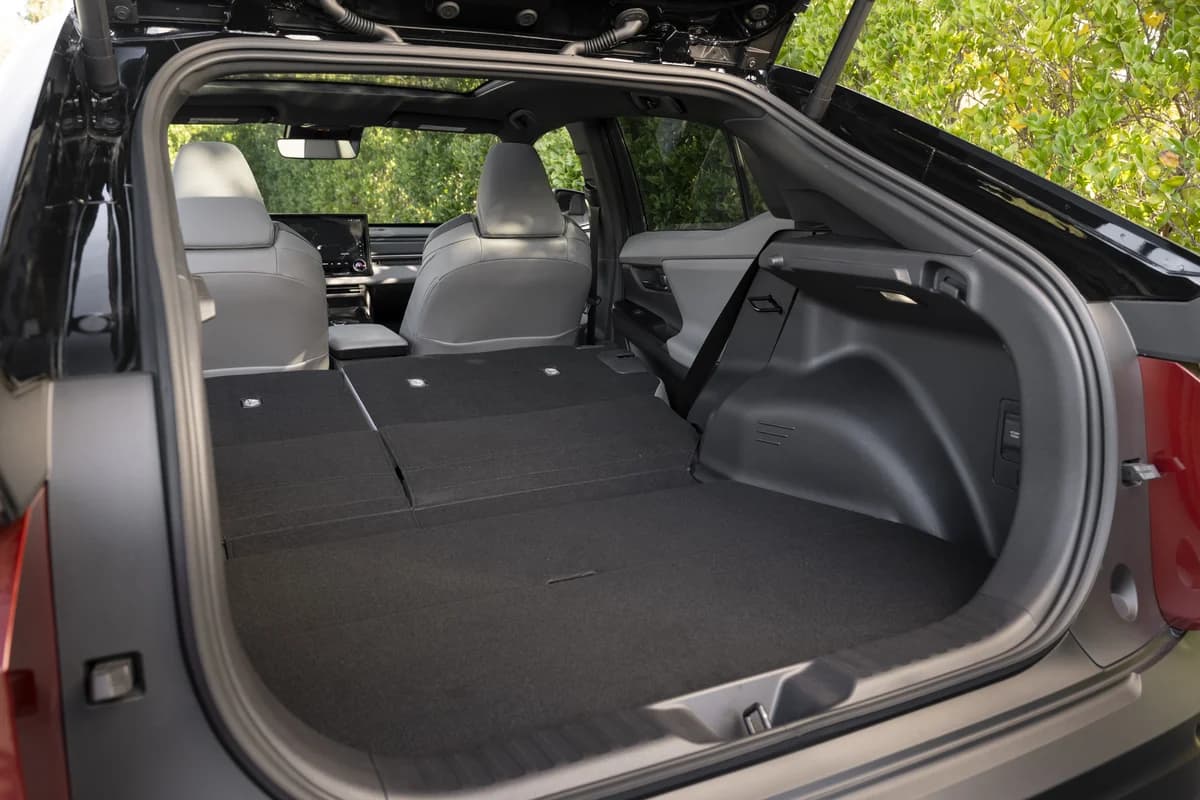
Cargo And Loading
Cargo space is useful for daily errands, but the sloping roof limits the C-HR’s flexibility. Toyota lists 59.5 cubic feet with the rear seats folded, while the 25.3 cubic feet behind them is adequate for routine shopping and smaller luggage. The broad hatch opening and thoughtful storage help offset the compact footprint, and reviewers find the folded-seat area practical. There is no frunk, no spare tire, and some criticism of the cargo-floor design. Families carrying strollers, tall boxes, or vacation gear will find larger rivals easier.
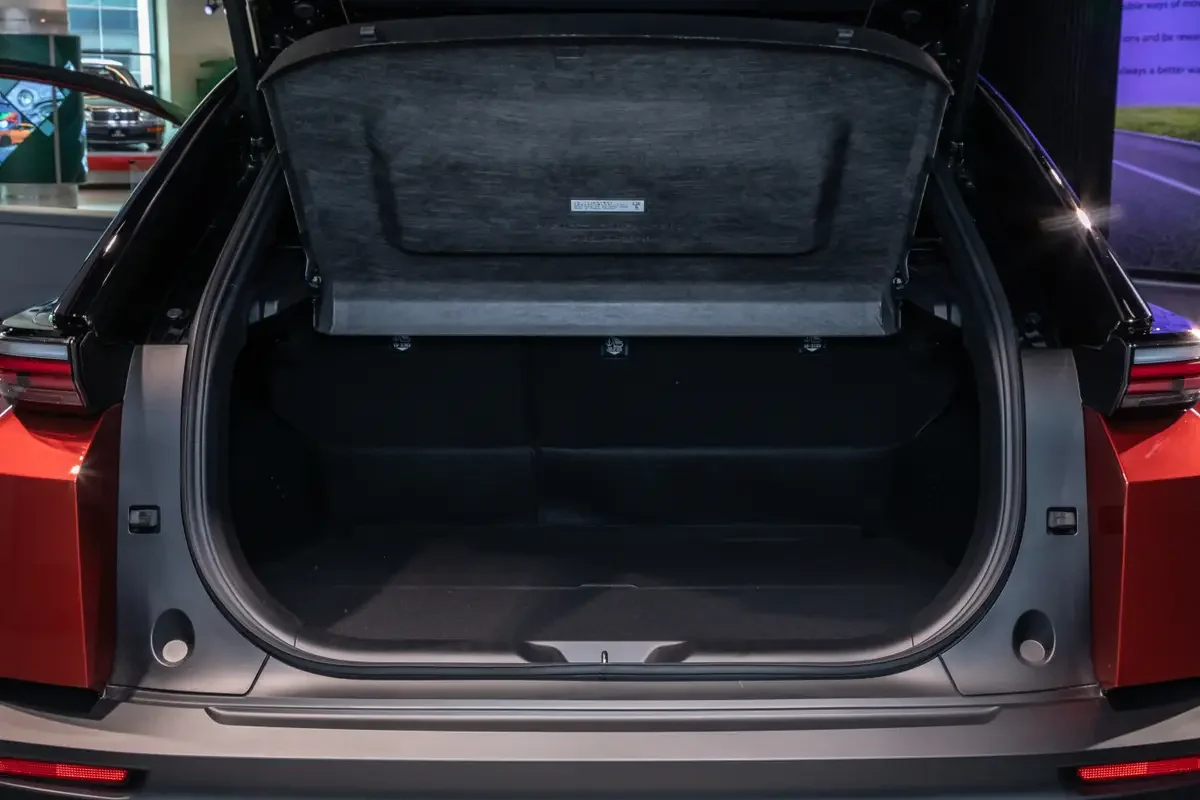
Range And Charging
The C-HR charges capably, but its road-trip confidence depends on conditions and trim. Toyota claims up to 287 miles of EPA range for the SE, while the XSE is commonly listed at 273 miles. Its 150-kW DC fast charging and estimated 10–80 percent time of about 30 minutes are useful, and NACS compatibility broadens charging access. Independent testing was less flattering: MotorTrend recorded 206 miles at 70 mph, and Car and Driver’s XSE managed 230 miles at 75 mph. Home charging makes it strongest as a commuter.
Ride And Handling
The C-HR balances comfort and agility better than its coupe-like styling suggests. Independent front and rear suspension helps it feel planted, and reviewers regularly praise the quiet ride, composed cornering, and effective bump absorption. Its compact dimensions and 360-degree camera also make it easy to place in city traffic. However, feedback is not uniformly sporty: vague steering, noticeable body roll, and unsettled behavior under hard braking appear in testing. The available 20-inch wheels can further firm the ride, so 18-inch wheels are the more sensible comfort choice.
Conclusion
The C-HR makes its case with a quick pulse: 338-hp standard AWD delivers genuinely rapid acceleration, while a quiet, comfortable ride and nimble footprint suit city driving. Reviewers and owners also appreciate the solid, upscale-feeling cabin, though dated software, awkward displays, and missing storage details undercut that polish. The bigger question is travel: advertised range and 150-kW DC charging are useful, but highway tests suggest only 206–230 miles, so frequent road-trippers will find larger rivals easier. The coupe-like body brings style at the expense of cargo flexibility and taller-passenger comfort; the rear seat works best for couples, children, or occasional adults. Choose it for home-charged commuting, AWD confidence, and fun—not maximum family utility. Its balanced strengths and meaningful compromises make it a compelling, well-rounded EV, but not a class-defining bargain.

Feature Scores
This reflects reviews and ratings from established critics, journalists, and users who have evaluated the item. Their opinions provide a comprehensive assessment.
Performance
Driving Range
4/5
Charging Speed
4/5
Acceleration
5/5
Handling and Ride Comfort
4/5
Energy Efficiency
4/5
Battery Durability
4/5
Value
Purchase Price Competitiveness
3/5
Total Cost of Ownership
4/5
Resale Value
3/5
Design
Exterior Styling
4/5
Interior Space and Packaging
3/5
Ergonomics and Controls
4/5
Health
Cabin Air Quality
TBD
Low-Toxicity Materials
TBD
Safety
Crashworthiness
3/5
Active Safety Systems
4/5
Battery Safety Systems
4/5
Sustainability
Lifecycle Emissions
4/5
Battery Recyclability
TBD
Use of Recycled Materials
TBD
Experience Style
Infotainment and Connectivity
4/5
Charging Ecosystem Integration
4/5
Customization and Driving Modes
3/5

Specifications
This section outlines the product's key facts, covering essential features, details, dimensions, materials, and any unique characteristics that define its functionality and usability.
Performance
Value
Design
Safety
Sustainability
Experience Style

Frequently Asked Questions
6 Questions





Find Yours
What is your top priority for an Electric SUV's battery performance?
Answer to find your best matches.