









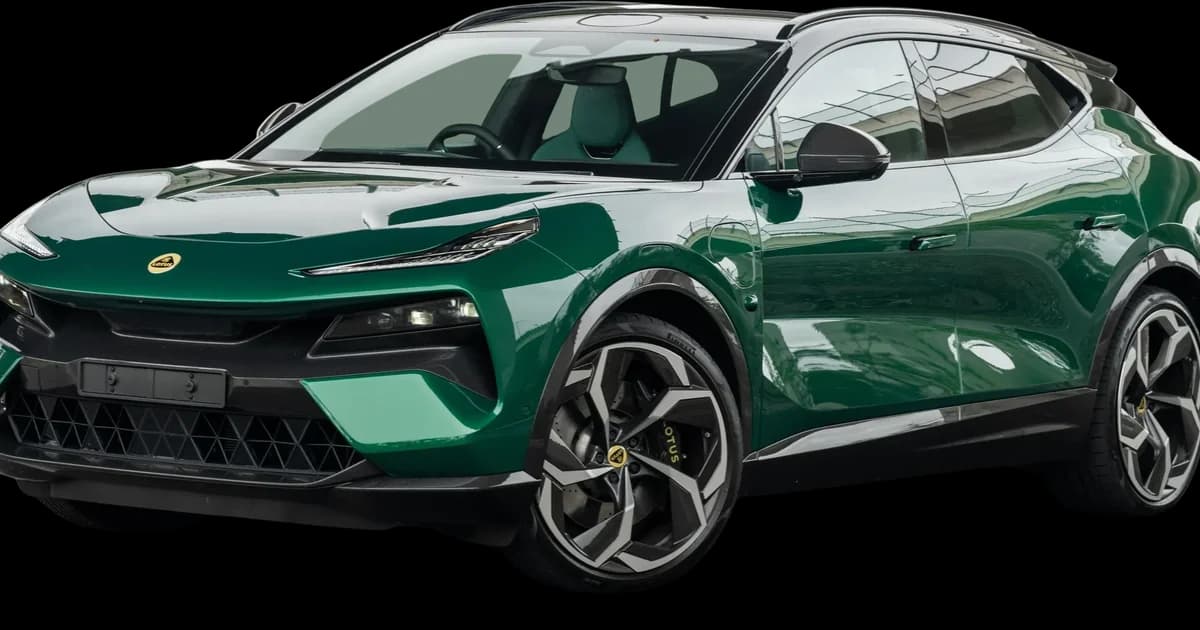
Lotus Eletre (2025)
Hypercar speed, ultra-fast charging and luxury SUV practicality, though range and ride disappoint.
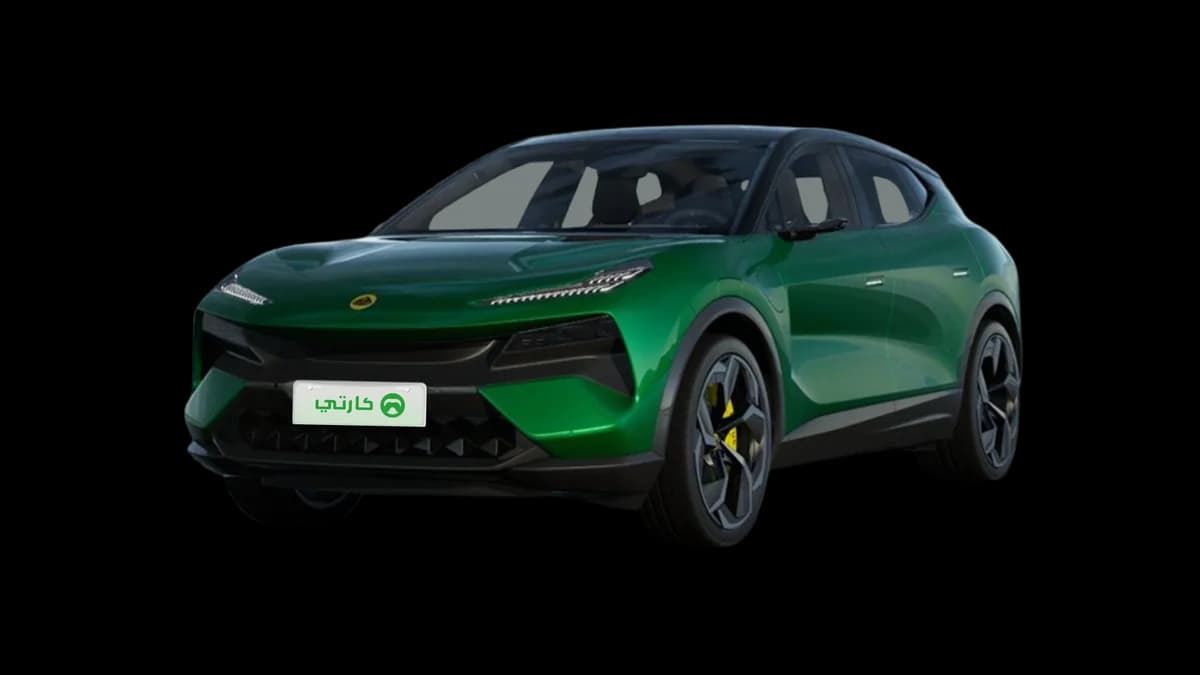
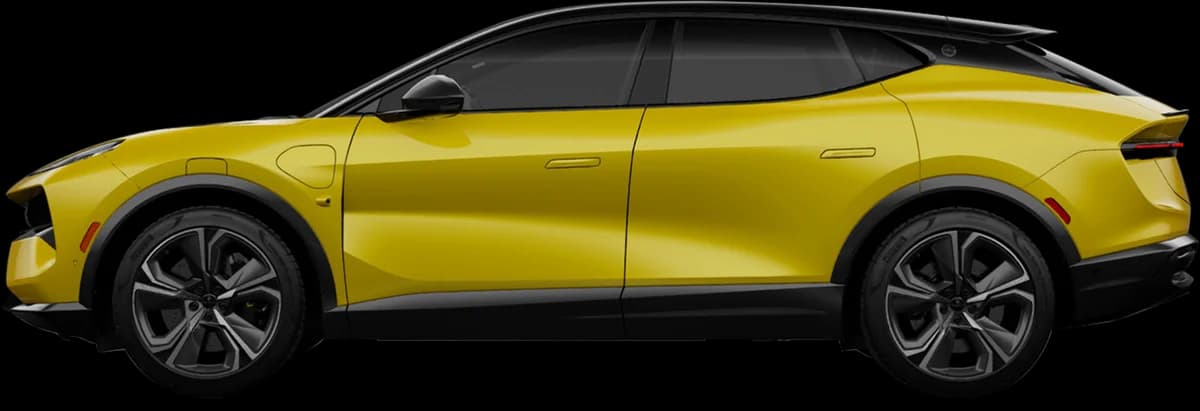
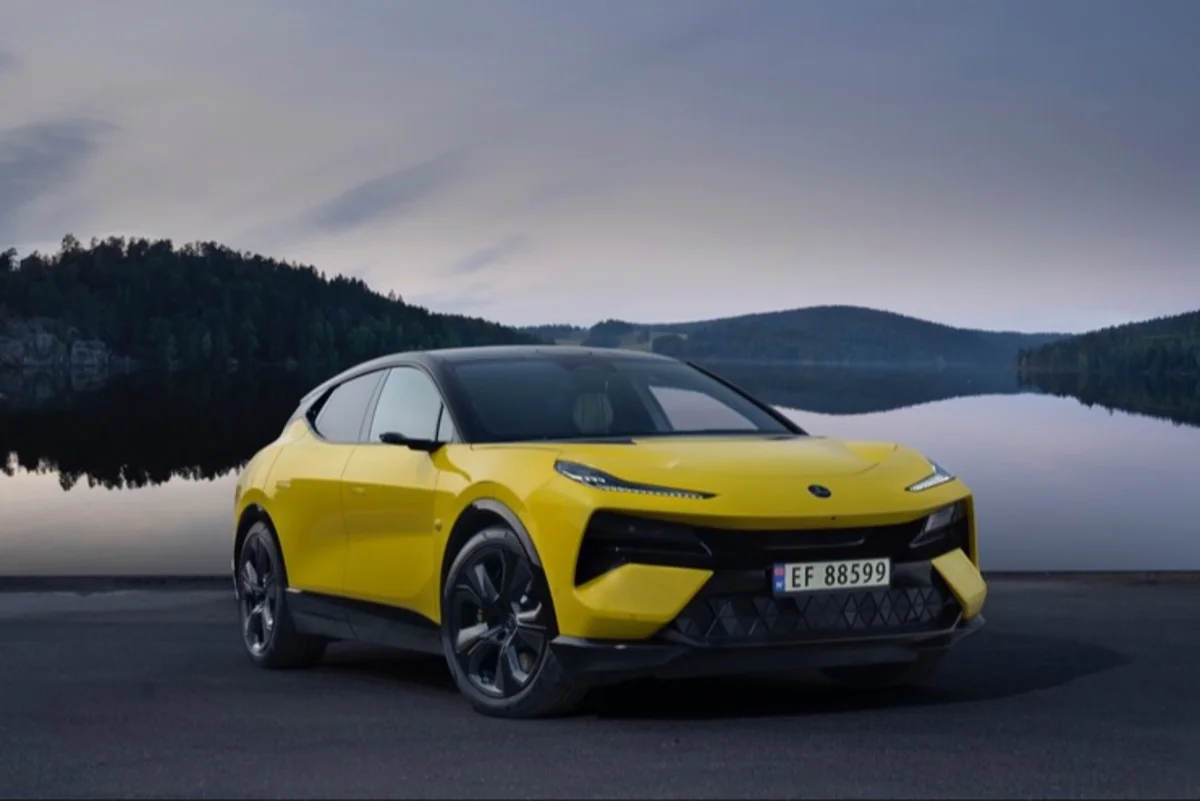
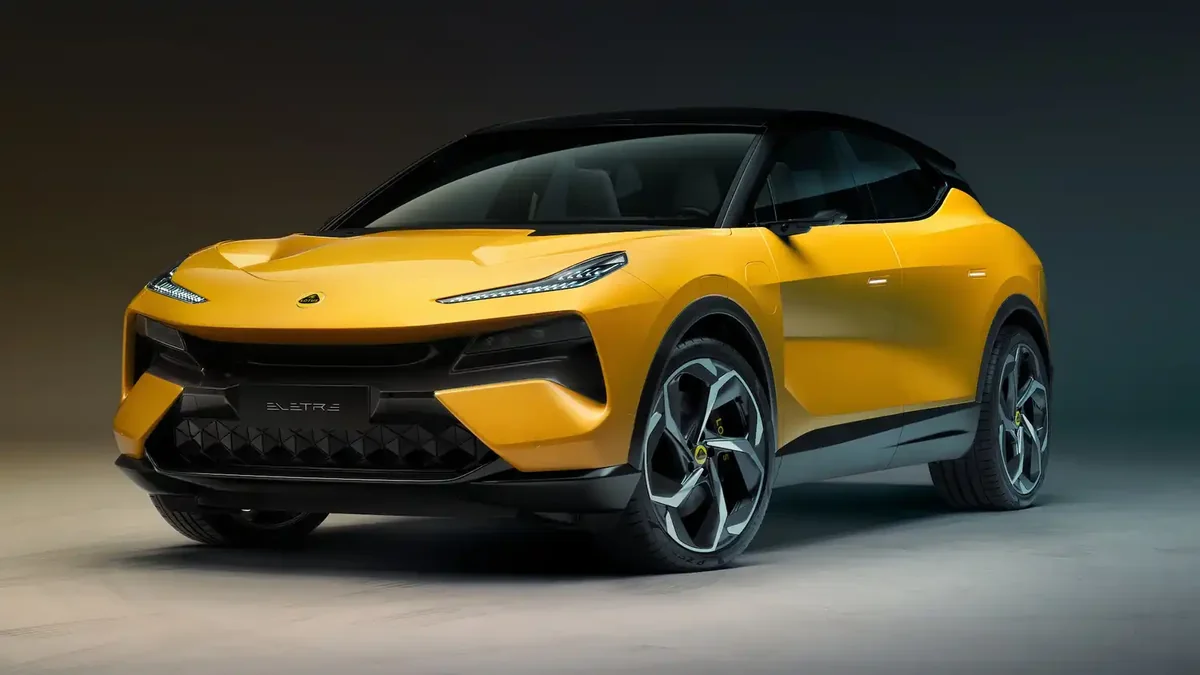
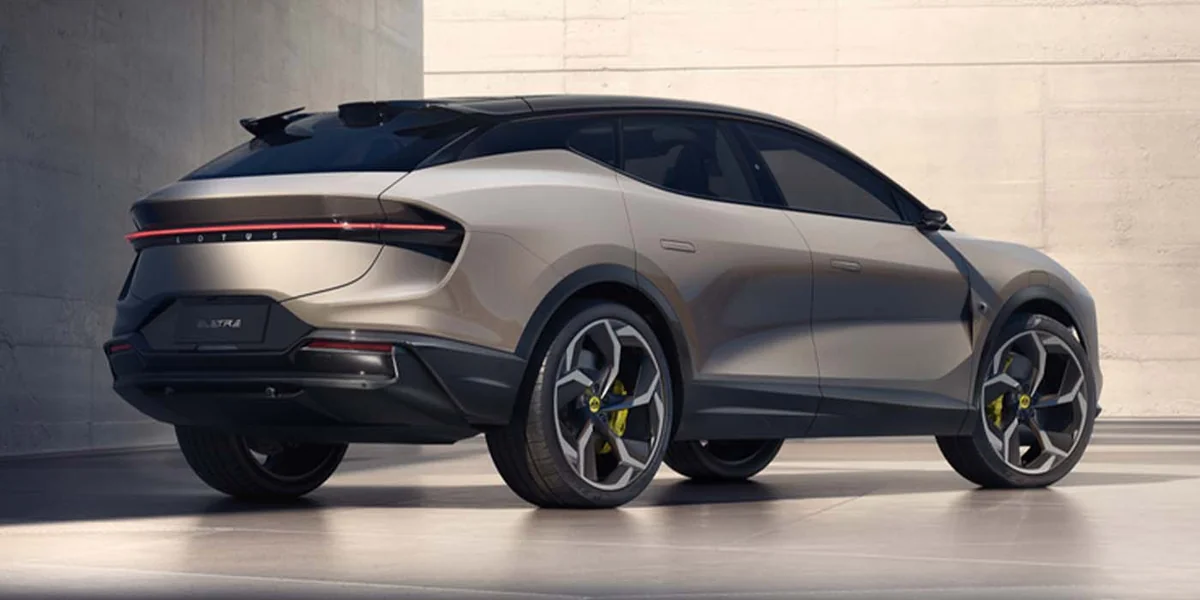
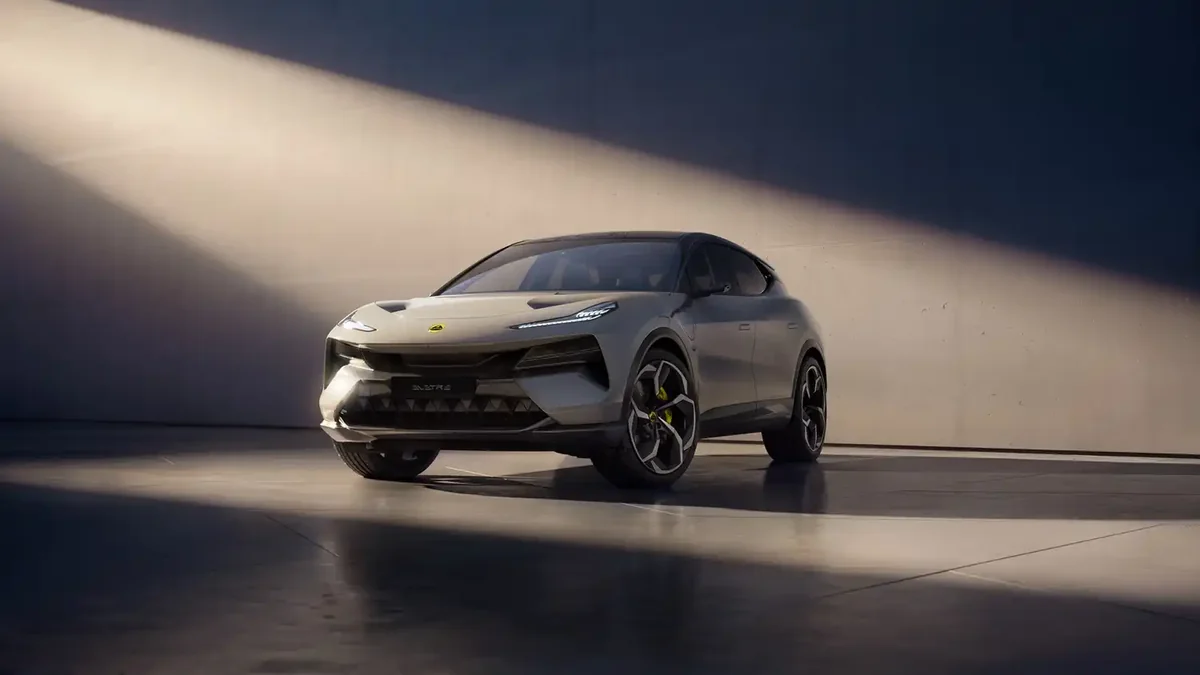
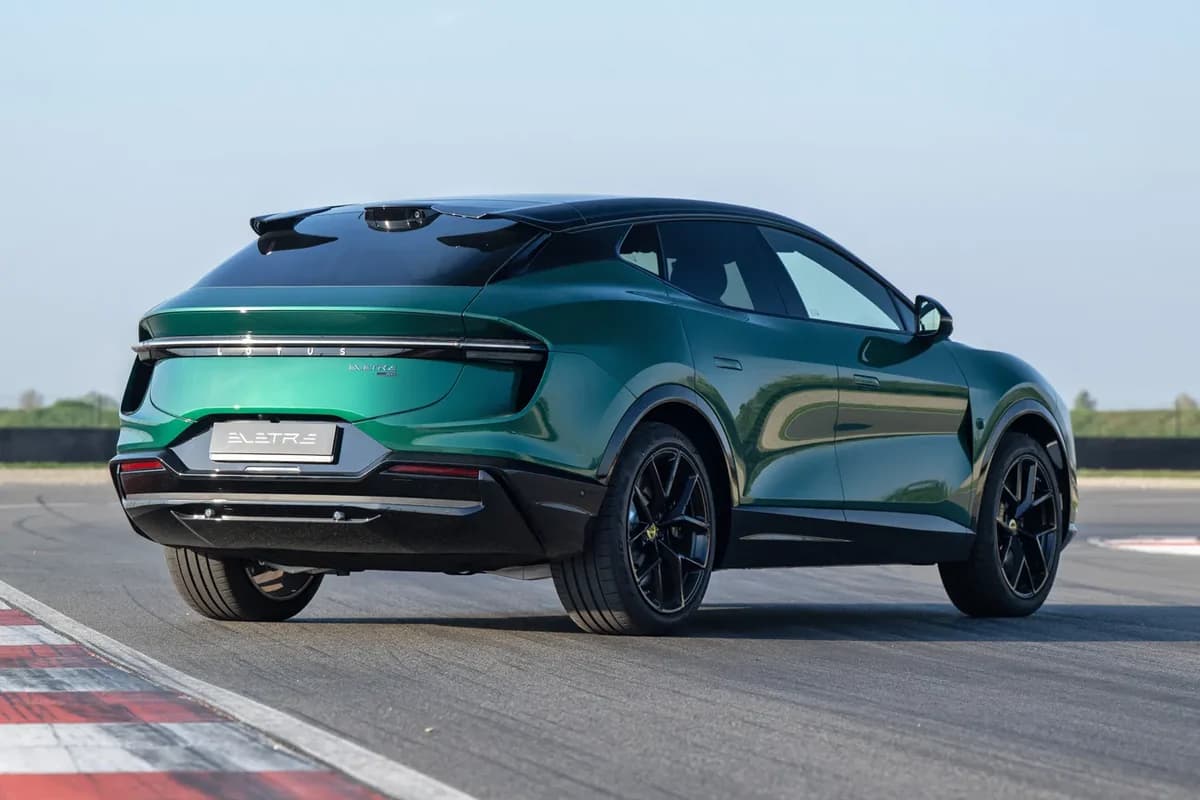
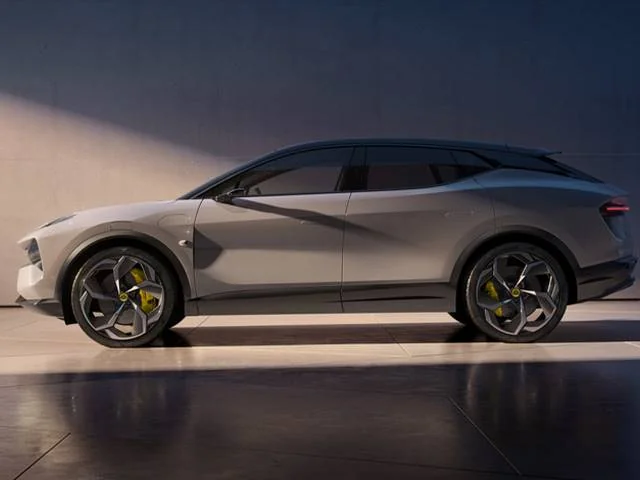
The Lotus Eletre (2025) is a hyper-SUV for affluent EV drivers who want supercar pace, family space, and shorter road-trip stops without sacrificing luxury. Its 603-hp dual-motor AWD feels effortlessly rapid, while experts broadly support the 350-kW fast-charging promise. Inside, premium materials, excellent audio, roomy rear seats, and clever technology make it a convincing daily cruiser. The catch is that the claimed range can fall sharply in real driving, especially in the 905-hp R, and testers report a firm ride, intrusive alerts, and a footprint that feels huge in town. At roughly $100,000 to $150,000, the Eletre 600 offers the more defensible value. Its overall appeal depends on how buyers balance speed, charging, luxury, efficiency, and Lotus authenticity.
Find Yours
What is your top priority for an Electric SUV's battery performance?
Answer to find your best matches.

The Field
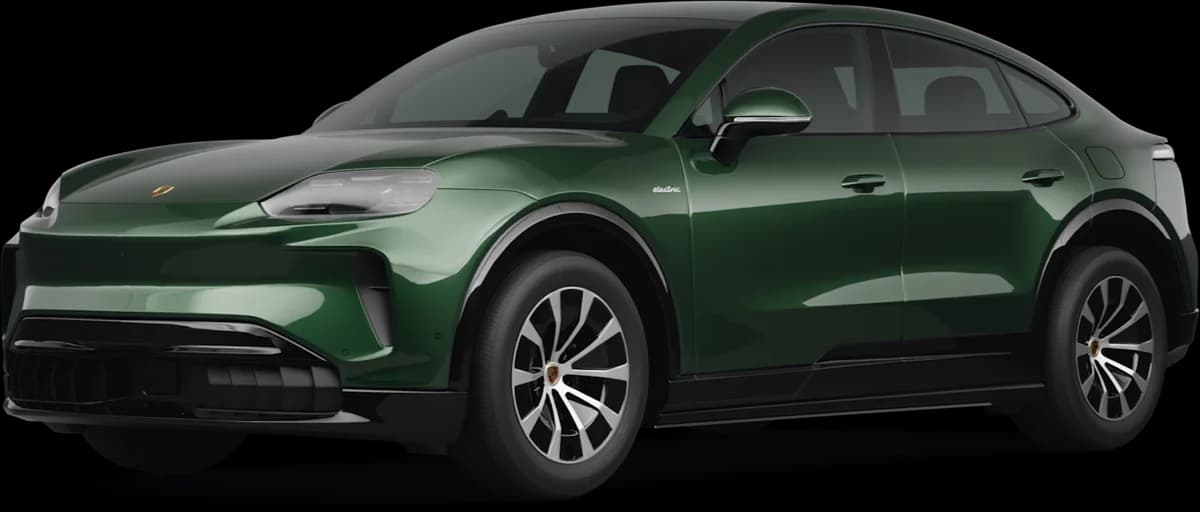
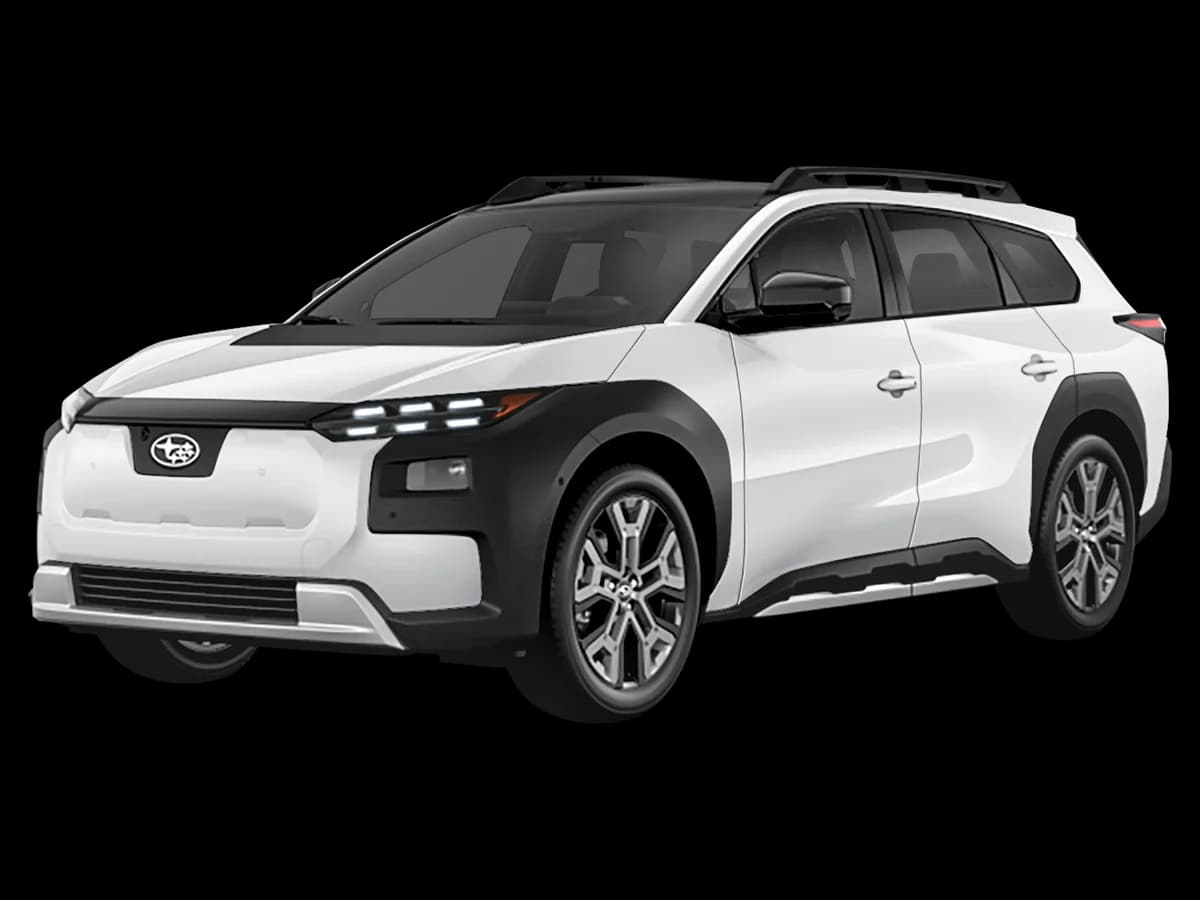
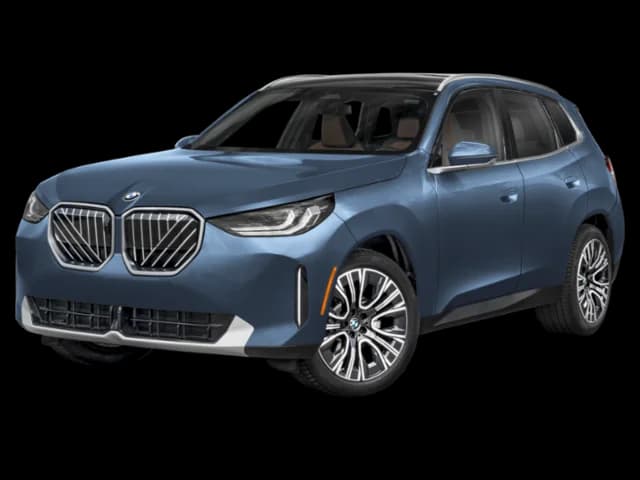
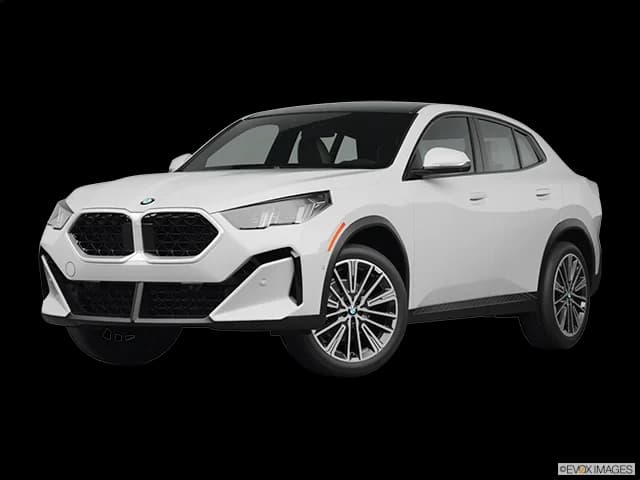
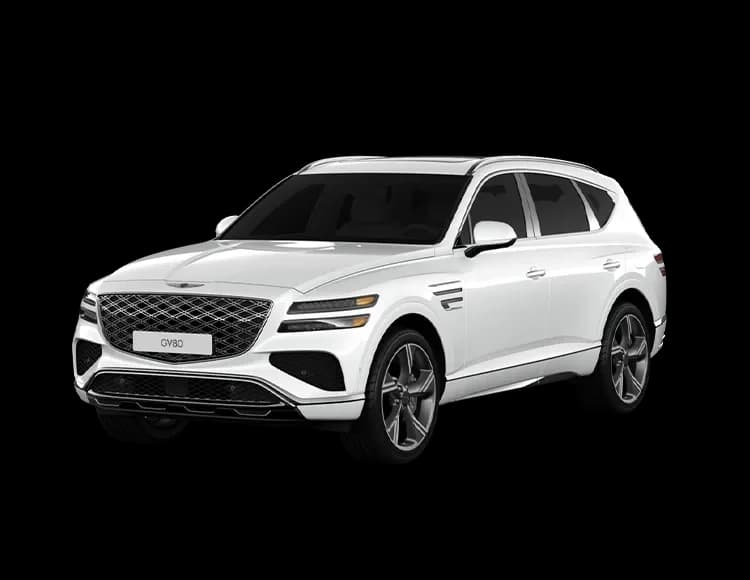
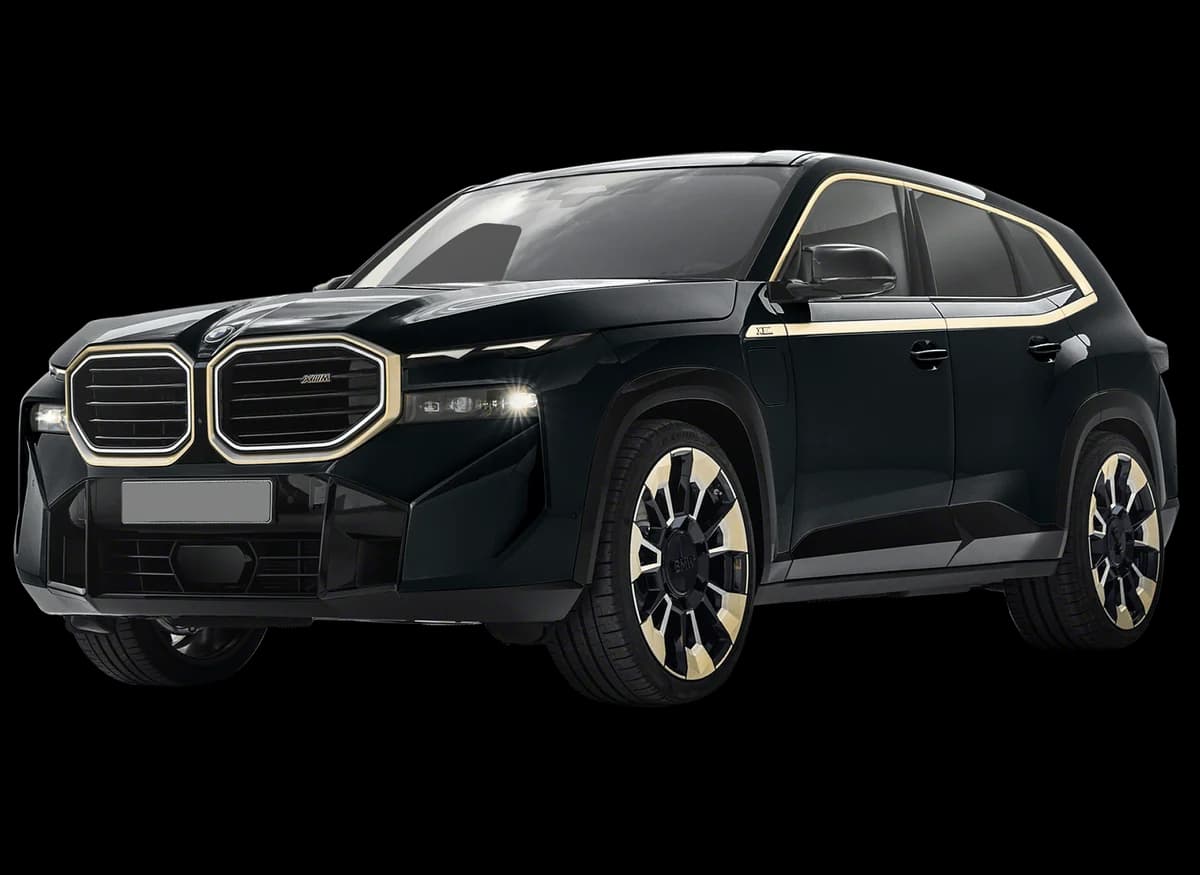
Browse top contenders, or compare all options ranked by score and key attributes.
5 Options


The Scoreboard
Does this improve your life? Considers, health, habits, and environmental impact.
Benefits
Quiet cruising, supportive seats, and plush suspension make extended journeys feel unusually easy.
Instant acceleration makes merging, overtaking, and carrying passengers feel relaxed rather than demanding.
Rapid charging can shorten road-trip stops, helping busy drivers get moving sooner.
Generous rear space and useful cargo room comfortably handle passengers, luggage, and daily errands.
Beautiful materials, responsive screens, and excellent audio make ordinary drives feel more special.
Precise steering and strong body control make this large SUV feel smaller through corners.
Trade-Offs
Firm suspension can jolt occupants over speed bumps and rough city streets during everyday driving.
Its wide, heavy body makes tight parking spaces and narrow roads tiring to navigate.
Real-world range can fall sharply, especially in the R, adding extra charging stops.
Sensitive lane warnings and jerky assistance repeatedly interrupt otherwise smooth, attentive motorway driving.
 Alternatives


Join the Circle
Where real meets deal
Know what's worth buying-and when.
Tips, special offers, and rewards for buying and sharing.

Publications
8 LEADING PUBLICATION REVIEWS

MotorTrend’s Alex Leanse is enthusiastic about the Eletre, even as its driver aids disappoint. He sees Lotus’s electric SUV as a dramatic departure from the brand’s lightweight sports-car heritage, but also a convincing and potentially transformative business move. The Eletre earns praise for light, direct steering, surprisingly agile-feeling suspension, natural braking, a spacious and beautifully finished cabin, and crisp, responsive displays. Its 800-volt system and claimed rapid charging are especially impressive, while the 603-hp and 905-hp versions promise serious performance without feeling overly aggressive at low speeds. Still, inconsistent driver-assistance systems were annoying enough to disable, and a few software bugs remain. Overall, Leanse views the Eletre as a polished, compelling luxury performance SUV whose success could help fund future Lotus sports cars, despite its philosophical distance from the company’s roots.
By Alex Leanse
Auto Express chief reviewer Alex Ingram is strongly impressed by the Lotus Eletre, despite its break from traditional Lotus values. He regards it as a genuinely entertaining, sharp-driving performance SUV with a high-quality, distinctive cabin, superb rear-seat space, strong refinement, and exceptionally rapid charging. The Eletre 600 is presented as the sensible choice, offering ample performance without needing the costlier 900’s supercar acceleration. However, the praise is not unqualified: ride comfort and body control suffer on rough roads, the brakes and throttle feel mismatched, real-world range is disappointing at roughly 260 miles, and the sloping boot is less practical than its headline capacity suggests. There are also small luxury oversights, such as rainwater entering through the frameless doors. Overall, Ingram considers the Eletre a remarkably accomplished and convincing new direction for Lotus, even if traditionalists may struggle to recognize the brand beneath it.
By Alex Ingram
Carwow’s Darren Cassey is broadly impressed by the Lotus Eletre, despite serious efficiency concerns. He praises its exceptionally luxurious, well-built cabin, superb 15.1-inch infotainment system, huge passenger space, and genuinely rapid charging. The Eletre is also remarkably agile and comfortable for such a large SUV, with polished motorway manners and entertaining steering on twisty roads. However, its size makes urban driving and narrow B-roads intimidating, while the 905hp version feels excessive and can occasionally unsettle the car under hard acceleration. Real-world range is the biggest weakness: the performance model may struggle to exceed 200 miles, and its roughly 2mi/kWh efficiency trails rivals substantially. Cassey also criticizes the styling and occasionally intrusive driver-assistance system, but considers the Eletre a compelling, distinctive luxury EV—especially in the more sensible 600 variant.
By Darren Cassey
What Car? is positive about the Lotus Eletre, but its three-star verdict reflects some meaningful compromises. The review admires its relentless 603bhp acceleration, sharp cornering, serene motorway ride, beautifully made cabin, excellent infotainment, huge boot and outstanding KEF sound system. It also offers impressive range, rapid charging and generous space, making it a practical alternative to high-performance electric SUVs and a compelling company-car choice. However, the Eletre feels less agile and playful than the Porsche Macan Electric, its ride becomes jarring over urban bumps, and pronounced high-speed road noise undermines refinement. The reviewer also flags expensive tyres and insurance, uncertain reliability, and the absence of an independent crash-test rating. Overall, it comes across as a fast, spacious and distinctive electric SUV with plenty to recommend, though not the polished all-rounder its price suggests.
By Steve Huntingford
Steven Ewing of Motor Authority is impressed by the Eletre’s luxury, speed, and ambition but unconvinced it truly deserves the Lotus badge. Its striking, aerodynamic design, spacious and beautifully finished cabin, smooth ride, excellent infotainment, and strong range potential make it a compelling electric luxury SUV. The Eletre R is genuinely rapid and surprisingly composed in autocross, though its weight, floaty high-speed feel, and lack of launch drama dilute the excitement. Ewing is more critical of the overly sensitive lane warnings, jerky adaptive cruise control, limited displays, fixed audio settings, and absent Apple CarPlay or Android Auto. He also questions its appeal to traditional Lotus enthusiasts and points to the high price and tiny U.S. dealer network. The verdict is favorable but measured: it is a polished, distinctive EV worth considering, just not much of a traditional Lotus.
By Steven Ewing
Electrifying.com’s Mike Askew is highly impressed by the Lotus Eletre, despite a few practical caveats. He praises its striking real-world design, spacious and exceptionally well-built cabin, clever storage solutions, huge boot, rapid charging capability, and polished technology. Most importantly, Askew believes Lotus has successfully transplanted its trademark agility into a 2.4-tonne electric SUV: precise steering, responsive throttle, sophisticated suspension, four-wheel steering, and strong brakes make the Eletre feel far smaller and more engaging than it should. The 905bhp R is remarkably controllable, while the standard models balance performance and comfort effectively. Reservations are relatively minor but worthwhile: the car photographs poorly, the low-speed ride can be harsh over speed bumps, the infotainment occasionally overcomplicates things, and Apple CarPlay and Android Auto were initially absent. Overall, the review presents the Eletre as a remarkably polished, practical reinvention of Lotus and awards it 9/10.
By Mike Askew
CarExpert’s Scott Collie is strongly impressed by the Lotus Eletre, despite limited driving time and some software irritations. He praises its exceptionally plush, spacious cabin, high-end materials, clever screens, and family-friendly practicality, while the air suspension, quietness, and effortless acceleration make it feel more like a luxurious long-distance cruiser than a traditional Lotus. The substantial price cuts also improve its appeal against high-performance SUVs such as the Lamborghini Urus, Bentley Bentayga, and BMW XM. However, the infotainment can reset unexpectedly, driver-assistance systems are overly sensitive, and the Eletre remains untested by Euro NCAP. Collie’s broader takeaway is that Lotus has successfully built a convincing luxury electric SUV, with most shortcomings appearing fixable through software updates. It will not satisfy purists seeking a lightweight sports car, but its comfort, performance, and premium execution give it a better chance of making an impact than its earlier pricing suggested.
By Scott Collie
Autocar’s Matt Saunders, Richard Lane and Felix Page are impressed yet unconvinced by the Lotus Eletre’s grand transformation. The Eletre R is astonishingly quick, spacious and lavishly built, with a cabin that genuinely rivals premium luxury SUVs and a remarkably composed, long-distance character in its softer modes. Its technology, material quality and sheer performance make it a significant achievement for Lotus. But the size, 2.7-tonne weight and mediocre real-world range undermine the brand’s traditional promise of lightness and efficiency. It can feel sterile under hard acceleration, fidgety in Sport and Track modes, and awkwardly oversized on narrow roads. Charging is briefly spectacular rather than consistently class-leading, while the infotainment and digital mirrors need refinement. Autocar ultimately views the Eletre as a technically impressive, compellingly dramatic luxury EV, but one that wears its Lotus badge somewhat uneasily and falls short of setting new dynamic standards.
By Matt Saunders, Richard Lane and Felix Page

YouTube
8 LEADING EXPERT & INFLUENCER REVIEWS
 Doug DeMuro
Doug DeMuro is surprisingly impressed by the Lotus Eletre, despite its contradiction of the brand’s lightweight, analog heritage. He enjoys its exceptional acceleration, accurate steering, composed cornering, high-quality interior, clever screens, spacious rear seats, and practical cargo areas. However, the Eletre’s harsh ride, high price, missing rear charging ports, lack of a third row, and unresolved question of whether a 5,800-pound Chinese-built electric SUV is truly a Lotus temper his enthusiasm. Overall, he considers the Eletre R a genuinely compelling, technologically advanced performance SUV—especially if buyers prioritize speed over traditional Lotus character.
CarsGuideStephen Ottley is broadly positive about the Lotus Eletre, calling it a striking, genuinely luxurious SUV with rapid performance and impressive practicality. He appreciates its spacious rear seats, large boot, premium cabin, quiet ride, and distinctive design, while acknowledging that the firm suspension can feel bouncy and the safety alerts irritating. His central criticism is that the Eletre feels surprisingly generic behind the wheel, lacking the special handling character associated with traditional Lotus sports cars. Ultimately, it is a compelling evolution for attracting luxury-EV buyers, but not a class-leading or authentically Lotus-like driving experience.
AutotraderAlex is highly impressed by the Lotus Eletre, viewing it as a successful, if unconventional, transformation of the brand. He praises its striking aerodynamic design, rapid acceleration, surprisingly agile handling, refined ride, spacious cabin, premium materials, excellent KEF audio, and ultra-fast charging. The Eletre R’s 905 horsepower particularly excites him, while the SUV’s weight and light steering are cleverly disguised on the road. Criticisms include noticeable road noise, extensive touchscreen dependence, and steering that lacks the feel of traditional Lotus sports cars. Overall, he believes Lotus has “knocked it out of the park” and built a luxury EV people genuinely want.
Auto FocusAuto Focus is highly impressed by the Lotus Eletre, calling it the most fun-to-drive electric SUV in its comparison set. The reviewer praises its sharp handling, exceptionally quick acceleration, adaptive air suspension, fast 350-kW charging, and powerful Dolby Atmos audio system. It feels more stable and comfortable than a Tesla Model X Plaid, though not as brutally quick. The main reservations are its undeniable weight, limited range with larger wheels, CCS charging before NACS support, missing Android Auto and Apple CarPlay at launch, and abundance of potentially unnecessary motorized components. Overall, it feels special and remarkably successful for Lotus’s first SUV.
The CAR Girl Vicki Butler-HendersonVicki Butler-Henderson is impressed by the Lotus Eletre’s performance but ultimately feels disconnected from it. She praises its immense grip, surprisingly controlled body roll, active air suspension, luxurious spacious cabin, and instant electric thrust, while acknowledging that 4.5-second acceleration is hardly sedate. However, the camera-based mirrors, octagonal steering wheel, complicated interface, and overwhelming size frustrate her. Most importantly, she feels unlike the Elise, the Eletre makes her a passenger in the technology rather than part of the car. It is an accomplished, dramatic electric SUV, but not quite the emotionally involving Lotus she hoped for.
TheStraightPipesJacob and Yuri were genuinely thrilled by the Lotus Eletre, calling its 905-hp performance “ridiculous” and “sick as hell.” They were especially impressed that this large, heavy SUV stays flat, comfortable, and remarkably composed through corners, thanks to active anti-roll bars, four-wheel steering, and air suspension. The design, carbon detailing, premium materials, electrochromic roof, intuitive infotainment, and excellent CarPlay also won them over. Their reservations were practical: no volume knob, awkward door handles, climate controls buried in the screen, limited driver-assistance functionality, and a steep price. Overall, they found it unexpectedly exciting and compelling.
the interface CarsAlex Lowe is highly impressed by the Lotus Eletre, calling it a genuinely luxurious, special-feeling SUV that drives far better than its size and 2,645-kg weight suggest. He praises its supple air suspension, sharp handling, rapid charging, excellent cabin quality, clever technology, comfortable rear seats, and generous luggage space. Sport mode brings surprising agility and supercar-like acceleration, while Range and Tour modes make it a relaxed cruiser. His reservations are practical: it is enormous on narrow British roads, wireless charging can heat phones, and the driver-assistance system sometimes misreads motorway slip roads. Overall, he sees the Eletre as a convincing Lotus despite its unconventional SUV-EV formula.
The Next DriveMark Ellis is genuinely impressed by the Lotus Eletre, though he remains unsure who should buy one. After using the Eletre 600 for family duties, commuting, and spirited back-road driving, he praises its relentless acceleration, surprisingly agile handling, minimal body roll, striking Lamborghini-like styling, superb Meridian audio, clever dimmable panoramic roof, and spacious cabin and boot. Yet the silent electric powertrain lacks the drama of an engine, and the £110,000 price makes it difficult to justify—especially for Lotus enthusiasts seeking a traditional lightweight sports car. His overall feeling is enthusiastic admiration tempered by a fundamental identity and value dilemma.

Social
1 INFLUENCER REVIEW
 SunnyYaps
SunnyYaps is cautiously enthusiastic about the Lotus Eletre’s significance, though not its affordability. They frame the Chinese-built electric SUV as a striking hypercar-like machine with under-three-second 0–60 performance, more than 600 horsepower, and roughly 600 kilometers of range. However, its $119,000 Canadian starting price makes it inaccessible to most buyers. The more important takeaway is that this limited 18-vehicle launch gives Geely a chance to test Canadian logistics, retail, and regulations, potentially opening the door to cheaper models such as the approximately $38,000 Seeker X.

Forum Reviews
CUSTOMER REVIEWS FROM 1 FORUM
Redditors are divided on the 2025 Lotus Eletre, but practical owners and testers are generally impressed. They praise its startling acceleration, unusually capable handling for a large SUV, spacious upscale cabin, fast charging, comfort, and strong value in some markets. The central objection is philosophical: its 2.6-ton weight, aggressive styling, Chinese-built EV identity, and SUV format feel far removed from Lotus’s lightweight sports-car heritage. Range and efficiency disappoint, while software, driver assistance, braking, and reliability have drawn criticism. Still, many accept it as a necessary cash generator that could preserve Lotus and fund future sports cars.
Many comments

In-Depth Review

Highlights
- •Exceptional Acceleration603-hp version reaches 100 km/h in 4.5 seconds.
- •Rapid Charging CapabilityAdvertised to recharge 10–80% in 20 minutes.
- •Agile Large-SUV HandlingAdaptive suspension and four-wheel steering improve composure.
- •Upscale Cabin ExperiencePremium materials, spacious seating, and powerful audio impress.

Considerations
- •Variable Real-World RangeDriving range can fall sharply, especially in the R.
- •Firm Ride QualitySuspension can jolt occupants over rough urban surfaces.
- •Oversized Urban FootprintWide dimensions complicate parking and narrow-road driving.
- •Intrusive Driver AssistanceSensitive alerts and software glitches frustrate some drivers.
Lotus’s Eletre marks a bold shift from lightweight sports cars to a luxury electric hyper-SUV built for fast commuting, family travel, and long-distance cruising. Real-world owner feedback remains limited, so its promise deserves a measured look: 603-hp dual-motor AWD delivers startling pace, while 350-kW DC charging may make road-trip stops unusually brief. The trade-off is efficiency, with real-world range often falling well below its headline claim, especially in the R. Reviews also examine how adaptive suspension and four-wheel steering manage the Eletre’s considerable weight, whether its premium cabin and technology feel genuinely luxurious, and how its spacious cargo area compares with rivals such as the Tesla Model X and Porsche Macan Electric. Performance-focused luxury buyers, affluent EV families, and Lotus traditionalists curious about the brand’s new direction should weigh these strengths against its size, ride, and software quirks. It is Lotus with room for luggage—now let’s see whether the clever engineering earns its badge.
Acceleration and Power
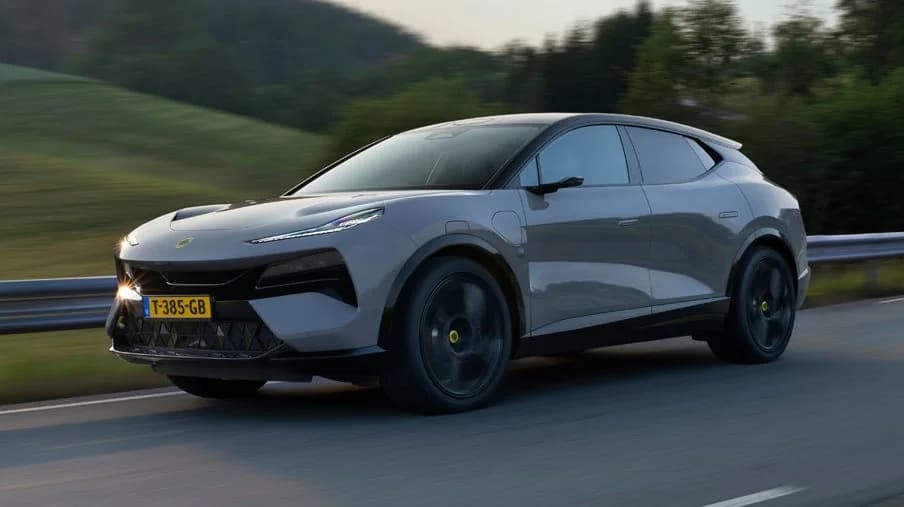
The Eletre delivers startling speed without making everyday driving difficult. The standard model’s 603-hp dual-motor AWD powertrain reaches 100 km/h in about 4.5 seconds, while the Eletre R’s 905 hp can cut that to roughly three seconds. Instant torque makes merging and overtaking effortless, and reviewers say the power remains approachable in normal modes. The R’s rear two-speed transmission adds performance credibility, though its excess can unsettle the car and its silent delivery lacks engine drama. Hyper-SUV performance is compelling, but not especially efficient.
Range and Efficiency
Range is the Eletre’s most important counterpoint to its charging strength. Lotus quotes up to 600 km WLTP, but testing and reviewer reports point to roughly 260 miles in favorable standard-model estimates, with the R sometimes struggling to exceed 200 miles in real-world use. The 2.6-ton curb weight, large wheels, high power, and aerodynamic SUV body all influence consumption, officially listed around 21.4 kWh/100 km. That means fast charging can compensate during trips, but owners should expect less distance per charge than the headline suggests, especially with performance variants.
DC Fast Charging
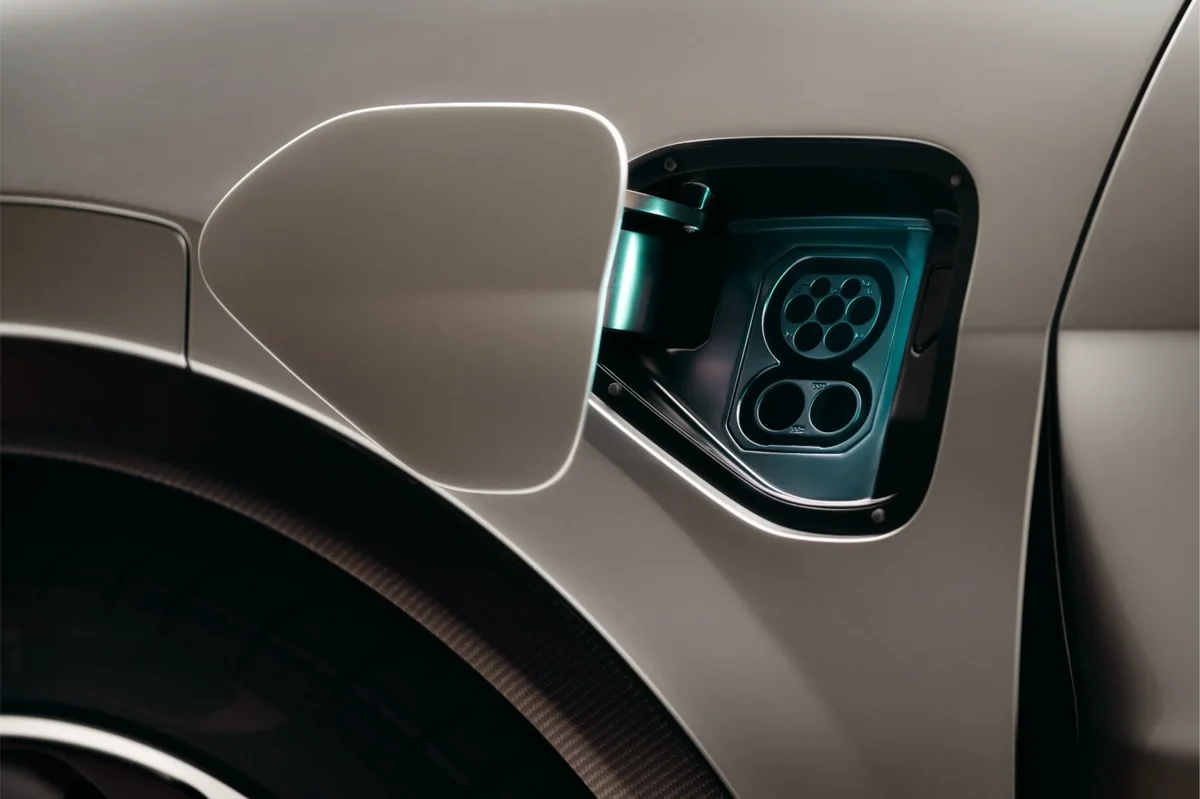
Charging is one of the Eletre’s strongest practical advantages. Its 800V architecture supports up to 350 kW DC charging, with Lotus claiming a 10–80% refill in around 20 minutes under suitable conditions. Reviewers generally support the rapid-charging claim, describing road-trip stops as impressively short, although peak speeds depend on charger capability, battery temperature, and state of charge. Standard battery preconditioning helps prepare the pack, while the 22 kW AC charger is useful where compatible power is available. Early market feedback notes CCS compatibility and, in some regions, a lack of NACS support.
Cabin Quality and Materials
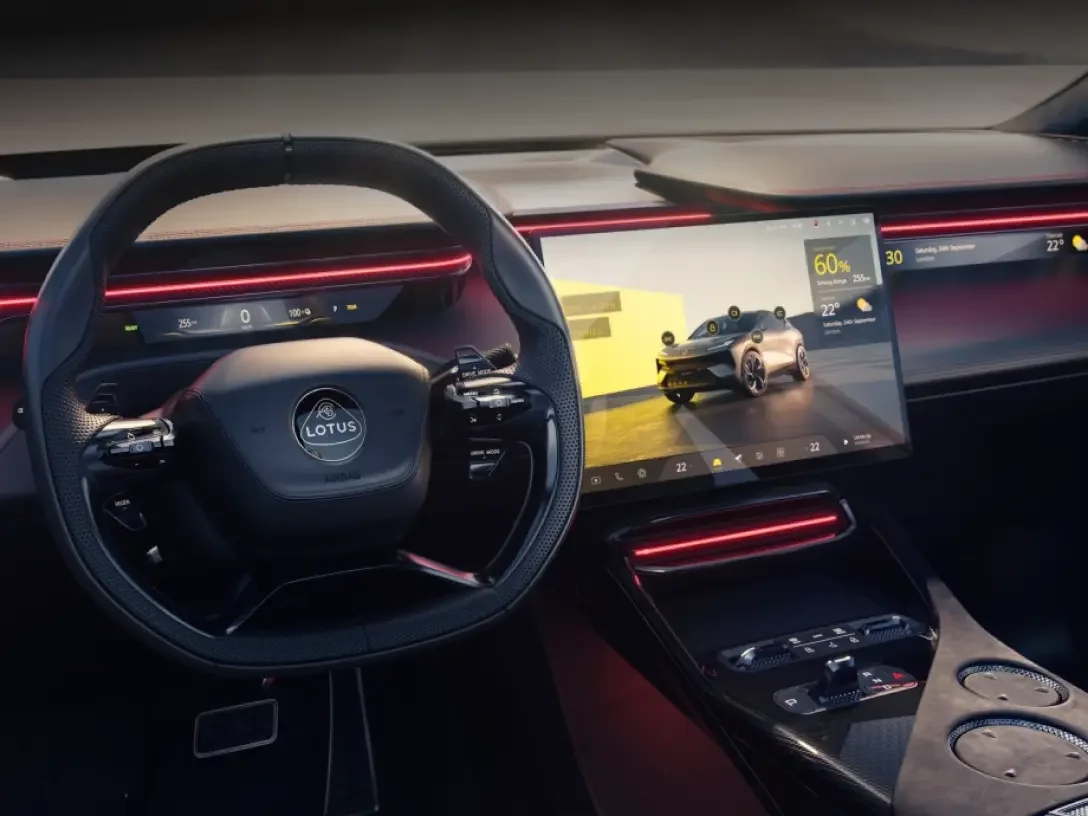
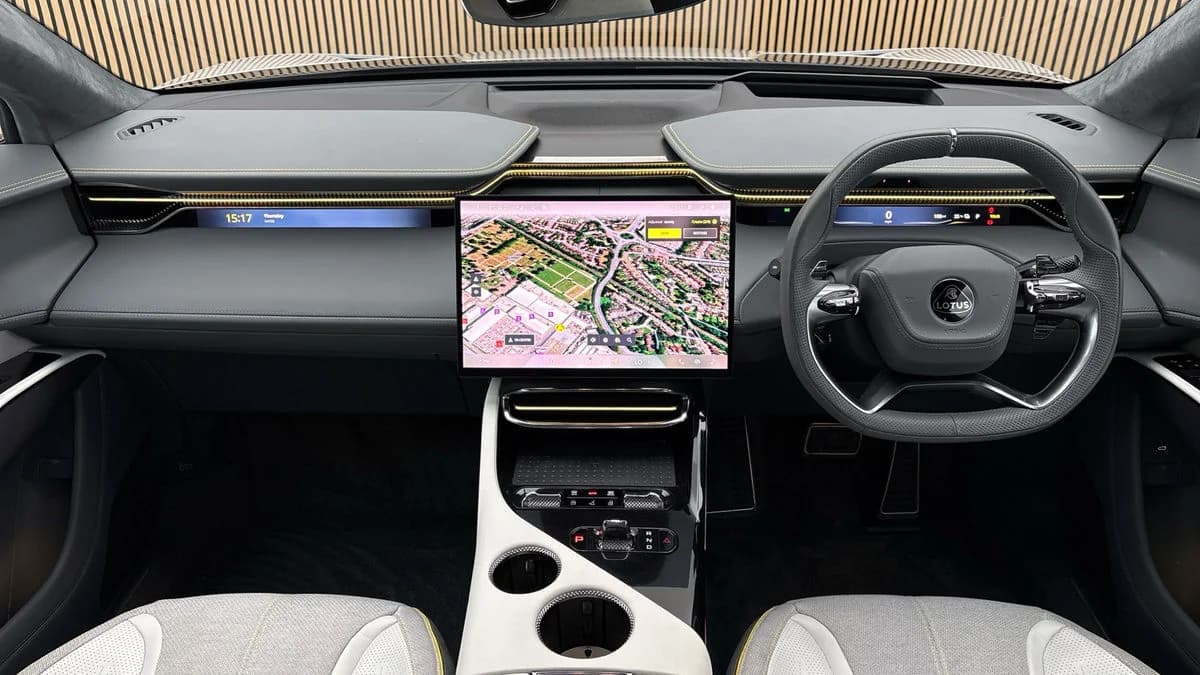
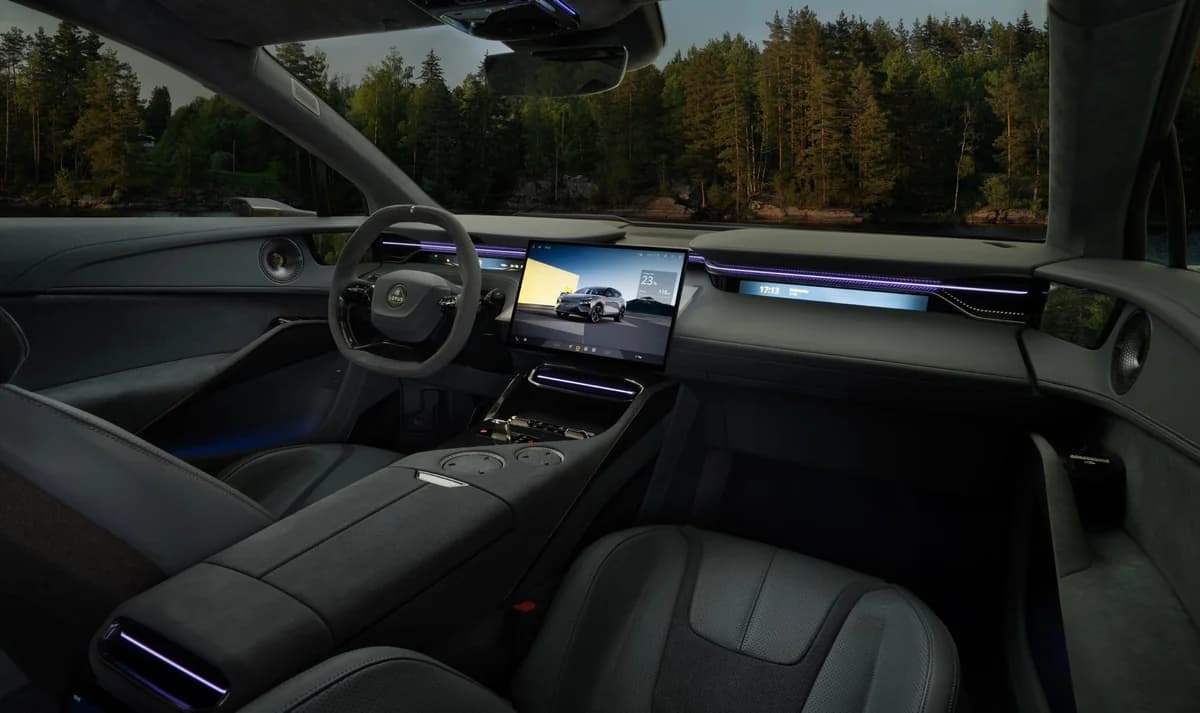
The cabin gives the Eletre genuine luxury credibility. Premium materials and tactile controls create a richer atmosphere than the brand’s minimalist sports cars, while the 15.1-inch touchscreen is praised for sharp graphics and quick responses. Reviewers also highlight the dimmable panoramic roof, ambient lighting, spacious rear seating, and powerful KEF or Meridian audio systems, depending on specification. The technology is not flawless: extensive screen dependence, occasional software resets, fixed audio settings, and initially missing smartphone-integration features weaken polish. Even so, the interior is consistently viewed as beautifully finished and upscale.
Cargo and Daily Use
The Eletre is substantially more usable than Lotus’s traditional sports cars. Five-seat practicality, generous rear legroom, a 611-liter rear load area, and up to about 54 cubic feet with seats folded make it suitable for family travel and everyday errands. A small 46-liter frunk adds useful storage, and the long wheelbase helps passenger comfort. Reviewers appreciate the boot and cabin space, though the sloping rear design is less versatile than the headline volume suggests. Its nearly 201-inch length and wide body can make parking, narrow roads, and tight urban spaces tiring.
Ride and Handling
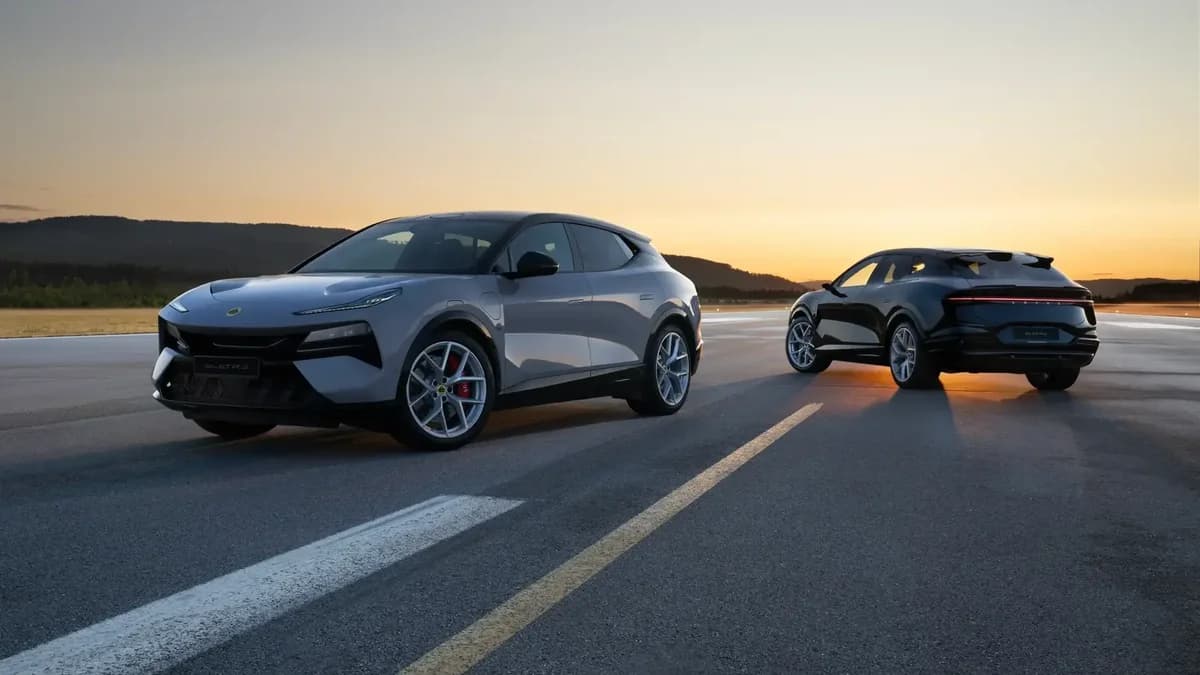
The Eletre handles far better than its size and weight imply. Adaptive air suspension, four-wheel steering, active anti-roll hardware on performance versions, and precise electric assistance help the SUV stay composed through corners. Reviewers often praise its agility, strong grip, and natural braking, with some calling it one of the most entertaining large electric SUVs. The trade-off is inconsistent comfort: firm settings can feel harsh over speed bumps, Sport or Track modes may become fidgety, and some testers find the steering and braking less communicative than a traditional Lotus. 2,565-kg mass remains noticeable.
Conclusion
The Eletre’s case rests on a striking contradiction: it delivers hyper-SUV acceleration and impressively quick 350-kW charging, yet its real-world range and efficiency can disappoint, particularly in the R. Reviewers and early owners admire how air suspension, four-wheel steering, and strong brakes disguise its mass, though harsh bumps, occasional software glitches, and intrusive alerts interrupt the polish. Inside, premium materials, excellent audio, and generous space give it genuine luxury credibility, while its cargo capacity and five-seat layout make it far more useful than a traditional Lotus. This suits affluent EV buyers wanting speed, comfort, and practicality—not drivers seeking lightweight feedback, compact dimensions, or maximum efficiency. Its bold engineering and rapid charging make it compelling, but the price, size, and unresolved brand identity prevent an easy recommendation: impressive and distinctive, yet best approached as a specialized luxury performance SUV rather than a universally polished choice.

Feature Scores
This reflects reviews and ratings from established critics, journalists, and users who have evaluated the item. Their opinions provide a comprehensive assessment.
Performance
Driving Range
3/5
Charging Speed
5/5
Acceleration
5/5
Handling and Ride Comfort
4/5
Energy Efficiency
2/5
Battery Durability
3/5
Value
Purchase Price Competitiveness
3/5
Total Cost of Ownership
2/5
Resale Value
2/5
Design
Exterior Styling
4/5
Interior Space and Packaging
4/5
Ergonomics and Controls
3/5
Health
Cabin Air Quality
3/5
Low-Toxicity Materials
3/5
Safety
Crashworthiness
TBD
Active Safety Systems
3/5
Battery Safety Systems
3/5
Sustainability
Lifecycle Emissions
3/5
Battery Recyclability
3/5
Use of Recycled Materials
2/5
Experience Style
Infotainment and Connectivity
4/5
Charging Ecosystem Integration
4/5
Customization and Driving Modes
4/5

Specifications
This section outlines the product's key facts, covering essential features, details, dimensions, materials, and any unique characteristics that define its functionality and usability.
Performance
Value
Design
Safety
Sustainability
Experience Style

Frequently Asked Questions
7 Questions



Find Yours
What is your top priority for an Electric SUV's battery performance?
Answer to find your best matches.