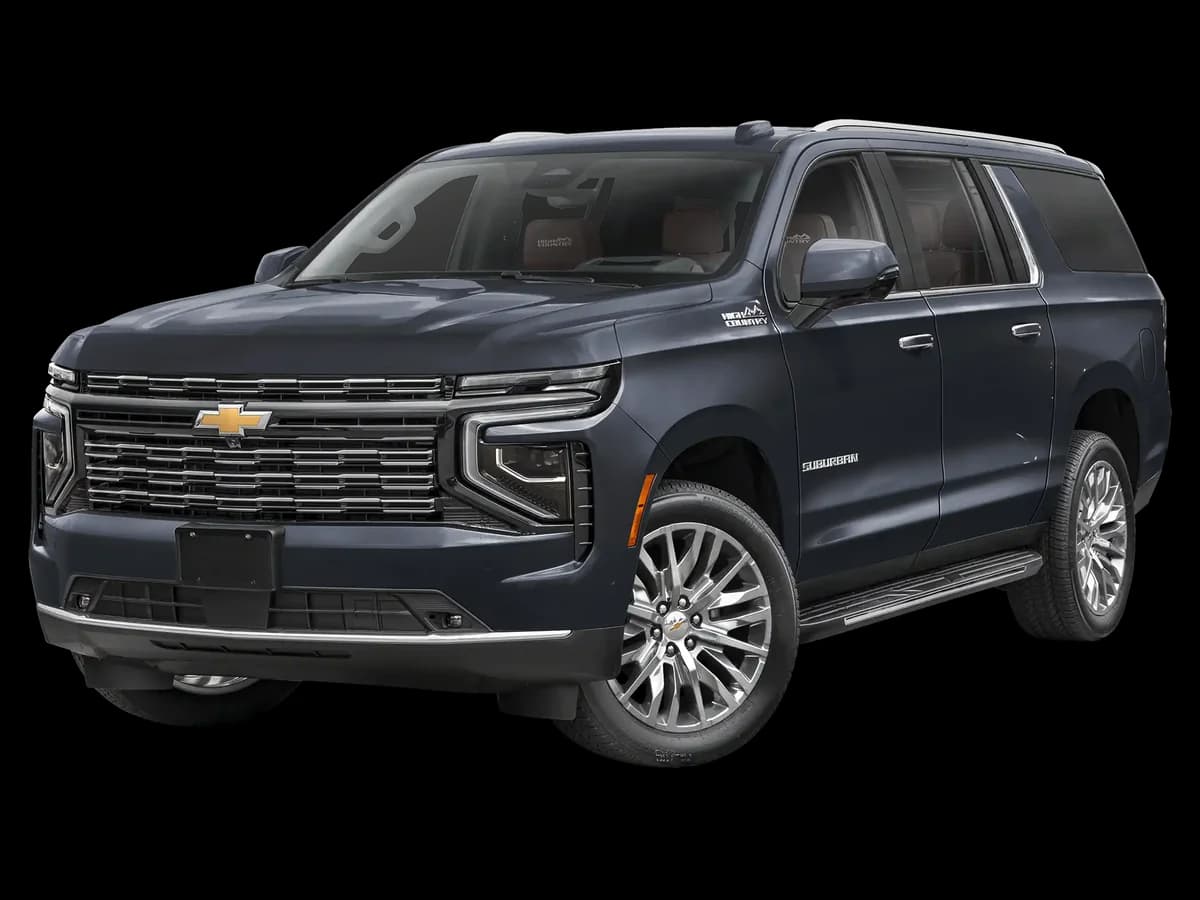






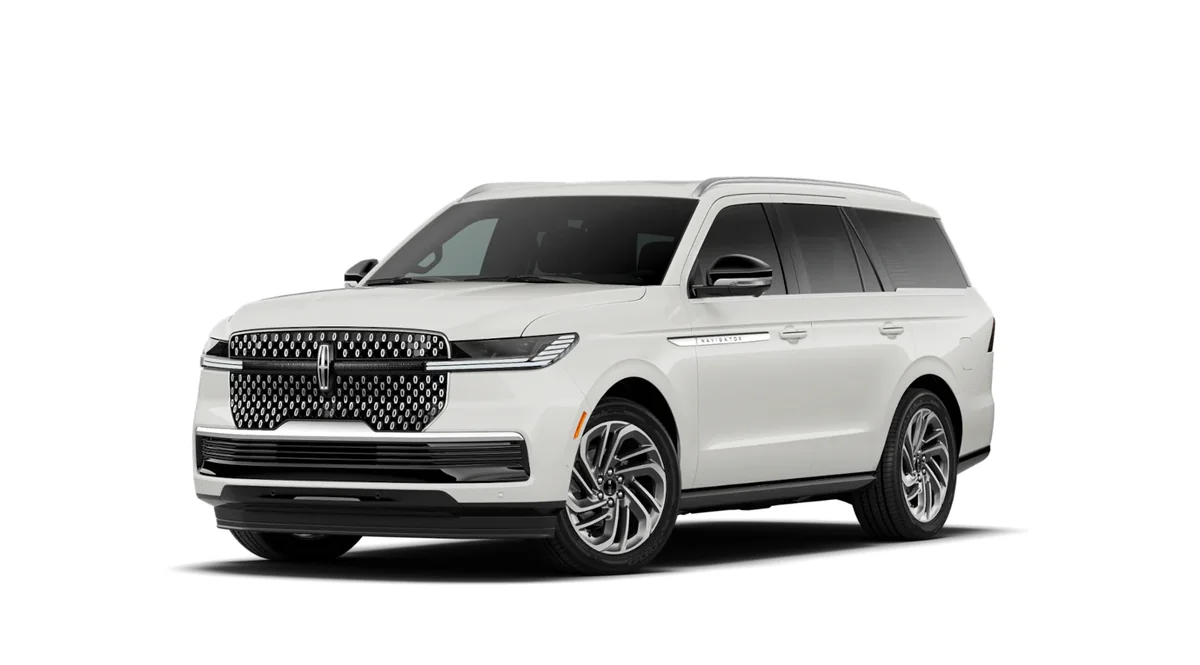
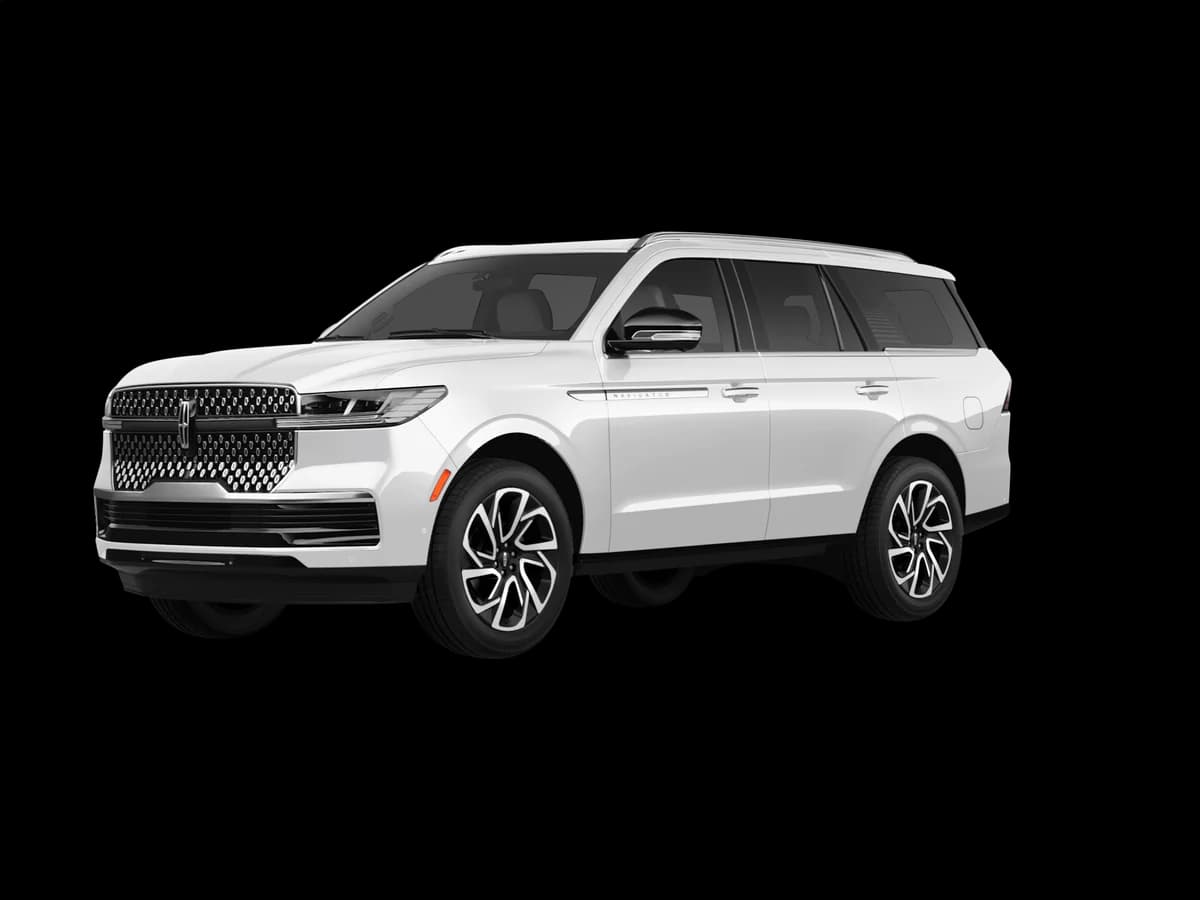
Lincoln Navigator (2027)
Spacious, serene, powerful, and tow-ready, but costly and cumbersome in town.
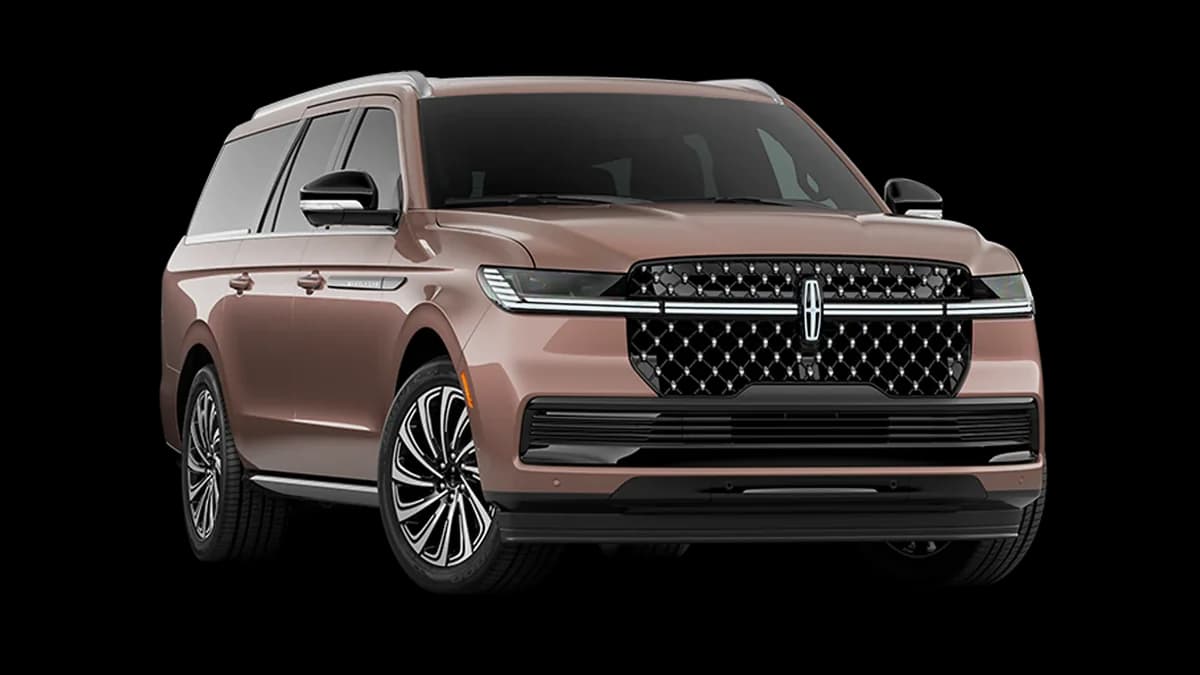
The 2027 Lincoln Navigator is a rolling lounge for families who need serious space, comfort, and towing ability rather than nimble city manners. Its adult-friendly third row, exceptionally adjustable seats, quiet cabin, and polished 48-inch display support Lincoln’s flagship promise, while the strong 440-hp V6 and available 8,700-pound tow rating make the capability real. Reviews also expose the fine print: the ride can feel unsettled, controls are overly screen-dependent, fuel economy is poor, and its enormous footprint is cumbersome in town. Starting near $90,000, it offers convincing value only when buyers genuinely need its room and utility, not merely its status. Overall, comfort and practicality lift its recommendation, while price, efficiency, and refinement limit it.
Find Yours
What is your primary use for a Gas-Powered SUV?
Answer to find your best matches.

The Field
Browse top contenders, or compare all options ranked by score and key attributes.
5 Options
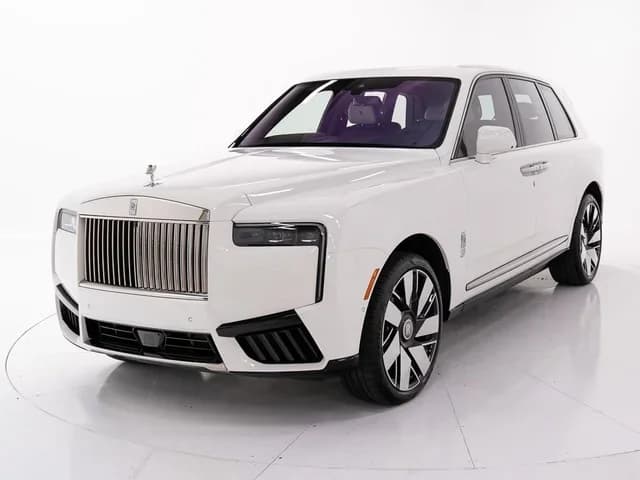
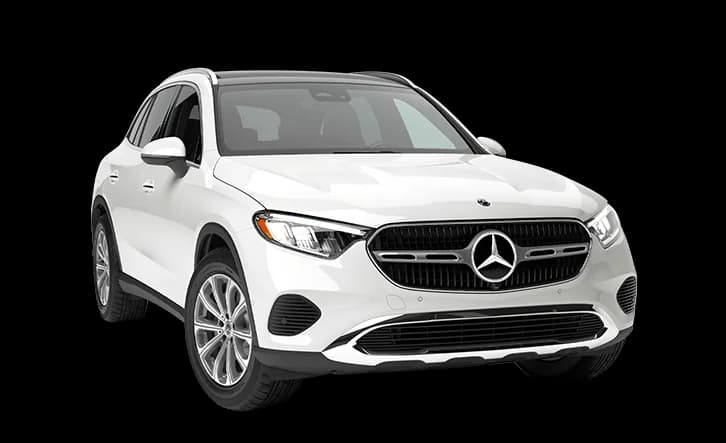
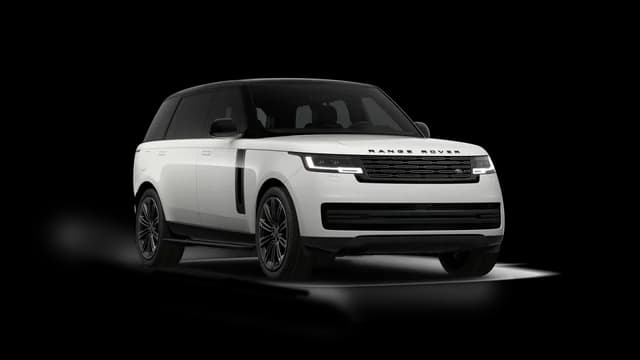
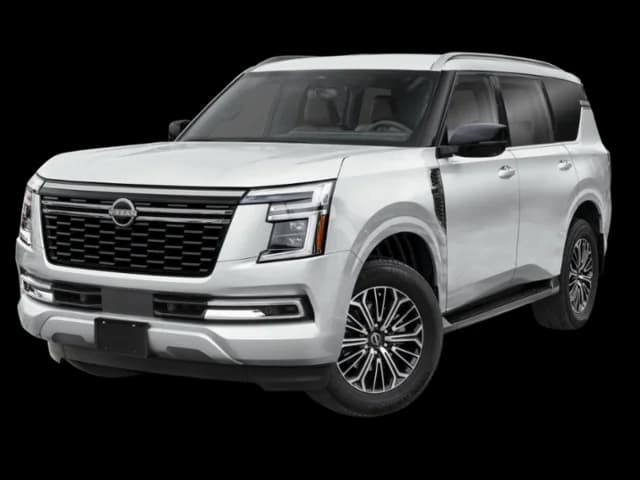

The Scoreboard
Does this improve your life? Considers, health, habits, and environmental impact.
Benefits
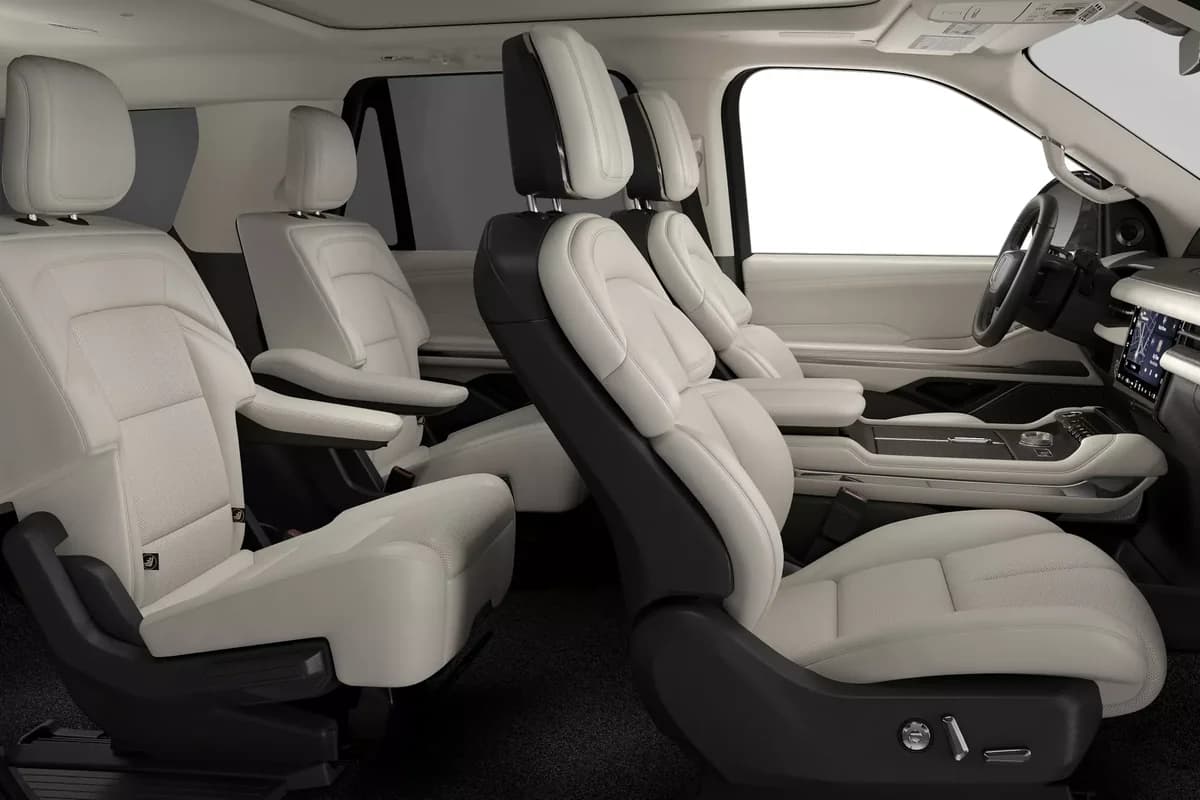
Exceptionally adjustable seats, quiet cruising, and generous space make long family trips feel easy.
Adults can sit comfortably in back, making family travel and carpooling less cramped.
Strong power and available towing capacity handle boats, campers, and heavy family gear.
BlueCruise hands-free driving can reduce effort on long, monotonous highway stretches.
Black Label details and welcoming lighting give passengers a polished, special-feeling ride.
Trade-Offs
Basic climate and vehicle functions often require looking down, interrupting attention during ordinary driving.
Its enormous body makes parking, tight garages, and narrow streets more awkward than smaller SUVs.
Haptic, unlabeled wheel controls take extra attention when changing settings or answering common prompts.
The soft suspension can bob over bumps, making passengers feel less settled on everyday roads.
 Alternatives


Join the Circle
Where real meets deal
Know what's worth buying-and when.
Tips, special offers, and rewards for buying and sharing.

Publications
2 LEADING PUBLICATION REVIEWS

Car and Driver is strongly positive about the 2027 Lincoln Navigator’s lavish, spacious, go-anywhere luxury. It portrays the SUV as an indulgent retreat, pairing an opulent cabin and exceptionally comfortable seating with a responsive 440-hp twin-turbo V-6, smooth 10-speed automatic, standard BlueCruise, and impressive towing capability. The third row is genuinely adult-friendly, while the available long-wheelbase L adds substantial cargo room. The reviewer’s enthusiasm is tempered by the Navigator’s enormous size, poor fuel economy, and a lower touchscreen positioned awkwardly beneath the huge 48-inch display, forcing drivers to look away for basic controls. It also lacks the driving enjoyment of rivals such as the BMW X7, though that is hardly its mission. With a starting price near $93,000, the Navigator is expensive, but Car and Driver considers it a compelling choice for buyers who want maximum comfort, space, and personalized luxury, awarding it 8/10.
By Andrew Wendler
Edmunds’ James Riswick views the 2027 Lincoln Navigator favorably, but with substantial reservations. Its turbocharged V6, adult-friendly three-row cabin, clever split tailgate, strong 8,700-pound towing capacity, and standout technology—including BlueCruise and the dramatic 48-inch display—make it a compelling luxury truck-based SUV. However, the praise is tempered by a stiff ride, intrusive road noise from the optional 24-inch wheels, poor small-item storage, awkward unlabeled steering-wheel controls, large blind spots, and a sometimes frustrating climate-control interface. The Navigator’s 17-mpg fuel economy and nearly six-figure starting price further weaken its value, especially when smoother, more refined rivals are available. Riswick’s overall message is that this is a capable, genuinely luxurious, unapologetically large SUV worth driving if traditional truck-based strengths matter most, but shoppers seeking comfort and subtlety should look elsewhere.
By James Riswick

YouTube
6 LEADING EXPERT & INFLUENCER REVIEWS
 Auto Buyers Guide | Alex on Autos
Alex on Autos is positive about the Lincoln Navigator, but clearly prefers its rivals. He praises the spacious, comfortable cabin, exceptionally adjustable seats, useful clamshell tailgate, quiet body-on-frame isolation, and intuitive 48-inch display. However, the Navigator’s third-row and cargo space lag behind the Grand Wagoneer, its controls feel unnecessarily convoluted, and its ride is both soft and unsettled. Most importantly, the twin-turbo V6 lacks the Escalade’s engine-braking confidence when towing downhill, despite its strong 8,700-pound rating. He considers it appealing in isolation, but chooses the Escalade for serious towing and the Grand Wagoneer for value and interior room.
Extra Throttle HouseTommy and James are pleasantly surprised by the Lincoln Navigator, though its price and quirks prevent an easy recommendation. They praise the powerful, quick EcoBoost V6, quiet and plush ride, exceptionally comfortable adjustable seats, roomy rear cabin, and genuinely useful 48-inch panoramic display. The Navigator feels polished, easy to drive, and better than the Infiniti QX80, but Cadillac’s Escalade remains preferable for its more composed MagnaRide suspension. They criticize the screen-heavy controls, weak ventilated seats, wallowy handling, bump vibrations, oversized wheels, and missing top-tier touches such as air suspension and soft-closing doors. Overall, it’s a luxurious, capable, indulgent SUV—just expensive and imperfect.
Ben HardyBen Hardy is positive about the 2027 Lincoln Navigator, but views its luxury premium as steep. He praises the smooth 440-hp EcoBoost V6, quiet cabin, upscale materials, comfortable seats, prestige, and strong utility, while finding the Expedition nearly as comfortable and similarly equipped for roughly $25,000 less. The Navigator’s seats and thicker glass are better, but suspension comfort is not dramatically different, and he questions its lower towing capacity. Hardy also dislikes the awkward steering wheel and screen-heavy interior, though he considers the Navigator a compelling choice for buyers who value status and a more premium experience.
Car ConfectionsCar Confections is enthusiastic about the 2027 Lincoln Navigator’s nighttime presentation. The Black Label’s approach animations, illuminated logos, sweeping turn signals, bright cargo lights, and polished interior screens make the SUV feel genuinely special, while the headlights, Revel Ultima audio, and rear-seat lighting perform well. Still, the package falls short of perfection for a nearly $130,000 vehicle: there’s no dashboard ambient lighting, limited color customization, no camera mirror, driver-side-only auto-dimming mirror, and slightly dim rear footwell lighting. Overall, its cabin illumination is roughly Escalade-level—impressive, useful, and upscale, but not class-leading.
Sam CarLegionSam CarLegion is strongly impressed by the Lincoln Navigator, especially its serene “rolling spa” character. He praises the exceptionally comfortable seats, quiet ride, road-scanning air suspension, powerful 440-hp EcoBoost V6, quick transmission, and useful BlueCruise hands-free driving. The Black Label cabin feels more cohesive and luxurious than the Grand Wagoneer’s screen-heavy interior, while the split tailgate and spacious third row add practical value. Still, he dislikes the unusual haptic oval steering wheel, missing physical controls, and high Black Label pricing. He ultimately considers it a compelling choice, though he personally prefers the more driver-focused Infiniti QX80.
The Car Analyst The Car Analyst is strongly positive about the 2027 Lincoln Navigator Black Label, calling it a calm, spacious luxury flagship rather than a sporty showpiece. The review praises its quiet cabin, massaging second-row seats, 48-inch display, BlueCruise, towing ability, and practical split tailgate, while acknowledging the V6 lacks V8 drama. Its major drawbacks are substantial size, poor fuel economy, expensive ownership, and a six-figure price. The verdict is an enthusiastic but conditional buy for buyers who genuinely need maximum comfort, space, and towing; Reserve may be the smarter value.

Forum Reviews
CUSTOMER REVIEWS FROM 1 FORUM
Redditors are broadly positive about the Lincoln Navigator, especially its comfort, styling, and effortless road-trip performance. Owners praise the smooth twin-turbo V6, spacious cabin, strong highway range, upscale interior, and plush luxury-first character. The 2025–2027 design direction attracts admiration, though the heavy reliance on screens and reduced physical controls raises concerns about distraction, repair costs, and long-term complexity. Value remains the biggest sticking point: buyers question paying six figures for a vehicle related to the Expedition, anticipate steep depreciation, and often compare it unfavorably with the Escalade. Safety opinions are generally reassuring, but families remain cautious about mediocre updated rear-seat crash-test results.
Many comments

In-Depth Review

Highlights
- •Roomy Three-Row CabinDesigned for adult-friendly family travel.
- •Quiet Highway ComfortOften delivers serene, lounge-like cruising.
- •Strong V6 PowerAdvertised to provide effortless 440-hp performance.
- •Heavy-Duty TowingPromoted as capable of towing up to 8,700 pounds.

Considerations
- •Screen-Heavy ControlsBasic functions can require distracting visual attention.
- •High Purchase PriceSix-figure pricing weakens its value proposition.
- •Large Urban FootprintIts size complicates parking and tight streets.
- •Uneven Ride ControlSoft suspension can feel wallowy over bumps.
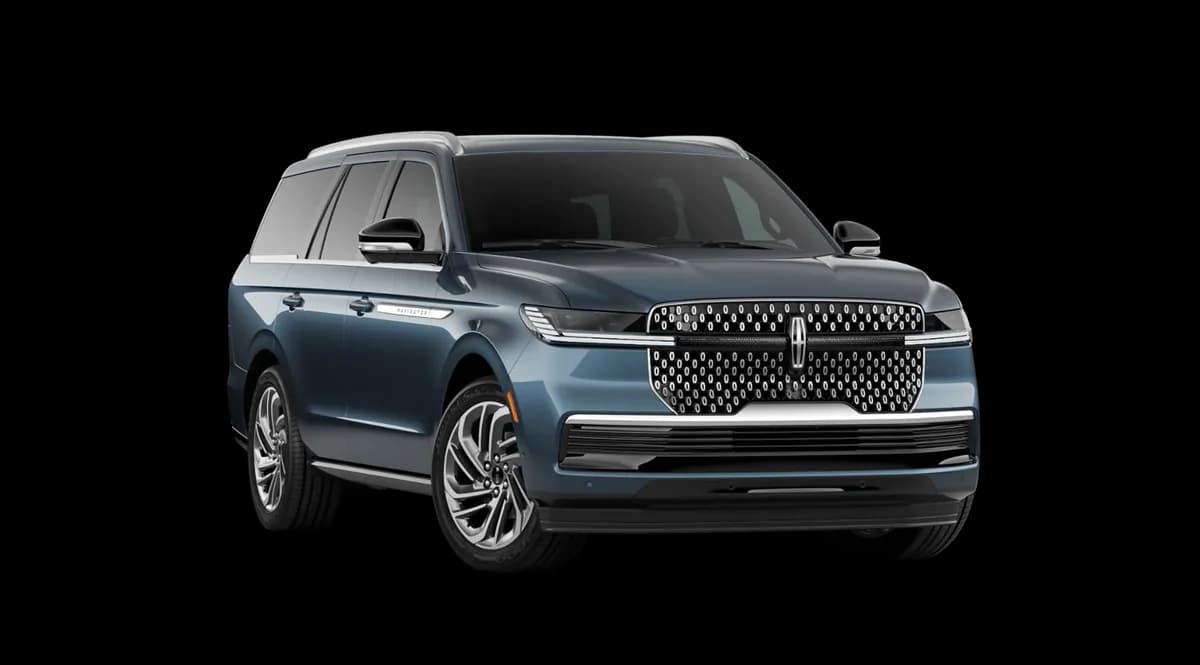
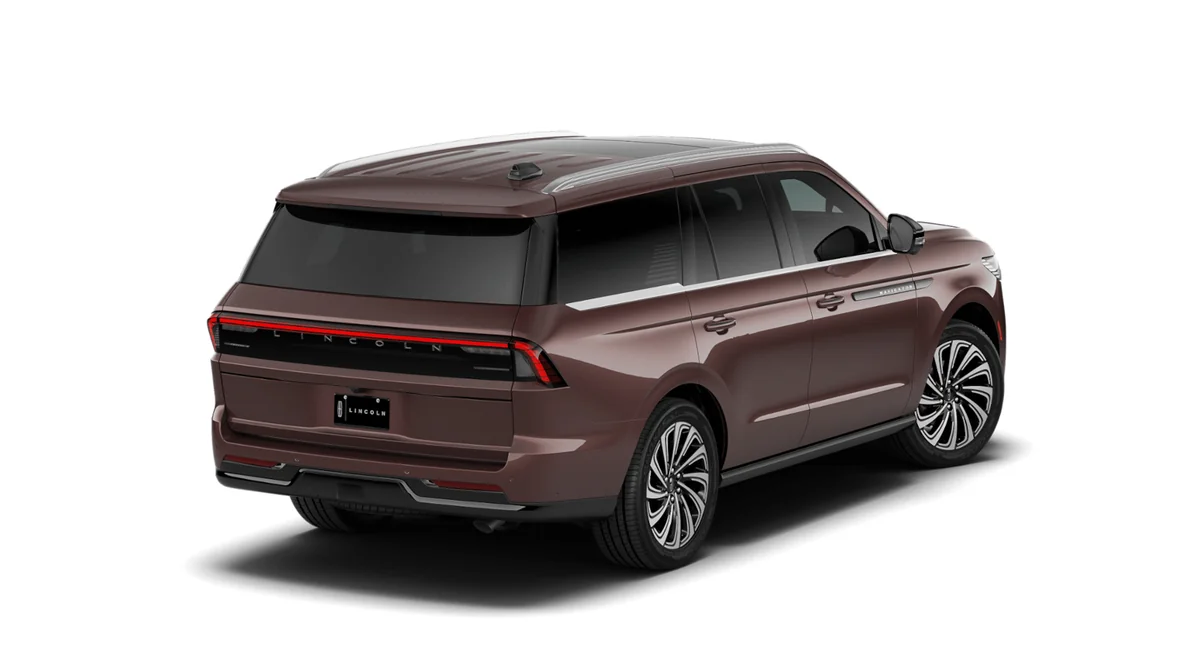
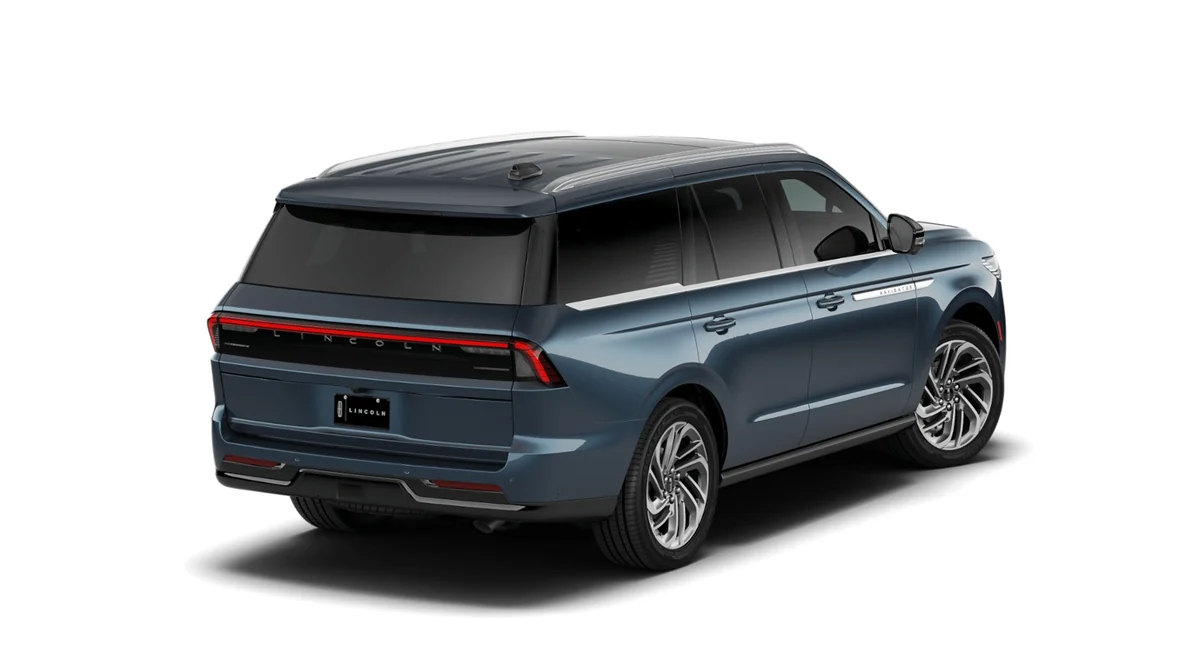
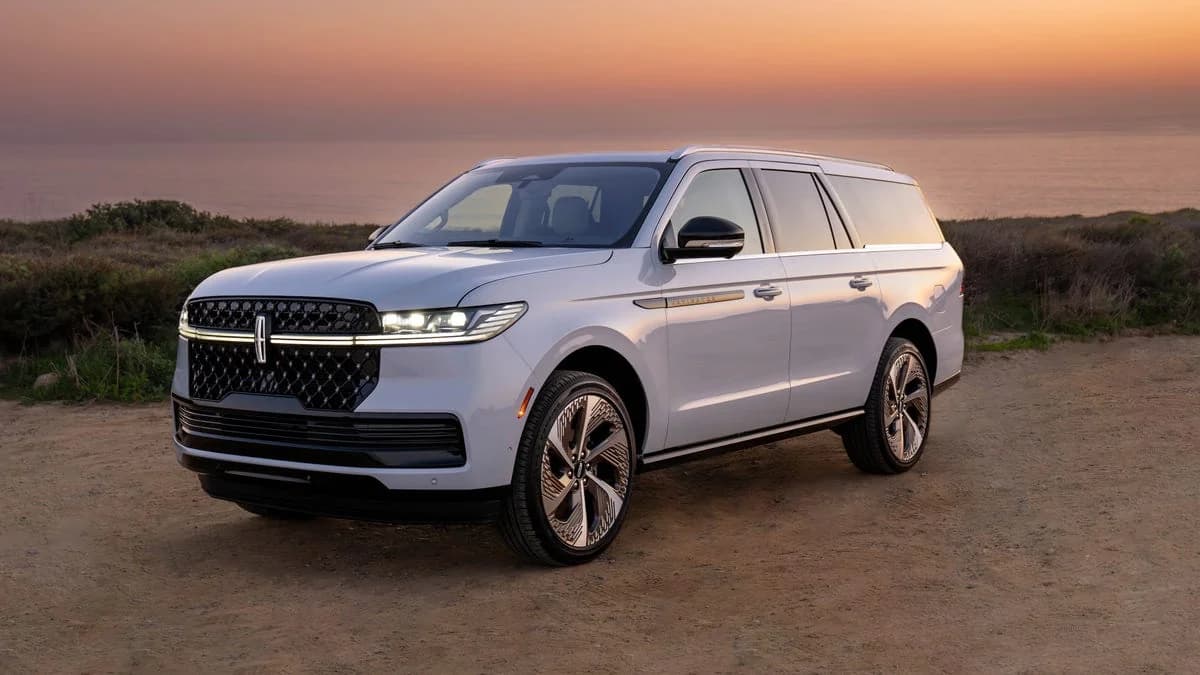
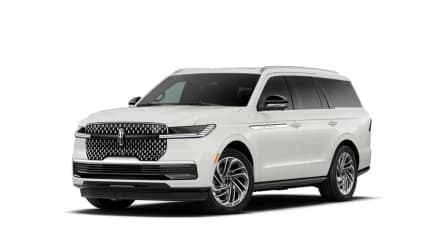
Lincoln’s flagship SUV blends traditional American scale with a distinctly lounge-like luxury mission. Built for affluent families, road-trippers, and towing customers, it stands apart from rivals such as the Escalade through adult-friendly three-row space, a polished cabin, and the available Navigator L. The 2027 model’s 440-hp twin-turbo V6 supplies effortless performance, while 8,700-pound towing gives it genuine utility beyond airport runs and school pickups. Reviews particularly value its quiet highway manners, adjustable seating, split tailgate, and BlueCruise, though the enormous footprint, screen-heavy controls, unsettled ride reports, and 17-mpg combined fuel economy complicate the luxury proposition. Buyers comparing it with the Escalade, Grand Wagoneer, or even a less expensive Expedition should weigh comfort, cargo needs, towing habits, and urban maneuverability carefully—the Navigator promises a first-class road trip, but its size and appetite deserve their own itinerary.
Ride Comfort and Quietness
The Navigator is at its best when it settles into a long highway cruise. Thick glass, well-padded seats, and available road-scanning air suspension support its quiet, lounge-like cabin, a quality owners and reviewers repeatedly appreciate. The ride assessment is less consistent, however: some find it plush and serene, while others report a soft, unsettled feel, bump vibrations, or extra road noise with optional 24-inch wheels. It prioritizes relaxation over tightly controlled handling.
Interior Space Flexibility
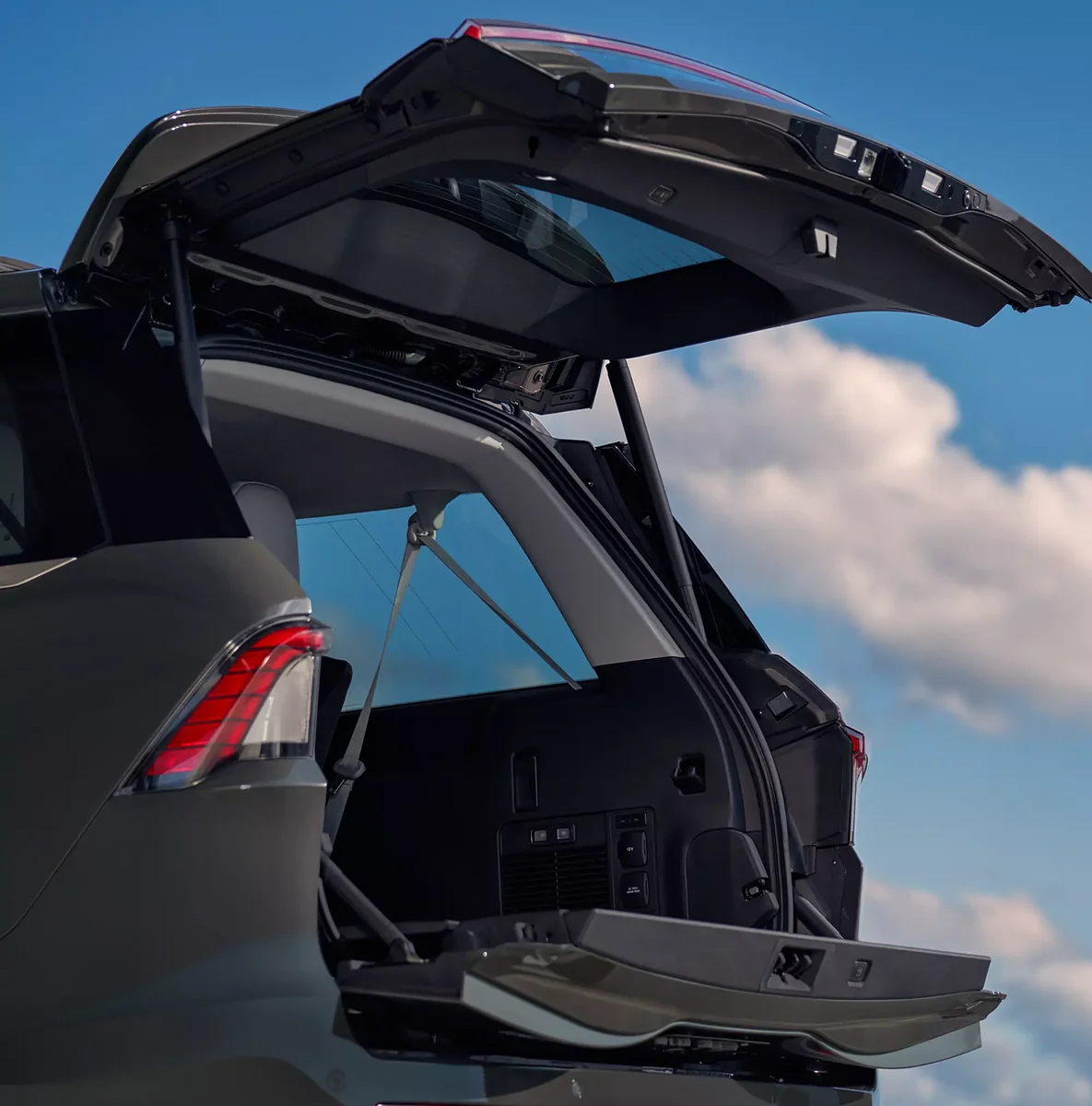
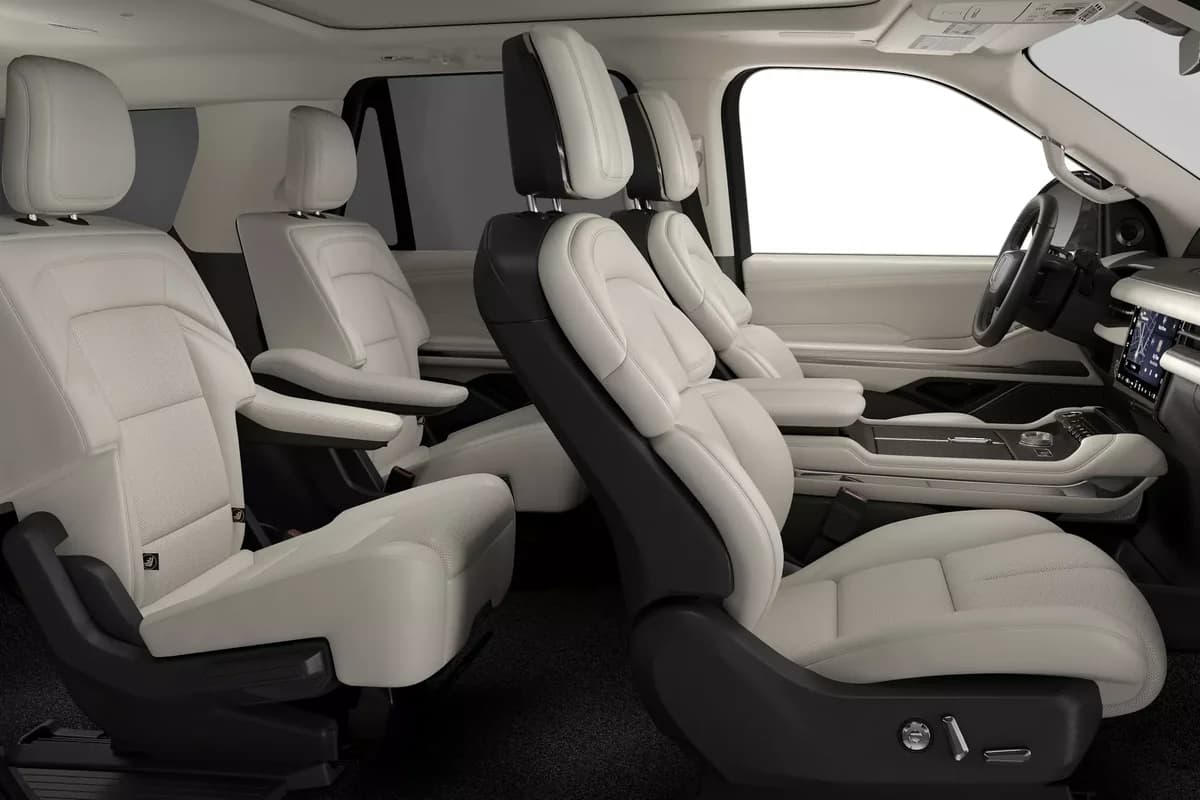
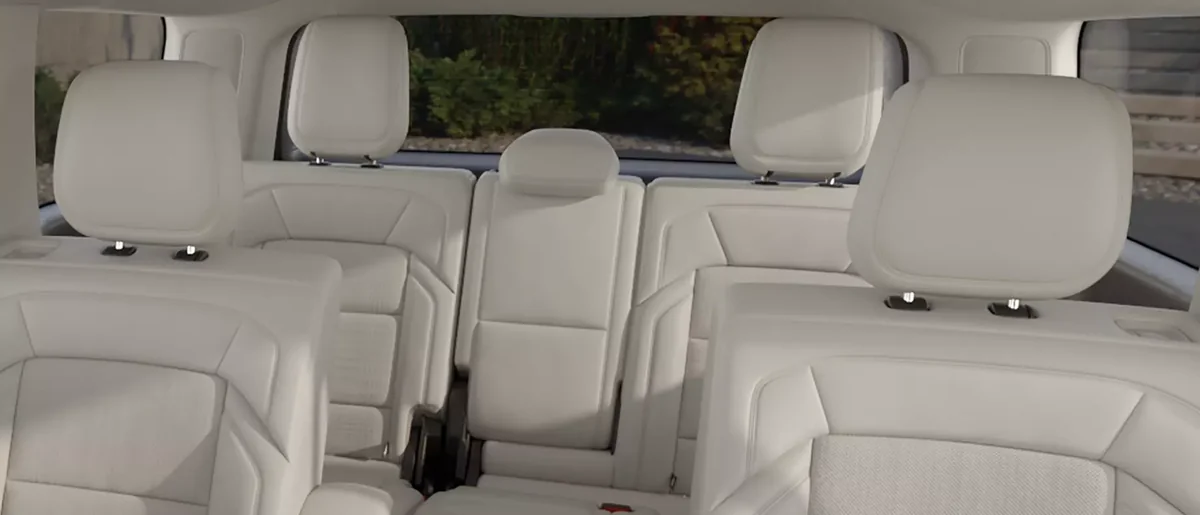
The Navigator’s biggest advantage is making three-row travel genuinely comfortable for families. Its adult-friendly third row and available seating for up to eight reduce the usual compromise, while the split tailgate makes loading easier. The regular model offers 21.6 cubic feet behind the third row, and the Navigator L adds useful cargo capacity for road trips or bulky gear. Reviewers praise the adjustable seats and roomy rear cabin, though the Grand Wagoneer still offers more total space.
Towing Capability
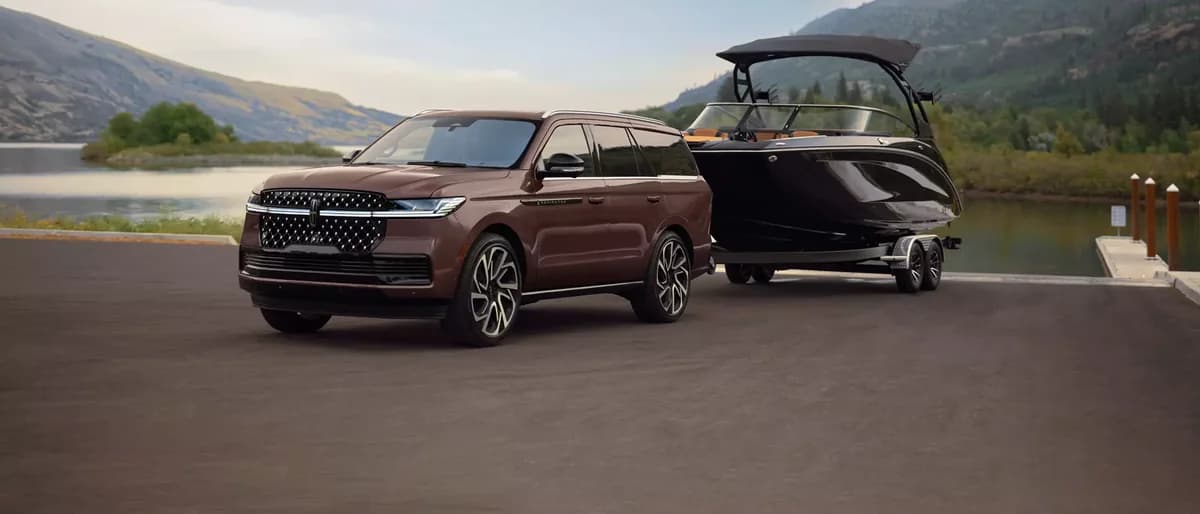
The Navigator can handle serious recreational hauling, but its rating does not tell the whole story. With the Heavy-Duty Trailer Tow Package, maximum capacity reaches 8,700 pounds, supported by the strong V6 and body-on-frame construction. That is useful for boats, campers, and large trailers, and reviewers recognize the capability. However, one towing-focused assessment found the V6 less confidence-inspiring downhill than the Escalade because of weaker engine braking. Choose it for capacity, not necessarily the best towing refinement.
Powertrain Performance
The 440-hp engine gives this large SUV effortless pace. Its 3.5-liter twin-turbo V6 produces 510 lb-ft of torque and works with a smooth, quick-shifting 10-speed automatic, so merging, passing, and carrying passengers feel easy. Reviews generally support Lincoln’s performance claims, praising strong acceleration and relaxed highway power. The trade-off is character: it lacks the V8 drama and engine-braking confidence of some Escalade versions, while fuel economy remains a modest 17 mpg combined.
Fuel Economy Trade-offs
Efficiency is a clear cost of the Navigator’s size and capability. The twin-turbo V6 is rated at roughly 15 mpg city and 22 mpg highway, or 17 mpg combined, and it uses premium gasoline. Start-stop technology can reduce idling losses, but it cannot offset the SUV’s weight, boxy shape, and towing-oriented hardware. Owners tend to value its highway range and effortless cruising, while professional reviews consistently identify fuel consumption as a weakness. Buyers should budget for operating costs alongside the luxury price.
Size and Maneuverability
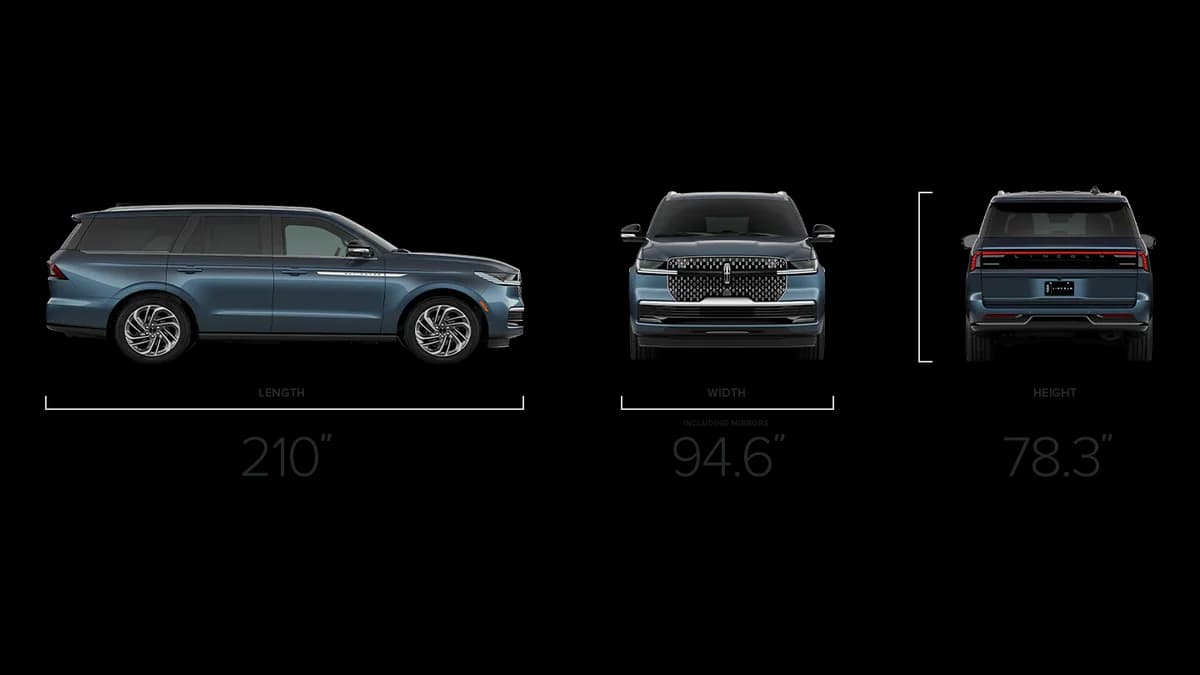
Its generous interior comes with an imposing footprint. At about 210 inches long and 94.6 inches wide with mirrors extended, the full-size body-on-frame design delivers presence and room but makes tight garages, narrow streets, and parking lots more demanding. Large blind spots add to the workload, despite driver-assistance technology. The available 48-inch display and BlueCruise help on highways, yet neither changes the basic reality that this SUV is easier to enjoy in open spaces than crowded urban ones.
Conclusion
The Navigator makes its case as a three-row luxury retreat: owners and reviewers appreciate its adult-friendly seating, adjustable chairs, quiet highway manners, and practical split tailgate. Its 440-hp V6 delivers effortless pace, while available 8,700-pound towing gives this SUV real family-hauling credibility. The trade-offs are just as clear: the ride can feel soft or unsettled, the enormous body complicates city parking, and 17-mpg combined fuel economy makes every trip expensive. Screen-heavy controls also dilute some of the cabin’s otherwise polished ease. This is a strong fit for buyers who regularly carry passengers, travel long distances, or tow substantial recreational equipment—not for drivers seeking nimble handling, efficient operation, or the best luxury value. Its spacious comfort and capability justify serious consideration, but the price and compromises make it a compelling choice only when those strengths are genuinely needed.

Feature Scores
This reflects reviews and ratings from established critics, journalists, and users who have evaluated the item. Their opinions provide a comprehensive assessment.
Performance
Engine Power
4/5
Acceleration
4/5
Towing Capacity
4/5
Fuel Efficiency
2/5
Reliability
3/5
Durability
3/5
Value
Purchase Price
2/5
Operating Cost
2/5
Resale Value
2/5
Design
Interior Space
5/5
Cargo Capacity
4/5
Ergonomics
3/5
Exterior Styling
4/5
Health
Cabin Air Quality
TBD
Interior Material Toxicity
TBD
Safety
Crashworthiness
3/5
Active Driver Assistance
4/5
Braking Performance
3/5
Visibility and Lighting
4/5
Sustainability
Tailpipe Emissions
1/5
Fuel Lifecycle Emissions
1/5
Use of Recycled Materials
TBD
End-of-Life Recyclability
TBD
Experience Style
Infotainment Features
4/5
Ride Comfort Tuning
4/5
Customization Options
4/5

Specifications
This section outlines the product's key facts, covering essential features, details, dimensions, materials, and any unique characteristics that define its functionality and usability.
Performance
Value
Design
Safety
Sustainability
Experience Style

Frequently Asked Questions
9 Questions

Also Consider
3 Options
Find Yours
What is your primary use for a Gas-Powered SUV?
Answer to find your best matches.