












Polestar 3 (2025)
Agile, luxurious, and comfortable, but software quirks and range temper its appeal.
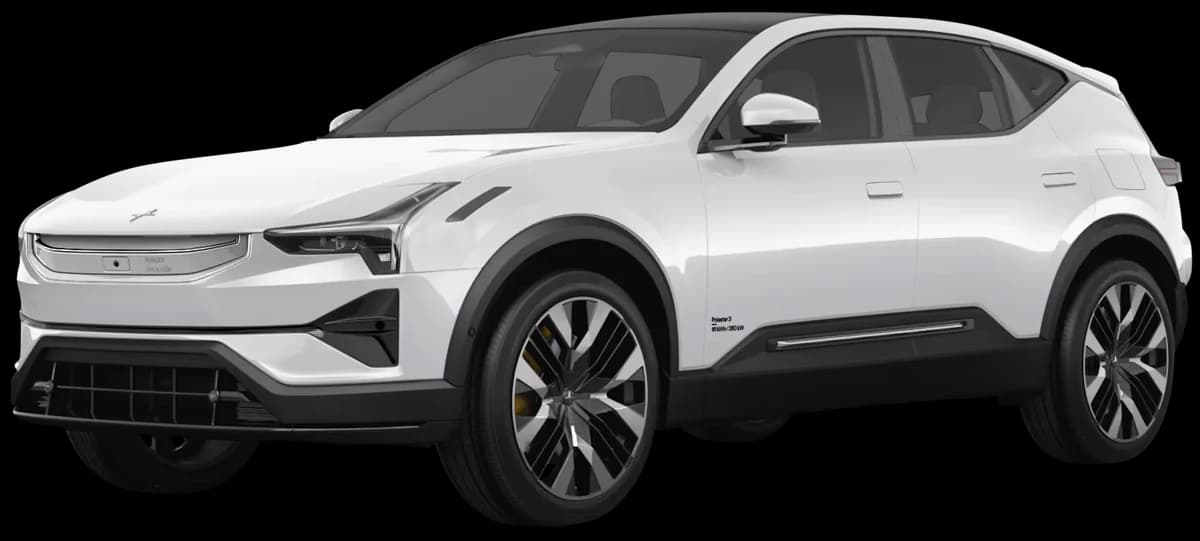
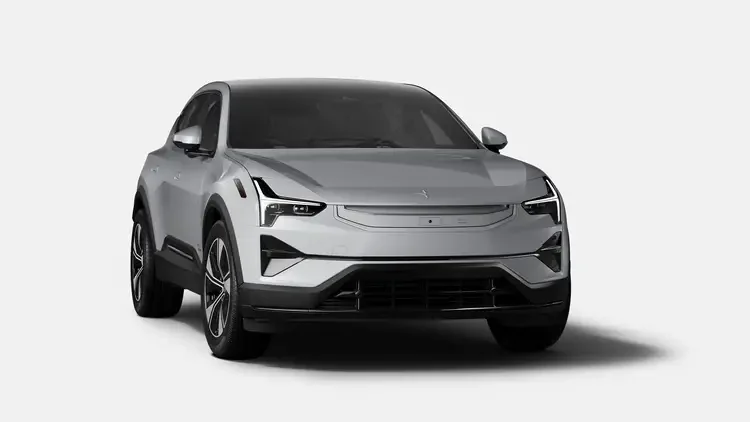
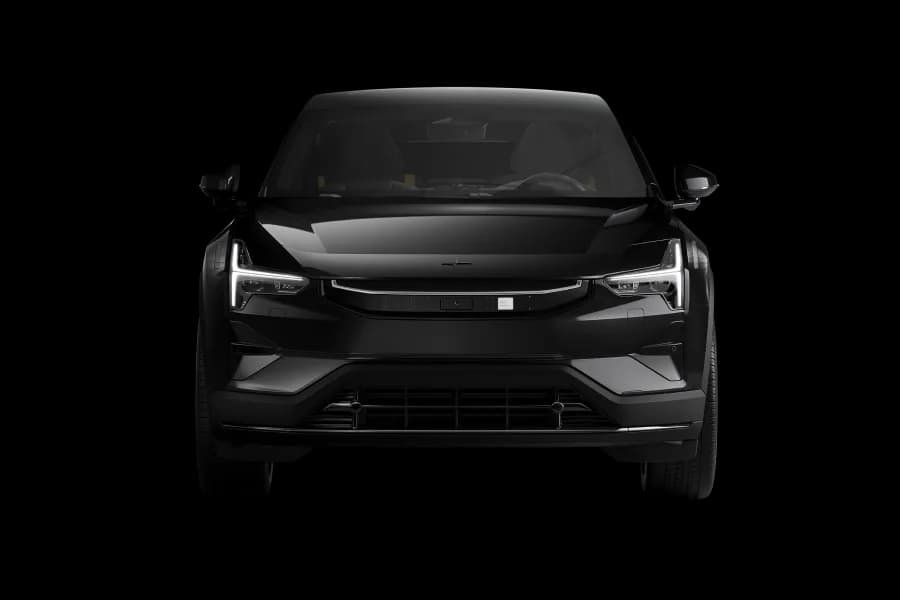
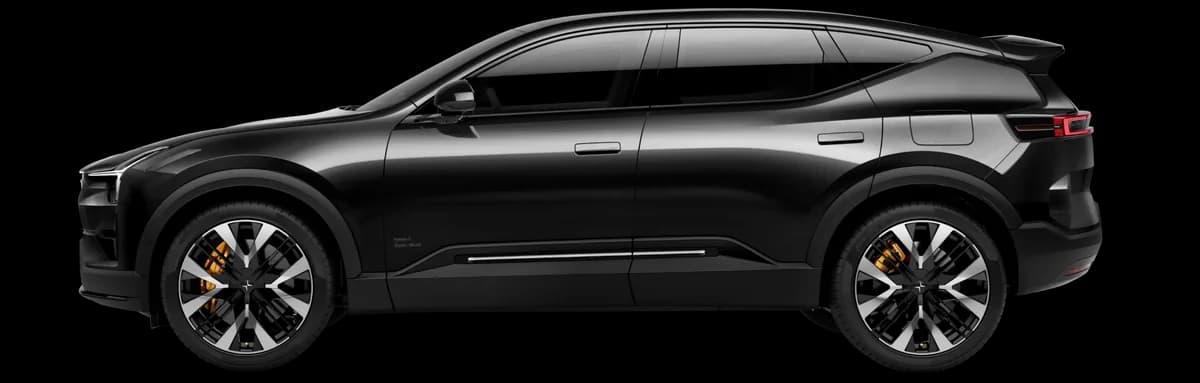
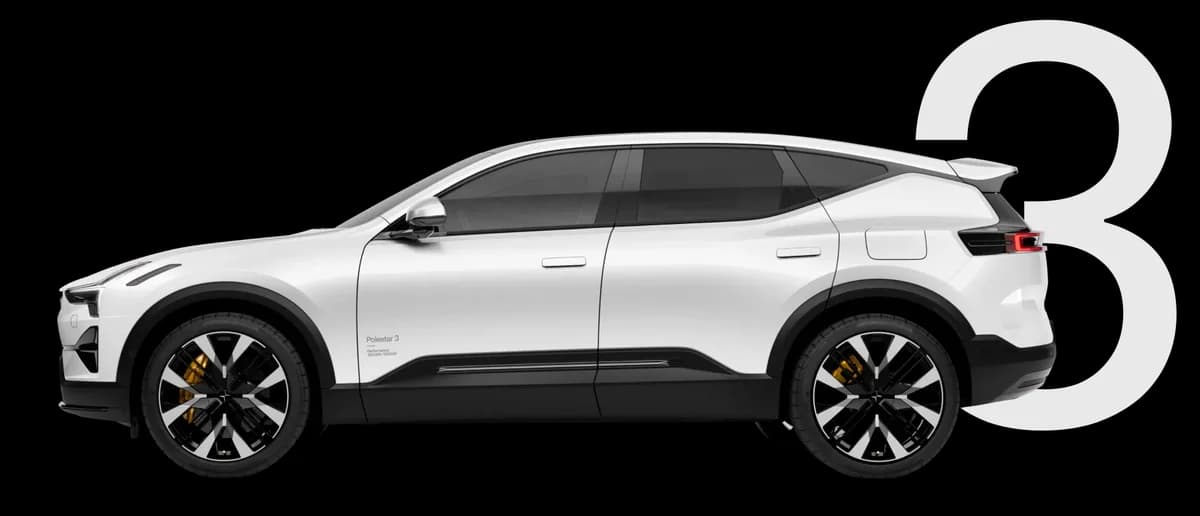
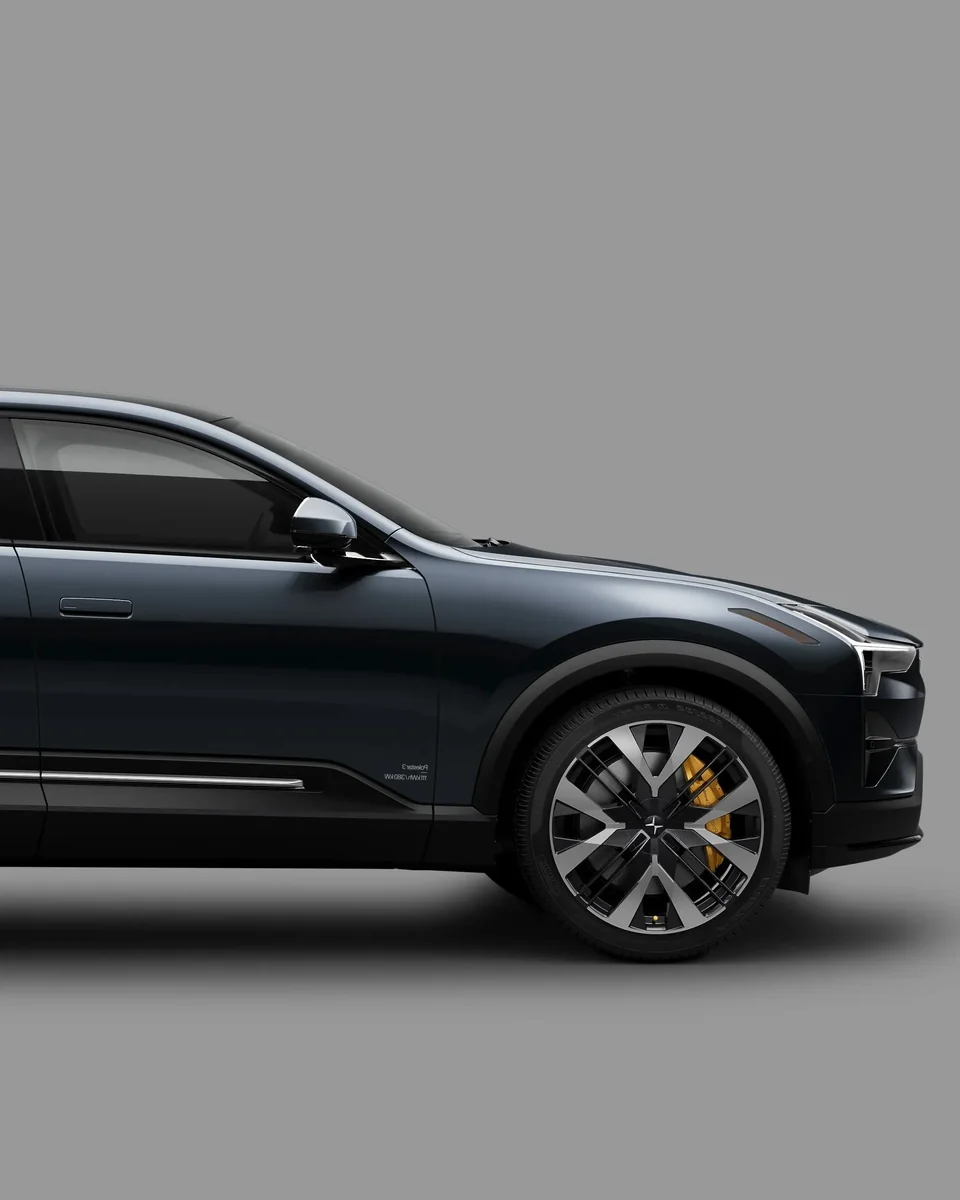
The Polestar 3 (2025) is a luxury electric SUV for drivers who want calm, distinctive refinement without giving up driving enjoyment. Its standout trick is remarkably agile handling, with torque vectoring making this heavy vehicle feel unusually composed, while the quiet cabin, supportive seats, and air suspension suit daily commuting. The Scandinavian-inspired interior feels premium, though touch-heavy controls and occasional software glitches undermine polish. Polestar claims up to 350 miles of range, but real-world dual-motor testing is often closer to 240–270 miles, and 250-kW charging is useful rather than class-leading. Pricing can make sense with incentives, especially for design-conscious buyers, but limited cargo space and uneven early reliability complicate ownership. Overall value rests on whether comfort and character outweigh software, range, and service concerns.
Find Yours
What is your top priority for an Electric SUV's battery performance?
Answer to find your best matches.

The Field
Browse top contenders, or compare all options ranked by score and key attributes.
5 Options
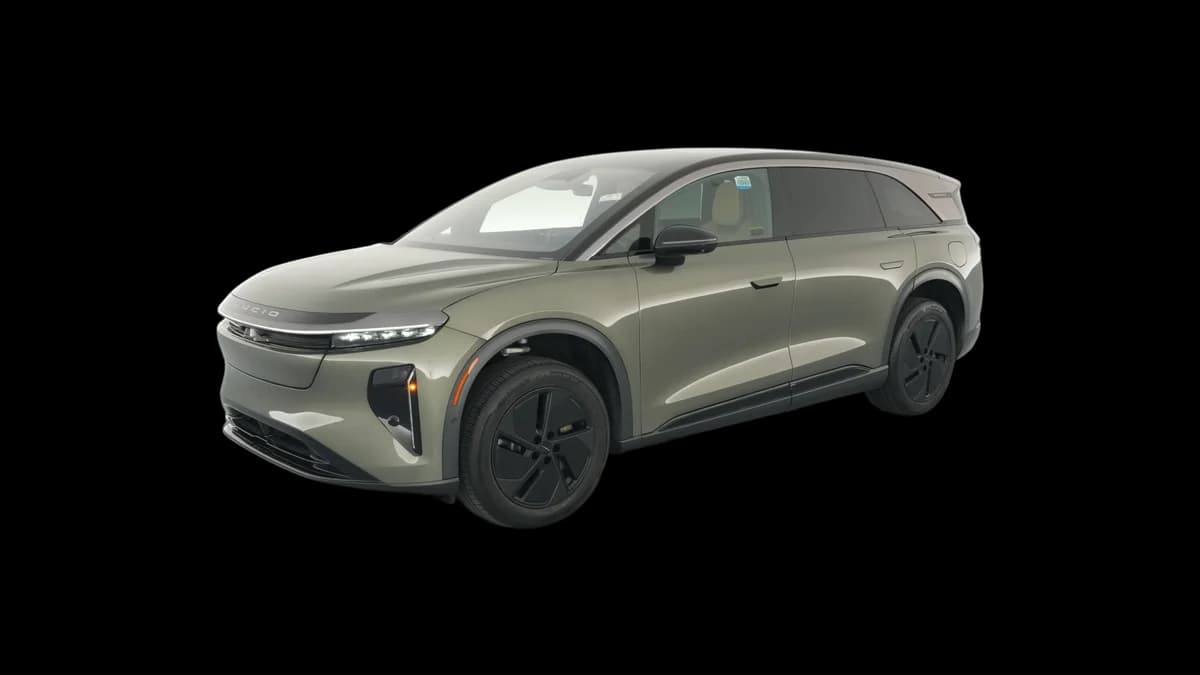

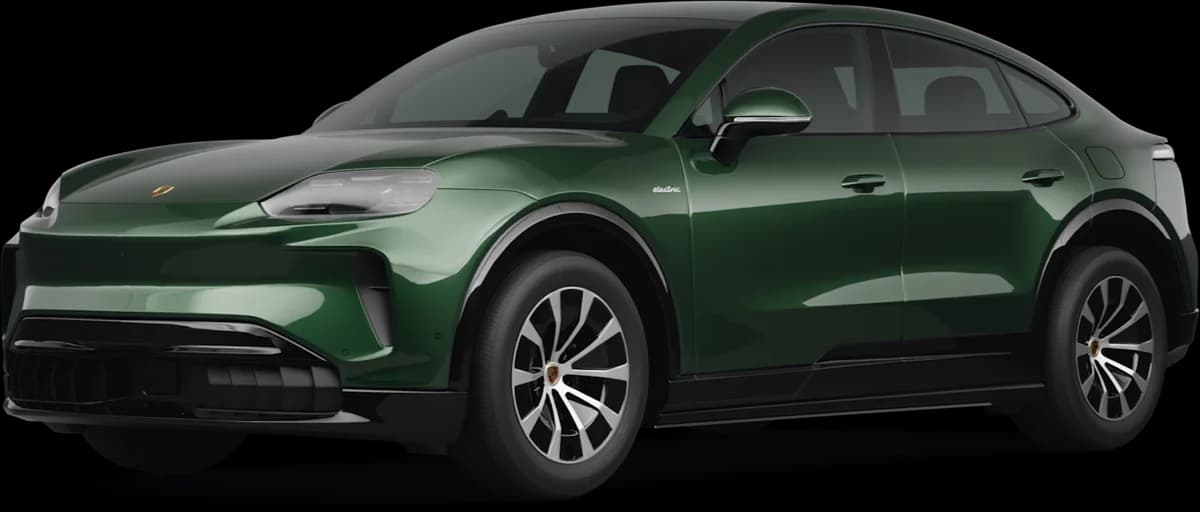
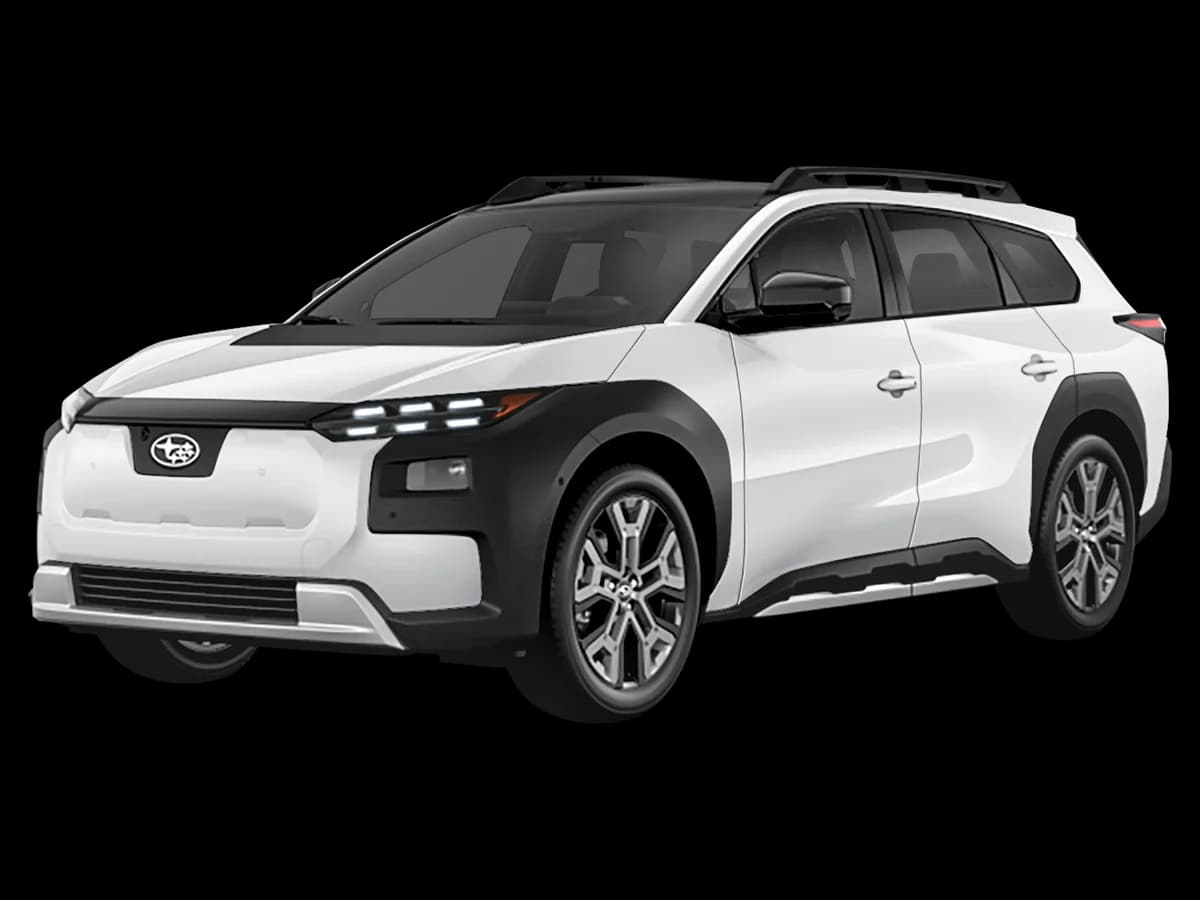

The Scoreboard
Does this improve your life? Considers, health, habits, and environmental impact.
Benefits
Supportive seats, soft air suspension, and low road noise make long drives easier.
Precise steering and composed cornering make this heavy SUV feel reassuringly easy to place.
Generous legroom gives passengers space to settle in comfortably on family trips.
Warm materials, supportive seats, and excellent sound insulation create a relaxed everyday space.
The single-motor version offers useful range for commuting and fewer charging stops.
Smooth, immediate acceleration makes merging and passing feel effortless without drama.
Trade-Offs
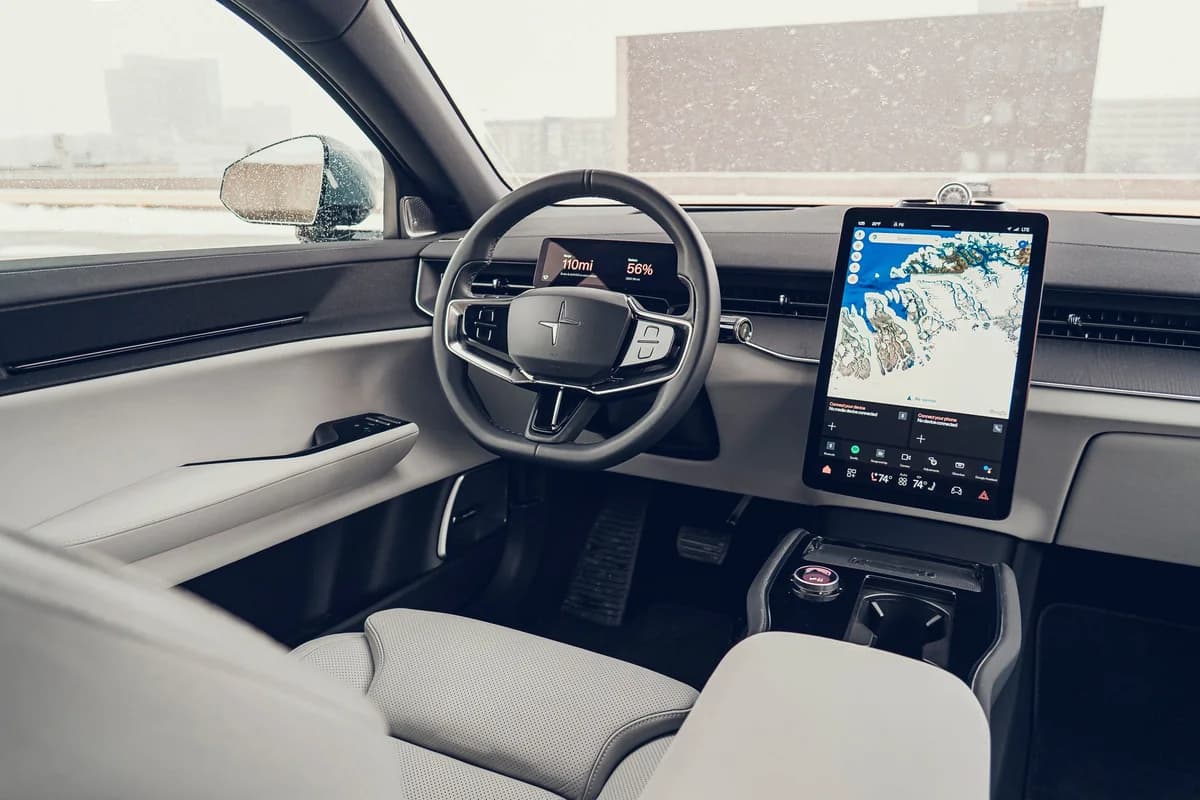
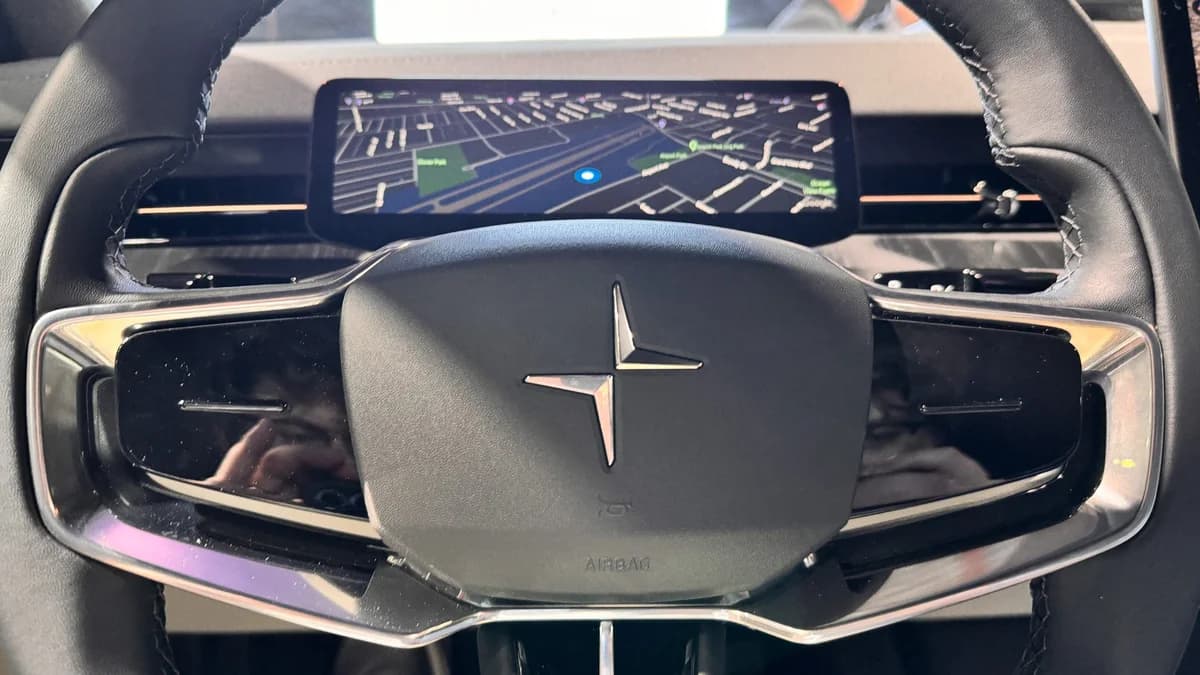
Climate, glovebox, and other basics take extra taps when physical buttons would be quicker.
Occasional reboots or missing features can interrupt routines like navigation, charging, or adjusting settings.
The shallow cargo area and tiny frunk make groceries or weekend gear harder to organize.
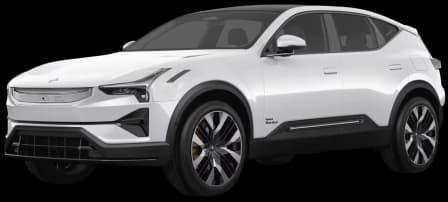
 Alternatives


Join the Circle
Where real meets deal
Know what's worth buying-and when.
Tips, special offers, and rewards for buying and sharing.

Publications
8 LEADING PUBLICATION REVIEWS

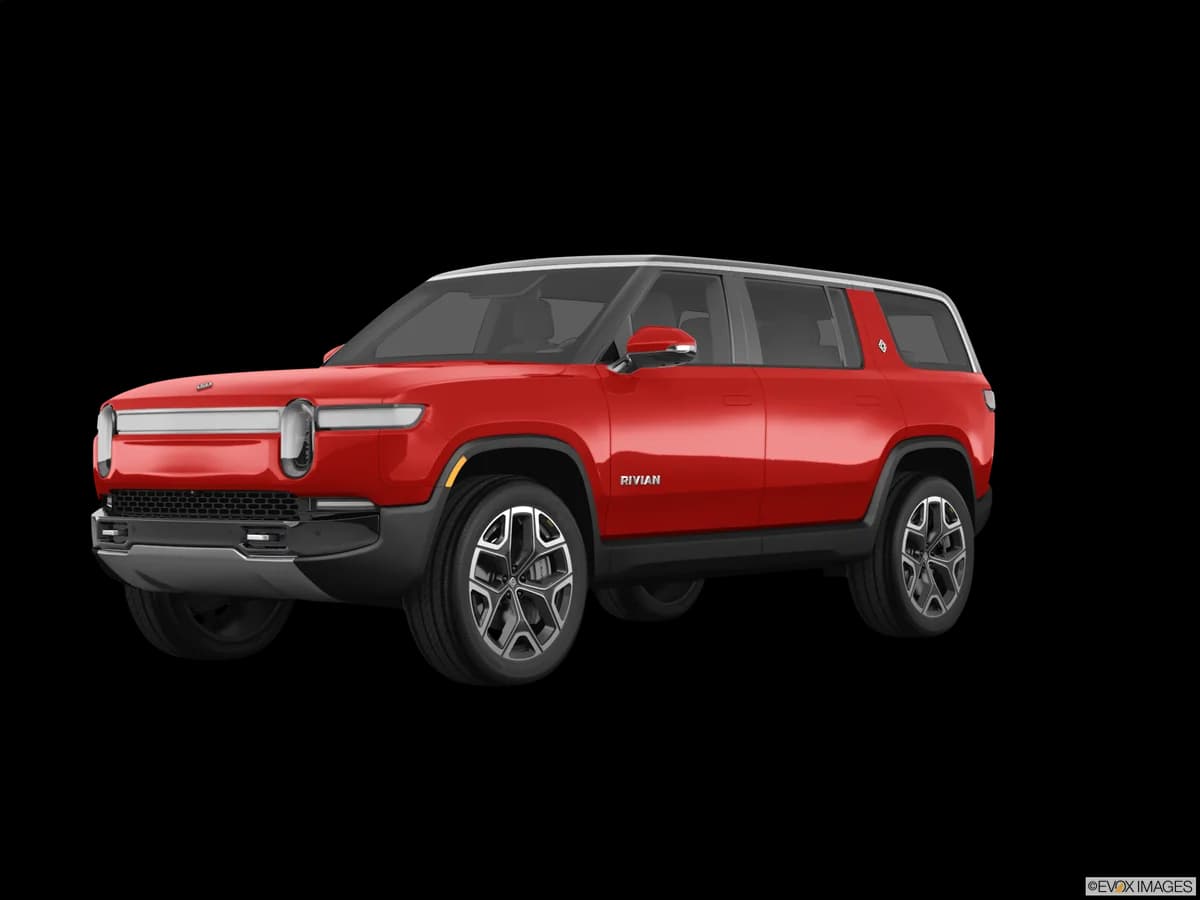
MotorTrend is strongly impressed by the Polestar 3, especially its rare, genuinely athletic driving character. Despite weighing nearly three tons, it feels light and cohesive, with excellent steering, composed air suspension, strong brakes, and standout handling that outshines the more powerful Rivian R1S. The cabin is spacious, upscale, sustainable-feeling, and unusually user-friendly, while the crisp touchscreen and superb optional Bowers & Wilkins audio system add polish. Charging is competitive but not class-leading, and the non-Performance version feels merely quick rather than thrilling, with acceleration tapering at higher speeds. Odd, unlabeled steering-wheel controls are another frustrating flaw. Still, the Polestar’s distinctive design, five-seat practicality, and engaging “analog” feel give it an appealing identity, particularly for buyers who do not need a third row. With substantial incentives, it becomes an especially compelling luxury EV value.
By Alexander Stoklosa
Car and Driver is clearly impressed by the Polestar 3, though not uncritically. It praises the SUV’s poised, unusually precise handling, responsive steering, torque-vectoring rear differential, smooth ride, and sleek, thoughtfully finished cabin. The 483-hp dual-motor version feels lively rather than brutally quick, with linear acceleration that suits its substantial weight. The clean Android-based interface, supportive seats, excellent audio option, claimed 315-mile range, and 250-kW charging add appeal. Still, the review flags several compromises: touchscreen-heavy controls are less intuitive than physical buttons, Pilot Assist occasionally seems uncertain during lane changes, charging is merely competitive, and the glass roof costs some cargo space. The tester also questions how the comfortable ride would cope with rougher roads than Madrid’s smooth pavement. Overall, the Polestar 3 emerges as a convincing, sporty luxury EV that gives Polestar a clearer identity, even if its high price and developing brand make it less than an automatic choice.
By Caleb Miller
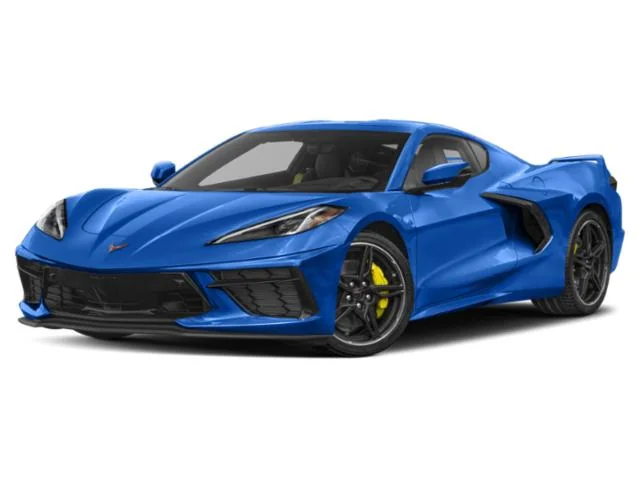
Edmunds is highly impressed by the 2025 Polestar 3, especially its blend of luxury and genuine driving fun. The dual-motor model is quick rather than explosively fast, reaching 60 mph in 4.4 seconds, but its smooth, understated power suits the SUV’s upscale character. Its standout achievement is handling: 0.96 g on the skidpad, comfortably ahead of the BMW iX and nearly matching a Corvette Stingray, thanks to well-engineered suspension rather than merely grippy tires. It also exceeded its EPA range estimate, traveling 303 miles versus 279, while using less energy than predicted. The review’s main qualification is that the Polestar isn’t an outright performance champion; dedicated buyers seeking track-focused thrills should consider the Hyundai Ioniq 5 N. Still, for a luxurious EV that remains rewarding and composed when driven hard, Edmunds considers it an unusually accomplished all-rounder.
By Nick Yekikian
InsideEVs’ Mack Hogan is highly enthusiastic about the Polestar 3’s driving experience, calling it the best all-around super-SUV he has tested. He praises its unusual balance: immediate but restrained power, excellent steering, predictable torque-vectoring, impressive cornering composure, and an exceptionally comfortable, quiet ride around town. Unlike louder, harsher rivals such as the BMW X5 M, AMG GLE 63, and Lamborghini Urus, the Polestar feels equally convincing on a canyon road and during everyday commuting. Hogan also considers its styling more tasteful and its roughly $80,000 Performance Pack pricing dramatically better than comparable high-performance SUVs. He does acknowledge that some rivals are faster or more theatrical, while the Bentley rides more luxuriously and the Lucid Gravity offers similar precision. Most importantly, despite loving the way it drives, he stops short of recommending a purchase because unresolved user-experience issues will be discussed separately.
By Mack Hogan
Green Car Reports’ Martin Padgett is strongly impressed by the 2025 Polestar 3, especially its polished ride, precise handling, and upscale Scandinavian cabin. Compared with the Tesla Model Y, the Polestar feels substantially more refined and luxurious, with excellent seats, quiet composure, and enough performance to make its considerable weight disappear on winding roads. Its 315-mile estimated range is respectable, though efficiency trails Tesla, and the Performance Pack sacrifices range for only modestly quicker acceleration. Padgett’s reservations center on usability: important controls are buried in a fussy touchscreen, one-pedal driving feels too gentle, and the minimalist interior may seem overly austere. Pricing near $80,000—and potentially close to $100,000 fully equipped—also limits its appeal. Still, despite shortcomings in efficiency, charging, and outright speed, the review portrays the Polestar 3 as an unusually convincing luxury EV that could win over skeptics.
By Martin Padgett
Andrew McCredie of Driving is highly impressed by the Polestar 3, despite acknowledging its steep price and a few compromises. He particularly enjoyed its torque-vectoring system and adaptive air suspension, which make this large, heavy SUV feel remarkably agile on winding mountain roads. The cabin earns similar praise for its minimalist design, premium materials, spacious rear seating, and thoughtfully customizable infotainment controls. Strong range, winter-focused equipment, and impressive performance round out the appeal, though the optional Performance Pack costs $7,000 and reduces range while delivering acceleration that remains less dramatic than some rival EVs. McCredie also raises broader concerns about Polestar’s financial struggles, Chinese production, tariffs, and the charging system’s potential to age quickly. Even so, the review’s overriding impression is that the Polestar 3 is a distinctive, exceptionally well-engineered luxury SUV with genuinely strong prospects.
By Andrew McCredie
Autoblog’s Ronan Glon is clearly impressed by the 2025 Polestar 3, especially its unexpectedly agile handling. The SUV feels more distinctive and sportier than Volvo’s EX90, while retaining enough Volvo-derived familiarity to reassure buyers wary of Polestar’s relative youth. Glon is particularly enthusiastic about the rear-axle torque-vectoring differential, which helps this nearly 5,700-pound EV tackle twisty roads with surprising nimbleness, supported by a low center of gravity, balanced weight distribution, and configurable suspension. It is also quiet and comfortable on the highway, with useful driver aids and a respectable 315-mile EPA range. Still, the review acknowledges average brake-pedal feel, some mirror wind noise, limited cargo capacity, and a high starting price—made less appealing by its lack of federal tax-credit eligibility when built in China. Overall, it comes across as a compelling, engaging EV with genuine mainstream potential rather than just another fast electric SUV.
By Ronan Glon
The Drive’s Chris Tsui is exceptionally enthusiastic about the 2025 Polestar 3, calling it one of his favorite EVs ever. He praises its handsome, distinctly Scandinavian design, genuinely premium cabin, spacious rear seat, intuitive mix of physical controls and Google-based software, and unusually convincing blend of luxury comfort with sporty handling. The 489-hp dual-motor model offers smooth, abundant power, strong brakes, responsive steering, and an EPA-rated 315 miles of range, while the $6,000 Performance Pack brings only modest dynamic gains and less range, making it hard to justify beyond its gold seat belts. Criticisms are limited but specific: steering-wheel volume controls are temporarily absent, the glovebox requires the touchscreen, and adaptive cruise lacks adjustable following distances. Overall, Tsui sees the Polestar 3 as a thoughtfully engineered, low-gimmick luxury EV that should top the shopping list for buyers who can reliably charge at home.
By Chris Tsui

YouTube
17 LEADING EXPERT & INFLUENCER REVIEWS
 Auto Buyers Guide | Alex on Autos
Alex on Autos is highly enthusiastic about the Polestar 3, especially its exceptional handling, grip, braking, and refined torque-vectoring rear axle. He calls it more dynamically polished than the BMW, Mercedes, Audi, and Tesla alternatives, while praising its comfortable seats, spacious back seat, quiet cabin, accurate navigation, and relatively attractive pricing. The trade-offs are meaningful: range is merely adequate, the frunk is tiny, several controls are frustratingly buried in software, and the early tester suffered frequent infotainment reboots and missing features. Still, Alex views the Polestar 3 as an unusually compelling, Porsche-inspired luxury EV SUV.
Redline ReviewsRedline Reviews is highly impressed by the Polestar 3, calling it a stylish, genuinely sporty luxury EV with excellent technology and surprisingly strong ride comfort. A week of testing produced a brisk 4.1-second 0–60 mph run, precise steering, supportive seats, and real-world range around 240–250 miles. Wireless Apple CarPlay, Google-based software, premium materials, and spacious rear seating also earn praise. The compromises are meaningful: limited cargo space, no third row, disappointing range versus the EPA estimate, finicky controls, and an expensive $89,000 test car. Still, Redline considers it a standout and recommends it, especially around $75,000.
savagegeeseSavagegeese is mixed on the Polestar 3, admiring its driving dynamics but struggling to justify its price. The Performance model feels quick, natural, and engaging, with excellent throttle, brake, steering calibration, torque-vectoring, quietness, and a strong Bowers & Wilkins audio system. However, efficiency and real-world range lag behind rivals, while the largely touchscreen-based controls are frustrating and unfinished. Its generic styling, limited dealer support, and software still being patched further weaken the case near six figures. It’s a genuinely good-driving EV, but not an especially compelling luxury SUV overall.
MotorWeekMotorWeek is highly impressed by the Polestar 3, especially its stylish design, comfortable cabin, refined ride, and genuinely sporting performance. In cold-weather testing, the dual-motor AWD Launch Edition managed 193 miles on 72% of its battery, while acceleration reached 60 mph in 4.3 seconds and braking was excellent. MotorWeek appreciates the generous rear-seat space, premium features, and adjustable driving modes, but criticizes the overly touch-focused controls and somewhat limited cargo room. Despite those usability compromises and its high starting price, the Polestar 3 earns strong praise as an SUV that makes everyday driving feel special.
Matt Maran MotoringMatt Maran is impressed by the Polestar 3’s design, comfort, range, and exceptionally sharp handling, but not fully sold. After a week, he praises its smooth air suspension, spacious rear seat, excellent 25-speaker Bowers & Wilkins audio, strong real-world range, and engaging torque-vectoring AWD. Still, software glitches, an electrical warning, awkward key-card system, missing rear sunshade, touch-heavy controls, and cost-cutting window switches frustrate him. He considers it one of the best-driving luxury electric SUVs, yet believes the Genesis Electrified GV70, Cadillac Lyriq, and Audi Q6 e-tron offer better value.
carwowMat Watson is highly impressed by the Polestar 3, calling it a genuinely excellent all-round luxury electric SUV. He praises its striking design, beautifully finished interior, comfort, quietness, effortless maneuverability, and surprisingly agile handling despite its 2.5-ton weight. The 517-hp Performance Pack feels extremely quick and confidence-inspiring, though steering feedback is limited. Practicality is good but not class-leading, with a smaller boot, tiny frunk, limited rear-seat pass-through, and awkward touchscreen controls. Apple CarPlay is also missing, and real-world range appears closer to 270 miles. Even so, Mat enthusiastically recommends shortlisting it.
Driven Car Reviews With Tom VoelkTom Voelk is clearly impressed by the Polestar 3, especially its sleek design, quick performance, refined ride, spacious back seat, and excellent seats. He finds the dual-motor model nimble despite its size, with strong range and 250-kW charging, though the Performance Pack’s benefits may not justify its $6,000 cost. His main reservations are the buggy software, overreliance on touch controls, mediocre rear visibility, and limited cargo space versus some rivals. Overall, Voelk views it as a stylish, enjoyable, genuinely competitive luxury EV—provided buyers can tolerate its interface quirks.
Doug DeMuroDoug DeMuro is pleasantly surprised by the Polestar 3, calling it a genuinely cool and competent luxury EV. He enjoys its clean styling, excellent Google-based technology, configurable displays, spacious back seat, quick acceleration, comfortable ride, and sharper-than-expected steering. The minimalist cabin feels distinctive, though putting climate, mirror, steering-wheel, and rear-window controls on-screen creates needless friction, while materials fall short of BMW’s polish. His central question is whether Polestar has earned an $84,000 luxury-brand reputation. Overall, it’s appealing and well-rounded, but he considers Tesla’s Model Y a stronger value unless Polestar offers meaningful discounts.
Auto FocusAuto Focus is highly impressed by the Polestar 3, especially its striking Scandinavian design, comfortable cabin, excellent air-suspension ride, strong acceleration, and exceptional Bowers & Wilkins audio system. The reviewer calls its best details—functional aerodynamic wings, yellow accents, and cohesive materials—nearly dreamlike, but criticizes the inconsistent interior execution, gloss-black trim, limited window controls, and touchscreen-heavy interface. Its roughly 270-mile real-world range in dual-motor form is the biggest concern, making it less appealing for road trips. Overall, this is a beautiful, compelling EV with an unusually wide gap between brilliant design and frustrating usability.
The Car Care Nut ReviewsThe Car Care Nut is impressed by the Polestar 3’s build quality, comfort, distinctive styling, and smooth, quiet performance, but ultimately remains skeptical. He praises the beautifully finished interior, capable suspension, usable frunk, and thoughtful aero details, while criticizing the complicated thermal-management layout, extensive plastic cooling hardware, sparse controls, generic infotainment, awkward digital-key and emergency-access systems, and questionable long-term serviceability. The Performance Pack offers little meaningful advantage over the Dual Motor version, and the $93,000 example compares poorly with faster, longer-range alternatives such as the Tesla Model Y. He recommends considering the cheaper Single Motor model instead.
Out of Spec ReviewsKyle Conner is enthusiastic about the Polestar 3’s comfort, quietness, distinctive design, and unusually polished ride. He calls it a genuinely great-driving SUV, praising its smooth clutch engagement, confident lane centering, and strong upgrade to NVIDIA’s Orin computer. However, his excitement is tempered by the 2025 model’s troubled launch, including charger failures, software glitches, and a return to turtle mode during testing. The outdated 400-volt architecture also means slower charging and less power than the forthcoming 2026 version. His practical advice is clear: lease the heavily discounted 2025 if you need a comfortable daily driver, but buyers should wait for the substantially improved high-voltage model.
Micah MuzioMicah Muzio is highly impressed by the Polestar 3, calling it stylish, exceptionally comfortable, practical, and genuinely fun to drive. He praises its warm, distinctive cabin, spacious rear seat, family-friendly cargo and car-seat provisions, excellent ride, stable handling, strong acceleration, and intuitive driver-assistance features. The enthusiasm is tempered by frustrating touch controls, rear window switches, shiny trim, limited visibility, occasional software glitches, slow-speed one-pedal behavior, and the lack of Android Auto. Still, he sees no deal-breakers and recommends the dual-motor version for its performance and character, making this an enthusiastic but credible luxury-EV endorsement.
Zip Tie TuningZip Tie Tuning is wildly enthusiastic about the Polestar 3 despite calling it deeply flawed. After a week, the reviewer praises its brutal acceleration, remarkably composed handling, quiet ride, excellent Bowers & Wilkins audio, effective driver assistance, and superb cameras. The enthusiasm feels genuine, especially during launches and cornering. However, the keyless entry, touchscreen-heavy controls, limited app support, awkward steering-wheel interface, lighting condensation, tire concerns, and occasional tailgate behavior create frustrating “unforced errors.” At $79,000, it demands too many compromises to earn an easy recommendation, but for buyers prioritizing performance, comfort, and refinement, it would be the reviewer’s personal choice.
AutotraderAutotrader is highly impressed by the updated Polestar 3, calling it brilliant to drive. The dual-motor SUV feels genuinely quick, comfortable, composed, and surprisingly sporty for its size, while its smoother ride, sharper handling, faster 800-volt charging, more responsive infotainment, and improved driver-assistance technology make it feel properly premium. The main reservations are meaningful: exterior styling is unchanged, the boot is merely adequate, and losing the previous long-range version leaves it well behind the BMW iX3’s claimed range. Even so, Autotrader considers it a smarter, stronger purchase than before and a compelling luxury electric SUV.
RealistickRealistick is impressed by the Polestar 3, but worries its unfinished technology undermines an otherwise excellent luxury SUV. The review praises its quiet, comfortable ride, precise handling, supportive massaging seats, practical range, strong acceleration, and upscale Scandinavian design. Real-world testing produced 311 miles of estimated highway range, though charging peaked around 150 kW and requires scheduled battery preconditioning. Persistent software bugs, confusing controls, limited driver assistance, missing promised features, and an outdated processor are the major concerns. Realistick considers it phenomenal overall, but recommends leasing rather than buying until Polestar resolves the platform’s problems.
Car and Driving - Car ReviewsJonathan Crouch is impressed by the Polestar 3’s agility and distinctive character, though he stops short of calling it class-leading. The updated 800V model feels unusually wieldy for a 2.7-ton SUV, with strong performance, vast rear legroom, useful storage, and a minimalist cabin that feels more convincing than Tesla’s. However, the coupe-like shape limits boot space, the interior has some low-rent details, and the base rear-motor version misses the air suspension he considers valuable in town. Overall, Crouch views it as a refreshingly different, stylish luxury EV rather than a groundbreaking one.
Cars Uncovered Howard Ritchie is highly enthusiastic about the Polestar 3, calling it a beautiful, distinctive “masterpiece” with few compromises. He praises its 800-volt charging, 680 horsepower, rapid acceleration, refined ride, excellent sound system, spacious rear seat, quietness, and unusually engaging handling for a 2.5-ton SUV. He also sees updated models and used examples as compelling value. Still, UK pricing feels excessive, range trails some rivals, driver-assistance features require too much prompting, connectivity can be unreliable, and the Tesla Model Y offers more cargo space for less. Overall, his recommendation is passionate, especially for performance and originality.

Social
1 INFLUENCER REVIEW
 sonja
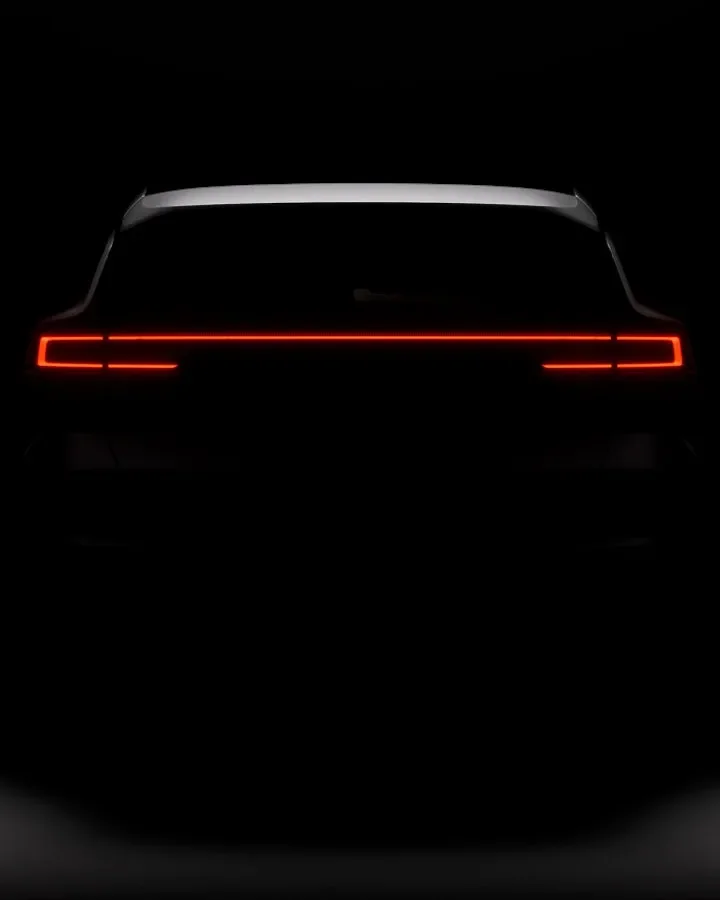
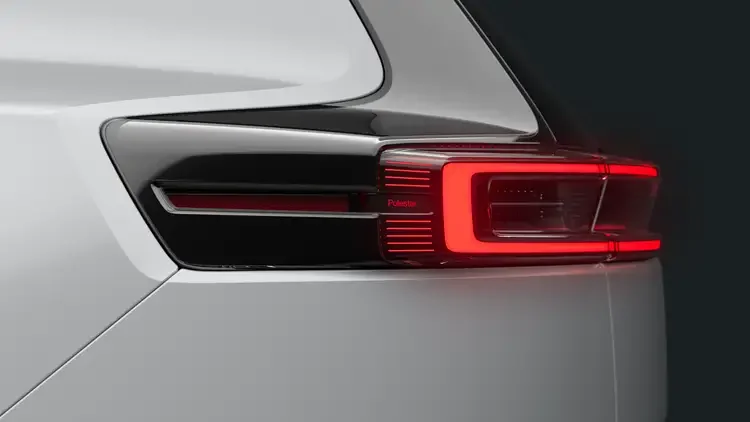
sonjaSonja is highly enthusiastic about the 2025 Polestar 3, especially its sleek design and refined driving experience. She loves the rear lighting, aerodynamic details, panoramic roof, quiet cabin, crisp head-up display, and minimalist controls. The Performance Pack’s gold accents and 517 horsepower add visual and dynamic appeal, while the seats’ heating, cooling, and massage functions make the interior feel exceptionally comfortable. She does question hiding climate controls behind the infotainment screen and notes the dual-motor version’s 279-mile EPA range versus roughly 350 miles for the single motor, but these caveats barely temper her excitement.

Forum Reviews
CUSTOMER REVIEWS FROM 1 FORUM
Redditors are cautiously positive about the Polestar 3, but reliability concerns keep enthusiasm in check. Owners praise its quiet, comfortable ride, sharp handling, impressive audio, spacious design, and premium feel, while heavily discounted 2025 examples can represent strong value. However, early cars have attracted serious criticism for charging, suspension, GHCA, locking, climate, ADAS, and software problems, with some spending weeks in service. Later builds and updates appear substantially better, though quality remains inconsistent. The minimalist cabin and touch-sensitive controls also divide opinion, making a test drive and dependable local service especially important.
Many comments

In-Depth Review

Highlights
- •Agile, Precise HandlingTorque vectoring makes this heavy SUV remarkably nimble.
- •Comfortable Controlled RideAir suspension balances softness with confident body control.
- •Refined Scandinavian CabinSupportive seats and quietness create a calming interior.
- •Flexible Driving RangeMarketed as offering up to 350 miles.

Considerations
- •Touchscreen Control FrictionClimate and basic functions require extra screen taps.
- •Unfinished Software ExperienceReviewers report glitches, reboots, and missing features.
- •Variable Real-World RangeDual-motor testing often falls below EPA estimates.
- •Limited Cargo PracticalityModest boot space and tiny frunk restrict flexibility.
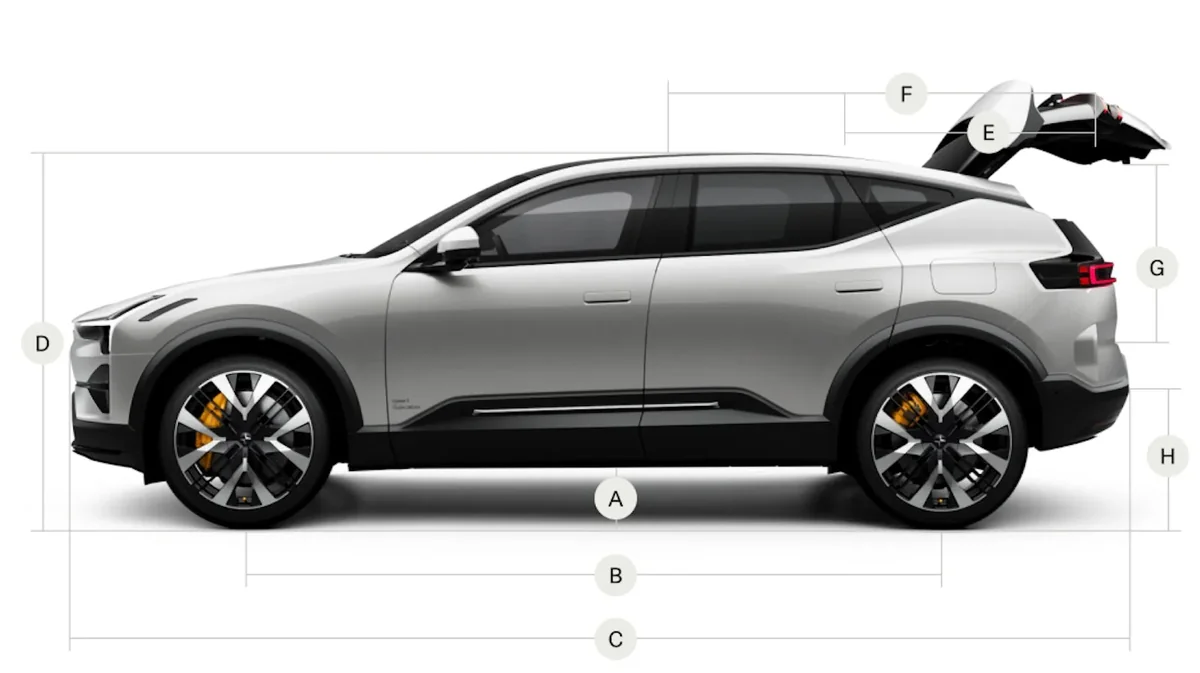
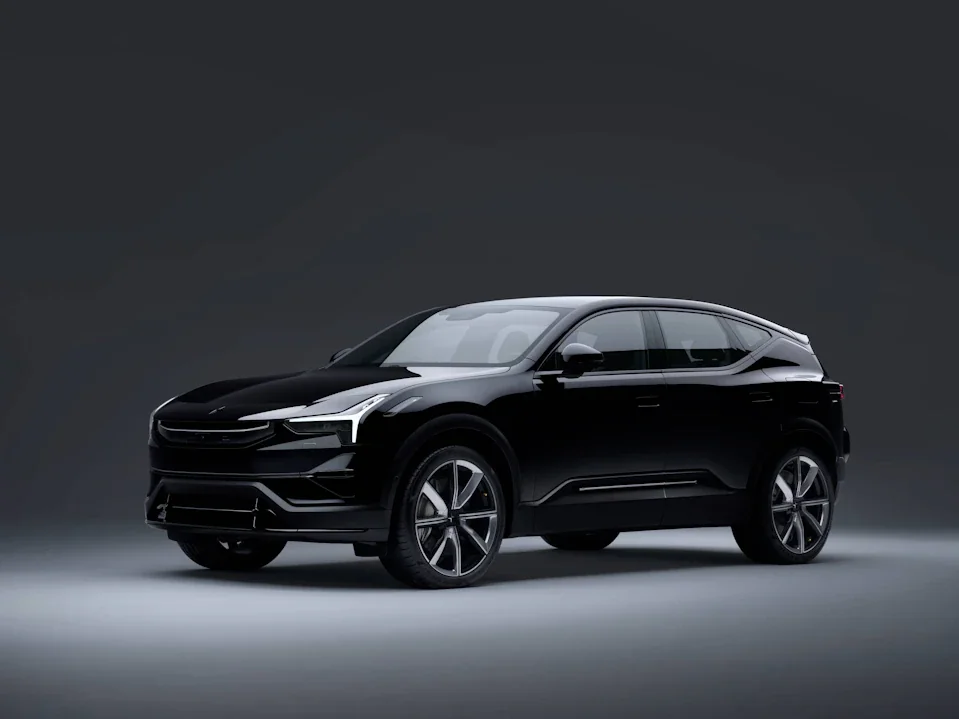
Polestar’s reputation for Scandinavian design takes a sporty, premium turn with this two-row electric SUV. Positioned against the BMW iX, Audi Q8 e-tron, and Tesla Model X, it serves buyers who want luxury without visual excess, confident commuting, and engaging weekend-road manners rather than maximum cargo or three-row utility. Its defining promise is an unusually agile heavy SUV, thanks to torque-vectoring rear axle technology, while adaptive air suspension aims to keep daily travel comfortable. The cabin adds supportive seating, sustainable-feeling materials, and available Bowers & Wilkins audio, though touchscreen controls complicate some routines. We’ll also examine how the 111-kWh battery translates into real-world range, efficiency, and charging, and whether its power delivery justifies the premium. If you’re choosing between calm refinement and sharper driving character, these details reveal whether the Polestar’s clever balance works in your driveway—or merely on a winding road.
Cabin Quality and Materials
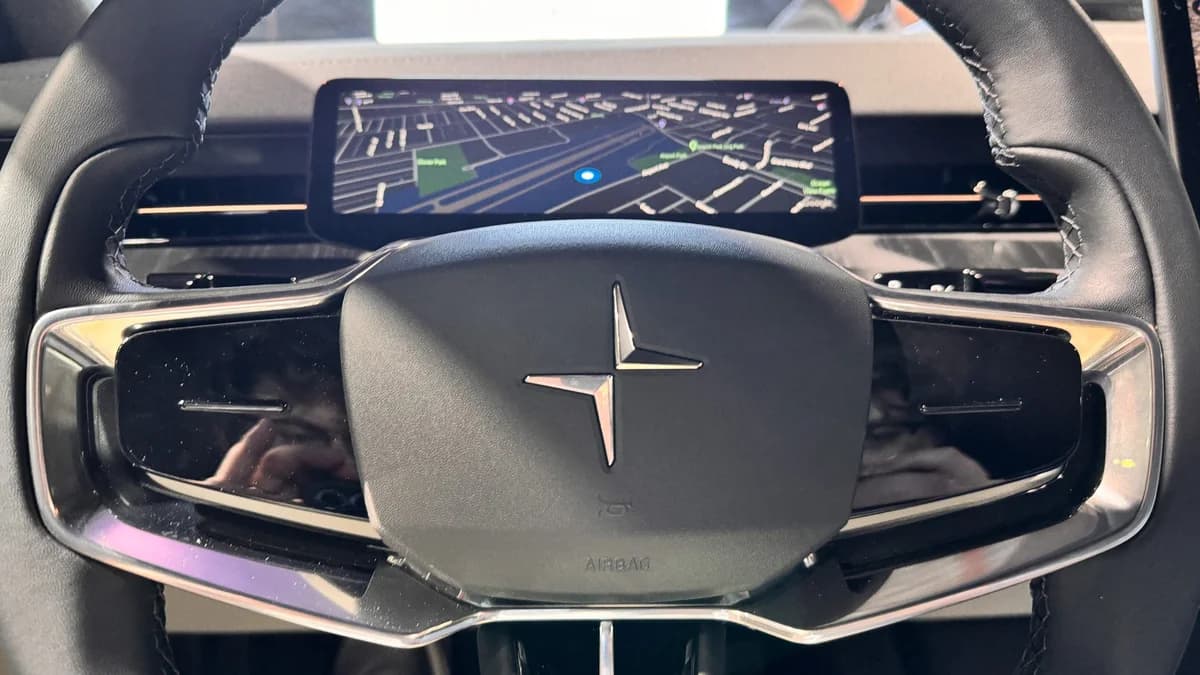
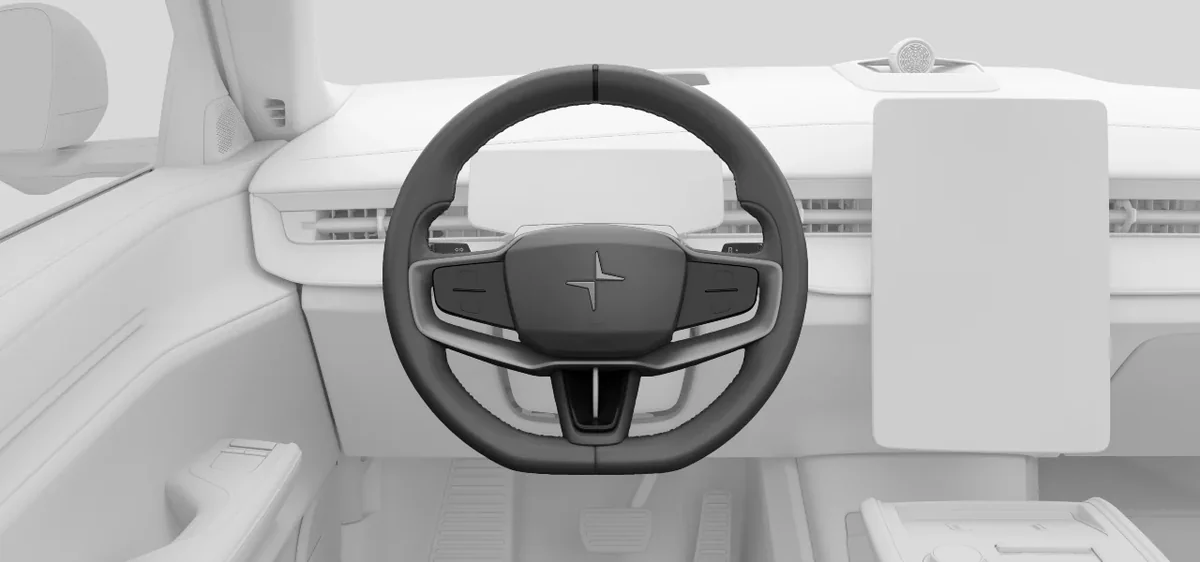
The cabin delivers a distinctive, calming interpretation of luxury. Sustainable-feeling materials, supportive seats, a panoramic roof, and optional 25-speaker Bowers & Wilkins audio create a premium atmosphere, while the spacious rear bench suits adults and family use. Reviewers generally find the design more convincing than Tesla’s, though execution is inconsistent: gloss-black trim, cost-cut window switches, and some lower-rent plastics dilute the polish. The minimalist look is appealing, but touch-sensitive controls can make basic tasks feel less refined.
Acceleration and Power
The Polestar 3 delivers smooth, substantial thrust rather than theatrical acceleration. The dual-motor model produces about 489 hp and 620 lb-ft, while the Performance Pack raises output to 517 hp and 671 lb-ft, with tested 0–60-mph times around 4.1–4.3 seconds. Its throttle calibration, braking, and torque delivery feel unusually natural, helping the heavy SUV remain composed. The standard dual motor can feel less dramatic at higher speeds, and reviewers often question whether the Performance Pack’s modest gains justify its range penalty and added cost.
Handling and Steering
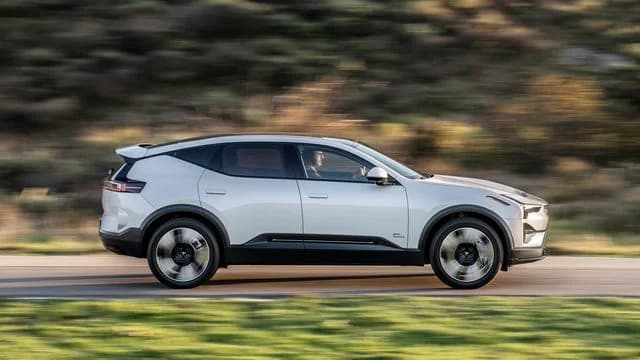
The Polestar 3 feels unusually agile for its size. Its torque-vectoring rear axle, precise steering, low center of gravity, and configurable chassis help disguise its roughly 2.5-ton mass, producing confident cornering rather than merely straight-line speed. Edmunds recorded 0.96 g on the skidpad, while reviewers repeatedly preferred its natural responses to those of several premium rivals. The steering is not especially communicative, but direct placement and strong grip make it rewarding on winding roads and reassuring in everyday traffic.
DC Fast Charging
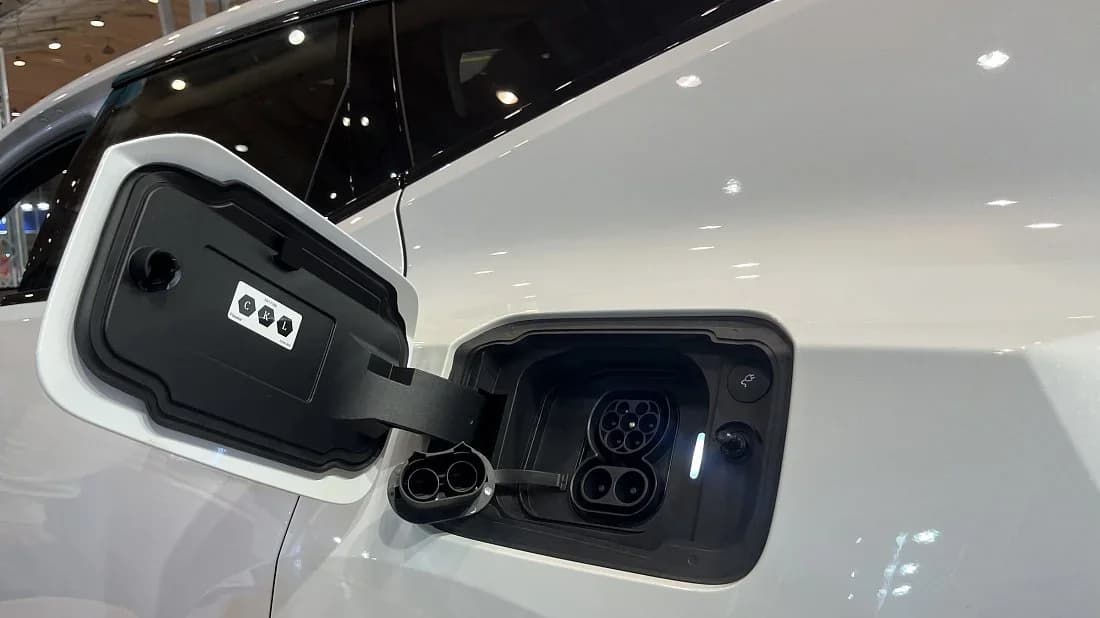
Charging is capable, though it is not a decisive class advantage for the 2025 model. The 111-kWh battery supports up to 250 kW DC charging, with a claimed 10–80 percent session of about 30 minutes under suitable conditions. Real-world testers have reported lower peaks, sometimes around 150 kW, and preconditioning must be scheduled or enabled correctly for best results. The 400-volt architecture also looks dated beside newer 800-volt versions, so charging remains useful for road trips but less future-proof than the marketing headline suggests.
Ride and Suspension
The ride combines genuine comfort with surprising body control. The available adaptive air suspension smooths rough surfaces and keeps the tall SUV composed through fast bends, while strong sound insulation creates a notably quiet cabin. Reviewers praised its polished highway manners and everyday softness, though impressions from smooth test roads may not fully predict performance on harsher pavement. The base single-motor version may give up some of this appeal because it lacks the air suspension considered valuable by several testers.
Range and Efficiency
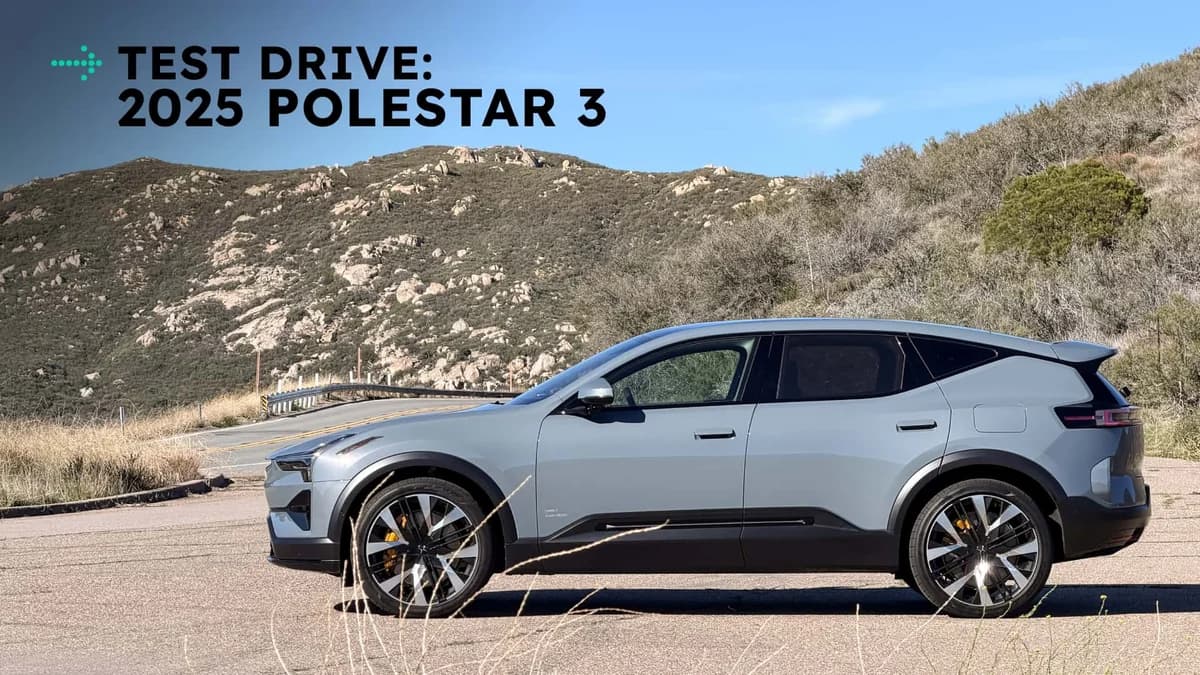
Range depends heavily on the powertrain, and real-world results are less consistent than the headline figures. Polestar cites up to 350 miles of EPA range for the single-motor model, versus about 315 miles for dual motor and 279 miles with Performance Pack. Testing has ranged from roughly 240–270 miles in some dual-motor conditions to 303 miles in Edmunds’ evaluation, with one highway estimate reaching 311 miles. That makes the single motor attractive for efficiency, while large wheels, cold weather, and performance hardware reduce flexibility.
Conclusion
The Polestar 3 makes its strongest case on a winding road, where precise torque-vectoring handling turns a heavy SUV into something remarkably composed, while air suspension delivers a quiet, controlled ride. Its Scandinavian cabin feels distinctive and comfortable, though inconsistent materials and touch-heavy controls keep it short of flawless luxury. Smooth, forceful acceleration is satisfying rather than spectacular, and range depends heavily on configuration: the single motor is the efficiency pick, while dual-motor models can fall well below their EPA claims in real-world use. 250-kW DC charging is useful, but the 400-volt system and occasional software issues reduce confidence for frequent road trips. This is a strong choice for design-conscious drivers who value comfort and handling over maximum cargo space; buyers prioritizing effortless usability, proven reliability, or three-row practicality should look elsewhere. Its polished dynamics and premium feel justify serious consideration, but the ownership compromises make it a compelling—not unquestionable—luxury EV.

Feature Scores
This reflects reviews and ratings from established critics, journalists, and users who have evaluated the item. Their opinions provide a comprehensive assessment.
Performance
Driving Range
4/5
Charging Speed
4/5
Acceleration
4/5
Handling and Ride Comfort
5/5
Energy Efficiency
3/5
Battery Durability
3/5
Value
Purchase Price Competitiveness
3/5
Total Cost of Ownership
3/5
Resale Value
3/5
Design
Exterior Styling
5/5
Interior Space and Packaging
4/5
Ergonomics and Controls
2/5
Health
Cabin Air Quality
3/5
Low-Toxicity Materials
3/5
Safety
Crashworthiness
TBD
Active Safety Systems
4/5
Battery Safety Systems
3/5
Sustainability
Lifecycle Emissions
4/5
Battery Recyclability
3/5
Use of Recycled Materials
3/5
Experience Style
Infotainment and Connectivity
4/5
Charging Ecosystem Integration
3/5
Customization and Driving Modes
4/5

Specifications
This section outlines the product's key facts, covering essential features, details, dimensions, materials, and any unique characteristics that define its functionality and usability.
Performance
Value
Design
Sustainability
Experience Style

Frequently Asked Questions
5 Questions


Find Yours
What is your top priority for an Electric SUV's battery performance?
Answer to find your best matches.