







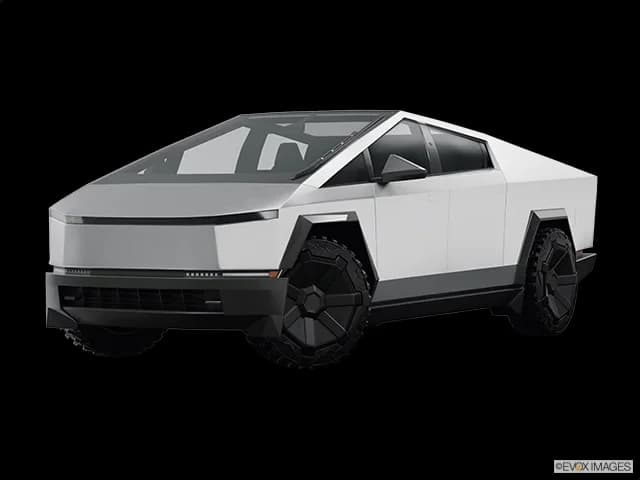
Tesla Cybertruck (2024)
Rapid, agile, and futuristic with real utility, but range and practicality require compromise.
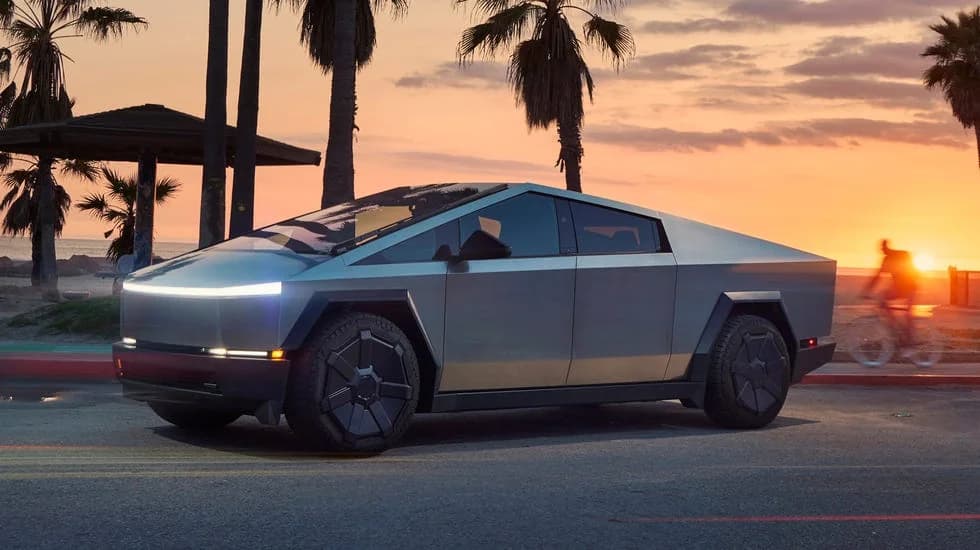
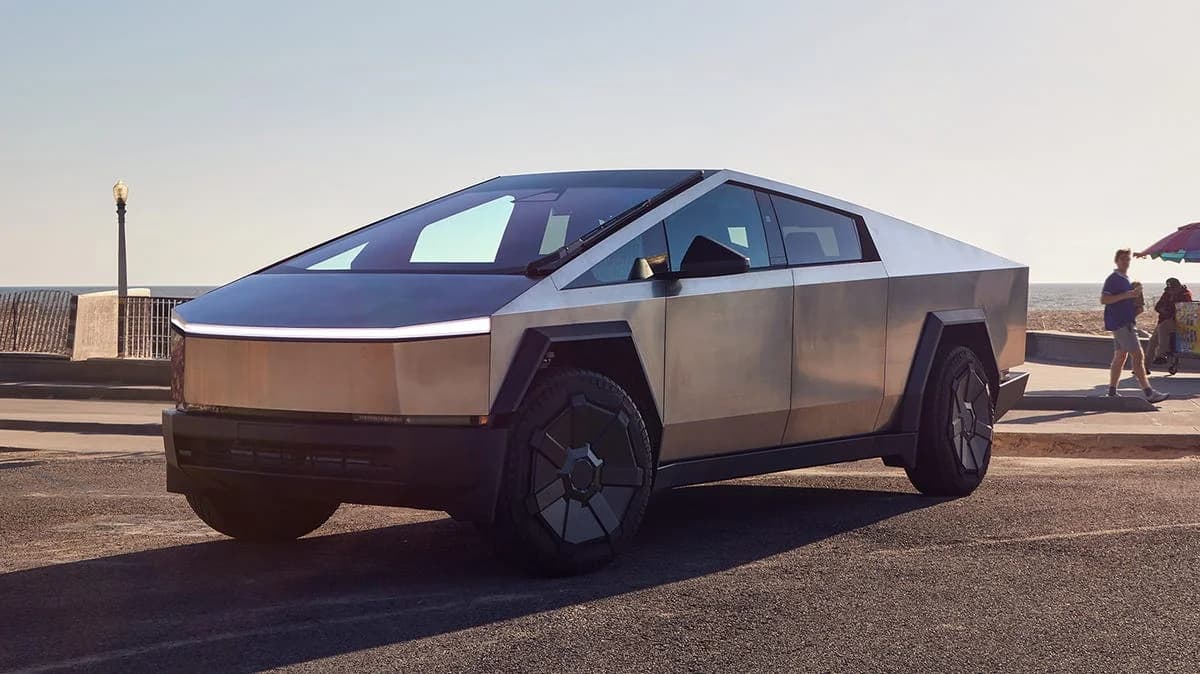
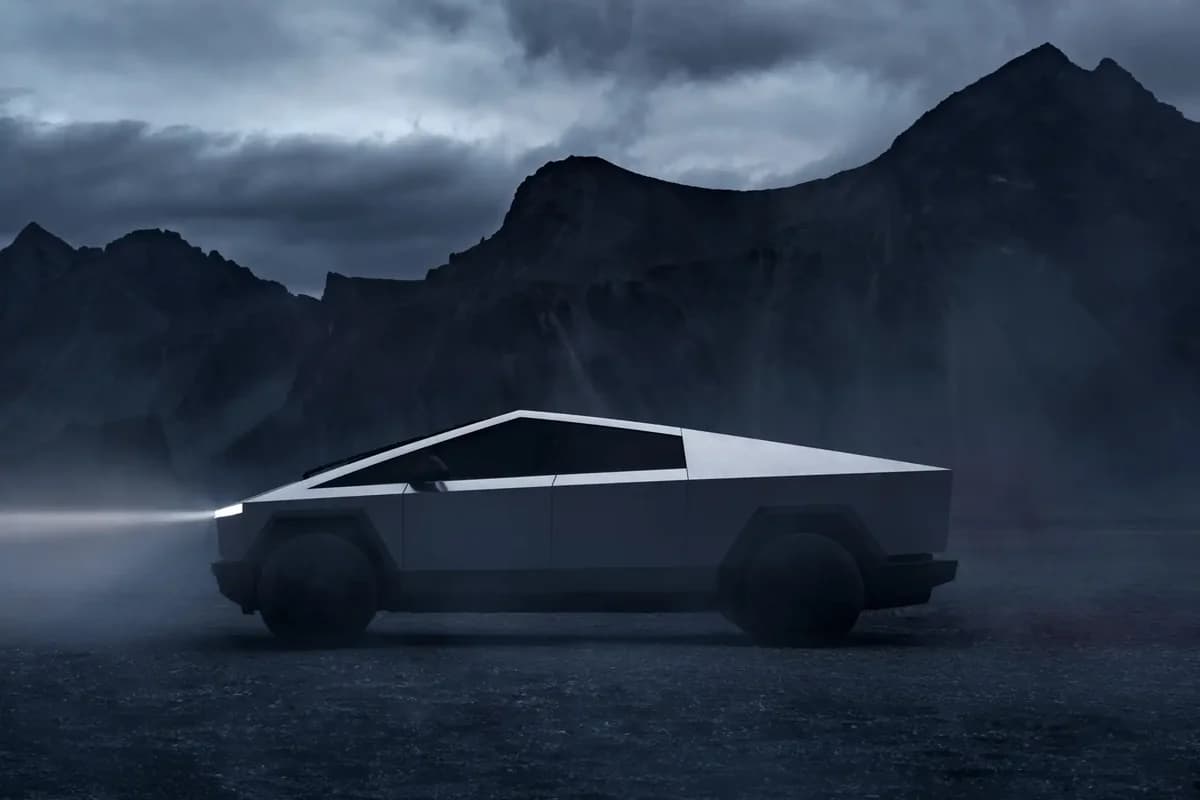
The Tesla Cybertruck (2024) is a stainless-steel spectacle for drivers who want an electric truck that solves the usual EV compromises with serious towing capability, dramatic acceleration, and Tesla’s charging ecosystem. Its steer-by-wire and rear-wheel steering make the enormous body surprisingly nimble, while the smooth ride, useful outlets, and clever storage add genuine everyday appeal. But Tesla’s range claims are less convincing in practice: highway tests have landed around 224 to 250 miles, and towing can cut that sharply. Owners and experts also flag uneven panel fit, awkward visibility, touchscreen-heavy controls, and a premium price. It suits tech-forward lifestyle buyers more than traditional work-truck users. Overall value depends on how much you prize innovation and spectacle over range, polish, and practicality.
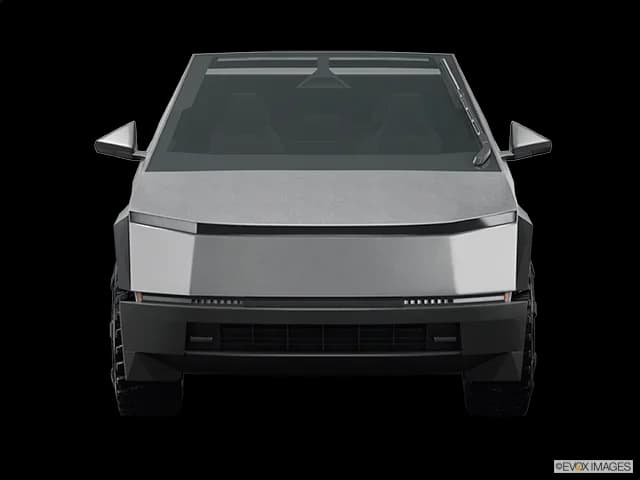
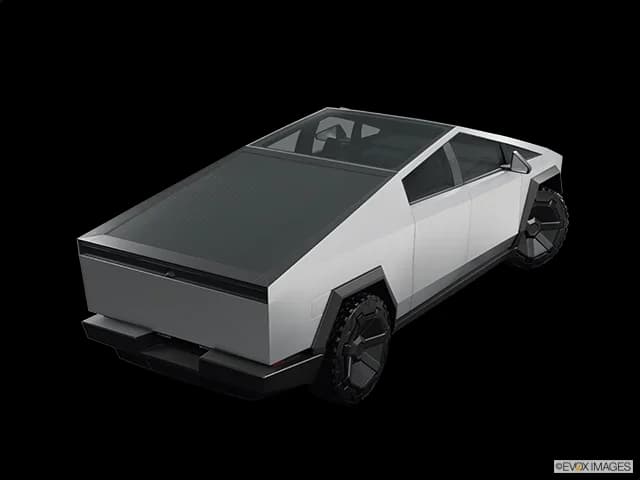
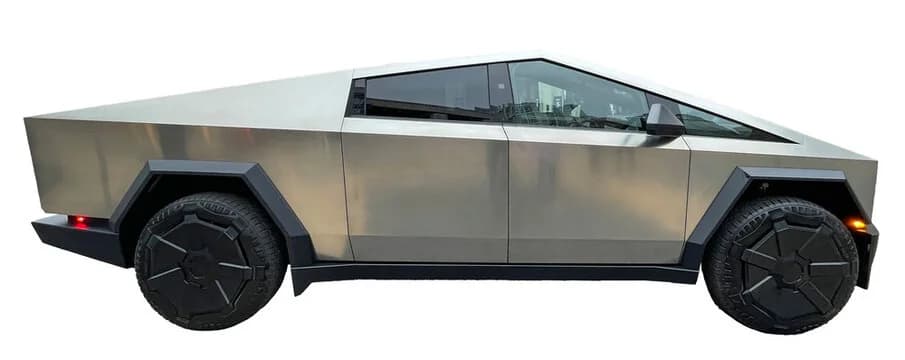
Find Yours
What's your main purpose for an electric truck?
Answer to find your best matches.

The Field
Browse top contenders, or compare all options ranked by score and key attributes.
2 Options


The Scoreboard
Does this improve your life? Considers, health, habits, and environmental impact.
Benefits
Smooth suspension and a quiet cabin make commuting and long drives feel less tiring.
Four-wheel steering makes parking and tight turns easier than this truck’s size suggests.
Instant electric power makes merging, passing, and towing feel calm and controlled.
Reliable Supercharger access simplifies longer trips when chargers are available along your route.
Trade-Offs
Thick pillars, blind spots, and blocked rear glass make lane changes and reversing harder.
Everyday functions live on the touchscreen, so simple adjustments take more attention while driving.
The large body and sloped bed make parking, loading, and reaching cargo inconvenient.
The unusual truck draws looks, comments, and attention during ordinary errands and commutes.
 Alternatives


Join the Circle
Where real meets deal
Know what's worth buying-and when.
Tips, special offers, and rewards for buying and sharing.

Publications
11 LEADING PUBLICATION REVIEWS

Car and Driver is impressed by the Cybertruck’s performance but remains clear-eyed about its compromises. The Dual Motor reaches 60 mph in 3.9 seconds, while the 834-hp Beast is extraordinarily quick, completing the sprint in 2.6 seconds and the quarter-mile in 11 seconds. Its agile handling, rear-wheel steering, adjustable air suspension, strong towing ability, and useful cargo space make it more capable than its outlandish design suggests. Still, the Beast managed 250 miles in real-world highway testing—well below Tesla’s 301-mile estimate—and charging took 50 minutes to move from 10 to 50 percent. The stark cabin, missing Apple CarPlay and Android Auto, unfinished promised features, high price, and limited rear-seat comfort also temper the appeal. Overall, it is a remarkably fast, distinctive, and genuinely capable electric truck, but the less expensive Dual Motor is the smarter choice.
By Eric Stafford
Kelley Blue Book’s Colin Ryan is impressed by the Cybertruck’s performance but remains measured about its compromises. The dual-motor truck is exceptionally quick, while the Cyberbeast’s 845 horsepower and 2.6-second sprint are genuinely startling. Its stainless-steel body, rugged glass, useful bed storage, strong towing capacity, off-road-friendly suspension, and access to Tesla’s Supercharger network add real substance beyond the polarizing design. Still, the review points out that range leadership is no longer guaranteed, payload and towing figures fall short of Tesla’s original promises, and large panel gaps undermine the supposedly tough exterior. The sparse cabin, uncertain battery rollout, limited third-party safety data, and potentially high pricing also temper the appeal. Overall, Ryan presents the Cybertruck as a powerful, distinctive, highly capable electric truck—but one whose novelty and engineering do not eliminate practical trade-offs.
By Colin Ryan
MotorTrend’s Scott Evans views the 2024 Cybertruck as a decent truck undermined by needless, image-driven compromises. It accelerates fiercely, rides smoothly unloaded, charges within the expected Tesla ecosystem, and benefits from excellent maneuverability, rear steering, and a genuinely useful bed. But its angular design hurts visibility, cargo access, towing confidence, and interior practicality, while the minimalist cabin feels unfinished and the exterior suffers from glaring panel-fit problems. Real-world testing was especially sobering: highway range reached only 224 miles, towing cut range roughly in half, and charging from 5 to 80 percent took 42 minutes. Off-road, shallow-tread tires, weak traction control, inactive lockers, vulnerable trim, and no spare undermine Tesla’s “unstoppable” claims. Evans ultimately treats it as a flashy pavement-bound statement piece—fun and attention-grabbing, but far less capable and polished than its hype suggests.
By Scott Evans
InsideEVs reviewer Mack Hogan is skeptical that the 2024 Tesla Cybertruck delivers the revolution its dramatic design promised. He credits it with smooth, powerful driving, excellent one-pedal control, clever software, impressive suspension, and access to Tesla’s dependable Supercharger network. The steer-by-wire system feels genuinely novel and predictable in normal use, though its opaque safety design, awkward low-speed modulation, and occasional creaks are troubling. Most criticism centers on the $102,235 entry price, unfinished driver-assistance features, poor visibility, uncomfortable seating for shorter drivers, fussy controls, limited range versus rivals, and charging performance that is merely competitive. Hogan’s broader point is that Tesla invested in spectacle—stainless steel, extreme styling, and manufacturing novelty—without materially improving the EV-truck fundamentals of affordability, range, towing, or charging speed. It is not a bad truck, but he views it as an expensive statement piece rather than a compelling consumer choice.
By Mack Hogan
PCMag’s Doug Newcomb is strongly impressed by the Cybertruck, while remaining clear-eyed about its compromises. He praises its striking spaceship styling, rapid charging, exceptional agility, quick acceleration, useful power outlets, high payload and towing capacity, and polished technology. After driving it through Los Angeles traffic, surface streets, and canyon roads, he found the 600-horsepower AWD model surprisingly balanced and nimble for a 6,603-pound truck. Still, the polarizing design brings practical drawbacks: fingerprints, a poor windshield wiper, awkward cargo access, huge blind spots, limited rear visibility, and an austere cabin. Tesla’s lack of Apple CarPlay and Android Auto also weakens connectivity, while the truck costs more than more practical alternatives. Overall, Newcomb considers the Cybertruck a compelling, “electrifying” choice for buyers who prioritize cutting-edge style, power, and performance, though the Rivian R1T remains the stronger all-around recommendation.
By Doug Newcomb
Top Gear’s Jack Rix is thoroughly captivated by the Cybertruck, even while acknowledging its compromises. He portrays Tesla’s electric pickup as a spectacularly strange celebrity on wheels: brutally styled, astonishingly quick, genuinely practical, and capable of delivering the towing capacity, space, toughness, and versatility truck buyers expect. The tri-motor Cyberbeast’s 2.6-second sprint and sophisticated suspension add real substance beneath the dramatic stainless-steel exoskeleton. Still, the experience is not flawless: low-speed steering feels awkward, the exposed panels attract fingerprints and show uneven rippling, interior controls are unconventional, attention from bystanders is relentless, and the price has risen sharply from Tesla’s original promises. Off-road ability remains largely untested, while towing can halve its range. Overall, Rix treats the Cybertruck as a daring, production-ready reset of the pickup genre rather than a sensible mainstream choice, awarding it 8/10.
By Jack Rix
The Drive’s Maddox Kay is intrigued by the Cybertruck but ultimately unconvinced it makes a good truck. He praises its genuinely impressive engineering, especially the steer-by-wire system, agile handling, quick acceleration, spacious cabin, and futuristic presence. Yet the same bold design creates serious compromises: poor visibility, awkward touchscreen controls, sharp edges, questionable fit and finish, fingerprints, limited bed access, and early quality concerns. Kay also found charging slower than expected and real-world range disappointing, while pricing—particularly for the Foundation Series—undercuts its value against the Rivian R1T and Ford F-150 Lightning. His central insight is that the Cybertruck feels like a technical showcase rather than a practical work vehicle: a three-ton pickup that maneuvers like a much smaller car, but is boxed in by its own styling and positioning. The tone is admiring but notably reluctant, culminating in the conclusion that he does not want one.
By Maddox Kay
MotorWeek is impressed by the Cybertruck’s startling speed and surprisingly capable truck manners, despite its awkward compromises. The Cyberbeast launches to 60 mph in 2.6 seconds and covers the quarter-mile in 11.6 seconds, outperforming a Hummer EV and Rivian R1T, while its ride is smoother than much of the electric-truck competition. Practical touches—bed storage, power outlets, a front trunk, adjustable suspension, and abundant camera coverage—make the futuristic design more useful than its spectacle suggests. Still, visibility is poor, the steer-by-wire setup feels hyper-reactive, wind and motor noise intrude, and questionable materials, squeaks, and panel misalignment are hard to excuse at nearly $94,000 or more. Overall, the review is upbeat but measured: the Cybertruck is an attention-grabbing, genuinely functional truck whose extraordinary performance helps justify some, but not all, of its oddities.
Motor1.com’s Alanis King sees the Cybertruck as impressive but ultimately too attention-grabbing and awkward for most buyers. She appreciates its serene, luxurious cabin, rapid acceleration, and especially its excellent maneuverability from four-wheel steering and steer-by-wire. The truck drives better than its divisive appearance suggests, with minimal road noise and genuinely useful technology. Still, its bare stainless steel is difficult to keep clean, its huge dimensions complicate parking and lane changes, and the heavy accelerator combined with regenerative braking can feel sluggish in traffic. More broadly, King views the Cybertruck’s constant public scrutiny as a genuine ownership burden: every driver becomes part of the spectacle. Her verdict is nuanced rather than dismissive—beneath the polarizing design and questionable practicality lies a capable, enjoyable vehicle, but it suits people who can tolerate or actively want the spotlight.
By Alanis King
Cars.com’s Brian Normile is intrigued by the Cybertruck’s technology but ultimately underwhelmed by its compromises and inflated price. After inspecting a showroom model, he appreciated innovations such as 48-volt architecture, steer-by-wire, a new battery pack, and startling acceleration, while acknowledging that the truck’s range is competitive. Still, the experience exposed several concerns: limited visibility with the tonneau closed, questionable weather protection for exterior controls, a visible tailgate panel gap, and untested practicality for rear-seat access. Normile also dislikes the polarizing styling and views the Cybertruck as closer to an electric Hyundai Santa Cruz than a traditional pickup. Most importantly, Tesla delivered less range, payload, and towing capacity than originally promised, while the top Cyberbeast’s price rose to nearly $100,000. His verdict is cautious curiosity rather than enthusiasm, pending a proper driving evaluation.
By Brian Normile
U.S. News & World Report views the Cybertruck favorably on paper but struggles to recommend it. Its swift acceleration, comfortable ride, nimble four-wheel steering, strong towing and hauling capacity, and generous standard equipment make it a compelling value around $70,000. The stainless-steel design is undeniably distinctive, too. Still, the reviewer’s enthusiasm is tempered by practical shortcomings: the distracting touchscreen, blocked rear visibility with the tonneau cover deployed, difficult-to-clean body panels, inferior range versus Rivian and GM rivals, and an underdeveloped terrain system for snow and off-roading. Lingering safety questions add to the hesitation, while competitors offer more range and better interiors for buyers willing to spend more. Overall, it is an impressive, capable electric truck with plenty of personality, but its compromises outweigh its strengths for a confident recommendation.
By Zach Doell

YouTube
20 LEADING EXPERT & INFLUENCER REVIEWS
 Auto Buyers Guide | Alex on Autos
Alex on Autos is intrigued by the Cybertruck’s engineering but ultimately finds it an only-okay truck. He praises its striking design, quick acceleration, comfortable seats, smooth adaptive-air-suspension ride, tight turning circle, efficient powertrain, and excellent Tesla infotainment. However, the angular unibody sacrifices bed and frunk practicality, rear visibility, cabin width, and traditional truck versatility. Range appears closer to the Ford F-150 Lightning in real-world driving than Tesla’s headline 340 miles, while road noise, unusual steer-by-wire feel, small controls, and unfinished software temper the appeal. It’s an impressive technology statement, but not a clear conventional-truck replacement.
Marques BrownleeMarques Brownlee is strongly impressed by the Cybertruck, though he sees it as more fascinating than practical. After a month and over 1,500 miles, he praises its remarkably agile steer-by-wire handling, dramatic acceleration, adaptive suspension, quiet cabin, and unmistakable visual impact. He also calls the stainless-steel durability, conventional truck capability, minimalist controls, limited tire choice, early build issues, missing features, and mediocre efficiency overrated or frustrating. His key insight is that the Cybertruck’s biggest effect is social: it generates curiosity, excitement, and disgust wherever it goes. Brownlee considers it already iconic, but wonders whether mass production will eventually make it ordinary.
Consumer ReportsAlex Nik is cautiously positive about the Tesla Cybertruck, seeing an impressive engineering achievement rather than a flawless truck. He enjoyed its smooth, rapid acceleration, comfortable interior, useful six-foot bed, covered cargo space, and surprisingly good efficiency. The steer-by-wire system becomes manageable, but visibility, sharp edges, panel waviness, awkward controls, limited driver assistance, difficult charging alignment, and fingerprint-prone stainless steel create real compromises. Its polarizing design also makes every trip a public event. Overall, Alex views it as a functional, technologically ambitious pickup with genuine utility, though clearly not an effortless traditional truck replacement.
Throttle HouseThrottle House is impressed by the Cybertruck’s outrageous engineering, but ultimately sees it as a flawed novelty rather than a proper work truck. After driving the Cyberbeast over 500 miles, they praised its astonishing acceleration, effective steer-by-wire and four-wheel steering, comfortable seats, excellent software and sound system, and sheer road presence. Yet sharp exterior edges, poor visibility, cheap creaky interiors, harsh ride quality, noisy highway manners, questionable headlights, and disappointing real-world range and towing undermine its utility. Their verdict is affectionate but conditional: a hilarious, innovative “flex machine” that is compelling if you embrace the absurdity, not a conventional pickup replacement.
HagertyJason Cammisa is wildly enthusiastic about the Cybertruck, calling it a genuine engineering breakthrough rather than a gimmick. His testing shows extraordinary performance: 2.6-second 0–60 runs on mud tires, consistent acceleration at low battery, impressive maneuverability, and remarkable efficiency versus the Hummer EV. He also praises the 800-volt system, 48-volt architecture, steer-by-wire, smooth ride, and tough exoskeleton. Still, the enthusiasm is tempered by sharp edges, poor rear visibility, initially disorienting steering, uncertain build quality, controversial styling, and a price far above Tesla’s original promise. Overall, he sees it as spectacularly capable, innovative, and polarizing—“Truck 2.0.”
Doug DeMuroDoug DeMuro is highly enthusiastic about the Cybertruck’s outrageous design, head-turning presence, and surprisingly effective steer-by-wire system. He enjoys its clever quirks, adjustable suspension, practical storage, and strong acceleration, calling it “plain cool” and an unforgettable engineering spectacle. Still, he stresses that it is more lifestyle statement than serious work truck: it is huge, expensive, lacks some promised driver-assistance and off-road features, has awkward visibility, and can be difficult to access. His 73/100 DougScore reflects exceptional novelty and cool factor, while the Rivian R1T remains the more practical, well-rounded choice.
TheTopherTheTopher is strongly impressed by the Cybertruck, calling it a genuinely special and enjoyable driving experience. He praises its startling acceleration, responsive steer-by-wire, solid build, refined ride, clever camera integration, and unmistakable road presence, comparing the attention to driving a supercar. Still, the design creates real compromises: poor rearward and pillar visibility, awkward steering-wheel buttons, a tiny frunk, fingerprints, inconsistent panel gaps, and limited off-road confidence from its long wheelbase. He prefers the Rivian R1T dynamically and the F-150 Lightning for refinement, but considers the Cybertruck more distinctive, polished, and useful than expected.
RealistickRealistick is impressed by the Cybertruck’s engineering but ultimately frustrated by its missed potential. The Cyberbeast feels remarkably agile, smooth, quiet, and explosively quick, while steer-by-wire, rear steering, adaptive air suspension, and clever storage make it genuinely distinctive. However, limited towing range, awkward trailer charging, compromised visibility and controls, questionable cargo practicality, quality-control issues, and reduced-than-promised payload and range keep it from being a convincing traditional work truck. Realistick understands the appeal—especially at the dual-motor model’s price—but views the Cybertruck as a technically fascinating, surprisingly enjoyable vehicle undermined by Tesla’s overpromising, reliability concerns, and polarizing image.
Car ConfectionsCar Confections is highly impressed by the Cybertruck, while recognizing its compromises. They praise its startling acceleration, exceptionally quiet and comfortable ride, clever storage, huge screens, expansive cabin, and genuinely distinctive design. The stainless-steel body, steer-by-wire system, rear steering, powered tonneau cover, outlets, and frunk make it feel like a serious engineering showcase. Still, sharp exterior edges, poor rear visibility, limited mirror functionality, narrow bed, minimal controls, and unusual ergonomics reduce everyday practicality. Overall, they see it as a remarkably capable, attention-grabbing truck for buyers who value novelty and performance over conventional utility.
WHAT'S INSIDE? FAMILYWHAT'S INSIDE? FAMILY is strongly positive about the Cybertruck after seven months and nearly 15,000 miles. He praises its exceptionally smooth adaptive-air-suspension ride, steer-by-wire handling, adjustable height, power-sharing capability, and distinctive design. Still, ownership has tradeoffs: the truck is inefficient and costly on road trips, its aero wheel covers are inconvenient to remove, the mud flap came loose on gravel, and the bright light bar can hurt visibility in snow. He doesn’t regret buying it, but sees it as a lifestyle and technology vehicle—not the best choice for serious work or maximum off-road capability.
Auto FocusMarques Brownlee is impressed by the Cybertruck’s engineering but far from sold on its practicality. After nearly 1,000 miles, he praises its exceptionally nimble steer-by-wire handling, rear-wheel steering, smooth adaptive air suspension, superb audio, spacious back seat, and Tesla’s charging ecosystem. He also calls out its striking, polarizing design and celebrity-level road presence. Yet range falls short of expectations, charging is merely adequate, truck-focused use cases suffer over distance, and early-build flaws include a severe panel gap, exposed wheel rust, awkward visibility, missing promised accessories, and limited driver assistance. Overall, it’s an exciting technology showcase, not a conventional truck replacement.
Raiti's RidesRaiti’s Rides is highly impressed by the Cybertruck, especially its effortless acceleration, comfort, low center of gravity, and striking technology. The dual-motor truck feels surprisingly composed for its size, while steer-by-wire, rear-wheel steering, cameras, and Tesla’s software make it feel genuinely futuristic. The review also surfaces meaningful caveats: intrusive attention, a bland minimalist cabin compared with the GMC Hummer EV, questionable details such as the manual tailgate, and noticeable wind noise from the window seal. Overall, the enthusiasm is clear, though the truck is presented as an unconventional, attention-grabbing EV rather than a flawless traditional pickup.
Tigran GertzTigran Gertz is highly enthusiastic about the Cybertruck as a daily driver, though not as a standalone work truck. After 10 months and 15,000 miles, he praises its comfort, spacious cabin, clever storage, outlets, tight turning circle, steer-by-wire, low maintenance, and excellent software and self-driving features. He also appreciates its marketing value for his landscaping business. However, he criticizes real-world range, lengthy road-trip charging, the smeary single windshield wiper, limited cargo practicality, and reported recalls. His verdict is emphatic: keep a conventional heavy-duty truck for serious hauling, but the Cybertruck is a remarkably fun and effective personal business vehicle.
Everyday ChrisEveryday Chris is enthusiastic about the Cybertruck, but firmly advises most buyers to wait. After six months and seven service visits, he praises its striking design, smooth ride, steer-by-wire handling, acceleration, comfort, towing, cargo space, and genuine off-road usefulness. Yet early-build problems—including failed motors, climate-control outages, windshield-wiper and trim issues, rattles, recalls, weak rear visibility, limited practicality, and missing features such as FSD—make ownership inconvenient. He still loves driving it and considers it a safer, more versatile daily vehicle, but believes waiting for production improvements and the end of the Foundation Series markup is the smarter choice.
Devon LoeropDevon Loerop is highly enthusiastic about the Cybertruck after 10,000 miles, calling it an exceptionally capable and enjoyable work truck. He praises its startling acceleration, ground clearance, towing utility, onboard power outlets, storage, four-wheel steering, and Tesla’s improving Full Self-Driving. His detailed ownership-cost comparison also favors it over a Ford F-150 Raptor, despite higher insurance. Still, the experience included missing trim, a delayed light bar, squeaky doors, a blind spot, and peeling vinyl wrap—mostly minor or cosmetic issues. Overall, he views the Cybertruck as an impressive, game-changing EV with plenty left to prove.
EV Help HubEV Help Hub is highly impressed by the Cybertruck, especially its surprisingly easy driving experience, smooth air suspension, quiet cabin, and exceptional sound system. Real-world testing suggests roughly 300 miles of range is attainable, while the bed outlets, vehicle-to-home capability, automatic tonneau cover, and external frunk button add genuine utility. Still, visibility suffers when the tonneau is closed, the white interior attracts dirt, and the stainless-steel exterior can feel awkward, look perpetually grubby, and cause static shocks. Despite its $80,000 starting price and quirks, the reviewer enthusiastically recommends an open-minded test drive.
EV Geek StudiosJoel and Sebastian are impressed by the Cybertruck’s technology but would choose rivals overall. They praise its rapid acceleration, excellent rear-wheel steering, steer-by-wire, quiet comfortable cabin, strong audio, software, and route planning. The truck feels smaller and more maneuverable than its size suggests, while off-road controls and useful power outlets add genuine utility. However, FSD made a dangerous maneuver, charging is merely adequate, highway wind noise is noticeable, visibility and ergonomics are awkward, and the stainless-steel body is difficult to keep clean. Its polarizing appearance ultimately matters: they prefer the Rivian R1T or Silverado EV, despite calling the Cybertruck’s technology best-in-class.
Matt DanadelMatt Danadel is highly impressed by the Cybertruck, though he sees meaningful compromises. After a week and more than 1,000 miles, he praises its commanding road presence, excellent sound system, smooth air suspension, comfortable seats, solid build quality, useful cameras, and remarkably refined Full Self-Driving. His real-world range estimate of roughly 280–320 miles is reasonable but variable. Frustrations include the lack of standard Autopilot, FSD’s extra cost and highway quirks, poor rear visibility, a dirty backup camera, no driver display, and an overheating wireless charger. Overall, awe outweighs annoyance, but he stops short of calling it perfect.
Metz TechMetz Tech is genuinely enthusiastic about the Cyberbeast, calling it an unforgettable, defining automotive moment. After several days of daily driving, he praises its astonishing acceleration, precise steer-by-wire handling, four-wheel steering, premium cabin, thoughtful Cybertruck-specific design, and practical bed, storage, and power features. He also appreciates how easily the stainless-steel body cleans up. Still, the truck feels enormous, is difficult to place in tight spaces, lacks even basic Autopilot, produces noticeable motor noise, and costs around $121,000 in this configuration. Despite those drawbacks, Metz Tech ultimately loves it, though he admits it would not suit his own needs or budget.
Nothin’ But Car ReviewsNothin’ But Car Reviews is highly enthusiastic about the Cybertruck Cyberbeast. The test drive impressed him with its astonishing acceleration, quiet cabin, spacious rear seating, versatile lockable bed, towing and hauling potential, and unmistakable road presence. He also appreciates the EV’s simplicity, Tesla’s software, and off-road capability. Still, his praise isn’t uncritical: the unusual steering wheel, unfamiliar controls, confusing drive modes, and finicky driver-assistance setup create a learning curve, while range under load remains a concern. Overall, he views it as a practical, “freaking awesome” technology showcase rather than a conventional pickup.

Social
6 INFLUENCER REVIEWS
 Malty Automotive
Malty Automotive is cautiously mixed on the 2024 Tesla Cybertruck, balancing clever features with practical deal-breakers. Four-wheel steering, adjustable ride height with up to 16 inches of clearance, and an automatic tonneau cover with LED lighting are appealing. However, the limited steering angle, difficult-to-repair stainless-steel body, and blocked rear visibility when the cover is raised create notable frustrations. The playful “take my money” versus “absolutely not” framing feels more skeptical than enthusiastic, ultimately inviting viewers to decide whether the compromises are worth it.
 Delivrd
Tomislav Mikula is highly enthusiastic about the Cybertruck, despite several serious flaws. He loves its sharp handling from steer-by-wire and rear-wheel steering, its exceptionally responsive center screen, and practical storage beneath the rear seats and bed. He also acknowledges the $101,985 price, lack of Apple CarPlay, and the need to wrap the vehicle. More troubling are the poor build quality, an extreme panel gap, and rust appearing in the wheel well after just one day. Still, his excitement dominates, and he strongly urges skeptics to drive one before judging it.
Alfa Romeo of San JoseAlfa Romeo of San Jose is strongly skeptical of the 2024 Tesla Cybertruck. While acknowledging its distinctive appearance and apparently solid quality, the dealership employee criticizes its severe panel gaps, unusual styling, steep depreciation, and weak resale demand, citing auction examples sitting for at least 150 days. They also show the truck tearing up fresh asphalt because of its weight. The reviewer prefers the Rivian R1S for the money and says Cybertruck owners may face harassment, ultimately comparing its appearance to a dumpster truck.
ChrisncarsChris M. Collins is upbeat about the Cybertruck, presenting it as a clever, feature-packed pickup with plenty of personality. He walks through its button-operated frunk, four-foot mono-wiper, 300-pound-capable tonneau cover, stainless-steel body, adjustable drive modes, 360-degree display, voice-controlled glove box, and unusual door controls. His repeated “Not bad, Elon” and playful jokes keep the tone enthusiastic and entertaining, though he offers little serious criticism or evidence that it is the best new truck. The refrigerator comparison and bullet-resistant-window gag add humor while reinforcing the Cybertruck’s eccentric design.
Arun DevArun Dev is enthusiastic about his Cybertruck but ultimately calls its design a serious failure. He loves the vehicle, particularly when wrapped, yet demonstrates a practical problem with the sloped roof and tonneau cover. A towel placed near the front of the bed sits roughly three feet away, forcing him to use a broom, climb into the truck, or jump to retrieve it. His “fatal flaw” conclusion is emphatic, though the critique centers on convenience rather than overall vehicle performance.
nilNil Ojeda is highly enthusiastic about the Tesla Cybertruck, presenting it as a striking, futuristic vehicle. He admires its industrial stainless-steel design, minimalist Tesla interior, angular steering wheel, huge wheels, dual displays, and adjustable suspension, especially the playful Elon Musk Easter egg. He also enjoys demonstrating the front trunk and motorized rear bed, though he admits the front storage is modest, fitting roughly two suitcases. The 79-second walkthrough is more excited showcase than critical review, with no discussion of price, range, practicality, or ownership drawbacks.

Forum Reviews
CUSTOMER REVIEWS FROM 1 FORUM
Redditors are broadly skeptical of the 2024 Cybertruck, despite recognizing its impressive capability. Its acceleration, range, efficiency, towing, off-road hardware, practicality, and striking road presence earn genuine praise, with some owners or prospective buyers calling it Tesla’s best vehicle. Still, the polarizing design, recalls, build concerns, brand controversy, steep depreciation, and questionable value dominate discussion. Cheaper trims are especially criticized for stripping away suspension, outlets, charging functionality, comfort, audio, and signature features while retaining a luxury price. The consensus is that it is technically impressive and emotionally distinctive, but too compromised and expensive for most shoppers.
Many comments

In-Depth Review

Highlights
- •Rapid Electric PerformanceCyberbeast reaches 60 mph in 2.6 seconds.
- •Agile Steering ResponseDesigned to improve maneuverability with rear steering.
- •Smooth Adaptive RideAir suspension delivers a comfortable, composed ride.
- •Connected Charging NetworkCompany highlights Supercharger access and route planning.

Considerations
- •Range Falls ShortHighway tests reached 224–250 miles.
- •Loading And TowingTrailer use sharply reduces range; access is awkward.
- •Inconsistent Panel FitReports include gaps, rippling, squeaks, and corrosion.
- •Limited Rear VisibilityTonneau cover and thick pillars hinder sightlines.
Tesla’s Cybertruck turns the company’s software-and-charging reputation into a radically styled electric pickup. Positioned against the Ford F-150 Lightning and Rivian R1T, it serves commuters, adventurers, and performance-minded owners who want instant electric acceleration, unusual road presence, and genuine truck capability. Its appeal rests on more than spectacle: steer-by-wire and rear-wheel steering make the large body surprisingly nimble, while the bed, outlets, and up-to-11,000-pound tow rating support real utility. Yet advertised range can diverge sharply from highway results, charging is competitive rather than class-leading, and early vehicles have raised questions about panel fit and build quality. The stainless-steel body also brings visibility, loading, and touchscreen-ergonomic compromises, especially compared with more conventional rivals. Buyers should weigh real-world range and towing needs carefully before choosing the Cyberbeast’s speed or the AWD model’s balance. It’s a fascinating truck—but the sharper the edges, the more carefully you should inspect them.
Driving Performance
The Cybertruck feels far more agile than its size suggests. Its steer-by-wire system and rear-wheel steering create a tight turning circle and surprisingly easy low-speed maneuvering, while the AWD model reaches 60 mph in roughly 4.1 seconds and the Cyberbeast does it in 2.6. Adaptive air suspension also delivers a smooth ride in favorable conditions. The trade-off is an initially unfamiliar steering response, a heavy-feeling accelerator for some drivers, and a truck that remains difficult to place in narrow spaces.
Real-World Range
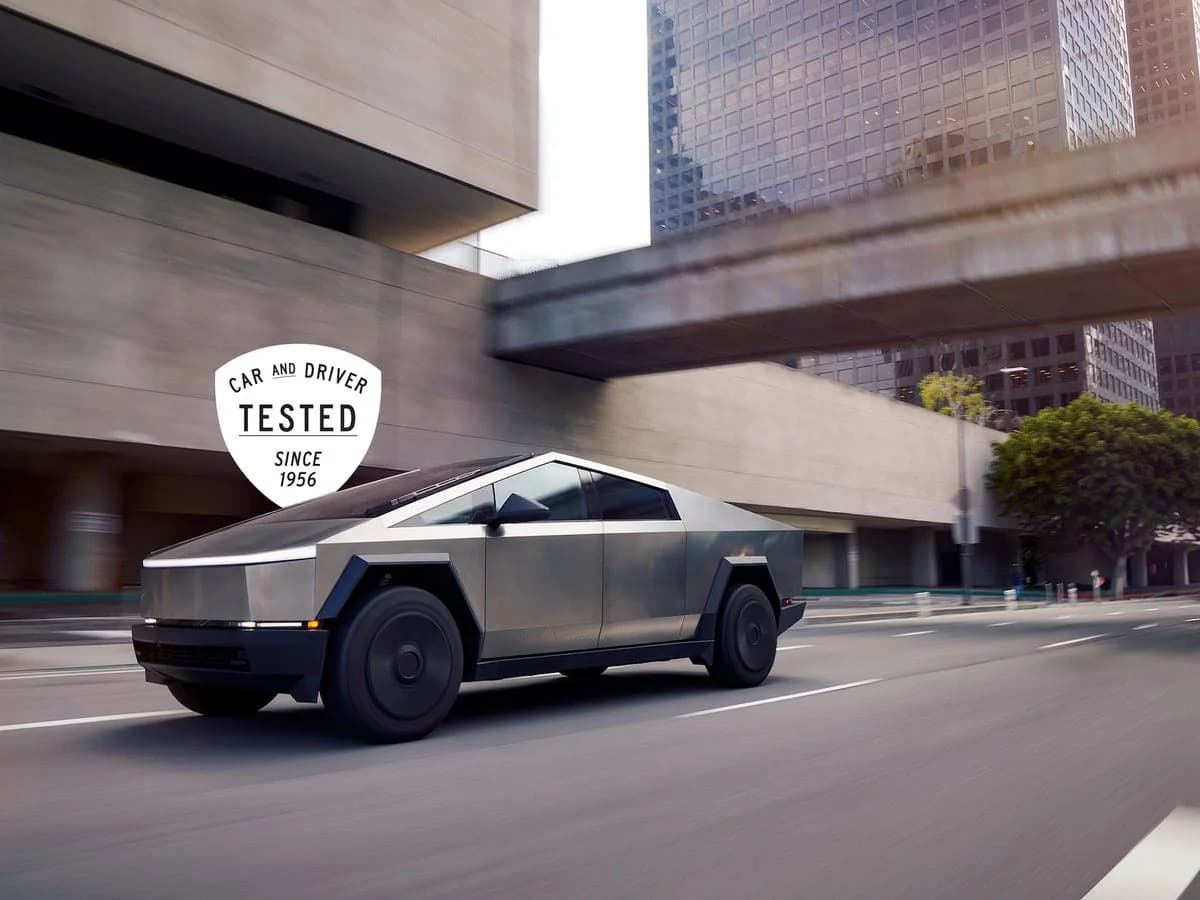
Tesla advertises up to 340 miles of EPA range, but testing suggests a more variable picture. Car and Driver recorded about 250 highway miles in the Cyberbeast, while MotorTrend managed only 224 miles in highway testing; owner reports often land around 280–320 miles depending on weather, speed, and configuration. That is usable for commuting, but towing can roughly halve range, making the Cybertruck less dependable for long-distance hauling than its headline figure suggests.
Towing And Cargo
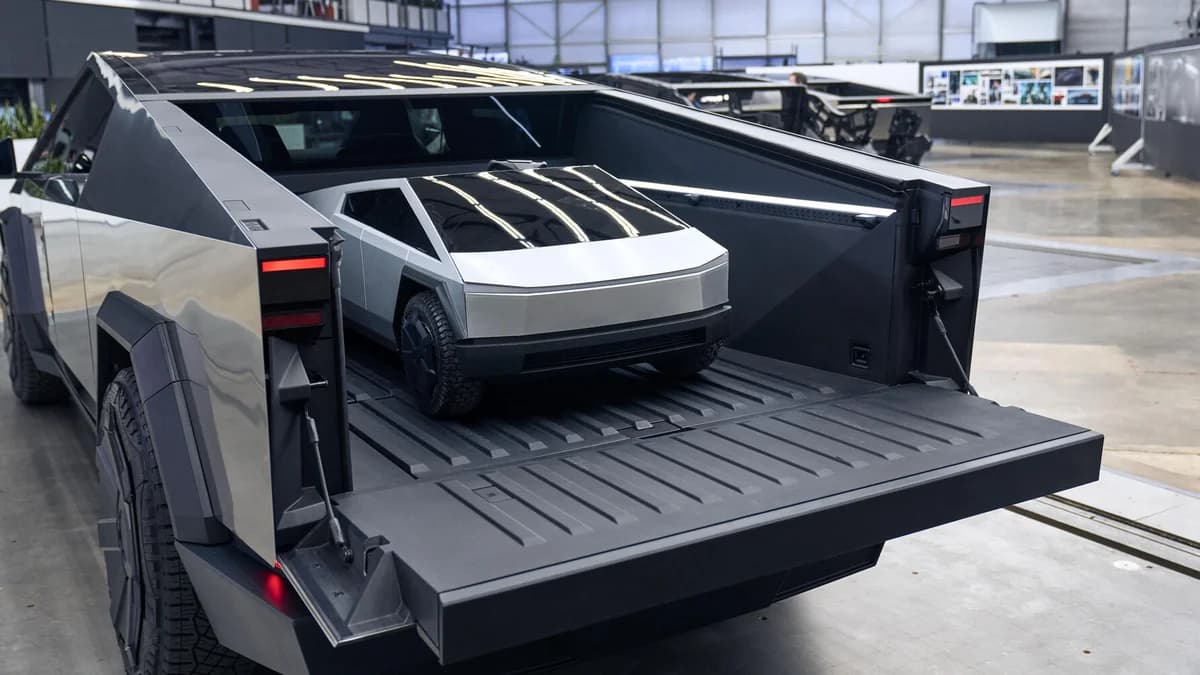
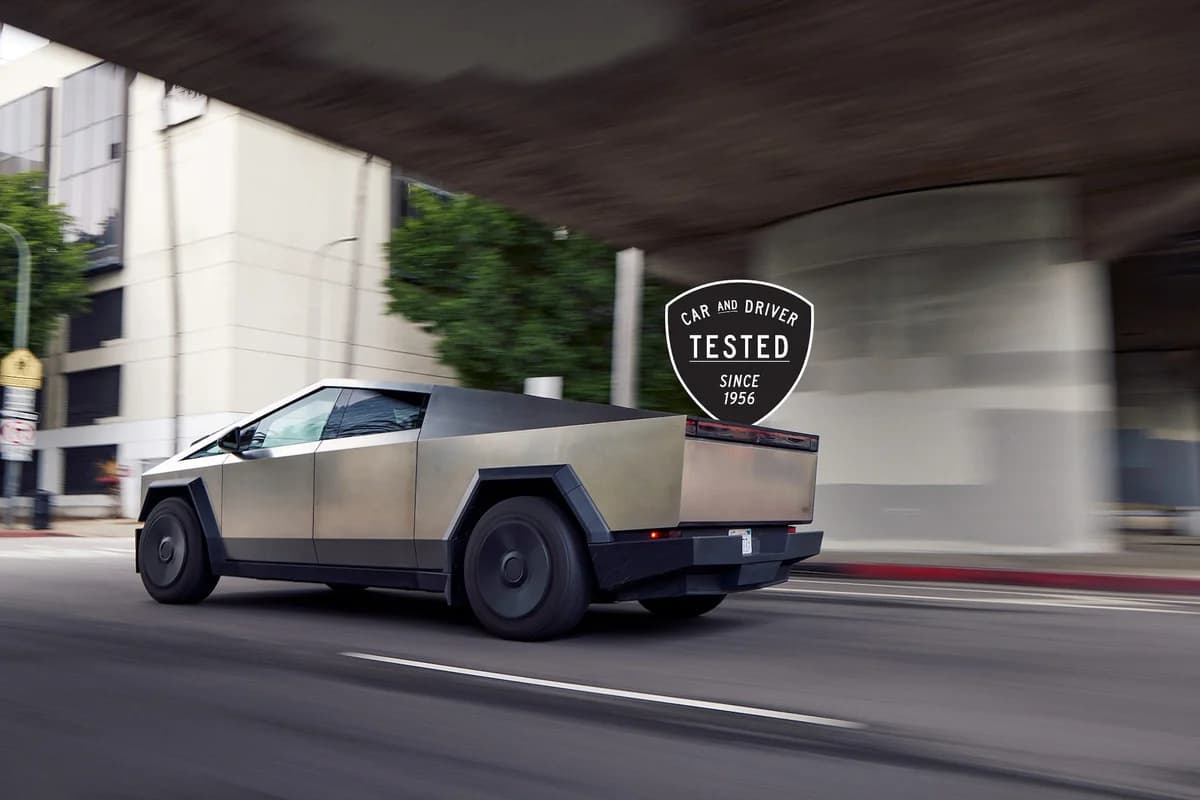
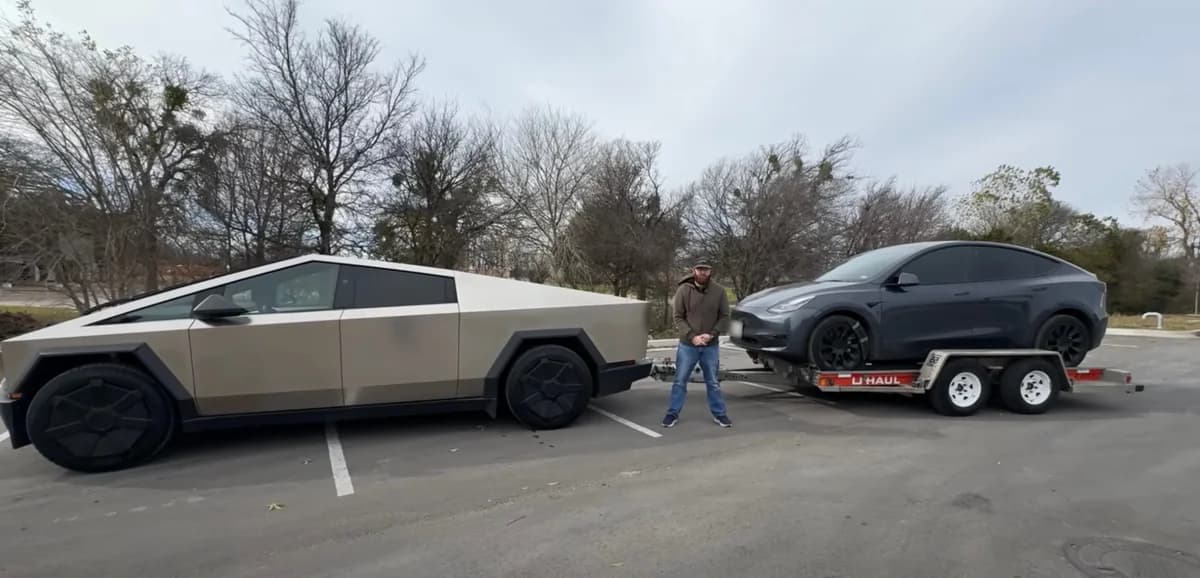
The truck’s 11,000-pound maximum towing rating is serious on paper, and its six-foot bed, powered tonneau, frunk, under-seat storage, outlets, and vehicle-to-load capability provide useful everyday flexibility. Reviewers generally found the bed practical, but the sloped roof, narrow access, and tonneau obstruction complicate loading. More importantly, towing can dramatically reduce range, and trailer charging alignment is awkward. It works well for lighter recreational hauling, but heavy-duty users may still want a conventional truck alongside it.
Charging Performance
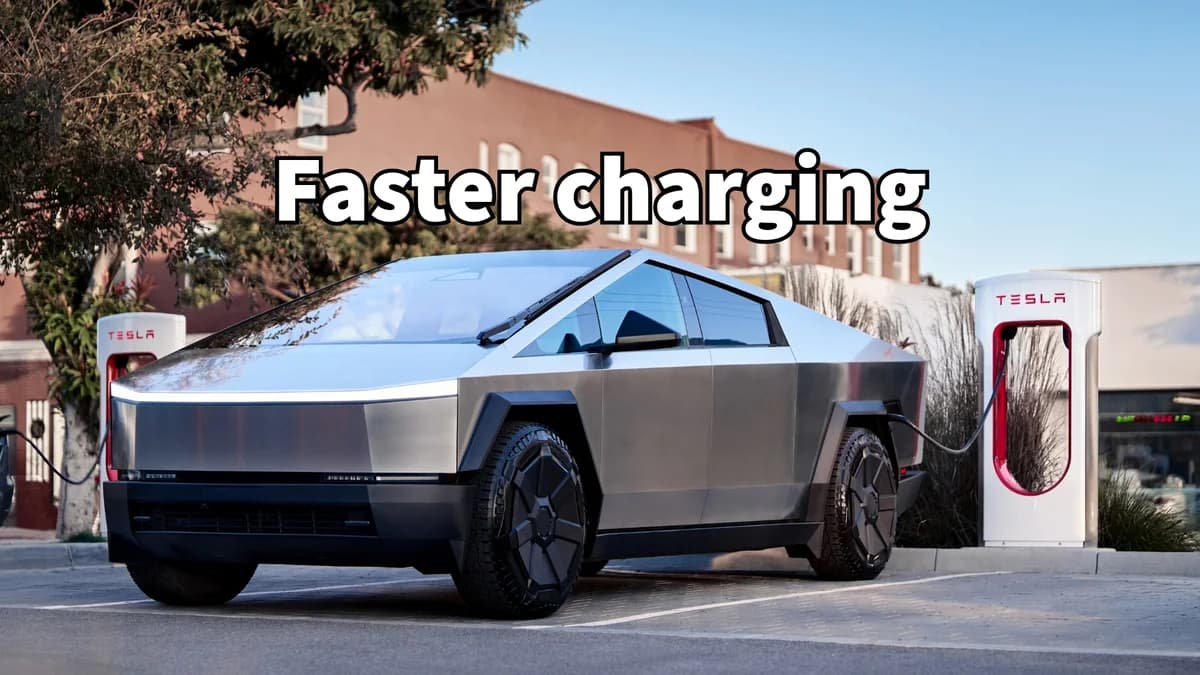
Tesla’s Supercharger network remains a genuine advantage, but the Cybertruck is not a charging leader in every test. Its 800-volt architecture supports DC charging up to about 250 kW, and testing commonly found roughly 42–50 minutes for partial or broad fast-charge sessions, depending on the starting state and charger. That is convenient when route coverage is good, yet reviewers describe performance as merely competitive. Towing adds another complication, since trailer positioning and reduced range can make charging stops slower and less convenient.
Build Quality Concerns
The stainless-steel exoskeleton is a memorable design feature, but early production quality has been inconsistent. Reviewers and owners have reported large panel gaps, rippling, squeaks, trim problems, and occasional rust or wheel-area corrosion concerns, although not every vehicle shows the same issues. The unpainted steel also highlights fingerprints and is difficult to repair conventionally, while Tesla’s claims of toughness do not guarantee flawless assembly. This matters because the truck’s premium pricing raises expectations for fit, finish, and long-term ownership confidence.
Visibility And Ergonomics
The Cybertruck is easier to drive than its dimensions imply, but visibility and controls require adjustment. Its poor rear visibility worsens when the powered tonneau is closed, while thick pillars, blind spots, unusual mirrors, and no conventional driver display complicate lane changes and reversing. Much of the cabin, including basic functions, is managed through a central touchscreen, and the steering-wheel buttons and drive controls have a learning curve. Comfortable seats and excellent cameras help, but the ergonomics are less intuitive than those of established pickups.
Conclusion
The Cybertruck’s final verdict is less “traditional pickup” and more technology showcase with real trade-offs. Its startling acceleration, steer-by-wire agility, and smooth suspension make this oversized truck surprisingly easy and enjoyable to drive, while the bed, outlets, and strong tow rating provide genuine utility. But highway range can fall to 224–250 miles, towing reduces it sharply, and charging is competitive rather than class-leading. Early panel-fit concerns, fingerprints, and reported trim issues also clash with its premium positioning. Add limited rear visibility, thick blind spots, and touchscreen-heavy controls, and everyday use demands patience. It suits Tesla loyalists, performance-focused buyers, and lifestyle owners who value attention and innovation more than maximum practicality. For conventional work, long-distance towing, or polished ergonomics, rivals make more sense; for spectacle backed by genuine capability, the Cybertruck is compelling—but its compromises justify a cautious recommendation.

Feature Scores
This reflects reviews and ratings from established critics, journalists, and users who have evaluated the item. Their opinions provide a comprehensive assessment.
Performance
Towing Capacity
4/5
Payload Capacity
4/5
Driving Range
3/5
Charging Speed
3/5
Acceleration
5/5
Durability and Reliability
2/5
Value
Purchase Price Relative to Features
2/5
Total Cost of Ownership
3/5
Incentive and Tax Benefit Availability
TBD
Resale Value
2/5
Design
Cabin Comfort
4/5
Interior Ergonomics
3/5
Bed and Cargo Utility
3/5
Health
Cabin Air Quality
TBD
Interior Material Health
TBD
Safety
Crashworthiness
TBD
Advanced Driver Assistance Systems
3/5
Battery Thermal Management
4/5
Towing Safety Systems
TBD
Sustainability
Manufacturing Carbon Footprint
TBD
Battery End-of-Life Recycling
TBD
Energy Efficiency and Operational Emissions
3/5
Experience Style
User Interface Intuitiveness
4/5
Software Updates and Feature Expansion
4/5
Charging Network Integration and Route Planning
4/5

Specifications
This section outlines the product's key facts, covering essential features, details, dimensions, materials, and any unique characteristics that define its functionality and usability.
Performance
Value
Design
Safety
Experience Style

Frequently Asked Questions
4 Questions

Find Yours
What's your main purpose for an electric truck?
Answer to find your best matches.