



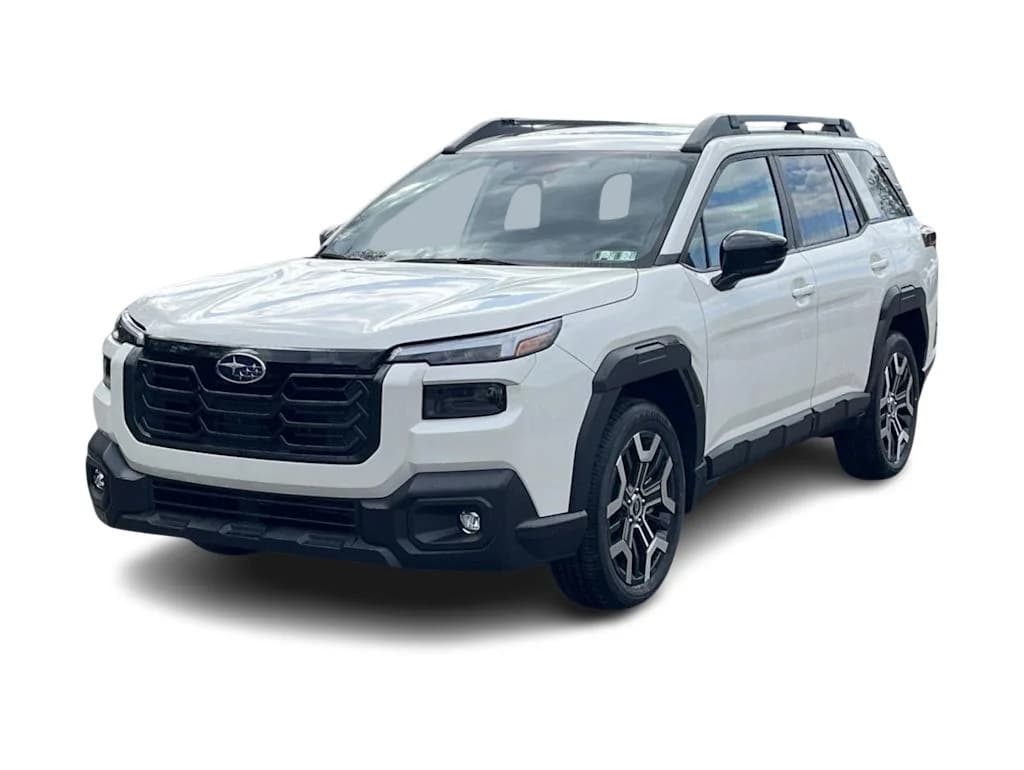
Subaru Outback (2026)
A roomy, capable AWD family SUV with strong XT power, but boxy styling and higher pricing divide buyers.
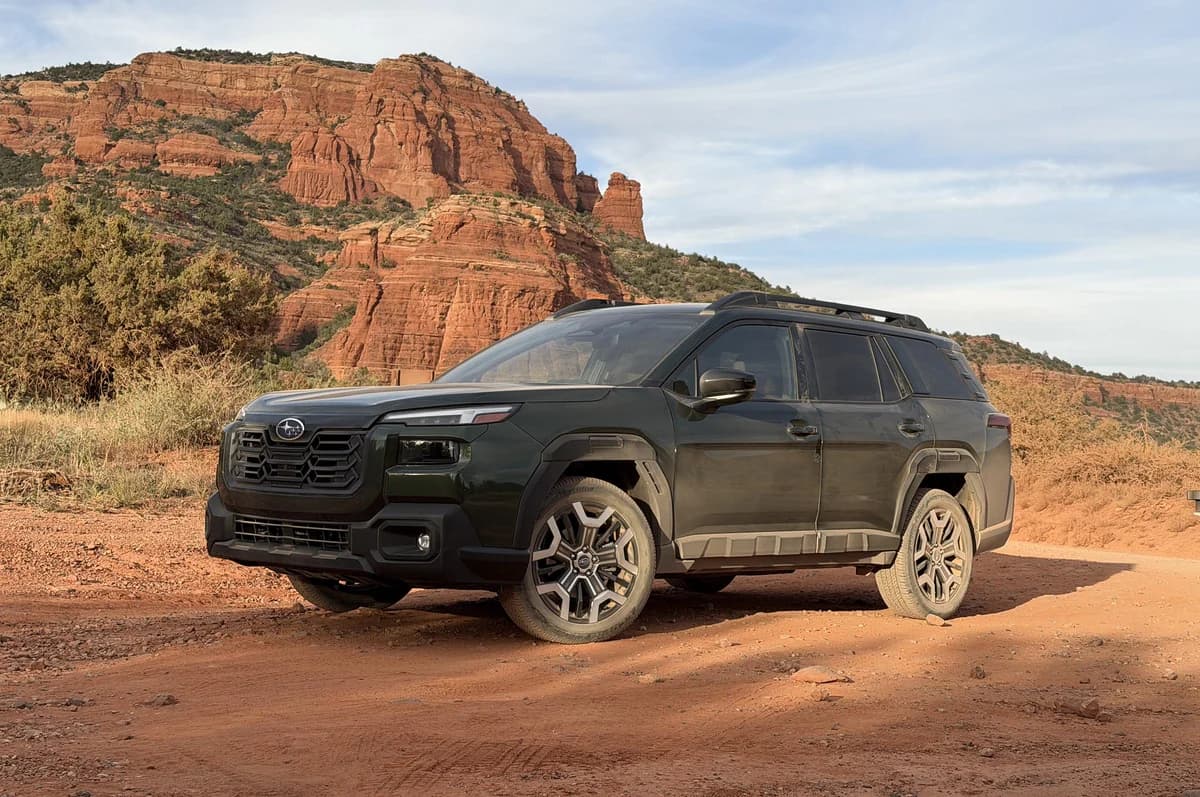
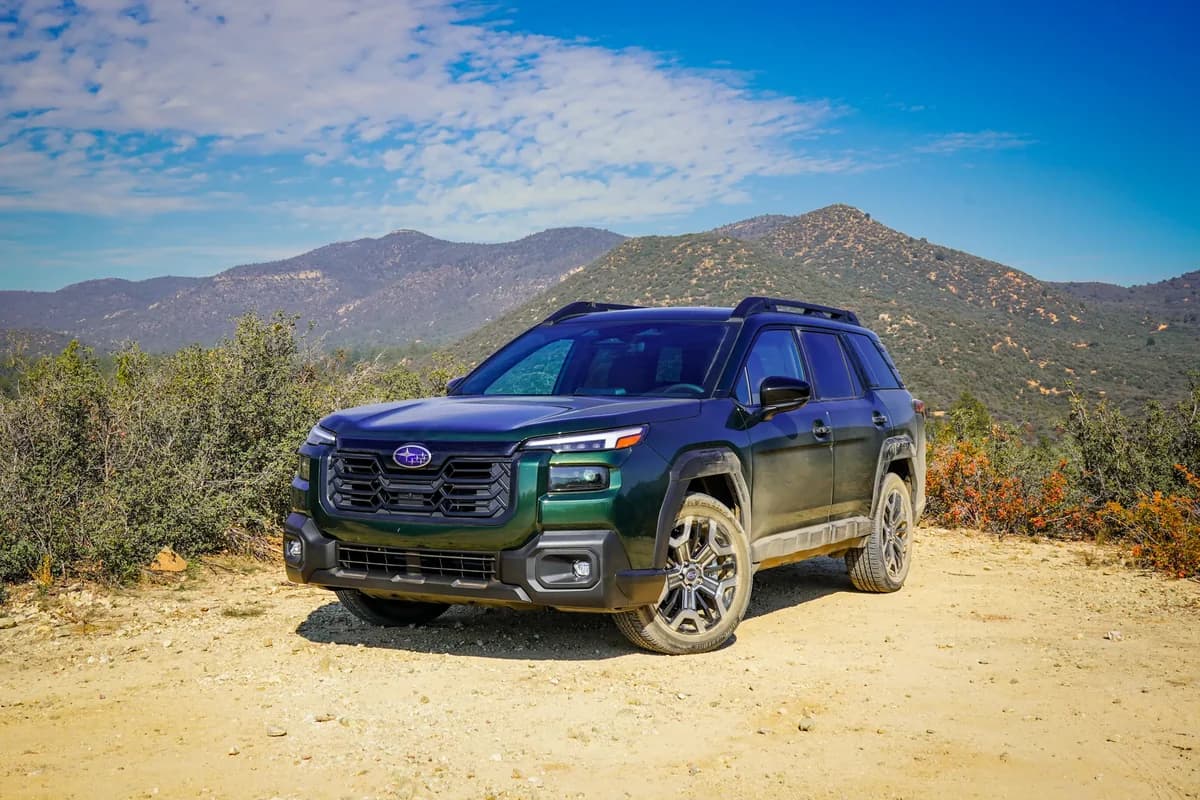
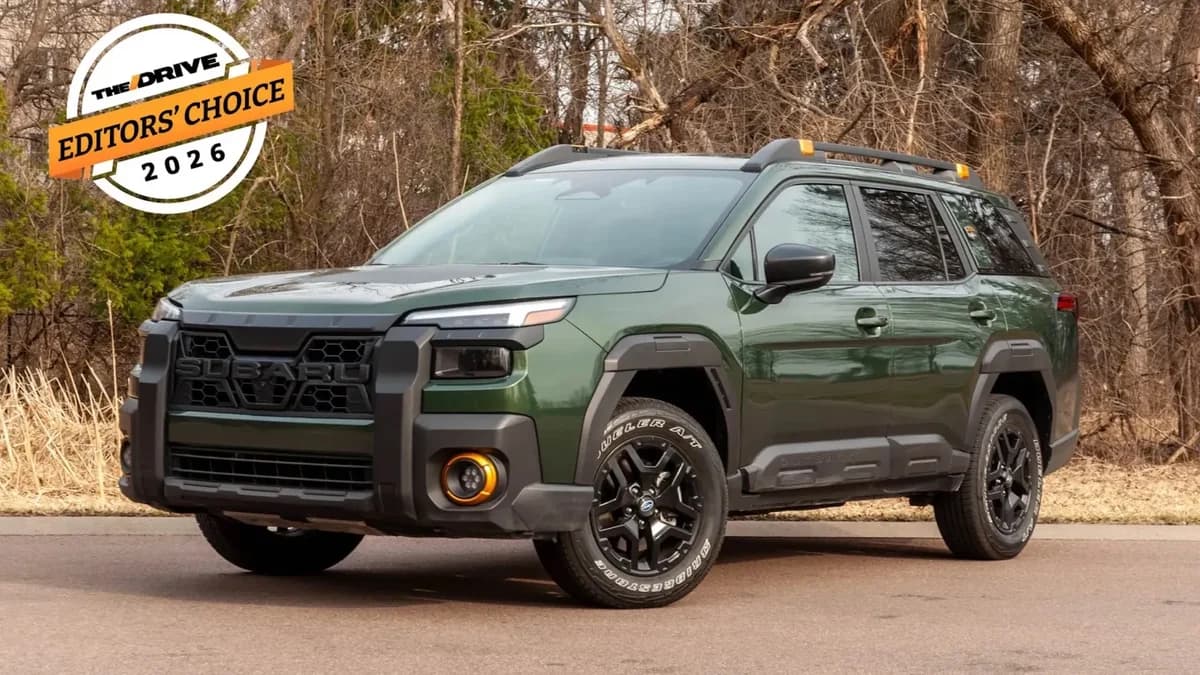
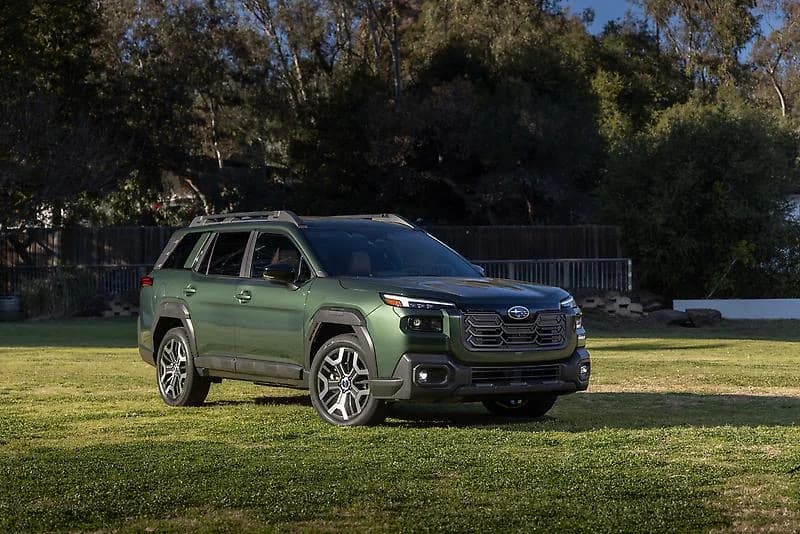
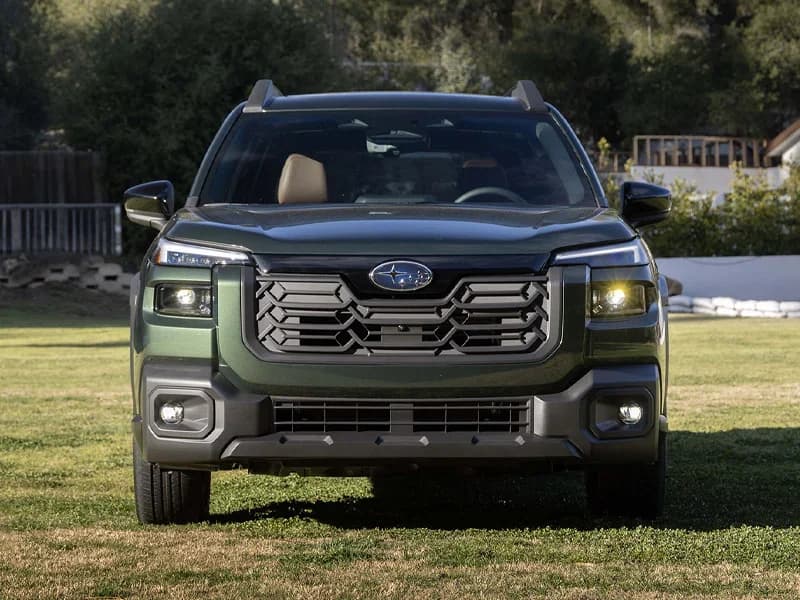
The 2026 Subaru Outback is a family SUV for drivers who want snow-ready confidence and weekend flexibility without the bulk of a truck. Standard all-wheel drive, generous clearance, and a comfortable, roomy cabin support Subaru’s adventure-ready claims, while reviewers confirm its useful trail manners, improved screens, and welcome physical climate controls. The 260-hp turbo XT is the smarter choice for hills, altitude, or loaded trips, since the 180-hp engine can feel strained and the CVT drones. Its boxier styling, highway noise, modest fuel economy, and higher pricing complicate the value, especially without a hybrid. For practical families, it remains compelling, with the 80.5-cubic-foot cargo maximum and 3,500-pound towing adding flexibility. Overall, comfort, capability, and cost shape its recommendation.
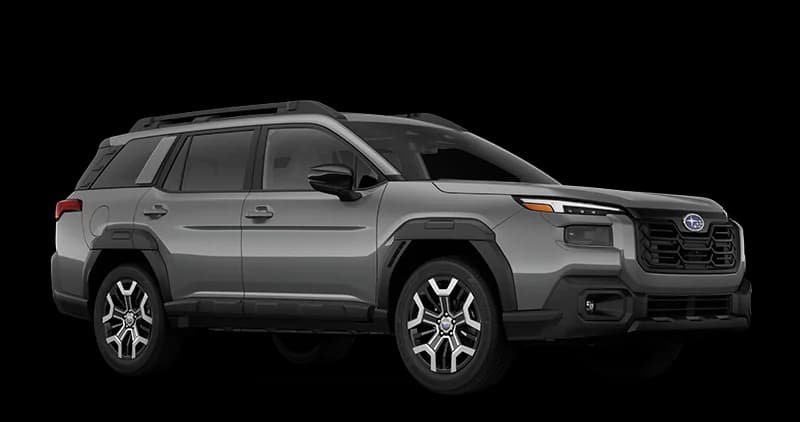
Find Yours
What is your primary use for a Gas-Powered SUV?
Answer to find your best matches.

The Field
Browse top contenders, or compare all options ranked by score and key attributes.
5 Options
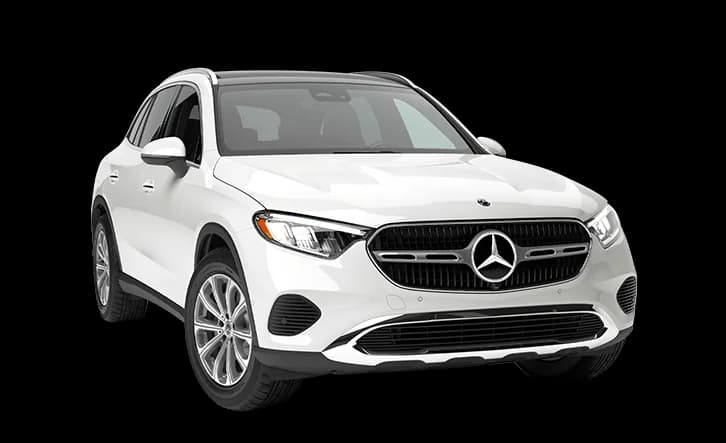
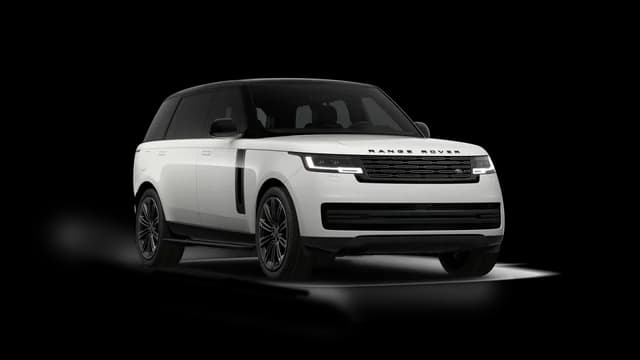
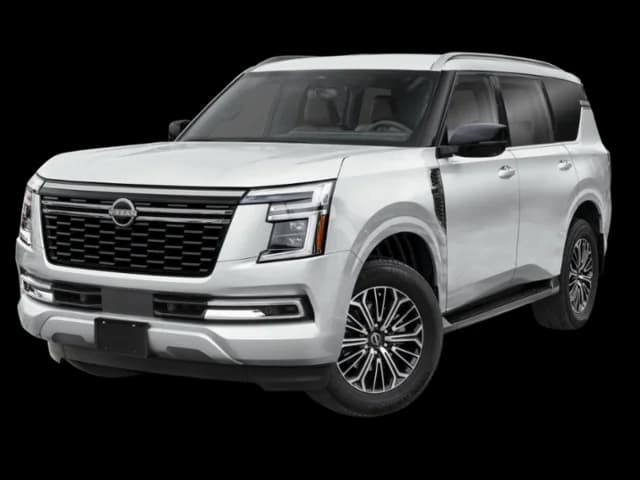
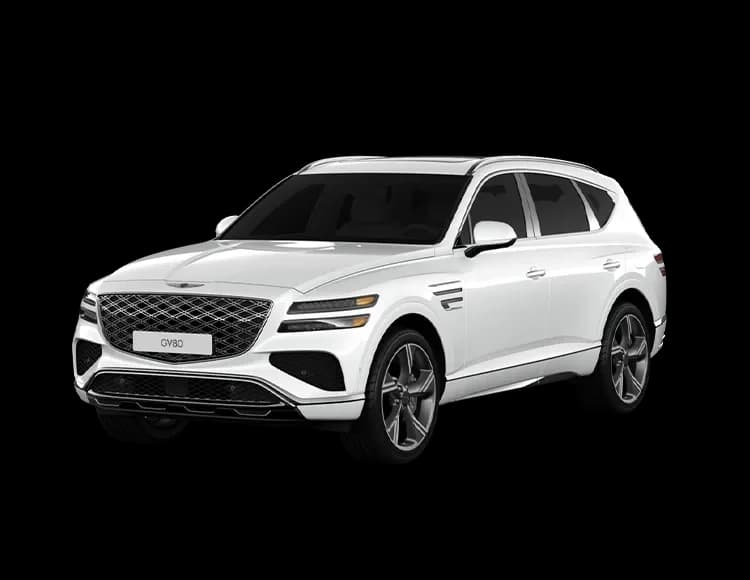

The Scoreboard
Does this improve your life? Considers, health, habits, and environmental impact.
Benefits
Standard AWD builds confidence on wet roads, snow, gravel, and everyday changing weather.
Comfortable seating and extra cargo space make family errands, road trips, and bulky gear easier.
Physical climate buttons and clearer screens reduce fiddling while driving or settling in.
High clearance and Wilderness hardware handle rough tracks without giving up comfortable daily-road manners.
The 260-hp XT makes hills, highway merges, and loaded trips feel more effortless.
Trade-Offs
On hills or merges, the 180-hp engine and CVT feel strained and get loud.
The driver-monitoring system can repeatedly nag even when your hands remain on the wheel.
When screens lag or glitch, changing settings takes extra taps and interrupts simple tasks.
At highway speeds, wind and road noise make conversations and long drives less relaxing.
 Alternatives


Join the Circle
Where real meets deal
Know what's worth buying-and when.
Tips, special offers, and rewards for buying and sharing.

Publications
7 LEADING PUBLICATION REVIEWS

Car and Driver views the 2026 Outback as a capable but compromised redesign. Its roomier, friendlier cabin, clever storage touches, improved infotainment, and effective driver-assistance technology are genuine strengths, while 8.7 inches of clearance lets even the standard model handle gravel, sand, and rough terrain confidently. The turbo XT is reasonably quick at 6.2 seconds to 60 mph, though its power delivery feels uneven and the CVT amplifies turbo lag. On pavement, vague steering, considerable body roll, and merely adequate performance make it less satisfying than key rivals. More importantly, the boxier styling abandons much of the wagon character that made the Outback distinctive, while higher pricing, weaker fuel economy, and the absence of a hybrid further erode its appeal. The result should satisfy loyal owners, but Car and Driver sees it as an ordinary mid-size SUV that no longer offers enough uniqueness or driving enjoyment to stand out.
By Joey Capparella
JD Power’s Christian Wardlaw is positive about the redesigned Outback, though he thinks it loses some of its old-school charm. The new SUV is quieter, roomier, more refined, and notably stronger in technology, with a much-improved infotainment system, effective EyeSight driver assistance, useful roof-loading capacity, and generous cargo space. Testing across highways, mountain roads, gravel, and moderate trails showed impressive off-road composure and excellent real-world highway fuel economy, but the standard engine felt sluggish at elevation and the CVT produced an unwelcome drone under acceleration. Wardlaw also dislikes the boxier, more generic styling, awkwardly mismatched dashboard screens, and heat-trapping StarTex upholstery. Overall, he views the 2026 Outback as a compelling, capable evolution—especially for buyers wanting a larger Forester with an available turbo engine—while mourning the distinctive lifted-wagon personality that made the model special.
By Christian Wardlaw
Edmunds views the 2026 Subaru Outback as a genuinely appealing, if slightly oddball, midsize SUV. After committing a turbocharged Touring XT to a year and 20,000 miles, the publication praises its more premium cabin, much-improved infotainment, comfortable and efficient road-trip manners, spacious interior, standard all-wheel drive, and useful ground clearance. The 260-horsepower turbo engine also avoids the sluggishness expected from the base four-cylinder, while new hands-free highway assistance adds appeal—though it requires the expensive top trim. The redesigned Outback’s SUV-like styling sacrifices some of its distinctive wagon character, and technology still has quirks and room for refinement. Overall, Edmunds’ tone is warmly positive: this is no longer merely a rugged wagon alternative but a well-rounded, genuinely enjoyable SUV that compares credibly with the Honda Passport and Toyota 4Runner.
By Steven Ewing
Drive.com.au’s Kathryn Fisk is positive about the 2026 Subaru Outback, though she sees meaningful compromises. The redesigned cabin, physical climate controls, spacious interior, quiet ride, smooth CVT, and impressive off-road composure—especially in the Wilderness—make it a capable family all-rounder. The base 2.5 remains competent, but feels strained on hills and less confident on rough terrain, while the Wilderness’s turbo engine is notably quicker and its suspension handles rocky tracks with ease. Fisk’s reservations are substantial: styling may divide opinion, infotainment remains sluggish and occasionally unreliable, the wireless charger is poor, fuel economy has worsened, and towing capacity has fallen. She also questions the lack of hybrid power, particularly with Subaru’s electric Trailseeker approaching, and points out that Australian cars miss the all-terrain tyres offered elsewhere. Overall, it remains appealing for buyers prioritizing space, comfort, and genuine off-road ability, but rising pricing and dated efficiency weaken its case.
By Kathryn Fisk
CarBuzz is strongly impressed by the 2026 Subaru Outback, despite its controversial move away from wagon styling. The redesigned Outback gains a much sharper infotainment system, a roomier and quieter cabin, useful technology, excellent standard all-wheel drive, and compelling value below $50,000 even when fully equipped. The Wilderness trim particularly stands out, pairing a quick turbocharged engine with a comfortable adaptive suspension and genuinely capable off-road geometry. Fuel economy is respectable, though hybrids are far more efficient, and the boxer engines are neither especially smooth nor exciting. The biggest drawback is philosophical: loyal buyers who loved the Outback’s distinctive lifted-wagon shape may feel abandoned by its more conventional SUV appearance. Still, Jared Rosenholtz views the change as a smart expansion of the model’s appeal, concluding that the Outback remains spacious, versatile, well-equipped, and an emphatic success.
By Jared Rosenholtz
MotorWeek’s Greg Carloss is clearly impressed by the 2026 Subaru Outback, despite a few reservations. The redesigned SUV keeps familiar Outback dimensions and 8.7 inches of ground clearance while gaining boxier styling, more cargo space, standard large-screen technology, and expanded driver assistance. Carloss is especially enthusiastic about its off-road ability, describing confident traction across increasingly difficult Sedona trails. He also praises the genuinely comfortable seats after a full day of driving and calls the quicker, more direct steering a major improvement. The turbocharged XT feels meaningfully stronger than the base engine, though the continuously variable transmission remains a disappointment on pavement, even if its downhill control proves useful off-road. With pricing rising above $36,000 and approaching $50,000 for the Touring XT, the review presents the Outback as a capable, comfortable, and substantially upgraded utility vehicle rather than an unqualified performance standout.
By Greg Carloss
Ars Technica’s Jim Resnick is broadly impressed by the 2026 Outback, despite its awkward new looks. After a week with a Limited, he found the redesigned cabin roomier, more comfortable, quieter, and notably easier to use, thanks to physical climate controls and faster, clearer displays. The Outback also retained its appealing all-weather versatility, handling Arizona trails confidently within reason while delivering good highway refinement, useful cargo space, and better-than-rated fuel economy in his testing. Still, enthusiasm has limits: the base engine is merely adequate, the CVT drones and lurches under stress, cargo capacity trails class leaders, and the intrusive DriverFocus system repeatedly nagged him even when his hands were on the wheel. Resnick’s verdict is measured but favorable: the Outback remains an excellent practical adventure vehicle, provided buyers can accept its divisive styling and modest performance.
By Jim Resnick

YouTube
13 LEADING EXPERT & INFLUENCER REVIEWS
 Consumer Reports
Mike Quincy is cautiously positive about the 2026 Subaru Outback, praising its practicality while strongly disliking the styling. He appreciates the roomy, well-finished cabin, physical climate controls, excellent visibility, comfortable ride, useful cargo area, and improved infotainment. The turbocharged Touring XT earns clear approval for its stronger, quieter performance, especially at altitude, while the 180-hp engine feels underpowered and its start-stop system is rough. Both versions suffer from excessive wind and road noise, and handling is competent rather than sporty. Overall, Quincy sees the Outback as a capable, easy-to-live-with SUV—if buyers can accept its blocky design and higher price.
Auto Buyers Guide | Alex on AutosAlex on Autos is highly positive about the redesigned 2026 Subaru Outback, calling it a compelling blend of carlike handling and genuine SUV practicality. He praises its comfortable, spacious cabin, improved ride, standard AWD, easy roof loading, useful cargo solutions, and notably better refinement. The turbo XT feels lively, while the new EyeSight system and hands-off highway assistance add meaningful technology. Still, the Outback is not class-leading for cargo space or fuel economy, retains a CVT, lacks a hybrid option, and costs more because the base trim disappeared. Overall, Alex sees it as an unusually versatile, thoughtfully improved adventure-oriented family vehicle.
Driven Car Reviews With Tom VoelkTom Voelk is strongly positive about the redesigned 2026 Subaru Outback, calling it Subaru’s best yet. He praises its quieter, comfortable ride, useful extra cargo space, polished cabin, responsive infotainment, excellent visibility, standard AWD, and the turbo XT’s meaningful acceleration. The Wilderness also impresses on poorly maintained trails, though he considers all three versions capable for light off-road travel. His reservations are clear: styling remains polarizing, fuel economy slips, the naturally aspirated engine feels sluggish, the suspension rolls in corners, and he misses the wagon shape. Overall, it’s a practical, highly improved SUV rather than an enthusiast’s vehicle.
savagegeeseSavageGeese is highly impressed by the redesigned 2026 Subaru Outback overall. They praise its physical HVAC and infotainment controls, intuitive software, roomy cabin, useful cargo space, quieter ride, capable Symmetrical All-Wheel Drive, and Wilderness trim’s genuine off-road hardware. The turbocharged 260-hp engine provides plenty of power, while the suspension feels unusually smooth and compliant without becoming floaty. Their main objections are the awkward styling, mediocre turbo fuel economy, and a CVT that can feel rubbery and occasionally behave strangely. They consider the naturally aspirated engine underpowered, but still view the Outback as an exceptionally practical, refined family adventure SUV.
Redline ReviewsRedline Reviews is highly impressed by the redesigned 2026 Subaru Outback. The boxier styling sacrifices some wagon character, but the Outback remains comfortable, carlike, practical, and confidently capable, with excellent visibility, more headroom and cargo space, and a much faster, more intuitive infotainment system with physical climate controls. The turbocharged XT feels especially compelling, delivering strong acceleration and smoother refinement, while standard AWD and 8.7 inches of clearance preserve its adventure appeal. Criticisms include no hybrid option, panoramic roof, head-up display, or rear-seat recline, plus a noticeable price increase. Overall, it’s a warmly recommended evolution, especially in XT form.
Car ConfectionsCar Confections is highly impressed by the redesigned 2026 Subaru Outback. After a week, they particularly enjoyed its comfortable ride, spacious cabin, improved dual-screen technology, physical climate controls, strong 260-hp XT engine, and surprisingly engaging handling. Standard AWD, 8.7 inches of clearance, useful cargo capacity, and effective safety systems reinforce its family-adventure appeal. The reviewers prefer the XT, finding the 180-hp base engine underpowered for this larger SUV. Their main complaints are the lack of a hybrid, head-up display, and adaptive dampers on the roughly $50,000 Touring XT, plus slightly increased wind noise. Overall, they consider it the best Outback yet.
CarGurusMark Takahashi is highly positive about the 2026 Subaru Outback, calling it comfortable, easy to drive, and impressively capable. After a full day behind the wheel, he praises the surprisingly adequate base engine, smooth ride, refined EyeSight driver assistance, spacious rear seat, clever cargo hammock, and improved cabin with physical climate controls. He also appreciates its carlike handling and low steering kickback off-road. The main caveat is that the base Outback needs some hard acceleration, while the standard trim’s trail ability remains well short of a Wrangler or Bronco. Overall, he sees it as an excellent fit for everyday driving and outdoor adventures.
The Car Care Nut ReviewsThe Car Care Nut is highly enthusiastic about the 2026 Subaru Outback. He praises its sensible redesign, excellent visibility, spacious cargo area, physical climate controls, responsive infotainment, standard Symmetrical All-Wheel Drive, and solid underbody engineering. He especially appreciates that Subaru returned to a simpler, more practical formula after the previous model’s frustrating screen-heavy cabin. His criticisms are specific: awkward exterior trim, an annoying driver-monitor bump, cheap-feeling fabric and headliner materials, and lingering concerns about manually adjusted valves and CVT durability. Overall, he views it as a comfortable, capable, refreshingly uncomplicated family SUV.
RealistickRealistick is positive on the 2026 Outback, calling it more competitive and his favorite Subaru SUV, though less distinctive. Compared back-to-back with the outgoing model, it brings a more practical cabin, faster infotainment, physical climate controls, improved driving aids, slightly sharper handling, and a more controlled ride. Standard AWD, 8.7 inches of clearance, and Wilderness capability remain compelling. Still, the higher price, less premium cabin materials, reduced visibility, lost deployable crossbars, unchanged performance, and more conventional SUV styling matter. His verdict: the new model is the broader recommendation, but the old Outback had more personality and “secret sauce.”
MotormouthMotormouth is highly impressed by the 2026 Subaru Outback, especially its smoother, quieter ride and stronger turbo performance. They praise the sharper steering, comfortable carlike handling, excellent visibility, spacious cabin, clever cargo solutions, physical climate controls, and responsive infotainment. The redesigned SUV styling initially feels polarizing but grows on them, while standard AWD, 8.7 inches of clearance, and Wilderness capability preserve its adventurous appeal. Reservations include higher pricing, modest cargo dimensions versus the Honda Passport, no hybrid option, and a disappointing fixed-height passenger seat. Overall, they see it as a thoughtfully upgraded, near-premium Outback.
Automotive Anonymous Automotive Anonymous is cautiously positive about the 2026 Subaru Outback, but wouldn’t buy one personally. He criticizes its sharply higher price, cheaper-feeling details, controversial styling, limited tech advancement, overactive driver monitoring, lack of a hybrid, and merely adequate base-engine performance. Still, firsthand experience—including three years with an Outback Wilderness—leaves him convinced the redesign remains comfortable, stable, practical, safety-focused, and recognizably Outback-like, with more cargo room and smoother road manners. He recommends considering a discounted 2025 for value, while acknowledging the 2026 suits buyers prioritizing the newest, roomiest Subaru.
Car Help CornerShari Prymak is strongly positive about the 2026 Subaru Outback, calling it the better overall buy for most shoppers. Compared with the Forester, it offers a smoother ride, roomier cabin and cargo area, better infotainment and physical climate controls, stronger towing capacity, and an optional 260-hp turbo engine. Prymak considers the base Outback the standout value, while acknowledging its higher price and lack of a hybrid option. The Forester remains preferable for budget-conscious buyers or those prioritizing fuel economy, but the Outback earns the clearer recommendation for comfort, versatility, and performance.
The Novak ReportEric Novak is cautiously positive about the redesigned 2026 Subaru Outback. He appreciates its greater interior and cargo space, standard Symmetrical All-Wheel Drive, comfortable driving manners, and the Wilderness trim’s genuine capability. After driving both the Limited and Wilderness for nearly a week, he found fuel economy close to its ratings but disappointing for a modern SUV, especially without a hybrid option. Novak also prefers the outgoing wagon-like styling and sees the new design as too close to the Forester, though he believes the more conventional SUV shape could attract new buyers.

Social
3 INFLUENCER REVIEWS
 Matt Maran Motoring
Matt Maran Motoring is clearly frustrated by the 2026 Subaru Outback’s overly cluttered steering wheel. He concedes it is no worse than the previous generation, but argues Subaru missed an opportunity to simplify the layout. He questions the need for paddle shifters on a 180-horsepower SUV, a steering-wheel drive-mode selector, separate source and trip-reset controls, gauge-cluster buttons, and two adaptive-cruise following-distance buttons. His central point is that these functions are rarely used and could be handled more cleanly through the display or simpler controls, making the wheel easier to understand.
 Real Mom Car Tours
Just Jana is very enthusiastic about the 2026 Subaru Outback, calling it a genuinely great car despite its Lego-like styling. She highlights the boxier redesign, integrated touchscreen, physical controls, digital gauge cluster, wireless charging, extensive camera views, heated front and rear seats, abundant rear USB ports, flat-folding seats, washable rear camera, and roof rails rated for 800 pounds. Her humor keeps the review light, while the $46,000 Limited XT price and unconventional appearance provide useful context. Overall, she presents the Outback as practical, thoughtfully equipped, and family-friendly.
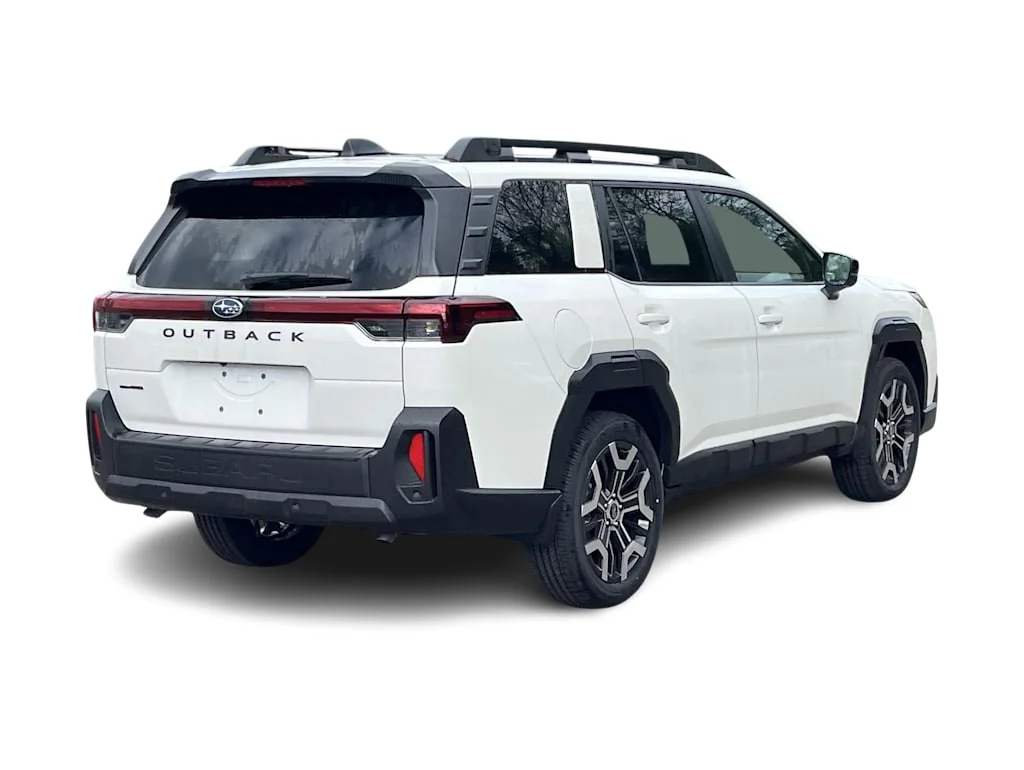
Cars & BidsCars & Bids is cautiously positive about the 2026 Subaru Outback’s radical redesign. The boxier, more purposeful off-road styling and improved technology mark a dramatic break from the softer previous generation, though the reviewer questions whether traditional Subaru buyers will embrace it. While it is only marginally longer and about an inch taller, its accumulated growth has made it difficult to call a wagon. At eight inches taller than the Mercedes-Benz E450 All-Terrain, the Outback now clearly occupies SUV territory.

Forum Reviews
CUSTOMER REVIEWS FROM 1 FORUM
Redditors are divided on the 2026 Outback, appreciating its comfort and upgrades while mourning its wagon identity. The redesigned interior, quieter ride, spaciousness, visibility, responsive handling, and improved technology earn substantial praise, with several owners saying it looks better in person and feels solid. Yet the boxier SUV styling, grille, wheel-arch cladding, fabric surfaces, lost integrated crossbars, and unchanged drivetrain draw sharp criticism. Longtime Outback owners are especially reluctant to upgrade, viewing the model as homogenized and overpriced, while new shoppers and some converts find its practicality and refinement compelling. First-year reliability concerns also temper enthusiasm.
Many comments

In-Depth Review

Highlights
- •Standard All-Wheel DriveDesigned for snow, gravel, and trails.
- •Roomy Family CabinMore headroom and useful cargo solutions.
- •Physical Climate ControlsDirect adjustments avoid menu hunting.
- •Turbo XT Performance260-hp XT feels stronger and quieter.

Considerations
- •Base Engine Strain180-hp engine feels strained on hills.
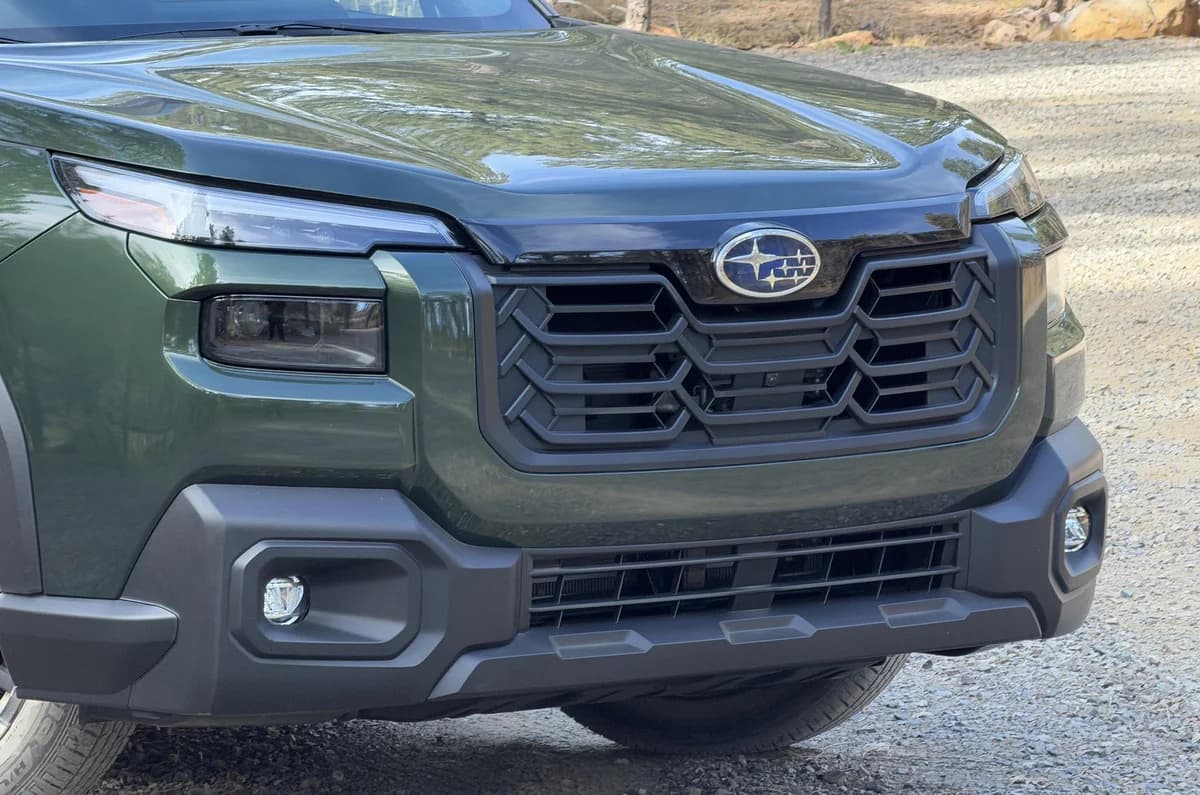
- •Boxy Exterior StylingSUV shape divides longtime buyers.
- •Higher PricingRedesign costs more across the lineup.
- •Limited Fuel EconomyTurbo models lack hybrid-level efficiency.
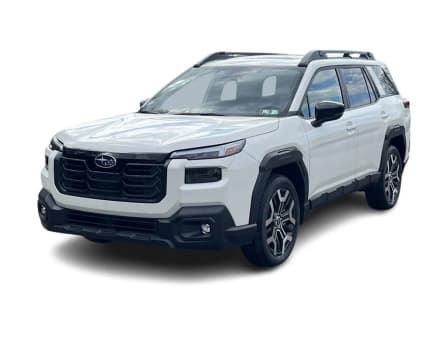
Subaru’s redesigned Outback turns its all-weather reputation into a more conventional family SUV. Built for commuters, families, and weekend explorers, it pairs standard Symmetrical All-Wheel Drive with 8.7 inches of clearance, practical space, and a calmer road-going character than more trucklike rivals. The available 260-hp turbo Boxer addresses one of the outgoing model’s familiar weaknesses, while the redesigned cabin brings physical climate controls, faster screens, and useful cargo flexibility. The trade-offs deserve equal attention: the base engine can feel strained, the CVT may drone, and the boxier styling, higher pricing, highway noise, and lack of a hybrid may challenge longtime owners. The following sections examine capability, powertrain behavior, space, ride comfort, refinement, efficiency, and towing so families and outdoor-minded buyers can judge whether this broader SUV still has the Outback’s carlike versatility—and whether the XT is the smarter adventure companion.
AWD and Trail Capability
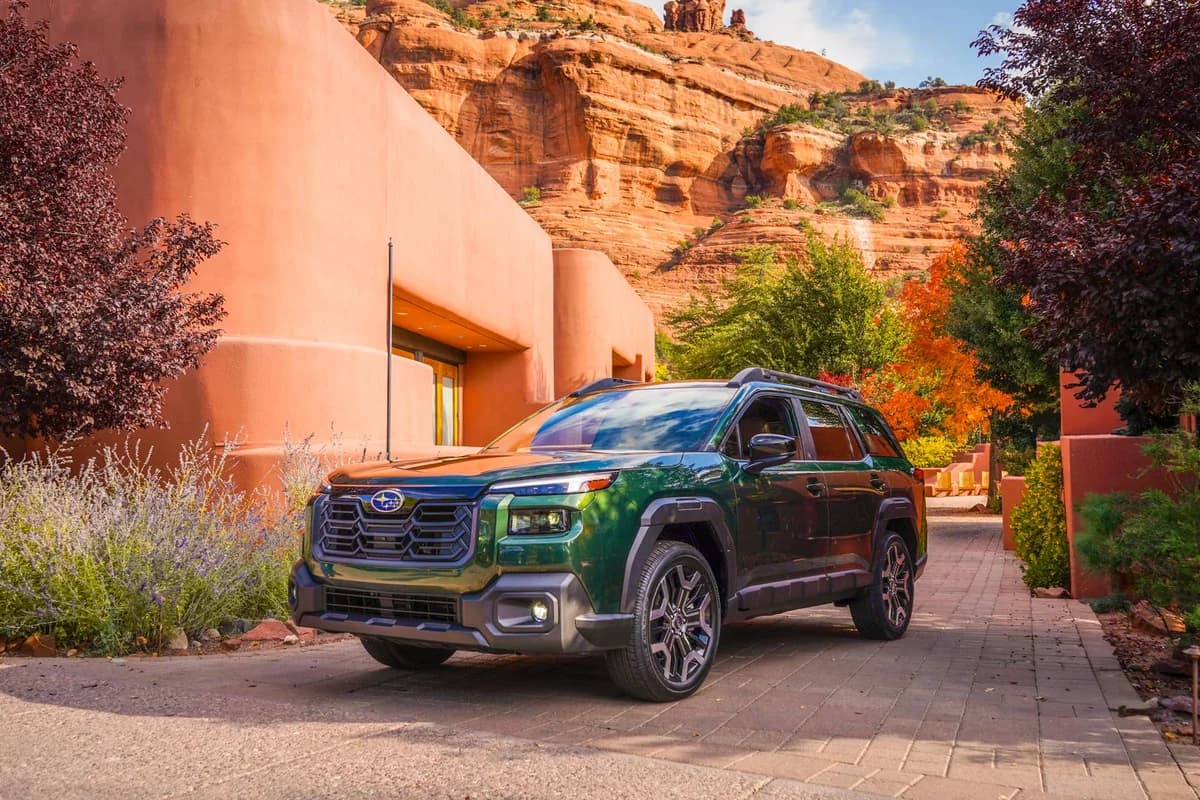
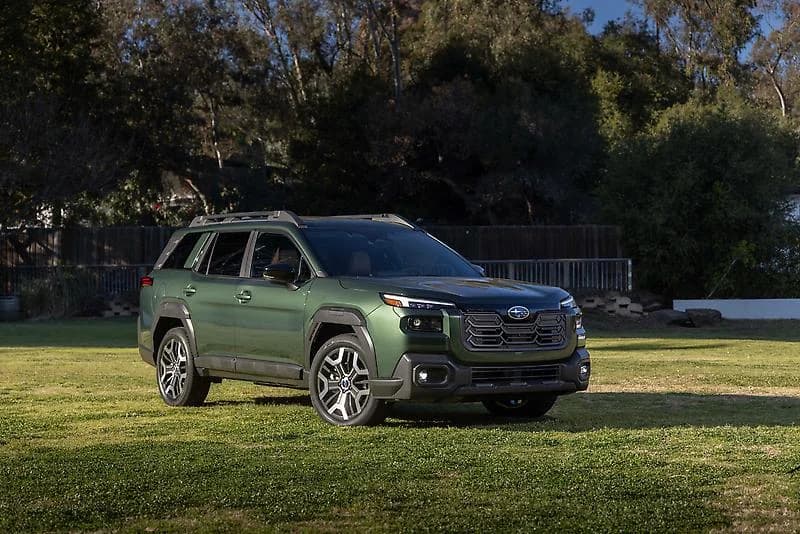
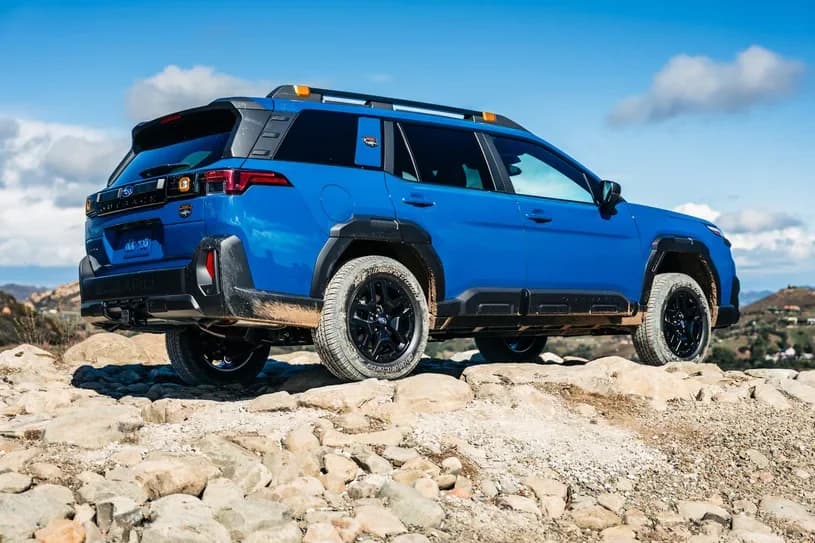
The Outback’s standard Symmetrical All-Wheel Drive gives every trim useful traction without forcing buyers into an upgrade. Its 8.7 inches of ground clearance help with snow, gravel, sand, and moderate trails, while the Wilderness adds more trail-focused hardware and impressed reviewers on rougher routes. This is genuine light off-road ability, not Wrangler-level rock crawling, but it pairs unusually well with everyday road manners. Subaru’s capability claims are strongly supported by testing, although the lost integrated crossbars reduce some of the old wagon’s outdoor practicality.
Engine and CVT Performance
Powertrain choice matters more than usual because the base engine can feel stretched in this larger SUV. The 180-hp 2.5-liter Boxer is adequate for routine driving, but reviewers report strained climbs, loud acceleration, and a rough start-stop system. The 260-hp 2.4-liter turbo XT is the better match for highway merges, altitude, hills, and loaded trips, with testing recording 0–60 mph in about 6.2 seconds. The Lineartronic CVT with eight-speed manual mode is smooth at times but can drone, feel rubbery, or worsen turbo lag.
Efficiency and Towing
The Outback delivers practical capability, but efficiency is no longer a standout. The standard engine is rated at 25 mpg city and 31 highway, while turbo models fall to roughly 21 city and 27–29 highway, with no hybrid alternative available. Real-world highway testing has sometimes beaten the official numbers, but reviewers still see fuel economy as a weakness for a modern SUV. Towing reaches 3,500 pounds when properly equipped, useful for small campers or recreational gear, although some coverage notes the redesigned model’s towing capacity is lower in certain markets.
Cabin Refinement and Quality
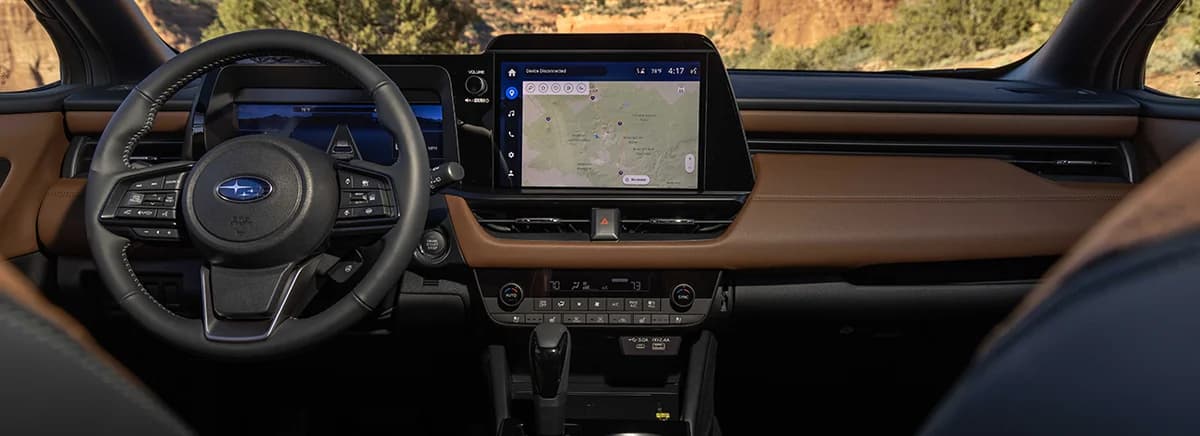
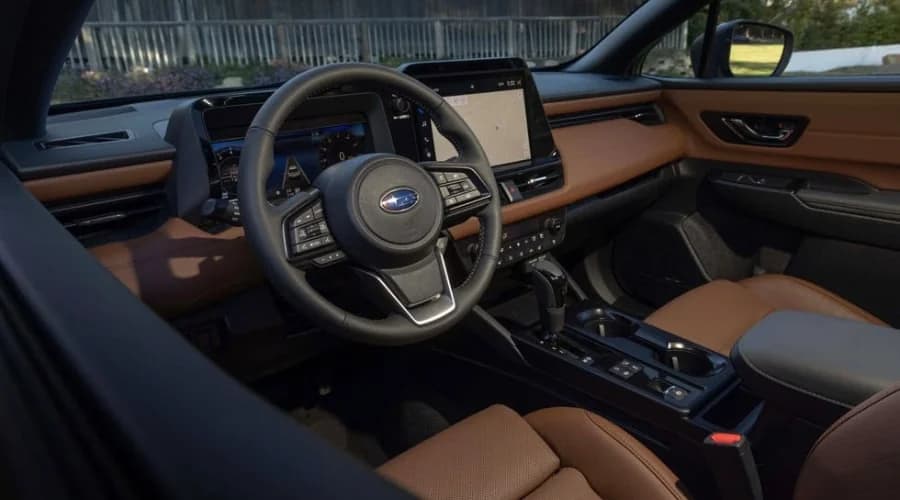
The redesigned interior feels more polished, though not uniformly premium. Physical climate controls are a clear usability win, and the faster displays, solid visibility, comfortable seats, and improved noise isolation support Subaru’s claim of a friendlier cabin. Experts generally found it quieter than before, but wind and road noise remain noticeable at highway speeds. Some reviewers also criticized fabric-heavy surfaces, a cheap-feeling headliner, awkward screen integration, and the intrusive DriverFocus monitoring system. Build quality feels reassuring overall, yet material choices do not always match upper-trim pricing.
Ride and Road Manners
The Outback prioritizes relaxed confidence over sporty excitement. Its quieter, more comfortable ride suits commuting and long road trips, while improved steering, excellent visibility, and carlike responses make it easy to place on narrow roads or trails. The Wilderness adds capable suspension tuning without becoming punishing, and some reviewers found the handling surprisingly engaging. Still, the standard setup can roll through corners, steering may feel vague, and the CVT drones under hard use. It is more composed than athletic, which fits its family-adventure mission.
Interior and Cargo Space
The redesigned cabin makes the Outback easier to use as a family vehicle. Five-seat, two-row seating leaves useful room for adults, while cargo capacity reaches 34.6 cubic feet behind the rear seats and 80.5 cubic feet with them folded. Reviewers praise the extra headroom, flat-folding seats, cargo hammock, washable camera, and roof-loading convenience, though the Outback still trails some rivals in maximum cargo volume. The large 12.1-inch infotainment screen is much faster and clearer, and physical climate controls avoid burying everyday adjustments in menus.
Conclusion
The 2026 Subaru Outback makes its case as a standard-AWD family SUV that can handle snow, gravel, and moderate trails without becoming tiring on pavement. Its roomy cabin, flexible cargo area, visibility, and physical controls are genuine everyday wins, while the comfortable ride earns broad approval. Choose the XT if hills, altitude, or loaded trips are routine: the 260-hp turbo is a much better match than the strained 180-hp engine and droning CVT. The trade-offs are clear: boxier styling, noticeable highway noise, mixed material quality, modest fuel economy, and a higher price, though 3,500-pound towing adds useful versatility. This is not for shoppers seeking sporty handling, hybrid efficiency, or wagon character. For families and outdoor-minded drivers who value capability and ease over flair, its balanced strengths justify a solid recommendation.

Feature Scores
This reflects reviews and ratings from established critics, journalists, and users who have evaluated the item. Their opinions provide a comprehensive assessment.
Performance
Engine Power
4/5
Acceleration
3/5
Towing Capacity
4/5
Fuel Efficiency
3/5
Reliability
3/5
Durability
3/5
Value
Purchase Price
3/5
Operating Cost
3/5
Resale Value
4/5
Design
Interior Space
4/5
Cargo Capacity
4/5
Ergonomics
4/5
Exterior Styling
3/5
Health
Cabin Air Quality
TBD
Interior Material Toxicity
TBD
Safety
Crashworthiness
4/5
Active Driver Assistance
4/5
Braking Performance
3/5
Visibility and Lighting
4/5
Sustainability
Tailpipe Emissions
2/5
Fuel Lifecycle Emissions
2/5
Use of Recycled Materials
TBD
End-of-Life Recyclability
TBD
Experience Style
Infotainment Features
4/5
Ride Comfort Tuning
4/5
Customization Options
4/5

Specifications
This section outlines the product's key facts, covering essential features, details, dimensions, materials, and any unique characteristics that define its functionality and usability.
Performance
Value
Design
Safety
Sustainability
Experience Style

Frequently Asked Questions
12 Questions

Find Yours
What is your primary use for a Gas-Powered SUV?
Answer to find your best matches.