











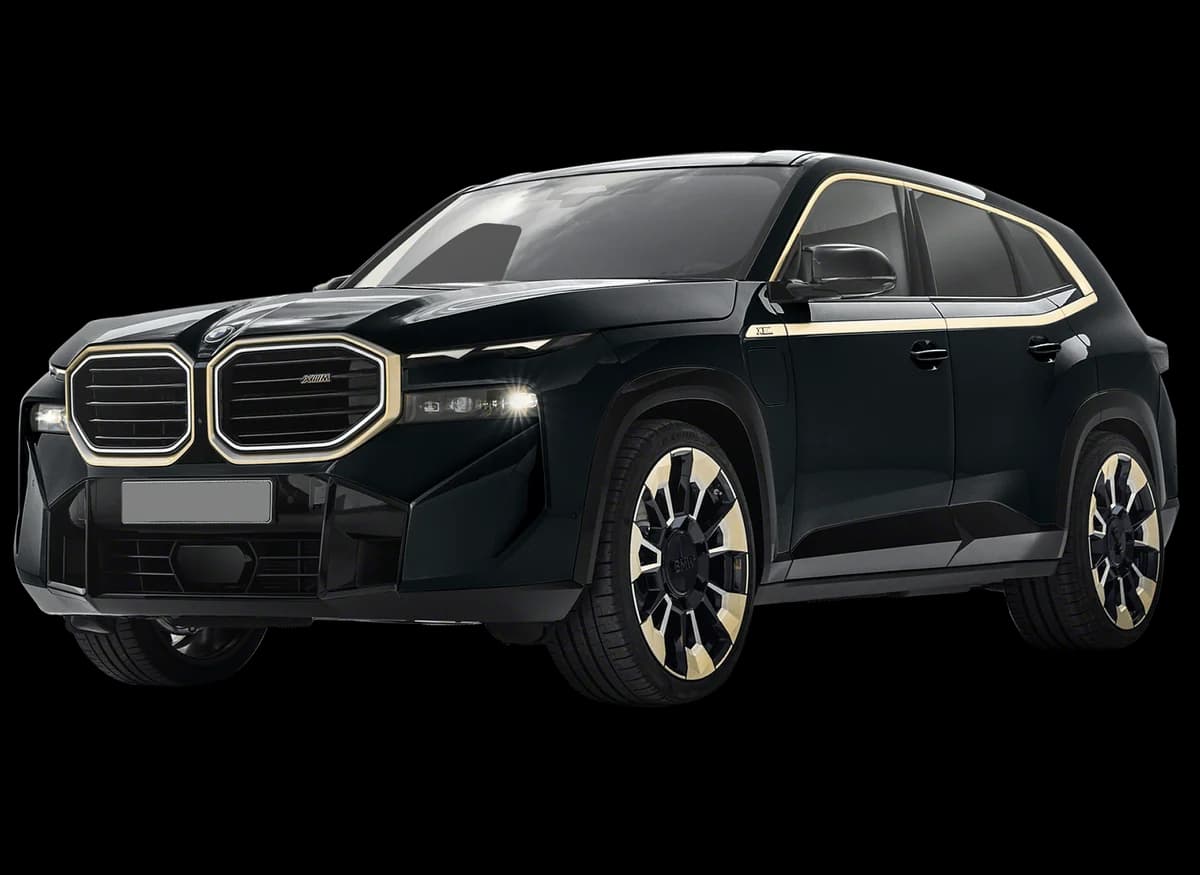
BMW XM (2027)
738-hp plug-in-hybrid luxury SUV with dramatic presence, though heavy and hard to justify.
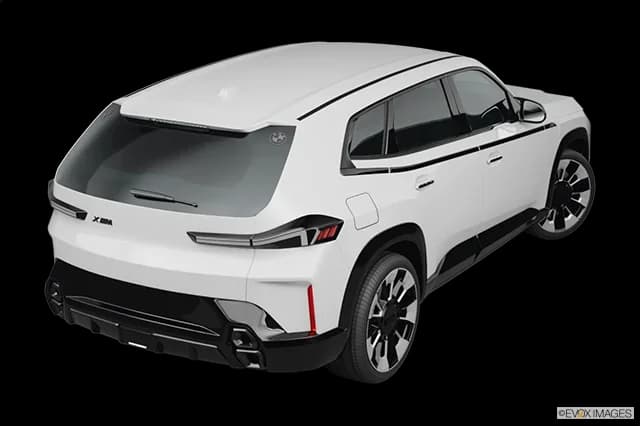
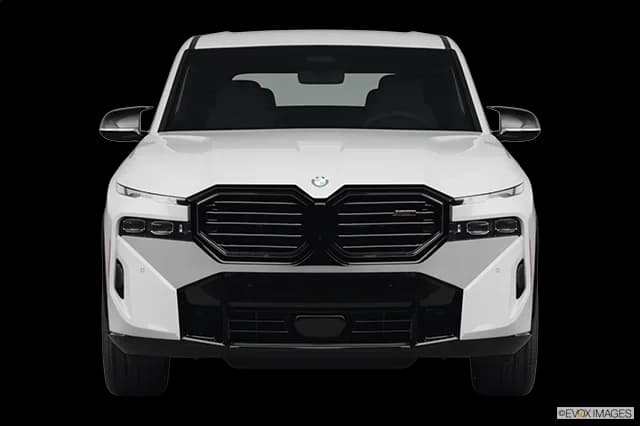
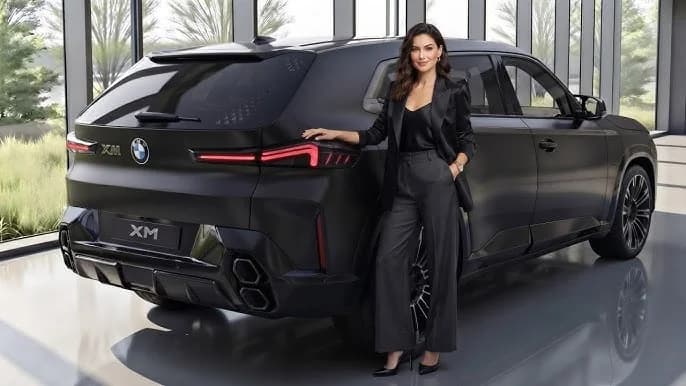
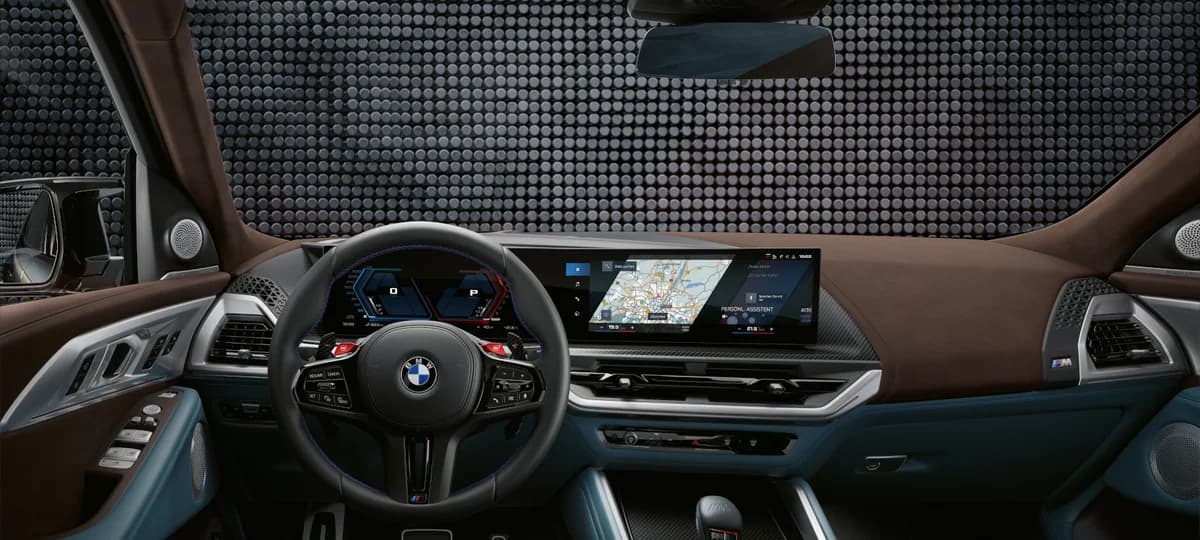
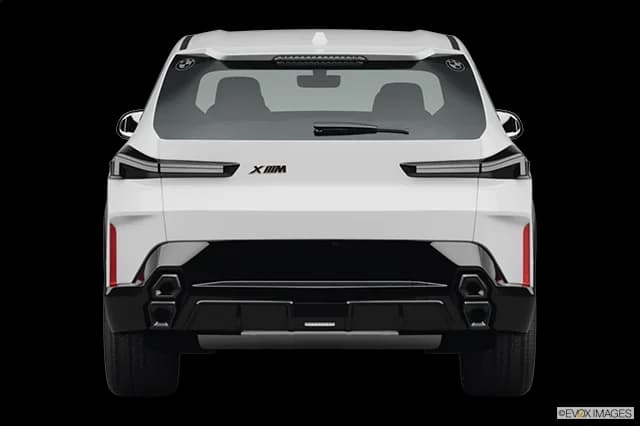
The BMW XM (2027) is a lavish, thunderous answer to a specific problem: how to give families and luxury commuters super-SUV pace without abandoning electric errands. Its 738-hp plug-in-hybrid V8 makes acceleration astonishing, while spacious rear seats, all-wheel drive, and around 30 miles of electric range add real daily appeal. BMW’s flagship claims are supported by testing that confirms brutal speed and useful EV driving, but owners and experts often find the 2.8-ton XM firm-riding, awkward through corners, and occasionally hesitant as the engine joins in. At roughly $160,000 to $180,000, it offers theater more convincingly than value, unless exclusivity, styling, or a strong lease deal matters most. Its overall appeal rises with power and luxury, but falls with weight, refinement, and price.
Find Yours
What's your main motivation for choosing a Hybrid SUV?
Answer to find your best matches.

The Field
Browse top contenders, or compare all options ranked by score and key attributes.
5 Options




The Scoreboard
Does this improve your life? Considers, health, habits, and environmental impact.
Benefits
Explosive acceleration makes merging, overtaking, and carrying a full family feel effortless.
Quiet electric errands keep short urban trips calm, smooth, and pleasantly low-key.
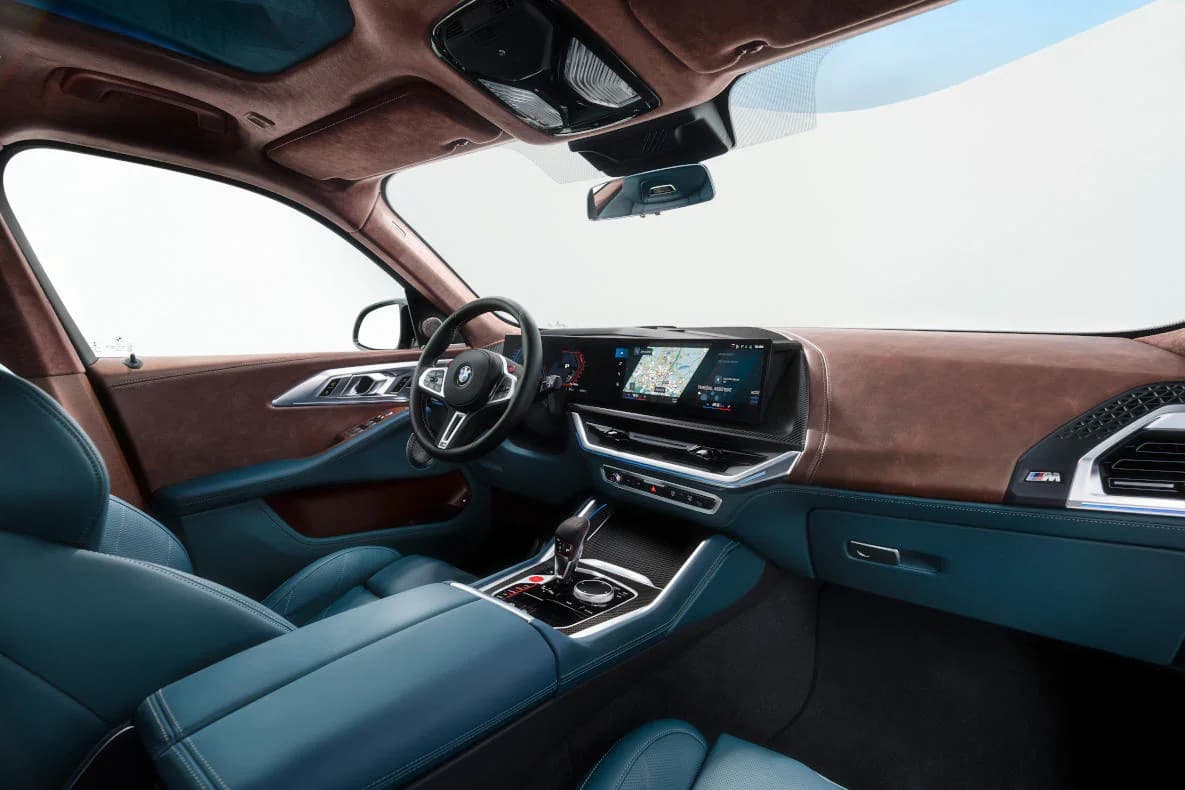
Plush materials, supportive seating, and clever cabin touches make long journeys feel special.
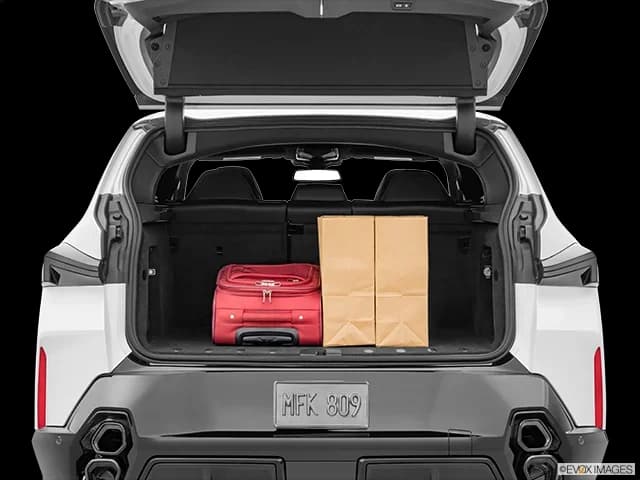
Roomy rear seats and generous cargo space make everyday family travel genuinely comfortable.
All-wheel-drive traction helps the SUV feel secure in rain, traffic, and quick lane changes.
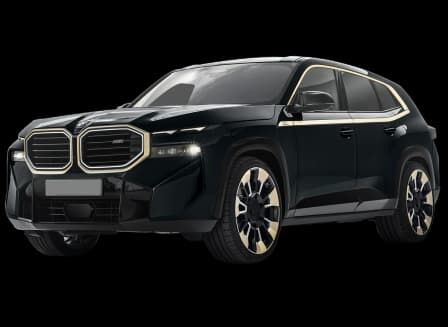
Dramatic styling gives extroverted owners a memorable arrival and an easy conversation starter.
Trade-Offs
Firm, busy ride sends sharp jolts through the cabin on rough everyday roads.
Heavy size makes parking garages, tight streets, and narrow driveways more cumbersome than expected.
Hybrid power delivery can hesitate or surge in stop-and-go traffic, making smooth starts harder.
With the battery empty, fuel use rises sharply, so routine driving becomes less efficient.
 Alternatives


Join the Circle
Where real meets deal
Know what's worth buying-and when.
Tips, special offers, and rewards for buying and sharing.

Publications
10 LEADING PUBLICATION REVIEWS

Car and Driver is impressed by the BMW XM’s speed and luxury but ultimately finds it under-refined. Its twin-turbo V-8 and electric motor produce 644 horsepower, pushing the SUV to 60 mph in 3.4 seconds, while the battery managed a useful 29 miles of electric driving in testing. The cabin is spacious, plush, and packed with clever touches, including the curved iDrive display, illuminated audio tweeters, and even rear-seat throw pillows. Yet the XM feels less convincing away from full-throttle runs: its ride can be flinty, the powertrain occasionally lurches, and low-speed behavior lacks polish. At roughly $162,000 before options, it also faces sharper-riding, more composed rivals such as the Porsche Cayenne Turbo S E-Hybrid, Lamborghini Urus, Mercedes-AMG GLS63, and BMW’s own X7. It is an exciting, lavish brute, but not the effortlessly refined luxury SUV its price suggests.
By Jack Fitzgerald
What Car? is distinctly unimpressed by the BMW XM overall. Steve Huntingford praises its beautifully crafted, high-tech interior, exceptionally spacious rear seats, strong equipment list, and rapid performance—especially the 738bhp Label—but argues that the XM fails to feel special enough for its enormous price. Its heavy body, limited steering feedback, awkward powertrain transitions, inconsistent braking, and unsettled ride undermine both its sports-SUV credentials and its luxury brief. The 50e’s electric range is competitive, and motorway refinement is decent, yet rivals such as the Porsche Cayenne feel more agile while the Range Rover Sport rides better, carries more luggage, and costs less. The XM suits buyers prioritising straight-line pace, dramatic styling, and a lavish cabin, but Huntingford’s two-star verdict reflects a fundamentally flawed balance of performance, comfort, and value.
By Steve Huntingford
MotorTrend is intrigued by the BMW XM but remains unconvinced by its driving experience. The 738-hp plug-in-hybrid SUV is undeniably distinctive, brutally quick, spacious, and more exclusive than rivals such as the Urus, Cayenne Turbo, and G-Wagen. Its 31-mile electric range, improved 11-kW charging, customizable interior, and lavish technology add genuine appeal, while the XM’s dramatic styling makes it feel like a potential future icon. Still, the review argues that headline power cannot overcome a touchy throttle, cumbersome 6,000-plus-pound weight, limited cargo advantage, and mediocre 14-mpg efficiency. The XM is portrayed as a fascinating, comfortable cruiser for buyers seeking something unusual, but its nearly $200,000 price is difficult to justify until BMW retunes the powertrain and makes it more confidence-inspiring to drive.
By Zach Gale
Kirk Bell of Motor Authority is impressed by the BMW XM’s ambition but ultimately disappointed by its compromises. He praises the cosseting, richly equipped cabin, enormous power, sophisticated all-wheel-drive hardware, and genuinely useful electric range. The XM can feel spectacularly quick and occasionally manages about 30 miles without starting its engine, but its electric throttle is difficult to modulate and its most aggressive settings produce unpleasant powertrain surging. Bell is also underwhelmed by the mediocre gas mileage, busy ride, noticeable body lean, and sheer 6,062-pound mass, which blunt its sporting credentials. The styling is intentionally outrageous, though he finds the grille and gold trim more awkward than appealing. His central insight is that the XM tries to be a super-SUV, efficient plug-in hybrid, comfortable luxury vehicle, and off-roader simultaneously, yet never excels at all of them. It is capable and lavish, but misses the ultra-luxury bull’s-eye.
By Kirk Bell
TopGear’s Ollie Kew is strongly unimpressed by the BMW XM, despite its formidable straight-line performance. The 644bhp plug-in hybrid V8 delivers startling acceleration, a quiet cabin, and the kind of presence BMW clearly intends to dominate American and Chinese markets. But Kew argues that the XM tries to be a luxury SUV, an M car, and an environmentally conscious hybrid simultaneously, succeeding convincingly at none of them. Its ride is punishing, hybrid response feels hesitant, and its heavy, awkward handling lacks the balance expected of an M car. The styling is portrayed as aggressively vulgar, inviting public judgment rather than admiration. Compared with the sharper X5M, more relaxing iX, and better-rounded Porsche Cayenne Turbo S E-Hybrid, the much pricier XM feels like an overmarketed compromise—an engineering project undermined by commercial ambition.
By Ollie Kew
Jeff Perez of Motor1.com is highly enthusiastic about the BMW XM, calling it a remarkable performance SUV and daily driver. He is especially impressed by its seamless plug-in-hybrid powertrain, explosive acceleration, agile cornering, precise steering, and ability to shift from ferocious to comfortable at the press of a button. The lavish cabin, clever details, intuitive iDrive 8 system, and roughly 30 miles of electric range further support its luxury credentials. Perez acknowledges that the XM is no BMW M1, and its split headlights, enormous grilles, and comically large wheels make its styling divisive. It is also heavier and slightly slower than some rivals, while lacking one-pedal driving. Still, those reservations barely dent his view: at $159,995, the XM feels justified by its refinement, capability, and unusually cohesive hybrid performance. His verdict is an emphatic endorsement of BMW’s electrified M-car future.
By Jeff Perez
CAR Magazine’s Ted Welford is intrigued by the BMW XM but ultimately finds it excessive and hard to justify. He admires the astonishing performance of the 738bhp V8 hybrid, immense grip, powerful brakes, spacious rear cabin, and unusually plush, customizable interior. The XM also feels genuinely distinctive, with its dramatic design, illuminated prism roof, and unapologetically loud character. Yet its weaknesses are substantial: the styling is deeply divisive, the ride remains fidgety on 23-inch wheels, fuel consumption becomes punishing once the battery is depleted, and useful equipment such as adaptive cruise control costs extra. Welford views the XM as poorly suited to narrow, rough UK roads and considers a high-end Porsche Cayenne a smarter purchase. Still, he respects BMW’s audacity and sees the XM’s outrageousness as its central appeal, making it fascinating rather than conventionally desirable.
By Ted Welford
BMWBLOG’s Steven Paul is cautiously positive about the BMW XM, enjoying its effortless power while remaining unconvinced by its value. The twin-turbo V8 and electric motor produce 644 horsepower, making acceleration remarkably easy, and the XM handles its immense weight with surprising composure, predictable oversteer, and useful rear-wheel steering. Its quiet, richly appointed cabin, extensive amenities, and head-turning design also give it genuine appeal for affluent extroverts seeking something distinctive. Still, Paul finds the steering vague, the ride compromised on 23-inch wheels, and the interior insufficiently special for a roughly $170,000 SUV. Compared with the X5 M, X6 M, or X7, the XM offers little beyond its electric range and outrageous presence. His verdict is that it is competent, comfortable, and fun, but overpriced and somewhat under-equipped—worth considering only if exclusivity and attention matter as much as rational value.
By Steven Paul
U.S. News & World Report’s Brontë Wieland is impressed by the XM’s power but ultimately unconvinced by it. The plug-in hybrid SUV stands out with 644 or 738 horsepower, sharp infotainment graphics, strong standard equipment, and genuinely rapid acceleration. Its Sport and Sport Plus settings also help the heavy SUV handle winding roads surprisingly well. But Wieland’s enthusiasm fades around the XM’s $160,000-plus pricing, loud and excessive styling, gimmicky illuminated headliner, harsh ride, and disappointing 31-mile electric range. The reviewer questions whether the Label’s extra performance is meaningful when the standard model is already extremely quick and less expensive alternatives can match its acceleration. The result is a vehicle that feels powerful and distinctive, yet overly extravagant and oddly compromised—“too weird, too pricey and not special enough.”
By Brontë Wieland
Digital Trends’ Christian de Looper is impressed by the XM’s power and luxury but ultimately advises against buying it. The plug-in hybrid delivers startling acceleration, a spacious cabin, premium materials, and roughly 30 miles of electric range, making it especially appealing for short local trips. Its adaptive cruise and lane-keeping systems also make highway driving feel surprisingly effortless. Still, the XM’s polarizing, occasionally gaudy styling, dated-feeling iDrive interface, modest electric range, and three-hour charging time weaken its appeal. Most damaging is the roughly $159,000 starting price: de Looper sees the XM as an extravagant, over-the-top SUV with real strengths, but believes the Rivian R1S is a better tech-forward choice and the Mercedes-Benz GLS a more convincing luxury option. Only buyers specifically drawn to its distinctive style and unconcerned about value should consider it.
By Christian de Looper

YouTube
4 LEADING EXPERT & INFLUENCER REVIEWS
 carwow
Matt Watson is impressed by the BMW XM’s speed but clearly frustrated by its inconsistent launches. He presents the plug-in hybrid V8 as BMW M’s extravagant flagship, praising its strong power, all-wheel-drive traction, and surprisingly competitive performance against the Audi SQ8 and Mercedes-AMG G63. However, the XM’s 2.8-ton weight and hybrid complexity are significant drawbacks, and its repeated bogging off the line undermine confidence. In the tests, it finished behind the Lamborghini Urus and Audi SQ8 in the quarter-mile, though it remained entertaining and impressively quick in rolling and braking tests.
Remove Before RaceRaz is intrigued but unconvinced by the BMW XM, praising its gorgeous V8, refined cruising comfort, distinctive M Lounge, and impressive hybrid technology. He questions its purpose, though: despite 653 hp, it feels slower and less confidence-inspiring through corners than the X5 M because of its substantial weight. The XM is comfortable and surprisingly capable for its size, but Raz sees it less as a driver’s M car and more as a flashy, lifestyle-focused rival to the G-Wagon. His verdict remains open, pending real-world daily use and whether buyers value presence over dynamics.
EddieXEddieX is intrigued but unconvinced by the BMW XM. After living with it for a week, he praises its astonishing speed, dramatic styling, exclusivity, rich cabin, and playful V8 soundtrack, while Angel also enjoys its power. Yet the XM feels firm and heavy, with sharp impacts on poor roads, less agility than an X5M Competition, and occasional hesitation as the hybrid system starts the engine. Its identity remains muddled: luxurious but not especially comfortable, sporty but not the sharpest, and costly at $160,000. EddieX sees stronger justification around $100,000–$125,000 or with major lease incentives.
Driven+Max Haftavani is highly enthusiastic about the BMW XM, calling it a brilliant, distinctive luxury-performance SUV despite its controversial styling. He praises the 50e’s smooth B58 plug-in-hybrid powertrain, surprising 4.4-second acceleration, comfortable “M Lounge” rear seats, solid cabin quality, and genuinely capable handling for a 2.6-ton vehicle. He also prefers its hybrid flexibility to a fully electric SUV and considers the 50e more sensible than the expensive V8 versions. Still, the dark cabin, lack of a panoramic roof, immense size, and ride quality—ultimately inferior to a Range Rover—temper his recommendation.

Social
2 INFLUENCER REVIEWS
 Faisal Khan
Faisal Khan is skeptical of the BMW XM, despite being impressed by its brutal launch. He explains that the plug-in hybrid pairs a V8 with a 25.7-kWh battery, enabling 50 km of electric range and an optimistic 61.9 km/l claim, but the added 400 kg undermines the package. At 2,750 kg, the XM is slower than the X5 M, with poor ride and handling, and real-world spirited driving delivers single-digit fuel economy. He concedes it is surprisingly easy to drive sedately, but sees the XM as an expensive, confused compromise rather than a convincing performance SUV.
Ben HardyBen Hardy is sharply unimpressed with the BMW XM, calling it BMW’s “big flop.” He acknowledges its potent plug-in hybrid twin-turbo V8, producing 644 horsepower and 590 pound-feet of torque, but argues that the performance advantage over an X5 M Competition is marginal. His main objections are the awkward styling, which he says neither looks especially good nor distinctly BMW, and an interior that feels too similar to the less expensive X5 M Competition. Overall, he questions why buyers should pay extra for the XM.

Forum Reviews
CUSTOMER REVIEWS FROM 1 FORUM
Redditors are overwhelmingly negative about the BMW XM (2027), especially its styling, value, and driving dynamics. Its aggressive, distinctive design has a small but vocal fan base, while most call it incoherent, vulgar, or outright ugly. The V8 plug-in-hybrid powertrain, strong acceleration, practical cabin, and impressive interior earn some praise, particularly when heavily discounted or leased. Still, owners and test drivers frequently describe the XM as heavy, poorly tuned, uncomfortable, and less capable than BMW’s own X5 M, making its premium pricing and halo-car positioning difficult to justify.
Many comments

In-Depth Review

Highlights
- •Headline V8 PowerAdvertised 738 hp delivers startling acceleration.
- •Lavish Five-Seat CabinSpacious rear seats and premium details.
- •Useful Electric CommutingAdvertised range reaches 30 miles.
- •Distinctive Flagship PresenceDramatic design creates memorable road presence.

Considerations
- •Heavy Unsettled Dynamics2.8-ton mass unsettles ride and handling.
- •High Asking PriceSix-figure pricing weakens its value case.
- •Divisive Exterior DesignExterior design is highly divisive.
- •Uneven Hybrid ResponsePower delivery can hesitate or surge.
BMW’s M division built the XM as a flagship SUV for buyers who want supercar pace with family-sized practicality. This 738-hp plug-in-hybrid V8 stands apart from a conventional X5 M by adding electric driving, lavish rear-seat comfort, and unmistakable road presence, while challenging the Porsche Cayenne Turbo E-Hybrid and Lamborghini Urus for attention. It suits affluent performance enthusiasts, luxury commuters, and families who value all-wheel-drive traction and short electric trips more than understated design or nimble handling. The important questions are whether its 3.6-second 0–60 mph, roughly 30-mile EV range, heavy chassis, charging capability, cabin space, and towing utility work together convincingly in daily life. Explore each area closely—the XM has the horsepower to make an entrance, but its weight has opinions too.
Acceleration and Top Speed
Straight-line performance is exceptional, even if launches are not always perfectly repeatable. BMW quotes 0–60 mph in 3.6 seconds and a 155-mph electronically limited top speed for the Label, while some tests recorded around 3.4 seconds for lower-output versions. Strong all-wheel-drive traction makes rolling acceleration and overtaking feel effortless. However, Matt Watson reported inconsistent launches and bogging, and reviewers generally agree that the XM’s headline pace is more convincing than its cornering agility.
Towing and Load Capability
The XM remains useful beyond performance driving, although its mass is both an advantage and a liability. A rated 2,700-kg towing capacity gives it credible trailer-hauling ability, while all-wheel drive and abundant torque support confident starts with a load. The long wheelbase and substantial body should help high-speed stability, but the SUV’s width, weight, and expensive performance hardware make tight maneuvering and ownership costs less appealing. For occasional towing it is capable, though it is not the segment’s most sensible utility choice.
Electric Driving and Charging
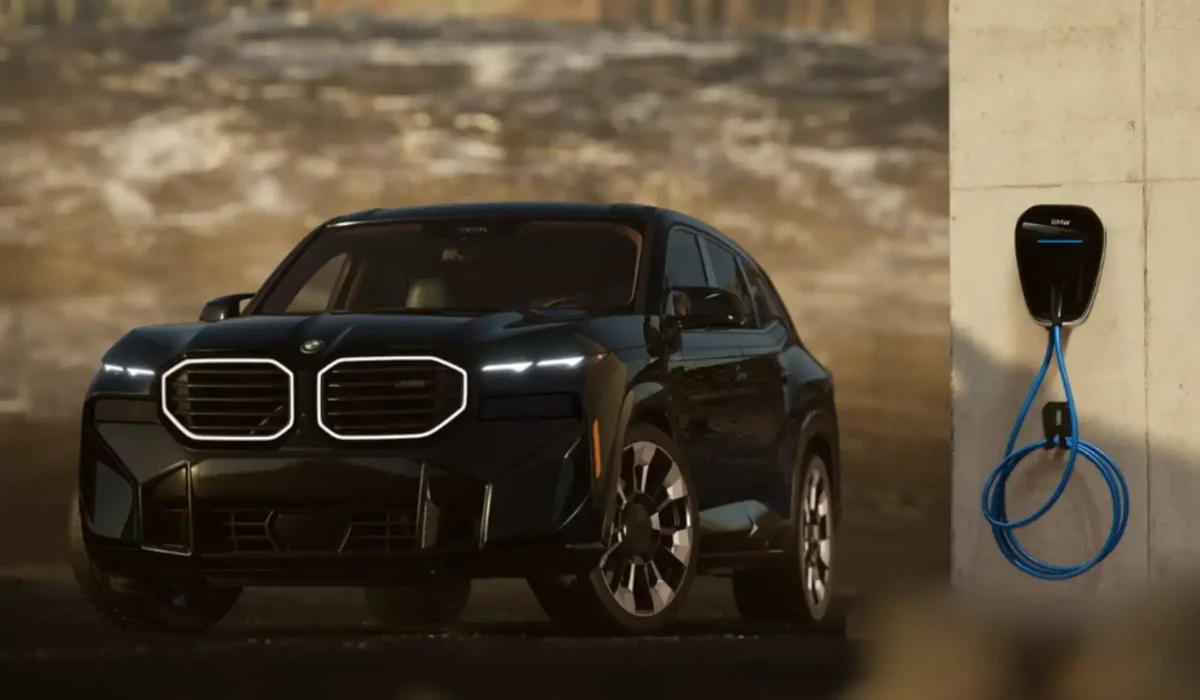
The plug-in system adds useful local flexibility, but it does not transform the XM into an efficient vehicle. Its 25.7-kWh lithium-ion battery supports an advertised up to 30 miles of EV range in U.S. material, while UK claims can reach 51 miles under a different test cycle. Independent testing generally landed near 29 to 31 miles. The 11-kW AC onboard charger can replenish the battery in roughly 2.75 hours, but fuel consumption rises sharply once charge is depleted.
Ride and Handling
The XM can move with surprising composure, but its chassis rarely feels as polished as its price suggests. Adaptive suspension, rear-wheel steering, sophisticated all-wheel drive, and strong brakes help disguise the 2,800-kg curb weight during fast driving. Still, reviewers repeatedly mention a firm, unsettled ride, vague steering, body lean, inconsistent braking, and awkward hybrid responses. It is entertaining and secure in short bursts, yet the X5 M often feels sharper, while the Cayenne and Range Rover Sport deliver better overall refinement.
Power and Torque
The XM’s powertrain makes effortless speed its clearest selling point. Its twin-turbo 4.4-liter V8 works with an integrated electric motor to deliver a claimed 738 hp and 738 lb-ft, with all-wheel drive managing traction. That output is genuinely dramatic, and reviewers consistently praise the brutal acceleration, but the roughly 2.8-ton body limits how athletic the SUV feels elsewhere. Real-world feedback also notes occasional powertrain hesitation or surging, so the numbers impress more consistently than the calibration.
Cabin and Cargo Practicality
Inside, the XM delivers genuine flagship theater and usable family space. The five-seat cabin includes especially generous rear legroom, plush materials, curved iDrive displays, illuminated audio tweeters, and BMW’s distinctive M Lounge rear treatment. Cargo capacity is listed at 527 liters, or about 64.3 cubic feet in some U.S. measurements, making it practical enough for daily errands and long trips. Reviewers praise the comfort and clever details, though the dark interior and limited cargo advantage weaken its luxury-value argument.
Conclusion
The XM’s big promise is easy to understand: 738 hp and 738 lb-ft make family travel startlingly quick, with all-wheel drive and a 155-mph top speed adding confidence. Its 30-mile electric range and 11-kW charging suit short commutes, though efficiency drops sharply once the battery is empty. Reviewers and owners agree the five-seat cabin, roomy rear quarters, and premium details are genuine strengths; towing capacity adds useful flexibility. The catch is that its roughly 2.8-ton mass brings a firm ride, vague handling, and occasional hybrid hesitation, while the dramatic design and six-figure price will not appeal to everyone. The XM fits buyers who prioritize presence, power, and exclusivity over delicacy or value. For most shoppers, sharper and more comfortable alternatives make better sense, leaving this fascinating but compromised flagship a selective purchase rather than an easy recommendation.

Feature Scores
This reflects reviews and ratings from established critics, journalists, and users who have evaluated the item. Their opinions provide a comprehensive assessment.
Performance
Powertrain Efficiency
2/5
Acceleration and Throttle Response
4/5
Reliability and Durability
3/5
Combined Driving Range
3/5
Charging Convenience
4/5
Value
Purchase Price Competitiveness
1/5
Ownership Cost
2/5
Resale Value
2/5
Feature to Price Ratio
2/5
Design
Interior Space and Packaging
4/5
Exterior Styling Appeal
2/5
Ergonomics and Controls
3/5
Cargo Flexibility
3/5
Ride and Handling Balance
2/5
Health
Cabin Air Quality
TBD
Material Toxicity
TBD
Noise and Vibration
3/5
Safety
Crash Protection
TBD
Active Driver Assistance
3/5
Battery Safety
TBD
Child Safety and Seating Anchors
TBD
Sustainability
Tailpipe Emissions Reduction
3/5
Lifecycle Battery Impact
TBD
Recyclability and End of Life
TBD
Fuel Source Flexibility
4/5
Experience Style
Tech and Connectivity Richness
4/5
Ease of Use and Simplicity
3/5
Comfort and Luxury Appointments
4/5

Specifications
This section outlines the product's key facts, covering essential features, details, dimensions, materials, and any unique characteristics that define its functionality and usability.
Performance
Design
Sustainability
Experience Style

Frequently Asked Questions
9 Questions

Find Yours
What's your main motivation for choosing a Hybrid SUV?
Answer to find your best matches.