





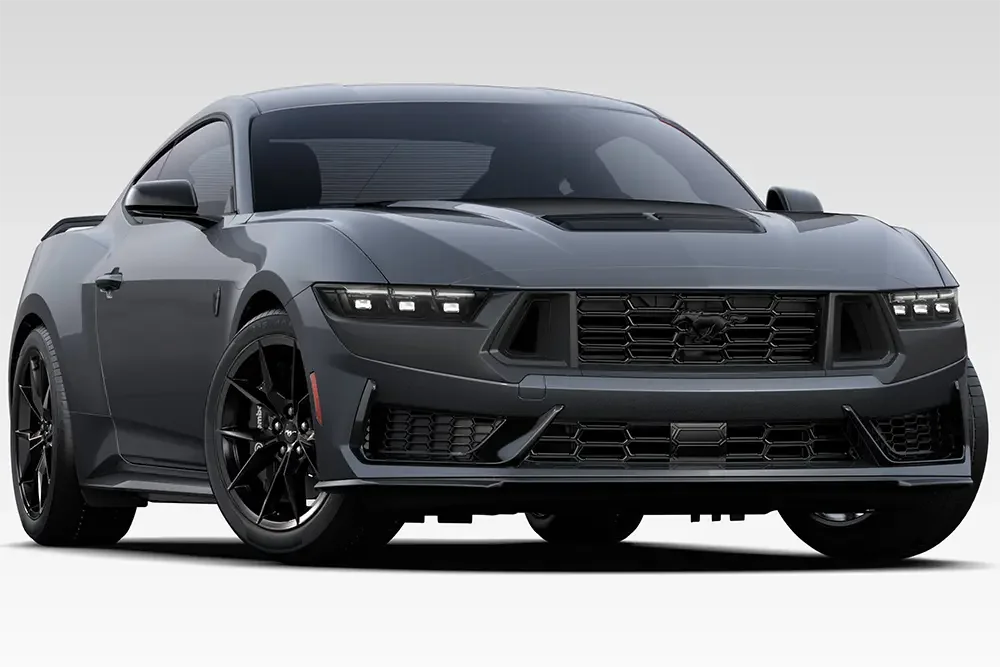
Ford Mustang (2026)
V8 thrills, balanced handling, and daily usability, with cramped rear seats and high running costs.
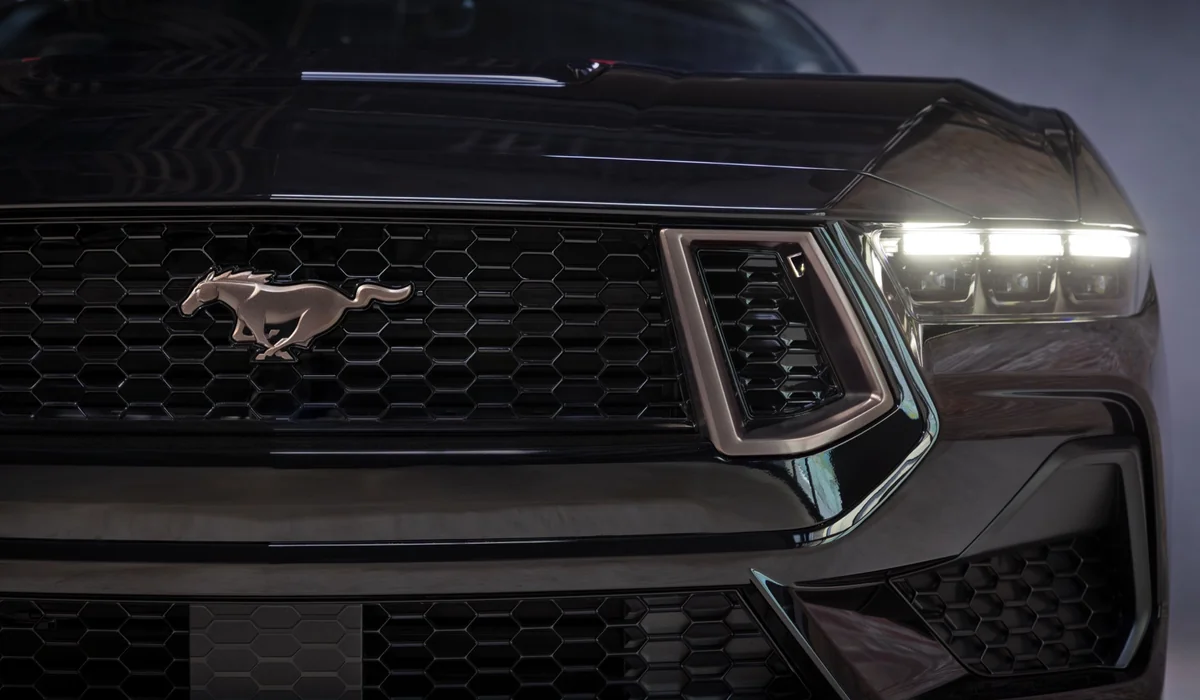
The 2026 Ford Mustang is a modern muscle car for drivers who want ordinary trips to feel like an occasion without giving up daily usability. Its strongest answer is the 480-hp naturally aspirated V8, delivering the sound and shove reviewers consistently celebrate, while the EcoBoost offers a cheaper, more efficient entry point. Experts and owners also support Ford’s claims of comfort, useful trunk space, and capable handling, though the base GT can feel soft and the automatic less engaging than the six-speed manual. Value is strongest in a carefully equipped GT, since Dark Horse pricing rises quickly. Expect cramped rear seats, touchscreen fussiness, and thirsty V8 running costs, all shaping its overall Buyary Score.
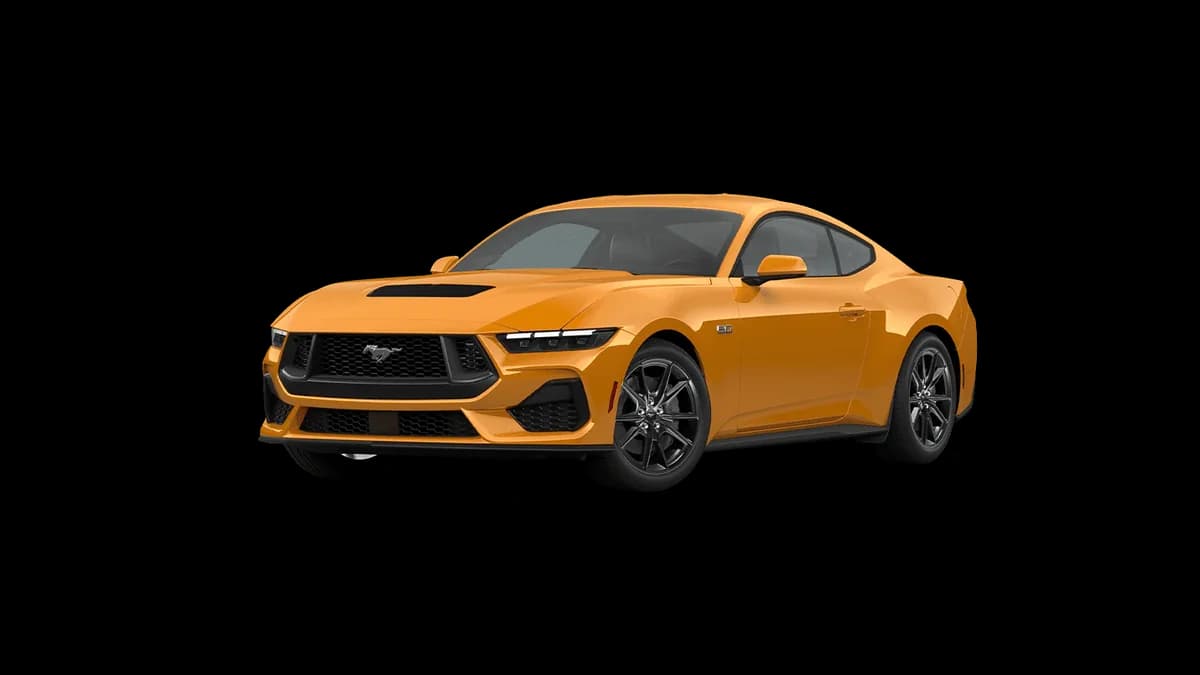
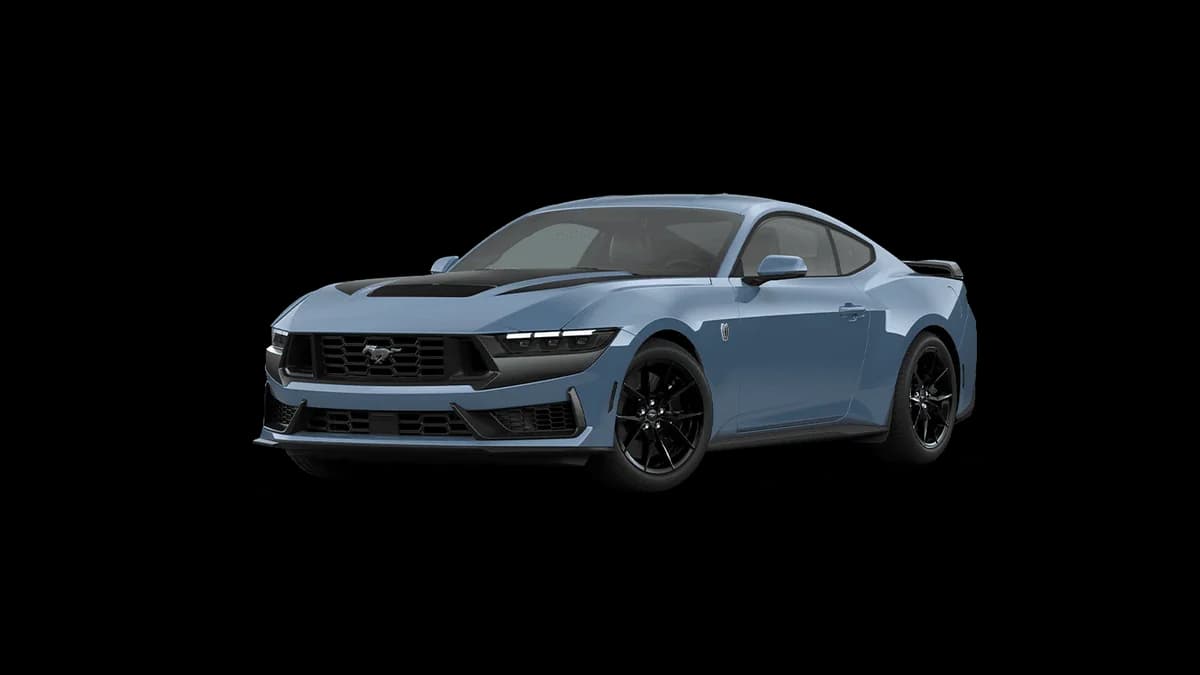
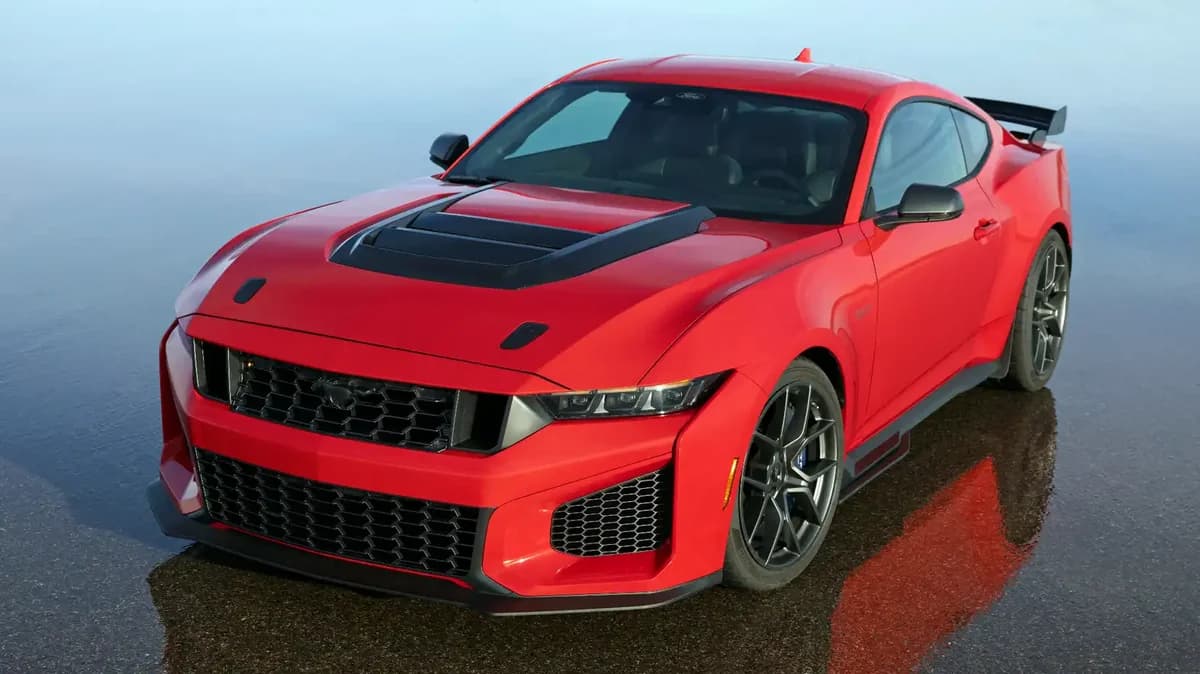
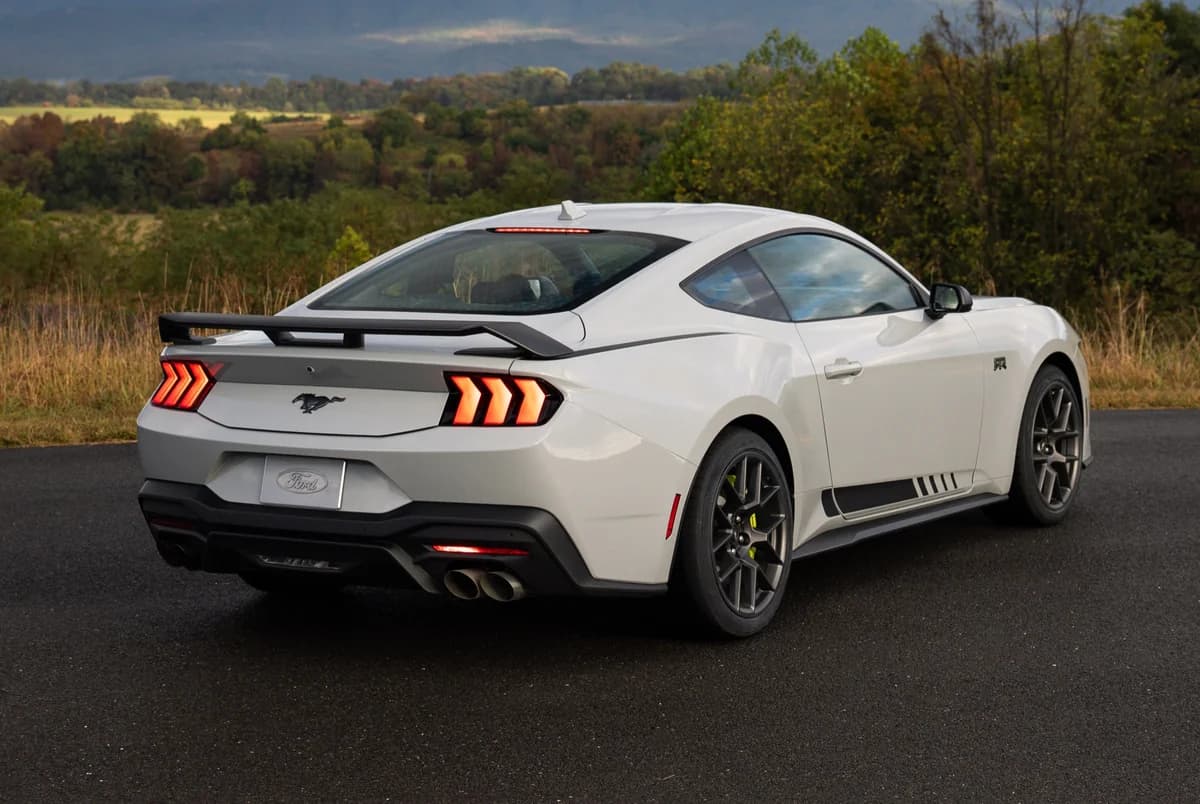
Find Yours
What kind of driving experience are you looking for?
Answer to find your best matches.

The Field
Browse top contenders, or compare all options ranked by score and key attributes.
5 Options
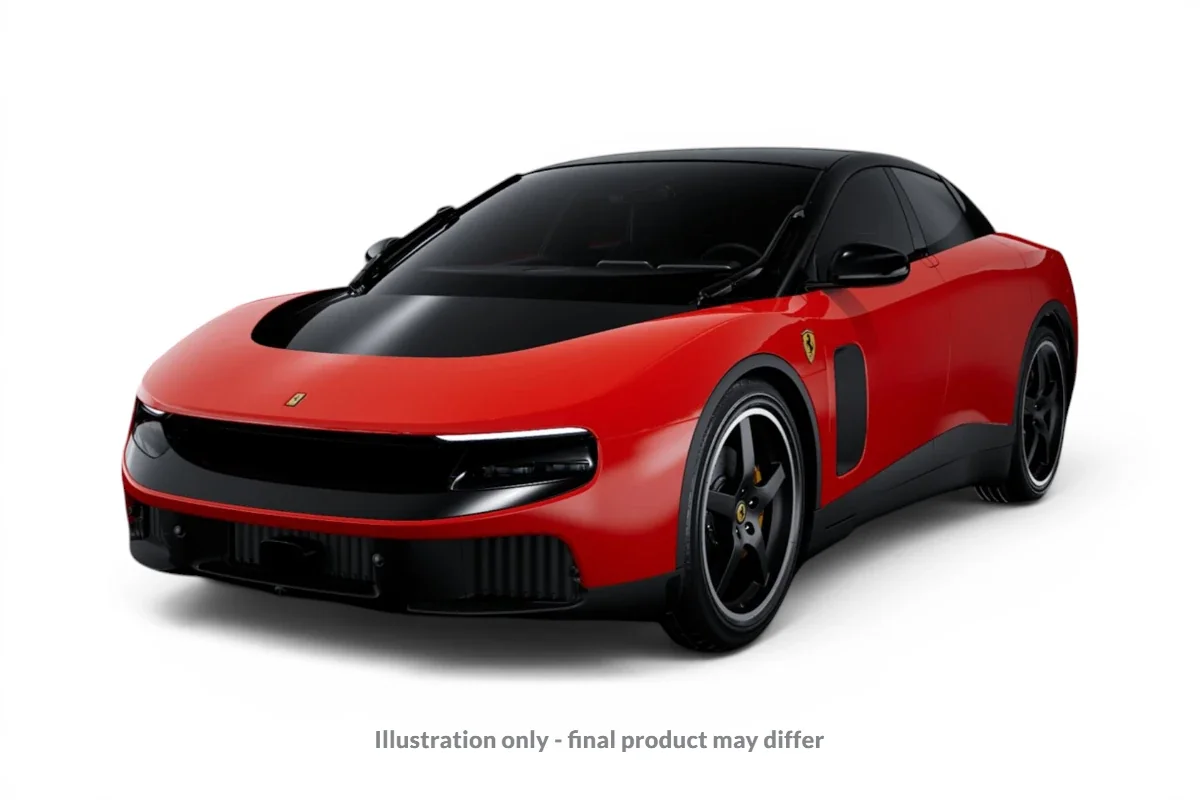
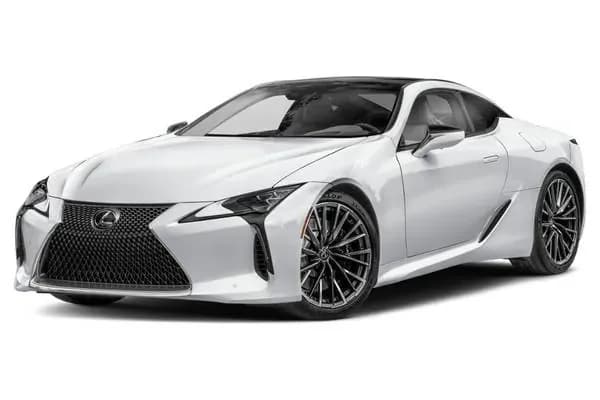
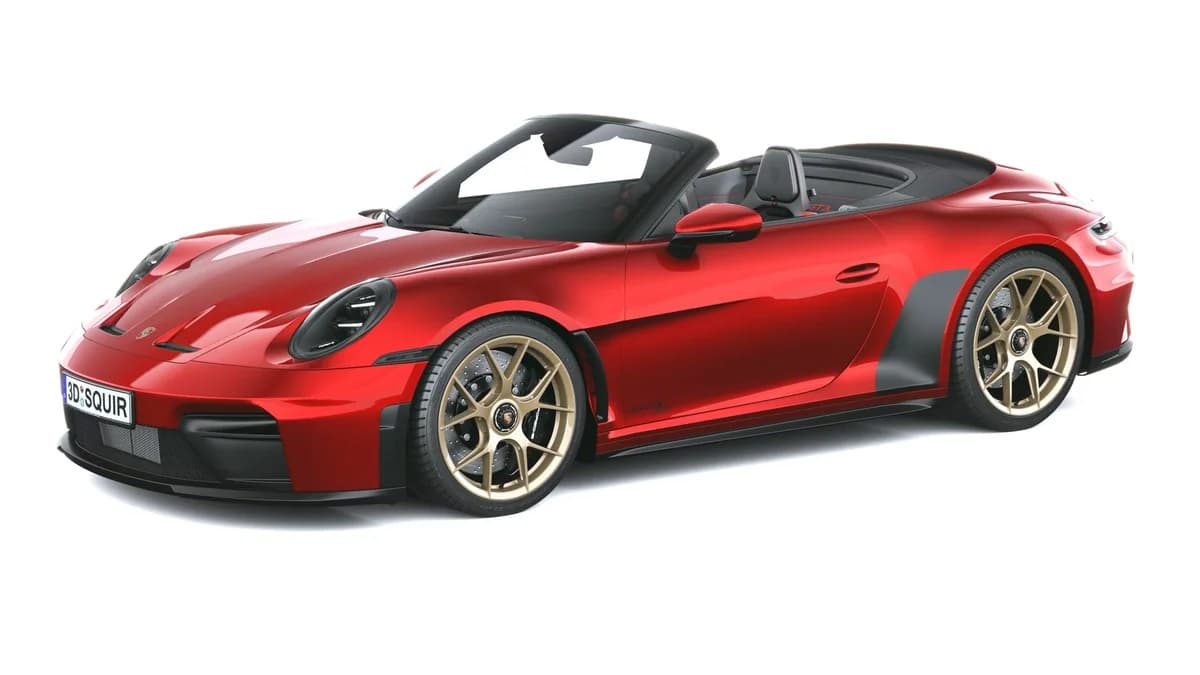
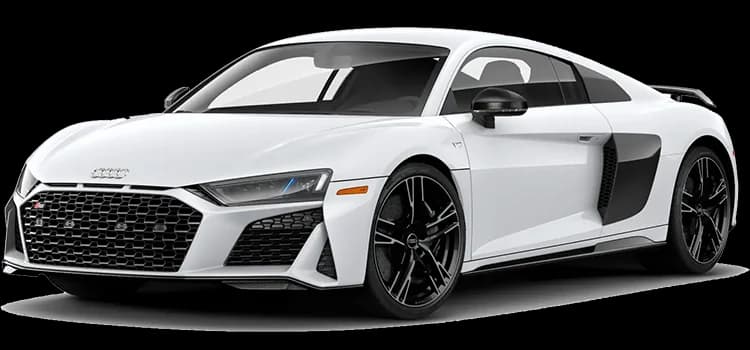

The Scoreboard
Does this improve your life? Considers, health, habits, and environmental impact.
Benefits
Comfortable front seats and compliant ride make commuting and longer drives surprisingly easy.
Large trunk and folding rear seat handle groceries, luggage, and everyday errands better than expected.
Digital displays and straightforward technology keep navigation, music, and driving information easy to access.
Convertible V8 models turn ordinary drives into relaxed, social outings with memorable open-air sound.
Predictable handling, strong brakes, and selectable modes make spirited driving feel controlled and approachable.
Trade-Offs
Rear seats are effectively storage, making adult passengers uncomfortable on even short everyday trips.
Low roof and limited rear visibility make parking and checking traffic awkward.
Touchscreen climate controls require extra taps, distracting drivers when adjusting temperature or airflow.
V8 versions get thirsty in routine driving, so fuel stops arrive more often.
 Alternatives


Join the Circle
Where real meets deal
Know what's worth buying-and when.
Tips, special offers, and rewards for buying and sharing.

Publications
5 LEADING PUBLICATION REVIEWS

Car and Driver is highly enthusiastic about the 2026 Ford Mustang. It portrays this “last of a dying breed” as a compelling, affordable sports car that preserves American muscle while adding thoughtful modern touches. The V-8 GT, especially with its six-speed manual, earns the strongest recommendation for its ferocious soundtrack and engaging performance, while the Dark Horse impresses on track and the new 795-hp Dark Horse SC raises the excitement dramatically. The retro-modern interior, supportive seats, configurable displays, practical hatchback-style trunk space, and strong technology package add everyday appeal. The EcoBoost remains quick and efficient, though its automatic-only setup feels less special. Downsides include poor rear-seat usefulness, mediocre fuel economy in V-8 models, a costly Dark Horse lineup, and an average warranty without free maintenance. Overall, the review views the Mustang as an Editors’ Choice-worthy sports car that successfully keeps a fading tradition alive.
By Austin Parsons
What Car?’s Dan Jones is positive about the Mustang, but his recommendation comes with clear compromises. He admires its huge V8, glorious exhaust note, strong straight-line performance, manual gearbox, generous equipment and old-school character, arguing that no new car offers quite the same theatre for the money. The GT is comfortable enough for long trips, while the Dark Horse adds a more rewarding manual gearbox and adjustable suspension. Yet the Mustang is heavy and less agile or polished than the BMW M240i, with vague initial steering, wayward body control and an awkward automatic. Its interior feels cheaper than German rivals, rear seats are cramped, visibility is limited, and fuel, insurance and tax costs are substantial. Safety is another concern, given the lack of a current Euro NCAP result and the previous model’s poor child-protection score. Overall, it is an entertaining, distinctive choice for buyers whose hearts are set on V8 Americana, not the most rational performance coupé.
By Dan Jones
Alex Kwanten of U.S. News & World Report is highly impressed by the 2026 Ford Mustang. He portrays it as the best remaining traditional muscle car, praising its precise steering, controllable handling, strong V8 character, surprisingly comfortable ride, roomy front seats, useful trunk, and easy-to-use technology. Even the 315-hp EcoBoost comes across as genuinely exciting and affordable, while most GT configurations offer exceptional performance for the money. The review is not uncritical: fuel economy remains modest, rear-seat space is effectively storage-only, advanced driver aids can be inconsistent, child-seat anchors are awkward, and the Dark Horse’s premium is difficult to justify over a GT. Still, after a week across city traffic, highways, and mountain roads, Kwanten’s enthusiasm is unmistakable. The Mustang emerges as a rare sports car that combines everyday comfort, practicality, and thrilling performance, earning a strong recommendation for buyers who choose options carefully.
By Alex Kwanten
Cars.com’s Conner Golden is warmly enthusiastic about the 2026 Mustang, especially its blend of everyday comfort and serious performance. He portrays the Dark Horse as a near-perfect naturally aspirated, manual Mustang, praising its Tremec gearbox, Brembo brakes, MagneRide suspension, and exceptional grip from the handling package’s Pirelli Trofeo RS tires. It remains surprisingly usable in traffic and foul weather, though the tires, clutch, splitter, ride, tramlining, and merely adequate interior create real compromises. Golden is equally charmed by the automatic GT Performance Convertible, whose V-8 soundtrack, open-air fun, heated amenities, and sub-four-second-feeling acceleration make ordinary errands entertaining. His main reservation is value: the Dark Horse SC’s six-figure pricing looks excessive when a GT can provide enormous thrills for far less, and even a supercharged standard Dark Horse offers a compelling alternative. Ultimately, he views the Mustang as an exuberant, increasingly precious V-8 experience worth enjoying while it lasts.
By Conner Golden
CarExpert’s Max Davies is highly enthusiastic about the 2026 Ford Mustang GT Convertible. He considers its naturally aspirated 5.0-litre V8, open-air soundtrack, rear-drive balance, and accessible performance settings uniquely compelling, especially now that rivals such as the Camaro have disappeared. The Convertible is praised as a comfortable, capable weekend cruiser, with a surprisingly premium cabin, excellent customisation, strong seats, and an unexpectedly useful boot. Davies is less forgiving of the nearly $100,000 price, which has risen sharply without meaningful competition, and criticises the soft-top’s water leakage, flimsy folding-roof covers, poor visibility with the roof raised, awkward digital climate controls, intrusive lane-keeping system, and overly busy 10-speed automatic. Fuel use is also predictably high, and the car lacks an ANCAP rating. Even so, the review’s emotional conclusion is clear: for buyers who want a V8 convertible, the Mustang remains an exhilarating and increasingly irreplaceable choice.
By Max Davies

YouTube
13 LEADING EXPERT & INFLUENCER REVIEWS
 Auto Buyers Guide | Alex on Autos
Alex on Autos is highly enthusiastic about the Mustang, calling it the best and most distinctive affordable American performance car left. He praises the EcoBoost’s 315 hp, 4.5-second 0–60 time, strong braking, nimble BMW-like handling, usable fold-down rear seat, and compelling pricing. The GT remains more exciting thanks to its V8 soundtrack, but the lighter EcoBoost feels sharper. Drawbacks include lifeless steering, a firmer and louder ride, cramped rear seating, and 2026 feature deletions—including floor mats, select Premium equipment, and the EcoBoost performance package. Overall, he strongly recommends the Mustang, especially before those compromises.
The Fast Lane CarTommy and Case are highly impressed by the Mustang GT’s value and everyday usability. After seven months and 4,300 miles, they praise the exceptional 5.0-liter Coyote V8, rapid 10-speed automatic, comfortable ride, roomy trunk, and surprisingly strong highway fuel economy. They argue the base GT delivers nearly the same acceleration as costlier performance versions, making the performance package unnecessary unless you track regularly. The compromises are a cheap, monochromatic interior, unusable rear seats, and soft, wobbly cornering. Even so, their enthusiasm is clear: they’re selling it for practical content reasons, not disappointment, and expect to miss it.
Chasing CarsChasing Cars’ Nathan Ponchard is deeply enthusiastic about the 2026 Mustang GT. After seven months with manual, Dark Horse, and automatic versions, he praises the V8’s sound, tractability, planted handling, distinctive styling, and surprisingly useful 400-liter boot. He considers the GT manual the standout, arguing that the 10-speed automatic is smooth but dulls the car’s involvement and encourages lazy driving. Criticisms include awkward door storage, mediocre B&O audio, restrictive Recaro seats, occasional CarPlay glitches, and thirsty fuel consumption. Even so, Ponchard views the Mustang as an unusually compelling, comfortable, characterful V8 performance car and expects to miss it.
Edmunds CarsBrian Wong is highly enthusiastic about the Ford Mustang GT, calling it a genuine sports car rather than merely a muscle car. On Edmunds’ track, the V8 Mustang out-handled, braked, and communicated better than the heavier AWD Charger Sixpack, despite being slightly slower to 60 mph. Wong especially enjoyed its steering feedback, cornering balance, MagneRide suspension, summer tires, Recaro seats, and unmistakable V8 sound. He criticized the automatic transmission’s delayed shifts and recommended the manual instead. The Mustang’s cramped rear seat and smaller cargo area limit practicality, but for driving enjoyment and performance value, it is clearly his preferred choice.
TheStraightPipesYuri warms to the 2026 Mustang GT FX Convertible, calling it surprisingly sweet after seeing his father enjoy it. The 480-hp V8 delivers effortless, planted performance, strong sound, useful drive modes, and entertaining features like Line Lock and the Drift Brake. The automatic suits relaxed cruising, though its paddles feel sluggish outside Track mode. Yuri criticizes the overly screen-dependent climate controls and glitches where Apple CarPlay audio cuts out during navigation or auto stop-start. At roughly $69,520–$81,185 CAD, it is expensive, but the FX package’s white accents, retro styling, and emotional V8 character win him over.
Car Help CornerShari Prymak strongly favors the 2026 Ford Mustang GT over the Dodge Charger. After two weeks of back-to-back testing, she praises the Mustang’s naturally aspirated V8, classic rumble, sharper handling, available six-speed manual, coupe or convertible body styles, lower price, and stronger reliability outlook. She admits it is less comfortable and spacious than the Charger and no longer especially affordable, but considers those reasonable trade-offs for a more exciting, authentic muscle-car experience. Her verdict is clear: the Mustang GT is currently the muscle car to buy.
Raiti's RidesJoe Raiti is enthusiastically positive about the 2026 Mustang GT convertible, calling it an exceptionally fun V8 performance car. He loves the Adriatic Blue color, raucous active exhaust, strong acceleration, quick-shifting 10-speed automatic, balanced handling, comfortable ride, and surprisingly clean open-air experience. He also appreciates its daily usability, digital gauges, Brembo brakes, and the fact that a V8 convertible remains available while rivals have disappeared. His criticisms are clear but secondary: oversized screens, excessive touchscreen controls, awkward manual convertible-top operation, limited rear-seat space, and a blocked-off front vent. Overall, he sees the GT as a joyful, versatile performance bargain.
Jubbal & CarsJubbal & Cars is intensely enthusiastic about the 2019 Mustang GT350R. Its flat-plane-crank Voodoo V8, lighter weight, sharper steering, and more communicative inputs make it feel like “peak Mustang,” with track-focused tuning that rewards speed despite being raw and punishing on rough roads. The 2025 Dark Horse earns strong praise as a faster, more refined, comfortable daily driver with better technology, improved damping, and impressive capability, but its added weight, numb steering, and less emotional Coyote engine leave it feeling less special. For an $80,000 enthusiast purchase, the GT350R is the clear favorite; the Dark Horse suits practicality better.
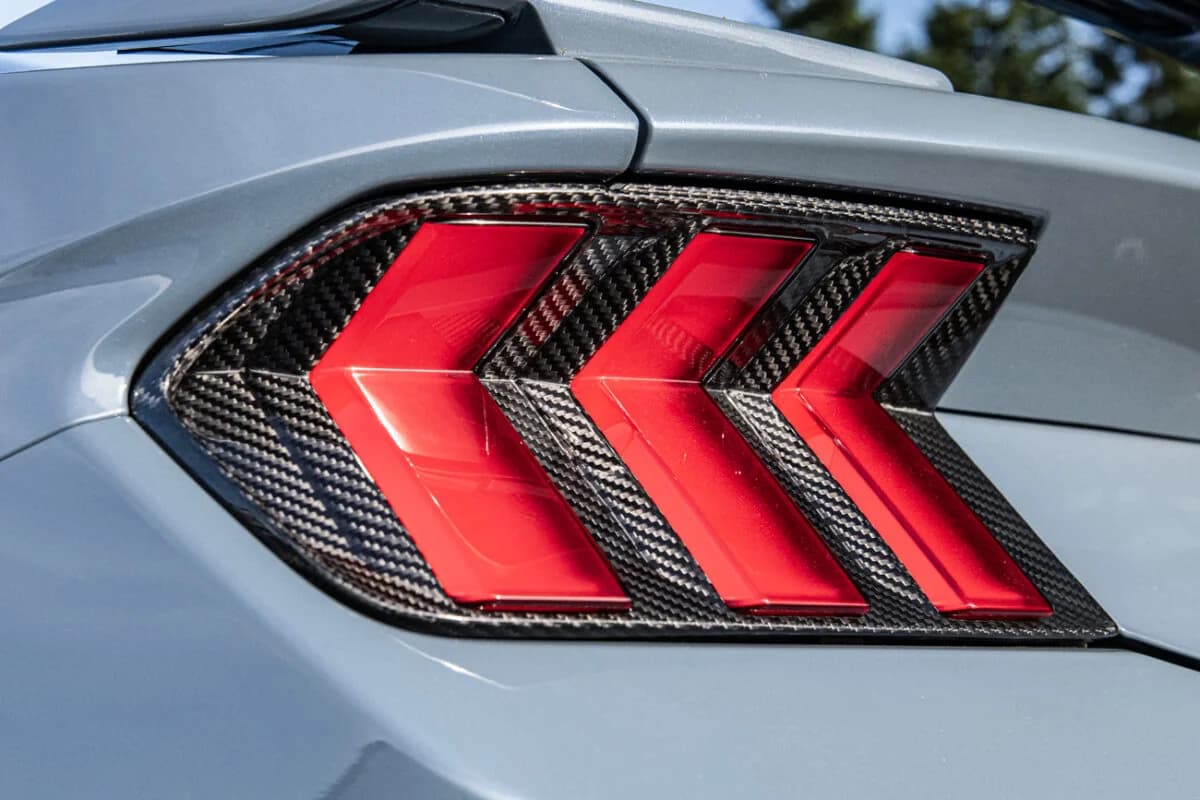
Ben HardyBen Hardy is sharply unimpressed by the 2026 Mustang EcoBoost, despite acknowledging its strong torque and smooth 10-speed automatic. He likes the modern styling, sequential taillights, configurable digital displays, practical controls, and reasonable $34,975 price, but finds the car clunky compared with the V8 GT. His central objection is emotional: the turbo-four feels and sounds out of place in a rear-wheel-drive muscle car, which he believes dilutes the Mustang’s identity and makes it resemble a rental car. Hardy argues Ford should reserve the Mustang name for V8-powered versions.
Bros FOURR SpeedBros FOURR Speed is positive about the 2026 Mustang EcoBoost, especially its sharp styling, peppy turbo-four performance, comfortable ride, useful cargo space, and engaging drive modes. The Vapor Blue coupe feels like a practical, distinctive daily driver with convincing muscle-car character and impressive technology. However, the automatic-only setup is a major disappointment for an enthusiast-oriented car: there are no paddle shifters or manual transmission, limiting driver involvement on back roads or track days. He considers Sport mode the best compromise and views the Mustang as fun and stylish, though less compelling than a BMW 230i for refinement and transmission control.
Automotive Anonymous Automotive Anonymous is enthusiastic about the 2026 Mustang GT Premium, calling it a powerful, comfortable, and surprisingly refined grand-touring car. The naturally aspirated 5.0-liter V8 sounds excellent, feels strong even at altitude, and the Mustang remains easy to park, stable at highway speeds, well-equipped, and packed with safety features. The reviewer also appreciates its improved materials and usable trunk. Still, its nearly 4,000-pound weight, roughly $62,000 price, intrusive touchscreen climate controls, lack of a spare tire, and tendency to break traction easily temper the excitement. Overall, it feels like a compelling but increasingly expensive all-rounder.
W.T.F Car ReviewsWillie from WTF Car Reviews is highly enthusiastic about the 2026 Mustang GT Premium. He praises its thrilling V8 sound, rapid acceleration, sharp handling, comfortable ride, polished cabin, and strong value against similarly priced BMWs, calling it one of the most exciting cars for the money. His main reservations are the all-season tires, slower steering rack, manually reclining seats, limited rear-seat space, and nearly $60,000 price. Even so, he considers the GT Premium a compelling performance buy and enthusiastically recommends it for shoppers prioritizing excitement.
BBSA ProductionsBBSA Productions is highly enthusiastic about the 2024 Mustang GT after a year and 10,000 miles. The V8’s sound, sharp steering, canyon-road handling, comfortable seats, useful trunk, modern screens, and adaptive cruise control make it feel like an excellent $50,000 performance car. Still, the review is candid about weak winter traction, rapid tire wear, limited rear-seat space, mediocre lane-keeping assistance, three-and-a-half-hour-seat fatigue, and roughly 9.5 mpg. Skipping the Performance Package is a regret, but overall the Mustang is portrayed as an exhilarating, practical-enough daily driver with outstanding aftermarket potential.

Forum Reviews
CUSTOMER REVIEWS FROM 1 FORUM
Redditors are cautiously positive about the 2026 Ford Mustang, but its price and decontenting draw real frustration. The V8 remains the star, praised for its character, power, fun, comfort, and strong aftermarket, while buyers appreciate having a manual coupe still available. Yet many consider the S650 expensive for modest performance gains, especially versus used Mustangs or the Mach 1, and criticize the increasingly digital interior, optional curved display, and loss of traditional controls. Styling divides opinion, with some defending its unmistakable Mustang identity and others preferring older generations. Owners also report occasional electrical, rattling, clutch, and quality-control issues, though many still describe the car as exciting and worth buying for the experience.
Many comments

In-Depth Review

Highlights
- •Naturally Aspirated V8Strong acceleration and distinctive sound.
- •Balanced Rear HandlingReviewers note controllable cornering.
- •Comfortable Daily RideCompliant ride suits regular driving.
- •Manual Driver InvolvementSix-speed gearbox heightens engagement.

Considerations
- •Cramped Rear SeatingRear seats suit storage better.
- •Escalating Trim CostsDark Horse premiums challenge GT value.
- •Touchscreen Control FrictionClimate adjustments require extra taps.
- •High V8 Fuel UseFrequent refueling raises running costs.
The Mustang keeps Ford’s muscle-car legacy relevant by pairing rear-wheel-drive character with modern everyday usability. It serves commuters, weekend enthusiasts, and track-minded drivers, standing apart from rivals through an available 5.0-liter naturally aspirated V8, manual gearbox, coupe or convertible bodies, and a performance ladder that stretches from efficient EcoBoost models to Dark Horse variants. The following sections examine how its power translates into acceleration, how confidently the chassis corners, and whether the suspension can balance comfort with control. They also consider braking strength under repeated use, the different personalities created by the six-speed manual and 10-speed automatic, and the surprisingly useful trunk versus genuinely cramped rear seats. Buyers cross-shopping a Camaro successor, GR Supra, or BMW coupe should pay particular attention to these trade-offs—and to running costs, especially fuel. In short, this is a sports car that brings theater to errands, so let’s see whether the supporting cast performs too.
Transmission and Rear-Wheel-Drive Behavior
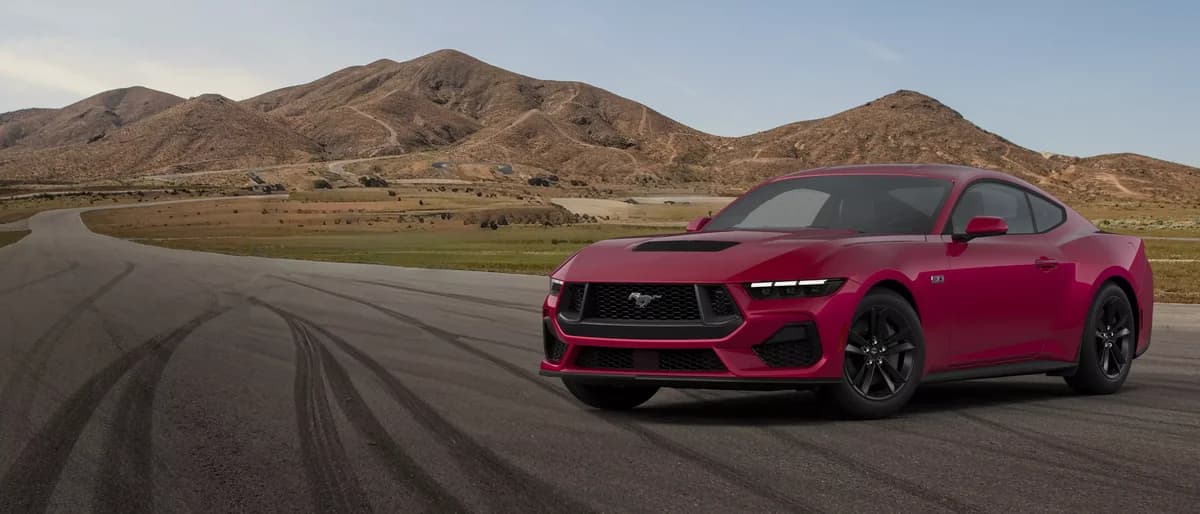
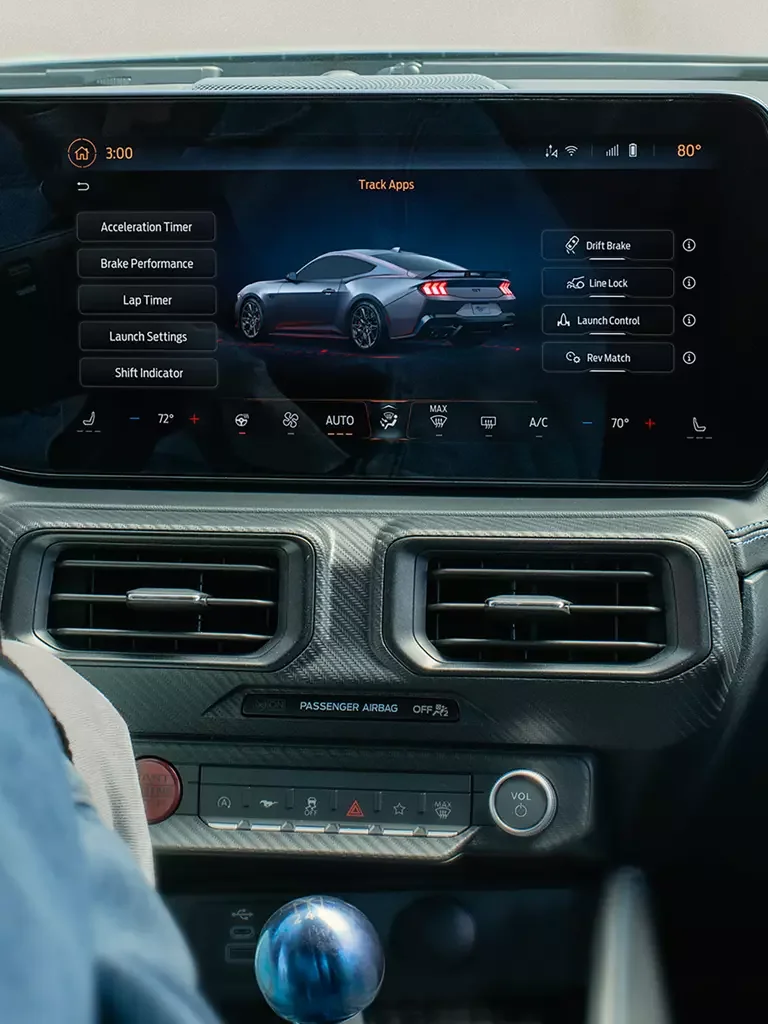
Transmission choice changes the Mustang’s personality as much as engine selection. The six-speed manual is the enthusiast favorite on GT and Dark Horse models because it preserves mechanical involvement and lets drivers manage the V8’s torque directly. The 10-speed automatic launches quickly and cruises smoothly, but reviewers often call it dull or criticize delayed, awkward shifts outside aggressive modes. Rear-wheel drive enables controllable oversteer, Line Lock, and Drift Brake functions, yet it also demands restraint, since all-season tires can break traction easily and winter grip is limited.
Engine Performance and Acceleration
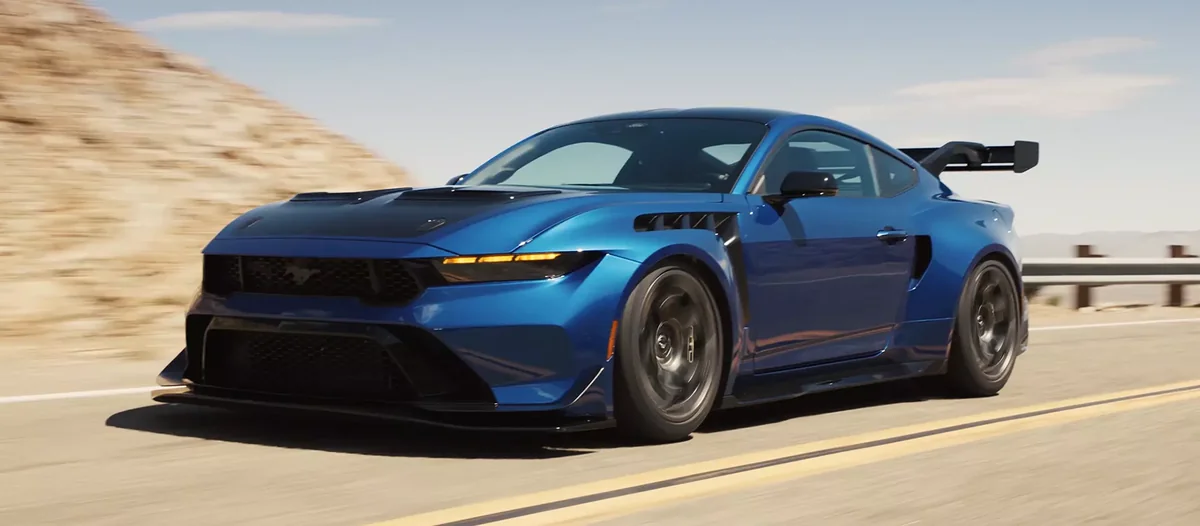
The Mustang’s engine range determines whether it feels practical, emotional, or genuinely track-ready. The 315-hp 2.3-liter EcoBoost is quick and efficient, with reviewers citing roughly 4.5 seconds to 60 mph, but some enthusiasts find its sound and character less fitting than the V8. The 480-hp naturally aspirated 5.0-liter Coyote V8 supplies the standout soundtrack and effortless acceleration, while the 500-hp Dark Horse and 815-hp GTD push performance much further. Expert and owner feedback strongly supports the V8’s appeal, though fuel use rises sharply.
Handling and Cornering Dynamics
The Mustang is more than a straight-line muscle car, although setup matters significantly. The rear-wheel-drive chassis feels balanced and controllable, with experts praising steering communication, grip, and confidence on mountain roads or track surfaces. Performance versions gain MagneRide adaptive dampers and, on the Dark Horse, stickier Pirelli Trofeo RS tires and a handling package. The standard GT can feel softer and wobbly in corners, while some reviewers criticize vague initial steering or a slower rack. The lighter EcoBoost can feel sharper, but the V8 delivers greater drama.
Ride Quality and Suspension Control
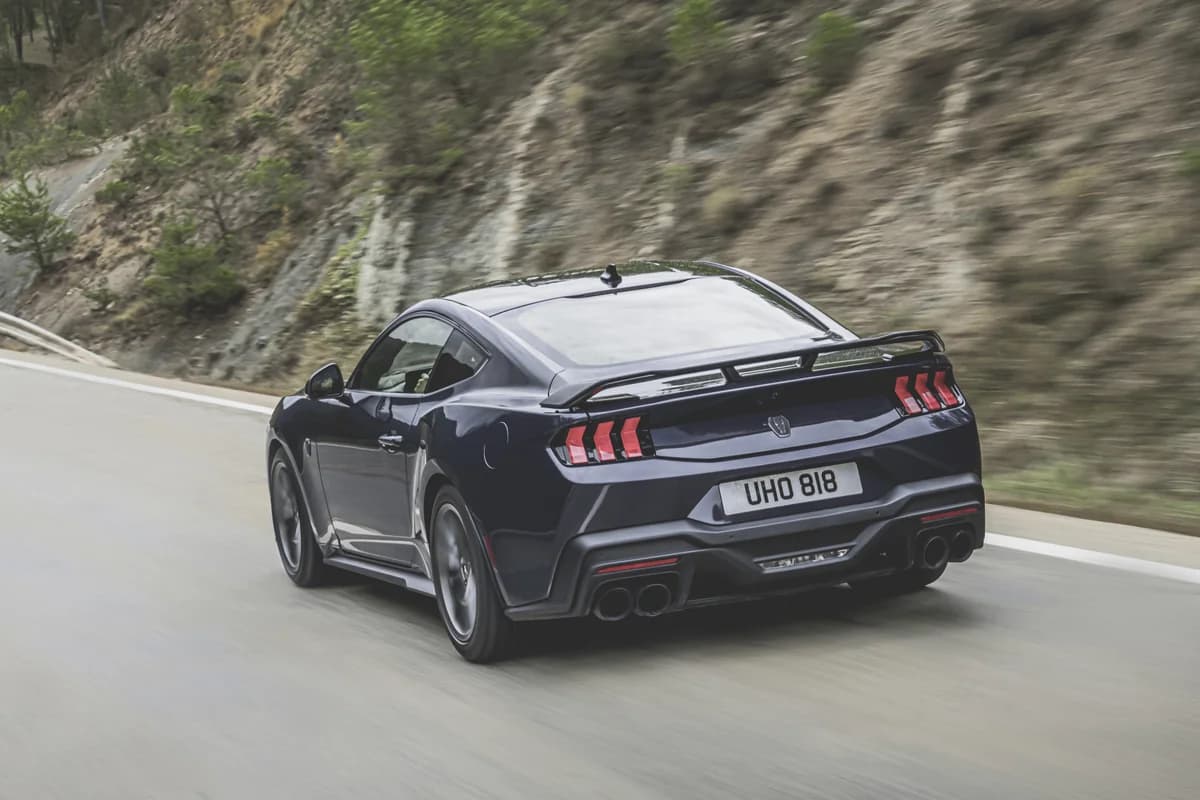
The Mustang manages daily comfort better than its aggressive image suggests. The independent rear suspension and available MagneRide system help the GT and Dark Horse remain composed on highways while supporting spirited driving. Reviewers generally praise the compliant ride and comfortable front seats, making the car usable as a daily driver. However, the Dark Horse handling package brings a firmer ride, tramlining, and more sensitivity to rough pavement, especially with track-focused tires. Base GT feedback is less flattering, with some drivers noting soft body control during faster cornering.
Braking Performance and Heat Resistance
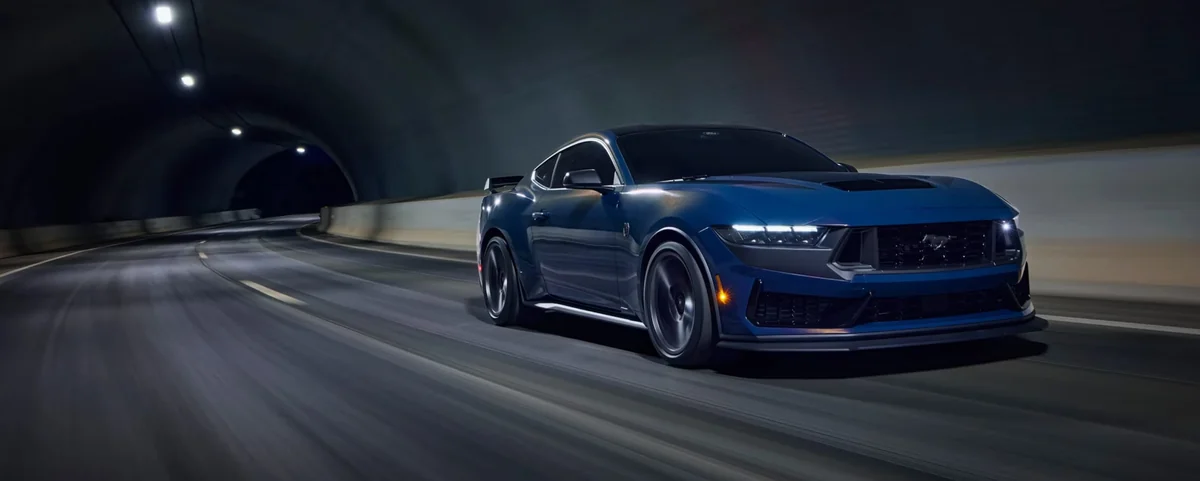
Strong brakes make the Mustang easier to enjoy confidently, particularly when its speed builds quickly. The Brembo performance brake package is praised for firm stopping power and repeated track use, while the Dark Horse adds larger hardware and track-oriented calibration. The specified 390/355 mm rotors indicate substantial thermal capacity, though exact equipment varies by trim and package. Testers consistently describe braking as strong, and track reviewers value the car’s stability under heavy deceleration. Carbon-ceramic components are associated with extreme variants, not necessarily every Mustang configuration.
Cabin and Cargo Practicality
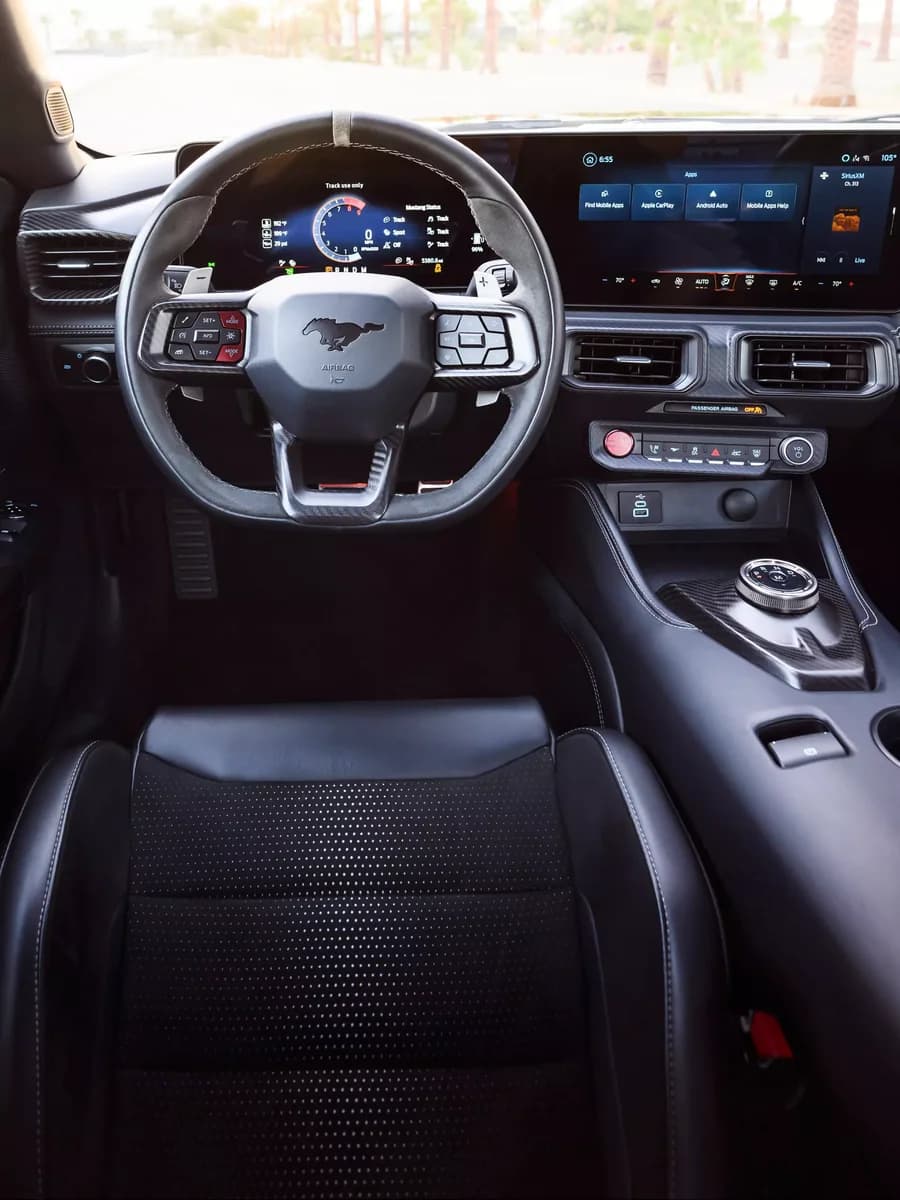
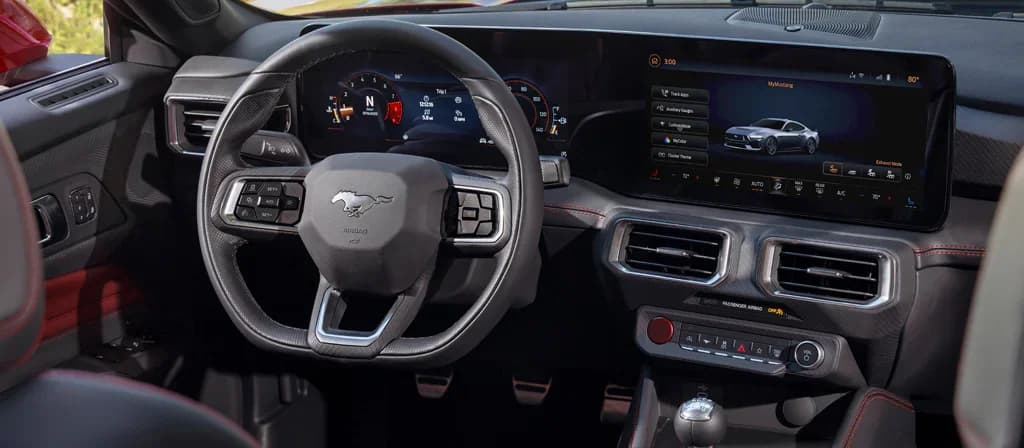
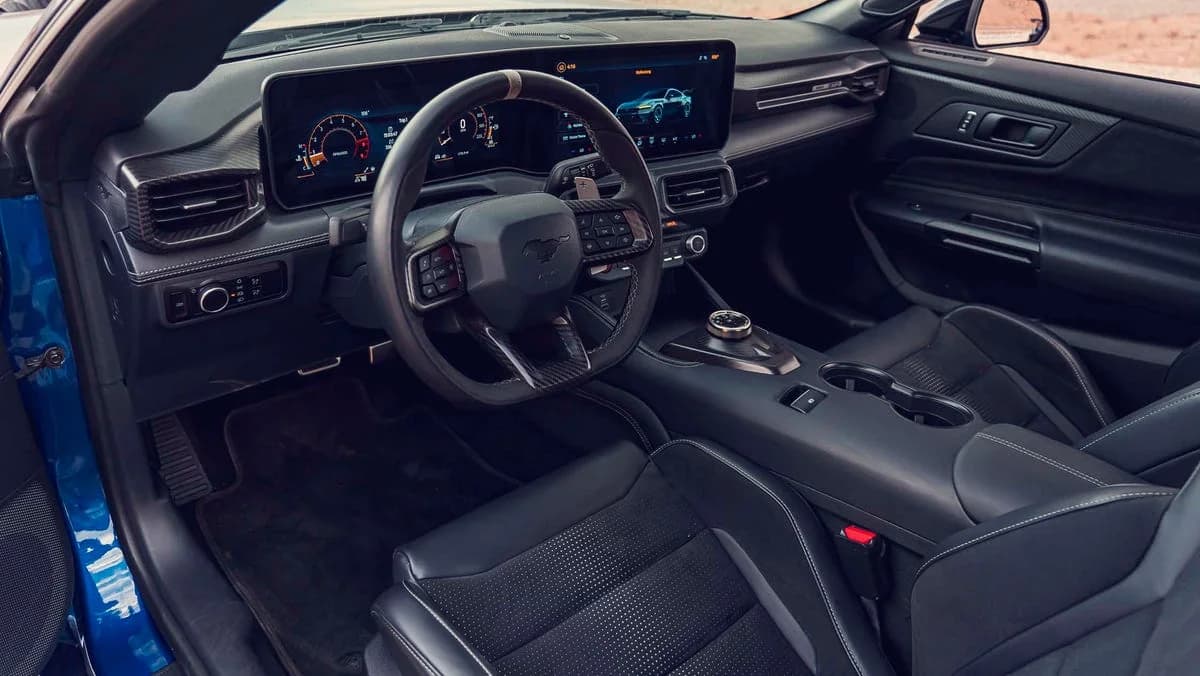
The Mustang works better for daily errands than its 2+2 shape suggests, but only from the front seats. The 12.4-inch digital cluster and 13.2-inch touchscreen modernize the cabin, while the hatchback-style trunk and folding rear seat provide useful luggage space. Front comfort, connectivity, and parking ease receive steady praise, and the trunk is often called surprisingly practical. By contrast, the rear seats are effectively storage, with limited legroom and awkward child-seat access. Touchscreen climate controls, occasional CarPlay glitches, restricted visibility, and inconsistent interior quality reduce everyday polish.
Conclusion
The Mustang’s final case is simple: it makes routine driving feel special without forgetting daily duties. The 5.0-liter V8 delivers the sound and acceleration that define the car, while the EcoBoost offers a quicker-to-run alternative; both benefit from strong brakes and confident rear-drive balance, though the standard GT can feel soft in corners. Available adaptive damping improves the comfort-to-control compromise, whereas Dark Horse track hardware brings harsher ride quality and serious price escalation. Enthusiasts will prefer the six-speed manual; the automatic is smooth and fast but less involving. Up front, the cabin is comfortable and the trunk genuinely useful, but cramped rear seats, touchscreen-heavy controls, and high V8 fuel use limit practicality. This is best for buyers who value character, open-road enjoyment, and mechanical connection—not maximum refinement or efficiency. Its broad appeal, real compromises, and emotional payoff justify a strong recommendation with sensible option selection.

Feature Scores
This reflects reviews and ratings from established critics, journalists, and users who have evaluated the item. Their opinions provide a comprehensive assessment.
Performance
Acceleration
5/5
Handling Agility
4/5
Braking Performance
4/5
Ride Quality
4/5
Powertrain Refinement
4/5
Long-Term Reliability
3/5
Cargo Utility
4/5
Value
Performance Value
4/5
Ownership Cost
3/5
Resale Retention
4/5
Design
Exterior Styling
4/5
Interior Ambiance
4/5
Seating Support
4/5
Cabin Ergonomics
3/5
Health
Cabin Air Quality
TBD
Noise Exposure
3/5
Safety
Crash Protection
3/5
Driver Assistance
4/5
High-Speed Control
4/5
Visibility
3/5
Sustainability
Fuel Efficiency
3/5
Emissions Performance
2/5
Material Efficiency
2/5
End-of-Life Recyclability
TBD
Experience Style
Driving Engagement
5/5
Everyday Usability
4/5
Customization Flexibility
5/5

Specifications
This section outlines the product's key facts, covering essential features, details, dimensions, materials, and any unique characteristics that define its functionality and usability.
Performance
Value
Design
Safety
Sustainability
Experience Style

Frequently Asked Questions
11 Questions



Find Yours
What kind of driving experience are you looking for?
Answer to find your best matches.