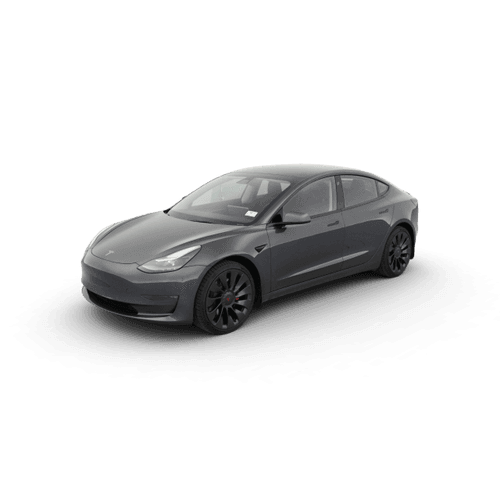

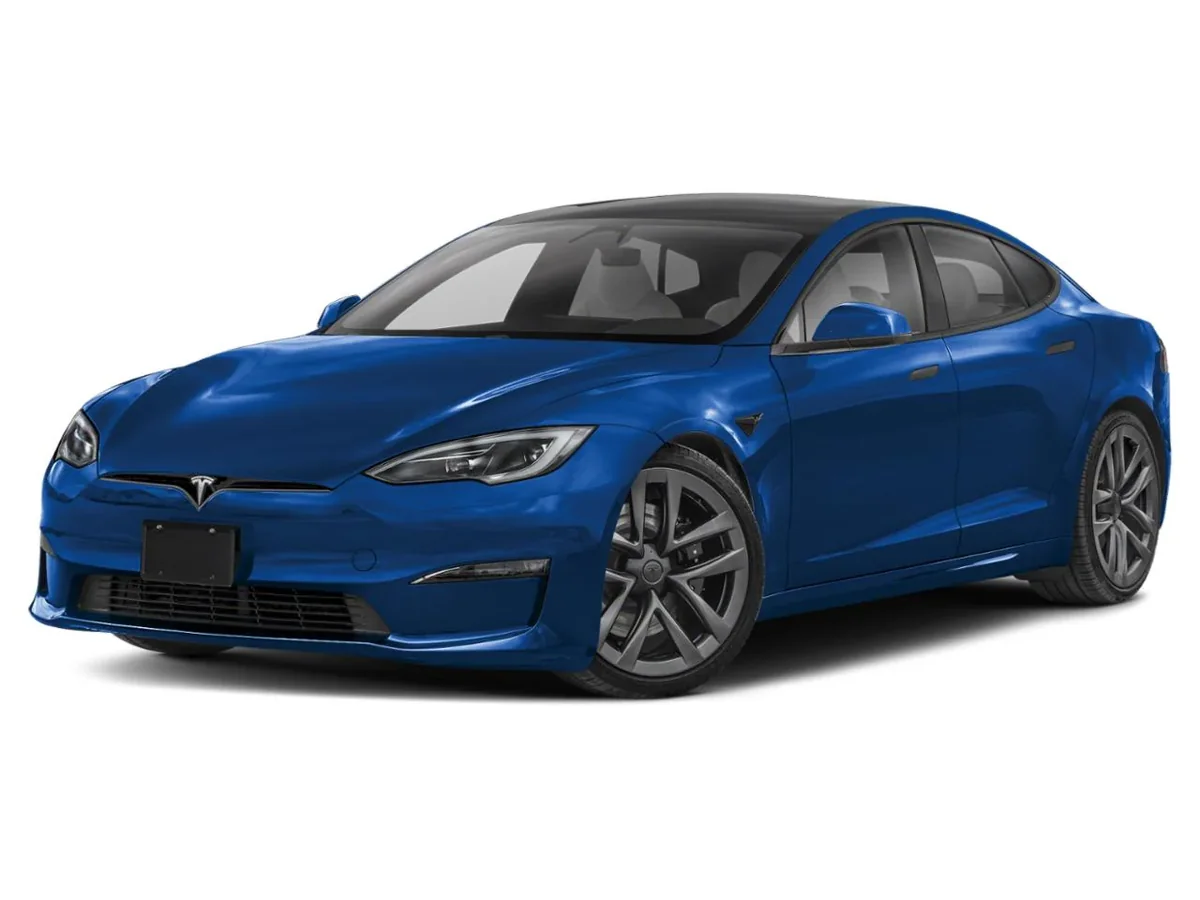
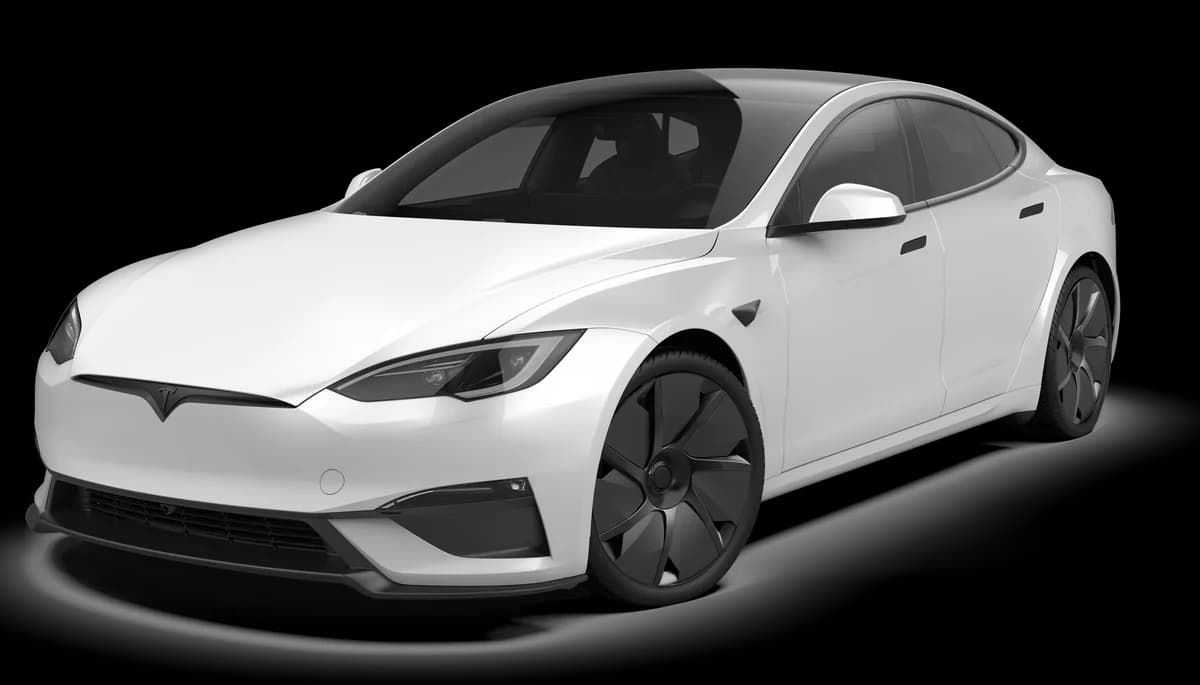
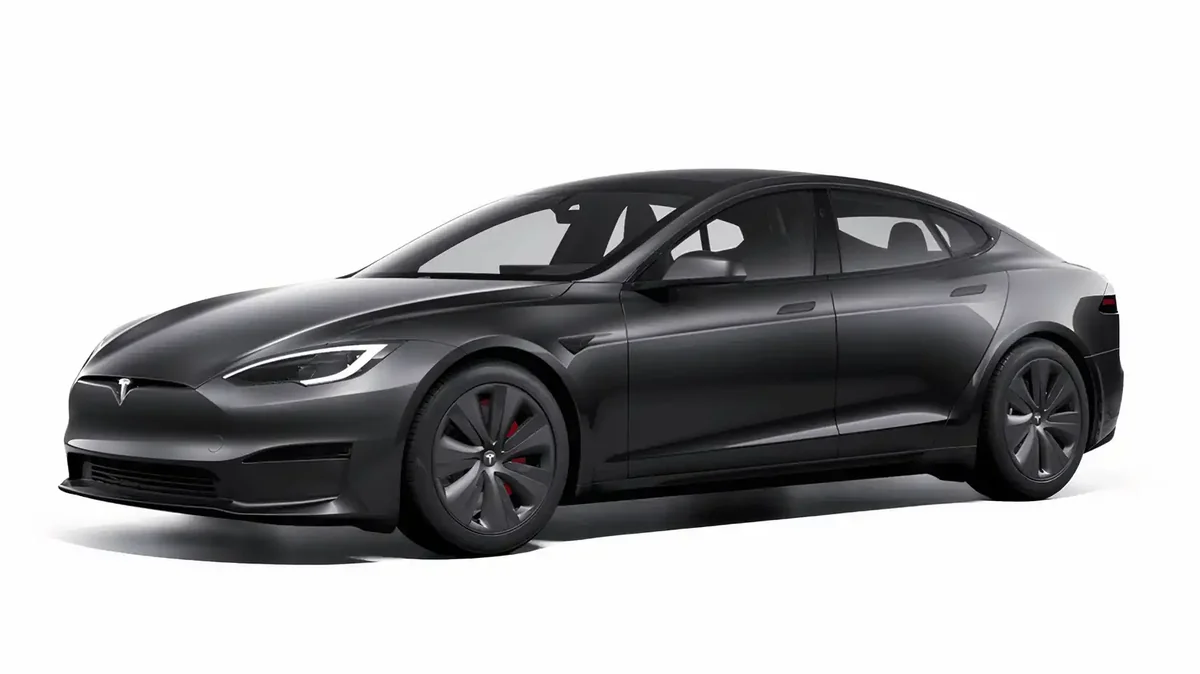
Tesla Model S (2025)
Supercar acceleration and class‑leading range, tech‑rich and practical but lacks luxury polish.
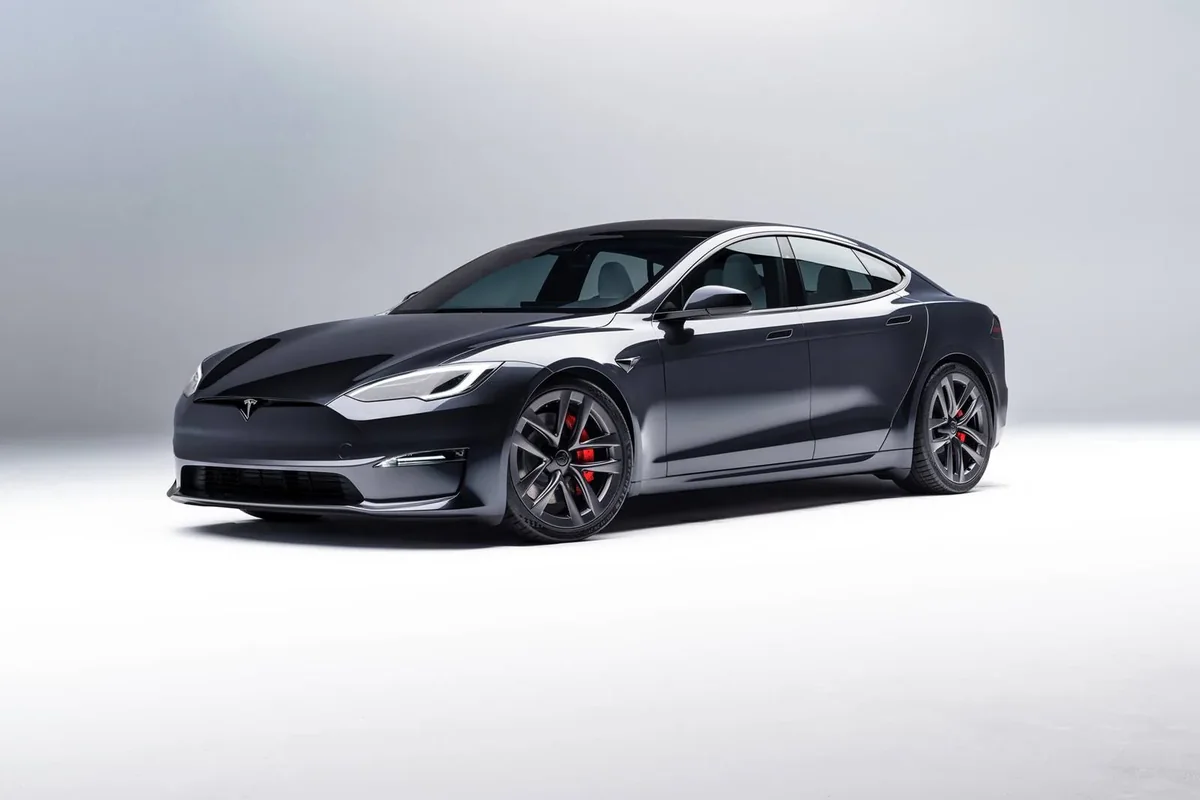
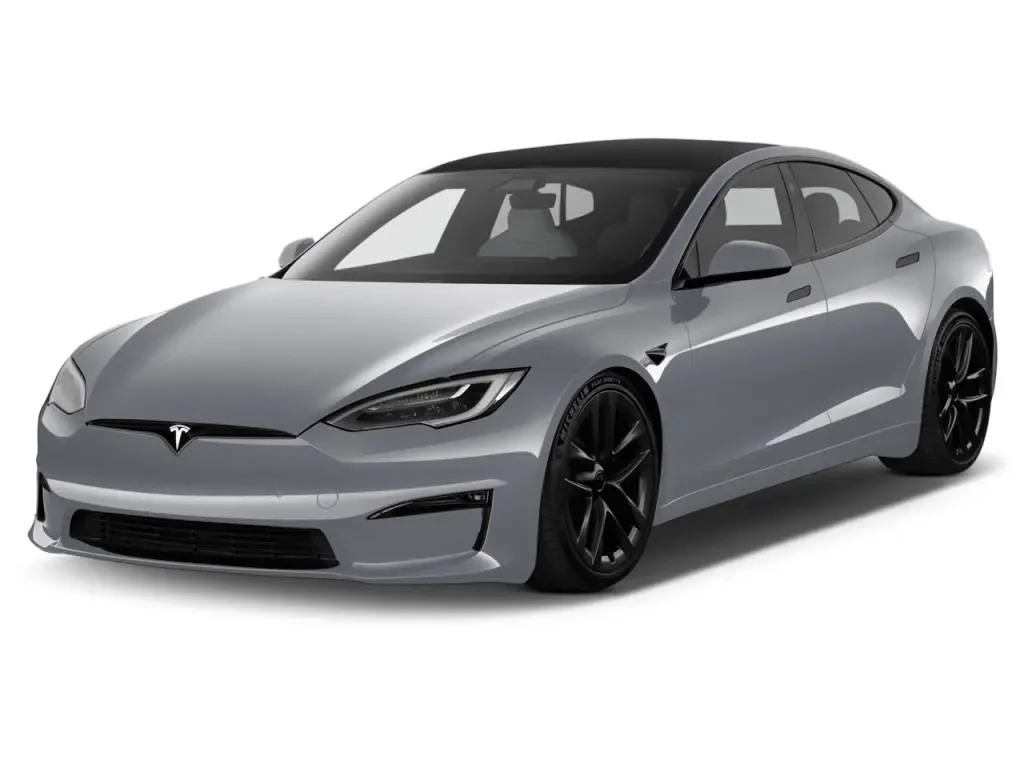
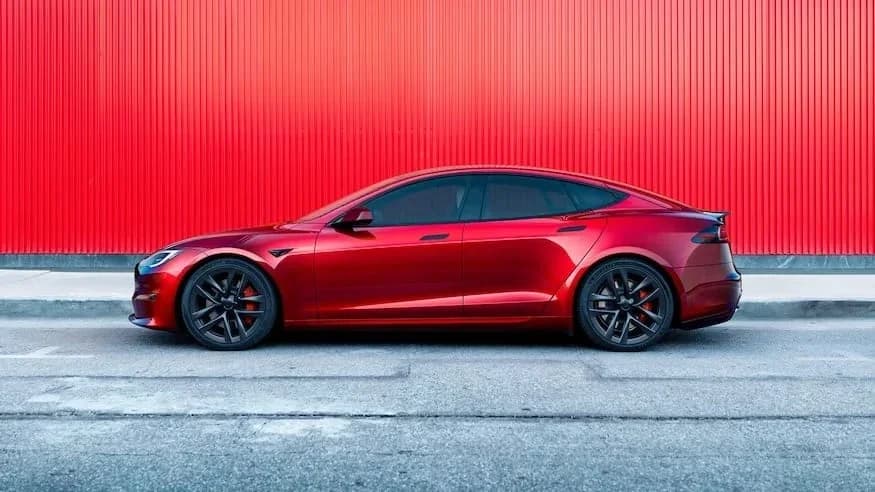
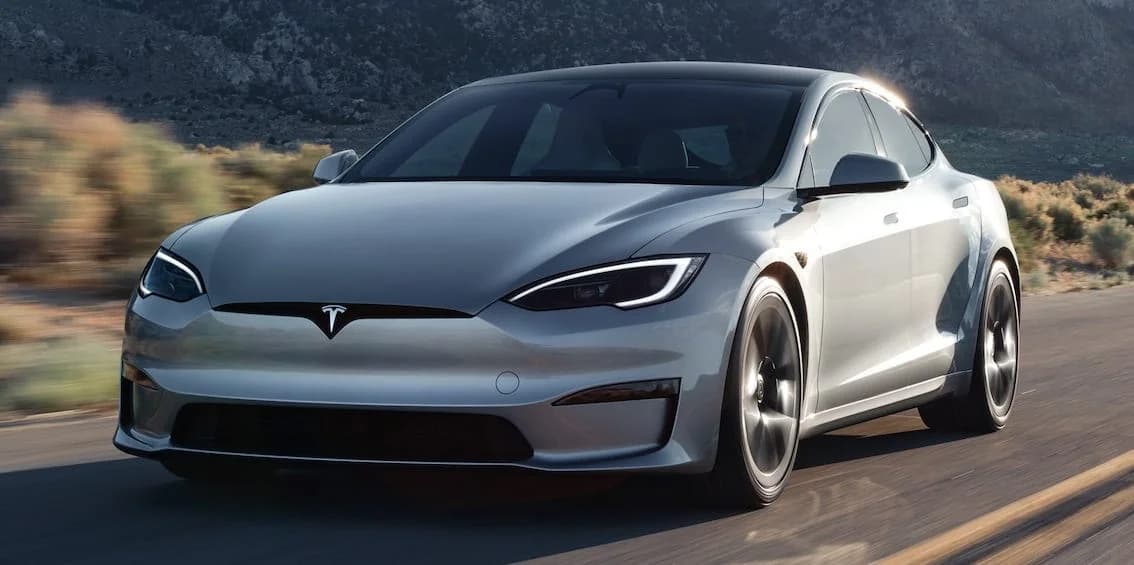
The 2025 Tesla Model S is a high‑voltage grand tourer for drivers who want commuter practicality with supercar theatrics—think daily usability plus a grin on demand. Reviewers and owners laud its up to 410 miles EPA range, 100 kWh battery, and Plaid’s ~1020 hp for jaw‑dropping launches, yet criticize tactile cabin finishes and a touchscreen‑first control scheme that tests ergonomics. Charging access via Tesla’s Supercharger network backs real‑world range claims; owners prize air suspension and hatchback cargo over plush luxury. At its price band, value comes from speed, range, and OTA updates—buy if those matter most to you; resale and refinement sway the verdict.
Find Yours
What is your primary intended use for an electric sedan or compact?
Answer to find your best matches.

The Field
Browse top contenders, or compare all options ranked by score and key attributes.
5 Options


The Scoreboard
Does this improve your life? Considers, health, habits, and environmental impact.
Benefits
Drive long distances without frequent charging stops, easing road-trip planning and daily range anxiety.
Low road and wind noise makes conversations and focus easier on long drives.
Large rear opening fits luggage and everyday gear, simplifying family trips and errands.
Instant, thrilling launches make commutes fun and turn heads at social stops.
Regular updates add features and fixes remotely, reducing trips to service centers.
Trade-Offs
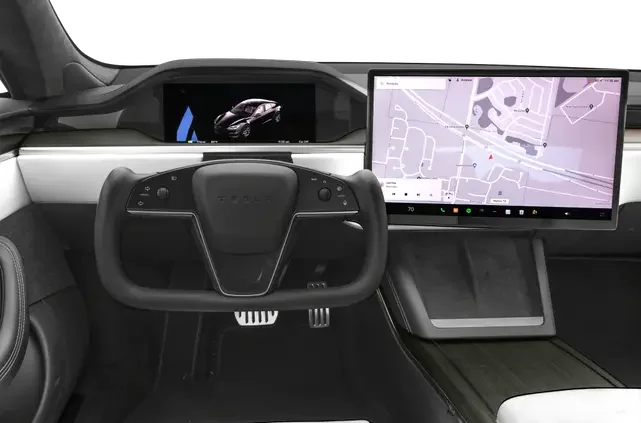
Fiddling with the central screen while driving distracts you and forces awkward reach.
Autopilot/FSD can pull unexpected maneuvers, requiring frequent driver takeover and attention.
Stiff suspension on rough roads transmits jolts that leave your back sore after trips.
Backseat passengers cramp on longer journeys, making adults shift positions repeatedly.
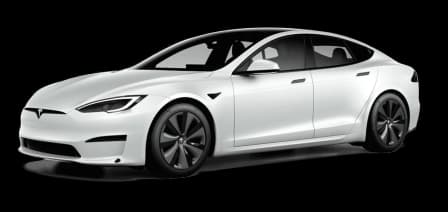
 Alternatives


Join the Circle
Where real meets deal
Know what's worth buying-and when.
Tips, special offers, and rewards for buying and sharing.

Publications
4 LEADING PUBLICATION REVIEWS

Alex Leanse from MotorTrend highlights that the 2025 Tesla Model S remains impressive in range, charging access, and jaw-dropping acceleration—especially in Plaid form—yet reads as an aging flagship that hasn’t kept pace with newer rivals. Leanse praises the hatchback practicality, long EPA range figures, robust Supercharger network, and thrilling performance (MotorTrend’s 2.1‑second 0–60 for the Plaid), but criticizes dated driving dynamics, cheap-feeling cabin materials, touchscreen-dependent controls that hinder usability, limited rear legroom, and an FSD system that can behave erratically. The review frames the Model S as historically transformative but now overdue for a full redesign: competent and still exciting in certain areas, useful for road trips, yet outclassed on comfort, tech polish, and overall refinement by contemporary luxury EV competitors.
By Alex Leanse
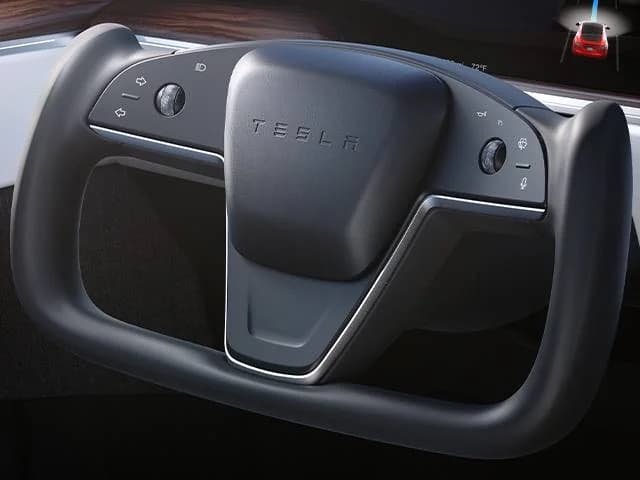
Car and Driver praises the 2025 Tesla Model S as a still-impressive, historically important electric sedan that continues to deliver extraordinary acceleration, excellent long-range capability (the standard model’s ~402-mile EPA estimate), and practical cargo space, while acknowledging that rivals have closed the gap. The tone is appreciative but measured: the review highlights unique strengths (blistering 0–60 times, high MPGe, roomy 26-cu-ft trunk) and practical advice (buy a lightly used recent model for value), yet calls out dated interior luxury, fiddly yoke steering, minimal small-item storage, and an infotainment layout that can force drivers to lean forward. It also cautions that Tesla’s Autopilot/“Full Self-Driving” remains overpromised and that cabin refinement lags competitors like the Lucid Air, BMW i5, and Mercedes EQE. Overall, Car and Driver views the Model S as relevant and compelling but no longer the uncontested leader.
By Mark Takahashi
Kelley Blue Book praises the 2025 Tesla Model S as a range-leading, thrillingly quick luxury EV that still impresses after 13 years — notably delivering up to 402 miles and blistering acceleration (3.1s to 60 mph for the base AWD, 1.99s for Plaid). The review is upbeat about Tesla’s Supercharger access, large 17-inch screen with streaming/gaming, over‑the‑air updates, and hatchback practicality, and it recommends the mainstream AWD trim for most buyers. Criticisms are measured: cabin trim and fit-and-finish lag rivals, build-quality inconsistencies persist, and Tesla’s service experience can be uneven; Apple CarPlay/Android Auto are absent and the yoke wheel may unsettle some. KBB compares competitors (Lucid, Audi, BMW, Mercedes) and advises checking Kelley Blue Book Fair Purchase Price before buying, giving a balanced, confident endorsement for buyers prioritizing range and performance but noting material and ownership trade‑offs.
By Colin Ryan
Edmunds’ James Riswick highlights the 2026 Tesla Model S as a performance- and range-focused electric sedan that still impresses despite its aging platform. He’s enthusiastic about the car’s exceptional EPA range (up to ~410 miles for the standard AWD) and the Plaid’s mind-bending acceleration and fast-charging pace, calling the combination of speed, tech, and cargo utility a strong value proposition. At the same time he tempers praise with measured criticism: cabin materials and build quality lag German rivals and the Lucid Air, the yoke steering and touch-only controls hamper everyday usability, rear-seat comfort is compromised, and some safety/UX quirks persist. Unique insights include detailed EV range and charging test figures, real-world performance metrics, and pragmatic advice to prefer the standard AWD over the overkill Plaid for most buyers. Overall tone is positive but pragmatic—impressed by specs, wary of refinement and practicality tradeoffs.
By James Riswick

YouTube
4 LEADING EXPERT & INFLUENCER REVIEWS
 Angelo Carlos
Angelo Carlos praises the 2025 Tesla Model S Long Range refresh for its improved hardware 4 Full Self-Driving, smoother air suspension, quiet cabin, and refreshed aesthetics (frost blue, magnetite 19-inch wheels, ambient lighting). He’s enthusiastic but measured—calls changes modest and recommends used 2022–24 units unless you want FSD and new looks.
Detached GarageDetached Garage recommends cautious optimism: enthusiastic about Raven's sweet spot—MCU2/3, HW3/HW4, air suspension, and Plaid performance—but warns of MCU1 limits, coolant/drive-unit issues, yoke controversies, and minor 2025 refreshes. Practical, hands-on buyer checklist and year-by-year guidance balance praise with clear caveats.
Diego CarlosDiego Carlos finds the 2025 Tesla Model S impressive but over-priced—praising range, comfort, and FSD hardware while criticizing dated exterior/interior updates, janky door/controls, cramped ergonomics, plastic wheel covers, and garage-fit issues. He recommends the Model 3 Performance or used 2020 Model S for better value.
CARINTOSCARINTOS finds the 2025 Tesla Model S still thrilling for its Plaid performance and long ~402-mile EPA range, but argues rivals (Lucid Air, BMW i5, Mercedes‑Benz EQE) outclass it on range and interior luxury—overall respectful nostalgia mixed with guarded skepticism about Tesla’s luxury crown.

Forum Reviews
CUSTOMER REVIEWS FROM 1 FORUM
Reddit discussions about the 2025 Tesla Model S convey generally positive sentiment: users praise its performance, roomy hatchback design, refined interior, air suspension comfort, and upgraded displays, calling it a clear step up from older Model 3/Y variants. Many highlight HW4/FSD future-proofing and superior ride quality, though critics note inconsistent build materials, reduced perceived luxury in some trims, visibility/blind-spot concerns, and rapid depreciation or confusing pricing/promotions. Upgraders tend to emphasize tangible comfort and feature gains over older models, while prospective buyers debate value versus waiting for further hardware updates or buying used.
Many comments

In-Depth Review

Highlights
- •Plaid-level accelerationMind‑bending 0–60 sprints
- •Exceptional single‑charge rangeUp to ~410 miles EPA
- •Wide fast‑charging accessSupercharger network and ~250 kW
- •Hatchback cargo practicalityLarge 64.6 cu ft maximum space
- •Over‑the‑air software updatesRegular feature and fix delivery
- •Air suspension and upgraded displaysSmoother ride and clearer screens

Considerations
- •Erratic hands‑free drivingFSD often needs intervention
- •Touchscreen‑centric controlsDistracting, forces reach and focus
- •Inconsistent cabin materials and fitPlastic trim and uneven finish
- •Rear‑seat legroom constraintsTight for adults on long trips
- •Firm ride on poor roadsPerformance tuning transmits jolts
- •Ownership costs and depreciationConfusing pricing and resale concerns
Tesla’s flagship sedan arrives as a high‑velocity statement from a brand known for pushing EV boundaries—positioned for buyers who want luxury, tech and straight‑line theatrics in one package. Built for long road trips and hair‑raising sprints, it pairs a 100 kWh battery with available 1020 hp Plaid power, and promises up to 410 miles EPA on the right wheels—claims that reshape what a commuter or weekend getaway car can be. You’ll appreciate the practical hatchback space (up to 64.6 cu ft), wide Supercharger access and a 17‑inch screen that serves as mission control, even if tactile refinement lags premium rivals. Ideal for affluent tech‑savvy professionals and performance seekers who value range and software updates over buttoned‑up luxury. Read on for focused notes on acceleration, range, charging, handling, interior utility and finish—pick the sections that matter most to you; this car thrills, but it asks you to trade a little polish for performance.
Driving range and efficiency (EPA range, MPGe)
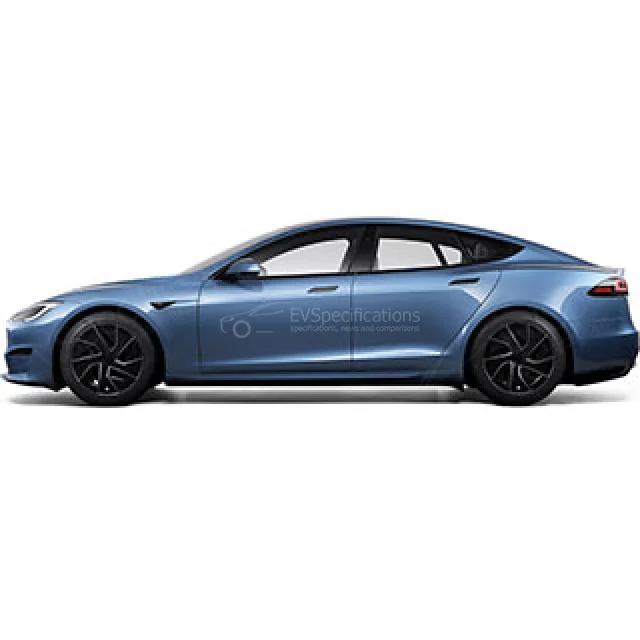
If range is peace of mind, the Model S is a leading retreat: EPA numbers hit 402–410 miles on 19‑inch wheels and deliver strong MPGe in the low 120s combined, translating to fewer charging stops on road trips. Real‑world forum and test figures generally back Tesla’s claims (some variability by wheel choice and driving style), making the battery and aerodynamic package a practical advantage for long‑distance drivers who prioritize single‑charge mileage and low running costs. 410‑mile EPA
Build quality and interior materials (seats, trim, roof, audio hardware)
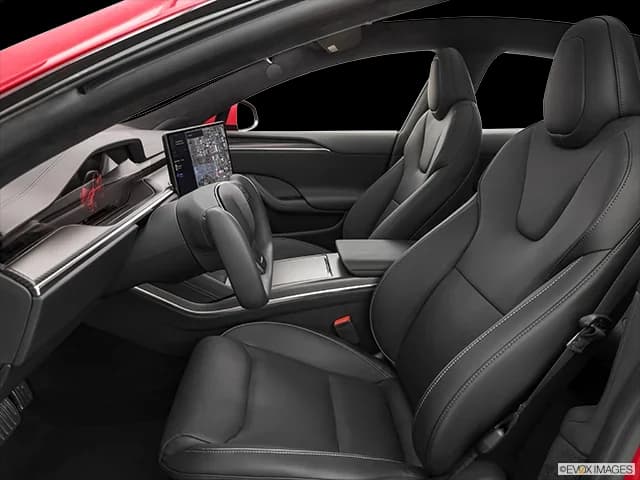
Tesla nails layout and tech—big 17‑inch screen, panoramic glass roof and a 22‑speaker audio system—but cabin finish lags luxury rivals: reviewers cite inconsistent materials, plastic trim, and odd fit‑and‑finish that soften the premium vibe despite comfy synthetic leather seats. The result is a tech‑rich, practical interior that wows on features and sound yet underwhelms on tactile polish, a contrast echoed in expert and owner feedback. inconsistent interior materials
Driving performance (acceleration, top speed, power)
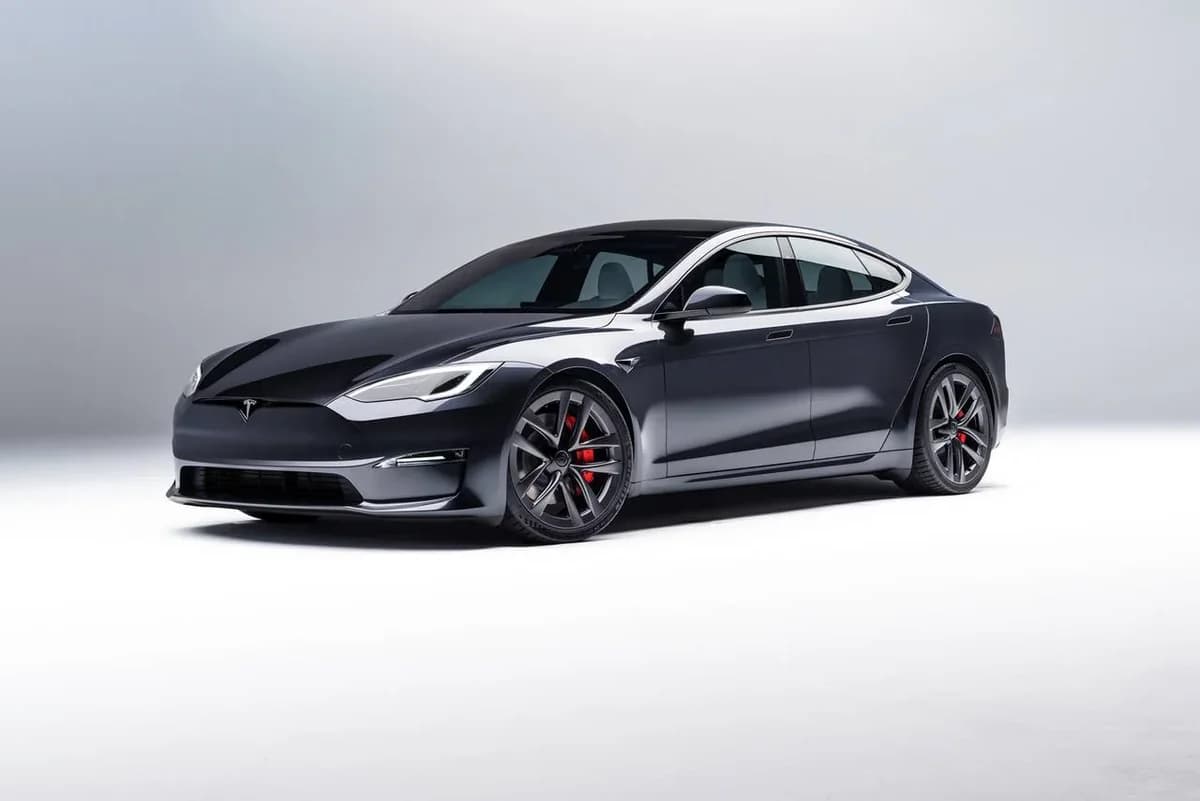
The Model S still delivers theater-grade thrills: the dual‑motor AWD hits a brisk 3.1‑second 0–60 while Plaid’s tri‑motor package posts near‑supercar ~2.0‑second sprints, backed by up to 1020 hp and a claimed 200 mph top speed; that raw shove matters for overtakes and grin factor. Reviewers and owners confirm blistering launches in real tests, though that focus sacrifices everyday subtlety—track charisma wins over cushioning—so expect jaw‑dropping bursts and a performance halo that’s also a trade‑off. Plaid launch performance
Handling and braking (skidpad grip, turning circle, braking distance)
The Model S blends GT composure with surprising cornering; Plaid posts a stout 1.08 g skidpad and precise steering, while air suspension smooths inputs and a 40.3‑ft turning circle keeps city maneuvers manageable. Braking tests reveal strong stopping power—about 150 ft from 70–0 mph—but the chassis leans toward performance firmness over cushy compliance, so drivers get taut responses at the cost of a firmer ride on broken pavement. Air suspension comfort
Charging and battery (battery capacity, DC fast‑charge, home charge time)
The 100 kWh pack pairs with Tesla’s broad Supercharger access and up to 250 kW DC rates for swift pit stops, while typical home charging sits around 9.7 hours at 240V—a sensible overnight routine. Independent tests show fast‑charge speeds and the Supercharger network materially reduce range anxiety compared with rivals, though Plaza‑to‑Plaza times vary with state of charge; battery cooling and liquid‑cooling tech help preserve longevity under stress. 100 kWh battery
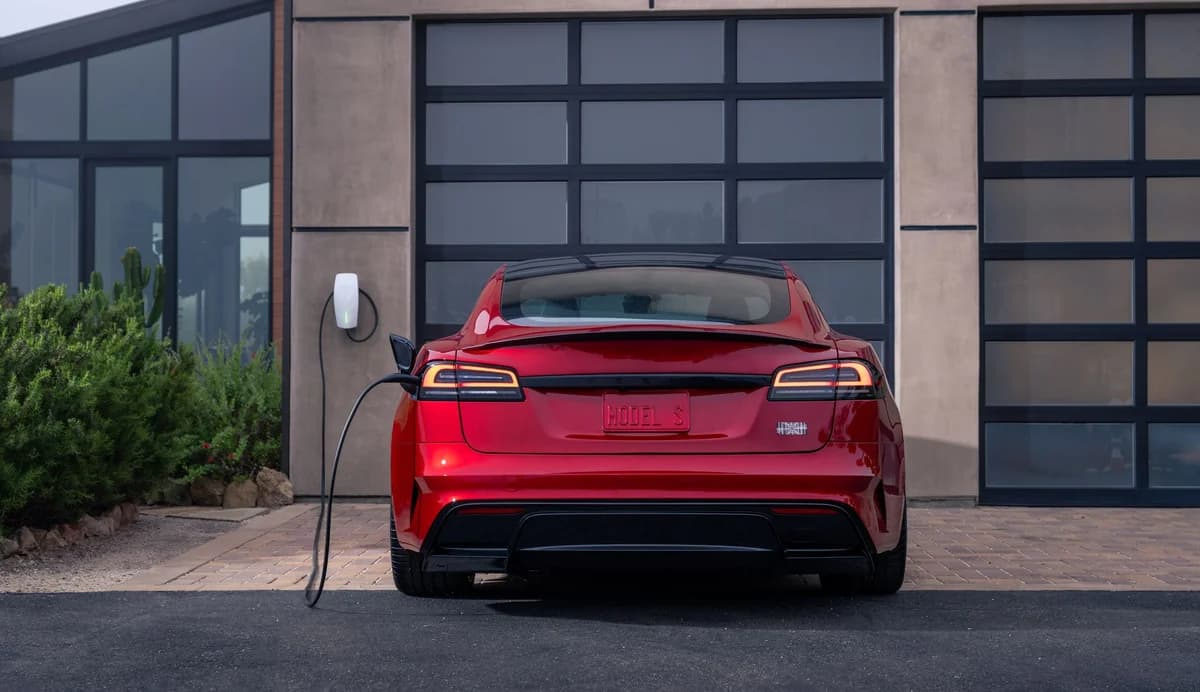
Interior space and cargo capacity (seating, cargo volumes, dimensions)
The hatchback layout is a practical delight: roughly 28.2 cu ft behind the seats and 64.6 cu ft max make the cabin genuinely useful for luggage and gear, while exterior dimensions yield a roomy front pair and usable rear seats—though rear legroom can feel tight for adults on long hauls. Critics praise the packaging and cargo utility for family trips, even as some note visibility quirks and ergonomic reach for screen‑dependent controls. 64.6 cu ft max
Conclusion
Think of this as a performance sedan that learned practicality: the shove and pace are unmissable, so expect supercar‑grade acceleration and a top speed that thrills. It also delivers class‑leading single‑charge range and efficient MPGe that genuinely change trip planning. The 100 kWh pack plus wide Supercharger access makes long runs painless, with sensible overnight home‑charging times. Chassis tuning gives confident grip and strong stops—taut handling with stout braking—but the ride favors firmness over float. Packaging wins with a generous hatch and real-world cargo volume, even if rear legroom tightens on long hauls. The cabin dazzles with tech, yet shows uneven materials and fit, which tugs at the premium promise. Ideal for tech‑minded drivers who want speed, range, and utility; less suited to buyers chasing plush, buttoned‑up luxury. Buy it if thrills and range lead your priorities.

Feature Scores
This reflects reviews and ratings from established critics, journalists, and users who have evaluated the item. Their opinions provide a comprehensive assessment.
Performance
Driving Range
5/5
Charging Speed Capability
4/5
Energy Efficiency
4/5
Acceleration Performance
5/5
Handling and Ride Quality
4/5
Reliability and Durability
3/5
Battery Longevity
4/5
Value
Purchase Price Competitiveness
4/5
Total Cost of Ownership
4/5
Resale Value
4/5
Design
Exterior Design Appeal
4/5
Interior Materials Quality
3/5
Seating Comfort and Ergonomics
4/5
Cargo and Cabin Practicality
5/5
Health
Cabin Air Quality
3/5
Interior Material Safety
3/5
Safety
Crashworthiness
4/5
Advanced Driver Assistance Systems
4/5
Battery Safety and Thermal Management
4/5
Sustainability
Battery End-of-Life Management
3/5
Use of Recycled Materials
2/5
Operational Emissions (Well-to-Wheel)
4/5
Experience Style
Infotainment and Connectivity
4/5
Over-the-Air Software Support
5/5
Charging Ecosystem Convenience
5/5

Specifications
This section outlines the product's key facts, covering essential features, details, dimensions, materials, and any unique characteristics that define its functionality and usability.
Performance
Value
Design
Safety
Sustainability
Experience Style

Frequently Asked Questions
4 Questions

Find Yours
What is your primary intended use for an electric sedan or compact?
Answer to find your best matches.