





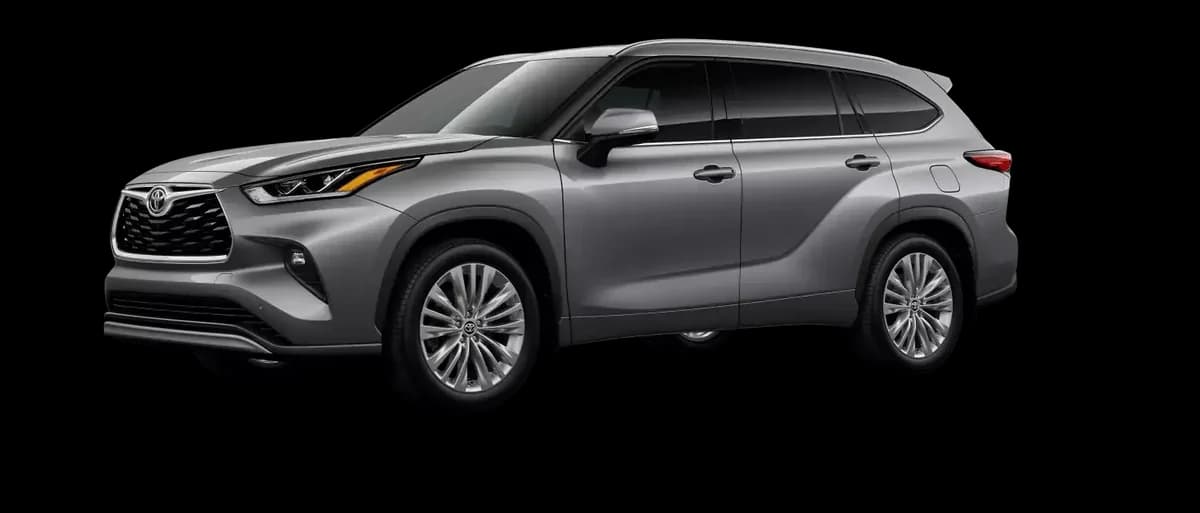
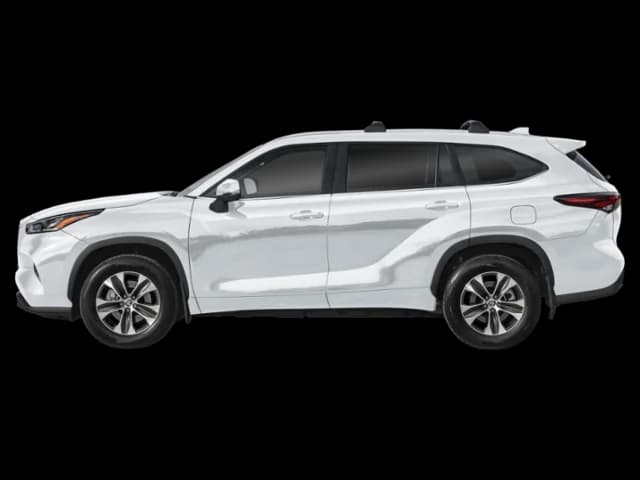
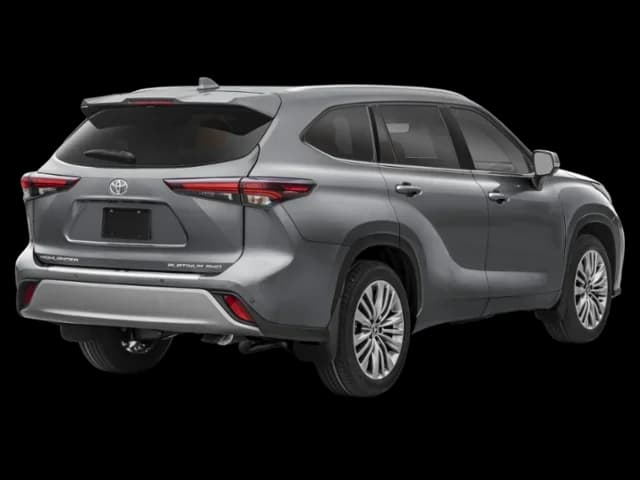
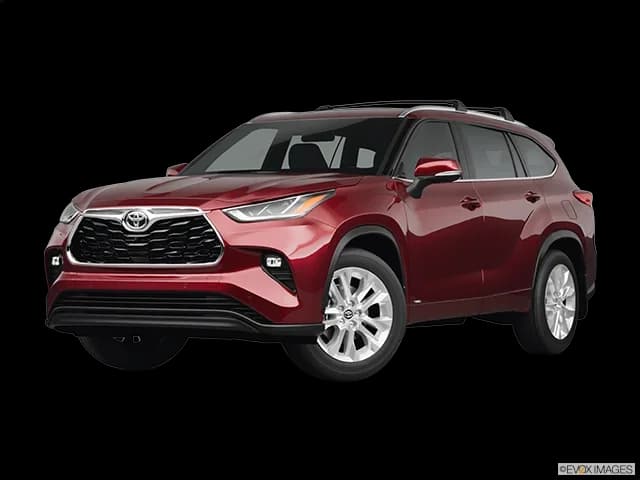
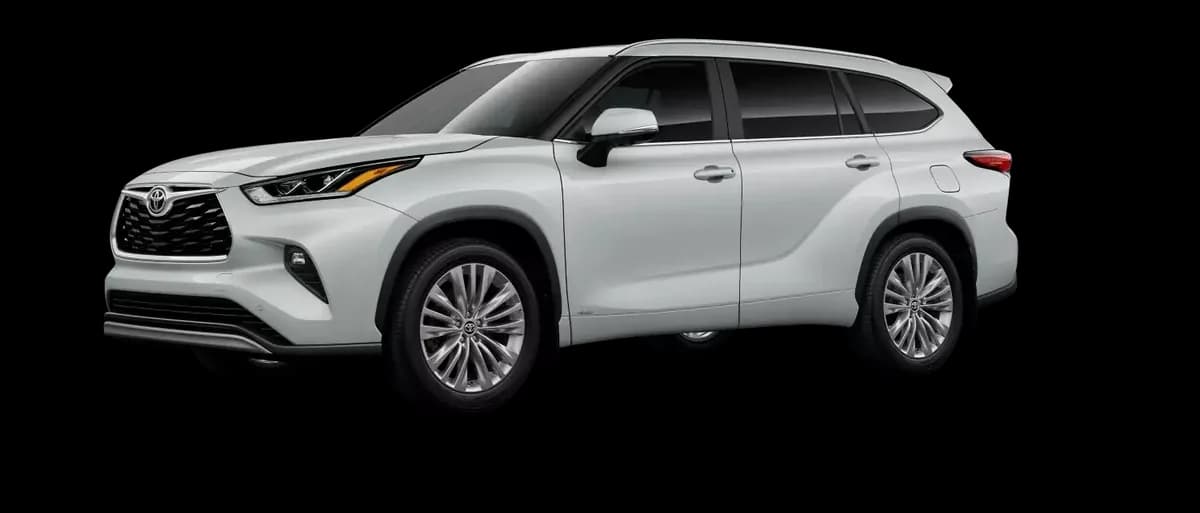
Toyota Highlander (2026)
Comfortable, efficient, standard AWD family SUV, best suited to occasional third-row use.
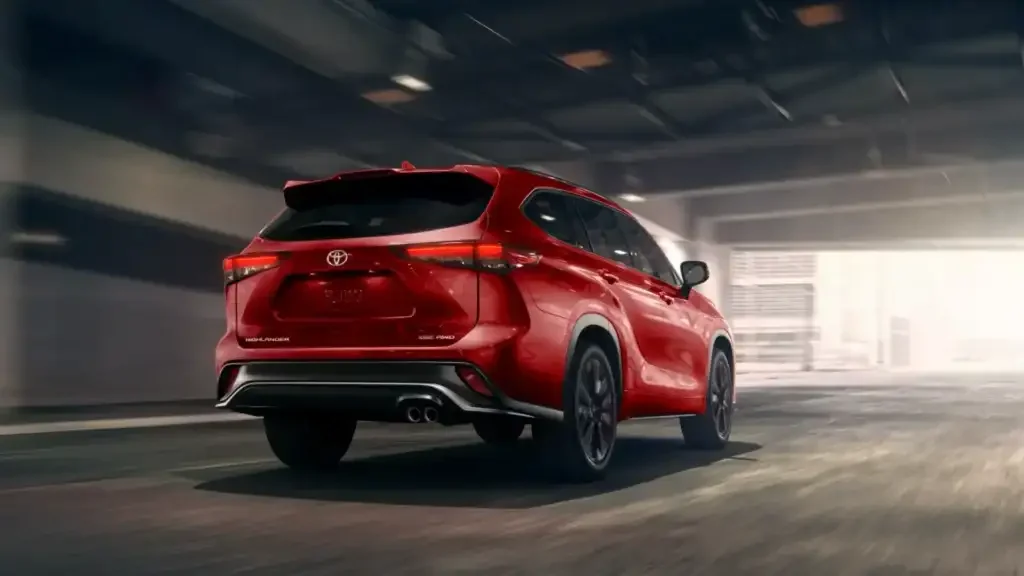
The 2026 Toyota Highlander is the sensible family shuttle for people solving winter traction, daily comfort, and occasional third-row duty without stepping up to a massive SUV. Standard AWD supports its all-weather pitch, while the quiet ride, easy controls, and strong resale reputation earn consistent praise from experts and early owners. The available hybrid backs up Toyota’s efficiency claim at roughly 35 mpg combined, whereas the gas turbo feels capable and can tow up to 5,000 pounds, though its economy is merely average. The catch is value: pricing approaches roomier rivals, and the cramped third row leaves adults and luggage negotiating for space. Its overall appeal depends on how much you prioritize efficiency, traction, comfort, and Toyota confidence over maximum room.
Find Yours
What is your primary use for a Gas-Powered SUV?
Answer to find your best matches.

The Field
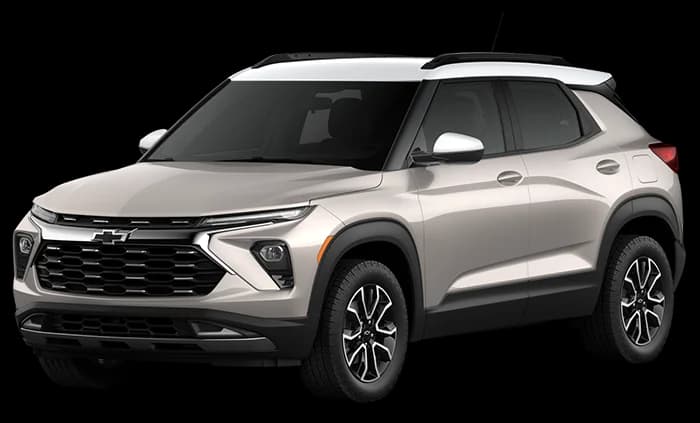
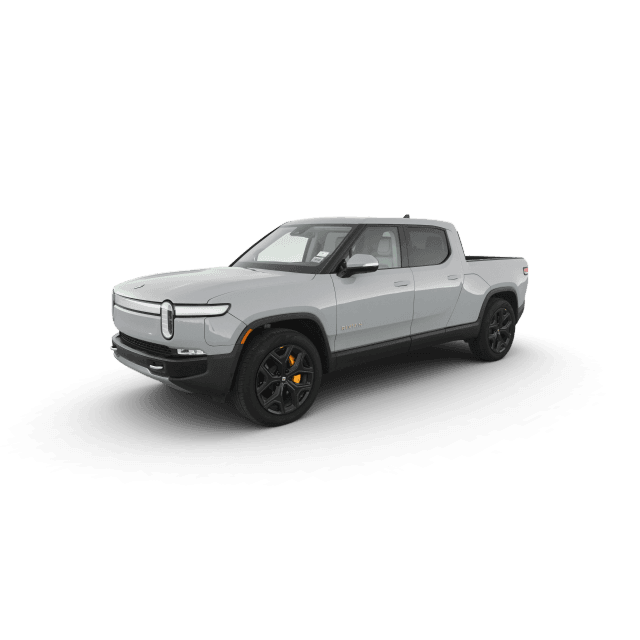
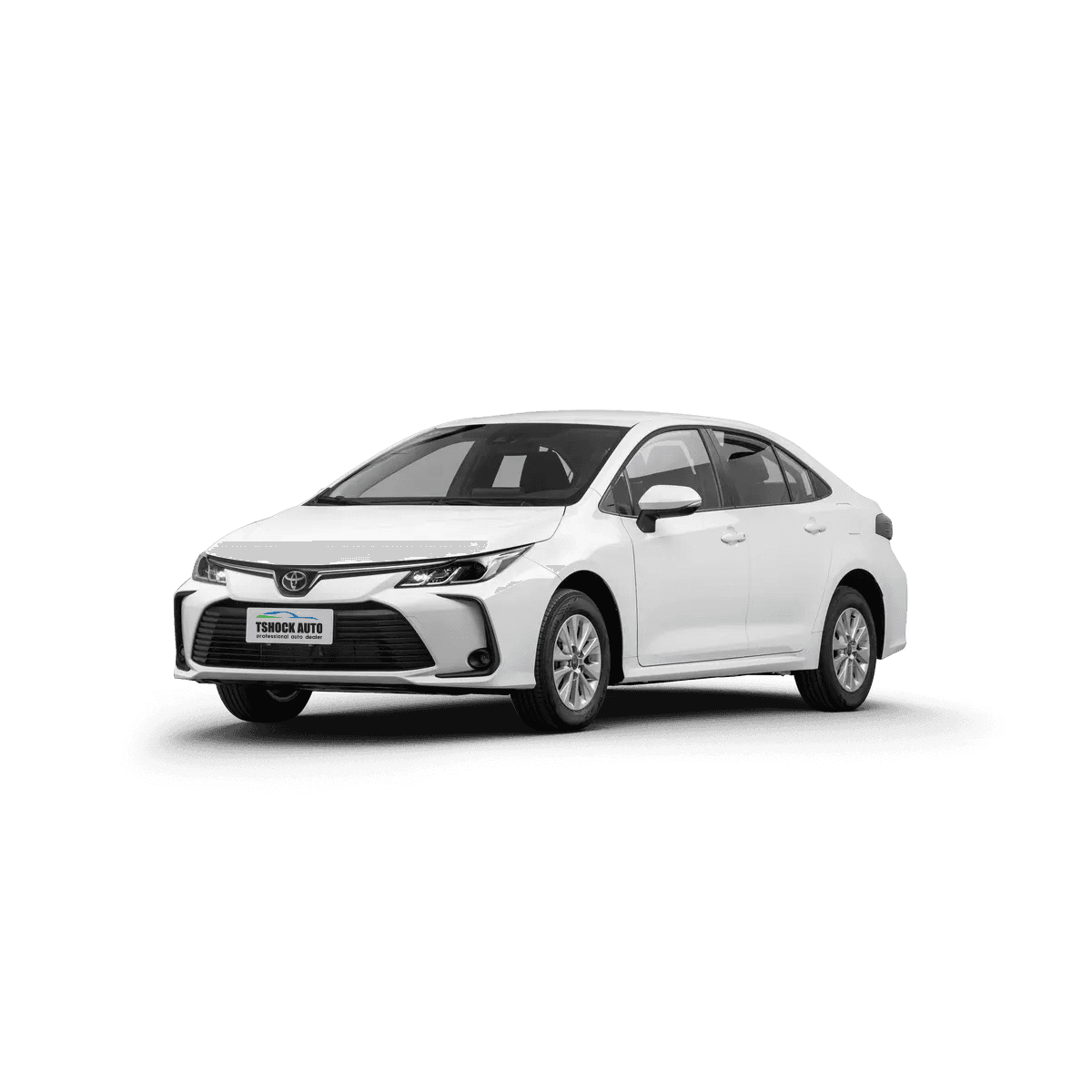
Browse top contenders, or compare all options ranked by score and key attributes.
5 Options
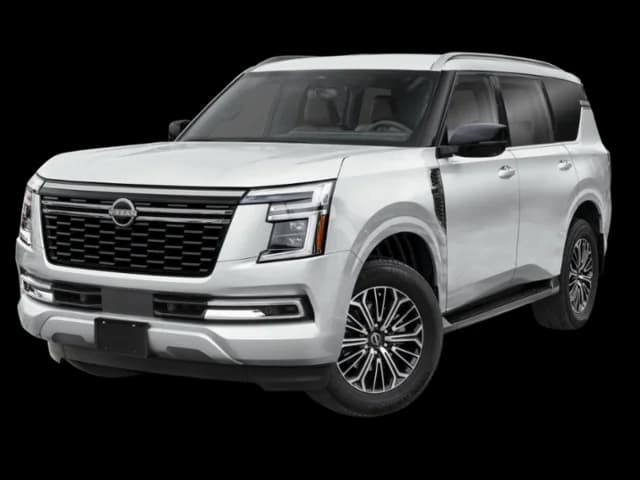
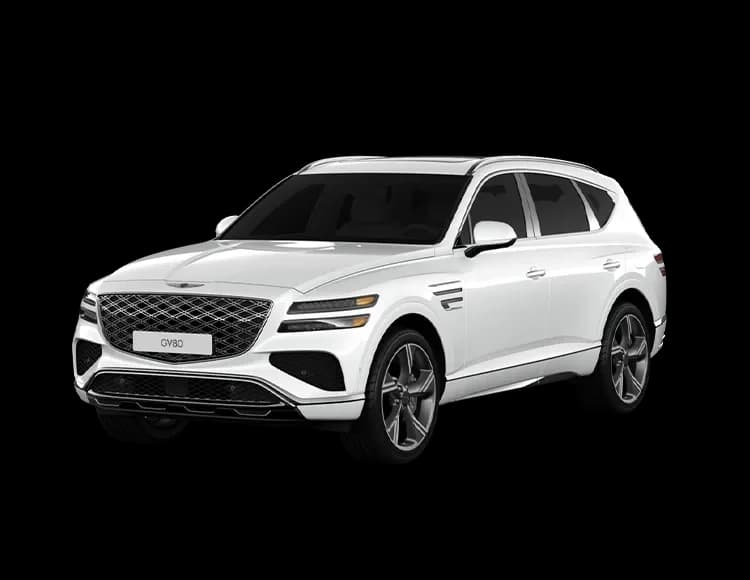

The Scoreboard
Does this improve your life? Considers, health, habits, and environmental impact.
Benefits
Standard all-wheel drive on gas models adds confidence during snowy school runs and rainy commutes.
The hybrid powertrain cuts fuel-stop frequency while keeping everyday family driving smooth and quiet.
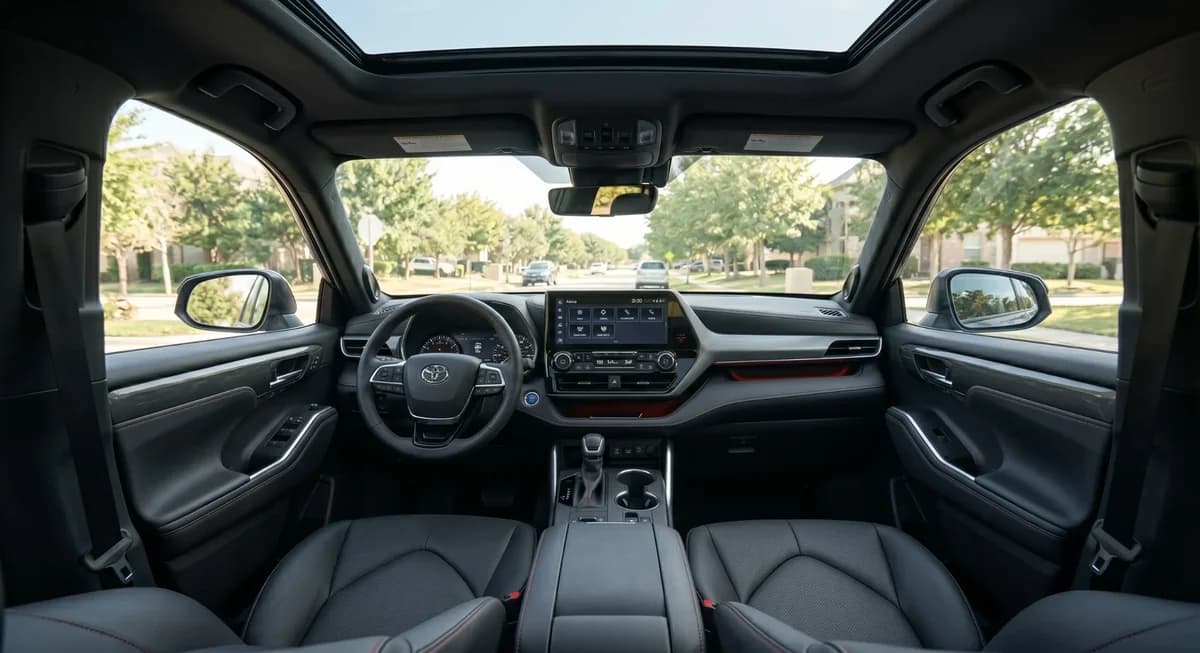
A relaxed ride, supportive seats, and low road noise make long trips easier on everyone.
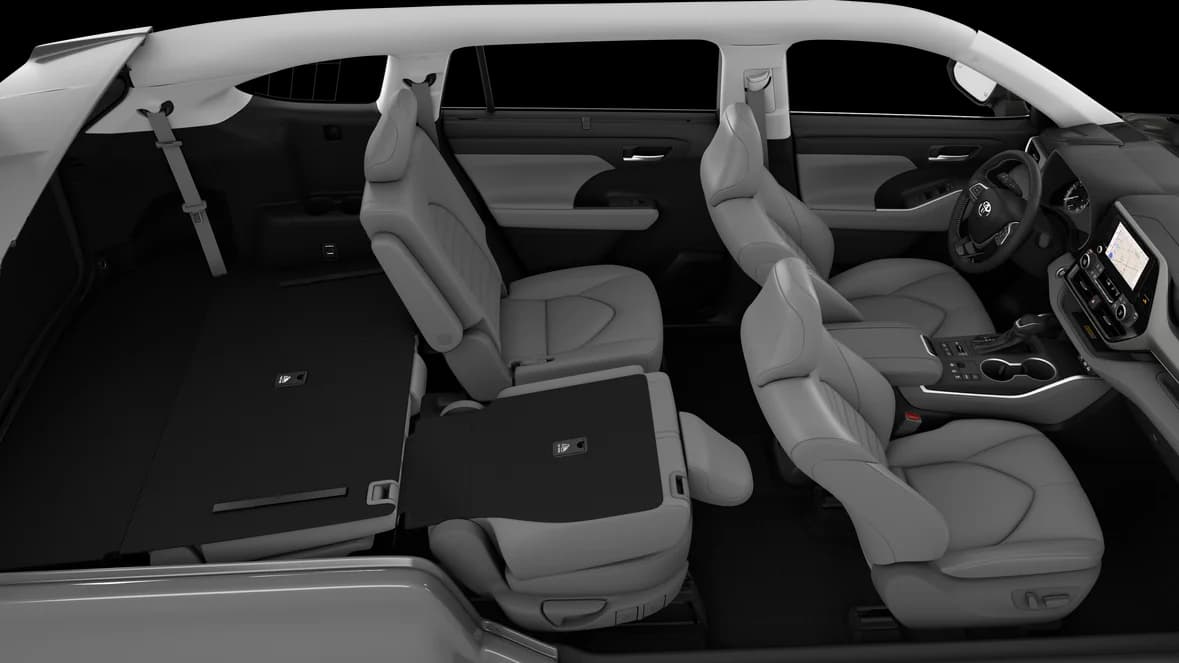
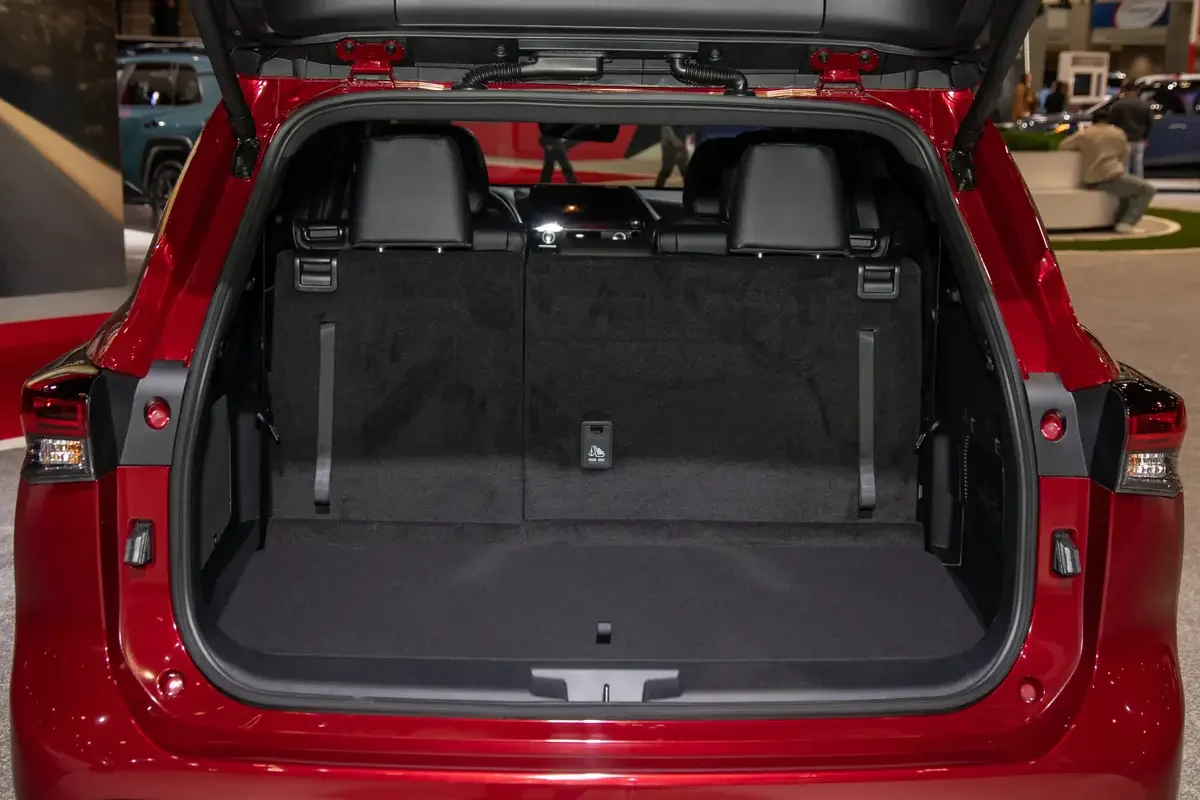
Practical seating flexibility and a large folded-cargo area handle strollers, groceries, and weekend gear.
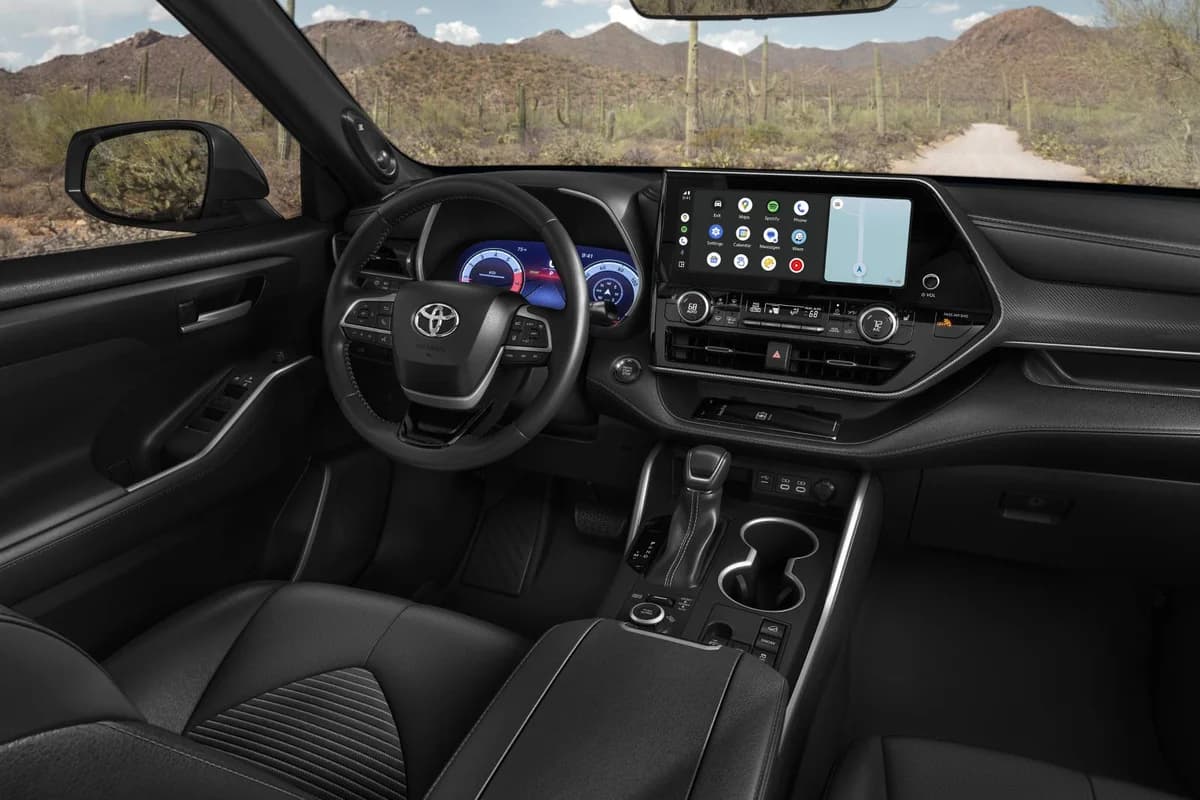
Toyota’s reliability reputation, resale strength, and familiar controls make daily ownership feel straightforward.
Trade-Offs
Adults—and sometimes three children—feel cramped back there, making longer family rides uncomfortable.
With all seats occupied, the small cargo area makes luggage and strollers harder to fit.
Choosing the gas model means more frequent fuel stops than similarly capable hybrid alternatives.
 Alternatives


Join the Circle
Where real meets deal
Know what's worth buying-and when.
Tips, special offers, and rewards for buying and sharing.

Publications
2 LEADING PUBLICATION REVIEWS

Kelley Blue Book views the 2026 Toyota Highlander as a confident, highly practical family SUV with few serious weaknesses. Standard all-wheel drive, strong safety credentials, above-average resale value, and respectable 24-mpg combined fuel economy make it an appealing long-term choice. Its turbocharged four-cylinder delivers ample torque, the ride is relaxed and capable, and thoughtful touches such as a hands-free liftgate, wireless phone connectivity, five USB ports, and 14 cupholders suit family life especially well. The main compromise is space: the third row is cramped for adults and even tight for three children, while cargo capacity is merely average. KBB also considers the $47,365 starting price high, though competitive equipment and fair-purchase discounts soften that concern. Overall, the review is warmly positive, presenting the Highlander as a polished, safe, dependable hauler—provided buyers don’t need a genuinely roomy third row.
By Eric Brandt
BBC TopGear is lukewarm on the Highlander, calling it competent but largely forgettable. It’s comfortable, easy to live with, and equipped with useful safety and infotainment technology, while the hybrid’s smooth gas-electric operation makes fuel stops relatively rare. Families also get a spacious second row and straightforward practicality. However, the third row is cramped enough to be better suited to cargo, and the SUV offers little driving excitement despite its selectable modes. More importantly, TopGear argues that rivals such as the Hyundai Santa Fe, Honda Pilot, and Kia Telluride provide more space, style, or value, while Toyota’s own RAV4 delivers much of the same everyday usefulness for less money. The Highlander’s appeal is therefore mostly its familiar name, reliability-minded ease of use, and reasonable competence—not any standout strength. It earns a middling 6/10 as an appliance-like family hauler.
By Alex Kalogiannis

YouTube
4 LEADING EXPERT & INFLUENCER REVIEWS
 Car Confections
Car Confections views the 2026 Toyota Highlander as a strong, comfortable family SUV with limited compromises. They praise its Lexus-like Platinum interior, excellent storage, smooth ride, quiet cabin, standard AWD, strong resale expectations, and available hybrid’s impressive 35-mpg combined rating. The 265-hp turbo provides ample acceleration and 5,000-pound towing, though gas-model fuel economy is merely average. Their main reservations are the aging exterior lighting, higher pricing after the LE’s removal, and a cramped third row best suited to children. Overall, it remains a compelling, polished choice—unless maximum passenger space is a priority.
Gold PonyGold Pony is clearly positive on the 2026 Toyota Highlander, especially its comfortable, well-equipped cabin and strong standard features. The test found adequate turbocharged power, a smooth ride, quiet cruising, excellent seat comfort, and an impressively clear, bass-rich JBL system. Still, acceleration suffers some turbo lag, braking is merely average at 132 feet, steering feels loose, and the 28-inch third row is cramped. Gold Pony also questions its pricing versus the larger Grand Highlander and personally prefers the Highlander Hybrid, but considers this gas model capable and appealing for families.
Automotive Anonymous Automotive Anonymous is clearly impressed by the 2026 Toyota Highlander XSE AWD, calling it a practical, capable, and enjoyable family SUV. The 2.4-liter turbo feels strong, the ride is smooth and composed, and the verified 7.77-second 0–60 time reinforces its everyday usability, towing ability, and substantial payload. He also appreciates the visibility, storage, JBL audio, physical controls, and comfortable second row. However, the third row is extremely cramped, the backup camera feels dated, Toyota Safety Sense 2.5 lags newer systems, and some cabin materials and tires are merely adequate. Overall, his recommendation is warm but measured.
Top TrimsTop Trims is strongly positive about the 2026 Toyota Highlander, calling it a solid, well-rounded three-row SUV. The guide praises standard AWD, broad standard equipment, towing capability, Toyota’s practicality, and the hybrid’s lower projected five-year ownership cost and stronger residual value. It recommends the XLE for most buyers, preferably as a hybrid for higher-mileage drivers, while viewing the Limited as a worthwhile comfort upgrade. The XSE feels too niche because of its styling and gas-only powertrain, and the Platinum mainly suits buyers who want every available feature. The smaller third row and tight inventory remain notable drawbacks.

Forum Reviews
CUSTOMER REVIEWS FROM 1 FORUM
Redditors are broadly positive about the 2026 Toyota Highlander, though some remain cautious about its future. Owners praise its smooth hybrid powertrain, strong fuel economy, comfort, reliability reputation, technology, and upscale design. The main reservations involve its relatively tight third row and cargo space, average seat ventilation, occasional infotainment glitches, and questions about whether 2026 is merely a facelift or the model’s final year before electrification. A few shoppers prefer discounted 2025 models because the newer version appears mechanically similar, while others recommend buying the 2026 confidently. Overall, it inspires more enthusiasm than concern.
Many comments

In-Depth Review

Highlights
- •Standard All-Wheel DriveMarketed as providing year-round traction confidence.
- •Hybrid Fuel EconomyAdvertised to deliver around 35 mpg combined.
- •Quiet Comfortable RideReviewers note smooth travel and supportive seating.
- •Gas Towing CapacityPromoted as having up to 5,000-pound towing.

Considerations
- •Cramped Third RowAdults and sometimes children feel confined.
- •Limited Rear CargoLuggage space shrinks sharply with all seats occupied.
- •Average Gas EconomyGas models return a respectable 24 mpg combined.
- •Elevated Starting PricePricing approaches larger, roomier alternatives.
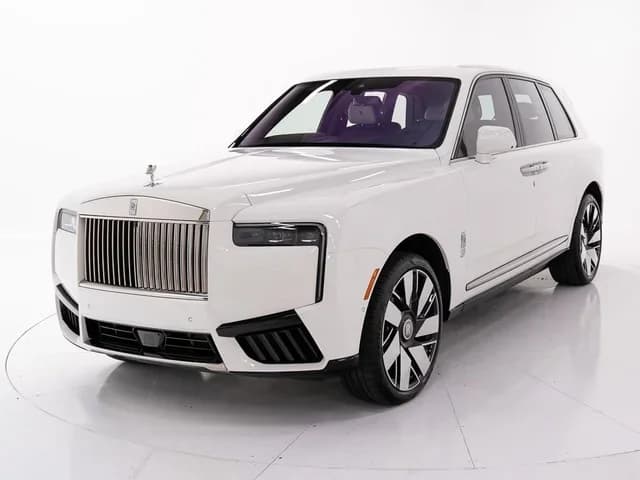
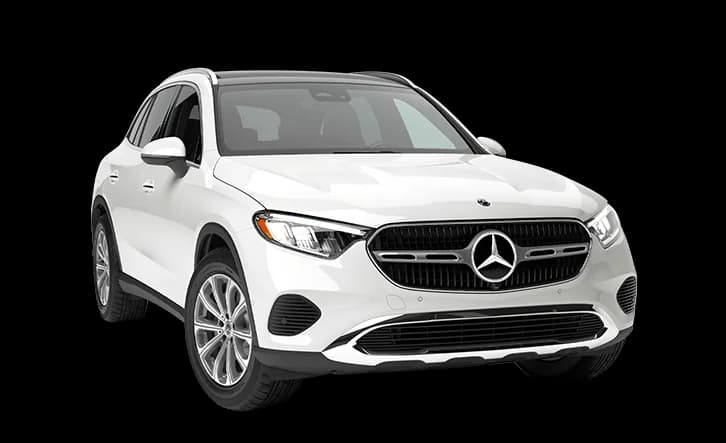
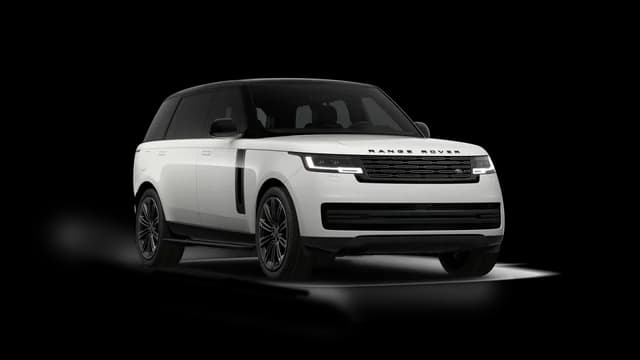
Toyota’s Highlander remains a trusted, mainstream family SUV, positioned between compact practicality and larger three-row space. For 2026, it targets families, commuters, and snow-belt drivers with standard all-wheel drive, a choice between a capable turbo engine and an efficient hybrid, and a calm, comfortable cabin. Its appeal is less about excitement than dependable everyday usefulness, with up to 35 mpg combined in hybrid form and 5,000 pounds of towing for properly equipped gas models. The trade-off, compared with roomier rivals such as the Honda Pilot, Kia Telluride, or Toyota Grand Highlander, is a tight third row and limited cargo space behind it. The following sections examine passenger flexibility, performance, traction, ride quality, and utility so you can judge whether 84.3 cubic feet of maximum cargo room is enough for your family—because in this SUV, the fine print is usually sitting in the third row.
Seating Flexibility
The Highlander’s cabin is versatile, but its passenger promise needs a little qualification. Buyers can configure seven or eight seats, depending on the second-row captain’s chairs or bench, and the second row is generally spacious and comfortable. Family-friendly touches include tri-zone climate control, five USB ports, and extensive storage. Still, the third row favors children, and fitting people plus luggage is difficult, so shoppers carrying adults regularly may find the larger Grand Highlander, Pilot, or Telluride more accommodating.
Ride And Handling
The Highlander prioritizes calm, easy travel over sporty responses. Its smooth, quiet ride and supportive seats make highway trips and daily errands comfortable, and useful visibility, physical controls, and storage reinforce its user-friendly character. The turbo engine supplies enough urgency for normal driving, but reviewers report loose steering and merely average braking, including a 132-foot stopping result in one test. Selectable drive modes add flexibility, yet the Highlander remains a composed family hauler rather than an engaging driver’s SUV.
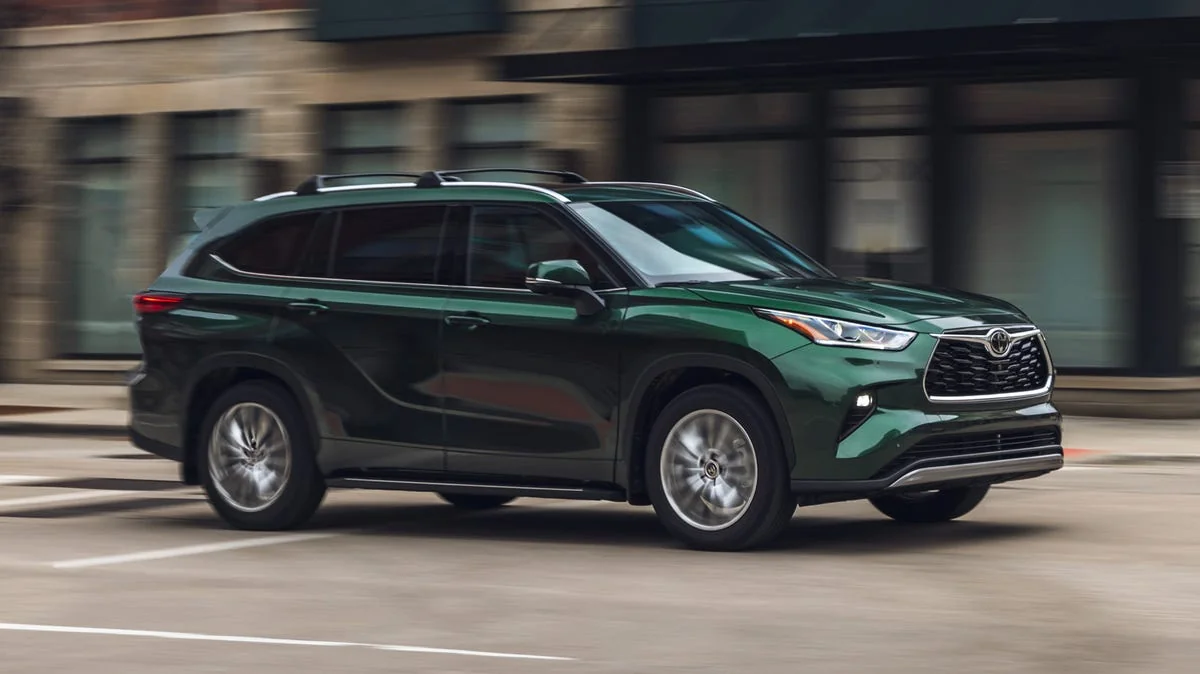
Towing Capability
The gas Highlander is the better choice when weekend equipment matters as much as commuting. Properly equipped models can tow up to 5,000 pounds, supported by the turbo engine’s 310 lb-ft of torque and standard AWD. That is enough for a boat, trailer, or recreational gear within the vehicle’s limits, and reviewers find the powertrain capable in ordinary use. The hybrid is more efficient but drops to 3,500 pounds of towing, so buyers should choose the powertrain around actual trailer weight rather than fuel economy alone.
Third-Row Space
The Highlander works best when the third row is occasional seating rather than a full-time adult zone. Its 16.0 cubic feet behind the third row is usable for smaller bags, but luggage and strollers quickly compete for room with all seats occupied. Reviewers consistently describe the 28-inch third row as cramped, sometimes even for three children. Folding the rear seats expands capacity to 84.3 cubic feet, so the layout is practical for families who can trade passengers for cargo when needed.
Standard AWD Traction
Standard all-wheel drive is one of the Highlander’s clearest practical advantages. Every gas model includes standard AWD, so buyers do not have to pay extra for added confidence on snowy, wet, or loose roads. That supports the family-focused brief, especially for winter commutes and school runs, although AWD cannot replace proper tires or careful driving. Reviews generally support Toyota’s positioning here, praising the SUV’s sure-footed feel, while the hybrid’s drivetrain should be checked by trim because its configuration and towing limit differ.
Powertrain Efficiency
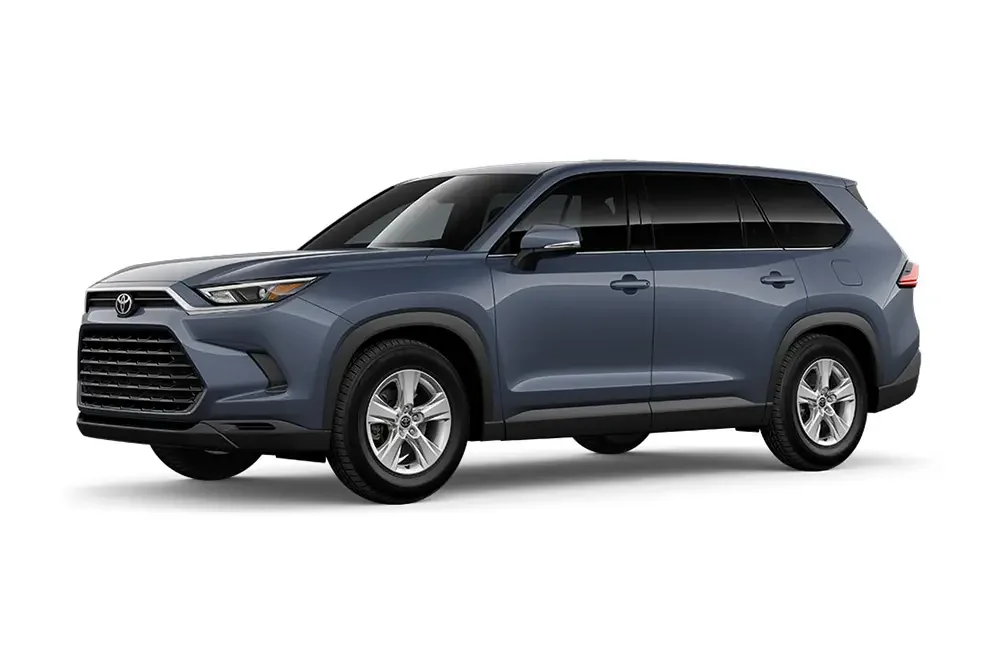
The Highlander offers a sensible choice between smooth economy and stronger utility. The 2.4-liter turbo-four makes 265 horsepower and 310 lb-ft of torque, providing adequate everyday acceleration, though reviewers notice some turbo lag. Gas models return an estimated 24 mpg combined, which is respectable rather than exceptional. The available hybrid produces 243 combined horsepower and is rated around 35 mpg combined, making it the better fit for high-mileage commuting, while early owner feedback favors its quiet, seamless operation.
Conclusion
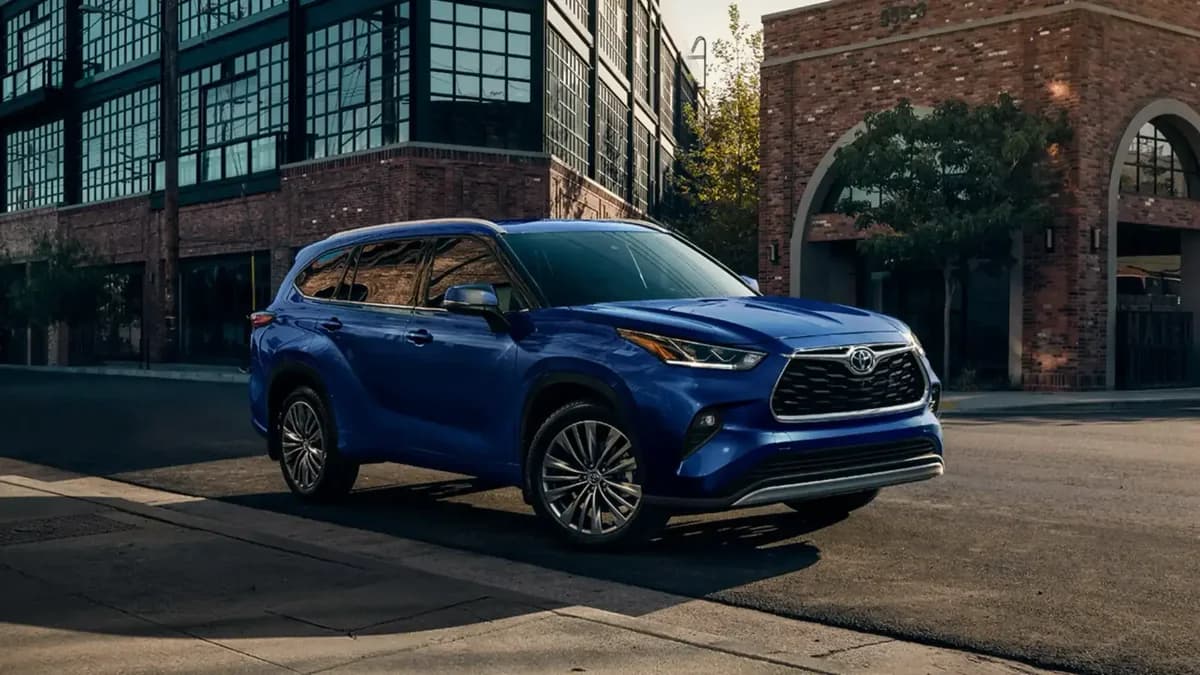
The Highlander’s final verdict is practical rather than flashy: it delivers standard all-wheel drive, a quiet ride, and a choice between a capable turbo engine and notably efficient hybrid powertrain. The gas model’s 5,000-pound towing rating suits weekend equipment, while the hybrid better serves high-mileage commuters. Its flexible seven- or eight-seat cabin and comfortable second row work well for families, but the cramped third row and limited cargo space with all seats occupied are real constraints. Experts and early owners generally praise its calm manners, storage, technology, and Toyota ownership confidence, while noting average gas economy, occasional turbo lag, and pricing that approaches roomier alternatives. Choose it for dependable daily transport, winter traction, and balanced utility—not frequent adult third-row duty. That sensible mix earns a positive recommendation, though its compromises keep it from being the obvious choice for maximum space or value.

Feature Scores
This reflects reviews and ratings from established critics, journalists, and users who have evaluated the item. Their opinions provide a comprehensive assessment.
Performance
Engine Power
4/5
Acceleration
4/5
Towing Capacity
4/5
Fuel Efficiency
4/5
Reliability
4/5
Durability
4/5
Value
Purchase Price
3/5
Operating Cost
4/5
Resale Value
4/5
Design
Interior Space
3/5
Cargo Capacity
3/5
Ergonomics
4/5
Exterior Styling
3/5
Health
Cabin Air Quality
TBD
Interior Material Toxicity
TBD
Safety
Crashworthiness
4/5
Active Driver Assistance
4/5
Braking Performance
3/5
Visibility and Lighting
4/5
Sustainability
Tailpipe Emissions
3/5
Fuel Lifecycle Emissions
3/5
Use of Recycled Materials
TBD
End-of-Life Recyclability
TBD
Experience Style
Infotainment Features
4/5
Ride Comfort Tuning
4/5
Customization Options
4/5

Specifications
This section outlines the product's key facts, covering essential features, details, dimensions, materials, and any unique characteristics that define its functionality and usability.
Performance
Value
Design
Safety
Sustainability
Experience Style

Frequently Asked Questions
10 Questions


Find Yours
What is your primary use for a Gas-Powered SUV?
Answer to find your best matches.