











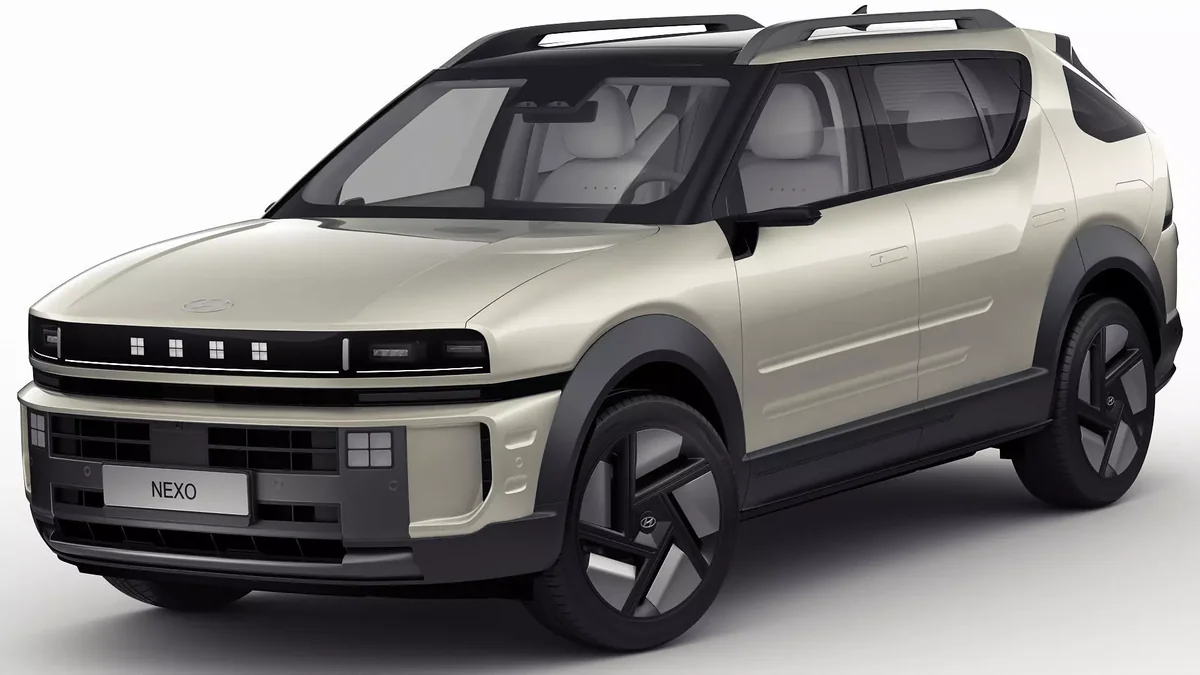
Hyundai Nexo (2025)
Quiet, long-range, five-minute-refueling hydrogen SUV, best where stations are dependable.
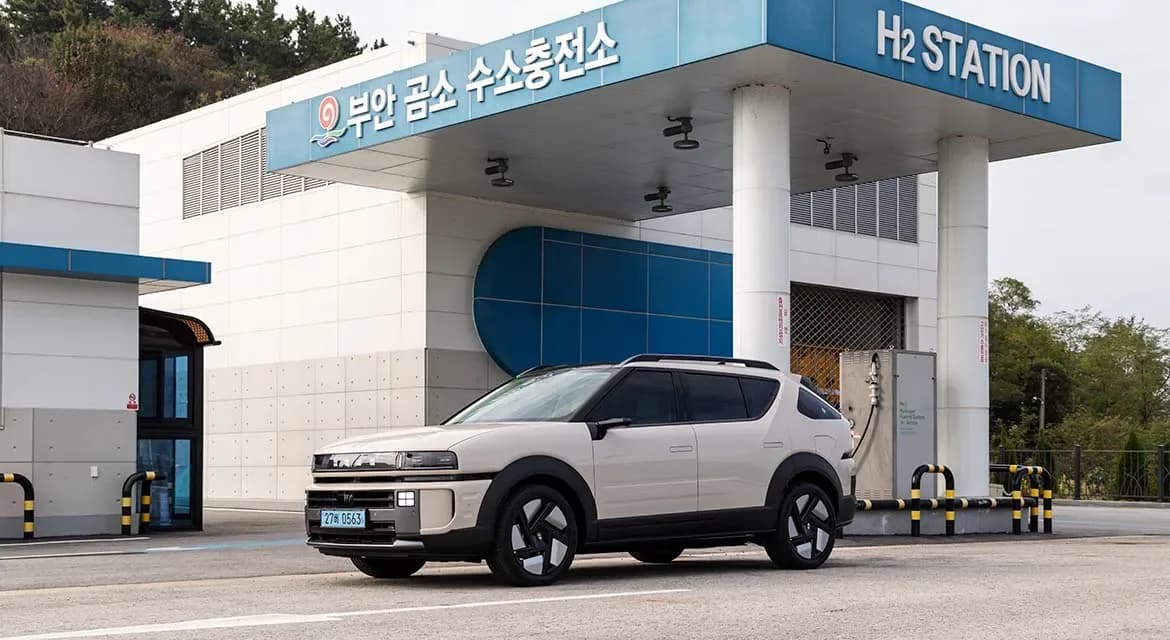
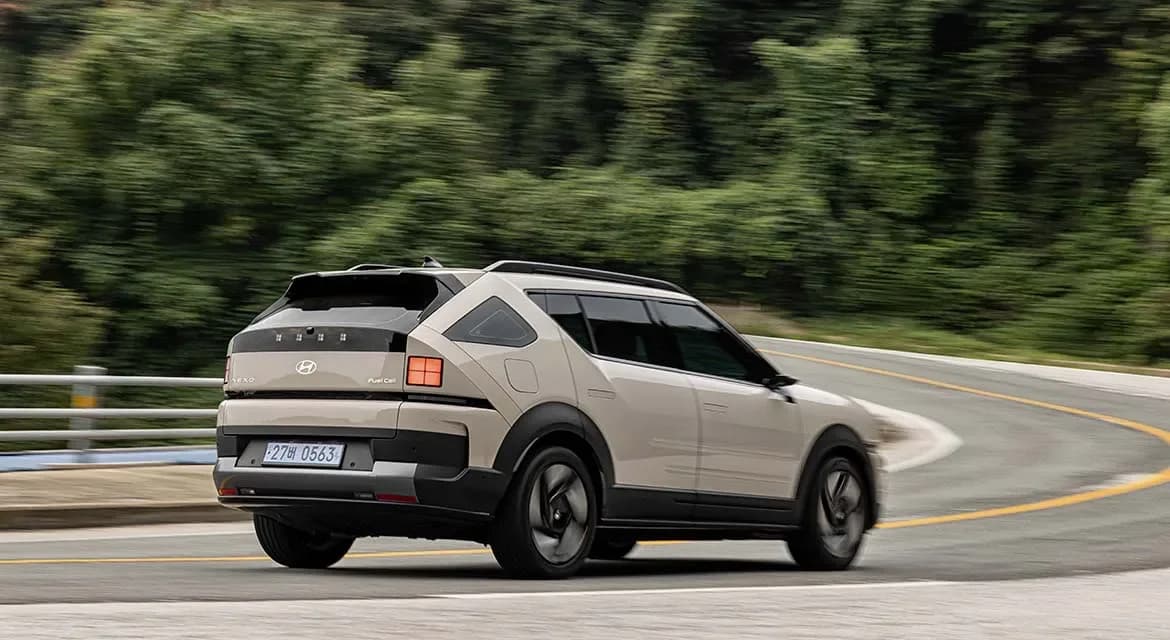
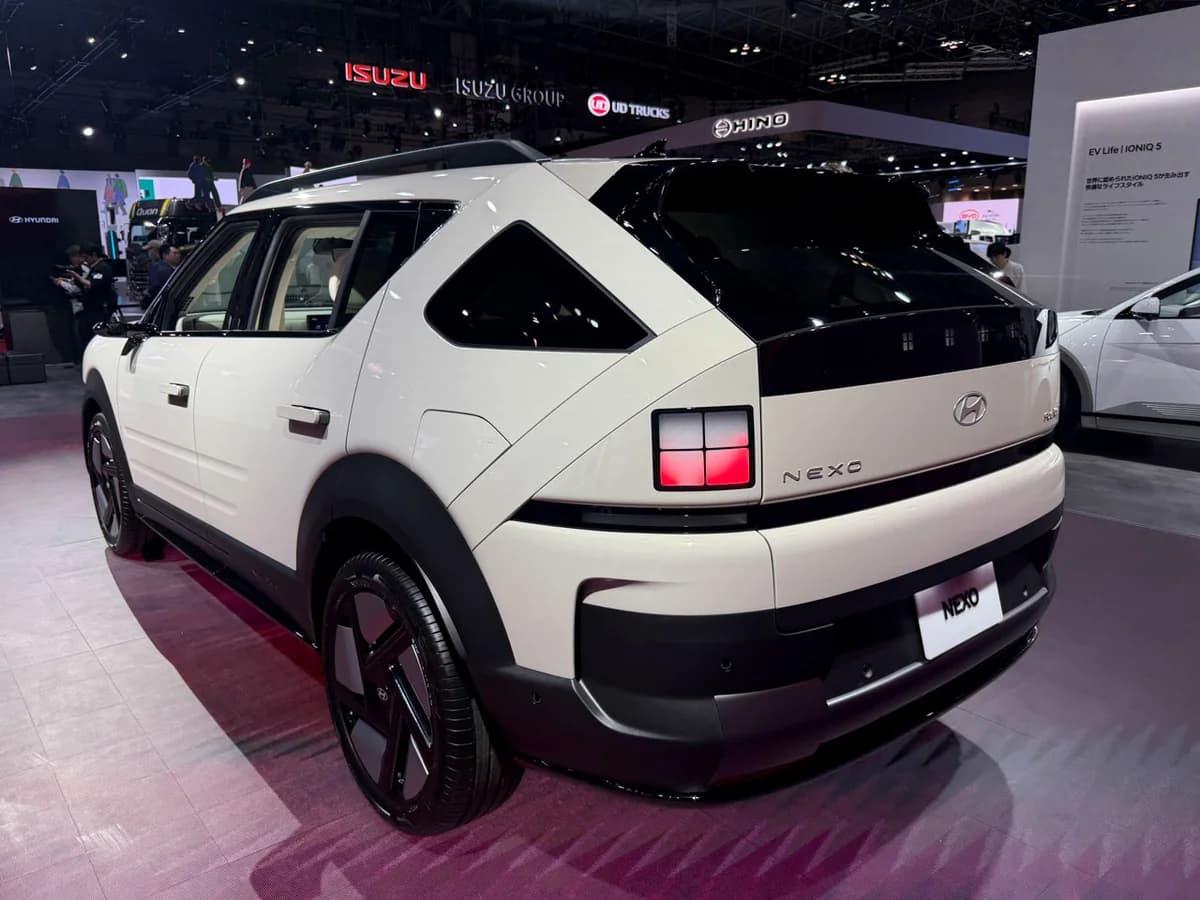
The 2025 Hyundai Nexo is a polished hydrogen SUV for drivers who want EV-like quiet without lengthy charging stops. It targets California commuters and early adopters solving a practical problem: five-minute refueling paired with a claimed 380-mile range. Experts and test drivers largely support that promise, praising its serene ride, roomy cabin, and easy highway manners, though acceleration is merely adequate and rough pavement can feel thumpy. The catch is the ecosystem: scarce or unreliable stations and expensive hydrogen can overwhelm the Nexo’s convenience, making leasing more sensible for some. At roughly $61,000, it offers distinctive technology, not obvious savings. Its overall appeal rests on station access, running costs, comfort, and real-world dependability.
Find Yours
What is your top priority for an Electric SUV's battery performance?
Answer to find your best matches.

The Field
Browse top contenders, or compare all options ranked by score and key attributes.
5 Options
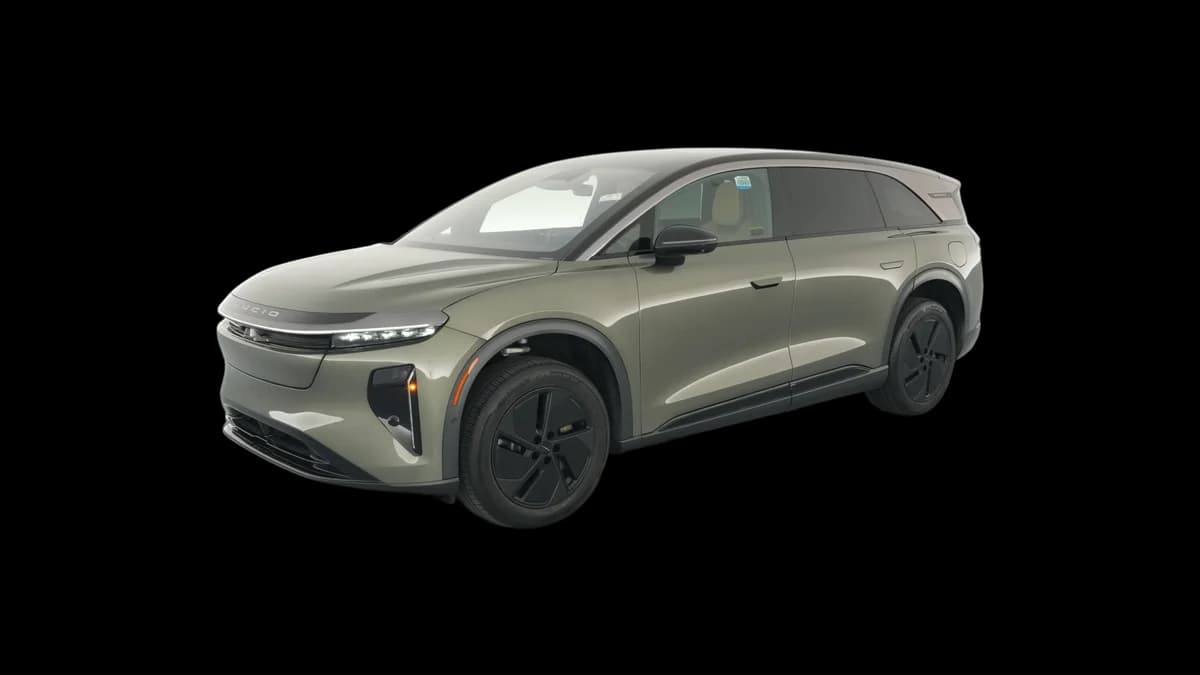

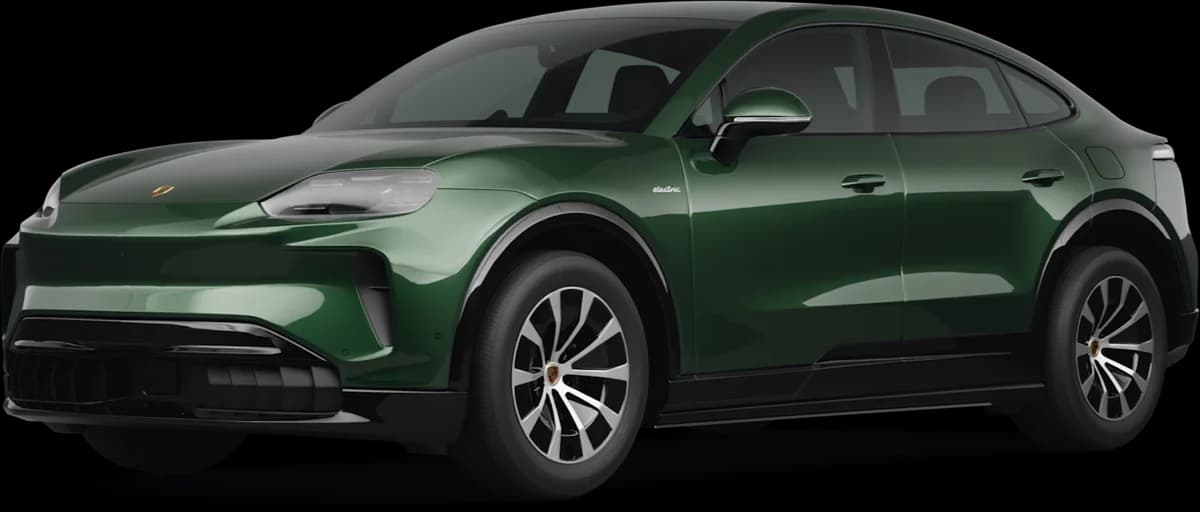
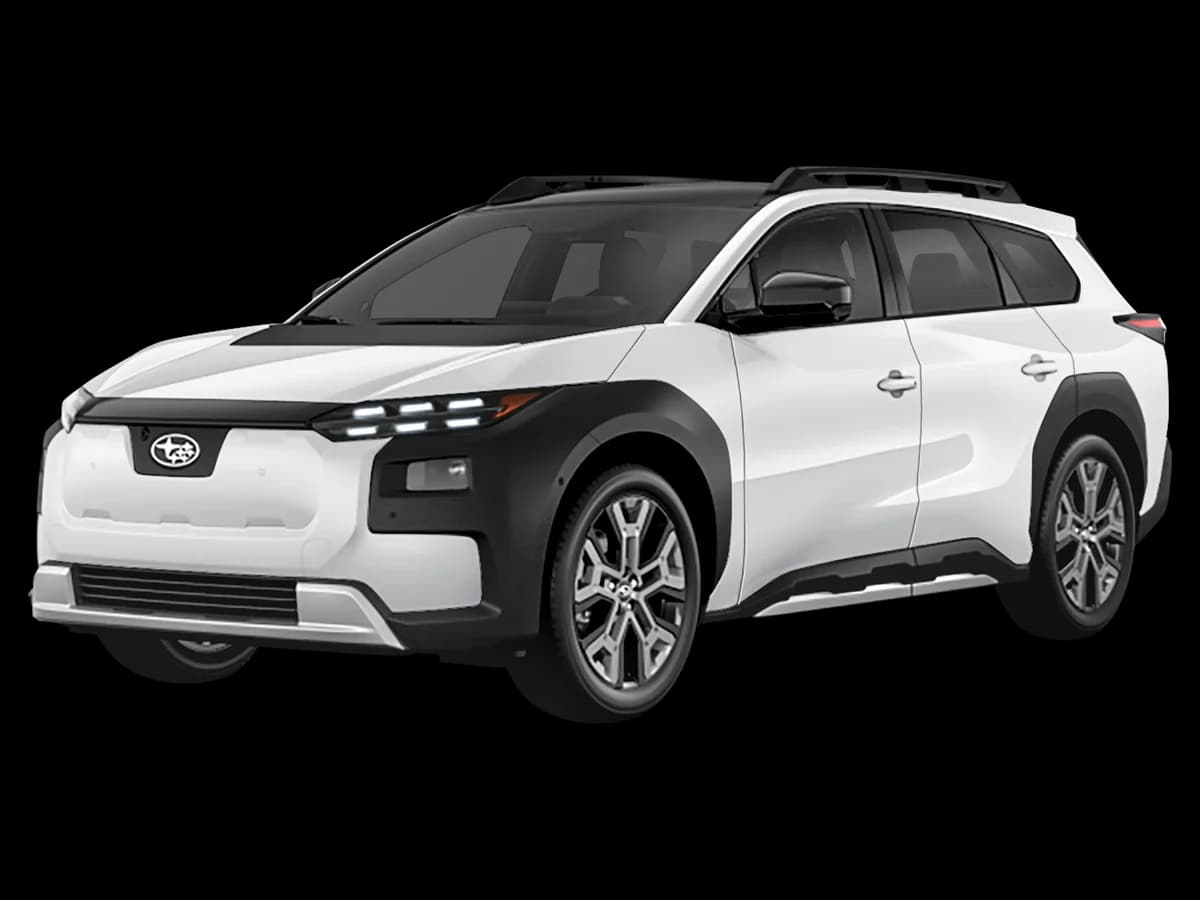

The Scoreboard
Does this improve your life? Considers, health, habits, and environmental impact.
Benefits
A five-minute hydrogen stop gets you moving without waiting through a long charging session.
Low cabin noise and relaxed ride make commutes and highway trips easier on your body.
A spacious cabin and useful cargo area make passengers, errands, and longer trips feel easy.
Long range means fewer fuel stops, which simplifies regional travel and everyday planning.
Trade-Offs
Planning daily drives around scarce or unreliable hydrogen stations can turn ordinary trips into detours.
Over broken pavement, the suspension can feel thumpy, making routine drives less settled and comfortable.
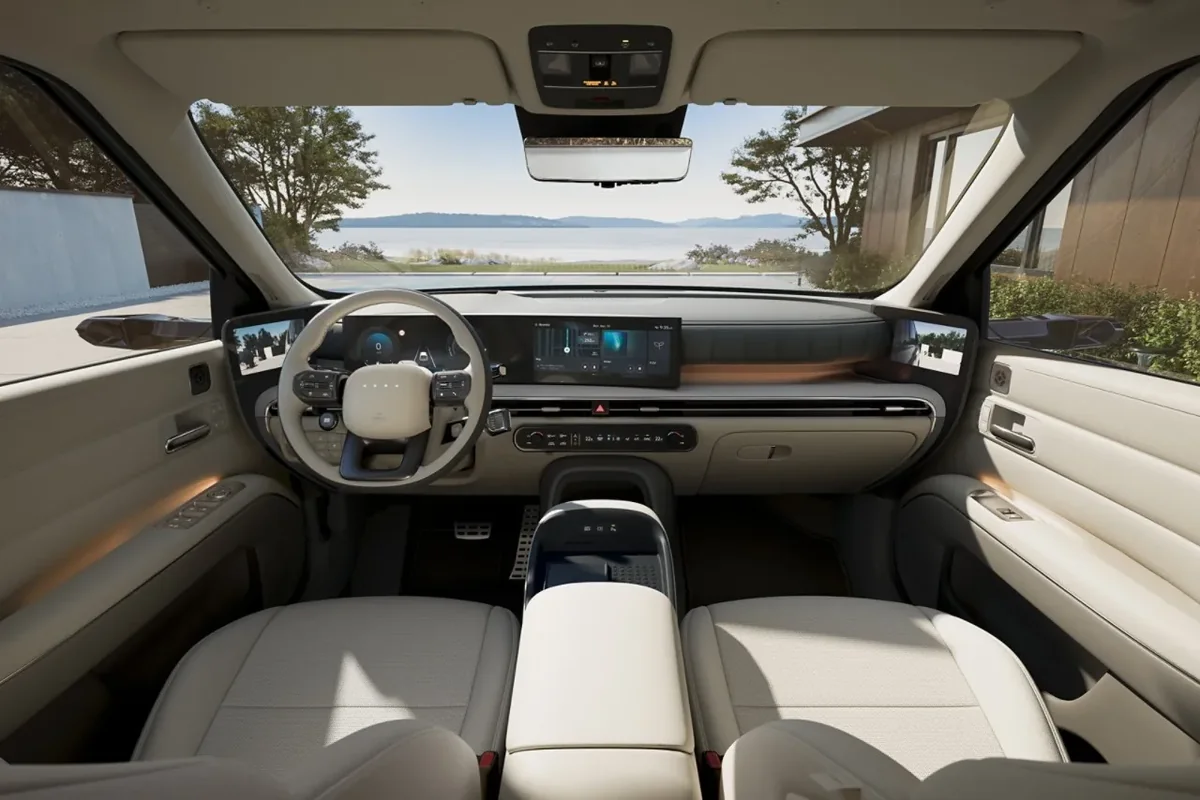
Crowded controls make simple adjustments harder without glancing down, interrupting your attention in traffic.
 Alternatives


Join the Circle
Where real meets deal
Know what's worth buying-and when.
Tips, special offers, and rewards for buying and sharing.

Publications
3 LEADING PUBLICATION REVIEWS

What Car? gives the Hyundai Nexo a measured thumbs-up, praising its practicality and relaxed everyday character. Its hydrogen fuel-cell setup is the standout: refuelling takes about five minutes, real-world range exceeds 300 miles, and driving produces only water and purified air. The Nexo is quiet, spacious, well equipped, comfortable on motorways, and packed with useful safety and driver-assistance features. Its dedicated platform also preserves a respectable 471-litre boot despite housing three hydrogen tanks. However, enthusiasm is tempered by the high purchase price and expensive hydrogen, which undermine its value. The driving experience is calm rather than engaging, with body lean, vague steering, heavy-car responses, and occasionally thumpy suspension. The cabin looks suitably upscale but feels too plasticky, while the infotainment is less polished than Tesla’s or BMW’s. Overall, it is an appealing niche alternative for easy refuelling and low emissions, but limited hydrogen infrastructure and costly ownership make it difficult to recommend broadly.
By Steve Huntingford
Car and Driver is impressed by the 2026 Hyundai Nexo, but doubts hydrogen can overcome America’s fueling shortage. Its redesigned fuel-cell system promises quicker acceleration, an estimated 436-mile range, more power, and better packaging, while the quiet, spacious cabin feels genuinely premium. After driving more than 200 miles in South Korea, Austin Irwin found the Nexo easygoing in traffic, stable on highways, and packed with thoughtful features, including ventilated rear seats, vehicle-to-load power, a strong sound system, and a useful 2,205-pound towing capacity. The ride can feel harsh over rough pavement, and performance is more adequate than thrilling, but those are minor concerns beside the infrastructure problem. The review’s central insight is that the Nexo’s technology is increasingly convincing; its success in the U.S. depends almost entirely on whether Hyundai and others can build a practical hydrogen network.
By Austin Irwin
Car&bike’s Siddharth Vinayak Patankar is strongly impressed by the Hyundai Nexo, while remaining realistic about hydrogen’s limitations. After driving it extensively in California and briefly in Korea, he describes the Nexo as futuristic yet surprisingly normal to drive, with quiet refinement, good ride comfort, confident cornering, and respectable 0–100 km/h performance of 9.2 seconds. Its safety systems, four-stage regenerative braking, self-parking capability, blind-spot cameras, and unusual air-purifying system add to its appeal. Patankar especially admires Hyundai’s commitment to fuel-cell development and considers the Nexo more dynamically capable than rivals such as the Toyota Mirai. Still, the crowded cabin controls are a drawback, and the sparse hydrogen-refueling network makes ownership impractical in most markets. He also suggests fuel cells may initially make more sense for buses, trucks, and trains. Overall, the Nexo comes across as an impressive, polished glimpse of the future, though one constrained by infrastructure and subsidies.
By Siddharth Vinayak Patankar

YouTube
6 LEADING EXPERT & INFLUENCER REVIEWS
 Gagan Choudhary
Gagan Choudhary is highly enthusiastic about the 2025 Hyundai Nexo, calling it a remarkably polished hydrogen vehicle. After driving it for three days, he praises its quiet, EV-like refinement, comfortable ride, practical interior, advanced technology, strong efficiency, and five-minute refueling. He is especially impressed that Hyundai has made the fuel-cell system feel completely seamless. His reservations are mainly practical: hydrogen stations are scarce or unreliable, fuel costs and future infrastructure remain uncertain, steering feedback is ordinary, and braking can feel slightly unusual. Overall, he sees the Nexo as an excellent product whose biggest weakness is the ecosystem around it.
Brian MakseBrian Makse is impressed by the Hyundai Nexo but sees its real-world usefulness as almost entirely infrastructure-dependent. He praises its exceptionally comfortable, spacious cabin, refined ride, seamless regenerative braking, clever E-Handling torque vectoring, and quiet, competent driving manners. The five-minute refueling and roughly 500-mile range demonstrate hydrogen’s potential, especially in Korea, where stations are available. But in North America, limited and unreliable infrastructure makes the Nexo effectively unattainable for most buyers. Makse’s admiration is genuine, yet his verdict is ultimately bittersweet: Hyundai built a polished, convincing fuel-cell SUV that remains trapped in infrastructure purgatory.
AutoWeekAutoWeek is strongly impressed by the 2025 Hyundai Nexo, calling it a refined, comfortable hydrogen SUV ready for the future. The review praises its smooth 204-hp powertrain, quiet and well-balanced suspension, responsive driving, spacious cabin, 510-liter trunk, and projected 825-km range. Its three hydrogen tanks are cleverly packaged, while the intuitive Hyundai infotainment system earns particular approval. Reservations include awkward camera-based mirrors, limited headroom for tall passengers, no frunk, uncertain European specifications, and pricing likely near €70,000 or more. Overall, enthusiasm is high, though infrastructure and cost remain practical concerns.
LugNutz Auto JunkieLugNutz Auto Junkie is highly enthusiastic about the 2025 Hyundai Nexo. After a roughly 500-km Korean road trip, they praise its quiet, comfortable ride, minimal body roll, futuristic design, strong ergonomics, rapid three-to-five-minute hydrogen refueling, and useful built-in AC outlets for camping. They also appreciate the spacious rear access and advanced cabin technology. Criticisms are limited but specific: the floor is not flat, it is front-wheel drive only, rear-seat support and adjustability could improve, and the panoramic roof does not open. Overall, they view the Nexo as a remarkably mature, compelling glimpse of hydrogen’s future.
Виктор Ли, живу в КорееВиктор Ли очень положительно относится к Hyundai Nexo, но к модели 2025 года — осторожнее. Его четырёхлетний опыт и пробег свыше 100 000 км подтверждают тихую, простую эксплуатацию, пятиминутную заправку, около 600 км реального пробега и растущую водородную инфраструктуру Южной Кореи. Он также отмечает низкие затраты на обслуживание и хорошую выносливость после ДТП. Однако новый Nexo разочаровал его слишком обычным интерьером, напоминающим уменьшенный Palisade, тогда как первое поколение казалось по-настоящему футуристичным. Итоговая покупка будет зависеть главным образом от цены.
K-Auto InsiderWanju Jong is cautiously positive about the redesigned Hyundai Nexo, appreciating its distinctive styling, quiet comfort, improved ride, spacious rear seat, and roughly five-minute hydrogen refueling. The 720-km range and stronger technology package are compelling, while safety and the hydrogen-station route planner ease some ownership concerns. Still, acceleration feels underwhelming at medium and high speeds, the ride is comfortable rather than luxurious, and rear-seat refinement trails the front. High pricing, rising hydrogen costs, and limited infrastructure remain serious drawbacks, though Korean subsidies and Hyundai’s refueling incentives improve its value.

Forum Reviews
CUSTOMER REVIEWS FROM 1 FORUM
Redditors are broadly negative toward the Hyundai Nexo, viewing it as expensive, impractical, and technologically overcomplicated. Critics question hydrogen’s efficiency, safety, costly infrastructure, limited refueling availability, and even claim refueling can become slow when stations lose pressure. One company user described its Nexo experience as repeatedly unreliable, with breakdowns in inconvenient locations, making leasing preferable to ownership. A few commenters defend electric vehicles generally, arguing that charging, range, and fire concerns are manageable, but that support does not extend to hydrogen. The Nexo’s rarity and high running costs further weaken its value proposition.
Many comments

In-Depth Review

Highlights
- •Fast Hydrogen RefuelingDesigned for approximately five-minute refueling.
- •Long Driving RangeAdvertised to reach 380 miles.
- •Quiet Comfortable RideReviewers consistently note calm, quiet cruising.
- •Spacious Practical CabinProvides useful room for passengers and cargo.

Considerations
- •Limited Fueling NetworkStations remain scarce or unreliable in many areas.
- •High Ownership CostsHydrogen and purchase costs weaken overall value.
- •Rough-Road RideSuspension can feel thumpy over broken pavement.
- •Moderate AccelerationPerformance feels adequate rather than especially urgent.
Hyundai’s Nexo represents the brand’s boldest push into hydrogen fuel-cell mobility, offering a niche alternative to battery-electric SUVs. Designed for California drivers, eco-conscious commuters, and technology-minded early adopters, it pairs five-minute refueling with a claimed range of up to 380 miles—a compelling contrast with typical charging stops. The experience is less about sporty thrills than quiet, comfortable travel, so the following sections examine its ride control, acceleration, highway composure, and practical five-seat cabin. We’ll also consider cargo usability and whether the interior’s premium technology is matched by its materials and build quality, especially against the Toyota Mirai and mainstream EVs. Since ownership depends heavily on station access and running costs, review the features most relevant to your routes and priorities; the Nexo makes a persuasive case for hydrogen, provided the hydrogen comes along too.
Powertrain Acceleration
The electric powertrain feels smooth and effortless in ordinary traffic, though not especially quick. Depending on market and generation, published figures range from 161 hp in U.S. specifications to roughly 204 hp for the redesigned model, with reports of 0–100 km/h times from 7.8 to 9.2 seconds. The fuel-cell stack, lithium-ion battery, and electric motor deliver seamless regenerative braking, while E-Handling torque vectoring can improve control through corners. Reviewers generally find performance adequate, but high-speed acceleration feels underwhelming rather than genuinely athletic.
Cabin Space Cargo
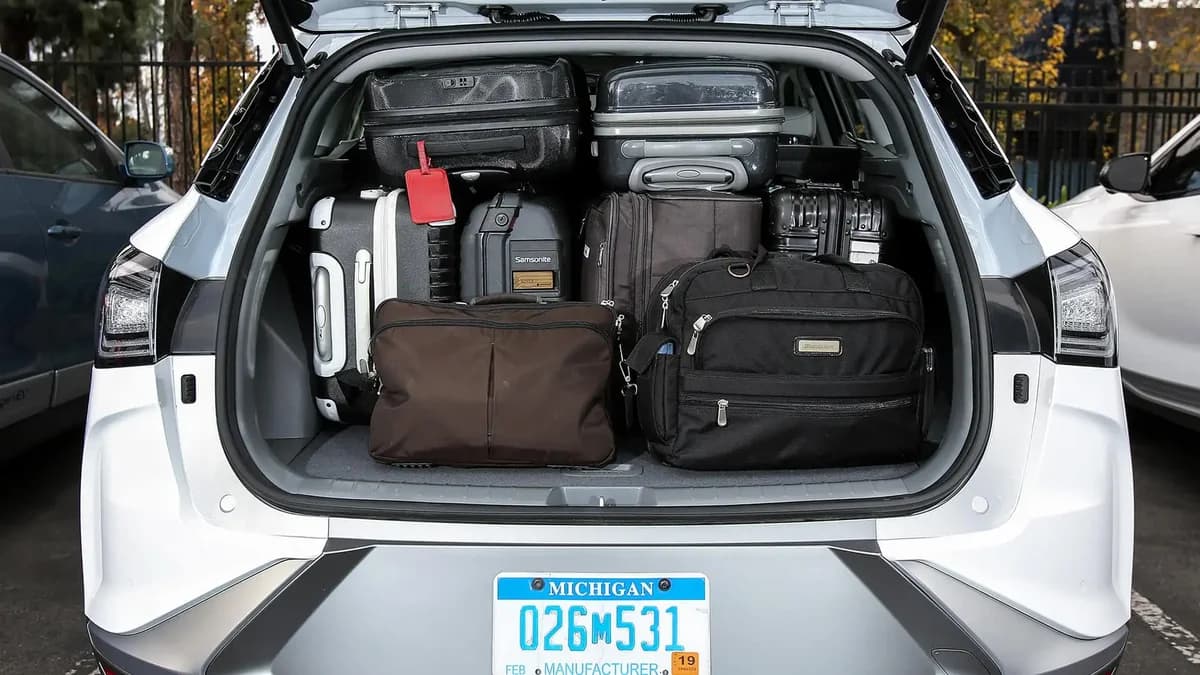
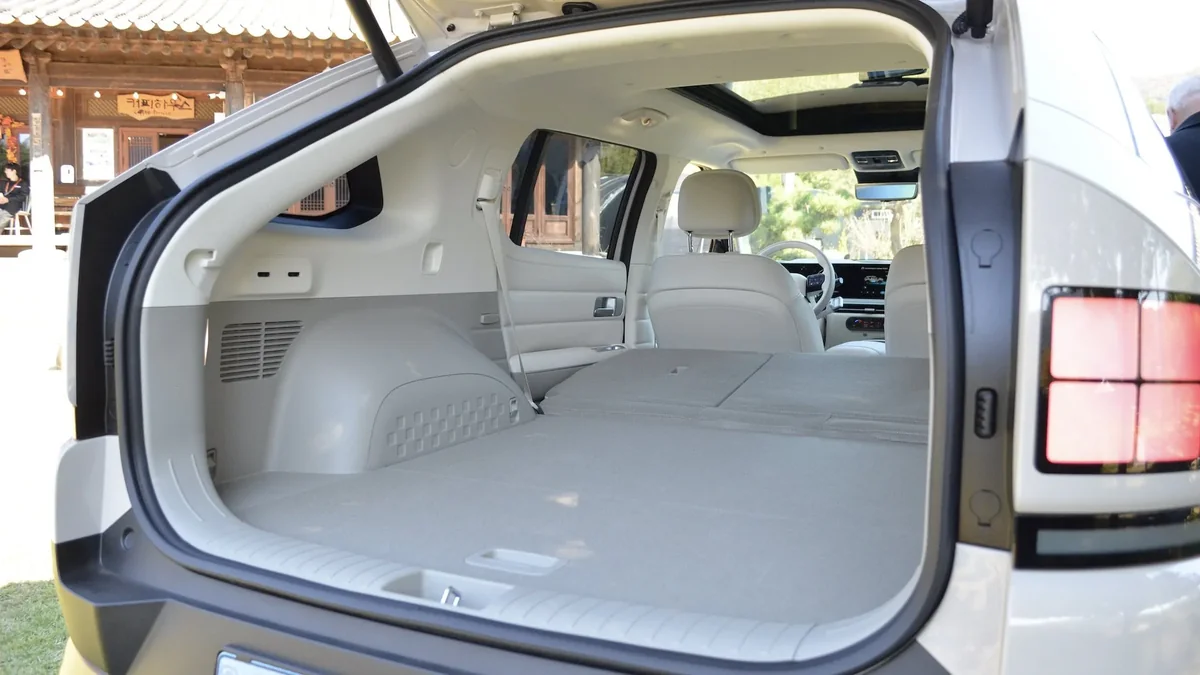
The Nexo works well as a practical five-seat crossover, not merely as a technology demonstrator. Its dedicated packaging accommodates three hydrogen tanks while preserving a useful 471-liter boot in one review, with larger figures reported for other configurations and folded-seat layouts. The cabin is quiet, spacious, and equipped with features such as ventilated rear seats, relaxation seating, and vehicle-to-load power. Rear passengers benefit from generous room, although support and adjustability could improve, and the cargo floor is not completely flat.
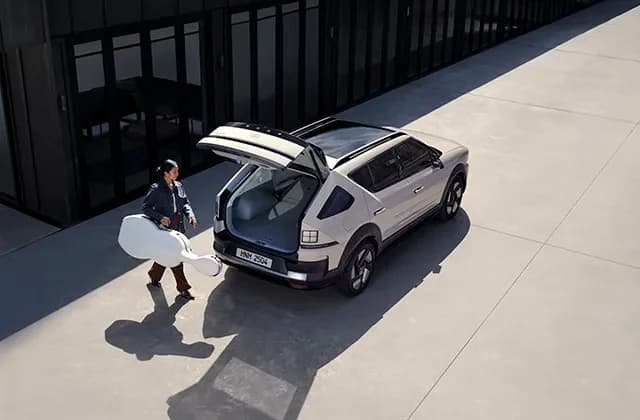
Highway Stability Handling
The Nexo feels secure and predictable on faster roads, with a long wheelbase and stable front-wheel-drive layout supporting relaxed cruising. Testers describe confident highway composure and controlled cornering, while the four-stage regenerative-braking system makes deceleration easy to tailor. It is still a relatively heavy SUV, so ordinary steering feedback and noticeable body movement keep it from feeling especially engaging. The vehicle’s strengths are stability and refinement, not agility, and those qualities suit commuting and regional travel better than enthusiastic back-road driving.
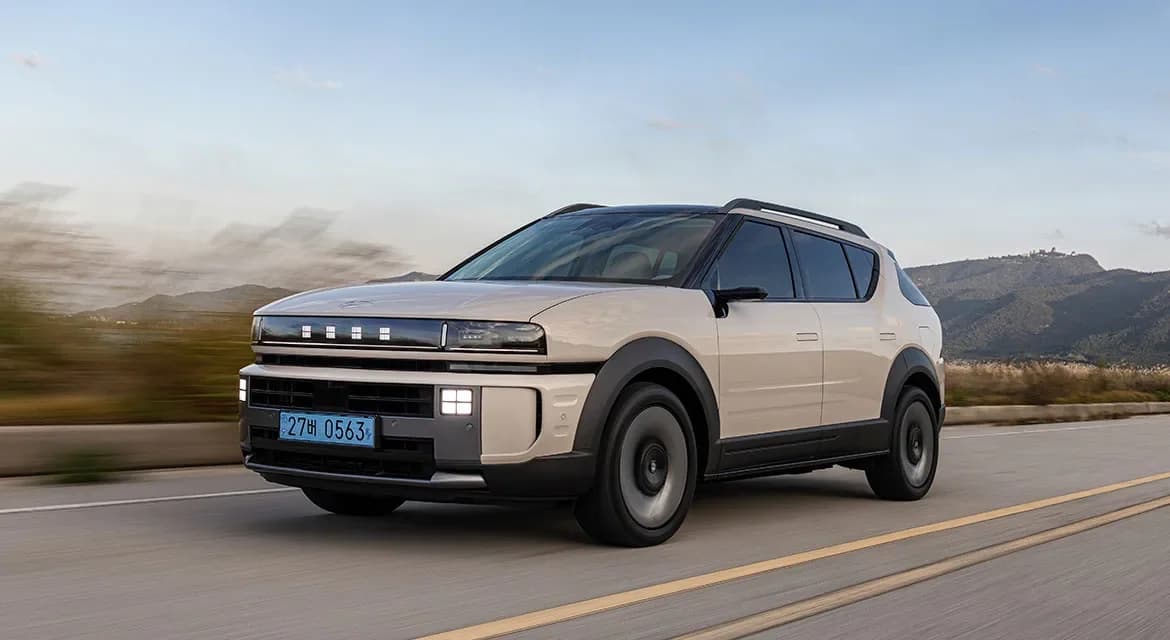
Ride Comfort Suspension
The Nexo is tuned more for calm commuting than sporty responses. Its quiet fuel-cell operation, supportive seats, and composed suspension earned praise from reviewers after extended road driving, particularly on motorways and Korean highways. The relaxed, low-noise ride is a genuine everyday strength, while the redesigned model reportedly improves body control and comfort. However, feedback is not uniformly plush: thumpy impacts on rough pavement and occasional firmness reduce polish, and the ride falls short of luxury-car isolation. It is comfortable overall, but road surface matters.
Interior Materials Quality
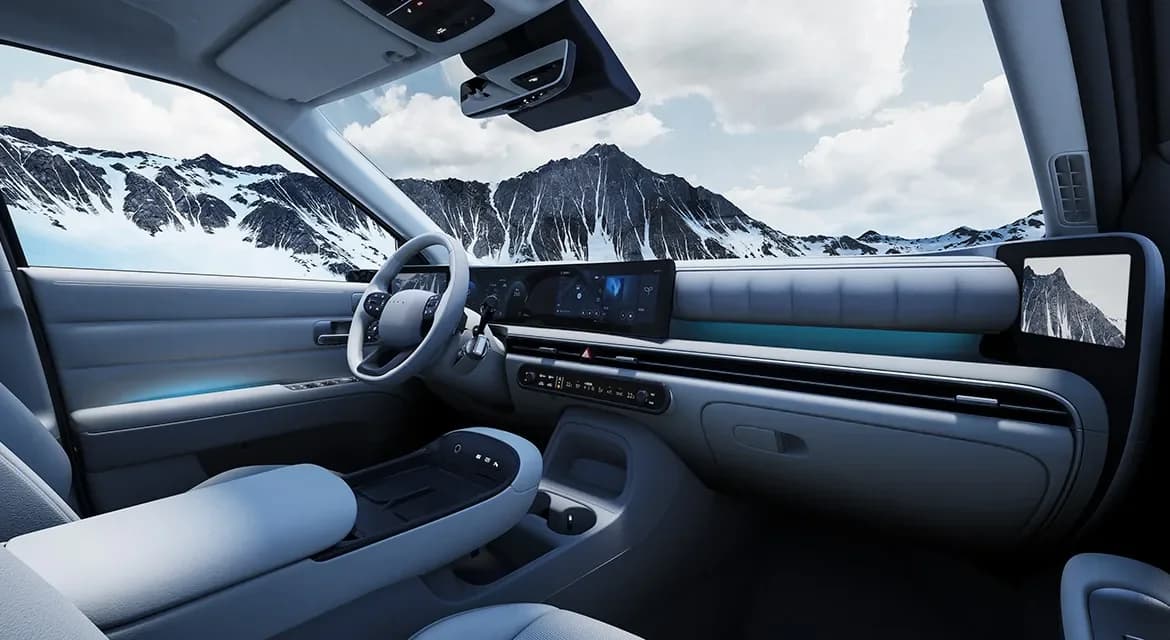
The cabin has the technology and equipment expected of a premium-leaning compact SUV, but its visual execution divides opinion. Hyundai’s 12.3-inch touchscreen, digital instrument cluster, 14-speaker audio system, and advanced camera displays create a modern atmosphere, with Apple CarPlay and Android Auto adding everyday usability. Some reviewers find the interior upscale and well organized, while others describe plasticky materials and a less futuristic redesign than the first-generation Nexo. The busy control layout can also distract during simple adjustments, limiting the sense of refinement.
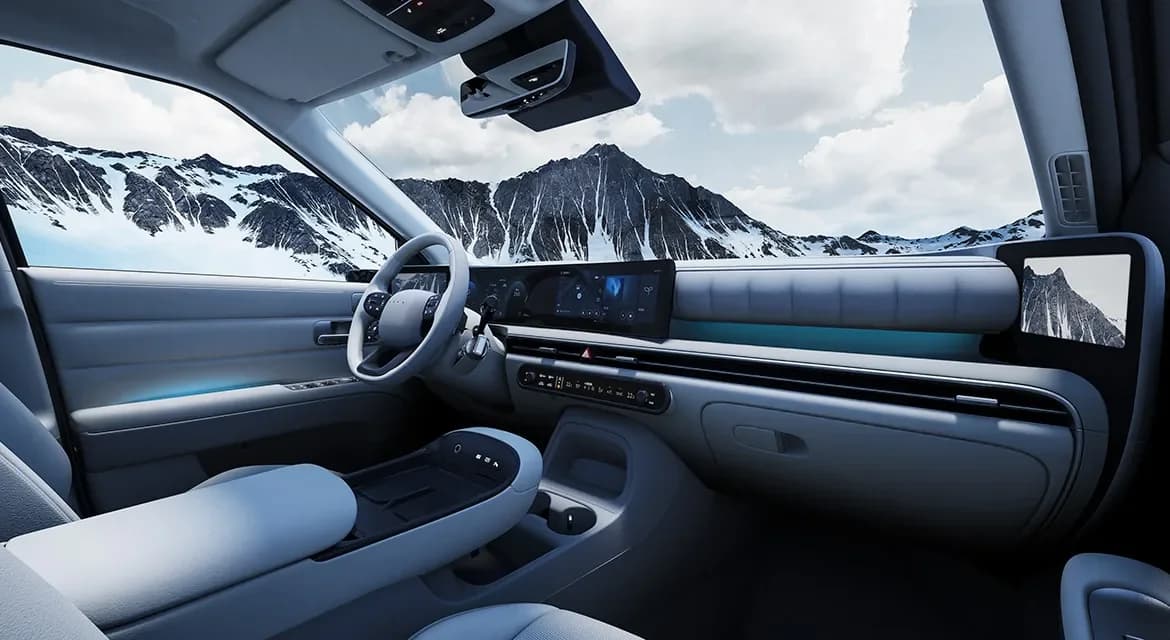
Hydrogen Range Refueling
The Nexo’s strongest advantage is covering long distances without long charging stops. Hyundai quotes up to 380 miles of range for the U.S. Blue trim, while reviewers report roughly 300-plus miles in real use and about 600 km on established Korean routes. A hydrogen fill takes approximately five minutes, closely matching gasoline convenience, and the fuel-cell system produces water and purified air at the tailpipe. The catch is practical rather than technical: station scarcity and reliability can make that impressive range difficult to use confidently, especially outside California or South Korea.
Conclusion
The Nexo makes hydrogen feel less like an experiment and more like a usable daily routine: five-minute refueling and up to 380 miles of range are genuinely compelling, provided a dependable station is on your route. Experts praise its quiet, comfortable ride and stable highway manners, while users appreciate the polished, spacious cabin, though rough pavement can feel thumpy and rear-seat support is not perfect. Its smooth powertrain delivers adequate rather than thrilling acceleration, and the interior’s impressive technology is held back by some plasticky materials and busy controls. That makes the Nexo a sensible niche choice for California drivers and early adopters who value low-emission travel, roomy practicality, and quick stops—not for buyers facing scarce stations, costly hydrogen, or uncertain reliability. It is a remarkably refined fuel-cell SUV, but its convincing vehicle cannot fully escape an inconvenient ecosystem, making the recommendation positive yet distinctly conditional.

Feature Scores
This reflects reviews and ratings from established critics, journalists, and users who have evaluated the item. Their opinions provide a comprehensive assessment.
Performance
Driving Range
4/5
Charging Speed
5/5
Acceleration
3/5
Handling and Ride Comfort
4/5
Energy Efficiency
4/5
Battery Durability
3/5
Value
Purchase Price Competitiveness
2/5
Total Cost of Ownership
2/5
Resale Value
2/5
Design
Exterior Styling
4/5
Interior Space and Packaging
4/5
Ergonomics and Controls
3/5
Health
Cabin Air Quality
4/5
Low-Toxicity Materials
TBD
Safety
Crashworthiness
3/5
Active Safety Systems
4/5
Battery Safety Systems
TBD
Sustainability
Lifecycle Emissions
3/5
Battery Recyclability
TBD
Use of Recycled Materials
TBD
Experience Style
Infotainment and Connectivity
4/5
Charging Ecosystem Integration
2/5
Customization and Driving Modes
3/5

Specifications
This section outlines the product's key facts, covering essential features, details, dimensions, materials, and any unique characteristics that define its functionality and usability.
Performance
Value
Design
Safety
Sustainability
Experience Style

Frequently Asked Questions
10 Questions




Find Yours
What is your top priority for an Electric SUV's battery performance?
Answer to find your best matches.