










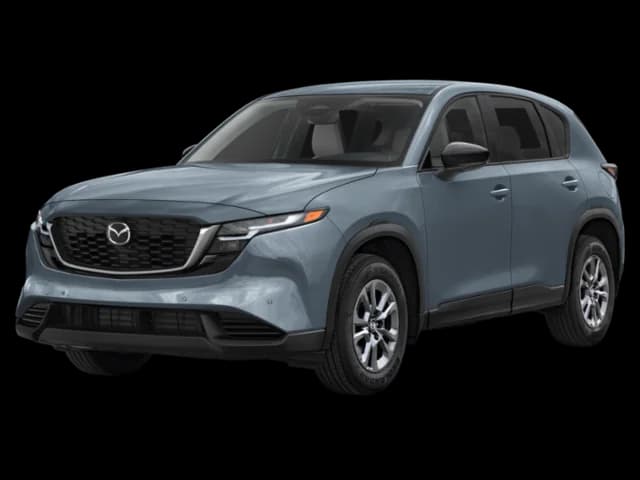
Mazda CX-5 (2026)
Roomier, engaging, AWD-equipped family SUV, but slow and less efficient than hybrid rivals.
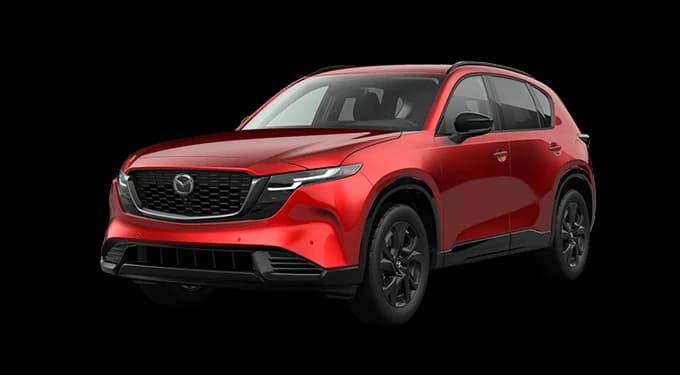
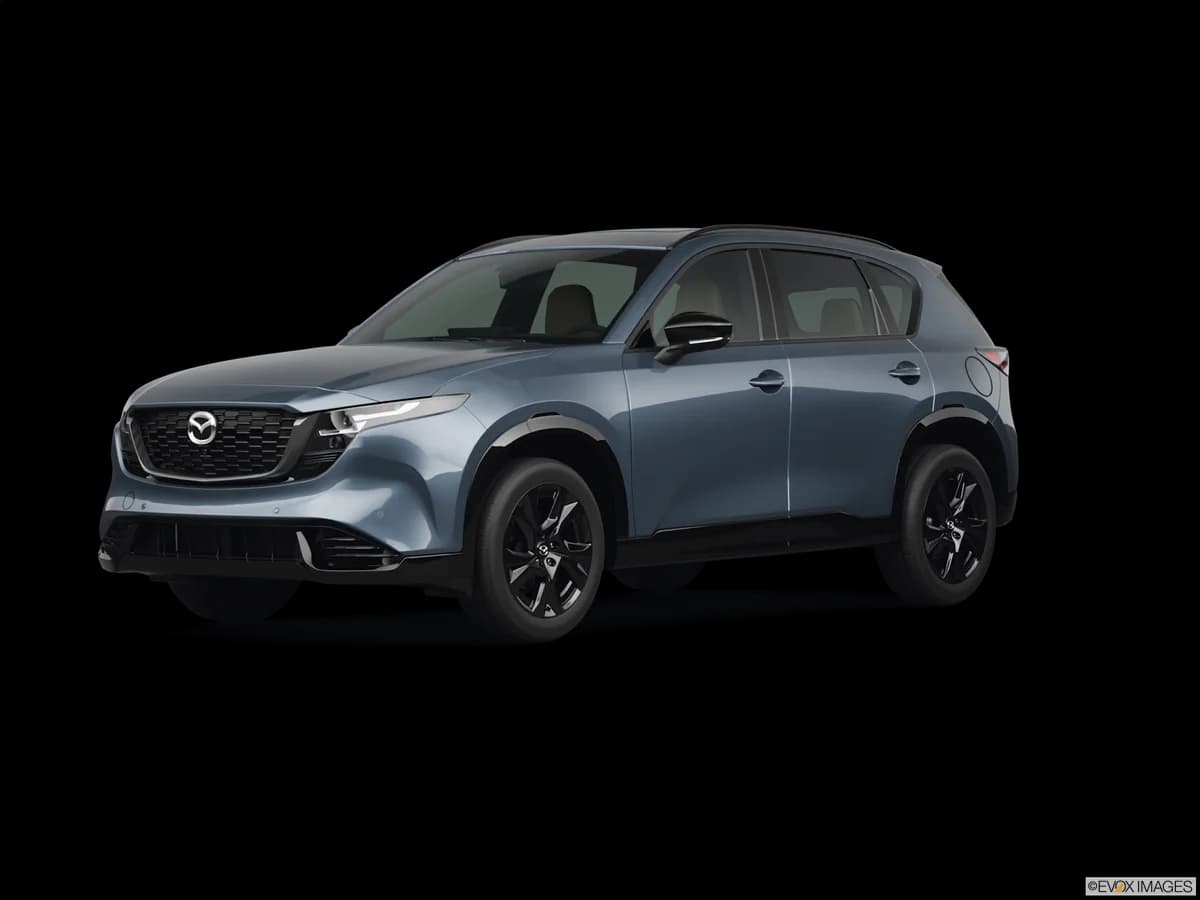
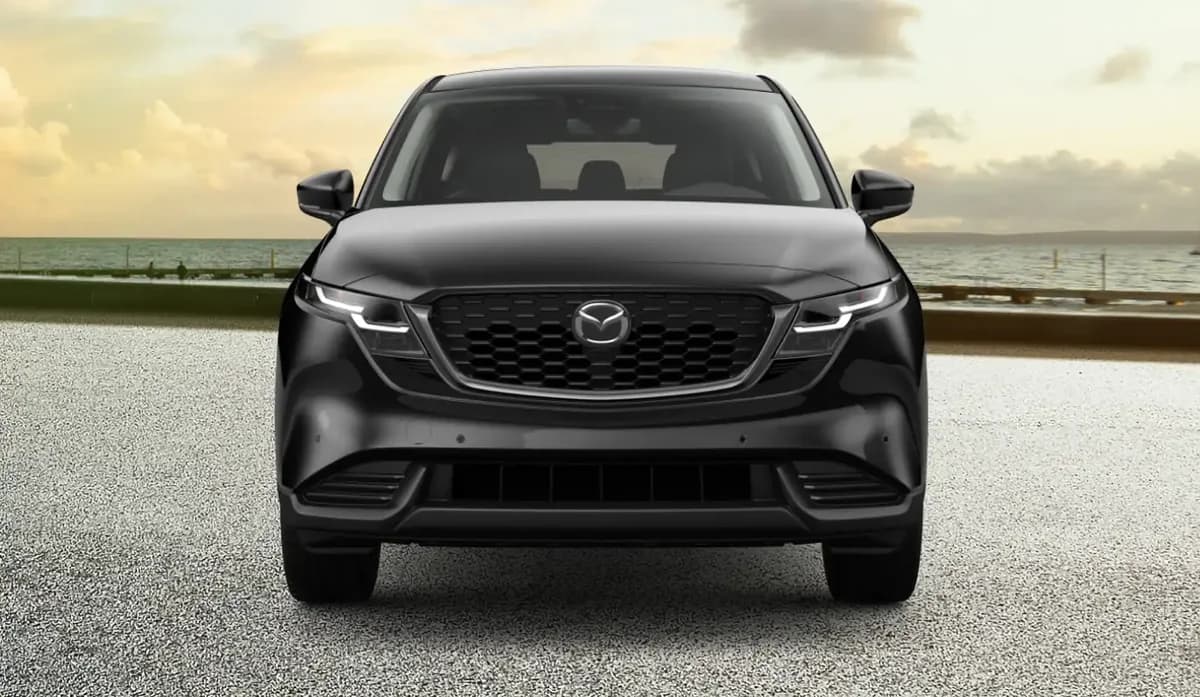
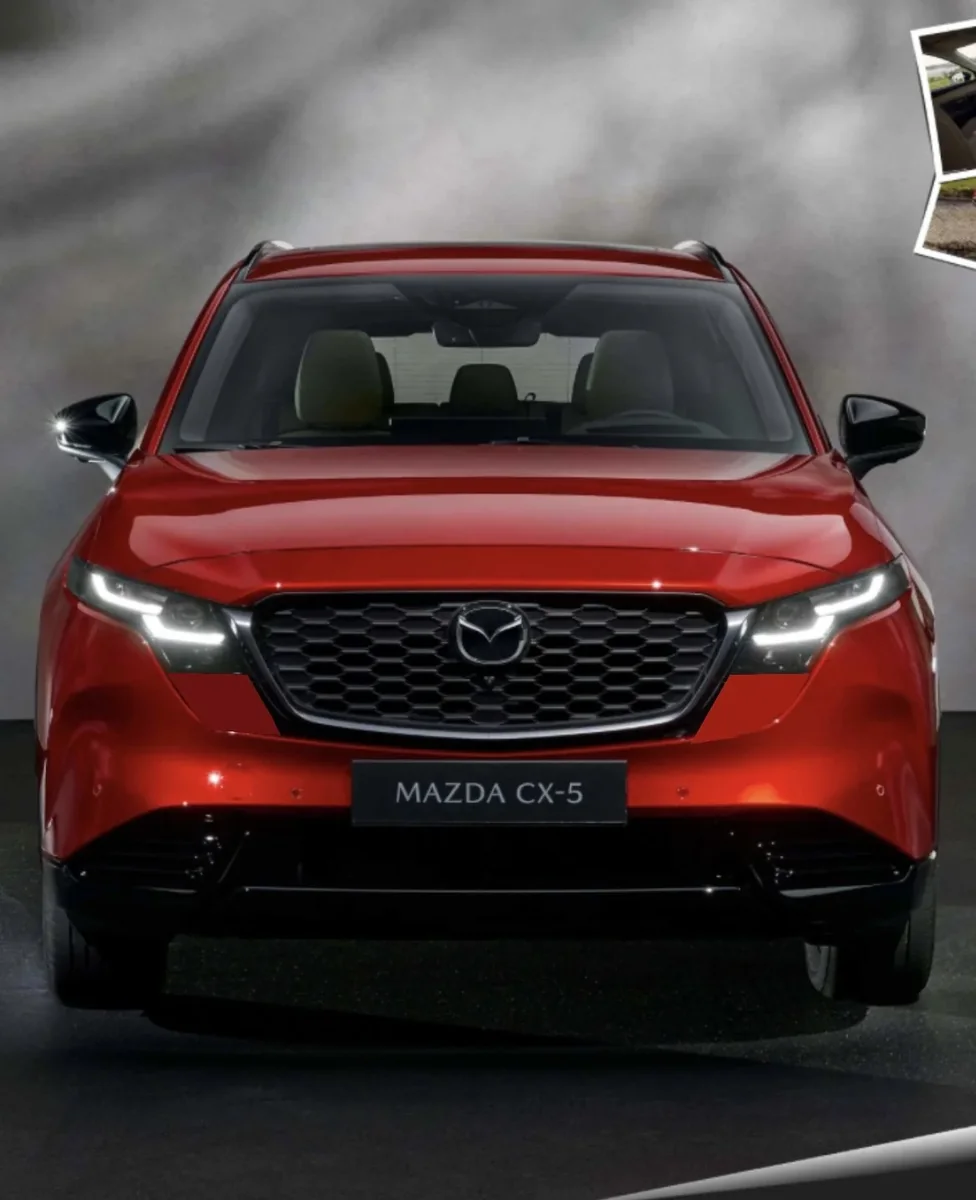
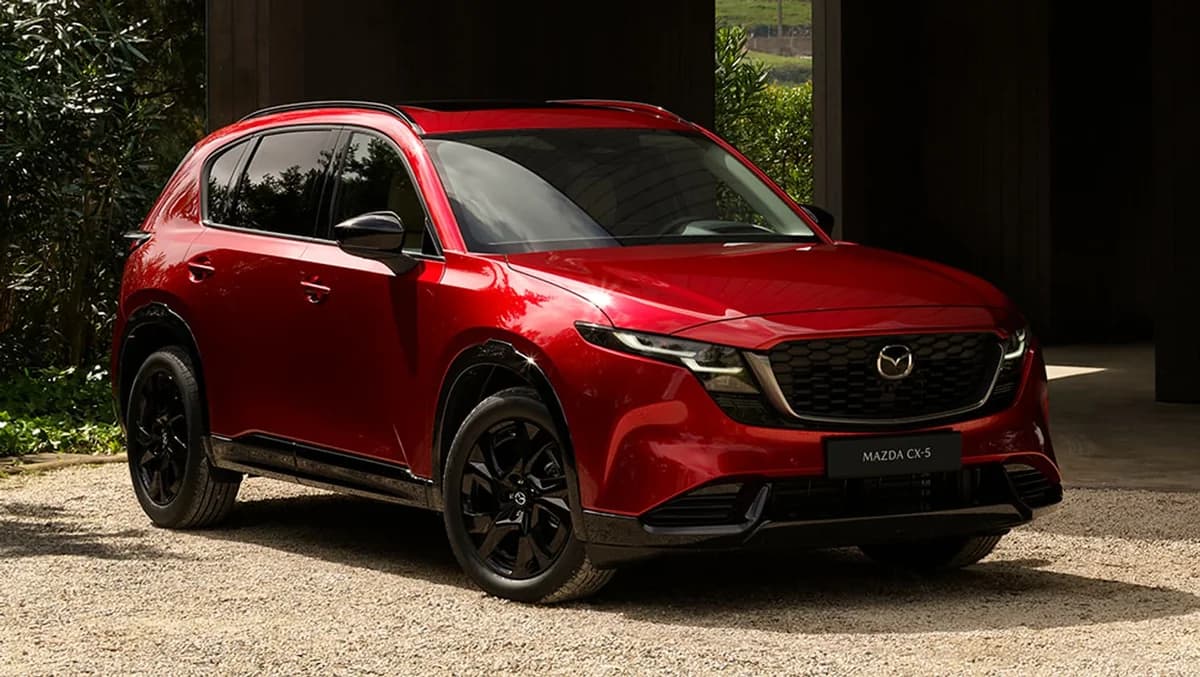
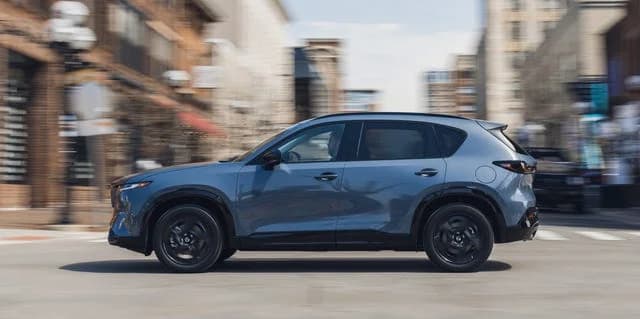
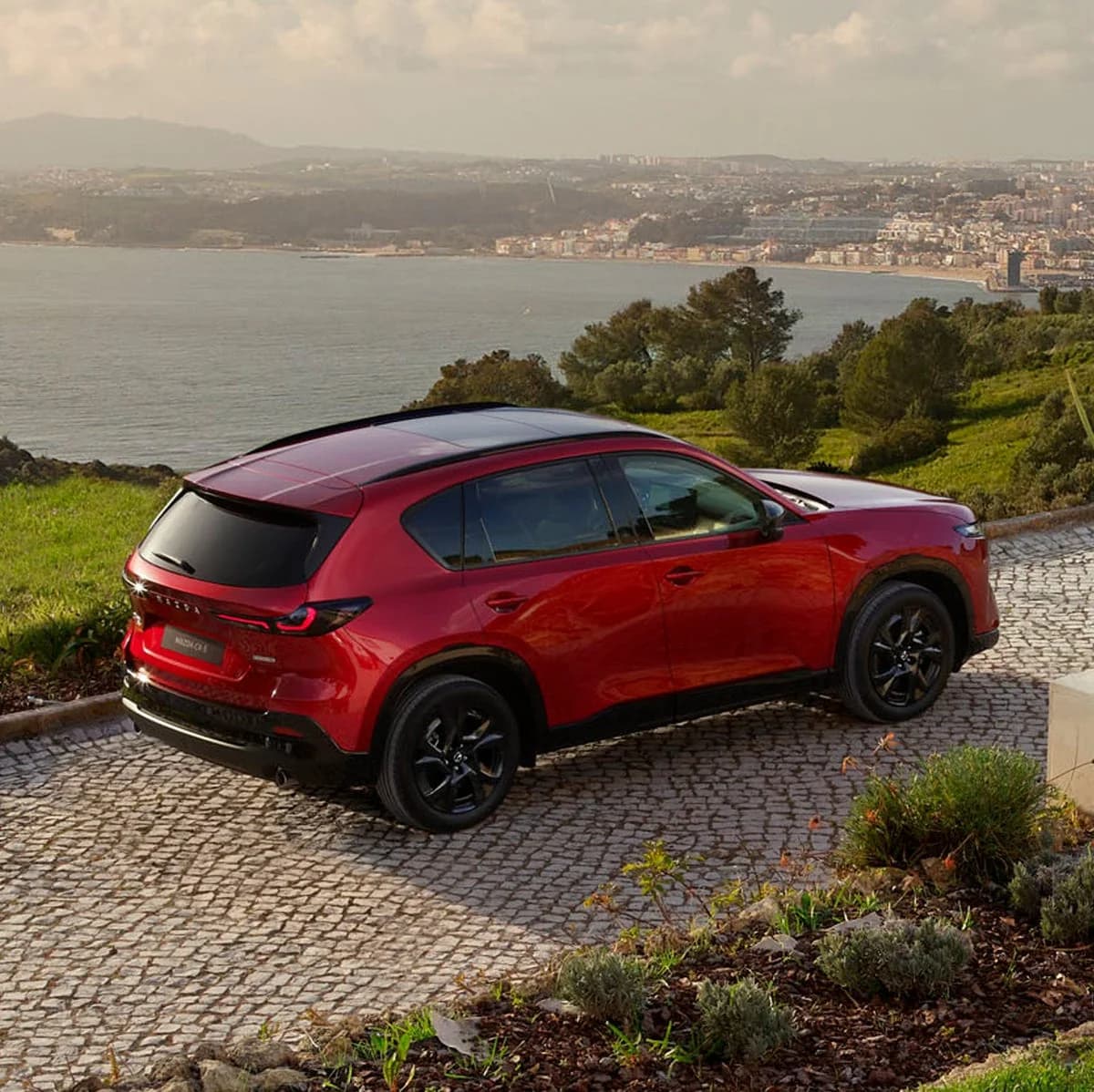
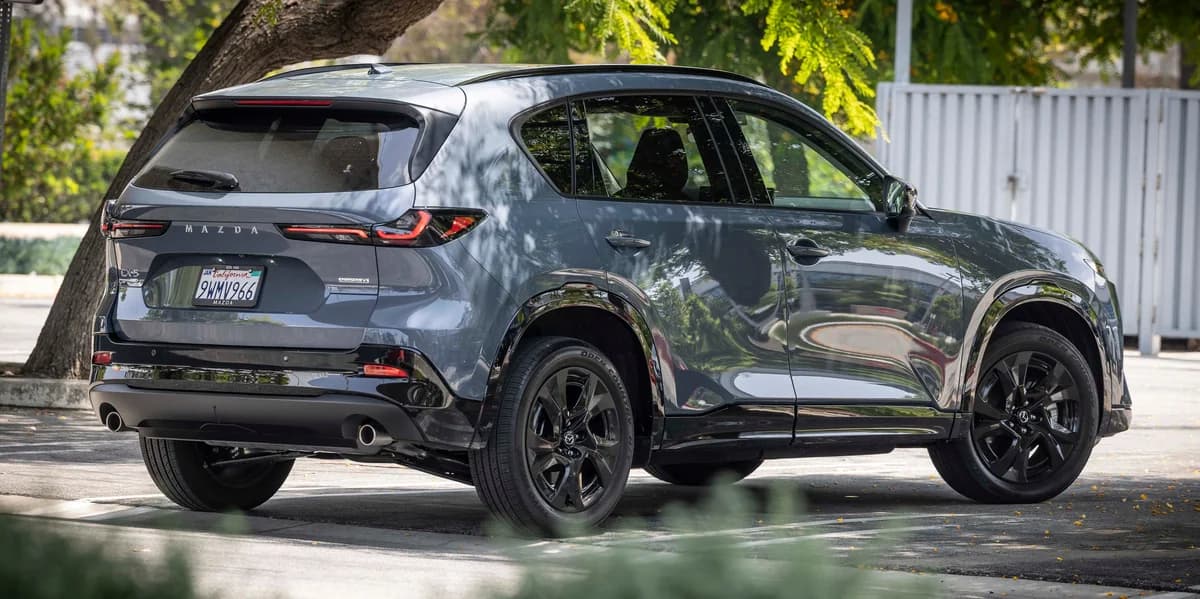
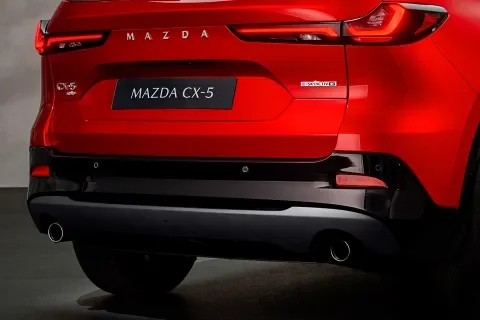
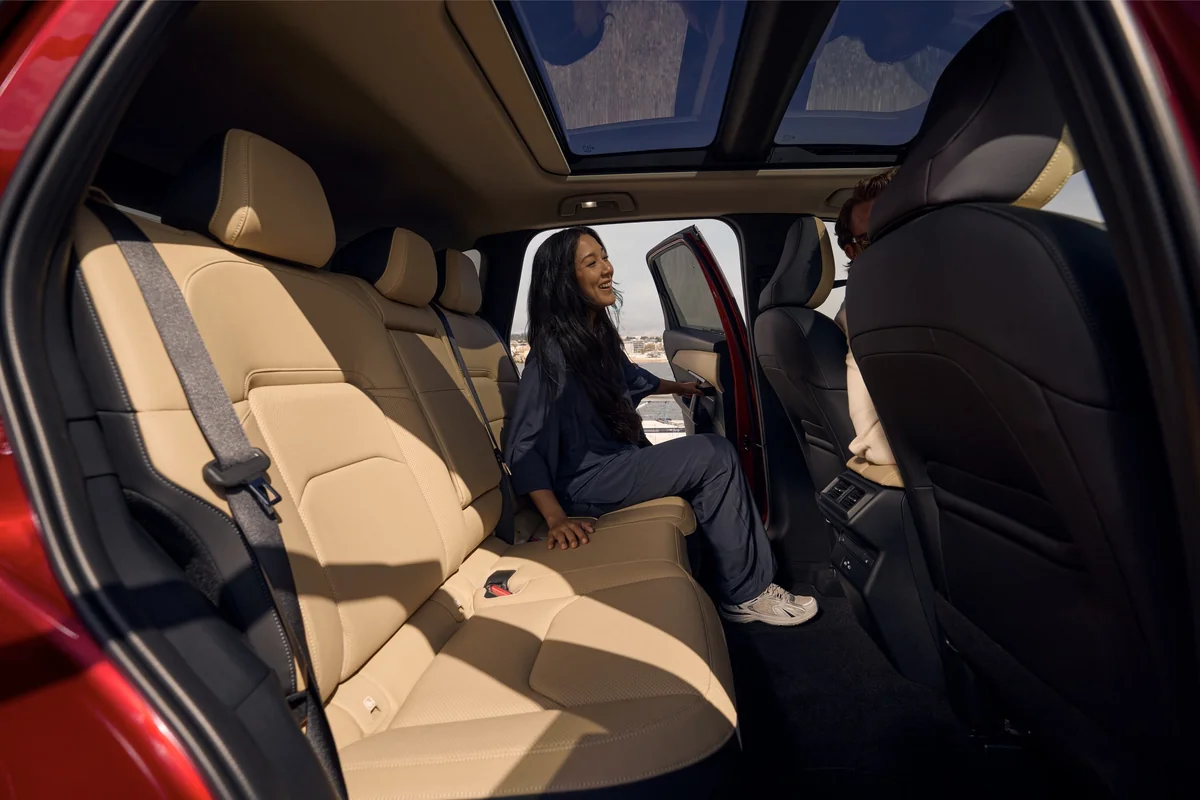
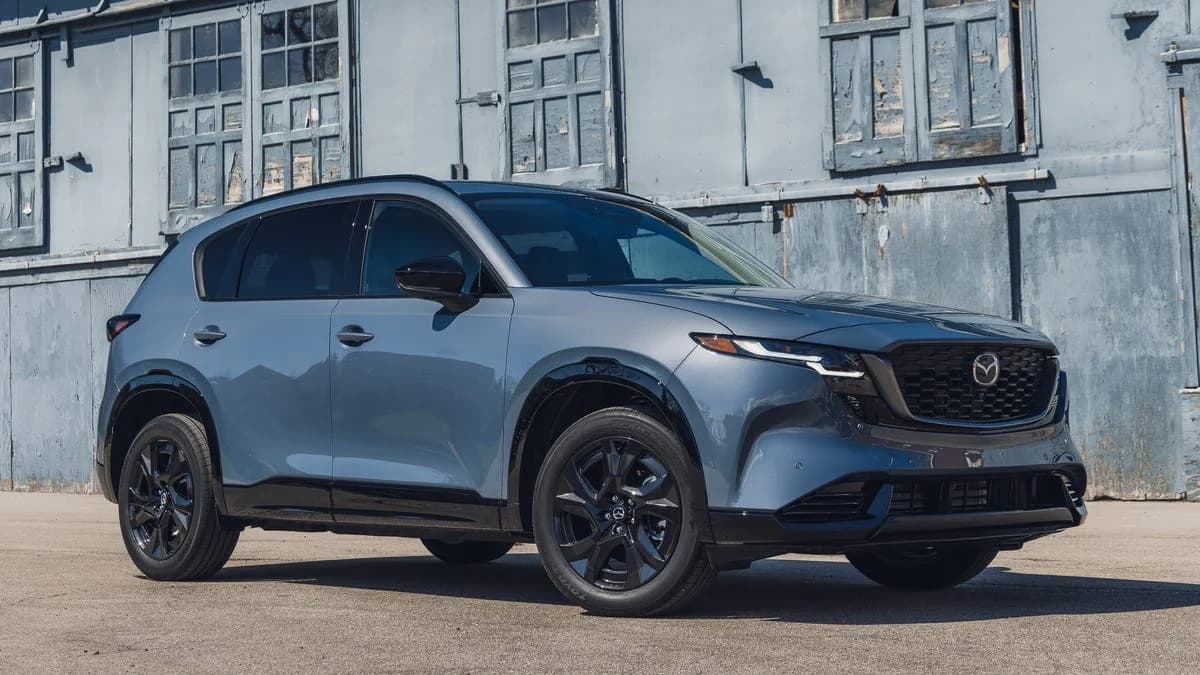
The Mazda CX-5 (2026) is a roomier, driver-minded family SUV for people who need easier rear-seat and cargo duty without settling for bland transportation. Mazda’s claims of improved practicality hold up, with a longer wheelbase, flexible 40/20/40 rear seats, and standard AWD earning consistent praise. Its steering remains unusually natural, and the quieter highway ride feels more refined, though some testers found the low-speed ride busy. The catch is the 187-hp engine, which is smooth but slow and less efficient than hybrid rivals. The fast Google infotainment modernizes the cabin, yet touchscreen-only climate and audio controls frustrate. At roughly $30,000 to $39,000, it is strongest in mid-level trims, with overall appeal shaped by space, value, driving feel, and tolerance for its compromises.
Find Yours
What is your primary use for a Gas-Powered SUV?
Answer to find your best matches.

The Field
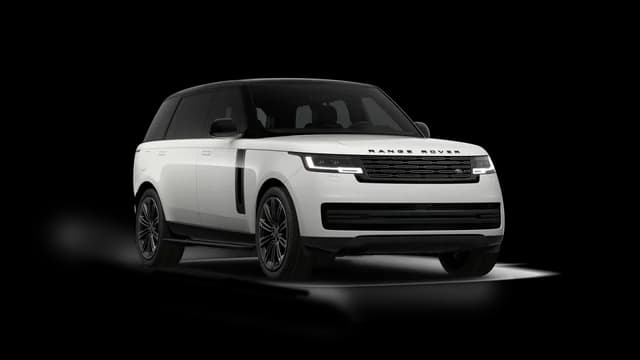
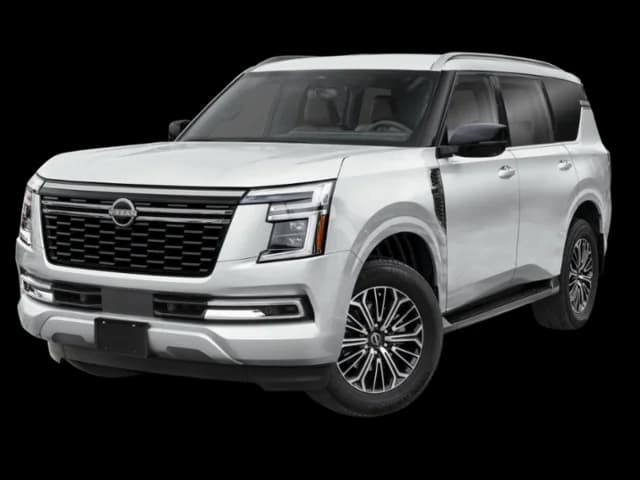
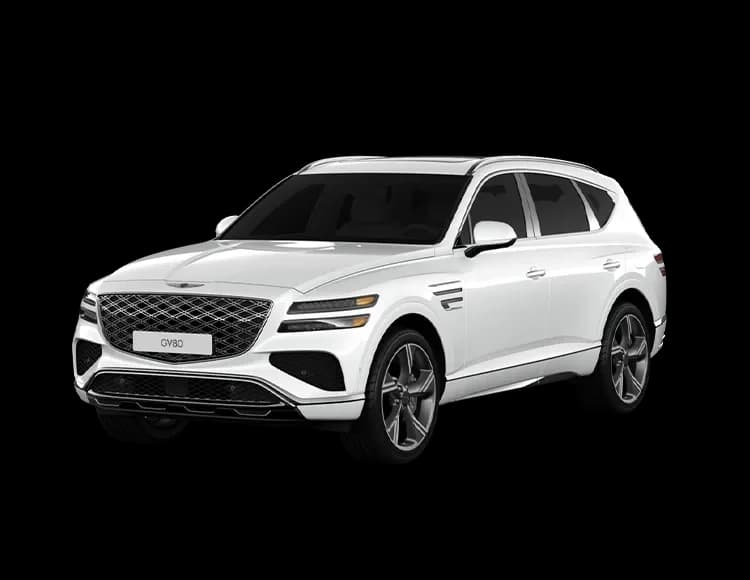
Browse top contenders, or compare all options ranked by score and key attributes.
5 Options



The Scoreboard
Does this improve your life? Considers, health, habits, and environmental impact.
Benefits
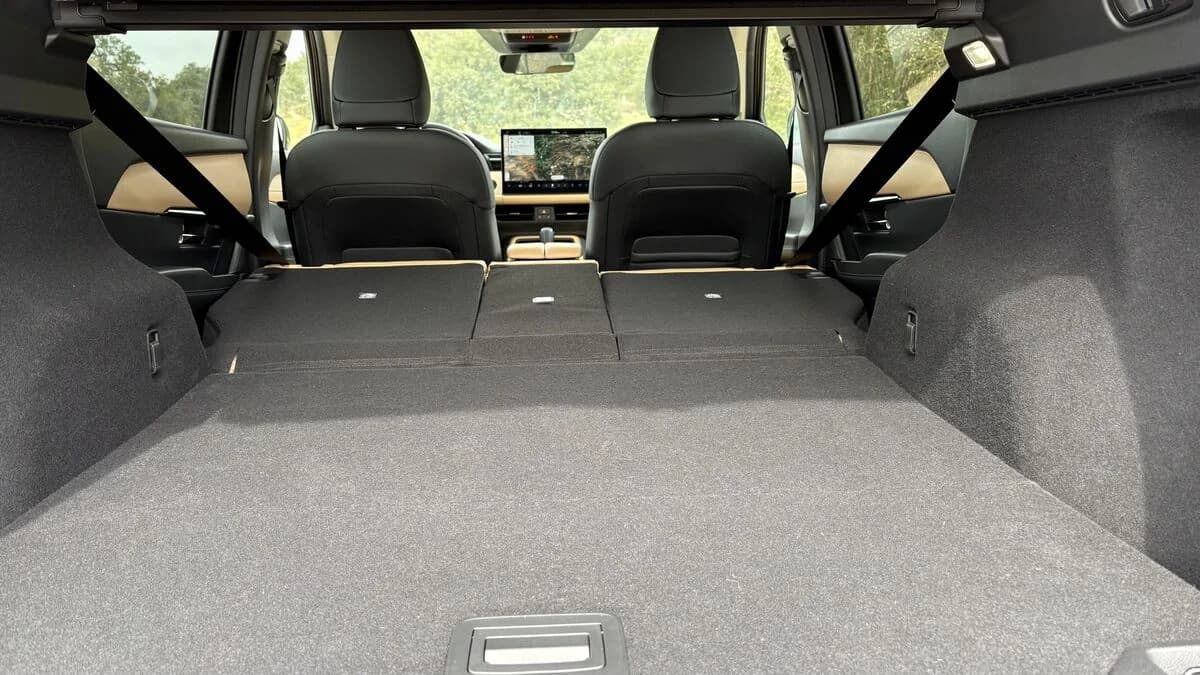
Adults and child seats fit more comfortably, while flexible cargo space simplifies everyday errands.
Improved refinement makes commuting and family conversations easier, especially on longer highway trips.
Natural steering and composed road manners make routine driving feel more connected and manageable.
Standard AWD adds confidence on snowy roads without requiring shoppers to choose a special trim.
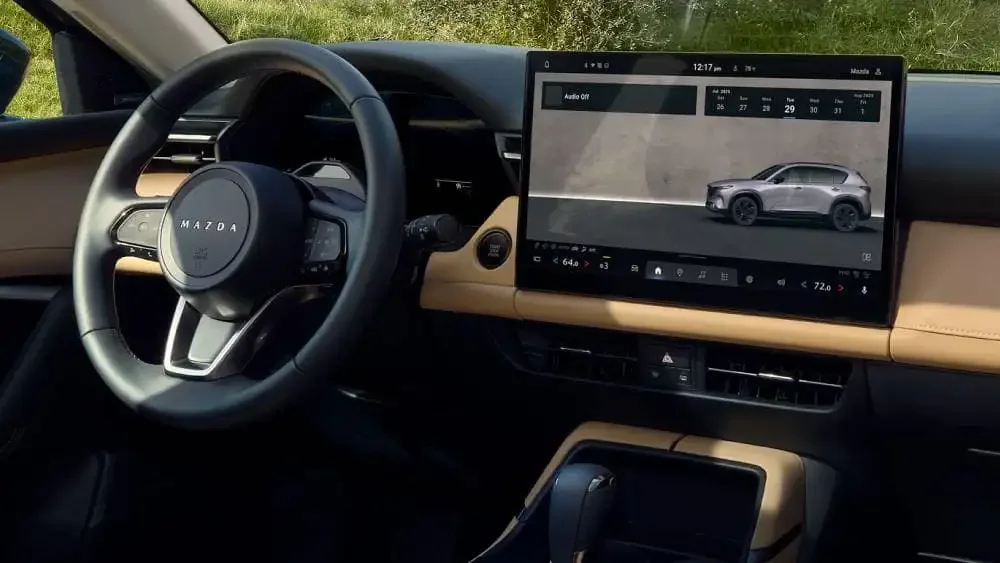
Google-based software responds quickly, making navigation, calls, and media easier to manage.
Trade-Offs
Changing climate settings or audio means tapping through screens instead of using quick physical controls.
Acceleration and passing can make the engine roar, while the SUV takes its time building speed.
Some drivers may find the firm seats uncomfortable during longer trips, especially with limited adjustment.
Sharp bumps can feel firm and unsettled around town, making slower streets less comfortable for passengers.
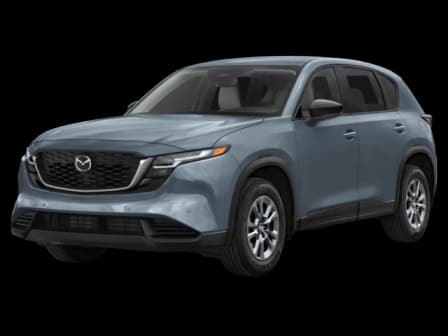
 Alternatives


Join the Circle
Where real meets deal
Know what's worth buying-and when.
Tips, special offers, and rewards for buying and sharing.

Publications
6 LEADING PUBLICATION REVIEWS

Car and Driver is broadly positive on the redesigned 2026 Mazda CX-5, though its enthusiasm is measured. The SUV gains meaningful rear-seat and cargo space, sharper practicality, standard safety technology, and retains Mazda’s standout athletic handling and natural steering. Its ride is more compliant without sacrificing composure, while testing showed respectable acceleration, braking, and grip. The review’s main reservations are the unhurried naturally aspirated engine, slightly worse fuel economy, and the disappearance of the optional turbocharged model. More controversially, Mazda replaces its well-liked physical controls with a touchscreen-heavy infotainment system, including onscreen climate functions and no traditional volume or tuning knobs. Interior quality is also less impressive in the top trim than the CX-50’s. Still, with competitive pricing and no major dynamic weaknesses, the CX-5 emerges as a roomy, enjoyable, sensible choice—though its overlap with the CX-50 makes Mazda’s lineup confusing.
By Joe Lorio
Autocar’s James Disdale and Richard Lane are clearly positive about the 2026 Mazda CX-5, though not uncritically. They praise its unusually engaging handling, quiet refinement, spacious cabin, premium-feeling interior and compelling £31,550 starting price, making it a standout family crossover for buyers who value driving involvement. The longer wheelbase brings useful gains in rear legroom, boot capacity and child-seat access, while the CX-5 remains composed and easy to place on the road. Performance is adequate rather than exciting, and the naturally aspirated 2.5-litre petrol engine feels old-fashioned beside hybrid-equipped rivals, with mediocre fuel economy. Wet and dry braking are also weaker than expected, low-speed ride quality can be brittle, and replacing physical controls with a large touchscreen undermines Mazda’s previously excellent usability. Overall, the CX-5 remains a highly appealing, well-rounded choice, but its powertrain and digital cockpit prevent an otherwise excellent SUV from feeling entirely modern.
By James Disdale & Richard Lane
MotorTrend’s Aaron Gold is strongly impressed by the 2026 CX-5, with one maddening ergonomic flaw. The larger body improves rear-seat access and overall practicality while preserving Mazda’s upscale cabin, engaging handling, quiet ride, and standard all-wheel drive. Gold is especially enthusiastic about the new Google-based infotainment system, praising its sharp graphics, quick responses, thoughtful menus, and driver-focused design. The carryover engine and six-speed automatic are merely adequate, however, and heavy steering dulls the road feel Mazda usually excels at. Most seriously, eliminating the physical volume knob makes quick audio shutoff unnecessarily difficult, while the glossy black console trim looks cheap and wastes potential storage space. Even with those shortcomings—and a final verdict deferred until longer testing—Gold considers the CX-5 a better-than-ever family SUV for buyers unwilling to give up driving enjoyment. Restore the volume knob, he suggests, and it would be nearly ideal.
By Aaron Gold
Edmunds views the 2026 Mazda CX-5 as a good but less distinctive compact SUV. The redesign brings welcome extra space, a smooth and quiet ride, upscale materials, easy-access rear doors, and a much-improved infotainment system with Google Built-In and wireless smartphone integration. Cargo room is useful, too, though small-item storage is limited. However, the CX-5 is notably slow, leans in corners, and loses the sporty handling that once made it special. Edmunds also found its driver-assistance systems inconsistent, its touch-heavy controls distracting, and its software occasionally laggy. Fuel economy is mediocre, towing capacity is modest, and the paid data subscription is an unwelcome added cost. Overall, the larger, more comfortable CX-5 is a sensible value—especially in mid-level trims—but the redesign trades away much of Mazda’s former personality, while the absence of a hybrid makes it harder to recommend over more efficient rivals.
By Josh Jacquot
What Car? views the 2026 Mazda CX-5 as a capable but compromised family SUV. It remains enjoyable to drive, with precise steering, controlled body movements, strong brakes, good refinement at cruising speed, and a spacious cabin with a larger 583-litre boot. Its competitive pricing, generous standard equipment, five-star safety rating, and six-year warranty add real appeal, especially in entry-level Prime-Line trim. However, the review feels the new CX-5 has lost ground: the 139bhp petrol engine can feel strained, the firm ride is less comfortable than rivals’, and interior materials are less plush than before. Most controversially, Mazda has removed the physical rotary controller and climate controls, making touchscreen operation less convenient and distracting. With no manual, hybrid, or plug-in hybrid option, it is easy to recommend only selectively. Overall, it is practical, well-built, and engaging, but no longer the standout choice it once was.
By Lawrence Cheung
Road & Track’s John Pearley Huffman is impressed by the 2026 CX-5, though its tech changes frustrate him. The redesigned SUV gains useful rear-seat room, retains Mazda’s excellent ride-and-handling balance, and pairs its modest 187-hp engine with a responsive six-speed automatic. Huffman considers it beautifully built, handsome, and satisfying for everyday family duties, but wishes Mazda had retained the outgoing turbocharged engine for stronger acceleration. The bigger disappointment is philosophical: Mazda replaced its formerly superb rotary-controller interface with generic touchscreens and removed the volume knob. The cabin also remains narrow, and the naturally aspirated engine has to move a relatively heavy vehicle. Overall, this is a warmly favorable review of a polished, practical, and enjoyable crossover, but the CX-50 now looks more appealing to enthusiasts thanks to its turbo option and more distinctive controls.
By John Pearley Huffman

YouTube
16 LEADING EXPERT & INFLUENCER REVIEWS
 Consumer Reports
Consumer Reports is disappointed that the 2026 Mazda CX-5 loses some of the character that once made it special. The redesigned SUV gains genuinely useful rear-seat and cargo space, a comfortable ride, strong visibility, standard safety features, and still-better-than-average steering. But cost-cutting is obvious inside, with more hard plastic and frustrating touchscreen-only climate controls, while the seats proved uncomfortable on a 150-mile drive. The familiar 187-hp engine and six-speed automatic feel noisy and dated, and lane centering is limited to the top trim. It remains practical and reasonably sporty, but feels more ordinary than its predecessor.
Auto Buyers Guide | Alex on AutosAlex on Autos is notably skeptical of the 2026 CX-5, despite appreciating its handsome styling, much-improved rear-seat room, practical 40/20/40 cargo setup, polished cabin, and excellent infotainment. The bigger body finally makes it more family-friendly, and its steering and suspension remain engaging, but the unchanged 187-hp engine and six-speed automatic are glaring weaknesses: acceleration is slow, fuel economy trails hybrids, braking is merely average, and the ride can feel busy. He views the CX-5 as attractively priced and thoughtfully redesigned, but recommends waiting for Mazda’s 2027 hybrid unless value and driving feel outweigh efficiency.
Redline ReviewsRedline Reviews is positive about the 2026 Mazda CX-5, calling it a substantial, long-overdue upgrade. The larger cabin, far more usable rear seat, improved cargo space, polished build quality, and exceptionally quick Google-based infotainment make it a strong value, especially with standard i-Activ AWD. However, the reviewer is disappointed by the discontinued turbo engine, sluggish 8.5-second acceleration, mediocre fuel economy, firm seats, road noise, and retreat from physical controls. Overall, it feels more refined and practical but less sporty, making the mid-level trims especially appealing while the hybrid remains highly anticipated.
MotorWeekMotorWeek is clearly positive about the 2026 Mazda CX-5, viewing it as a thoughtful evolution rather than a dramatic reinvention. The larger cabin, flexible 40/20/40 rear seat, smooth new infotainment, stylish design, and engaging handling earn strong praise. Testing found performance unchanged from the previous generation: adequate rather than exciting, with an 8.5-second 0–60 time, predictable six-speed shifts, secure braking, and impressive highway fuel economy. MotorWeek misses the turbo engine and finds the oversized screen and missing volume knob questionable, but ultimately considers the CX-5 efficient, premium-minded, practical, and still one of the segment’s most enjoyable SUVs.
savagegeeseSavagegeese is strongly positive about the 2026 Mazda CX-5, calling it a remarkably complete family SUV. The longer wheelbase finally brings generous rear-seat and cargo space, while quieter ride quality, confident handling, natural steering, and thoughtful ergonomics preserve Mazda’s distinctive character. The naturally aspirated engine feels undeniably slow beside hybrids and turbocharged rivals, and fuel economy, storage, interior design, and safety technology trail competitors. The large Google-based touchscreen works well but removes too many physical HVAC controls. Even so, Savagegeese considers it an excellent $35,000–$38,000 all-rounder and a major improvement over the outgoing CX-5.
TFLnowTommy is impressed by the 2026 Mazda CX-5 overall, especially its smoother ride, precise handling, premium materials, and much-improved rear-seat and cargo space. He calls the 40/20/40 rear seat, lower lift-over height, standard safety equipment, and Google built-in technology smart upgrades. Still, his enthusiasm is tempered by the unchanged, merely adequate 187-hp engine, lost turbo option, oversized screens, frustratingly screen-based controls, dated driver assistance, piano-black cargo trim, and awkward steering-wheel airbag. His verdict is positive but conditional: the CX-5 belongs on shoppers’ short lists, provided they drive it first.
Driving Sports TVRyan Douthit is cautiously positive about the 2026 Mazda CX-5, appreciating its roomier, more luxurious cabin, excellent visibility, comfortable ride, and genuinely capable AWD system. He especially likes the trail-view camera and strong hill-descent performance, while his testing found the CX-5 more competent off-road than expected. Still, the 187-hp engine feels merely adequate, acceleration is noisy, handling is softer and less playful than the outgoing model, and cabin noise is disappointing. He also criticizes the touchscreen-only controls and inconsistent wheel-braking behavior. Overall, it’s a sensible, reliable-feeling mainstream SUV, but not the sporty Mazda upgrade enthusiasts may want.
Sarah -n- TunedSarah-n-Tuned is moderately positive, especially about the 2026 Mazda CX-5’s driving character. She praises its multi-link rear suspension, crisp steering, enjoyable manual mode, strong braking, quiet mechanical simplicity, and significantly roomier back seat. The naturally aspirated engine sounds good but feels slow for the SUV’s weight, and she regrets losing the turbo option. Her biggest criticism is the oversized touchscreen and voice-first controls, which make the cabin feel less elegant and intuitive than older Mazdas. She sees the CX-5 as a practical, economy-oriented value—particularly in lower trims—rather than a convincing premium SUV.
Driven Car Reviews With Tom VoelkTom Voelk is strongly positive about the 2026 Mazda CX-5, calling it a refined, genuinely enjoyable compact SUV. He praises its direct steering, comfortable ride, standard AWD, expanded rear seat, flexible 40/20/40 cargo area, attractive cabin, and capable light off-road performance. The naturally aspirated engine is smooth but merely adequate, with weaker passing power and no hybrid option yet. His biggest reservations are the frustrating all-touchscreen interface, frequent CarPlay reconnections, limited seat adjustability, average fuel economy, and missing premium touches. Overall, he sees the CX-5 as a compelling, family-friendlier evolution that preserves Mazda’s driving character.
The Car Care Nut ReviewsThe Car Care Nut is highly enthusiastic about the 2026 Mazda CX-5, calling it nearly perfect for 2026. He praises its simple, accessible naturally aspirated engine, smooth six-speed automatic, solid underbody construction, comfortable interior, improved rear-seat space, spare tire, and refined driving character. His mechanic’s perspective makes the repair-friendly design—especially the accessible AC expansion valve and uncomplicated cooling system—a standout strength. Still, he warns that the heavier SUV feels underpowered, with the 187-hp engine sometimes roaring without much acceleration. He also criticizes the screen-heavy cabin, missing volume knob, questionable exterior styling details, and power-liftgate design, but considers these minor compromises.
Doug DeMuroDoug DeMuro remains positive on the redesigned 2026 Mazda CX-5, calling it an excellent compact SUV with impressive rear-seat room, a polished interior, responsive touchscreen, strong visibility, and a comfortable ride. His enthusiasm is tempered by the underpowered 187-hp engine, lack of a hybrid or turbo option, frequent engine noise, generic styling, and only average handling. He considers it a class-leading choice overall, but less compelling than Mazda’s CX-50 for buyers wanting stronger performance or better fuel economy.
MotormouthMotormouth is highly enthusiastic about the 2026 Mazda CX-5, calling it a major improvement and a top choice among compact SUVs. The longer body brings noticeably better rear-seat and cargo space, while improved seats, quieter highway manners, sharper cameras, and Google-based infotainment modernize the cabin. They also praise its engaging steering and handling, with the reliable 187-hp powertrain viewed as a sensible choice despite losing the turbo. Criticisms include extra body roll, wired smartphone integration on lower trims, screen-heavy controls, no volume knob, limited sunroof availability, and modest power.
TheStraightPipesYuri and Jacob are frustrated by the 2026 Mazda CX-5’s direction, despite respecting its strong driving character. They praise the smoother ride, more comfortable seats, standard AWD, improved rear-seat and cargo space, and responsive six-speed powertrain, calling it adequate rather than quick. Their biggest complaint is the touchscreen-heavy cabin: removing the rotary command dial, physical climate controls, and volume knob makes basic adjustments awkward and distracting, while some graphics and buttons feel unfinished. They also question the expensive top trim and modest engine, suggesting the CX-50 may be the better choice for buyers who prefer Mazda’s older, more intuitive layout.
Brian MakseBrian Makse is highly enthusiastic about the 2026 Mazda CX-5, despite its slower, turbo-free powertrain. He praises the naturally aspirated engine’s quietness and immediate throttle response, revised transmission, communicative steering, excellent brakes, preloaded i-Activ AWD, and notably smoother ride. The longer wheelbase also brings meaningful rear-seat and cargo improvements. Makse concedes the 187-hp engine loses straight-line performance and dislikes moving climate controls onto the touchscreen, though he finds the Google-based system usable. His central takeaway is that Mazda traded turbo speed for superior chassis composure and driving involvement, making the CX-5 especially appealing to enthusiasts who enjoy taking the long way home.
Everyman DriverDave Erickson is cautiously positive about the 2026 Mazda CX-5, appreciating its added space, upscale cabin, and modern technology. His hands-on backseat demo suggests genuine improvement for full-size passengers, while the power liftgate, flexible 40/20/40 seating, and standard AWD bolster everyday practicality. He likes the large touchscreen and is glad Mazda dropped the rotary controller, though he acknowledges the reduced physical controls may divide buyers. The gas-only 187-hp engine and loss of the turbo are meaningful compromises, and he recommends comparing cargo space with the RAV4, CR-V, and Forester before choosing it.
Amanda Reviews CarsAmanda Reviews Cars is positive about the 2026 Mazda CX-5, concluding Mazda preserved its distinctive driving character despite the redesign. She praises its nimble handling, spacious rear seat and cargo area, clear backup camera, adaptive headlights, comfortable materials, and useful driver-assistance systems. However, the 15.6-inch touchscreen and removed commander knob frustrate her, especially because climate controls are less convenient, voice commands proved unreliable, and the screen can block airflow when large cups occupy the holders. The gas engine is merely adequate, but she considers it sufficient for daily driving and recommends experiencing the CX-5 firsthand before dismissing it.

Social
3 INFLUENCER REVIEWS
 Micah Muzio
Micah Muzio is cautiously positive about the 2026 Mazda CX-5’s unchanged powertrain. He points out that the familiar engine produces no extra power, retains the six-speed automatic, and launches without the turbocharged option, making the update initially disappointing. Still, real-world driving changes his view: acceleration is adequate, downshifts are impressively quick, and the transmission shifts subtly in normal driving while Sport mode holds revs for quicker response. The CX-5 is not thrillingly fast, but Muzio finds its drivetrain more effective and better integrated than its carryover specifications suggest.
Car ConfectionsCar Confections is highly positive about the 2026 Mazda CX-5’s value and upgraded cabin. For roughly $32,000, it offers attractive styling, standard all-wheel drive, leatherette and cloth seats, wireless charging, a 12-inch display with Google Maps, digital gauges, and substantially more cargo room, now approaching RAV4 practicality. The 187-horsepower engine and 26-mpg rating are respectable, while the ride is more comfortable than before. The main omission is a hybrid option, which Mazda says is coming later. Overall, it feels like an impressively well-equipped, affordable CX-5, though the endorsement remains measured rather than exuberant.
 Sean Chandler
Sean Chandler is strongly positive about the redesigned 2026 Mazda CX-5, especially its much-improved rear-seat room, larger cargo area, softer ventilated seats, and cleaner technology. He appreciates the 90-degree doors, generous footwell, panoramic roof, and useful storage details, while calling the exterior updates attractive. Still, the touchscreen-only controls can frustrate, the 19-inch wheels look undersized, acoustic glass is gone, and the heavier CX-5 loses its turbo while retaining a 187-horsepower naturally aspirated engine. Overall, Chandler sees a more spacious, comfortable SUV with meaningful compromises and hopes the promised 2027 hybrid arrives soon.

Forum Reviews
CUSTOMER REVIEWS FROM 1 FORUM
Redditors are divided on the 2026 Mazda CX-5, with enthusiasm tempered by meaningful compromises. Owners praise its attractive styling, solid handling, quiet ride, practicality, reliability, and comfortable driving position, while many new shoppers appreciate the larger cabin and modern look. The biggest objections are the loss of the turbo, modest power, mediocre fuel economy, cheaper-feeling materials, and replacing Mazda’s well-liked physical controls with an expansive touchscreen. Safety and usability concerns follow, especially for climate controls and glitchy infotainment. Enthusiasts often prefer discounted 2025 turbo models, but broader buyers may find the 2026 a sensible, good-value family SUV.
Many comments

In-Depth Review

Highlights
- •Roomier Family SpaceLonger wheelbase improves rear-seat usability.
- •Engaging Road MannersReviewers consistently note natural, communicative steering.
- •Flexible Cargo Layout40/20/40 seating expands loading options.
- •Quick Google InfotainmentDesigned to simplify navigation, calls, and media.

Considerations
- •Unhurried AccelerationThe 187-hp engine feels slow when passing.
- •Touchscreen ControlsClimate and audio adjustments require distracting taps.
- •Average Fuel EconomyGas-only power trails hybrid-equipped competitors.
- •Firm Seat ComfortFirm seats can become uncomfortable on long trips.
Mazda’s 2026 CX-5 turns its sporty compact-SUV reputation toward practical family duty. The longer wheelbase brings genuinely useful improved rear-seat room, while standard all-wheel drive and a flexible 40/20/40 seat help commuters, small families, and snow-belt shoppers. It still aims to feel more engaging than a CR-V or RAV4, with natural steering and composed road manners, but the carryover 187-hp naturally aspirated engine gives up pace and efficiency to turbocharged and hybrid rivals. Review feedback also points to a quieter highway ride, mixed low-speed comfort, polished design, and a responsive Google-based interface—alongside harder plastics and distracting touchscreen controls. Before choosing one, weigh its family-friendly packaging against 26-mpg combined fuel economy, cabin usability, and braking confidence. The CX-5 may be roomier without becoming ordinary, but these details decide whether it fits your driveway or merely your shortlist.
Calmer, Mixed Ride
The redesigned CX-5 is generally quieter and more comfortable at speed. Mazda’s revised chassis delivers a more compliant highway ride while retaining composure, and improved refinement helps conversations and long trips. However, feedback is not uniformly glowing: some evaluations report a busy low-speed ride over sharp bumps, while firm seats can become uncomfortable on extended drives. Road noise and the loss of acoustic glass are additional caveats, so the CX-5’s refinement is strongest on smooth highways rather than broken urban pavement.
Adequate, Not Quick
The carryover powertrain is the clearest compromise. The 187-hp 2.5-liter naturally aspirated engine works smoothly for ordinary driving, and the six-speed automatic can deliver quick downshifts in Sport mode. Still, reviewers commonly describe acceleration as slow or merely adequate, with testing around 8.5 seconds from 0 to 60 mph and noticeable engine noise during passing. The 26-mpg combined rating also trails hybrid rivals, while the missing turbo and delayed hybrid option limit its appeal for efficiency- or performance-minded buyers.
Roomier Family Utility
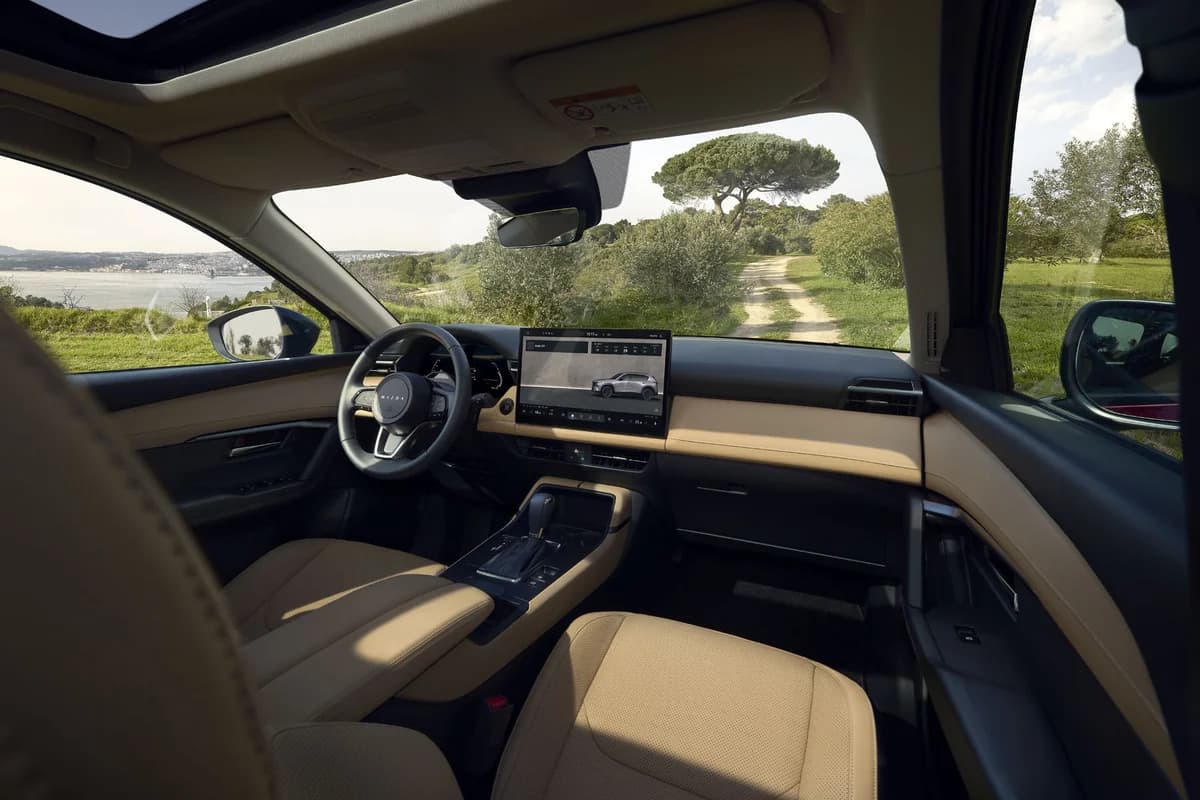
The CX-5 finally feels genuinely useful for families. Mazda’s 4.5-inch longer wheelbase opens up noticeably better second-row legroom, with easier child-seat access and more comfortable space for adults. Its 40/20/40 split-fold rear seat adds flexibility beyond a typical 60/40 bench, while the lower lift-over height and expanded cargo area make loading easier. Listed capacity reaches 33.7 cubic feet, though shoppers should compare the exact measurement method with CR-V, RAV4, and Forester figures.
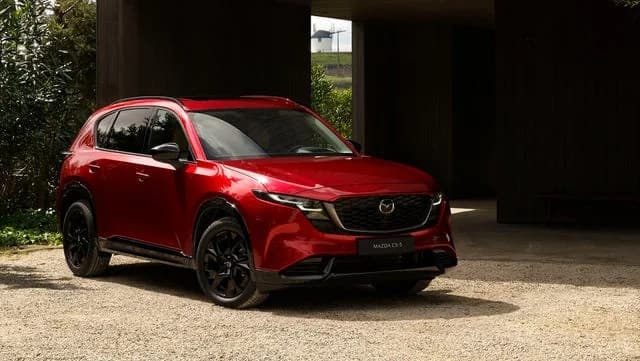
Engaging Steering Feel
The CX-5 remains more involving than most compact SUVs. Its natural, communicative steering helps the vehicle feel easy to place, and the multi-link rear suspension contributes to controlled body movements through corners. Direct feedback from reviewers supports Mazda’s driver-focused claim, although some testing describes the redesigned model as softer and less playful than the outgoing CX-5. It is enjoyable for commuting and winding roads, but not a performance SUV, especially with the heavier body and added practicality.
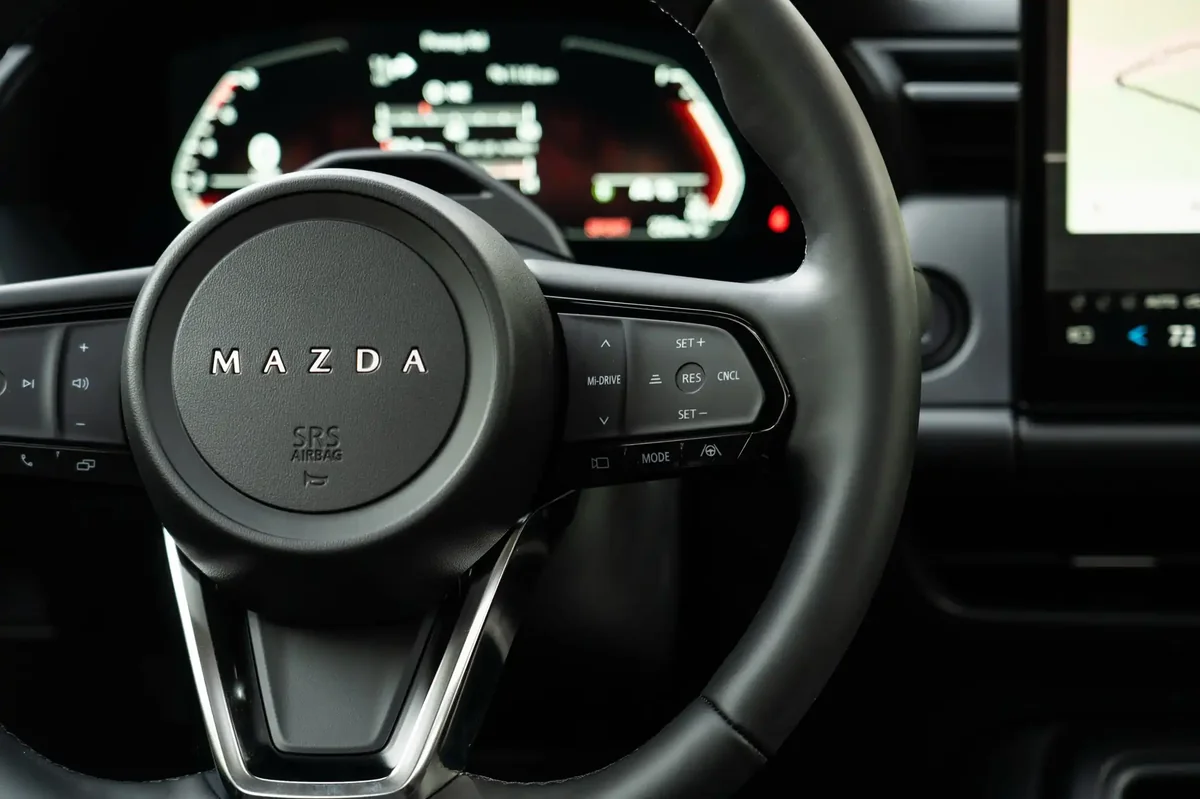
Secure Everyday Control
The CX-5 provides reassuring road manners, though testing reveals some variation. Standard i-Activ AWD supports traction in snow and light off-road conditions, and reviewers generally find braking predictable with solid grip. Mazda’s available trail-view camera and hill-descent capability further broaden its all-weather usefulness. However, braking performance has been called average in some evaluations, and inconsistent wheel-braking behavior and dated driver assistance temper the confidence. It feels secure for normal family driving, but not exceptionally sporty or adventure-focused.
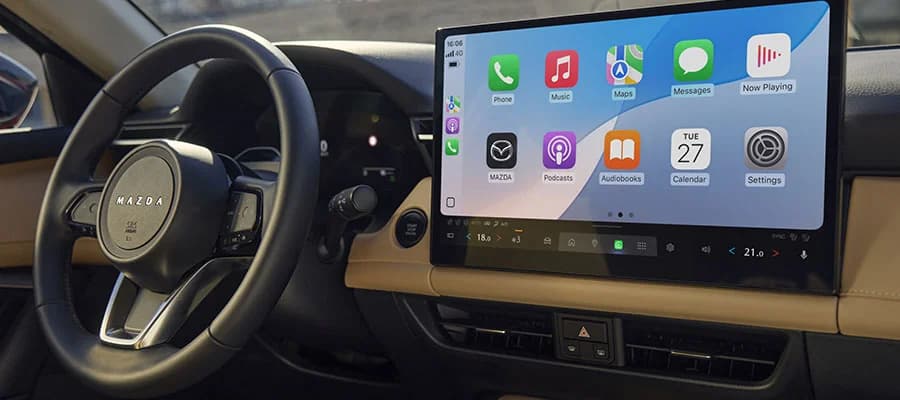
Upscale With Caveats
The cabin looks polished, but its premium impression depends on trim and touchpoints. Reviewers praise the clean design and improved fit and finish, along with the fast Google-based infotainment system and large 12.9-inch touchscreen. Yet some testing finds more hard plastic and cheaper-feeling materials than before, particularly compared with the CX-50’s upper trims. Replacing the rotary controller, volume knob, and physical climate controls with screen-based adjustments also hurts everyday usability, despite the system’s sharp graphics and responsive menus.
Conclusion
The 2026 Mazda CX-5 makes its strongest case as a family SUV that still remembers drivers exist: rear-seat space and flexible cargo capacity now address its old practicality gap, while responsive steering and composed road manners keep daily driving engaging. Its standard AWD and generally quieter ride add reassurance, though firm seats, mixed low-speed comfort, and occasional road noise limit refinement. The polished cabin and fast Google infotainment impress, but harder plastics and touchscreen-only climate and audio controls dilute Mazda’s former usability. Braking and grip feel secure for ordinary all-weather driving, without setting a class benchmark. The 187-hp engine is smooth but unhurried, and 26-mpg combined economy trails hybrids. Choose it for space, value, and driving feel; look elsewhere—or wait for the hybrid—if efficiency, acceleration, or tactile controls matter most. It earns a favorable recommendation, but its compromises make it a shortlist candidate rather than an automatic winner.

Feature Scores
This reflects reviews and ratings from established critics, journalists, and users who have evaluated the item. Their opinions provide a comprehensive assessment.
Performance
Engine Power
3/5
Acceleration
2/5
Towing Capacity
2/5
Fuel Efficiency
2/5
Reliability
3/5
Durability
3/5
Value
Purchase Price
4/5
Operating Cost
3/5
Resale Value
3/5
Design
Interior Space
4/5
Cargo Capacity
4/5
Ergonomics
3/5
Exterior Styling
4/5
Health
Cabin Air Quality
TBD
Interior Material Toxicity
TBD
Safety
Crashworthiness
4/5
Active Driver Assistance
3/5
Braking Performance
3/5
Visibility and Lighting
4/5
Sustainability
Tailpipe Emissions
2/5
Fuel Lifecycle Emissions
2/5
Use of Recycled Materials
TBD
End-of-Life Recyclability
TBD
Experience Style
Infotainment Features
4/5
Ride Comfort Tuning
4/5
Customization Options
3/5

Specifications
This section outlines the product's key facts, covering essential features, details, dimensions, materials, and any unique characteristics that define its functionality and usability.
Performance
Value
Design
Safety
Sustainability
Experience Style

Frequently Asked Questions
7 Questions


Find Yours
What is your primary use for a Gas-Powered SUV?
Answer to find your best matches.