












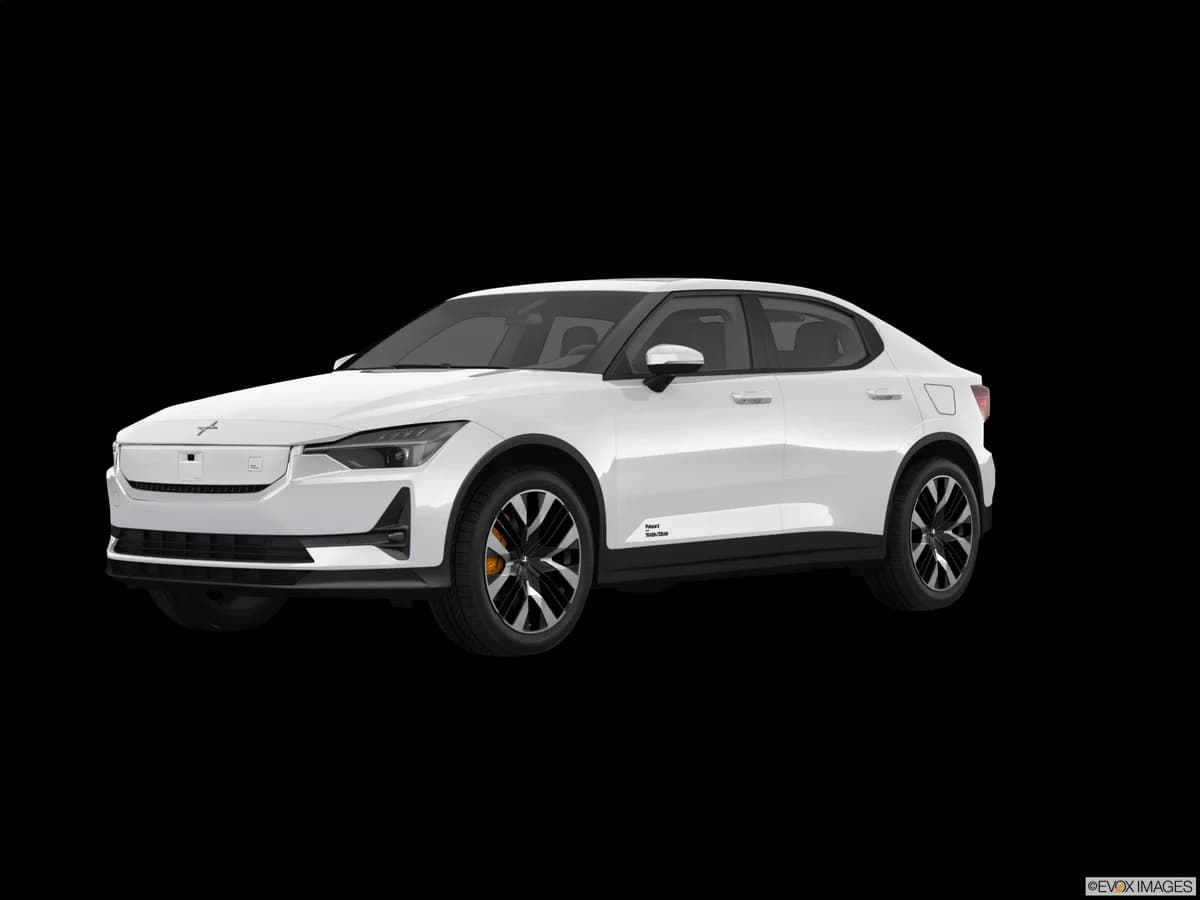
Polestar 2 (2025)
Quick, sharp-handling AWD EV with Scandinavian style, though range and rear space are limited.
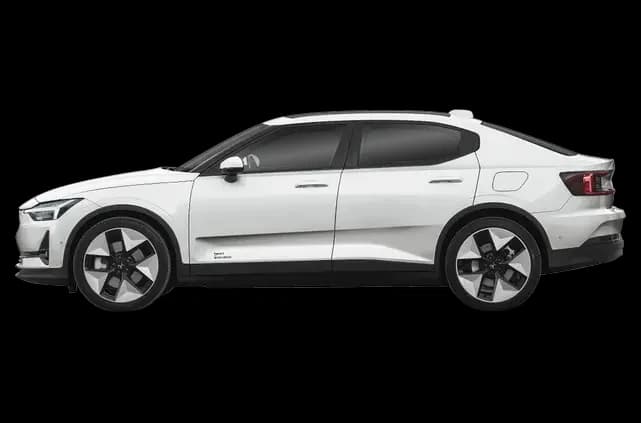
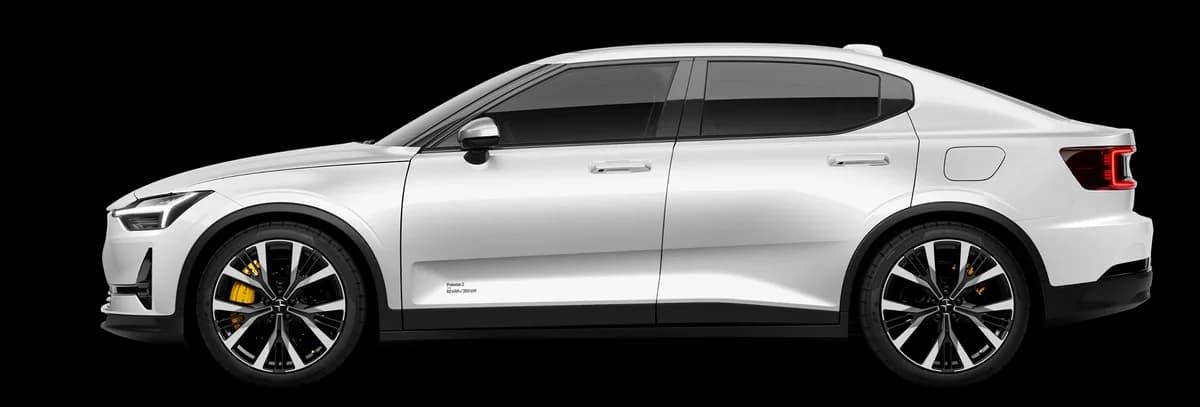
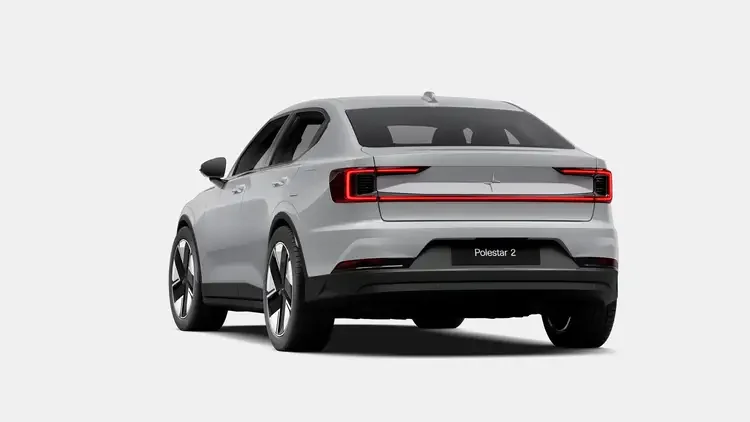
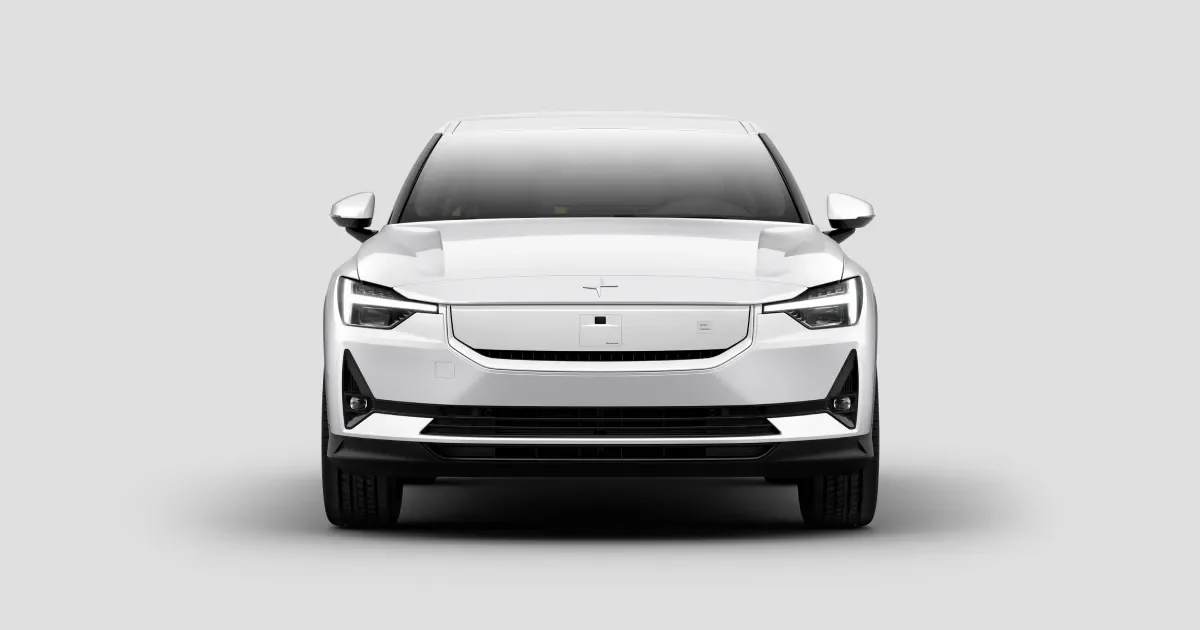
The Polestar 2 (2025) is a quick, quietly rebellious electric fastback for drivers who want premium character without Tesla’s showroom theatrics. It targets commuters and enthusiasts seeking confident performance, distinctive design, and useful hatchback flexibility in one package. Experts and owners praise its dual-motor AWD, precise handling, strong brakes, and Google-based controls, broadly supporting Polestar’s performance claims. The reality is less complete: its 205-kW DC charging and range are merely adequate, winter losses can be severe, and the firm ride, cramped rear seat, and occasional software glitches weaken everyday polish. At $64,800, it is compelling for style and driving enjoyment, but expensive beside longer-range rivals. Overall value depends on charging access, space needs, and how highly you prize engaging dynamics.
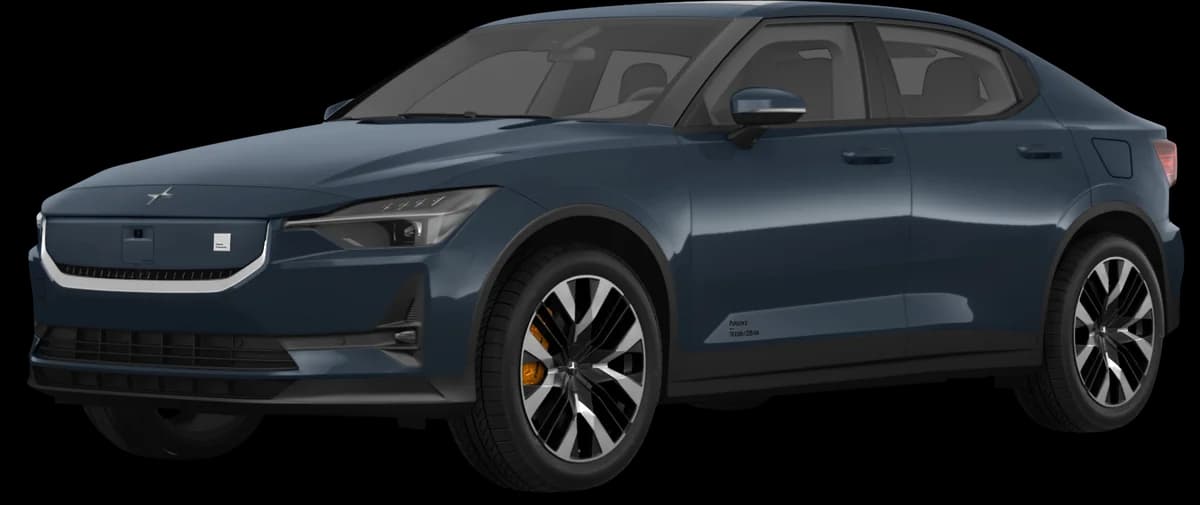
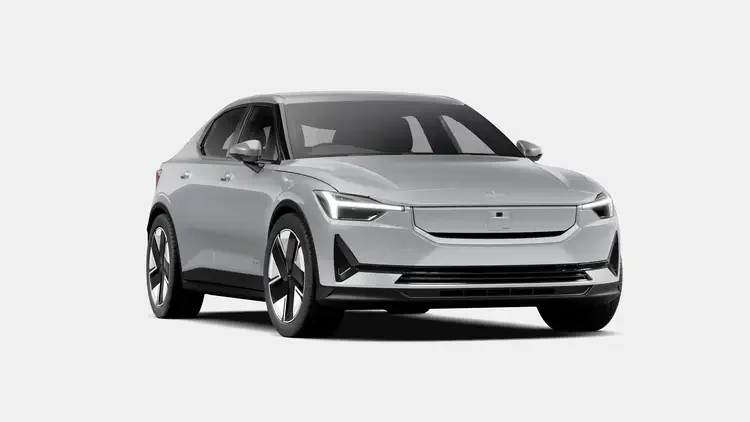
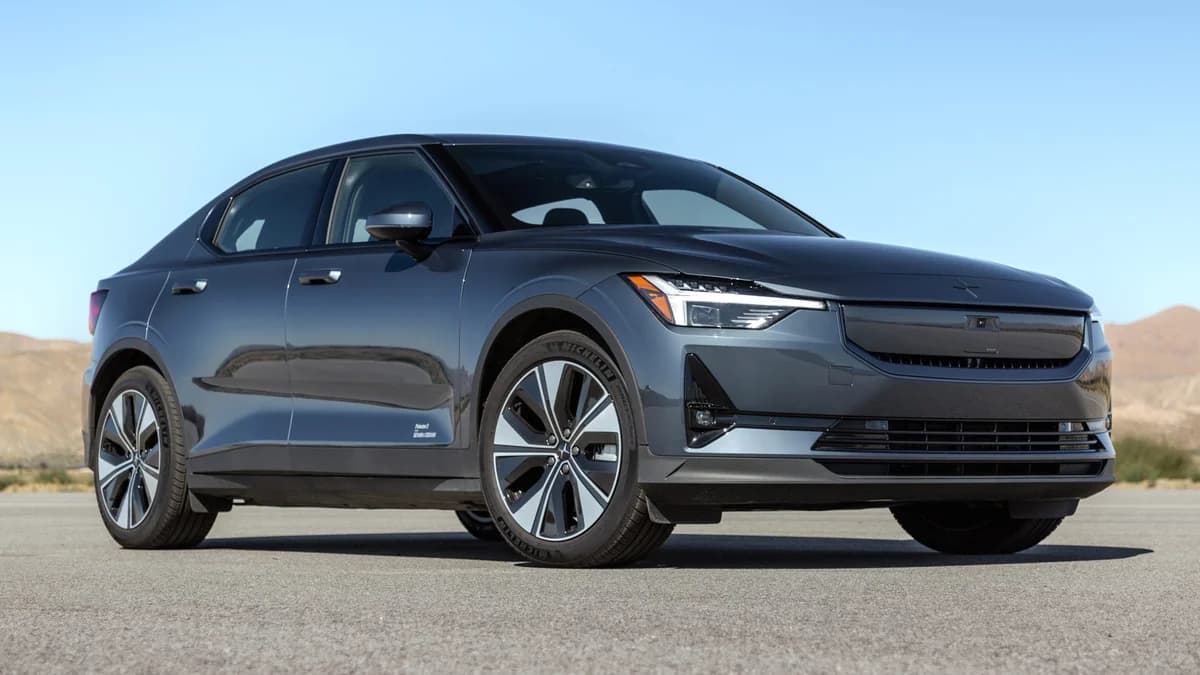
Find Yours
What is your primary intended use for an electric sedan or compact?
Answer to find your best matches.

The Field
Browse top contenders, or compare all options ranked by score and key attributes.
5 Options

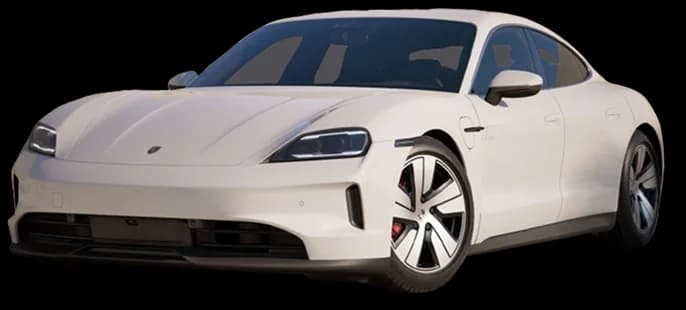


The Scoreboard
Does this improve your life? Considers, health, habits, and environmental impact.
Benefits
Supportive, heated front seats and a quiet cabin make longer drives noticeably more comfortable.
Instant power, strong brakes, and secure grip make merging and winding roads feel effortless.
The hatchback, frunk, and underfloor storage make everyday bags, groceries, and gear easier.
Google navigation and familiar physical controls reduce fiddling while driving around town.
Strong driver aids and predictable handling help everyday driving feel more settled and manageable.
Trade-Offs
On rough pavement, the stiff suspension sends bumps through the cabin, making longer rides uncomfortable.
Adults in back face limited legroom and a floor hump, making three-person trips uncomfortable.
Recurring touchscreen, camera, and navigation glitches interrupt simple tasks like parking or changing settings.
On longer or colder drives, reduced range means adding charging stops before reaching your destination.
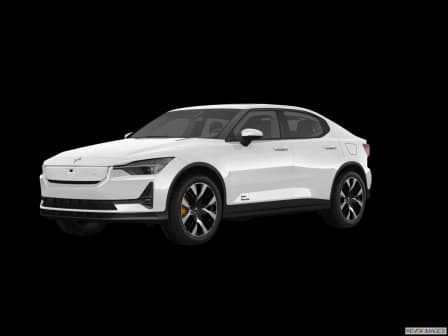
 Alternatives


Join the Circle
Where real meets deal
Know what's worth buying-and when.
Tips, special offers, and rewards for buying and sharing.

Publications
11 LEADING PUBLICATION REVIEWS

What Car? praises the Polestar 2 (2025) for its sleek Scandinavian design, long electric range, and premium, well-crafted interior that feels classier than the Tesla Model 3’s. The review highlights the Standard Range Single Motor as the best value, offering sufficient range and competitive acceleration. The Polestar 2’s infotainment system benefits from a recent hardware upgrade, and the optional Bowers & Wilkins sound system is noted as one of the best in its class. However, the car’s ride can be firm and noisy, especially with the Performance pack, and rear passenger space is cramped with a large central floor hump. While handling is tidy, it lacks the agility and efficiency of the Model 3, which remains a more practical all-rounder. The Polestar 2 also falls short on warranty length and reliability rankings. Overall, it appeals to buyers seeking distinctive style and comfort over outright sportiness or rear-seat spaciousness, making it a solid but somewhat niche alternative to mainstream electric sedans.
By Chris Haining
Billy Rehbock from MotorTrend highlights the 2025 Polestar 2 as a stylish and compelling electric fastback that stands out with its distinctive design and sustainable interior materials. Praising its improved range, quick acceleration, and poised handling—especially in the single-motor rear-wheel-drive variant—the review emphasizes the car’s strong real-world performance and thoughtful features like underfloor trunk storage and an intuitive Google-based infotainment system. However, the Polestar 2 is not without flaws: the ride quality can be jittery on rough roads, the cabin materials feel less luxurious compared to traditional premium EVs, and the dual-motor models suffer from reduced range and slower charging. The adaptive cruise control is generally smooth, but the Pilot Assist lane-keeping system can be overly intrusive. Overall, the Polestar 2 offers a fresh alternative to mainstream competitors like the Tesla Model 3 and BMW i4, appealing to buyers seeking a unique blend of design, sustainability, and driving engagement.
By Billy Rehbock
David Gluckman from Car and Driver highlights the 2025 Polestar 2 as a refined electric hatchback blending Scandinavian design with a performance-oriented powertrain. The model now comes exclusively with a 469-hp dual-motor all-wheel-drive setup and the Performance package, delivering quick acceleration and responsive handling. Its minimalist, eco-conscious interior features a Google-based infotainment system and premium materials like Scottish nappa leather. However, Gluckman points out that despite improvements in power and range, the Polestar 2 faces stiff competition from longer-range, faster, and more affordable EVs such as the Tesla Model 3 and BMW i4. The mandatory Performance package raises the base price significantly, and the firm suspension may not suit all drivers, especially in colder climates where winter tires add cost. While the car offers solid safety features and competitive warranty coverage, its middling EPA range and limited cargo space make it a more niche choice for enthusiasts rather than a broadly compelling electric sedan.
By David Gluckman
Matt Saunders and Mark Tisshaw from Autocar highlight the Polestar 2 (2025) as a compelling example of rapid evolution in electric vehicles, emphasizing its significant technical advancements and refined driving experience. They praise the 2026 updates, particularly the switch from front- to rear-wheel drive in single-motor models, which delivers notable gains in performance, efficiency, and handling balance. The Long Range Single Motor variant stands out as the best blend of range, ride quality, and driver engagement, outperforming key rivals in acceleration and real-world usability. While the cabin design is understated yet premium, with clever details and a responsive infotainment system, some criticisms include slightly firmer ride and increased cabin noise in the Performance Pack models, as well as limited rear headroom. Overall, the review conveys a measured but positive enthusiasm, recognizing the Polestar 2’s progress and positioning it as a versatile, well-rounded premium EV that appeals to buyers seeking a blend of style, practicality, and dynamic appeal.
By Matt Saunders & Mark Tisshaw
Chris Rosamond and John McIlroy from Auto Express highlight the Polestar 2 Long Range Single Motor as a compelling and refined electric sedan that stands as a genuine rival to Tesla and BMW executive models. Praised for its impressive real-world range of around 290-300 miles, smooth driving experience, and thoughtful tech features like the ability to disable creep mode, the Polestar 2 offers a relaxing yet engaging ride. The review emphasizes its premium build quality and efficient battery performance, making it well-suited for long journeys without range anxiety. However, the reviewers note some practical drawbacks, such as limited rear-seat space due to the large underfloor battery and occasional software glitches affecting the touchscreen and navigation. While the interior is comfortable and refined, some materials feel less appealing, and the absence of a rear wiper is a curious omission. Overall, the Polestar 2 impresses as a mature, well-rounded EV with a few minor quirks that don’t significantly detract from its appeal.
By Chris Rosamond and John McIlroy
Alex Misoyannis from Drive highlights the 2025 Polestar 2 Long Range Single Motor as a refined and confident electric sedan that has improved notably with extended range, quicker charging, and enhanced performance. The review conveys a measured enthusiasm, praising its strong roadholding, comfortable front seats, and comprehensive safety features, including a five-star ANCAP rating. However, the tone remains balanced, pointing out significant drawbacks such as a snug interior with limited rear-seat space and storage, a somewhat outdated infotainment system lacking wireless Apple CarPlay, and a high price that escalates quickly with option packs. While the Polestar 2 offers a compelling driving experience and competitive efficiency, it struggles to match rivals like the Tesla Model 3 in value and tech sophistication. Overall, the review suggests the Polestar 2 is worth considering for buyers prioritizing driving dynamics and safety but cautions that more spacious, better-equipped alternatives exist at similar or lower prices.
By Alex Misoyannis
Mario Christou from Carwow highlights the Polestar 2 (2025) as a stylish and well-engineered electric sedan that blends sleek Swedish design with solid Chinese manufacturing. The 2023 update notably improved its battery efficiency and driving dynamics by switching the single-motor model to rear-wheel drive, delivering an engaging and agile driving experience, especially in the dual-motor Performance variant. While the Polestar 2 offers competitive real-world range and fast charging capabilities, it falls short in cabin spaciousness and ride comfort compared to rivals like the Tesla Model 3 and Volkswagen ID.7. The interior impresses with quality materials and a user-friendly Google-based infotainment system, though some plastics feel cheap and the cabin is somewhat narrow. Practicality is decent but limited by tight rear seats and a smaller boot, partially offset by a useful front storage compartment. Overall, the Polestar 2 stands out as a sporty, premium EV with strong driving appeal, making it a compelling choice for those prioritizing style and performance over maximum interior space or ride softness.
By Mario Christou
Max Davies from CarExpert highlights the 2025 Polestar 2 as a refined, well-built electric sedan that offers a comfortable, minimalist Scandinavian interior and confident driving dynamics. Praising its quiet cabin, solid ride quality, and efficient rear-wheel-drive powertrain, Davies notes the car’s simplicity and environmentally conscious materials as standout features. However, he tempers enthusiasm with practical concerns: the Polestar 2 remains pricier than key rivals like the Tesla Model 3 and BYD Seal, limiting its appeal in Australia’s competitive EV market. The reliance on a screen-heavy interface and lack of wireless Apple CarPlay may challenge some buyers, especially those less tech-savvy. Interior space, particularly rear legroom, is compromised by the platform’s design roots. While the Polestar 2 is a compelling niche choice with strong safety credentials and a satisfying driving experience, Davies suggests it is unlikely to dethrone more established competitors soon, remaining a distinctive but somewhat exclusive option for discerning buyers.
By Max Davies
Top Gear praises the Polestar 2 (2025) as one of the most complete electric cars available, combining Swedish design sensibility with solid build quality and practical performance. The review highlights the car’s handsome styling, impressive real-world range improvements, and a well-finished, understated interior that avoids gimmicks. Polestar’s focus on integrity and seamless ownership experience sets it apart from competitors like the Tesla Model 3, especially with its competitive pricing and superior range. While the ride is noted as slightly firm and the driving position less natural, these are minor drawbacks in an otherwise confident package. The inclusion of features like Apple CarPlay and the availability of multiple powertrain options add to its appeal. Overall, Top Gear finds the Polestar 2 to be a refreshing, credible contender in the electric sedan market, signaling Polestar’s growing potential and making it a compelling choice for those seeking a stylish, practical EV with a strong identity.
Allison Bell from U.S. News & World Report highlights the 2025 Polestar 2 as a compelling luxury electric vehicle that excels in driving dynamics, interior quality, and sustainability. Praising its sharp handling, powerful dual-motor setup, and comfortable ride, Bell emphasizes the car’s Scandinavian minimalist design and eco-friendly materials, which create a refined yet functional cabin. However, she notes the significant price increase to $64,800 for the sole Performance Pack trim, which may deter budget-conscious buyers. Range is another drawback, with an EPA-estimated 254 miles falling short of competitors like the Tesla Model 3 and BMW i4. While the Polestar 2 offers a rich feature set and strong safety ratings, some tech quirks—such as the lack of wireless Apple CarPlay and no sunroof shade—detract slightly from the experience. Overall, Bell regards the Polestar 2 as a stylish, well-built EV with spirited performance, though its premium price and limited range temper enthusiasm for some shoppers.
By Allison Bell
Murray Scullion and Curtis Moldrich from CAR Magazine highlight the Polestar 2 (2025) as a stylish and sophisticated electric sedan that excels in Scandinavian design and build quality, with a minimalist interior and impressive range improvements. They praise the switch to rear-wheel drive in single-motor variants for enhanced driving dynamics and commend the Google-based infotainment system for its ease of use and smart features like Range Assistant. However, the review strikes a measured tone, noting that while the Polestar 2 offers a unique aura and solid practicality, it falls short of rivals like the BMW i4 in driving engagement and ride comfort. The chassis and suspension feel overly stiff, resulting in a jittery ride on uneven roads, and rear passenger space is cramped. Despite these drawbacks, the Polestar 2 remains a compelling choice for buyers prioritizing style, build quality, and eco-conscious values, though it may need further refinement to become a true class leader.
By Murray Scullion and Curtis Moldrich

YouTube
14 LEADING EXPERT & INFLUENCER REVIEWS
 ShortCircuit
Alex is impressed by the Polestar 2’s thrilling performance and exceptional cornering confidence, but ultimately wouldn’t buy one. The Performance Pack delivers violent throttle response, strong brakes, adjustable Öhlins dampers, and surprisingly comfortable everyday handling when softened. The hatchback practicality, kick sensor, Google-based infotainment, materials, and quiet cabin also earn praise. However, poor driver ergonomics—especially the painful, badly positioned armrests—overshadow the experience, while storage, rear space, dated software, charging speed, and driver assistance trail rivals. At roughly C$77,000, it feels tantalizingly close to greatness but undermined by surprisingly fixable flaws.
ReDrivenReDriven is cautiously positive about the 2025 Polestar 2, especially as a used EV. They admire its understated design, excellent build quality, beautiful cabin, intuitive Google infotainment when stable, hatchback practicality, and secure, effortless driving character. However, the praise is tempered by premature tire wear, awkward cupholders, cramped rear space, noisy climate control, unreliable software and cameras, limited charging and service support, steep depreciation, insurance costs, and potentially enormous battery-replacement bills. Their central advice is clear: buy used rather than new, and only if home or workplace charging suits your lifestyle.
MotorWeekMotorWeek is strongly positive about the Polestar 2, especially its newfound range, sharper rear-drive character, and excellent performance-pack handling. The dual-motor model’s 455 horsepower, Öhlins dampers, forged wheels, and Brembo brakes produced a composed, communicative drive, a 4.5-second 0–60 run, and a 13.4-second quarter-mile. Google infotainment, hatchback practicality, and cabin refinement add everyday appeal. However, cold weather reduced observed range to roughly 194 miles, and the performance version manages only 247 miles officially. Overall, MotorWeek considers the 2024 update a substantial transformation and a compelling alternative to the Tesla Model 3.
High Peak AutosHigh Peak Autos is cautiously positive about the Polestar 2 as a used EV. After driving one for several days, he appreciated its Volvo-like familiarity, easy controls, quiet cabin, practicality, strong safety credentials, and reasonable charging and real-world range. The single-motor version felt sufficiently quick, though the dual-motor model is genuinely fast. Criticisms include a firm, bouncy ride, cramped rear seating, an underwhelming reversing camera, wired CarPlay, limited standard equipment, and styling that feels anonymous. He considers it a good option, but would personally spend slightly more on a Jaguar I-Pace or Kia EV6.
Aging WheelsAging Wheels remains genuinely enthusiastic about his Polestar 2 despite its financial and practical frustrations. After 77,000 miles, he praises its speed, comfort, handling, enjoyable back-road character, low maintenance, and solid 91.5% battery health. However, poor efficiency, limited real-world range, slow charging, depreciation, expensive wheel and suspension repairs, distant service centers, and mediocre Pilot Assist temper the experience. He considers newer Polestar 2s substantially better, while Tesla offers superior software and efficiency. Still, the Polestar’s nicer cabin and sharper driving manners win him over: he would buy it again and has no plans to sell.
Kris RifaKris Rifa remains highly enthusiastic about the Polestar 2, calling it an “awesome” EV and still one of the best choices at its price. He praises its handsome, enduring design, excellent seats, cohesive controls, Google-based infotainment, superb Bowers & Wilkins audio, and especially its light, precise, eager handling and smooth one-pedal driving. The compromises are clear: cramped rear accommodations, awkward storage, road and suspension noise, merely adequate practicality, and charging that no longer leads. Still, after a week with it, he considers the non-Performance version the sweet spot and enthusiastically recommends it, while urging Polestar to refresh the aging model.
Steve JulienSteve Julien is strongly positive about the Polestar 2 despite framing this video around its “worst” features. After a month, he preferred driving it to his Tesla Model Y Performance, praising its fun handling, surprisingly acceptable ride, SUV-like driving position, excellent parking camera, and Google-based touchscreen. His criticisms are mostly design annoyances: awkward cupholders, a dirty boot button, limited rear space from its ICE-derived chassis, thick screen bezels, poor rear visibility, hidden control stalks, confusing blanked-out adaptive-cruise buttons, an unimpressive key, and awkward center storage. Overall, he finds the flaws minor and enthusiastically recommends watching his companion video.
Auto Social UKTish remains highly enthusiastic about the 2025 Polestar 2, calling it a favorite and praising its sleek design, premium Volvo-like build quality, engaging handling, strong performance, and efficient updated powertrain. The dual-motor Performance Pack car feels especially rewarding for keen drivers, while practical hatchback and frunk storage add everyday appeal. Still, the firm ride, cramped rear middle seat, bulky center console, poor cabin storage, and absent rear wiper limit its family-car credentials. Overall, Tish considers it an excellent commuter or company car and a compelling, distinctive alternative to a Tesla, despite charging-network and practicality compromises.
EverAndrew Lamrech is clearly positive about the Polestar 2, calling it a solid, enjoyable, and distinctive used EV. He praises its 421-hp all-wheel-drive performance, strong traction, well-calibrated one-pedal driving, comfortable ride, quiet cabin, crossover-like ground clearance, and standard Pilot Pack on 2024 dual-motor models. The Scandinavian design and practical hatchback storage also appeal to him. Still, he considers it less engaging than the BMW i4, criticizes its scratchy interior plastics and merely adequate infotainment, and points out its slower charging and less aerodynamic shape. Overall, it is a compelling enthusiast-friendly alternative, though Tesla wins for ease of ownership and technology.
Cars Uncovered Howard Ritchie is enthusiastically won over by the 2025 Polestar 2. He praises its striking design, “alive” adaptive headlights, Google-based interface, reassuring range accuracy, and exceptionally capable Pilot Assist. More importantly, the dual-motor EV rekindles his enthusiasm for driving, with responsive handling, playful rear-end potential, strong value, and a refined, accomplished feel. The compromises are real: a firm ride, hard door materials, limited cupholders, an unimpressive standard audio system, and some awkward details. Still, its character, usability, and affordability make it one of his most compelling electric-car recommendations.
Car GeordieCar Geordie is highly enthusiastic about the Polestar 2, despite calling it glitchy and overly firm. He loves its effortless driving position, light but communicative steering, responsive pedals, predictable grip, and startling performance, describing it as a genuinely fun, planted car he would own—indeed, he does. The hatchback practicality and newer rear-wheel-drive versions add appeal. However, the cabin feels recycled from Volvo, the easily marked dashboard and awkward cup holders frustrate, infotainment is unintuitive and unreliable, wired Apple CarPlay is disappointing, and the Performance Pack’s suspension is punishing. Overall, it is flawed but deeply lovable and more characterful than its parts suggest.
4Rad Review4Rad Review remains fond of the Polestar 2, but warns buyers to proceed carefully with used examples. After more than 44,000 km, the reviewer praises its superior hatchback practicality, excellent foot sensor, towing ability, distinctive design, and strong German-autobahn Pilot Assist. However, recurring irritations include steering-wheel and wiper-linkage noises, inconsistent charging-current adjustment, overly cautious adaptive cruise braking, and merely average Pixel LED headlights. Real-world consumption was 25.8 kWh/100 km, rising to 40–42 kWh/100 km while towing a 1.5-ton boat. The caution mainly reflects Starcar’s insolvency and a likely flood of ex-fleet cars, not outright dissatisfaction.
VanSucksVanSucks is thoroughly pleased with his used Polestar 2, calling it quiet, fast, attractive, and genuinely fun to drive. After six months and a 2,800-mile road trip, he praises its low running costs, hatchback practicality, Google Built-In navigation, physical controls, strong brakes, and useful front camera. Still, the 2021 car’s real-world 180–220-mile range, mediocre efficiency, weak wireless charging, cramped rear seat, poor storage, rattles, and glitchy infotainment frustrate him. Pilot Assist is particularly unreliable. His verdict is enthusiastic but conditional: buy one used at a substantial discount, especially with home charging; otherwise consider a newer, longer-range Polestar 2 or another EV.
EV AWESOME!Ted Hebert is enthusiastically sold on the Polestar 2, calling it a 10/10 driver's car. His firsthand ownership—two years without squeaks, rattles, or routine service—supports his praise for its solid build, sharp handling, instant acceleration, understated Scandinavian design, and excellent Google-based infotainment. He appreciates the practical hatchback cargo area, usable frunk, and flexible charging controls, while acknowledging limited interior storage, a heat-prone wireless charger, cramped rear seating for taller passengers, small sun visors, limited service locations, and real-world range below EPA estimates. Overall, he strongly recommends it for couples and driving enthusiasts, not large families or maximum-range travelers.

Social
7 INFLUENCER REVIEWS
 Man of Many
Man of Many highlights the 2026 Polestar 2 as a smart, confidence-inspiring update that focuses on meaningful improvements rather than flashy redesigns. They praise the faster Snapdragon processor, enhanced 70kWh battery range, premium Bowers & Wilkins audio, and subtle comfort upgrades like quilted leather seats, emphasizing practical value over gimmicks. Overall, Man of Many views the Polestar 2 as a refined, well-rounded electric sedan that builds on its strong foundation without unnecessary changes. The review conveys measured enthusiasm, recommending it especially for buyers seeking reliability, quality tech, and solid range in a competitive EV market.
 Avery Aloysius
Avery Aloysius highlights the Polestar 2’s impressive performance, praising its 400-horsepower dual motor and rapid 0-100 km/h acceleration under 4 seconds. They appreciate the spacious storage enabled by the electric design and the sustainable recycled materials inside. Avery also notes the adaptable one-pedal drive feature, enhancing the driving experience. Overall, Avery’s sentiment is highly enthusiastic, expressing genuine love for the car and a strong desire to own it. Despite minor unspoken limitations, the review conveys a clear recommendation for those interested in a fast, spacious, and eco-friendly electric sedan.
ELECTRIFY THISelectrify_this highlights a strong enthusiasm for the Polestar 2 (2025), praising its innovative features like Google Maps integration in the instrument cluster, one-pedal driving, spacious hatch-style boot, and luxurious ride quality despite its large 22-inch wheels. They appreciate thoughtful details such as the leg support, subtle indicator sounds, and practical storage solutions, while candidly noting drawbacks like compromised front cabin space due to the bulky center console and poor rear visibility. Overall, electrify_this delivers a warmly positive and nuanced recommendation, emphasizing the car’s blend of performance, comfort, and clever design touches. While acknowledging some compromises—especially for those used to flat-floor EV interiors—their tone conveys genuine delight, making the Polestar 2 a compelling choice for drivers seeking a stylish, well-rounded electric sedan.
Motormania_frMotormania_fr highlights the Polestar 2 (2025) as one of the worst cars to buy this year, citing a very low Consumer Reports score of 38/100 and particularly poor reliability rated just 5/100. The reviewer points out confusing controls and an overly stiff suspension as key drawbacks, reflecting owner dissatisfaction. Overall, Motormania_fr’s consensus is strongly negative, warning potential buyers about frequent issues and discomfort. While acknowledging Polestar 2’s electric pedigree and Volvo lineage, the review advises caution, implying it’s unsuitable as a primary vehicle due to reliability and usability concerns.
Elise WilsonElise Wilson highlights the Polestar 2 (2025) as a transformative electric sedan, praising its tech-forward features like vented seats, vibrant yellow seatbelts, immersive surround sound, and an iPad-controlled interface with Google Home integration. She’s impressed by the rapid 28-minute full charge delivering 655 km of range, making it feel like a “four-wheeled upgrade” to daily life. While the review is overwhelmingly enthusiastic, the tone remains playful and personal, emphasizing how the car enhances her driving experience without dwelling on drawbacks. Overall, Elise’s consensus is highly positive and strongly recommends the Polestar 2 for those seeking cutting-edge electric performance combined with stylish, user-friendly technology. Her excitement and unique insights suggest it’s a standout choice for tech-savvy drivers, though her lighthearted approach leaves room for individual preferences.
polestartokpolestartok highlights the Polestar 2 (2025) as the top choice among three reviewers comparing it to the Tesla Model 3 and BMW i4. They praise its balanced, chic design, comfortable yet supportive seats, and strong performance, emphasizing it as the best electric compact sports saloon for everyday use rather than weekend thrills. Overall, polestartok conveys a clear preference for the Polestar 2 as the most practical and stylish daily driver, recommending it over its competitors for those seeking a well-rounded electric sedan. The consensus is enthusiastic yet measured, valuing livability and design over pure sportiness.
carsofglasgowcarsofglasgow highlights the 2025 Polestar 2 in the striking new Storm color, praising its modern, eye-catching Scandinavian design and premium touches like Brembo brakes and gold cabin accents. While the reviewer focuses mainly on aesthetics and features, they provide clear pricing context around £61,000. Overall, carsofglasgow presents the Polestar 2 as a stylish, well-equipped electric sedan with a distinctive look, suggesting it’s a compelling choice for buyers seeking a modern EV with performance upgrades.

Forum Reviews
CUSTOMER REVIEWS FROM 1 FORUM
Reddit users generally view the Polestar 2 (2025) positively, highlighting improvements in performance, especially with the updated rear-wheel-drive single motor and enhanced infotainment system. Many appreciate the Scandinavian design, safety features, and driving experience, noting it as a refined alternative to other EVs. However, critiques focus on software glitches, particularly with infotainment responsiveness and camera quality, as well as some design compromises like cupholder placement and the lack of a spare tire. New shoppers tend to value the car’s balance of style and function, while those upgrading express mixed feelings about incremental changes and question the value of certain performance packages. Overall, the sentiment is cautiously optimistic with recognition of both strengths and areas needing improvement.
Many comments

In-Depth Review

Highlights
- •Quick AWD PerformanceUp to 476 horsepower, 4.0-second acceleration.
- •Confident CorneringResponsive steering and planted grip.
- •Google-Based ControlsIntuitive navigation and familiar physical controls.
- •Scandinavian CabinMarketed as sustainable, minimalist premium design.

Considerations
- •Range Varies In PracticeCold weather can reduce range sharply.
- •Firm Ride QualityBroken roads expose suspension stiffness.
- •Cramped Rear SeatingLimited legroom and a floor hump.
- •Software Reliability IssuesTouchscreen, cameras, and navigation may glitch.
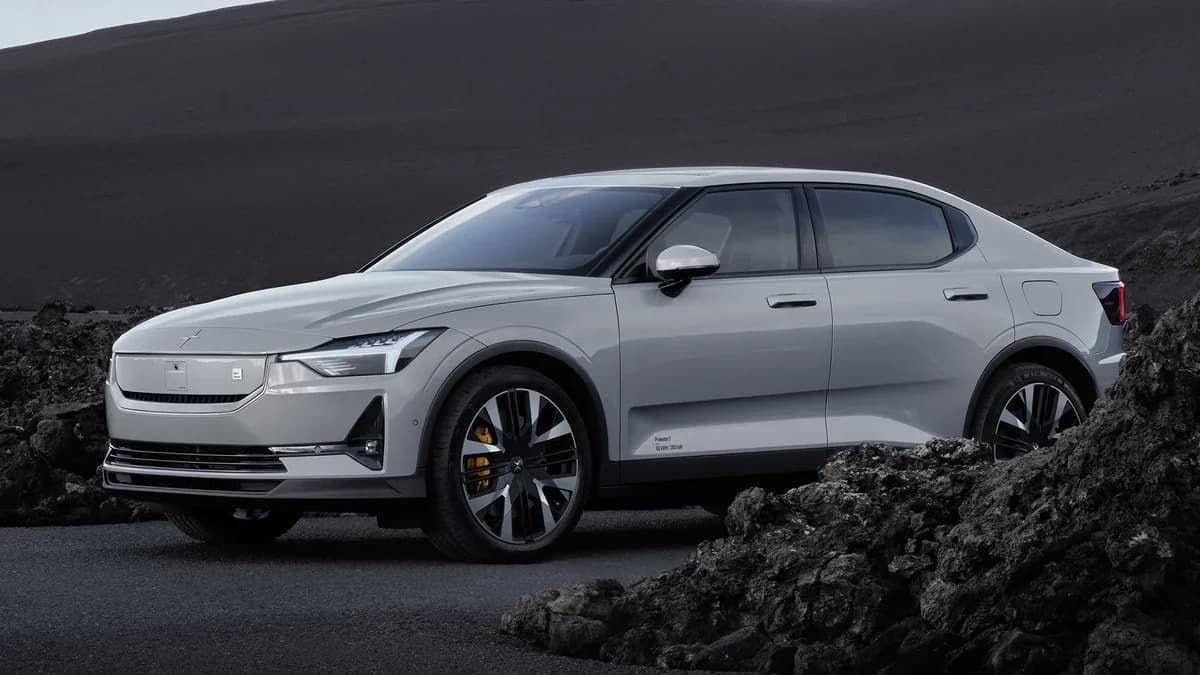
Polestar has built a reputation for understated Scandinavian design, and the 2025 Polestar 2 positions that character as a performance-focused luxury EV. It is aimed at urban professionals and driving enthusiasts who want a distinctive daily hatchback rather than maximum range or rear-seat space, with dual-motor AWD delivering up to 476 horsepower. The sections ahead examine how that speed balances against real-world range and 205-kW DC charging, plus the firm, confidence-inspiring suspension and powerful Brembo-equipped braking system. We’ll also look at its carefully assembled, sustainability-minded cabin, Google-based controls, and useful hatchback cargo area—while keeping competitors such as the Tesla Model 3 and BMW i4 in view. Pay closest attention to the trade-offs that fit your routine, because this Polestar’s appeal is less about doing everything and more about doing the fun bits exceptionally well.
Interior Build Quality
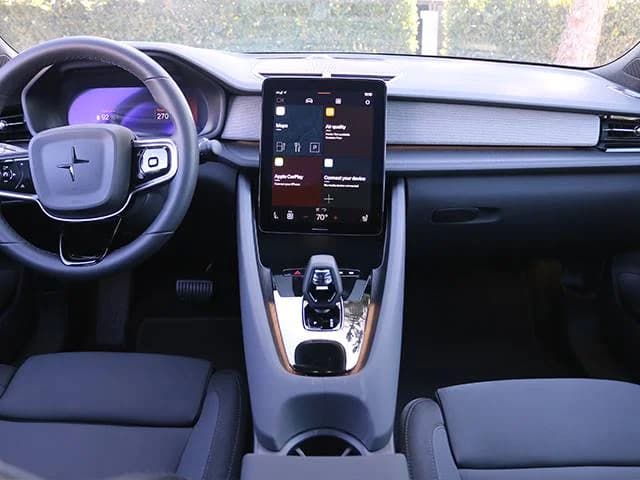
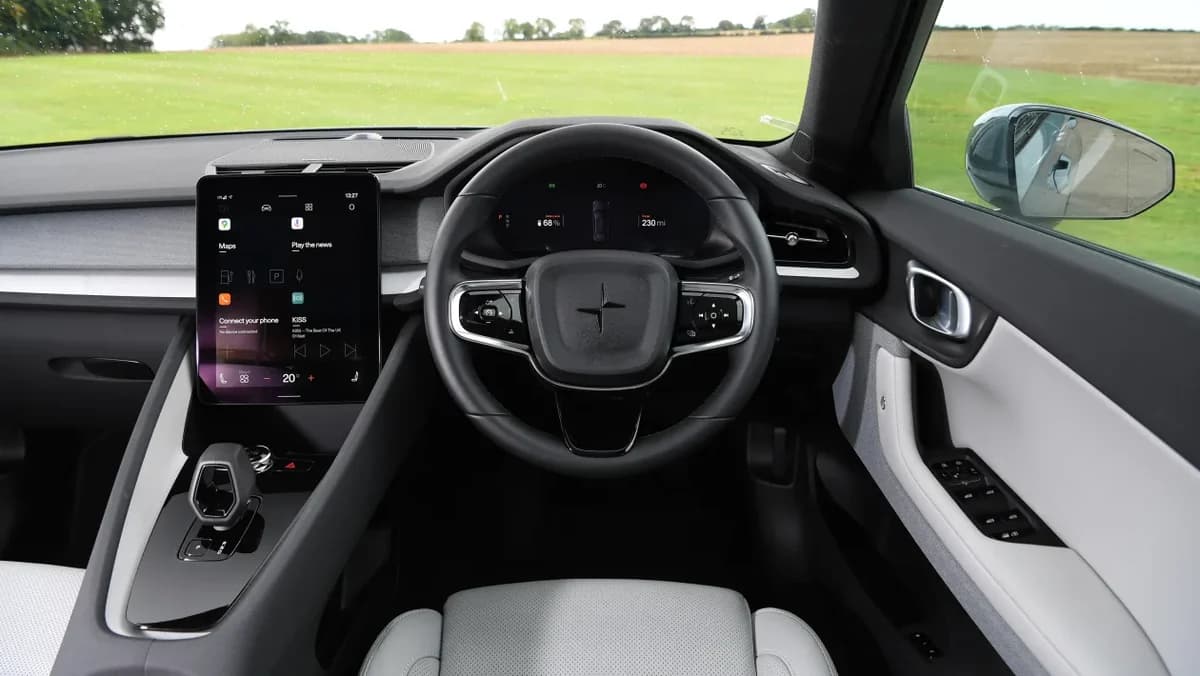
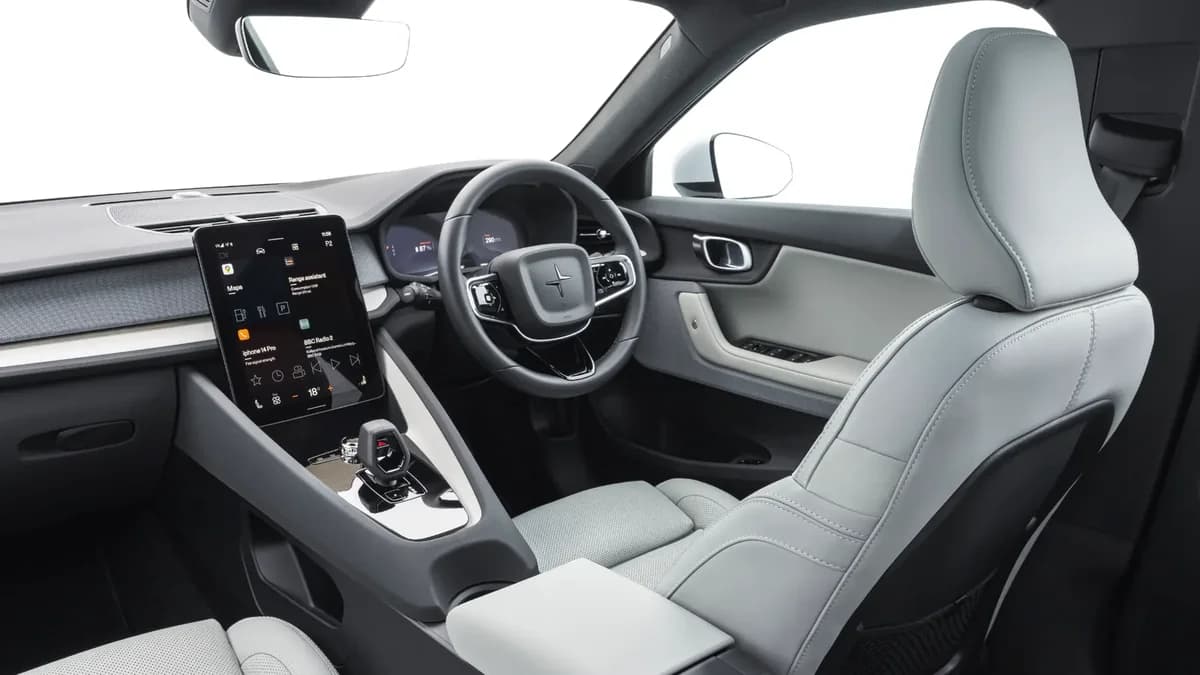
The cabin feels distinctive and carefully assembled, even if it is not uniformly luxurious. Scandinavian minimalist design combines supportive heated seats, sustainable WeaveTech upholstery, physical controls, and a Google Built-In interface that experts often find intuitive. Build quality generally feels solid and the cabin stays quiet, but reviewers also note hard plastics, limited storage, awkward cupholders, and occasional touchscreen or camera glitches. The available Bowers & Wilkins audio system is a standout upgrade, while rear-seat space remains notably tight.
Braking Performance
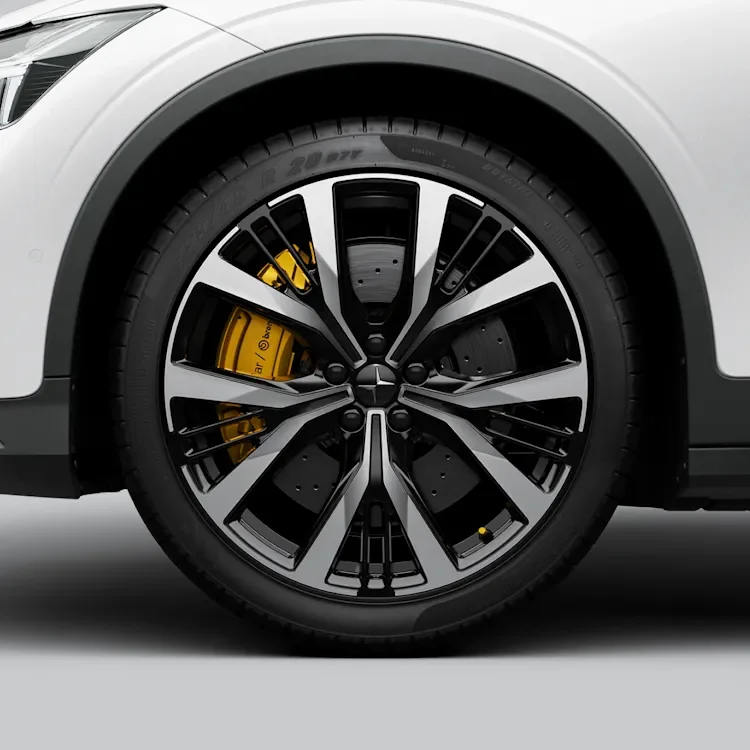
The Polestar 2 stops with the confidence expected from a performance EV. The Performance Pack’s Brembo four-piston front calipers clamp large 375-by-35-millimeter discs, supported by drilled rear ventilated rotors and strong regenerative braking. Independent testing recorded a 166-foot stop from 70 mph, while owners praise the brakes during spirited driving. The hardware is a genuine strength, though aggressive tires can wear quickly and replacement costs may be higher than on less performance-oriented versions.
Range and Charging
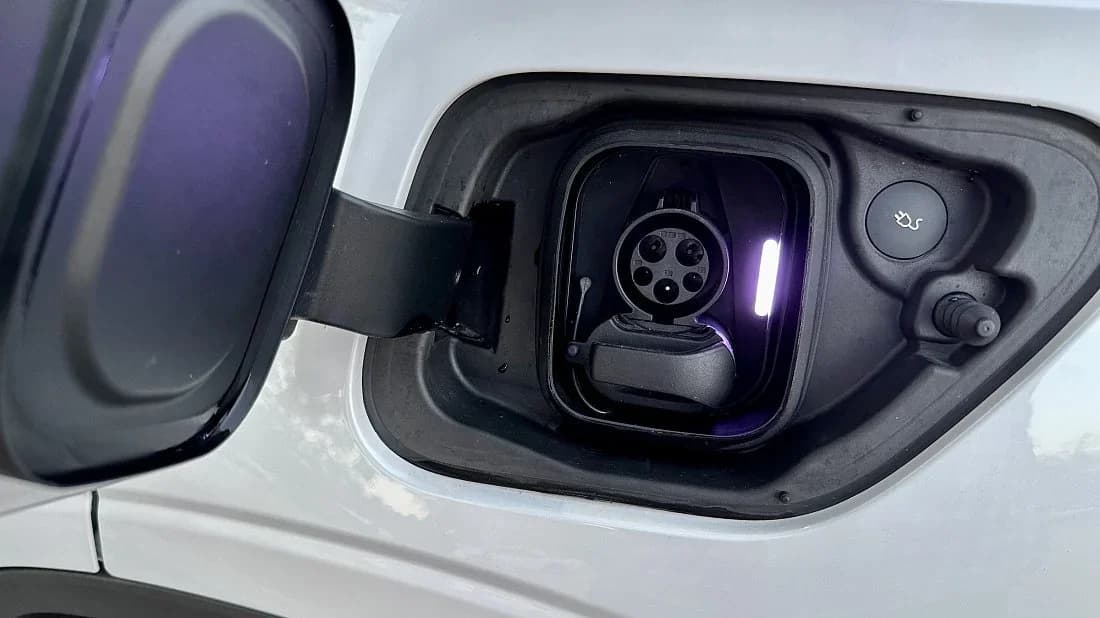
Range is usable, but it is not the Polestar 2’s strongest advantage. The 82-kWh usable battery supports an EPA estimate of roughly 254–276 miles in dual-motor form, while other configurations and test cycles can reach about 320 miles. Its 205-kW DC fast charging can take the pack from 10% to 80% in roughly 28–34 minutes under favorable conditions. Real-world reports are less generous, with about 194–250 highway miles and sharper winter losses, so home charging makes ownership substantially easier.
Powertrain and Acceleration
The Polestar 2 feels exceptionally quick and confident in everyday driving. Its standard dual-motor all-wheel drive produces roughly 469–476 horsepower and 546 lb-ft of torque, with tested 0–60 mph times around 4.0–4.5 seconds. The Performance Pack adds software tuning and sharper hardware, but the regular setup is already more than sufficient for merging and highway passing. Expert and owner feedback supports the strong acceleration, though the expensive performance-focused lineup makes it less compelling for buyers prioritizing efficiency or value.
Dimensions and Cargo Space
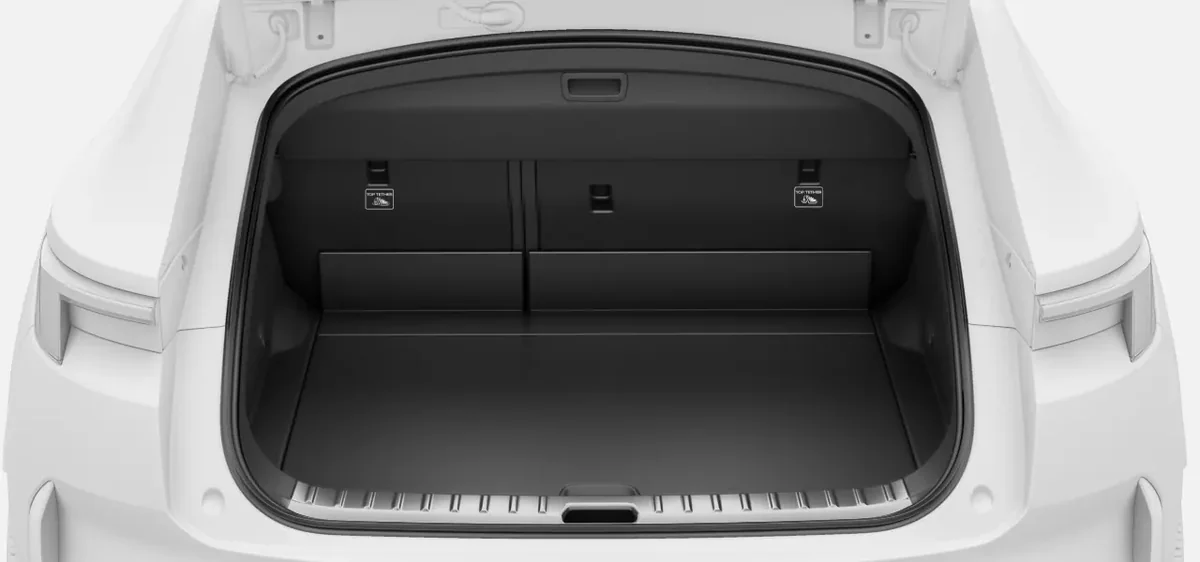
The fastback shape gives the Polestar 2 more everyday flexibility than its sedan-like profile suggests. Its 14-cubic-foot rear cargo area expands to about 39 cubic feet with the seats folded, complemented by a useful frunk and underfloor storage. That makes groceries, luggage, and hobby gear easier to manage than in a conventional sedan. However, the 181.3-inch body sits on a relatively tight platform, leaving cramped rear legroom, a floor hump, limited cabin storage, and no rear wiper as practical shortcomings.
Handling and Suspension
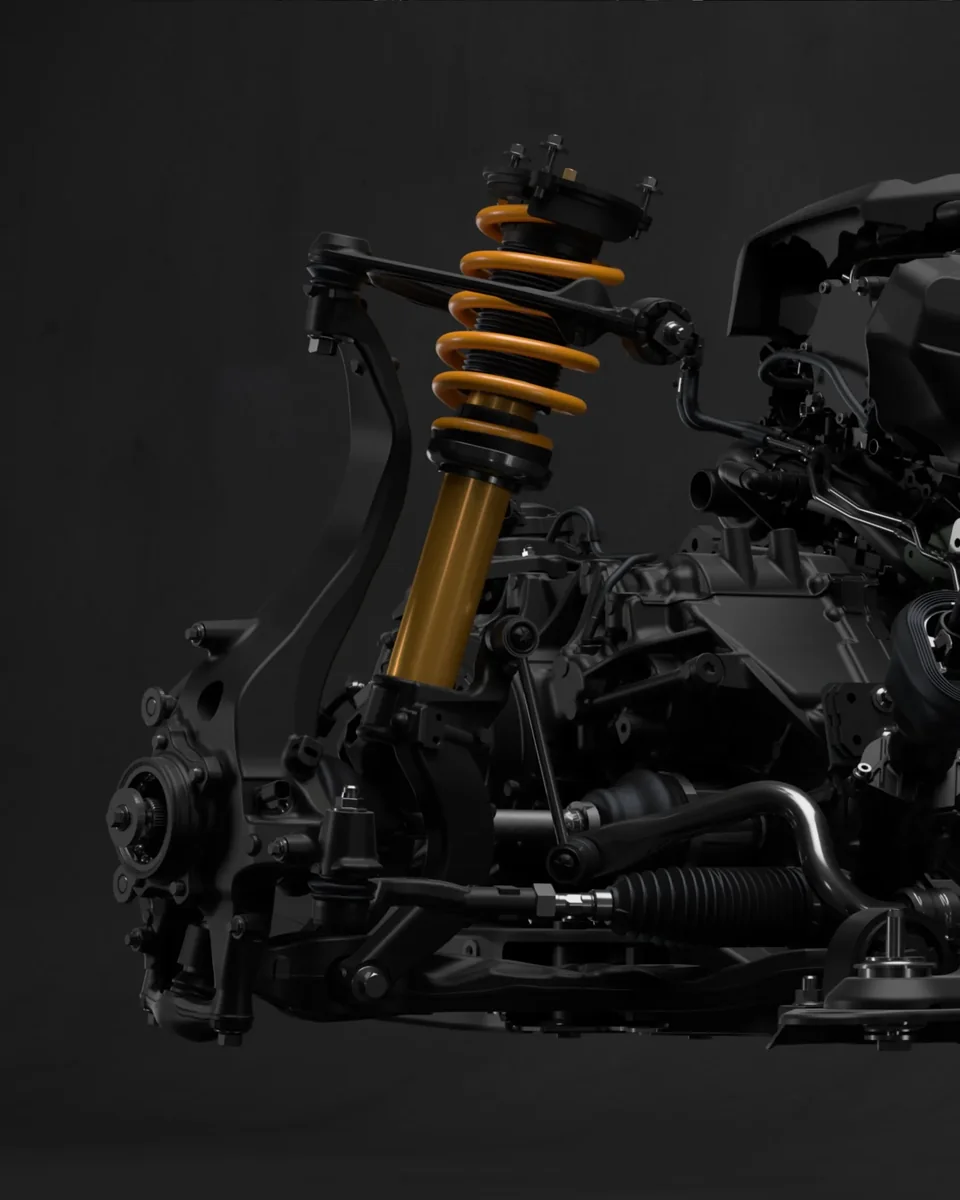
The Polestar 2 prioritizes control and driver involvement over softness. Its Öhlins Dual Flow Valve dampers offer 22-way adjustment with the Performance Pack, working alongside forged 20-inch wheels and performance tires to deliver excellent cornering confidence. Reviewers have recorded about 0.88g on a skidpad, and owners consistently praise the precise steering and planted grip. The trade-off is a firm, sometimes bouncy ride, especially on broken pavement, although softening the dampers improves daily comfort.
Conclusion
The Polestar 2 makes its case with dual-motor AWD acceleration, sharp handling, and Brembo-backed stopping power that owners and experts find genuinely engaging. Its firm suspension rewards smooth roads and enthusiastic drivers, but can feel busy on rough pavement. The Scandinavian cabin is solid, comfortable up front, and thoughtfully equipped, while the hatchback, frunk, and underfloor storage add useful flexibility; cramped rear seating and awkward storage limit family practicality. Range and 205-kW DC charging are serviceable rather than class-leading, with winter conditions exposing the need for planning. Google-based controls are a highlight when stable, though software and camera glitches remain a recurring frustration. This is a strong fit for couples, commuters, and EV enthusiasts who value character over maximum efficiency or space—not for large families or frequent long-distance travelers. Its blend of performance, quality, and compromises makes the Polestar 2 a compelling niche choice at a price that demands careful comparison.

Feature Scores
This reflects reviews and ratings from established critics, journalists, and users who have evaluated the item. Their opinions provide a comprehensive assessment.
Performance
Driving Range
3/5
Charging Speed Capability
4/5
Energy Efficiency
3/5
Acceleration Performance
5/5
Handling and Ride Quality
4/5
Reliability and Durability
3/5
Battery Longevity
4/5
Value
Purchase Price Competitiveness
2/5
Total Cost of Ownership
3/5
Resale Value
2/5
Design
Exterior Design Appeal
4/5
Interior Materials Quality
4/5
Seating Comfort and Ergonomics
3/5
Cargo and Cabin Practicality
3/5
Health
Cabin Air Quality
TBD
Interior Material Safety
TBD
Safety
Crashworthiness
4/5
Advanced Driver Assistance Systems
4/5
Battery Safety and Thermal Management
TBD
Sustainability
Battery End-of-Life Management
TBD
Use of Recycled Materials
4/5
Operational Emissions (Well-to-Wheel)
4/5
Experience Style
Infotainment and Connectivity
4/5
Over-the-Air Software Support
4/5
Charging Ecosystem Convenience
3/5

Specifications
This section outlines the product's key facts, covering essential features, details, dimensions, materials, and any unique characteristics that define its functionality and usability.
Performance
Value
Design
Safety
Sustainability
Experience Style

Frequently Asked Questions
10 Questions


Find Yours
What is your primary intended use for an electric sedan or compact?
Answer to find your best matches.