

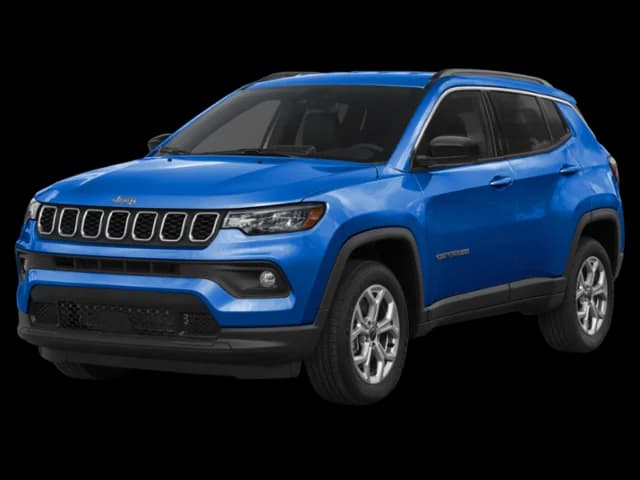
Jeep Compass (2026)
Peppy, trail-ready, and practical, but noisy, dated, and best for Jeep loyalists.
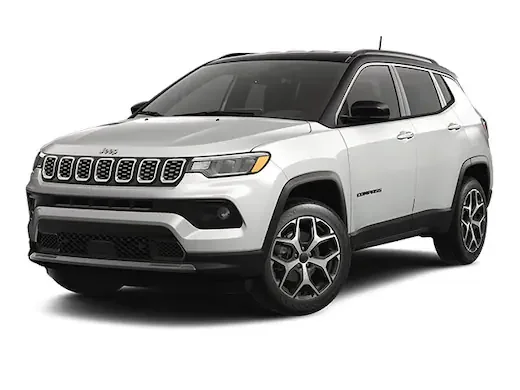
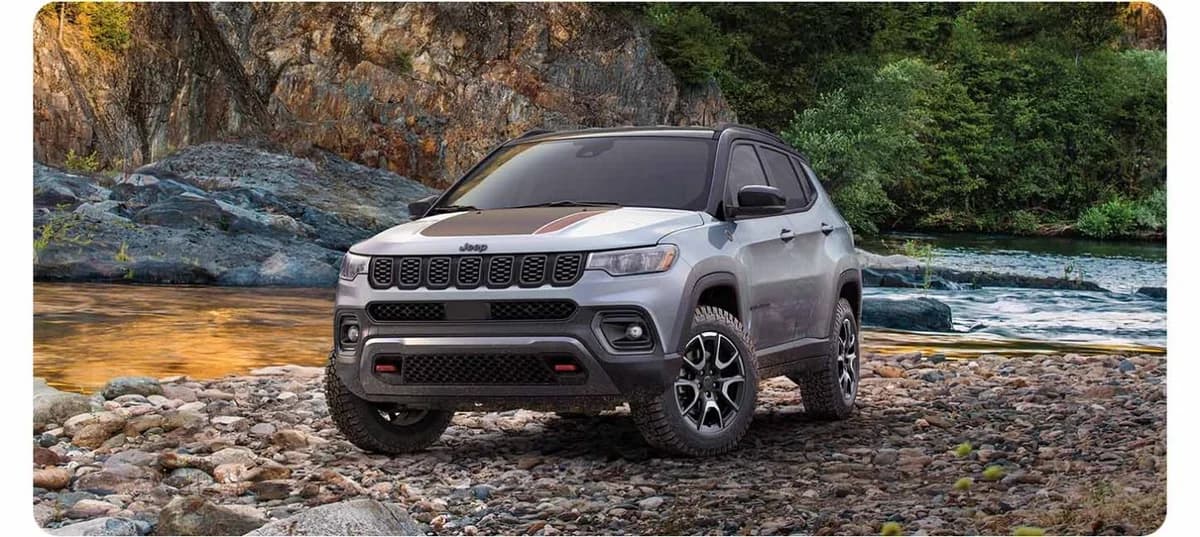
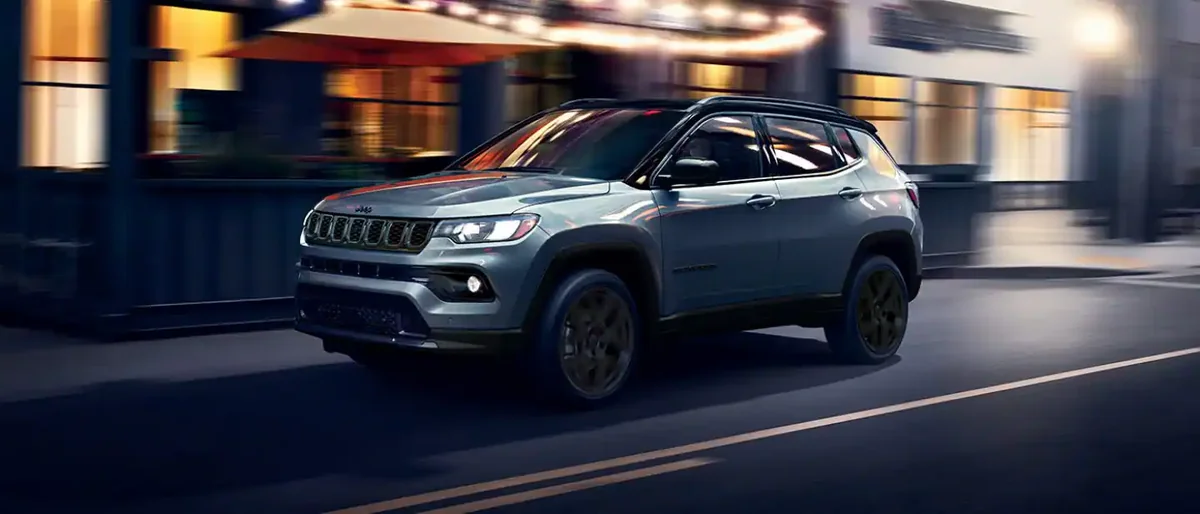
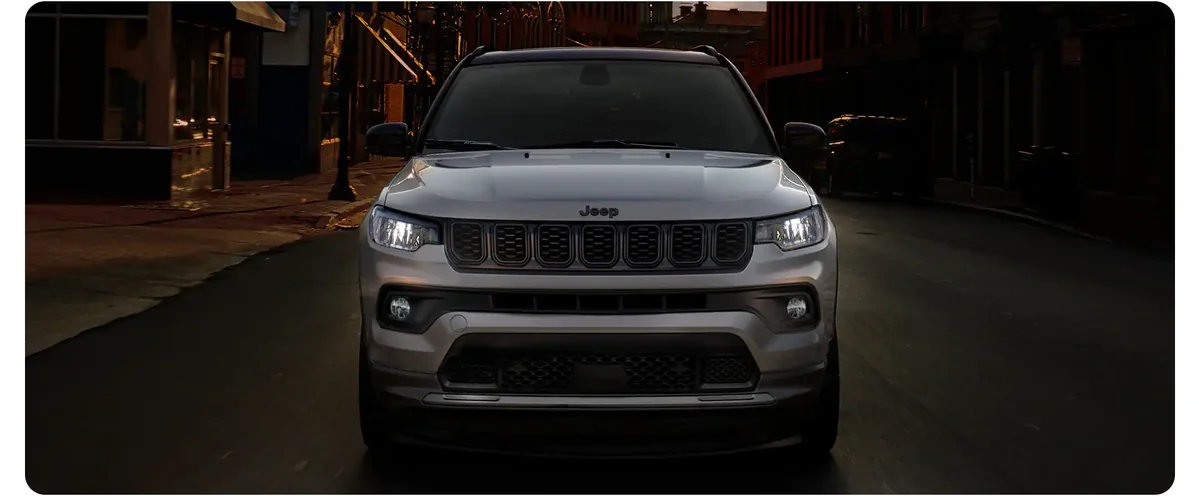
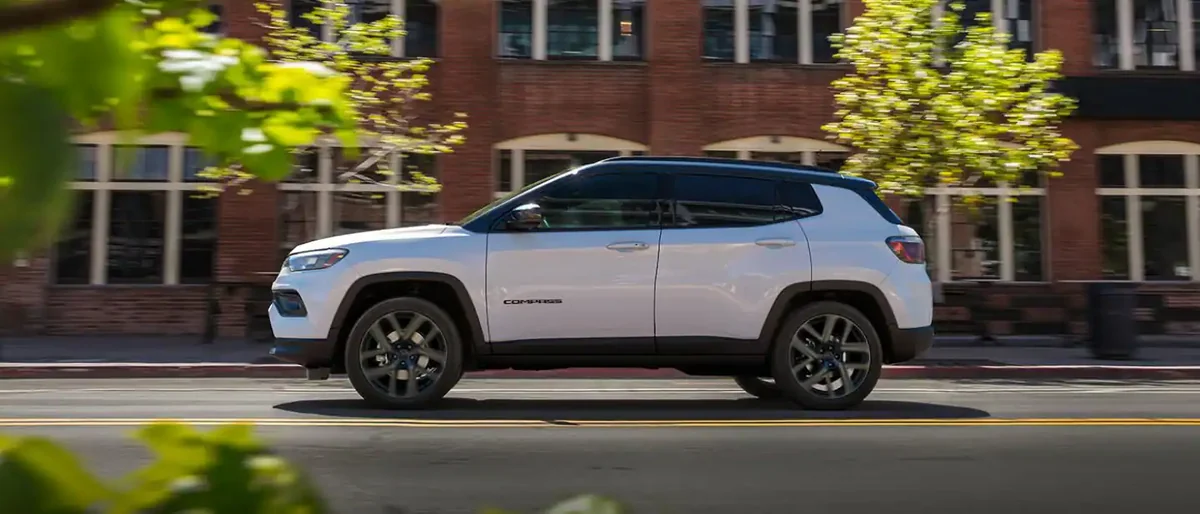
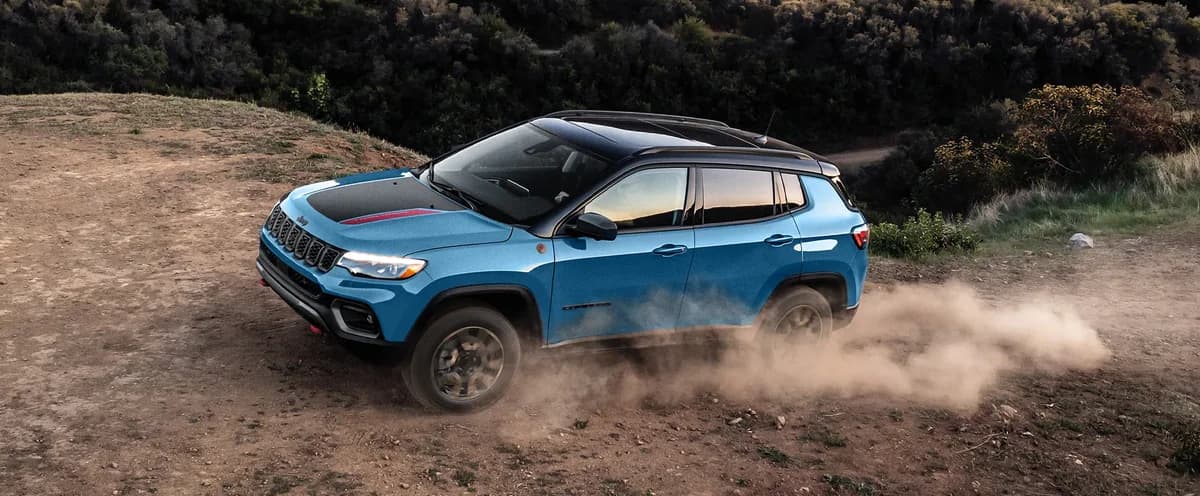
The Jeep Compass (2026) is a small SUV for drivers who want everyday transport with genuine trail attitude, especially commuters and small families needing confidence in snow, gravel, or occasional rough tracks. Its 200-hp turbo engine is noticeably livelier than the old powertrain, and standard four-wheel drive plus Trailhawk hardware support Jeep’s adventure claims. Reviewers also appreciate its roomy rear seat, easy maneuverability, and useful towing ability. The catch is a noisy engine, choppy ride, dated cabin, limited cargo flexibility, and pricing that can approach more polished CR-V and RAV4 rivals. It offers real character, but value depends on using its off-road strengths. Overall appeal is shaped by capability and comfort, tempered by refinement, efficiency, and ownership confidence.

Find Yours
What is your primary use for a Gas-Powered SUV?
Answer to find your best matches.

The Field
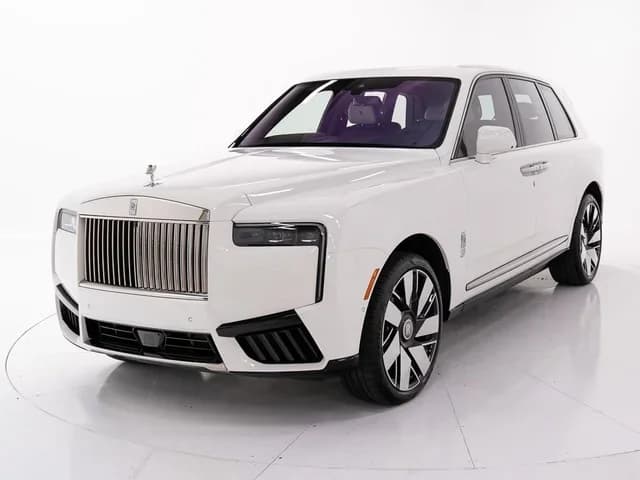
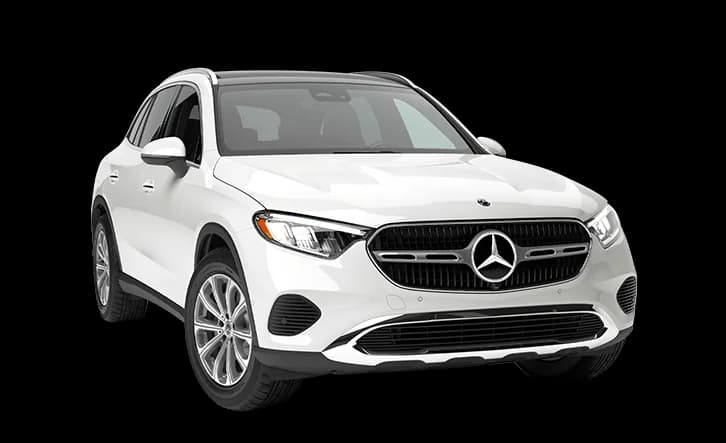
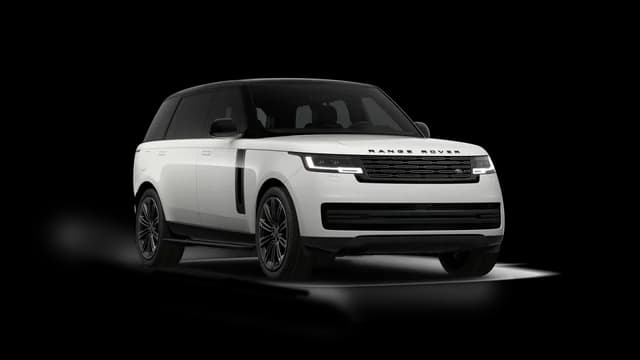
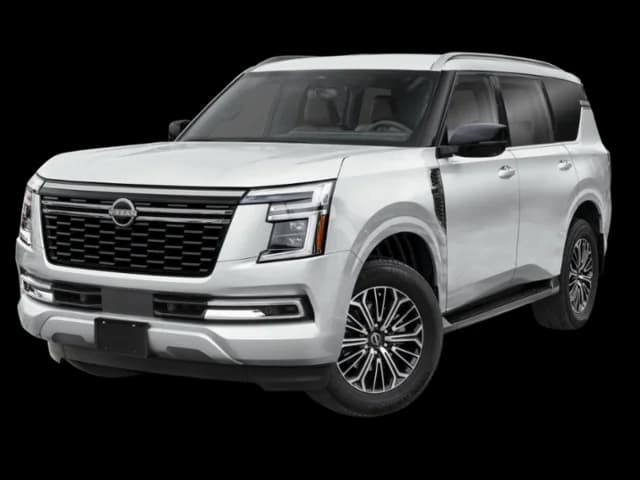
Browse top contenders, or compare all options ranked by score and key attributes.
5 Options

The Scoreboard
Does this improve your life? Considers, health, habits, and environmental impact.
Benefits
Standard all-wheel drive adds confidence on wet roads, snow, and loose surfaces.
Trailhawk hardware makes moderate off-road trips genuinely manageable, not merely Jeep-themed.
Generous rear legroom keeps passengers more comfortable during everyday errands and weekend trips.
Its compact footprint and clear visibility make parking and tight streets less demanding.
Trade-Offs
The engine and road noise get loud during acceleration, making conversations harder.
Potholes and rough pavement can jolt occupants, especially on longer everyday drives.
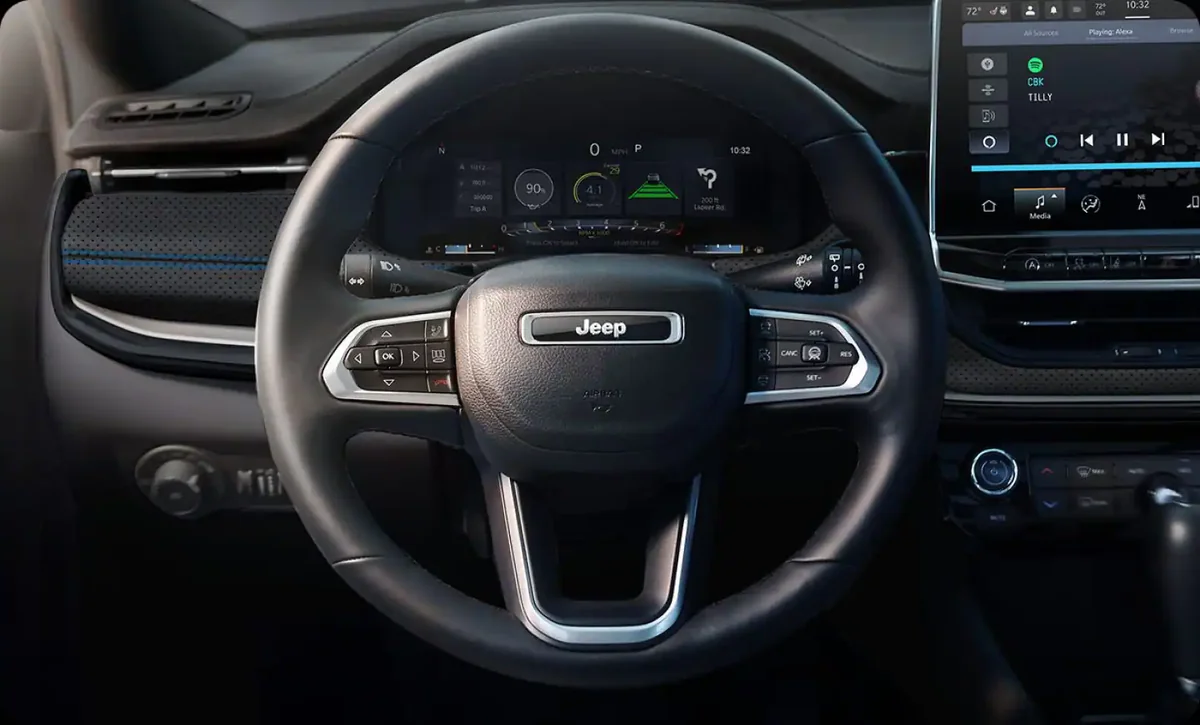
Laggy infotainment and awkward controls make simple adjustments take more attention than expected.
The tight cargo area and limited small-item storage make family hauling less convenient.
 Alternatives


Join the Circle
Where real meets deal
Know what's worth buying-and when.
Tips, special offers, and rewards for buying and sharing.

Publications
7 LEADING PUBLICATION REVIEWS

Car and Driver views the 2026 Jeep Compass as capable but increasingly dated. Its standard all-wheel drive, distinctive Jeep styling, and genuinely useful Trailhawk off-road system give it a clear identity, while a 35-mpg highway test result impressively beat the EPA estimate. It’s reasonably agile on pavement, slightly quicker than nonhybrid CR-V and RAV4 models, and offers a respectable 2,000-pound towing limit. Still, the vague steering, stiff ride, cramped cargo area, and aging interior leave it behind newer rivals such as the Mazda CX-5, CX-50, Honda CR-V, and Toyota RAV4. With an all-new Compass uncertain for the U.S. and the Cherokee taking on a more modern role, the reviewer’s 7.5/10 assessment feels fair: worth considering primarily for buyers who value Jeep character and moderate off-road ability over refinement.
By Andrew Wendler
Kelley Blue Book gives the 2026 Jeep Compass a measured thumbs-up. Its strongest case is character: every Compass has a muscular 200-horsepower turbo engine, standard all-wheel drive, an eight-speed automatic, and genuine off-road hardware, while the Trailhawk stands out with a crawl ratio, extra clearance, skid plates, and terrain modes that make it far more capable than typical subcompact SUVs. It’s also easy to park, reasonably comfortable, tech-friendly, and offers useful towing capacity. Still, the Compass feels dated and expensive beside newer rivals, with merely adequate fuel economy, a bouncy ride, limited cargo space, weak resale value, and a warranty that is nothing special. KBB’s overall message is that it remains an appealing choice for buyers who truly value Jeep capability and personality, but it’s harder to justify as an everyday commuter or value-focused purchase.
By Matt Degen
Edmunds gives the 2026 Jeep Compass a distinctly lukewarm verdict. It has a punchy turbocharged engine, standard all-wheel drive, surprisingly good ride quality, generous passenger room, and class-leading-ish Trailhawk capability, while its 8.3-second sprint is quicker than many extra-small SUVs. But the positives are overwhelmed by a cheap-feeling, noisy cabin, awkward controls, laggy infotainment, intrusive driver aids, body roll, grabby brakes, and mediocre fuel economy. Cargo space is strong for a subcompact, though storage for smaller items is limited. Edmunds’ central criticism is value: the Compass carries compact-SUV pricing while delivering less space, refinement, and utility than rivals such as the Honda CR-V. The Trailhawk adds genuine Jeep character and off-road ability, but for most buyers, the review portrays the Compass as competent yet difficult to justify.
By Alex Nishimoto
Top Gear’s Paul Horrell views the 2026 Jeep Compass as competent and well-priced, but ultimately short on character. It is easy to drive, roomy, practical, comfortable, and thoughtfully laid out, with a smooth mild-hybrid system, tidy handling, useful boot space, and electric versions offering strong claimed range. Horrell also sees sensible appeal in the broad powertrain lineup and Jeep’s distinctive styling, which could help it stand out in a crowded family-SUV market. The problem is that the front-wheel-drive model feels more like a polished Stellantis crossover than a genuine Jeep: it shares much beneath the skin with cars such as the Peugeot 3008 and Citroën C5 Aircross, while offering little ruggedness beyond visual cues and improved water sealing. With the more convincing four-wheel-drive versions arriving later, the launch model comes across as a capable, unexciting box-ticker rather than an adventurous alternative.
By Paul Horrell
Alex Kwanten of U.S. News & World Report views the 2026 Jeep Compass as capable but overpriced. Its 200-horsepower engine, standard all-wheel drive, roomy back seat, user-friendly controls, and genuinely useful Trailhawk off-road equipment are meaningful strengths; the reviewer even saw 28 mpg in snowy, low-speed driving and fit substantial cargo behind the rear seats. Still, the aging Compass feels cheap inside, isn’t especially engaging on pavement, and trails rivals in fuel economy, safety performance, and overall value. Its hefty destination fee makes the pricing harder to justify, especially against less expensive competitors or larger SUVs. The Trailhawk remains appealing for buyers who specifically want a civilized small off-roader, but only with careful negotiating and restraint on options. Overall, this is a measured recommendation rather than an enthusiastic endorsement.
By Alex Kwanten
What Car? is cautiously unimpressed by the 2026 Jeep Compass, despite its useful family practicality and genuine off-road ability. The mild-hybrid, plug-in-hybrid, and electric versions all offer a sturdy, mess-friendly cabin, a well-shaped 550-litre boot, comfortable seats, and clear touchscreen technology with physical shortcut buttons. The Compass is especially convincing on rough tracks, where its ground clearance and short overhangs help, while the 370bhp 4xe adds impressive traction for genuinely difficult terrain. On normal roads, though, it falls behind the Kia Sportage, VW Tiguan, and Skoda Elroq. Handling lacks composure, the ride can fidget over potholes, engines and road noise are intrusive, and hybrid powertrains hesitate under hard acceleration. The interior is durable but not especially plush, pricing is only competitive at lower trims, and the warranty is average. Overall, it is a sensible choice for buyers prioritizing Jeep character and occasional off-roading, but not a class-leading family SUV.
By Oliver Young; Lawrence Cheung
Chasing Cars’ Stephen Dobie is cautiously positive about the redesigned Jeep Compass. He likes its distinctive, boxy styling, clever aerodynamic work, spacious and flexible cabin, and refreshing custom interior controls. The mild-hybrid version earns particular praise for its lighter weight, more composed ride, and greater confidence over rough roads, while the electric model brings stronger acceleration, useful regenerative-braking controls, and extra off-road muscle. Still, neither is especially engaging to drive, the interior uses some hard plastics, and the Compass’s dynamics feel ordinary beside its expressive design. Dobie also sees the front-drive versions as only Jeep-like in a limited sense: capable enough for most buyers, but no substitute for a Wrangler until the more rugged 4XE arrives. Overall, it looks like a promising mainstream SUV whose playful styling may be its greatest advantage in Australia’s crowded market.
By Stephen Dobie

YouTube
8 LEADING EXPERT & INFLUENCER REVIEWS
 Consumer Reports
Consumer Reports’ panel is cautiously positive about the Jeep Compass, viewing its 200-hp turbo engine and standard all-wheel drive as meaningful improvements. They find it livable, nicely equipped, and more confident in traffic than the old model, with excellent climate controls and a flexible infotainment screen. Still, enthusiasm is limited: the engine is noisy, the transmission can hesitate, the ride becomes choppy on broken pavement, seat comfort is divisive, fit and finish feel inconsistent, and the backup camera performs poorly at night. Against highly competitive rivals like the Honda CR-V, Toyota RAV4, and Subaru Forester, the Compass mainly appeals to buyers who specifically want Jeep character.
Sarah -n- TunedSarah-n-Tuned is impressed by the Compass Trailhawk’s playful off-road character but ultimately sees an unfinished formula. She praises its short wheelbase, sturdy steel skid plates, strong approach and departure angles, capable all-terrain tires, useful low range, brisk 200-hp turbo engine, and good fuel economy. Off-road, it feels exciting and easy to rotate, yet the suspension struggles with harsh impacts and the transmission misses the power band. The open, single-clutch rear differential also limits hill-climbing ability. Sarah-n-Tuned questions the expensive luxury options, lack of a front camera, and absence of an off-road display, arguing that better shocks, a twin-clutch rear drive unit, and a simpler interior could make it genuinely compelling.
Ben HardyBen Hardy is moderately positive about the 2026 Jeep Compass, appreciating its peppy 200-hp turbo engine, quick eight-speed automatic, compact size, and distinctly Jeep-like character. He finds it easy to maneuver, practical enough for daily use, and more authentically Jeep than the larger Cherokee, though its $38,000 price feels steep for what it offers. The Compass also seems to ride slightly better than the Cherokee, but Hardy does not present a detailed off-road evaluation. Overall, it sounds capable and likable, yet expensive enough to make the value proposition questionable.
Chabby's RidesChabby’s Rides is positive about the 2026 Jeep Compass’s comfort and capability, but unconvinced by its value. The reviewer praises the soft, supportive seats, roomy cabin, easy-to-use technology, strong visibility, responsive 200-hp turbo engine, and useful four-wheel-drive modes. However, the $36,750 Limited Altitude feels expensive for a small SUV, especially with no sunroof, spare tire, wireless charger, or backup-camera trajectory lines. It handles well and offers genuine AWD appeal, but alternatives such as the Kia Sportage and Corolla Cross Hybrid provide more space, efficiency, or equipment for similar money.
Gold PonyGold Pony is highly enthusiastic about the 2026 Jeep Compass, especially its sub-$29,000 starting price, standard all-wheel drive, lively 200-hp turbo engine, firm braking, comfortable seats, and surprisingly strong Alpine audio. He found acceleration more capable than expected, the cabin pleasantly refined, and the interior impressively upscale for the money. His reservations are limited but notable: the design feels due for a refresh, incandescent taillights seem outdated, and ambient lighting would improve the cabin. Overall, he considers the Compass a compelling, practical value with genuine Trailhawk off-road appeal.
W.T.F Car ReviewsWillie from WTF Car Reviews is highly enthusiastic about the 2026 Jeep Compass, calling it an excellent value around $30,000. He praises the much stronger 2.0-liter turbo, standard all-wheel drive, comfortable ride, sharp steering, roomy rear seat, useful cargo touches, and improved Uconnect system. He considers it dramatically better than the sluggish 2.4-liter model and prefers its detuned four-cylinder to smaller, harder-working turbo engines. Still, he mentions limited luxury equipment, no sport mode or adaptive cruise control, some wind noise, and a modestly upgraded cabin. Overall, his recommendation is emphatic, especially before discounts.
AutoChamp WandelenAutoChamp Wandelen is pleasantly surprised by the 2026 Jeep Compass, despite clear design and practicality compromises. The Jeep-inspired front, more distinctive interior, panoramic roof, adjustable boot floor, generous rear legroom, excellent door bins, 360-degree camera, and hybrid powertrain create an appealing equipment package around €36,000. However, its side profile resembles its Peugeot, Citroën, and Opel siblings, creating an identity problem, while uneven cabin materials, awkward door storage, exposed seat rails, and unnecessary plastic hurt refinement. Overall, the verdict is strongly positive—but best suited to buyers who prioritize features and Jeep character over originality and perfect practicality.
Gear GazetteGear Gazette is cautiously positive about the 2026 Jeep Compass, viewing it as capable but compromise-heavy. Standard all-wheel drive, the genuinely trail-ready Trailhawk, competitive 200-hp turbo performance, and a useful infotainment upgrade path stand out as meaningful strengths. However, the review is notably critical of its limited cargo flexibility, poor outward visibility, noisy engine under load, and confusing controls. The overall message is clear: the Compass makes sense for buyers prioritizing AWD value and off-road credibility, but rivals are better choices for quiet, refined everyday driving.

Forum Reviews
CUSTOMER REVIEWS FROM 1 FORUM
Redditors are cautiously interested in the 2026 Jeep Compass, but trust remains limited by Jeep’s reliability record. The redesigned exterior and upgraded cabin appeal to many, while hybrid and electric powertrains, strong range claims, improved engines, comfort, handling, and capable trail performance generate genuine enthusiasm. Still, skepticism dominates around Stellantis build quality, electronics, transmissions, batteries, recalls, sluggish older engines, repair costs, and resale value. A few owners report trouble-free, enjoyable newer Compasses, but many recommend leasing or waiting for reliability evidence rather than buying outright. The 2026 model looks promising, yet most shoppers remain hesitant.
Many comments

In-Depth Review

Highlights
- •Trail-ready hardwareTrailhawk adds clearance, skid plates, and low range.
- •Standard all-wheel driveDesigned to improve traction across varied surfaces.
- •Peppy turbo engineThe 200-hp turbo delivers confident everyday acceleration.
- •Roomy rear seatingGenerous legroom improves passenger comfort on longer trips.

Considerations
- •Noisy powertrainEngine and road noise rise noticeably under load.
- •Uneven ride qualityBroken pavement can produce sharp, choppy impacts.
- •Dated cabin experienceHard materials and inconsistent finish reduce refinement.
- •Limited cargo flexibilityTight storage and small-item organization constrain utility.
Jeep’s Compass remains the brand’s compact gateway for drivers who want everyday usability with a little trail-ready attitude. The 2026 model improves meaningfully over older versions with a lively 200-hp turbocharged engine and standard four-wheel drive, making it appealing for commuters, small families, and weekend explorers who face snow, gravel, or moderate trails. Its compact footprint, roomy rear seat, and practical cargo area help in town, while Trailhawk equipment brings genuine off-road credibility that rivals such as the CR-V and RAV4 generally lack. Efficiency is respectable rather than exceptional, and the emerging hybrid and EV versions broaden the story by market. The sections ahead examine acceleration, utility, range, comfort, towing, and clearance—areas where the Compass gains character but also reveals compromises—so check the details that match your routine, especially Trailhawk hardware and 2,000-pound towing capacity. In short, it’s a small SUV with muddy ambitions; explore how well those ambitions fit your life.
Passenger Space And Comfort
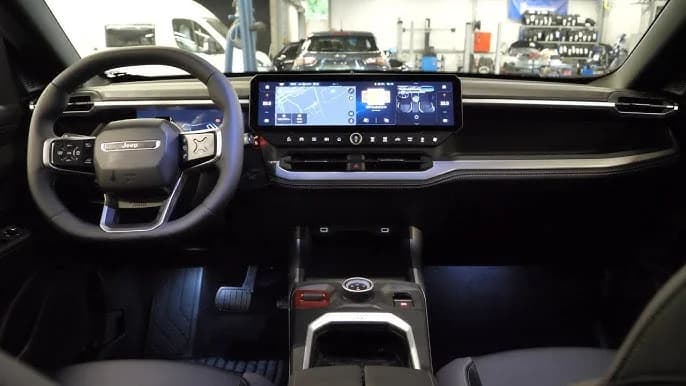
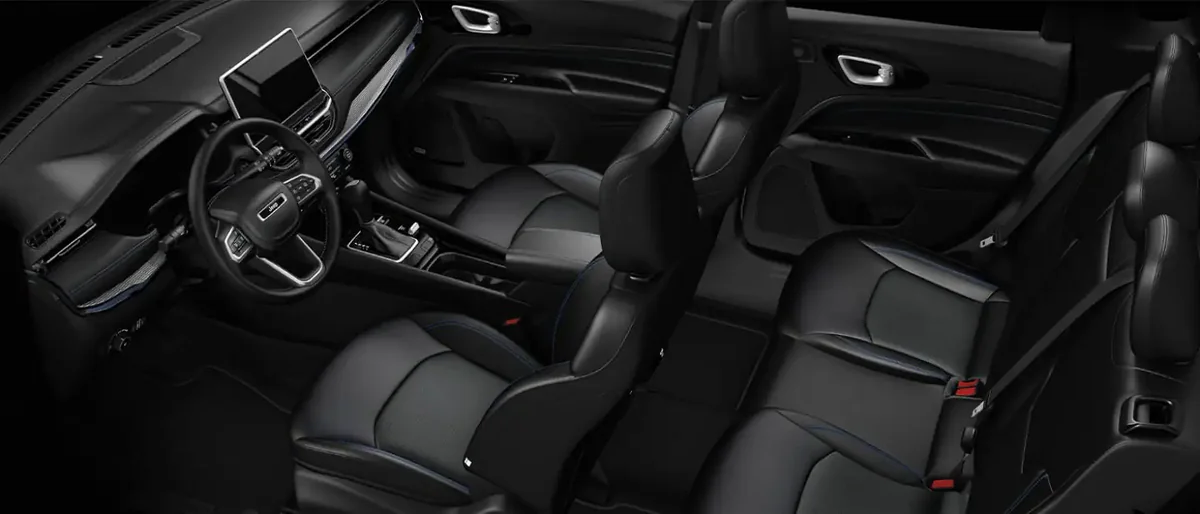
The five-seat cabin is more usable for passengers than its compact exterior initially suggests. The Compass offers 38.3 inches of rear legroom, and reviewers commonly praise its roomy back seat, visibility, and supportive seats. Available equipment such as the 10.25-inch digital cluster and Alpine audio can make higher trims feel better equipped. However, comfort is not universally praised: seat opinions differ, hard or inconsistent materials remain noticeable, and the ride can turn choppy over broken pavement. It is practical, but not especially polished.
Fuel Economy And Range
Fuel economy is acceptable rather than a standout reason to buy the Compass. The current U.S. turbo model is rated around 23 mpg city and 31 mpg highway, or 26 mpg combined, with an estimated roughly 350-mile tank range from its 13.5-gallon tank. One Car and Driver test achieved 35 mpg on the highway, beating the EPA estimate, while other reviewers describe efficiency as merely adequate. The global redesign broadens the story with hybrid, plug-in-hybrid, and EV choices, but availability depends on market.
Towing And Ground Clearance
The Compass has useful capability for a small crossover, though buyers should keep expectations moderate. Its 2,000-pound maximum towing rating suits a small trailer, lightweight watercraft, or utility load when properly equipped. The listed 218.4-mm ground clearance and Trailhawk suspension help it clear uneven surfaces, while its short overhangs reduce the risk of scraping on moderate obstacles. These specifications support the Jeep image and occasional outdoor use, but the Compass remains a unibody crossover, not a heavy-duty tow vehicle or serious rock crawler.
Cargo And Utility
The Compass handles everyday luggage reasonably well, though its packaging is less impressive than the badge suggests. Published figures vary from about 27.2 cubic feet behind the rear seats to roughly 59.8 cubic feet with them folded, reflecting different measurement methods or versions. The adjustable boot floor and useful cargo touches help, but reviewers still criticize limited flexibility and small-item storage. It works for errands and weekend gear, yet larger rivals such as the CR-V and RAV4 are generally better family haulers.
Turbo Engine Performance
The Compass’s turbo engine makes it feel substantially more capable than its predecessor. The 2.0-liter turbocharged four-cylinder produces 200 hp and 221 lb-ft of torque, delivering approximately 7.5–8.3-second 0-to-60-mph acceleration depending on test and configuration. Reviewers generally find it peppy for commuting and passing, though the engine gets noisy under load and the transmission can hesitate or miss the ideal power band. It is a meaningful improvement, but not as smooth or refined as leading rivals’ powertrains.
Four-Wheel Drive Capability
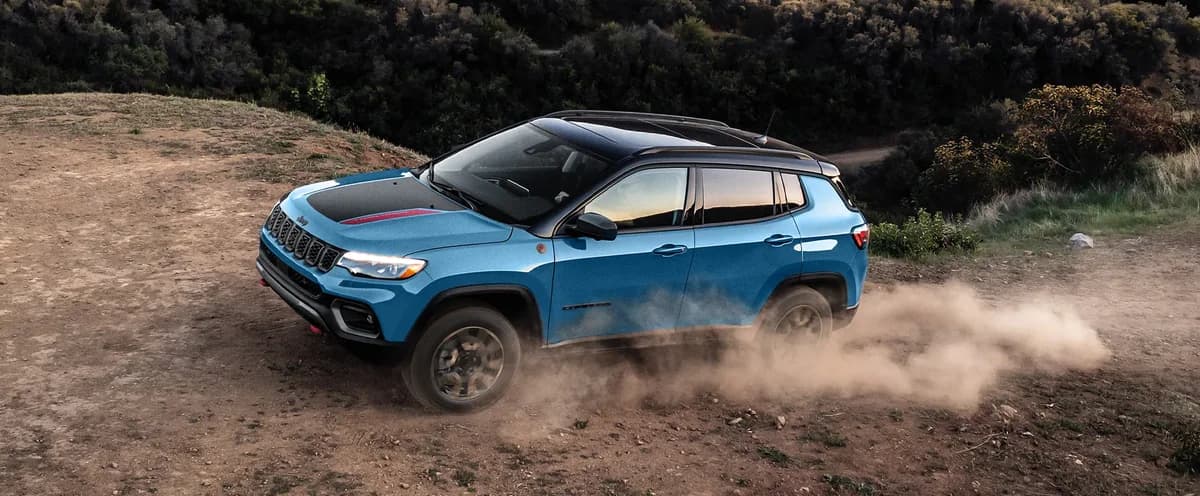
Standard four-wheel drive is the Compass’s clearest functional advantage. The Trailhawk trim adds extra clearance, skid plates, terrain modes, all-terrain tires, and a useful low-range crawl ratio, making moderate trails more than a styling exercise. Testers praise its short wheelbase and approach and departure angles, while also noting harsh impacts and an open rear differential that can limit traction on steep climbs. For snow, gravel, and occasional trails, it offers real confidence, but it is not a Wrangler substitute.

Conclusion
The Compass’s case is clearest when the road gets messy: its 200-hp turbo engine supplies useful everyday punch, while standard four-wheel drive and Trailhawk hardware deliver credible traction beyond typical small SUVs. It also brings a roomy rear seat, manageable dimensions, useful towing, and ground clearance for light outdoor duty. Owners and reviewers remain less impressed by its noisy powertrain, choppy ride, dated cabin, limited cargo flexibility, and merely adequate fuel economy; the roughly 350-mile gasoline range is practical, not exceptional. Hybrid and EV versions may broaden its appeal by market, but availability varies. This Jeep suits drivers who value character, snow confidence, and occasional trails more than polished refinement or maximum family utility. For everyone else, newer rivals make stronger daily commuters, leaving the Compass appealing but compromise-heavy—consistent with a measured rather than enthusiastic recommendation.

Feature Scores
This reflects reviews and ratings from established critics, journalists, and users who have evaluated the item. Their opinions provide a comprehensive assessment.
Performance
Engine Power
4/5
Acceleration
4/5
Towing Capacity
3/5
Fuel Efficiency
3/5
Reliability
2/5
Durability
3/5
Value
Purchase Price
3/5
Operating Cost
2/5
Resale Value
2/5
Design
Interior Space
3/5
Cargo Capacity
3/5
Ergonomics
3/5
Exterior Styling
4/5
Health
Cabin Air Quality
TBD
Interior Material Toxicity
TBD
Safety
Crashworthiness
TBD
Active Driver Assistance
3/5
Braking Performance
3/5
Visibility and Lighting
3/5
Sustainability
Tailpipe Emissions
2/5
Fuel Lifecycle Emissions
2/5
Use of Recycled Materials
TBD
End-of-Life Recyclability
TBD
Experience Style
Infotainment Features
4/5
Ride Comfort Tuning
3/5
Customization Options
4/5

Specifications
This section outlines the product's key facts, covering essential features, details, dimensions, materials, and any unique characteristics that define its functionality and usability.
Performance
Value
Design
Safety
Sustainability
Experience Style

Frequently Asked Questions
10 Questions


Find Yours
What is your primary use for a Gas-Powered SUV?
Answer to find your best matches.