
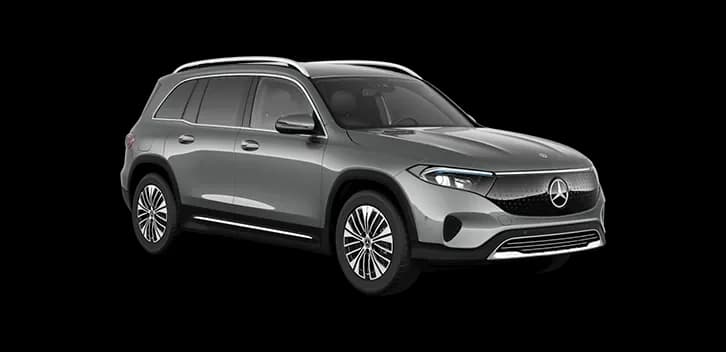
Mercedes-Benz EQB (2025)
A quiet, flexible seven-seat EV with polished tech, but limited range and charging.
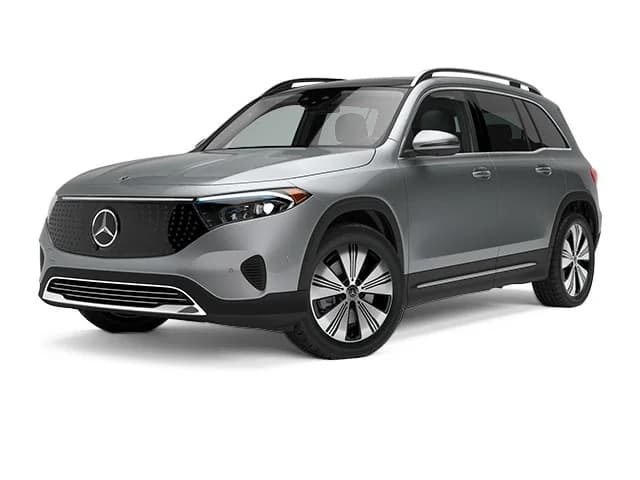
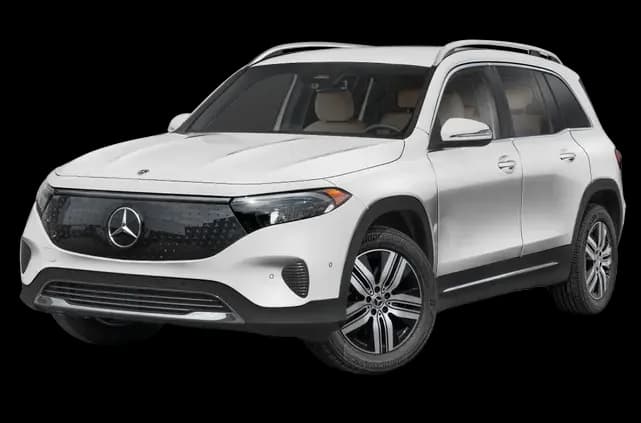
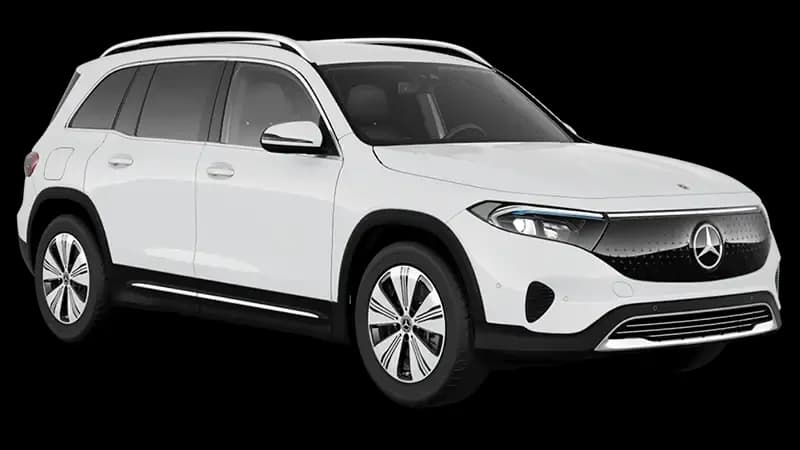
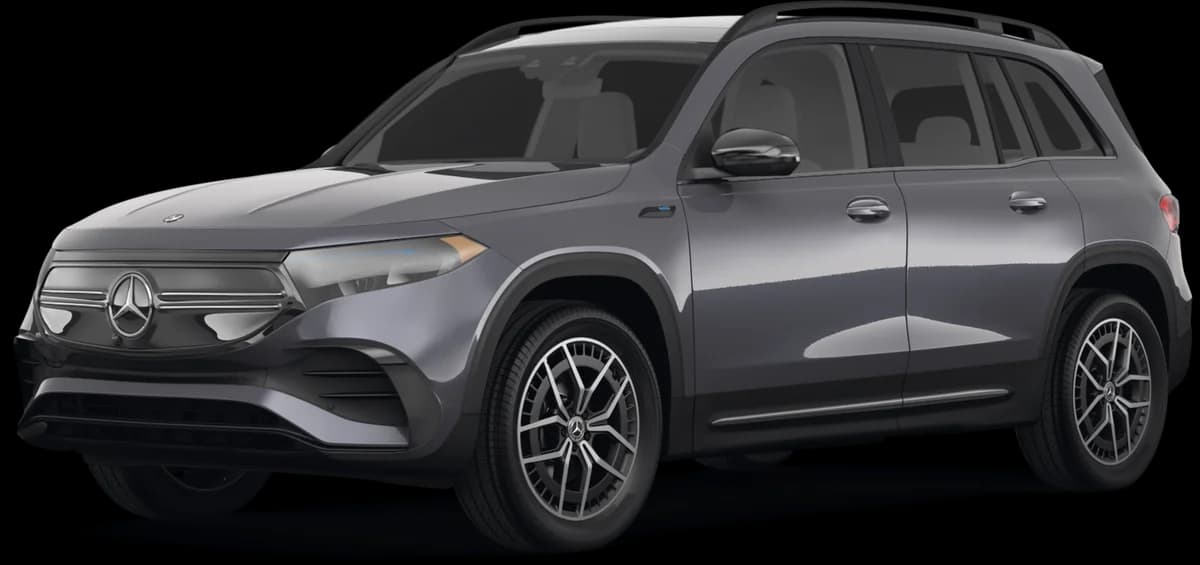
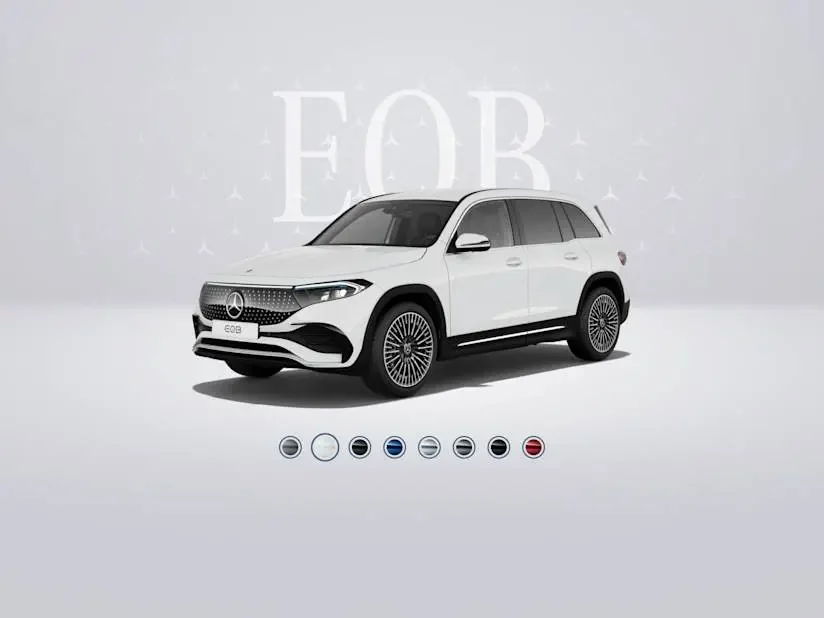
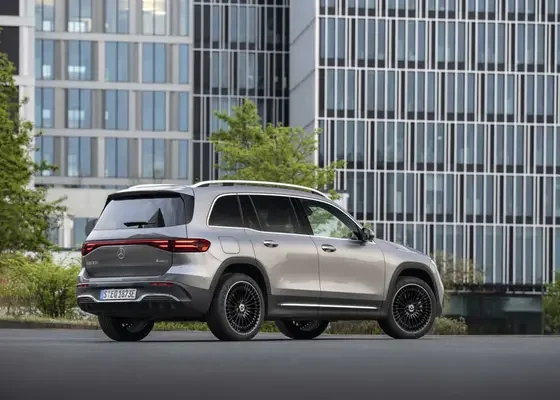
The 2025 Mercedes-Benz EQB is the compact electric SUV for families who need a polished daily driver with occasional extra seats, not a road-trip champion. Its cleverest feature is optional seven-seat flexibility, with genuinely useful space for five and a third row best reserved for children. Mercedes promises up to 251 miles of EPA range in the EQB 250+, and some testing supports that in favorable conditions, but AWD models, winter weather, and real-world driving can cut the margin sharply. Owners and experts like the quiet cabin, smooth manners, and responsive MBUX, while criticizing 100-kW DC charging, firm ride quality, and high pricing. It makes the most sense with home charging and a discount, where practicality and comfort outweigh aging EV hardware. Overall, its appeal rests on seating flexibility, refinement, and ownership value.
Find Yours
What is your top priority for an Electric SUV's battery performance?
Answer to find your best matches.

The Field
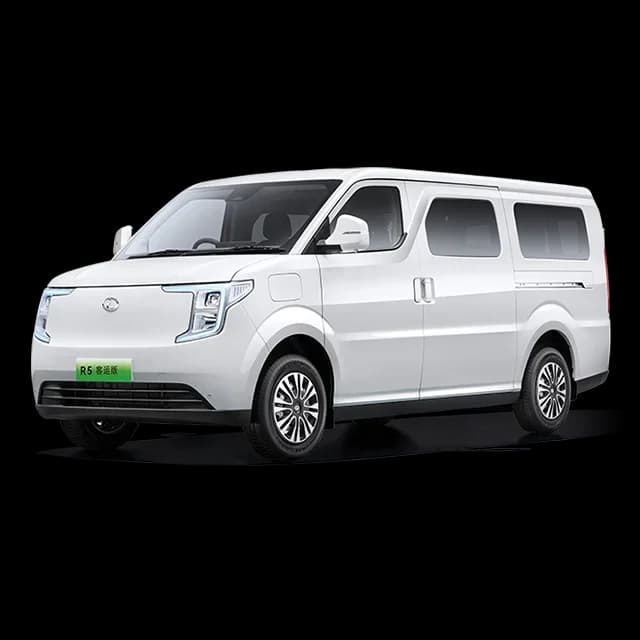
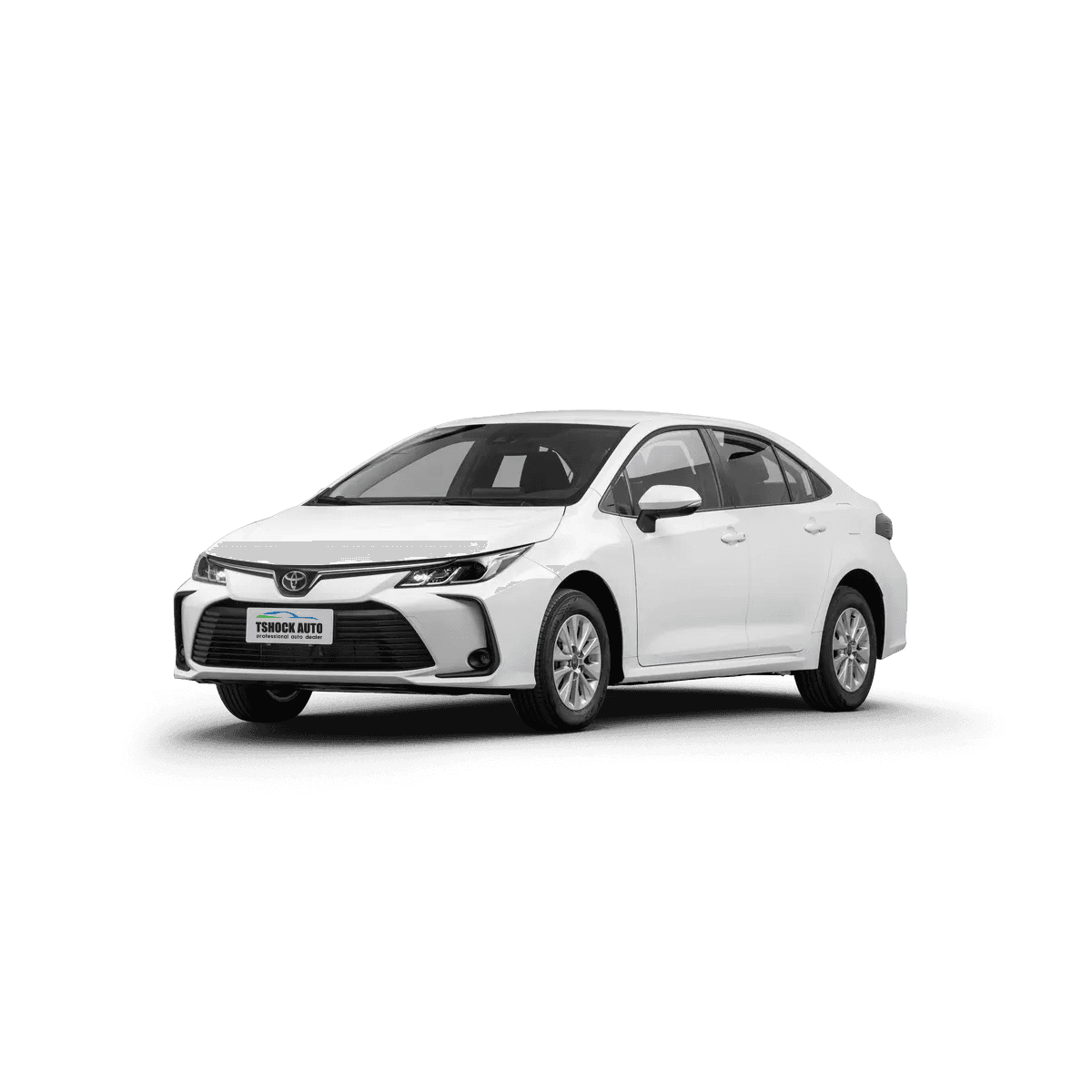
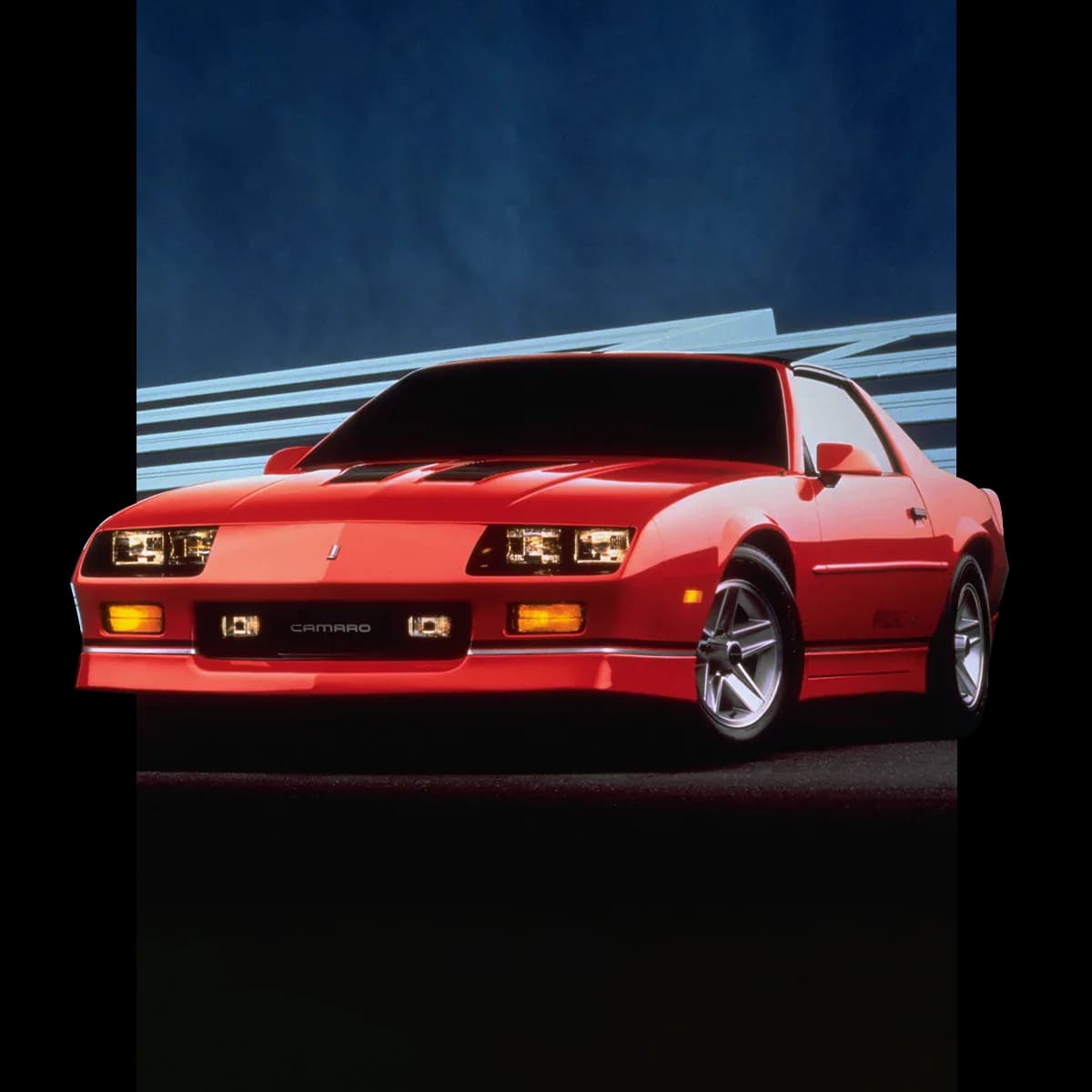
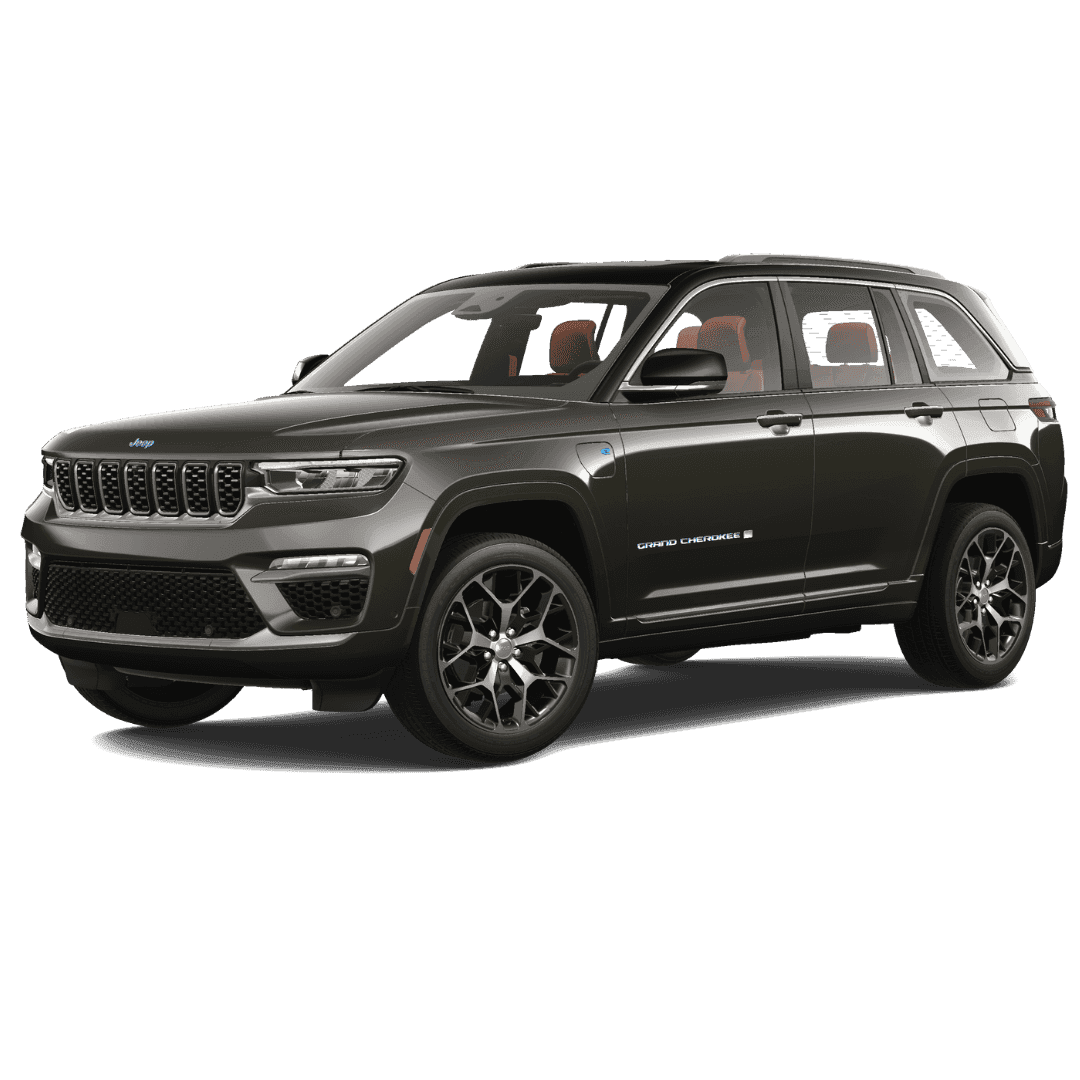
Browse top contenders, or compare all options ranked by score and key attributes.
5 Options


The Scoreboard
Does this improve your life? Considers, health, habits, and environmental impact.
Benefits
Five comfortable seats handle daily life, while two extra seats rescue occasional family trips.
Quiet electric driving makes commuting calmer, conversations easier, and passengers more comfortable.
Familiar Mercedes controls, polished materials, and responsive MBUX make switching from gasoline feel straightforward.
Tall, squared-off packaging gives five passengers useful legroom and a genuinely handy cargo area.
Trade-Offs
Firm suspension and unsettled body motions can make everyday drives feel less comfortable than expected.
Climbing into the rearmost seats feels cramped, and adults quickly lose comfortable legroom and headroom.
On longer drives, modest range and average charging mean stops and more waiting between destinations.
Brake response can feel inconsistent in traffic, making smooth stops harder to manage.
 Alternatives


Join the Circle
Where real meets deal
Know what's worth buying-and when.
Tips, special offers, and rewards for buying and sharing.

Publications
6 LEADING PUBLICATION REVIEWS

What Car? is broadly positive about the EQB, while remaining clear about its compromises. Its biggest strength is practicality: it offers genuinely usable five-seat space, flexible seating, and two extra seats that make it a rare electric seven-seater at this price. The recommended front-wheel-drive 250+ combines adequate performance with up to 321 miles of official range, and the cabin is quiet, well equipped, and easy to settle into. However, the ride is firmer than expected from a premium SUV, brake response can feel inconsistent, and the infotainment controls are distracting and fiddly. The third row is really for children, while boot space becomes tiny with all seven seats occupied. Interior materials are merely average, and Mercedes’ poor reliability showing is another concern. Overall, the EQB is a sensible, well-priced family EV, best bought in entry-level Sport Executive trim rather than expensive, harsher-riding versions.
By Oliver Young
Car and Driver views the 2025 Mercedes-Benz EQB as a likable, practical luxury EV with meaningful compromises. It preserves the GLB’s space-efficient shape, upscale cabin, optional third row, and composed ride, while the EQB350 adds genuinely brisk acceleration, reaching 60 mph in 5.4 seconds. Its 205–251-mile EPA range, 30-minute claimed DC fast-charge time, and multiple powertrains make it reasonably versatile, with the Exclusive trim offering appealing comfort and audio upgrades. Still, the battery reduces cargo capacity, the MBUX voice assistant can be irritating, advanced driver aids cost extra, and maintenance isn’t included. The reviewer also points out that the EQB is less distinctive than Mercedes’ clean-sheet EVs and trails some rivals in range and refinement. Overall, it’s a sensible and attractive electric SUV, but not a standout, reflected in Car and Driver’s 7.5/10 rating.
By David Gluckman
MotorTrend gives the 2025 Mercedes-Benz EQB a measured thumbs-down despite its polished strengths. It is quiet, handsome, well equipped, and pleasant to drive, with excellent steering, responsive MBUX software, and useful standard safety features. The squared-off design also preserves a three-row option, though the raised floor makes the back seats uncomfortable for taller passengers and the optional third row mainly suits children. The central problem is its aging, shared gas-car platform: even the best EQB250+ manages only 251 miles, while all-wheel-drive versions barely exceed 200, and charging is too slow for relaxed road trips. MotorTrend also criticizes body roll and a few cheap-feeling interior materials. The EQB works well as a commuter and offers an accessible entry into Mercedes EV ownership, but the publication recommends the base trim and rates it just 6.8/10, viewing it as a promising yet increasingly outdated electric crossover.
By Willis Kuelthau
Auto Express is strongly positive about the Mercedes EQB, calling its facelift and cheaper 250+ version especially appealing. Its standout strengths are seven seats as standard, a refined and high-quality cabin, impressive quietness, and up to 321 miles of official range, with the front-wheel-drive 250+ judged the best-value choice. The review also appreciates the EQB’s smooth ride, strong performance, excellent MBUX infotainment, and generous five-seat luggage space. However, this is not an unqualified recommendation: pricing is high, the rearmost seats are mainly for children, boot space is limited with all seven seats occupied, and key driver-assistance features cost extra. The car is also hardly engaging to drive, while Mercedes’ poor customer-satisfaction showing raises reliability and ownership concerns. Overall, it is a practical, polished, and unusually capable electric family SUV, but its premium price and compromises keep it from being class-leading.
By Gavin Braithwaite-Smith; John McIlroy
Top Gear is cautiously positive about the Mercedes-Benz EQB, viewing it as a sensible but imperfect family EV. Its biggest advantage is rarity: few electric SUVs offer seven seats without resorting to a van-like design, and the EQB feels relatively conventional and easy to operate. It rides comfortably enough, offers brisk performance, reasonable charging, and undercuts larger alternatives such as the Kia EV9. However, the trade-offs are substantial. The handling is wallowy, the rearmost seats are small, charging speeds are merely average, and real-world range—especially in dual-motor versions—may fall well short of official figures. At roughly £53,000 and up, it is hardly cheap, though its limited competition makes the pricing seem more defensible. Overall, Top Gear considers it a safe, practical choice for buyers who specifically need seven electric seats, rather than an especially exciting or compelling EV.
By Top Gear Team
TopSpeed’s William Clavey is distinctly disappointed by the 2025 Mercedes-Benz EQB 300. He appreciates its charming, G-Wagon-inspired styling, spacious and practical cabin, excellent build quality, intuitive older MBUX layout, and especially its confident, playful handling in a Canadian blizzard. However, those strengths are overwhelmed by weak electric-car fundamentals: winter testing produced just 118 miles of real-world range after 434 miles, despite preheating, while 100-kW fast charging and a 9.6-kW onboard charger feel dated. Acceleration is merely adequate at 7.6 seconds to 60 mph, and the EQB costs more than $60,000 once options are added. Clavey considers the gasoline GLB—and even its AMG 35 variant—a more enjoyable and compelling choice, concluding that the EQB feels like an expensive compliance vehicle rather than a class-leading luxury EV.
By William Clavey

YouTube
14 LEADING EXPERT & INFLUENCER REVIEWS
 Auto Buyers Guide | Alex on Autos
Alex on Autos is cautiously negative on the Mercedes-Benz EQB, finding its practicality more compelling than its overall value. He likes the roomy, boxy cabin, quiet refinement, efficient real-world driving, and optional third row—an especially useful advantage for urban families. However, the EQB feels heavy and under-tired, with long stopping distances, modest acceleration, a firm ride, limited DC charging speed, and pricing that can approach $80,000. Compared with the Volvo XC40 Recharge, Audi Q4 e-tron, Tesla Model Y, and Genesis GV60/GV70, he generally prefers the alternatives for driving enjoyment, range, charging, or value.
Redline ReviewsRedline Reviews is positive about the Mercedes-Benz EQB, especially its practicality and comfort. After a week, the EQB 250+ delivered surprisingly strong real-world range—around 270 miles versus its 245-mile EPA rating—along with a smooth ride, spacious cabin, useful cargo area, and rare optional kid-sized third row. The boxy GLB-based design also feels more functional than many swoopy EVs. Still, front-wheel spin, modest acceleration, excessive body roll, uncomfortable seats, dated infotainment, slow 100-kW fast charging, and pricing above stronger-performing rivals make it a conditional recommendation, best for buyers prioritizing Mercedes branding and flexibility.
MotorWeekMotorWeek is warmly positive about the Mercedes-Benz EQB, calling it a practical EV that skeptics could genuinely live with. The EQB 250+ feels calm, quiet, spacious, and surprisingly agile, with useful second-row room, an optional third row, and a familiar Mercedes-Benz cabin. Its realistic range and competitive pricing strengthen the case, while the main compromises are modest acceleration, firm ride quality, and lengthy 130-foot braking from 60 mph. Overall, MotorWeek views its conventional GLB-based character as a virtue: less exotic than dedicated EVs, but easier to understand and use every day.
MotormouthMotormouth is positive on the Mercedes-Benz EQB, but thinks its value is hard to justify. They enjoy its sporty handling, quiet acceleration, upscale GLB-based cabin, and unusually useful optional third row, which can accommodate children. The familiar SUV styling and intuitive MBUX system also make it an easy transition from gas to electric. Still, the EQB feels overpriced beside the Tesla Model Y and Audi Q4 e-tron, with limited range, 100-kW charging, awkward brake modulation, and missing conveniences such as wireless smartphone integration and ventilated seats. Overall, it’s a cleverly packaged, comfortable EV, but more of a stopgap than a compelling long-term choice.
JR GarageJR Garage is notably disappointed with the Mercedes-Benz EQB, despite appreciating its quiet ride, upscale cabin, intuitive infotainment, and polished Mercedes styling. After 3,500 miles, including a 1,000-mile road trip, they criticize its roughly 210–230-mile real-world range, weak acceleration, inconsistent brake feel, limited regenerative braking, and unusable third row for adults. They also find the front-wheel-drive EQB 250+ expensive beside the Volkswagen ID.4 and Tesla Model Y. Their view is that it suits Mercedes loyalists wanting a familiar transition to EVs, but most shoppers should choose a more capable electric SUV.
carwowMat Watson is strongly positive about the Mercedes-Benz EQB, calling it a very nice electric alternative to the GLB. He appreciates its quiet, comfortable ride, raised driving position, premium interior, useful technology, and unusually practical seven-seat option. The EQB feels particularly well suited to town driving, with smooth power delivery and adjustable regenerative braking. Still, Mat is clear that it is not cutting-edge: the 66-kWh battery offers modest range, charging is relatively slow, packaging sacrifices cargo space, and the third row is cramped. Overall, he recommends shortlisting it, especially for buyers prioritizing Mercedes quality and occasional extra seating.
Doug DeMuroDoug DeMuro is positive but measured about the Mercedes-Benz EQB, calling it practical, polished, and easy to live with rather than exciting. He praises its responsive MBUX system, configurable displays, roomy second row, useful cargo area, solid feel, and rare optional third row. The EQB also outperforms the Audi Q4 e-tron in his view, with better technology, power, and Mercedes-level refinement. Still, its tiny third row, noticeable tire noise, limited range versus the Tesla Model Y, and merely adequate excitement hold it back. His 55/100 DougScore reflects a competent, high-quality EV designed to ease buyers into electrification.
EV PulseCraig Cole likes the 2023 Mercedes-Benz EQB 350 4Matic, but ultimately advises shoppers to consider alternatives. He praises its upscale, solid-feeling cabin, quiet refinement, practical size, adjustable rear seat, and rare optional third row, though that row is really for children. The driving experience is smooth and punchy around town, but the ride feels unsettled, steering lacks feedback, and driver-assistance braking can be abrupt. Limited range, only 100-kW DC fast charging, and a roughly $73,700 as-tested price make it difficult to justify, especially against newer Hyundai, Genesis, and other EVs.
Simply Gregster EVGreg is clearly impressed by the 2025 Mercedes-Benz EQB 300, despite meaningful EV compromises. He praises its exceptionally smooth pedal and motor tuning, quiet ride, solid build quality, comfortable rear-seat space, and especially excellent, responsive MBUX infotainment. However, the 225-hp SUV feels merely adequate in acceleration, while its roughly 330-km range and 100-kW DC charging are disappointing at this price, particularly for winter road trips. Greg views it as a polished, comfortable second vehicle rather than an ideal primary car, and recommends test-driving rivals before buying.
Technically CarsJames is lukewarm on the 2025 Mercedes-Benz EQB, calling it a good SUV but a disappointing EV. He appreciated its roomy, family-friendly cabin, comfortable seats, practical cargo area, smooth ride, quietness, MBUX system, and useful winter versatility. However, real-world range fell dramatically short of Mercedes’ claims—especially in cold weather—creating serious range anxiety and ruling out road trips. He also found the interior less premium than expected and acceleration merely adequate. Overall, the EQB suits short-commute buyers who value Mercedes branding and space, but its small battery and limited range make it hard to recommend at its price.
Discerning CarsKevin from Meyn Motor Group is cautiously positive about the 2025 Mercedes-Benz EQB, especially when heavily discounted or leased cheaply. He likes its quiet, comfortable driving experience, improved interior quality, and useful physical controls, recommending the EQB 300 4Matic over the base model for its added power. However, he considers current lease payments unattractive, criticizes the poor residual values, and views EVs like the EQB as products best leased rather than held long term. Its styling also lacks what he calls Mercedes “swagger,” and he suggests considering an EQE SUV or gas-powered GLE instead.
Ecotricity NZGavin is cautiously positive about the Mercedes-Benz EQB 250+, seeing it as a practical family EV rather than an exciting one. He praises its quiet, comfortable cabin, generous space, usable camping capacity, efficient running costs, seven-seat flexibility, and impressive parking technology. However, the third row is strictly for children, boot space disappears with all seats raised, acceleration is merely adequate, styling is subjective, and real-world range is closer to 400 km than the optimistic claim. Overall, its 56-spud score reflects a sensible, competitively priced Mercedes whose practicality outweighs its limited performance and average charging speed.
Mercedes Reviews and MoreThe channel’s reviewer is warmly impressed by the 2025 Mercedes-Benz EQB, despite meaningful range and practicality caveats. After extensive use of a dealership loaner, they praise its quiet, surprisingly quick acceleration, comfortable seats, upscale cabin, panoramic roof, ambient lighting, adaptive cruise control, and useful third-row flexibility. They also demonstrate its self-parking system, finding it impressively capable, if imperfect. Still, the roughly 200-mile real-world range feels limiting for road trips, the third row is extremely cramped, and some details—cheap-feeling window switches, flimsy console lids, weak sun visor coverage, and no spare tire—detract from the experience. Overall, it comes across as a polished, enjoyable city-oriented luxury EV rather than a long-distance champion.
Car OpinionCar Opinion is broadly positive about the Mercedes-Benz EQB, viewing its understated GLB-based design as a refreshing strength. It praises the spacious, upscale cabin, available small third row, comfortable ride, polished technology, and quick EQB 350, which reaches 60 mph in 5.4 seconds. Still, enthusiasm is tempered by limited range on AWD versions, occasional MBUX voice-assistant frustration, reduced cargo space from the battery, and a warranty lacking complimentary maintenance. Overall, it feels like a practical, luxurious, easy-to-understand EV rather than a class-leading electric SUV.

Social
1 INFLUENCER REVIEW
 Andrea Spencer
Andrea Spencer’s EQB preview is informative and cautiously positive rather than enthusiastic. She presents the 350’s standard equipment, three-row availability, 221-mile range, and strong 288-horsepower output as appealing, while clearly flagging its $85,500 CAD as-tested price. The main concern is charging, with only 100-kW DC fast charging and a roughly 30-minute 10–80% session, making road-trip top-ups less convenient. She also points out the lack of Canadian or U.S. incentives and towing certification. Overall, the EQB seems well-equipped and practical for home charging, but expensive and less compelling for frequent long-distance travel.

Forum Reviews
CUSTOMER REVIEWS FROM 1 FORUM
Redditors are cautiously positive about the Mercedes-Benz EQB, especially as a practical, comfortable seven-seat EV. Owners praise its pleasant driving manners, roomy boot, Mercedes fit and finish, easy daily usability, and attractive leasing or used pricing. The compact third row suits children rather than adults, while its older ICE-derived platform limits space efficiency, range, and roughly 100–110 kW charging, making long winter trips stressful. Winter consumption can rise sharply, and some criticize the dated software and questionable value when new. Most seriously, battery-fire recalls, warranty concerns, and repair delays make verification and coverage essential before buying.
Many comments

In-Depth Review

Highlights
- •Flexible Seven-Seat LayoutDesigned to accommodate occasional extra passengers.
- •Quiet Electric CabinReviewers note calm, refined commuting.
- •Responsive MBUX ControlsClear displays support intuitive operation.
- •Advertised Long RangeAdvertised to reach 251 miles.

Considerations
- •Limited Real-World RangeAWD and winter use reduce distance.
- •Cramped Third RowRear seats suit children, not adults.
- •Slow Fast Charging100-kW charging extends road-trip stops.
- •Firm Unsettled RideBody motion and braking can feel awkward.
Mercedes-Benz brings its premium reputation to a practical compact EV aimed at families and urban commuters. The EQB stands apart with optional seven-seat flexibility, a boxy cabin, and familiar Mercedes technology, making it more useful than sleeker rivals for occasional extra passengers. Its appeal depends heavily on the 251-mile EPA range of the front-drive 250+, since AWD versions and winter driving can reduce that margin. We’ll also examine 100-kW DC charging, which is adequate at home but less convincing on road trips, along with ride comfort, handling, cabin materials, and the differences between its relaxed base model and quicker versions. It suits buyers prioritizing quiet refinement and everyday versatility over cutting-edge EV efficiency. Check each trade-off carefully—especially if family duty includes road trips, because the EQB’s clever third row may be the smallest member of the team.
Seating and Cargo
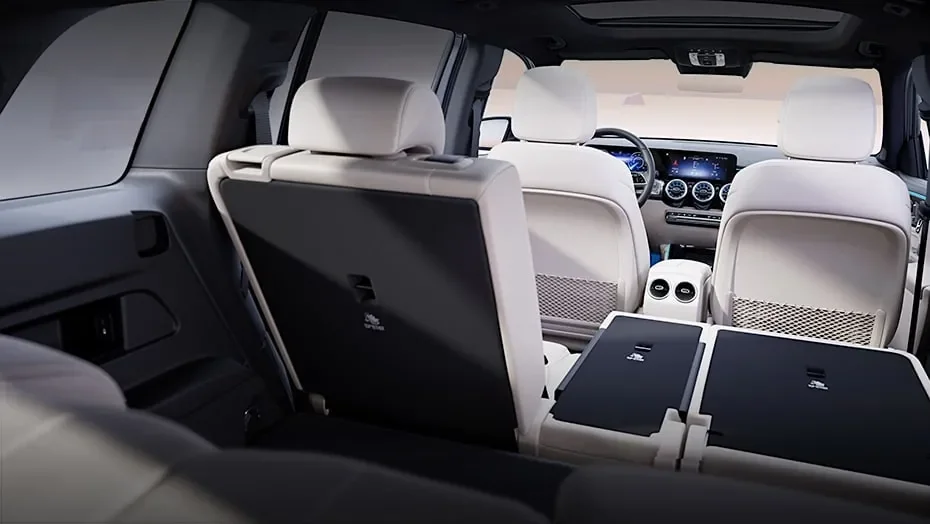
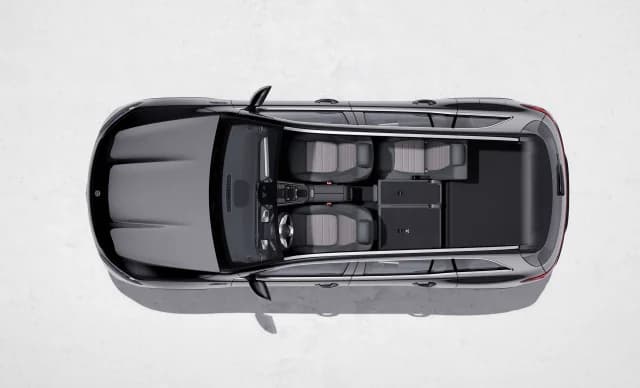
The EQB’s boxy shape delivers unusually useful family flexibility in a compact luxury EV. Five-seat space is genuinely practical, with an adjustable second row and a useful everyday cargo area, while the optional third row adds two seats for children. With all seven seats occupied, luggage capacity becomes extremely limited, and the 29.1-inch third-row legroom is unsuitable for most adults. This packaging remains the EQB’s clearest advantage over sleeker rivals.
Ride and Handling
The EQB feels calm and secure more often than genuinely engaging. Its quiet electric powertrain, raised seating position, and smooth low-speed responses suit urban driving, while the EQB 350’s dual-motor traction helps in poor weather. However, reviewers variously describe the suspension as firm or unsettled, with body roll, limited steering feedback, and occasional braking awkwardness. The optional third row and battery weight reinforce its practical character, not a sporty one.
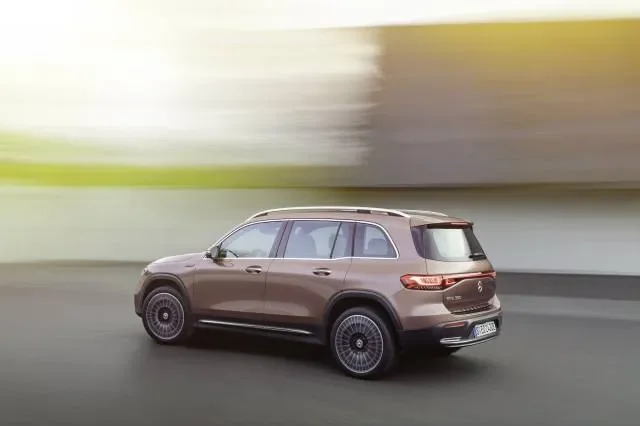
Range and Efficiency
The EQB’s range works best for routine commuting rather than carefree road trips. The front-wheel-drive EQB 250+ is rated for up to 251 miles EPA, while AWD versions are closer to 205–207 miles, and user reports commonly place real-world results around 210–230 miles. Some testing exceeded the official estimate, but winter driving can reduce range sharply. Its 70.5-kWh battery and roughly 22.1 kWh/100 km consumption are acceptable, though newer rivals generally travel farther.
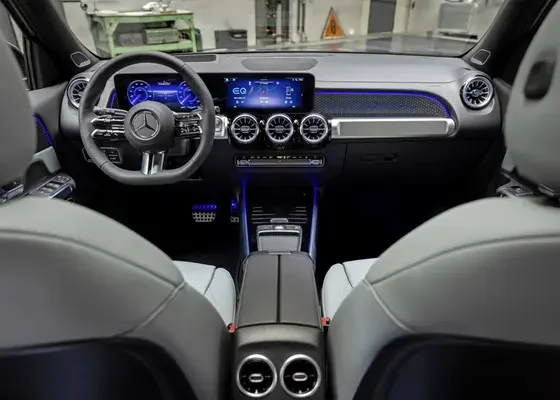
Cabin Quality and Materials
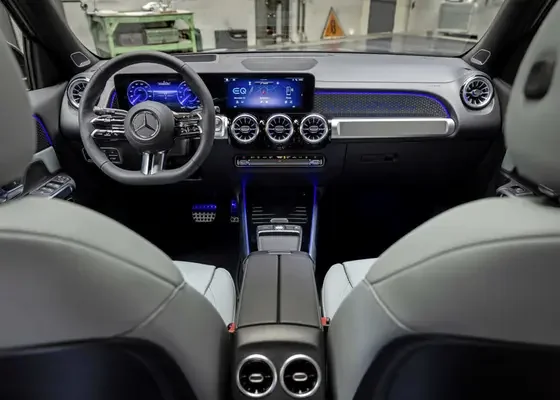
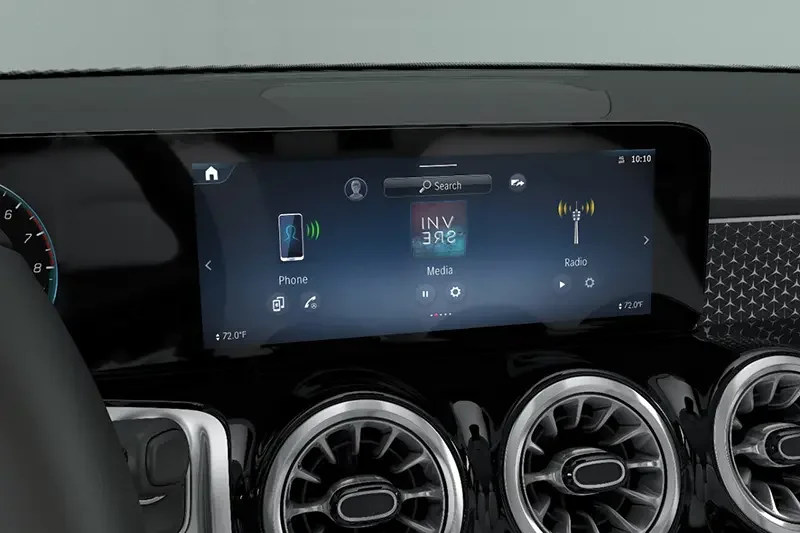
The cabin’s strongest impression is polished usability rather than unquestionable luxury. The 10.25-inch MBUX touchscreen and digital gauge cluster are responsive, configurable, and familiar to Mercedes owners, with Apple CarPlay and Android Auto included. Quietness, solid construction, ambient lighting, and comfortable seating support the premium feel, although some reviewers notice average plastics, dated software, and flimsy small components. The cabin generally feels upscale, but not always special at higher prices.
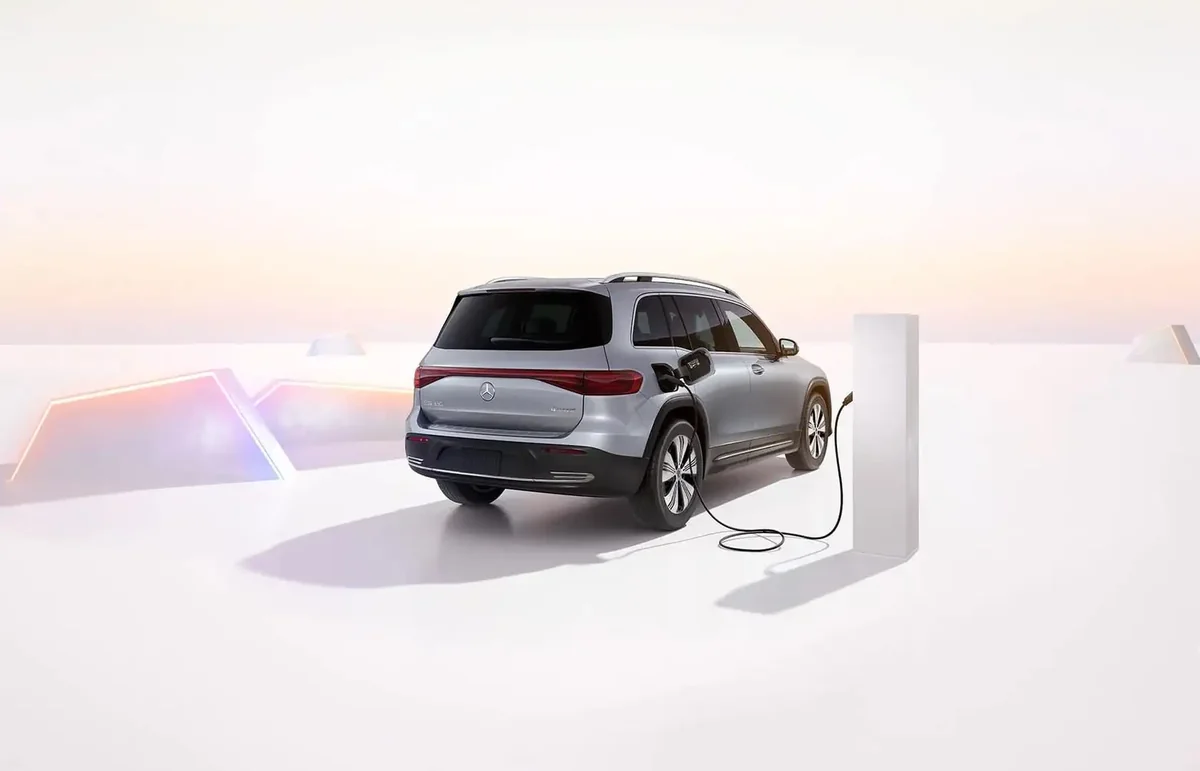
Power and Acceleration
Performance is sufficient across the range, but only the upper trims feel properly quick. The EQB 250+ produces 188 hp and takes about 8.5 seconds to reach 60 mph, which is relaxed rather than sluggish in normal traffic. The EQB 300 offers 225 hp, while the 288-hp EQB 350 can reach 60 mph in about 5.4 seconds. Smooth power delivery is a consistent strength, though base-model front-wheel spin and limited excitement remain drawbacks.
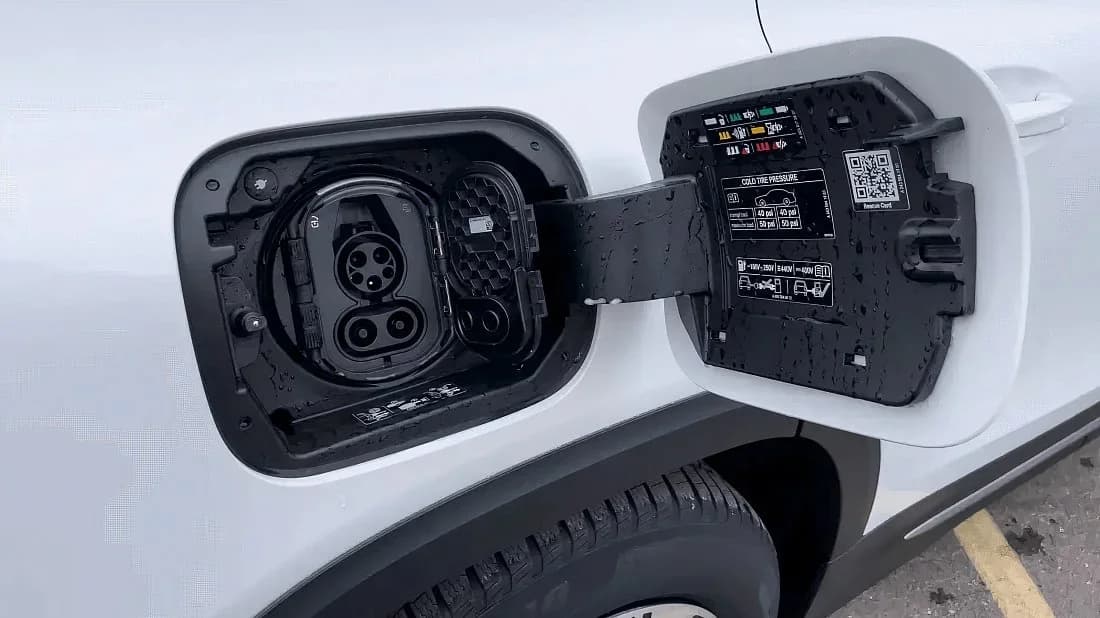
DC Fast Charging
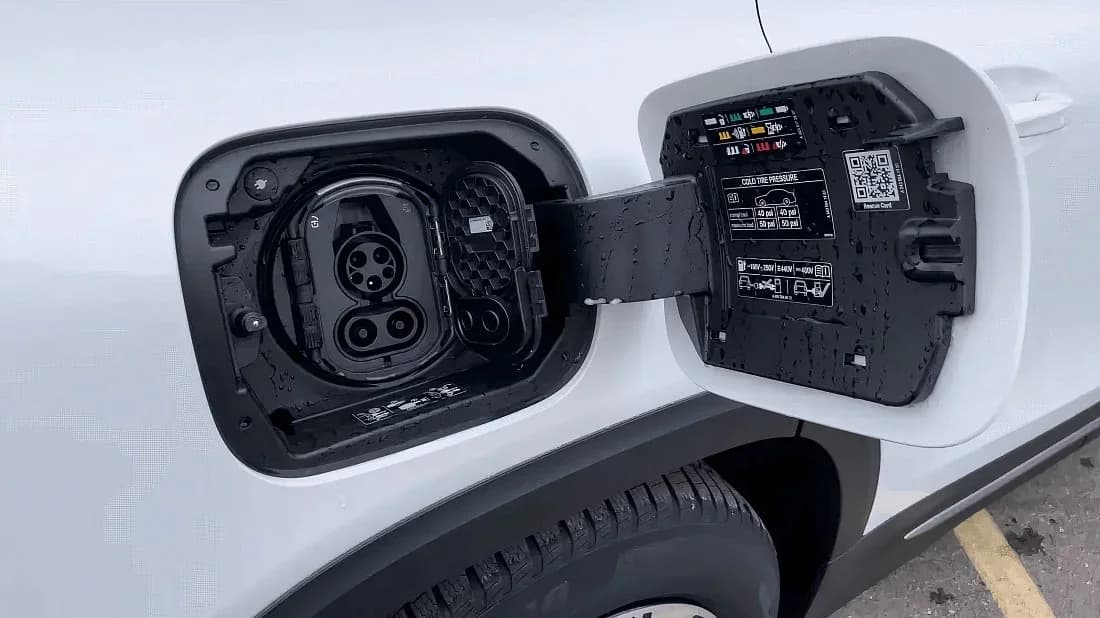
Charging is adequate for home-based use but increasingly dated for long-distance travel. Mercedes quotes roughly 10–80% in 35 minutes, yet the EQB’s 400-volt system peaks at only 100 kW DC, and reviewers frequently flag slow road-trip replenishment. Its 9.6-kW onboard AC charger is more useful overnight at home. Charging performance can vary with temperature and battery condition, but the consistent feedback is that newer competitors make shorter, easier stops.
Conclusion
The EQB’s cleverest trick is making a compact EV genuinely family-friendly, but the compromises become clearer beyond the school run. The 251-mile EPA range is workable in the 250+ for commuting, while AWD models and winter conditions can shrink that advantage; its 100-kW DC charging also makes road trips less relaxed. In town, the quiet cabin, smooth power delivery, and polished MBUX appeal to owners, though firm ride quality and inconsistent braking temper comfort. Five-seat space is useful, and the optional third row is a valuable child-sized backup, but cargo room nearly vanishes with all seats raised. Build quality feels solid and upscale, if not consistently luxurious, while the EQB 350 supplies welcome punch that the base model lacks. It earns its recommendation as a sensible niche choice for Mercedes-focused families who can charge at home—not as the best-value or longest-distance EV.

Feature Scores
This reflects reviews and ratings from established critics, journalists, and users who have evaluated the item. Their opinions provide a comprehensive assessment.
Performance
Driving Range
3/5
Charging Speed
2/5
Acceleration
3/5
Handling and Ride Comfort
3/5
Energy Efficiency
3/5
Battery Durability
3/5
Value
Purchase Price Competitiveness
2/5
Total Cost of Ownership
3/5
Resale Value
2/5
Design
Exterior Styling
3/5
Interior Space and Packaging
4/5
Ergonomics and Controls
4/5
Health
Cabin Air Quality
TBD
Low-Toxicity Materials
TBD
Safety
Crashworthiness
TBD
Active Safety Systems
4/5
Battery Safety Systems
3/5
Sustainability
Lifecycle Emissions
4/5
Battery Recyclability
TBD
Use of Recycled Materials
TBD
Experience Style
Infotainment and Connectivity
4/5
Charging Ecosystem Integration
3/5
Customization and Driving Modes
3/5

Specifications
This section outlines the product's key facts, covering essential features, details, dimensions, materials, and any unique characteristics that define its functionality and usability.
Performance
Value
Design
Safety
Sustainability
Experience Style

Frequently Asked Questions
7 Questions

Find Yours
What is your top priority for an Electric SUV's battery performance?
Answer to find your best matches.