








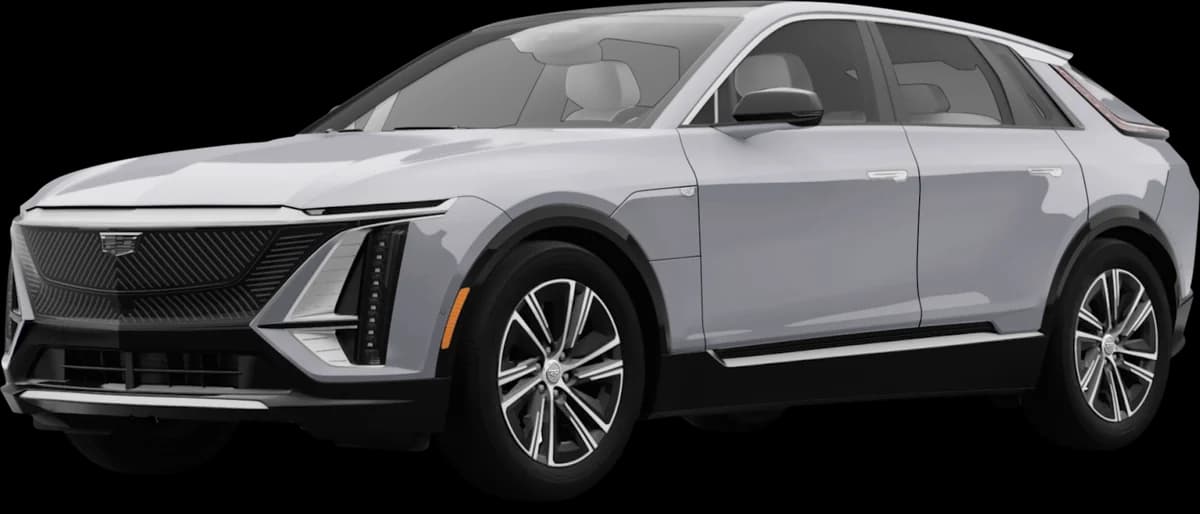
Cadillac Lyriq (2027)
Quiet, refined, long-range luxury EV with excellent tech, though charging and efficiency vary.
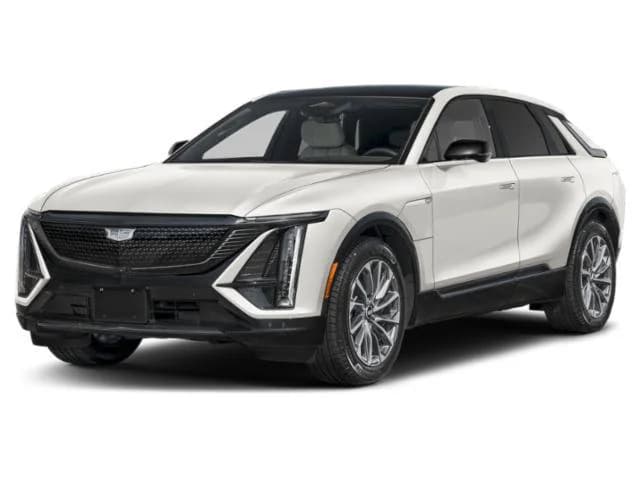
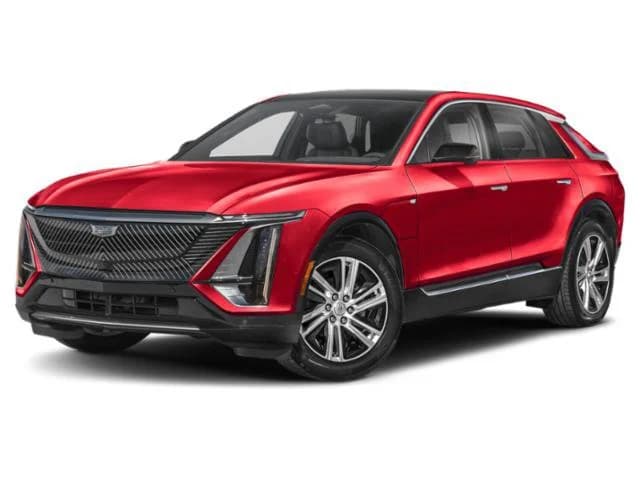
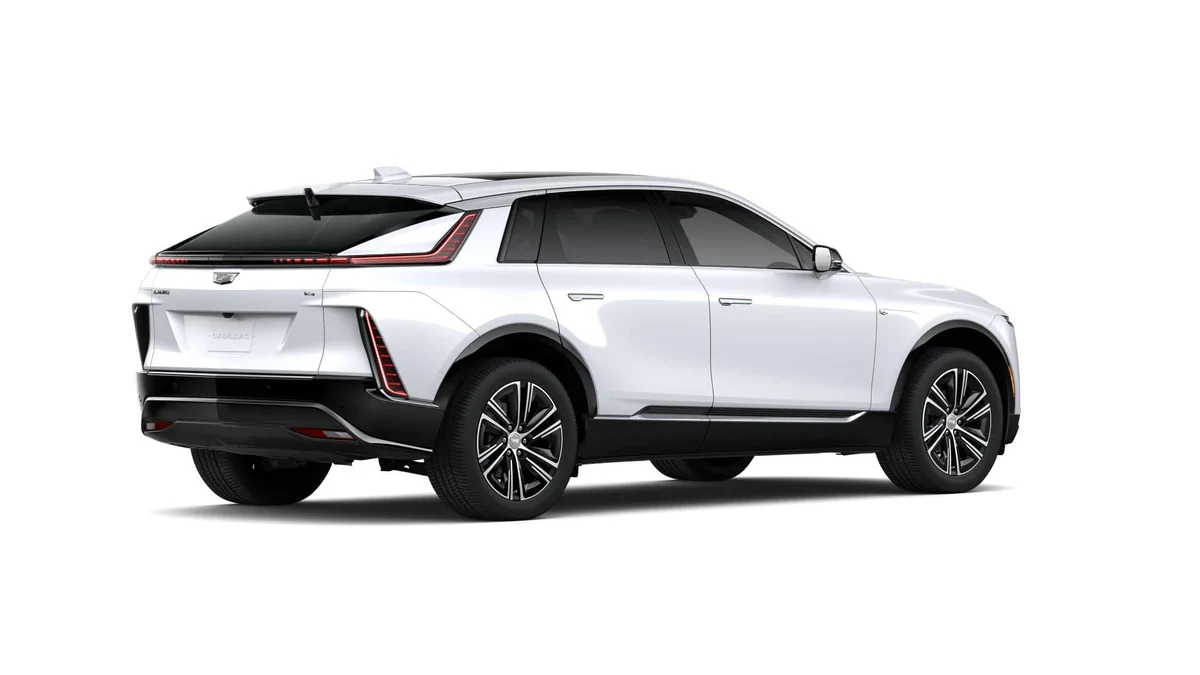
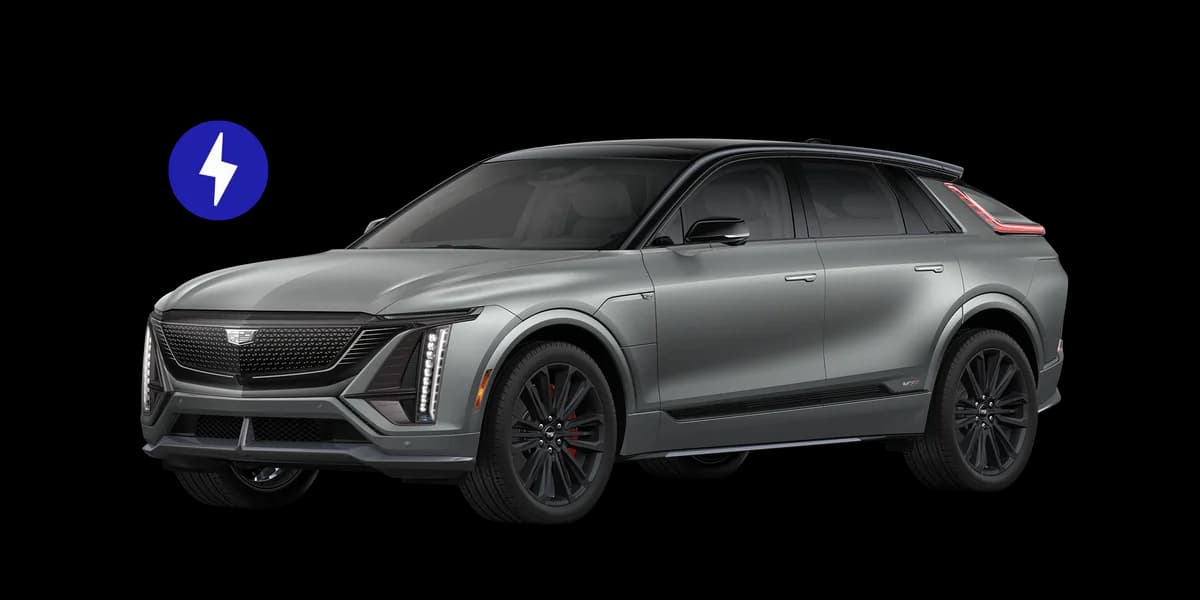
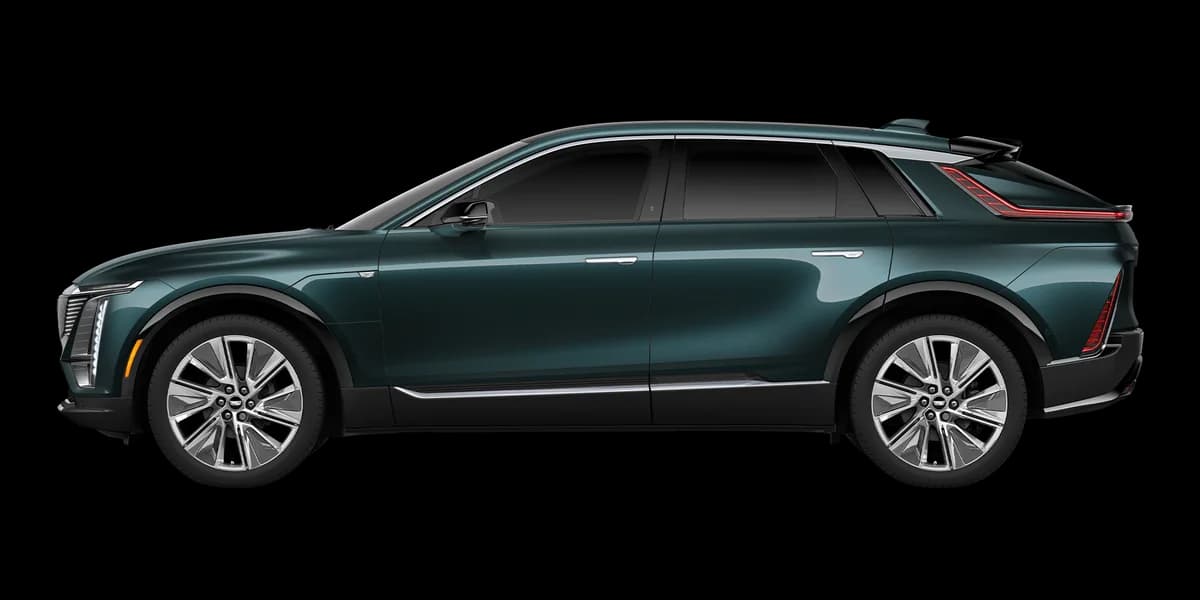
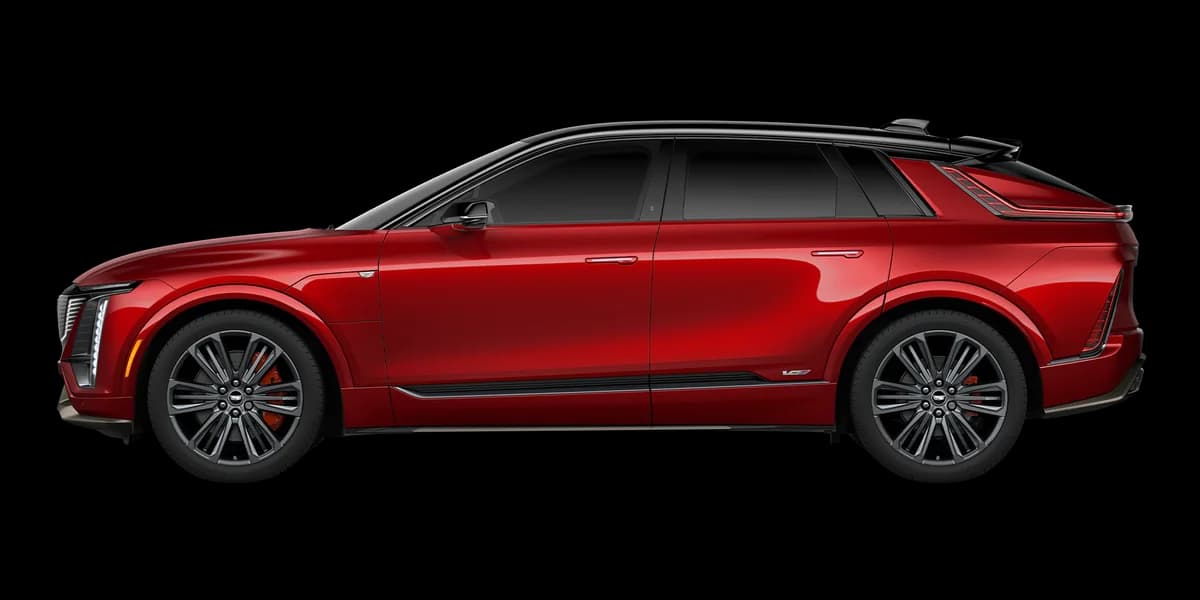
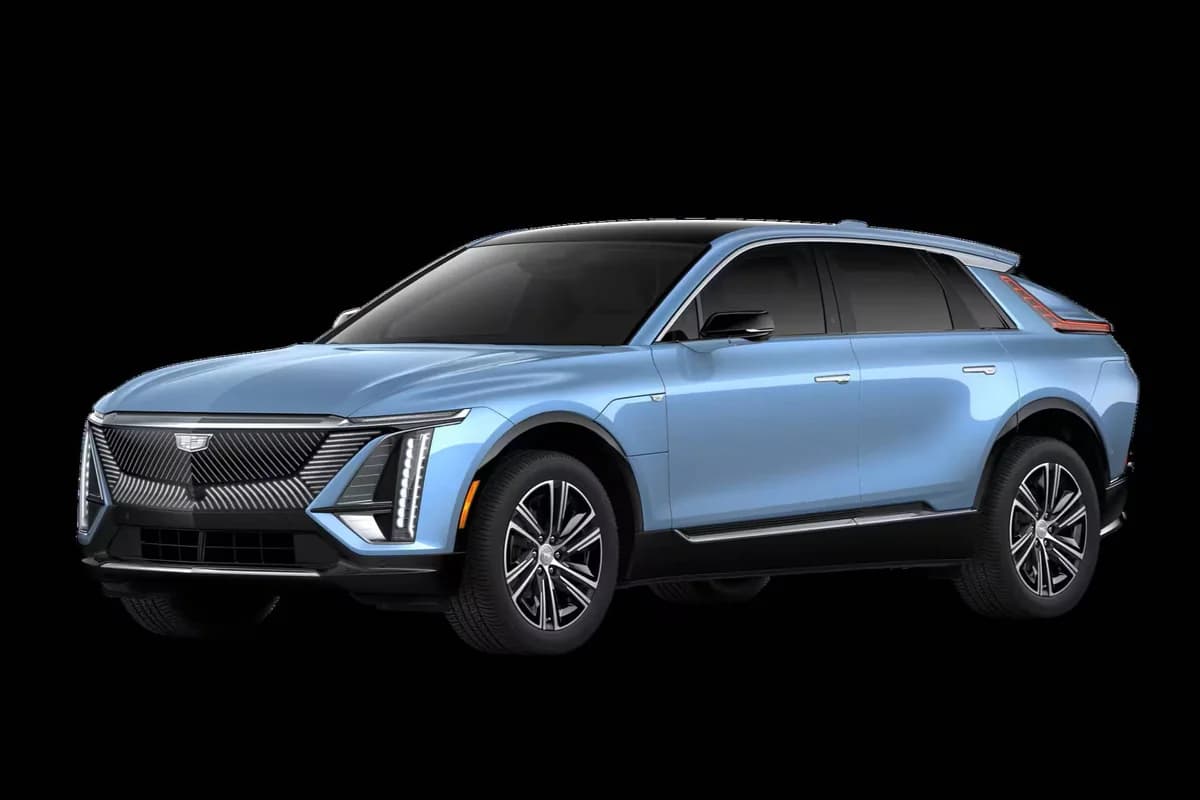
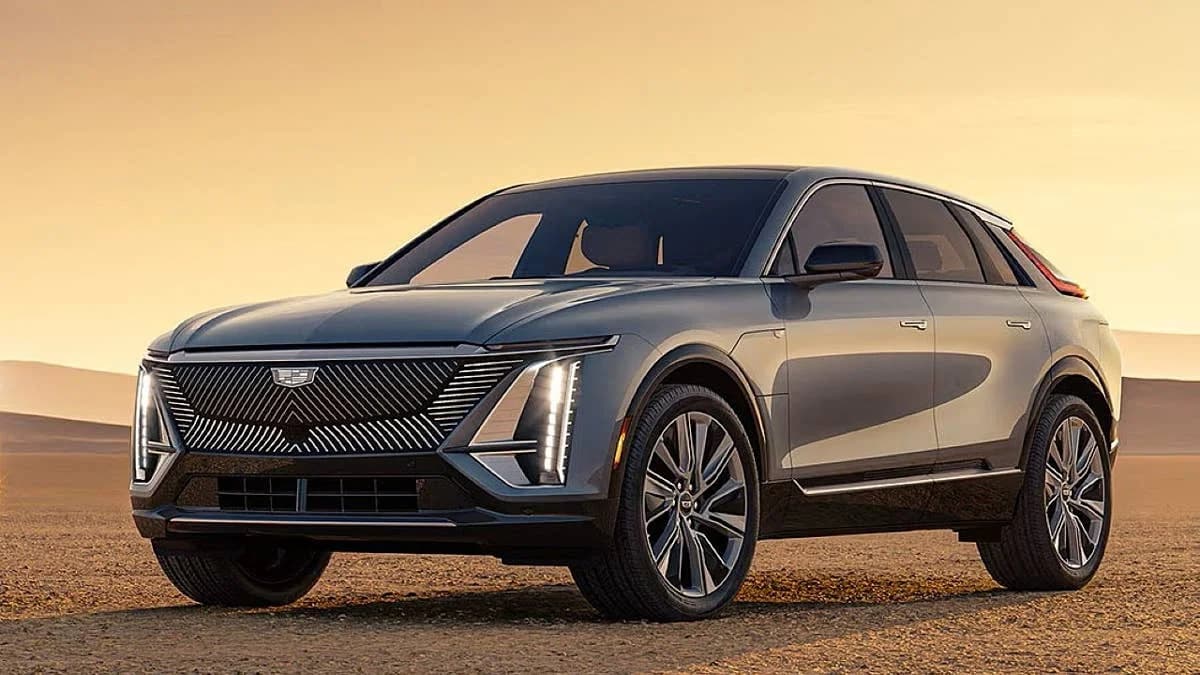
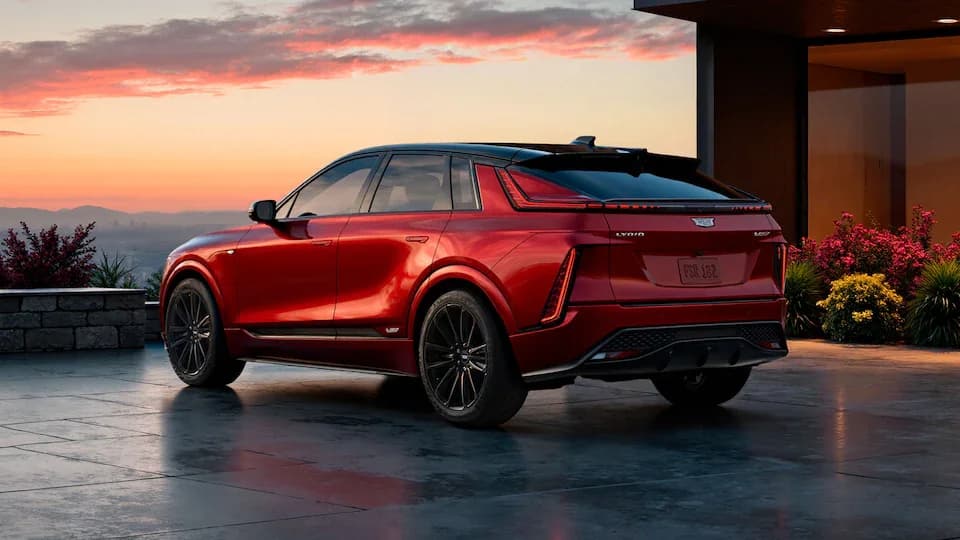
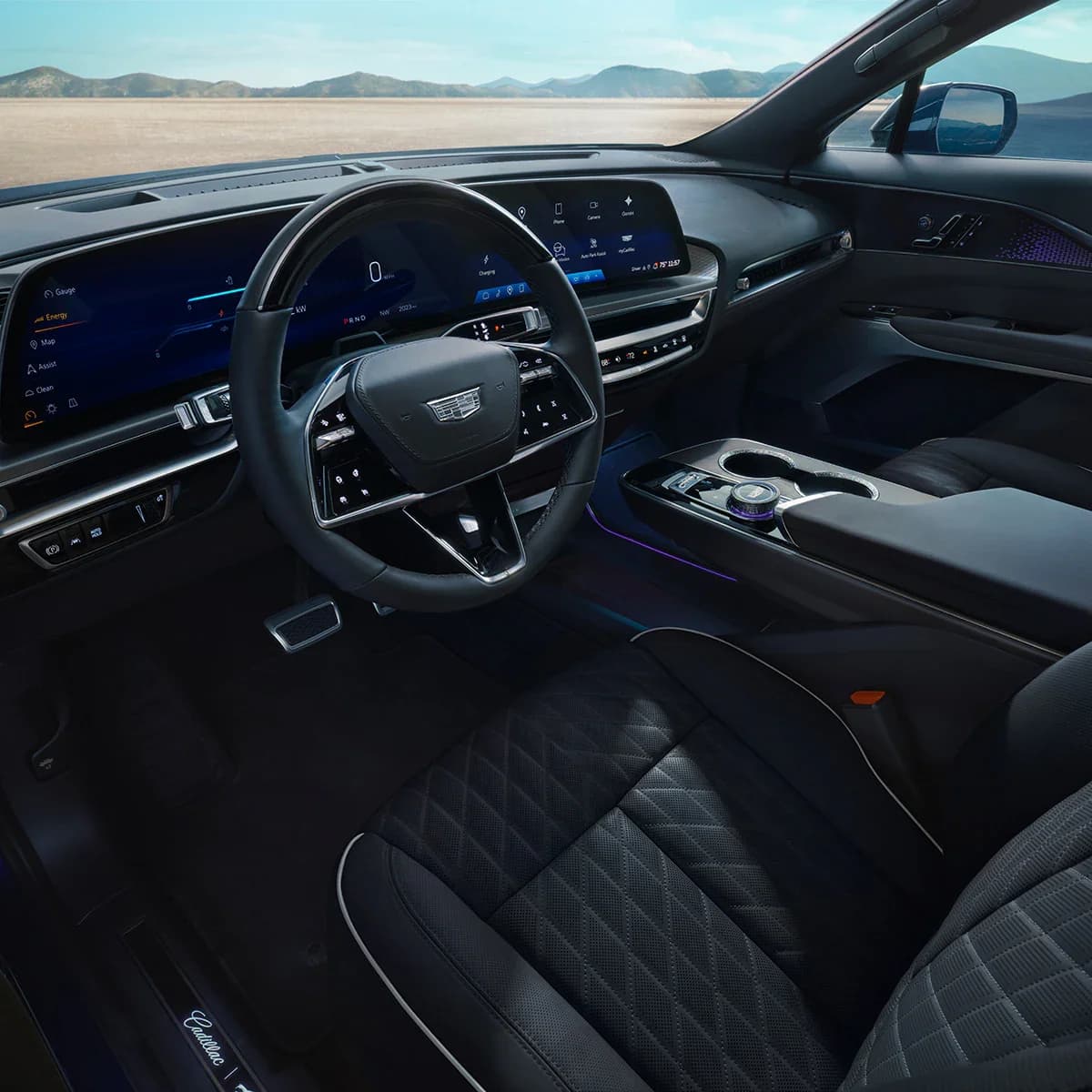
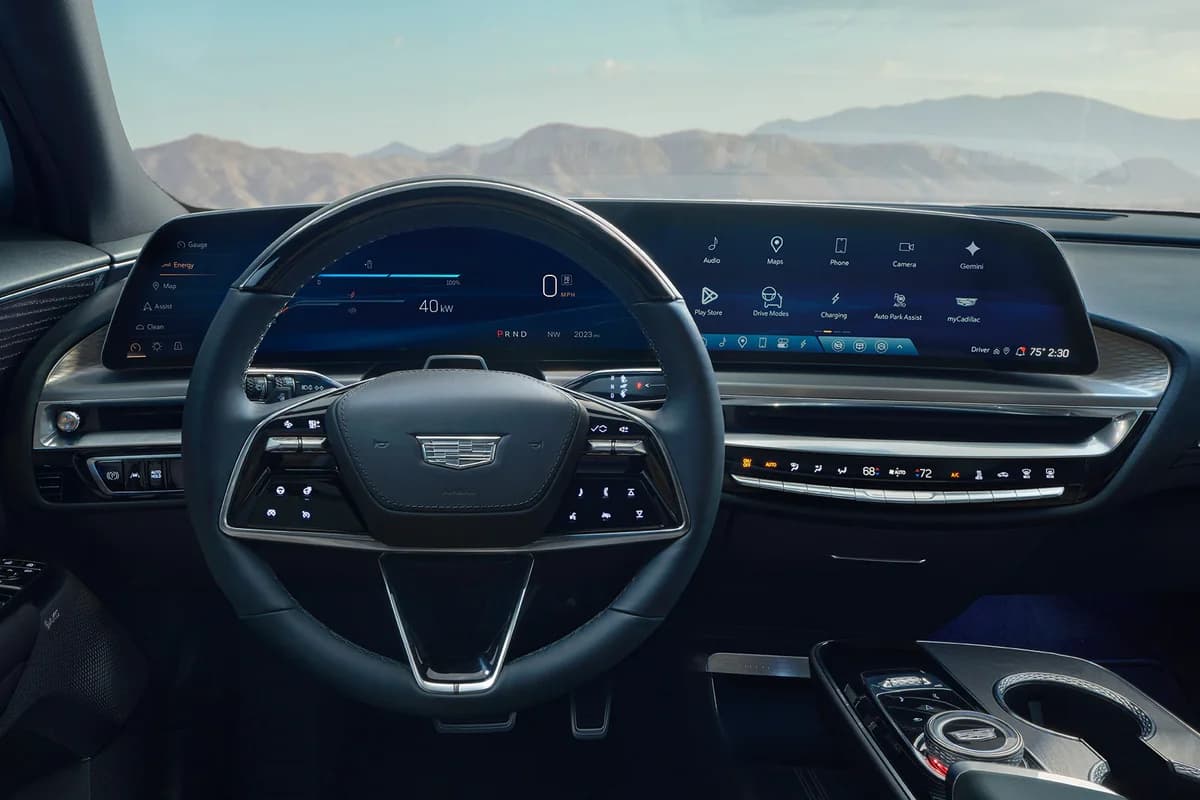
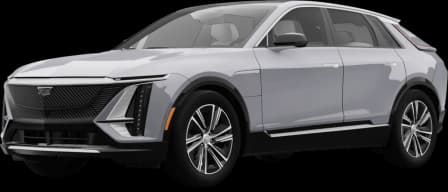
The Cadillac Lyriq (2027) is a quiet luxury-EV sanctuary for commuters and families who want less road-trip stress without giving up premium comfort. Its up to 326-mile EPA-estimated range and NACS access support Cadillac’s long-distance promise, though experts and owners report disappointing AWD highway efficiency and occasional public-charging headaches. Inside, the serene, well-insulated cabin, polished 33-inch display, and Super Cruise feel genuinely upscale, while the LYRIQ-V adds startling speed for enthusiasts. The tradeoff is a heavy, less engaging drive, limited cargo versatility, no frunk, and some software and fit-and-finish niggles. At roughly $60,000 to $75,000, it looks strongest in a well-equipped base trim, with leasing worth considering. Its overall appeal rests on how you balance comfort, technology, range confidence, and value.
Find Yours
What is your top priority for an Electric SUV's battery performance?
Answer to find your best matches.

The Field
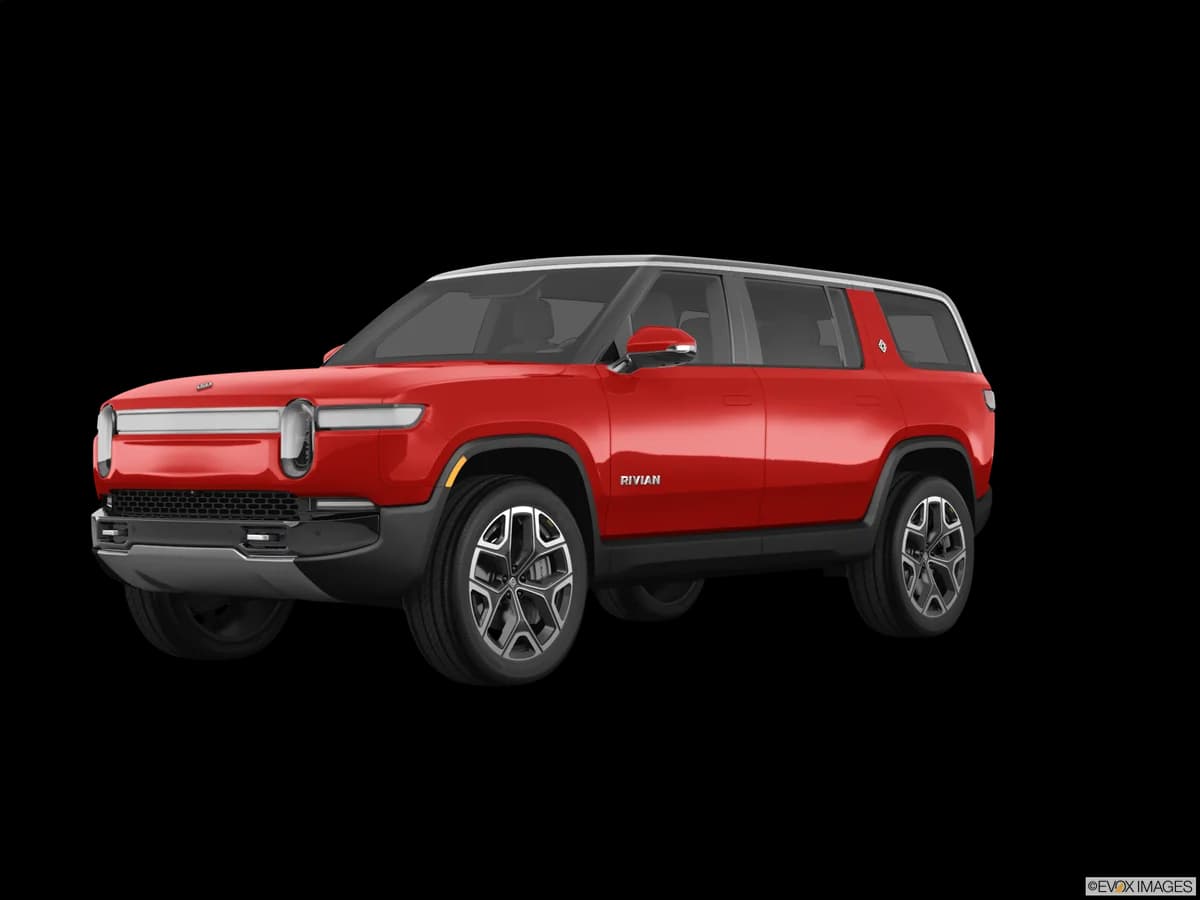
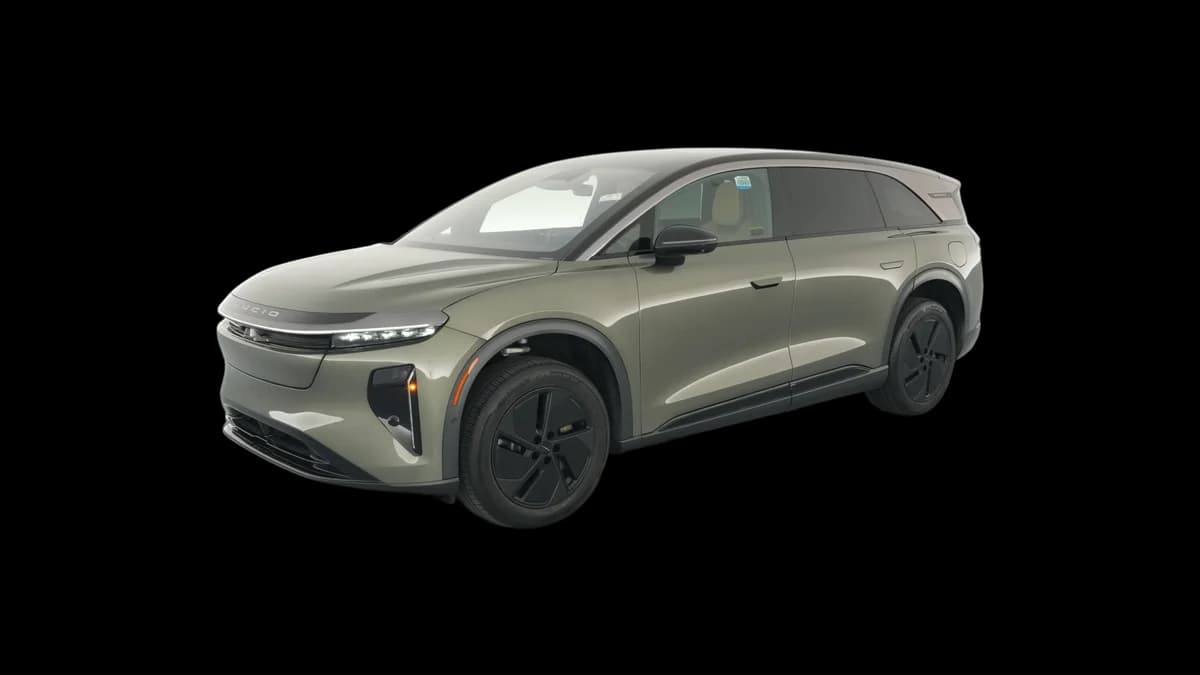
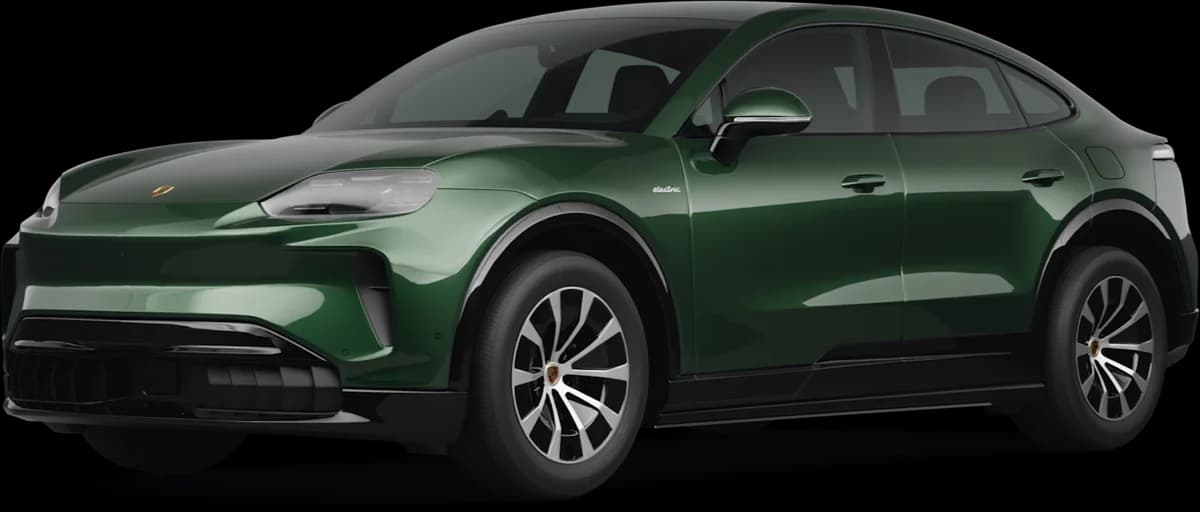
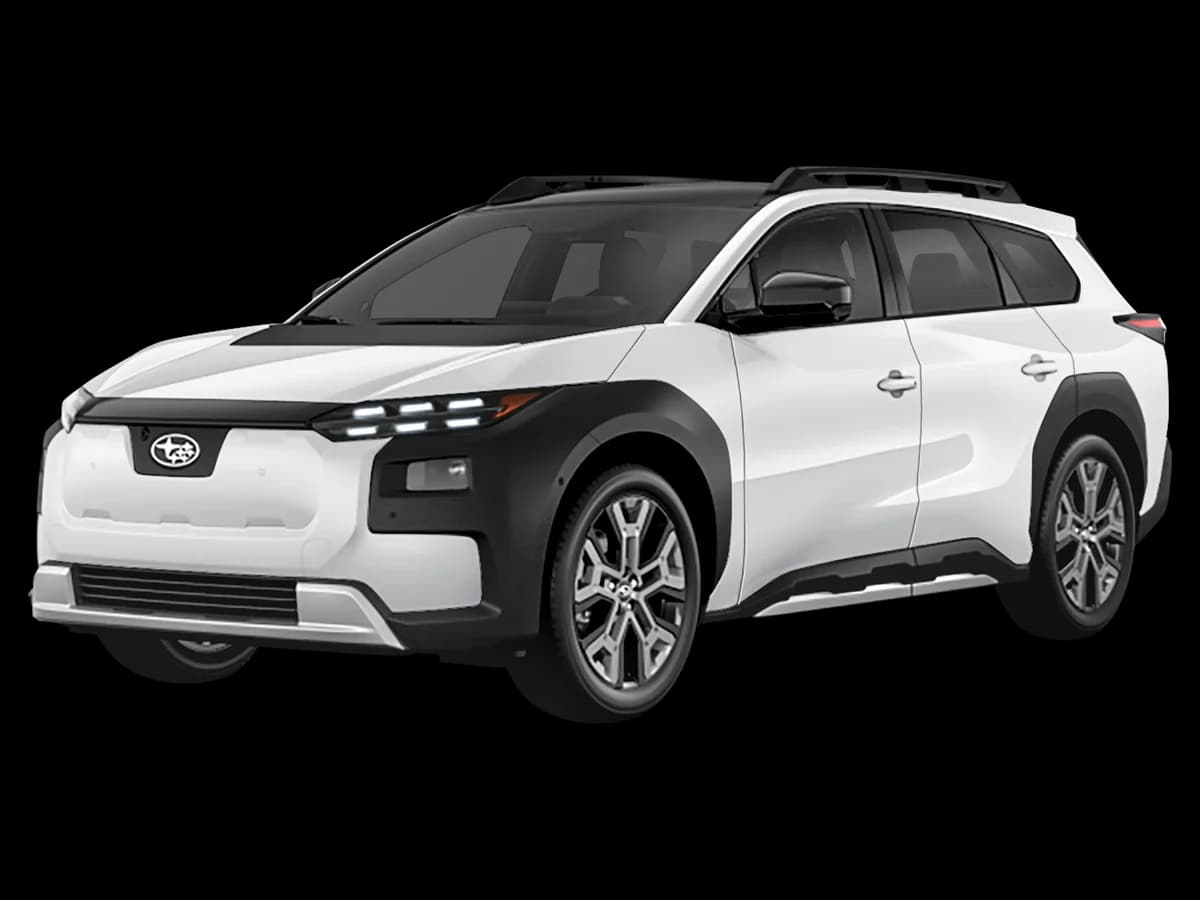
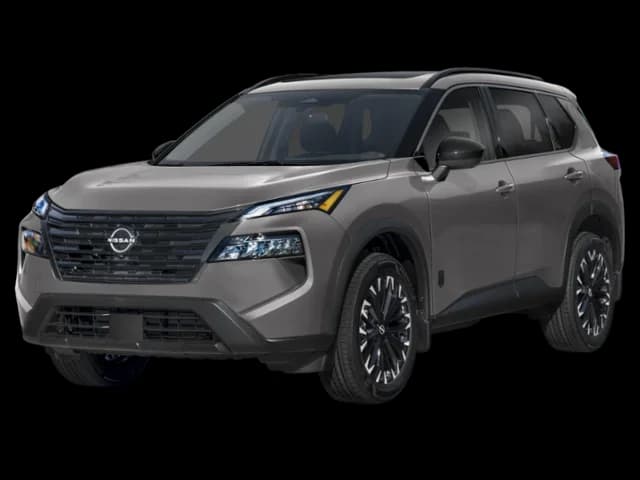
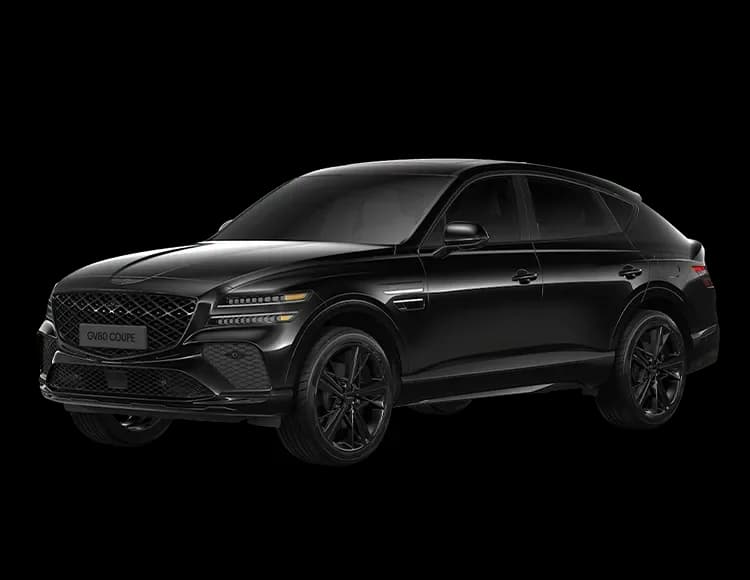
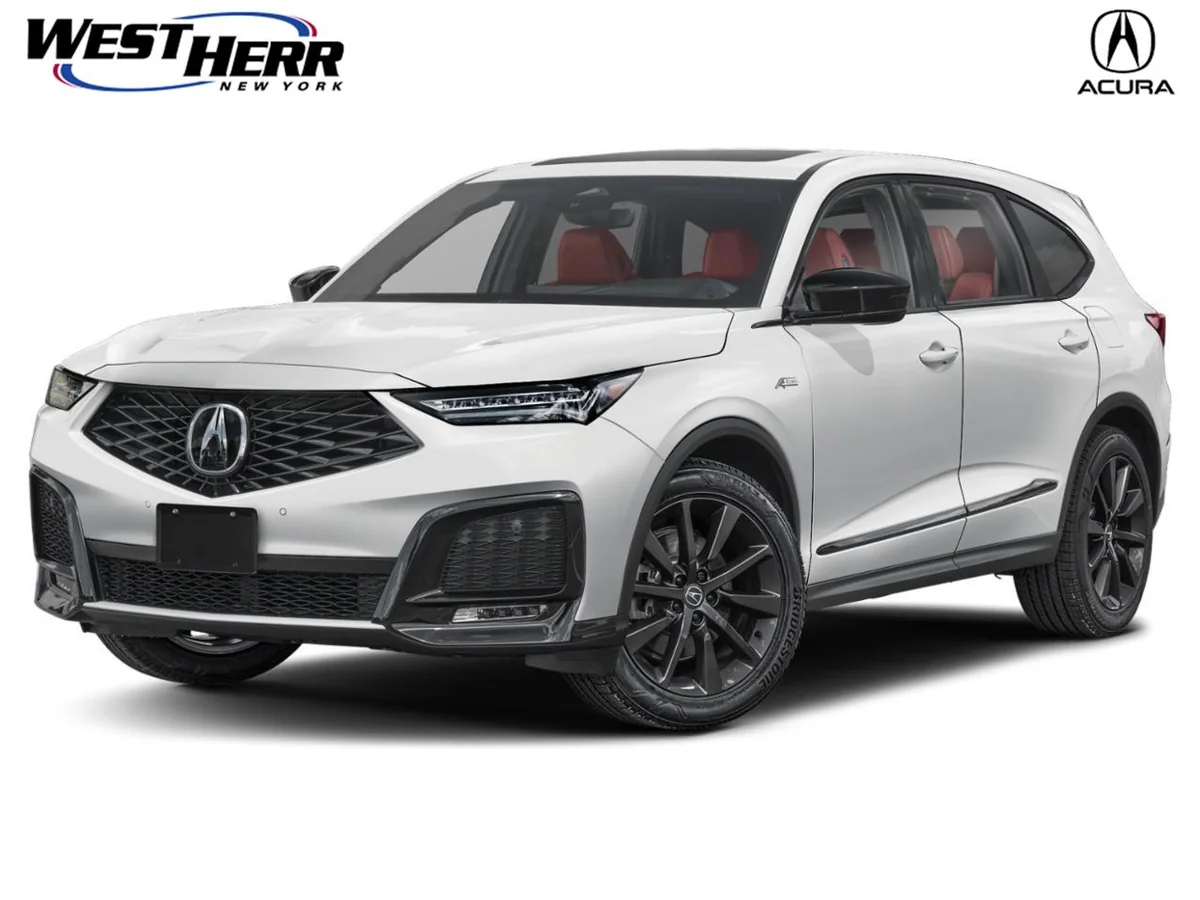
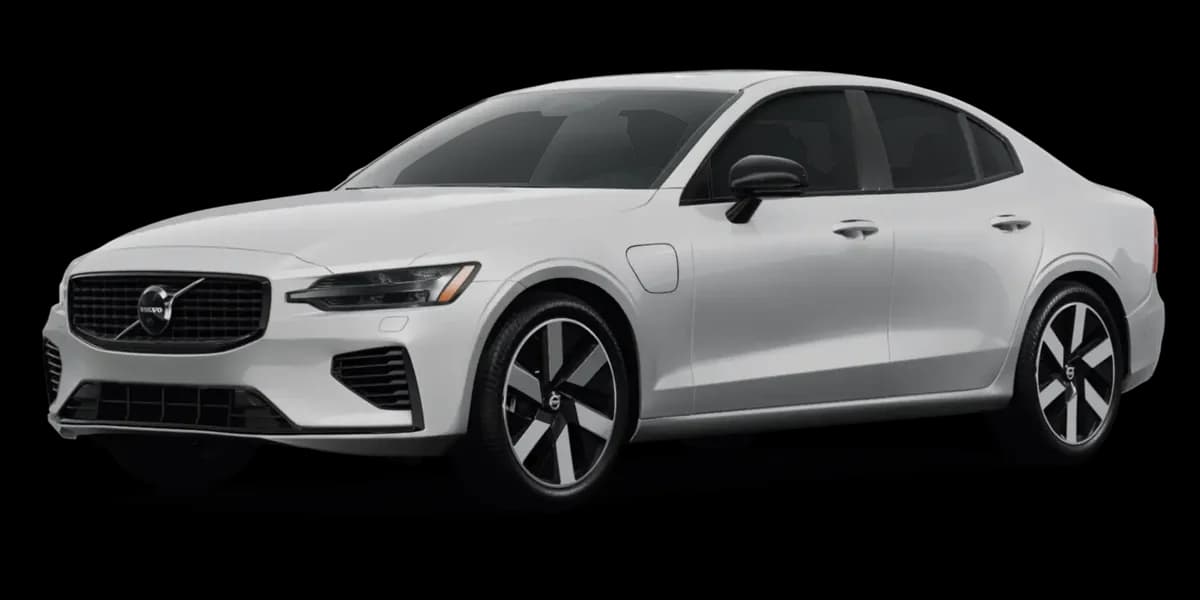
Browse top contenders, or compare all options ranked by score and key attributes.
5 Options


The Scoreboard
Does this improve your life? Considers, health, habits, and environmental impact.
Benefits
The well-insulated cabin makes commuting, conversations, and long drives feel calmer and more comfortable.
Supportive, comfortable seats and generous rear room make everyday family travel easier.
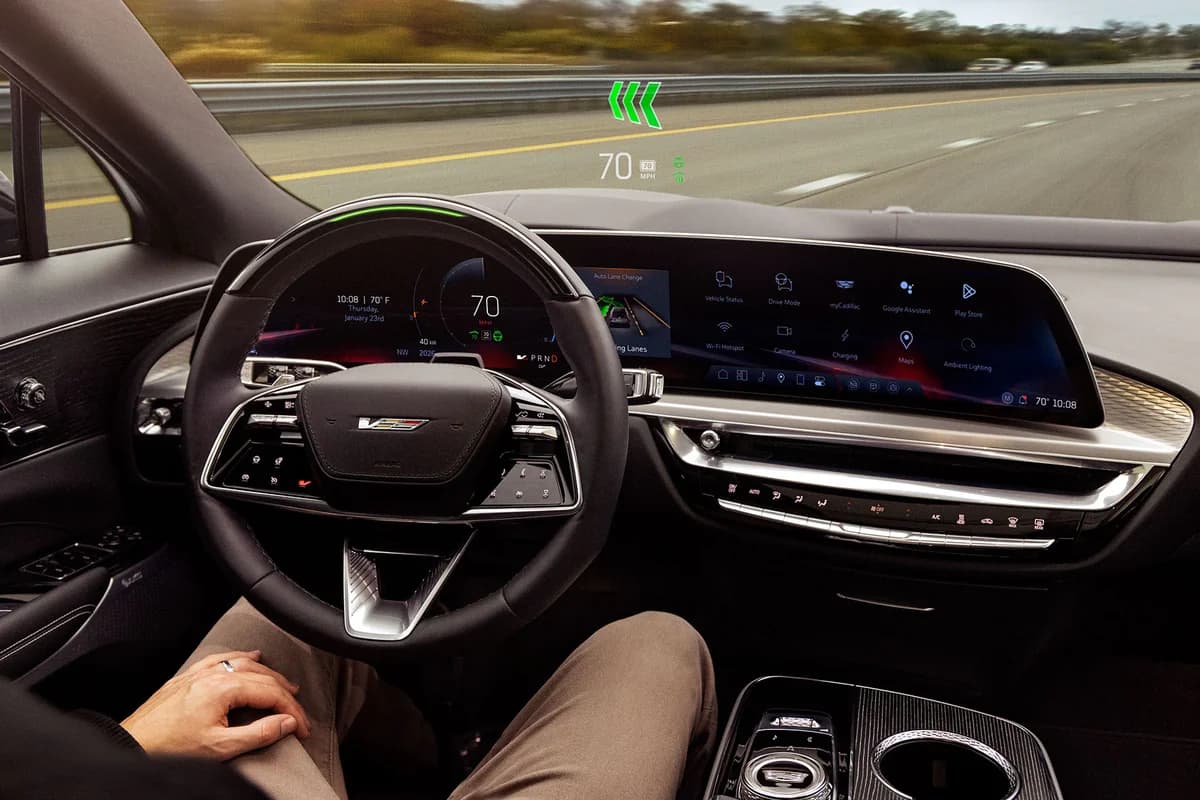
Super Cruise reduces the effort of long highway drives when road conditions support it.
Strong range and NACS access make longer trips easier to plan and recharge.
Clear screens, excellent cameras, and intuitive controls make the SUV feel polished day to day.
Trade-Offs
Deep menus and occasional screen sluggishness make simple settings changes take extra attention.
Its wide, heavy body can make tight parking garages and narrow streets feel awkward.
At highway speeds, AWD versions may use range faster, requiring earlier charging stops on trips.
Public charging can be inconsistent, turning otherwise easy road trips into longer stops.
 Alternatives


Join the Circle
Where real meets deal
Know what's worth buying-and when.
Tips, special offers, and rewards for buying and sharing.

Publications
1 LEADING PUBLICATION REVIEWS

Car and Driver is strongly positive about the 2027 Cadillac Lyriq, calling it stylish, comfortable, and genuinely appealing. Its premium cabin, huge curved OLED display, quiet ride, useful range estimates, and well-equipped base model give it plenty of luxury-SUV credibility. The reviewer especially recommends the Premium Luxury trim for features such as ventilated massaging seats, a better AKG stereo, and Super Cruise, while the rapid Lyriq-V offers exhilarating performance. Still, the Lyriq is not the most engaging or practical choice: standard models feel merely adequate off the line, handling is dull on twisty roads, cargo space trails some rivals, and real-world highway range—particularly for the all-wheel-drive version—falls well short of expectations. Overall, it comes across as a polished, high-value luxury EV with strong comfort and technology, but buyers seeking sharper dynamics, maximum utility, or effortless long-distance range should look elsewhere.
By Drew Dorian

YouTube
6 LEADING EXPERT & INFLUENCER REVIEWS
 Matt Maran Motoring
Matt Maran remains very happy with his Cadillac Lyriq after a year of ownership. He praises its exceptionally smooth, comfortable driving experience, flawless mechanical reliability, strong road-trip performance, and well-preserved interior. However, recurring fit-and-finish issues—including a squeaky, stiff door, uneven paint, a loose center-console trim piece, and seat dye transfer—are disappointing, especially from an established automaker. Erratic rear automatic braking and imprecise charging targets are also annoyances, while the standard audio system feels mediocre. Still, Matt considers these flaws minor compared with the Lyriq’s overall refinement and says he may lease another one.
Munro LiveJordan Arocha is clearly impressed by the Cadillac Lyriq’s sophisticated engineering, though he sees meaningful cost and mass tradeoffs. His underbody teardown praises the premium double-virtual-ball-joint front suspension, extensive structural provisions for small-overlap crash protection, isolated rear cradle, and substantial noise-control materials. He also finds the Lyriq’s packaging and thermal-management choices intriguing, including its unusually large rear drive-module plate cooler and oversized grounding straps. Still, the many steel reinforcements, brackets, and added components suggest Cadillac prioritized stiffness, refinement, and safety over lightweighting or low manufacturing cost. Overall, the tone is enthusiastic, curious, and strongly positive from an engineering perspective.
TedwardTedward is genuinely impressed by the Cadillac Lyriq, especially its calm, luxurious character. He praises the quiet, well-insulated cabin, comfortable massaging seats, excellent cameras, smooth screens, flexible regenerative-braking paddle, and effective Super Cruise. The Lyriq feels distinctly more refined than Chevrolet’s Ultium-based EVs, he argues, because it focuses on being a serene Cadillac rather than pretending to be a sports car. Still, vague handling, limited seat bolstering, highway-speed efficiency, heavy weight, and an unreliable public charging experience temper his enthusiasm. Overall, he sees it as a compelling luxury EV sanctuary, provided comfort matters more than cornering or maximum efficiency.
Tech Gear TalkTech Gear Talk is highly impressed by the Cadillac LYRIQ, calling it one of the most complete luxury EVs at its price. After a week, the reviewer especially appreciated its serene ride, quiet upscale cabin, excellent AKG audio, intuitive 33-inch display, strong range, and outstanding Super Cruise highway assistance. The LYRIQ feels like a genuine luxury SUV rather than an electric vehicle performing luxury, though regular-road lane centering is inconsistent. Missing features such as a frunk, exterior lock button, and physical glovebox release are minor annoyances. Overall, the enthusiastic recommendation is to give it serious consideration and take a test drive.
Steve Hammes New Car ReviewsSteve Hammes is highly positive about the Cadillac LYRIQ, calling it an exceptionally well-executed midsize luxury EV. He praises its 326-mile maximum range, responsive 515-hp all-wheel-drive performance, intuitive controls, wireless Apple CarPlay and Android Auto, premium Nappa interior, AKG audio, and especially Super Cruise. His main cautions are the costly 19.2-kW charging upgrade, which can reduce range and slow other charging, awkward massage-seat controls, and ride quality that falls short of the Acura ZDX Type S. Overall, he views the LYRIQ as a compelling, polished choice.
Darren Byrd -Geek On The Flight Deck LLCDarren Byrd is strongly positive about the Cadillac LYRIQ, despite an intensely negative dealership experience. He praises its quiet, smooth ride, upscale and practical cabin, excellent cameras, physical controls, digital rearview mirror, retractable sunshade, comfortable rear seat, and especially Super Cruise, which he considers more dependable than Tesla’s supervised Full Self-Driving. He also finds its range realistic and performance sufficient for everyday driving. His reservations are the lack of a frunk, rear heated seats on this trim, overly deep software menus, modest ground clearance, loud pedestrian alert, and a price he feels is too high—making leasing preferable.

Social
2 INFLUENCER REVIEWS
 LetsDriveIt
LetsDriveIt feels cautiously unconvinced that the Cadillac Lyriq lives up to its hype. They appreciate its attractive design, quality interior, selectable one-pedal driving, and wide display, while noting strong initial demand. Still, the driving experience felt lackluster, the screen was less responsive than expected, and its technology may age poorly. Overall, the Lyriq seems polished but not compelling enough yet for them to place a deposit without more time behind the wheel.
Brooke’s Daily DriveBrooke’s Daily Drive is mildly positive about the 2027 Cadillac Lyriq’s interior choices. She walks through the available colors for the Lyriq and Lyriq-V, mentioning her own Autumn Canyon order and calling Phantom Blue “amazing.” However, she sees little change from previous model years, so the video is more of an informative options tour than an enthusiastic review. She also observes that Renaissance Red looks especially impressive in person, while noting Cadillac’s branding interior is among the dealership’s most requested choices.

Forum Reviews
CUSTOMER REVIEWS FROM 1 FORUM
Redditors are broadly optimistic about the 2027 Cadillac Lyriq, especially its comfort, speed, design, and Super Cruise. Owners describe it as quiet, refined, spacious, and genuinely enjoyable, with a premium interior and strong technology. Its rumored refresh and improved range make waiting appealing, while leasing is often viewed as the safer financial choice amid rapid EV depreciation. Still, concerns persist around software glitches, inconsistent driver assistance, dealership support, charging-standard transitions, winter performance, and past reliability problems. The 2027 model inspires interest, but buyers seem wise to let early production issues settle before committing.
Many comments

In-Depth Review

Highlights
- •Quiet Cabin ComfortReviewers consistently note serene, insulated travel.
- •Super Cruise AssistanceReviewers find supported-highway assistance highly effective.
- •Long-Range CapabilityMarketed as offering up to 326 miles.
- •Broad Charging AccessNACS access expands compatible charging options.

Considerations
- •Variable Highway RangeAWD efficiency can disappoint on highways.
- •Inconsistent Public ChargingCharging reliability varies by station.
- •Heavy Road MannersWeight and vague handling limit cornering enjoyment.
- •Software And Trim IssuesGlitches, sluggish menus, and loose trim occur.
Cadillac’s Lyriq brings the brand’s quiet, tailored luxury into a fast-moving EV market. Positioned against the Audi Q6 e-tron, BMW iX, and Tesla Model Y, it serves commuters and families who want an upscale two-row SUV, with up to 326 miles of EPA-estimated range, broad NACS charging access, and a remarkably calm cabin. The 190-kW DC fast-charging capability helps with longer trips, while AWD adds traction and the LYRIQ-V delivers genuinely startling acceleration. Reviewers generally prefer its comfort and refinement to sporty handling, and owners appreciate its space, though highway efficiency, public-charging consistency, software quirks, and fit-and-finish deserve attention. The 33-inch display, acoustic insulation, cargo capacity, and Super Cruise also matter depending on how you drive. In short, it’s a luxury EV that would rather soothe than show off—so explore the range, charging, performance, ride, cabin quality, and practicality details before choosing your ideal configuration.
Acceleration and Motors
The LYRIQ offers enough electric punch for relaxed driving, with the performance range extending far beyond adequate. The RWD model produces 365 horsepower, dual-motor AWD rises to 515 horsepower, and the LYRIQ-V delivers 615 horsepower and 650 lb-ft through Launch Control. Reviewers find AWD genuinely quick, while the LYRIQ-V’s claimed 3.3-second 0–60 mph makes it an enthusiast-grade SUV. Standard versions are smoother than thrilling off the line, but instant torque remains useful for merging and passing.
Ride and AWD Dynamics
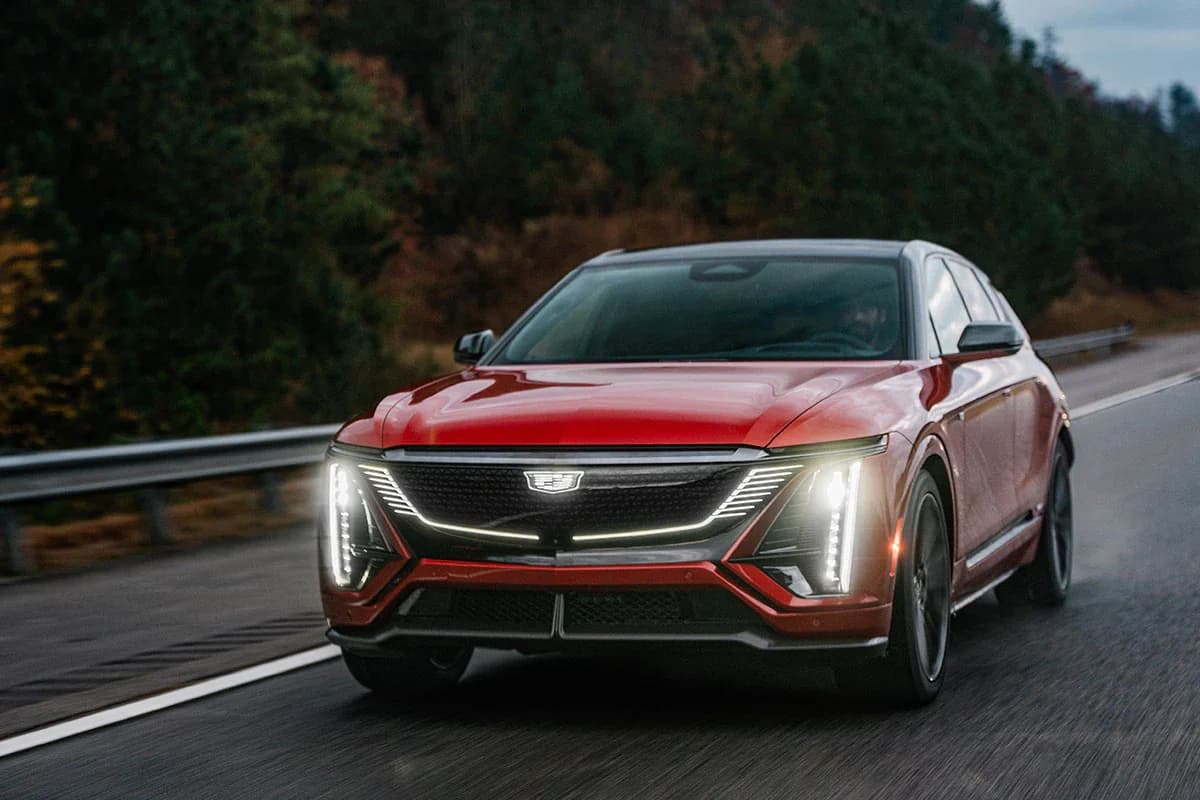
The LYRIQ prioritizes calm, secure travel over sporty cornering. Its isolated rear cradle, substantial sound insulation, and premium double-virtual-ball-joint front suspension help create the quiet, smooth ride praised by reviewers, while AWD adds traction and supports towing up to 3,500 pounds. The compromise is a heavy feel, vague handling, and limited seat bolstering, with the standard chassis less engaging on winding roads. Even so, the relaxed tuning suits Cadillac’s luxury mission better than an artificially aggressive setup would.
Range and Efficiency
Range is one of the LYRIQ’s strongest practical advantages. Cadillac claims up to 326 miles of EPA-estimated range from the 102-kWh battery in the single-motor RWD version, while AWD models are rated around 303–319 miles and the LYRIQ-V reaches 285 miles. That headline is supported by reviewers who find the estimates useful, but real-world highway efficiency, particularly with AWD, can fall short. The 92 MPGe RWD and 89 MPGe AWD ratings are respectable, though the heavy SUV rewards realistic trip planning.
DC Fast Charging
Charging capability makes the LYRIQ more road-trip friendly than its luxury positioning might suggest. Its 190-kW DC fast-charging peak and claimed 10–80% charge in about 40 minutes are competitive, while the NACS/J3400 port provides direct compatibility with Tesla Superchargers and Cadillac’s app-based network access. That is a meaningful usability benefit, and reviewers praise the broader charging access, but public-station reliability remains inconsistent. The 11.5-kW AC charger is adequate at home, though faster charging depends heavily on station conditions and battery temperature.
Cargo and Practicality
The LYRIQ works well as a family-sized two-row SUV, though it is not the segment’s most versatile hauler. It provides 28.0 cubic feet behind the rear seats and 60.8 cubic feet with them folded, with a comfortable rear bench and useful cabin storage. That makes daily errands and luggage manageable, but the absence of a frunk reduces flexible storage, and reviewers note that cargo capacity trails some rivals. Its wide, nearly 197-inch body also makes tight garages and narrow urban spaces less effortless.
Cabin Refinement and Quality
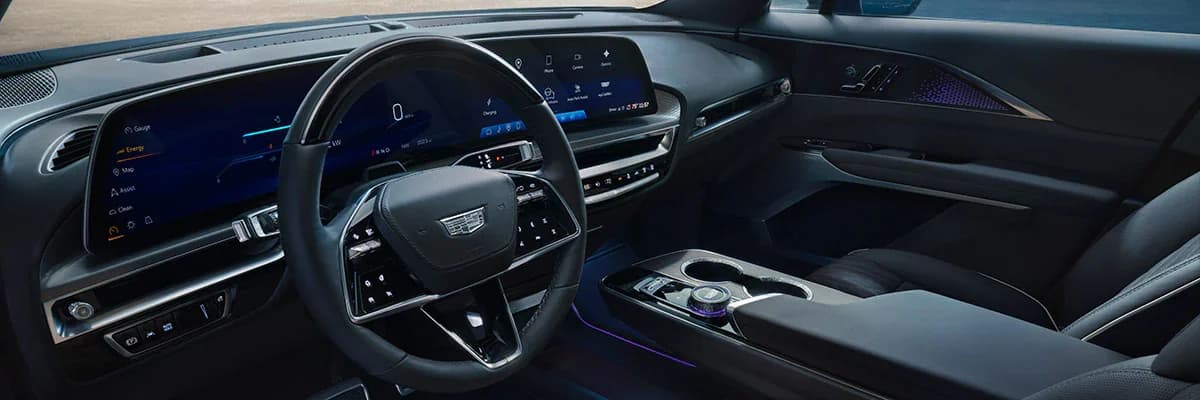
The cabin is where the LYRIQ most convincingly earns its luxury badge. The 33-inch curved OLED display, comfortable seats, useful cameras, AKG audio on upgraded trims, and extensive acoustic insulation create a serene environment that experts and owners consistently appreciate. Super Cruise adds to the relaxed experience on supported highways. Quality is not flawless, however: some owners report squeaks, uneven paint, loose trim, seat-dye transfer, and occasional software sluggishness. The overall presentation is premium, but fit-and-finish consistency can lag behind the price.

Conclusion
The LYRIQ’s clearest identity is a quiet, long-legged luxury cruiser rather than a driver’s SUV. Its up to 326-mile range is compelling, though AWD highway efficiency can disappoint; 190-kW DC fast charging and NACS access help, but public-station reliability still requires patience. Acceleration ranges from ample in RWD to startling in the LYRIQ-V, while the suspension favors calm comfort and AWD traction over sharp cornering. Inside, strong acoustic refinement, supportive seating, Super Cruise, and the 33-inch display create the premium atmosphere owners and experts praise, although software glitches and occasional trim flaws undercut consistency. Family utility is respectable at 60.8 cubic feet maximum, but the missing frunk and merely adequate cargo room limit versatility. It suits buyers prioritizing serenity, technology, and road-trip confidence; enthusiasts and maximum-hauling shoppers should look elsewhere. Its polished strengths outweigh its compromises, making it a persuasive—if not flawless—luxury EV choice.

Feature Scores
This reflects reviews and ratings from established critics, journalists, and users who have evaluated the item. Their opinions provide a comprehensive assessment.
Performance
Driving Range
4/5
Charging Speed
4/5
Acceleration
5/5
Handling and Ride Comfort
4/5
Energy Efficiency
4/5
Battery Durability
4/5
Value
Purchase Price Competitiveness
4/5
Total Cost of Ownership
4/5
Resale Value
2/5
Design
Exterior Styling
4/5
Interior Space and Packaging
4/5
Ergonomics and Controls
4/5
Health
Cabin Air Quality
TBD
Low-Toxicity Materials
TBD
Safety
Crashworthiness
4/5
Active Safety Systems
4/5
Battery Safety Systems
4/5
Sustainability
Lifecycle Emissions
3/5
Battery Recyclability
TBD
Use of Recycled Materials
TBD
Experience Style
Infotainment and Connectivity
4/5
Charging Ecosystem Integration
5/5
Customization and Driving Modes
4/5

Specifications
This section outlines the product's key facts, covering essential features, details, dimensions, materials, and any unique characteristics that define its functionality and usability.
Performance
Value
Design
Sustainability
Experience Style

Frequently Asked Questions
8 Questions

Find Yours
What is your top priority for an Electric SUV's battery performance?
Answer to find your best matches.