










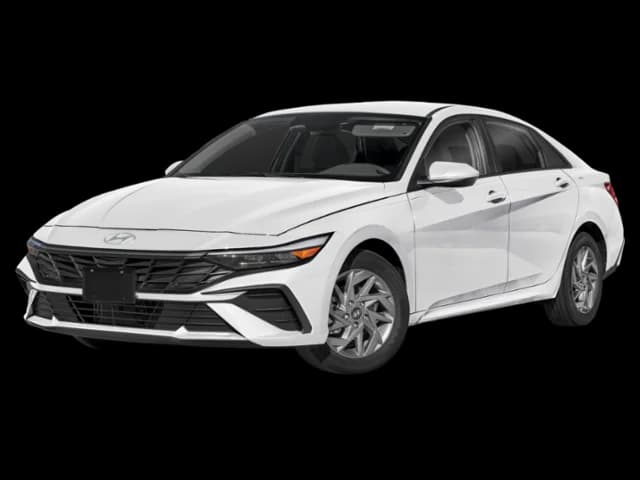
Hyundai Elantra (2026)
Affordable, efficient, and roomy, with strong value despite a slow base engine.
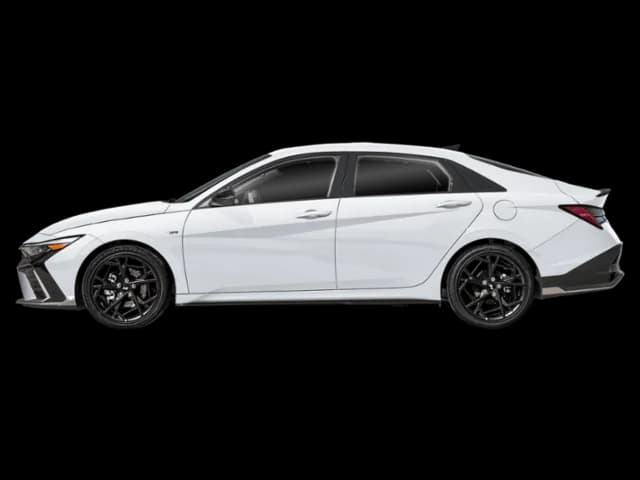
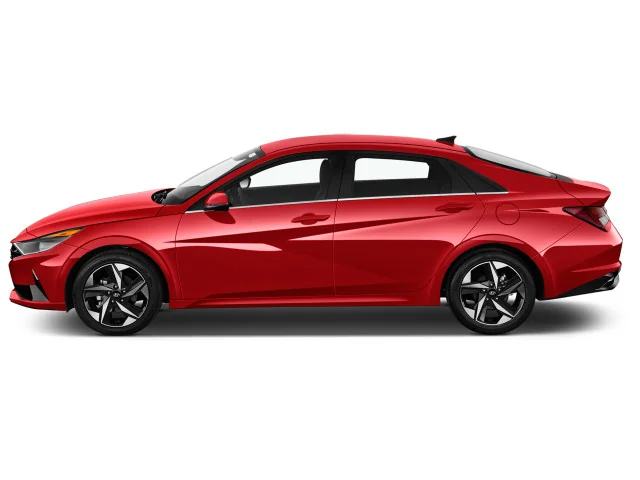
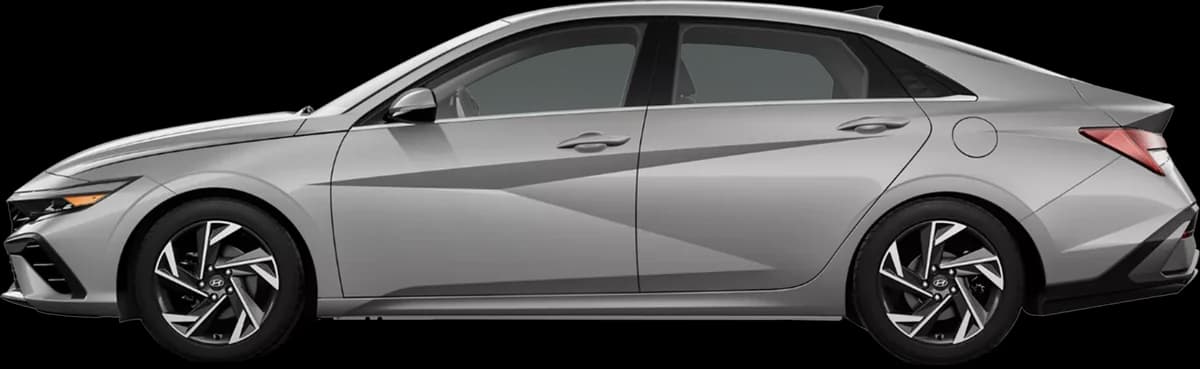
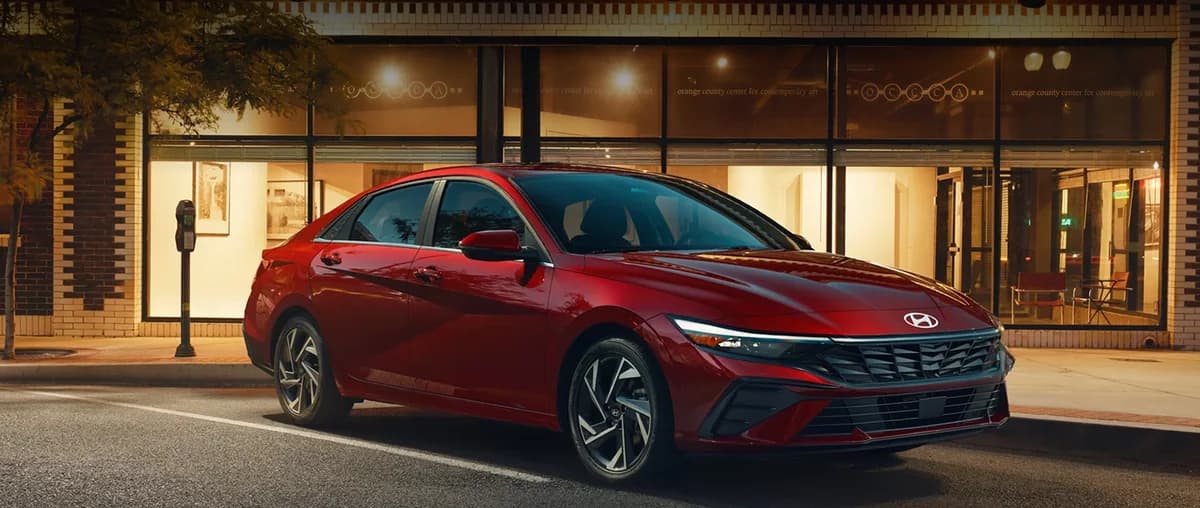
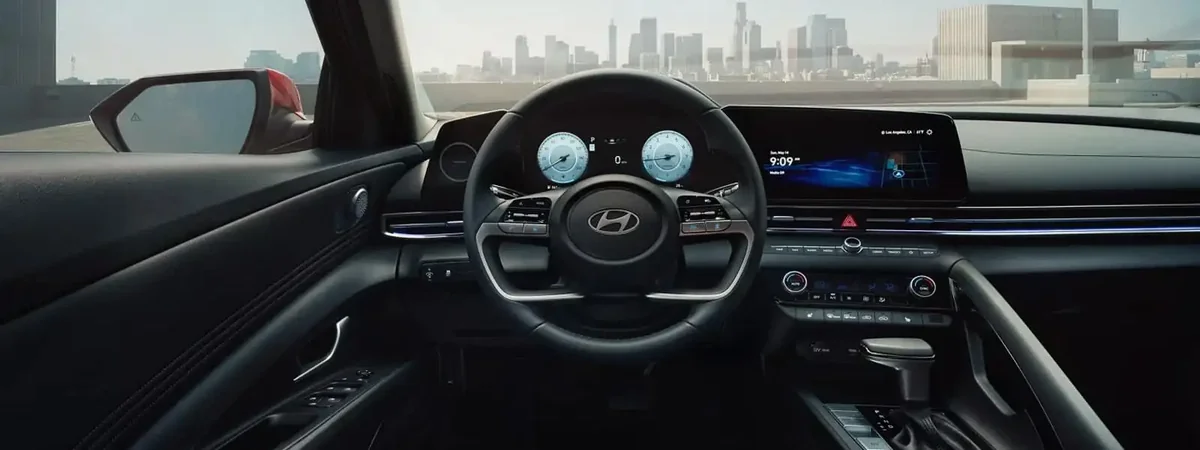
The 2026 Hyundai Elantra is the sensible overachiever for commuters, first-time buyers, and small families trying to keep fuel and ownership costs in check without giving up space or technology. Its low starting price, roomy rear seat, and 14.2-cubic-foot trunk make Hyundai’s value pitch credible, while experts and drivers consistently praise its comfort, safety equipment, and fuel economy. The standard 147-hp engine is adequate, but real-world reviews confirm it gets loud and sluggish during passing, and the cabin feels more budget than premium. The hybrid is smoother and thriftier, while the N Line adds welcome urgency. Overall, it offers strong everyday value, shaped by efficiency, practicality, trim equipment, and lingering reliability questions.
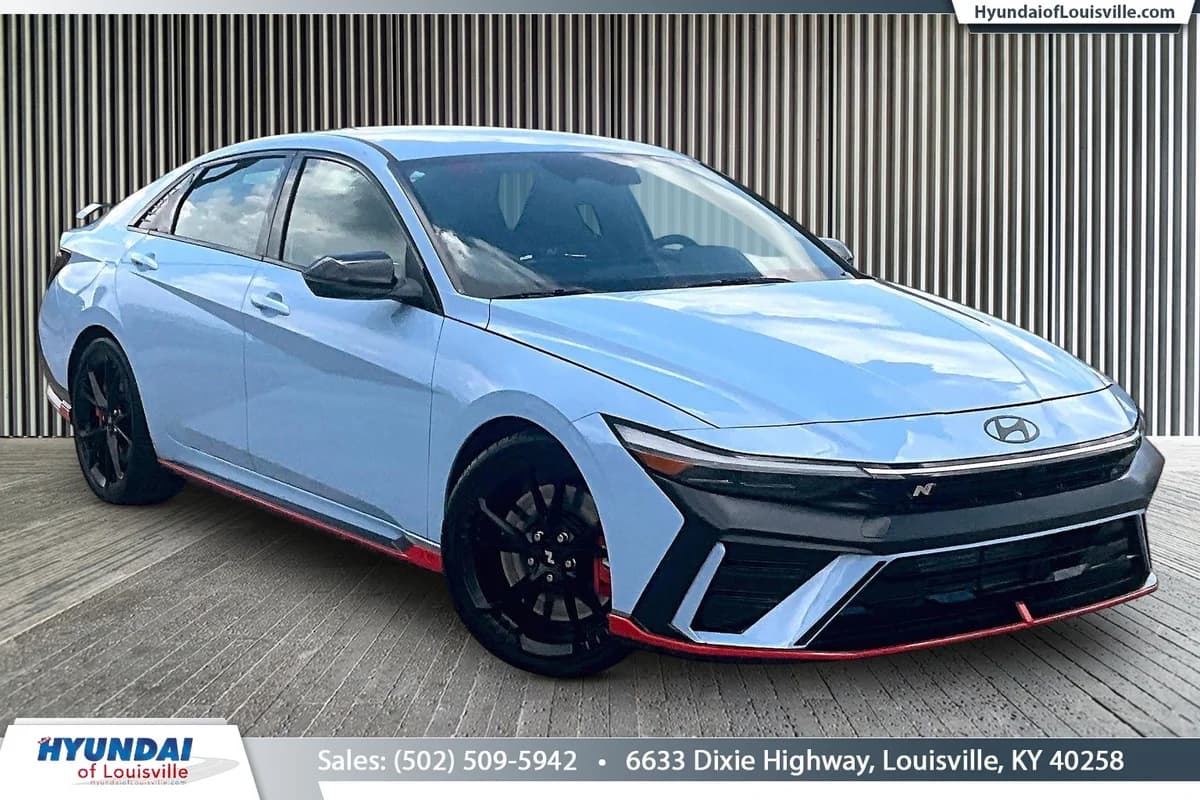
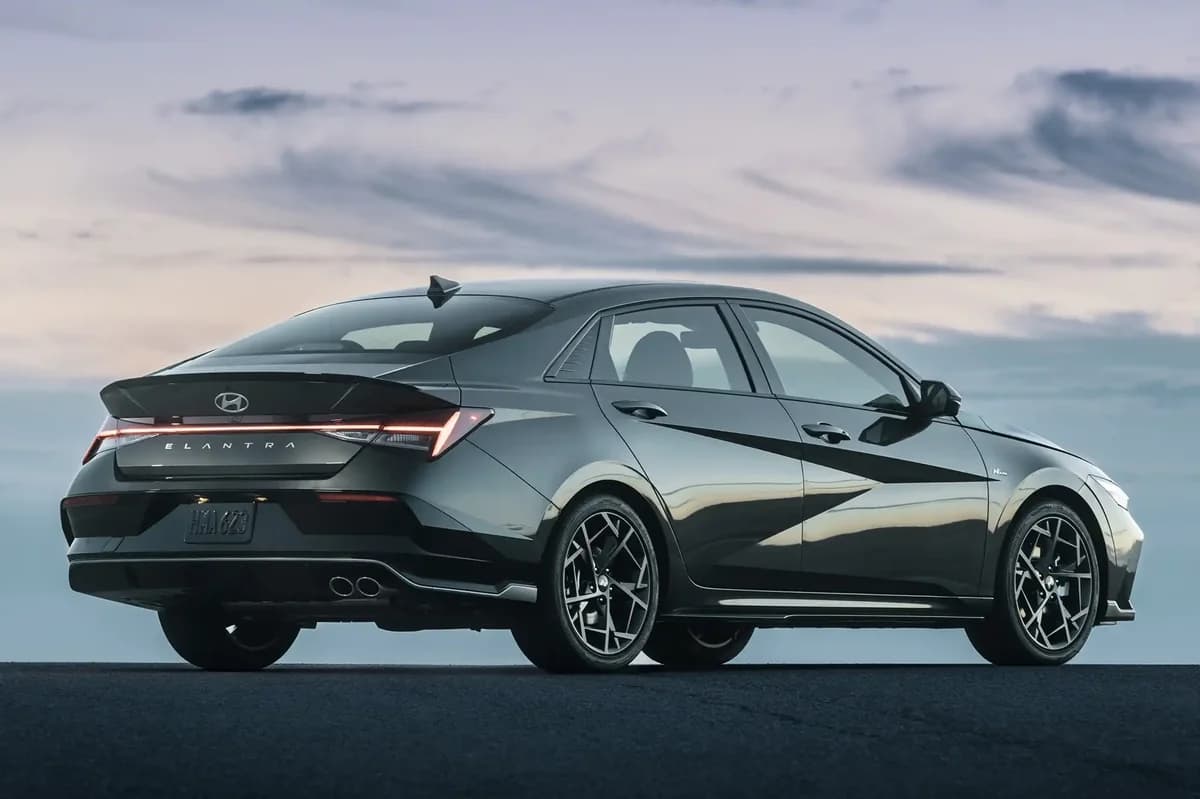
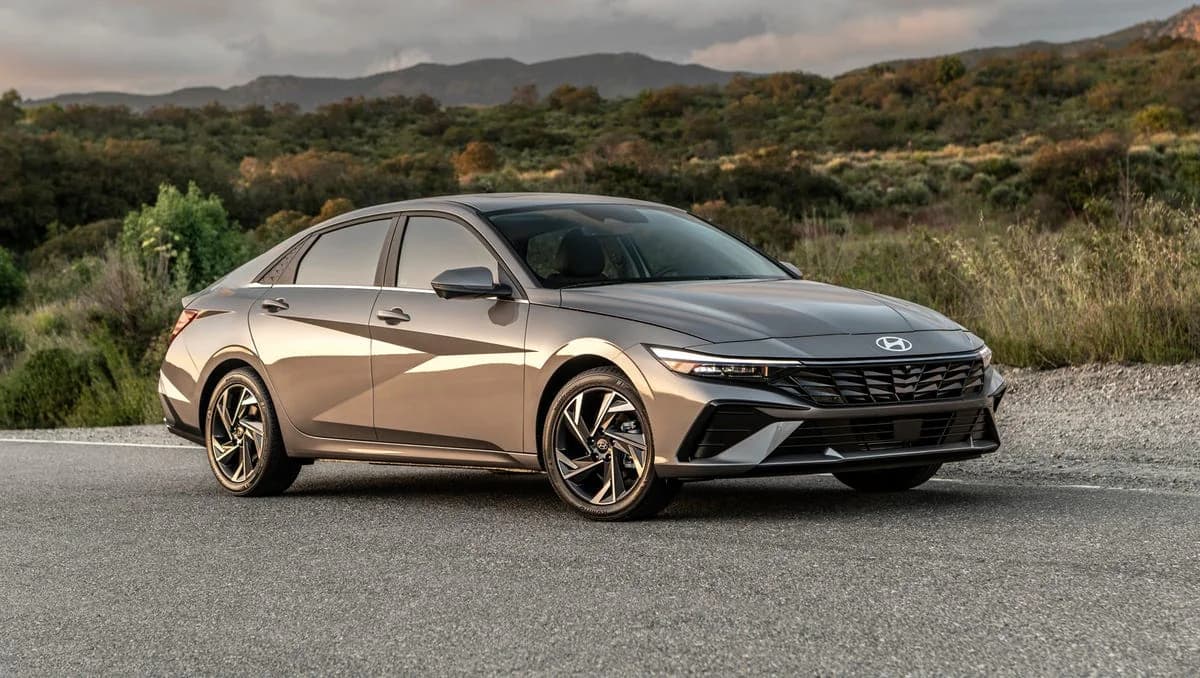
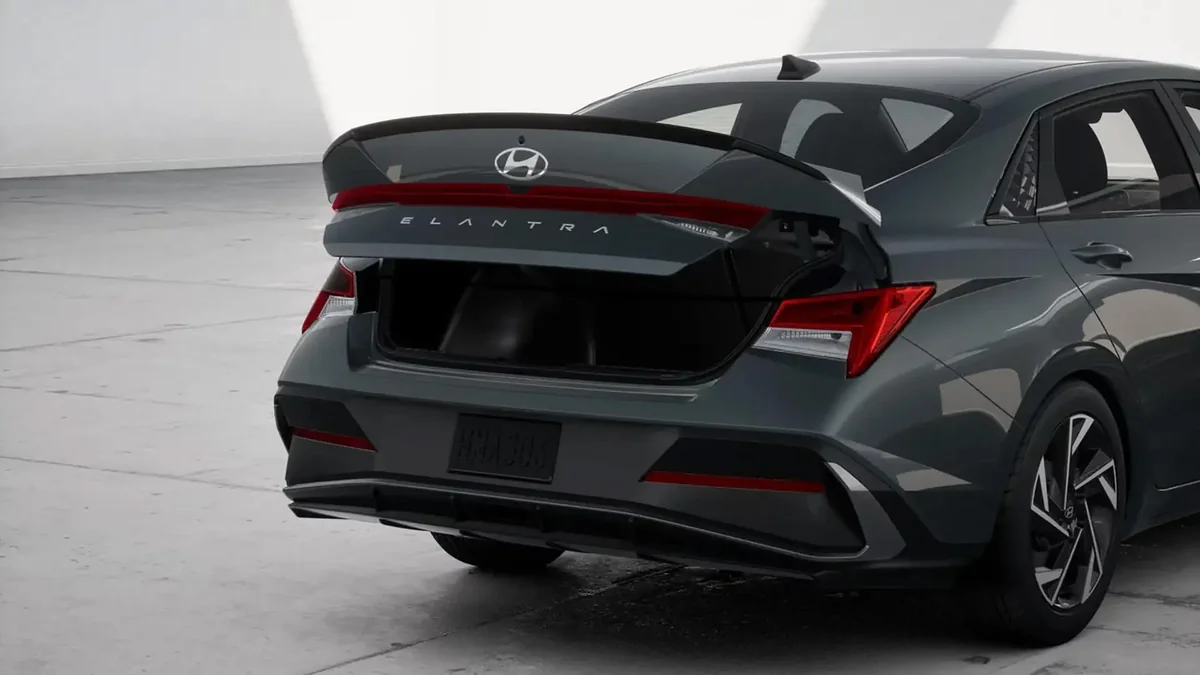
Find Yours
What is your primary use for a gas-powered sedan or compact?
Answer to find your best matches.

The Field
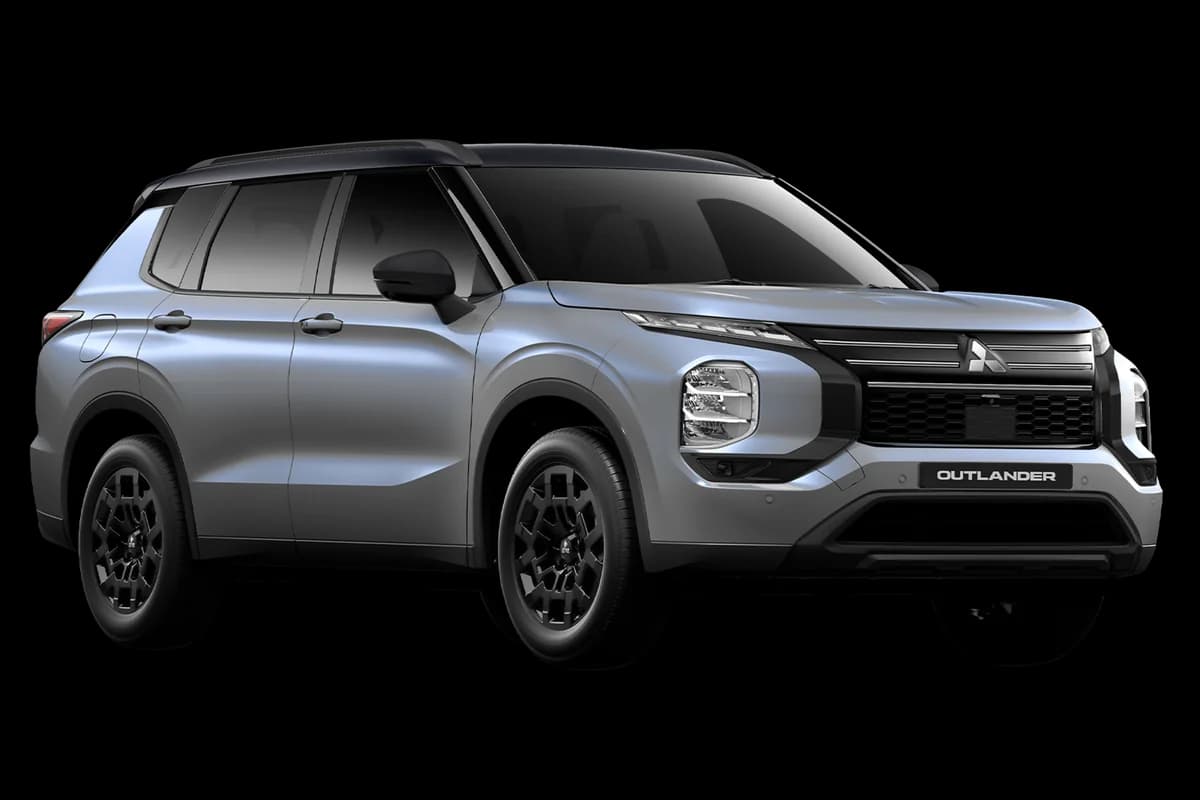
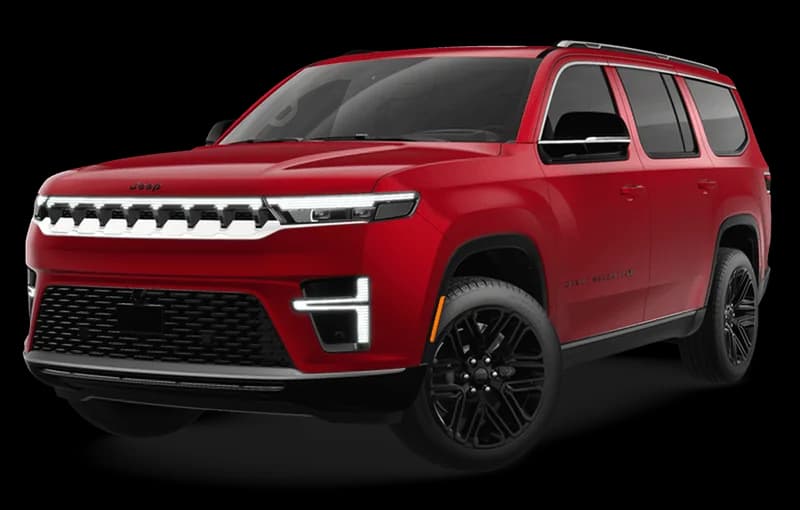
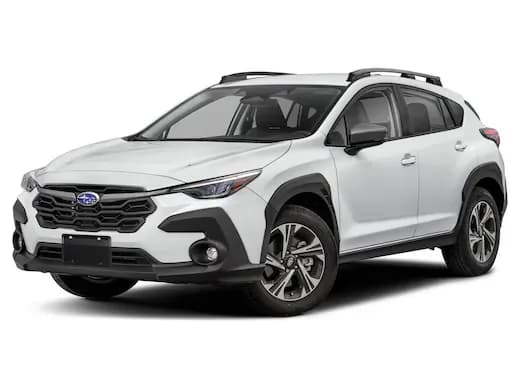
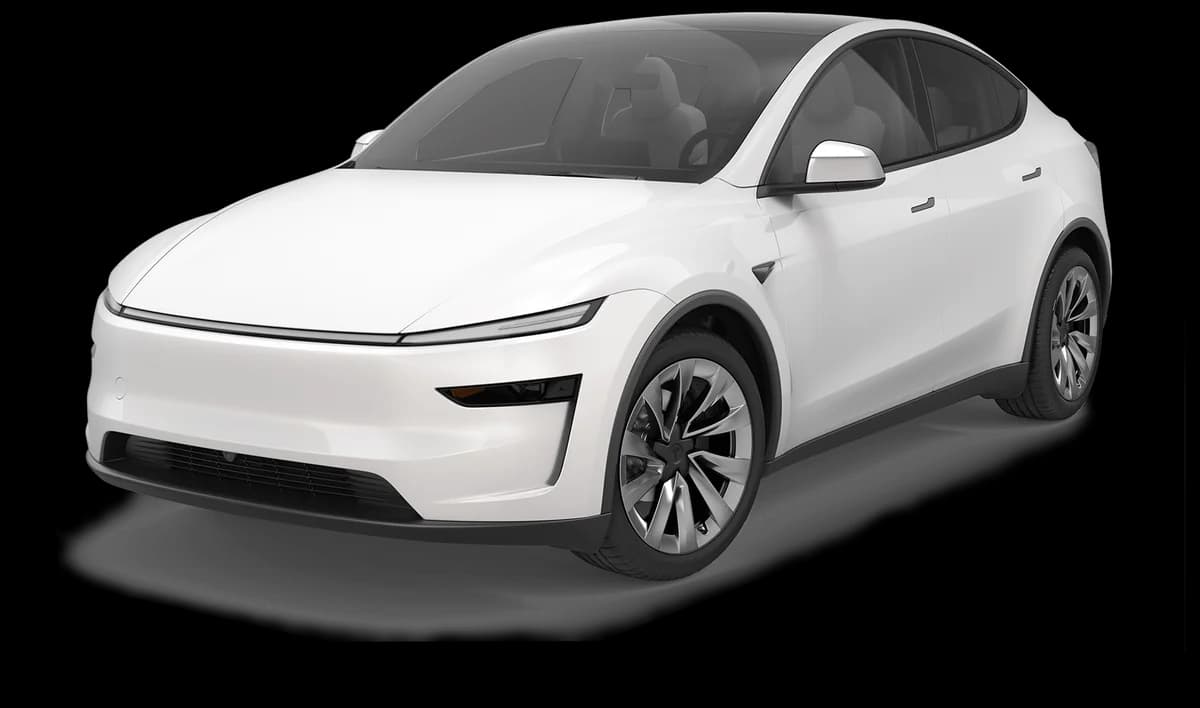
Browse top contenders, or compare all options ranked by score and key attributes.
5 Options


The Scoreboard
Does this improve your life? Considers, health, habits, and environmental impact.
Benefits
Generous rear legroom and a large trunk make commuting, passengers, and errands noticeably easier.
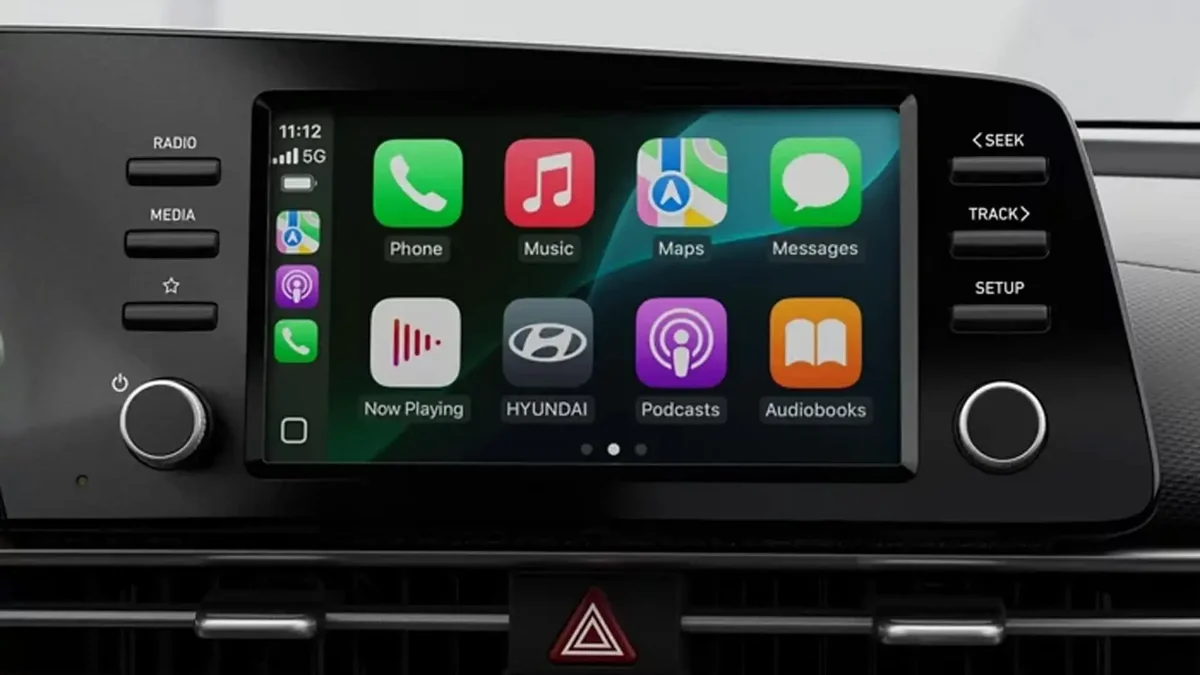
Wireless smartphone integration on key trims keeps calls, maps, and music simple during everyday driving.
Efficient gas models and the hybrid stretch fuel farther, reducing frequent stops on long commutes.
Strong warranty coverage and standard safety features make ordinary ownership feel more straightforward and supported.
Multiple powertrains let practical commuters, efficiency seekers, and sportier drivers find a suitable fit.
Trade-Offs
The base engine gets loud during acceleration, making merges and passing feel more laborious.
Road and wind noise become noticeable on longer drives, making conversation and listening less comfortable.
Some higher trims require wired phone connections, leaving you plugging in for navigation and music.
The sedan can feel unsettled over rough roads, making longer trips less relaxed for passengers.
 Alternatives


Join the Circle
Where real meets deal
Know what's worth buying-and when.
Tips, special offers, and rewards for buying and sharing.

Publications
4 LEADING PUBLICATION REVIEWS

Car and Driver gives the 2026 Hyundai Elantra a favorable but measured recommendation. The lineup covers plenty of ground: the affordable base sedan is well equipped but dull and unsettled, while the hybrid is smooth, satisfying, and impressively efficient, and the N Line promises genuinely engaging performance. The Elantra also stands out for its roomy, usable cabin, easy-to-reach controls, generous rear seating, and cargo space that swallowed six carry-on suitcases. Downsides include hard plastics, some trim-dependent feature oddities—especially wired smartphone integration on higher-end screens—and the need to spend more for adaptive cruise control. With strong warranty coverage and complimentary scheduled maintenance, Car and Driver sees the Elantra as a smart, versatile commuter, though buyers should choose carefully among its distinct powertrains and trims.
By Beth Nichols
Kelley Blue Book’s Matt Degen is highly favorable toward the 2026 Hyundai Elantra. He presents it as an easy-to-recommend compact sedan, combining one of the segment’s lowest prices with an exceptional warranty, broad trim variety, appealing design, and genuinely useful technology. The standard engine is merely adequate rather than exciting, but it suits typical commuting while returning a respectable 35 mpg combined. More enthusiast-minded buyers get a welcome upgrade through the fun 201-horsepower N Line or the much more serious, manual-equipped Elantra N. The roomy cabin, class-leading rear legroom, physical controls, generous features, and 14.2-cubic-foot trunk further strengthen its everyday appeal. Degen’s main caveat is that higher trims sacrifice wireless smartphone connectivity, while the base engine feels tepid. Overall, the review portrays the Elantra as an unusually versatile, practical, and entertaining value.
By Matt Degen
U.S. News & World Report is strongly impressed by the 2026 Hyundai Elantra’s value and everyday usefulness. Its low starting price, roomy rear seat, substantial standard safety equipment, excellent fuel economy, comfortable ride, and lengthy warranty make it a smart family and commuting choice. The reviewer particularly appreciates that the Elantra feels refined despite its budget pricing and that even the sportier N Line remains affordable. Still, the base engine is merely adequate, with leisurely acceleration that demands patience for two-lane passing, while road and wind noise exceed some rivals. The cabin’s gray plastics and pleather-like upholstery also lack the polish of the Nissan Sentra or Volkswagen Jetta, and the Honda Civic is more engaging to drive. Overall, the Elantra is portrayed as a practical, well-rounded bargain rather than an exciting car, with the Hybrid offering an especially tempting upgrade for fuel-conscious buyers.
By Alex Kwanten
Jil McIntosh of AutoTrader.ca is clearly positive about the 2026 Hyundai Elantra, especially the N Line Ultimate. She portrays it as a smart middle ground: significantly more engaging than the base sedan yet far more livable than the raucous Elantra N. The turbocharged engine provides quick, smooth acceleration, the sport-tuned suspension feels composed in corners, and the cabin remains comfortable, easy to use, and well equipped. Strong safety scores, generous rear-seat room, a 402-litre trunk, regular-fuel compatibility, and competitive pricing reinforce its value. McIntosh does flag some compromises, including a plastic-heavy interior, occasional turbo lag, no seat ventilation, a slightly awkward folded-seat cargo floor, and fuel economy that trails the Civic and Corolla. Still, her overall impression is that Hyundai has assembled a particularly appealing, well-rounded compact sedan, while sensibly encouraging shoppers to compare it with the Kia K4 and other capable rivals.
By Jil McIntosh

YouTube
8 LEADING EXPERT & INFLUENCER REVIEWS
 Gold Pony
Gold Pony is clearly positive about the 2026 Hyundai Elantra as a practical, high-value commuter. He praises its excellent 116-foot braking performance, comfortable ride, roomy rear seat, 14.2-cubic-foot trunk, standard safety technology, remote start, and Hyundai’s standout warranty. The base engine is slow and noisy under acceleration, though Sport mode helps, while steering feel is loose and uninspiring. He also criticizes the budget-grade matte-black interior and Hyundai’s odd choice to reserve wireless Apple CarPlay and Android Auto for the smaller 8-inch screen. Overall, he sees the Elantra as an efficient, sensible buy rather than an exciting driver’s car.
Chabby's RidesChabby’s Rides is clearly impressed by the 2026 Hyundai Elantra SEL Sport as an affordable daily driver. He praises its roughly $24,000 sale price, sporty styling, strong air conditioning, smooth ride, tight turning radius, useful safety tech, wireless smartphone integration, and 34-mpg combined estimate. The cabin feels comfortable and practical, with a roomy trunk, fold-down rear seats, and a spare tire. His reservations are meaningful but limited: the interior gets noisy under load, rear-seat amenities are sparse, and heated seats and a heated steering wheel are unavailable. Overall, he views it as a compelling budget buy rather than an exciting performance sedan.
W.T.F Car ReviewsWillie from W.T.F. Car Reviews is strongly positive about the 2026 Hyundai Elantra SEL Sport, calling it a comfortable, capable value. He praises its sharp styling, upscale leatherette steering wheel, roomy rear seat, large trunk, quiet ride, responsive throttle, and strong fuel economy. The 147-hp engine is adequate rather than exciting, and Sport mode adds sensitivity more than genuine performance. He also points out hard interior plastics, missing rear vents, uncovered trunk hinges, and a price that approaches $26,000 with options. Still, he enthusiastically recommends it for affordable daily driving, while steering performance seekers toward the N Line or Elantra N.
Cars Made SimpleCars Made Simple views the 2026 Hyundai Elantra SEL Sport positively, but with clear reservations. He appreciates its roomy cabin, competitive trunk, broad powertrain lineup, fuel economy, and strong value around $25,000, calling the high-performance N especially impressive. However, rising pricing and repeated feature cuts—such as navigation, BlueLink, adaptive cruise control, heated mirrors, and rear-seat conveniences—make this SEL Sport feel increasingly bare-bones. The reviewer considers it dependable and unlikely to disappoint owners, yet believes it is showing its age and that newer Kia or competing models may offer more compelling alternatives.
Nothin’ But Car ReviewsNothin’ But Car Reviews is clearly positive about the 2026 Elantra SEL Sport as affordable, practical transportation. He likes its sharp styling, 17-inch gloss-black wheels, roomy back seat, useful trunk, wireless smartphone integration, dual-zone automatic climate control, and solid fuel economy. From his six-foot-three perspective, rear-seat space is impressive, though headroom is only just adequate. On the road, the 2.0-liter engine and IVT feel unusual and take time to acclimate to, while the lack of adaptive cruise is a noticeable omission. Still, he considers it an easy-to-drive, well-equipped commuter and a strong value under $27,000.
Ed's GarageEd’s Garage is strongly positive about the 2026 Elantra Preferred with Tech Package. He praises its cavernous cabin, huge trunk, excellent fuel economy, useful smart trunk, heated controls, capable safety systems, and customizable infotainment. The 6.8 L/100 km demo-car average reinforces its commuter appeal. Still, he flags the dated system’s wired-only Apple CarPlay and Android Auto, missing adaptive cruise, incandescent rear lighting, no spare tire, hard rear armrest, and modest rear-seat amenities. Overall, his enthusiasm outweighs the compromises, making the Elantra seem like a remarkably practical, feature-rich value.
The Car CompassThe Car Compass views the 2026 Hyundai Elantra positively as the smarter value choice. In a detailed comparison with the Sonata, he appreciates its lower price, efficient hybrid option, roomy rear seat, 14.2-cubic-foot trunk, aluminum pedals, and surprisingly good backup camera. He also finds it easier to prefer in some areas, including the driver’s door design and practical dimensions. Still, the Sonata feels more premium, with a larger 12.3-inch display, LED taillights, power driver’s seat, higher-grade trim, and more rear-seat flexibility. Overall, the Elantra comes across as an appealing, efficient commuter, though not the more luxurious sedan.
Amer KhaqanAmer Khaqan is cautiously positive about the 2026 Hyundai Elantra SEL Sport Premium. After driving it, he describes the sedan as reasonably comfortable, well equipped, practical, and a strong rival to the Toyota Corolla, Mazda3, and Nissan Sentra. He especially appreciates the dual-zone climate control, adaptive cruise control, sunroof, HomeLink, wireless charger, spacious trunk, and low engine vibration. His main reservations are imperfect hood-to-fender alignment and the 17-inch low-profile tires, which he feels are more vulnerable to pothole damage. Overall, he views it as a solid, feature-rich, reliable-value choice.

Social
1 INFLUENCER REVIEW
 Autocar India
Autocar India presents the 2026 Hyundai Elantra in a clearly positive, informative light. The sharper Art of Steel design, larger dimensions, upgraded 157-hp hybrid system, and modern Pleos Connect cabin make it feel more substantial and tech-forward. Safety and convenience equipment is especially impressive, including Smart Cruise Control, Pedal Misuse Safety Assist, a 360-degree camera, and 10 airbags. The unchanged 149-hp petrol engine and CVT receive no criticism, but the post is primarily a feature rundown rather than a critical driving review, so enthusiasm remains measured rather than glowing.

Forum Reviews
CUSTOMER REVIEWS FROM 1 FORUM
Redditors generally view the 2026 Hyundai Elantra positively, though reliability concerns and dealer experiences remain caveats. Owners praise its attractive styling, strong technology and safety features, responsive driving, fuel economy—especially from hybrids—and compelling pricing, financing, and warranty coverage. Several longtime Hyundai owners report high mileage with minimal trouble, while others question whether it will match Toyota or Honda longevity. Isolated reports of engine problems, defects, poor dealership service, and disappointing real-world mileage temper the enthusiasm. Overall, it looks like a well-equipped, affordable daily driver, but buyers prioritizing proven durability should research carefully and choose their dealer wisely.
Many comments

In-Depth Review

Highlights
- •Fuel-Saving EfficiencyGas models reach 35 mpg combined; hybrids go higher.
- •Roomy Passenger CabinGenerous rear legroom accommodates adult passengers comfortably.
- •Large Practical TrunkThe 14.2-cubic-foot trunk handles substantial everyday cargo.
- •Feature-Rich Ownership ValueLow pricing, safety technology, and warranty coverage strengthen appeal.

Considerations
- •Slow Noisy EngineThe base engine strains during acceleration, merging, and passing.
- •Hard Cabin MaterialsPlastic-heavy interiors feel less polished than some rivals.
- •Trim-Based ConnectivityHigher trims may require wired smartphone connections.
- •Mixed Ownership ReportsIsolated defects and dealer-service complaints create reliability uncertainty.
The 2026 Hyundai Elantra is Hyundai’s value-focused answer to everyday compact-sedan duty. Backed by Hyundai’s reputation for generous coverage, it targets commuters, first-time buyers, and small families with low starting pricing, useful technology, and a practical 14.2-cubic-foot trunk. Its 35-mpg gas efficiency undercuts some rivals, while generous rear legroom makes it more accommodating than its size suggests. The standard 147-hp engine favors economy over urgency, but the N Line adds energy, and the hybrid brings even stronger fuel savings and impressive range. Ride comfort, braking, cabin materials, and trim-specific connectivity also shape the ownership experience, especially against the Civic, Corolla, and Mazda3. If you’re shopping for affordable transportation rather than a corner-carving hero, examine the details that matter most—because this sedan’s cleverest trick may be making practicality feel less like homework.
Ride And Handling
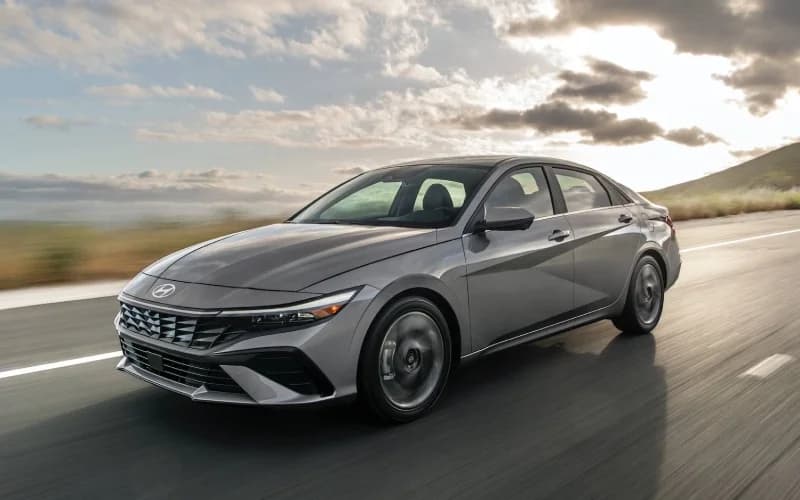
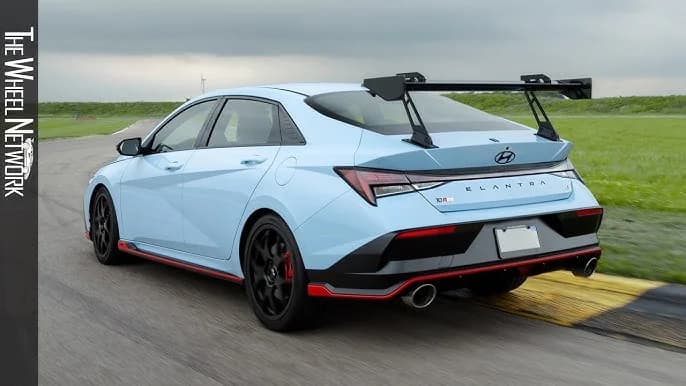
The Elantra is tuned more for relaxed commuting than enthusiastic cornering. Its comfortable, quiet ride and tight turning radius make city driving easy, and braking performance was particularly strong at 116 feet from 60 mph in one review. The base car can feel unsettled over rough pavement, with noticeable road and wind noise, while loose steering limits driver involvement. The N Line improves composure with a sport-tuned suspension, offering a more engaging balance without the harsher, louder character of the full Elantra N.
Engine Performance
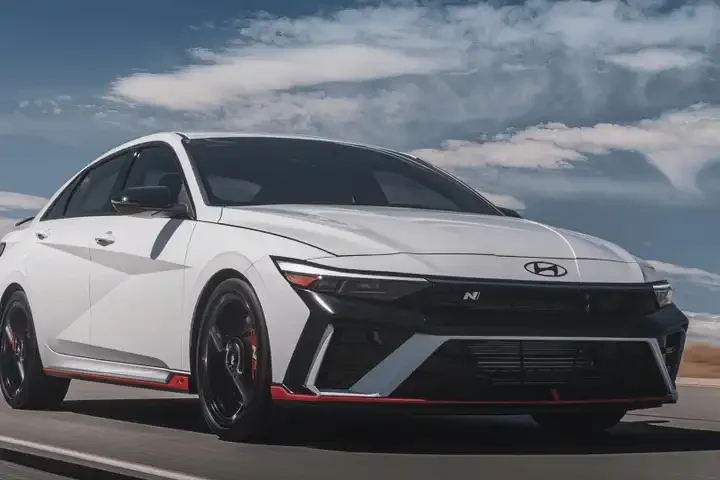
The standard powertrain prioritizes economy over excitement. Its 147-hp 2.0-liter four-cylinder delivers an acceptable 0–60 mph time of about 8.4 seconds, but reviewers describe it as slow and noisy when merging or passing. The IVT continuously variable transmission can also feel unusual until you adjust to it, while Sport mode mainly sharpens throttle response rather than adding real pace. Buyers wanting stronger performance should consider the 201-hp turbocharged N Line, or the much more serious Elantra N.
Cargo Capacity
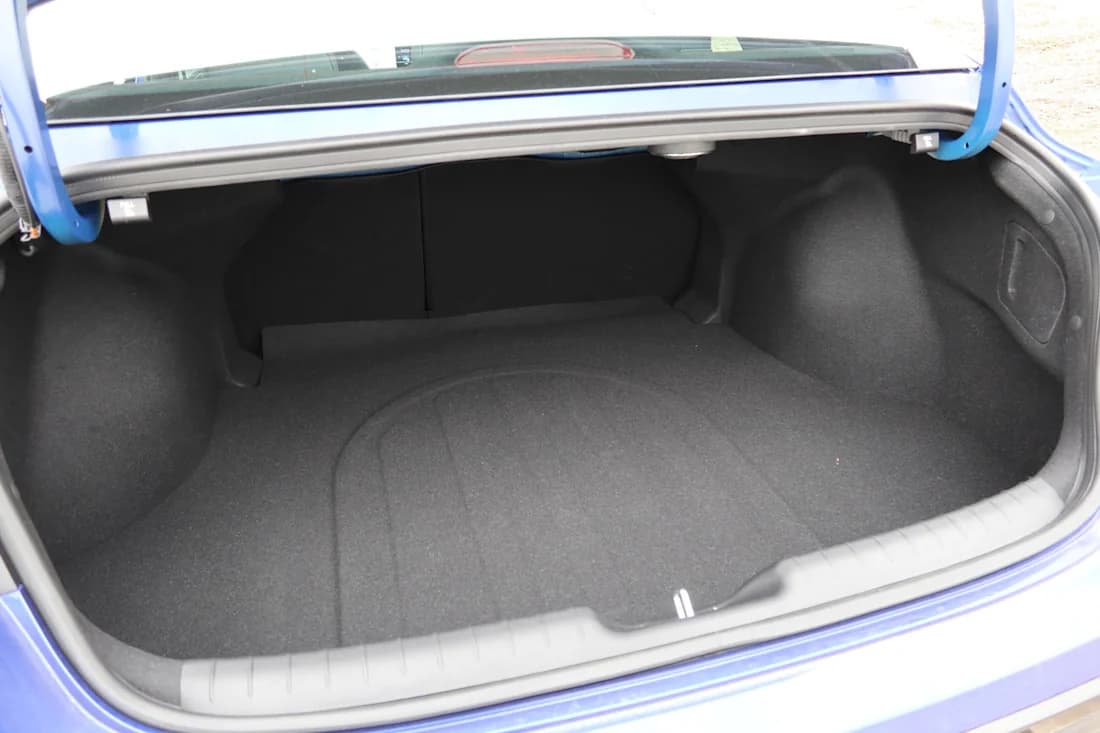
The trunk is one of the Elantra’s most useful everyday features. Its 14.2-cubic-foot cargo area, equivalent to 402 liters, is large for a compact sedan and reportedly swallowed six carry-on suitcases in testing. Fold-flat rear seatbacks extend carrying flexibility for longer items, though the folded floor is not perfectly level. Reviewers also note practical touches such as a smart trunk and, on some vehicles, a spare tire, while other versions omit one, so equipment should be checked before purchase.
Fuel Economy
Fuel costs are a major reason to consider the Elantra. The gas SE is rated up to 31 mpg city and 40 mpg highway, or 35 mpg combined, while SEL and Limited versions are slightly lower. Reviewers generally support that efficiency, with one test car averaging 6.8 L/100 km, though some owners report disappointing real-world mileage. The regular gas engine uses inexpensive unleaded, and the available hybrid can reach up to 54 mpg combined, making its potentially higher purchase price easier to justify for frequent commuters.
Hybrid Efficiency
The hybrid is the lineup’s strongest efficiency upgrade. Its 1.6-liter hybrid system with 139 combined horsepower is described by experts as smooth and satisfying, with reported ratings reaching 54 mpg combined and 58 mpg highway. A potential range of roughly 594 miles can reduce fuel stops for long-distance commuters, although actual results depend on weather, speed, and driving habits. Early owner discussion is especially favorable toward hybrid economy, but the limited long-term sample means durability conclusions remain preliminary.
Interior Space
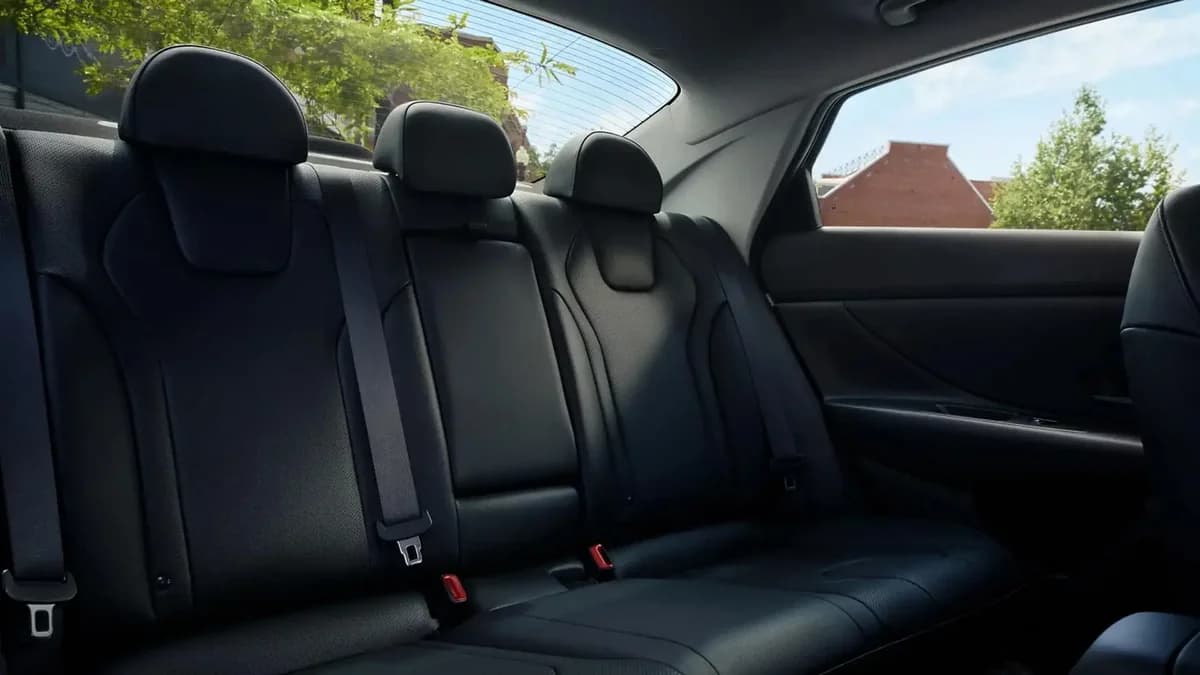
The Elantra feels more accommodating inside than its compact-sedan label suggests. Its generous rear legroom works well for adult passengers, and reviewers consistently praise the comfortable front and rear seating, although rear amenities are sparse and taller passengers may find headroom only adequate. Hard plastics and pleather-like trim keep the cabin from feeling genuinely upscale, but physical controls are easy to use. Overall, the roomy 113.6-cubic-foot interior is a practical strength for commuting, family duty, and longer trips.
Conclusion
The Elantra’s smartest move is making everyday practicality feel genuinely easy: 35-mpg gas efficiency, generous rear seating, and a 14.2-cubic-foot trunk suit commuters and small families exceptionally well. Experts and drivers appreciate its comfortable ride and manageable handling, though the base 147-hp engine becomes slow and noisy when merging or passing. The hybrid powertrain is the standout for frequent travelers, offering smooth operation, impressive fuel economy, and potentially long range, but it costs more upfront. Buyers should also accept a plastic-heavy cabin and check trim-specific connectivity, since some higher versions lose wireless phone integration. This is not the sedan for drivers chasing excitement—the N Line is a better fit—but it is a sensible, well-equipped choice for people prioritizing space, efficiency, warranty reassurance, and reasonable pricing. Those strengths outweigh the compromises, making the Elantra a convincing everyday value with enough versatility to justify its favorable overall recommendation.

Feature Scores
This reflects reviews and ratings from established critics, journalists, and users who have evaluated the item. Their opinions provide a comprehensive assessment.
Performance
Engine Power
3/5
Acceleration
3/5
Reliability & Durability
3/5
Handling & Ride Comfort
4/5
Braking Performance
4/5
Value
Purchase Price Competitiveness
4/5
Cost of Ownership
4/5
Resale Value
3/5
Feature Value
4/5
Design
Exterior Styling
4/5
Interior Ergonomics
4/5
Cargo Space
4/5
Infotainment Quality
4/5
Health
Cabin Air Quality
TBD
Material Toxicity
TBD
Safety
Crashworthiness
4/5
Active Safety Systems
4/5
Visibility & Lighting
4/5
Child Occupant Protection
4/5
Sustainability
Fuel Efficiency
5/5
Tailpipe Emissions
4/5
Recyclability
TBD
Manufacturing Footprint
TBD
Experience Style
Driver Engagement
3/5
Customization Options
4/5
Ease of Use
4/5
Ownership Convenience
4/5

Specifications
This section outlines the product's key facts, covering essential features, details, dimensions, materials, and any unique characteristics that define its functionality and usability.
Performance
Value
Design
Safety
Sustainability
Experience Style

Frequently Asked Questions
8 Questions



Find Yours
What is your primary use for a gas-powered sedan or compact?
Answer to find your best matches.