







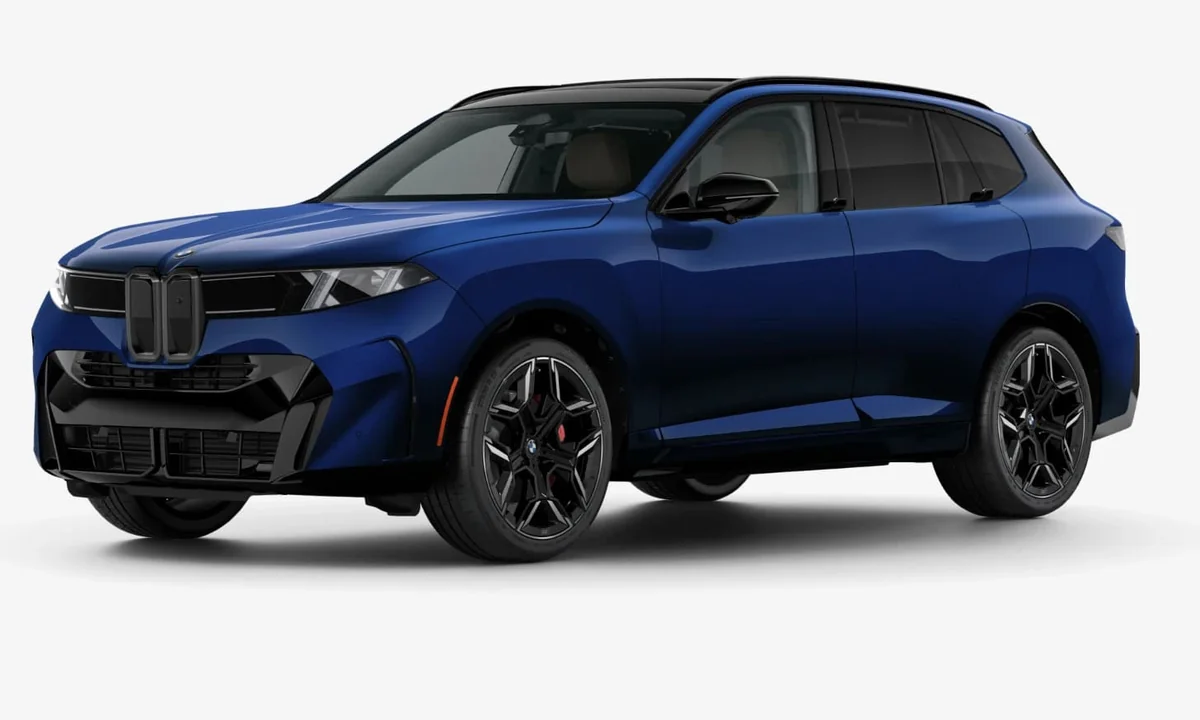
BMW X5 (2027)
Luxurious, agile, and broadly electrified, but polarizing design and practicality concerns temper enthusiasm.
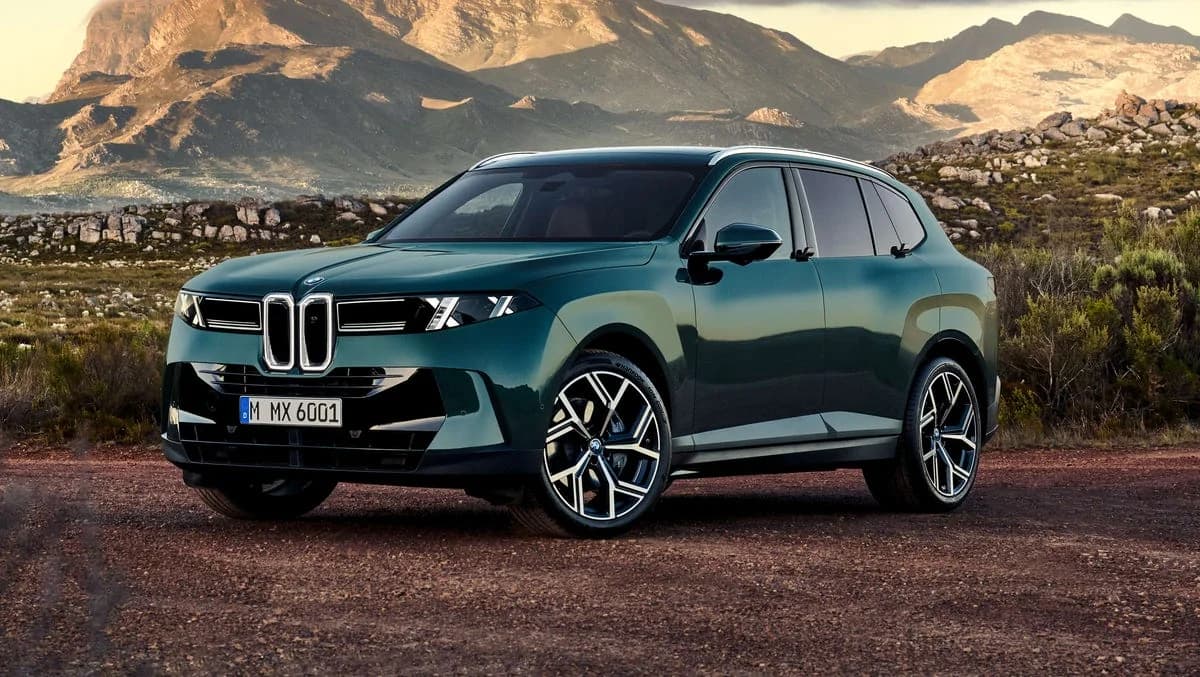
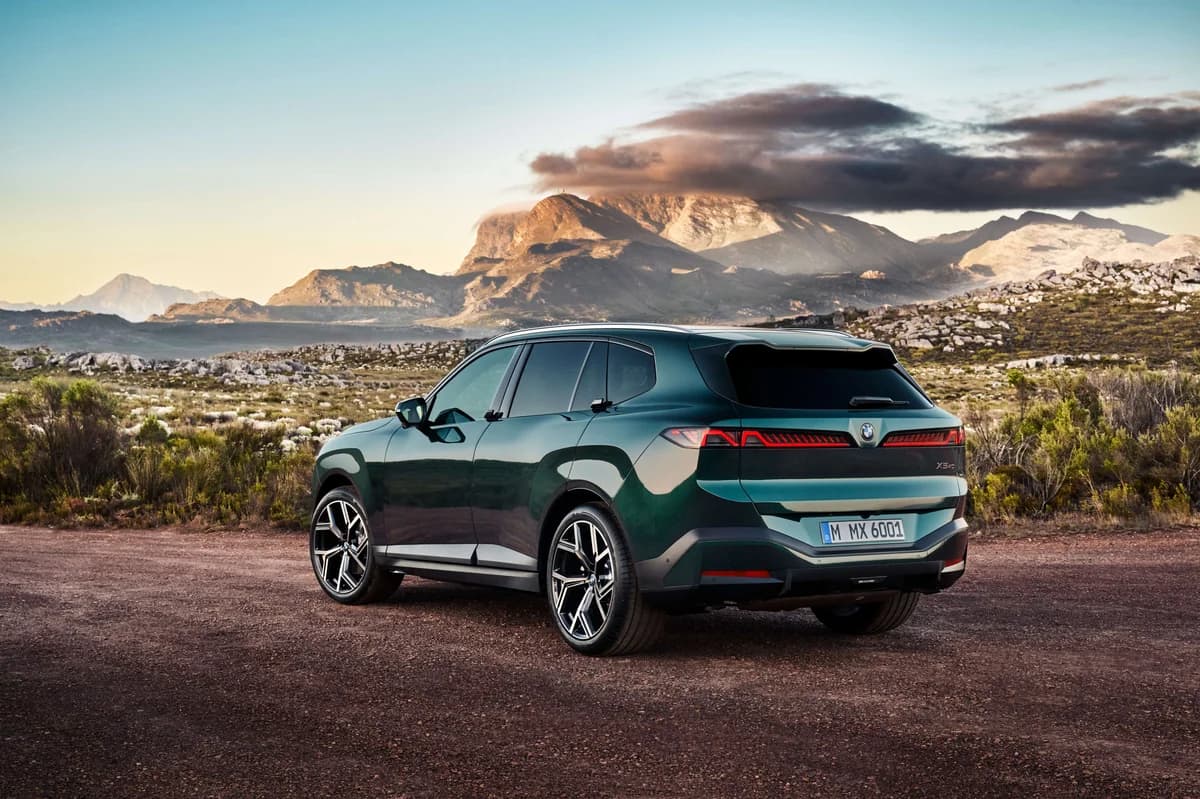
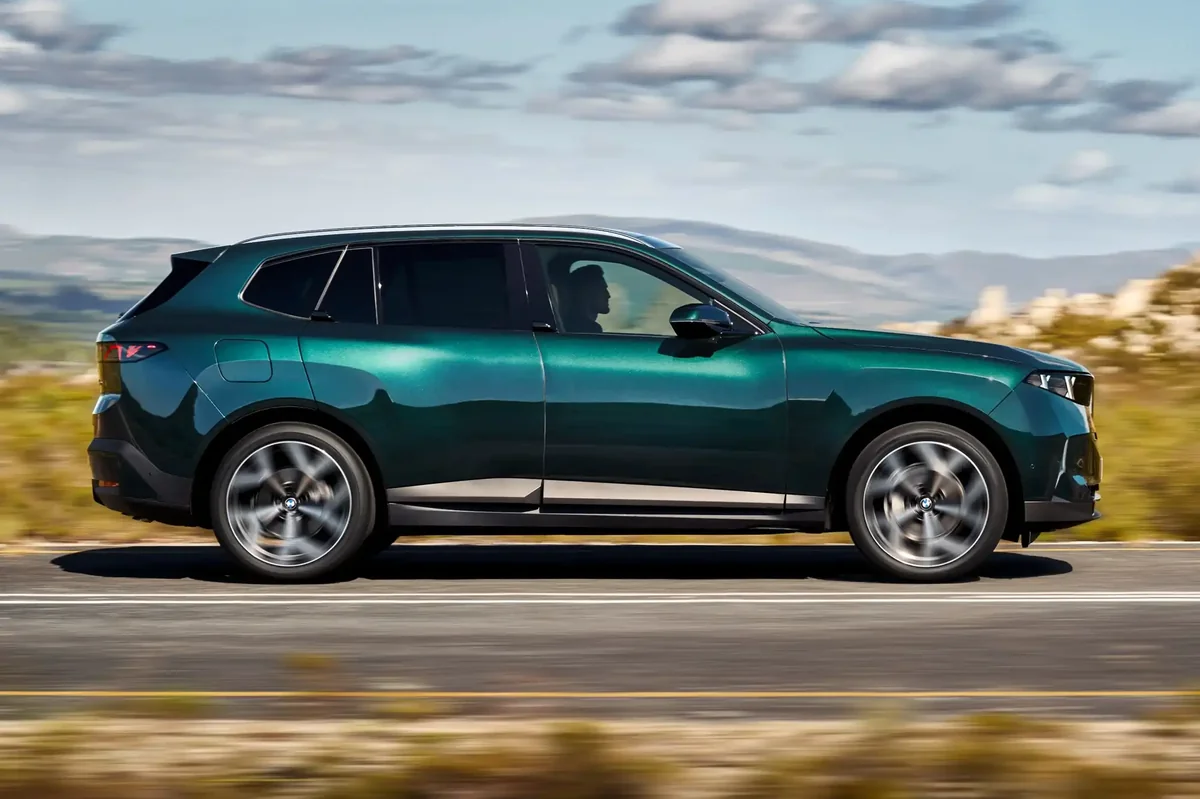
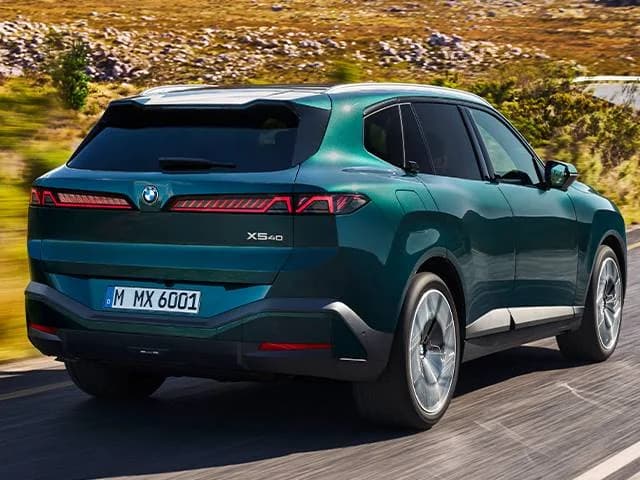
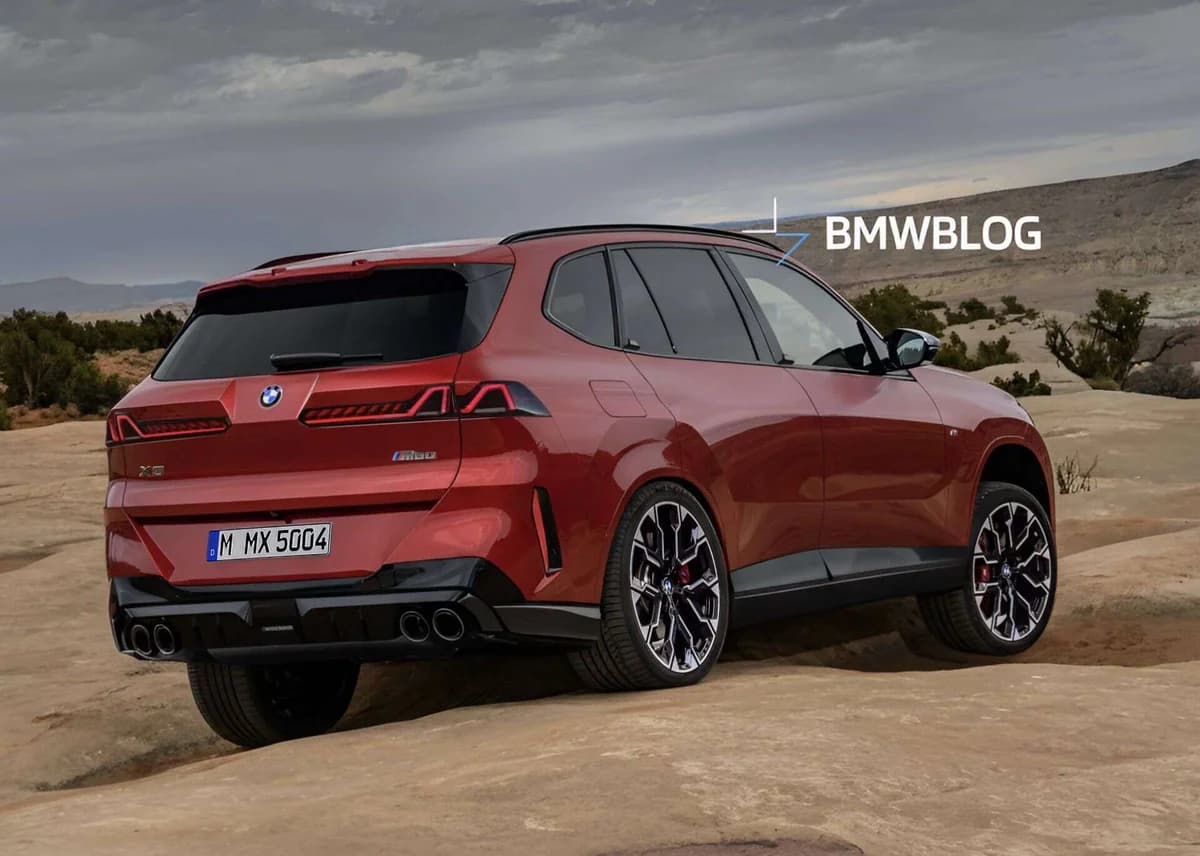
The BMW X5 (2027) is a luxury family SUV trying to be one car for every kind of driver, from road-trip traditionalists to commuters ready for electric power. Its broad lineup solves the problem of choosing between gasoline flexibility, a 44-mile plug-in-hybrid range, and the iX5’s claimed 435-mile EV range. Experts praise its quiet cabin, precise handling, comfortable seats, and planted feel, supporting BMW’s performance claims, though real-world EV efficiency and charging still await production testing. Users are less forgiving of the polarizing styling, screen-heavy controls, and lost split tailgate. At an expected $70,000-plus, it offers impressive versatility, but value depends on using the powertrain you choose. Overall, refinement and choice lift its appeal, while practicality, price, and unresolved EV performance shape the final recommendation.
Find Yours
What is your primary use for a Gas-Powered SUV?
Answer to find your best matches.

The Field
Browse top contenders, or compare all options ranked by score and key attributes.
5 Options
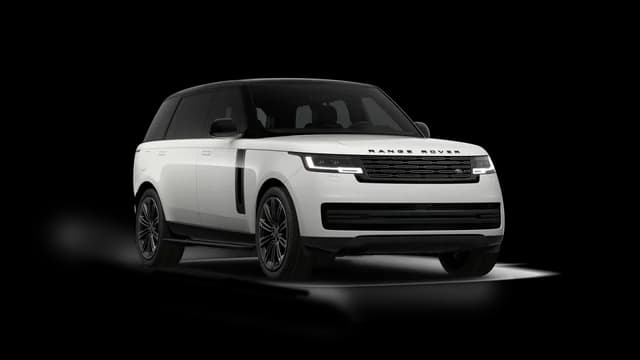
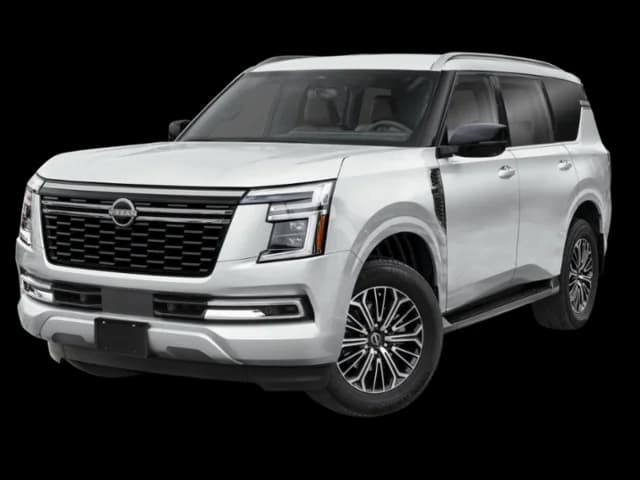
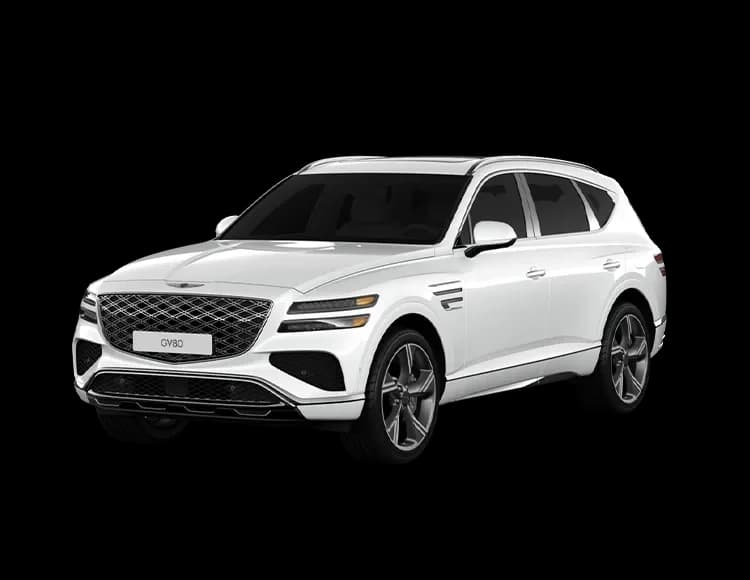

The Scoreboard
Does this improve your life? Considers, health, habits, and environmental impact.
Benefits
Supportive seats, calmer road noise, and premium materials make everyday drives easier on your body.
Gas, plug-in hybrid, and electric versions let households choose convenience without abandoning familiar SUV practicality.
Precise steering and smart suspension help this substantial SUV feel surprisingly easy and enjoyable to drive.
Generous rear space, useful cargo room, and improved driver aids simplify commuting and family travel.
Trade-Offs
At intersections, thick front pillars can briefly hide pedestrians or cyclists from the driver’s view.
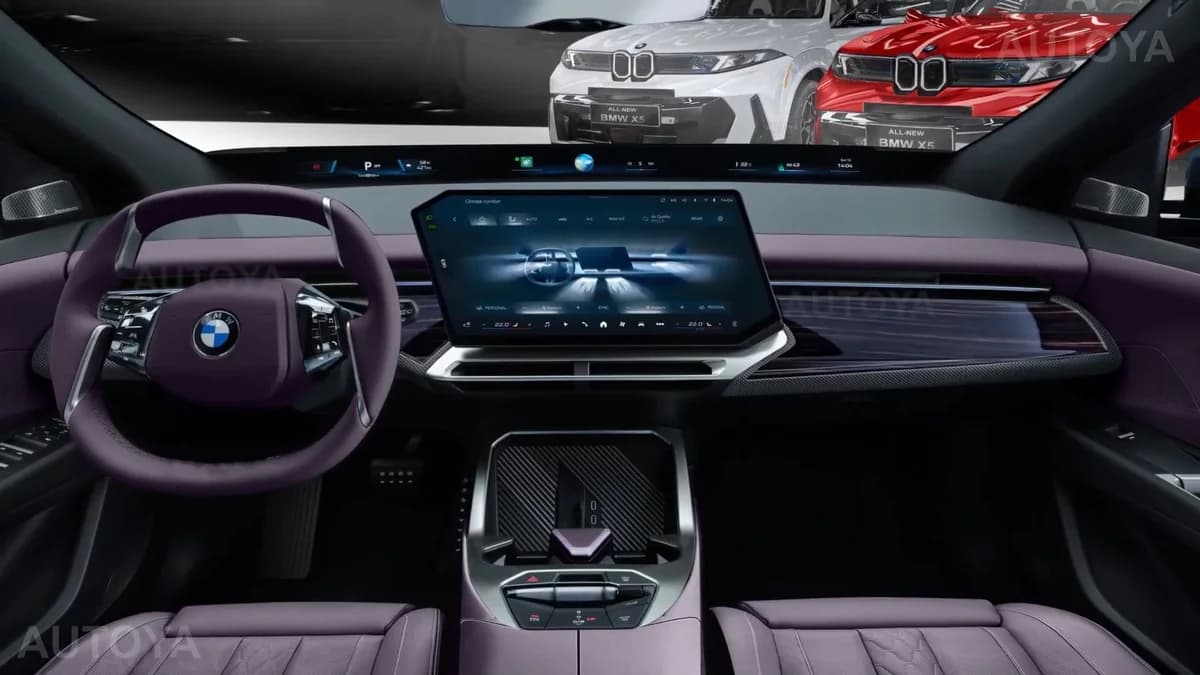
Changing airflow or cabin settings takes extra taps and glances instead of simple physical adjustments.
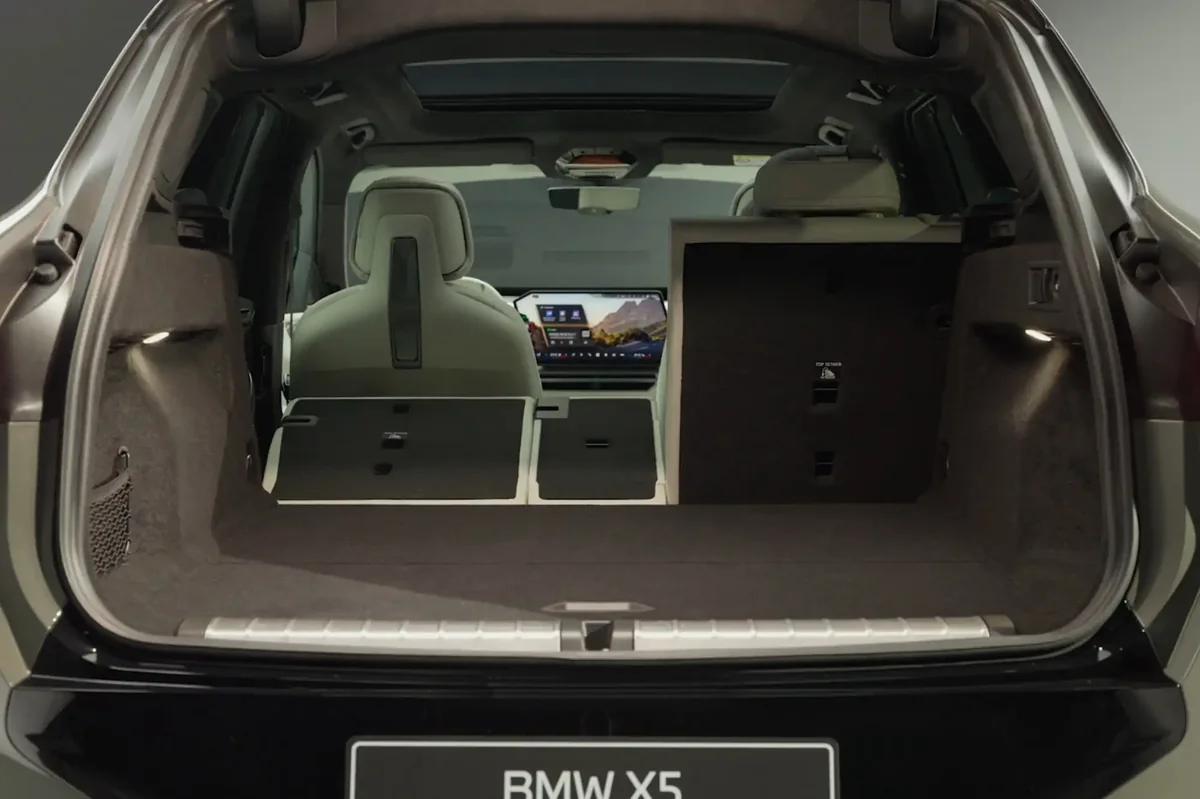
Without the split tailgate, placing groceries or small items requires reaching farther into the cargo area.
In crowded garages and parking spaces, the larger body requires more maneuvering and careful door opening.
 Alternatives


Join the Circle
Where real meets deal
Know what's worth buying-and when.
Tips, special offers, and rewards for buying and sharing.

Publications
5 LEADING PUBLICATION REVIEWS

Car and Driver’s K.C. Colwell is clearly impressed by the 2027 BMW X5’s blend of luxury and agility. Testing camouflaged prototypes, Colwell praises the silky powertrains, precise transmission, quiet cabin, progressive steering, and sophisticated chassis tuning, especially the active anti-roll bars that control body motion without making the ride harsh. The lineup’s range is compelling, from the 400-hp mild hybrid and smooth 50e plug-in hybrid to the 578-hp electric iX5, though several performance, range, and charging figures remain estimates. The X5 feels more carlike than its size and substantial weight suggest, but the review flags compromised forward visibility from the thick A-pillars and views the automated parking system as more novelty than necessity. Overall, the prototype drive leaves a strongly favorable impression, with BMW’s luxury-focused tuning appearing to preserve the model’s classic balance despite its growing electrification and mass.
By K.C. Colwell
MotorTrend’s Alex Leanse is clearly impressed by the 2027 BMW X5, though he reserves final judgment until production testing. The redesigned SUV brings a sharper Neue Klasse-inspired look, a sophisticated new interior, strong hybrid powertrains, and impressive driver-assistance technology. In prototype drives, the X5 felt composed and agile despite added plug-in-hybrid weight, while the mild-hybrid 40 xDrive stood out for its quick acceleration, precise steering, and commendable brakes. The plug-in hybrid’s roughly 44 miles of electric range adds useful flexibility, and an upcoming iX5 broadens the lineup further. Still, this is an early preview rather than a complete evaluation: pricing has risen, some controls—particularly the steering wheel—seem questionable, and the reviewer is eager to see whether the eventual X5 M delivers. Overall, Leanse views the new X5 as a highly promising, technologically advanced luxury SUV, but not one fully proven yet.
By Alex Leanse
Edmunds is strongly impressed by the 2027 BMW X5’s sweeping redesign and newfound luxury. Nick Yekikian sees it as a more premium, ambitious SUV, praising the spacious, beautifully finished cabin, responsive technology, capable voice assistant, improved driver aids, and broad choice of gas, hybrid, and electric powertrains. The iX5 is especially compelling on paper, with an estimated 435-mile range, rapid 800-volt charging, and 570 horsepower. Still, this is a first look rather than a driving review, so real-world performance, efficiency, and competitiveness remain untested. Yekikian also questions the polarizing styling, awkward winglet door handles, touchscreen-heavy climate controls, optional passenger display, and removal of the beloved split-folding tailgate. Overall, Edmunds considers the modest price increase justified and views the X5 as an exciting, substantially more luxurious evolution, albeit one that still needs thorough road testing.
By Nick Yekikian
Driving.ca’s Brian Harper is cautiously impressed by the 2027 BMW X5, though he stresses that this was only a prototype preview. He enjoyed the 40 xDrive’s surprisingly agile handling, the 50e’s confident punch, and the electric iX5’s ability to disguise its considerable weight through a low-mounted battery and sophisticated suspension. The new “Heart of Joy” control system and remarkably capable automated parking are standout innovations, while the highway-assistance technology works well but leaves Harper personally uneasy about relying on it. The X5 retains the solid, entertaining driving character of earlier generations, yet its likely increase in size and weight, undisclosed pricing, and unknown real-world range and efficiency prevent a firm verdict. Overall, the early impression is strongly positive: if the styling, pricing, and electrified powertrains deliver, BMW could have a genuinely compelling luxury SUV lineup.
By Brian Harper
Greg Kable of WardsAuto is strongly impressed by the 2027 BMW X5’s thoughtful evolution. Rather than reinventing the luxury SUV, BMW broadens its appeal with gasoline, plug-in-hybrid, and electric powertrains that retain a remarkably consistent X5 character. Kable especially favors the lighter X5 40 xDrive, calling it the most natural and rewarding driver’s car, while praising the improved ride, quieter cabin, sharper body control, and seamless hybrid transitions. The forthcoming iX5 60 xDrive also appears technically ambitious, with 800-volt charging and a huge 144-kWh battery, though its official range remains unknown. The review is based on a short drive of camouflaged prototypes, and some details—including pricing, dimensions, and U.S. availability of advanced driver aids—are still unresolved. Even so, the overall verdict is confident: BMW has preserved the X5’s strengths while making the lineup more versatile, refined, and future-ready.
By Greg Kable

YouTube
6 LEADING EXPERT & INFLUENCER REVIEWS
 Autogefühl
Autogefühl is highly enthusiastic about the 2027 BMW X5, especially the iX5. Thomas praises its exceptionally smooth, planted driving character, quiet cabin, refined steering, comfortable seats, capable assistance systems, and impressive real-world EV efficiency—around 490 miles in ideal conditions. He views the broad drivetrain lineup as a major strength and calls the iX5 potentially game-changing. Criticisms are specific but relatively minor: weak seat cooling, fingerprint-prone glossy trim, limited frunk utility, no rear-seat cargo position, and disappointing omission of acoustic glass from regular gas and diesel models. Overall, it feels like a strong recommendation.
Chasing CarsTom Baker is cautiously impressed by the 2027 BMW X5, especially its upscale cabin and smart packaging. He praises the comfortable seats, generous rear space, opening sunroof, magnetic phone chargers, and genuinely useful panoramic display. The iX5’s huge battery and familiar, car-like interior also seem promising. Still, he dislikes the loss of the split tailgate, questions the haptic controls and lack of simple airflow adjustment, and finds the monolithic styling harder to accept. Overall, Baker sees meaningful progress, but remains reserved until he can test whether the heavier X5 retains its class-leading driving appeal.
Redline ReviewsRedline Reviews is highly impressed by the 2027 BMW X5’s ambitious redesign. The walkaround praises its recognizable but more modern styling, upscale cabin, comfortable massaging seats, extensive technology, and broad lineup, especially the iX5’s claimed 435-mile range, 800-volt architecture, and 22-minute fast charging. The reviewer sees the electric model as a compelling alternative to the gas X5, with strong performance and near-class-leading range. Still, this is a first look rather than a driving review, so real-world efficiency, handling, towing, final cargo capacity, pricing, and the iX5’s likely substantial weight remain untested.
CarExpertPaul Maric is highly impressed by the 2027 BMW iX5’s bold design, advanced technology, and family-friendly practicality. He especially admires the panoramic passenger display, clever MagSafe charging, premium stone trim, spacious rear seats, long range, and rapid 800-volt charging. The nearly 900-kilometer claimed range and towing ability make the heavy electric SUV seem genuinely usable beyond city driving. Still, this is only a static first look, so ride quality, handling, real-world range, and charging performance remain untested. Paul also misses the X5’s split tailgate, questions the minimalist button-free cabin, and sees compromises in storage from the multi-drivetrain platform.
TFLnowTommy, Sofyan, and Motoman are broadly impressed by the 2027 BMW X5’s powertrain breadth and upscale execution. They praise the retained B58 inline-six, stronger output, comfortable “American” rear seat, standard driver assistance, and surprisingly competitive pricing across gas, PHEV, and iX5 variants. The iX5’s 435-mile estimate, 460-kW charging, and bidirectional capability particularly stand out. Still, enthusiasm is tempered by controversial styling, oversized wheels, screen-based climate controls, the awkward two-spoke wheel, and the loss of the traditional split tailgate. Overall, it feels like a confident modernization rather than a universally loved redesign.
MotoManTV CarsMotoMan is cautiously positive about the 2027 BMW X5, admiring its muscular proportions, distinctive lighting, richer standard materials, and unusually broad gas, PHEV, EV, diesel, and hydrogen strategy. He views BMW’s multi-powertrain approach as smart insurance while appreciating that the X5 still promises familiar BMW engineering and useful practicality. However, the redesign feels like an identity gamble: the Neue Klasse-inspired styling is polarizing, the cabin’s screen-heavy layout abandons BMW’s celebrated iDrive controller, and excessive “theater” may undermine the X5’s traditional utility-focused character. His verdict is thoughtful rather than enthusiastic—the X5 remains recognizable, but whether it still feels authentically BMW is unresolved.

Social
2 INFLUENCER REVIEWS
 Motor1
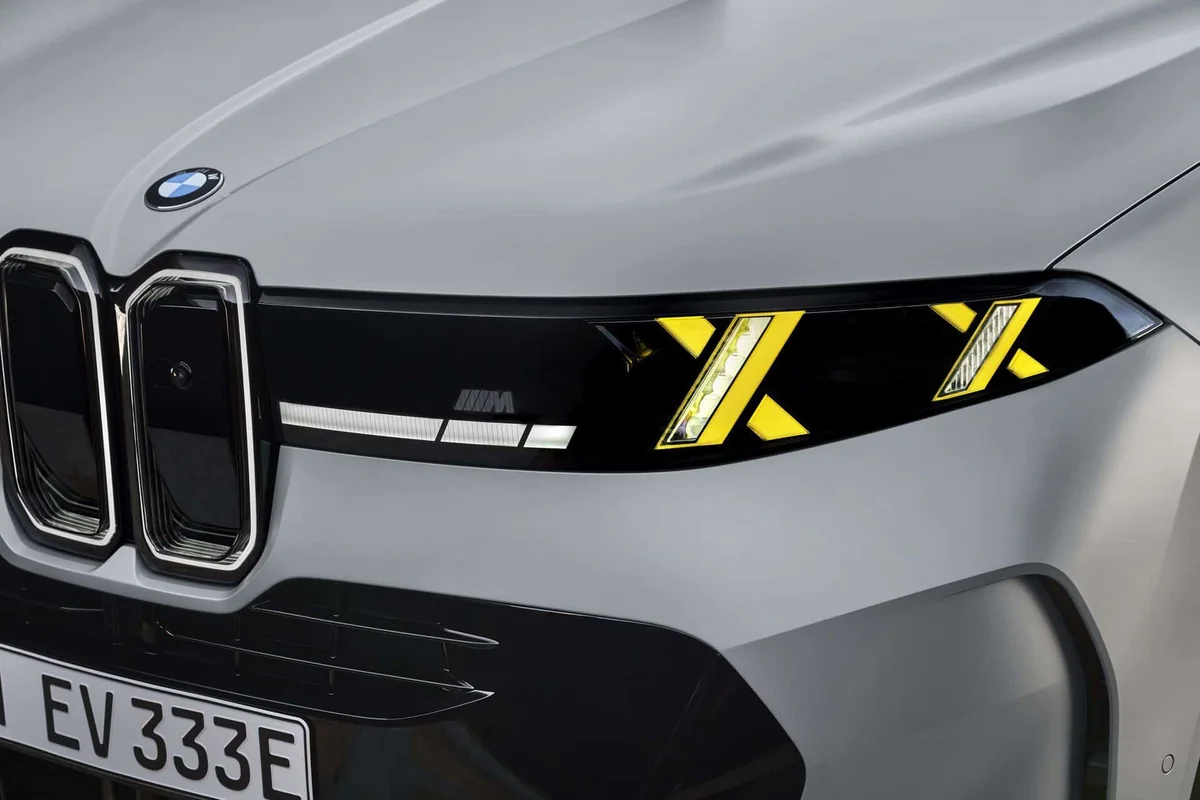
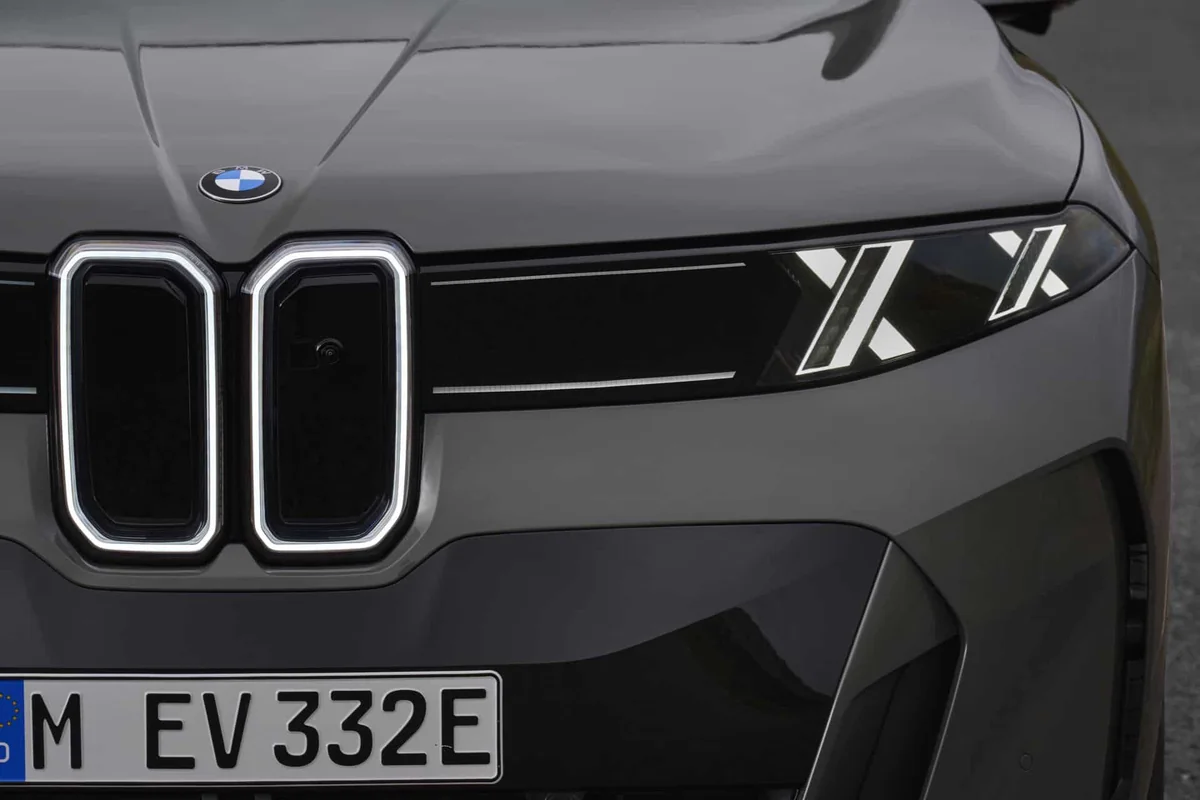
Motor1 views the 2027 BMW X5 as boldly unconventional but frustratingly overdesigned. The review appreciates its five powertrain choices, tactile slate console, real buttons, and high-tech interior shared with BMW’s newer models. Still, Twitter-like headlights, handleless doors, risky Alcantara and glass finishes, and the removal of the signature split tailgate make the redesign feel more gimmicky than necessary. The tone is witty and intrigued, but ultimately skeptical about whether these changes suit the X5.
alvazqueztvalvazqueztv is intrigued and energized by the BMW X5 2027, despite calling its controversial design a major break from BMW tradition. He frames the five powertrain choices, new platform, redesigned interior, advanced computing, and electric version’s claimed 475-mile range as bold moves that could put BMW ahead. His frustration is aimed at BMW’s refusal to explain why the diesel version is unavailable in America, while the mixed public reaction leaves the X5’s identity uncertain. Overall, he presents it as an ambitious, highly provocative launch rather than a clear misstep.

Forum Reviews
CUSTOMER REVIEWS FROM 1 FORUM
Redditors are broadly negative about the 2027 BMW X5, especially its design and cost-cutting changes. The exterior, X-shaped headlights, diagonal touchscreen-heavy cabin, and loss of the split tailgate, iDrive knob, and third-row option attract heavy criticism, with many preferring the 2026 model. Concerns also include forced driver distraction, perceived cheapness, reliability, depreciation, and a price seen as excessive. A smaller group likes the redesign, roomier cabin, green paint options, stronger base output, standard adaptive cruise, and lane centering, while some buyers remain interested after seeing it in person.
Many comments

In-Depth Review

Highlights
- •Broad Drivetrain ChoiceDesigned for gas, PHEV, and electric buyers.
- •Long-Range EV ChargingMarketed as offering 435 miles and 460-kW charging.
- •Composed Driving DynamicsPrototype drives found agile, quiet, controlled handling.
- •Premium Cabin ComfortSupportive seats, spacious rear room, refined materials.

Considerations
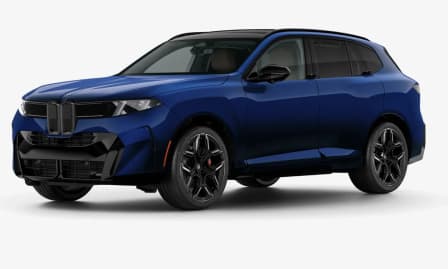
- •Polarizing Exterior DesignX-shaped lights and handles divide viewers.
- •Reduced Tailgate UtilitySingle-piece design complicates small-item loading.
- •Screen-Heavy Cabin ControlsAirflow adjustments require extra taps.
- •Unverified EV FiguresRange and charging claims await production testing.
BMW’s X5 has long balanced luxury, performance, and family practicality, and the 2027 redesign stretches that formula across more powertrains. Positioned against the Mercedes-Benz GLE and Porsche Cayenne, it serves commuters, families, and performance-minded buyers with 394-hp mild-hybrid power, a versatile 44-mile PHEV electric range, and the forthcoming iX5’s ambitious long-distance capability. Early reviews point to precise handling, a quiet cabin, confident all-wheel-drive traction, and generous rear space, while reported cargo capacity keeps it useful for everyday errands. Still, the larger body, screen-heavy controls, and lost split tailgate complicate the practicality story, and the iX5’s 435-mile range and 460-kW DC charging remain claims to verify in production testing. Buyers should weigh acceleration, charging access, interior packaging, and driving feel against their routines; the X5 may be broader than ever, but the right version matters more than ever.
Cargo And Interior Space
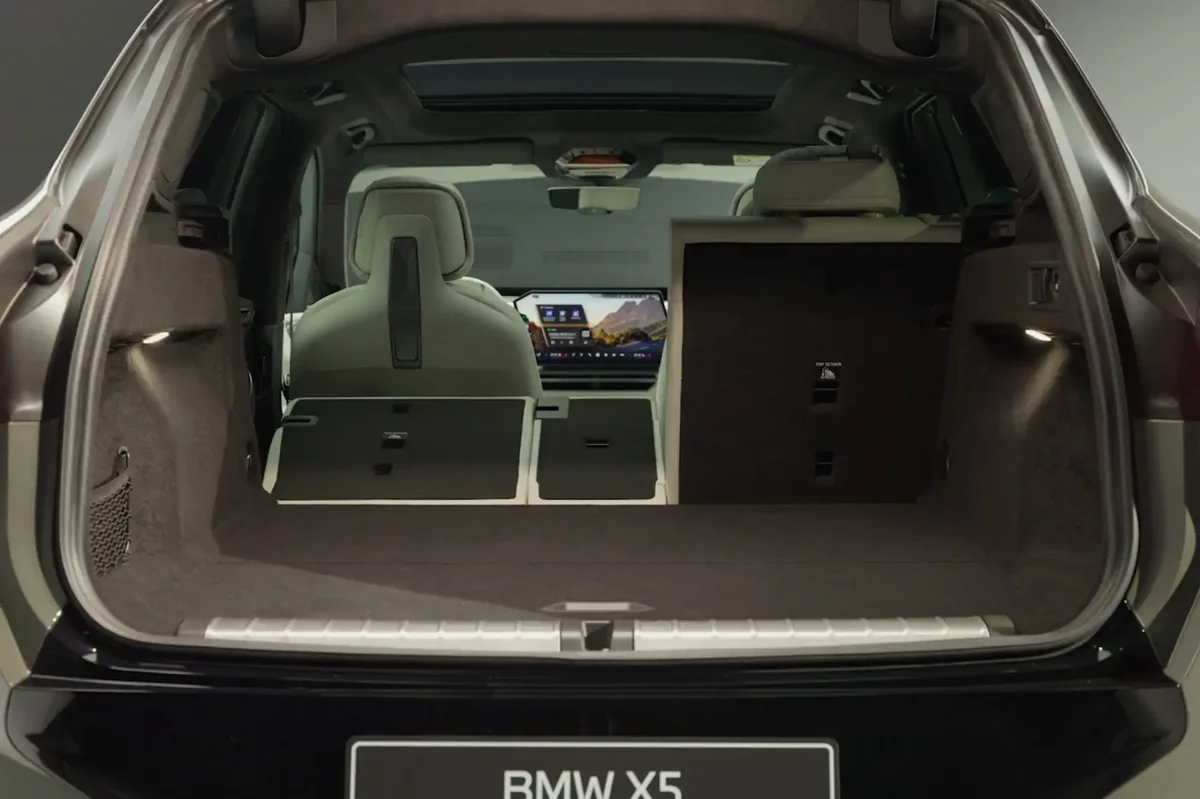
The redesigned X5 remains useful for families, but its packaging is not an across-the-board improvement. Reported capacity is about 23.1 cubic feet behind the rear seats and 65.3 cubic feet folded, with reviewers praising generous rear legroom, comfortable seats, and a premium cabin. However, the loss of BMW’s split-folding tailgate makes loading small items less convenient, while the multi-drivetrain platform limits frunk and storage opportunities in the iX5. The larger body may also feel cumbersome in tight garages.
Power And Acceleration
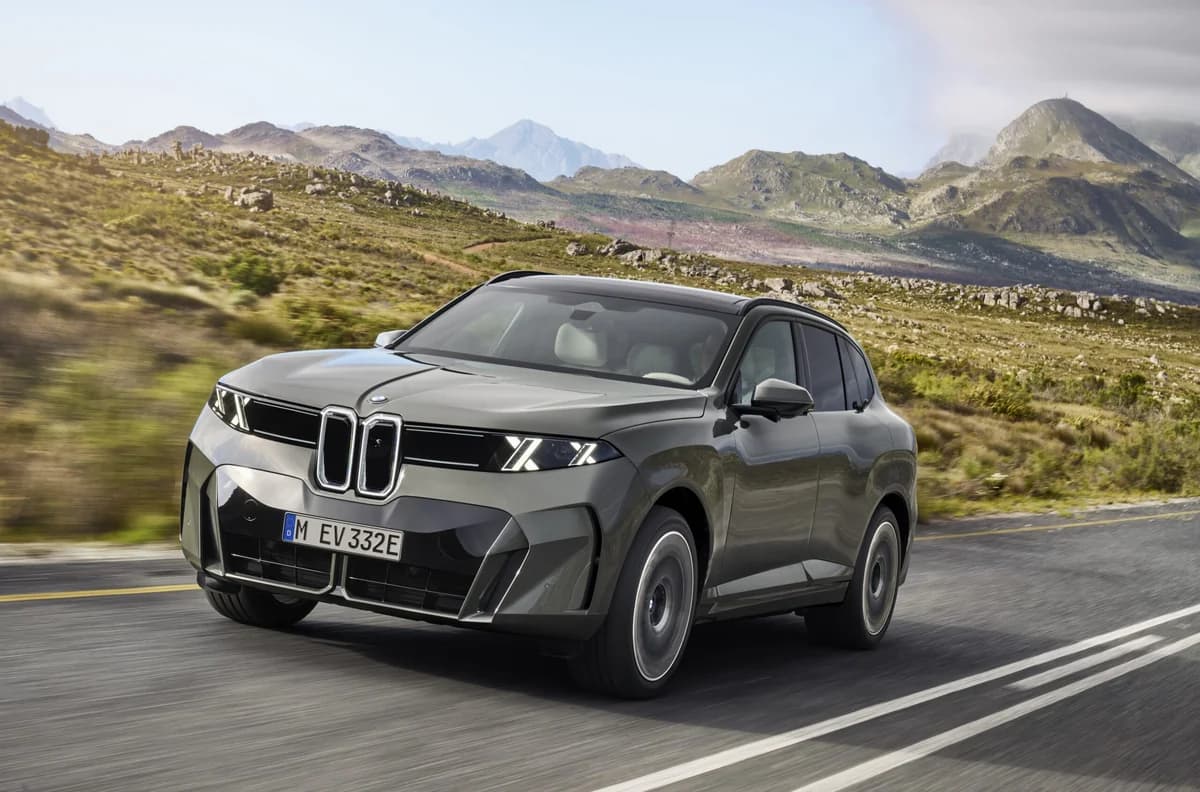
The X5 offers strong performance across its unusually broad lineup. The gas 40 xDrive uses a 394-hp turbocharged 3.0-liter inline-six with 48-volt assistance and reaches 60 mph in an estimated 5.1 seconds. The 50e plug-in hybrid rises to roughly 483–490 hp, while the dual-motor iX5 targets about 570–578 hp. Expert prototype drives praise the smooth transmissions and immediate response, although production testing is still needed to confirm final figures and whether the heavier electric model feels as agile.
All Wheel Drive
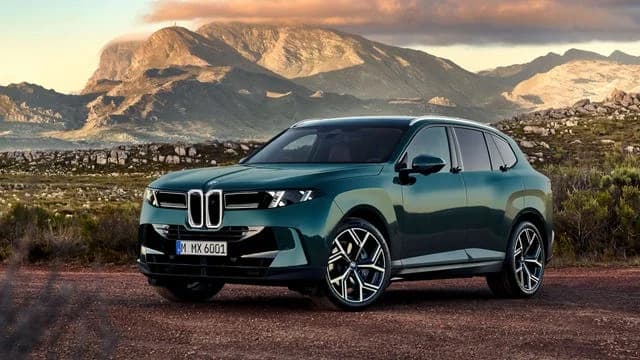
All-wheel drive is central to the X5’s performance-oriented identity, especially in the electrified versions. The gas xDrive models use BMW’s xDrive traction system, while the iX5 applies two electric motors for continuously responsive AWD. That setup should improve foul-weather confidence and help use the lineup’s substantial torque, although independent traction testing is not yet available. Expert prototype drives consistently report secure, planted behavior, but final tire choices, efficiency impacts, and regional drivetrain specifications may affect the experience.
Ride And Handling
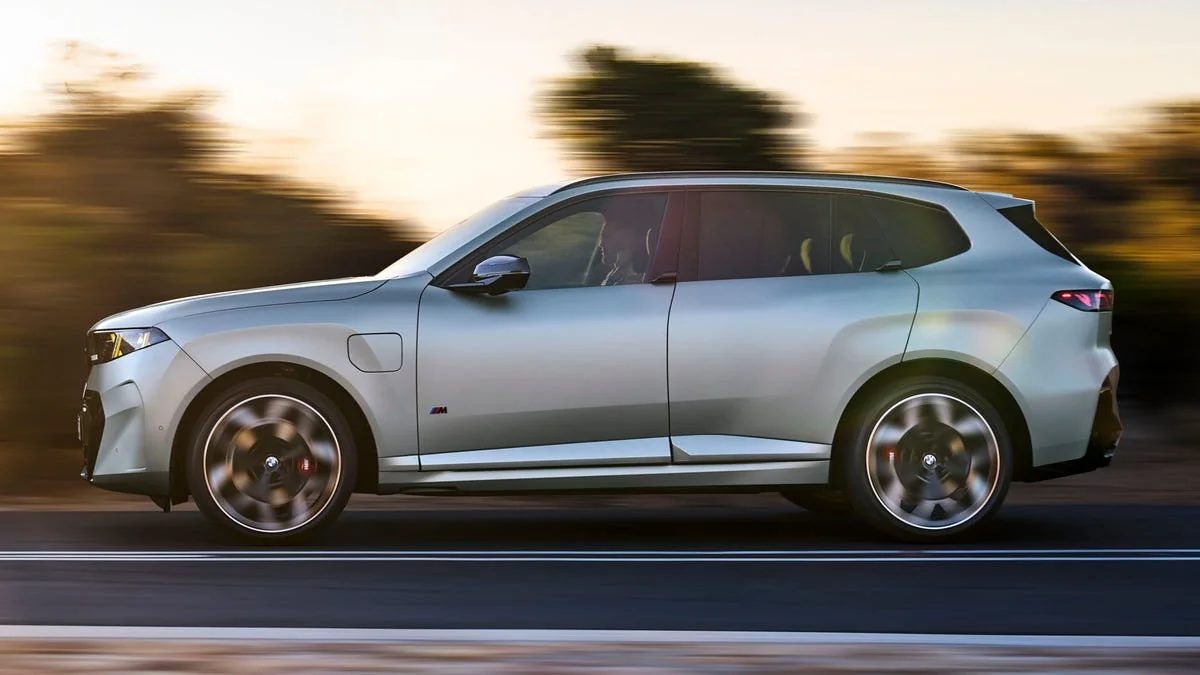
Early driving impressions suggest BMW has preserved the X5’s carlike manners despite adding size and electrified weight. Prototype testers praise precise steering, a quiet cabin, and a composed ride, with active anti-roll bars helping control body motion without making the suspension harsh. The 40 xDrive is often described as the most natural driver’s choice, while the iX5 reportedly disguises its mass well through a low-mounted battery and sophisticated chassis. Thick A-pillars remain a visibility weakness, especially at intersections.
Plug In Hybrid Range
The 50e is the practical middle ground for drivers who want electric commuting without depending entirely on public charging. Its turbocharged inline-six and electric motor produce roughly 483–490 hp, while reported specifications indicate up to 44 miles of electric range. That distance could cover short daily trips for drivers who charge at home, then preserve gasoline flexibility for longer travel. Reviewers like its smooth transitions and punch, but actual electric range, charging time, and fuel savings will depend heavily on temperature and driving habits.
EV Range And Charging
The iX5 could be one of the lineup’s biggest breakthroughs if its estimates hold up. BMW-related figures suggest up to 435 miles of EPA range, an enormous battery, and 460-kW DC charging that can take it from 10 to 80 percent in about 22 minutes. Reviewers are enthusiastic about the 800-volt architecture, while one ideal-condition drive reportedly approached 490 miles. Those are promising but not definitive results, since real-world range, winter efficiency, and charging availability remain unverified.
Conclusion
The 2027 BMW X5’s verdict is promising but provisional: its 394-hp mild-hybrid base model, punchier 50e, and dual-motor iX5 give buyers unusually strong acceleration choices, while the PHEV’s 44-mile electric range suits short commutes without sacrificing road-trip flexibility. Experts found the X5 quiet, planted, and agile for its size, with confident all-wheel-drive traction; however, added bulk, thick pillars, and a larger footprint may frustrate urban drivers. The iX5’s 435-mile range and 460-kW DC charging could be class-leading, but those claims still need production testing. Families get supportive seats and useful cargo room, though the lost split tailgate and limited EV storage weaken practicality. It fits buyers prioritizing refinement, performance, and drivetrain choice—not those wanting simple controls or traditional utility. That balance explains its strong recommendation, tempered by unresolved real-world and user concerns.

Feature Scores
This reflects reviews and ratings from established critics, journalists, and users who have evaluated the item. Their opinions provide a comprehensive assessment.
Performance
Engine Power
5/5
Acceleration
5/5
Towing Capacity
4/5
Fuel Efficiency
3/5
Reliability
2/5
Durability
3/5
Value
Purchase Price
3/5
Operating Cost
3/5
Resale Value
3/5
Design
Interior Space
4/5
Cargo Capacity
4/5
Ergonomics
3/5
Exterior Styling
3/5
Health
Cabin Air Quality
TBD
Interior Material Toxicity
TBD
Safety
Crashworthiness
TBD
Active Driver Assistance
4/5
Braking Performance
4/5
Visibility and Lighting
3/5
Sustainability
Tailpipe Emissions
4/5
Fuel Lifecycle Emissions
3/5
Use of Recycled Materials
TBD
End-of-Life Recyclability
TBD
Experience Style
Infotainment Features
4/5
Ride Comfort Tuning
4/5
Customization Options
5/5

Specifications
This section outlines the product's key facts, covering essential features, details, dimensions, materials, and any unique characteristics that define its functionality and usability.
Performance
Design
Sustainability
Experience Style

Frequently Asked Questions
3 Questions

Find Yours
What is your primary use for a Gas-Powered SUV?
Answer to find your best matches.