








Volvo ES90
Calm, long‑range luxury with 800V fast charging and lidar safety, though less sporty and touchscreen‑heavy.
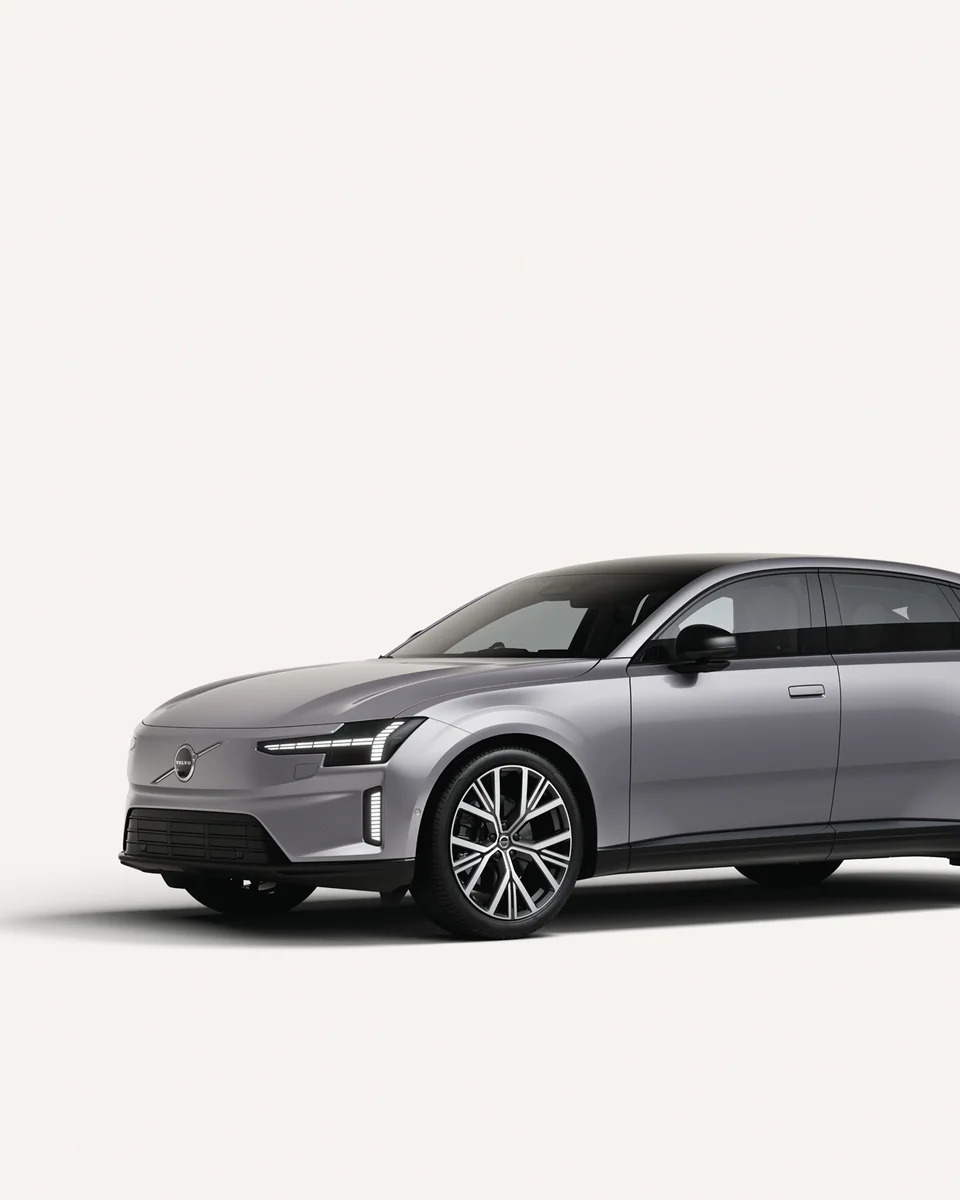
The Volvo ES90 is a quietly authoritative electric executive—think limousine calm in a fastback body—built for long‑mile commuters and safety‑minded families seeking roomy refinement. Reviewers applaud its 800‑volt charging, 0.25 Cd aero, dual‑chamber air suspension and lidar‑augmented safety, and note expert‑backed real‑world range that generally matches Volvo’s claims; critics point to a touchscreen‑first interface, muted steering and snug rear headroom. Pricing aims at premium value for tech and comfort over sportiness, but limited user data means buyers should verify rear ergonomics and software polish—factors that will sway its overall recommendation.
Find Yours
What is your primary intended use for an electric sedan or compact?
Answer to find your best matches.

The Field
Browse top contenders, or compare all options ranked by score and key attributes.
5 Options



The Scoreboard
Does this improve your life? Considers, health, habits, and environmental impact.
Benefits
Exceptionally quiet, smooth ride that reduces driver fatigue on long motorway journeys.
800V charging and strong WLTP range minimize charging stops on long trips.
Stretched wheelbase and supportive seats deliver relaxed rear legroom for passengers.
Lidar, cameras and in-car radar detect hazards and protect children and pets.
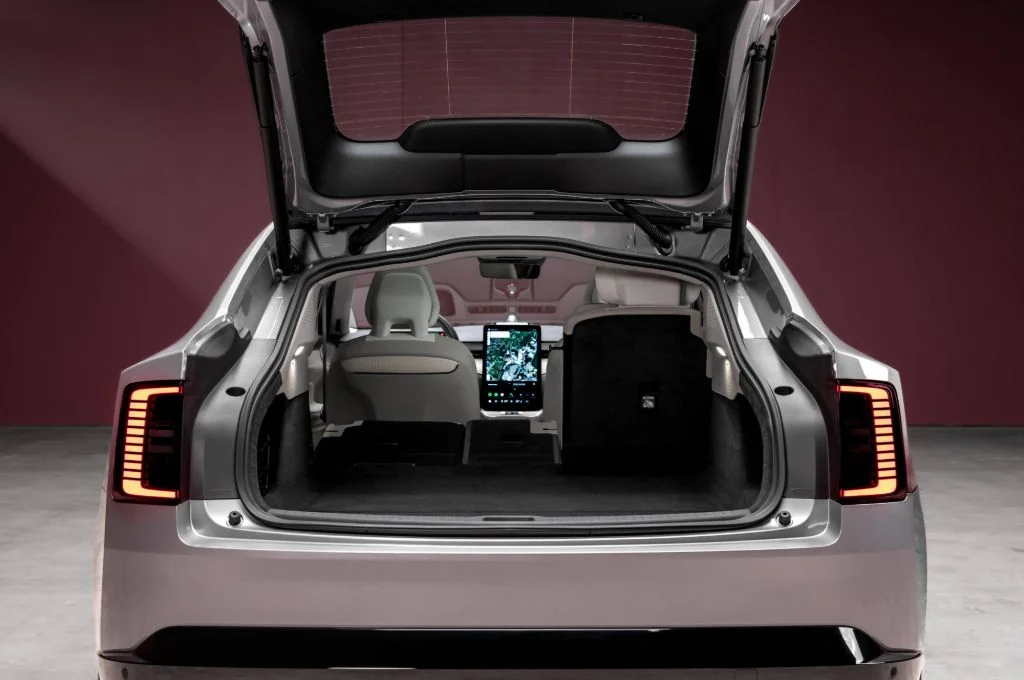
Fastback hatch and flexible seats make loading luggage and bulky items easier.
Calm minimalist cabin and quality materials create a refined, comfortable social impression.
Trade-Offs
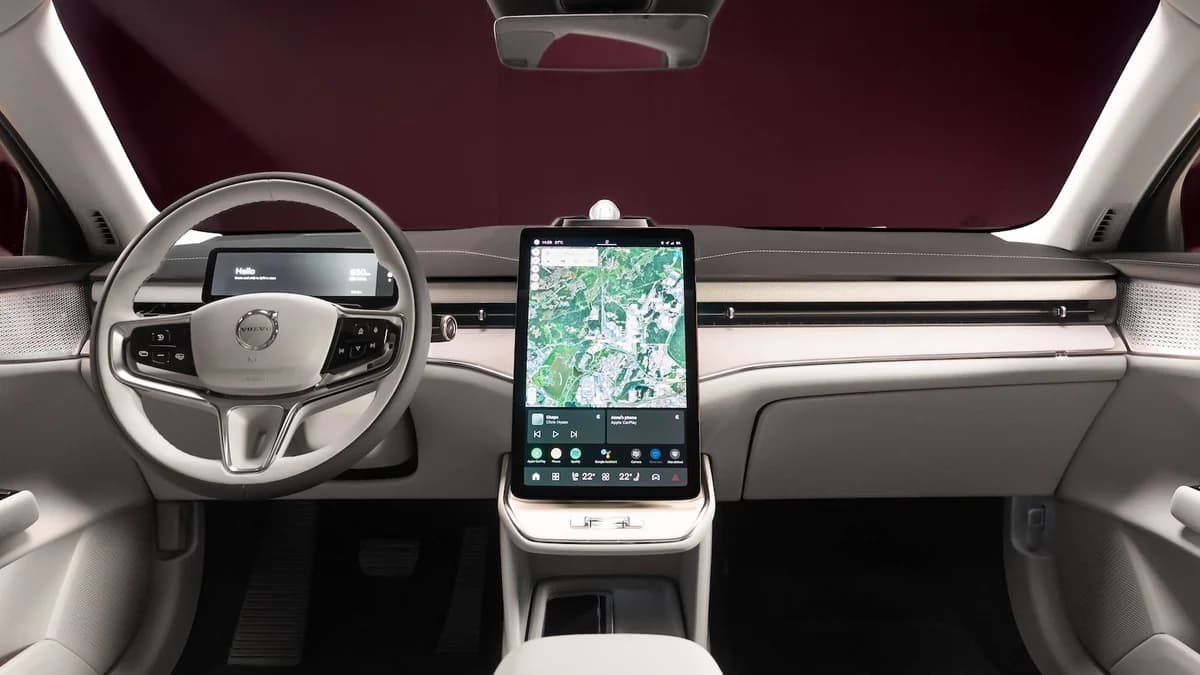
Menus for basic functions force fiddling while driving, distracting attention from the road.
Fastback roof and raised floor make taller passengers duck, causing discomfort on longer rides.
Occasional software lag when changing settings or navigation interrupts quick in-car tasks.
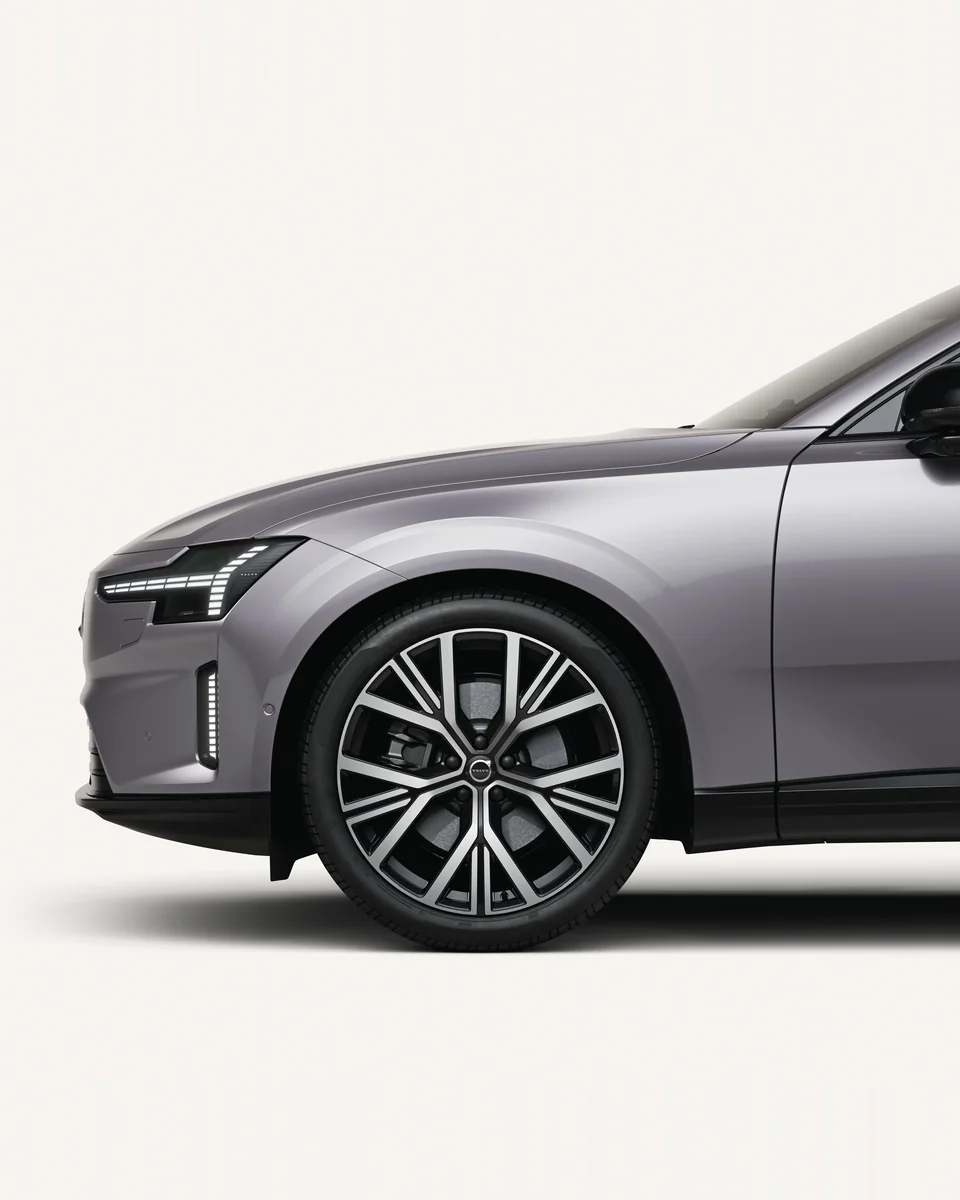
22-inch wheels and soft suspension can feel fidgety and thump over sharp bumps.
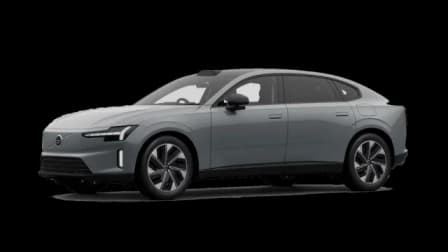
 Alternatives


Join the Circle
Where real meets deal
Know what's worth buying-and when.
Tips, special offers, and rewards for buying and sharing.

Publications
9 LEADING PUBLICATION REVIEWS

Auto Express’ Dean Gibson and Ellis Hyde highlight the Volvo ES90 as a quietly competent, comfort-first electric executive with notable range and strong tech and safety credentials. They praise its hushed cabin, plush ride, generous equipment levels and competitive WLTP figures — especially impressive for a fastback derived from the EX90 platform — and note the Performance model’s potent acceleration. Criticisms are measured: rear headroom and leg support are compromised by the raised floor and fastback roofline, steering feedback is muted, and the soft suspension can unsettle the car over sharp bumps; one-pedal driving needs a delicate touch. Charging potential (an 800V system and 310kW peak) looks promising but is rarely attainable in everyday conditions. Overall the tone is balanced and mildly positive: the ES90 is recommended as a refined long-distance cruiser that trades outright sporting engagement and rear-seat spaciousness for comfort, style and advanced on-board systems.
By Dean Gibson; Ellis Hyde
Autocar’s Richard Lane highlights the Volvo ES90 as a quietly charming, technically interesting big electric saloon that impresses with an 800V architecture, class-leading 350kW charging and a composed, lounge-like cabin — even if it’s unlikely to be a commercial hit. He praises the car’s agreeable balance of ride and handling, spacious rear packaging, very good seats and superior charging speeds versus German rivals, and notes its competitive pricing given the tech. Criticisms focus on market practicality (no US availability, Chengdu build), some ride fidgetiness on large wheels, awkward software-first controls (mirrors/lighting), limited rear visibility and kerb-prone alloys; dynamics are nicely composed but not sporty. Overall Lane’s tone is appreciative and slightly bemused: he recommends the ES90 as an intriguing, worthy alternative for buyers wanting a roomy, refined GT that stands apart from mainstream premium offerings.
By Richard Lane
TopGear.com praises the Volvo ES90 as a supremely refined, beautifully finished luxury saloon that successfully translates Volvo’s safety and Scandinavian design DNA into an electric flagship. The reviewer is appreciative and largely enthusiastic about its plush ride, hushed cabin, high-tech hardware (including a potent dual Orin setup, 800V charging, bi-directional charging and efficient battery options), and thoughtful interior materials and packaging. Criticisms are measured: the ES90 sits unusually high, lacks a bit of character compared with sportier rivals, and lingering worries remain about software glitches after Volvo’s earlier EX90 launch and the terminated lidar deal. Unique insights note improved energy-management software, strong WLTP ranges, rapid charging capability, and that the single-motor variant offers ample real-world pace—so refinement and manners largely outweigh any drama shortfall. Overall tone: positive and confident but cautiously optimistic about software reliability.
Parkers praises the Volvo ES90 as a near-luxury saloon that excels in refinement, rear-seat comfort, long electric range and rapid charging, often feeling a class above German rivals in build quality and materials. Ted Welford and Amrit Kaur applaud its plush seats, limo-like rear space, comprehensive safety aids and impressively low noise, and note WLTP ranges that translate into very usable real-world miles. However, they’re measured rather than exuberant: usability frustrations—most notably an overreliance on the central touchscreen for basic controls, poor rear visibility, and a smaller, shallow boot—temper the enthusiasm. The driving experience is comfortable and composed rather than engaging, with light steering and ponderous brakes. Overall the reviewers present a balanced, confident recommendation for buyers prioritizing comfort, range and refinement, while warning those who value tactile controls, visibility and cargo capacity to consider rivals.
By Ted Welford and Amrit Kaur
Carwow’s Darren Cassey — Managing Editor — praises the Volvo ES90 as an exceptionally comfortable, long-range electric saloon that’s ideal for high-mileage drivers, highlighting its refined ride, superb long-distance composure and class‑leading fast‑charging capability. He tempers that enthusiasm with measured criticisms: the ES90 is less practical than some rivals (smaller boot, fiddly seat-fold release and tricky ISOFIX access), rear visibility is compromised by chunky pillars, and some interior touches (a new scroll wheel, reduced physical buttons, and plainer lower cabin trim) feel a step down from previous Volvos. Notable specifics include real-world range of ~320 miles on the smaller battery, official 341–426 mile figures depending on battery, up to 350 kW peak charging, and 424 litres of boot. Overall the review reads warmly but balanced — enthusiastic about comfort and charging, cautious about family practicality and certain ergonomic regressions.
By Darren Cassey
Will Dron from The Times highlights the Volvo ES90 as a confidently engineered luxury electric saloon that marries impressive, safety-focused computing (a dual Nvidia Drive AGX Orin setup and lidar) with serene, Rolls-Royce‑like ride quality. The review is positive and mildly amused—praising the car’s advanced driver‑assist subtlety, excellent range and fast 800V charging, plush interior finishes and expansive cabin, while also poking fun at the protruding lidar “lump,” high prices, and odd touchscreen-only placement of some basic controls. Dron admires Volvo’s cautious approach to autonomy and the ES90’s real-world efficiency (about 3.5 mi/kWh seen in testing) but questions whether the tech is slightly over‑engineered for today’s needs. Overall the tone is upbeat and approving, with measured criticism about aesthetics and interface choices that keeps the endorsement credible rather than gushing.
By Will Dron
Steve Fowler from The Independent highlights the Volvo ES90 as a calm, confident electric saloon that favors quiet luxury and practicality over flash — a grown-up alternative to the SUV trend. The review is warmly positive, praising the serene Scandinavian interior, impressive 800V charging (up to 350 kW), long claimed range (up to 435 miles), and a class-leading 25-speaker Bowers & Wilkins audio system, while noting a touchscreen-first control layout that pushes too many functions into menus. Real-world testing across motorways, mountain passes and even the Monaco circuit gives the appraisal credibility; the ES90 earns particular praise for ride comfort on highways, strong regenerative braking, and thoughtful storage solutions, though rear foot space and firmness on 22in wheels are flagged as drawbacks. Overall the tone is approving and mildly enthusiastic — recommending the ES90 for buyers who want elegant, efficient electric motoring without SUV pretensions.
By Steve Fowler
CAR magazine praises the Volvo ES90 as a sumptuous, long‑range cruiser that returns Volvo to the saloon fold with impressive refinement, spacious rear accommodation and very fast charging — but warns its touchscreen‑first control layout, poor rear visibility and lack of real driver engagement undermine everyday usability. The reviewers (Ted Welford and Amrit Kaur) convey a warm but measured enthusiasm: they admire the car’s plush materials, quiet ride, class‑leading rear legroom and solid efficiency figures, yet repeatedly call out the intrusive touchscreen dependence, awkward boot and high price that leave it trailing rivals like the BMW i5 and Audi A6 e‑tron in overall practicality and recommendation. Unique insights include real measured efficiency matching Volvo’s claims, the weight‑related performance tradeoffs across powertrains, and clear comparisons to direct premium competitors.
By Ted Welford; Amrit Kaur
PistonHeads’ Sam Sheehan highlights the Volvo ES90 as a thoughtful, comfort-first electric executive saloon that deliberately resists the screen-heavy interior trend, favoring Scandinavian materials, a calm cabin and strong refinement. The review is broadly positive and mildly enthusiastic: praise centers on the ES90’s serene interior design, excellent ride quality from air suspension, advanced AI-driven driving aids, impressive charging speeds and roomy rear accommodation, while criticisms are measured—firmer-than-ideal seats, lack of on-the-fly regen paddles, some touchscreen-dependent controls and middling boot space compared with rivals. Price is noted as competitive but not a bargain, and driving dynamics are competent rather than sporting. Overall the tone is approving and appreciative, emphasizing the ES90’s unique appeal to buyers who value comfort, subtle luxury and tech that supports relaxation rather than dominates the cabin.
By Sam Sheehan

YouTube
10 LEADING EXPERT & INFLUENCER REVIEWS
 Autogefühl
Thomas from Autogefühl praises the Volvo ES90 as a calm, luxurious electric flagship—highlighting its airy Nordico interior, excellent insulation, adaptive air suspension, and efficient 800V charging—while noting limited steering feedback, tricky smartphone-only key risks, and minor ergonomic quibbles (frunk size, high rear footwell).
AutotraderAutotrader praises the Volvo ES90’s serene, spacious luxury—highlighting its quiet cabin, refined ride, impressive range/350 kW charging, Nvidia-powered Google infotainment, and thoughtful practical touches—while noting downsides like the “sensor hump,” over-reliance on the central touchscreen, limited rear seat storage, and softer handling for enthusiastic driving.
ElectrifyingGinny Buckley praises the Volvo ES90’s calm, luxurious feel—loving its Scandinavian design, airy interior, Bowers & Wilkins audio, 800‑volt fast charging and smooth highway manners—while offering measured criticism of jerky lane‑keep/steering inputs, imperfect speed‑limit recognition, and slightly fiddly menu controls for basic functions.
CompleteCar.ieCompleteCar.ie praises the Volvo ES90 as a luxurious, smooth, and exceptionally quiet executive hatchback with standout aerodynamics, refined interior materials, Bowers & Wilkins sound, lidar safety, and excellent range/800V charging; minor caveats: heavy feel, slow steering, and it’s not a driver-focused sports saloon.
Kris RifaKris Rifa finds the Volvo ES90 impressively efficient and refined, praising its quiet, smooth ride, precise drivetrain, and exceptional motorway real-world range (≈449 km at 120 km/h) versus the Polestar 4, while acknowledging price and segment differences; tone is enthusiastic but measured, highlighting charging speed and practical comfort as standout insights.
The Right Car?The Right Car praises the Volvo ES90 as a plush, safety-forward flagship—spacious, quiet, and impressively value-packed with 800V charging and strong WLTP range—while noting rear visibility, odd grab/handle ergonomics, limited rear comfort details, and the absence of AWD at launch as meaningful caveats.
Nobby On CarsNobby On Cars praises the ES90’s elegant design, limo-like rear space, smooth ride, and Volvo-grade safety (including lidar), but voices guarded skepticism about identity, firm ride on 22s, limited frunk/boot size, 11 kW onboard charging, and pricing—overall appreciative yet measured, leaning toward cautious endorsement.
Joe AchillesJoe Achilles praises the Volvo ES90 as a spacious, impeccably finished, and supremely comfy flagship with exceptional silence, adaptive air suspension, and refined throttle calibration—calling it a likely BMW i5 rival—while cautiously noting realistic range (~320–360 mi), some rear visibility compromise, and only-adequate sporty handling for enthusiasts.
AutoChamp WandelenAuto Champ Vanderolin is cautiously impressed by the Volvo ES90—praising rear design, materials, Bowers & Wilkins audio, and safety lineage—but questions its sedan identity, high ride/boot lip, over-simplified touchscreen controls, cramped rear floor, and some fit/finish quirks. Tone: measured optimism with clear reservations.
Shawn LoongShawn Loong praises the Volvo ES90's serene NVH, spacious D-segment cabin, solid build quality, 22-inch styling, and practical fastback hatch; he’s impressed by manual vents, ventilated seats, and quiet ride versus his Tesla. Tone is upbeat but measured—notes UI lag, shallow rear seats, limited speed (single-motor ~6.6s), and minor visibility/cleaning concerns.

Social
1 INFLUENCER REVIEW
 Francisco Nwamba
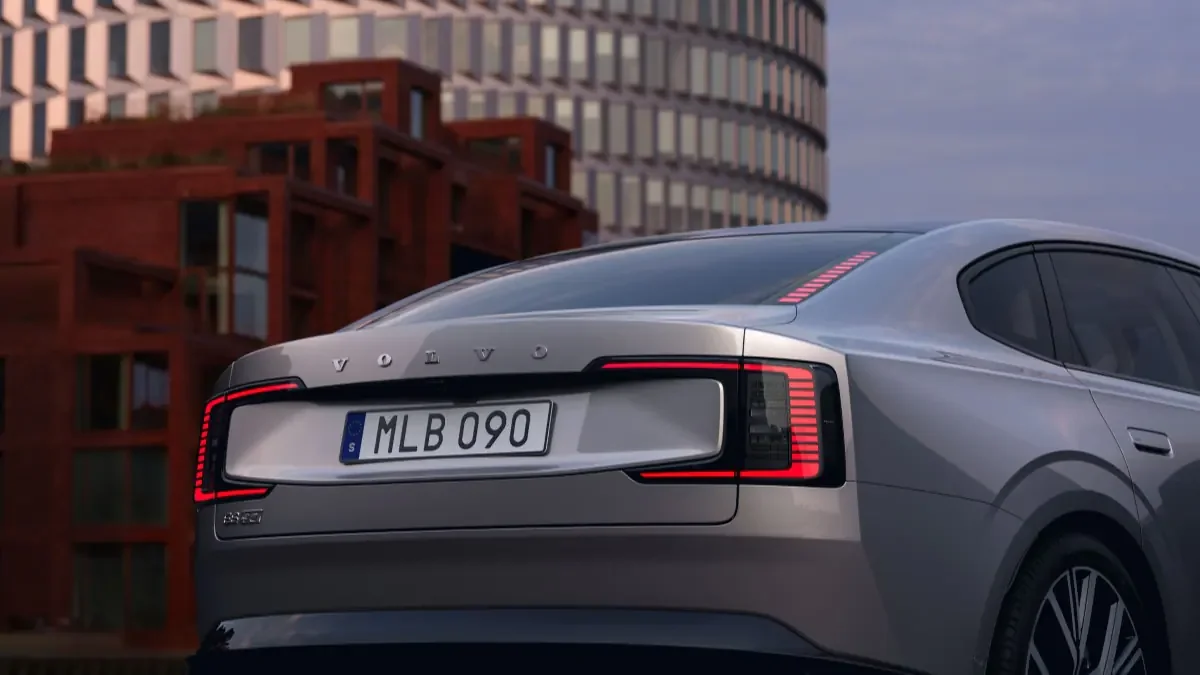
Francisco Nwamba highlights the Volvo ES90’s practical fastback: roomy, easily accessed boot with an electronic tailgate and unusually playful LED rear-window lighting that performs a “dancing” sequence when locking — a distinct, likable detail the reviewer finds “very cool.” His tone is upbeat and impressed, emphasizing utility and small design surprises. Overall Francisco’s consensus is positive and recommending for buyers who value cargo practicality and thoughtful styling touches; he frames the ES90 as spacious, convenient, and subtly fun, inviting viewers to share impressions rather than raising reservations.

Forum Reviews
CUSTOMER REVIEWS FROM 1 FORUM
Reddit discussions about the Volvo ES90 are mixed: many praise its elegant exterior, premium interior materials, quiet ride and strong charging/range capabilities, calling it a comfortable, refined flagship. Criticisms focus on price, rear-seat ergonomics and reduced headroom, large touchscreen-first controls and flaky software/infotainment, with some users warning about limited real-world range in cold weather. Overall sentiment is cautiously positive on design and performance but wary on value and practicality; prospective upgraders emphasize software concerns and rear-seat comfort more, while new shoppers admire the styling and tech but balk at cost.
Many comments

In-Depth Review

Highlights
- •Rapid charging and long rangeManufacturer testing claims 10–80% ≈30 min
- •Serene cabin refinementExceptionally quiet, well-insulated interior
- •Advanced safety sensor suiteMarketed as lidar-enhanced with in-car radar
- •Comfort-first suspensionAdaptive damping and dual‑chamber air
- •Aerodynamic efficiencyClass-leading 0.25 Cd reduces drag
- •Scandinavian minimalist interiorPremium materials and spacious feel

Considerations
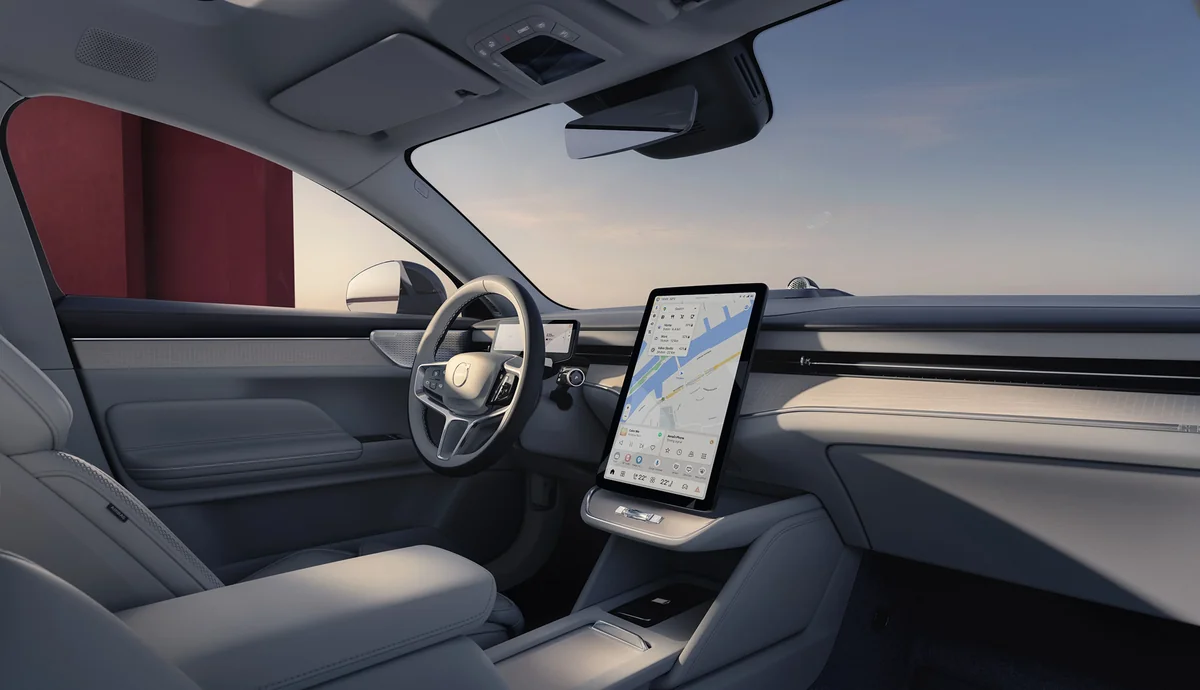
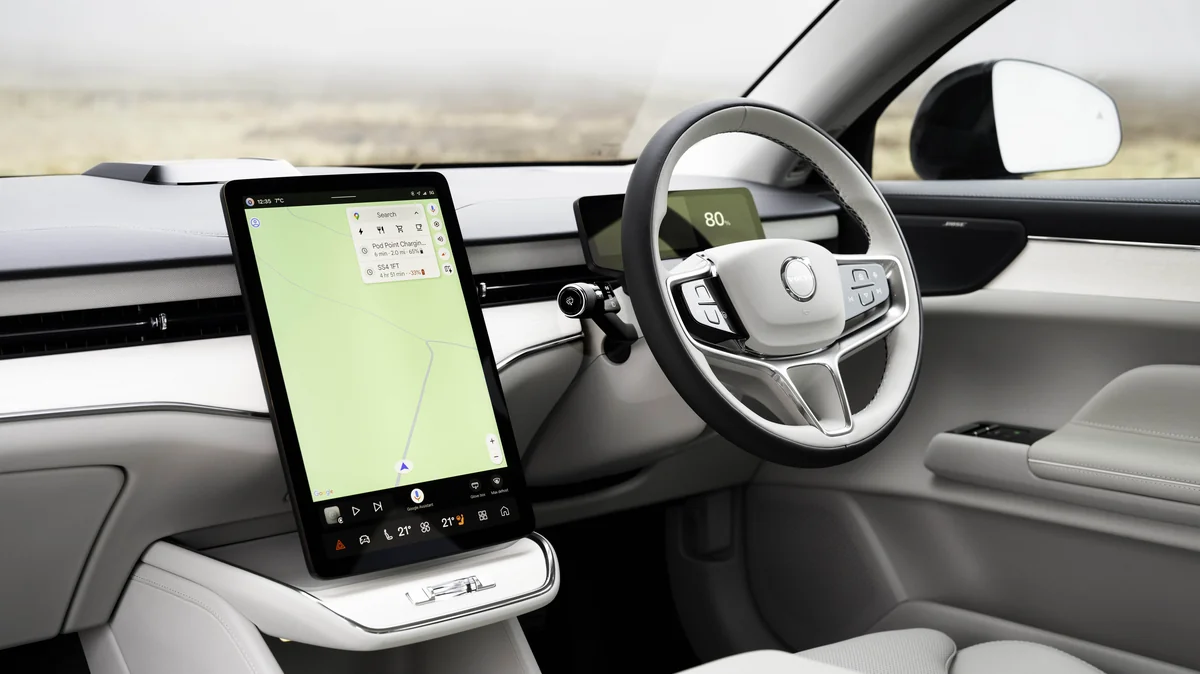
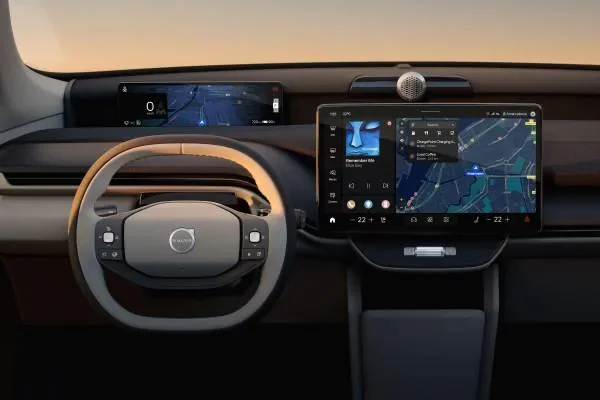
- •Touchscreen-first control schemeMany functions require central touchscreen
- •Rear headroom and ergonomicsRaised floor and fastback reduce headroom
- •Infotainment and software quirksOccasional lag and software reliability concerns
- •Light steering and limited engagementLight steering, minimal feedback for drivers
- •Practicality compromises for some usersShallow frunk and fiddly seat releases
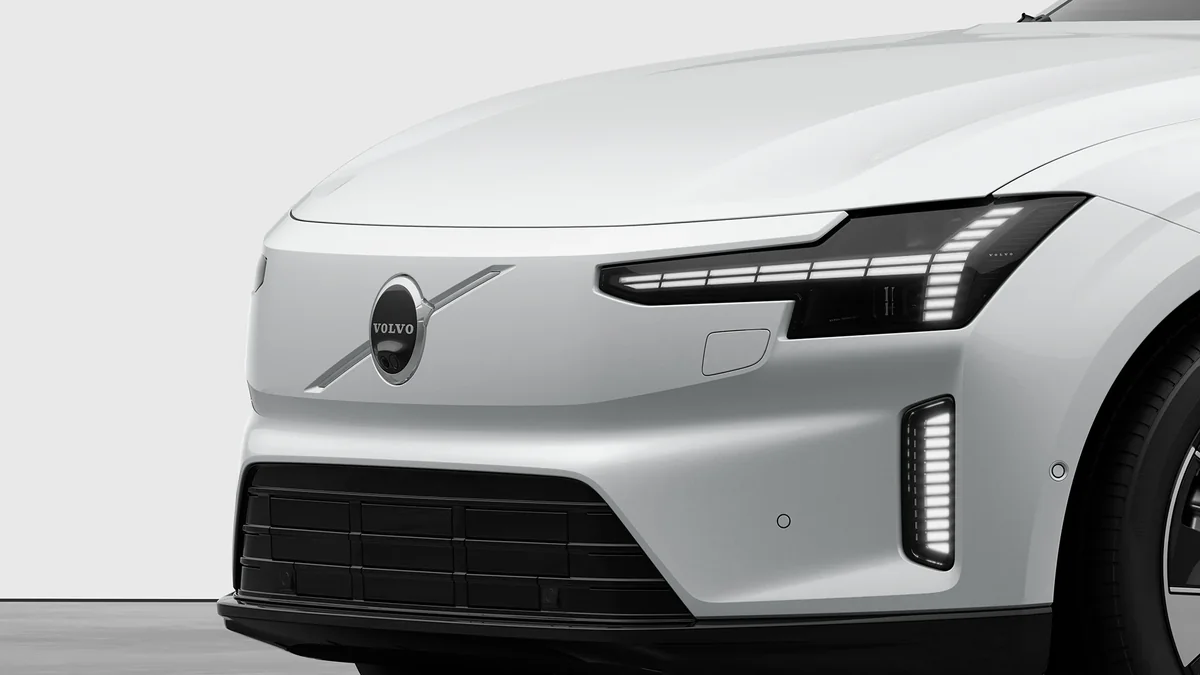
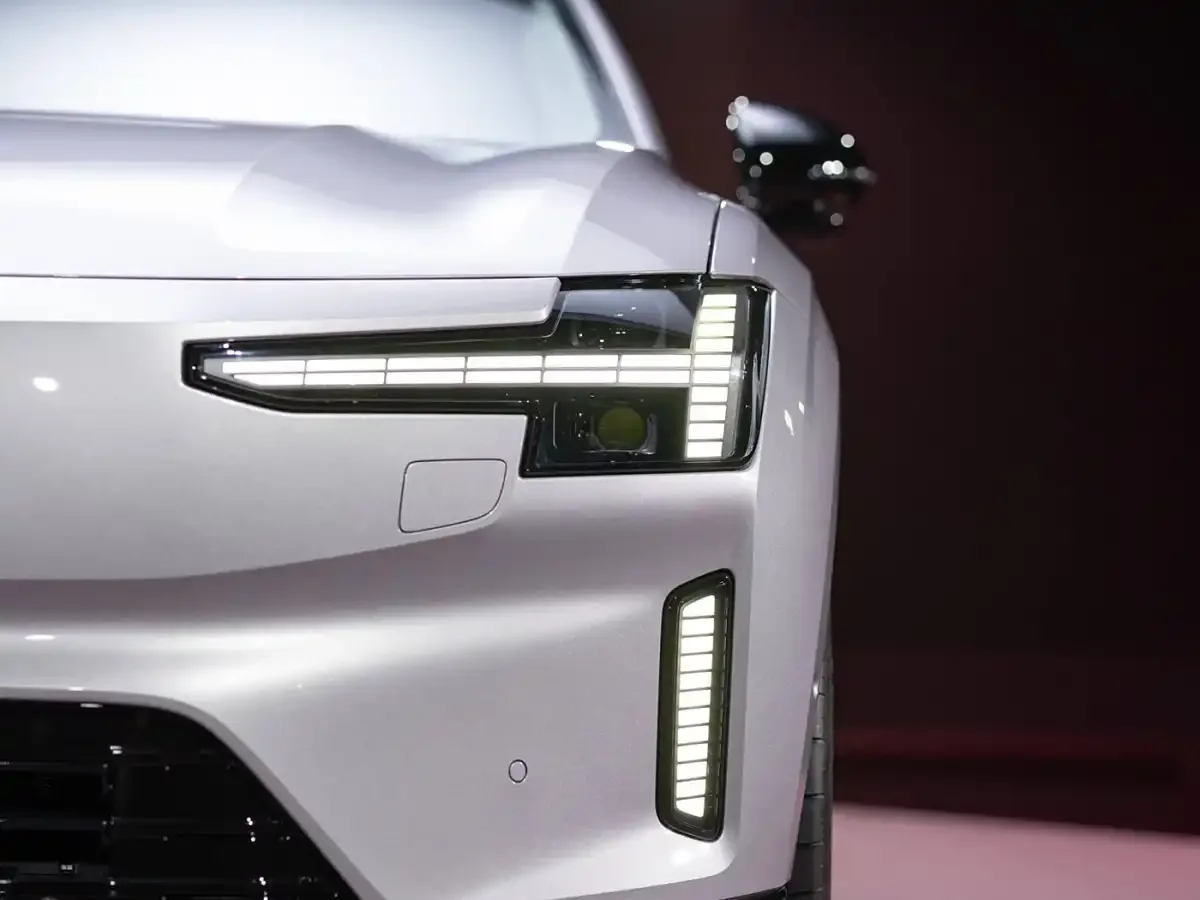
- •Visibility and exterior sensor protrusionBulky lidar hump and rear visibility compromise
Real-world owner feedback is still thin, so take first impressions with a polite pinch of salt—yet experts and early previews agree this Volvo arrives as a calm, safety‑first rival to the German saloons. Built as an executive fastback with raised ride height, it’s pitched at affluent commuters and families who want sedan poise with hatchback practicality: think chauffeured motorway miles, long-range business trips, and secure family runs. Standouts include an 800‑volt charging architecture, up to ~426 mi WLTP range, a 0.25 drag coefficient, and powertrains topping 680 hp for the perf‑minded, all wrapped in Volvo’s minimalist Scandinavian cabin and lidar‑augmented safety. Compared with prior Volvo saloons and rivals like the i5 or Model S, it trades sharp steering for supreme refinement and practical rear comfort. If fast charging, occupant detection, aero efficiency, ride comfort or cargo flexibility matter to you, read on—this car rewards those priorities with calm confidence.
Suspension and ride comfort
Ride is the ES90’s calling card: adaptive damping and a dual‑chamber air suspension deliver a lounge‑like glide that reviewers describe as near‑Rolls calm, soaking motorway miles with aplomb, though 22‑inch wheels can introduce firm thumps over sharp bumps. The setup favours isolation over feedback, so steering lacks crispness for enthusiasts but passengers reap the benefits. Comfort, not cornering drama, is the philosophy—superb for long journeys, less so for drivers craving tactile engagement. Dual‑chamber air suspension, adaptive damping, NVH isolation, 22‑inch wheel thumps, comfort-first tuning.
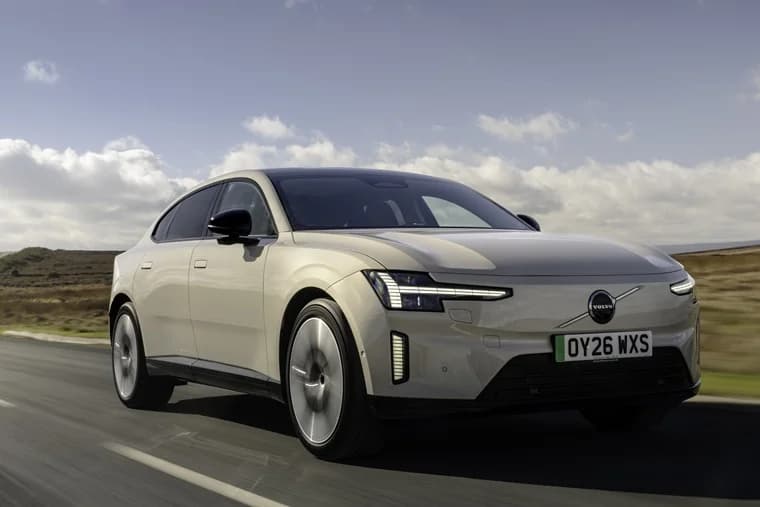
Interior space and cargo capacity
Volvo’s stretched wheelbase yields limo‑like legroom and a calm, minimalist cabin with premium materials and a Google‑powered vertical screen, but the fastback roof and raised floor nibble at headroom and rear footwell ergonomics. Boot space is practical for everyday use—425 L (1,256 L folded) with a handy hatch—though some reviewers flag a shallow frunk and fiddly seat‑release ergonomics. It’s plush and practical in many ways, but double‑check rear comfort if you routinely carry tall passengers. Stretched wheelbase, 425 L boot, vertical Google infotainment, reduced rear headroom, frunk size.
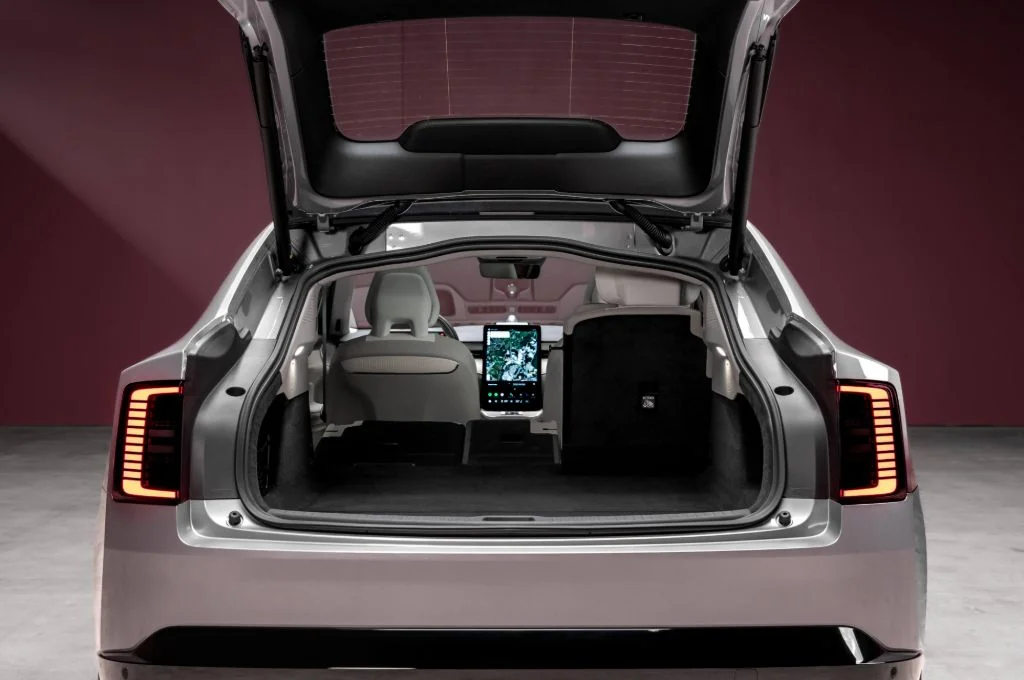
Aerodynamics (drag coefficient)
The ES90 wears its engineering on its sleeve with a class‑leading 0.25 Cd, which pays real dividends in both range and refinement: testers saw exceptional motorway efficiency and lower wind noise, reinforcing Volvo’s claim that aero equals range. The fastback hatch and smooth surfaces aren’t just pretty—they materially reduce energy loss at speed, helping the ES90 challenge larger rivals on WLTP figures. Aerodynamic gains are a core reason the car feels so composed on motorways. 0.25 drag coefficient, fastback hatch, reduced wind noise, range efficiency, aero-driven refinement.
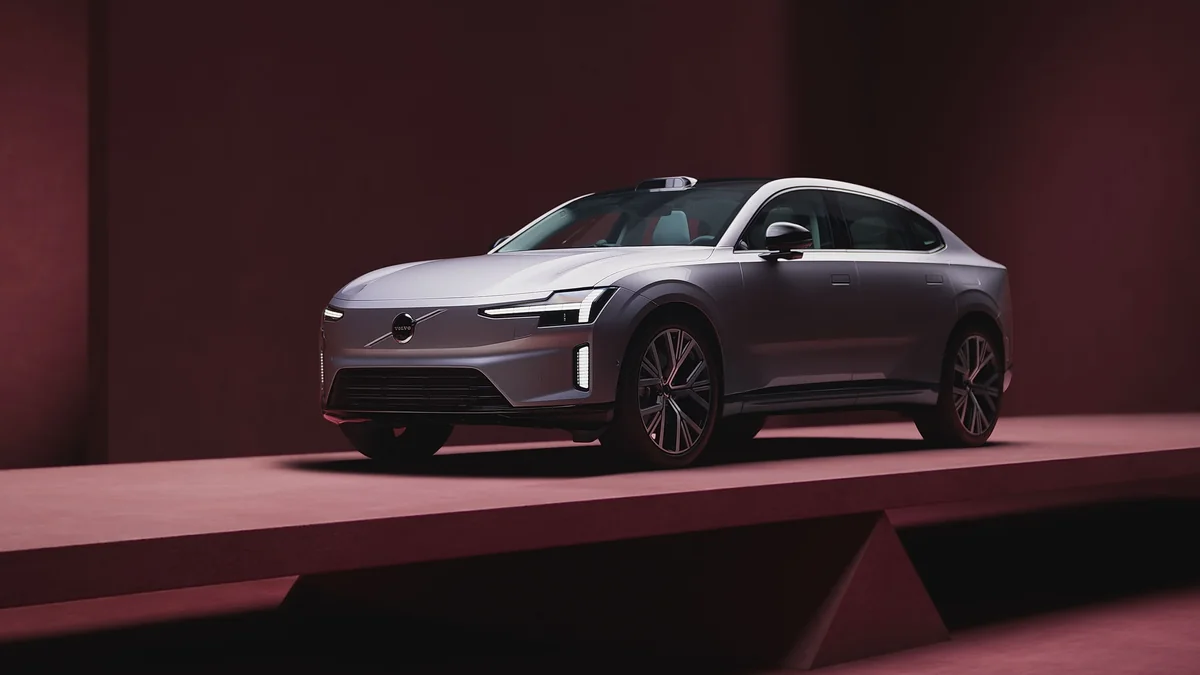
Electric range and charging
If long trips worry you, the ES90 mostly soothes them: its 800‑volt architecture and up to 350 kW peak DC charging mean rapid top‑ups (10–80% in ~30 minutes claimed) and reviewers saw strong real‑world efficiency (≈3.5 mi/kWh, motorway figures near 320–450 km depending on variant). Charging performance can be constrained by network reality and software quirks, so treat Volvo’s peak numbers as achievable but situational — excellent for road trips when public chargers cooperate. WLTP range claims, CATL battery tech, real‑world motorway results are all relevant here. Fast charging usability is a standout.
Powertrain performance and acceleration
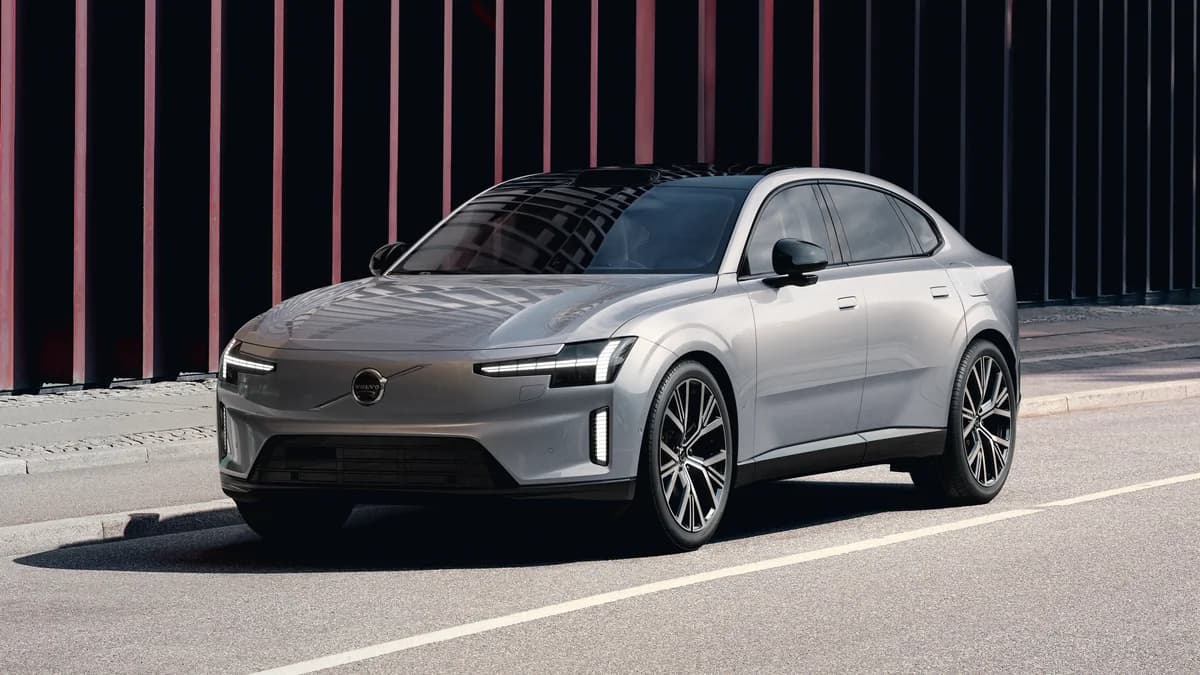
The ES90 balances composure with satisfying shove: the single motor is relaxed yet adequate, the twin motor trims brisk, and the Performance model blasts 0–60 in about 3.9–4.0 s thanks to up to 680 hp and generous torque; top speed is limited to 112 mph. Testers praise smooth throttle calibration and refined drivetrain feel, though steering and driver‑engagement aren’t sporty—this is GT pace, not track fury. Expect variable real‑world range trade‑offs when choosing the high‑power option. Performance numbers, throttle feel, torque delivery, real‑world tradeoffs, top speed limiter.
Safety sensor suite and occupant detection
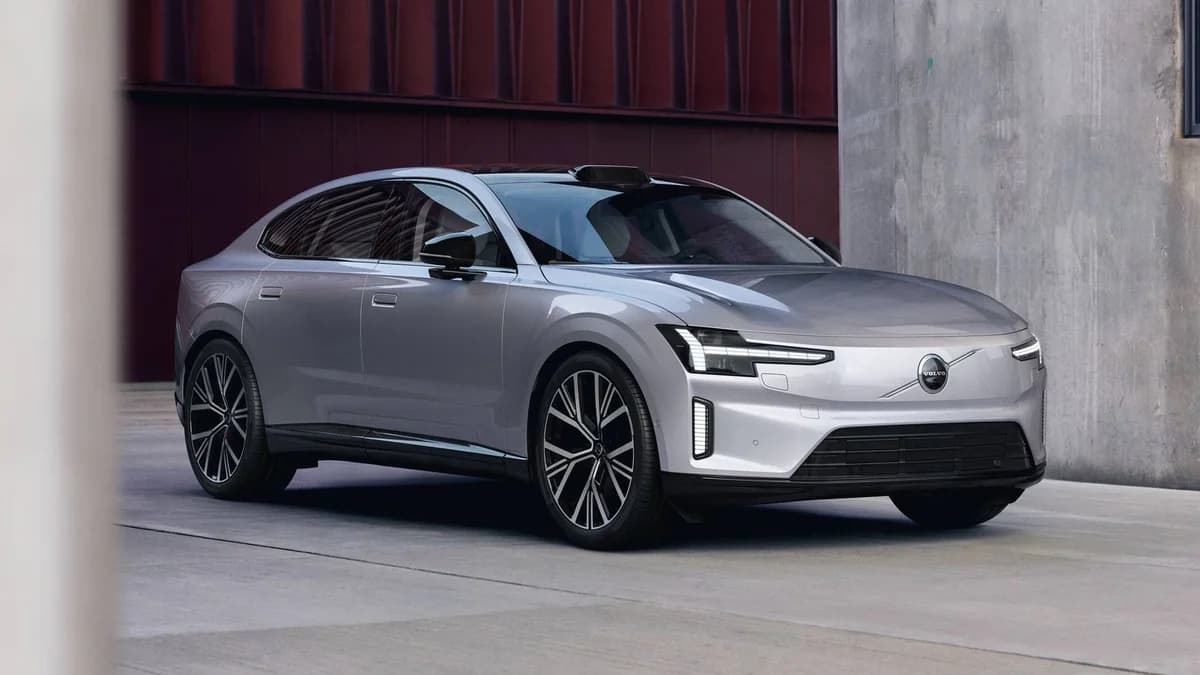
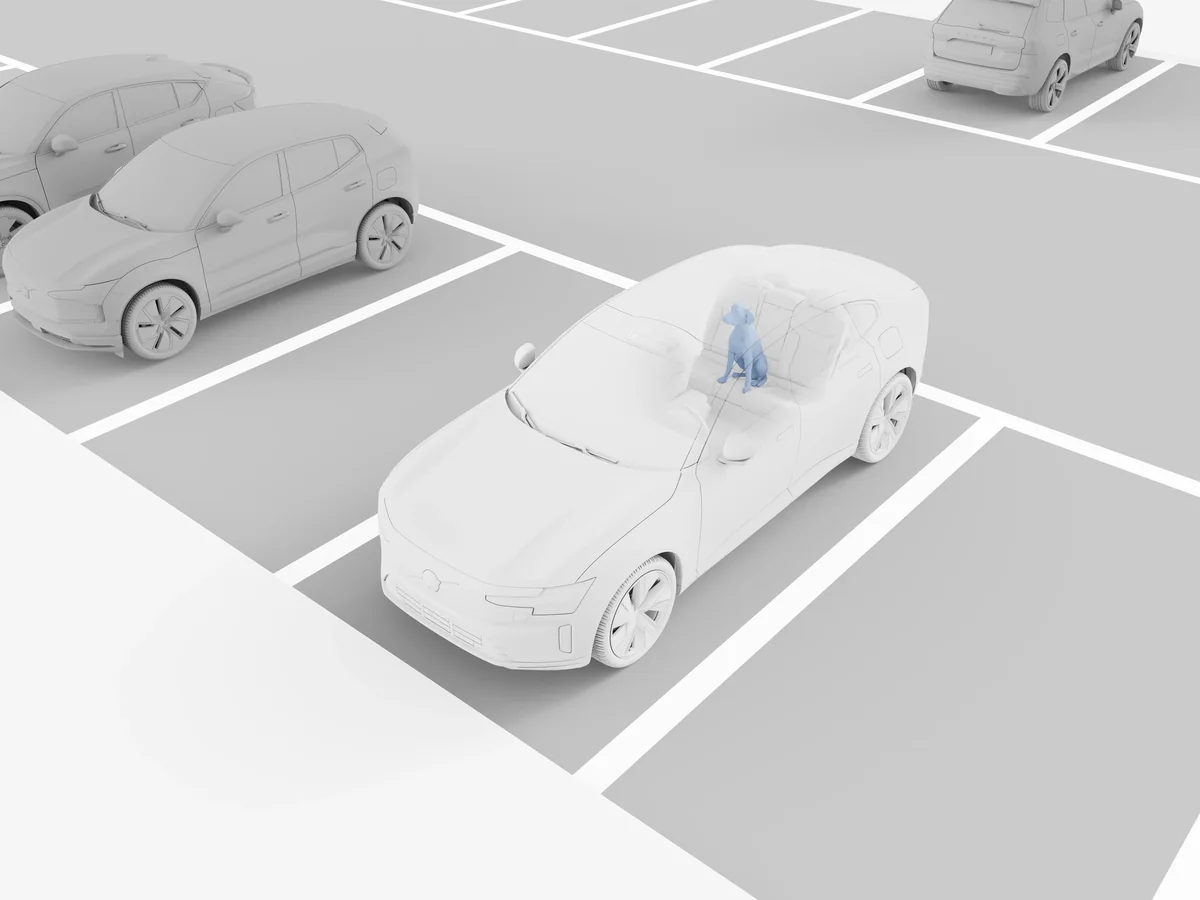
Volvo leans hard on safety tech: a lidar‑enhanced sensor suite pairs with cameras, radar and ultrasonics for robust ADAS, while an in‑car radar aims to prevent hot‑car incidents with children or pets. Reviewers note confident automated braking, solid lane‑centering and a thoughtful driver monitoring system (eyes/gaze), though the lidar “hump” and software maturity raise practical questions. Brand claims of extra‑sighted detection are largely supported by expert drives, but software reliability remains a watchpoint. Lidar plus cameras, in‑car radar, AEB for pedestrians, driver monitoring, software maturity.
Conclusion
Early impressions are scarce, but the ES90 stakes a clear claim: it’s built for long miles, calm cabins and confident safety. Its 800V fast‑charging and impressive WLTP range mean fewer stops and more motorway miles, while the 670–680 hp performance option delivers headline‑grabbing sprint times without shouting. The lidar‑backed safety sensor suite and thoughtful in‑car occupant detection add a rare peace of mind for families. A sleek 0.25 Cd aero profile pays real dividends in efficiency and wind hush. Ride quality is sumptuous thanks to dual‑chamber air suspension, though steering lacks crispness for spirited drivers. Interior space is limousine‑leaning with a practical 425 L boot, yet tall rear passengers may find headroom tight. If you prize serene long‑distance comfort, rapid charging and top‑tier safety over sporty engagement, this is a very compelling, carefully judged choice.

Feature Scores
This reflects reviews and ratings from established critics, journalists, and users who have evaluated the item. Their opinions provide a comprehensive assessment.
Performance
Driving Range
4/5
Charging Speed Capability
5/5
Energy Efficiency
4/5
Acceleration Performance
4/5
Handling and Ride Quality
4/5
Reliability and Durability
4/5
Battery Longevity
4/5
Value
Purchase Price Competitiveness
4/5
Total Cost of Ownership
4/5
Resale Value
3/5
Design
Exterior Design Appeal
4/5
Interior Materials Quality
5/5
Seating Comfort and Ergonomics
4/5
Cargo and Cabin Practicality
4/5
Health
Cabin Air Quality
4/5
Interior Material Safety
4/5
Safety
Crashworthiness
4/5
Advanced Driver Assistance Systems
5/5
Battery Safety and Thermal Management
4/5
Sustainability
Battery End-of-Life Management
3/5
Use of Recycled Materials
3/5
Operational Emissions (Well-to-Wheel)
4/5
Experience Style
Infotainment and Connectivity
4/5
Over-the-Air Software Support
4/5
Charging Ecosystem Convenience
4/5

Specifications
This section outlines the product's key facts, covering essential features, details, dimensions, materials, and any unique characteristics that define its functionality and usability.
Performance
Value
Design
Safety
Sustainability
Experience Style

Frequently Asked Questions
8 Questions

Find Yours
What is your primary intended use for an electric sedan or compact?
Answer to find your best matches.